Tag: Retailers

  • Hong Kong retail sales fall for 14th straight month in April

    Hong Kong retail sales fall for 14th straight month in April

    The continued downtrend in retail sales in Hong Kong marked its 14th consecutive month in April, as per the latest government data. Local consumers have adopted a cautious approach towards spending, and tourists from mainland China have been opening their wallets less frequently. Despite this, the decrease in sales wasn’t as significant as in March.

    In April, retail sales by value decreased by 2.3 per cent year-on-year to HK$28.9 billion (US$3.68 billion). This follows a 3.5 per cent drop in March. In terms of volume, there was a 3.3 per cent decline from the previous year, which is less than the revised 4.7 per cent fall in March.

    Despite an increase in tourists from mainland China, many were day-trippers who did not contribute significantly to retail sales. Furthermore, Hong Kong residents opted to spend more across the border, taking advantage of the strong position of the Hong Kong dollar against the Chinese yuan.

    A government spokesperson from Hong Kong highlighted the ongoing adjustments in consumption patterns and increased competition among businesses. These factors, coupled with an uncertain macroeconomic environment, pose challenges to the retail sector.

    Nonetheless, the spokesperson also noted that government initiatives to promote tourism and major events, along with steady growth in the mainland economy, are expected to boost consumer sentiment.

    The Hong Kong Tourism Board’s data showed that the number of visitors in April was 3.85 million, a 13.5 per cent increase from the same month last year. This compares with 3.82 million in March, 3.67 million in February, and 4.74 million in January.

    There were 2.81 million visitors from mainland China in April, showing a 13.3 per cent rise from a year ago. This is compared to 2.75 million in March, 2.77 million in February, and 3.73 million in January.

    In April, sales of jewellery, watches, clocks, and valuable gifts experienced a 1.7 per cent decline year-on-year, following a 3.4 per cent drop in March.

    Questions & Answers

    How has retail spending in Hong Kong changed in recent months?
    Retail spending in Hong Kong has seen a downtrend for 14 consecutive months as of April. Local consumers have been cautious in their spending, and visitors from mainland China have been spending less.

    How has tourism affected retail spending?
    Even though there has been an increase in tourists from mainland China, many are day-trippers who do not significantly contribute to retail sales. Additionally, Hong Kong residents have been spending more across the border due to the strength of the Hong Kong dollar against the Chinese yuan.

    What factors pose a challenge to the retail sector in Hong Kong?
    The ongoing changes in consumer consumption patterns, increased business competition, and an uncertain macroeconomic environment are all factors that present challenges to the retail sector in Hong Kong.

  • Chanel profit tumbles as global sales slow down

    Chanel profit tumbles as global sales slow down

    Despite witnessing a 4.3% slide in sales last year, French luxury conglomerate Chanel has committed to maintaining its heightened capital expenditure this year. The persistence of market instability, especially in Asia and the U.S., has not deterred the company from supporting its worldwide expansion plans.

    Investments and Expansions

    Chanel announced that it would continue its capital investment at the $1.8 billion mark, representing a 43% increase from the previous year, to facilitate global growth. The expansion includes 48 new store launches scheduled for this year. About half of these planned openings will occur in China and the U.S., while additional locations are set for India, Mexico, and Canada. Out of these new stores, only six will be dedicated to fashion. The remaining stores will focus on beauty, jewelry, and other categories.

    Financial Performance

    The fiscal year ending in December saw Chanel reporting revenues of $18.7 billion. However, there was a 30% decrease in operating profit. The Asia-Pacific region was notably impacted, registering a 9.3% drop in sales. North and South America also experienced a decline of 4.3%, while Europe had a modest increase of 1.2%.

    The group’s net profit decreased by 28.2% to $3.4 billion last year. This decline was attributed to difficult market conditions in certain regions.

    Market Uncertainties

    Philippe Blondiaux, the group’s Chief Financial Officer, recognized uncertainties in the market outlook, particularly concerning China and U.S. tariff policies. He noted that while there were “positive signs of stabilization” in China and Hong Kong, it was premature to determine whether these regions were on the road to recovery. He further described the ongoing tariff discussions in the U.S. as “extremely volatile”.

    Chanel increased its prices by approximately 3% last year to counter inflation. Blondiaux stated that further adjustments might be required, especially in the jewelry sector where gold prices continue to escalate.

    Looking Forward

    Despite the challenging macroeconomic and geopolitical climate, Chanel’s global CEO Leena Nair remains optimistic. She stated that while these conditions have impacted sales in some markets, the company continues to focus on long-term investments.

    Last year, Chanel appointed Matthieu Blazy as its creative director. Although there have been rumors regarding an expansion into menswear, the company clarified that there are presently no plans to venture into that category.

    Questions & Answers

    What is Chanel’s strategy in terms of capital investment?
    Chanel plans to maintain its $1.8 billion capital investment to support its global expansion.

    How did Chanel’s financial performance fare in the previous fiscal year?
    For the fiscal year ending in December, Chanel reported a revenue of $18.7 billion. However, both operating profit and net profit saw significant declines, by 30% and 28.2% respectively.

    What are Chanel’s expansion plans for the current year?
    Chanel intends to open 48 new stores across various countries, including China, the U.S., India, Mexico, and Canada. The majority of these stores will be dedicated to beauty, jewelry, and other categories.

  • Eighty Percent of Consumers Embrace AI Search for Everyday Information Needs

    Eighty Percent of Consumers Embrace AI Search for Everyday Information Needs

    The landscape of online search is undergoing a seismic shift. According to a recent report from Bain & Company, strikingly, about 60% of searches now conclude without a single click. This statistic reflects a growing reliance on AI-generated results, with approximately 80% of consumers turning to these automated answers for at least 40% of their queries. As a consequence, organic web traffic has plummeted by an estimated 15% to 25%, throwing traditional digital marketing strategies into disarray.

    AI Takes Center Stage

    Generative AI is transforming how users interact with search results. Rather than sifting through numerous pages, many find their questions answered directly on search engines, reducing the incentive to click through to external sites. This trend persists even among those who remain cautious about AI’s capabilities.

    Embracing Change in Consumer Behavior

    The shift is notable: approximately 68% of users now rely on large language models (LLMs), such as AI chatbots, for tasks ranging from research to seeking shopping advice. About 48% consult these tools for news and weather updates, while 42% use them for purchase recommendations. Natasha Sommerfeld, a partner at Bain, emphasizes the necessity for brands to adapt: “Traditional SEO is no longer sufficient. Brands must evolve or risk losing visibility in their customer journey and control over their brand positioning in a world where clicks are disappearing.”

    Strategies for the New Era

    To navigate this new reality, marketers are urged to optimize their content for AI crawlability by focusing on semantic search and high-intent, long-tail keywords. Diversifying content formats by integrating video and interactive elements is also key to capturing attention in AI-dominated search landscapes. Furthermore, brands must redefine success metrics; instead of focusing solely on click-through rates, they should measure search impressions, AI reach, and overall influence, moving beyond the narrow lens of direct conversions.

    It seems in the era of AI, even clicks are taking a backseat—talk about a change in the digital fast lane!

    Questions & Answers

    How is AI impacting online searches?
    AI is reshaping the search landscape, with many queries ending without clicks as users find answers directly on search engines.

    What should brands focus on to adapt to these changes?
    Brands need to optimize their content for AI, embrace diverse content formats, and shift their success metrics beyond traditional click-through rates.

    What percentage of consumers rely on AI for their queries?
    Approximately 80% of consumers now utilize AI-generated results for at least 40% of their search queries.

  • Korean retailers struggle amid sluggish demand

    Korean retailers struggle amid sluggish demand

    The initial quarter of 2025 has proven challenging for South Korea’s department store sector due to a slow down in local consumption that has greatly affected sales and profits. Lotte Department Store stood as the exception, recording a significant growth in profits, which has been attributed to excellent performance in overseas operations and effective internal restructure.

    Lotte Department Store’s Rise in Profits

    Lotte Department Store’s operating profit rose by 44.3% year-on-year, reaching 130 billion won in the first quarter, despite a minor decline of 1.1% in revenue to 806.3 billion won. The company attributes the profit surge to aggressive cost-efficiency measures, including shutting down underperforming stores and reinvesting in primary locations. Another contributing factor was the gain from its international business, which saw a 6.2% increase in revenue and bounced back into profitability.

    Struggles of Competitors

    Contrarily, competitors Shinsegae and Hyundai Department Store did not meet their projected performance. Shinsegae’s revenue fell by 0.8% to 659 billion won, with the operating profit decreasing by 5.1% to 107.9 billion won. Similarly, Hyundai reported a 0.8% drop in sales to 589 billion won and a 5.7% decline in operating income to 97.2 billion won.

    The downturn has been attributed to poor performance across nearly all product categories due to increasing consumer pessimism and colder-than-average winter, which negatively affected fashion sales – a category that typically makes up to 50% of annual department store revenue. According to one department store industry official, a combination of domestic and global challenges, including political instability due to emergency rule, increased trade uncertainty due to US tariff actions, and unpredictable weather conditions have all contributed to the downturn.

    E-Mart’s Successful First Quarter

    In the big-box retail sector, E-Mart led the market with an impressive first quarter. On a standalone basis, the company’s revenue grew by 10.1% year-on-year to 4.63 trillion won, while the operating profit shot up by 43.1% to 133.3 billion won, marking its best quarterly performance since 2018.

    The company’s executives credit the success to an increase in foot traffic at both its standard discount stores and warehouse-style Traders locations, indicating a resurgence in consumer interest in offline shopping despite the ongoing economic uncertainty.

    In comparison, Lotte Mart saw a modest increase in revenue by 0.3% to 1.49 trillion won, while operating profit fell sharply by 34.8% to 28.1 billion won. After excluding overseas earnings, domestic operating profit sank 73.6% from a year earlier.

    Both E-Mart and Lotte Mart have adopted low-price strategies via centralised purchasing, but analysts have noted that E-Mart’s larger scale offers it a stronger advantage in passing savings onto consumers. E-Mart’s aggressive promotions were also identified as key factors contributing to its outperformance.

    Questions & Answers

    What led to the rise in Lotte Department Store’s profits?
    The surge in Lotte Department Store’s profits can be attributed to aggressive cost-efficiency measures and a strong performance from its international business.

    What factors contributed to the struggle of Shinsegae and Hyundai Department Store?
    Poor performance across nearly all product categories, increased consumer pessimism, colder-than-average winter, and various domestic and global challenges contributed to the struggle of these department stores.

    What factors influenced E-Mart’s successful first quarter?
    An increase in foot traffic at both its standard discount stores and warehouse-style Traders locations, along with aggressive promotions, contributed to E-Mart’s successful first quarter.

  • Digital Transformation: Shaping the Future of Asian Retail

    Digital Transformation: Shaping the Future of Asian Retail

    In recent years, the Asian retail landscape has undergone a dramatic transformation powered by rapid digital innovation. Traditional brick-and-mortar models are being reshaped by a surge in online shopping, mobile payments, and customer data analytics. Retailers are increasingly leveraging technology to engage consumers and enhance operational efficiency. This shift, accelerated by changing consumer behaviors and advanced digital infrastructures, is redefining competitive strategies across the region. As retail professionals navigate these changes, they face both challenges and opportunities in balancing physical presence with digital capabilities. The following analysis explores the evolving trends that are set to define the future of Asian retail.

    Evolution of Retail in Asia: From Brick-and-Mortar to Digital Ecosystems

    Across Asia, historic retail formats are rapidly giving way to digital ecosystems that integrate online and offline experiences. Urban centers in countries like China, Japan, and India are witnessing an increasing shift from traditional stores to interactive digital platforms. This evolution is fueled by broader connectivity, greater smartphone adoption, and evolving consumer expectations for convenience and personalization. Many retailers now blend e-commerce with physical outlets, offering omnichannel services that streamline purchases and support customer engagement. This integration is transforming market operations and setting new benchmarks for service efficiency and product accessibility. Overall, this shift is paving the way for a refreshed consumer experience.

    Integrating Entertainment and Retail: The Digital Shift

    Digital innovation has blurred the lines between entertainment and retail, creating immersive experiences that drive customer engagement. Modern retailers are adopting strategies from the entertainment industry to capture the attention of tech-savvy consumers. Interactive digital displays, live-streamed events, and gamified shopping experiences are now common features in contemporary retail environments. Moreover, platforms in sectors such as online gaming offer models of user engagement that retail can emulate. For instance, some digital gaming services integrate social interaction and real-time decision-making to keep users actively involved. An example of this cross-industry innovation can be seen with Singapore online poker options, which showcase how advanced digital interfaces coupled with secure transactions can create compelling user journeys. By adopting similar interactive tools, retailers are better able to personalize experiences, boost loyalty, and differentiate themselves in a competitive market. This strategy not only enhances brand perception but also drives sustainable consumer engagement in a digitally driven era.

    Building a Digital Infrastructure for Retail Growth

    A strong digital infrastructure is the backbone of modern retail success. Retailers are investing in technologies such as cloud computing, big data analytics, and mobile platforms to ensure efficient operations and superior customer experiences. These systems enable real-time tracking of inventory and consumer behavior, allowing businesses to be agile and responsive to market changes. Such investments not only streamline operations but also foster innovation through artificial intelligence and automation. Recent research highlights that digital trade in the Asia-Pacific region has experienced robust growth. For example, there has been a marked increase in digitally deliverable exports, underscoring the importance of a solid digital foundation for business competitiveness. By prioritizing digital infrastructure, retailers are better positioned to meet evolving market demands and unlock new revenue streams in an increasingly dynamic economic landscape. Investing in these digital systems not only drives operational excellence but also prepares businesses for future challenges. This commitment is critical.

    Market Outlook and the Role of Data in Strategic Adaptation

    The post-pandemic recovery in Asia has underscored the vital role of digital readiness in retail. Consumer behavior continues to evolve rapidly, with data-driven insights guiding strategic decisions. The OECD’s Southeast Asia Economic Outlook notes modest yet consistent retail sales growth, offering a positive forecast for the sector. Retailers are now harnessing advanced analytics to understand market trends and optimize inventory management. Such data integration empowers businesses to tailor personalized shopping experiences and improve customer satisfaction. Innovative strategies, driven by real-time data, are enabling companies to anticipate consumer needs and respond swiftly to market fluctuations. By embracing digital tools and robust analytical frameworks, retailers can enhance operational efficiency and drive sustainable growth in a competitive landscape. This proactive approach improves performance and strengthens the ability to respond to evolving trends. As technology advances, data will stay central to retail transformation.

    Future Prospects and Strategic Lessons for Retail Leaders

    Looking ahead, the convergence of digital and physical retail promises to redefine consumer interaction across Asia. Retailers are increasingly adopting hybrid models that integrate seamless online processes with personalized in-store experiences. Innovative technologies such as augmented reality and artificial intelligence are set to transform shopping, offering immersive environments that captivate modern consumers. Companies that invest in these technologies are likely to gain a competitive edge in a fast-evolving market. Moreover, sustainable retail growth will depend on agility, data-driven decision-making, and continuous innovation. For example, Alibaba is betting big on Vietnam’s e-commerce potential, which highlights successful strategies in digital transformation. In this era of rapid change, strategic foresight and technology adoption remain essential for long-term success and market leadership. Retail leaders must innovate to anticipate evolving industry trends and maintain a competitive position. Innovation and data will drive retail success.

  • VN-Index Achieves Third Consecutive Session of Gains in Retail Sales

    VN-Index Achieves Third Consecutive Session of Gains in Retail Sales

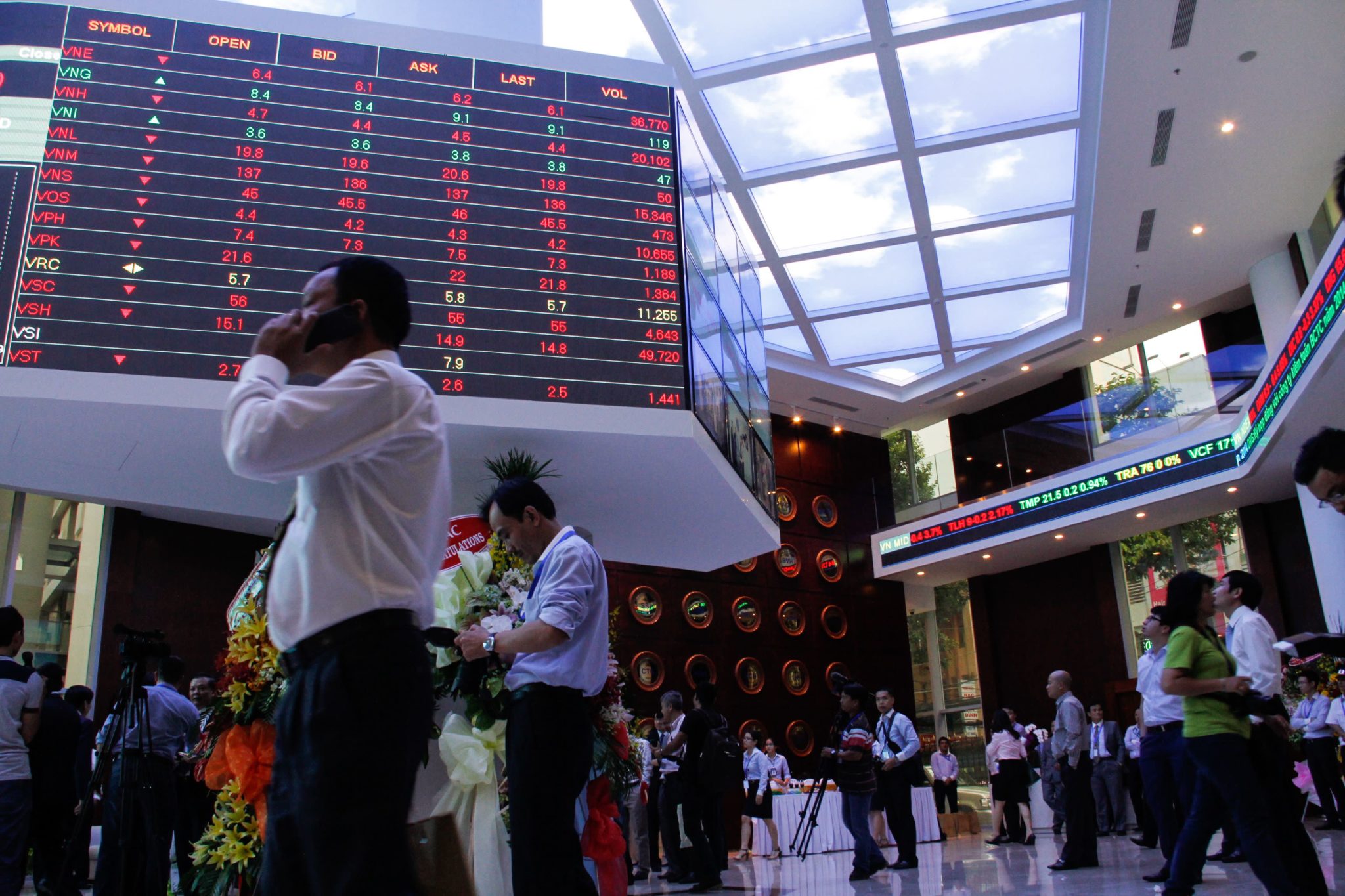
    Vietnam’s benchmark VN-Index experienced a notable increase of 0.68% on Wednesday, reaching 1,250.37 points. This marks a positive trend to kick off the month, as the index continues its three-day upward trajectory.

    Trading Highlights

    The VN-Index closed 8.42 points higher, following a previous gain of 1.9 points. Despite this rise, trading activity on the Ho Chi Minh Stock Exchange saw a decline of 3.4% from the previous session, totaling VND17.2 trillion (approximately USD 662.6 million).

    Key Stock Performances

    Within the VN-30 basket, which includes the 30 largest stocks by market capitalization, 14 companies reported positive gains.

    • Vingroup (VIC) surged by 4.11%, demonstrating strong performance as part of Vietnam’s retail news landscape.
    • Bao Viet Holdings (BVH) rose by 3.16%, reflecting increasing consumer trends in the insurance sector.
    • Vietnam Rubber Group (GVR) climbed 2.26%, signaling positive growth within the commodity market.

    Conversely, several blue-chip stocks stumbled:

    • Masan Group (MSN) fell by 1.77%.
    • HDBank (HDB) slid down by 1.41%.
    • SSI Securities Corporation (SSI) experienced a drop of 1.3%.

    Foreign Investment Insights

    Amidst these fluctuations, foreign investors emerged as net buyers, investing approximately VND900 billion. Top purchases included shares from Dat Xanh Group (DXG) and Nam Long Investment Corp (NLG), indicating strong interest in the real estate market.

    In parallel, the HNX-Index for mid and small-cap stocks on the Hanoi Stock Exchange rose by 0.55%, while the UPCoM-Index dipped slightly by 0.02%.

    Conclusion: Impact on the Retail Sector

    The steady increase in the VN-Index reflects a robust sentiment in the market, which could encourage further investments in various sectors, including retail and real estate. As consumer demand continues to surge, brands are expected to expand their presence while adapting to emerging consumer trends.

    Questions & Answers

    1. What is the current status of the VN-Index? The VN-Index has risen 0.68% to 1,250.37 points, marking its third consecutive gain.

    2. Which stocks contributed to the VN-Index’s rise? Key performers include Vingroup (VIC), Bao Viet Holdings (BVH), and Vietnam Rubber Group (GVR), all showing significant increases.

    3. How are foreign investors participating in the market? Foreign investors were net buyers, investing around VND900 billion, with a focus on stocks from Dat Xanh Group and Nam Long Investment Corp.

  • Top Financial Leaders Gather in Zurich to Discuss Retail Trends

    Top Financial Leaders Gather in Zurich to Discuss Retail Trends

    Top leaders from the realms of politics, finance, and technology will converge in Zurich for the highly anticipated third edition of the Point Zero Forum. This event, taking place from May 5 to 7, 2025, aims to address pivotal issues impacting the financial sector amid changing market dynamics.

    A Call for Trust and Stability

    Recent turbulence in financial markets has heightened awareness of the need for trust and stability, elements essential for fostering innovation and sustainability within the industry. The Point Zero Forum offers a vital space for high-level discussions focused on the future of global finance.

    Key Themes for Discussion

    As part of its agenda, this year’s forum will tackle several pressing topics relevant to the evolution of financial systems:

    • Path to Europe’s Technology Independence: Explore strategies for Europe to build a solid policy and infrastructure foundation that ensures digital sovereignty.
    • Demographic Challenges: Identify innovative policies that can bolster social and economic inclusion amid significant demographic transitions.
    • Startup Founders Spotlight: Examine how Europe’s entrepreneurial landscape can harness innovation and funding to enhance economic resilience and global competitiveness.

    Esteemed Speakers Lead the Dialogue

    The forum features an impressive lineup of distinguished speakers, including:

    • Guy Parmelin – Swiss Minister at the Federal Department of Economic Affairs and Research
    • Martin Schlegel – Chairman of the Governing Board, Swiss National Bank
    • Andrea Maechler – Deputy General Manager, Bank for International Settlements (BIS)
    • Axel Weber – Former UBS Chairman
    • Mike Dragan – Group Chief Operations and Technology Officer, UBS Group
    • Dirk Klee – Head of BlackRock Switzerland

    A Collaborative Effort

    The Point Zero Forum is jointly organized by the Swiss State Secretariat for International Financial Matters (SIF) and the Global Finance & Technology Network (GFTN), an initiative pioneered by the Monetary Authority of Singapore (MAS).

    As this prestigious gathering brings together top decision-makers, it is poised to inspire actionable insights and collaborative strategies that could reshape the future of the global financial landscape. The outcomes from the forum may significantly influence retail news, consumer trends, and the broader marketplace, ensuring that stakeholders are equipped to navigate the complexities of an ever-evolving financial world.

  • OpenAI Enhances ChatGPT for Smarter Retail Searches and Product Picks

    OpenAI Enhances ChatGPT for Smarter Retail Searches and Product Picks

    OpenAI Launches Personalized Product Recommendations with GPT-4o Model

    In an exciting development for both consumers and retailers, OpenAI has unveiled its latest update to ChatGPT, introducing personalized product recommendations. This new feature, available in the GPT-4o model, will enhance the online shopping experience with tailored recommendations, complete with images, reviews, and direct purchase links.

    Global Rollout of Enhanced Features

    OpenAI confirmed that this update will be accessible to all users worldwide, including Free, Plus, and Pro accounts, as well as those not logged in. The rollout signifies a significant step in making AI assistant tools more user-friendly and commercially viable, aligning closely with evolving consumer trends in retail.

    Tailored Shopping Experience

    Users can now expect personalized shopping suggestions across a variety of categories such as fashion, beauty, electronics, and home goods. The recommendations are generated based on users’ queries, ensuring that the suggestions are relevant and appealing. This feature is designed to enhance consumer engagement and streamline the decision-making process when shopping online.

    Commitment to Transparency and User Experience

    Notably, OpenAI has emphasized that the recommendations will be free from advertisements, and the company will not earn commissions from any purchases. This commitment to transparency ensures that users can make informed decisions based on unbiased data, including structured information about prices, descriptions, and reviews sourced from trusted third parties.

    Significant Growth in User Adoption

    Since the introduction of its web browsing feature last year, OpenAI has witnessed remarkable growth in user engagement, reporting over 1 billion web searches conducted in the past week alone. This surge underscores the increasing reliance on AI tools in navigating retail options and informs a dynamic landscape for online shopping.

    Implications for Retail and Consumer Behavior

    OpenAI’s move to integrate personalized recommendations could redefine the retail sector by enhancing the customer journey and fostering brand loyalty. As consumers increasingly seek personalized experiences, this capability positions OpenAI—and its partners—to meet rising expectations while potentially reshaping the future of e-commerce.

  • Xin Yun Tan Emphasizes Self-Growth and Self-Care for Retail Success

    Xin Yun Tan Emphasizes Self-Growth and Self-Care for Retail Success

    Embracing Growth and Purpose: Insights from Xin Yun Tan

    A Dynamic Leadership Journey

    In a candid interview, Xin Yun Tan, Partner for Operations at Multipolitan, shares her perspectives on personal growth, resilience, and the art of leadership. Known for her collaborative spirit and adaptability, Tan emphasizes the importance of self-care and authenticity in today’s fast-paced work environment.

    The Joy of Diversity in Team Dynamics

    Tan revels in the opportunity to collaborate with a diverse team, describing her colleagues as unique, passionate, and full of life. This dynamic environment fuels her creativity and drives innovation, making each day at work inspiring and fulfilling.

    Advice to the Younger Generation

    When asked what advice she would give to her 20-year-old self, Tan encourages embracing change as a catalyst for growth. “Never let fear hold you back,” she advises, emphasizing that every challenge is an opportunity for self-improvement.

    Resilience: A Personal Triumph

    Proud of her ability to quickly bounce back from setbacks, Tan reflects on her past struggles with fear and doubt. What once felt like a defeat became a critical turning point, teaching her the importance of self-trust and resilience.

    Bold Challenges Ahead

    Currently, Tan is pushing her limits by confronting her fears head-on, including a daring skydiving experience planned for her upcoming trip to Dubai. “It’s all about challenging yourself to grow,” she states, embodying her philosophy of self-advancement.

    Sustainable Fashion Choices

    As a champion of sustainability, Tan favors the local brand “Little Match Girl,” which prioritizes eco-friendly materials and waste-minimizing production methods. Her choice reflects a growing consumer trend towards ethical fashion in today’s retail landscape.

    A Multidimensional Role

    Describing her role at Multipolitan, Tan highlights the unique blend of high-level strategy and hands-on problem-solving that defines her daily tasks. This multidimensional approach requires agility and quick thinking, keeping her on her toes.

    Driven by Purpose

    Tan’s personal drive stems from a profound desire to make a meaningful impact while staying true to herself. She emphasizes the importance of aligning one’s purpose and passion in a way that fosters positive change and personal satisfaction.

    Building Strong Relationships with Employees

    Valued for her empathy and support, Tan is committed to her employees’ growth beyond just performance metrics. “I invest in their development,” she shares, fostering a work environment centered around collaboration and open communication.

    Investing in Self

    For Tan, the best investment is always in herself. She prioritizes self-care and mindfulness, believing that maintaining a healthy mindset is key to achieving long-term success and fulfillment.

    Conclusion: A Leader Shaping the Future of Retail

    Xin Yun Tan’s insights highlight a transformative approach to leadership, emphasizing resilience, empathy, and sustainability. As retail continues to evolve, her philosophy could inspire others in the industry to prioritize personal growth and consumer-conscious practices, paving the way for a more ethical and responsive retail sector.

  • Exploring the Impact of Retail News Asia: A Historical Perspective

    Exploring the Impact of Retail News Asia: A Historical Perspective

    Retail News Asia has been a key source of retail industry news in Asia for 13 years. This online platform provides valuable information, market trends, and breaking news to businesses and consumers navigating the ever-changing retail landscape in Asia.

    Whether it’s about local market developments or international brand expansions, Retail News Asia has played a significant role in shaping the understanding of retail dynamics in the region. Its extensive coverage helps industry professionals make informed decisions while keeping consumers updated on the latest retail innovations and trends.

    In this article, we will explore the history and impact of Retail News Asia, looking at how this news platform has influenced and documented the growth of Asian retail markets since it started.

    The Founding and Evolution of Retail News Asia

    Retail News Asia was founded in 2010 during a time of significant change in the retail industry in Asia. The founders saw that there was a lack of specialized news coverage for the retail sector in the region, and they wanted to fill that gap. Their goal was to create a platform where retail professionals could find information about market trends, industry developments, and important news stories.

    Initial Focus on Traditional Retail

    When Retail News Asia first started, it primarily targeted:

    • Retail executives: High-level decision-makers in the retail industry
    • Business owners: Individuals who own and operate retail businesses
    • Decision-makers: People in positions of authority who make choices about business strategies

    The early content on the platform focused mainly on traditional retail formats such as physical stores and shopping centers. It also covered developments in major Asian economies like China, India, and Japan.

    Adapting to Digital Transformation

    As technology began to reshape the retail landscape in Asia, Retail News Asia recognized the need to adapt its coverage accordingly. The platform expanded its reporting to include:

    1. E-commerce reporting: Analyzing trends in online shopping and digital marketplaces
    2. Digital innovation: Covering technological advancements that are transforming the way products are sold
    3. Cross-border retail: Providing updates on international brands entering or expanding within Asian markets
    4. Consumer behavior: Exploring shifts in consumer preferences and buying habits

    This evolution reflects the dynamic nature of Asia’s retail industry, where both traditional and digital channels coexist.

    Serving a Broader Audience

    Over time, Retail News Asia has broadened its audience beyond just executives and decision-makers. It now caters to various stakeholders within the retail ecosystem, including:

    • Small business owners looking for insights into industry trends
    • Corporate executives seeking strategic information about competitors or partners
    • Professionals working in related fields such as marketing, logistics, or finance who want to stay informed about retail developments

    By being flexible and responsive to changes in the market, Retail News Asia has established itself as an indispensable resource for anyone interested in understanding Asia’s complex and ever-evolving world of commerce.

    Comprehensive Coverage of Diverse Asian Retail Markets

    Retail News Asia stands as a vital information hub, delivering in-depth coverage across Asia’s diverse retail landscape. The platform’s reporting spans multiple retail segments:

    Local Market Coverage

    • Traditional brick-and-mortar stores
    • Family-owned businesses
    • Regional retail chains
    • Pop-up retail concepts

    Digital Commerce Focus

    • E-commerce platforms
    • Mobile commerce innovations
    • Social commerce trends
    • Digital payment solutions

    The platform’s geographic footprint extends throughout key Asian markets:

    • Southeast Asia: Singapore, Thailand, Malaysia, Indonesia, Vietnam
    • East Asia: China, Japan, South Korea, Hong Kong
    • South Asia: India, Bangladesh, Sri Lanka

    Retail News Asia’s sector coverage reflects the region’s retail diversity:

    • Fashion and apparel
    • Consumer electronics
    • Fast-moving consumer goods (FMCG)
    • Luxury brands
    • Food and beverage
    • Beauty and cosmetics
    • Home and lifestyle

    This comprehensive approach ensures readers stay informed about market developments across different retail categories. The platform’s reporting captures both established retail giants and emerging local players, providing valuable insights into market dynamics and consumer behavior patterns across Asia’s varied retail environments.

    Timely Updates Through a Strategic Content Approach

    Retail News Asia’s content strategy demonstrates its commitment to delivering real-time retail intelligence. The platform’s dedicated team curates and publishes 50+ fresh stories weekly, ensuring readers stay ahead of market developments and emerging trends.

    The platform’s strategic approach includes:

    • 24/7 News Monitoring: A dedicated editorial team tracks retail developments across time zones
    • Multi-source Verification: Cross-referencing information from industry experts, company announcements, and market analysts
    • Rapid Response Publishing: Quick turnaround time from news break to publication
    • Digital-first Distribution: Optimized content delivery through web, mobile, and social platforms

    Retail News Asia maintains high journalistic standards while meeting the demands of fast-paced digital publishing. Each story undergoes thorough fact-checking without compromising the urgency of breaking news. The platform’s content mix includes:

    • Breaking news updates
    • In-depth market analysis
    • Expert interviews
    • Company profiles
    • Industry reports

    The platform leverages advanced digital tools to streamline content distribution. Its mobile-responsive website, automated newsletters, and social media integration ensure readers receive updates through their preferred channels. This multi-channel approach has proven effective in reaching busy retail professionals who require instant access to market intelligence.

    Impactful Reach and Influence on Asian Retail Stakeholders

    Retail News Asia’s influence extends far beyond simple news reporting, reaching an impressive 13.6 million readers across the Asia-Pacific region and globally. This substantial readership base includes:

    • Industry decision-makers
    • Retail entrepreneurs
    • Market analysts
    • Investment professionals
    • Retail technology innovators

    The platform’s impact on the Asian retail landscape manifests through its role as a trusted information source shaping critical business decisions. Small shop owners utilize market insights to adapt their business strategies, while large corporations rely on the platform’s comprehensive analysis for regional expansion plans.

    The platform’s influence is evident in several key areas:

    1. Market Entry Strategies: Companies use Retail News Asia’s insights to evaluate potential markets
    2. Technology Adoption: Retailers stay informed about emerging retail technologies
    3. Consumer Trend Analysis: Businesses track shifting consumer preferences
    4. Competitive Intelligence: Organizations monitor industry movements and competitor activities

    Retail News Asia’s reporting has become instrumental in identifying emerging retail trends, from the rise of social commerce to the adoption of contactless payment systems. The platform’s analysis helps businesses anticipate market shifts and adapt their strategies accordingly, creating a ripple effect across the Asian retail ecosystem.

    Looking Ahead: The Future of Retail News Asia

    The next chapter in Retail News Asia’s journey promises exciting developments as technological advancements reshape the media landscape. The platform is poised to embrace innovative content formats, including:

    • Interactive Data Visualization – transforming complex market trends into engaging, easy-to-understand visual stories
    • AI-Powered Personalization – delivering tailored content based on individual reader preferences and behavior patterns
    • Immersive Multimedia Experiences – incorporating virtual reality tours of retail spaces and augmented reality product demonstrations

    The platform’s role as a specialized regional news source remains crucial for Asia’s retail ecosystem. Its targeted focus on local markets, combined with global retail insights, positions it uniquely to:

    • Guide retailers through digital transformation
    • Spotlight emerging market opportunities
    • Connect businesses across borders
    • Foster innovation in retail practices

    As retail continues to evolve in Asia, Retail News Asia stands ready to adapt its coverage while maintaining its core mission: delivering valuable, actionable insights to the region’s retail community.

  • Navigating the Retail Landscape in Southeast Asia: Key Challenges for 2025

    Navigating the Retail Landscape in Southeast Asia: Key Challenges for 2025

    Southeast Asia’s retail scene in 2025 is a booming hub of growth and potential, fueled by a young, tech-savvy population of over 600 million consumers. The region’s retail market has evolved into a vibrant ecosystem where traditional shopping meets digital innovation.

    The numbers tell a compelling story:

    • Modern grocery retail growth: 6-7% annual increase
    • Rising middle class: 350 million by 2025
    • Digital economy value: Projected to reach $300 billion

    Southeast Asia has become an important retail center, attracting both global brands and local entrepreneurs. The region’s diverse features – from bustling traditional markets in Jakarta to upscale shopping centers in Singapore – offer a wide range of retail experiences.

    However, this promising landscape also comes with its own challenges:

    • Market Fragmentation: Each country has its own unique consumer behaviors
    • Digital Transformation: Rapid shift towards omnichannel retail
    • Economic Pressures: Inflation and changing consumer spending patterns
    • Infrastructure Gaps: Varying levels of development across regions

    For retailers aiming for success in Southeast Asia’s 2025 market, understanding these dynamics is crucial. The combination of traditional retail practices with emerging technologies, along with changing consumer preferences, presents both opportunities and obstacles that require strategic navigation.

    Economic and Consumer Factors Impacting Retail Growth in Southeast Asia

    The retail landscape in Southeast Asia is facing significant challenges due to ongoing economic issues, particularly inflation, which is influencing how consumers behave. Recent data indicates that inflation rates are hovering between 3.5% to 6% in major Southeast Asian markets, directly affecting the volume of retail sales.

    Key Inflation Effects on Retail:

    • Reduced discretionary spending
    • Shift towards essential goods
    • Increased price sensitivity
    • Trading down to cheaper alternatives

    The expected trend of decreasing inflation in 2025 brings some hope for retailers. Economic forecasts suggest that inflation rates will drop to 2-3% across the region, potentially releasing pent-up consumer demand. This easing could lead to increased spending in previously affected categories such as electronics, fashion, and dining.

    Consumer confidence remains fragile due to ongoing financial pressures. A recent Nielsen survey reveals that 65% of Southeast Asian consumers are actively looking for ways to save money. This change in behavior has created distinct market dynamics:

    Impact on Retail Segments:

    • Discount retailers are seeing a 15-20% growth in their customer base
    • Fast-food chains are experiencing an 8-12% decline in average transaction value
    • Private label products are gaining a 25% market share
    • Budget-friendly retail formats are expanding their presence

    The current economic situation has altered how people make purchases, with 72% of consumers prioritizing value over brand loyalty. Retailers who adapt their pricing strategies and product offerings to align with these changing preferences are better positioned to capture market share.

    Navigating Market Structure and Competitive Landscape Challenges

    Southeast Asia’s retail landscape presents a unique contrast between traditional and modern retail formats. Traditional trade channels – wet markets, mom-and-pop stores, and street vendors – account for 70-80% of grocery spending across the region. These establishments maintain their dominance through personalized service, convenient locations, and cultural familiarity.

    Modern retail formats have gained significant momentum, growing at 15-20% annually in key markets like Indonesia, Vietnam, and the Philippines. Key drivers include:

    • Rising middle-class populations
    • Increasing urbanization
    • Growing preference for organized shopping experiences
    • Enhanced product variety and quality assurance

    Digital ecosystem players have intensified market competition. Companies like Grab, GoTo, and Sea Limited leverage their extensive user bases to expand into retail services. These tech giants offer:

    • Integrated shopping experiences
    • Sophisticated loyalty programs
    • Advanced data analytics capabilities
    • Seamless payment solutions

    The retail sector’s focus has shifted from aggressive expansion to sustainable profitability. This transition brings operational challenges:

    • Supply chain optimization across multiple channels
    • Last-mile delivery efficiency
    • Inventory management across online and offline platforms
    • Integration of legacy systems with new digital infrastructure

    Physical retailers face mounting pressure to develop omnichannel capabilities. Success requires balancing traditional retail strengths with digital innovation while maintaining operational efficiency in an increasingly complex market environment.

    Overcoming Operational and Technological Hurdles for Retail Success

    Digital transformation is crucial for Southeast Asian retailers in 2025. With the help of advanced data analytics, retailers can:

    • Create highly personalized marketing campaigns
    • Predict inventory needs accurately
    • Optimize pricing strategies on the spot

    Key Digital Transformation Priorities:

    Retailers should focus on the following areas for their digital transformation efforts:

    1. Implementing AI-powered demand forecasting systems
    2. Integrating cloud-based inventory management solutions
    3. Deploying smart POS systems with built-in analytics
    4. Developing customer data platforms for personalized experiences

    The automation of value chains brings great opportunities for improving operations. Leading retailers are putting their money into:

    • Robotic process automation for warehouse operations
    • Smart shelving systems with electronic price tags
    • Automated replenishment systems
    • AI-powered quality control mechanisms

    Strategic partnerships are essential for creating flexible supply chains throughout Southeast Asia. Successful retailers are doing the following:

    1. Working together with local logistics providers for last-mile delivery
    2. Joining forces with tech startups to find innovative solutions
    3. Building connections with multiple suppliers to ensure resilience
    4. Establishing data-sharing networks with key stakeholders

    Implementing these technological solutions requires a significant investment in infrastructure and talent development. Retailers need to find a balance between the costs of implementation and the long-term benefits of improved operational efficiency and enhanced customer experience.

    Emerging Tech Solutions in SEA Retail:

    Here are some emerging technologies that have the potential to revolutionize the retail industry in Southeast Asia:

    • Blockchain for supply chain transparency
    • IoT devices for real-time inventory tracking
    • Machine learning for predictive maintenance
    • Edge computing for faster data processing

    Addressing Regulatory Environment and Property Development Issues in Southeast Asian Retail Markets

    Southeast Asian retail markets have a complicated set of rules that are different in each country. For example, in Vietnam, foreign retailers must go through strict requirements called Economic Needs Testing (ENT) before they can open stores. Malaysia has specific policies for Bumiputera ownership, while Indonesia requires certain retail operations to have local partnerships.

    Key Regulatory Challenges:

    • Different licensing requirements per country
    • Foreign ownership restrictions
    • Local content requirements
    • Varying tax structures
    • Complex import regulations

    Property development for retail spaces is facing increasing pressures in 2025:

    Rising Costs and Space Constraints:

    • Construction material costs up 15-20% due to inflation
    • Prime retail space rental increases in major cities
    • Limited land availability in urban centers
    • Strict zoning regulations

    Infrastructure gaps create additional hurdles for retail development. Bangkok’s traffic congestion impacts delivery times, while Manila’s port congestion affects supply chain efficiency. Jakarta’s flooding risks require extensive mitigation measures in retail property development.

    Local partnerships emerge as a vital strategy to navigate these challenges. Retailers like Aeon and Central Group demonstrate success through joint ventures with local property developers, enabling better understanding of regulatory nuances and access to prime locations.

    The regulatory landscape pushes retailers toward innovative solutions. Mixed-use developments gain popularity, combining retail spaces with residential and office components to maximize land use efficiency. Smart building technologies help optimize space utilization and reduce operational costs amid rising inflation.

    Meeting Evolving Consumer Expectations: Strategies for Retailers in 2025

    Southeast Asian consumers in 2025 have sophisticated preferences, pushing retailers to adapt their strategies. Market research indicates a 70% increase in demand for fresh, organic produce and sustainable products across major urban centers like Singapore, Jakarta, and Bangkok.

    Key consumer trends shaping retail strategies:

    Health-conscious purchasing

    • Premium fresh produce sections
    • Organic food departments
    • Plant-based alternatives
    • Wellness product ranges

    Sustainability focus

    • Eco-friendly packaging
    • Locally sourced products
    • Transparent supply chains
    • Carbon footprint labeling

    Private-label offerings emerge as a critical strategy for retailers to meet these evolving preferences while managing inflation pressures. Leading retailers in Thailand and Malaysia have expanded their private-label ranges by 40%, introducing premium sustainable product lines at competitive price points.

    Successful retailers implement:

    1. Clear product origin labeling
    2. Digital tracking systems for supply chain transparency
    3. Partnerships with local organic farmers
    4. Sustainability certification programs
    5. Personalized healthy lifestyle recommendations

    Vietnamese retail chain VinMart exemplifies this adaptation, launching a “Green Living” private label that combines affordable pricing with sustainable packaging, capturing a 15% market share in their fresh produce category within six months.

    Exploring Emerging Opportunities in Southeast Asian Retail Markets

    Southeast Asian retailers can tap into significant growth potential through strategic technological integration and innovative revenue streams. The digital transformation of retail presents lucrative opportunities for businesses ready to embrace change.

    Building Integrated Tech Ecosystems

    • Smart retail solutions powered by AI and IoT
    • Unified commerce platforms connecting online and offline channels
    • Mobile-first payment solutions catering to the region’s digital natives
    • Data analytics platforms for real-time inventory management
    • Virtual try-on experiences using AR technology

    Retail Media Networks: A New Revenue Frontier

    • Digital advertising spaces within retail apps and websites
    • Targeted promotional campaigns using first-party customer data
    • Brand partnerships through in-store digital displays
    • Personalized shopping recommendations based on purchase history
    • Location-based marketing initiatives

    The rise of super apps in Southeast Asia creates opportunities for retailers to integrate their services into existing digital ecosystems. Companies like Grab and Gojek demonstrate the potential of combining retail, delivery, and financial services into unified platforms.

    Local retailers can differentiate themselves by developing proprietary tech solutions tailored to regional preferences. Examples include:

    • QR code payment integration
    • Voice commerce in local languages
    • Social commerce features
    • Live shopping capabilities
    • Cross-border e-commerce solutions

    These technological advancements position Southeast Asian retailers to capture market share while building sustainable competitive advantages in an increasingly digital retail landscape.

    Conclusion

    The retail landscape in Southeast Asia presents a complex mix of challenges and opportunities for 2025. Success depends on retailers’ ability to find a delicate balance between aggressive growth strategies and sustainable operational practices.

    Key success factors for retailers include:

    • Maintaining operational efficiency while navigating diverse regulatory frameworks
    • Building robust technological infrastructure for seamless customer experiences
    • Implementing sustainable practices that resonate with conscious consumers
    • Creating agile business models adaptable to market shifts

    The future belongs to retailers who can harmonize these elements while staying true to local market nuances. Those who master this balancing act will emerge as leaders in Southeast Asia’s promising retail sector, turning challenges into stepping stones for sustainable growth and market leadership.

  • Lawson reveals ambitious Southeast Asian expansion plan

    Lawson reveals ambitious Southeast Asian expansion plan

    Japanese convenience store chain Lawson plans to raise its store count in overseas markets and accelerate growth in Southeast Asia over the coming years.

    The chain is targeting 14,000 overseas stores over the next six years. Its international network currently includes 7400 locations in China, Thailand, the Philippines, Indonesia and the US state of Hawaii.

    The retailer also plans to boost growth in Southeast Asia by entering franchise agreements with local retail partners and opening directly managed stores. However, it did not reveal the new markets under evaluation.

    In addition, the company will look into the possibility of expanding to additional countries.

    Founded in 1975, Lawson has about 14,600 domestic stores. As of the end of last year, Japan had approximately 55,736 convenience stores, according to local statistics.

    While the top three convenience chains – Lawson, 7-Eleven and FamilyMart – are projected to achieve a net increase of up to about 400 stores this fiscal year, the industry faces fierce competition from drugstores and online retailers.

    Last August, Lawson shifted to a joint management system involving trading house Mitsubishi Corp and telecommunications operator KDDI to develop products that fit customer tastes and introduce tech-driven services.

  • Indonesia’s e-commerce market tipped to exceed $46 billion

    Indonesia’s e-commerce market tipped to exceed $46 billion

    E-commerce transaction values are growing steadily in Indonesia, with the market size up from $18.2 billion in 2020 to $40.8 billion last year.

    According to data and analytics company GlobalData, this represents a compound annual growth rate (CAGR) of 22.3 per cent.

    With such a growth pace, GlobalData forecasts the Indonesian e-commerce market to reach $46.6 billion in value this year.

    Government initiatives to improve digital infrastructure and online transaction security have contributed to this market growth, the research house reports.

    To protect traditional businesses and online marketplaces, and to reduce online fraud, the Indonesian Ministry of Trade issued a ban on social media e-commerce transactions in 2023, improving consumer confidence.

    GlobalData’s 2024 Financial Services Consumer Survey found that alternate payment methods held a market share of 49.3 per cent in the e-commerce payment landscape due to their convenience, speed, and security.

    Mobile wallets such as GoPay and Dana have gained popularity among consumers, with GoPay seeing 30 million downloads last July.

    The survey found that bank transfers held a 30.2 percent market share, particularly for high-value transactions, attributed to perceived security and the direct nature of the process.

    The use of cards for e-commerce transactions was just 7.5 percent, according to the survey.

    A preference for credit cards was seen due to the benefits offered, such as reward programs, cashback, interest-free installment payment options, and discounts.

    “Looking ahead, Indonesia’s e-commerce market value is projected to grow at CAGR of 12 per cent from 2025 to 2029. The growth will be driven by several key trends, including the continued expansion of digital payment solutions, the increasing penetration of smartphones and internet connectivity, and the rising demand for convenient and secure online shopping experiences,” said GlobalData banking and payments analyst Siddharth Das.

  • Vietnam eyes to begin high-speed rail construction in 2026

    Vietnam eyes to begin high-speed rail construction in 2026

    Prime Minister Pham Minh Chinh has ordered the Ministry of Construction to expedite procedures to commence construction of the North-South high-speed railway project by the end of next year.

    According to a government release on Saturday, the PM wants the bidding mechanism completed this month so the National Assembly can review it for approval next month.

    This would push the construction date one year earlier than the original plan.

    The railway, one of Vietnam’s most ambitious transportation projects in this decade, was approved for investment by the National Assembly in November last year with a preliminary cost of approximately VND1.7 quadrillion (US$67 billion).

    The 1,541-km route will start at in Hanoi and end in Ho Chi Minh City, passing through 20 localities.

    It will be designed for speeds of up to 350 kilometers per hour. It includes 23 passenger stations and 5 freight stations.

    The government also eyes to start building the Lao Cai – Hanoi – Lang Son railway in December. It will be a key project linking the capital with China-bordering provinces.

    Concerning another northern rail project, Lao Cai – Hanoi – Hai Phong, officials are set to negotiate with their Chinese counterparts next month and a loan agreement is expected to be signed in November.

    The government has also tasked Hanoi and HCMC with reviewing their plans to build and acquire loans for more metro routes.

  • Return to Sender: Rethinking Retail Returns

    Return to Sender: Rethinking Retail Returns

    As major sales events reshape Asia’s retail landscape, brands must prepare for a surge in online purchases—and the subsequent rise in retail returns. With processing costs climbing and consumer expectations for seamless experiences higher than ever, efficient returns management has become essential for preserving margins and ensuring customer satisfaction.

    Across all retail sectors, the average return rate is approximately 17%. However, in the fashion industry, that figure is significantly higher, reaching 30%. This indicates that returns are not just a reality—they are a fundamental part of the online shopping experience. For example, the latest data shows that Australians purchase more clothing per capita than any other country, with an average of 56 items per year – of which, roughly one in three garments is returned to retailers.

    As these figures demonstrate, the challenge of managing returns is growing. Consumers today expect a hassle-free, fast, and convenient returns process, and they are increasingly making decisions based on the quality of a retailer’s return policy. This makes it even more critical for retailers to rethink their approach to returns, not just as a necessary cost, but as a potential opportunity to enhance customer loyalty and streamline operations.

    The Consumer’s Evolving Expectations

    Today’s consumers demand consistent, personalised experiences across all touchpoints—whether it’s in-store or online. They expect a range of payment options, faster refunds, and the ability to access products whenever and wherever they want. This level of convenience and flexibility is only achievable through a true omnichannel approach that integrates seamlessly across platforms.

    Returns are no exception. Customers want to return items in the most convenient way possible, whether that means in-store returns and exchanges, or at-home returns collection. Such offerings not only streamline the process but also enhance the post-purchase experience, which is vital for building trust and long-term loyalty.

    Reducing the Cost of Returns with Technology

    The financial impact of returns is substantial. Retail returns in the US saw a dramatic increase, surging from $308 billion in 2019 to $743 billion in 2023. While no equivalent data exists for many Asian markets, regional ecommerce sales are skyrocketing. For example, Singapore’s online retail sales reached record highs during last year’s shopping festivals, with significant portions likely subject to returns.

    Leveraging the right technology can help reduce these costs significantly. For example, optimising return shipment routing can lower shipping costs, prevent cross-border shipments, and ensure that returned items are sent to stores with higher demand or lower stock levels. Many retailers already use intelligent algorithms to optimise outbound shipments—why not apply the same principles to inbound returns?

    Additionally, in an era of workforce shortages, automation offers a solution to reduce the need for manual intervention. When refund failures occur, customer service agents often must manually reprocess transactions or contact customers for new payment details—an expensive and time-consuming process. By automating these retries or offering customers a Pay by Link option, these challenges can be addressed without the need for agent involvement.

    The Return Policy Dilemma: Charging or Not?

    Charging customers for returns is becoming a more common practice. However, this approach can be a deterrent, potentially reducing conversion rates or pushing customers to competitors. A recent study by Manhattan Associates revealed that consumers are now more cautious with their purchases, making flexible and customer-friendly return options more essential than ever. The research found that over 69% of respondents indicated that a store’s return policy affects their decision to purchase, with 40% of respondents will actively research a store’s return policy before making a purchase. While many consumers have come to expect free returns, there is a notable shift in how they view and interact with return policies, showing a growing awareness and acceptance of changing policies.

    When considering the high cost of returns on retailers, rather than passing the cost of returns onto the customer, the focus should instead be on cutting expenses in areas such as shipping, cross-border fees, and replenishment costs. This allows retailers to protect the customer experience while managing returns in a cost-effective manner.

    The importance of a positive returns experience cannot be overstated. Manhattan Associates’ research also revealed that a positive return experience was deemed pivotal for customer loyalty, with 91% of respondents indicating it makes them more likely to become long-term customers. In today’s competitive retail landscape, returns can no longer be seen as a cost but rather as an opportunity to enhance customer loyalty and drive repeat business.

    Returns as a Differentiator

    Retailers should view reverse logistics not as a burden, but as an opportunity for differentiation. Self-service return options are increasingly popular as consumers seek convenience and autonomy in managing their transactions. Providing such options allows customers to take control of their returns experience while also creating opportunities for retailers to drive sales. By leveraging technology to enable seamless returns and exchanges, retailers can transform a transactional process into a sales-driving interaction.

    Optimising the Returns Experience

    Ultimately, a poor returns experience can severely damage the retailer-customer relationship, particularly during peak seasons. To avoid this, brands must ensure that their returns processes delight customers just as much as their shopping experience. This involves optimising return shipment routing, enhancing exchange conversions, and offering transparent, hassle-free return policies.

    By providing expedited refunds, easy exchanges, and accessible self-service options, retailers can turn returns into a competitive advantage. These efforts not only reduce costs but also strengthen consumer loyalty, ensuring a better overall customer experience and driving higher sales—both of which are essential in this rapidly evolving retail landscape.

    Written by Richard Wright, Managing Director, SEA, at Manhattan Associates

    For more information, please visit: https://www.manh.com/en-sg