Tag: Retailers

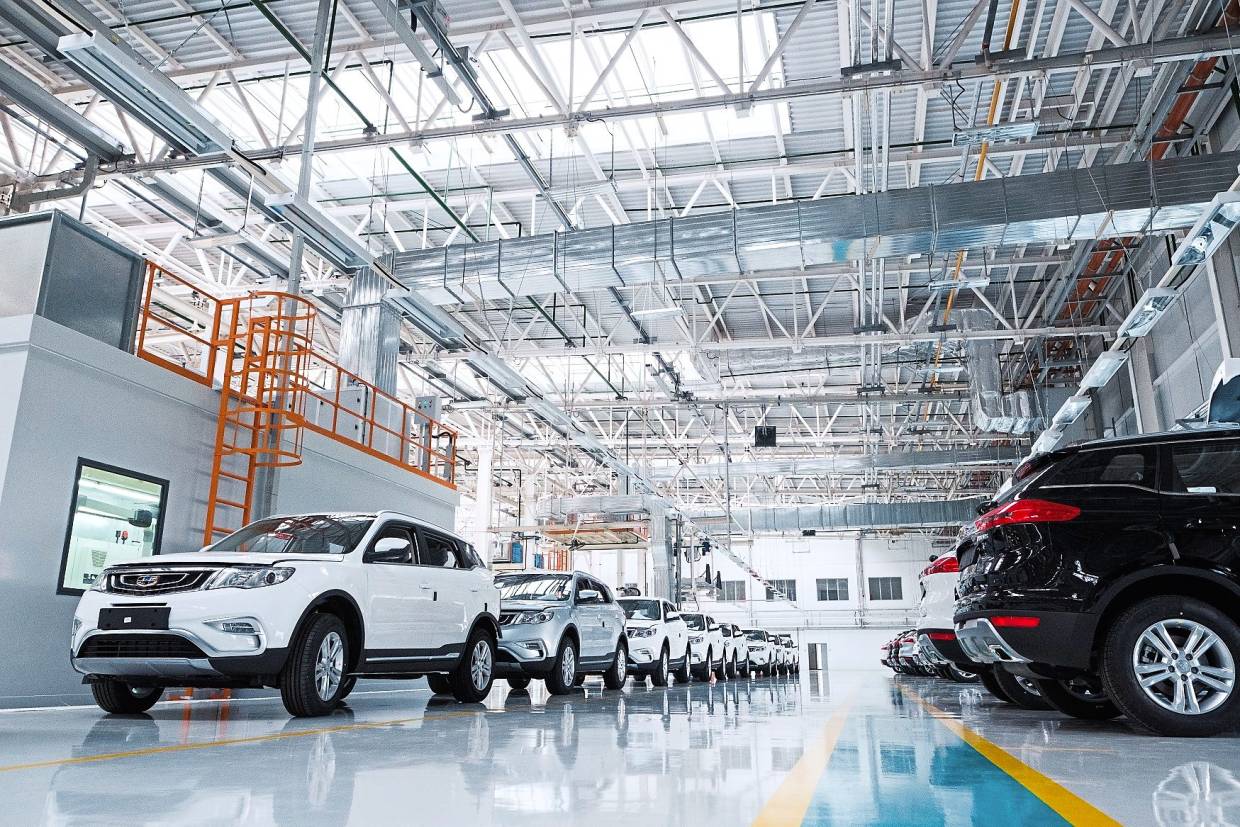
  • Vietnam auto sales decline drags it down to 5th place in Southeast Asia

    Vietnam auto sales decline drags it down to 5th place in Southeast Asia

    A slump in auto sales last quarter pushed Vietnam from fourth to fifth place in Southeast Asia.

    Vietnam has for years been the fourth largest auto market in the region after Indonesia, Thailand and Malaysia, but suffered a 25% drop in sales in the first three months this year.

    Only 86,817 units were sold, according to data from the Vietnam Automobile Manufacturers Association, VinFast and Hyundai Thanh Cong.

    Due to the global recession, inflation and gloomy real estate and securities markets, people are more hesitant to buy big-ticket items like cars, and promotions and discounts by manufacturers and dealers have failed to persuade them.

    Vietnam and Myanmar saw the biggest declines in Q1, according to the ASEAN Automotive Federation. Myanmar suffered a steep drop of 84.8% year-on-year from 3,411 vehicles in Q1 2022 to 519 this year.

    The Thai market also declined by a more modest 6.1%, with sales being 210,000 units.

    According to automotive magazine Just Auto, the Thai automobile industry has seen slow growth since April last year because of rising bank interest rates and other factors such as floods and component shortages.

    But Indonesia and Malaysia have witnessed steady growth.

    In Indonesia, quarterly sales grew at 7% to 280,000 units, which kept it the top market in the region.

    Malaysia remained in third place with 190,000 units, a 20.4% increase.

    The Philippines took over fourth place with a 30.1% increase to 97,000 cars.

    The Singapore market also declined, with sales falling by 4.3% to 10,000.

    Thailand and Indonesia exchange places in auto production, while Malaysia remains in third place.
  • Vincom Retail profits nearly triple in Q1

    Vincom Retail profits nearly triple in Q1

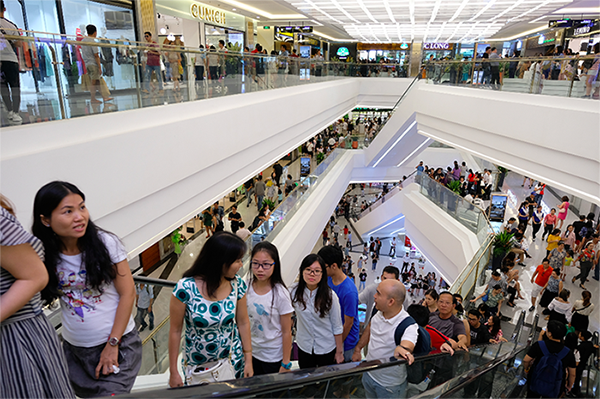
    Mall operator Vincom Retail has reported after-tax profits of VND1.02 trillion (US$43.4 million) for the first quarter, a 2.7-fold rise year-on-year, amid a recovery in consumption.

    It was 23% up quarter-on-quarter, the company’s consolidated financial statements showed.

    Vincom Retail reported revenues of VND1.94 trillion in the first quarter, an increase of 42%, with its mall business accounting for VND1.9 trillion.

    The company targets profits of VND4.68 trillion on revenues of VND10.35 trillion for this year, up 69% and 41% from 2022.

    Vincom Retail, a subsidiary of conglomerate Vingroup, plans to open a mall each in Ho Chi Minh City and the northern province of Ha Giang, increasing its total number to 85 in 45 cities and provinces.

  • President calls for sustainable Vietnamese business in Laos

    President calls for sustainable Vietnamese business in Laos

    President Vo Van Thuong has asked the Vietnamese community in Laos to set its sights on long-term sustainable business growth even though weathering current short-term difficulties will be complicated.

    During Tuesday’s meeting with the Vietnamese community in Laos, Thuong praised the patriotism and contributions made by Vietnamese people and enterprises in Laos.

    For their part, Vietnamese enterprises in Laos proposed that more measures should be taken to support investment, especially capital, to improve competitiveness and expand operations.

    The President said he had asked relevant agencies to provide appropriate solutions.

    About 100,000 Vietnamese live, work, or study in Laos, with nearly 40,000 located in the capital of Vientiane, according to Vietnamese Ambassador to Laos Nguyen Ba Hung.

    After his meetings in Vientiane, Thuong wrapped up his two-day visit to Laos and returned home from his first foreign trip since taking office last month.

    Vietnam and Laos established diplomatic relations in September 1962, and raised the label of their “traditional friendship” to “great friendship” in February 2019.

    Vietnam has currently invested some $4.7 billion in 219 projects in Laos, making it Laos’ third largest foreign investor after China and Thailand.

    Bilateral trade last year increased 25% to around $1.7 billion.

  • Japanese retailers expand in Vietnam, targeting affluent

    Japanese retailers expand in Vietnam, targeting affluent

    Targeting consumers is not much affected by the difficult economic situation, Japanese retailers are opening more stores in Vietnam.

    Uniqlo, which has 15 stores in Vietnam after entering three years ago, last month announced plans to expand to the southern province of Binh Duong, with a first store to be opened this spring or summer.

    Also in Vietnam for three years, MUJI opened a 2,000-square meter store in HCMC’s Thu Duc City that sells everything from food, home appliances and clothing to furniture, stationery and accessories.

    Even amid the Covid pandemic and economic distress, it had five stores, three in HCMC and two in Hanoi.
    Its stores in Vietnam are the largest at around 2,000 square meters on average.

    “The size in Vietnam is almost double the average in other countries, including Japan,” Tetsuya Nagaiwa, general director of MUJI Vietnam, said.

    He added that it plans to open more stores in Hanoi in the second quarter of this year.

    Aeon started building its seventh outlet in Vietnam in February in the central city of Hue. at a cost of U$169.67 million. It will be the largest mall in the central region when it opens by April 2025.

    A recent business survey by the Japan External Trade Promotion Organization found that 100% of Japanese retail businesses in Vietnam expect profits to increase this year.

    Of them 80% said they would expand in the next one to two years.

    Japanese retailers are doing well partly because, like everywhere else, high income earners in Vietnam are recession proof.

    “We see strong demand for high-value products,” Nagaiwa said, adding that MUJI’s sales remained good because young consumers prefer its stationery, cosmetics and furniture.

    Japanese chains also sell online shopping support made-in- Vietnam products.

    In November 2021 Uniqlo started selling online through an application, and introducing Vietnamese agricultural products.

    MUJI has steadily increased the local content rate and looked for local suppliers.

    Nagaiwa said goods made in Vietnam account for 30% of its products and 97-98% in the case of products like T-shirts, backpacks and messenger bags. “We hope these numbers will increase in future.”

    After discovering that the Vietnamese stationery market only had the popular and high-end segments and not the mid-range one, MUJI started selling ballpoint pens for VND19,000 ($0.8), attracting students, who liked Japanese goods with minimalist designs.

  • Singapore leads foreign investment in Vietnam

    Singapore leads foreign investment in Vietnam

    Singapore remained the biggest foreign investor in Vietnam in the first two months of 2023, with investment of $978.4 million, down 42.7% year-on-year, the Ministry of Planning and Investment reported.

    Taiwan ranked second with nearly $407.1 million, 3.85 times higher than that in the same period last year. The Netherlands came third with nearly $369 million.

    The ministry said the total newly-registered capital, adjusted capital, and capital contribution and share purchase of foreign investors neared $3.1 billion, down 38% year-on-year.

    Bac Giang led the localities in FDI attraction with $824.3 million, making up 26.6% of the total, up 8.4 times over the same period in 2022. Ho Chi Minh City ranked second with 103 new projects worth $369.1 million, accounting for 11.9% of the total.

    As of February 20, as many as $2.55 billion of foreign investment capital had been disbursed, a decrease of 4.9% compared to the same period last year.

    Foreign firms have poured capital into 17 out of Vietnam’s 21 sectors, with the processing and manufacturing industry taking the lead with more than $2.17 billion, making up 70.1% of the total. It is followed by real estate with 396.9 million USD, accounting for over 12.8%.

  • Alibaba group net income soars over 130% in December quarter

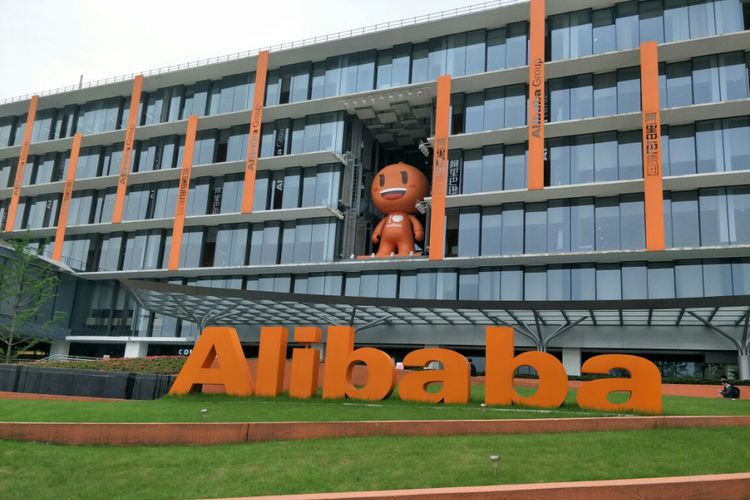
    Alibaba group net income soars over 130% in December quarter

    This is despite softer demand as well as supply chain and logistics disruptions.

    Alibaba Group Holdings reported its net income attributable to ordinary shareholders grew by 138% to US$6.78b in the quarter ending in December 2022.

    The company attributed this to the decrease in impairment of goodwill linked to Digital media and entertainment segment.

    “During the past quarter, we continued to improve operating efficiency and cost optimization that resulted in robust profit growth,” Toby Xu, Chief Financial Officer of Alibaba Group, said. “Our net cash position remains strong and we continue to generate healthy cash flow. During the quarter ended December 31, 2022, we repurchased 45.4 million ADSs for approximately US$3.3b under our share repurchase program as part of our ongoing commitment to improve our shareholder return.”

    Over the same period, Alibaba noted its revenue rose by 2% year-on-year to US$35.92b.

    “We delivered a solid quarter despite softer demand, supply chain and logistics disruptions due to impact of changes in COVID-19 measures,” Daniel Zhang, Chairman and Chief Executive Officer of Alibaba Group, said.

    “Looking ahead, we expect continued recovery in consumer sentiment and economic activity. We are focused on driving growth for our customers amid the competitive landscape, and creating sustainable, longterm value for our shareholders.”

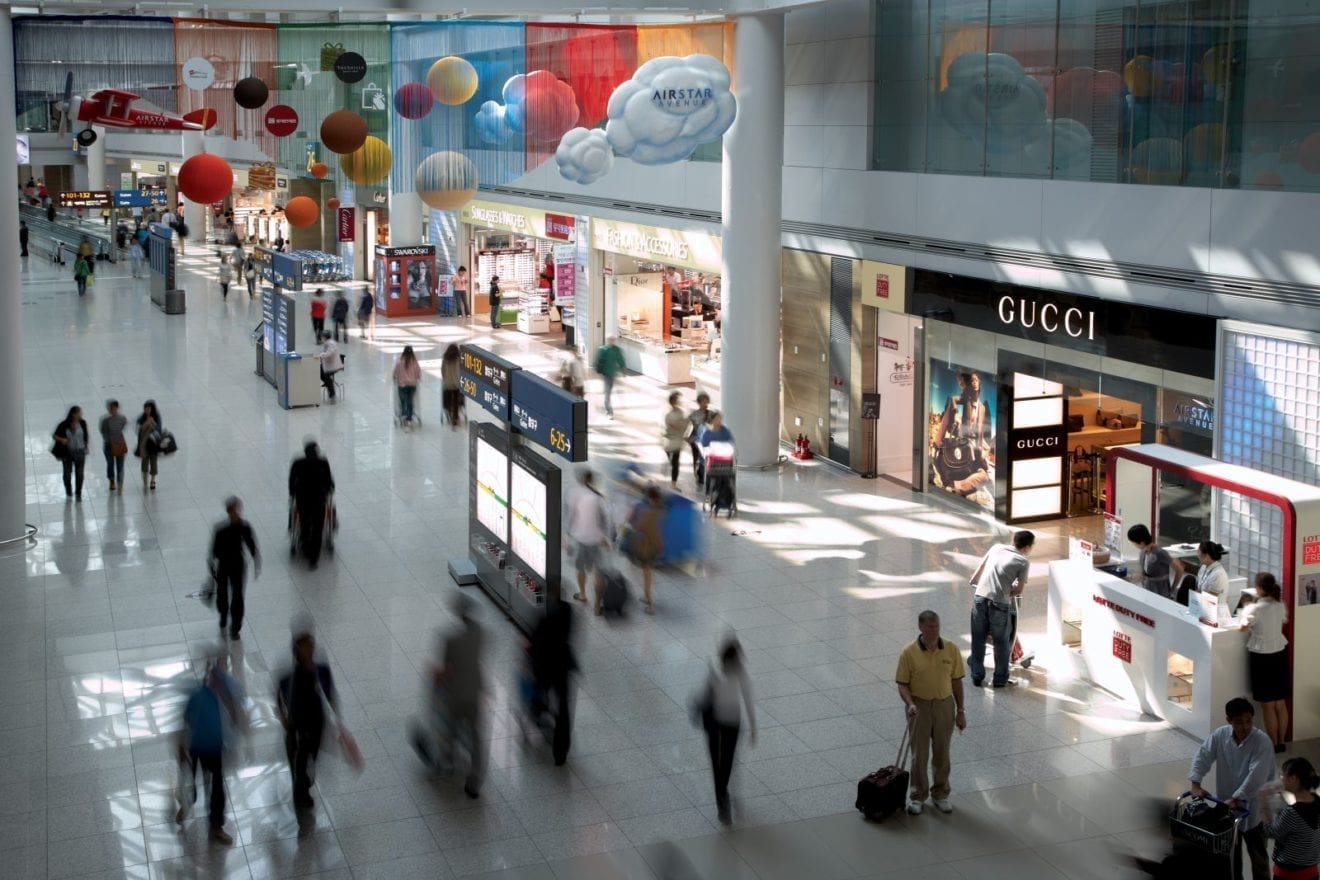
  • Changi Airport’s retail sales start steady post-Covid recovery

    Changi Airport’s retail sales start steady post-Covid recovery

    However, concession sales last year represented just 37 percent of sales in 2019, the last full year without border closures. Retail revenue in December was at 58 percent of the pre-Covid levels on the back of a passenger traffic recovery to 72 percent.

    The biggest spenders at Changi Airport are from Indonesia, India and Thailand, as the prolonged Covid-19 situation in China – its major market – caused the near absence of travelers from this market. Liquor & tobacco, perfumes & cosmetics and luxury were among the most popular product categories.

    Changi Airport recorded more than 13 million transactions during the year with an average of 35,000 transactions daily.

    As Changi Airport has seen more traffic since the Covid-19 restrictions were lifted, the airport has increased its promotional activities to lure customers and enhance their shopping experience, including the ‘Be A Changi Millionaire’ campaign.

    Last year, Changi Airport teamed up with Lotte Duty-Free to host the the ‘World of Wines and Spirits’ event, which brought together products from 75 brands, including Bowmore, The Macallan, Midleton, The Singleton and Penfolds. The company plans to launch the second installation of ‘World of Wines and Spirits’ this year.

  • Auto dealers offer up to $4,000 in discounts to boost sales

    Auto dealers offer up to $4,000 in discounts to boost sales

    Auto dealers are offering discounts of up to VND100 million ($4,243) to boost sales after the Lunar New Year shopping season is over.

    As many Vietnamese bought their new cars before the annual Tet holidays, which fell from January 20-26, dealerships are seeing a decline in customers showing up or making inquiries online.

    Toyota

    Toyota dealerships are offering a VND20-VND30 million discount on the Vios, its best-selling model in Vietnam last year.

    The MPV Veloz Cross is on sale with a discount of VND35-VND45 million plus gifts.

    The SUV Fortuner, which accounted for 8% of Toyota sales in Vietnam last year, is being sold at some dealerships at a discount of over VND100 million.

    Honda

    Since earlier February Honda has been offering free registration for its two main models: the City and the SUV CR-V.

    Honda City is discounted by VND50-60 million, while the cost of bringing the CR-V home is now VND100 million lower than before Tet.

    Mitsubishi

    The Japanese automaker is offering a 50% discount on registration fees for its Attar, Triton and Outlander models.

    Rearview cameras are also being given as gifts.

    Buyers of the MPV Xpander, Mitsubishi’s best-selling model in Vietnam, will also receive VND10-VND20 million in fuel coupons.

    Hyundai

    The South Korean manufacturer is selling its i10 at a discount of VND15-VND35 million and the sedan Accent for VND20-VND55 million less.

    Discounts of VND25-VND60 million are being offered on the Elantra sedan and the crossover Creta.

    The company is also offering a VND70 million discount on the MPV Stargazer and up to VND120 million on the SUV Santa Fe.

    Kia

    The biggest discount in Kia’s lineup falls on the SUV Sorento at VND70 million.

    The crossover Sportage, which is assembled in Vietnam, is being discounted by VND50 million, and three SUV models, the Sonet, Seltos and Carens, are now priced at a VND40 million discount.

    The cheapest Kia car Morning has a discount of VND30 million.

    Suzuki

    A 50% reduction in the registration fee, which equates to around VND30 million, is being offered on the SUV XL7 and the MPV Ertiga.

    Nissan

    Nissan is giving a full discount on the registration fee on the Navara VL 4WD and the Pro 4X manufactured in 2022. The standard version is discounted by 50% on the fee.

    The sedan Almera also has a free registration fee.

    Volkswagen

    The German automaker is giving customers a cashback of VND35 million on its Polo Hatchback and VND100 million on the SUV Tiguan manufactured in 2022.

  • JD Sports to quit South Korean after five years

    JD Sports to quit South Korean after five years

    UK activewear label JD Sports is set to withdraw from South Korea after five years of operation, according to Edaily.

    The retailer was reported to have experienced a deepening deficit since the Covid-19 pandemic, which led to the decision. The source said JD Sports Korea had notified all employees of the exit plan.

    JD Sports entered South Korea in 2017 through a joint venture deal with South Korean footwear company Shoemarker. The first JD Sports store was opened in April 2018. Currently, the company operates 14 directly managed stores nationwide, including at Lotte World Tower in Jamsil, Seoul and Starfield Goyang.

    Meanwhile, the UK retailer has recently been the target of a cyber attack that resulted in unauthorised access to a system containing customer data relating to online orders between November 2018 and October 2020. The affected JD Sports group brands are JD, Size?, Millets, Blacks, Scotts and MilletSport.

    Earlier this year, British retailer Frasers Group bought shares in JD Sports for about US$57.7 million, as the Mike Ashley-owned company continues its drive into a more premium market.

  • Dr Martens shuts all stores in the Philippines

    Dr Martens shuts all stores in the Philippines

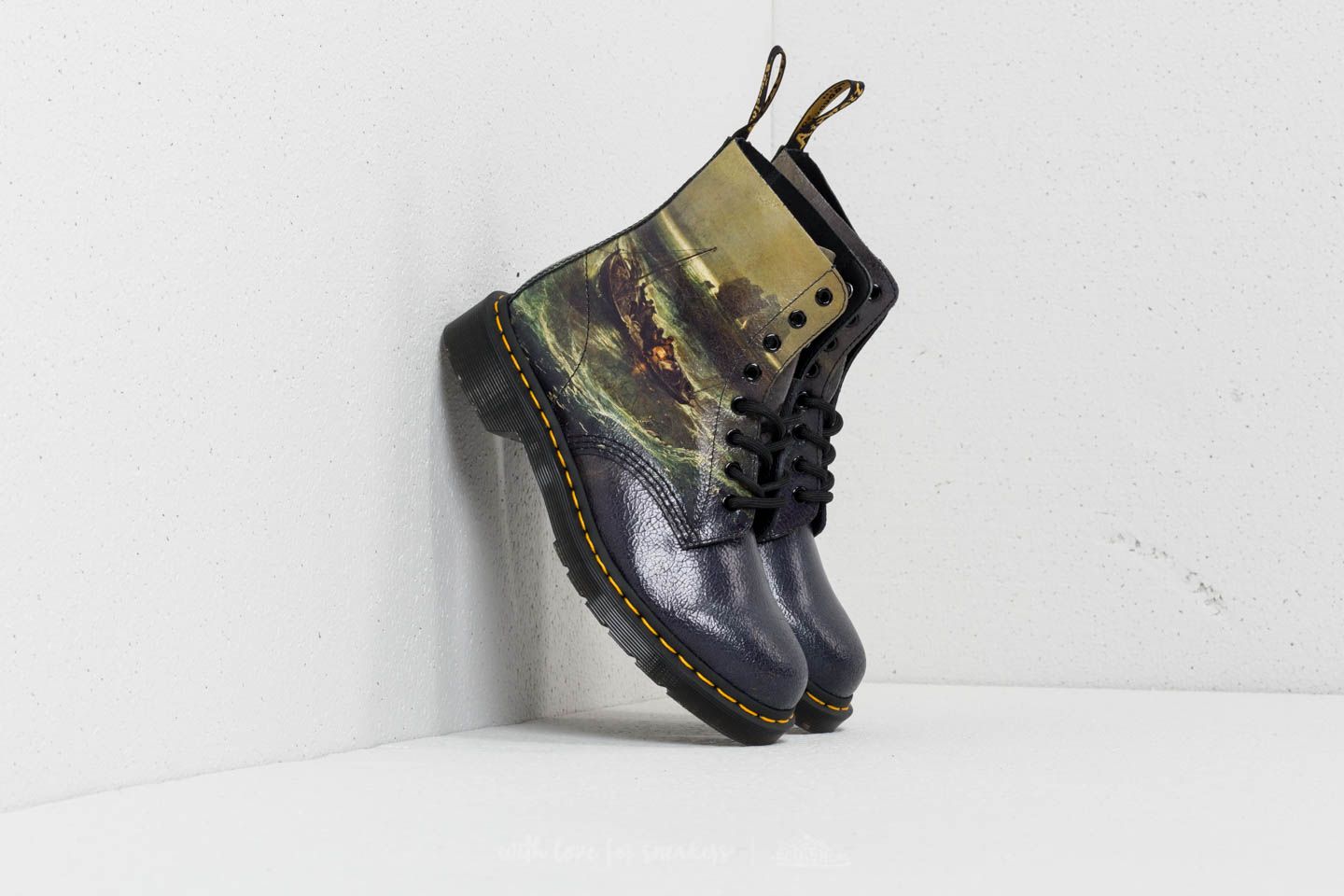
    German-founded British footwear and apparel brand, Dr Martens, has closed all of its physical stores in the Philippines.

    The brand announced on social media that it closed all of its remaining four stores in Glorietta 4, SM Mall of Asia, SM Megamall, and Manila Bay by the end of last month. However, Dr Martens did not disclose the reason behind its physical withdrawal from the market.

    Local sources said Dr Martens started shutting its stores in the country last February, including its flagship store in Two Parkade BGC.

    UK-based footwear retail reported a 13 percent year-on-year increase in revenue, reaching US$507 million in turnover for the first half of the fiscal year 2023. The brand opened 21 new stores and closed five stores during the period.

    “Although there are economic challenges ahead, we are well positioned for future growth,” said Kenny Wilson, CEO of Dr Martens.

    Dr Martens’ store closure in the Philippines occurred despite the market having seen growth in sportswear spending. Last month, US sneaker chain Foot Locker expanded into the country with the first store opened inside Manila’s Glorietta shopping mall under the partnership with Indonesian retailer MAP Aktif Adiperkasa.

  • Exports to China no longer subject to Covid testing

    Exports to China no longer subject to Covid testing

    Vietnamese exports to China will no longer be subject to Covid testing from January 8th, the Ministry of Industry and Trade has announced.

    The ministry urged localities and businesses to update goods clearance processes at border gates in order to streamline trade according to the new easing of restrictions.

    The government has asked major agricultural producers and other exporters to coordinate with northern border province authorities to better facilitate the transport of exports — especially fresh and frozen agricultural products – to China.

    The northern neighbor had previously tightened quarantines to curb the spread of the Covid 19 pandemic, leading to congestion and the bottlenecking of Vietnamese exports at border gates in northern provinces, including Lao Cai, Lang Son and Quang Ninh.

    On Dec. 26, China’s National Health Commission announced that it would downgrade it’s “Covid-19 response level,” suspending mandatory isolation for passengers entering the country from January 8, 2023.

    Michael Kokalari, chief economist at investment fund VinaCapital, said China’s reopening would have less of an impact on Vietnam’s economy than other Southeast Asian countries because Vietnam’s exposure to China’s domestic market was still modest.

    The most important upcoming economic event for Vietnam is that the number of tourists is likely to return to normal in the second half of 2023, Kokalari said, adding that this will be a driving force behind Vietnam’s GDP growth for the year.

    Vietnam’s GDP expanded 8.02% in 2022, the fastest pace annually since 1997, backed by strong domestic retail sales and exports. The country has targeted GDP growth of 6.5% in 2023.

    Vietnam is China’s biggest trade partner in Southeast Asia and sixth biggest globally.

    China is Vietnam’s biggest trade partner. Their bilateral trade topped US$165.8 billion in 2021, up 24.6% from 2020.

  • Retailers expand operations, sales see steady recovery

    Retailers expand operations, sales see steady recovery

    Many retail chains opened new stores this year even as retail sales of consumer goods and services saw a year-on-year rise of 20.5% in the first 11 months.

    Despite weakening external factors, continued domestic demand brought some relief, according to a report by HSBC.

    But though the pace started to slow down, retail sales remained a strong pillar of growth in November, the lender said.

    Total retail sales of consumer goods and services grew by 17.5% over November 2021.

    In recent months, while many factories laid off, furloughed or gave workers an early Tet (Lunar New Year holidays) service businesses such as F&B, retail and tourism expanded their operations.

    GS25 Vietnam, a joint venture between South Korea’s GS25 and local retailer Son Kim Group, has opened 200 franchised stores.

    Conglomerate Masan Group has bought another 34% in beverage chain Phuc Long Heritage to increase its ownership to 85%.

    “The two years of the Covid pandemic can be compared to a market research period and this year is the right time to launch expansion plans as well as to make a breakthrough in the retail race,” Trang Do, head of the retail services department at property consultancy Colliers, said.

    Tourism is reviving gradually, and contributing to the growth of retail services.

    The number of foreign arrivals was nearly three million in the first 11 months.

    Securities brokerage SSI said domestic consumption has recovered though not to pre-Covid levels, partly because of inflation.

    Inflation began to accelerate at the end of the second quarter, notably with a 17% increase in housing rents in September and October, and then 2% in November. This has affected domestic consumption.

    Last month headline inflation was 4.4% while core inflation was close to 5% due to a rapid recovery in demand.

    According to HSBC, rising inflation is a matter of concern and would increase in the next few quarters, forcing the central bank to take monetary measures.

    SSI said inflation would gradually rise in the first half of 2023, especially when the government considers adjusting prices of goods and services it manages such as electricity, healthcare and education.

    Do said large retailers are very interested in the Vietnamese retail market after the pandemic. However, the biggest difficulties for foreign investors in the retail sector are to find suitable premises in terms of location and area, and carrying out investment and license procedures.

  • E-commerce giant Carousell lays off 110 staff

    E-commerce giant Carousell lays off 110 staff

    Carousell, a Singaporean consumer-to-consumer (C2C) service platform operating across Southeast Asia, is letting go of about 110 employees, or 10% of its total headcount, to reduce costs amid a challenging market condition for the tech industry. 

    The announcement came from the company’s blog on Thursday, posted by co-founder and CEO of Carousell Siu Rui Quek, saying, “I take responsibility for the decisions that have led us here. Parting with teammates, whom we are grateful to for joining us on this mission, is a very difficult decision.” 

    Carousell did not specify which business units or regional offices would be affected by the layoffs. The Singapore-headquartered company operates in Malaysia, Indonesia, the Philippines, Cambodia, Taiwan, Hong Kong, Macau, Australia, New Zealand, and Canada. 

    In the statement, the company’s leaders had discussed finding ways, including moving to an inexpensive rental office and slashing co-founders and executives’ salaries voluntarily to save budgets without cutting staff. But that was “far from enough,” it said.  

    Quek also explained in the blog post that he “was too optimistic” about the recovery from the COVID pandemic and even doubled down on recruitment and investment for its business. “The reality is that we were quick to grow our expenses and hire, but the returns took longer than expected,” Quek wrote. “It is important to act swiftly, course correct, and right-size our investment levels to better align with this new reality.” 

    The affected workers will receive at least three months’ salary and be able to extend their medical benefits and insurance coverage through June next year. According to the statement, the company will also pay out all remaining time off balances and offer career counseling and job search support, letting those laid-off workers keep their office laptop and LinkedIn Learning membership until June 2023. 

    Founded in 2012, Carousell, backed by Sequoia Capital India, Naver, 500 Global and Rakuten Capital, has raised a total of $372.6 million since its inception.

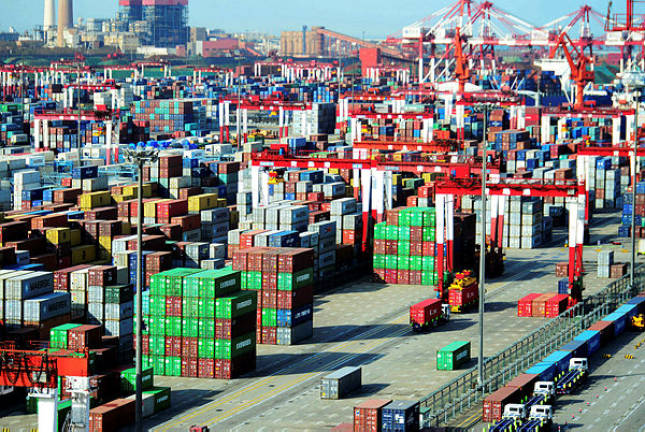
  • Trade surplus at $10.6B for 2022

    Trade surplus at $10.6B for 2022

    The trade surplus was US$0.78 billion in November, which took the year’s figure to $10.6 billion, the General Statistics Office said Tuesday.

    The surplus in the same period last year was $0.6 billion.

    But exports fell in November by 8.4% to $29.18 billion, which took the full-year figure to $342.21 billion.

    The U.S. has been Vietnam’s biggest export market ($101.5 billion).

    Meanwhile, imports were worth $331.61 billion, a year-on-year increase of 10.1%.

    They included shipments of $109.9 billion from China, the biggest exporter to Vietnam.

    Last year exports had been worth $336.31 billion, up 19%, and imports, $332.23 billion, up 26.5%, for a trade surplus of $4.08 billion.

    The surplus has been growing since 2016, according to the GSO.

  • Chinese luxury resale platform Plum bags $100 million in funding

    Chinese luxury resale platform Plum bags $100 million in funding

    Plum, a used luxury fashion e-commerce platform, announced on November 1 that it had completed a C round of financing worth $100 million. In this round, Zhuanzhuan, a Tencent-backed leading used goods trading marketplace in China, made the strategic investment. Xu Wei, founder and CEO of Plum, said that the funds will be mainly for upgrades in service, user experience, product R&D and database construction.

    Plum was established in 2017. The platform focuses on second-hand luxury goods trading, and its products cover all categories of fashion trends such as bags, shoes, clothing, jewelry and watches. According to statistics published by Aurora Mobile, in the fourth quarter of 2021, the number of monthly active users of Plum exceeded that of Secoo, a famous luxury e-commerce platform in China, ranking first among the luxury e-commerce platforms. In addition, Plum’s business has achieved rapid growth this year, and its business income has doubled since 2022 compared with the same period of last year.

    Apart from Xu Wei, Plum was jointly founded by Pang Bo. CEO Xu Wei is the co-founder of Blink and served as the investment director at Sinovation Ventures. She is said to be a serial entrepreneur. Pang Bo is currently the CTO of Plum, who is a former senior engineer of Baidu, and has more than 10 years of technical management experience.

    In recent years, Plum is investing in improving its standardized service capabilities, focusing on building key modules in the performance operating system such as commodity identification, commodity information and price database. It aims to build the largest second-hand fashion transaction database in China.

    The cooperation between Plum and Zhuanzhuan, two second-hand trading platforms, is not only reflected in the capital level. Before this financing, Plum’s products had been available through Zhuanzhuan and other “exclusive” channels such as bags, accessories, designer shoes, watches and clothing. Plum’s products complement the other’s core 3C (Computer, Communication and Consumer Electronics) category. In addition, Plum will also do commodity recycling in Zhuanzhuan’s channel.

    The rational and low-carbon consumption concept is gaining traction and second-hand trading such as used cars, 3C items and books continue to prosper. According to an industry research report by Frost & Sullivan, the transaction scale of second-hand idle goods in China has increased from about 300 billion yuan ($41.2 billion) in 2015 to over one trillion yuan in 2020, and it is estimated that this figure will reach nearly 3 trillion yuan by 2025.