Tag: Retailers

  • China retail sales improve as Beijing looks to consumers to ease trade pressure

    China retail sales improve as Beijing looks to consumers to ease trade pressure

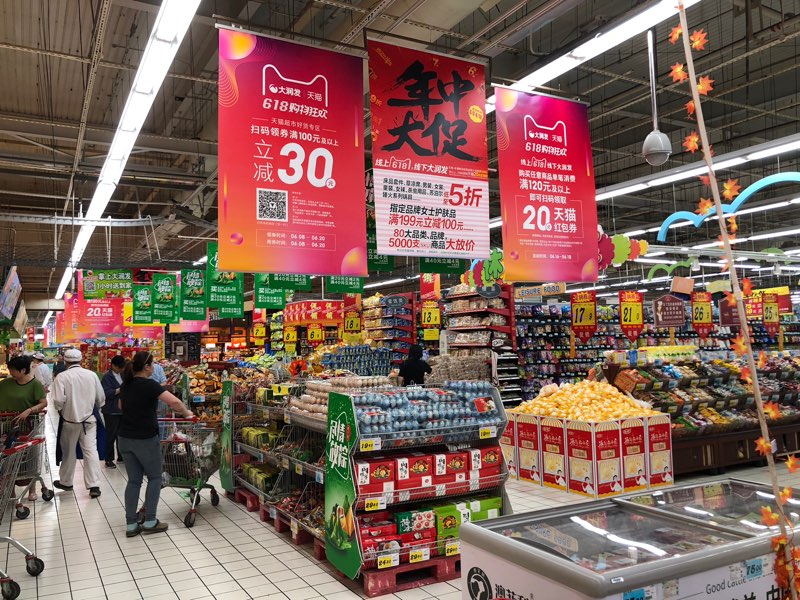
    China’s retail sales growth quickened in January-February in a welcome sign for policymakers’ efforts to boost domestic consumption even as joblessness rose and factory output eased, underscoring the strains on an economy facing fresh US tariff pressure.

    Policymakers have put expanding domestic demand as the top priority this year as they try to cushion the impact of the Trump administration’s tariffs on its crucial export engine.

    China’s top leaders have maintained an economic growth target of “around 5 per cent” for 2025, but analysts say that may be a tall order given pressure on exports, tepid household demand and a protracted property crisis.

    The data followed weaker-than-expected exports and inflation indicators earlier this month, highlighting the need for more policy support to foster a sustainable economic recovery.

    “The risk to the economy is the damage from higher US tariffs on China’s exports which will likely show up in the trade data over the next few months,” said Zhiwei Zhang, chief economist at Pinpoint Asset Management.

    “I think Beijing will continue its current policy stance. There is no urgency to loosen monetary policy by cutting RRR or interest rate at this stage,” he said, adding that policymakers may choose to wait for a few months before cutting rates given the trade uncertainties.

    Data released by the National Bureau of Statistics (NBS) on Monday showed retail sales, a gauge of consumption, rose 4 per cent in the January-February period, better than a 3.7 per cent rise in December and marking the quickest rate since November 2024. Analysts had expected retail sales to grow 4 per cent.

    Household consumption in the first two months was buoyed by holiday spending during the 8-day Lunar New Year holidays, when China’s box office raked in record takings with animated hit “Nezha 2”.

    In the annual parliament meeting earlier this month, China’s leaders pledged stronger fiscal and monetary support for the economy, with a particular emphasis on spurring domestic consumption.

    Among other measures, they have lined up 300 billion yuan (US$41.5 billion) for a recently-expanded consumer goods trade-in scheme for electric vehicles, appliances and other goods.

    “Retail sales growth was decent, reflecting the vital role of subsidies in supporting home appliance and mobile phone sales,” said Tianchen Xu, senior economist at the Economist Intelligence Unit.

    However, the effect of the scheme may “fade over time”, with auto sales already down in the first two months, he added.

    The NBS data showed home appliance and audio-visual device sales grew 10.9 per cent, compared with December’s 39.3 per cent jump. Catering revenue, however, rose 4.3 per cent underpinned by the festival boost, faster than the 2.7 per cent rise in December.

    On Sunday, China unveiled a “special action plan” to boost domestic consumption, featuring measures including increasing residents’ income and establishing a childcare subsidy scheme.

    Officials from the country’s top economic ministries will brief media on consumption-boosting measures later on Monday.

    Chinese stocks were roughly flat as investors assessed the mixed set of economic data.

    Unemployment, Trump woes

    Highlighting the stress facing households, the urban survey-based jobless rate in February climbed to 5.4 per cent, the highest in two years.

    US president Donald Trump has piled an additional 20 per cent of tariffs on all Chinese goods and is threatening more action. Exports were one of the lone bright spots for China’s economy last year.

    With factories shutting down temporarily during the Lunar New Year holidays, China’s industrial output grew 5.9 per cent year-on-year in the first two months, slowing from the 6.2 per cent expansion in December. However, it was ahead of expectations for a 5.3 per cent rise.

    China publishes data for the two months in a combined release to smooth out the impact of the LNY holidays, which fall in either of the two months.

    Fixed asset investment, which includes property and infrastructure investment, expanded 4.1 per cent in the January-February period year-on-year, versus expectations for a 3.6 per cent rise. It grew 3.2 per cent in 2024.

    The real estate sector, while showing some improvement, remained frail and underlined the low investor confidence.

    Property investment fell 9.8 per cent in the first two months of 2025 year-on-year, after tumbling 10.6 per cent in 2024. An NBS spokesperson said the country’s housing market faces some pressure despite signs of stabilising.

    That suggests policymakers will have their work cut out in their efforts to keep the economy on an even keel amid the threat of more US tariffs.

    In a note to clients, Goldman Sachs analysts said the boost from exporters’ frontloading late last year may have subsided and the adverse effect from higher US tariffs may have started to kick in.

    “January-February activity data and our high-frequency tracker for early March pointed to a modest slowdown in sequential GDP growth momentum in the first quarter vs the fourth quarter in 2024.”

    For 2025 as a whole, some analysts say the growth impulse could be uneven.

    “China’s economy had a decent start to the year, likely driven by fiscal stimulus,” said Zichun Huang, China economist at Capital Economics.

    “We expect the recovery to continue over the coming months, but given the wider headwinds weighing on China’s economy, we don’t expect any near-term improvement to be sustained for long.”
  • Hong Kong’s long run of retail sales decline continued in September

    Hong Kong’s long run of retail sales decline continued in September

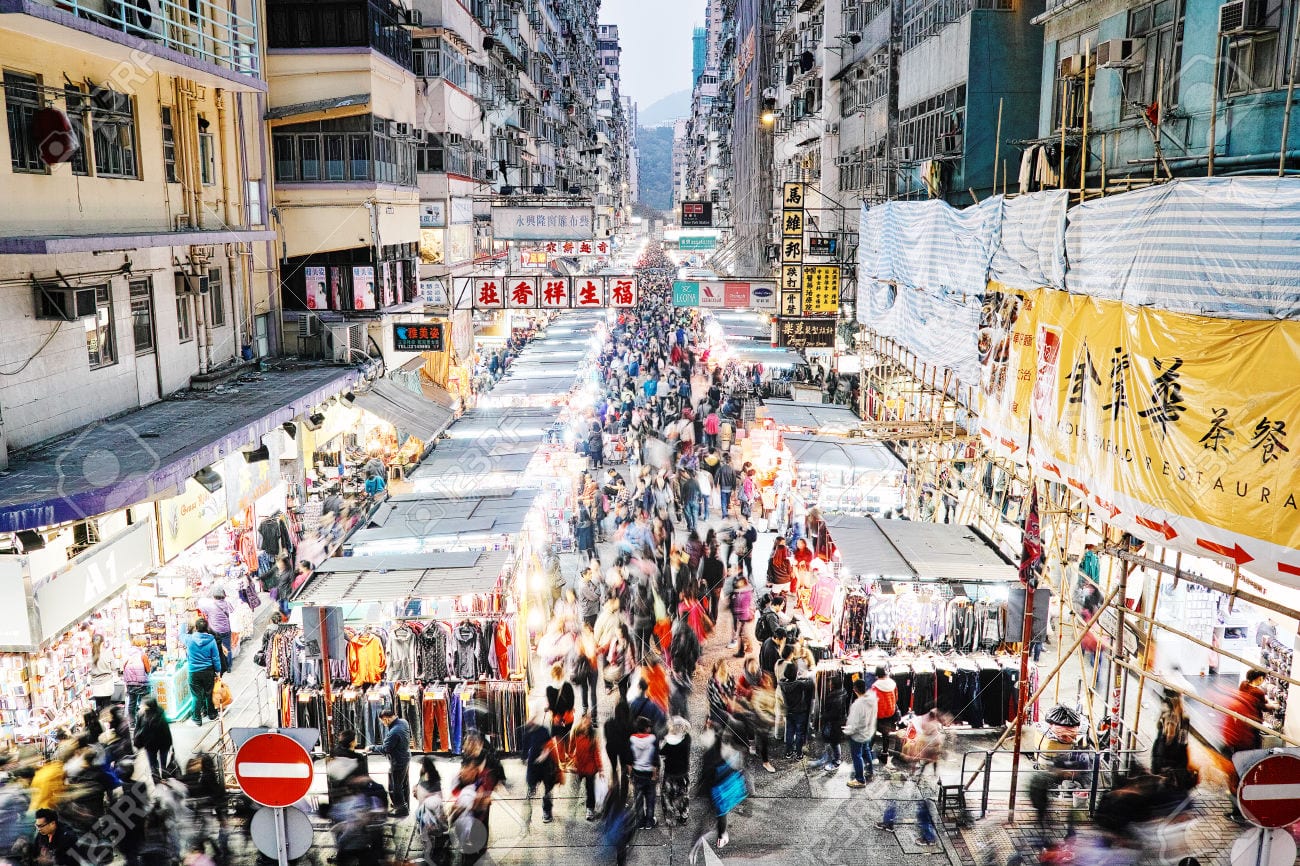
    Hong Kong’s September retail sales fell 6.9 percent year on year, reflecting the continued impact of a change in consumption patterns, government data showed.

    Sales fell to HK$29.57 billion ($3.8 billion) in a seventh consecutive month of decline after a revised 10 percent decline in August, an 11.7 percent fall in July, a 9.7 percent fall in June, an 11.5 percent drop in May, a 14.7 percent drop in April and a 7 percent decline in March.

    A government spokesman said the near-term performance of the retail sector would continue to be affected by the change in consumption patterns of residents and visitors.

    “Nevertheless, an improved outlook for the Mainland economy following the recent introduction of a wide range of stimulus measures, and a possible easing of the Hong Kong dollar alongside the US dollar with the commencement of the US interest rate cut, would be conducive to boosting sentiment and supporting spending.”

    The largest rate of decline in Hong Kong retail sales in September was in the jewellery, watches, and valuable gifts category, where turnover fell by 17.9 percent.

    In volume terms, retail sales fell 8.7 percent year-on-year in September, compared with a revised 11.7 percent in August.

  • Singapore retail sales remain subdued, but show signs of recovery

    Singapore retail sales remain subdued, but show signs of recovery

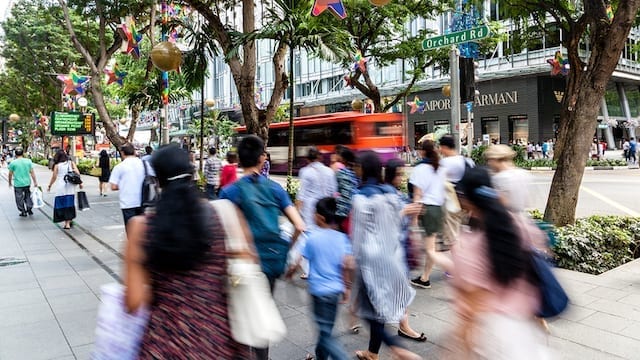
    Singapore retail sales – excluding motor vehicles – continued to decrease in August, but at a slower pace compared to the previous months.

    The city-state saw a 1.5 percent drop in retail sales for the month, a slight improvement from the 2.3 percent reduction in July and 3.1 percent decline in June.

    According to the Department of Statistics, the total value of retail sales was about SG$3.5 billion (US$2.7 billion), of which 14.1 percent were from online retail sales.

    Within the retail trade sector, wearing apparel & footwear reported the biggest drop in sales – at 6.7 per cent, followed by department stores with a 6.2 per cent decrease. The remaining majority also saw poorer results, such as petrol service stations, optical goods & books, and recreational goods.

    The food and alcohol sector swung against the trend with an 8.1 percent increase. Retailers of cosmetics, toiletries, and medical goods and supermarkets and hypermarkets also enjoyed improvements of 3.1 percent and 2.2 percent, respectively.

  • Singapore retail sales see softer decline in July

    Singapore retail sales see softer decline in July

    Singapore retail sales dropped 2.3 percent in July after motor vehicles were excluded from the data, compared with the 3.1 percent decline in June.

    According to the Department of Statistics, the estimated total retail sales value in July was SG$3.4 billion (US$2.6 billion), of which 14 per cent came from online.

    On a seasonally adjusted basis, retail sales increased 0.5 percent month on month.

    The department stores and wearing apparel and footwear industries led the decline, with sales down 11.2 percent and 10.3 percent, respectively. Sales of optical goods and books fell 8.7 percent, mainly due to lower book demand.

    Meanwhile, the petrol service stations, food and alcohol, supermarkets and hypermarkets, and watches and jewelry industries recorded sales growths of between 0.8 percent and 4.7 percent.

    Sales of food and beverage services edged up 0.2 percent in July following a 1.9 percent increase in June.

    The total sales value of F&B services in July was SG$989 million, of which 23.8 per cent were from online.

  • Industry-First Marketplace Research Reveals only 7% of Australian Shoppers Trust Temu on Product Quality, while Amazon leads for Convenience, Range, and Returns

    Industry-First Marketplace Research Reveals only 7% of Australian Shoppers Trust Temu on Product Quality, while Amazon leads for Convenience, Range, and Returns

    An industry-first study by global ecommerce accelerator, Pattern, has shown that despite their surging popularity, Australian consumers hold negative views on the quality of the products sold on emerging marketplaces Temu and Shein.

    The major Australian marketplace shopper study uncovered Australian consumers’ perceptions of the seven largest marketplace platforms: Amazon, eBay, Catch, Kogan, Temu, MyDeal, and Shein.

    Temu was ranked as the lowest marketplace in perceived product quality at only 7%, followed by Shein, with just 8% of shoppers expressing trust in its product quality. This contrasts with a majority of shoppers saying that they trusted the quality of the products sold on Amazon.

    “Temu and Shein have burst onto the Australian ecommerce landscape, attracting large numbers of younger shoppers. However, these platforms still have to play a lot of catch-up to win over Australian consumers, who didn’t rate them highly for product quality, returns, and convenience,” said Merline McGregor, General Manager of Pattern Australia.

    “With a transparent product rating and review system built into its platform that educates and builds shopper trust, Amazon has become the most trusted marketplace in Australia in relation to the quality of products it sells. This is an area where Amazon leads the sector at 58%, with eBay trailing at 39%, followed by Catch (25%), Kogan (19%) and MyDeal (11%).”

    Marketplaces attract shoppers as cost-of-living pressures bite

    As cost-of-living pressures rise, Australian consumers are increasingly turning to marketplaces to research, compare, and purchase. A large majority of Australians shopped on a marketplace in 2023, with a staggering 94% planning to buy from platforms like Amazon, Catch, and eBay over the coming year.

    “With strained household budgets, marketplaces are attracting an increasing number of shoppers with their easy-to-use price comparison functionalities and sales events. With its globally recognised Prime Day event gaining popularity in Australia, Amazon has become the leading marketplace for value-for-money purchases, attracting 48% shoppers, followed by eBay at 41% and Catch at 27%,” said McGregor.

    Not only are marketplaces attracting higher volumes of shoppers, but they are more likely to secure high income shoppers in 2024. Today, over 80% of $200K earning households shop on Amazon. Even newer marketplaces like Shein attract high income consumers, with 34% of those in the $160-$199k household income bracket buying from the platform in the past 12 months.

    Amazon wins for convenience and returns

    Amazon outperforms all other marketplaces in relation to ease-of-use shopping, with 56% of consumers highlighting it was the most convenient platform to buy from, compared with eBay (46%) and Catch (23%).

    This can be attributed to Amazon’s Prime membership benefits, where shoppers get free, fast shipping and the platform’s advanced search and recommendation algorithms that personalise the shopping experience.

    Given the sophisticated supply chain infrastructure it has established in Australia, 49% of shoppers also said Amazon has the most reliable returns process – significantly more compared to any other single marketplace.

    Brands need to be present on platforms with biggest product ranges

    Just over 60% of Australian shoppers believe Amazon has the widest product range, followed by eBay at 52%. All other platforms lagged – Catch, 20%, Temu, 17%, Kogan 14%, Shein, 11% and MyDeal 8%. Offering the most product variety and options also buys marketplaces the highest web clicks, with Amazon averaging 75.2 million monthly site visits and eBay 50.9 million.

    “It’s no surprise there’s a direct correlation between marketplaces perceived to have the best product ranges and those platforms, like Amazon, that attract the highest volumes of web traffic. Brands need to be present where their shoppers are. While the larger marketplaces may have more competition, they also have the biggest audiences of potential shoppers to target,” concluded McGregor.

    For more information and to download the full report please click here: ‘Australian Marketplace Consumer Trends Report – 2024’ 

    Research Methodology

    Pattern worked with OnePoll to survey 1,000 Australian consumers. Responses were collected online, and the survey was restricted to adults who had shopped online in the previous 12 months ensuring there was a representative sample of age, gender and location achieved.

    About Pattern Inc

    Pattern is the category leader in global ecommerce and marketplace acceleration. Since 2013, Pattern has profitably grown to more than 1,100 employees operating from 22 global locations – including Melbourne, Sydney and the Gold Coast – to help leading brands achieve accelerated growth on D2C websites and global marketplaces. As well as being one of the largest Amazon sellers in the world, we are also present on Tmall, JD.com, eBay and other marketplaces. ​​We act as the authorised Amazon seller to more than ​2​00 brands​ globally​, buying their stock to sell on the marketplace and taking care of every aspect of their Amazon presence. In 2018, Pattern acquired Practicology, a global digital consultancy and agency with a presence and strong client base in Australia. For more information, visit https://au.pattern.com/ .

    Media Contact

    Corinne Nolte

    Mulberry Marketing Communications

    cnolte@mulberrymc.com

  • Strategies for Supply Chain Resilience in the Global Permacrisis Era

    Strategies for Supply Chain Resilience in the Global Permacrisis Era

    In recent years, the concept of ‘Permacrisis’—a term denoting prolonged periods of instability and insecurity, sparked by concurrent catastrophic events—has gained prominence. This term not only encapsulated the essence of 2022 but continues to hold relevance in 2024, affecting global supply chains and subsequently, the retail sector. The ongoing challenges underscore the critical need for robust strategies that enhance both supply chain resilience and retail operations.

    Recent disruptions in global trade routes, notably through key passages like the Red Sea, have highlighted the fragile nature of international supply chains. Last year’s statistics revealed that nearly 24,000 vessels navigated the corridor between the Mediterranean and Red Sea, a route integral to facilitating around 12% of global trade. This passage, crucial for the transport of a significant portion of Asia-Europe trade, underscores the global economy’s dependency on secure and efficient supply chain routes. However, a 1.3% decline in global trade between November and December, attributed to militant attacks on merchant vessels in the Red Sea, serves as a stark reminder of the vulnerabilities that global supply chains face. Such incidents spotlight the imperative for supply chain resilience in the face of geopolitical tensions and regional conflicts, directly impacting retail by leading to stock shortages, delayed deliveries, and increased costs.

    Against this backdrop, supply chain directors and retail managers are urged to prioritise strategic considerations and consider the following strategies to shield their operations, employees, and brands from the adverse effects and ramifications of the Permacrisis.

    1. Customer-Centric Commerce

    In the competitive retail environment, the bar for customer expectations is constantly being raised. The advent of new capabilities by one retailer sets a benchmark for others, necessitating quick adaptation to similar consumer experiences. Achieving a cohesive customer journey across online, mobile, and in-store channels is vital. Implementing comprehensive software solutions that offer unified commerce capabilities is essential for providing teams with enhanced visibility into inventory, sales data, and customer preferences. This approach not only enriches the customer and associate experience but also fosters a more agile and responsive retail environment.

    1. Strategic Inventory Optimisation

    The saying “perfect planning prevents poor performance” is particularly relevant in the context of supply chain management. In an era where every channel of sale is a critical touchpoint for brand interaction, leveraging insights to devise robust inventory strategies is crucial. This involves not only aligning inventory with consumer demand across multiple channels but also employing predictive analytics and autonomous optimisation technologies. Such strategies not only aim to maximise profitability but also minimise waste in all its forms—be it time, resources, or environmental impact. The dual benefit of enhancing the bottom line while contributing positively to the planet exemplifies strategic inventory management’s importance.

    1. Consolidation for Effective Execution

    The digital transformation era demands a cohesive approach to technology integration within supply chains. The complexities of today’s digital ecosystem require a unified platform that encompasses all aspects of supply chain management—from distribution and labour to automation, transportation, and yard management. Adopting a cloud-native solution that consolidates these functions ensures that supply chain execution is not only efficient and adaptable but also capable of scaling in response to evolving business needs and challenges.

    Adapt and Innovate

    The dual challenges of technological advancement and global volatility present a complex scenario for supply chain leaders. Today, more than ever, there is a pressing need for leaders to adopt roles akin to futurists and macroeconomic analysts, anticipating trends and preparing for unforeseen challenges. The strategies outlined above—enhancing customer experience through unified commerce, strategic inventory optimisation, and technology consolidation—are critical for embedding agility and resilience into supply chain operations. As businesses navigate the intricacies of geopolitical, technological, and environmental challenges, the ability to adapt and innovate within supply chain management is not just advantageous but essential for sustained efficiency, profitability, and business continuity in the face of the global Permacrisis.

    Written by Richard Wright, Managing Director, SEA, at Manhattan Associates

    For more information on how your retail outlet can adapt to the global permacrisis era, visit the Manhattan Associates Singapore website.


  • Singapore retail sales down in January

    Singapore retail sales down in January

    Singapore retail sales – after excluding motor vehicles from the data – dropped 2.1 percent year-on-year in January, following the 2.8 percent decrease in December.

    According to the Department of Statistics, January retail sales edged up 0.5 percent on a seasonally adjusted basis compared to the previous month.

    The estimated total retail sales value was SG$3.7 billion (US$2.75 billion), of which 12.9 percent was online.

    There were mixed performances within the retail trade sector, highlighted by an 11.8 percent decline in sales of wearing apparel and footwear. Supermarkets and hypermarkets and recreational goods recorded decreases of 6.5 percent and 4.9 percent, respectively.

    Meanwhile, sales of food and alcohol and watches and jewelry increased by 8.5 percent and 5.3 percent, respectively.

    Sales of food and beverage services fell 5.6 percent in January, following the 0.4 percent growth in December. The lower sales were partly attributed to the Chinese New Year being celebrated at the end of January 2023 rather than in February this year.

    The total sales value of F&B services was estimated at SG$ 942 million (US$700 million), of which 23.1 percent was from online sales.

  • Lowe’s finally adds support for Apple Pay

    Lowe’s finally adds support for Apple Pay

    The second-largest hardware chain in the U.S. has finally decided to support Apple Pay. For those who don’t know what Apple Pay is, it is the mobile payment service that allows an iPhone user to select a credit, debit, or prepaid card from the Wallet app and tap the phone against a POS machine to complete a transaction at a retail store.

    You don’t have to fumble for your wallet to grab your credit card, especially when you’re bundled up to stay warm in the bitter cold, and you don’t have to worry about your card’s information being stolen by a skimmer placed inside a card slot by a criminal. It’s just so darn convenient and it costs you nothing to use it. Apple collects .15% of the value of every transaction rung up with Apple Pay. That means that on a $100 transaction, Apple earns the princely total of 15 cents.

    But this is a volume business after all and with so many people using Apple Pay, the service is expected to generate $4 billion in revenue for Apple this year which is more than double the $1.9 billion that Apple Pay raked in for Apple in 2022. Earlier this year Apple promoted Apple Pay with a series of ads. And now, after a long absence, Lowe’s is adding Apple Pay support to its 2,100 retail locations in the U.S.

    This is a shrewd move by Lowe’s and an attempt to take some business away from the number one hardware chain in the U.S. since Home Depot does not support Apple Pay. Another huge retailer that doesn’t support Apple Pay is Walmart. Eight years ago we told you when the largest discount retailer in the states launched its own mobile payment service imaginatively titled Walmart Pay.

    Using Walmart Pay requires you to install the iOS or Android version of the Walmart app on your phone. Earlier this year Kroger tried to apply some pressure to competitor Walmart by accepting Apple Pay for the first time starting last April.

    It would be quite a big deal for Apple if Walmart were to add support for Apple Pay like Lowe’s did because, eventually, continued growth for Apple Pay will have to come from the addition of more retailers, especially those huge chains that previously held back support for the service.

    If you’re like me, there is that feeling when Face ID verifies you and that “ding” goes off indicating that your payment via Apple Pay has been accepted. And we have no doubt that Apple loves that sound too since it means more money, albeit in nickels and dimes, is being added to its coffers.

  • Hong Kong retail surges

    Hong Kong retail surges

    Continued revival of inbound tourism and private consumption helped Hong Kong’s retail sales notch a 10th consecutive month of growth in September, though it was slower than in previous months, official data showed on Wednesday.

    Sales increased 13 percent year-on-year to $4.06 billion in September, the city government said, but the growth was the slowest pace since January, when it was at 6.9 percent.

    Retail sales rose by 13.7 percent in August and 16.7 percent in July.

    “Continued improvement in household income and the government’s various support initiatives, including the Night Vibes Hong Kong Campaign, should also provide support,” a government spokesman said, adding further recovery of visitor arrivals should benefit the retail sector.

    In volume terms, September retail sales increased 10.1 percent year-on-year. That compared with an 11 percent growth in August and a 14.2 percent rise in July.

    For the first nine months, retail sales value rose 18.6 percent year-on-year while volume grew 16.5 percent.

    Hong Kong’s economy grew 4.1 percent from a year earlier in the third quarter, data showed on Tuesday, accelerating from the 1.5 percent expansion in the second quarter and the 2.9 percent in the first, but missing the 5.2 percent median forecast of economists polled by Reuters.

    In August, the government revised up its economic growth forecast for 2023 to between 4.0 percent and 5.0 percent.

    Visitor arrivals for September were 2.77 million, bringing the total for the first nine months of 2023 to 23.32 million, according to Hong Kong Tourism Board preliminary data. That compared with last year’s 66,037 and 249,699, respectively, when China was still in the grip of Covid restrictions.

    The number of mainland Chinese visitors decreased to 2.16 million in September from 3.43 million in August, the data showed. That compared with 51,282 in September 2022.

    Sales of jewellery, watches, clocks and valuable gifts, which before the pandemic were mostly bought by mainland tourists, rose 27.3 percent year-on-year in September after a 57.2 percent
    jump in August, data showed.

    Sales of clothing, footwear and accessories grew 36.4 percent on the year in September after a 37.4 percent increase in August.

  • Vietnam eyes stronger cooperation with US

    Vietnam eyes stronger cooperation with US

    Vietnam and the U.S. should further promote the Comprehensive Strategic Partnership more effectively and substantively, focusing on economic cooperation, said Prime Minister Pham Minh Chinh.

    The PM made the statement at a reception in Hanoi on Wednesday for Chief Economist at the U.S. Department of State Emily Blanchard, who is on a working visit to Vietnam.

    The two sides reviewed outstanding achievements in the bilateral ties, agreeing that the Vietnam – U.S. relationship has witnessed comprehensive, stable and substantive developments, bringing practical benefits to both countries and contributing to peace, stability, cooperation and development in the region and the world.

    They emphasized the significance of the upgrading of the Vietnam – U.S. relationship to a comprehensive strategic partnership in September, saying that this will bring opportunities and practical benefits to both countries.

    PM Chinh suggested the U.S. side continue cooperation with Vietnam in energy transition, climate change response, tourism and people-to-people exchange, handling of post-war consequences, and enhancement of national governance capacity, and increase scholarships to Vietnamese students.

    He highly valued the U.S. government’s decision to consider recognizing Vietnam’s market economy status, urging the U.S. side to complete this process soon.

    The two sides need to continue efforts to promote connection between their economies, promote harmonious and sustainable trade exchange, and facilitate investment cooperation between the two sides’ businesses, he said.

    The PM proposed the U.S. continue to open the market to Vietnamese goods such as textiles, footwear, and electronics, and limit anti-dumping and anti-subsidy tax measures and other unnecessary measures on Vietnamese exports, especially farm produce, wooden products and items that directly impact jobs and livelihoods of people.

    He affirmed that the Vietnamese Government will always accompany, support, and create an open, transparent, safe, and healthy business and investment climate for U.S. businesses to operate effectively in the country.

    Blanchard agreed with the PM’s proposal on the need to concretize and effectively implement the new relationship framework between the two countries, especially promoting the above-mentioned key areas.

    She highly valued of Vietnam’s outstanding achievements in economic growth, macroeconomic management, and inflation control, expressing her belief that with the increasingly improved investment and business environment in Vietnam, the country will attract more U.S. investors in the time to come.

    There remains room for the two sides to expand cooperation further, she said, promising to continue to contribute to promoting and deepening the Vietnam-U.S. relations.

    The U.S. is willing to share its experience in economic policy as well as how to coordinate to respond to fluctuations in the global economy effectively, she stated.

  • South Korea sees retail sales grow in August

    South Korea sees retail sales grow in August

    South Korea’s retail sales grew 3.3 percent year over year in August on the back of higher sales in convenience stores super super market (SSM) operators, and online cosmetics and food retailers.

    The Ministry of Trade, Industry, and Energy (MOTIE) surveyed 13 brick-and-mortar retailers and 12 online retailers and saw a 7.6 percent increase in convenience stores sales due to close proximity, small purchase shopping, and increased outdoor activities during the summer holiday season.

    SSM operators reported a 3.2 percent increase due to higher demand for fresh/prepared food products and processed food products, however, flagging a sales decline in daily necessities.

    Overall online sales during the month increased 8.1 percent, thanks to sales in cosmetics and food, which grew 14.1 percent and 13.0 percent, respectively. Online home/living sector grew 8.7 percent, while online services sold jumped 13.3 percent.

    Overall brick-and-mortar hypermarket sales fell 8.4 percent as home/living and food sales dropped 12.8 percent and 7.9 percent, respectively, due to slow demand for gift sets, and fresh and processed food products.

    Total department store sales 4.9 percent as food products, foreign designer labels and men’s clothing sold declined.

    The data also noted a 2 percent decrease in fashion/clothing sales and 5.6 percent decline in sports sales as consumers cut purchases of non-essential items amid lower consumer sentiment.

  • Automation in Retail: A New Era of Continuous Improvement

    Automation in Retail: A New Era of Continuous Improvement

    In the ever-evolving landscape of the retail industry, one constant remains: the relentless pursuit of continuous improvement to exceed customer demands. This journey, which aims to enhance operational efficiency, reduce waste, and elevate customer satisfaction, has historically been fraught with challenges. However, an impactful collaboration, stemming from automation, is positioned to transform the continuous improvement narrative, introducing a new era of efficiency and optimisation in the retail sector.

    The concept of continuous improvement is what guides retailers toward achieving operational excellence. It hinges on the belief that processes can always be refined, and that even the most efficient systems can be further evolved.

    Beneath the surface of seemingly well-oiled processes, inefficiencies often lurk, casting shadows over operational intelligence. These inefficiencies have the potential to manifest as bottlenecks, excessive handoffs, or redundant steps. The challenge, however, lies in uncovering these hidden obstacles. Traditionally, this task has been a difficult undertaking, reliant on manual observations, interviews, and painstaking data collection – all of which requiring additional time that retailers don’t have. Despite even the best efforts, critical insights can remain obscured, and process enhancement opportunities may go unnoticed.

    A Paradigm Shift

    Enter process mining – a paradigm-shifting technique that sheds light on inefficiency. This innovative approach harnesses the power of data analytics to unveil the complexities of processes. By analysing event logs and transaction data, process mining constructs visual representations of processes in action. These process models vividly depict the journey from start to finish, enabling retailers to visualise and optimise the throughput time, cancellations, and return rates in real time, while also providing a holistic view to identify drawbacks and potential problems.

    Process mining offers a holistic view of operational reality, enabling retailers to see the ‘as-is’ state of their processes. It surpasses the limitations of traditional methods, delivering insights that are not skewed by human perception or biases, laying the foundation for effective continuous improvement.

    From Data to Insight: The Role of Automation

    That said, the raw data extracted through process mining barely scratches the surface. This is when automation steps in, assuming the role of the facilitator in the process of optimisation. Automation acts as the bridge between data and actionable insights, translating analytical findings into tangible process enhancements.

    In this coordination, automation is not confined to mundane tasks. It serves as the catalyst for change, driving improvements in processes with precision and speed. It identifies bottlenecks, suggests alternative workflows, and ensures that processes remain aligned with business goals.

    As an example, consider a customer-centric scenario. A retail organisation utilises process mining to analyse their order fulfillment process. The analysis uncovers a recurrent delay at a specific stage of the process, leading to prolonged delivery times. Automation takes the reins, triggering real-time notifications to relevant stakeholders whenever delays occur. This proactive intervention prevents bottlenecks from snowballing, resulting in improved delivery times and enhanced customer experiences.

    With the integration of process mining and automation a retailer’s decision-making evolves into a data-driven process. Traditionally, decisions were often influenced by subjective opinions or intuition. However, the combination of process mining and automation emphasises the importance of objective insights based on data, resulting in decisions that are now supported by factual evidence, reshaping the decision-making landscape. For example, with the integration of process mining and automation, a retailer can modernise its inventory management, relying on data-driven insights to optimise stock levels, streamline restocking processes, and enhance operational efficiency.

    This shift is pivotal, as it fosters a culture of continuous learning and adaptation. Rather than relying on conjecture, retailers can rely on data-backed decisions, enhancing the precision and impact of their improvements.

    A Future of Autonomy

    As technology progresses, the mutually beneficial partnership between process mining and automation creates the foundation for a transformative future. We stand on the verge of entering an era where processes can not only be optimised but can also adapt and evolve autonomously. The concept of self-learning processes, capable of analysing their own inefficiencies and iteratively enhancing themselves are becoming a reality.

    This trajectory promises an operational excellence, where retailers possess not only the tools to identify issues but also the capacity to proactively address them. The synergy of process mining and automation lays the groundwork for a self-optimising ecosystem, one where efficiency is a continuous cycle, not a sporadic event.

    Embracing the Journey: The Human Element

    Amid this technological shift, the human element remains essential, especially within the context of the rapidly changing retail industry. While process mining and automation provide the framework, it’s human expertise that guides the execution, ensuring that adaptability and foresight are woven into every decision. The qualities of human intuition, creativity, and expertise in the retail sector enrich the process with the level of skill required to make meaningful change.

    The combination of process mining and automation is driving a significant transformation in continuous improvement, particularly in a landscape as dynamic as retail. From uncovering hidden inefficiencies through process mining to translating insights into tangible enhancements using automation, this collaboration fosters a new period of operational excellence that is acutely attuned to market shifts and customer preferences. As technology advances towards self-enhancing processes, the human factor guarantees that these improvements are not just functional, but also transformative, as human insights refine automated actions and strategies. Throughout this journey, the integration of data-driven insights and human ingenuity remains the key driver of continuous improvement, allowing retailers to anticipate and respond to foreseeable changes with agility and innovation.

    For more information, please visit: https://appian.com/

    Author: Gordon Maddock, Regional Vice President, Broad Markets, Appian APAC

  • Central Retail posts growth in revenue, profit

    Central Retail posts growth in revenue, profit

    Its net profit stood at THB2.31b during the quarter.

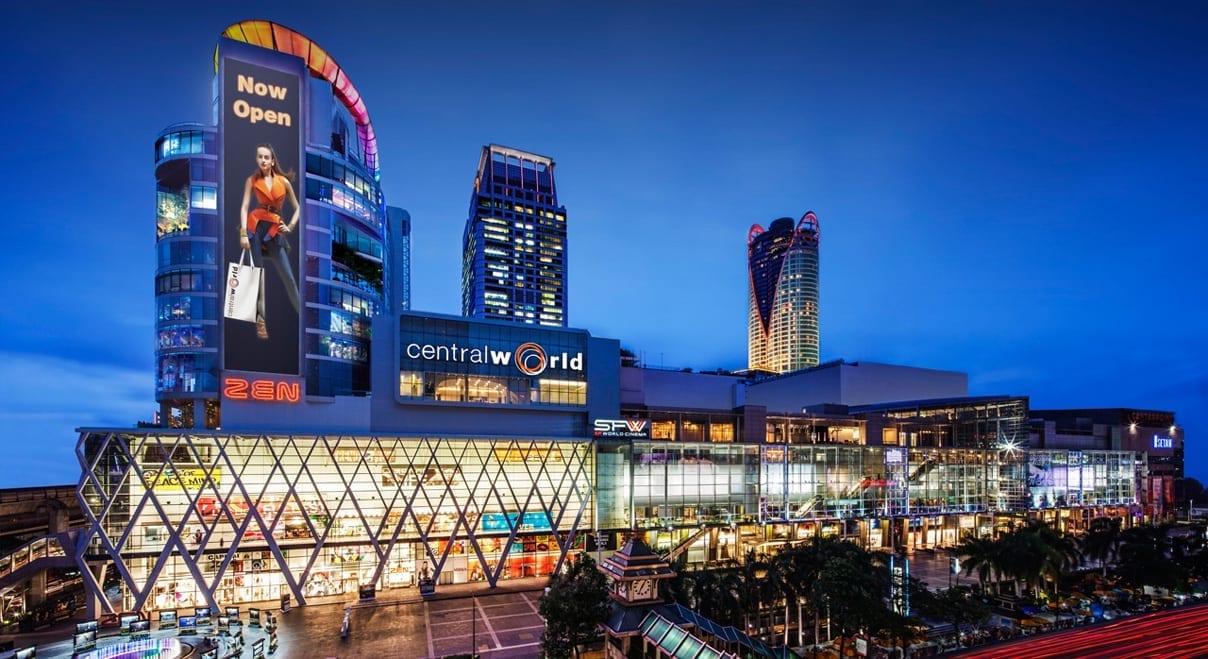
    Central Retail Corporation (CRC) reported its net profit grew by more than 75% year-on-year to THB2.31b in the first quarter.

    Over the same period, the company’s total revenue went up by 12% to THB63.2b.

    “The company achieved a 30% sales growth in the fashion category, 9% growth in the food category. Sales in the hardline category in the Thai market also continue to grow at 9% despite the downward trend in the industry,” Yol Phokasub, CEO, Central Retail Corporation (CRC), said.

    “These results are positive signals, which are indicative of Central Retail’s further growth prospect in 2023, reaching its growth targets and driving up revenue by 12-15%.”

    The company noted Central and Robinson Department Stores continued to grow and develop as a result of its mission to deliver next-level shopping experiences to its customers.

    Moreover, Central and Robinson Department Stores continue to grow and develop as a result of its mission.

  • Singapore records minor retail sales growth in June

    Singapore records minor retail sales growth in June

    Singapore retail sales (excluding motor vehicles) grew by 2.5 per cent to SG$3.4 billion (US$2.5 billion) in June, following May’s 1.7 per cent increase.

    The country’s seasonally adjusted retail sales were up 0.2 per cent month over month, data from the Department of Statistics Singapore shows.

    Online retail sales accounted for 14.3 per cent of the total sales, it added.

    The food and alcohol sector reported a 30.7 per cent jump in sales year over year, attributed to higher demand for alcoholic beverages, including those in duty-free shops.

    While most of the remaining sectors posted a year-on-year increase in sales, petrol service stations saw a 24.2 per cent dip. Sales of motor vehicles also declined by 8.4 per cent in June.

    The sales increase of food and beverages services continued to slow down for the month, up 7.2 per cent compared to the 8.7 per cent growth in May and 15.3 per cent in April.

    The sales value of food and beverages services was $956 million, with 23.4 per cent coming from online transactions.

  • Alibaba aims to expand local business in Europe

    Alibaba aims to expand local business in Europe

    Alibaba Group will make Europe top priority as it focuses on building local businesses and online platforms outside China, the president of the e-commerce giant said on Thursday.

    “What we will focus more for the future is to build local businesses, so you will see something called TMall which we have in China become TMall in Europe, which means we will serve local brands and local customers in local markets,” J. Michael Evans told a technology conference in Paris.

    “We have started with a pilot project in Spain which we will expand across Europe,” he said.

    Alibaba announced in March it would split into six units and explore fundraising or listings for most of them, following a two-year regulatory crackdown on China’s tech sector.

    Its e-commerce business is to be split, with one side covering Alibaba’s domestic-facing e-commerce marketplaces and the other its overseas e-commerce marketplaces such as Lazada, which serves Southeast Asia, and AliExpress.

    Taobao and TMall are China’s dominant e-commerce marketplaces in China.

    Asked about Alibaba founder Jack Ma, China’s best known entrepreneur who withdrew from public view in late 2020 after giving a speech criticising China’s regulatory system, he said Ma remained Alibaba’s biggest shareholder and still cared very much about the company.

    Ma left mainland China in late 2021 for stints in Japan, Spain, Australia and Thailand, according to photographs, but returned in March a day before Alibaba announced its restructuring. He has not made any public comments during that period.

    “Jack is alive, he is well, he is happy. He is teaching at a university in Tokyo and spending more time in China,” Evans said.

    “He is the largest shareholder at Alibaba. This is his company, he cares as much about this company today as he did when he started it and I expect this to continue for as long as Alibaba and Jack Ma are here.”