Retail News CRM

Tag: Retailers

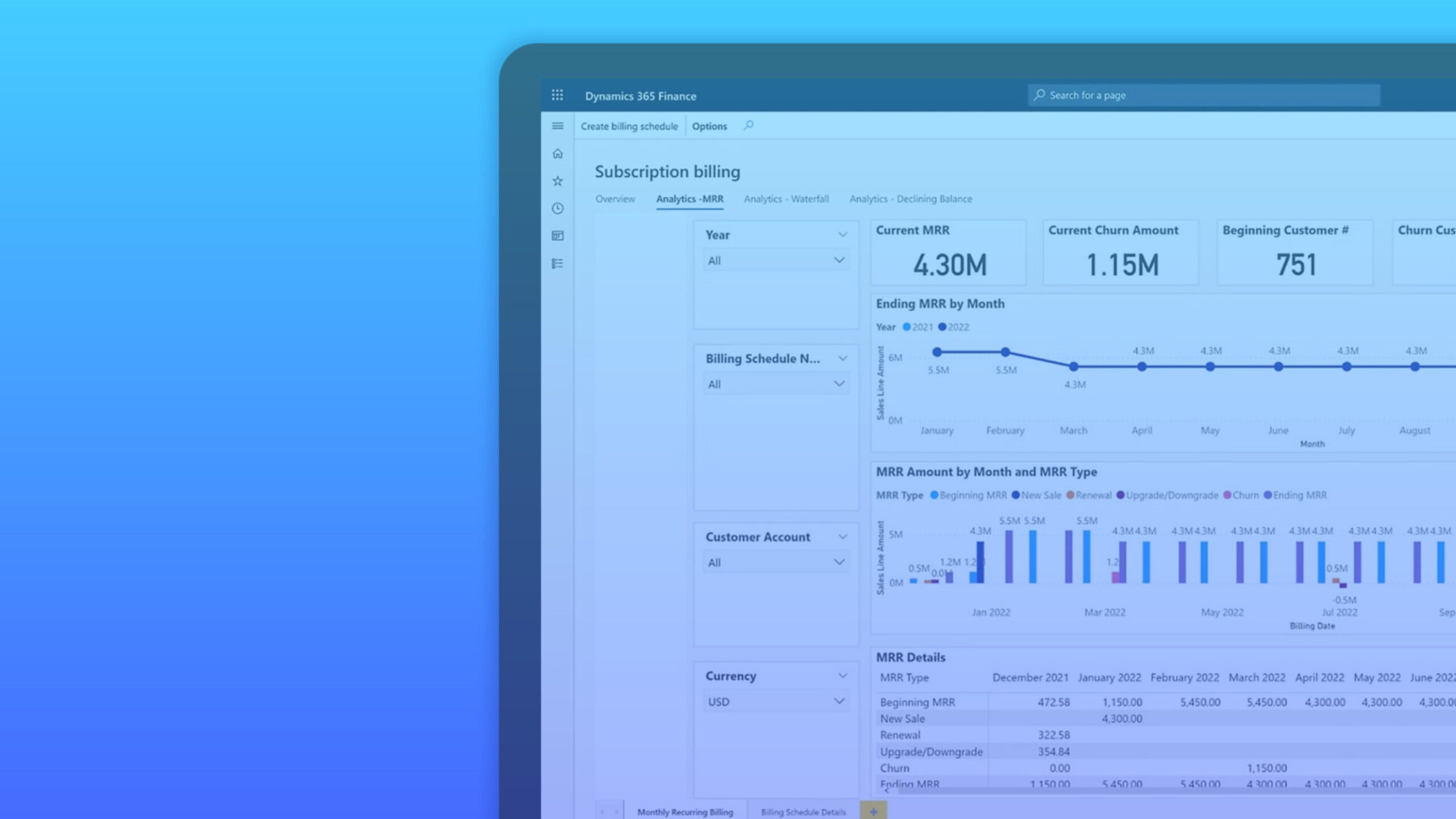
  • Wild Tech starts Microsoft Dynamics 365 program with Metro Department Store Singapore

    Wild Tech starts Microsoft Dynamics 365 program with Metro Department Store Singapore

    Wild Tech has commenced an engagement with Metro Department Store Singapore to support the retailer’s transition away from a long-running legacy environment and into the Microsoft Dynamics 365 ecosystem. Metro is one of Singapore’s established department store brands, operating physical stores including Metro Paragon and Metro Causeway Point.

    The engagement begins with a requirements and solution study, designed to clarify Metro’s future-state finance needs and establish a practical pathway to implementation. Metro’s broader modernisation program includes changes associated with financial and inventory practices, with the initial focus placed on ensuring finance foundations are fit-for -purpose before subsequent phases are considered.

    “This is exactly the kind of engagement where getting the foundations right matters more than rushing to configuration,” said Matthew Rodgers, Head of Microsoft APAC at Wild Tech. “Metro has been clear about moving into the Microsoft Dynamics world, and our role in this phase is to bring structure and transparency to the requirements, so the implementation approach is realistic, well-governed, and able to scale into future phases as confidence grows.”

    After assessing options within the Dynamics portfolio, Metro selected Dynamics 365 Finance & Operations (F&O) as the target platform. The program will be designed to support improved governance, control, and reporting capability, while creating a scalable base for future operational uplift across the wider retail environment.

    Wild Tech’s current scope centres on defining requirements, mapping priority processes, confirming data and reporting needs, and identifying key integration touchpoints typically required in retail environments. This includes establishing how finance will connect to upstream operational systems that influence inventory, costing, reconciliation, and management reporting. The work will also set out a staged roadmap intended to reduce delivery risk and avoid unnecessary disruption during transition.


  • RedMart Now: Shaking Up Singapore’s Grocery Scene with 30-Minute Deliveries

    RedMart Now: Shaking Up Singapore’s Grocery Scene with 30-Minute Deliveries

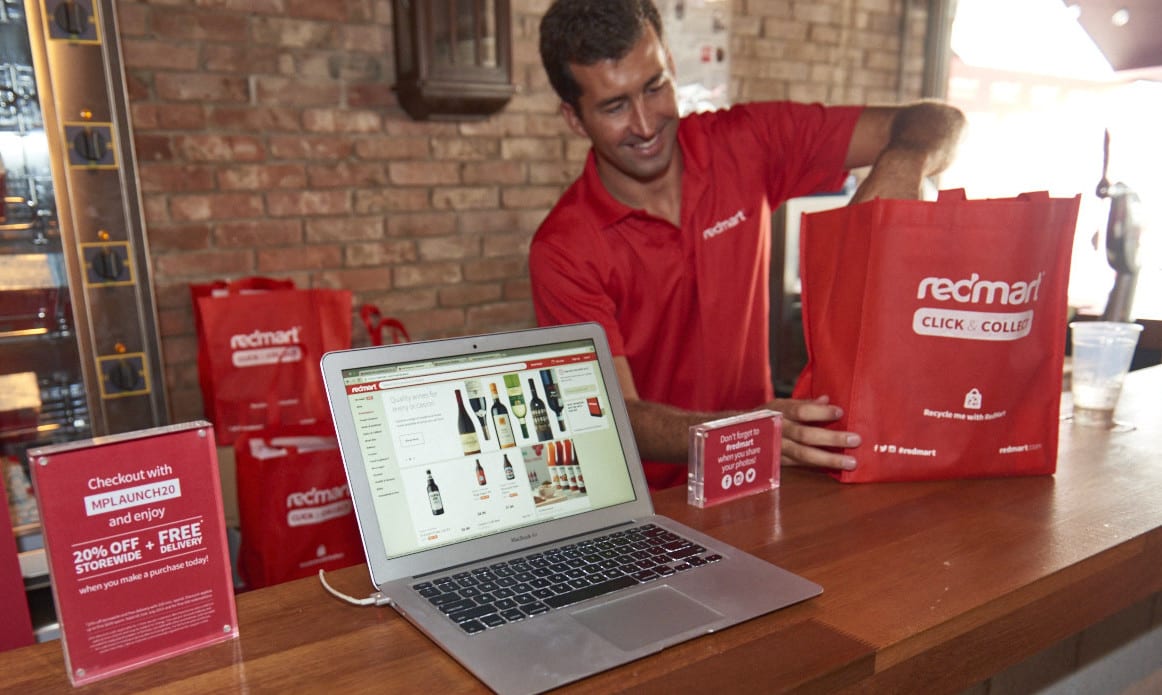
    Lazada’s RedMart has recently announced the launch of a new on-demand grocery delivery service in Singapore, RedMart Now, which guarantees to deliver orders within 30 minutes.

    Expanded Delivery Options

    The latest service supplements RedMart’s pre-existing same-day delivery offerings, including two-hour and six-hour delivery windows. RedMart Now will initially operate across selected southern and central neighborhoods such as Sentosa, Telok Blangah, Alexandra, Pasir Panjang, Clementi, Queenstown, Orchard, River Valley, Tanglin, and Bukit Timah. Plans are in place for a phased rollout across the rest of the island.

    Curated Product Range

    RedMart Now will feature a tailored selection of frequently used essentials such as fresh produce, snacks, beverages, festive goods, and household items. The delivery fee is set at S$3.99 for orders exceeding S$30.

    Martin Daney, SVP, Head of RedMart at Lazada, explained the rationale behind launching RedMart Now. He articulated that the aim of the service is to cater to urgent and unexpected shopping needs. He emphasized how the service was designed to allow customers to receive their needed items in as little as 30 minutes. The overall goal is to become the leading platform for both regular grocery shopping and urgent needs, thus allowing consumers to dedicate less time to running errands and more time to activities they enjoy.

    Entering the Quick Commerce Market

    The introduction of RedMart Now places the company in direct competition with other fast-delivery providers in Singapore’s dense and high-value grocery market. It also signifies a deeper penetration into the nation’s rapidly expanding quick commerce sector.

    Quick commerce presently constitutes about one-third of Singapore’s online grocery delivery revenue. Last year, according to Statista, the segment was projected to hit approximately US$371.75 million within a broader online grocery market estimated at US$1.04 billion.

    Questions & Answers

    What is RedMart Now?
    RedMart Now is a new on-demand grocery delivery service launched by Lazada-owned RedMart in Singapore, promising delivery within 30 minutes.

    Where will RedMart Now initially operate?
    RedMart Now will initially operate across selected southern and central neighborhoods in Singapore, with a phased rollout planned for the rest of the island.

    What does the launch of RedMart Now signify?
    The launch of RedMart Now signifies a deeper penetration into Singapore’s rapidly expanding quick commerce sector and places the company in direct competition with other fast-delivery providers in the country’s high-value grocery market.

  • Singapore Retail Sales Momentum Cooldown in December after November’s Record Highs

    Singapore Retail Sales Momentum Cooldown in December after November’s Record Highs

    The rate of retail sales growth in Singapore experienced a significant deceleration in December, following an impressive surge in November.

    As per the data provided by the Department of Statistics, retail sales, excluding motor vehicles, saw an increase of 1.7 per cent in December. This figure shows a sharp contrast to the revised growth of 5.7 per cent reported in November, the most robust monthly gain of the year.

    The projected total retail sales value for December was approximately SG$4.1 billion (US$3.2 billion), with online sales contributing to 17 per cent of this figure.

    On a seasonally adjusted basis, December’s retail sales experienced a 6.7 per cent decline when compared to November.

    Sector-specific Performance

    In terms of year-on-year sales growth, the majority of sectors demonstrated an upward trend in the final month of the year. Leading the pack were recreational goods (13.4 per cent), computer and telecommunications equipment (12.8 per cent), and watches and jewellery (7.1 per cent).

    However, some other sectors such as supermarkets, convenience stores, cosmetics, and optical goods and books reported modest increases of less than 5 per cent.

    In contrast, petrol service stations faced a harsh 9.1 per cent drop in sales, followed by the food and alcohol sector, which saw a 7.1 per cent dip in sales.

    Food and Beverage Services

    Despite the overall dip in retail sales, the food and beverage services sector saw a marginal rise of 0.7 per cent in December. This, however, was a downslide from the 2.5 per cent growth the sector had witnessed in November.

    Questions & Answers

    What was the total projected value for retail sales in Singapore in December?
    The total projected retail sales value in Singapore for December was approximately SG$4.1 billion (US$3.2 billion).

    Which sectors experienced the most significant growth in December?
    The sectors that saw the most significant growth in December were recreational goods, computer and telecommunications equipment, and watches and jewellery.

    How did food and beverage services perform in December compared to November?
    The food and beverage services sector experienced a slight increase of 0.7 per cent in December, a decrease from the 2.5 per cent growth seen in November.

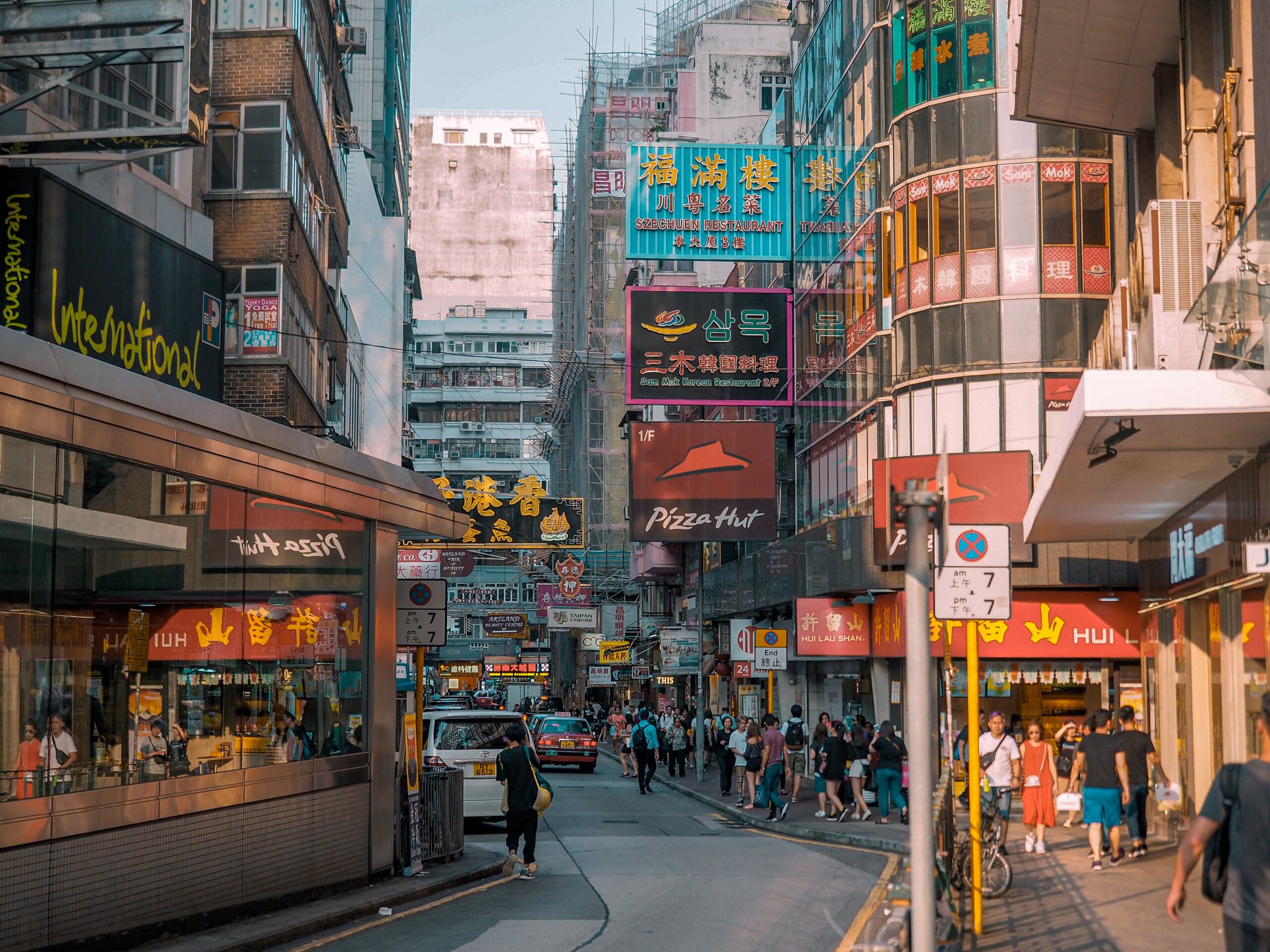
  • Hong Kong Retail Boom: December Sales Surge in 8th Consecutive Monthly Increase

    Hong Kong Retail Boom: December Sales Surge in 8th Consecutive Monthly Increase

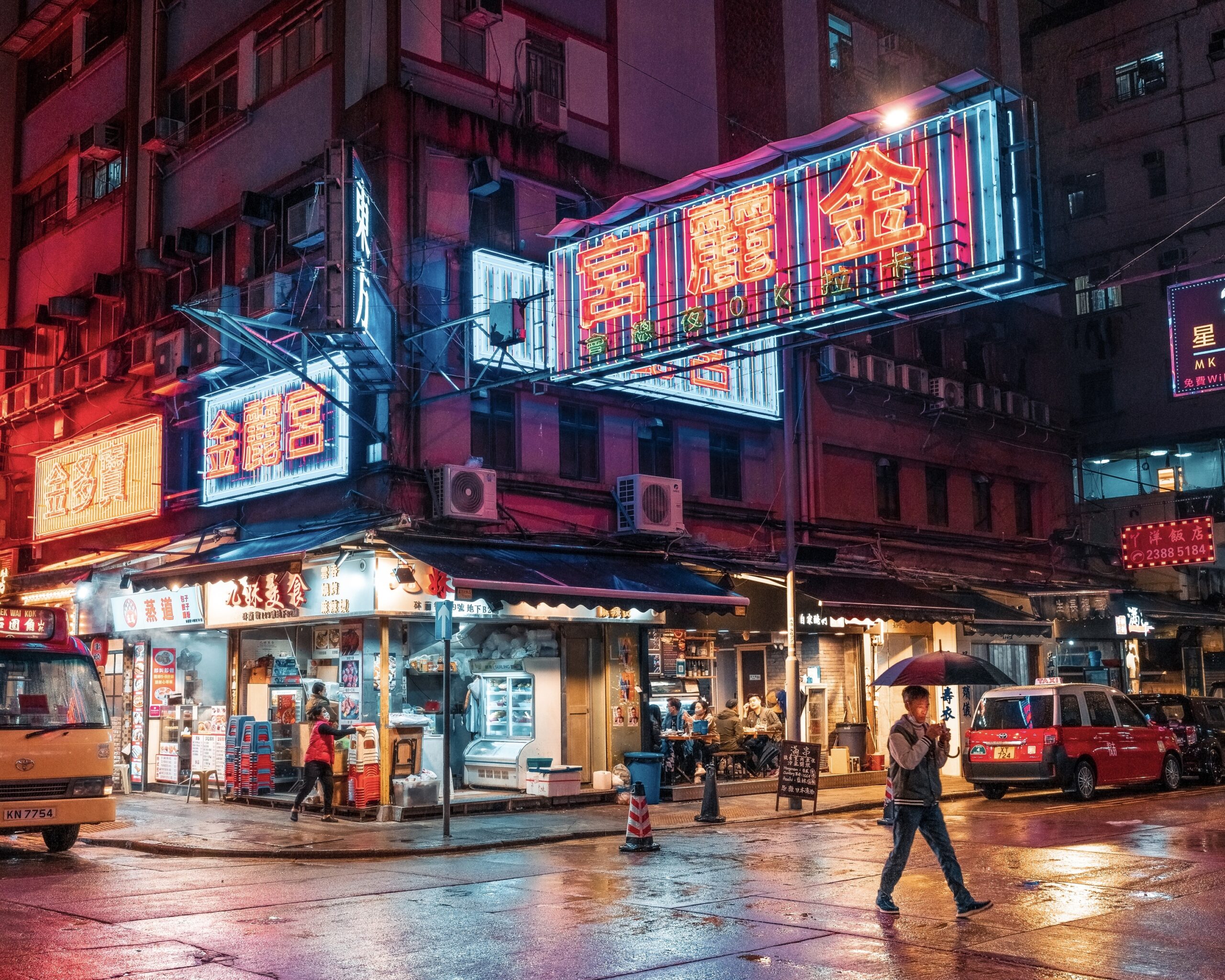
    In December, retail sales in Hong Kong rose by 6.6% compared to the previous year, marking the eighth consecutive month of growth. This trend indicates a steady economic recovery in the region, according to recent government data.

    This increase amounted to a total of HK$35 billion (US$4.48 billion) in retail sales. In November, there was a similar rise in retail sales, with a 6.5% year-on-year increase.

    Retail Sales Volume

    In terms of volume, December’s retail sales saw a 5.1% increase from the previous year, showing a slight acceleration compared to the 4.4% rise witnessed in November.

    Looking forward, the value of total retail sales in 2025 is projected to rise by 1% from the previous year. Meanwhile, the volume is expected to remain at a similar level as compared to 2024.

    Consumer Sentiment and Tourism

    A government spokesperson highlighted the positive local consumption sentiment, backed by robust economic growth momentum. Coupled with the continued surge in inbound visitors, this is expected to support the retail businesses in the region.

    Tourist arrivals in December saw a significant upturn, with 4.65 million visitors, a 9.2% increase from the previous year, according to data from the Hong Kong Tourism Board.

    Mainland Chinese visitors made up the majority of these arrivals, accounting for 3.35 million. This represents an 8.2% increase year-on-year.

    Sales Across Various Retail Sectors

    In December, certain retail sectors saw remarkable growth. Sales of jewellery, watches, clocks, and valuable gifts surged by 14.3% year-on-year, a significant jump from the 3.6% rise in November.

    However, not all sectors experienced growth. The sales of clothing, footwear, and allied products fell by 10.3% year-on-year in December, despite a 2% increase in November.

    Questions & Answers

    What was the percentage increase in retail sales in Hong Kong in December?

    In December, retail sales in Hong Kong increased by 6.6% compared to the same period in the previous year.

    What is the projected increase in the value of total retail sales in 2025?

    The value of total retail sales in 2025 is projected to increase by 1% from the previous year.

    How did the sales of jewellery, watches, clocks, and valuable gifts perform in December?

    In December, sales of jewellery, watches, clocks, and valuable gifts surged by 14.3% year-on-year.

  • Singapore Retailers Seek Increased Budget Support for Enhanced Competition and Sustainability in 2026

    Singapore Retailers Seek Increased Budget Support for Enhanced Competition and Sustainability in 2026

    In Singapore, the lifestyle industry, particularly retailers, has expressed the need for continuous support from the Budget allocation due to mounting challenges such as elevated costs, labour shortages, and fierce competition.

    According to the Singapore Retailers Association (SRA), the retail sector in the country continually faces obstacles that include labour shortages, high rents and operating costs, competition from the e-commerce sector, and evolving consumer preferences.

    The SRA cautioned that without ongoing support, local businesses could find themselves trailing behind their well-funded international competitors.

    Retail Sales Figures Reflect Struggles

    The tough conditions being faced by the industry are evident in the 2025 retail sales figures. Segments such as clothing and footwear have seen a continuous decrease, while other sectors such as supermarkets have managed to maintain their resilience, stated Ernie Koh, the president of the SRA.

    The retail market has also experienced a split-speed with well-funded global brands controlling high-traffic locations. This has put smaller local operators under pressure, added Koh.

    Joint Call for Support

    In an alliance with other lifestyle trade bodies including the Restaurant Association of Singapore and the Singapore Fashion Council, the SRA has marked several recommendations for the 2026 Budget to address the ongoing and future challenges facing the retail industry.

    The recommendations focus on three major areas: enhancing the competitiveness of SMEs, addressing labour issues, and promoting sustainability efforts.

    To boost the competitiveness of local SMEs, the groups suggest introducing a scale-up programme that provides them with capital for growth acceleration, as well as access to strategic guidance, mentorship, partnerships, and commercial opportunities.

    Proposed Measures

    The groups have also suggested a franchise and licensing accreditation system to gain more transparent insights into the entry of foreign brands. This would allow stakeholders to better forecast market shifts and protect local businesses.

    Refining the Community Development Council (CDC) voucher system was another suggestion, aiming to channel government support directly to essential items, thereby balancing the cost-of-living relief with support for local retailers.

    To address the labour shortage issue, the groups recommend extending the Progressive Wage Credit Scheme for the retail and food service industries until 2028, and increasing the co-funding for the retail industry from 20 per cent to 75 per cent this year.

    Further suggestions to tackle manpower shortages include reducing the cost of hiring foreign staff for frontline retail roles, encouraging the hiring of PMETs (professionals, managers, executives, and technicians) over 50, improving the career conversion programme, and implementing trade testing for new foreign workers.

    To accelerate sustainable retail, the group recommends expanding the Climate Vouchers scheme to include companies with trusted green certifications, such as B-Corp, Singapore Furniture Industries Council’s Sustainability Furniture Mark or Green Mark.

    The Future of Retail

    The SRA emphasised that the future of retail hinges on the seamless integration of omnichannel strategies, leveraging AI and personalisation, enhancing experiential retail, prioritising sustainability, and upskilling the workforce to overcome the challenges faced by the industry. These challenges include high costs and labour shortages, with growth being supported by tourism and technological adoption, despite short-term economic uncertainties.

    Questions & Answers

    What are the major challenges faced by the retail industry in Singapore?
    The key challenges faced by the industry mainly include high rents and operating costs, labour shortages, competition from e-commerce platforms, and shifting consumer demands.

    What are the recommendations made by the SRA for the 2026 Budget?
    The SRA has recommended actions in three key areas – enhancing SME competitiveness, addressing labour issues, and supporting sustainability efforts. These include a scale-up programme for SMEs, extension of the Progressive Wage Credit Scheme, and expanding the Climate Vouchers scheme.

    How does the SRA suggest dealing with labour shortages and high costs?
    The SRA suggests that extending the Progressive Wage Credit Scheme until 2028 and increasing co-funding for the retail industry could help with manpower shortages. To deal with high costs, the association recommends refining the CDC voucher system to balance cost-of-living relief with support for local retailers.
  • AS Watson Expands Empire: 1000 New Stores Set to Open Amid 10 Million Boost in Loyalty Membership

    AS Watson Expands Empire: 1000 New Stores Set to Open Amid 10 Million Boost in Loyalty Membership

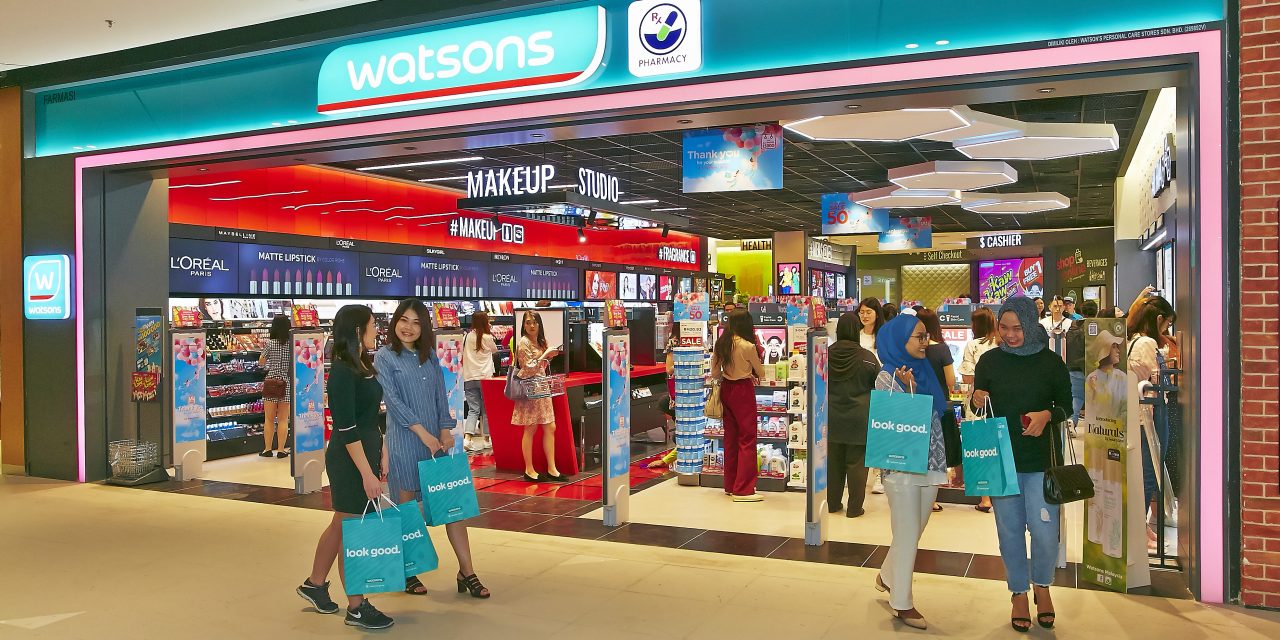
    AS Watson, a health and beauty retail giant, has announced ambitious expansion plans for the coming year, with around 1,000 new stores expected to open. This move comes in response to a significant surge in customer engagement via the company’s loyalty program.

    Growing Loyalty Program

    Last year, AS Watson witnessed an addition of 10 million new members to its loyalty program, pushing the global membership count to an impressive 180 million plus. This growth can be traced back to a successful integration between the firm’s brick-and-mortar store network and online platforms.

    Investment and Expansion

    AS Watson, which currently operates over 17,000 stores across 31 markets in Asia and Europe, is set to support its new store openings with an investment of approximately US$490 million. This funding will be allocated towards the launch of new stores, making store refurbishments, implementing technology updates, and enhancing supply chain processes.

    Strong Performance

    The retailer reported a robust category performance in the past year. Sales in the health category witnessed an 8 per cent increase, led by a double-digit rise in Europe. Simultaneously, beauty sales saw a 6 per cent uptick, propelled by a double-digit surge in Asia. The combined offline and online sales also saw a double-digit growth over the year.

    Preparation for the Future

    “Markets, technologies, and expectations are changing at an unprecedented speed. As we look to the future, our goal isn’t to predict what it holds but to be prepared for it. Our strategy remains the same – maintaining our dedication towards our customers, our employees, our partners, and upholding responsible business practices,” said Malina Ngai, Group CEO of AS Watson.

    AS Watson, which was established in Hong Kong in 1841, is celebrating its landmark 185th anniversary this year.

    Questions & Answers

    How many new stores is AS Watson planning to open this year?
    AS Watson plans to open about 1,000 new stores this year.

    What contributed to the growth in AS Watson’s loyalty program?
    The growth in AS Watson’s loyalty program can be attributed to the successful integration of its physical store network and online platforms.

    What is AS Watson’s strategy for the future, according to its Group CEO, Malina Ngai?
    AS Watson’s strategy for the future, as outlined by its Group CEO Malina Ngai, is not to predict the future but to be prepared for it by maintaining commitment towards their customers, employees, partners, and upholding responsible business practices.

  • Unstoppable Uniqlo: Fast Retailing’s Profits Skyrocket with Global Expansion Strategy

    Unstoppable Uniqlo: Fast Retailing’s Profits Skyrocket with Global Expansion Strategy

    Fast Retailing, which operates the Uniqlo clothing brand, has reported a significant increase in its quarterly operating profit, attributing the boost to a robust global sales growth. The increase in profits has enabled the company to withstand the impact of US tariffs.

    The company is currently marking its fifth consecutive year of profit. It has seen a rise in sales in China, which is its largest international market. This sales spike has been supplemented by an aggressive growth strategy in North America and Europe.

    During the quarter, Fast Retailing inaugurated key stores in Antwerp, Birmingham, and Munich. The company also has plans to establish a series of new flagship stores in key US cities, such as Chicago, New York, and Boston.

    Fast Retailing, which is known for its durable basic items, is viewed as an indicator of consumer sentiment in both Japan and China. It reported a 34% increase in operating profit to 205.6 billion yen (US$1.3 billion) during the September-November period, stemming from a 15% increase in revenue. This impressive performance exceeded the consensus estimates of 177 billion yen.

    The company also witnessed a 20.6% growth in profit from its domestic business compared to the previous year, largely due to rising demand for sweatshirts and warm innerwear.

    Numerous international markets observed double-digit growth in both revenue and profit. Sales in the autumn season were particularly strong in China, and a collaborative venture with e-commerce giant JD helped to attract new customers.

    In summary, the international segment of Fast Retailing reported a profit growth of 41.6%.

    For the full year, the company has raised its operating profit target to 650 billion yen, up from the previously set target of 610 billion yen.

    In a bid to reduce its reliance on the China market, which was significantly impacted by stringent Covid-19 restrictions, Fast Retailing has focused on North America and Europe as its primary growth regions.

    Questions & Answers

    What has contributed to Fast Retailing’s recent success?

    Fast Retailing’s success can be attributed to robust global sales growth, a rise in sales in China, its largest overseas market, and an aggressive expansion strategy in North America and Europe.

    What has been the impact of the company’s domestic business on its growth?

    The company’s domestic business has had a positive impact on its growth, with a 20.6% increase in profit thanks to the strong demand for sweatshirts and warm innerwear.

    How has Fast Retailing responded to the challenges posed by Covid-19 restrictions in China?

    Fast Retailing has sought to lower its dependence on the Chinese market by focusing on North America and Europe as its primary growth areas.

  • Hong Kong Retail Sales Enjoy 7-Month Winning Streak with 6.5% Rise in November

    Hong Kong Retail Sales Enjoy 7-Month Winning Streak with 6.5% Rise in November

    Hong Kong’s retail sector has seen a seventh consecutive month of increased sales, with a 6.5% rise in value during November, according to government reports. The retail sales for the month totalled HK$33.7 billion (US$4.33 billion), demonstrating a steady incline when compared to the 6.9% increase recorded in October of the same year.

    Volume and Value

    Notably, the volume of retail sales in November saw a 4.4% increase compared to the same month in the previous year. This was slightly less than the 5.3% growth experienced in October. However, despite the ongoing monthly gains, the total retail sales for the first 11 months of 2025 only experienced a slight 0.4% increase in value when compared to the previous year. Furthermore, the volume of retail sales actually decreased by 0.9% over this period.

    Sustained Economic Growth

    A government spokesperson has expressed optimism towards the ongoing retail recovery, stating, “The gradual improvement in local consumption sentiment amid sustained economic growth, combined with the vibrant growth in inbound visitors, will continue to benefit retail businesses.”

    The number of visitors to Hong Kong in November was reported as 4.19 million, marking a 17.4% increase from the previous year. Mainland China contributed significantly to these figures, accounting for 3.04 million visitors – an 18.9% increase year-on-year.

    Sales across Different Sectors

    Different sectors within the retail industry have seen varied degrees of growth. Sales of high-value items such as jewellery, watches, clocks, and valuable gifts saw a smaller increase of 3.6% in November, compared to the revised 9.4% growth in October. Similarly, the sales of clothing, footwear and related products increased by 2% year-on-year in November, following a slight 0.9% rise in October.

    Questions & Answers

    What is the overall trend of Hong Kong’s retail sales?
    The overall trend shows a steady increase, with November marking the seventh consecutive month of growth.

    Which sectors experienced the most growth?
    High-value items such as jewellery, watches, clocks, and valuable gifts, as well as clothing, footwear, and related products experienced growth.

    What factors contributed to the growth of Hong Kong’s retail sector?
    The government spokesperson attributed the growth to improved local consumption sentiment, sustained economic growth, and an increase in inbound visitors, particularly from mainland China.

  • Revolutionizing Retail: How Meta, L’Occitane and Omnichat are Using WhatsApp to Drive Customer Loyalty

    Revolutionizing Retail: How Meta, L’Occitane and Omnichat are Using WhatsApp to Drive Customer Loyalty

    Omnichat, a notable omnichannel AI platform, recently conducted the third iteration of the Commerce Leadership Forum at Meta Singapore’s facility. The forum saw an assemblage of high-ranking leaders across various sectors, arranged to discuss the transformative influence of AI-empowered business messaging in retail, beauty, and lifestyle industries in the Asia Pacific.

    The Impact of WhatsApp on Commerce

    Prominent leaders from Meta and L’Occitane spoke about the swift adoption of WhatsApp as a crucial commercial platform, underscoring its evolution from a simple customer support tool to an engaging platform catering to committed customers, driving conversions, and establishing long-lasting loyalty.

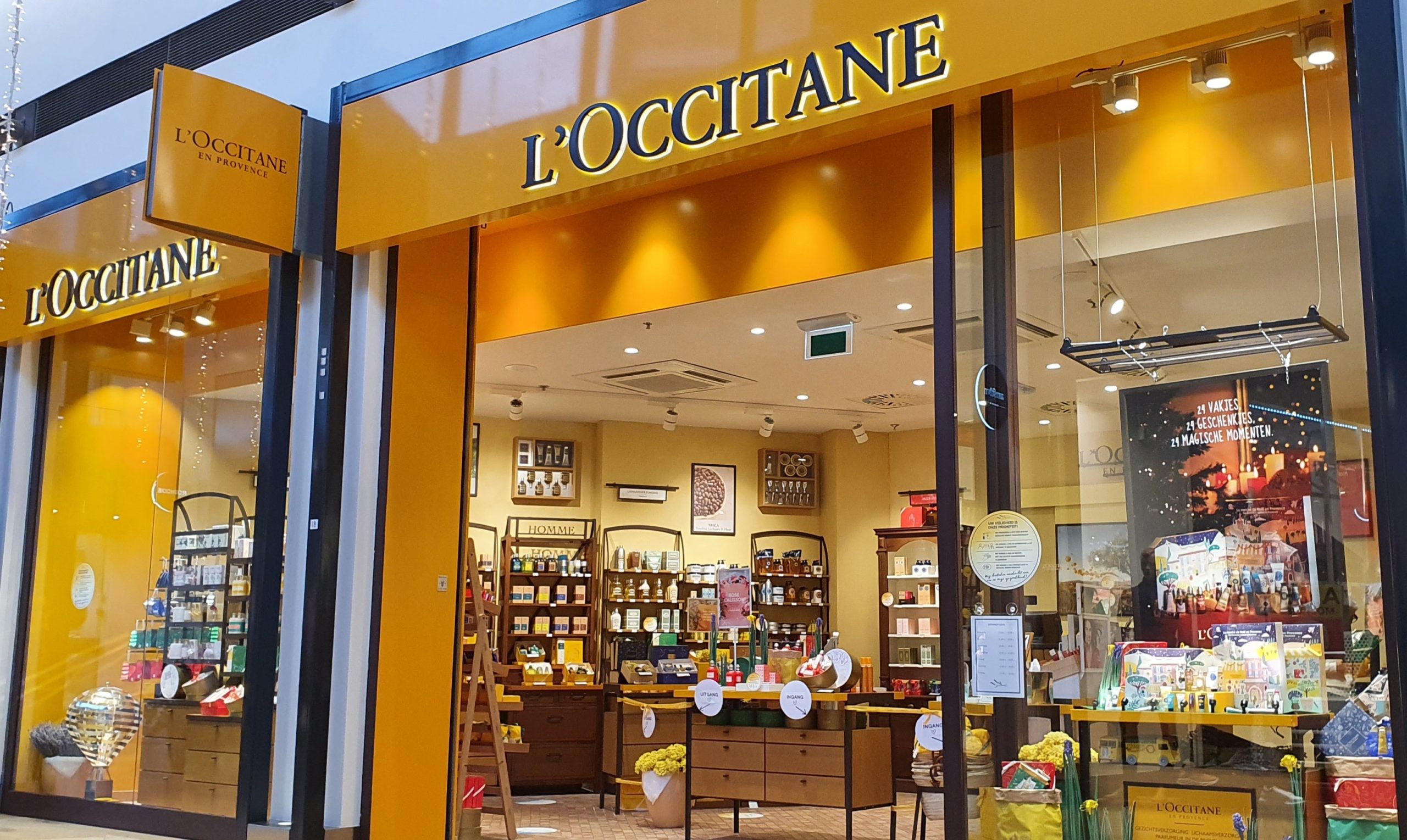
    L’Occitane disclosed that WhatsApp has become the primary mode of customer communication across Asia Pacific markets, accounting for over 80% of inbound and outbound customer interactions. The brand further revealed that personal, conversational interactions have resulted in profitable outcomes compared to traditional channels. This increase in commercial success, coupled with real-time engagement, has enabled L’Occitane to extend relationship-building beyond transactional interactions, resulting in lasting brand loyalty.

    Terrence Siu, chief information officer of APAC at L’Occitane, stated, “Loyalty begins the moment a customer chooses to stay connected with the brand. Using WhatsApp as a unified touchpoint allows us to move customers smoothly from online discovery to in-store engagement without losing context. Customers receive a consistent and personalized experience wherever they interact with us, be it on Facebook, Instagram, or WhatsApp.”

    L’Occitane has extended this seamless experience into a complete loyalty journey by utilizing Omnichat and WhatsApp to deliver sample products, VIP privileges, and post-purchase experiences. This ensures that customers feel guided and appreciated long after their initial transaction. The distribution of samples and exclusive VIP offers directly through WhatsApp has elevated their coupon redemption rate to 87%.

    Messaging-led Commerce and Loyalty

    Messaging-led commerce has been further reinforced by YouGov’s new regional insights. The data showed that 32% to 43% of Asia Pacific shoppers now utilize business messaging to track orders, complete purchases, and maintain contact with brands throughout the sales cycle. WhatsApp has effectively become the default loyalty channel for high-intent engagement in Asia.

    Vicky Yiu, APAC strategic partnership manager for business messaging at Meta, asserted, “WhatsApp is increasingly becoming the commerce layer for brand engagement in Asia. When businesses move to a messaging-led experience, they shift from campaigns to relationships – and that is where long-term loyalty is earned.”

    Omnichat, powering these loyalty journeys, has illuminated how brands can evolve membership from a static database into an active relationship engine. By consolidating multi-channel identity into a unified customer profile and harnessing AI to trigger personalized re-engagement flows, Omnichat aids brands in converting one-time buyers into loyal members.

    CEO and founder of Omnichat, Alan Chan, emphasized, “Loyalty only works when it’s active, not passive. By linking QR codes to product samples, in-store touchpoints, and messaging-based rewards, brands can proactively engage members in real time. This is the difference between a loyalty database and a loyalty journey.”

    Questions & Answers

    How is AI-powered business messaging transforming the retail and lifestyle sectors?
    AI-powered business messaging is transforming these sectors by personalising customer interactions, driving profitable outcomes, fostering long-term loyalty, and reducing customer acquisition cost.

    How has WhatsApp influenced L’Occitane’s customer engagement?
    WhatsApp has become L’Occitane’s primary mode of customer communication. It has enabled the brand to provide a seamless experience, from online discovery to in-store engagement and beyond. It also allows L’Occitane to distribute samples and VIP offers directly, resulting in a high coupon redemption rate.

    What role does Omnichat play in this transformative process?
    Omnichat powers the loyalty journeys of brands, transforming membership from a passive database into an active relationship engine. It helps brands remain present in the customer’s daily routine, enabling real-time rewards and VIP benefits, and consolidates multi-channel identity into a unified customer profile.

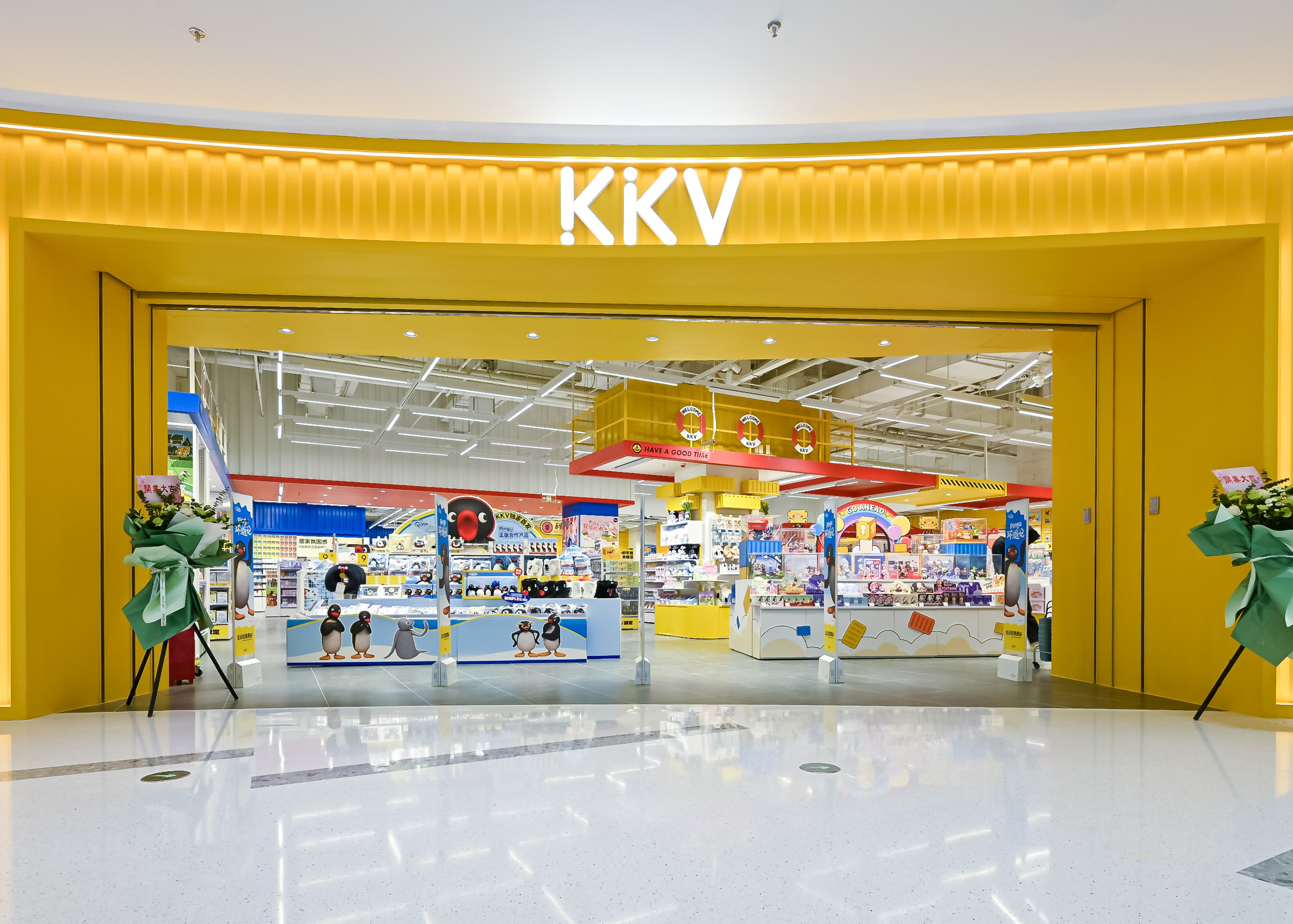
  • KK Group Revives Indonesian Market with Tri-Brand Blast: X11, KKV, and The Colorist

    KK Group Revives Indonesian Market with Tri-Brand Blast: X11, KKV, and The Colorist

    KK Group, a Chinese lifestyle retailer, is making a strategic return to the Indonesian market. The company plans to reintroduce three of its brands: X11, KKV, and The Colorist.

    The Return of X11, KKV, and The Colorist

    The reintroduction begins with X11, KK Group’s trend and culture emblem, which targets youthful consumers with art toys, anime paraphernalia, and pop culture merchandise. The first stores are set to open in Greater Jakarta and other major cities throughout Java, Bali, and several regional centers.

    Following closely behind is KKV, KK Group’s primary lifestyle brand, scheduled to launch the following year. KKV boasts a remarkable range of over 20,000 Stock Keeping Units (SKUs) that include home goods, stationery, beauty products, snacks, and fashion items. Alongside KKV, The Colorist, a mass-premium beauty brand focused on Generation Z and young millennials, is also set to launch.

    Rojen Wu, COO of KK Group’s international business, expressed the company’s firm commitment to Indonesia. “Indonesia has consistently been a priority for us in Southeast Asia,” Wu said. “With KKV, The Colorist, and X11, we aim to cultivate a comprehensive lifestyle retail ecosystem while offering redefined retail experiences to Indonesian consumers.”

    KK Group’s Ambitious Expansion Plans

    KK Group’s multi-brand strategy includes the development of a network of over 500 stores across these three core brands. The company is also considering introducing Pet Tribes, a pet-centered concept recently launched in China, as part of its broader multi-brand strategy for Indonesia. In the long term, KK Group projects running over 1,000 stores under its enlarged brand portfolio.

    This Indonesian re-entry comes on the heels of KK Group’s aggressive Southeast Asian expansion, which has seen them breaking into new markets in Malaysia, Singapore, Thailand, Vietnam, and the Philippines. At present, KK Group operates over 1,000 stores in China and more than 150 stores across various regions.

    Questions & Answers

    What is KK Group’s re-entry strategy into the Indonesian market?

    KK Group plans to reintroduce three of its brands: X11, KKV, and The Colorist. The company also intends to develop a network of over 500 stores across these core brands.

    What are the three brands that KK Group is reintroducing into Indonesia?

    The three brands are X11, a trend and culture brand aimed at younger consumers; KKV, the company’s flagship lifestyle brand; and The Colorist, a mass-premium beauty brand targeted at Generation Z and young millennials.

    What is KK Group’s long-term vision for its multi-brand strategy in Indonesia?

    In the long term, KK Group plans to operate over 1,000 stores under its expanded brand portfolio. The company is also considering the introduction of Pet Tribes, a pet-focused concept recently launched in China.

  • Singapore’s 2026 Economy: Navigating Tariffs, Tech, and Transformation Amid Weakening External Demand

    Singapore’s 2026 Economy: Navigating Tariffs, Tech, and Transformation Amid Weakening External Demand

    In 2026, Singapore is slated to encounter a crucial year in which its economic resilience will be put to the test by changing geopolitical scenarios, trade fragmentation, and a moderating technology cycle, according to a recent report by DBS, the nation’s leading bank.

    Projecting Economic Trends

    DBS Group Research predicts a GDP growth of 1.8 percent, which, while proximate to potential, is down from an estimated 4.0 percent in 2025. The city-state will be managing the dual challenges of tariffs and tech, often referred to as the “two Ts” by analysts.

    It is projected that export-dependent sectors will experience a slowdown due to the ongoing impact of increased global tariffs and potential new semiconductor charges that could be imposed by the US. The World Trade Organization anticipates world merchandise trade volume to grow by a mere 0.5 percent in 2026, a sharp decrease from over 2 percent in the previous two years. This suggests a waning external demand.

    Slowing Tech Momentum

    Singapore’s electronics strength, fuelled by AI-related components, has now reached a mature phase, following an 18-month growth period. Global semiconductor sales growth is expected to slow down to 9.9 percent in 2026, from 15.4 percent in 2025. This could potentially curb manufacturing momentum if the AI boom subsides or if proposed US chip tariffs come into effect.

    In contrast, the services economy, particularly finance and insurance, information and communications, and professional services sectors, is anticipated to balance overall performance. Over the past decade, these modern services have demonstrated stronger and more consistent growth compared to manufacturing. This has been facilitated by digitisation, favourable financial conditions, and robust regional investment flows.

    Infrastructure Projects Boosting Growth

    Major infrastructure projects, such as Changi Airport Terminal 5, Tuas Port, and the North-South Corridor, are expected to stimulate the domestic construction sector. This sector is forecasted to generate an annual demand of S$39-46 billion from 2026 to 2029, indicating a structurally stronger outlook than both the post-pandemic recovery and the pre-COVID times.

    Headline and core inflation are predicted to average 1.2 percent and 1.0 percent, respectively, in 2026. This inflation rate is higher than the post-pandemic low in 2025, but still falls within the Monetary Authority of Singapore’s target range. Imported disinflation is diminishing, while domestic costs will modestly increase as productivity trails behind wage growth.

    Climate Policies and Price Pressures

    Changes in green policies, such as a planned 1.8 fold carbon tax increase and a sustainable fuel levy for aviation, are forecasted to drive up utility and travel prices. It is estimated that the carbon tax adjustment could increase electricity tariffs by approximately four percent in 2026. However, inflation of essential services is expected to be controlled by healthcare subsidies and reduced education fees.

    Policy Focus on Economic Blueprint

    With a refreshed political leadership, Singapore is preparing to launch an updated strategy to boost competitiveness and ensure long-term vibrancy. This will include technology adoption, attracting global investments, and strengthening roles in emerging sectors like low-carbon energy and data flows.

    Year of Cautious Confidence

    Singapore’s status as a trusted hub, coupled with government buffers and policy continuity, forms the foundation of what DBS refers to as “measured resilience”. This refers to a type of growth that withstands challenges while also preparing for the next stage of economic transformation.

    Questions & Answers

    What are the “two Ts” that Singapore is expected to navigate in 2026?
    The “two Ts” refer to tariffs and technology. These are the two major challenges that are anticipated to impact Singapore’s economic growth in 2026.

    How is Singapore’s services economy expected to perform in comparison to the manufacturing sector?
    The services economy, particularly sectors like finance and insurance, information and communications, and professional services, is expected to balance overall performance in 2026. These sectors have shown stronger and more stable growth than manufacturing over the past decade.

    What is the predicted impact of green policy changes on Singapore’s economy in 2026?
    Changes in green policies, including a planned increase in carbon tax and a sustainable fuel levy for aviation, are expected to drive up utility and travel prices. However, inflation of essential services should be kept in check due to healthcare subsidies and reduced education fees.

  • Hong Kong Retail Market Sizzles: Six Months of Consecutive Growth Capped by a Strong October

    Hong Kong Retail Market Sizzles: Six Months of Consecutive Growth Capped by a Strong October

    Hong Kong’s retail sector has seen a significant upswing, with October marking the sixth consecutive month of sales increase. As per data from the Census and Statistics Department, there was a year-on-year increase of 6.9% in retail sales, provisionally estimated at HK$35.2 billion (US$4.5 billion) for the month. This represents the highest monthly increase witnessed over the past half year. Despite this, the retail sales over the first ten months remained largely on par with the same period the previous year.

    Noteworthy Sector Performances

    Specific sectors within the retail industry reported varying degrees of performance. Sales of electrical goods and other consumer durable goods took the lead with a significant increase of 24.6% in October. This was closely followed by jewellery, watches, clocks, and valuable gifts, which saw an increase of 9.5%. Alcoholic drinks and tobacco reported an increase of 6%, while department store commodities saw a 5.8% increase in sales.

    On the other hand, several sectors reported a decline in sales. Motor vehicle and parts sales saw the most significant drop, falling by 20%. This was followed by fuel sales, which decreased by 8.7%, and Chinese drugs and herbs, which fell 6.6%. Furniture and fixtures also saw a slight decrease in sales, falling by 2.3%.

    Government Statement

    The government has also weighed in on the positive trend in retail sales, with a spokesperson attributing the increase to an ongoing improvement in consumer sentiment. They noted that the retail sales recovery gathered momentum in October, indicating a forward progression from the sales increase in the previous month. The spokesperson expressed confidence in the continued improvement in local consumer sentiment and the sustained growth in visitor arrivals. These factors are expected to provide further support for retail businesses in the coming months.

    Questions & Answers

    What was the year-on-year increase in Hong Kong’s retail sales in October?
    The year-on-year increase in Hong Kong’s retail sales in October was 6.9%, according to the Census and Statistics Department.

    Which sectors reported the highest increase in sales?
    Electrical goods and other consumer durable goods reported the highest increase in sales, with a growth of 24.6%. They were closely followed by jewellery, watches, clocks, and valuable gifts, which saw a 9.5% increase.

    Which sectors saw a decrease in sales?
    Motor vehicle and parts experienced the most significant drop, falling by 20%. Fuels also decreased by 8.7%, with Chinese drugs and herbs falling 6.6%, and furniture and fixtures by 2.3%.

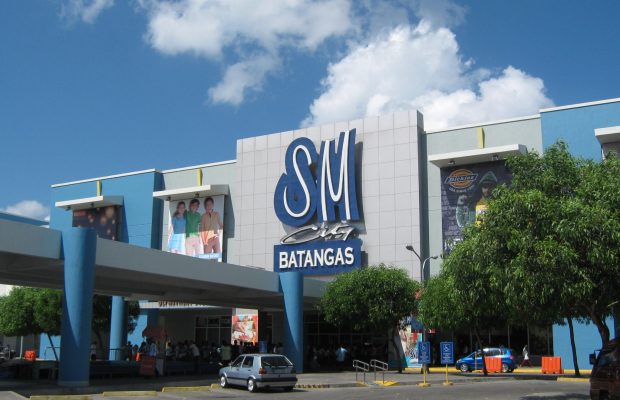
  • Riding the Retail Wave: SM Investments Sees Profit Surge Despite Weather Challenges

    Riding the Retail Wave: SM Investments Sees Profit Surge Despite Weather Challenges

    SM Investments, a conglomerate with operations in retail, banking, and property, experienced solid retail sales during the first three quarters of the year. These robust sales contributed to a consolidated net income of US$1.09 billion, a 6% rise compared to the same period in the previous year.

    The Impact of Weather Disruptions

    Despite significant weather disturbances in the Philippines, the company maintained steady performance. Frederic DyBuncio, President, and CEO of SM Investments remarked on the resilience of the company. He said, “In the face of adversities such as severe weather and flooding, our businesses have demonstrated sustained financial performance.”

    Income Breakdown

    Banking was the predominant contributor to SM Investments’ net income, accounting for 50% of the total. This was followed by property at 28%, retail at 15%, and portfolio investments at 7%.

    SM Retail’s Performance

    SM Retail disclosed a net income of $206.78 million, marginally lower than the $216.95 million recorded last year. Despite this slight dip, revenues grew by 5% to reach $5.39 billion. As a result, consolidated revenues climbed 4% to $8.17 billion.

    Consumer Behavior Shifts

    DyBuncio highlighted changes in consumer expenditure patterns as a factor impacting quarter-to-quarter comparisons. He explained that the earlier start of the school year in June shifted some expenditures from the third quarter to the second. Despite this shift, there was growth in niche retail spending, particularly in health and beauty, fashion, and kids categories. Essential spending also continued to bolster growth in food retail.

    Category Performance

    In terms of categories, department stores recorded a 3% revenue growth in fashion and children’s items. Food retail saw a 7% surge, largely attributable to store expansions. Specialty retail grew by 4%, driven mainly by increased demand in children’s and home categories.

    DyBuncio expressed confidence in the company’s outlook despite external challenges, declaring, “While external factors may impact the overall economic growth, we remain positive as we head into the fourth quarter.”

    Questions & Answers

    What was the significant factor contributing to SM Investments’ net income?
    Banking was the main contributor, accounting for 50% of the total net income.

    What consumer behavior change affected SM Investments’ quarterly comparison?
    The shift in school opening from the third to the second quarter caused some changes in consumer spending patterns.

    Which categories demonstrated notable growth in SM Investments’ retail sector?
    There was notable growth in specialty retail spending, particularly in health and beauty, fashion, and kids categories, as well as in food retail due to store expansions.

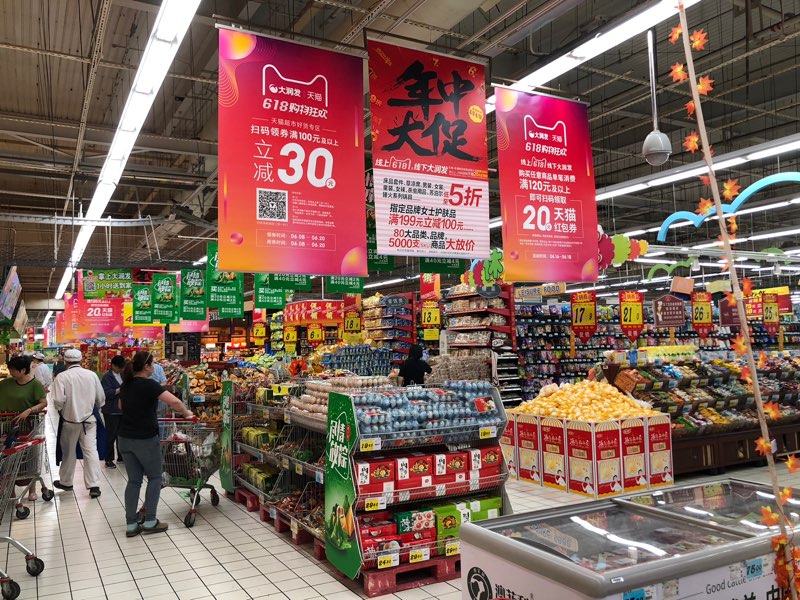
  • China’s Economy Under Pressure: Factory Output And Retail Sales Hit Yearly Lows

    China’s Economy Under Pressure: Factory Output And Retail Sales Hit Yearly Lows

    October witnessed the slowest growth in China’s factory output and retail sales in more than a year, applying added pressure on policymakers to overhaul the nation’s $19 trillion export-driven economy. Increasing supply and demand strains are poised to further hinder growth.

    For many years, those accountable for maintaining the momentum of the world’s second-largest economy had the choice of stimulating its massive industrial complex to enhance exports if domestic consumer spending dwindled. Alternatively, they could delve into public funds to finance GDP-boosting infrastructure projects.

    However, the tariff war initiated by former US President Donald Trump underscores the manufacturing behemoth’s dependency on the world’s most extensive consumer market. There are limits to how much growth the Chinese economy can derive from constructing more industrial parks, power substations, and dams.

    The Current State of Affairs

    The indicators released last Friday provide little optimism for a rapid recovery. As each month’s data worsens, the call for reform becomes more critical.

    According to data from the National Bureau of Statistics (NBS), industrial output experienced a yearly growth of 4.9% in October. This marks the weakest annual growth since August 2024, compared to a 6.5% increase in September, falling short of the anticipated 5.5% surge.

    Meanwhile, retail sales, a measure of consumption, saw a 2.9% expansion last month, which is also their slowest pace since last August. This decelerated from a 3.0% growth in September, albeit exceeding the projected gain of 2.8%.

    Fred Neumann, Chief Asia Economist at HSBC, remarked, “China’s economy is facing pressures from all sides.” He believes that the robust support from exports in the recent quarters will be challenging to maintain into the next year, even if US import tariffs are now lower than earlier feared.

    Policy Implications and Economic Outlook

    Policymakers are aware of the need for change to rectify historical supply-demand imbalances, spur household consumption, and confront the enormous local government debt that complicates provinces’ self-sufficiency.

    However, they also understand that structural reform will be challenging and politically risky, particularly at a time when the trade war has heightened economic pressure.

    Last week, separate data revealed that China’s exports unexpectedly collapsed in October. This is as manufacturers grapple to secure profits in other markets after months of front-loading intended to outpace Trump’s tariff threats.

    Contrary to expectations, China’s car sales also broke an eight-month growth streak. This is concerning, given that the fourth quarter is typically the strongest for auto sales, and the slump occurred despite an extra day due to a national holiday in October compared to 2024.

    Questions & Answers

    What are the main challenges faced by the Chinese economy?
    The Chinese economy is currently grappling with a slower growth pace in factory output and retail sales, increased supply and demand strains, manufacturers’ struggle to stay profitable because of the tariff war, and an unexpected decline in car sales.

    What measures are needed to boost China’s economy?
    Policymakers must address historical supply-demand imbalances, promote household consumption, and tackle the enormous local government debt. Structural reform, while challenging and politically risky, is crucial to enhance the nation’s economic outlook.

    How has the trade war affected China’s economy?
    The trade war has underscored China’s dependency on the global consumer market and increased economic pressure, leading to an unexpected collapse in exports in October. Manufacturers have been struggling to secure profits in other markets as they try to outpace tariff threats.

  • Retailers in Southeast Asia Brace for Trade Shifts: Why Resilient Supply Chains Matter More Than Ever

    Retailers in Southeast Asia Brace for Trade Shifts: Why Resilient Supply Chains Matter More Than Ever

    Retailers across Southeast Asia are entering a period of heightened uncertainty as global trade tensions escalate. Tariff regimes are shifting faster than many businesses can adapt, with new duties being introduced or revised at short notice. This volatility is disrupting supply chains, reshaping sourcing strategies, and making it harder for retailers to plan with confidence.

    As a region exposed to these shocks, the implications for Southeast Asia are serious. Costs are climbing, freight routes are being redrawn, and markets once seen as safe alternatives are now caught in the crossfire. Retailers who invested heavily in shifting production out of China to markets like Vietnam, Bangladesh, and India are finding those moves have not insulated them from tariff pressure.

    A Region Under Pressure

    The fashion and apparel sector has been hit especially hard. Brands that once viewed Southeast Asia for manufacturing as a hedge against China’s rising costs are now facing levies that rival or even exceed the duties applied to Chinese goods. Cambodia is contending with tariffs of around 19%, while India has been struck with a 50% rate, including a 25% ‘secondary tariff’ penalty tied to its diplomatic relations with Russia.

    For retailers across Singapore, Malaysia, Thailand and Indonesia, these trade shifts translate into tighter margins and less predictable stock availability. The problem isn’t only the cost, it’s the volatility. When tariffs can change week to week, long-term planning becomes nearly impossible.

    To manage this uncertainty, retailers need to concentrate on the areas of their supply chains that will give them the most flexibility and control. Four priorities in particular are emerging as essential for navigating this turbulence:

    Four Focus Areas for Resilient Retail Supply Chains

    1. Regionalisation and Friendshoring

    Retailers are diversifying sourcing across Southeast Asia to reduce dependence on China and manage trade risks. Vietnam and Indonesia have emerged as major beneficiaries, with Malaysia also increasingly in the mix. At the same time, trade and investment ties within the Association of Southeast Asian Nations (ASEAN) are strengthening, giving companies closer and lower-risk alternatives.

    1. Automation and Real-Time Response

    As tariffs shift unpredictably, so too must operations. Smarter warehouse systems, AI-powered demand forecasting, and robotics are helping retailers and logistics partners minimise waste and adapt quickly. eCommerce platforms like Lazada and Shopee are investing heavily in automation across their hubs in Singapore and Ho Chi Minh City, creating the flexibility needed to absorb volatility while meeting rising customer expectations.

    1. Unifying Planning and Execution

    Disconnected systems make disruption worse. The next step for Southeast Asia’s retailers is unification and connecting inventory management, fulfilment and transport into a single digital thread. By removing silos, retailers gain real-time visibility and the ability to allocate resources more intelligently. In a tariff environment that can change overnight, fast, coordinated decision-making is crucial.

    1. Scenario Planning and Risk Modelling
      Resilient supply chains don’t simply react to disruption, rather they actively prepare for it. Retailers across Southeast Asia are increasingly adopting advanced scenario planning and risk modelling tools to forecast the potential impact of tariff changes, shipping delays, or supplier constraints. By stress-testing supply chains against multiple outcomes, businesses can identify vulnerabilities, build contingency routes and avoid costly surprises when the unexpected happens. 

    Addressing Unpredictability and Meeting Market Demand

    What makes this period uniquely challenging is unpredictability. Static contingency plans are no longer viable. The real task is building long-term adaptability through agile, digitally connected supply chains that can flex with the pressures of global politics and seasonal buying peaks.

    With Black Friday, Lunar New Year and other peak shopping periods fast approaching, market volatility could undermine retailers’ ability to meet consumer demand. Shoppers, already squeezed by inflation, are unlikely to tolerate higher prices or empty shelves. Retailers that fail to adapt risk not only eroded margins but also weakened customer trust at the very moment loyalty matters most. For Southeast Asian retailers, the time to rewire supply chains and capitalise on available demand isn’t tomorrow, it’s now.

    Written by Richard Wright, Managing Director, South East Asia at Manhattan Associates

    Find out how Manhattan Associates strengthens supply chain resilience at https://www.manh.com/en-au