Tag: Retailers

  • Razer Fintech Partners Singapore-Based Rely

    Razer Fintech Partners Singapore-Based Rely

    The two sides will collaborate to enable a Buy-Now-Pay-Later solution for merchants in Southeast Asia.

    Razer Fintech, the financial technology arm of Singapore gaming and technology brand Razer, is expanding its fintech offerings and its payments ecosystem for customers with access to a buy-now-pay-later (BNPL) solution provided by Rely, it announced in a statement.

    The service will be offered in Southeast Asia to merchants registered under Razer Merchant Services (RMS), its B2B (business-to-business) solution. RMS includes online payments and a card processing gateway, and the region’s largest offline payment network of over 1 million physical acceptance points.

    This collaboration is also aligned to our longstanding commitment to continue using our know-how in fintech to build new and innovative ways to meet the needs of a burgeoning and digital-savvy youth and millennial segment in Southeast Asia,» Lee Li Meng, CEO, Razer Fintech, said in the announcement.

    The announcement noted the growing popularity of BNPL, citing a Finder survey from October 2020 that said almost 1.1 million Singaporeans have used a BNPL service.

    Founded in 2017, Singapore-based Rely works with brands and enterprise clients such as Qoo10 Singapore, to offer deferred and installment payments for online and offline purchases.

    Rely’s strategic partnership with Razer follows the company’s recent announcement to expand its services in Singapore, Malaysia and South Korea after securing capital from Goldbell Financial Services to process up to S$100 million in buy-now-pay-later transactions.

  • How shoppertainment powers the growth of AliExpress

    How shoppertainment powers the growth of AliExpress

    AliExpress is Alibaba’s cross-border e-commerce platform, which facilitates trade and brings sellers and buyers together. AliExpress does not sell directly, but provides a platform for safe transactions between sellers and buyers. AliExpress was founded in 2010, and is today one of the top cross-border B2C platforms.

    AliExpress is available in more than 200 countries and regions, and recently they launched their selling program to include overseas sellers, limited to some countries. AliExpress was previously only open for Chinese sellers accessing international consumers. Now, they are exploring a change to their business model by opening its marketplace to non-Chinese sellers, which means they will be better positioned to compete against Amazon. About a year ago, AliExpress introduced the platform to international sellers from Italy, Spain, Russia and Turkey.

    To learn more about AliExpress business model and growth plans, I have interviewed Martin Wang, the director of Social Commerce & Innovation Partnership at AliExpress:

    To start off, I would like to introduce my readers to what AliExpress is and what is your future goal and mission?

    • Launched in 2010 by Alibaba Group, AliExpress is a global online retail marketplace that enables consumers around the world to buy directly from manufacturers and distributors from China and other markets. AliExpress is an important part of Alibaba Group’s globalization strategy.
    • Alibaba’s mission is to make it easy to do business anywhere. AliExpress not just serves consumers from all over the world, but also enables small and medium-sized businesses to grow locally and globally. In early 2019, AliExpress opened up its platform for merchants in several pilot markets outside of China, including Russia, Spain, Italy and Turkey. AliExpress’ vision is to leverage its commerce and lifestyle platform to enable consumers and merchants around the world.
    • Leveraging Alibaba Group’s  technology and expertise in commerce, AliExpress has built an infrastructure to provide the best experience for consumers and sellers, including three key components – a well-established platform, localized payment options and an efficient logistic network through local partnerships.
    • Currently, AliExpress operates in 18 local languages and serves more than 200 countries and regions, with strong market presence in Russia, the United States, Spain, France, Brazil, Poland, the UK, the Netherlands, Israel and Korea.

    AliExpress is currently exploring a new business model of welcoming overseas sellers onto the platform, called the overseas seller program. This means overseas sellers can leverage AliExpress as a platform to sell their products. This service is currently limited to Spain, Italy, Russia and Turkey. Any plans in the near future to expand this service to other countries? What are AliExpress global expansion plans?

    • AliExpress’s goal is not just serves consumers from all over the world, but also enables small and medium-sized businesses to grow locally and globally. We started the overseas seller program about 1 year ago, since then, we have seen a huge number of local sellers from the mentioned countries joining the platform, which gave us more confidence on continuing this direction. However, such launching involves a quite heavy investment especially in the beginning like infrastructure, language localization, regulation etc., that’s why we are doing this step by step and will expand when time is ready .

    Amazon recently announced its entrance to the Swedish market. As I live in Norway, I am interested to hear your take on AliExpress positioning in Europe.

    • Europe as a whole is a strategically important market for AliExpress, where we have established strong presence in certain countries, such as Spain, France and Poland. We will continue investing in upgrading infrastructure and user experiences and bringing more quality products and services to consumers there.

    Livestreaming in China has been growing every year, and is now estimated to account for about 9 percent of total e-commerce sales in China. Brands use livestreaming, broadcasting in real-time, as a ‘tool’ to promote products and engage with their potential customers. In Europe, this trend is also gaining traction. Does AliExpress offer merchants this tool in order to reach a bigger audience? If yes, do you have an example of a merchant using livestreaming to succeed on the platform?

    • AliExpress have been offering the livestreaming service for already more than 1 year, and the penetration keeps increasing. We have quite some merchants who have enjoyed a better result via livestreaming, for example, we do have a mobile brand, they held a livestreaming in different languages on AliExpress, and broke the sales record which is more than 400% higher than ever.

    China is the leading nation when it comes to the development of retail and e-commerce. Social Commerce is a pre-existing trend in China, the integration between social networks and commerce. This trend has been amplified during the pandemics. What are your thoughts on the development of social commerce and how are social elements integrated on AliExpress?

    • We believe social commerce is a new trend as consumers are increasingly looking for more from their shopping experience, to interact with brands in new, engaging ways. We’ve seen the tremendous growth in livestreaming sales in China, which have played an important role in driving retail transformation and e-commerce success, and have become a great source of job creation and income especially during the Covid-19 pandemics.  Taking the experiences from China and Alibaba Group, AliExpress has been working with local influencer agencies in Europe, to nurture influencer talent and create a new business approach. We also launched a brand new platform called AliExpress Connect, which is designed to create opportunity for both brands and influencers, as the world moves increasingly toward online shopping. It offers new income sources and job opportunities for influencers and content creators, helping them to scale and digitalize their business. While for brands, it opens up the opportunity to attract new customers.

    Facebook and Instagram are two popular social networks in Europe. Is AliExpress closely linked with these networks?

    • These are two of the most popular social channels where aliexpress is doing different campaigns.

    In China, Key Opinion Leaders (KOLs) and Key Opinion Consumers (KOCs) are essential in marketing to reach more consumers. In the West, we are more used to hear influencers. How is AliExpress looking to use influencers in the West?

    • We do have the AE Connect platform for influencers, both Aliexpress and our sellers will post different tasks such as content creation, livestreaming, brand awareness, new user acquisition etc., and influencers will get paid based on the performance.
    • If anyone is interested in joining the program, you could email to the following: aesocial@aliexpress.com or go directly to: https://connect.aliexpress.com/ to check our tasks and terms right away.

    To sum up, AliExpress, among other digital marketplaces, are gaining presence in Europe and around the world. AliExpress is not just a marketplace that connects sellers and buyers, but a lifestyle app that creates unique user experiences.

  • Indonesia retail sales drops with 15 procent last October

    Indonesia retail sales drops with 15 procent last October

    Retail sales in Indonesia dropped 14.9% on a yearly basis in October, the biggest fall since June and after an 8.7% fall in September, according to a central bank survey released on Thursday.

    Sales of food, beverages and tobacco products contracted in October, after recording positive growth a month earlier, while a drop in sales of communication equipment accelerated, the survey showed.

    The survey estimated an even deeper slump in retail sales of 15.7% in November.

  • JD is China’s first online platform to accept digital Yen

    JD is China’s first online platform to accept digital Yen

    Chinese e-commerce firm JD.com said it has become the first online platform to accept the country’s digital currency.

    The announcement on Saturday comes as part of another real-world major trial for the digital yuan in Suzhou, a city that’s about 65 miles west of Shanghai.

    A total of 20 million yuan ($3 million) will be up for grabs in a lottery, according to a WeChat post by JD Digits, JD.com’s fintech arm. Winners will receive a so-called “red packet” via an app containing a maximum of 200 yuan of the digital currency. A hundred thousand of these red packets will be distributed.

    Those who receive digital yuan can spend it on JD.com’s online shopping platform.

    This is not the first time that China is handing out a large sum of its digital currency. In October, a total of 10 million yuan was handed out to citizens in China’s technology hub Shenzhen in a lottery.

    The digital yuan, which is controlled and issued by the People’s Bank of China, is what’s known as a central bank digital currency (CBDC). The central bank calls its project the Digital Currency Electronic Payment or DCEP, though it has remained quite tight-lipped about its development.

    Central bank digital currencies are unlike cryptocurrencies such as bitcoin, or even the Facebook-backed digital coin Libra. That’s because they are controlled and issued by a central bank.

    Bitcoin, which recently hit a record-high price, is decentralized — that means it’s not controlled or issued by a single entity.

    Central banks are looking closely at digital currencies because they promise features such as more efficient cross-border payments as well as moving countries toward cashless societies.

    The BIS, a group of central banks, said earlier this year that 80% of the world’s central banks “had already started to conceptualize and research the potential for CBDCs.”

    China’s central bank appears to be the most advanced in its rollout of a digital currency compared to other major economies, though it has stopped short so far of a nationwide rollout and has instead focused on pilot projects.

  • Hong Kong retail sales fall again in October

    Hong Kong retail sales fall again in October

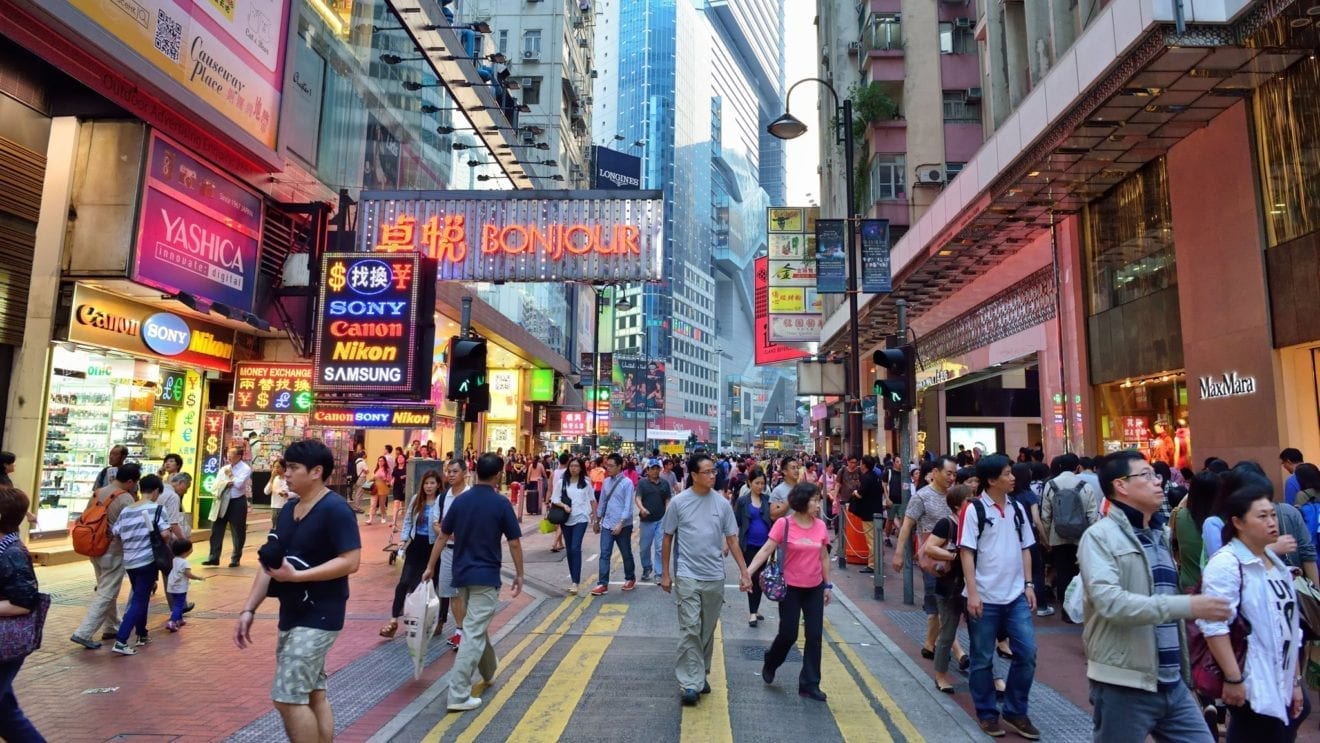
    Hong Kong’s retail sales fell 8.8% in October, the first single-digit fall since June last year, showing further signs of a recovery after coronavirus restrictions had slammed the brakes on spending and tourism in the global financial hub.

    The drop compared with a revised 12.8% decline in September and a 6.7% fall in June 2019.

    October’s sales plummeted from a year earlier to HK$27.4 billion ($3.5 billion), government data showed on Tuesday, falling for the 21st consecutive month.

    In volume terms, retail sales slumped 9.3%, compared with a revised 13.3% fall in the previous month. It was also the first single-digit decline since June 2019.

    “With the fourth wave of the local epidemic spreading widely and quickly, the business environment of the retail trade may deteriorate again in the near term,” a government spokesman said.

    For the first 10 months of 2020, the value of total retail sales fell 27%, and 28.3% by volume, from the corresponding 2019 period.

    Hong Kong leader Carrie Lam on Tuesday again urged residents to stay at home and avoid unnecessary family gatherings as the global financial hub scrambles to contain a rise in coronavirus cases.

    Games centres, karaoke lounges and swimming pools will close from Wednesday, while the Ocean Park theme park and DisneyLand will also close.

    The worsening situation in the city also prompted the government to extend the postponement of an air travel bubble with Singapore on Tuesday to beyond 2020.

    Hong Kong’s economy shrank 3.5% in the third quarter compared with a year earlier as the coronavirus pandemic hammered consumer spending, trade and tourism, but at a slower pace as the outbreak had eased.

    The city’s tourist arrivals in October plunged 99.8% from a year earlier to 7,817 visitors, the tourism board said, compared with a drop of 99.7% in September.

    Sales of jewellery, watches, clocks and valuable gifts, which depend heavily on mainland tourists, fell 26.6% in October versus a revised 25.6% plunge in September.

  • Singapore’s retail recovery remains to be seen

    Singapore’s retail recovery remains to be seen

    Shortly after the outbreak, e-commerce sales surged in many countries as consumers avoided crowded places and social distancing measures kicked in.

    In Singapore, a surge in online grocery sales overwhelmed booking systems. Demand for online food delivery soared, requiring operators to expand their workforce. Retailers, ranging from home furnishings to healthcare products and electronics, also saw a rise in online sales.

    Many shoppers, staying at home, buying online for the first time, and discovering the ease of online shopping, could form new digital habits, which may become permanent. This could propel the surge in online shopping to the next level, especially in Singapore, where the internet penetration rate is high and the online market share of retail sales is still low (8.5% in March 2020, according to SingStats), compared to developed countries.

    Amid rapid structural changes, retailers accelerated the adoption of e-commerce strategies. Some outsourced their online businesses by partnering with large established e-commerce marketplaces that offer integrated services, ranging from hosting product listings to sales, payment, inventory management, delivery and tracking. This minimises their capital commitment and administrative burden in the face of a liquidity crunch amid the pandemic. Robinsons partnered with Lazada to expand its e-commerce reach, for example.

    Many F&B players partnered with food logistics operators, including GrabFood and FoodPanda, or logistics providers, Lalamove and Zeek, while others looking to establish a stronger online presence built their own e-commerce platform. A new digital platform offered by DBS Bank built a branded e-menu with an integrated shopping cart, order management and payment platform within three business days. The service includes connecting merchants with logistics partners to offer food delivery services.

    Nevertheless, post-pandemic, consumers will return to physical stores for real-life shopping experiences. Frustrated shoppers without a grocery delivery slot may return to the supermarket.

    According to SingStat, the online market share of grocery sales in Singapore for March 2020 has fallen to 7.5%, from 7.8% and 8.5% in January and February 2020, respectively. The surge in food delivery may ease as some consumers prefer to enjoy the full dining experience in a restaurant ― when safe ― rather than eating out of takeaway boxes. Shoppers generally desire the “look, touch and feel” experience of buying.

    However, concern about pandemic safety is set to continue. Restoring shoppers’ confidence regarding their safety is key to driving foot traffic back into physical stores. Industry players need to enforce safe distancing and hygiene rules and step up efforts on contactless buying initiatives such as self-checkout and cashless payment options.

    Shoppers will also have reduced spending power amid the economic downturn. Industry players need to revamp their offerings at accessible pricing to widen the consumer base and target promotions towards visiting stores upon their reopening.

    Incorporating in-store strategies for pent-up demand, alongside an omnichannel strategy for the medium-term, could drive a post-pandemic recovery of the retail market in Singapore.

  • Retail sales in South Korea going slowly up

    Retail sales in South Korea going slowly up

    Retail sales in South Korea increased 8.4 per cent in October from a year earlier on the back of the pandemic and consumption-boosting events. Sales of furniture and other consumer goods moved up 18.6 per cent over the period, according to the data.

  • Pinduoduo sales beat expectations

    Pinduoduo sales beat expectations

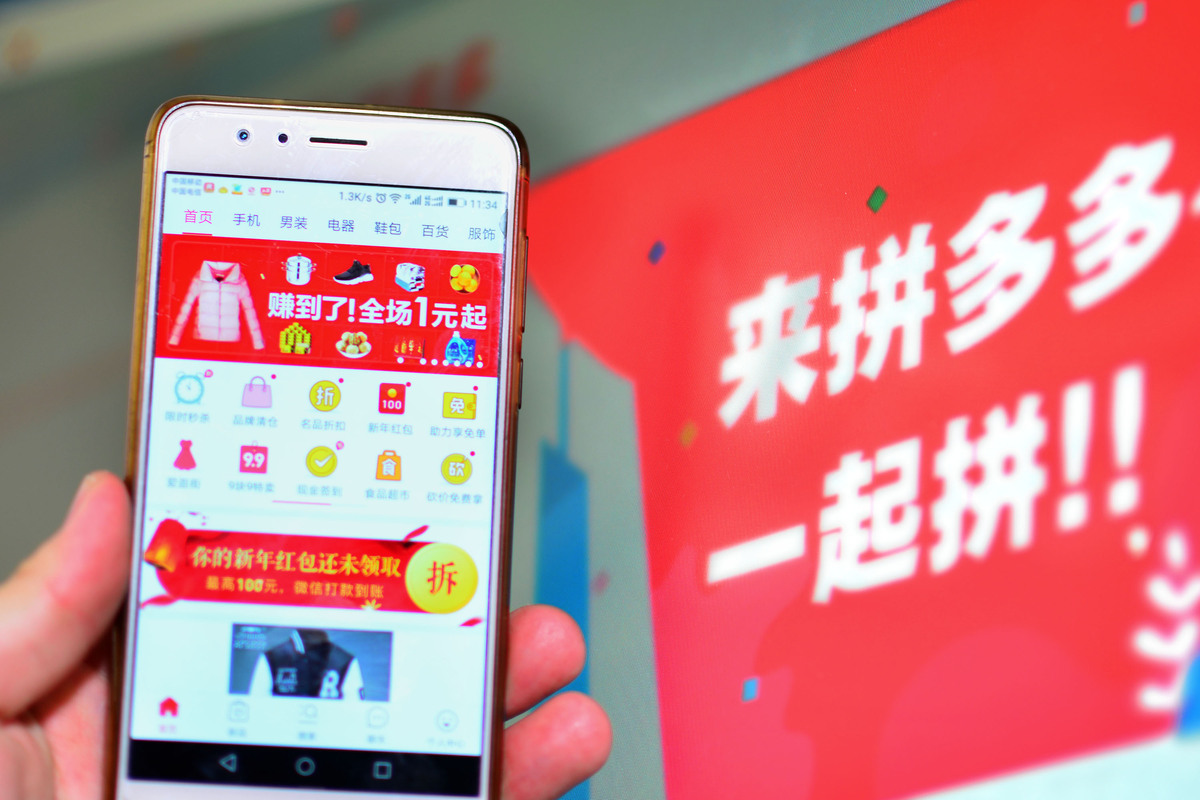
    Pinduoduo, China’s largest e-commerce platform for agricultural products, has expanded its online grocery ordering service to most provinces since introducing it in the cities of Wuhan and Nanchang in August.

    Duo Duo Maicai, as the grocery feature is called, was introduced in response to the surging demand for buying groceries online following the onset of Covid-19 in the first quarter. The pandemic-related lockdowns forced many households to seek alternative ways to buy their food and essential supplies as brick-and-mortar shops were closed and movements severely restricted.

    But even after the coronavirus was brought under control and restrictions were lifted, a survey by GlobalData found that 56% of Chinese consumers were buying food and groceries online more frequently than before the lockdowns.

    By 2025, nearly half of China’s grocery shopping is expected to take place online, up from 20% currently, according to Goldman Sachs. The online grocery market is projected to reach 7 trillion yuan in five years, the bank said.

    “We are seeing sustained consumer behavior post-pandemic and expect a further shifting from wet markets to structured retail, together with multiple models and build-out of cold-chain logistics to drive ongoing online share gains in” the fresh and FMCG categories, Goldman Sachs said in a report.

    The boom in online grocery shopping in China is a marked change for a society where going to the local market is woven into the fabric of daily life for many households. But with an increasingly fast pace of life, especially in the bigger cities, more and more consumers are availing themselves of the option to buy their groceries online and picking them up the following day.

    Sensing a seismic shift in consumer preference, internet companies have poured resources into catering to this growing need. Other companies that have gone into the online grocery business include Alibaba, Meituan and Didi, the ride-hailing giant.

    “We believe that grocery shopping in China is undergoing similar structural changes in consumer behavior that we saw in other sectors a few years ago,” Chen Lei, Chief Executive Officer of Pinduoduo, said in the company’s post-results conference call on Thursday. “The presumption that most consumers still prefer to go to the wet markets or supermarkets for their daily essentials has been challenged over the past few months.”

    Pinduoduo reported its first quarterly profit since its IPO in 2018. The company has garnered 731.3 million active buyers in the space of five years, an unprecedented feat for an e-commerce company.

    With Duo Duo Maicai, consumers can place their orders before 11 pm each day and pick up their agriculture products the next day from 4 pm onwards at designated pick-up points. Duo Duo Maicai is available as a mini-program and on the main Pinduoduo app.

    This trend of “planned consumption” is driving a surge in agricultural sales, which are estimated to double this year to at least 250 billion yuan in GMV on Pinduoduo. The company said earlier this year that GMV from agriculture could surpass 1 trillion yuan in five years.

    Logistics

    To ensure that supply can keep up with this increased online demand requires a sophisticated supply chain. China’s agricultural supply chain is characterized by small farms, multiple distribution layers, and wastage at various stages. As a result, distribution costs for agricultural products typically account for 40% of the total cost (60% for fresh produce), compared with about 10% in developed economies.

    To improve the supply chain efficiency, Pinduoduo has invested in optimizing key areas including logistics, warehousing and delivery. The company has developed a nationwide and regional agricultural logistics system to cater to the different needs of consumers.

    In the fast-changing consumer and e-commerce industries in China, companies must stay nimble and cater to their users to survive.

    Comparing the shift in grocery shopping habits to the apparel industry five to seven years ago, Chen said: “No one could have imagined then that a significant number of consumers would use online shopping to choose, try out, and return clothes.”

    “But that’s exactly what we are seeing today.”

  • Dairy Farm announced difficult third quarter

    Dairy Farm announced difficult third quarter

    Dairy Farm International Holdings Limited today issues its Interim Management Statement for the third quarter of 2020. The Group’s overall performance in the third quarter improved relative to the first half.  While the Group’s results continued to be affected by the COVID-19 pandemic, the impact was partially offset by the receipt of government support.  Grocery Retail performance continued to be supported by operational improvements as part of the Group’s multi-year transformation program, as well as changing customer behaviors as a result of the pandemic. Reduced sales and profit in Health and Beauty and Maxim’s, however, continued to impact the Group’s overall performance.

    The Group’s Grocery Retail businesses reported strong like-for-like sales growth, which led to strong profit growth.  In Southeast Asia, changing customer behaviors, as well as the ongoing execution of the Group’s multi-year transformation plan, supported strong profit growth in Singapore and Malaysia.  Performance in Indonesia, however, was impacted in the period by government restrictions on movement and significantly reduced traffic into hypermarkets and malls.

    The Group’s Convenience businesses reported improved like-for-like sales performance compared to the first half of the year.  However, 7-Eleven Singapore continued to be impacted by reduced footfall.  Better sales performance drove higher profitability compared to the first half.

    The performance of the Group’s Health and Beauty businesses were significantly impacted by the effects of the measures taken by governments to counter the pandemic, as well as the continuing lack of custom from overseas tourists in Hong Kong.  In North Asia, whilst like-for-like sales performance improved compared to the first half, the profitability of Mannings continued to be materially impacted by the lack of tourists.  In Southeast Asia, like-for-like sales were affected by reduced footfall in malls which, in turn, impacted profitability.

    Sales in the Home Furnishings business were higher than the equivalent period last year and like-for-like sales improved compared to the first half.  Strong e-commerce growth and the annualization impact of new stores opened in the prior year more than compensated for the impact of pandemic-related measures on customer visits.  Profitability also improved compared to the equivalent period last year, as a result of lower pre-opening expenses and improved gross margins resulting from the lower cost of goods sold.

    The Group’s 50%-owned associate, Maxim’s, continued to be impacted by government restrictions on movement, as well as a reduction in the number of restaurant customers.  However, mooncake sales performance during the Mid-Autumn Festival was encouraging.  Yonghui’s underlying performance in the third quarter was impacted by reduced sales, while Robinsons Retail’s underlying performance was affected by government lockdown restrictions on its discretionary retail formats.

    The launch of Yuu Rewards, Hong Kong’s largest loyalty program, at the end of July was a significant milestone in driving the Group’s digital transformation.  The popularity of the program has exceeded the Group’s own expectations, with two million members joining in the first month.  High membership engagement has supported the performance of the program sponsors.

    On 16th October 2020, the Group announced it had signed an agreement to deepen its partnership with Philippines-listed multi-format retail group Robinsons Retail Holdings Inc. (‘RRHI’) and to build a leading pharmacy business in the Philippines by combining the Group’s interest in wholly-owned Rose Pharmacy Inc. with RRHI subsidiary South Star Drug Inc.  This transaction, which included the sale of Dairy Farm’s direct interest in Rose Pharmacy Inc, completed on 30th October 2020.

    The well-being of our employees and customers remains a top priority, and the Group continues to take a number of measures to mitigate the impact of the pandemic, including the adoption of a range of health and safety measures.  Given the extraordinary circumstances, we would like to express our deep gratitude for the continuing dedication and resolve of team members in putting customers first during these difficult times. 

    Dairy Farm remains committed to its multi-year transformation which is delivering sustainable improvements to the business over time and continues to pursue the strategic initiatives which will drive medium- to long-term growth.

    Dairy Farm is a leading pan-Asian retailer.  The Group, together with its associates and joint ventures, operates over 10,000 outlets – including grocery retail, convenience stores, health and beauty stores, home furnishings stores, and restaurants – employing some 240,000 people, and had total sales in 2019 exceeding US$27 billion.  Dairy Farm International Holdings Limited is incorporated in Bermuda and has a standard listing on the London Stock Exchange, with secondary listings in Bermuda and Singapore.  It is a member of the Jardine Matheson Group.

  • Tax evasion remains rife among online sellers

    Tax evasion remains rife among online sellers

    Many people earning huge incomes from online commercial activities do not pay tax until discovered by tax authorities. There were more than 1,100 individuals working as a software and online game developers in the capital, a study done by the Hanoi Department of Taxation in June found. They earned a combined VND4.8 trillion ($206 million) between 2017 and 2019, with one person earning VND140 billion ($6 million). No one paid any taxes until authorities discovered the extent of their earnings.

    Sellers on Facebook and e-commerce platforms are also doing well thanks to a growing trend of online shopping. Recently authorities found a warehouse selling smuggled goods via Livestream with a turnover of VND650 billion ($27.8 million) in the last two years. The owner had not paid a single dong in taxes prior.

    Tax officials said many businesses selling online have huge revenues but do not declare them or pay taxes. They include artists and celebrities, who, some claim have revenues of billions of dong.

    According to the Ministry of Finance’s regulation, businesses or individuals with an annual income of VND100 million ($4,300) or more must pay value-added tax (VAT) and income tax.

    But officials said assessing their incomes and collecting taxes from them is not easy. But things might be changing. New tax regulations that took effect in July gives the tax department the authority to ask banks for financial information about people who have income from online commercial activities.

    Vu Manh Cuong, director of the General Department of Taxation’s inspection agency, said 45 commercial banks have been asked to provide information. “Tax evaders cannot escape forever and must pay up sooner or later once we obtain data from the banks.”

    Those who do not declare and pay taxes also have to pay a fine of 0.03 percent per day for late payment.

    According to the data provided by banks, in Hanoi alone, there are more than 18,300 organizations and individuals engaged in online sales with a total income of more than VND1.46 trillion ($62.66 million) from Google, Facebook, YouTube, and other platforms.

    The tax agency has asked them to pay nearly VND14 billion in taxes. It was also able to identify many businesses offering rental services like Booking, Agoda and Airbnb with revenues of more than VND5 trillion in the first eight months of this year and collected taxes of VND93 billion.

    Cuong added that the State Bank of Vietnam’s banking supervision and inspection agency has identified 23 cases with suspicious transactions, including those where account holders receive money for advertising online or from Google, Facebook, and YouTube on behalf of others.

    On September 28 the inspection agency reported to the tax department about these suspicious bank transactions, and an investigation is ongoing.

    The census, which is due to be completed next July, will also help take a step toward making it easier for tax authorities to identify individuals who evade taxes.

    But experts remain apprehensive it would be difficult to collect tax from online sellers, especially since many consumers prefer to pay cash.

  • Pomelo roams from fashion label to multi-brand environment

    Pomelo roams from fashion label to multi-brand environment

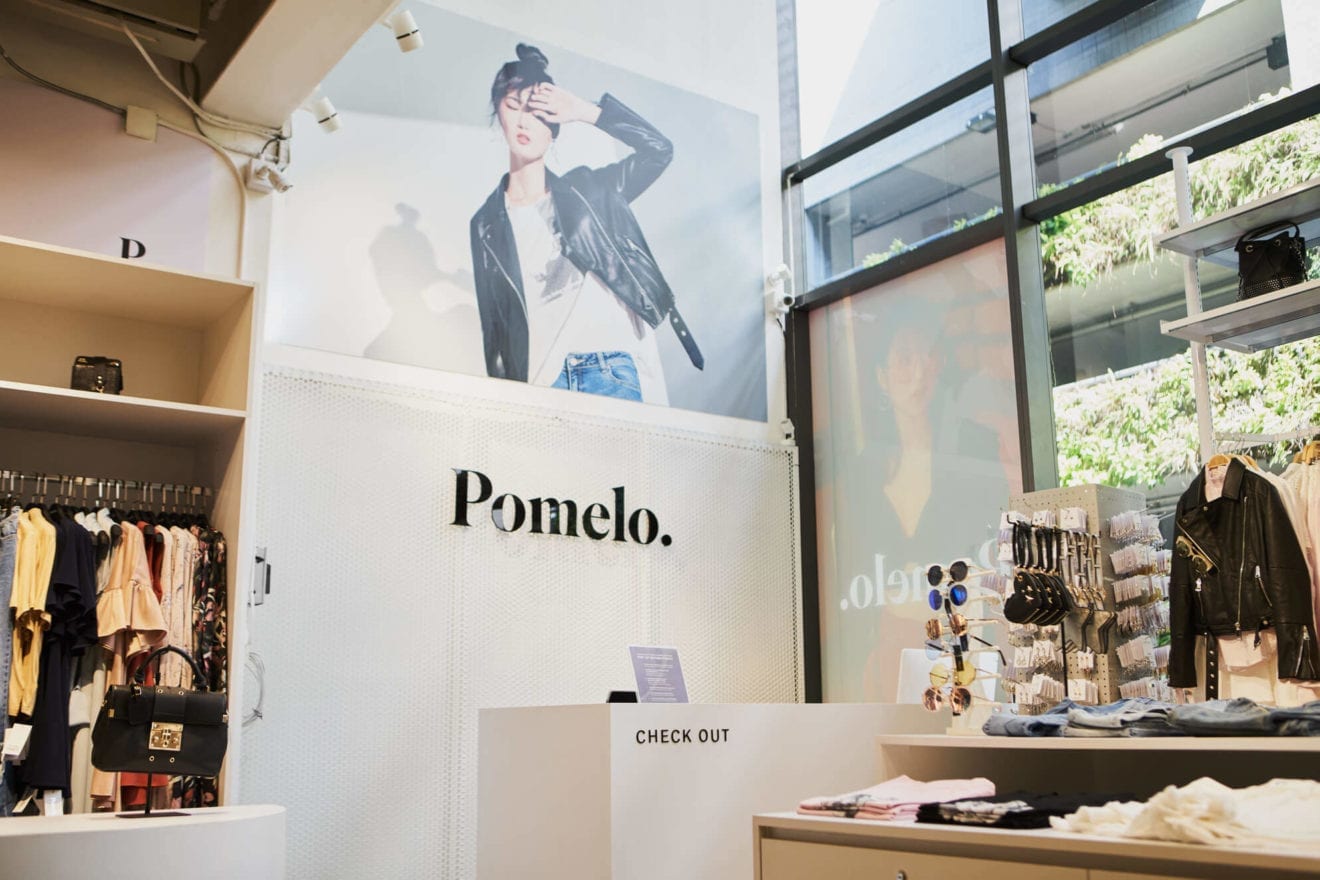
    Thai-based omnichannel fashion platform Pomelo has launched a redesigned version of its online platform which features multiple brands.

    Besides offering in-app exclusive live streaming, the new app houses more than 100 brands on its Thai version, including Vans, Converse, L’Occitane, and local brands such as Rally Movement and Matter Makers.

    But the company told Inside Retail Asia it will continue to design and release its own Pomelo range as well.

    Pomelo, which is building a footprint across Southeast Asia, plans to expand its expanded multibrand selection into other markets next year.

    The new app has a feature called Tap Try Buy, previously called Pomelo Pick Up, which allows customers to order items online through the app or website, select a store or partner location to try on their selected items, and only pay for only what they choose to keep. Tap Try Buy orders already make up almost half of the retailer’s online orders, a percentage that has grown during the Covid-19 crisis.

    Overseeing the new multi-brand direction is Alexandra Schonfrucht, newly appointed former Zalando and JD Sports executive, who is now Pomelo’s global head of third party brands.

    “We’re thrilled to welcome Alexandra to the Pomelo team as we enter this next phase of growth as a multi-brand platform,” said David Jou, CEO, and founder of Pomelo. “We’re continuing to build a diverse brand portfolio to provide the best omnichannel experience for our users.”

    The new app also incorporates Pomelo’s new branding elements including a refreshed logo.

  • I.T flags big loss as Covid-19 impacts shoppers’ enthusiasm

    I.T flags big loss as Covid-19 impacts shoppers’ enthusiasm

    Multibrand Hong Kong fashion retailer I.T Limited has warned shareholders it will likely post a loss of at least US$38.7 million for the six months to August, such has been the impact of the Covid-19 on sales.

    Chairman Sham Kar Wai said in a letter to shareholders that the Covid-19 pandemic had led to a decline in consumer-spending enthusiasm across the world. While it has offered extra discounts to boost sales volume amid “an incredibly difficult trading environment” sales were down substantially.

    This is the third profit warning the company has issued this calendar year, following earlier announcements in July and August. It is based on initial figures and subjects to change before final results are reported tomorrow, (October 29).

    “Although during the period ended 31 August, the group took rapid and decisive action to reduce costs considerably, the savings in operating costs were not sufficient to offset the decline in sales and gross margin,” he said.

    August’s likely half-year loss follows a deficit of $9.2 million in the same period last year.

    I.T Group operates its own brands, including Chocolate and 5cm, concept stores Izzue and Double-Park; international brands it has local licenses for including Kurt Geiger and Camper; and A Bathing Ape, which the company rescued from Japanese owners in 2011.

  • Online boom sees South Korean retail sales surge in September

    Online boom sees South Korean retail sales surge in September

    South Korean retail sales rose by 8.5 percent year on year in September as online stores enjoyed brisk sales amid the new coronavirus pandemic, government data shows.

    The combined sales of 26 major offline and online retailers reached US$10 billion last month, up from $9.87 billion won in September last year, according to the data compiled by the Ministry of Trade, Industry, and Energy.

    Online platforms led the overall growth, with their revenue advancing 20 percent over the period, the data showed, apparently as people purchased more goods through such stores amid the country’s social distancing scheme.

    Sales of foodstuffs from online stores jumped 60.2 percent, while those of electronic goods and daily products advanced 26 percent and 14.7 percent, respectively.

    Due to the Covid-19 pandemic, however, sales of tour packages and concert tickets dipped 12.3 percent, while those of fashion items also moved down 1.6 percent.

    Sales from offline stores edged up 1 percent as people purchased more gifts to celebrate the Chuseok holiday, which ran from late September to early this month.

    Convenience stores saw their sales improve 2.3 percent, due to higher sales of tobacco products and alcohol.

    Sales from supermarkets also climbed 5.3 percent on the back of gift sales.

    Department stores, on the other hand, saw their sales drop 6.2 percent due to sluggish demand for fashion goods.

    In the first six months of the year, the combined retail sales reached $59.1 billion, up 3.7 percent from the previous year. Shipments by online stores advanced 17.5 percent, while those of offline stores dipped 6 percent.

    Last year, South Korean retail sales rose by 4.8 percent year-on-year, with online shopping up 14.2 percent, and offline down 0.9 percent.

  • Singapore retail rents tipped to slide up to 15 percent

    Singapore retail rents tipped to slide up to 15 percent

    The increased activity in Singapore’s retail sector hints at a bottoming out of rents by the end of this year or early next year, Knight Frank’s research team said in a report published on Friday (Oct 16).

    Overall retail rents are expected to fall by 10-15 percent for the whole of this year due to recessionary pressures and safe-distancing restrictions, according to the real estate consultancy.

    That being said, in the suburban region, rents of retailers will likely decline by just 7.5 percent or less.

    “As physical retail stores resumed operations, shopper traffic also returned to a greater extent in the suburban malls compared to the centrally located ones that are more reliant on the tourist dollar,” Knight Frank analysts wrote.

    Thus, the rental gap between suburban malls and those in Orchard will likely continue to narrow, given that the inflow of tourists into Singapore is still impeded by travel restrictions. Suburban retail rents are expected to recover sooner because they are supported by the domestic catchment resident population.

    In the third quarter this year, prime retail rents islandwide decreased by 10.3 percent year on year to average $27.40 per square foot (psf) per month, as safe-distancing measures and border controls remained in place.

    This drop was largely led by the 11 percent fall in gross rents for prime retail spaces along the Orchard Road shopping belt, as stores there continued to struggle with the absence of international tourists, Knight Frank noted.

    Prime spaces refer to rental-yielding units between 350 and 1,500 square feet with the best frontage, connectivity, footfall and accessibility in a mall. Such spaces are typically located on the ground level of a mall or the basement level of a mall that is linked to an MRT station or bus interchange.

    In the Marina Centre, City Hall and Bugis region, gross rents of prime retail spaces tumbled by 13.5 percent year on year to $25.40 psf per month on average for the third quarter.

    The city fringe, meanwhile, posted an 8.6 percent decline from a year ago, to $23.40 psf per month.

    Propping up the retail market was the suburban areas, where rents started to stabilize during the July-September period.

    “As more employees work from home, the malls located within residential population centers were visited by many for daily necessities and household sundries,” the analysts wrote.

    The suburban region recorded the smallest drop in gross prime retail rents during the quarter, slipping 6.9 percent on the year to average $26.60 psf per month.

    Quarter on quarter, rents of prime retail spaces in suburban areas also inched down by just 1.4 percent, compared to the bigger declines of 6.4 percent in Orchard, 7 percent in Marina Centre, City Hall, and Bugis, and 4.5 percent in the city fringe.

    While traditional retailers such as Topshop at VivoCity and Robinsons at Jem closed during the latest quarter, there were also newcomers to the scene. For instance, 100-year-old Hong Kong bakery Hang Heung opened its first Singapore outlet at Ion Orchard, Knight Frank noted.

    Other notable retail openings in the three months include store expansions such as Foot Locker at Orchard Gateway @ Emerald and Decathlon at The Centrepoint.

    In August, retail sales – excluding motor vehicles – fell by 8.4 percent year on year, according to figures released by the Department of Statistics last week.

    On a seasonally-adjusted month-on-month basis, total retail sales were higher by 1.4 percent in August. Excluding motor vehicles, sales edged up 0.1 percent on the month.