Tag: Retailers

  • Retail sales in Indonesia drop dramatically

    Retail sales in Indonesia drop dramatically

    Retail sales in Indonesia have fallen by 16.9 percent during the month of April compared to last year, according to government data.

    The drop is the steepest within the territory in 14 years and is the result of a steady decline in retail sales of a range of products surveyed by the Indonesian central bank.

    The decline is 4.5-per-cent deeper than comparable figures for the previous month, while retail sales in Indonesia declined by a more modest 0.8 percent during February.

    Even worse figures are expected for May, however, as the advent of Covid-19 saw people forced to implement social distancing.

    The Bank Indonesia now predicts sales figures to show a heavy 22.9-per-cent fall in volume year on year for last month.

  • Digitalization key to helping Asian retailers emerge from Covid-19

    Digitalization key to helping Asian retailers emerge from Covid-19

    Retail business leaders in Southeast Asia see digitalization as the driving tool in returning to growth in the post-Covid-19 era according to a study by Ernst & Young.

    The responses reflect a slew of physical store closures as online platforms are increasingly becoming the key sales avenue for retailers during the pandemic.

    Bit, while digitalization is a very visible option in current times, an online strategy alone may be insufficient for retailers to stay profitable or successful in the long run, warns Ernst & Young ASEAN consumer products & retail sector leader Olivier Gergele.

    “We are seeing a fundamental shift in the retail industry that demands a rethinking of business and operating models.”

    According to the survey, 59 percent of retailers intend to digitalize their business within the next year, while 23 percent are looking at restructuring their businesses; 11 percent are seeking an exit due to non-performance, and 3 percent are intending to merge with another retailer.

    The majority of respondents (57 percent) saw improving topline performance through online sales and market listings as a clear and immediate priority, while 40 percent of those surveyed admitted to facing resource constraints. 61 percent of retailers surveyed are turning to work capital optimization to improve cash flow.

    “This crisis is fast-evolving consumer’s preferences, behaviors and values,” said Gergele. “Online retail penetration is expected to grow at an accelerating pace, and the industry’s economics will shift with e-commerce gaining a fair share of the profit pool.”

    The results of the survey suggested retailers in the region should focus on five key areas during the upcoming period: driving an omnichannel strategy; driving supply chain resilience; expanding offerings; engaging in timely M&A; and driving agility.

    “From what we have seen in previous crises, retailers that embrace change are more likely to emerge as leading businesses while those who persist in conducting business-as-usual may fall behind,” said Gergele.

  • Malaysian retail sales plunge 32.5 percent in April

    Malaysian retail sales plunge 32.5 percent in April

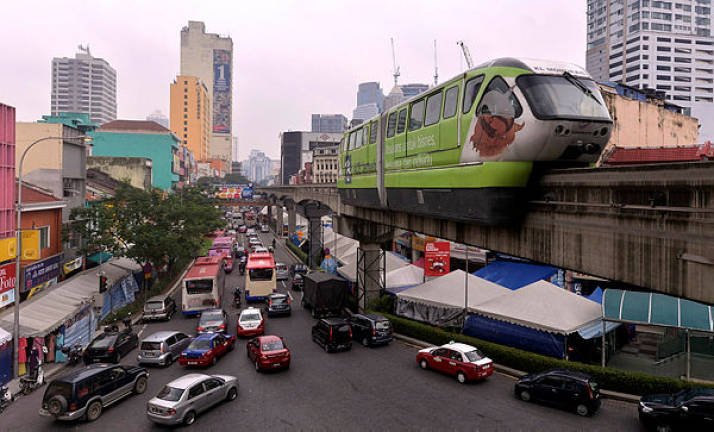
    Malaysian retail trade sales plunged 32.5 percent year on year in April, according to the Department of Statistics Malaysia (DoSM).

    The significant decline occurred as many retailers were heavily affected by the imposition of the Movement Control Order.

    Retail sectors contributing to the negative growth included consumer goods in specialist stores, cultural & recreational goods, and household equipment.

    Sales of food and beverage rose by a modest 1.9 percent, which is less than in some other Southeast Asian markets during the Covid-19-related lockdowns and temporary store closures

    Despite the dramatic fall, Malaysian retail sales online in April saw 28.9-per-cent growth year on year, as consumers moved online unable to visit physical stores.

  • Singapore retail sales down with 33 percent in April

    Singapore retail sales down with 33 percent in April

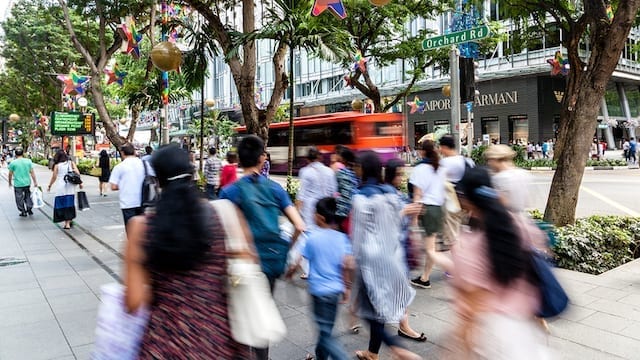
    Singapore retail sales – excluding motor vehicles – plummeted 32.8 percent in April as Covid-19-related lockdowns saw non-essential retailers closing their physical stores.

    Including motor vehicles in the data, the fall was 40.5 percent.

    Significantly, online sales accounted for a record 17.8 percent of total retailing, with 70.6 percent of sales in the computer and telecommunications category occurring online in April and 50.4 percent of furniture and household equipment. However, just 7.7 percent of the total sales of supermarkets were conducted online.

    According to Statistics Singapore, the worst-affected retail sector overall was department stores where sales fell by 87.8 percent. Sales in watch and jewelry stores fell by 84.6 percent.

    On the plus side, sales by supermarkets & hypermarkets soared 74.6 percent, partly driven by people staying at home to work or study during the Circuit Breaker lockdown and partly due to the move from eating out to preparing food at home. Minimarts & convenience stores boosted their sales by 10.7 percent.

  • Uniqlo opens new Vietnam store, goes online in the Philippines

    Uniqlo opens new Vietnam store, goes online in the Philippines

    Japanese fast-fashion retailer Uniqlo is to open its third store in Ho Chi Minh City this week and will debut online in the Philippines.

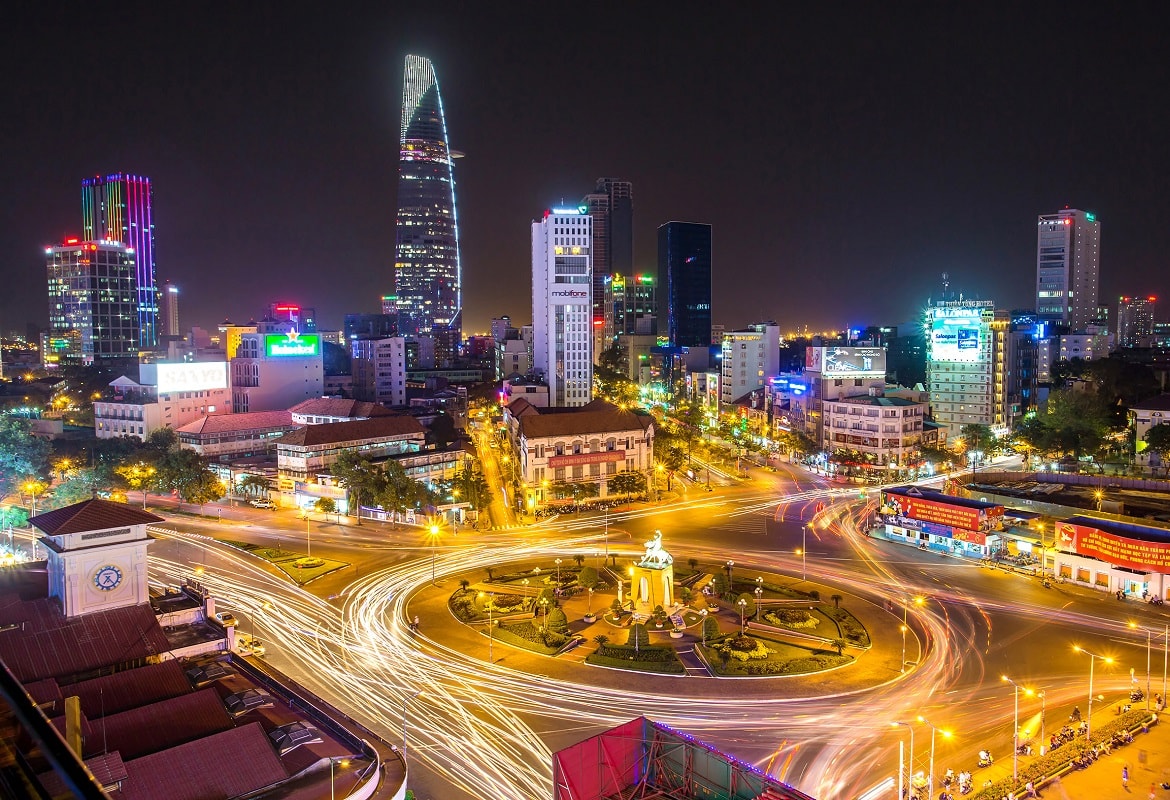
    Less than a month after the opening of the Ho Chi Minh’s second store at SC Vivo City, Uniqlo Vietnam is to launch another store in the country’s tallest building Landmark 81 this Friday (June 5).

    Occupying a 2000sqm area, the Uniqlo Landmark 81 store features the brand’s LifeWear products for males, females and kids. The store also features Uniqlo’s latest collections including the Billie Eilish x Takashi Murakami UT. To celebrate the opening, Uniqlo Landmark 81 is running several promotions such as giving away Uniqlo’s mugs and Landmark 81 SkyView tickets.

    Meanwhile, in the Philippines, the fast-fashion brand says it will launch online in the second half of this year.

    “An online store will provide local Uniqlo customers a faster and easier way of purchasing their favorite LifeWear items,” said Masayoshi Nakamura, COO at Uniqlo Philippines.

  • Asia-Pacific apparel markets well placed to survive virus fallout

    Asia-Pacific apparel markets well placed to survive virus fallout

    Asia-Pacific apparel markets are better placed to counter the impact from the Covid-19 crisis than those of North America and Europe, according to research from GlobalData.

    Vijay Bhupathiraju, a retail analyst at GlobalData, says forecasts suggest some US$297 billion will be wiped off the global apparel market this year due to the pandemic, with sales set to decline 15.2 percent over last year.

    However, 42 percent of that decline will be in the US, the world’s largest apparel market, while in the Asia-Pacific region, growing domestic demand will limit the damage.

    “Although the recovery has already started across the Apac markets, apparel sales will take some time to rebound amid dampened consumer confidence, the slump in tourism, the threat of an impending global recession and high unemployment rates.”

    However, he expects revenge buying – the sudden release of pent-up demand from those willing and able to spend – will compensate for some of the lost sales.

    “Some brands across China for instance are seeing store sales return to 80 to 100 percent of pre-Covid-19 trading levels as the country relaxes lockdown measures.”

    GlobalData expects fast-growing Apac markets including China, India, and South Korea to improve their positions in the Top 10 global apparel markets by 2023, as mature Western markets lose out.

    China is expected to overtake the US as the world’s largest apparel market within three years.

    Meanwhile, the serious decline in sales in the US is likely to lead to more major retailers filing for bankruptcy. Already this year, Neiman Marcus, JC Penney, J Crew, and True Religion have entered Chapter 11 protection along with many smaller regional retailers across the US. In Germany, Esprit has entered a similar local form of bankruptcy protection.

    According to GlobalData’s research, the 10 worst-impacted geographical markets will account for 85 percent of the apparel industry’s total loss – and mature markets will be the worst hit. Asia-Pacific apparel markets will perform the best.

  • Alibaba and JD launch 6.18 mid-year shopping promo marketing

    Alibaba and JD launch 6.18 mid-year shopping promo marketing

    Alibaba and JD launched their annual 6.18 mid-year shopping festivals, which mark China’s largest online retail promotion since the outbreak of Covid-19.

    Within hours, JD heralded a 400-per-cent year-on-year increase in sales of luxury fashion goods, with sales of Ferragamo, Hugo Boss, Lancel and MiuMiu all up by more than 300 percent.

    Alibaba also reported increased interest from luxury labels, with close to 180 participating, including Cartier, Chanel, Burberry, Balenciaga and Montblanc.

    Within the first 10 hours of the campaign, total gross merchandise volume (GMV) jumped 50 percent over last year at Alibaba. Cosmetics and home appliances proved particularly popular, their GMV doubling over last year.

    Alibaba’s campaign included issuing US$1.96 billion worth of digital coupons in advance of the event to boost purchasing.

    More than 100,000 brands on Alibaba’s Tmall are participating in the 6.18 event – nearly twice the number of last year, including tech giant Apple. Five hours into the campaign, Apple sold more than $70 million worth of products.

    “Online consumption has seen a post-pandemic revival since March, and the sales rebound that we have observed on Taobao and Tmall has been very encouraging,” said Liu Bo, GM of Tmall and Taobao marketing and operations.

    Both Alibaba and JD say sales of luxury products have been increasing steadily since the pandemic.

  • Liverpool FC opens E-commerce platform in Japan

    Liverpool FC opens E-commerce platform in Japan

    Liverpool FC has partnered with soccer shop Kamo to launch its first online store in Japan.

    The Liverpool FC online store offers a wide range of replica kits and the brand’s authentic merchandise, apparel and fashion accessories, including the exclusive Hello Kitty x LFC Collection.

    “As a key player in the football and sports-retail industry, we know this store has been a long time coming for Liverpool FC fans here,” said Ken Kamo, president of Kamo.

    “We’re looking forward to working together to bring supporters here closer to the club they love.”

    Launched in 1968 as a small football shop, Kamo operates 23 brick-and-mortar stores and an e-commerce site, offering a selection of sport brands including Puma, New Balance and Adidas.

    Senior VP at Liverpool Football Club Mike Cox, said: “I’ve been able to see first-hand how passionate our fanbase is here and as one of the world’s premier shopping destinations, it’s an exciting opportunity for the club to connect with supporters in the region.”

  • Vietnam retail sales bounce back after virus outbreak shutdown ends

    Vietnam retail sales bounce back after virus outbreak shutdown ends

    Vietnam retail sales have dropped just 4 percent over the first five months of this year, despite a four-week shut down due to the Covid-19 crisis.

    According to the General Statistics Office (GSO), the retail revenue reached more than US$82.36 billion from January to May.

    ‘Non-essential’ stores across the country were closed from the end of March through most of April, with only supermarkets and pharmacies allowed to continue to trade. However, throughout the closure, all retailers were allowed to sell goods online.

    In May, after restrictions were lifted, Vietnam retail sales surged 27 percent from April’s figures.

    Sales of consumer goods accounted for 80.6 percent of retail revenue, increasing by 1.2 percent year on year.

    Growth sectors included fresh-food products and home appliances while educational products and apparel sales fell by 8.2 percent and 3 percent respectively

    Although restaurants and other catering businesses have resumed their operations, the F&B sales fell 26 percent year on year across the first five months of this year.

  • South Korean duty-free retailers closing downtown stores

    South Korean duty-free retailers closing downtown stores

    South Korean duty-free retailers are temporarily shuttering metropolitan stores in response to a significant decline in tourist numbers caused by the coronavirus epidemic.

    Numerous outlets at prime tourist destination Jeju Island will be closed this month. A Lotte Duty-Free store that has already been operating under reduced hours since February will close pending the resolution of the crisis. Hotel Shilla’s store, which has suspended trading on weekends and holidays throughout the outbreak, will cease trading for a fixed one-month period.

    Jeju Island tourism has faltered significantly in recent months under heavily-reduced international flights, with a 99.2 percent drop in foreign tourist numbers year-on-year during April.

    The South Korean duty-free retailers shuttering stores also include Shinsegae Duty-Free’s locations in Gangnam and Busan will close on Sundays and Mondays from this month on, while airport duty-free stores under all local operators are largely closed for business at this time.

  • Macau retail sales down with 45 percent in first quarter

    Macau retail sales down with 45 percent in first quarter

    Macau retail sales plunged 45.1 percent in the first quarter of this year to around US$1.41 billion according to the territory’s Statistics and Census Service.

    The huge fall followed the effective closure of the border with Mainland China and the resulting the absence of people venturing to Macau for gambling, shopping and conventions due to the Covid-19 crisis.

    The worst-hit Macau retail category was watches and jewelry, down by 57.5 percent, with department-store sales down by 56.4 percent.

    Adult apparel sales fell by 52.9 percent and leather goods by 51 percent.

    The only retail category to increase sales during the quarter was supermarkets, which surged 14 percent, reflecting the trend towards people preparing food and eating at home to ensure social distancing.

    According to the service, the value of Macau retail sales during the March quarter dropped by 45.8 percent compared with the preceding three months.

    When gathering retail sales data the Macau government polls businesses on their expectation of trade for the future. After March’s experience, 80 percent of retailers said they expected a decrease in sales during the current June quarter and 13.3 percent expected sales to remain stable. Just 6.2 percent expected an increase.

  • Hong Kong retail at a life or death state

    Hong Kong retail at a life or death state

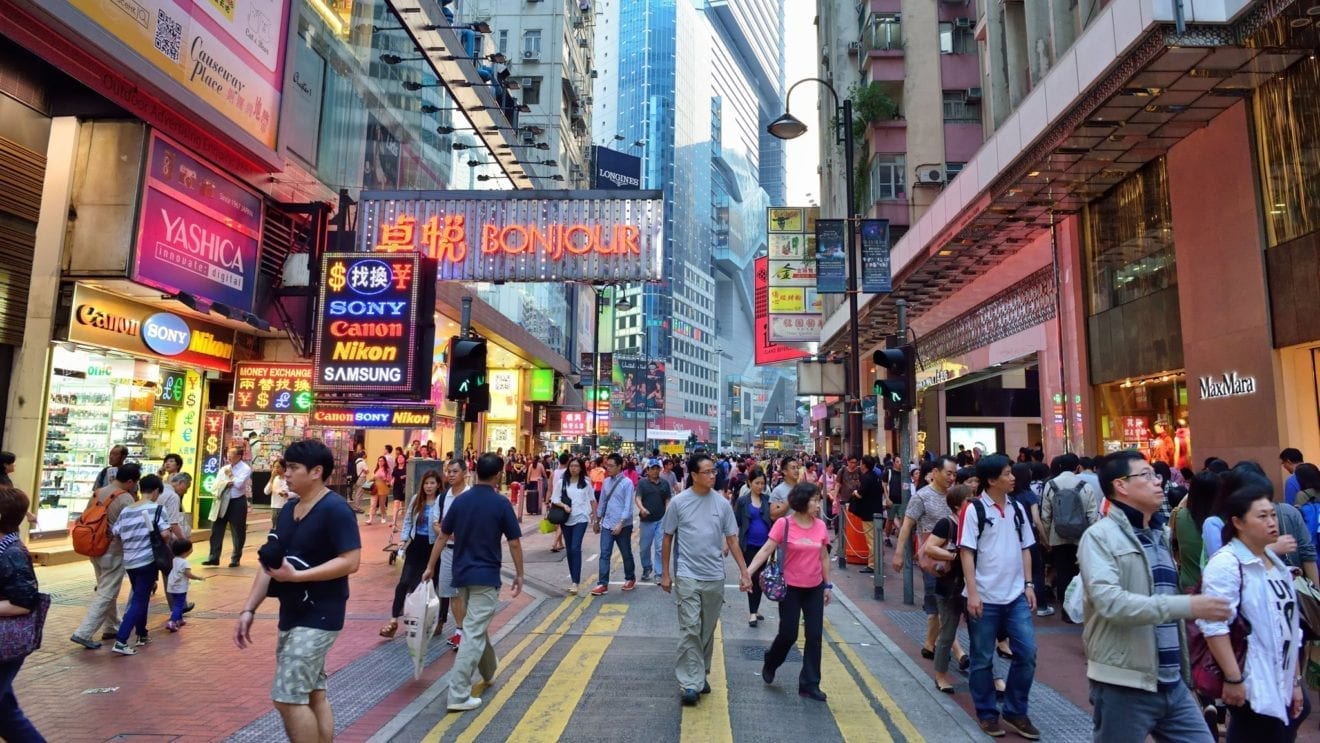
    Hong Kong’s retail industry is facing “a crucial, life-and-death moment of survival” according to the city’s main retail body the HKRMA, which has sent an open letter to chief executive Carrie Lam seeking government support.

    “Since the social unrest from June last year until the recent coronavirus pandemic, the retail industry has taken a hit for nearly a year,” Hong Kong Retail Management Association chair Annie Yau Tse told Lam in the letter.

    “The operating environment has become increasingly difficult,” she wrote, and even though the government has repeatedly offered relief measures to address immediate urgencies, the situation is still dire.

    Tse said HKRMA research projects 16,000 retail stores will close across the territory this year. That follows 14 months of negative sales growth, a brief respite, then a 40-per-cent-plus plunge during the Covid-19 crisis in February and March.

    “The industry is facing the biggest crisis in its history. Monthly rent is a retailer’s largest expense and the association has relentlessly called on landlords to reduce the rent in these difficult times.”

    While real-estate developers and individual landlords have shown support of varying degrees, the majority of the rent-reduction methods, scope and term do little to alleviate the losses already incurred “and neither is it enough to support a retailer’s continued operations,” she said.

    “In addition, recent responses and attitudes of landlords have become more indifferent and tougher than before.”

    Tse called on Lam to take action to force a suspension of rental payments for at least nine months, citing countries including Great Britain, Australia, and Singapore where laws were implemented during the Covid-19 crisis to ensure landlords take temporary action to help retail tenants recover. Restricting landlords from taking legal measures or taking back store premises for at least nine months would allow retailers to continue to trade and to recover, she advocated.

    “Hong Kong is the world’s most expensive place to rent. The income of many industries, especially those tourist-related, has contracted significantly, but store owners still face extremely expensive rent.”

    Tse also called for broader economic policies from the territory’s government to maintain a sustainable business environment.

    “Although HK’s economy has always been market-leading, the current economy is weak. Investments, consumption and exports have fallen sharply, the worst ever rate recorded in history.

    “Even if the global pandemic comes to an end, it is expected Hong Kong’s economy will still need at least half a year to gradually step out of the abyss.”

    The association believes that if high rents cannot be resolved in a timely manner, even with government funds and related relief measures, mass closures and layoffs are inevitable.

    “In the end, it will not only be a waste of government resources but also create an irreversible situation in the economy”.

  • Covid-19 virus outbreak will speed up the reshaping of global retail trends

    Covid-19 virus outbreak will speed up the reshaping of global retail trends

    “Customers today care less about the breadth of assortment and more about availability.”

    Covid-19 has accelerated key underlying global retail trends that were already reshaping the industry according to a new report by KPMG.

    The research finds that retail markets globally are changing and the industry is continuing to evolve while facing massive challenges from Covid-19 crisis. However, far from stopping or slowing change in the industry, the pandemic has sped them up.

    In its report Global Retail Trends 2020, KPMG’s retail sector experts identified four key trends which will continue to impact operators:

    • An evolving retail business model, with online platforms becoming the shopping malls of tomorrow.
    • An increasing desire to explain a ‘sense of purpose’ to consumers.
    • A rethink of the costs of doing business.
    • A stronger focus on customer choices.

    KPMG’s retail sector group predicts just two types of retailers will survive: those offering a limited yet curated selection and those offering unlimited selection.

    The report also concludes that retail leaders will think more clearly about their investments into three key areas: customer loyalty programs, customer data, and technologies aimed at making the shopping experience easier, safer and more efficient.

    “In the post-Covid-19 environment, consumers will place greater emphasis on both convenience and safety,” explains Jessie Qian, partner, head of consumer and retail at KPMG in China.

    “During the lock-down, we have seen brands and shopping centers using WeChat Mini-programs, online social groups and live streaming videos to reach consumers through new channels without the need for foot traffic.

    “Customer data has now become both an important and a valuable asset,” says Qian. “Brands and retailers will aim to use customer data to improve business efficiency and increasingly provide more targeted and personalized services.”

    She says that while many physical stores will return to growth when the Covid-19 crisis passes, consumers’ experience shopping online through necessity will impact shopping behavior in the future.

    KPMG’s report on global retail trends predicts that during the year ahead, ongoing challenges with supply, demand, and business continuity will force many retail groups to rethink their business models. This should spark “a new wave of innovation and competition in the industry”.

    For retailers, cementing customer relationships may be the key to maintaining commercial viability in a post-pandemic world.

    “For most retailers, that means leaning strongly into online sales, proving that speaking to customers and understanding their needs has become just as important as the bottom line,” says Qian.

    Alice Yip, partner, head of consumer and industrial markets, Hong Kong, at KPMG China, says Covid-19 has been a catalyst for change in Hong Kong’s retail sector, impacting different retail formats by varying degrees.

    “Retailers relying on traditional brick-and-mortar stores have taken a considerable hit, while online shops are increasing their trading volumes and attracting new customers. When preparing for a post-Covid-19 environment, Hong Kong retailers will need to revisit their business models to better connect sourcing, logistics, customer interaction, and product sales both online and offline.

    “The aggressive cost-containment strategies implemented in the midst of Covid-19 have shown retailers that they will need to go further if they hope to return their business to profitable growth. Retailers will increasingly need to leverage data and analytics to identify their most profitable stores, configurations and products, and based on this, make important decisions,” she says.

    “The Covid-19 pandemic has shifted customer expectations. Customers today care less about the breadth of assortment and more about availability.”

    That sentiment was echoed by Anson Bailey, partner, head of consumer and retail in Asia Pacific at KPMG:

    “As we see changing consumer behavior, business models are evolving with the rise of platforms in Hong Kong and retailers need to move quickly as the technology is accelerating and the speed of change is relentless,” he says.

    “Consumers have greater expectations from those online experiences in terms of unlimited selections, instant delivery, transparent pricing and more flexible payments. We are therefore going to see a greater focus and investment dollars on those e-commerce platforms.”

    The group predicts that in the light of new global retail trends, retailers will focus on improving transparency, and on helping society respond and recover from the current health crisis.

    They also expect leading retailers will move from having a purposeful brand promise to using their purpose as a guiding growth principle and “a decision-making lens”.

  • Samsung together with Facebook help Indian SMEs go live online

    Samsung together with Facebook help Indian SMEs go live online

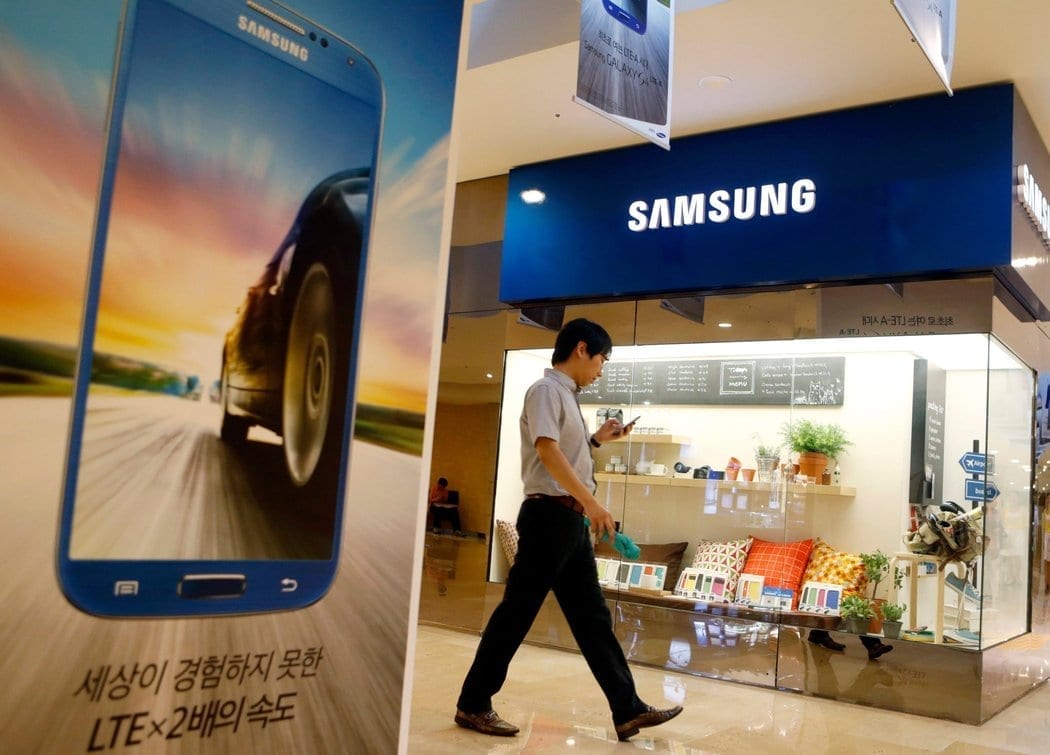
    Samsung and Facebook have partnered up in India to train retailers to expand into e-commerce via social media platforms such as Instagram and WhatsApp.

    More than 800 retailers have undergone training sessions, with many more expected to participate in the near future.

    “Our partnership with Facebook is helping a large number of our retail partners go digital in a big way,” said Samsung India senior VP mobile business Mohandeep Singh. “By leveraging the Facebook training, our retail partners will be able to discover and target local consumers digitally.”

    The training by Samsung and Facebook most specifically targets offline retailers of Samsung products to set up business pages and accounts on Facebook’s various platforms.

    “The presence of local Samsung retailers on Facebook, Instagram, and WhatsApp will help consumers reach out to their local retailers for more information about their desired Galaxy smartphone, and shop for Galaxy smartphones on the platform of their choice,” read an official statement from Samsung.

  • cand JD use big data to design ‘C2M Mobile Phone’

    cand JD use big data to design ‘C2M Mobile Phone’

    Chinese e-commerce giant JD and device manufacturer Xiaomi sold 10,000 units of a jointly-produced mobile phone within 11 minutes.

    The Redmi K30 5G Racing phone was developed by Xiaomi based on customer insights generated from big data provided by JD. Sales volume passed RMB2 million (US$280,500) within two minutes, with the unit price at RMB1999 ($280).

    More than 20,000 phones were sold within the day.

    JD’s data revealed that most customers within the price range were females with higher educational backgrounds and above-average demand for device functions and CPU. The phone was designed with an upgraded CPU and with a mint green color tone, shown by the data to be more attractive to female customers. JD’s data also supported the marketing strategy of the product, targeting around 1.2 million customers likely planning to replace their phones within two months.

    “We have great confidence in the new C2M product,” said Xiaomi China VP Weibing Lu. “JD has been an important partner for Xiaomi, and we will work closely with JD on more C2M products in the future to better serve our customers.”

    “JD has been continuously working on C2M products with our brand partners, and the Redmi K30 5G Racing version is the collective effort of JD, Xiaomi, and Qualcomm,” said JD Mobile Devices president Daniel Tan.

    “C2M enables customers’ demands to directly reach upstream supply chain players, helping to optimize supply chain efficiency and reduce costs. This model enables us to keep improving the shopping experience.”