Tag: Retailers

  • HCL Care Wins Asia Retail Excellence Award in ‘Mobile and Telecom Service’

    HCL Care Wins Asia Retail Excellence Award in ‘Mobile and Telecom Service’

    The HCL Care division (HCL Care Services) of HCL Services Ltd., a wholly owned subsidiary of HCL Infosystems Ltd. (India’s premier IT Services and Distribution Company), has won the prestigious Asia Retail Excellence award in the ‘Mobile and Telecom Service’ category at an award ceremony held in Mumbai. This recognition was conferred on HCL Care Services for providing excellent end-to-end support services for various product categories across locations in India.

    On receiving this recognition, Mr. Sharad Talwar, Head, HCL Care Ltd. said, ” We are honored to receive the prestigious Asia Retail Excellence award in the ‘Mobile and Telecom Service’ category. This award encourages us to continue delivering service excellence and exceptional after-sales support to our customers. Today we provide world-class service support, including setting up exclusive Service Centres to leading OEMs, and are the preferred partner for leading Indian and international brands.”

    HCL Care Services provide support across telecom, IT, consumer electronics and consumer durables products for multiple brands through its contact centres, walk-in centres, on-site support, supply-chain operations, reverse logistics, repair factory and value-added services. HCL Care Services, under its specialized retail outlets ‘Touch’, have a network of more than 300 service centres across 250 cities in India, and serves more than 3 million consumers in a year. HCL Consumer Services has further expanded its retail presence by opening up exclusive service centres for various brands.

    Asia Retail Congress is an important global platform to promote world-class retail practices. The forum is aimed at company chairs, presidents and CEOs from leading international and national retailers, directors of international and national retailers, and directors of international brands, who believe in making a change. Their awards recognize best practices in the retail industry across various categories like fashion, consumer durables, mobile and telecom services, food, travel and hospitality, health, real estate, etc.

  • Hong Kong tourism, retail continue slump with less mainlander visits

    Hong Kong tourism, retail continue slump with less mainlander visits

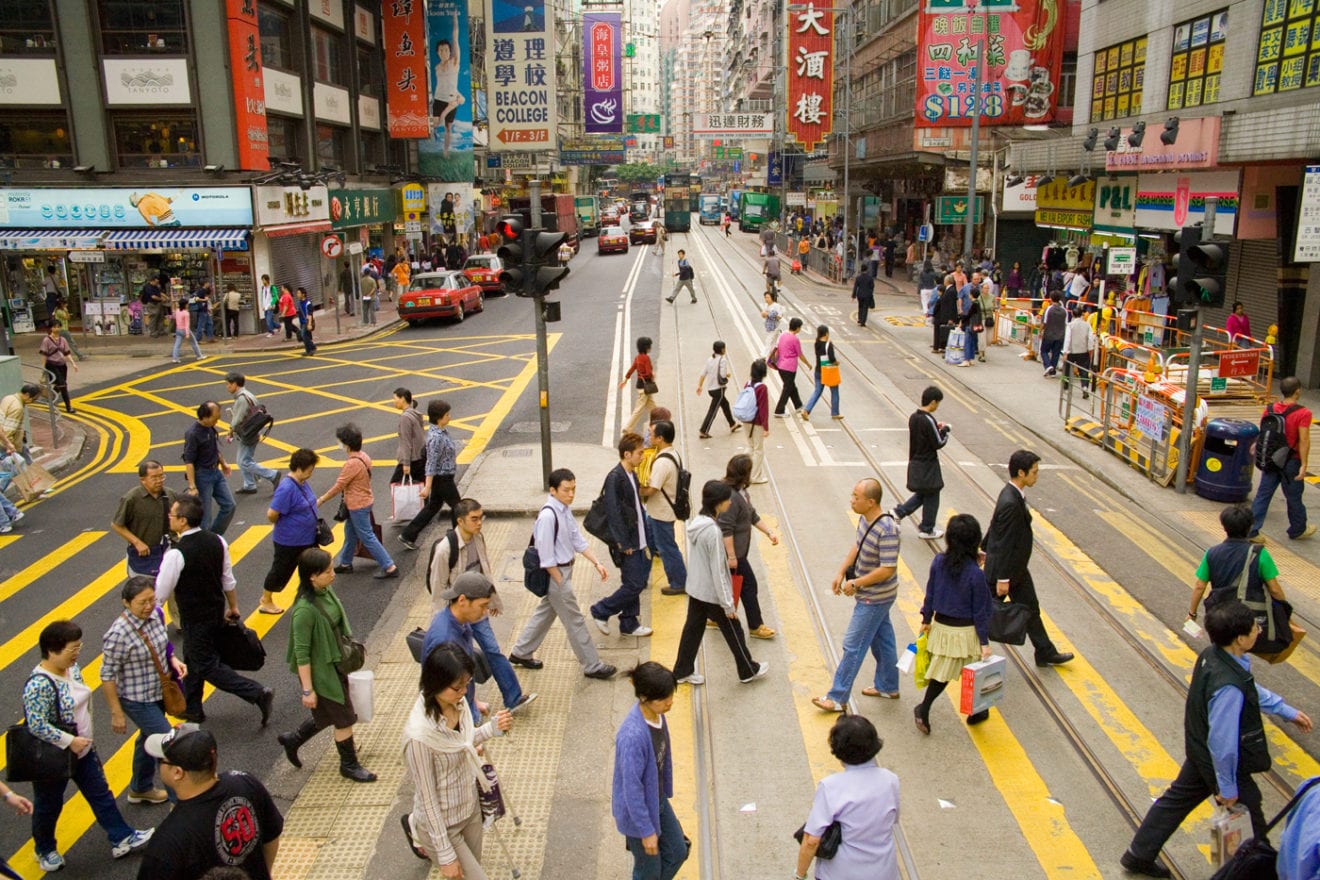
    The Hong Kong Tourism Board (HKTB) said on Jan. 19 that the number of visitors to the city fell 2.5 percent last year over 2014 to 59.31 million, among whom 45.84 million were from the Chinese mainland, down 3 percent. The number of overnight mainland visitors dropped 5.7 percent to slightly less than 18 million.

    Even Christmas season failed to meet expectations, with the number of mainland travelers being merely 3.72 million in December, down 15.5 percent, the biggest monthly drop in 2015.

    The total number of visitors to Hong Kong had been on the decline for seven consecutive months since June, the HKTB said.

    On the other hand, the retail sector also had a difficult time. According to the latest data from Hong Kong’s Census and Statistics Department, retail sales totaled 475.2 billion Hong Kong dollars in 2015, down 3.7 percent from 2014, the biggest drop since 2002.

    Last December’s retail sales were estimated at 43.7 billion Hong Kong dollars, down 8.5 percent year-on-year, while the total volume of retail in the same month fell 6.1 percent.

    Sales revenues of jewelry, watches and luxury gifts registered the biggest fall, down 17 percent in December year-on-year and 15.6 percent last year from 2014. In addition, clothes, commodities at department stores, medicine and cosmetics all saw a fall in revenue.

    The retail sector has been falling since March 2015, and saw revenue drops for ten months in a row last year. Retail sales in August totaled 37.9 billion Hong Kong dollars, down 5.4 percent year-on-year, the biggest fall in 2015.

    On February 15, Hong Kong Disneyland said it suffered a net profit loss of 148 million Hong Kong dollars, the first of its kind since 2012.

    Besides, Ocean Park,recently reported a double-digit fall in the number of mainland visitors during the Spring Festival holidays, while total admissions to the park fell 14 percent in 2015. Tom Mehrmann, the park’s chief executive, said the number of mainland visitors now has dropped to a mere 40 percent of the total admissions from over 50 percent in July 2015, and he expected a further drop in numbers during the months to come.

  • Vietnam risks losing entire retail market to Thailand

    Vietnam risks losing entire retail market to Thailand

    Industry insiders have warned that Vietnam is on the brink of losing its entire retail market to neighbor Thailand. Made-in-Thailand goods, from confectionery to luxury items, are making their largest-ever ‘invasion’ of the Vietnamese market, and many local firms are looking like being acquired by Thai investors.

    Last month, Thailand’s TCC Holding Co. officially acquired Metro Cash & Carry Vietnam’s operations from Germany’s giant retailer Metro Group for an enterprise value of €655 million (US$712.14 million).

    The business includes 19 wholesale stores and related real estate portfolios across Vietnam.

    Another major Thai investor, Berli Jucker (BJC), is also is keen to buy the Big C Vietnam supermarket chain from its French operator, Casino Group.

    The French company reportedly wanted to sell its Vietnam business after completing the transfer of its business in Thailand, Thai Big C, to home player TCC in a $3.5 billion deal earlier this month.

    “If Big C Vietnam is sold to a Thai investor, it can then be said that the entire Vietnamese retail market is in Thailand’s hands,” said Vu Kim Hanh, chairwoman of the Business Association of High-Quality Vietnamese Goods.

    In 2013, BJC acquired the Vietnamese convenience store chain from Japan’s Family Mart and renamed it B’s Mart.

    Later that year, Family Mart teamed up with a new Vietnamese partner to keep the Family Mart chain running, not to be confused with the Thai-operated B’S Mart.

    “A supermarket chain is the missing piece at a time when Thai companies are already running wholesale markets, convenience stores, and even traditional retail channels in Vietnam,” Hanh told us recently.

    With multiple retail channels under their control, Thai investors can easily cut costs and increase competitiveness, and “it will be more difficult for Vietnamese goods to enter Thai-controlled retail outlets,” Hanh said.

    In fact, Thai goods are currently dominating the B’s Mart chain in Vietnam following its acquisition from Family Mart, according to the director of a processed food company.

    “There have been huge changes in the way these stores source products, with Thai candies, snacks and packaged food dominating shelves,” she told Tuoi Tre.

    A real threat

    Shelf space for Thai goods has also increased in other Thai-owned retail channels in Vietnam.

    One executive from a Ho Chi Minh City-based frozen foods trading firm said they had stopped making private-label products for Metro late last year, even before the cash and carry business was sold to TCC.

    Private-label goods are typically those manufactured or provided by one company sold under another company’s brand name.

    “Several procedures have taken longer than usual since the Thais have controlled Metro,” she added.

    “It took me six months to pull some products from their shelves, and requests to adjust prices also took a long time to be effected.”

    Other Vietnamese businesses said the trading policies of Metro, under the new owner, have changed a lot.

    “We are offered higher commissions, but sales have been much slower,” one company director said.

    N.T.C., director of a fresh food producer, said Metro Cash & Carry Vietnam has a new marketing policy that openly favors Thai suppliers.

    “Across product categories, only the Thai ones are subject to repeated promotional campaigns, which leave Vietnamese suppliers like us in shock,” he said.

    The presence of Thai-made products has even increased in retail outlets not owned by the Thais, including South Korea’s Lotte Mart and Co.op Mart, which is Vietnam’s largest supermarket chain.

    “Thai businesses are receiving huge support from the government, in terms of both policies and capital, in their ‘invasion campaign’,” said Vo Xuan Trung, director of IBP Co., a local distributor of Thai snacks.

    While there used to be only one annual Thai goods fair in Ho Chi Minh City, the event has been held four times annually since 2014, Trung said.

    “Having said that, we should acknowledge that most Thai products are of better quality and available at more attractive prices than their local competitors,” he said.

    Tran Anh Tuan, general director of Pathfinder, a Ho Chi Minh City-based market consulting firm, said it was a real threat for Vietnam to lose its home market to Thai retailers.

    “Once Thai retailers are in Vietnam, it is certain that they will try to increase the presence of their goods,” he said.

    Tuan underlined that timely policies should be made before the second, bigger risk comes.

    “Soon we will see not only our consumers rush to buy Thai goods, but also Vietnamese firms acquired by Thai investors,” he warned.
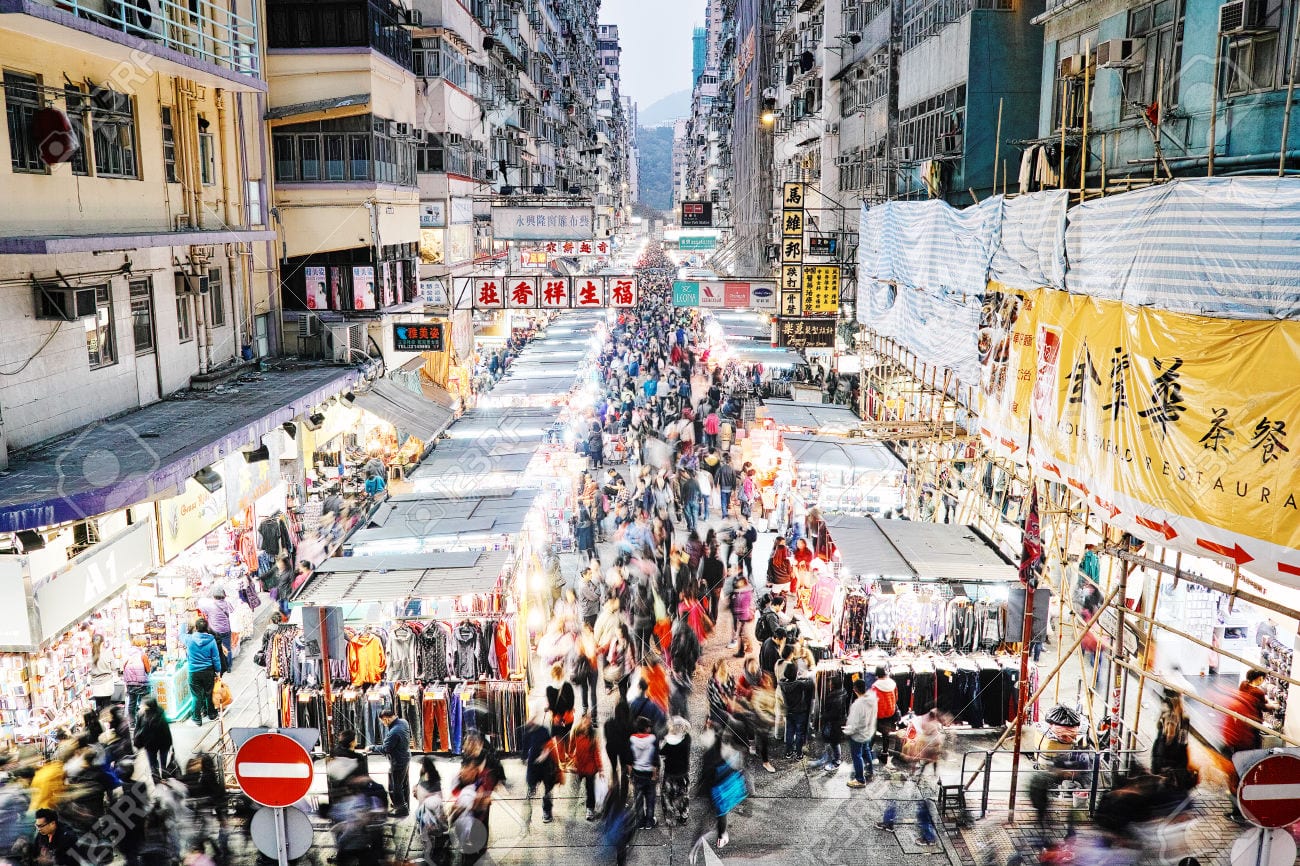
  • Retail In China Suffers From New Year’s Hangover

    Retail In China Suffers From New Year’s Hangover

    While sales surrounding China’s Lunar New Year gave some retailers reason to celebrate, that was not the case for all of them.

    As a result, the stock value of a number of jewelry and cosmetics retailers in the country dropped yesterday. Analysts told the outlet that lackluster New Year sales were felt particularly hard by those sellers with locations in smaller neighborhood malls, as opposed to ones housed in larger ones, which saw a greater influx of foot traffic during the holiday period.

    Another factor that contributed to the stock slide for jewelry and cosmetics retailers in the region, was a dropoff in shopping by mainland tourists during the Lunar New Year. Sa Sa International, for example, reported to the outlet that its sales to mainland tourists fell 26 percent from the same period last year, with the average number of transactions among that consumer group decreasing 18 percent and the average ticket cost falling 9 percent.

    “This showed a further deterioration from the third quarter [for Sa Sa] as the Chinese tourist arrivals widened to a double-digit decline during the period,” Bocom International.

    Credit Suisse, meanwhile, told the outlet that it had visited nine shopping malls in China during the Lunar New Year and found that the majority of them were less busy within that period than they normally are on any given weekend.

    “The era of easy money in the retail industry has come to end,” Maureen Fung Sau-yim, a director of Sun Hung Kai Properties subsidiary, Sun Hung Kai Development. “Looking ahead, we have to work harder to cope with the market change” (referring to, explains the outlet, a stronger Hong Kong dollar and fewer mainland tourists).

  • “IKEA Effect” Hits South Korea with Boom in Furniture Retail Market in 2015

    “IKEA Effect” Hits South Korea with Boom in Furniture Retail Market in 2015

    The furniture market in South Korea has seen a surge in sales since IKEA entered the retail sector last year, stimulating consumer tastes for trendy home furnishings and competing with local retailers, South Korean news agency Yonhap reported on Monday.“The rising interest in home interior items has boosted demand for new furniture, driving up sales of furniture makers,” said Kim Kwang-seop, an official at Statistics Korea.

    According to Statistics Korea, retail furniture sales have jumped 7 percent since 2014 – the highest growth rate since almost a decade ago – with five trillion won ($4.15 billion) in earnings in 2015.

    Though local South Korean furniture retailers initially voiced concerns about losing business to the Swedish-headquartered furniture conglomerate that set up base in the outskirts of suburban Seoul in January 2015, the healthy competition has been a boom for the industry, according to Yonhap, which terms the industry’s revival the “IKEA effect.”

    The five largest home furnishing retailers – including Hanssem, Hyundai Livart and Enex – reported a 20 percent upsurge in sales in 2015, with experts also attributing the consumer boom to aggressive advertising by retailers through showrooms in major cities as well as the rising popularity of home renovation TV shows.

    IKEA, which has earned $308 million since its launch and has had over 6.7 million visitors, now plans to open up five more stores by 2020, according to Yonhap.

  • Slower sales for Chinese New Year goodies, Chinatown retailers say

    Slower sales for Chinese New Year goodies, Chinatown retailers say

    Food takes centrestage during Chinese New Year, like most festive celebrations. But in the lead up to the occasion this year, retailers selling festive goodies say business is more lacklustre compared to 2015.

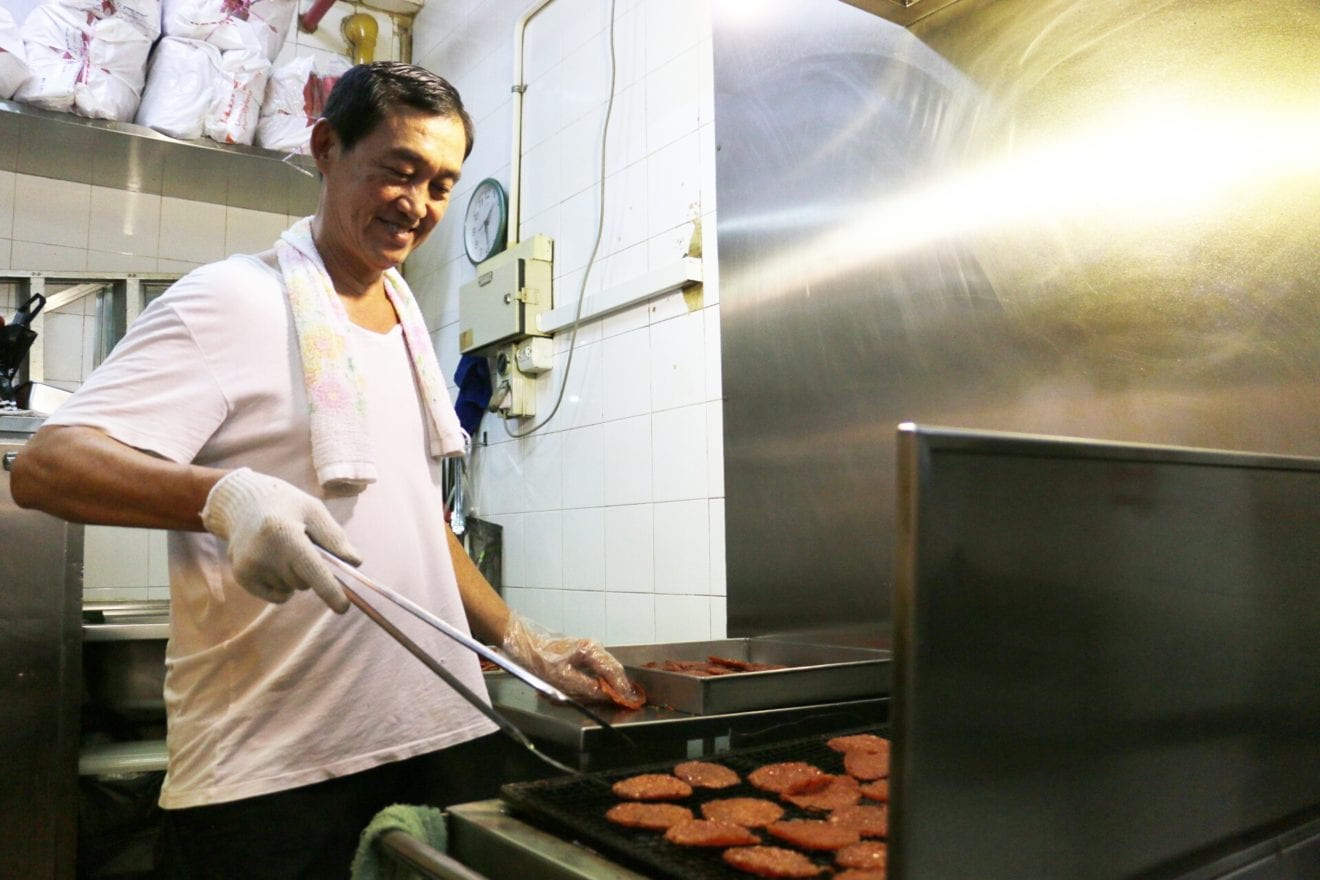
    Family-run bak kwa (sliced barbecued pork) stall Bee Kim Heng has seen festive retail sales drop by 10 to 20 per cent compared to last year. Based at People’s Park Food Centre, Bee Kim Heng – which is run by Mr Teo Ah Thin, 81 – has been in operation for almost 50 years.

    “We suspect it’s the economy, it’s because of the retrenchments that are going around in the market,” said Mr Damien Teo, who helps his father out during busy periods like Chinese New Year.

    Mr Teo, who is in his 30s, added: “A lot of our business is very dependent on regular customers. Some of the regular customers, for example – in the year before, they’d buy 3kg, maybe 5kg. This year, some of them have cut down in terms of the quantity they buy. They just want to save up a bit, I guess.”

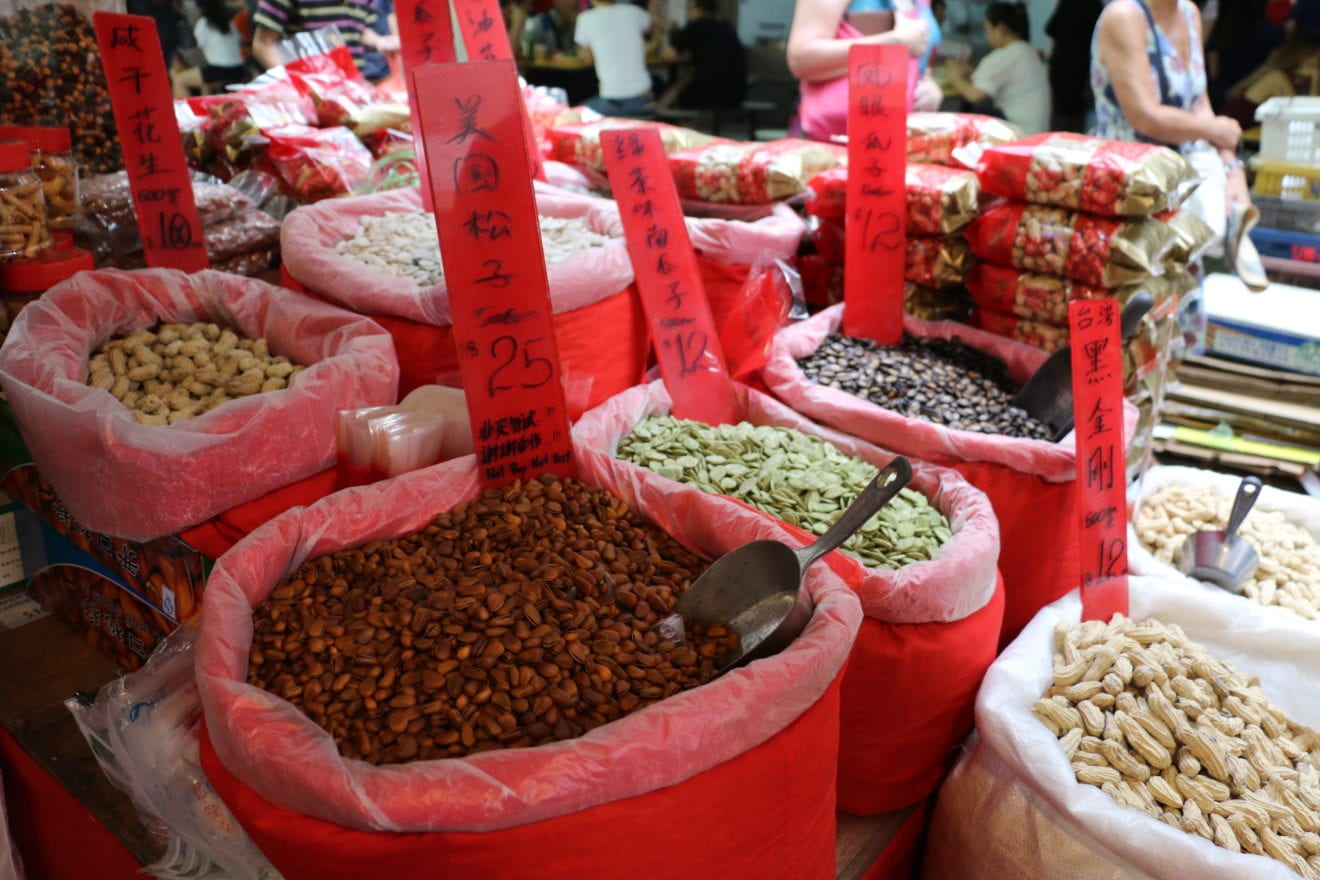
    Similarly, fruit and nut supplier Tian Ran has experienced a 30 per cent drop in sales for the festive period. “A lot of people of browsing and tasting, but fewer are buying. I think it’s due to the bad economic situation,” said a Tian Ran employee, who only wanted to be known as Mr Fang.

    Mr Fang has been selling peanuts and melon seeds – traditional Chinese New Year snacks – for the past eight years. While this year’s takings are poorer than last year, the 40 year-old said he feels things are not as bad as in the aftermath of the 2008 global financial crisis.

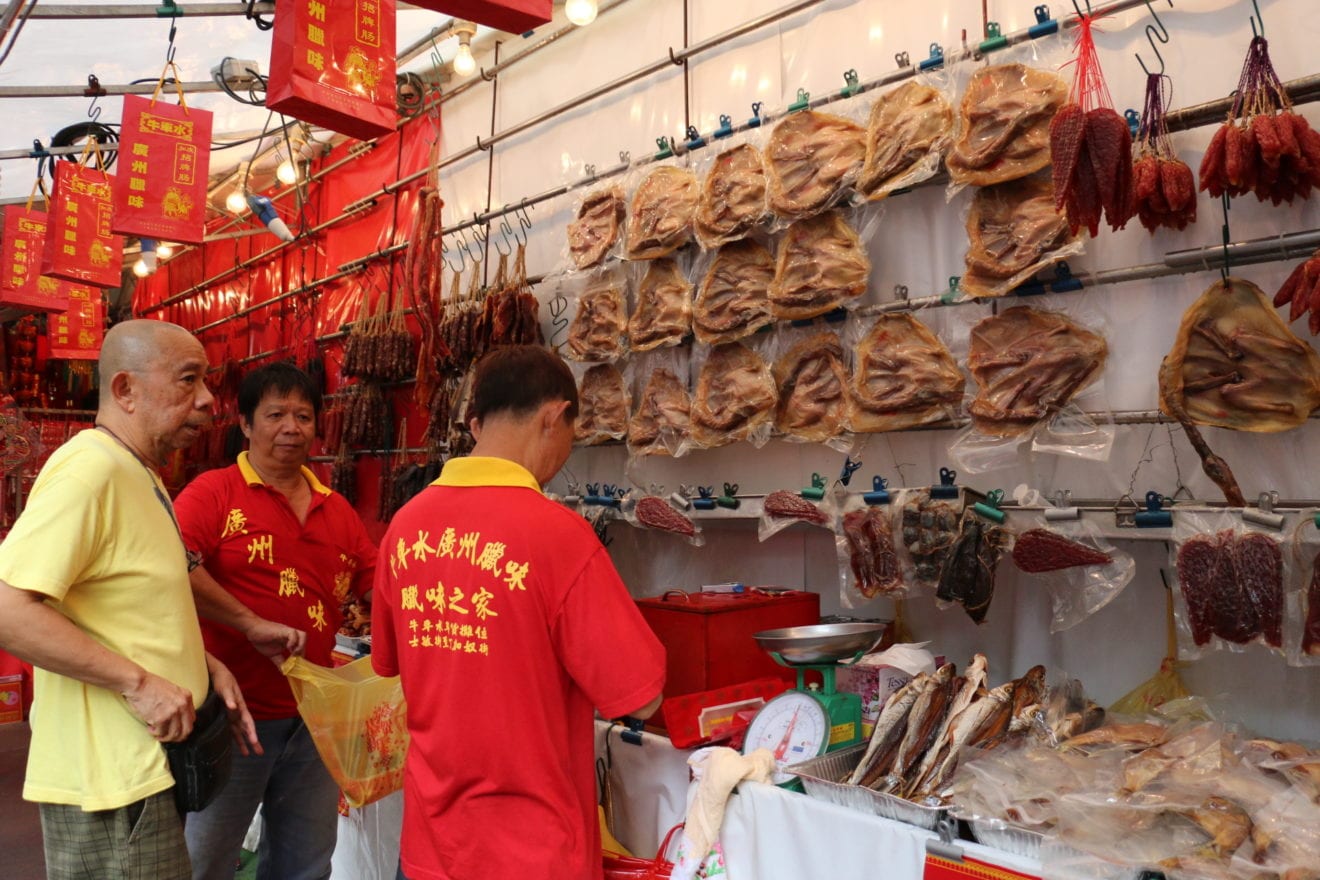
    Less than a few hundred metres away, in the annual Chinatown Festive Street Bazaar, employees running a temporary waxed meat stall also opined that buying sentiment is poor.

    “We’re mainly in distribution, but we have set up a stall at this bazaar for many years. This year, sales are down about 30 per cent,” said a stall employee, who only gave his name as Mr Liang.

    The 56-year-old who been in the business for 30 years, believes that caused shoppers have held back due to the rainy weather, and a poorer economic climate.

    A MIXED PICTURE, OVERALL?

    Outside of the Chinatown area – the epicentre of Chinese New Year shopping – other consumer businesses appear to be faring a little better.

    For example, Paradise Group, which will have over 20 restaurants in operation on the first and second day of the Chinese New Year period, told Channel NewsAsia these restaurants are already 80 to 90 per cent booked for the first day.

    Hotel Fort Canning also expects to “sell-out for the season”, as it caters to both foreign visitors and local staycationers. In an email reply, a hotel spokesperson said: “Demand for our rooms are typically higher during this extended period of festivities and the hotel usually runs at full capacity.”

    Meanwhile, online travel agency ZUJI has recorded a 17 per cent year-on-year increase in staycation hotel bookings during the Chinese New Year period, with an average spend of S$190 to S$220 per night.

    “We’re also seeing more 4-star hotels being booked on ZUJI this year, as compared to last year which had an almost even split of both 4 and 5-stars bookings. This could possibly be due to Singapore travellers being more budget conscious,” said Ms Chua Hui Wan, CEO of ZUJI Singapore.

  • Maybank Singapore in ongoing talks with MAS over incorporation here

    Maybank Singapore in ongoing talks with MAS over incorporation here

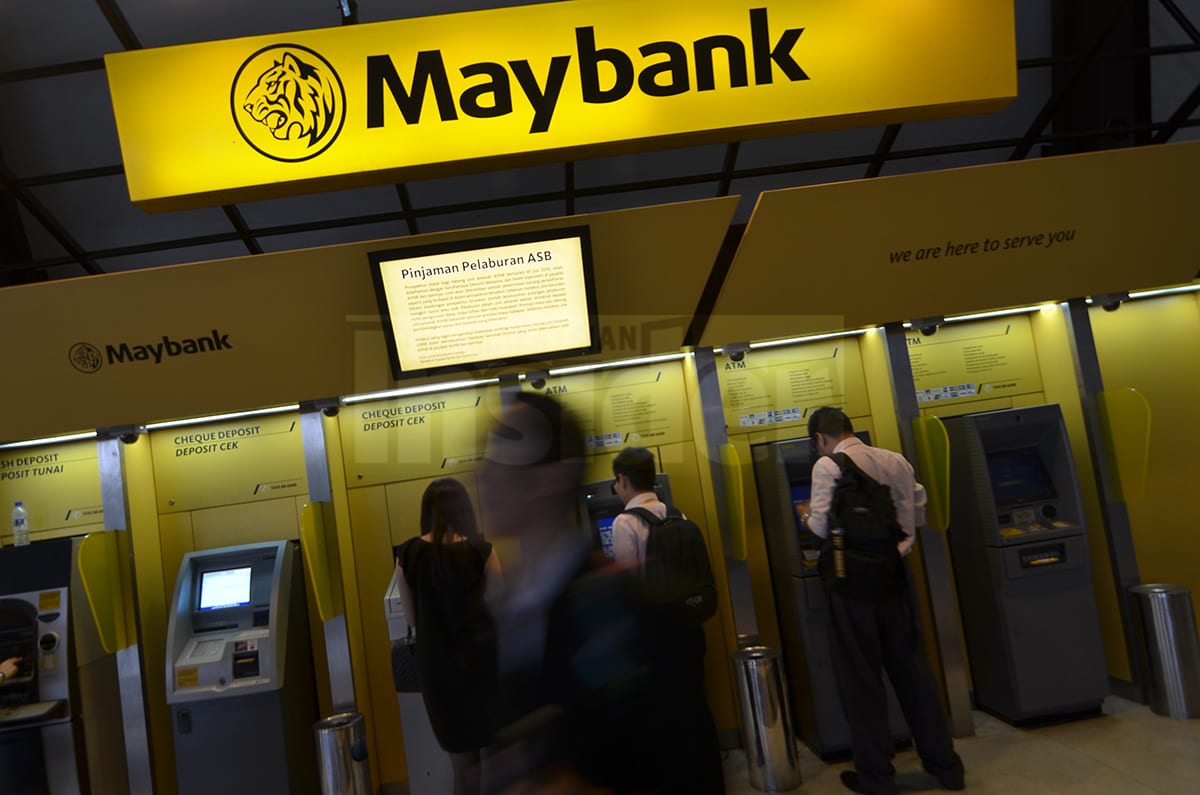
    Maybank Singapore on Thursday said it has had ongoing consultations with the Monetary Authority of Singapore (MAS) on the incorporation of its operations in Singapore, and “reaffirm our commitment to this”.

    It did not offer a date for the incorporation of its retail business here, and remains the only one of seven domestic systemically important banks (D-SIB) in Singapore that have not incorporate the business, or confirmed a timeline for this.

    A framework unveiled by the MAS in May 2015 listed seven banks – DBS, OCBC, UOB, Citibank, Standard Chartered, Maybank and HSBC – as lenders that are effectively deemed “too big to fail” in Singapore, mainly because of their significant retail presence here. These banks will face additional supervisory measures, and this includes locally incorporating their retail operations.

    This means the local deposits are ringfenced from the group’s operations, and it provides protection against a potential loss of Singapore-based consumers’ money when the overall group runs into trouble.

    HSBC has announced that it expects to incorporate its retail operations this year. All but Maybank and HSBC have ringfenced their retail business here.

    “Maybank sees Singapore as a key market, and an important gateway to the rest of the region. The local incorporation signifies a further deepening of Maybank’s roots in Singapore, cementing its unwavering commitment to the local community after 55 years in the country,” Maybank Singapore said.

    “Singapore is an important part of the bank’s strategy to continue growing its international business and we look forward to forging even closer ties with our customers in Singapore and the region.”

    Relating to banks that have to locally incorporate their retail operations, MAS has said that “where appropriate, MAS will provide such D-SIBs with an adequate transition period to comply with this requirement”.

  • Hong Kong sees worst retail sales since 2003

    Hong Kong sees worst retail sales since 2003

    Retail sales fell 3.7 percent in value last year, the biggest decline since the SARS outbreak in 2003, Hong Kong Retail Management Association chairman Thomson Cheng said.

    Cheng also said the value of retail sales this year is forecast to fall by at least 3 percent, the Hong Kong Economic Journal reported on Wednesday.

    Last year’s figure was further dragged down by the abnormally warm weather in December when sales slipped back to the level four years ago, Cheng said.

    Sales in 2015 reached HK$475.2 billion, with the figure for December down 8.5 percent year on year to HK$43.7 billion, government data showed.

    For last year, sales of luxury items, including jewelry and watches, posted the biggest drop of 15.6 percent among all categories while consumer durables recorded the highest gain of 6.1 percent.

    Cheng also said Lunar New Year sales could see a high single-digit fall over a year ago.

    Nonetheless, downsizing, wage cuts and shop closures are not expected to be widespread after the holidays, he said.

  • Major retailers prepare campaigns for Chinese New Year

    Major retailers prepare campaigns for Chinese New Year

    The Mall Group will celebrate Chinese New Year with a variety of activities and promotions to boost customer spending. The company projects the campaign to generate Bt2.5 billion in sales.

    Chamnarn Maytaprechakul, executive vice president of The Mall Group, said that towards the end of 2015, customer spending improved. During the final two months, the Consumer Confidence Index was the highest in eight months, fuel prices had declined, tourist numbers increased, and the government provided a year-end tax break.

    The Mall Group saw a 20-per-cent sales increase during the seven-day tax-break period, which helped the company reach its annual sales goal of Bt52 billion, 4-per-cent growth compared with 2014. “For 2016, we expect consumer spending momentum to continue, especially with Chinese New Year, an important celebration in Thailand that is just as popular as [January 1] New Year and Songkran. Spending during Chinese New Year is no less than Bt50 billion,” Chamnarn said.

    Robinson Department Store targets growth of 8 per cent year on year in the first quarter of this year as its “Robinson Chinese New Year” campaign welcomes the Year of Monkey. Shoppers will receive a red packet of discounts worth Bt1,200 for every Bt1,000 of spending. Prosperity-boosting and cultural activities in the Chinese tradition will also be in place.

    Sompong Rungnirattisai, chief commercial officer of Tesco Lotus, said Chinese New Year was an important occasion for a large number of people in Thailand. He said Tesco Lotus wanted to make the celebration affordable for customers as they were facing a challenging economic situation.

    “We have invested more than Bt250 million to bring down the prices of fresh food items by up to 46 per cent when compared with last year. We are also offering several cash coupons to help customers save during the season.

    “In addition, we have prepared special gifts for customers. Those spending Bt600 or more at Tesco Lotus will instantly receive a Chinese New Year red envelope containing special discounts on 50 items, worth a combined Bt4,400. Customers who spend Bt400 or more can redeem a lucky monkey doll at a special price of Bt159, down from the full price of Bt299,” he said.

    Siam Piwat Co, operator of Siam Paragon and Siam Center, together with Muang Thai Life Assurance, Kasikornbank and Advanced Info Service, has announced “Siam Prosperous Chinese New Year 2016”, a campaign to celebrate Chinese New Year and greet the Asean Economic Community. The campaign, to be held from February 3 to March 13 in Siam Paragon and Siam Center, will provide discounts of up to 80 per cent, lucky red envelopes and many other privileges, said Chanisa Kaewruen, Siam Piwat deputy managing director for marketing events and business relations.

    Central Pattana (CPN), Thailand’s largest retail developer and operator of CentralWorld, CentralPlaza and CentralFestival, along with their business partners, has invested Bt40 million in a campaign named “The Great Chinese New Year” to be held from February 5-29.

    Nattakit Tangpoonsinthana, executive vice president for marketing at CPN, said the company understood the needs of the new generation of Thai-Chinese customers and what they want during this festive season. They have more purchasing power than in the past and tend to be selective and require a certain standard of quality in the products and services they receive.

    At Big C Supercenter outlets, red packets of shopping discounts have been offered since mid-January. As well, shoppers get the chance of winning gold prizes every day until February 8, Chinese New Year’s Day.

    Future Park, the largest mall in Rangsit area, also launch an event called ‘Sweetest Moment of Chinese New Year’, between February 5 and 14, in which more than 1,000 shops within the complex will offer promotional sale of up to 80 per cent discount.

  • Police, retailers in central Singapore partner to deter crime

    Police, retailers in central Singapore partner to deter crime

    The Marina Bay Neighbourhood Police Centre on Saturday (Jan 30) launched the Central Division Retail Watch Group, which aims to establish a partnership between the police and retailers to deter, detect and prevent crime.

    Rahayu Mahzam, Member of Parliament for Jurong GRC and a member of the Government Parliamentary Committee for Home Affairs and Law was the Guest of Honour for the event. In her speech, she referred to recent terrorist attacks in the region, and called on owners of retail and commercial establishments to be more vigilant and partner with the police to help ensure the safety and security of shoppers.

    In a media release, police said the Central Division Retail Watch Group consists of retailers from major shopping malls such as Bugis+, Bugis Junction, Raffles City, Marina Square and Suntec City. Membership is also open to all other retailers whose outlets fall within the jurisdiction of the Marina Bay Neighbourhood Police Centre.

    Police added that this Retail Watch Group serves as a platform for the police and retailers to exchange information and tips on how they can strengthen vigilance and measures against potential terrorist attacks.

    According to the release, the Central Division Retail Watch Group will implement two initiatives. Police will disseminate an e-newsletter to retailers with information on crime trends and statistics, as well as crime prevention and security practices. The second initiative is a “red teaming” exercise conducted by police and retail management.

    “These exercises aim to test the effectiveness of the stores’ security features and the vigilance of the duty staff,” said the police in their statement. “Following these exercises, the police will hold a review with the retail management to reinforce the learning points.”

  • Singapore’s retail sector receives boost in talent development

    Singapore’s retail sector receives boost in talent development

    This initiative sees the integration of Enhanced Internship with SkillsFuture Earn and Learn Programme; whereby five local retailers will invest in talent management and retention programmes during students’ internships.

    Singapore’s five polytechnics – Nanyang Polytechnic (NYP), Temasek Polytechnic (TP), Ngee Ann Polytechnic (NP), Singapore Polytechnic (SP) and Republic Polytechnic (RP) – together with the Institute of Technical Education (ITE) and five local retailers signed on Tuesday (26 Jan 2016) a Memorandum of Understanding (MoU) to integrate the Enhanced Internship with the SkillsFuture Earn and Learn Programme.

    The signing took place at an Industry Practitioner Seminar organised by the Singapore Institute of Retail Studies (SIRS), and was witnessed by Mr Ong Ye Kung, Acting Minister for Education (Higher Education and Skills).

    The MoU were coordinated by NYP, which leads the Retail Sector Coordination Team (SCT) in support of the national SkillsFuture movement. The Retail SCT also comprises the other four polytechnics, ITE and SIRS.

    Under this partnership, the five retailers – Charles & Keith (Singapore) Pte Ltd, Cold Storage Singapore Pte Ltd, Isetan (Singapore) Limited, StarHub Ltd and Wing Tai Retail Pte Ltd – will invest in talent management and retention programmes during students’ internships.

    Students who successfully complete at least 20 weeks of the Enhanced Internship with these firms may have a chance to be offered employment through the SkillsFuture Earn and Learn Programme.

    The duration of the SkillsFuture Earn and Learn Programme will be reduced to 12 months instead of the usual 18 months, and will culminate in a Singapore Workforce Skills Qualifications (WSQ) Specialist Diploma or WSQ Advanced Certificate in Retail Supervision. Supported by the Singapore Workforce Development Agency (WDA), this fast-track route enables a seamless integration of Enhanced Internship and the SkillsFuture Earn and Learn Programme.

    Another 11 retailers signed a separate MoU to offer Enhanced Internships to retail students. It was announced last year that Enhanced Internships would be offered to second- or third-year polytechnic or ITE students; and by 2020, all polytechnic and ITE courses will offer this.

    “As the sectoral lead for retail – an industry which is ever-changing and high in manpower demands – Nanyang Polytechnic aims to continue encouraging organisations to play a stronger role in talent growth and retention. The partnerships today will see more students getting a deeper knowledge of retail operations, and more importantly, allow companies to retain high-potential talents from the time they are interns,” said Jeanne Liew, Principal & Chief Executive Officer, Nanyang Polytechnic.

    “Integrating the Enhanced Internship with the SkillsFuture Earn and Learn Programme provides a seamless learning experience for students as they transit from school to the workplace. At the same time, the integration will boost employers’ efforts in identifying, attracting and developing skilled local talent. Both initiatives will work in tandem to better match polytechnic and ITE students with employers in their fields of study,” added Ng Cher Pong, Chief Executive of WDA.

  • Burma’s Gasoline Retailers Urged to Cut Prices

    Burma’s Gasoline Retailers Urged to Cut Prices

    With world oil prices sinking, the Myanmar Petroleum Traders Association (MPTA)has urged the country’s gasoline retailers to slash prices.

    In a letter to the association, the Ministry of Energy said that although the retail price at Rangoon gas stations has seen a small decline—from about 50 to 80 kyat (US$0.04 to 0.06) per liter—the gap between world and domestic prices has yet to be sufficiently bridged.

    “While importers can easily reduce the wholesale price, it’s more difficult to reduce the retail prices at gas stations because there are costs for running these stations,” said Win Myint, chairman of the MPTA.

    “Some stations in other cities haven’t reduced their retail price. That’s why now we’re encouraging them to cut the price as much as they can,” he added.

    Distribution at gas stations has proliferated since the Burmese government eased restrictions on importing gasoline in 2011. More than 50 companies now import from Singapore alone.

    Burma imports some 80,000 tons of octane and 200,000 tons of diesel each day, according to the MPTA. In Burma, one liter of octane is about 550 kyats, down from 600 kyats, while diesel prices have fallen from 570 to 500 kyat over the last week.

    In the world market, one barrel of oil runs for approximately $30 to $50.

  • Luxury Retailers Scale Back China Brick-and-Mortar Expansion in 2016

    Luxury Retailers Scale Back China Brick-and-Mortar Expansion in 2016

    As Chinese luxury spending decreased in China, yet rose globally last year, luxury retailers are hitting the brakes on brick-and-mortar store expansion for 2016.

    According to a report on retail in China published this month by UBS, wariness toward store expansion is at an all-time high. It found that 94 percent of retailers surveyed have a “moderate” attitude toward China expansion in 2016, rising from 85 percent in 2015 and 72 percent in 2014. A total of 67 percent said they will expand by less than 10 percent in 2016, while 6 percent said they will expand from 10 to 20 percent. Meanwhile, 22 percent of retailers plan to close stores this year.

    The retailers with the biggest expansion plans are generally department stores, according to the report, but that’s not necessarily due to sales growth. It notes that larger stores generally plan their expansion at least five years in advance, so many department stores were preparing openings happening now during China’s era of rapid growth.

    Among luxury retailers, Louis Vuitton was one of the most highly-publicized brands to halt expansion in China last year as it closed stores in Guangzhou, Harbin, and Urumqi. In addition, Chinese media reported this week that Gucci closed a Chengdu store as it readjusts its flagship arrangement in China.

    Although the shift in spending abroad and online are factors in these decisions, luxury retailers are also focusing on recalibrating their location choices. U.S. think tank The Demand Institute wrote in a report last year that many foreign brands had expanded into smaller cities when they should have been focusing on the first tier. It stated that “overly optimistic growth and consumption projections for China have misled foreign investors” into expanding too far into lower-tier cities.

    This appears to be Louis Vuitton’s position, as it opened stores in Beijing and Hangzhou last year even as it closed its other locations. A report by CBRE last year stated that slowing sales and over-saturation in the mainland “have prompted retailers to consolidate their existing store networks and slow their rate of entry into new markets focusing on operational efficiency.” This includes not only relocation of stores, but revamping design and adding lifestyle elements such as cafes, art exhibitions, and pop-ups.

  • Where Chinese tourists are spending their shopping dollar

    Where Chinese tourists are spending their shopping dollar

    Mainland China has become one of the main global suppliers of tourists, and that has been paying dividends for retailers globally.

    But as the Chinese are roaming further afield, Hong Kong and Macau retails have seen their sales dropping.

    A fresh analysis from international market research company GFK shows China had 109 million outbound tourists last year… and they spent US$229 billion in retail stores. These statistics consolidate China as one of the main global sources of tourists, both in terms of number of trips and money spent while travelling internationally.

    “At the same time, there have been profound changes in the behaviour of the typical Chinese traveller, with millennials firmly established as the core drivers of spending,” says GFK.

    Because of its cultural similarity, accessibility and lower travel costs, Hong Hong was the preferred destination for Chinese tourists up until 2013. Shopping was a big motivation for visiting. However, since 2014, says the report, more Chinese tourists have been opting for other destinations offering historical and cultural experiences – as well as shopping.

    Air travel and accommodation statistics show that at the start of November, the top five favourite destinations for Chinese travellers were South Korea (visits up 112 per cent since 2011), Thailand (up 263 per cent), Japan (up 157 per cent) and Taiwan (up 54 per cent. Surprisingly, given its loss of retail sales, Hong Kong had 37 per cent more Chinese visitors. This is explained by the new emerging middle class – consumers who do not have enough disposable income to travel further abroad, nor to spend on high-end purchases.

    Europe is the most popular destination outside Asia for Chinese tourists, with 97 per cent more visits in the past four years. This is followed by North America (up 151 per cent) and the Middle East (up 177 per cent).

    “China’s tourists remain strategic to Hong Kong and its businesses, as other destinations are jumping ahead in winning their favour,” says GFK global head of travel and hospitality Laurens van den Oever.

  • Why More Retailers Could Default in 2016

    Why More Retailers Could Default in 2016

    Last year was grim for retailers. This year could be even worse. Despite a late surge in holiday sales, companies like J. Crew Group Inc. and 99 Cents Only Stores are struggling under debt they took on in leveraged buyouts years ago. Their bond prices have plummeted — in some cases to as little as 25 cents on the dollar — as investors brace for possible defaults.

    The industry has been limping along for a while now due to a variety of forces. Spending has migrated to the Internet, lenders have turned wary and the debt burdens of pre-crisis buyouts will make it tough to revive struggling merchants. Eleven retailers defaulted last year through Dec. 14, the highest annual tally since 2009, according to Standard & Poor’s data. And the near future doesn’t look much brighter.

    “We expect more retail defaults in 2016 than 2015 and 2014,” said Robert Schulz, an S&P credit analyst.

    The credit market is echoing that sentiment. Bonds of indebted retailers dropped further last year in anticipation that some will need to restructure.

    This wave of distress is different from the tough times of the Great Recession, said Patrick Dalton, chief executive officer of Gordon Brothers Finance Co., an asset-based lender that works with retailers. Now, “it’s an industry issue, not an economy issue,” he said. Shoppers are seeking value and turning away from pricey logos, which is hurting the teen-clothing category in particular. “What looks the same but costs three times less is where everyone’s going,” Dalton said.

    In general, shoppers are spending less on stuff and more on experiences such as going out to eat. They’re also saving more. And retailers that once reigned in America’s shopping malls are losing customers to online rivals like Amazon.com Inc.

    “Amazon is crushing everybody,” Dalton said.

    Buyout Burden

    Bond prices of the most distressed companies reflect those problems. J. Crew’s bonds lost 7.4 percent in December, dropping to a record low of 25 cents on the dollar on Dec. 22, reflecting creditors’ lack of confidence that the retailer will be able to shoulder $2.1 billion of debt from a 2011 leveraged buyout by TPG Capital Management and Leonard Green & Partners.

    Bon-Ton Stores Inc.’s 8 percent notes last traded at 33.4 cents on the dollar on Dec. 23, according to Trace, the bond-price reporting system of the Financial Industry Regulatory Authority.

    Margot Fooshee, a J. Crew spokeswoman, declined to comment. Angela Thurstan at 99 Cents Only and Christine Hojnacki at Bon-Ton didn’t respond to requests for comment.

    Restructuring advisers have already started circulating names of retailers proposing various debt-renegotiation plans as bond prices continue to drop.

    “It’s going to be a busy year of restructuring for retailers,” said Steven Ruggiero, a credit analyst focusing on retail at RW Pressprich & Co. in New York. “Hedge funds and private-equity investors that were taking a pause at the end of the year waiting to see how December sales would pan out and how redemption was for their funds are now ready to pounce.”

    Things could have been a lot worse. Sales during November and December rose 3.4 percent, according to research and consulting firm Customer Growth Partners. An uptick in shopping during the week between Christmas and New Year’s helped mitigate what Craig Johnson, the research firm’s president, called a terrible year for margins, as retailers jockeyed to win over lukewarm shoppers.

    The days when retailers could load up on debt and hope to sell their way out of it appear to be over. In the meantime, obligations heaped on during pre-2008 leveraged buyouts are coming due.

    Refinancing Debt

    Sports Authority Inc., for example, has a $300 million term loan due in May 2017, but its private-equity owner Leonard Green & Partners is already under pressure to refinance it while there’s still more than a year to maturity. Once an obligation passes that threshold, it becomes current, which is considered more difficult to deal with in a restructuring.

    Although the sportswear retailer received a $95 million infusion in late 2015 to shore up vendor confidence, addressing that debt appears to be a challenge. Kellie Kerwin, a spokeswoman for Sports Authority at ICR, didn’t comment.

    Even healthy retailers are posting disappointing results. Bed Bath & Beyond Inc. said third-quarter profit and comparable-store sales will be less than forecast. Department stores including Macy’s Inc. and Nordstrom Inc. have cut their annual forecasts. Some of that is due to record-high temperatures, which have produced a glut of coats, sweaters and other seasonal goods.

    “The merchants that have been lagging don’t have the luxury to lag anymore,” said Jonathan Eyl, a consumer analyst at Nasdaq Advisory Services in New York.