Tag: Retailers

  • Porsche Customers Most Satisfied Overall

    Porsche Customers Most Satisfied Overall

    The Porsche brand has ranked highest among all nameplates, according to the latest J.D. Power 2016 U.S. Sales Satisfaction Index (SSI) Study released today. The brand also placed higher than all other luxury manufacturers for the second consecutive year. Porsche improved upon its 2015 standing by 72 points to capture the overall ranking for the second time in the 30-year history of the SSI Study.

    The SSI Study measures satisfaction with the sales experience among new-vehicle buyers and rejecters — those who shop a dealership and purchase elsewhere. Buyer satisfaction is based on four measures: working out the deal (25%); salesperson (19%); delivery process (16%); and facility (15%). Porsche ranked highest among all automotive brands across all four categories. Rejecter satisfaction is based on five measures: salesperson (10%); fairness of price (4%); experience negotiating (4%); facility (3%); and variety of inventory (3%). Porsche improved this year in the areas of price, facility and inventory.

    “Customer satisfaction is our highest priority in our endeavor to deliver a unique and rewarding Porsche experience,” said Klaus Zellmer, President and CEO, Porsche Cars North America, Inc. “We pride ourselves on building exciting and innovative sports cars, but our success is ultimately measured by the approval and appreciation of our customers. I would particularly like to thank our dealer partners who have made it their mission to provide a benchmark experience for their clients who are purchasing a Porsche.”

    The 2016 SSI Study is based on responses from 28,979 buyers who purchased or leased their new vehicle in April or May 2016. The study is a comprehensive analysis of the new-vehicle shopping and purchasing experience and measures customer satisfaction at U.S. dealerships.

  • Matheson Flight Extenders has signed an agreement with Cathay Pacific

    Matheson Flight Extenders has signed an agreement with Cathay Pacific

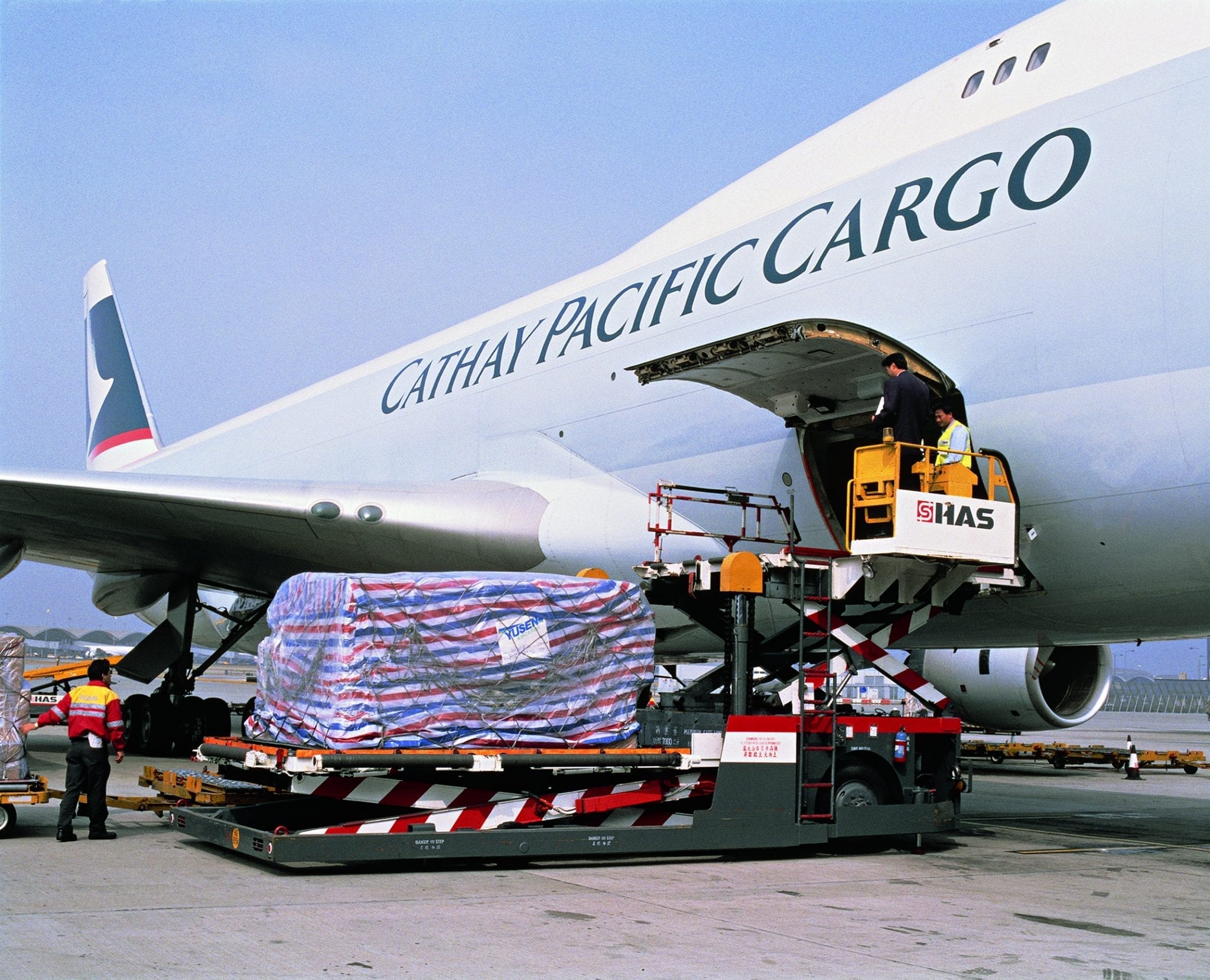
    Matheson Flight Extenders, Inc. has signed an agreement with Cathay Pacific to act as a freight consolidation agent to provide export and import services at Portland International Airport.

    Matheson Flight Extenders, Inc., a subsidiary of Matheson Trucking Inc., recently added eight employees to support Cathay’s new twice-weekly Boeing 747-8F flight to Hong Kong via Anchorage which was launched on November 3.

    “This is an exciting opportunity for Matheson to once again expand into the international freight arena,” said Charles Mellor, chief operating officer for Matheson. “We handled similar services for Asiana Airlines and are proud to be a key facilitator in the partnership between the Port of Portland and Cathay Pacific. Providing consolidation for import/export goods benefits the economy of Portland and businesses in the region.”

    According to Mellor, Cathay first contacted Matheson about providing consolidation services at Portland.

    “We quickly presented a bid and began negotiations,” he said. “The referral was a result of our previous partnership with Asiana. We have the ramp space to park a 747 close to our hangar, making it more convenient to load and unload the aircraft.”

    Cathay expects the flight to carry 40 to 60 tonnes of cargo from Portland every month, including semi-finished footwear and apparel, electronics and perishables such as blueberries, cherries, Dungeness crabs and oysters.

    The Portland flight operates every Thursday and Saturday and is routed via Anchorage and Los Angeles from Hong Kong, and via Anchorage on the way back.

  • Lane Crawford selects Orange Services’ Cloud to improve digital shopping experience

    Lane Crawford selects Orange Services’ Cloud to improve digital shopping experience

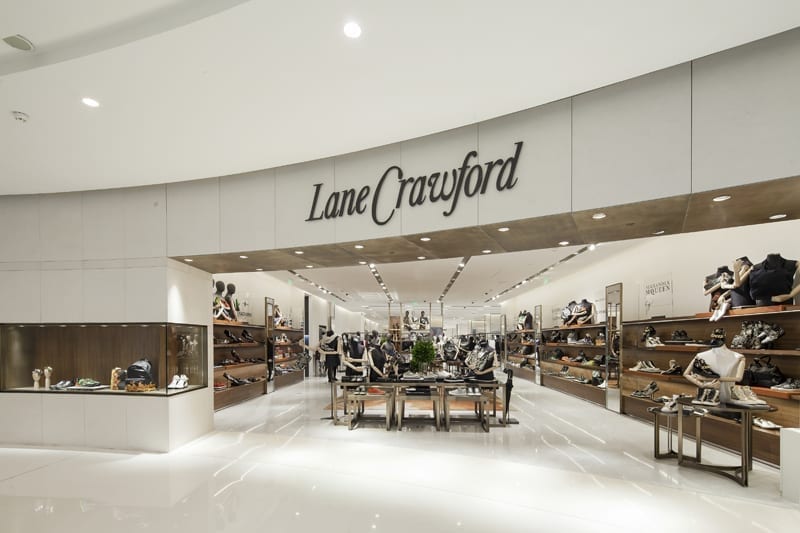
    Orange Business Services has been selected by Lane Crawford, a multi-brand designer label luxury retailer, to provide a cloud-based platform to extend, secure and manage its IT resources in Hong Kong and China. This deployment will enable Lane Crawford to marry offline strengths with digital advantages and offer its customers a more connected retail experience.

    Founded in 1850, Hong Kong-based Lane Crawford is widely recognized as a leading retailer of specialty and luxury goods in Hong Kong and China. Through Orange Business Services’ cloud platform, Lane Crawford will have higher flexibility and scalability to accommodate changes in demand due to seasonal shopping, sales and promotional activities, and ad-hoc use. By adopting a cloud-based platform, Lane Crawford can appropriately align its business with the rapid growth of online shopping in China and meet the needs of new and existing customers.  In addition to meeting Lane Crawford’s needs for its digital transformation, Orange Business Services’ solution delivers an enhanced level of security infrastructure and business continuity plans.

     “Lane Crawford has a long history of delivering high quality products and excellent experiences to its customers,” said Jack Zhang, General Manager, Orange Business Services China.  “We are very pleased to have been selected as a partner in their digital transformation journey and to support them based on our deep understanding of the retail business and Lane Crawford’s existing infrastructure environment.”

    Lane Crawford selected Orange Business Services’ cloud platform for its ability to easily scale to meet rapid changes in consumer demand and its one-stop solution for all the needs it had for connectivity, flexibility and security.  Orange Business Services’ platform is fully compatible with other business critical applications being used by Lane Crawford.

     “Our former infrastructure did not provide adequate flexibility for scalability or future business growth,” said Raymond Liu, Senior Manager, IT Infrastructure, Lane Crawford.  “Orange Business Services’ cloud-based solution gives us cost-efficient performance, enhanced security and protection, and support of on-line transaction applications.  For Lane Crawford, this is a critical step forward in our digital transformation.”

  • Indonesian Retailers Prepares for ASEAN Market

    Indonesian Retailers Prepares for ASEAN Market

    Deputy Chairman of the Indonesian Retailers Association (Aprindo) Tutum Rahanta, said that the Association is currently aiming for the ASEAN market, specifically countries like Vietnam, the Philippines, Laos, Myanmar, and Cambodia.

    Tutum predicted that hundreds of millions can be gained if Indonesian retailers can tap into international markets. “I think if we can penetrate the market, it would be like serving 600 million people, and it is three times bigger than Indonesian market,” Tutum said on Monday, September 26, 2016.

    Tutum said that Indonesian retailer has plenty of open chances and opportunities to tap into the ASEAN market, especially in terms of expansion costs, which according to Tutum, would be similar to expanding their business in Indonesia. In addition, Indonesian retailers would have better chances at expanding in ASEAN with the recent establishment of the ASEAN Economic Community.

    “It would be much different if retailers wanted to expand to Japan, opening one outlet there equals opening 30 outlets [in Indonesia], it doesn’t make sense,” Tutum said.

    Tutum added that despite retailers’ readiness to expand to ASEAN, Aprindo expected the government to show support by facilitating bureaucratic affairs and adapting regulations.

    “The government can lobby the foreign country’s government to see if there are any obstructing regulations, then they can inform retailers,” Tutum said.

  • Enjoy “Golden Moments” at Singapore Golden Week 2016

    Enjoy “Golden Moments” at Singapore Golden Week 2016

    Come 30 September, Singapore Retailers Association (SRA) will launch Singapore Golden Week (SGW) 2016 – a brand new lifestyle event to be held over three weekends from 30 September to 16 October, with global payment network UnionPay as the Official Card. With the aim of heightening the appeal of Singapore as a choice lifestyle destination for locals and tourists, the inaugural SGW 2016 will feature a suite of golden retail privileges, sure-win rewards and pampering experiences for consumers to indulge in. 

    GOLDEN “RETAIL” PRIVILEGES

    Over 200 participating outlets across retail, food and beverage (F&B), beauty and wellness, as well as hotels and attractions categories among others, will be giving UnionPay Cardholders more reasons to spend with exclusive “Golden Retail Privileges” at SGW 2016. 

    Cardholders can enjoy exclusive discounts as well as gifts with purchase when they shop at participating merchants with their UnionPay cards at SGW 2016. Popular participating merchants include department stores Isetan Scotts, Metro and Robinsons; clothing labels Dockers, Dorothy Perkins, Karen Millen, Levi’s, T.M.Lewin, Topshop, Topman, Warehouse; local attraction Alive Museum and many more.

    GOLDEN “SURE-WIN” REWARDS

    During SGW 2016, Cardholders who make a minimum purchase of S$50* with their UnionPay card anywhere in Singapore can take part in the “Golden Sure-Win Rewards” game located at ION Orchard’s Level 1 Atrium. In addition, shoppers who make purchases within ION Orchard can enjoy double chances of winning. Shoppers who spend $688 and above at selected Premier Tax Free merchants are entitled to a free limousine ride*. With over S$10,000 worth of shopping vouchers and prizes up for grabs in the “Golden Sure-Win Rewards” game, everyone can be a winner at SGW 2016!

    GOLDEN “PAMPERING” EXPERIENCES AT THE UNIONPAY GOLDEN LOUNGE

    In addition to the golden retail privileges and sure-win rewards, SGW 2016 promises pampering experiences for all locals and tourists, including non UnionPay Cardholders. Simply pop by the exclusive UnionPay “Golden Pampering Lounge” located at ION Orchard’s Level 1 Atrium, to enjoy a fresh cup of gourmet coffee, free flow gourmet cookies and take a break from the busy downtown shopping environment.

    UnionPay Cardholders can also present their UnionPay card to gain access to the exclusive VIP area, decked out with OSIM massage chairs for an even more luxurious experience. Plus, Cardholders can enjoy a special cup of gourmet “Gold Brew” coffee sprinkled with edible gold dust for the additional gold rush. With mobile charging ports available for the power-hungry and some of Singapore’s favourite brands and foods on show, there will not be a single dull moment at the “Golden Pampering Lounge”. 

    “UnionPay is delighted to be named as the Official Card for Singapore Golden Week 2016. As a brand new lifestyle event to be held over three weekends in September and October, we hope that this will light up the local retail scene, and offer new lifestyle experiences for both local and overseas UnionPay Cardholders to enjoy. And as we continue to build on the momentum to provide better products and services for consumers here in Singapore, we also hope to be able to, at the same time, bring fresh experiences, more choices and excitement to everyone,” said Mr. Wenhui Yang, General Manager of UnionPay International Southeast Asia.

    “Singapore Retailers Association is pleased to partner UnionPay again to bring consumers yet another event to look forward to and a new golden opportunity for the industry to leverage on. With a base of over 5.4 billion UnionPay Cards issued worldwide, Singapore Golden Week aims to create a new opportunity for retailers to drive spending among the overseas UnionPay Cardholders who will be here, as well as UnionPay Cardholders in Singapore. We are excited about the new business opportunities that SGW presents and the benefits that our partnership with UnionPay can potentially bring to participating merchants,” said Mr. Anthony Gan, Executive Director, Singapore Retailers Association.

    “ION Orchard is a favourite mall among locals and Chinese tourists and is the ideal location for UnionPay’s first Singapore Golden Week campaign. We are especially delighted to be the official mall that houses UnionPay’s Golden Pampering Lounge for their campaign for all redemptions. The central location along Orchard Road will certainly make shopping more convenient – and for purchases made at ION Orchard, shoppers will enjoy double chances when playing the ‘Golden Sure-Win Rewards’ game at the lounge, making it a truly rewarding shopping experience,” said Mr. Chris Chong, CEO Orchard Turn Developments.

    UnionPay International focuses on supporting the growth of UnionPay’s global payments business. With an acceptance footprint covering 160 countries and regions globally, UnionPay serves the world’s largest cardholder base by providing quality, cost-effective and secure payment services to over 5.4 billion Cardholders worldwide.

    In Singapore, UnionPay enables efficient and cost-effective payment services that are tailored to the needs of local businesses and consumers. UnionPay cards are issued by Bank of China (BOC), DBS Bank (DBS), Industrial and Commercial Bank of China (ICBC) and United Overseas Bank (UOB) in Singapore, and are accepted at over 80 percent of retail, lifestyle and food and beverage establishments locally, as well as at almost all automated teller machines (ATMs) across the island.

  • Alibaba Cloud, IIPL to support Singapore startups

    Alibaba Cloud, IIPL to support Singapore startups

    Alibaba Cloud and Infocomm Investments (IIPL) have announced plans to collaborate to drive technology innovations in Singapore, built upon Alibaba Cloud’s support network and suite of cloud infrastructure services.

    The announcement was made at the Create@Alibaba Cloud Start-up Contest (CACSC).

    The collaboration will combine Infocomm Investments’ existing initiatives for local startups and technology innovations and Alibaba Cloud’s cloud computing resources.

    It will focus on extending sophisticated networking solutions and big data intelligence to a broader base of Singaporean start-ups under Alibaba Cloud’s first global startup program, Create@Alibaba Cloud.

    Alibaba Cloud will also pave way for start-ups in Singapore to leverage Alibaba Cloud’s ecosystem and to gain access to the China market as well as multiple business network resources and funding opportunities.

    In addition, the collaboration will foster innovative exchanges between Singapore and China’s startup ecosystems by inviting accelerators, incubators, and start-ups in Singapore to participate in startup activities in China and vice versa.

    This marks the start of a long term collaboration between both ecosystems to drive innovation, the companies said.

    “We are very proud to work with Infocomm Investments to build a more robust start-up ecosystem in Singapore,” said Sicheng Yu, vice president of Alibaba Group and general manager of Alibaba Cloud Global.

    “This underscores our on-going commitment to drive technology innovation in Singapore, as well as to support local start-ups in their business growth through our cloud capabilities and extensive support network in both local and global markets.”

    The Create@Alibaba Cloud Start-up Contest (CACSC), organized in partnership with Infocomm Investments, is Alibaba Cloud’s first ever global start-up competition, which is aimed at championing start-ups and maximizing their potential.

  • UOB Indonesia and ITB join up to train SME bankers

    UOB Indonesia and ITB join up to train SME bankers

    UOB Indonesia and Bandung Institute of Technology (ITB) have joined forces to educate bankers with small and medium-sized enterprises (SMEs), a banker from UOB Indonesia has said.

    “A lot of these SMEs don’t have the right networks for distributors and suppliers and bookkeeping is essential,” UOB Indonesia business banking head Lawrence Loh said in Jakarta on Friday.

    The program, called the SME Bankers’ Executive Certification Program, was launched in March and already has 23 graduates, Loh said.

    The collaboration between the two institutions will inaugurate five new SME business centers in several cities across Indonesia such as Jakarta, Semarang and Surabaya next year, ITB school of business and management consultancy director Leo Aldianto said.

    “We have to help small businesses upgrade their level to medium,” Leo said.

  • New Tax Tariff for Online Retailers in Indonesia ?

    New Tax Tariff for Online Retailers in Indonesia ?

    The new regulation implies that those individuals and companies that generate revenue and profit through online retailing (including sales through Facebook or Instagram pages) are required to report their income and fulfill their tax obligations.

    In general, a corporate income tax rate of 25 percent applies in Indonesia. Small and medium-enterprises with an annual turnover below IDR 50 billion (approx. USD $3.8 million) obtain a 50 percent tax discount (imposed proportionally on taxable income of the part of gross turnover up to IDR 4.8 billion). In 2013, Indonesia’s Finance Ministry issued a regulation that set a one percent income tax tariff on individual and institutional taxpayers with an annual gross turnover below IDR 4.8 billion (approx. USD $363,636).

    However, the main problem for Indonesian authorities is that it faces difficulties to monitor transactions of the nation’s small and medium-sized businesses. Most of these businesses do not have legal entities or taxpayer identification numbers (NPWP).

    Meanwhile, the idEA estimates that Indonesia’s e-commerce retailers see an increase of at least 30 percent (y/y) in income during the Idul Fitri holiday (4 – 8 July 2016) as it detected a shift in consumer behavior. According to the idEA an increasing amount of Indonesian consumers prefer to shop online rather than visit offline stores.

  • SGX announces independent research paper on retail sector

    SGX announces independent research paper on retail sector

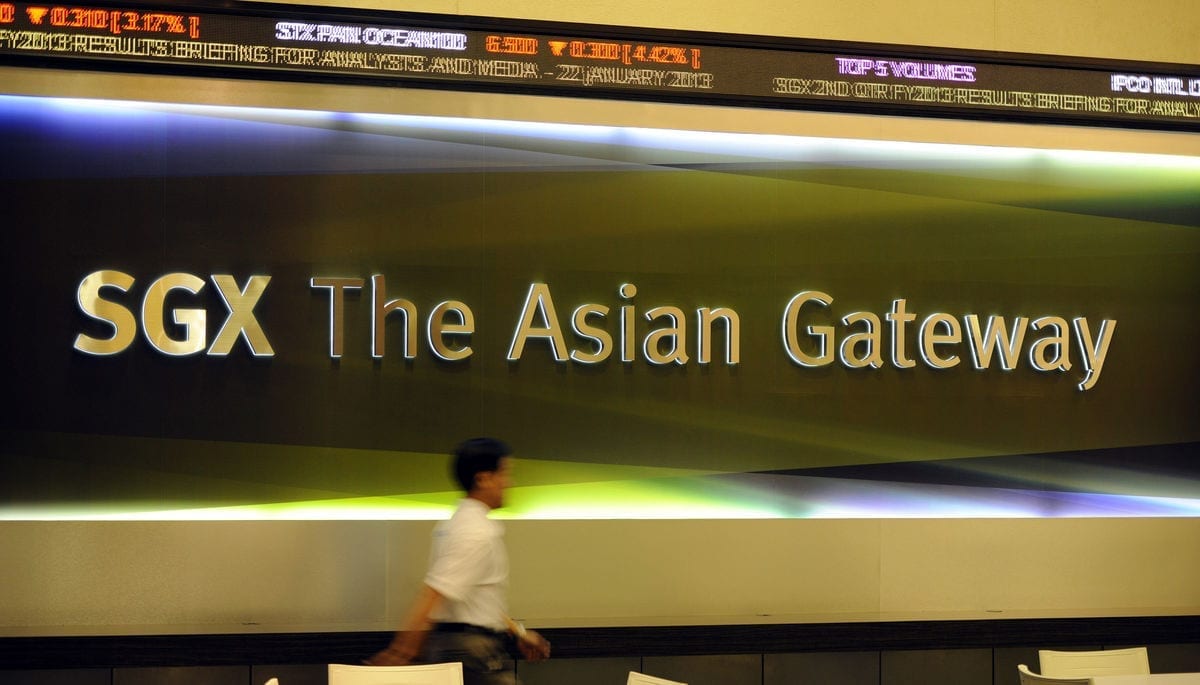
    The Singapore Exchange (SGX) has launched an independent research report. The research paper covers the retail sector in four Asean countries, namely Singapore, Indonesia, Malaysia and Thailand.

    Titled “Asean Retail: Overview, Trends and Outlook, with a focus on SGX-listed Companies”, the report evaluates the growth potential for ASEAN’s retail industry in response to rising middle-class consumers, increasing spending power and rising e-commerce sales.

    The report is segmented into six retail subsectors and for each, covers an in-depth analysis of the key sector drivers and an overview of the SGX-listed companies that are in these sectors.

    There are currently 43 retail companies listed on the SGX, with a market capitalisation of $30 billion.

    According to the report, retail sales in Thailand, Singapore, Malaysia, and Indonesia are projected to collectively reach US$1 trillion ($1.3 trillion) by 2018. Asean consumers also have higher purchasing power propelled by fast-growing incomes while the e-commerce space has expanded, offering new opportunities for retailers.

    “Despite headwinds facing the retail sector recently, we recognise the need to keep investors informed of the sector’s longer-term growth outlook in ASEAN, which continues to be backed by strong demographic and macroeconomic fundamentals. The emergence of e-commerce also presents an exciting growth opportunity for the sector,” says Simon Lim, SGX Head of Equity Capital Market (Sectors).

    To download a copy of the research report, go to sgx.com/retailcluster.

  • How retailers in HK can survive the crisis in the industry

    How retailers in HK can survive the crisis in the industry

    Francis Gouten, director of Gouten Consulting and former chief executive of Richemont Asia Pacific Ltd., talks to Nick Bradstreet, managing director and head of leasing for Savills Hong Kong, about the Hong Kong retail market.

    How do you see the economic environment at the moment?

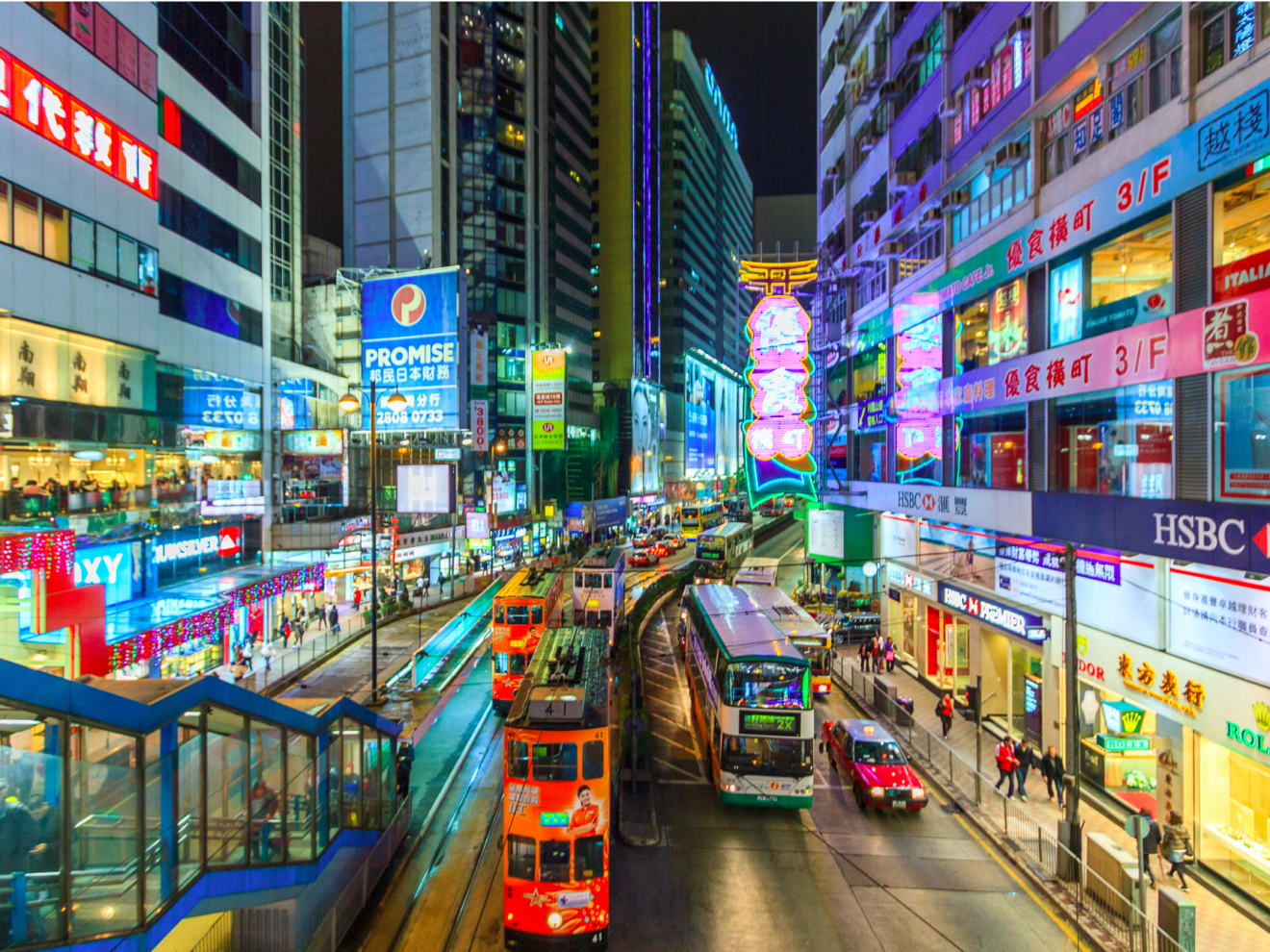
    FG: It is certainly the most challenging I’ve seen since SARS (the outbreak of severe acute respiratory syndrome in 2003). But the rents in shopping malls are not decreasing. However, nobody dares to close shops in the luxury space, but it will happen; it must happen.

    What kind of pressures are having an impact on retail?

    FG: There are lots of factors, the pressure of rent and the pressure of the stock market, as major groups are managed by financial people. You have to show quick results, and we are in a world of short-term views.

    There is a complete change — in Hong Kong we now rely less on the mainland Chinese. Hong Kong was the first destination for rich people, and now they are going somewhere else. There are still many visitors in Hong Kong, but they are not spending as much.

    How can retailers respond to the crisis?

    FG: Before, many of the big brands set out to impress the mainland Chinese, and they rented bigger stores to show they are big brands. But in part, this killed the malls and the interest in those places, because when you have a brand on three floors, what else is there? What can I discover?

    If I have to advise shopping malls nowadays, I would say reduce store sizes and bring more diversity to malls. Don’t give three floors to one brand.

    So what will happen to brands?

    FG: The top brands will recover. They will remain financially strong, but right now they are cutting expenses and people, and freezing openings. They are taking a long-term view at the moment.

    Asia is still an important part of the business, but perhaps not as important as in the past 10 years. A big part of the results in Asia was gifting, around 35-40 percent, generating more exclusive and over-priced products. But this is no longer the case.

    What market strategy should brands take?

    FG: You need to go to local consumers and target them directly. Luxury took off because of the fashion brands, but now everybody is in luxury.

    Top brands need to go back to their original positioning of a premium experience by welcoming the clients, providing a high-quality service and exclusive offerings. They need go back to the heritage of brand and target the core customer.

    So service and the experience are essential to this?

    FG: What did luxury mean 60 years ago? Luxury was a well-made, high-quality product made in limited quantity. This product was made by families, with fantastic know-how of a single product, and only one or two shops in the world.

    People came from around the world to buy this special item, often customized to their own liking. Clients are still seeking that kind of exclusivity and service.

    You need to protect your DNA, origin, and essence of the brand. How can brands understand their clients? How can they serve them better?

    There needs to be an upgrade in the quality of the service, which can be done through detailed training programs for all in-store staff.

    I once purchased a beautiful jacket from a luxury brand, and the salesperson asked me if I wanted to pay an extra 50 cents for a bag. I thought, “It’s raining outside, of course I want a bag. Charge me HK$500 more, I don’t care! If you go into a luxury shop, you should be treated as a luxury client. This is important.”

    Do you need to bring the price point of luxury items down?

    FG: Brands are thinking about it, but it’s always difficult in luxury. For current products, customers who bought already will feel cheated. Some brands have done it already by only dropping prices for new products, and then rethinking their way of localizing profit.

    Is Macau doing better than Hong Kong?

    FG: A little better. A few years ago some of their shops were No. 1 in the world. Now, Macau will continue to grow, but it will be more mass-market. When you have a large mass market you have room for the upper market as well.

    Macau is a pure leisure destination, and when you are on holiday you spend money, so you’ll see some changes in tailoring a luxury experience.

    So how is the Hong Kong market developing?

    FG: You are seeing the return of activewear and mass traffic brands. Expensive sportswear is a strong trend, because these brands have improved image perceptions. Thirty years ago it was not the case. Now these brands have better designs, specializations and technology.

    And what is happening with e-commerce?

    FG: China is the world’s biggest e-commerce market – they are selling cosmetics, ladies’ shoes, kids’ toys, but it is not yet for luxury.

    You have many fake products, and e-commerce is also a discount business. I do not recommend luxury brands go there. If I can buy your products in mass on the internet, what does that do to your image?

    But e-commerce cannot be stopped – it needs regulation. The majority of brands do not understand it. But it is important for brands to have people who understand the digital environment.

    What is even more important nowadays is, as I have mentioned, to reinvigorate the luxury experience and focus on attention to detail.

    The experience of luxury should be intimate, bespoke and, above all, exclusive.

    Going back to the roots of luxury and targeting the core customer will ensure a bright future for luxury.

     

  • Indonesian online retailer Bhinneka plans IPO to fund expansion

    Indonesian online retailer Bhinneka plans IPO to fund expansion

    Indonesian online retailer PT Bhinneka Mentari Dimensi is planning an initial public offering (IPO) in 2018 to widen its reach, one of its directors said on Thursday, as the e-commerce battleground heats up in Southeast Asia’s biggest economy.

    The e-commerce market in the country of 250 million people is ripe with potential but it is fragmented and comes with complex regulatory and logistical barriers.

    “Our objective to go public is for scaling,” director Andi Boediman said, adding that the company plans to expand its store network and strengthen its supply chain while investing in technology and marketing.

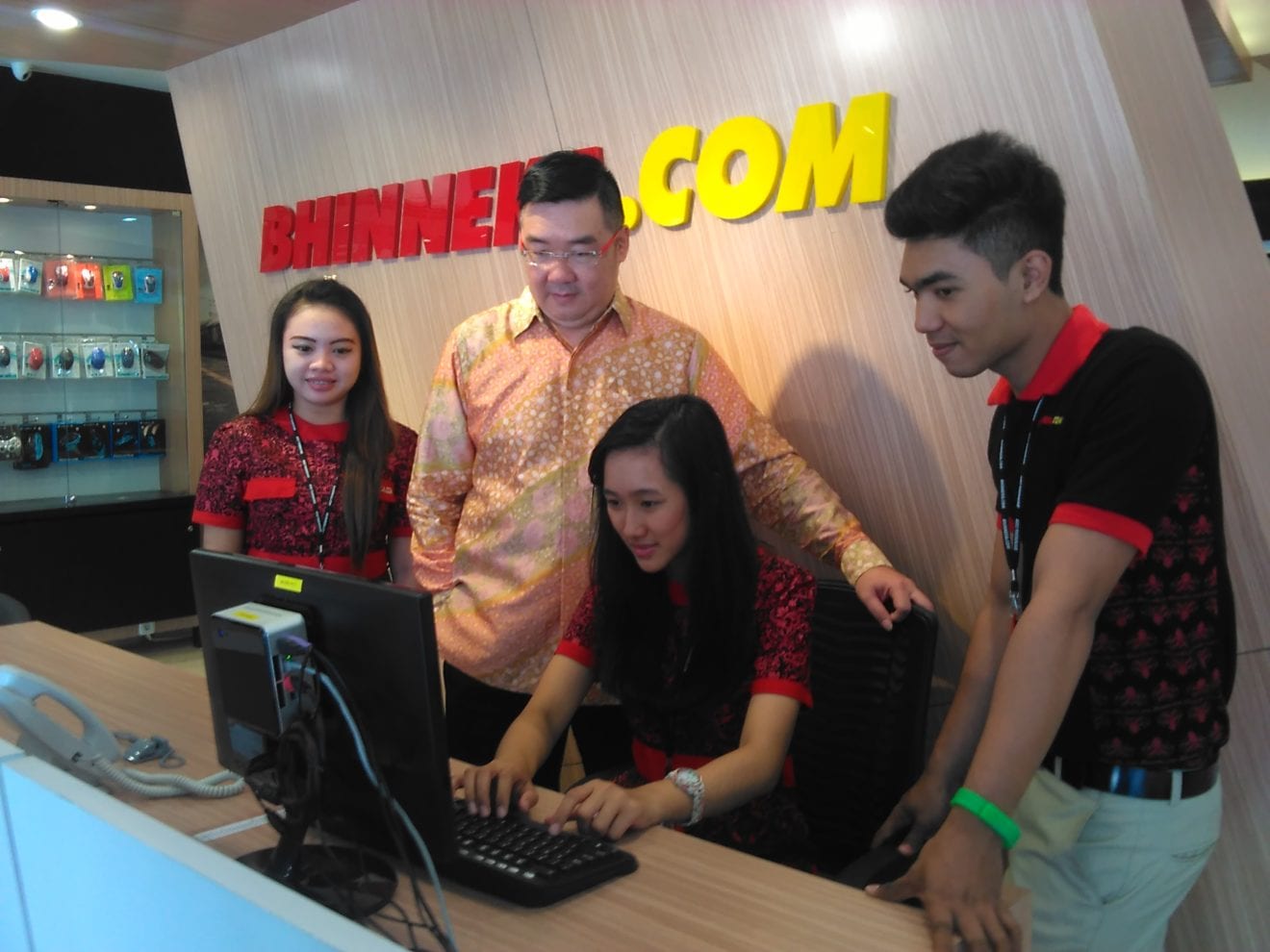
    The company operates online through Bhinneka.com, with customers able to have purchases delivered to their homes or its physical stores, which also serve as retail outlets for the electronic goods specialist.

    Bhinneka is in a good position to attract investors, Boediman told reporters on the sidelines of a conference in Jakarta.

    “We are an online retailer that is focused and reasonably sizeable,” Boediman said, adding that revenue “at least doubled” last year and that he expects a strong performance in 2016.

    Bhinneka decided to pursue an IPO in Indonesia because it can be a dominant player on its home ground, Boediman added. He declined to disclose how much the IPO is expected to raise or the company’s financial figures.

    The company’s domestic rivals include SoftBank-backed Tokopedia, Blibli and Indonesian conglomerate Lippo Group’s MatahariMall.com. Lippo is also considering an IPO for its e-commerce business, a director said in February

    The Indonesian market is still growing while being supported by a large consumer base, said David Rimbo, managing partner for transaction advisory services at Ernst & Young in Indonesia.

    “I think the timing is right for Indonesian players to actually realize basically decent valuations,” he said.

  • Expansion Alibaba to Indonesia to Cause Rising Trade Deficit with China?

    Expansion Alibaba to Indonesia to Cause Rising Trade Deficit with China?

    Through the acquisition Alibaba is to have a firmer grip on the online retail business in Southeast Asia, including Indonesia, the region’s largest economy where Internet and smartphone penetration have been developing rapidly in recent years (although coming from a low base). The Southeast Asian nations where Lazada has been operating so far have a combined population of 560 million (of which an estimated 35 percent are online and thus potential online shoppers). However, Southeast Asia is also a challenging environment for online retail firms as the area is characterized by tough logistical issues (partly due to the relatively weak state of infrastructure) and there remains a lack of warehousing outside more advanced markets such as Singapor

    Through the China-ASEAN Free Trade Agreement (CAFTA), effective per 1 January 2010, about 90 percent of imported goods between Indonesia and China are subject to a zero percent tariff. Due to China’s higher developed manufacturing industry and lower logistics costs the implementation of CAFTA has caused a continuously rising flow of Chinese products into Indonesia. This has caused a rising trade deficit and also curtails development of Indonesia’s manufacturing sector (after all it is cheaper and quicker to import products from China than to invest in costly and long-term import-substitution industrialization).

    In 2015 Indonesia imported USD $29.22 billion worth of (non-oil & gas) products from China, while Indonesian exports to China only totaled USD $13.26 billion, implying a trade deficit of nearly USD $16 billion for Indonesia that year. This is in stark contrast to the years before 2008 when Indonesia had the upper hand in trade with China. The table below shows that Indonesia’s trade deficit with China rose significantly after the implementation of CAFTA in early 2010.

    Indonesia-China Trade Balance (non-oil & gas):

     2007  2008  2009  2010  2011  2012  2013  2014  2015
    Export to China
    (in USD billion)
      9.7  11.6  11.5   14.1   21.6   20.9   21.3   16.5   13.3
    Import from China
    (in USD billion)
      8.6  15.3  14.0   19.7   25.5   29.0   29.6   30.5   29.2
    Trade Balance
    (in USD billion)
      1.1  -3.7  -2.5   -5.6   -3.9   -8.1   -8.3  -14.0  -15.9

    Source: Indonesian Trade Ministry

    With Alibaba now owning a controlling stake in e-commerce platform Lazada, which has a rising costumer base in Indonesia, it could cause two developments: (1) due to the stronger ties between Lazada and China it gives rise to an increasing flow of Chinese products into Indonesia putting pressure on Indonesia’s trade balance, and (2) it threatens the position of local Indonesian start-up e-commerce businesses such as Bukalapak or Tokopedia because Lazada is expected to get a capital injection from Alibaba for expansion purposes and has easier access to cheap Chinese products (more competitive).

  • 43% of Hong Kong consumers shop on smartphones

    43% of Hong Kong consumers shop on smartphones

    Mobile shopping has taken hold in Hong Kong, with more than two in five consumers making purchases via their mobile device in the past three months, the latest MasterCard Online Shopping Survey reveals.

    The widespread use (98.8%) of internet-enabled smartphones in the city has set the backdrop for more and more Hong Kong consumers (42.9%) choosing to engage in mobile shopping, marking an 18.3% increase since 2011.

    The survey also indicated that an increasing number of local shoppers are now embracing new payment technologies, with 11.2% currently using digital wallets compared to 7% last year.

    Similar to previous years, convenience (53.2%) continues to be the key driver for mobile shopping, followed by the growing availability of apps that make it easy to shop (33.8%) and the ability to shop on the go (28.4%).

    Almost half (48.6%) of local respondents said they had downloaded a shopping app on a mobile phone in the last six months, and the most popular items bought via mobile shopping include clothing and other fashion accessories (24.3%), movie tickets (21.9%) and toys and gifts (16.2%).

    Hotel accommodation (14.3%) and items from supermarkets (12.4%) also climbed up the list as some of the most common spending categories among local consumers.

    The majority of Hong Kong consumers (84.2%) made at least one purchase online in the past three months, and their average length of online shopping experience is 3.2 years. And 81.8% of local consumers planned to shop online in the next six months.

    But over three quarters (77.8%) regarded security of payment facility as a key consideration when shopping online.

    When asked about the major improvement area for online shopping, more than half of the respondents (54.4%) also expressed that one should be assured that transactions are secure.

    “While Hong Kongers cited convenience as the top motivating factor for mobile and online shopping, we also understand that security of payment facility remains a key consideration,” said Anna Yip, head of Hong Kong and Macau, MasterCard.

    Overall, consumers in Asia-Pacific are embracing new payment technologies with one in five (19.5%) using digital wallets, a two-fold increase from two years ago (9.7%). Emerging markets are leading the way with smartphone users in China (45%), India (36.7%) and Singapore (23.3%) being the region’s biggest adopters of digital wallets.

    In terms of online shopping, China continues to lead the Asia-Pacific region as in previous years, with almost every respondent (97%) having shopped online at least once in the previous three months. However, when it comes to mobile shopping, India surpassed China (76.1%) for the first time, with 76.4% of respondents indicating that they had made a purchase through their smartphones.

  • Retail sector woes continue despite New Year festivities

    Retail sector woes continue despite New Year festivities

    Hong Kong’s retail sector woes continued in the second month of this year when sales tumbled by more than 20 percent during the period when the Lunar New Year is celebrated. The value of total retail sales in February, provisionally estimated at HK$37 billion, was down by 20.6 percent compared with the same month in 2015. The revised estimate of the value of total retail sales in January dropp…

    Hong Kong’s retail sector woes continued in the second month of this year when sales tumbled by more than 20 percent during the period when the Lunar New Year is celebrated. The value of total retail sales in February, provisionally estimated at HK$37 billion, was down by 20.6 percent compared with the same month in 2015.

    The revised estimate of the value of total retail sales in January dropped by 6.6 percent compared with a year earlier. For the first two months of this year, retail sales fell by 13.6 percent compared with the same period in 2015.

    January and February retail sales of jewelry, watches and clocks, and valuable gifts dropped by 24.2 percent, the government said.

    Apparel sales fell by 11.4 percent, while commodities in department stores fell by 12.3 percent.
    Sales of electrical goods and photographic equipment were down by 26.7 percent and miscellaneous consumer durable goods dropped by 31.9 percent. Motor vehicles and parts sales tumbled by 21.2 percent.

  • Retailers undeterred by e-commerce

    Retailers undeterred by e-commerce

    The rise of e-commerce will not deter global retailers from expanding their physical presence in Asia, according to a new study of more than 150 major international brands.

    Despite much-publicised concerns about economic slowdown in China, real estate firm CBRE found that the country remains the top retail market in Asia-Pacific and the fourth most popular in the world.

    More than a quarter of global retailers (27%) reported that they are looking to expand in China while a similar proportion (24%) intend to expand in Hong Kong, which is ranked as the sixth most popular market worldwide.

    Other countries in the region are also highly valued with 22% of global retailers expecting to expand in Japan, the seventh top retail destination in the world, and another 21% in Singapore, the ninth top retail location.

    Although European countries dominate for retail expansion – Germany is top with (35%), followed by France (33%) and the UK (29%) – CBRE said that interest across Southeast Asia surged by more than double that of the previous year.

    Retail brands continue to harbour concerns about rising real estate costs (56%) and uncertain economic prospects (42%), but the report emphasised that Hong Kong remains a desirable market despite the recent slowdown.

    “We’re seeing more of a challenging economic environment, and concerns such as high operating costs and a lack of quality space means retailers are somewhat more wary this year,” said Dr Henry Chin, head of research at CBRE Asia Pacific.

    “However, even as markets such Hong Kong and China are seeing a slowdown, we see increasing numbers of opportunistic retailers looking to enter markets like Hong Kong, supported by strong underlying consumer demand.

    “Japan and Australia remain attractive, while Southeast Asia showed strong growth due to opportunities for retailers around an expanding middle class and stronger economic growth.”

    The study went on to reveal that a full 83% of retail brands believe their physical store expansion plans for 2016 will not be affected by the growth of e-commerce.

    Indeed, almost one-in-five (17%) have ambitions to open more than 40 stores, while two-thirds (67%) are looking to open up to 20.

    “A physical store presence in key locations is still critical to the strength of a brand’s image,” said Joel Stephen, a senior director at CBRE Asia Pacific.

    “Stores still need to create an emotional affinity with shoppers, and customers still feel a need to go into stores, to physically touch a product and enjoy the feel-good factor associated with a particular brand experience,” he added.