Retail News CRM

Tag: retailing

  • EU Slaps AliExpress with Record $629 Million Fine Over Counterfeit Goods Crackdown Failure

    EU Slaps AliExpress with Record $629 Million Fine Over Counterfeit Goods Crackdown Failure

    On Monday, AliExpress, Alibaba’s subsidiary, was slapped with a record-breaking €550 million (US$629 million) fine by the European Union for its failure to address sales of illegal, dangerous and counterfeit items on its platform. This penalty is considered to be the largest to date, issued by the European Commission in line with the EU’s Digital Services Act, a prominent law that mandates online platforms of substantial size to augment their efforts in combating harmful and illicit content.

    This penalty is the third of its kind issued by the European Commission, following charges placed on AliExpress in June of the previous year for non-compliance with a Digital Services Act stipulation. This regulation requires platforms to evaluate and reduce the risk of distributing illegal products. AliExpress was given until October 20 to suggest corrective actions. Should the regulatory body determine in December that the company has failed to meet the requirements of the Digital Services Act, further sanctions may be levied.

    The EU’s tech chief, Henna Virkkunen, expressed concern over this issue, describing it as highly risky for consumers and unfair to companies that abide by the rules. She highlighted the vast user base of AliExpress in Europe, standing at 193 million last year, compared to Shein’s 156 million and Temu’s 130 million. Temu has also been subject to fines under the Digital Services Act, and Shein is currently under investigation.

    AliExpress has voiced its intention to contest the fine, deeming it as excessive. “Today’s decision and disproportionate fine disregards our robust risk management structure and the substantial, proactive improvements we’ve implemented,” AliExpress stated via email. The company also indicated its active collaboration with the Commission to satisfy its evolving expectations.

    Assessment and Criticism of AliExpress’s Risk Management Practices

    The Commission criticized AliExpress for not adequately assessing whether it had sufficient personnel to manage risks and for overestimating the efficacy of its system in identifying and removing illicit products. Furthermore, the Commission took issue with the company’s ineffective penalty policy, which allowed penalized businesses to continue selling illegal products on its platform.

    The regulator also noted that AliExpress’s “brand authorisation” system, designed to deter counterfeit sales, was insufficient and easily bypassed by traders selling fraudulent items. There was also criticism of the company’s advertising and recommender systems for contributing to the spread of illicit products and relying on one quantitative indicator to assess the moderation system’s effectiveness in preventing the appearance or re-emergence of illegal products in similar forms.

    However, the regulator did consider the novelty of the Digital Services Act as a mitigating factor when determining the fine, which could have been even larger. This penalty far surpasses the €120 million fine imposed on Elon Musk’s social media platform X and the €200 million fine on Temu, both for Digital Services Act violations.

    Questions & Answers

    What is the significance of the fine imposed on AliExpress by the European Union?

    This penalty, amounting to €550 million (US$629 million), is a record-breaking fine issued by the European Commission under the EU’s Digital Services Act. It highlights the EU’s stance on ensuring large online platforms take more responsibility in preventing the distribution of illegal and harmful content.

    How has AliExpress responded to the fine?

    AliExpress has expressed its intention to appeal the fine, deeming it as excessive. The company asserts that this penalty neglects the robust risk management framework they have established and the proactive enhancements they’ve implemented in their operations.

    What criticisms has the European Commission voiced regarding AliExpress’s operations?

    The Commission has criticized AliExpress for inadequately assessing risks and overestimating its system’s effectiveness in identifying and removing illicit products. Other criticisms include the company’s ineffective penalty policy, its “brand authorisation” system’s shortcomings, and its advertising and recommender systems’ role in spreading illegal products.
  • Uniqlo Owner Fast Retailing Reports Stellar 45.7% Profit Boost Amidst Global Challenges

    Uniqlo Owner Fast Retailing Reports Stellar 45.7% Profit Boost Amidst Global Challenges

    Fast Retailing, the Japanese firm that owns the popular clothing brand Uniqlo, reported a 45.7% quarterly profit surge, despite facing challenges from the Iran war’s impact on supply chains and logistics. Achieving this milestone puts the company on track for its fifth consecutive year of record earnings.

    Over the three months through May, Fast Retailing’s operating profit reached 213.79 billion yen (US$1.32 billion), a substantial increase compared to 146.74 billion yen during the same period in the previous year. This figure significantly surpassed the average estimate of seven analysts, which stood at 177.73 billion yen. As a result of this positive performance, Fast Retailing raised its full-year operating profit forecast from 700 billion yen to 730 billion yen.

    Uniqlo’s Global Appeal and Challenges

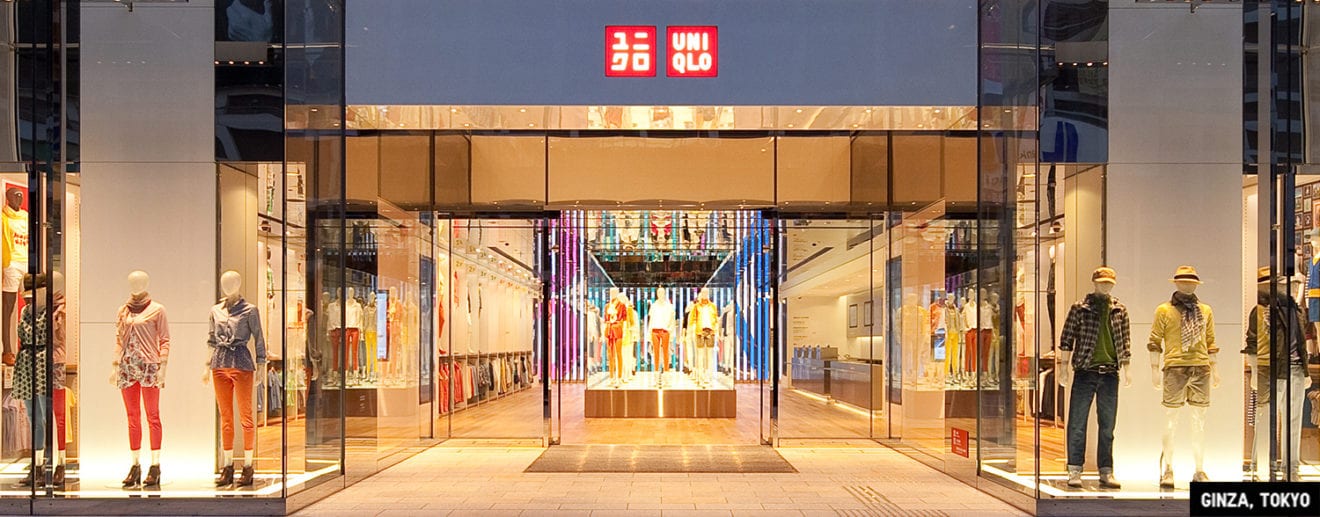
    Fast Retailing’s success is a key indicator of consumer spending trends in Japan and mainland China, with nearly 900 stores in these regions. Starting as a single store in Hiroshima, western Japan, in 1984, the company now operates more than 2,500 Uniqlo stores worldwide, with its products primarily manufactured in Asian hubs.

    In recent times, the brand has seen rapid expansion in Europe and North America as it seeks growth beyond China, its largest overseas market. However, this expansion has come with challenges. In Japan, sales have been bolstered by a tourism boom and a weak yen, but growth in China has slowed, leading to store closures and restructuring.

    The ongoing Middle East conflict and changing weather patterns have also posed challenges for Fast Retailing, along with other global fashion retailers. Supply and logistic disruptions, as well as weather impact on clothing demand, have become significant concerns.

    Fast Retailing’s CFO, Takeshi Okazaki, highlighted these issues earlier this year, indicating that the Iran war had complicated air freight from production bases in Southeast Asia, and that sustained oil price increases could affect the costs of synthetic fibers.

    Questions & Answers

    What was Fast Retailing’s operating profit for the three months through May?
    The company’s operating profit was 213.79 billion yen (US$1.32 billion) during this period.

    How has Fast Retailing’s expansion into Europe and North America impacted the company?
    While the expansion has opened up new markets for Fast Retailing, it has also presented challenges such as coping with the effects of the Middle East conflict on supplies and logistics, and adapting to changing weather patterns impacting clothing demand.

    What factors have affected Uniqlo’s growth in China?
    The growth of Uniqlo in China has been affected by weak consumer sentiment, which led to store closures and restructuring.

  • Hong Kong Retail Sales Soar for 11th Consecutive Month, Fueled by Local Demand and Tourism Surge

    Hong Kong Retail Sales Soar for 11th Consecutive Month, Fueled by Local Demand and Tourism Surge

    In March, Hong Kong’s retail sector saw a 12.8% increase in sales compared to the same month in the previous year. This marks the 11th consecutive month of growth, according to recent government data. Sales touched HK$33.9 billion (US$4.33 billion), demonstrating a healthy economy. In February, the year-on-year rise was recorded at 19.3%.

    Key Growth Areas

    Motor vehicle sales exhibited notable progress, with a surge in purchases just before the first registration tax concessions for electric private cars expired at the end of March.

    When it comes to sales volume, a 9.8% increase was observed in March compared to the same period last year. This is slightly less than February’s 17.5% rise.

    For the initial quarter of 2026, the total value of retail sales rose by 12.1% year-on-year, while the volume of retail sales witnessed a 9.8% increase.

    A government representative attributed the positive trajectory of retail sales to the recovery of local demand, steady growth in tourist arrivals, and a favourable macro-financial environment.

    The Hong Kong Tourism Board reported a 14% year-on-year increase in visitor arrivals in March, reaching 4.35 million. Chinese mainland visitors, who account for a significant portion of these arrivals, increased by 15.9% year-on-year to 3.19 million.

    Sector-Specific Performance

    Specific sectors such as jewellery, watches, clocks, and valuable gifts experienced a robust growth of 27.2% year-on-year in March, following a 24.2% rise in February.

    The motor vehicles and parts sector saw an impressive 80.8% year-on-year jump in March, substantial growth from the 37.3% rise seen in February.

    Meanwhile, the clothing, footwear, and related products sector saw a modest increase of 5.9% year-on-year in March, a decrease from the 14.1% rise recorded in February.

    Questions & Answers

    What was the percentage increase in Hong Kong’s retail sales in March?
    Retail sales in Hong Kong saw a 12.8% rise in March compared to the same month in the previous year.

    Which sectors saw significant growth in March?
    The motor vehicles and parts sector, as well as the jewellery, watches, clocks, and valuable gifts sector, experienced substantial growth in March.

    What factors contributed to the positive outlook for retail sales?
    The recovery of local demand, steady growth in inbound tourism, and a favourable macro-financial environment have all played a role in the optimistic outlook for retail sales.

  • Thriving Metro Retail Surpasses $662M Revenue Mark, Propelled by Store Expansion and Steady Sales Growth

    Thriving Metro Retail Surpasses $662M Revenue Mark, Propelled by Store Expansion and Steady Sales Growth

    Metro Retail Stores Group (MRSGI) has achieved remarkable revenue growth in FY25, exceeding the PhP40-billion (approximately US$662.8 million) milestone. This growth was fueled by consistent sales growth, margin expansion, and ongoing network development.

    Income and Sales Data

    MRSGI reported a net income of PhP682.64 million (US$12.2 million), marking a 12 per cent increase from the previous year. This substantial increase was driven by improved operational efficiency and the contributions derived from new store launches.

    The company’s total sales for the year amounted to PhP41.56 billion (around US$742 million), representing a 4.9 per cent increase compared to 2024 figures. The same-store sales growth was 0.6 per cent, indicating steady underlying demand despite the challenging operating conditions.

    Strategic Execution and Growth

    “Last year marked a period of disciplined strategy implementation and tangible impact for MRSGI,” stated Joselito G Orense, the company’s president and COO.

    “Through our strategic expansion towards regions of high growth and the introduction of innovative store designs, our market presence was significantly enhanced. We witnessed increased sales and margins and improved cash earnings. These outcomes illustrate the commitment and dedication of our nationwide teams and our commitment to providing customers with modern retail experiences while pursuing sustainable, long-term growth.”

    Network Expansion and Sustainability

    MRSGI broadened its presence with the introduction of 10 new stores in Luzon and the Visayas during the past year. This expansion included additional Metro Value Mart outlets and a new Metro Supermarket and Department Store in Bais, Negros Oriental.

    The company also continued to develop its Metro Corner format. The inauguration of its Mandani Bay store signified a move into the elite urban retail sector.

    MRSGI also advanced its sustainability initiatives, implementing solar photovoltaic systems in up to 19 stores to aid in energy cost management. By the end of FY25, MRSGI was operating 81 stores across the nation in its primary retail formats.

    Questions & Answers

    What drove the increase in MRSGI’s net income in FY25?
    The increase in net income was driven by improved operational efficiency and the contributions from new store openings.

    How has MRSGI expanded its network?
    The company opened 10 new stores across Luzon and the Visayas, including additional Metro Value Mart branches and a new Metro Supermarket and Department Store in Bais, Negros Oriental.

    What sustainability initiatives has MRSGI undertaken?
    The company has implemented solar photovoltaic systems in up to 19 of its stores to manage energy costs more efficiently.

  • Uniqlo Parent Company, Fast Retailing, Predicts Record Earnings Amid Global Expansion and Strong Quarter

    Uniqlo Parent Company, Fast Retailing, Predicts Record Earnings Amid Global Expansion and Strong Quarter

    Fast Retailing, the Japanese company that owns global clothing brand Uniqlo, has revised its full-year forecast, indicating yet another year of record growth. This comes on the back of a stronger-than-expected surge in quarterly earnings, attributed to international expansion.

    Surpassing Expectations

    Fast Retailing reported a 29.4 per cent increase in its operating profit for the quarter ending February, reaching 189.8 billion yen (US$1.19 billion). This impressive figure outperformed the average estimate of 161.6 billion yen. As a result, the company has revised its full-year operating profit forecast upwards to 700 billion yen. This puts the retailer in line for a fifth consecutive year of record earnings.

    Anticipated Impact of Middle East Crisis

    Fast Retailing stated that it does not anticipate any significant repercussions from the Middle East crisis on its production and logistics for its fiscal 2026 year. The company’s second quarter had ended just before the commencement of US-Israeli airstrikes on Iran. This conflict has been instrumental in causing a rise in oil prices and disrupting supply chains. Investment and trading circles are currently on high alert due to uncertainties regarding a potential permanent peace agreement.

    How Uniqlo Could be Affected

    Investors will be closely monitoring how the Iran crisis may influence the expense for Uniqlo, a brand renowned for its affordable clothing basics, including many items made with polyester. Fast Retailing’s shares in Tokyo closed down by 0.5 per cent before these results, but have escalated by more than 18 per cent in 2026.

    Teijin Frontier, a supplier to the company based in Japan, announced recently that it will increase its polyester fiber prices by 20 per cent due to rising oil costs. This echoes warnings from European retailers that a drawn-out Middle East conflict could inflate prices and impact consumer demand.

    Global Expansion and Performance

    Fast Retailing, with its nearly 900 stores in Japan and mainland China, serves as a benchmark for consumer expenditure in these areas. From its origin as a single store in Japan’s Hiroshima city in 1984, Uniqlo now has a presence in over 2500 global locations. The brand has been aggressively expanding in Europe and North America, aiming to diversify its reach beyond China, its largest overseas market.

    Corporate Outlook

    The company’s North American and European operations have seen an annual sales growth of 30-50 per cent since fiscal 2022. Anticipated annual revenue from these regions is projected to reach 3 trillion yen each over the medium term. Meanwhile, a tourism surge driven by a weak yen has bolstered the company’s domestic sales in Japan. However, growth in China has decelerated due to weak consumer sentiment, leading to store closures and restructuring.

    On China, Fast Retailing’s CFO Takeshi Okazaki commented: “We’re pushing forward with structural reforms … I think it’s fair to interpret that the results are now beginning to show in our performance.”

    Questions & Answers

    What is Fast Retailing’s revised full-year operating profit forecast?
    Fast Retailing has increased its full-year operating profit forecast to 700 billion yen.

    How might the Middle East crisis influence costs for Uniqlo?
    If the Middle East crisis leads to sustained high oil prices, the cost of polyester and air freight could increase, potentially impacting Uniqlo’s production costs.

    What are Fast Retailing’s plans for structural reforms in China?
    CFO Takeshi Okazaki did not detail specific reforms but expressed optimism about the positive impact of ongoing changes on the company’s performance.

  • Uniqlo’s Parent Company Fast Retailing on Path to Historic Earnings amid Global Expansion and Resilience to Middle East Crisis

    Uniqlo’s Parent Company Fast Retailing on Path to Historic Earnings amid Global Expansion and Resilience to Middle East Crisis

    Fast Retailing, the Japanese firm which owns the Uniqlo brand, has upgraded its yearly forecast, anticipating another year of record-breaking profits driven by strong international expansion. The company reported a 29.4% increase in operating profits during the quarter ending in February, reaching 189.8 billion yen (approximately US$1.19 billion) from last year’s 146.7 billion yen.

    This robust growth in earnings surpassed the 161.6 billion yen average estimate drawn from seven analysts. Consequently, Fast Retailing raised its full-year operating profit forecast from 650 billion yen to 700 billion yen, setting the stage for the fifth consecutive year of record earnings.

    Projected Stability Amidst Global Tensions

    In its statement, the company indicated it doesn’t foresee any significant repercussions from the ongoing Middle East crisis affecting its production and logistics for the fiscal year 2026. The conclusion of the company’s second financial quarter occurred just before the commencement of the US-Israeli air strikes against Iran. This conflict has led to an escalation in oil prices and disrupted supply chains, creating an atmosphere of uncertainty in the markets around the feasibility of a permanent peace agreement.

    The main concern for Fast Retailing is how the crisis in Iran could impact the production costs for Uniqlo, a retailer known for affordable basic clothing, many of which are made of polyester.

    Despite a 0.5% drop in Fast Retailing’s shares on the Tokyo Stock Exchange ahead of the results, the company’s shares have risen by over 18% so far in 2026. Teijin Frontier, a supplier to the company based in Japan, recently announced a 20% increase in polyester fibre prices due to the hike in oil prices.

    Retail Industry’s Concerns

    European retailers, including clothing behemoth H&M and British supermarket chain Co-op, have voiced concerns that a protracted Middle East conflict could push prices upward and hamper consumer demand. Fast Retailing’s CFO, Takeshi Okazaki, stated that the crisis has already complicated air freight from production bases in Southeast Asia to Europe.

    Fast Retailing is regarded as a barometer for consumer spending in Japan and mainland China, where it operates nearly 900 stores. From humble beginnings in 1984 with one store in Hiroshima, Uniqlo has expanded to over 2,500 locations worldwide, with a particularly aggressive growth strategy in Europe and North America.

    The company’s North American and European segments have reported an annual sales growth of 30% – 50% since fiscal 2022. The company expects annual revenue from these regions to reach 3 trillion yen each over the medium term, a significant increase from this fiscal year’s 300 billion yen and 500 billion yen, respectively.

    Challenges and Reforms

    While the weak yen has generated a tourism boom that has bolstered Fast Retailing’s Japanese sales, growth in China has decelerated due to weak consumer sentiment, leading to store closures and restructuring. Okazaki commented on the situation in China, stating, “We’re pushing forward with structural reforms … I think it’s fair to interpret that the results are now beginning to show in our performance.”

    The company’s Asia-based supply chain faced pressure last year from the US’s frequently changing tariffs, and it now confronts the added challenge of increased costs due to the Middle East conflict. Tadashi Yanai, Fast Retailing’s founder, Japan’s wealthiest individual, and an outspoken critic of the risks posed by tariffs, has an ambitious goal to make his company the world’s top clothing brand.

    Questions & Answers

    How has the Middle East crisis impacted Uniqlo?
    The crisis has the potential to increase production costs for Uniqlo, especially as many of its products are made with polyester, the price of which is likely to rise due to increased oil prices. The situation has also complicated air freight from production bases in Southeast Asia to Europe.

    What is Fast Retailing’s future growth strategy?
    Fast Retailing is pursuing aggressive growth in Europe and North America, expecting these regions to generate annual revenues of 3 trillion yen each over the medium term.

    How has consumer sentiment in China affected Fast Retailing?
    The weak consumer sentiment in China has slowed growth, leading to store closures and restructuring. However, the company is pushing forward with structural reforms, the results of which are beginning to show in their performance.

  • Hong Kong Retail Sales Skyrocket by 19%: A Decade of Growth Boosted by Surge in Visitor Numbers

    Hong Kong Retail Sales Skyrocket by 19%: A Decade of Growth Boosted by Surge in Visitor Numbers

    February saw a significant upswing in Hong Kong’s retail sales, with a 19.3 per cent surge compared to the same month in the previous year. This marks a full 10 months of consistent gains, demonstrating the robust health of the retail sector.

    Broad-Based Growth Across Retail Outlets

    A variety of retail outlets experienced growth in February, according to government data. In fact, the month’s surge was the most substantial since June 2023, when retail sales saw a 19.5 per cent increase. Prior months also showed steady growth, with a 5.5 per cent rise in January and a 6.6 per cent hike in December’s retail sales.

    An official spokesperson for the government anticipates the trend to continue, citing the local economy’s resilient growth and an increase in inbound visitors as key supporting factors for retail businesses.

    High-End Goods and Clothing Sales on the Rise

    Certain sectors saw particularly notable increases in February. Jewelry, watches, clocks, and other valuable gifts experienced a 24.2 per cent spike, following a 31.1 per cent increase in January. Meanwhile, sales of clothing, footwear, and related products also rose by 14.1 per cent, emerging from a marginal 0.2 per cent rise in January.

    Retail Sales Growth in Volume Terms

    Viewed in terms of volume, retail sales in February soared 17.5 per cent from the same period last year, a significant leap compared to January’s revised rise of 3.5 per cent. This is the largest percentage gain observed since March 2023, which experienced a staggering 39.3 per cent increase.

    Spike in Visitor Arrivals

    The Hong Kong Tourism Board reported a 40.2 per cent increase in visitor arrivals in February, totalling 5.14 million, compared to the same month last year. The number of visitors from Mainland China saw an even more dramatic rise, skyrocketing by 53.4 per cent to reach 4.25 million.

    Questions & Answers

    What was the percentage growth in Hong Kong’s retail sales in February?
    Hong Kong’s retail sales grew by 19.3 per cent in February.

    Which sectors experienced significant sales increases in February?
    Sectors that saw significant sales increases included jewelry, watches, clocks, and valuable gifts, along with clothing, footwear, and related products.

    How much did the visitor arrival number increase in February, according to the Hong Kong Tourism Board?
    The Hong Kong Tourism Board reported a 40.2 per cent increase in visitor arrivals in February.

  • Paris Court Upholds Shein’s Marketplace Despite Pressure From French Government

    Paris Court Upholds Shein’s Marketplace Despite Pressure From French Government

    Shein, a Chinese online retailer popular for its fast-fashion offerings, emerged victorious after the Court of Appeal in Paris dismissed France’s plea for the suspension of the platform. The court’s decision came in the aftermath of a controversy where the sale of child-like sex dolls and illegal weapons on Shein’s marketplace was uncovered, leading to governmental legal intervention.

    Previously, the French authorities had demanded a complete prohibition of Shein’s operations. However, this was later reduced to the demand for a suspension of its marketplace operations. A lower court had already rejected the government’s request in December, but the decision was appealed. Shein, which boasts millions of customers worldwide due to its low-cost clothing, gadgets, and accessories, has been facing criticism in France since the damning findings were disclosed in November.

    Shein operates as a multifaceted platform, selling its own branded products while also providing a marketplace for third-party sellers to offer a wide variety of items, ranging from kitchen appliances to smartphones. In response to the investigation, the company temporarily halted its marketplace operations in France, resuming only after the December court ruling.

    The Court’s Decision

    The appeals court upheld the earlier verdict, dismissing the additional demands presented by the French State. Furthermore, the court reiterated that Shein is prohibited from listing such controversial products on its platform without implementing adequate age-verification measures.

    Reacting to the court ruling, the French government pledged to be “extremely vigilant” in ensuring that Shein adheres to the court-imposed conditions.

    Shein’s Response

    In response to the court’s ruling and the controversy, Shein has announced the rollout of age-verification measures. It has also ceased to permit third-party sellers to list sex dolls on its platform across all markets.

    The company released a statement following Thursday’s verdict, stating, “Over the last several months, we have continued to significantly reinforce our controls for both sellers and products on our marketplace, to ensure that our consumers in France can enjoy a safe and enjoyable online shopping experience.”

    The statement also mentioned that Shein has been in constant communication with French and European authorities and is actively engaging with the European Commission regarding the implementation of stricter age-verification measures.

    Future Challenges

    Despite the favorable court ruling, the fast-fashion giant is not out of the woods yet. Shein is currently under investigation by the European Union for potential violations related to illegal products and the potentially addictive design of the platform.

    Furthermore, Shein is likely to face continued scrutiny from the French government. The country’s minister for small and medium-sized businesses has indicated that online retailers like Shein will face a “year of resistance”, suggesting that the platform enjoys an unfair competitive advantage over European retailers.

    Questions & Answers

    What was the controversy that led to the French government’s request for a ban on Shein?
    The company was found to be selling child-like sex dolls and illegal weapons on its platform, which led to the call for a ban on Shein’s operations in France.

    What are the implications of the recent court ruling for Shein?
    The court dismissed the French government’s request for a suspension of Shein’s marketplace. However, it mandated strict age-verification measures for certain products.

    What measures has Shein taken following the controversy?
    Shein has stopped allowing third-party sellers to list sex dolls on its platform. It is also implementing age-verification measures and enhancing controls for sellers and products on its marketplace.

  • Li & Fung Strikes Gold: Secures Wholesale Distribution Rights for C&C California

    Li & Fung Strikes Gold: Secures Wholesale Distribution Rights for C&C California

    Hong Kong’s premier supply chain manager, Li & Fung, has recently entered into a licensing contract with C&C California. This agreement grants Li & Fung exclusive rights to wholesale distribution across all retail platforms, including full-price, off-price, and club retailers.

    C&C California and its Specialties

    C&C California operates as a part of the larger Established Lifestyle group. The company particularly excels in the design and development of women’s swimwear, sleepwear, and outerwear.

    The newly inked contract will allow Li & Fung to manage and guide the expansion of C&C’s new product ranges and their subsequent distribution process.

    Expansion of Products Range

    In the swimwear segment, the expanded product line will include separate pieces, one-piece swimsuits, and beachwear. Their sleepwear category is also set to grow, with the introduction of separate pieces, coordinated sets, and robes.

    The outerwear products will encompass a range of seasonal styles, varying from light windbreakers to heavier garments like puffers and parkas.

    Brand Expansion and Identity

    Mel Limoncelli, Senior Vice President and head of licensed brands at Li & Fung, stated that this partnership will allow the brand to venture into new product categories while preserving its core identity.

    In his words, “The category expansions remain true to a brand heritage rooted in 70s West Coast culture. Moreover, they continue to embrace the endless summer ideal through comfort, ease of wear, and easy-care fabrics.”

    Questions & Answers

    What is the nature of the agreement between Li & Fung and C&C California?
    The agreement is a licensing contract that provides Li & Fung with the rights to manage the wholesale distribution of C&C California products across all retail platforms.

    How does this agreement benefit C&C California?
    This agreement allows C&C California to expand their product ranges under the expert management of Li & Fung. This expansion includes new lines in swimwear, sleepwear, and outerwear categories.

    What does the expansion mean for the brand’s identity?
    Despite diversifying into new product categories, the brand intends to stay true to its roots, which are embedded in the 70s West Coast culture. The expansion aims to resonate with the idea of an endless summer through comfortable, easy-to-wear, and low-maintenance fabrics.

  • Wild Tech starts Microsoft Dynamics 365 program with Metro Department Store Singapore

    Wild Tech starts Microsoft Dynamics 365 program with Metro Department Store Singapore

    Wild Tech has commenced an engagement with Metro Department Store Singapore to support the retailer’s transition away from a long-running legacy environment and into the Microsoft Dynamics 365 ecosystem. Metro is one of Singapore’s established department store brands, operating physical stores including Metro Paragon and Metro Causeway Point.

    The engagement begins with a requirements and solution study, designed to clarify Metro’s future-state finance needs and establish a practical pathway to implementation. Metro’s broader modernisation program includes changes associated with financial and inventory practices, with the initial focus placed on ensuring finance foundations are fit-for -purpose before subsequent phases are considered.

    “This is exactly the kind of engagement where getting the foundations right matters more than rushing to configuration,” said Matthew Rodgers, Head of Microsoft APAC at Wild Tech. “Metro has been clear about moving into the Microsoft Dynamics world, and our role in this phase is to bring structure and transparency to the requirements, so the implementation approach is realistic, well-governed, and able to scale into future phases as confidence grows.”

    After assessing options within the Dynamics portfolio, Metro selected Dynamics 365 Finance & Operations (F&O) as the target platform. The program will be designed to support improved governance, control, and reporting capability, while creating a scalable base for future operational uplift across the wider retail environment.

    Wild Tech’s current scope centres on defining requirements, mapping priority processes, confirming data and reporting needs, and identifying key integration touchpoints typically required in retail environments. This includes establishing how finance will connect to upstream operational systems that influence inventory, costing, reconciliation, and management reporting. The work will also set out a staged roadmap intended to reduce delivery risk and avoid unnecessary disruption during transition.


  • Singapore Retail Boom: Record 5.8% Jump in Sales Marks November’s Highpoint of 2025

    Singapore Retail Boom: Record 5.8% Jump in Sales Marks November’s Highpoint of 2025

    In November, Singapore’s retail sales, excluding motor vehicles, saw an upswing of 5.8%, making it the most substantial rise recorded for the year 2025.

    Singapore’s Retail Landscape

    Data provided by the Department of Statistics indicates that the estimated total retail sales value for the month was approximately SG$3.9 billion (equivalent to US$3 billion). Of this total, online transactions accounted for nearly a fifth, or 19.3%.

    When comparing the sales on a seasonally adjusted basis, it was found that November’s retail sales witnessed a modest increase of 0.8% in comparison to the previous month, October.

    Performance by Sector

    An industry-wise analysis revealed that several sectors reported significant rises in sales. The sales of recreational goods, watches and jewellery, and cosmetics, toiletries and medical goods saw a surge between 11.4% and 13.9% year-on-year.

    Moreover, other sectors, including apparel and footwear, supermarkets and hypermarkets, mini-marts and convenience stores, furniture and household equipment, and computer and telecommunications equipment, also registered growth, with an increase in sales between 6.1% and 9.4%.

    However, not all sectors experienced growth during this period; petrol service stations and food and alcohol retailers reported sales declines of 6.7% and 3.1% respectively.

    Food and Beverage Services Sector

    Meanwhile, the food and beverage services sector reported a rise of 2.5% in sales during November, a slight increase compared to the 2.4% rise seen in October. The total sales value of the F&B services for the month was estimated at SG$1 billion, with a significant 24.8% derived from online sales.

    Questions & Answers

    What was the overall growth in Singapore’s retail sales in November, excluding motor vehicles?
    The overall growth in Singapore’s retail sales, excluding motor vehicles, was 5.8% in November.

    Which sector reported the most significant growth in sales?
    The sectors of recreational goods, watches and jewellery, and cosmetics, toiletries and medical goods reported the most significant growth, with an increase between 11.4% and 13.9%.

    Did all sectors experience growth in November?
    No, not all sectors experienced growth. Both petrol service stations and food and alcohol retailers saw sales declines of 6.7% and 3.1% respectively.

  • Revolutionizing Retail: How Meta, L’Occitane and Omnichat are Using WhatsApp to Drive Customer Loyalty

    Revolutionizing Retail: How Meta, L’Occitane and Omnichat are Using WhatsApp to Drive Customer Loyalty

    Omnichat, a notable omnichannel AI platform, recently conducted the third iteration of the Commerce Leadership Forum at Meta Singapore’s facility. The forum saw an assemblage of high-ranking leaders across various sectors, arranged to discuss the transformative influence of AI-empowered business messaging in retail, beauty, and lifestyle industries in the Asia Pacific.

    The Impact of WhatsApp on Commerce

    Prominent leaders from Meta and L’Occitane spoke about the swift adoption of WhatsApp as a crucial commercial platform, underscoring its evolution from a simple customer support tool to an engaging platform catering to committed customers, driving conversions, and establishing long-lasting loyalty.

    L’Occitane disclosed that WhatsApp has become the primary mode of customer communication across Asia Pacific markets, accounting for over 80% of inbound and outbound customer interactions. The brand further revealed that personal, conversational interactions have resulted in profitable outcomes compared to traditional channels. This increase in commercial success, coupled with real-time engagement, has enabled L’Occitane to extend relationship-building beyond transactional interactions, resulting in lasting brand loyalty.

    Terrence Siu, chief information officer of APAC at L’Occitane, stated, “Loyalty begins the moment a customer chooses to stay connected with the brand. Using WhatsApp as a unified touchpoint allows us to move customers smoothly from online discovery to in-store engagement without losing context. Customers receive a consistent and personalized experience wherever they interact with us, be it on Facebook, Instagram, or WhatsApp.”

    L’Occitane has extended this seamless experience into a complete loyalty journey by utilizing Omnichat and WhatsApp to deliver sample products, VIP privileges, and post-purchase experiences. This ensures that customers feel guided and appreciated long after their initial transaction. The distribution of samples and exclusive VIP offers directly through WhatsApp has elevated their coupon redemption rate to 87%.

    Messaging-led Commerce and Loyalty

    Messaging-led commerce has been further reinforced by YouGov’s new regional insights. The data showed that 32% to 43% of Asia Pacific shoppers now utilize business messaging to track orders, complete purchases, and maintain contact with brands throughout the sales cycle. WhatsApp has effectively become the default loyalty channel for high-intent engagement in Asia.

    Vicky Yiu, APAC strategic partnership manager for business messaging at Meta, asserted, “WhatsApp is increasingly becoming the commerce layer for brand engagement in Asia. When businesses move to a messaging-led experience, they shift from campaigns to relationships – and that is where long-term loyalty is earned.”

    Omnichat, powering these loyalty journeys, has illuminated how brands can evolve membership from a static database into an active relationship engine. By consolidating multi-channel identity into a unified customer profile and harnessing AI to trigger personalized re-engagement flows, Omnichat aids brands in converting one-time buyers into loyal members.

    CEO and founder of Omnichat, Alan Chan, emphasized, “Loyalty only works when it’s active, not passive. By linking QR codes to product samples, in-store touchpoints, and messaging-based rewards, brands can proactively engage members in real time. This is the difference between a loyalty database and a loyalty journey.”

    Questions & Answers

    How is AI-powered business messaging transforming the retail and lifestyle sectors?
    AI-powered business messaging is transforming these sectors by personalising customer interactions, driving profitable outcomes, fostering long-term loyalty, and reducing customer acquisition cost.

    How has WhatsApp influenced L’Occitane’s customer engagement?
    WhatsApp has become L’Occitane’s primary mode of customer communication. It has enabled the brand to provide a seamless experience, from online discovery to in-store engagement and beyond. It also allows L’Occitane to distribute samples and VIP offers directly, resulting in a high coupon redemption rate.

    What role does Omnichat play in this transformative process?
    Omnichat powers the loyalty journeys of brands, transforming membership from a passive database into an active relationship engine. It helps brands remain present in the customer’s daily routine, enabling real-time rewards and VIP benefits, and consolidates multi-channel identity into a unified customer profile.

  • China’s Economy Under Pressure: Factory Output And Retail Sales Hit Yearly Lows

    China’s Economy Under Pressure: Factory Output And Retail Sales Hit Yearly Lows

    October witnessed the slowest growth in China’s factory output and retail sales in more than a year, applying added pressure on policymakers to overhaul the nation’s $19 trillion export-driven economy. Increasing supply and demand strains are poised to further hinder growth.

    For many years, those accountable for maintaining the momentum of the world’s second-largest economy had the choice of stimulating its massive industrial complex to enhance exports if domestic consumer spending dwindled. Alternatively, they could delve into public funds to finance GDP-boosting infrastructure projects.

    However, the tariff war initiated by former US President Donald Trump underscores the manufacturing behemoth’s dependency on the world’s most extensive consumer market. There are limits to how much growth the Chinese economy can derive from constructing more industrial parks, power substations, and dams.

    The Current State of Affairs

    The indicators released last Friday provide little optimism for a rapid recovery. As each month’s data worsens, the call for reform becomes more critical.

    According to data from the National Bureau of Statistics (NBS), industrial output experienced a yearly growth of 4.9% in October. This marks the weakest annual growth since August 2024, compared to a 6.5% increase in September, falling short of the anticipated 5.5% surge.

    Meanwhile, retail sales, a measure of consumption, saw a 2.9% expansion last month, which is also their slowest pace since last August. This decelerated from a 3.0% growth in September, albeit exceeding the projected gain of 2.8%.

    Fred Neumann, Chief Asia Economist at HSBC, remarked, “China’s economy is facing pressures from all sides.” He believes that the robust support from exports in the recent quarters will be challenging to maintain into the next year, even if US import tariffs are now lower than earlier feared.

    Policy Implications and Economic Outlook

    Policymakers are aware of the need for change to rectify historical supply-demand imbalances, spur household consumption, and confront the enormous local government debt that complicates provinces’ self-sufficiency.

    However, they also understand that structural reform will be challenging and politically risky, particularly at a time when the trade war has heightened economic pressure.

    Last week, separate data revealed that China’s exports unexpectedly collapsed in October. This is as manufacturers grapple to secure profits in other markets after months of front-loading intended to outpace Trump’s tariff threats.

    Contrary to expectations, China’s car sales also broke an eight-month growth streak. This is concerning, given that the fourth quarter is typically the strongest for auto sales, and the slump occurred despite an extra day due to a national holiday in October compared to 2024.

    Questions & Answers

    What are the main challenges faced by the Chinese economy?
    The Chinese economy is currently grappling with a slower growth pace in factory output and retail sales, increased supply and demand strains, manufacturers’ struggle to stay profitable because of the tariff war, and an unexpected decline in car sales.

    What measures are needed to boost China’s economy?
    Policymakers must address historical supply-demand imbalances, promote household consumption, and tackle the enormous local government debt. Structural reform, while challenging and politically risky, is crucial to enhance the nation’s economic outlook.

    How has the trade war affected China’s economy?
    The trade war has underscored China’s dependency on the global consumer market and increased economic pressure, leading to an unexpected collapse in exports in October. Manufacturers have been struggling to secure profits in other markets as they try to outpace tariff threats.

  • South Korea’s Retail Industry Expands Private Label Business Beyond Food And Household Items

    South Korea’s Retail Industry Expands Private Label Business Beyond Food And Household Items

    South Korea’s retail industry is swiftly growing its private label (PB) business by extending beyond food and household items to include clothing, innovative digital platforms, and even international markets. This expansion comes as firms ranging from convenience stores and hypermarkets to e-commerce businesses vie to fortify their brand identities and profitability.

    Private Label Sales on the Rise

    BGF Retail, the parent company of the CU convenience store chain, reported noteworthy growth in PB sales. The years 2023 and 2024 saw increases of 17.6 percent and 21.8 percent, respectively, followed by an additional 19.1 percent surge during the first nine months of 2025.

    GS25, another retail chain, offers around 800 PB items via the YouUs line, which now make up nearly 30 percent of total sales. Their affordable Real Price range saw a significant year-on-year increase of 125 percent.

    Leading supermarkets are also jumping on the bandwagon. Approximately 8 percent of Emart’s sales and 10 percent of Lotte Mart’s sales come from private-label goods. Emart boasts well-known PB labels such as No Brand, Peacock, 5K Price, and Days, while Lotte Mart promotes Today’s Good and Cookit.

    Online retailers aren’t left behind either. Kurly, for example, reported a year-on-year increase of over 10 percent in sales of its flagship PB lines, echoing the growing consumer demand for retailer-exclusive products.

    Expanding Across Platforms and Borders

    The once rigid boundaries between retailers are now blurring as PB products start to appear across rival platforms. Even Coupang, an e-commerce platform, sells Lotte Mart’s Today’s Good and Homeplus’s Simplus brands, while Emart’s Peacock products can be found on Kurly’s online marketplace.

    Convenience chains are also making their mark on the global stage. GS25 exports PB products to 33 countries, including the United States, Australia, Japan, and China. CU also sells its own-label items in more than 20 countries, through outlets such as Japan’s Don Quijote stores.

    Earlier this year, BGF Retail forged a partnership with China’s Ningxing Youbei, a prominent importer and distributor. The partnership’s goal is to introduce CU-branded sections on Chinese e-commerce platforms and operate pop-up stores that showcase its products.

    In addition, 7-Eleven Korea ventured into the clothing sector in April, launching its own line of socks, underwear, and T-shirts, and recently, knitwear.

    A spokesperson from the retail industry emphasizes that selling robust PB products via external channels provides both marketing and revenue advantages. The more positive experiences that customers have with a retailer’s PB products, the more likely they are to become loyal to that retailer’s own platform.

    The Challenges and Risks of Brand Identity

    Despite the success of the PB trend, it has stirred concerns about potential conflict with national brands. For instance, Coupang was previously accused of allegedly manipulating search rankings to favor its own PB products.

    Experts also caution that expanding PB lines too broadly across platforms could blur brand identity and complicate logistics and inventory management, thereby undermining the very benefits that PB lines are intended to provide.

    Kurly, which previously sold select CU PB products, reverted to an in-house-only model. A spokesperson stated that the company is more interested in preserving brand integrity than achieving broader exposure, and has no plans to offer its PB products on external platforms.

    Questions & Answers

    What is the trend of private label sales growth in South Korea’s retail industry?
    The trend shows consistent growth, with companies like BGF Retail reporting significant year-on-year increases in private label sales.

    How is the expansion of private labels affecting the retail industry?
    The expansion is blurring boundaries between retailers, causing them to compete on multiple platforms. It’s also leading retailers to venture into new markets like clothing and international sales.

    What are the potential risks associated with the expansion of private label lines?
    Potential risks include conflicts with national brands, the blurring of brand identity, and complications with logistics and inventory management.

  • Lanvin leader David Chan to step down this month

    Lanvin leader David Chan to step down this month

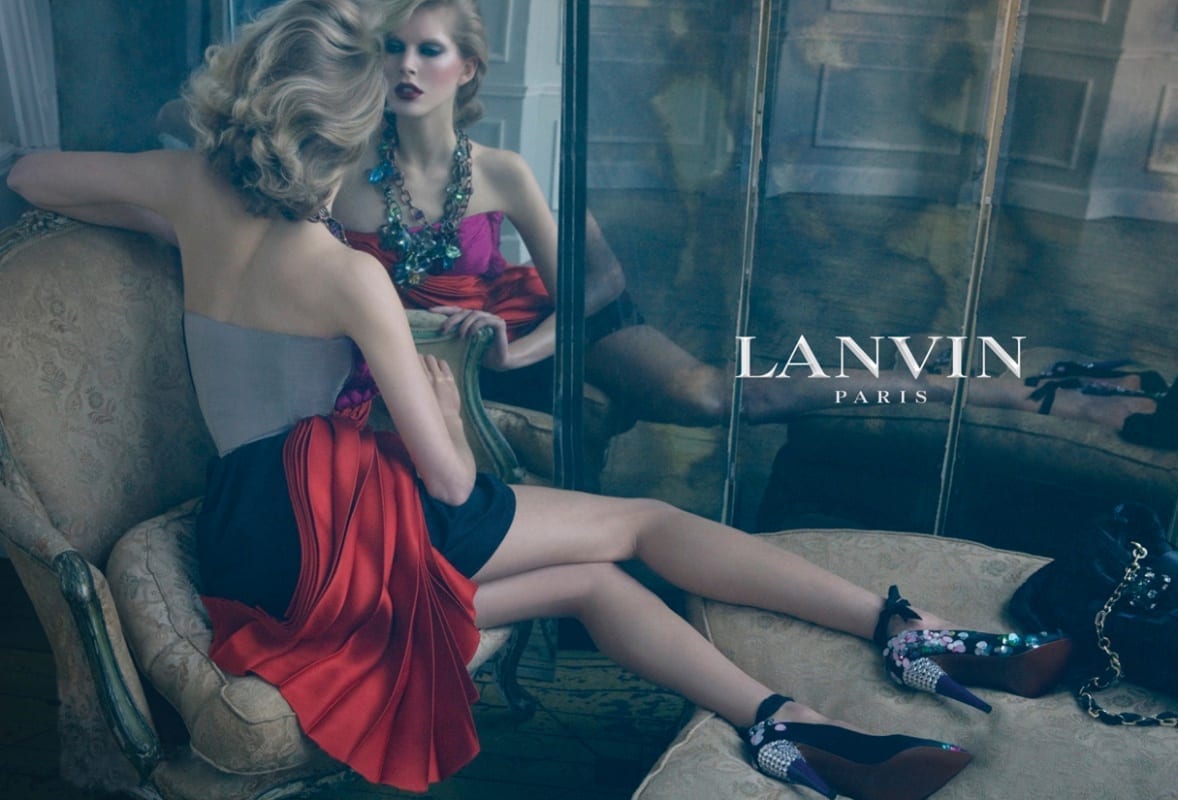
    David Chan, the executive president and chief financial officer of Lanvin Group, has announced his decision to step down from his position effective October 27. While he plans to explore fresh opportunities, Chan is also slated to provide advisory support during the transition period. His successor, however, remains to be declared.

    Zhen Huang, the chairman of Lanvin Group, acknowledged Chan’s valuable contributions to the company. “His remarkable contributions have played a crucial role in charting the strategic course and transformational initiatives of the group,” remarked Huang. He further added, “As he embarks on his new journey, we extend our best wishes for his continued success.”

    Despite the departure of Chan, who served as the executive president since the company’s inception, the Lanvin Group remains confident about its future potential. In addition to the high-profile responsibilities handled by Chan, including mergers and acquisitions, brand operations, and performance management, he was also instrumental in the strategic planning and leadership recruitment across the group’s portfolio. Huang reaffirmed, “Lanvin Group continues to stand strong with plans to sustain growth and create enduring shareholder value.”

    Established in Shanghai and jointly headquartered in Milan, Lanvin Group is supported by Fosun International. It commands a strong brand portfolio, which includes names like Lanvin, Wolford, Sergio Rossi, and St John Knits.

    Questions & Answers

    Why is David Chan leaving Lanvin Group?
    David Chan is stepping down from his role at Lanvin Group to pursue new opportunities. He will continue to serve in an advisory capacity during the transition period.

    Who will succeed David Chan as the executive president and CFO of Lanvin Group?
    The successor to David Chan has not been announced yet.

    What impact has David Chan had on the Lanvin Group?
    David Chan has been instrumental in shaping the strategic direction of Lanvin Group since its inception. He has overseen a wide range of responsibilities, including mergers and acquisitions, brand operations, strategic planning, leadership recruitment, and performance management across the group’s portfolio.