Retail News CRM

Tag: retailing

  • Uniqlo’s Bold Expansion In U.s. Amid Rising Tariffs: A Strategy For Success?

    Uniqlo’s Bold Expansion In U.s. Amid Rising Tariffs: A Strategy For Success?

    In the face of ever-changing tariffs and an increase in living costs that have impacted consumer spending, many brands are struggling to maintain a physical retail presence, let alone expand it. However, one international retailer is boldly rising to this challenge: Uniqlo.

    Uniqlo’s Expansion Plans

    This week, the Japanese retail and lifestyle behemoth Uniqlo announced plans to expand its retail footprint in the United States by 2026. The expansion entails the opening of flagship stores in Chicago and San Francisco, and four new locations in New York City.

    Uniqlo plans to inaugurate a total of 11 new stores across the United States in the forthcoming spring/summer season, increasing the total number of its American stores to 89. This is a significant milestone for the clothing titan.

    Uniqlo’s management had previously announced their intention to add between 20 and 30 new locations every year in North America, aiming for a goal of 200 stores by 2027.

    Christine Russo, Principal of Retail Creative and Consulting Agency (RCCA), noted that although Uniqlo is slightly off its projected schedule with its current 76 stores, geopolitical instability and tariffs are likely the cause.

    Russo explained that the timing of Uniqlo’s expansion aligns with the rise of “recession-core”, a consumer behavior trend that emerges during economic downturns. This trend is characterized by a preference for minimalism, with consumers opting for practical, versatile, and durable clothing over more flamboyant items that have a shorter shelf life.

    Uniqlo’s Appeal to Consumers

    Uniqlo has garnered consumer attention with its commitment to steadfast quality, a stark contrast to other fast-fashion brands. The company offers durable basics and a limited number of designs per season, and their dedication to technological innovation is evident in their patented Heatech and Airism fabrics.

    Neil Saunders, Managing Director of Global Data, also believes that Uniqlo’s appeal lies in its commitment to creating sturdy, yet stylish basic wardrobe items. He stated that Uniqlo’s reputation for quality distinguishes it from other fast-fashion competitors, a characteristic that appeals to shoppers who prefer to buy durable items that last.

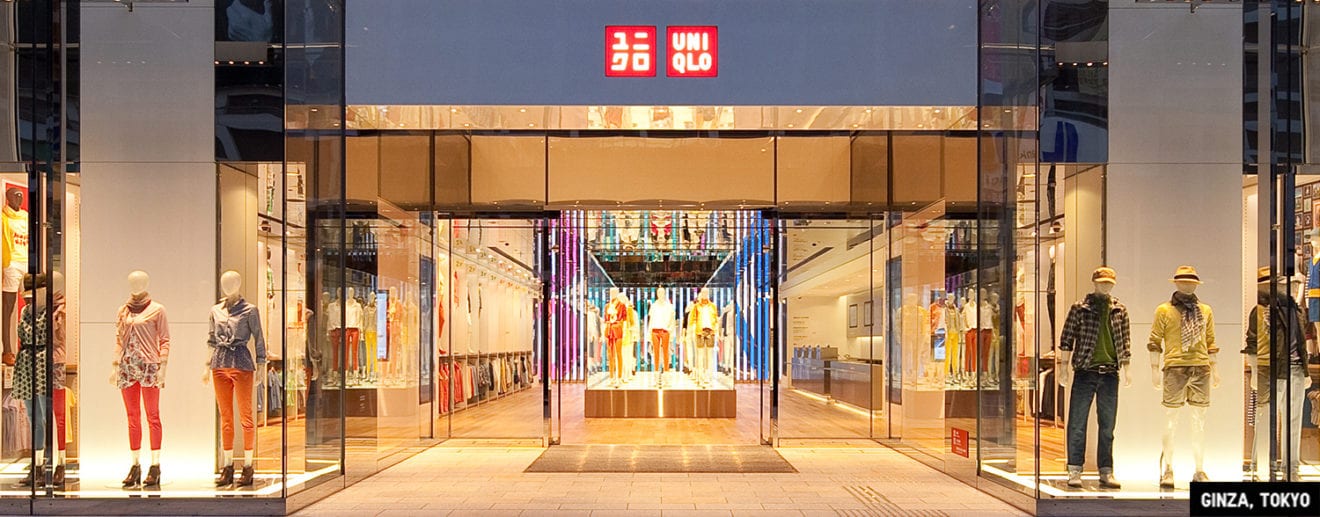
    Moreover, Uniqlo has made significant efforts to create engaging store environments in its U.S. locations that encourage consumers to browse and make purchases. For instance, several U.S. stores now offer services that were once exclusive to its Asian locations, including custom embroidery and clothing repair services.

    The Brand’s Future Growth

    Despite its success in the U.S. market, Uniqlo has yet to fully penetrate this retail region. Saunders believes that Uniqlo’s expansion plans will allow the brand to establish a presence in larger cities where they can open flagship stores, thus increasing brand visibility and potentially boosting sales volume in the U.S.

    Uniqlo’s unique differentiation points, according to style publications such as Esquire and GQ, include a carefully curated selection of items ranging from innovative products designed to combat extreme temperature variations to the perfect everyday white t-shirt. The brand’s methodical approach to growth and consistency in quality underscore its enduring appeal.

    Questions & Answers

    What is Uniqlo’s expansion plan in the U.S.?
    Uniqlo plans to open 11 new stores across the U.S. in the forthcoming spring/summer season, bringing the total number of its American stores to 89.

    What makes Uniqlo stand out from other fast-fashion brands?
    Uniqlo distinguishes itself with its commitment to quality, offering durable, basic clothing items and a limited number of designs each season. The company’s focus on technological innovation is also prominent, as reflected in their patented Heatech and Airism fabrics.

    How is Uniqlo planning to increase its brand visibility and sales in the U.S.?
    Uniqlo aims to increase its brand visibility and sales by expanding into larger cities where it can establish flagship stores. It also continues to offer engaging store environments and services that encourage consumers to browse and make purchases.

  • Style Theory Shuts Down: High Operational Costs, Investor Departure Mark End Of Fashion Rental Platform

    Style Theory Shuts Down: High Operational Costs, Investor Departure Mark End Of Fashion Rental Platform

    Style Theory, a Singapore-based online clothing rental platform, has recently ceased operations due to increasing operational costs and the departure of its key investors.

    Established in 2016, Style Theory functioned as an online rental platform that operated on a subscription basis. For monthly fees ranging from $89 to $149, it provided its customers with access to designer clothing and fashionable accessories via its proprietary app.

    The company announced on its online platform that it discontinued its subscription service as of September 30. All related services including rental, delivery, membership, support among others, were also discontinued. Customers were alerted that unused points would not be refunded and they could retain any rented items indefinitely.

    The firm will go into liquidation, and those owed money will be classified as creditors. The economic climate, which the company describes as increasingly challenging, along with rising costs and unforeseen circumstances, including the withdrawal of key investors, were cited as the main factors behind this decision.

    Style Theory was supported by notable investors including Alpha JWC Ventures, Quest Ventures, The Paradise Group, and SoftBank Ventures Asia.

    The decision to shut down was not taken lightly, as stated by the founders. The main mission of Style Theory, since its inception, was to make fashion more sustainable, accessible, and circular. The unexpected discontinuation of services is regrettable, and the company sincerely apologizes for any disappointment caused. The founders assured that every possible alternative was considered before reaching this conclusion.

    This closure follows the shut down of the company’s operations in Indonesia in June. The company stated at that time that it wanted to concentrate its resources on strengthening its foundations in Singapore and Hong Kong.

    Questions & Answers

    Why has Style Theory ceased operations?
    Style Theory has ceased operations due to escalating operational costs and the departure of key investors.

    What happens to the customers who have unused points?
    Customers were informed that their unused points would not be refundable. They can, however, keep any items they have currently rented indefinitely.

    What was the primary mission of Style Theory?
    The primary mission of Style Theory was to make fashion more sustainable, accessible, and circular. The company aimed to achieve this through its online rental platform.

  • Asia’s Retail Revolution: Navigating Sustainability, Technology, And Supply Chain Challenges

    Asia’s Retail Revolution: Navigating Sustainability, Technology, And Supply Chain Challenges

    As the retail landscape in Asia continues to evolve, industry leaders are vying for sustainable growth and competitive advantages. One of the most notable trends emerging from this shift is the surge in omnichannel retailing, where companies seamlessly integrate online and offline platforms to enhance the customer experience. It’s not just about clicking a button; it’s about creating a shopping journey that feels like a curated experience, touching on every sensory level.

    Shifting Focus: Sustainability and Consumer Preferences

    With increased awareness around sustainability, retailers are transforming their strategies to align with eco-conscious consumer preferences. The push for sustainable practices is more than a trend; it’s becoming a vital aspect of a brand’s identity. From sourcing materials responsibly to implementing energy-efficient store operations, brands across the region are taking innovative steps that not only appeal to green-minded shoppers but also comply with increasingly stringent regulations.

    This growing emphasis on sustainability is not merely about polishing a brand’s image; it’s about survival. Consumers, especially younger generations, are prepared to pay a premium for products that showcase a genuine commitment to the environment. As they use their purchasing power as a form of activism, retailers are finding it essential to communicate their sustainability initiatives transparently and compellingly.

    The Digital Frontiers: Technological Advancements

    Moreover, the rapid development of technology tools is reshaping retail dynamics. From virtual reality shopping experiences that whisk consumers into immersive environments to artificial intelligence that personalizes recommendations in real time, retailers are leveraging technology like never before. One standout example is the rise of livestream shopping events, which blend entertainment and commerce, making online shopping almost as exhilarating as attending a concert—that’s right, retailers are turning your shopping spree into a rock concert!

    Retailers are also exploring the potential of advanced analytics to gain profound insights into customer behavior, enabling them to tailor their offerings with pinpoint accuracy. This data-driven approach not only enhances sales effectiveness but also represents a growing shift towards customer-centric retailing in Asia.

    Challenges Ahead: Navigating Supply Chain Issues

    However, while the prospects seem bright, retailers must navigate an array of challenges. Global supply chain disruptions continue to be a thorny issue, with delays and shortages affecting inventory levels and customer satisfaction. Brands are seeking innovative solutions, such as diversifying their sourcing strategies and investing in local manufacturing initiatives to mitigate risks.

    Furthermore, as competition intensifies, the pressure to differentiate is stronger than ever. Retailers are finding themselves in a relentless battle for consumer attention, with brands employing more creative marketing and product strategies to capture the market amidst a flurry of choices available at consumers’ fingertips.

    As the retail industry in Asia embarks on this journey of transformation, the blend of sustainability, digitalization, and agility will shape the path forward. The ultimate winners may just be those who can harmonize these elements to create not just a shopping experience but an unforgettable saga that resonates with today’s consumers.

    Questions & Answers

    What is driving the shift towards sustainability in retail?
    The increasing eco-consciousness among consumers, particularly younger generations, is driving this shift. They tend to favor brands that demonstrate genuine commitment to sustainable practices, often willing to pay a premium for such choices.

    How are technology advancements impacting retail in Asia?
    Technological advancements are reshaping consumer interactions with retail through tools like virtual reality, artificial intelligence, and livestream shopping, creating immersive and personalized shopping experiences.

    What challenges are retailers facing in the current landscape?
    Retailers are grappling with global supply chain disruptions, which affect inventory and customer satisfaction, while they also face intense competition that necessitates differentiating strategies to capture consumer attention.

  • Asia’s Retail Revolution: Uniting Online And Offline Shopping Through Omnichannel Strategies

    Asia’s Retail Revolution: Uniting Online And Offline Shopping Through Omnichannel Strategies

    Retailers across Asia are increasingly embracing omnichannel strategies to meet the evolving demands of consumers, who now expect seamless shopping experiences that blend online and offline platforms. This shift is not just a response to the challenges posed by the pandemic but is also driven by a competitive retail landscape where adaptability is key. As businesses strive to engage customers more effectively, the adoption of advanced technologies and innovative practices is transforming the way the region views retail.

    Unpacking the Omnichannel Advantage

    The omnichannel approach allows retailers to create integrated experiences by linking digital and physical shopping environments. Companies are focusing on delivering personalized customer service, which has become paramount in attracting and retaining shoppers. For example, major players like Alibaba and Tencent are investing heavily in technology that facilitates a smoother transition from virtual showrooms to real stores, thus uniting the best of both worlds.

    Digitization on the Rise

    As the retail sector modernizes, a significant rise in digitization is taking place, with brands utilizing data analytics to anticipate consumer trends and preferences. Retailers are not merely responding to individual purchasing patterns but are actively predicting future needs, which can lead to more effective inventory management and enhanced customer satisfaction. Surprising as it may sound, some retailers are even employing AI to curate real-time personalized shopping experiences — a nod to the sci-fi future that’s suddenly more real than imagined.

    Challenges in a Changing Landscape

    Despite the promising direction of omnichannel retail, challenges persist. Traditional retailers are grappling with adapting their business models to accommodate new technologies while also maintaining their customer base. Moreover, the economic backdrop remains volatile, with fluctuations impacting purchasing power across the region. For many, the path to adopting such extensive changes is fraught with hurdles that range from financial constraints to training staff in advanced digital tools.

    Building Trust with Consumers

    In a crowded market, building trust is integral for brands looking to stand out. Retailers are increasingly prioritizing transparency, ensuring that customers feel informed and secure throughout their shopping journey. Initiatives that underscore ethical sourcing, sustainability, and data privacy are becoming critical components of brand marketing, resonating well with a more conscientious consumer base.

    Looking Ahead: The Future of Retail

    As we navigate through 2023, the future appears bright for the omnichannel retail model in Asia. With innovations continually emerging, retailers that dare to embrace change may find themselves leading the charge into a dynamic new retail landscape. As technology integrates even more deeply into shopping experiences, one thing is clear: the way we shop will never be the same.

    Questions & Answers

    What is driving the shift towards omnichannel strategies in Asia?
    The shift is primarily driven by evolving consumer expectations for seamless shopping experiences, heightened by the pandemic, alongside a need for retailers to remain competitive in a rapidly changing landscape.

    How are retailers using technology to enhance customer experiences?
    Retailers are utilizing data analytics and AI to personalize shopping experiences, predict consumer trends, and streamline inventory management, creating a more tailored approach to customer needs.

    What challenges do traditional retailers face in adopting omnichannel practices?
    Challenges include adapting existing business models to new technologies, maintaining customer loyalty amid changes, and addressing financial constraints that hinder the implementation of advanced digital tools.

  • Analyst Warns: Manila’s Retail Supply Pipeline Set to Challenge Market Resilience

    Analyst Warns: Manila’s Retail Supply Pipeline Set to Challenge Market Resilience

    An estimated 177,000 square meters of new retail space is on the horizon, set to make waves in Manila’s market by the second half of 2025. As the bustling holiday season approaches, tenants are revamping their strategies and gearing up for a promising turnaround. JLL’s latest report highlights that this influx of new store openings in prime malls may counterbalance the negative absorption reported in the first half of the year.

    Market Resilience Faces a Test

    According to the report, the significant volume of new supply is likely to challenge the market’s resilience. However, it also points to a silver lining: improving consumer sentiments and lower borrowing costs are expected to facilitate a gradual absorption of new spaces. With this context, rents are projected to increase by the end of the year alongside a rise in leasing activity.

    Quarterly Trends Revealed

    In the second quarter of 2025, net absorption dipped further to -20,700 square meters, continuing a downward trend that started in the first quarter. Notably, Mandaluyong and Muntinlupa accounted for most of the move-outs, while Quezon City and Makati City saw a flurry of new store openings, reflecting a dynamic albeit challenging landscape.

    The food and beverage sector remains the powerhouse for new store openings, confirming its dominance in the retail space. Interestingly, general retail has also shown resilience, emerging as a top contender for new entries this quarter, signaling ongoing expansion even amid cautious market conditions.

    Static Supply and Rising Vacancies

    Retail supply held steady in Q2 2025 as developers opted to stagger completions to the latter half of the year. With 177,000 square meters of additional space anticipated before year-end, analysts caution that this new supply could further inflate vacancy rates, which already crept up to 7.5%—an increase of 33.9 basis points quarter-on-quarter—mainly attributed to slower store openings.

    Mixed Signals in Financial Metrics

    While retail rents saw a slight uptick of 0.5%, reaching PHP 1,759 per square meter per month, operators are maintaining stable asking prices to keep demand alive. On the investment front, capital values are modestly appreciating at PHP 239,532 per square meter, indicating a careful approach among investors. However, the central bank’s recent interest rate cut to 5.5% is anticipated to boost investor confidence and expedite pending deals as financing becomes more accessible.

    In a retail landscape that seems to be a game of chess, strategists are positioning themselves for the next big play. Who knows? The unexpected twists and turns ahead could make for an exhilarating game as 2025 unfolds.

    Questions & Answers

    What are the key expectations for Manila’s retail market in H2 2025?
    Analysts anticipate a surge of new store openings, totaling 177,000 square meters, which could improve market conditions despite a challenging first half, as consumers become more confident.

    Which areas are experiencing the most retail movement?
    Mandaluyong and Muntinlupa have seen significant move-outs, while Quezon City and Makati City are witnessing a rise in new store openings.

    How are rental rates trending in the current market?
    Rental rates are showing stability with a slight increase of 0.5% in Q2 2025, while operators maintain stable asking prices to foster demand amidst growing vacancies.

  • Asia’s Retail Revolution: The Rise Of E-commerce And The Reinvention Of Brick-and-mortar Stores

    Asia’s Retail Revolution: The Rise Of E-commerce And The Reinvention Of Brick-and-mortar Stores

    With the rapid evolution of retail landscapes in Asia, understanding current trends is more critical than ever for industry players. The momentum generated by shifting shopping behaviors continues to challenge traditional models, sparking innovation across sectors from e-commerce to brick-and-mortar.

    The Surge of E-Commerce and Its Impact on Retail

    As consumers increasingly gravitate toward online shopping, e-commerce has burgeoned into a dominant force in the Asian retail market. In 2022 alone, e-commerce sales in Asia surged to around 1.04 trillion USD, capturing nearly half of the global e-commerce market share. This boom not only reflects a shift in consumer preference but also highlights the pressing need for retailers to adapt swiftly to this digital-first environment. Retailers are investing heavily in user-friendly apps, streamlined logistics, and personalized shopping experiences to captivate the evolving demographic of online shoppers.

    Brick-and-Mortar Retail: Reimagining the In-Store Experience

    Yet, the physical store isn’t surrendering its relevance just yet. In fact, many retailers are creatively transforming brick-and-mortar locations into immersive experiences that go beyond mere shopping. Think of stores as destinations where consumers can engage with products firsthand, attend specialized events, or even participate in exclusive workshops. This experiential approach brings a vibrant twist to conventional retail, ensuring that customers aren’t just passive buyers, but active participants in their shopping journey. Ultimately, the goal is to create an environment where purchasing becomes a delightful experience rather than a mundane task.

    Asia’s Unique Consumer Behavior: The Playful Twist

    What sets Asia apart in the retail scene? An intriguing blend of cultural diversity, rapidly changing technology, and age demographics. Millennials and Gen Z, who comprise a substantial portion of consumers, favor brands that resonate with their values, placing an emphasis on sustainability and social responsibility. Ironically, this demographic enjoys frequenting stores—not just for shopping but as social hotspots where they can unwind or snap that perfect Instagram shot. Who would have thought that retail therapy could also be about capturing social media fame?

    Future Trends and Challenges Ahead

    As we look to the future, the retail industry must navigate complex challenges, including supply chain disruptions and evolving consumer expectations. Retailers in Asia are employing omnichannel approaches, allowing for seamless transactions across platforms, while also leveraging data analytics to comprehend consumer behavior better. The key to thriving in this competitive sphere lies in the ability to embrace change and innovate continuously.

    In a rapidly evolving retail landscape, one thing remains clear: while the tools and platforms may change, the heart of retail will always be about connecting with customers in meaningful ways.

    Questions & Answers

    How is e-commerce shaping the retail market in Asia?
    E-commerce has become a juggernaut in Asia, accounting for around 1.04 trillion USD in sales in 2022 and significantly reshaping how consumers shop, pushing retailers toward more digital-first strategies.

    What innovative strategies are brick-and-mortar stores employing?
    Retailers are transforming physical stores into immersive experiences, offering exclusive events and interactive workshops that make shopping a more memorable journey beyond mere transactions.

    What consumer trends are influencing retail strategies in Asia?
    The Asian consumer landscape is shaped by Millennials and Gen Z, who prioritize brands that align with their values of sustainability and social responsibility, and seek engaging social experiences in retail spaces.

  • Fast Retailing Marks Historic Milestone: First Japanese Retailer To Hit 1 Trillion Yen In Domestic Sales

    Fast Retailing Marks Historic Milestone: First Japanese Retailer To Hit 1 Trillion Yen In Domestic Sales

    Fast Retailing, the parent company of Uniqlo, has made history as the first Japanese clothing company to achieve domestic sales of 1 trillion yen. In the fiscal year ending in August, Uniqlo’s domestic sales increased by 10% to approximately 1.03 trillion yen, equivalent to $6.98 billion. By the end of August, Uniqlo had 784 stores in Japan, the first of which opened its doors in Hiroshima 41 years ago. These impressive domestic sales figures encompass revenue from physical stores, online sales from the brand’s e-commerce site, and 10 franchise locations.

    Fast Retailing’s sales have seen a marked uptick since the fiscal year of 2022, thanks to a series of store and product overhauls. Over the past five years, the company has shuttered 30 stores across Japan. At the same time, the average sales floor space per store has been expanded by 10%, allowing for a broader product display and stirring up customer demand. This strategy resulted in a 13% rise in average sales per store.

    Innovative Business Approach

    Among the company’s operational triumphs was the launch of the ‘Management Cockpit’ platform. This platform gathers product reviews from the online store and customer feedback from the support center. This data is then leveraged to enhance existing products, create new merchandise, and generate demand forecasts.

    The introduction of the platform has allowed Fast Retailing to swiftly manufacture in-demand products, consequently reducing the time from production to sale. Additionally, the platform helps to prevent an oversupply of items by cutting production of those with low demand.

    Future Projections

    Looking at the broader picture, Fast Retailing’s consolidated sales revenue is projected to grow by 10% to 3.4 trillion yen by fiscal year 2025. Net profit is also expected to rise by 10%, setting a new record at 410 billion yen.

    Currently, Fast Retailing holds the third position in the global apparel industry in terms of sales, trailing behind H&M in second place and Inditex, the parent company of Zara, in the top spot.

    Questions & Answers

    What sales milestone has Fast Retailing recently achieved?
    Fast Retailing has become the first clothing company in Japan to reach 1 trillion yen in domestic sales.

    What strategies has Fast Retailing used to boost their sales?
    Fast Retailing has increased the average sales floor space in their stores by 10% and introduced the ‘Management Cockpit’ platform to gather data and improve their product offering.

    What are Fast Retailing’s projections for future sales and profits?
    Fast Retailing anticipates its consolidated sales revenue will grow by 10% to 3.4 trillion yen in FY25, with a net profit increase of 10% to a record 410 billion yen.

  • Bhg Retail Trust Reports Impressive Recovery With 36.4% Rise In First-half Net Property Income

    Bhg Retail Trust Reports Impressive Recovery With 36.4% Rise In First-half Net Property Income

    The latest financial report from BHG Retail Trust indicates a remarkable turnaround, showcasing a robust recovery for the company in the first half of 2023. The data highlights a substantial boost in net property income, reaching S$40.6 million, reflecting a significant increase of 36.4% when compared to the same period last year. This notable surge is largely attributed to strategic asset management and a resurgence in shopper traffic as retail environments begin to normalize post-pandemic.

    Strong Recovery in Shopper Interest

    BHG Retail Trust’s revitalization is further illustrated by a rise in its average occupancy rate, which climbed to 95.2%, signaling renewed confidence among retail tenants. This upward trend is particularly evident in its flagship shopping malls located in Singapore, where a combination of appealing promotional activities and a diverse tenant mix has rekindled customer enthusiasm. One might say that the shopping centers are buzzing again—almost like a festive bee colony exploring abundant blooms.

    In the first half of 2023, the trust recorded a gross revenue of S$55.8 million, an increase of 25.1% year-on-year. This impressive performance is bolstered by the effective leasing strategies employed across its portfolio, including several long-term lease renewals and new tenant acquisitions. Analysts predict that these efforts will pave the way for sustained growth, particularly as consumer sentiment continues to strengthen.

    Strategic Initiatives for Future Growth

    As part of its long-term vision, BHG Retail Trust is actively enhancing customer experiences by investing in digital technologies and improving its online shopping platforms. The integration of e-commerce solutions aims to cater to a growing segment of consumers who prefer a seamless blend of in-store and online shopping. This dual approach not only broadens the retail trust’s market reach but also positions it favorably against competitors.

    The trust remains committed to expanding its footprint within Asia, eyeing potential acquisitions that will diversify its portfolio further and improve its operational resilience. With the backing of a favorable economic climate, BHG Retail Trust is not just recovering; it’s gearing up to flourish in the next chapter of retail.

    Questions & Answers

    What factors contributed to BHG Retail Trust’s impressive revenue growth?
    The significant revenue growth can be attributed to effective asset management, a surge in shopper traffic, and successful leasing strategies that involve long-term renewals and new tenant acquisitions.

    How is BHG Retail Trust adapting to the evolving retail landscape?
    To meet changing consumer preferences, BHG Retail Trust is investing in digital technologies and enhancing its online shopping platforms, which provides a seamless experience for customers who prefer both in-store and online shopping.

    What does the future hold for BHG Retail Trust?
    Looking ahead, BHG Retail Trust is focused on expanding its footprint in Asia and exploring new acquisition opportunities, aiming to diversify its portfolio and improve operational resilience.

  • Vietnam Launches Pilot Program for Innovative Digital Asset Market

    Vietnam Launches Pilot Program for Innovative Digital Asset Market

    Vietnam is poised to launch a digital asset trading market, allowing cryptocurrencies to be freely issued over a five-year trial period. Under a recent government resolution effective from Tuesday, only Vietnamese companies will be permitted to operate trading platforms. All cryptocurrency issuance, trading, and transactions must be conducted using the national currency, the dong, reinforcing control over the burgeoning digital economy.

    Strict Qualification Criteria

    To enter the arena, issuers must meet a hefty capital requirement of VND10 trillion (approximately US$380 million), with a mandatory 65% stake coming from institutional investors. To add a twist to the tale, foreign participation is limited to 49%, ensuring that the market remains firmly in local hands.

    An Encouraging Landscape for Blockchain

    Shareholders and capital contributors need to showcase a robust financial track record, having posted profits for at least two consecutive years before they can apply for a license. This move aligns with Vietnam’s rapid growth in the blockchain sector, with the Vietnam Blockchain Association reporting that capital flows into blockchain projects surpassed $105 billion in 2023–24, according to data from analytics firm Chainalysis.

    A Crypto-Crazy Nation

    Significantly, a report by crypto payment gateway Triple-A highlighted that more than 20% of the Vietnamese population owns cryptocurrencies, showcasing the vibrant appetite for digital assets. Vietnam doesn’t just dabble in crypto; it ranks among the top three countries globally for crypto adoption, boasting a penetration rate that is three to four times higher than the worldwide average.

    As Vietnam leans deeper into the digital asset race, one can’t help but wonder if the next big cryptocurrency might just emerge from a bustling café in Ho Chi Minh City!

    Questions & Answers

    What regulations are in place for digital asset trading in Vietnam?
    Only Vietnamese companies can operate trading platforms, and all transactions must be conducted in the dong. Issuers need a capital base of VND10 trillion, with specific requirements for institutional investor participation and limitations on foreign ownership.

    How significant is cryptocurrency adoption in Vietnam?
    Vietnam is a hotspot for cryptocurrency, with over 20% of the population owning digital assets. The country ranks among the top three globally for crypto adoption, dramatically surpassing the global average.

    What financial requirements must issuers meet to enter the digital asset market?
    Issuers must have a minimum capital of VND10 trillion, demonstrating financial stability by showing profits for at least two consecutive years prior to applying for a license.

  • China’s Gen Z Champions a Transformative Shift Towards Emotional and Sustainable Shopping Habits

    China’s Gen Z Champions a Transformative Shift Towards Emotional and Sustainable Shopping Habits

    Generation Z is revolutionizing China’s consumer landscape, prioritizing personal well-being, emotional fulfillment, and sustainability while leaving behind the materialistic pursuits of earlier generations. This cohort, despite representing only 15% of the population, wields an impressive influence on economic trends.

    Instead of hoarding possessions, Gen Z is favoring experiences and wellness investments. From premium skincare lines to spa memberships and limited-edition collectibles, spending for these consumers is more about enhancing happiness than simply acquiring items. This shift prompts local and international brands to swiftly adapt to their new demands.

    A recent report by People’s Daily highlights the pivotal role Gen Z plays, revealing that 64% of Chinese consumers, led by this demographic, prioritize emotional fulfillment in their purchasing decisions. Products like character plushies, themed souvenirs, and blind-box toys have surged in popularity, offering joy while sidestepping the trappings of overconsumption.

    The significance of health and sustainability cannot be overstated in this context. Take Lululemon, which recently reported a remarkable 21% growth in same-store sales in China, a direct reflection of Gen Z’s enthusiasm for fitness and social interaction. Their commitment to these values reinforces the brand’s relevance in a crowded market.

    Alongside wellness, environmental awareness plays a crucial role in shaping purchasing decisions. A study from Daxue Consulting indicates that 40% of Chinese consumers favor eco-friendly products, with a striking 90% of Gen Z actively searching for recyclable options. It seems being “green” is becoming the new chic.

    Furthermore, Gen Z’s demand for transparency and authenticity is redefining the marketplace. E-commerce platforms like Douyin and Taobao are integral to this transformation, where consumers prioritize trustworthy information and tailor-made products over mass-produced alternatives. This trend is urging companies to adopt more responsible and transparent practices in their operations.

    The convergence of these factors is fostering what’s being termed the “emotional economy.” Here, consumer preferences actively shape production and investment strategies, aligning with ethical and societal aspirations. Fund managers are increasingly directing their attention toward youth-centric, socially responsible products and services, crafting a retail environment that merges personal well-being with broader social and environmental goals.

    Questions & Answers

    How is Generation Z changing consumer priorities in China?
    Generation Z is moving away from materialism and instead values personal wellness, emotional fulfillment, and sustainability, significantly influencing purchasing behavior.

    What role do platforms like Douyin and Taobao play for Gen Z consumers?
    These platforms provide reliable information and personalized product recommendations, which resonate with Gen Z’s preference for authenticity and quality over mass production.

    What does the “emotional economy” signify for retailers?
    The “emotional economy” highlights how consumer preferences, especially from Gen Z, are shaping production and investment strategies to align with ethical and societal goals, pushing brands toward more responsible practices.

  • Global Retail Giants Redefine Strategy Amid Booming Asian Market

    Global Retail Giants Redefine Strategy Amid Booming Asian Market

    Amid ongoing challenges in the global retail landscape, several industry giants are adapting their strategies to capture the unique opportunities presented by the Asian market. The latest results from major players like Uniqlo, Zara, and H&M underscore a notable shift toward localized approaches that blend global best practices with regional insights.

    Retail Behemoths Adapt to Local Markets

    In a vibrant display of resilience, Uniqlo, part of SoftBank Group Corp., reported robust sales growth in its Asian segments, buoyed by a renewed focus on in-store experiences and digital integration. With consumers seeking both convenience and connection, the brand has revamped its store layouts to reflect local tastes while maintaining its commitment to quality and affordability. In just one of several delightful turns, their new store design in Singapore now features interactive zones where shoppers can test the innovative fabric technology firsthand. Who wouldn’t want a sneak peek at the future of fashion while browsing through their favorite essentials?

    Zara and H&M: The Fast Fashion Frontier

    Zara’s parent company, Inditex, has also made waves by enhancing its customer engagement strategies. Recently, the brand launched its “Zara Everywhere” initiative in Southeast Asia, optimizing mobile shopping experiences and expanding its online presence. This agile response comes as retailers race to stay relevant in a fast-changing retail environment. Meanwhile, H&M is championing sustainability through its Conscious Collection, carefully produced with eco-friendly materials, making it a hit among increasingly conscientious consumers. A single glance at their collection may leave you questioning—can fashion really save the planet?

    The Online Shopping Boom

    The pandemic may have pushed many retail operations online, but in Asia, the ascent of e-commerce has been dramatic. Brands are doubling down on digital platforms, innovating payment options, and enhancing logistics to ensure a seamless consumer journey. The convenience of mobile shopping, particularly in countries like China and India, is reshaping the retail environment, making it essential for brands to adapt quickly. As savvy shoppers continue to embrace the convenience of buying online, retailers are finding that capturing their attention requires more than just a website—it demands creativity and excitement.

    Amid these changes, consumer expectations are ever-evolving, driven by a blend of local culture and international influence. Retailers are realizing that traditional marketing tactics won’t cut it anymore; they need to engage, entertain, and inspire.

    The Asian retail scene is not just a marketplace; it’s a dynamic stage where innovation meets tradition, and brands that can dance to this rhythm are likely to thrive.

    Questions & Answers

    How are Uniqlo and other retailers enhancing their store experiences in Asia?
    Uniqlo is implementing redesigned store layouts that reflect local tastes, incorporating interactive zones for consumers to engage with products, while emphasizing digital integration.

    What strategies are Zara and H&M employing to remain competitive in the Asian market?
    Zara is launching its “Zara Everywhere” initiative to optimize mobile engagement, while H&M is focusing on sustainability with its Conscious Collection, targeting eco-conscious consumers.

    Why is the e-commerce boom significant in Asia for retail brands?
    The rapid growth of e-commerce is transforming retail, as consumers in Asia increasingly prefer the convenience of mobile shopping, prompting brands to innovate their online presence and logistics capabilities.

  • Singapore Retailers Association announces The Singapore Retail Festival celebrating fresh, energised experiences

    Singapore Retailers Association announces The Singapore Retail Festival celebrating fresh, energised experiences

    In a bold move to offer shoppers unique and one-of-a-kind retail moments beyond sales to rejuvenate the retail industry and re-establish Singapore as a shopping destination for the world, the Singapore Retailers Association (SRA) announced the inaugural Singapore Retail Festival (SRF).

    SRF, to be held from 26 September to 12 October, 2025, will be an industry-wide celebration of innovation and transformation to reignite consumer excitement in visiting physical stores, while spotlighting the innovation, creativity, and spirit of Singapore’s retail sector.

    Mr Ernie Koh, President of Singapore Retailers Association, remarked that “by bringing back the magic of discovery, engagement, and on-ground experiences, the Singapore Retail Festival is looking to transform the everyday shopping journey into something fresh, vibrant, and memorable – strengthening Singapore’s position as a dynamic and future-ready retail destination for both Singaporeans and tourists. Shoppers can look forward to a dynamic, value-driven celebration of Singapore retail that reflects the changing needs of today’s consumers and the modern retail landscape”.

    This new initiative by the association was conceived to provide the much-needed united push with collective marketing, to amplify visibility and footfall across Singapore’s retail ecosystem, especially for the physical stores. SRA will work with retailers and key partners such as BHG, Eu Yan Sang, Harvey Norman, IN GOOD COMPANY, Metro, OG, Pet Lovers Centre, TANGS, TC Acoustic, Watson’s, among other retailers, and Brands for Good (BFG) to reimagine the festival, focusing on value beyond price and emphasising experiential retail, meaningful consumer engagements, and innovation.

    Mr Koh added that “this is no longer just a sale. It’s a celebration of Singapore’s retail creativity, and the unique value presented by its retail community. The Singapore Retail Festival represents a united push to uplift our retail sector. It’s about delivering value beyond discounts, creating one-of-a-kind moments that shoppers simply cannot find anywhere else.”

    One of the key features of SRF will be the introduction of experiential retail concepts from interactive in-store activations to limited-time concepts such as pop-ups, workshops, masterclasses, sensory or personalisation activities, to create immersive environments that excite and engage shoppers and reward them from stepping out to enjoy the vibrancy of the retail scene. This feature, among others such as exclusive value-driven offerings in the form of limited-time product drops, bundles and exclusive collaborations, offering unique and meaningful buys that go beyond conventional discounts, will make the festival markedly different from the Great Singapore Sale (GSS), the once much-anticipated annual affair that placed Singapore on the world map for great shopping. Once synonymous with deep discounts, GSS gradually lost its lustre with increasing competition from neighbouring cities often offering retail experiences at a lower price.

    What’s New

    •  Exclusive Value-Driven Offerings: The festival would feature limited-time, specially curated product offerings and exclusive collaborations for unique and meaningful buys that go beyond conventional discounts.
    • Experiential Retail Concepts: From interactive in-store activations to limited-time concepts such as pop-ups, to create immersive environments that excite and engage shoppers for memorable experiences and Instagram-worthy compelling alternatives to the convenience of online shopping.
    • New Retail Brands: SRF will spotlight not just established household names but also new retail brands entering the scene. These newcomers bring fresh ideas, niche offerings, and bold concepts that appeal to evolving consumer tastes, adding vibrancy and diversity to the overall retail experience. Their participation also reflects Singapore’s continued appeal as a launch pad for innovative retail ideas.
    • Thematic Celebrations: Each year, the SRF will adopt a distinct theme to keep the experience fresh, relevant, and aligned with consumer trends – something to look out for and experience first-hand. This approach not only allows for creative storytelling and curated retail experiences, but will also help drive year-on-year excitement and deeper engagement for both retailers and shoppers.

    Introduced in celebration of Singapore’s 60th year of independence, the festival will also coincide with the Formula 1 Singapore Grand Prix 2025 this year, leveraging the seasonal surge in international visitors and tourists. More detailed information on SRF 2025 will be announced later.

    SRA invites retailers across the island to join the festival by contacting SRA to share innovative retail ideas for collaboration and indicate their interest to participate in the festival. Please refer to the annex of the attached document for the list of confirmed participating retailers and malls to date.

  • Tourist Tax-Free Spending Plummets, Foreshadowing Challenges for Japan’s Retail Sector

    Tourist Tax-Free Spending Plummets, Foreshadowing Challenges for Japan’s Retail Sector

    Sales at Japanese department stores have shown signs of slowing in recent months, raising concerns that even the wealthiest shoppers may be curbing their extravagant expenditures. This shift is attributed partly to the ripple effects of U.S. President Donald Trump’s aggressive tariff policies, which have begun to take a toll on consumer sentiment.

    Once a hotspot of opulence, where luxury purchases were practically an everyday occurrence, the shopping landscape is shifting. Data from the Japan Department Stores Association indicates that, while the overall department store sales dipped by 0.4% year-on-year in August, the high-end segment is particularly feeling the pressure. Consumers that once splurged with abandon are now more discerning, raising eyebrows and speculation in the retail sector.

    In a bid to attract the scrupulous shopper, renowned stores like Tokyo’s Isetan Shinjuku have embraced technology, launching an innovative smartphone app tailored for overseas visitors. This app offers users enticing discount coupons as well as comprehensive information about the store in English, Chinese, and Korean. Such initiatives not only enhance the shopping experience but also seek to capture a significant slice of the lucrative tourist market.

    As retailers grapple with these changes, they are stepping up efforts to adapt. The high-end fashion scene finds itself at a crossroads, where luxurious brands must navigate a delicate balance between aspirational pricing and accommodating the evolving preferences of their consumer base. Will the lavish lifestyles of the past return, or are shoppers’ appetites for luxury purchases shifting irreversibly? Only time will tell, but for now, retailers seem to be polishing their strategies and hoping for a spark of that former extravagance — who wouldn’t want a weekend shopping spree to feel like a scene from a Hollywood film?

    Questions & Answers

    How have recent economic factors impacted Japanese department store sales?
    Japanese department store sales have dipped by 0.4% year-on-year, with concerns that high-end consumers are becoming more discerning due to factors like U.S. tariffs.

    What strategies are department stores implementing to attract overseas customers?
    Stores like Isetan Shinjuku have launched smartphone apps offering discount coupons and information in multiple languages, aimed at enhancing the shopping experience for foreign tourists.

    What does the future hold for high-end retail in Japan?
    As consumer preferences evolve, luxury brands face a challenge in balancing aspirational pricing with the desires of a more cautious shopping base, raising questions about the future of extravagant spending.

  • H&M’s Balancing Act: Navigating Sustainability Goals Amid Rising Retail Competition

    H&M’s Balancing Act: Navigating Sustainability Goals Amid Rising Retail Competition

    In the fast-paced world of retail, brands often find themselves caught in a web of immediate consumer demands and long-term strategic planning. One company feeling the heat is H&M, which has recently made headlines for its sustainability initiatives and focus on ethical fashion. However, as the Swedish retailer grapples with fluctuating sales and increasing competition, a closer look at its approach reveals a mixture of innovation, challenges, and the occasional misstep.

    H&M’s Sustainability Journey

    H&M has positioned itself at the forefront of sustainability, pledging to use 100% recycled or other sustainably sourced materials by 2030. This ambitious commitment resonates well with eco-conscious consumers, particularly younger shoppers who prioritize sustainability in their purchasing decisions. Still, the journey has not been without pitfalls; the brand has faced scrutiny over greenwashing accusations, raising questions about the authenticity of its efforts.

    Facing Market Challenges Head-On

    As of mid-2023, H&M has reported a notable dip in sales, attributed partly to changing consumer preferences and the rise of fast fashion competitors who are nimble and aggressive. The retailer’s recent focus on overhauling its online platform and optimizing supply chains indicates a strategic pivot to better meet contemporary retail demands. A dash of urgency is in the air, as the brand aims to strike the right balance between sustainability and competitiveness — ensuring it doesn’t lose its footing in the rapid race that is retail.

    The Asian Market Landscape

    In Asia, where retail dynamics differ significantly from those in Europe and the Americas, H&M has been investing heavily. The brand has recently opened new flagship stores in key markets such as Bangkok and Shanghai, designed to deliver a more personalized shopping experience. It’s a gamble aimed at turning foot traffic into sales, as traditional shopping experiences are making a resurgence post-pandemic. Who knew that physical stores would have to go full circle and embrace digital experiences, incorporating tech-savvy elements while still allowing customers to feel the fabric before they buy?

    Looking Ahead

    The company is betting on strategic collaborations to further enhance its offerings. Partnerships with local designers and influencers have become pivotal in creating collections that resonate with diverse Asian consumers. By understanding local tastes and trends, H&M strives to craft a more cohesive brand narrative that appeals across cultural lines. The road ahead will require diligence and adaptability, and as H&M navigates these waters, the aim remains clear: to redefine what it means to be a responsible retailer in a rapidly evolving marketplace.

    Questions & Answers

    What sustainability goals has H&M set for itself?
    H&M aims to use 100% recycled or other sustainably sourced materials by 2030, reflecting its commitment to ethical fashion.

    What challenges is H&M currently facing in the retail market?
    H&M is dealing with declining sales due to shifting consumer preferences and stiff competition from fast fashion brands.

    How is H&M adapting to the unique demands of the Asian market?
    The retailer is opening flagship stores in major Asian cities and collaborating with local designers to tailor its offerings to regional tastes.

  • Hong Kong Retail Sales Rise In June, Slower Pace Indicates Stabilization

    Hong Kong Retail Sales Rise In June, Slower Pace Indicates Stabilization

    In June, Hong Kong experienced an increase in retail sales, albeit at a slower pace than the previous month of May. The total retail sales for the special administrative region came in at HK$30.1 billion (US$3.8 billion), marking a 0.7 per cent year-on-year growth. This rise, however, was less than the 2.4 per cent increase witnessed in May, which was the first surge in retail sales observed in over a year.

    The Impact of Price Changes

    When considering the impact of price changes during this period, the provisional estimate of retail sales for June revealed a 0.3 per cent year-on-year decrease. This is in comparison to a 1.9 per cent uptick seen in May.

    Industry-Specific Performance

    Breaking down the increase in retail sales by industry, the sectors of jewellery, watches and clocks, and valuable gifts led the pack, enjoying a 6.8 per cent upswing in June. The following industries also saw notable growth: medicines and cosmetics, with a 6 per cent increase; commodities in department stores, with a 5.7 per cent rise; and optical shops, which saw a 1 per cent surge in sales.

    On the other hand, some sectors witnessed a decline in sales. Sales of wearing apparel dipped by 4.3 per cent, while food, alcoholic drinks and tobacco dropped by 1.5 per cent. Additionally, sales in furniture and fixtures saw a significant decrease of 16.3 per cent, with books, newspapers, stationery and gifts experiencing a 4.7 per cent fall.

    First-Half Overview

    Looking at the bigger picture, retail sales in Hong Kong for the first half of the year showed a downward trend, dropping by 3.3 per cent when compared to the same period last year.

    However, a government spokesperson conveyed optimism, noting that the retail sector has been exhibiting signs of stabilization in recent months. The spokesperson cited several favourable factors contributing to this trend, including the steady rise in employment earnings, a robust stock market, and concerted efforts from the government and businesses to promote tourism. These factors are anticipated to augment consumer sentiment and provide a strong support for the retail sector.

    Questions & Answers

    What was the value of retail sales in June in Hong Kong?
    The value of retail sales in Hong Kong in June was HK$30.1 billion (US$3.8 billion), representing a 0.7 per cent year-on-year increase.

    Which sectors led the growth in Hong Kong’s retail sales in June?
    The sectors of jewellery, watches and clocks, and valuable gifts led the growth in June with a 6.8 per cent increase. Other sectors experiencing growth included medicines and cosmetics, commodities in department stores, and optical shops.

    What are the factors contributing to the stabilization of Hong Kong’s retail sector?
    The stabilization of Hong Kong’s retail sector can be attributed to the continuous increase in employment earnings, a solid stock market performance, and government and business efforts to boost tourism.