Retail News CRM

Tag: retailing

  • Retail Associations Push Government to Tackle Rising Costs and Crime in Australia

    Retail Associations Push Government to Tackle Rising Costs and Crime in Australia

    Retail Associations Urge Australian Government to Tackle Industry Challenges as New Term Begins

    As the Albanese government embarks on its new term, the Australian Retailers Association (ARA) and the National Retail Association (NRA) are calling for immediate governmental action to address critical challenges confronting the nation’s expansive $430 billion retail sector.

    Urgent Call for Economic Support

    Chris Rodwell, CEO of the ARA and CEO Designate of the Australian Retail Council (ARC), emphasized the necessity of government policies that foster investment, industry growth, and job creation. With retail employing one in ten Australians and contributing nearly 20% of the nation’s GDP, Rodwell asserts that the sector’s performance is integral to the economy.

    “Retail performance impacts every Australian,” Rodwell stated. “We require robust economic leadership to navigate these challenging times. Alongside the current cost-of-living crisis, our retailers have grappled with rising expenses across various fronts—rent, wages, energy, insurance, transportation, and persistent supply chain issues.”

    The Impact of U.S. Tariffs on Retailers

    A significant concern highlighted by the ARA is the effect of U.S. tariffs, which have intensified financial pressures on retailers. “For many, especially smaller businesses, there is limited capacity to absorb these costs. As we look ahead, it may become increasingly difficult to avoid raising prices,” Rodwell warned.

    Enhancing Productivity and Security

    In their plea for national support, both the ARA and NRA stress the importance of enhancing productivity as a means to bolster both the economy and living standards. “Seizing this opportunity during the current term is critical; our nation cannot afford to let this agenda slide into the 2030s,” Rodwell remarked, reflecting the urgency of timely action.

    Moreover, the associations are advocating for the implementation of a national retail crime strategy to safeguard businesses and protect employees.

    Support for Small Business Initiatives

    While the ARA and NRA expressed their backing for the Labor government’s pledges concerning small business support, workforce development, and digital transformation, they raised concerns regarding governmental intervention in penalty rate decisions.

    As the retail landscape continues to evolve, the potential impact of these developments could ripple throughout the sector, influencing consumer trends and purchasing behaviors. Retail stakeholders keenly await the government’s response, as decisive action has the power to reshape the future of retail in Australia.

  • March Sees 3.5% Drop in Hong Kong Retail Sales Amid Consumer Demand Shift

    March Sees 3.5% Drop in Hong Kong Retail Sales Amid Consumer Demand Shift

    Retail sales in Hong Kong experienced a notable decline in March, dropping by 3.5% year-on-year to a provisional total of HKD 30.1 billion, according to the latest report from the Census and Statistics Department. When adjusted for inflation, the decrease in retail sales volume is even steeper, with a 4.8% drop recorded.

    Online Sales: A Small Bright Spot

    Despite the overall downturn, online sales contributed 8.1% of total retail figures, amounting to approximately HKD 2.4 billion. However, this segment also saw a slight decrease, down by 0.5% compared to the previous year.

    Categories Feeling the Pinch

    Several key retail categories experienced significant downturns in March:

    • Jewellery, Watches, and Gifts: down 3.9%
    • Wearing Apparel: down 10.8%
    • Department Stores: down 5.0%
    • Motor Vehicles and Parts: down a staggering 46.4%
    • Footwear and Accessories: down 7.7%
    • Furniture: down 17.3%

    Conversely, certain sectors demonstrated resilience amidst the broader market decline. Supermarkets reported a 5.2% increase in sales, while food and drink sales surged 7.8%. Additionally, electrical goods grew by 6.7%, and miscellaneous consumer goods noted a modest uptick of 0.6%.

    Looking Ahead: Opportunities Amidst Challenges

    The government remains optimistic, highlighting that growth on the Mainland, a resurgence in tourism, and rising incomes are expected to support retail recovery. However, they caution that global uncertainties and shifting consumer habits pose significant risks moving forward.

    As these trends unfold, the potential impact on the retail sector could reshape shopping experiences for consumers, encouraging brands to adapt and innovate in response to evolving preferences.

  • VN-Index Declines as Retail Trading Activity Reaches Two-Week Low

    VN-Index Declines as Retail Trading Activity Reaches Two-Week Low

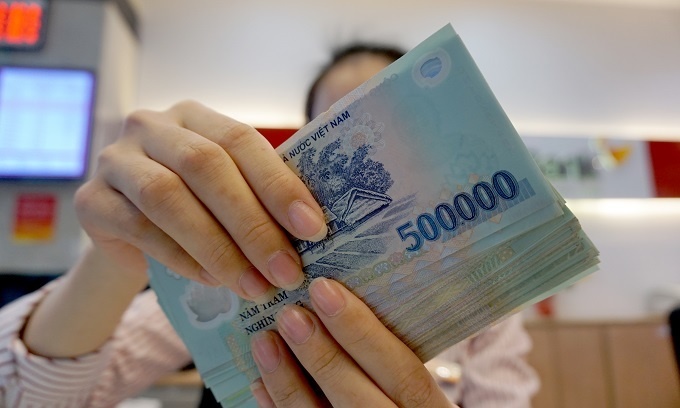
    On Monday, Vietnam’s benchmark VN-Index saw a modest drop of 0.20%, closing at 1,226.8 points. This decline marks the index’s lowest trading activity in over two weeks, reflecting a period of cautious investor sentiment.

    Highlighted Trends in Trading Volume

    The VN-Index concluded the day down 2.43 points, following a gain of 5.88 points in the previous session. Trading on the Ho Chi Minh Stock Exchange fell significantly, decreasing by 30% to VND 14.153 trillion (approximately USD 544.3 million), the lowest level since April 10. Notably, this dip is attributed to a lack of available sellers amidst eager buyers.

    Excluding this unusually quiet session, current trading levels would represent the lowest in two months, emphasizing a shift in market dynamics.

    Key Movements in Major Stocks

    Within the VN-30 basket, which includes the 30 largest capped stocks, the day reflected mixed fortunes. Thirteen stocks within the basket saw declines, with major players such as Vinhomes Holdings (down 6.1%), FPT Corporation (down 2.6%), and Vietjet Air (down 2.1%) leading losses.

    On a positive note, fifteen blue-chip stocks advanced, with Sabeco (SAB) rising 3.4%, SeABank (SSB) climbing 2.8%, and Fortune Vietnam Bank (LPB) up by 1.5%.

    Foreign Investment Activity

    In a noteworthy trend, foreign investors remained net buyers, accumulating VND 6 billion primarily in shares of Mobile World (MWG), a leading electronics retail chain, and MB Bank (MBB).

    Trends on Other Exchanges

    The Hanoi Stock Exchange’s HNX-Index saw a slight decline of 0.13%. Similarly, the UPCoM-Index for the Unlisted Public Companies Market edged down by 0.03%, reflecting a general trend of subdued trading across the Vietnamese stock market.

    Conclusion: What This Means for Retail and Consumers

    The recent fluctuations in the VN-Index and the accompanying decline in trading volume suggest a cautious atmosphere among investors, potentially impacting broader consumer sentiment and retail growth. As the market adjusts, stakeholders will be keenly observing these trends to gauge their implications for the retail sector and consumer behavior in the coming months.

  • How Artificial Intelligence Fuels Retail Growth Without Job Loss

    How Artificial Intelligence Fuels Retail Growth Without Job Loss

    A fresh global study reveals how Artificial Intelligence is reshaping the workforce—encouraging collaboration, creativity, and leadership.

    The discourse surrounding Artificial Intelligence (AI) often leans toward apprehension about job loss. However, a groundbreaking study titled “Elevating Human Potential: The AI Skills Revolution” presents an encouraging narrative: AI is here to enhance human capabilities rather than diminish them. Conducted by Workday, the study surveyed over 2,500 respondents across 22 countries, highlighting the positive impact AI is having on the modern workplace.

    AI: A Partner in Innovation

    The study unveils that a staggering 93 percent of AI users believe the technology allows them to concentrate on more complex responsibilities. These include strategic thinking, problem-solving, and creative pursuits. Additionally, 83 percent of participants assert that AI fosters creativity and generates new economic value, shifting the perception of AI from a job threat to a collaborative ally in innovation.

    The Importance of Human-Centric Skills

    Amid fears of automation, the study emphasizes the enduring relevance of human-centric skills. Attributes such as ethical decision-making, emotional intelligence, and relationship-building are irreplaceable in an AI-driven future. The findings indicate a critical emphasis on empathy, trust, and cultural awareness, skills that empower individuals in a rapidly evolving workplace.

    The study points out a notable disconnect between employees and managers regarding the need for human connection. While 82 percent of employees express a desire for increased interpersonal relationships, only 65 percent of managers acknowledge this necessity. This gap offers a unique opportunity for leaders to prioritize empathy and cultivate organizational trust, all while leveraging AI insights for enhanced decision-making.

    Facilitating Collaboration Across Boundaries

    AI is revolutionizing team dynamics by breaking down data silos and enhancing collaborative efforts. As the research illustrates, AI not only automates mundane tasks but also fosters genuine human interactions. By freeing up time for strategic initiatives, AI enables employees to innovate and collaborate across various departments and geographical locations.

    To fully capitalize on AI’s transformative potential, organizations are encouraged to embrace a human-centric strategy. The study outlines four key priorities: upskilling the workforce, nurturing collaboration between humans and AI, ensuring transparency, and advocating for ethical AI practices. These initiatives not only spur innovation but also fortify trust in AI’s role as a supportive workplace partner.

    The Future of Retail: An AI-Enhanced Landscape

    As the retail sector continues to evolve, the integration of AI presents promising opportunities for brands to enhance consumer experiences. By focusing on human-centric skills and fostering innovation, companies can navigate consumer trends more effectively, ensuring they meet the heightened expectations of today’s shoppers. The positive implications for both organizations and consumers highlight AI’s potential as a catalyst for sustainable growth and enhanced engagement in the retail landscape.

  • Exploring the Impact of Retail News Asia: A Historical Perspective

    Exploring the Impact of Retail News Asia: A Historical Perspective

    Retail News Asia has been a key source of retail industry news in Asia for 13 years. This online platform provides valuable information, market trends, and breaking news to businesses and consumers navigating the ever-changing retail landscape in Asia.

    Whether it’s about local market developments or international brand expansions, Retail News Asia has played a significant role in shaping the understanding of retail dynamics in the region. Its extensive coverage helps industry professionals make informed decisions while keeping consumers updated on the latest retail innovations and trends.

    In this article, we will explore the history and impact of Retail News Asia, looking at how this news platform has influenced and documented the growth of Asian retail markets since it started.

    The Founding and Evolution of Retail News Asia

    Retail News Asia was founded in 2010 during a time of significant change in the retail industry in Asia. The founders saw that there was a lack of specialized news coverage for the retail sector in the region, and they wanted to fill that gap. Their goal was to create a platform where retail professionals could find information about market trends, industry developments, and important news stories.

    Initial Focus on Traditional Retail

    When Retail News Asia first started, it primarily targeted:

    • Retail executives: High-level decision-makers in the retail industry
    • Business owners: Individuals who own and operate retail businesses
    • Decision-makers: People in positions of authority who make choices about business strategies

    The early content on the platform focused mainly on traditional retail formats such as physical stores and shopping centers. It also covered developments in major Asian economies like China, India, and Japan.

    Adapting to Digital Transformation

    As technology began to reshape the retail landscape in Asia, Retail News Asia recognized the need to adapt its coverage accordingly. The platform expanded its reporting to include:

    1. E-commerce reporting: Analyzing trends in online shopping and digital marketplaces
    2. Digital innovation: Covering technological advancements that are transforming the way products are sold
    3. Cross-border retail: Providing updates on international brands entering or expanding within Asian markets
    4. Consumer behavior: Exploring shifts in consumer preferences and buying habits

    This evolution reflects the dynamic nature of Asia’s retail industry, where both traditional and digital channels coexist.

    Serving a Broader Audience

    Over time, Retail News Asia has broadened its audience beyond just executives and decision-makers. It now caters to various stakeholders within the retail ecosystem, including:

    • Small business owners looking for insights into industry trends
    • Corporate executives seeking strategic information about competitors or partners
    • Professionals working in related fields such as marketing, logistics, or finance who want to stay informed about retail developments

    By being flexible and responsive to changes in the market, Retail News Asia has established itself as an indispensable resource for anyone interested in understanding Asia’s complex and ever-evolving world of commerce.

    Comprehensive Coverage of Diverse Asian Retail Markets

    Retail News Asia stands as a vital information hub, delivering in-depth coverage across Asia’s diverse retail landscape. The platform’s reporting spans multiple retail segments:

    Local Market Coverage

    • Traditional brick-and-mortar stores
    • Family-owned businesses
    • Regional retail chains
    • Pop-up retail concepts

    Digital Commerce Focus

    • E-commerce platforms
    • Mobile commerce innovations
    • Social commerce trends
    • Digital payment solutions

    The platform’s geographic footprint extends throughout key Asian markets:

    • Southeast Asia: Singapore, Thailand, Malaysia, Indonesia, Vietnam
    • East Asia: China, Japan, South Korea, Hong Kong
    • South Asia: India, Bangladesh, Sri Lanka

    Retail News Asia’s sector coverage reflects the region’s retail diversity:

    • Fashion and apparel
    • Consumer electronics
    • Fast-moving consumer goods (FMCG)
    • Luxury brands
    • Food and beverage
    • Beauty and cosmetics
    • Home and lifestyle

    This comprehensive approach ensures readers stay informed about market developments across different retail categories. The platform’s reporting captures both established retail giants and emerging local players, providing valuable insights into market dynamics and consumer behavior patterns across Asia’s varied retail environments.

    Timely Updates Through a Strategic Content Approach

    Retail News Asia’s content strategy demonstrates its commitment to delivering real-time retail intelligence. The platform’s dedicated team curates and publishes 50+ fresh stories weekly, ensuring readers stay ahead of market developments and emerging trends.

    The platform’s strategic approach includes:

    • 24/7 News Monitoring: A dedicated editorial team tracks retail developments across time zones
    • Multi-source Verification: Cross-referencing information from industry experts, company announcements, and market analysts
    • Rapid Response Publishing: Quick turnaround time from news break to publication
    • Digital-first Distribution: Optimized content delivery through web, mobile, and social platforms

    Retail News Asia maintains high journalistic standards while meeting the demands of fast-paced digital publishing. Each story undergoes thorough fact-checking without compromising the urgency of breaking news. The platform’s content mix includes:

    • Breaking news updates
    • In-depth market analysis
    • Expert interviews
    • Company profiles
    • Industry reports

    The platform leverages advanced digital tools to streamline content distribution. Its mobile-responsive website, automated newsletters, and social media integration ensure readers receive updates through their preferred channels. This multi-channel approach has proven effective in reaching busy retail professionals who require instant access to market intelligence.

    Impactful Reach and Influence on Asian Retail Stakeholders

    Retail News Asia’s influence extends far beyond simple news reporting, reaching an impressive 13.6 million readers across the Asia-Pacific region and globally. This substantial readership base includes:

    • Industry decision-makers
    • Retail entrepreneurs
    • Market analysts
    • Investment professionals
    • Retail technology innovators

    The platform’s impact on the Asian retail landscape manifests through its role as a trusted information source shaping critical business decisions. Small shop owners utilize market insights to adapt their business strategies, while large corporations rely on the platform’s comprehensive analysis for regional expansion plans.

    The platform’s influence is evident in several key areas:

    1. Market Entry Strategies: Companies use Retail News Asia’s insights to evaluate potential markets
    2. Technology Adoption: Retailers stay informed about emerging retail technologies
    3. Consumer Trend Analysis: Businesses track shifting consumer preferences
    4. Competitive Intelligence: Organizations monitor industry movements and competitor activities

    Retail News Asia’s reporting has become instrumental in identifying emerging retail trends, from the rise of social commerce to the adoption of contactless payment systems. The platform’s analysis helps businesses anticipate market shifts and adapt their strategies accordingly, creating a ripple effect across the Asian retail ecosystem.

    Looking Ahead: The Future of Retail News Asia

    The next chapter in Retail News Asia’s journey promises exciting developments as technological advancements reshape the media landscape. The platform is poised to embrace innovative content formats, including:

    • Interactive Data Visualization – transforming complex market trends into engaging, easy-to-understand visual stories
    • AI-Powered Personalization – delivering tailored content based on individual reader preferences and behavior patterns
    • Immersive Multimedia Experiences – incorporating virtual reality tours of retail spaces and augmented reality product demonstrations

    The platform’s role as a specialized regional news source remains crucial for Asia’s retail ecosystem. Its targeted focus on local markets, combined with global retail insights, positions it uniquely to:

    • Guide retailers through digital transformation
    • Spotlight emerging market opportunities
    • Connect businesses across borders
    • Foster innovation in retail practices

    As retail continues to evolve in Asia, Retail News Asia stands ready to adapt its coverage while maintaining its core mission: delivering valuable, actionable insights to the region’s retail community.

  • Navigating the Retail Landscape in Southeast Asia: Key Challenges for 2025

    Navigating the Retail Landscape in Southeast Asia: Key Challenges for 2025

    Southeast Asia’s retail scene in 2025 is a booming hub of growth and potential, fueled by a young, tech-savvy population of over 600 million consumers. The region’s retail market has evolved into a vibrant ecosystem where traditional shopping meets digital innovation.

    The numbers tell a compelling story:

    • Modern grocery retail growth: 6-7% annual increase
    • Rising middle class: 350 million by 2025
    • Digital economy value: Projected to reach $300 billion

    Southeast Asia has become an important retail center, attracting both global brands and local entrepreneurs. The region’s diverse features – from bustling traditional markets in Jakarta to upscale shopping centers in Singapore – offer a wide range of retail experiences.

    However, this promising landscape also comes with its own challenges:

    • Market Fragmentation: Each country has its own unique consumer behaviors
    • Digital Transformation: Rapid shift towards omnichannel retail
    • Economic Pressures: Inflation and changing consumer spending patterns
    • Infrastructure Gaps: Varying levels of development across regions

    For retailers aiming for success in Southeast Asia’s 2025 market, understanding these dynamics is crucial. The combination of traditional retail practices with emerging technologies, along with changing consumer preferences, presents both opportunities and obstacles that require strategic navigation.

    Economic and Consumer Factors Impacting Retail Growth in Southeast Asia

    The retail landscape in Southeast Asia is facing significant challenges due to ongoing economic issues, particularly inflation, which is influencing how consumers behave. Recent data indicates that inflation rates are hovering between 3.5% to 6% in major Southeast Asian markets, directly affecting the volume of retail sales.

    Key Inflation Effects on Retail:

    • Reduced discretionary spending
    • Shift towards essential goods
    • Increased price sensitivity
    • Trading down to cheaper alternatives

    The expected trend of decreasing inflation in 2025 brings some hope for retailers. Economic forecasts suggest that inflation rates will drop to 2-3% across the region, potentially releasing pent-up consumer demand. This easing could lead to increased spending in previously affected categories such as electronics, fashion, and dining.

    Consumer confidence remains fragile due to ongoing financial pressures. A recent Nielsen survey reveals that 65% of Southeast Asian consumers are actively looking for ways to save money. This change in behavior has created distinct market dynamics:

    Impact on Retail Segments:

    • Discount retailers are seeing a 15-20% growth in their customer base
    • Fast-food chains are experiencing an 8-12% decline in average transaction value
    • Private label products are gaining a 25% market share
    • Budget-friendly retail formats are expanding their presence

    The current economic situation has altered how people make purchases, with 72% of consumers prioritizing value over brand loyalty. Retailers who adapt their pricing strategies and product offerings to align with these changing preferences are better positioned to capture market share.

    Navigating Market Structure and Competitive Landscape Challenges

    Southeast Asia’s retail landscape presents a unique contrast between traditional and modern retail formats. Traditional trade channels – wet markets, mom-and-pop stores, and street vendors – account for 70-80% of grocery spending across the region. These establishments maintain their dominance through personalized service, convenient locations, and cultural familiarity.

    Modern retail formats have gained significant momentum, growing at 15-20% annually in key markets like Indonesia, Vietnam, and the Philippines. Key drivers include:

    • Rising middle-class populations
    • Increasing urbanization
    • Growing preference for organized shopping experiences
    • Enhanced product variety and quality assurance

    Digital ecosystem players have intensified market competition. Companies like Grab, GoTo, and Sea Limited leverage their extensive user bases to expand into retail services. These tech giants offer:

    • Integrated shopping experiences
    • Sophisticated loyalty programs
    • Advanced data analytics capabilities
    • Seamless payment solutions

    The retail sector’s focus has shifted from aggressive expansion to sustainable profitability. This transition brings operational challenges:

    • Supply chain optimization across multiple channels
    • Last-mile delivery efficiency
    • Inventory management across online and offline platforms
    • Integration of legacy systems with new digital infrastructure

    Physical retailers face mounting pressure to develop omnichannel capabilities. Success requires balancing traditional retail strengths with digital innovation while maintaining operational efficiency in an increasingly complex market environment.

    Overcoming Operational and Technological Hurdles for Retail Success

    Digital transformation is crucial for Southeast Asian retailers in 2025. With the help of advanced data analytics, retailers can:

    • Create highly personalized marketing campaigns
    • Predict inventory needs accurately
    • Optimize pricing strategies on the spot

    Key Digital Transformation Priorities:

    Retailers should focus on the following areas for their digital transformation efforts:

    1. Implementing AI-powered demand forecasting systems
    2. Integrating cloud-based inventory management solutions
    3. Deploying smart POS systems with built-in analytics
    4. Developing customer data platforms for personalized experiences

    The automation of value chains brings great opportunities for improving operations. Leading retailers are putting their money into:

    • Robotic process automation for warehouse operations
    • Smart shelving systems with electronic price tags
    • Automated replenishment systems
    • AI-powered quality control mechanisms

    Strategic partnerships are essential for creating flexible supply chains throughout Southeast Asia. Successful retailers are doing the following:

    1. Working together with local logistics providers for last-mile delivery
    2. Joining forces with tech startups to find innovative solutions
    3. Building connections with multiple suppliers to ensure resilience
    4. Establishing data-sharing networks with key stakeholders

    Implementing these technological solutions requires a significant investment in infrastructure and talent development. Retailers need to find a balance between the costs of implementation and the long-term benefits of improved operational efficiency and enhanced customer experience.

    Emerging Tech Solutions in SEA Retail:

    Here are some emerging technologies that have the potential to revolutionize the retail industry in Southeast Asia:

    • Blockchain for supply chain transparency
    • IoT devices for real-time inventory tracking
    • Machine learning for predictive maintenance
    • Edge computing for faster data processing

    Addressing Regulatory Environment and Property Development Issues in Southeast Asian Retail Markets

    Southeast Asian retail markets have a complicated set of rules that are different in each country. For example, in Vietnam, foreign retailers must go through strict requirements called Economic Needs Testing (ENT) before they can open stores. Malaysia has specific policies for Bumiputera ownership, while Indonesia requires certain retail operations to have local partnerships.

    Key Regulatory Challenges:

    • Different licensing requirements per country
    • Foreign ownership restrictions
    • Local content requirements
    • Varying tax structures
    • Complex import regulations

    Property development for retail spaces is facing increasing pressures in 2025:

    Rising Costs and Space Constraints:

    • Construction material costs up 15-20% due to inflation
    • Prime retail space rental increases in major cities
    • Limited land availability in urban centers
    • Strict zoning regulations

    Infrastructure gaps create additional hurdles for retail development. Bangkok’s traffic congestion impacts delivery times, while Manila’s port congestion affects supply chain efficiency. Jakarta’s flooding risks require extensive mitigation measures in retail property development.

    Local partnerships emerge as a vital strategy to navigate these challenges. Retailers like Aeon and Central Group demonstrate success through joint ventures with local property developers, enabling better understanding of regulatory nuances and access to prime locations.

    The regulatory landscape pushes retailers toward innovative solutions. Mixed-use developments gain popularity, combining retail spaces with residential and office components to maximize land use efficiency. Smart building technologies help optimize space utilization and reduce operational costs amid rising inflation.

    Meeting Evolving Consumer Expectations: Strategies for Retailers in 2025

    Southeast Asian consumers in 2025 have sophisticated preferences, pushing retailers to adapt their strategies. Market research indicates a 70% increase in demand for fresh, organic produce and sustainable products across major urban centers like Singapore, Jakarta, and Bangkok.

    Key consumer trends shaping retail strategies:

    Health-conscious purchasing

    • Premium fresh produce sections
    • Organic food departments
    • Plant-based alternatives
    • Wellness product ranges

    Sustainability focus

    • Eco-friendly packaging
    • Locally sourced products
    • Transparent supply chains
    • Carbon footprint labeling

    Private-label offerings emerge as a critical strategy for retailers to meet these evolving preferences while managing inflation pressures. Leading retailers in Thailand and Malaysia have expanded their private-label ranges by 40%, introducing premium sustainable product lines at competitive price points.

    Successful retailers implement:

    1. Clear product origin labeling
    2. Digital tracking systems for supply chain transparency
    3. Partnerships with local organic farmers
    4. Sustainability certification programs
    5. Personalized healthy lifestyle recommendations

    Vietnamese retail chain VinMart exemplifies this adaptation, launching a “Green Living” private label that combines affordable pricing with sustainable packaging, capturing a 15% market share in their fresh produce category within six months.

    Exploring Emerging Opportunities in Southeast Asian Retail Markets

    Southeast Asian retailers can tap into significant growth potential through strategic technological integration and innovative revenue streams. The digital transformation of retail presents lucrative opportunities for businesses ready to embrace change.

    Building Integrated Tech Ecosystems

    • Smart retail solutions powered by AI and IoT
    • Unified commerce platforms connecting online and offline channels
    • Mobile-first payment solutions catering to the region’s digital natives
    • Data analytics platforms for real-time inventory management
    • Virtual try-on experiences using AR technology

    Retail Media Networks: A New Revenue Frontier

    • Digital advertising spaces within retail apps and websites
    • Targeted promotional campaigns using first-party customer data
    • Brand partnerships through in-store digital displays
    • Personalized shopping recommendations based on purchase history
    • Location-based marketing initiatives

    The rise of super apps in Southeast Asia creates opportunities for retailers to integrate their services into existing digital ecosystems. Companies like Grab and Gojek demonstrate the potential of combining retail, delivery, and financial services into unified platforms.

    Local retailers can differentiate themselves by developing proprietary tech solutions tailored to regional preferences. Examples include:

    • QR code payment integration
    • Voice commerce in local languages
    • Social commerce features
    • Live shopping capabilities
    • Cross-border e-commerce solutions

    These technological advancements position Southeast Asian retailers to capture market share while building sustainable competitive advantages in an increasingly digital retail landscape.

    Conclusion

    The retail landscape in Southeast Asia presents a complex mix of challenges and opportunities for 2025. Success depends on retailers’ ability to find a delicate balance between aggressive growth strategies and sustainable operational practices.

    Key success factors for retailers include:

    • Maintaining operational efficiency while navigating diverse regulatory frameworks
    • Building robust technological infrastructure for seamless customer experiences
    • Implementing sustainable practices that resonate with conscious consumers
    • Creating agile business models adaptable to market shifts

    The future belongs to retailers who can harmonize these elements while staying true to local market nuances. Those who master this balancing act will emerge as leaders in Southeast Asia’s promising retail sector, turning challenges into stepping stones for sustainable growth and market leadership.

  • Lawson reveals ambitious Southeast Asian expansion plan

    Lawson reveals ambitious Southeast Asian expansion plan

    Japanese convenience store chain Lawson plans to raise its store count in overseas markets and accelerate growth in Southeast Asia over the coming years.

    The chain is targeting 14,000 overseas stores over the next six years. Its international network currently includes 7400 locations in China, Thailand, the Philippines, Indonesia and the US state of Hawaii.

    The retailer also plans to boost growth in Southeast Asia by entering franchise agreements with local retail partners and opening directly managed stores. However, it did not reveal the new markets under evaluation.

    In addition, the company will look into the possibility of expanding to additional countries.

    Founded in 1975, Lawson has about 14,600 domestic stores. As of the end of last year, Japan had approximately 55,736 convenience stores, according to local statistics.

    While the top three convenience chains – Lawson, 7-Eleven and FamilyMart – are projected to achieve a net increase of up to about 400 stores this fiscal year, the industry faces fierce competition from drugstores and online retailers.

    Last August, Lawson shifted to a joint management system involving trading house Mitsubishi Corp and telecommunications operator KDDI to develop products that fit customer tastes and introduce tech-driven services.

  • Return to Sender: Rethinking Retail Returns

    Return to Sender: Rethinking Retail Returns

    As major sales events reshape Asia’s retail landscape, brands must prepare for a surge in online purchases—and the subsequent rise in retail returns. With processing costs climbing and consumer expectations for seamless experiences higher than ever, efficient returns management has become essential for preserving margins and ensuring customer satisfaction.

    Across all retail sectors, the average return rate is approximately 17%. However, in the fashion industry, that figure is significantly higher, reaching 30%. This indicates that returns are not just a reality—they are a fundamental part of the online shopping experience. For example, the latest data shows that Australians purchase more clothing per capita than any other country, with an average of 56 items per year – of which, roughly one in three garments is returned to retailers.

    As these figures demonstrate, the challenge of managing returns is growing. Consumers today expect a hassle-free, fast, and convenient returns process, and they are increasingly making decisions based on the quality of a retailer’s return policy. This makes it even more critical for retailers to rethink their approach to returns, not just as a necessary cost, but as a potential opportunity to enhance customer loyalty and streamline operations.

    The Consumer’s Evolving Expectations

    Today’s consumers demand consistent, personalised experiences across all touchpoints—whether it’s in-store or online. They expect a range of payment options, faster refunds, and the ability to access products whenever and wherever they want. This level of convenience and flexibility is only achievable through a true omnichannel approach that integrates seamlessly across platforms.

    Returns are no exception. Customers want to return items in the most convenient way possible, whether that means in-store returns and exchanges, or at-home returns collection. Such offerings not only streamline the process but also enhance the post-purchase experience, which is vital for building trust and long-term loyalty.

    Reducing the Cost of Returns with Technology

    The financial impact of returns is substantial. Retail returns in the US saw a dramatic increase, surging from $308 billion in 2019 to $743 billion in 2023. While no equivalent data exists for many Asian markets, regional ecommerce sales are skyrocketing. For example, Singapore’s online retail sales reached record highs during last year’s shopping festivals, with significant portions likely subject to returns.

    Leveraging the right technology can help reduce these costs significantly. For example, optimising return shipment routing can lower shipping costs, prevent cross-border shipments, and ensure that returned items are sent to stores with higher demand or lower stock levels. Many retailers already use intelligent algorithms to optimise outbound shipments—why not apply the same principles to inbound returns?

    Additionally, in an era of workforce shortages, automation offers a solution to reduce the need for manual intervention. When refund failures occur, customer service agents often must manually reprocess transactions or contact customers for new payment details—an expensive and time-consuming process. By automating these retries or offering customers a Pay by Link option, these challenges can be addressed without the need for agent involvement.

    The Return Policy Dilemma: Charging or Not?

    Charging customers for returns is becoming a more common practice. However, this approach can be a deterrent, potentially reducing conversion rates or pushing customers to competitors. A recent study by Manhattan Associates revealed that consumers are now more cautious with their purchases, making flexible and customer-friendly return options more essential than ever. The research found that over 69% of respondents indicated that a store’s return policy affects their decision to purchase, with 40% of respondents will actively research a store’s return policy before making a purchase. While many consumers have come to expect free returns, there is a notable shift in how they view and interact with return policies, showing a growing awareness and acceptance of changing policies.

    When considering the high cost of returns on retailers, rather than passing the cost of returns onto the customer, the focus should instead be on cutting expenses in areas such as shipping, cross-border fees, and replenishment costs. This allows retailers to protect the customer experience while managing returns in a cost-effective manner.

    The importance of a positive returns experience cannot be overstated. Manhattan Associates’ research also revealed that a positive return experience was deemed pivotal for customer loyalty, with 91% of respondents indicating it makes them more likely to become long-term customers. In today’s competitive retail landscape, returns can no longer be seen as a cost but rather as an opportunity to enhance customer loyalty and drive repeat business.

    Returns as a Differentiator

    Retailers should view reverse logistics not as a burden, but as an opportunity for differentiation. Self-service return options are increasingly popular as consumers seek convenience and autonomy in managing their transactions. Providing such options allows customers to take control of their returns experience while also creating opportunities for retailers to drive sales. By leveraging technology to enable seamless returns and exchanges, retailers can transform a transactional process into a sales-driving interaction.

    Optimising the Returns Experience

    Ultimately, a poor returns experience can severely damage the retailer-customer relationship, particularly during peak seasons. To avoid this, brands must ensure that their returns processes delight customers just as much as their shopping experience. This involves optimising return shipment routing, enhancing exchange conversions, and offering transparent, hassle-free return policies.

    By providing expedited refunds, easy exchanges, and accessible self-service options, retailers can turn returns into a competitive advantage. These efforts not only reduce costs but also strengthen consumer loyalty, ensuring a better overall customer experience and driving higher sales—both of which are essential in this rapidly evolving retail landscape.

    Written by Richard Wright, Managing Director, SEA, at Manhattan Associates

    For more information, please visit: https://www.manh.com/en-sg

  • How Seamless Shopping Journeys Are Reviving Physical Retail Stores

    How Seamless Shopping Journeys Are Reviving Physical Retail Stores

    With ecommerce projected to capture 41% of global retail sales by 2027, it might seem counterintuitive for retailers to continue investing in new and existing physical stores. Yet, retailers like Fujifilm, Sketchers, and North Face are not only maintaining their brick-and-mortar presence but actively innovating with new store concepts to better serve modern shoppers and stand out in a competitive market.

    Rather than signalling the decline of physical stores, the rise of ecommerce is actually fuelling the revival of retail spaces, where fresh, exciting store concepts are drawing in consumers. This trend highlights the evolving behaviours and preferences of today’s shoppers. Retailers recognise that modern consumers engage with multiple sales channels during their buying journey, and in fact, 73% of shoppers prefer to combine online and in-store experiences. This omnichannel approach underscores the enduring importance of physical stores in a digitally driven retail landscape.

    Flexible Payments

    In today’s omnichannel digital age, offering flexible payment solutions is essential. According to Manhattan’s Unified Commerce Benchmark Singapore, 31% of ecommerce consumers will not retry if they must re-enter their payment details at checkout. Modern shoppers expect to pay using their preferred method, whether it’s a credit card, digital wallet, contactless payment, cash, or pay-by-link—regardless of the shopping channel they choose.

    By providing a range of payment options, physical stores can better meet the flexibility and convenience expectations of modern shoppers. Offering popular alternative payment methods not only increases the likelihood of attracting new customers but also encourages repeat visits from those who find their preferred payment options available. Satisfying these preferences is key to fostering customer loyalty.

    Omnichannel Promotions

    Retailers plan and execute promotions to boost sales, attract new customers, and enhance brand awareness. However, without the right technology in place, promotions can negatively impact already narrow margins. It’s essential for retailers to focus on promotional effectiveness, ensuring these initiatives deliver the desired financial results and customer satisfaction.

    Seamless integration across all sales channels is critical, as promotions should be defined once and shared consistently with unified targeting, qualification, and calculation logic. If a customer is eligible for a promotion online, that same offer should be available in stores and at the contact centre, unless it is an exclusive online deal. Yet, executing promotions consistently in-store remains a significant challenge due to the fast-paced environment.

    An omnichannel promotions engine can address this challenge by providing a single source of truth for promotion logic, ensuring consistency across all sales channels. Effective omnichannel promotions are well-planned, targeted to the right customers, and executed consistently, playing a crucial role in the modern retail brand experience.

    Clienteling

    Modern shoppers highly value personalised shopping experiences, especially in retail segments like high-end luxury goods, where personalisation is expected. According to McKinsey, companies that excel in personalisation can potentially generate 40% more revenue, highlighting its significant impact.

    For brick-and-mortar retailers, personalised one-on-one shopping experiences provide a unique advantage over digital-only competitors. By incorporating clienteling capabilities, such as Mobile Clienteling, stores can seamlessly connect all sales and service functions, empowering store associates with rich customer data to enhance interactions throughout the store.

    Virtual clienteling is also emerging as a powerful tool, allowing store associates to maintain customer engagement beyond the store. Whether it’s responding to product inquiries via phone, text, or email, or providing additional information to assist with purchase decisions, virtual clienteling extends the personalised shopping experience beyond the store’s physical boundaries.

    In 2024, the key to effective clienteling lies in enabling store associates to quickly access and utilise customer purchase history, engagement history, and preferences. This allows for personalised interactions and tailored recommendations that resonate with customers, whether in-store or through virtual channels.

    Store Order Fulfilment

    Modern shoppers appreciate the convenience, immediacy, and cost savings of buying online and picking up in-store (BOPIS), driving increased demand for this fulfilment service. Simultaneously, retailers are increasingly leveraging their stores to ship orders, reducing shipping costs and speeding up delivery times.

    To meet customer expectations while maintaining profitability, modern stores must excel in fulfilment efficiency, scalability, and accuracy. BOPIS not only caters to shoppers’ desire for convenience but also drives additional foot traffic and sales in stores. According to a survey by the International Council of Shopping Centres, 67% of BOPIS users buy additional items when picking up their orders.

    Physical stores have evolved into multifunctional hubs within the omnichannel retail ecosystem, offering retailers a strategic way to meet growing shopper demands for speed and convenience. When optimised to handle increasing volumes and rising customer expectations, store fulfilment can significantly boost sales and enhance customer satisfaction.

    Unified Returns and Exchanges

    In 2022, returns cost retailers a staggering $817 billion, with 78% of shoppers finding the returns and exchanges process inconvenient, and 41% considering it time-consuming. Beyond the financial impact, returns significantly contribute to CO2 emissions and landfill waste. A March 2023 report by the British Fashion Council’s Institute of Positive Fashion, Solving Fashion’s Product Returns, revealed that in the UK, 3% of returned items are not resold—50% of which end up in landfills, 25% are incinerated, and only 25% are recycled, underscoring the environmental toll.

    Unified returns and exchanges enable modern shoppers to return or exchange any item at a store, regardless of the original sales channel, including online purchases. This approach offers customers the convenience of a straightforward return or exchange process, with the immediate satisfaction of an instant refund or a new item.

    By implementing unified returns and exchanges, retailers not only meet the needs of today’s shoppers in this crucial area of customer service but also reduce both business and environmental costs by minimising the need to ship returns.

    By Richard Wright, Managing Director, SEA, Manhattan Associates


  • Singapore retail sales remain subdued, but show signs of recovery

    Singapore retail sales remain subdued, but show signs of recovery

    Singapore retail sales – excluding motor vehicles – continued to decrease in August, but at a slower pace compared to the previous months.

    The city-state saw a 1.5 percent drop in retail sales for the month, a slight improvement from the 2.3 percent reduction in July and 3.1 percent decline in June.

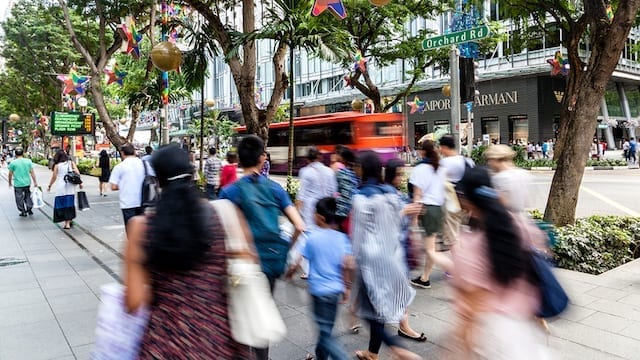
    According to the Department of Statistics, the total value of retail sales was about SG$3.5 billion (US$2.7 billion), of which 14.1 percent were from online retail sales.

    Within the retail trade sector, wearing apparel & footwear reported the biggest drop in sales – at 6.7 per cent, followed by department stores with a 6.2 per cent decrease. The remaining majority also saw poorer results, such as petrol service stations, optical goods & books, and recreational goods.

    The food and alcohol sector swung against the trend with an 8.1 percent increase. Retailers of cosmetics, toiletries, and medical goods and supermarkets and hypermarkets also enjoyed improvements of 3.1 percent and 2.2 percent, respectively.

  • Singapore retail sales see softer decline in July

    Singapore retail sales see softer decline in July

    Singapore retail sales dropped 2.3 percent in July after motor vehicles were excluded from the data, compared with the 3.1 percent decline in June.

    According to the Department of Statistics, the estimated total retail sales value in July was SG$3.4 billion (US$2.6 billion), of which 14 per cent came from online.

    On a seasonally adjusted basis, retail sales increased 0.5 percent month on month.

    The department stores and wearing apparel and footwear industries led the decline, with sales down 11.2 percent and 10.3 percent, respectively. Sales of optical goods and books fell 8.7 percent, mainly due to lower book demand.

    Meanwhile, the petrol service stations, food and alcohol, supermarkets and hypermarkets, and watches and jewelry industries recorded sales growths of between 0.8 percent and 4.7 percent.

    Sales of food and beverage services edged up 0.2 percent in July following a 1.9 percent increase in June.

    The total sales value of F&B services in July was SG$989 million, of which 23.8 per cent were from online.

  • Strategies for Supply Chain Resilience in the Global Permacrisis Era

    Strategies for Supply Chain Resilience in the Global Permacrisis Era

    In recent years, the concept of ‘Permacrisis’—a term denoting prolonged periods of instability and insecurity, sparked by concurrent catastrophic events—has gained prominence. This term not only encapsulated the essence of 2022 but continues to hold relevance in 2024, affecting global supply chains and subsequently, the retail sector. The ongoing challenges underscore the critical need for robust strategies that enhance both supply chain resilience and retail operations.

    Recent disruptions in global trade routes, notably through key passages like the Red Sea, have highlighted the fragile nature of international supply chains. Last year’s statistics revealed that nearly 24,000 vessels navigated the corridor between the Mediterranean and Red Sea, a route integral to facilitating around 12% of global trade. This passage, crucial for the transport of a significant portion of Asia-Europe trade, underscores the global economy’s dependency on secure and efficient supply chain routes. However, a 1.3% decline in global trade between November and December, attributed to militant attacks on merchant vessels in the Red Sea, serves as a stark reminder of the vulnerabilities that global supply chains face. Such incidents spotlight the imperative for supply chain resilience in the face of geopolitical tensions and regional conflicts, directly impacting retail by leading to stock shortages, delayed deliveries, and increased costs.

    Against this backdrop, supply chain directors and retail managers are urged to prioritise strategic considerations and consider the following strategies to shield their operations, employees, and brands from the adverse effects and ramifications of the Permacrisis.

    1. Customer-Centric Commerce

    In the competitive retail environment, the bar for customer expectations is constantly being raised. The advent of new capabilities by one retailer sets a benchmark for others, necessitating quick adaptation to similar consumer experiences. Achieving a cohesive customer journey across online, mobile, and in-store channels is vital. Implementing comprehensive software solutions that offer unified commerce capabilities is essential for providing teams with enhanced visibility into inventory, sales data, and customer preferences. This approach not only enriches the customer and associate experience but also fosters a more agile and responsive retail environment.

    1. Strategic Inventory Optimisation

    The saying “perfect planning prevents poor performance” is particularly relevant in the context of supply chain management. In an era where every channel of sale is a critical touchpoint for brand interaction, leveraging insights to devise robust inventory strategies is crucial. This involves not only aligning inventory with consumer demand across multiple channels but also employing predictive analytics and autonomous optimisation technologies. Such strategies not only aim to maximise profitability but also minimise waste in all its forms—be it time, resources, or environmental impact. The dual benefit of enhancing the bottom line while contributing positively to the planet exemplifies strategic inventory management’s importance.

    1. Consolidation for Effective Execution

    The digital transformation era demands a cohesive approach to technology integration within supply chains. The complexities of today’s digital ecosystem require a unified platform that encompasses all aspects of supply chain management—from distribution and labour to automation, transportation, and yard management. Adopting a cloud-native solution that consolidates these functions ensures that supply chain execution is not only efficient and adaptable but also capable of scaling in response to evolving business needs and challenges.

    Adapt and Innovate

    The dual challenges of technological advancement and global volatility present a complex scenario for supply chain leaders. Today, more than ever, there is a pressing need for leaders to adopt roles akin to futurists and macroeconomic analysts, anticipating trends and preparing for unforeseen challenges. The strategies outlined above—enhancing customer experience through unified commerce, strategic inventory optimisation, and technology consolidation—are critical for embedding agility and resilience into supply chain operations. As businesses navigate the intricacies of geopolitical, technological, and environmental challenges, the ability to adapt and innovate within supply chain management is not just advantageous but essential for sustained efficiency, profitability, and business continuity in the face of the global Permacrisis.

    Written by Richard Wright, Managing Director, SEA, at Manhattan Associates

    For more information on how your retail outlet can adapt to the global permacrisis era, visit the Manhattan Associates Singapore website.


  • Singapore retail sales down in January

    Singapore retail sales down in January

    Singapore retail sales – after excluding motor vehicles from the data – dropped 2.1 percent year-on-year in January, following the 2.8 percent decrease in December.

    According to the Department of Statistics, January retail sales edged up 0.5 percent on a seasonally adjusted basis compared to the previous month.

    The estimated total retail sales value was SG$3.7 billion (US$2.75 billion), of which 12.9 percent was online.

    There were mixed performances within the retail trade sector, highlighted by an 11.8 percent decline in sales of wearing apparel and footwear. Supermarkets and hypermarkets and recreational goods recorded decreases of 6.5 percent and 4.9 percent, respectively.

    Meanwhile, sales of food and alcohol and watches and jewelry increased by 8.5 percent and 5.3 percent, respectively.

    Sales of food and beverage services fell 5.6 percent in January, following the 0.4 percent growth in December. The lower sales were partly attributed to the Chinese New Year being celebrated at the end of January 2023 rather than in February this year.

    The total sales value of F&B services was estimated at SG$ 942 million (US$700 million), of which 23.1 percent was from online sales.

  • Lowe’s finally adds support for Apple Pay

    Lowe’s finally adds support for Apple Pay

    The second-largest hardware chain in the U.S. has finally decided to support Apple Pay. For those who don’t know what Apple Pay is, it is the mobile payment service that allows an iPhone user to select a credit, debit, or prepaid card from the Wallet app and tap the phone against a POS machine to complete a transaction at a retail store.

    You don’t have to fumble for your wallet to grab your credit card, especially when you’re bundled up to stay warm in the bitter cold, and you don’t have to worry about your card’s information being stolen by a skimmer placed inside a card slot by a criminal. It’s just so darn convenient and it costs you nothing to use it. Apple collects .15% of the value of every transaction rung up with Apple Pay. That means that on a $100 transaction, Apple earns the princely total of 15 cents.

    But this is a volume business after all and with so many people using Apple Pay, the service is expected to generate $4 billion in revenue for Apple this year which is more than double the $1.9 billion that Apple Pay raked in for Apple in 2022. Earlier this year Apple promoted Apple Pay with a series of ads. And now, after a long absence, Lowe’s is adding Apple Pay support to its 2,100 retail locations in the U.S.

    This is a shrewd move by Lowe’s and an attempt to take some business away from the number one hardware chain in the U.S. since Home Depot does not support Apple Pay. Another huge retailer that doesn’t support Apple Pay is Walmart. Eight years ago we told you when the largest discount retailer in the states launched its own mobile payment service imaginatively titled Walmart Pay.

    Using Walmart Pay requires you to install the iOS or Android version of the Walmart app on your phone. Earlier this year Kroger tried to apply some pressure to competitor Walmart by accepting Apple Pay for the first time starting last April.

    It would be quite a big deal for Apple if Walmart were to add support for Apple Pay like Lowe’s did because, eventually, continued growth for Apple Pay will have to come from the addition of more retailers, especially those huge chains that previously held back support for the service.

    If you’re like me, there is that feeling when Face ID verifies you and that “ding” goes off indicating that your payment via Apple Pay has been accepted. And we have no doubt that Apple loves that sound too since it means more money, albeit in nickels and dimes, is being added to its coffers.

  • Hong Kong retail surges

    Hong Kong retail surges

    Continued revival of inbound tourism and private consumption helped Hong Kong’s retail sales notch a 10th consecutive month of growth in September, though it was slower than in previous months, official data showed on Wednesday.

    Sales increased 13 percent year-on-year to $4.06 billion in September, the city government said, but the growth was the slowest pace since January, when it was at 6.9 percent.

    Retail sales rose by 13.7 percent in August and 16.7 percent in July.

    “Continued improvement in household income and the government’s various support initiatives, including the Night Vibes Hong Kong Campaign, should also provide support,” a government spokesman said, adding further recovery of visitor arrivals should benefit the retail sector.

    In volume terms, September retail sales increased 10.1 percent year-on-year. That compared with an 11 percent growth in August and a 14.2 percent rise in July.

    For the first nine months, retail sales value rose 18.6 percent year-on-year while volume grew 16.5 percent.

    Hong Kong’s economy grew 4.1 percent from a year earlier in the third quarter, data showed on Tuesday, accelerating from the 1.5 percent expansion in the second quarter and the 2.9 percent in the first, but missing the 5.2 percent median forecast of economists polled by Reuters.

    In August, the government revised up its economic growth forecast for 2023 to between 4.0 percent and 5.0 percent.

    Visitor arrivals for September were 2.77 million, bringing the total for the first nine months of 2023 to 23.32 million, according to Hong Kong Tourism Board preliminary data. That compared with last year’s 66,037 and 249,699, respectively, when China was still in the grip of Covid restrictions.

    The number of mainland Chinese visitors decreased to 2.16 million in September from 3.43 million in August, the data showed. That compared with 51,282 in September 2022.

    Sales of jewellery, watches, clocks and valuable gifts, which before the pandemic were mostly bought by mainland tourists, rose 27.3 percent year-on-year in September after a 57.2 percent
    jump in August, data showed.

    Sales of clothing, footwear and accessories grew 36.4 percent on the year in September after a 37.4 percent increase in August.