Retail News CRM

Tag: retailing

  • Walmart Unveils Four Cutting-Edge AI ‘Super Agents’ with Strategic Tech Recruitment Boost

    Walmart Unveils Four Cutting-Edge AI ‘Super Agents’ with Strategic Tech Recruitment Boost

    The retail landscape in Asia has been buzzing with activity as major players adapt to the evolving market dynamics. With the ongoing embrace of e-commerce and a resurgence of physical shopping, businesses are honing their strategies to capture the attention of an increasingly discerning consumer base.

    Asia’s Digital Retail Rise

    Digital retail in Asia has witnessed unprecedented growth, fueled by a blend of technological advancements and changing consumer behavior. According to recent reports, the region is on track to surpass a staggering $2 trillion in online sales this year. Beyond mere numbers, this seismic shift reflects a cultural transformation — imagine purchasing a new outfit with a few swipes on your smartphone while sipping bubble tea. It’s convenience served with a splash of personality.

    Bricks and Mortar Make a Comeback

    While e-commerce continues to thrive, the allure of physical retail stores has not dimmed. Many brands are rethinking their brick-and-mortar strategies, merging the tactile experience of shopping with digital savviness. Retailers are increasingly investing in immersive experiences that engage shoppers beyond traditional transactions, sparking excitement for customers keen to explore the latest trends in person.

    Adaptation in the Face of Challenges

    Retailers in Asia are not just riding the wave of digital sales; they are also navigating significant challenges like supply chain disruptions and inflationary pressures. Industry leaders are finding innovative ways to address these hurdles, from streamlining operations to diversifying their supply chains. The savvy among them are even leveraging local artisans and manufacturers to reduce lead times and foster closer community ties.

    Eco-Conscious Consumers Drive Sustainability Efforts

    An emerging trend is the demand for sustainability — consumers are increasingly making purchasing decisions based on a brand’s environmental impact. This rising awareness has prompted retailers to embrace more sustainable practices, integrating eco-friendly products into their offerings and emphasizing transparency in their supply chains. For many brands, being green is not just a marketing gimmick; it’s a commitment to the planet that resonates with their audience.

    Looking Ahead: The Future of Retail in Asia

    The future of retail in Asia looks bright and dynamic. As companies continue to innovate and adapt, the sales strategies of tomorrow will be shaped by technology, sustainability, and a deeper understanding of consumer needs. Expect to see more personalized shopping experiences, AI-driven recommendations, and, possibly, a few unexpected trends that could take the market by storm — like that grassroots coffee shop that becomes a nationwide sensation overnight.

    Questions & Answers

    How is e-commerce changing the retail landscape in Asia?
    E-commerce is revolutionizing retail in Asia by driving online sales to unprecedented levels, with projections exceeding $2 trillion this year, transforming consumer shopping habits along the way.

    What trends are influencing brick-and-mortar stores?
    Bricks-and-mortar stores are evolving to enhance customer engagement, blending physical allure with digital conveniences to attract shoppers who enjoy the tangible shopping experience.

    Why is sustainability becoming a key factor for consumers?
    Sustainability is rising in importance as more consumers are considering a brand’s environmental impact in their purchasing decisions, leading retailers to adopt eco-friendly practices and increased transparency.

  • Taiwan’s Retail Sales Suffer Third Consecutive Month Of Decline Amidst Auto Sector Slump

    Taiwan’s Retail Sales Suffer Third Consecutive Month Of Decline Amidst Auto Sector Slump

    Retail activity in Taiwan took a hit in June, as sales dropped by 2.9% to approximately NT$390 billion or US$13.3 billion, marking the third consecutive month of decline.

    Industry Specific Declines

    The slump was consistent with the projected range of a 0.4% to 3.4% decrease in sales. The most significant dip was observed in the automotive sector, with car, motorcycle, and auto parts and accessories sales plummeting by 17.3% year on year. This industry-wide slowdown was exacerbated by customers holding off on purchases while awaiting the outcome of Taiwan’s tariff discussions with the United States.

    Meanwhile, the fabric and clothing industry also suffered, recording a 6.3% drop in sales. This decline was partly due to a reduction in the number of holidays in June. Similarly, department stores experienced a 3.6% drop in sales.

    Food and Beverage Sector

    The food and beverage industry, which had previously enjoyed three months of consecutive growth, reported a 2% decrease in sales. According to the Ministry of Economic Affairs, this decline was largely driven by a slump in restaurant sales.

    Overall Retail Landscape in Taiwan

    Cumulatively, the country’s retail sales slid by 1.6% for the second quarter and 0.4% for the first half of the year. Looking ahead, the Ministry of Economic Affairs predicts that retail sales growth in July could range from a 2% decline to a 1% increase.

    Questions & Answers

    What was the overall decline in Taiwan’s retail sales in June?
    Sales fell by 2.9% to approximately NT$390 billion or US$13.3 billion.

    Which sector experienced the most significant sales decline?
    The automotive sector, which includes cars, motorcycles and auto parts and accessories, experienced the most steep decline with a drop of 17.3%.

    What are the projected retail sales for July as per the Ministry of Economic Affairs?
    The Ministry expects the retail sales growth for July to range between a decrease of 2% and an increase of 1%.

  • South Korea’s ‘mallcations’ Trend: Unprecedented Weather Boosts Indoor Retail Sales

    South Korea’s ‘mallcations’ Trend: Unprecedented Weather Boosts Indoor Retail Sales

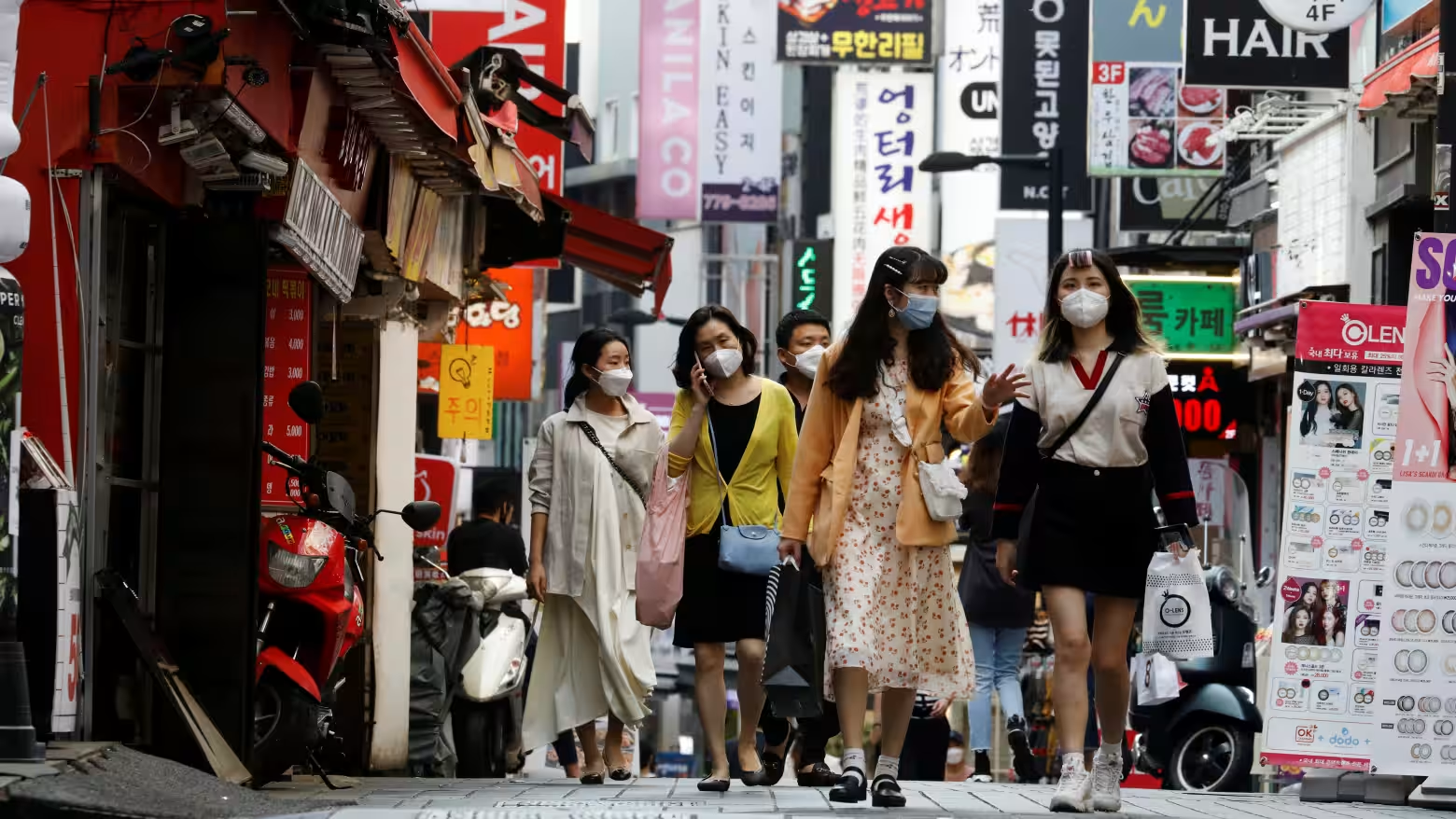
    As South Korea experiences an intense summer marked by unprecedented heatwaves and monsoon downpours, there’s been a noticeable uptick in customers choosing to spend their leisure time indoors. This trend, known as “mallcations,” is resulting in a significant surge in sales for department stores and outlet malls.

    Increased Footfall and Sales

    Major retailers have reported a sharp increase in foot traffic from July 1 to 17, compared to the same time frame last year. Lotte Department Store noted a 10% surge in visitor numbers, while Shinsegae and Hyundai Department Store registered increases of 14% and 13% respectively, translating into sales growth of 11.1% and 10.7%. Meanwhile, Hyundai Premium Outlet, which boasts an underground parking feature, saw its sales skyrocket by 21.2%.

    This changing consumer behavior is largely attributed to the unpredictable weather conditions, making air-conditioned indoor spaces far more appealing than outdoor venues. Notably, families are driving an increase in food and beverage (F&B) sales: Lotte observed a 10% rise, while Shinsegae and Hyundai reported increases of 15.8% and 12.4% in F&B revenue respectively.

    Seasonal Products and Experiences

    As the summer vacation season looms, seasonal product categories have also shown strong sales performance. Sales of swimwear at Lotte have jumped by 15%, supported by a government tax incentive for cultural activities. Appliance sales have increased by 10% under an energy efficiency rebate program.

    Cooling bedding has emerged as another hot-selling item. Shinsegae saw a 33.7% surge in its bedding category, while Hyundai recorded growth of 23.9% in sportswear and 18.8% in home living products.

    In addition to the increase in sales, retailers are also rolling out immersive, summer-themed experiences to capitalize on the increased footfall. Lotte is set to launch a “Summer Gourmet Week” across all its locations, complete with sweepstakes for F&B customers. The retail chain will also host a “Summer Wine Festa”, offering discounts on spirits, and pop-up jewelry boutiques catering to seasonal accessory shoppers.

    Shinsegae, on the other hand, has introduced pop-ups featuring surfing gear and is hosting art exhibitions. Hyundai Department Store is revamping its spaces with a Hawaiian resort theme under the “Hu’i Hu’i Maui” campaign which will run through August 21.

    Reinventing Retail

    With the Korean climate becoming increasingly erratic, retailers are adopting climate-proof leisure strategies. They are redefining malls as not just shopping centers, but as cool and curated summer destinations.

    Questions & Answers

    What is a “mallcation”?
    A “mallcation” refers to the trend of consumers spending their leisure time indoors at malls due to unfavorable weather conditions.

    What factors have contributed to the growth in foot traffic and sales for retailers?
    Unpredictable weather conditions, the appeal of air-conditioned indoor spaces, and the introduction of immersive, summer-themed experiences by retailers have contributed to the increase.

    How are retailers capitalizing on the rising trend of “mallcations”?
    Retailers are rolling out immersive, summer-themed experiences and pop-up shops, hosting art exhibitions, and transforming their spaces to provide a more engaging and enjoyable shopping experience for consumers.

  • Mainland Chinese Brands Revitalize Hong Kong’s Retail Landscape with Exciting New Offerings

    Mainland Chinese Brands Revitalize Hong Kong’s Retail Landscape with Exciting New Offerings

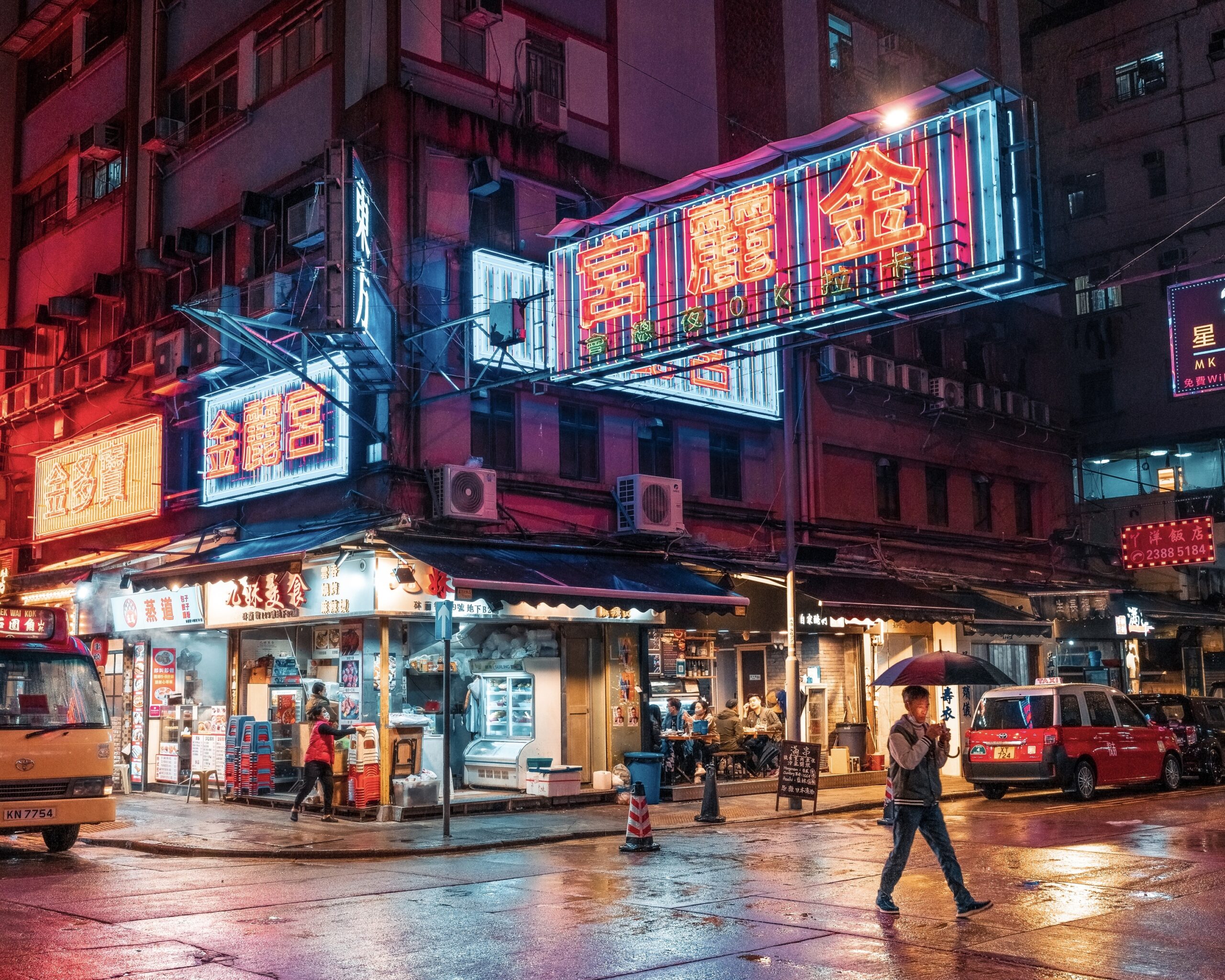
    As the sun dipped below the skyline, transforming Tsim Sha Tsui into a lively tableau of lights and sounds one Friday evening in mid-June, a curious scene unfolded at Prince Beef Brisket and Offal Noodles. While the neighborhood hummed with the excitement of tourists and locals alike, eager patrons flocked to other dining spots, leaving the modest noodles shop eerily quiet. Just steps away, the sleek ambiance of Hefu Noodle drew a steady stream of customers into its stylish, spacious interior, proving a stark contrast to Prince’s dimly lit confines.

    Competition Raises the Stakes

    “They have taken away half of our business since they opened in December,” Ms. Fung, a dedicated employee at Prince Noodles, expressed with palpable sadness. “Their mainland owner has deep pockets for top-notch decorations.” This sentiment resonates all too well in today’s cutthroat retail landscape where every detail counts and competition can be both a challenge and a catalyst for innovation.

    The influx of visitors to the more visually appealing Hefu has not just drained traffic but has nearly turned Prince’s once-bustling noodle shop into a ghost of its former self.

    The Price of Transformation

    As retail environments evolve, the importance of ambiance and experience grows ever more critical. Hefu’s higher investment in aesthetics isn’t merely a frivolous expense; it’s a strategy that seems to pay dividends in attracting customers who are not just seeking a meal, but an experience.

    In a region that thrives on sophisticated taste and quality dining, even the smallest enhancements can tip the scales in favor of one establishment over another. In this case, it appears the allure of a polished dining atmosphere has won over traditional comforts.

    And while Prince Beef Brisket and Offal Noodles may not offer the same polished experience, there’s a certain charm to its simplicity that can’t be overlooked. Indeed, for many, a quick, hearty bowl of noodles is a classic comfort, reminiscent of home, where the depth of flavor is king—not the glittering decor. Still, as Ms. Fung reflects on the changing tide, it’s clear that retaining loyal customers while attracting new ones will require a delicate balance between tradition and modernization.

    Looking Ahead for Legacy Brands

    As competition intensifies in Tsim Sha Tsui, legacy brands like Prince must navigate the shift in consumer expectations. The challenge lies in successfully merging their rich culinary heritage with the contemporary dining trends that are sweeping the region. Whether through strategic renovations, innovative menu offerings, or enhanced customer experience, the path forward will demand creativity and nimble adjustments.

    Questions & Answers

    How has Hefu Noodle impacted its competition since opening?
    Hefu Noodle has significantly affected nearby establishments like Prince Beef Brisket and Offal Noodles, reportedly siphoning off about half of their customer base since its inception in December last year.

    What factors are driving customer preferences in Tsim Sha Tsui?
    Consumers are increasingly drawn to restaurants that offer a visually appealing atmosphere alongside quality meals. The combination of aesthetics and a great dining experience is becoming essential for attracting patrons.

    What challenges do legacy brand restaurants face today?
    Legacy brands must adapt to changing consumer expectations that prioritize an appealing dining environment alongside traditional comfort foods. This can mean investing in renovations or updating their menus to remain competitive.

  • Asia’s Retail Revolution: Technology, Sustainability, And Personalization Shape The Future

    Asia’s Retail Revolution: Technology, Sustainability, And Personalization Shape The Future

    In an era marked by rapid change in consumer behavior, Asia’s retail landscape is poised for significant evolution as technology and sustainability become pivotal themes. As retailers across the continent adapt to shifting demands and preferences, those embracing innovation are likely to find the greatest success.

    Innovative Retail Strategies Gain Momentum

    Leading retail giants in Asia are turning their attention to omnichannel strategies that seamlessly blend physical and digital shopping experiences. In countries like China and Japan, this integration is not merely about having an online presence; it’s about creating an ecosystem where customers can interact with brands effortlessly, whether they’re in-store, online, or even on social media platforms.

    One standout example is the growing popularity of live-stream shopping, which allows customers to make purchases in real time as influencers showcase products. This dynamic approach not only engages consumers but also cultivates a sense of community among shoppers. It’s as if a virtual bazaar has sprung up in the palm of everyone’s hand — lively, vibrant, and bustling with activity.

    Sustainability Takes Center Stage

    With environmental concerns escalating, retailers are increasingly emphasizing sustainability. Many are committing to eco-friendly practices, such as reducing packaging waste and sourcing products responsibly. Companies like Uniqlo and Muji are at the forefront of this movement, not only appealing to environmentally-conscious consumers but also setting new industry standards. Their initiatives demonstrate that sustainable practices can align with profitability, debunking the myth that going green is merely an expensive choice.

    Moreover, Asian consumers show a heightened awareness of sustainability issues, often opting to support brands that reflect their values. Retailers are taking note, crafting marketing strategies that highlight their commitment to social responsibility, ultimately fostering loyalty among discerning customers.

    Adapting to Consumer Trends

    Emphasizing personalization is another trend reshaping the retail narrative in Asia. Retailers are utilizing data analytics to tailor shopping experiences that resonate with individual customers. By understanding purchasing behaviors and preferences, brands can deliver targeted promotions and product recommendations, enhancing customer satisfaction.

    This personalized approach not only encourages repeat visits but also transforms shopping into a more curated experience. In a world flooded with choices, shoppers appreciate those who remember their preferences — it’s like a friend recommending a great new book. Suddenly, shopping feels more like an adventure rather than just a task.

    Embracing the Future of Retail

    As we look toward the future, it’s clear that the retail landscape in Asia will continue to evolve. The integration of technology, a strong focus on sustainability, and a commitment to personalization are setting the stage for a new era of retail. For brands willing to innovate and stay ahead of consumer trends, the potential rewards are immense.

    Questions & Answers

    How are retailers in Asia adapting to changing consumer behaviors?
    Retailers are increasingly adopting omnichannel strategies, blending physical and digital shopping experiences, along with utilizing live-stream shopping and personalization to engage contemporary consumers effectively.

    What role does sustainability play in the modern retail landscape?
    Sustainability is becoming a central theme, with many retailers committing to eco-friendly practices. Brands that prioritize sustainability are not only addressing consumer concerns but also gaining loyalty and setting new industry standards.

    How are retailers using technology to enhance the shopping experience?
    Tech is being leveraged for data analytics, allowing retailers to personalize shopping experiences. This means targeted promotions and tailored recommendations, turning shopping into a more personalized journey for consumers.

  • Bangkok’s premium retail complex Park Silom set to open in June

    Bangkok’s premium retail complex Park Silom set to open in June

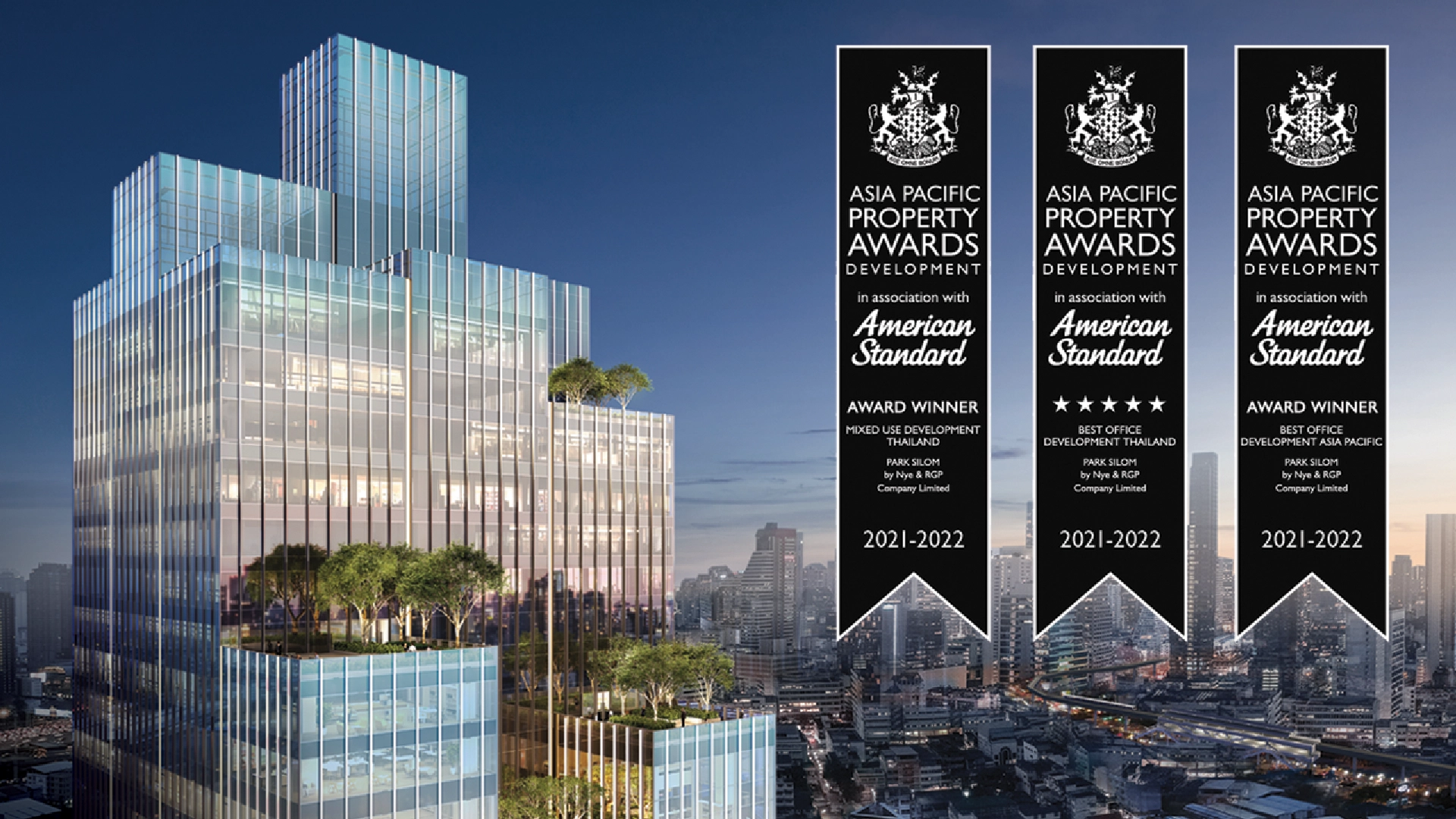
    Park Silom, a premium mixed-used complex in the heart of prime Bangkok’s CBD Silom, is a collaboration between Nye Estate, Minor International and Siam Piwat. Synergizing their prestigious expertise, the three forefront developers are driving Park Silom into a ‘Third Space Retail,’ offering a new retail experience to Silom under the concept “Everyday Indulgence for New Breed City Living.” The new 39-storey complex on a 6-rai plot in the center of Silom with its retail space spanning over 5 floors is meticulously designed to cater to the lifestyle needs of individuals with high purchasing power, including local working professionals and international tourists, by providing them with a unique and modern way of daily living in the city. The planned date for the soft opening is set to take place in June 2023.

    Ms.Ornruedi Na-Ranong, Executive Directorof NYE & RPG Development Company Limited, said: “The Park Silom project has been developed under NYE & RPG Company Limited, a   joint venture between Nye Estate and Minor International Public Company Limited. It is a 39- storey high-end office and retail complex that spans over 6 rai in Bangkok’s central Silom’s area. The idea behind its creation is based on the ‘New Breed of Silom’ vision which takes into accounts the needs and lifestyles of the people and communities in the Silom area. The determination is to transform this land into a space that caters to the diverse needs of city dwellers while also connecting and empowering the Silom community, which is renowned for its dynamic nature. It is truly a Symbol of Dynamism.”

    She continued, “We are collaborating with Siam Piwat Company Limited, a leading property and retail developer to handle the management of Park Silom retail assets and properties. The partnership is expected to provide a thrilling and well-balanced urban living experience for the residents of Park Silom and surrounding areas on a daily basis. The place serves multiple purposes such as work, shopping, and a hang-out spot during the day. Moreover, it can provide a unique and vibrant to unwind after work. The soft opening is scheduled in June 2023.”

    Chanisa Kaewruen, Head of Corporate Strategy Group of Siam Piwat,  said “Siam Piwat adheres to ‘The Visionary ICON’, a corporate vision that reinforces its leadership in creativity, and is known for its exceptional expertise in developing and managing globally respected real estate and retail destinations.” Siam Piwat is  a leading property and retail developer, the owner and operator of world-class destinations, such as Siam Paragon, Siam Center, and Siam Discovery, and a joint venture partner of ICONSIAM and                        Siam Premium Outlets Bangkok.

    She pointed out that through the collaboration, Siam Piwat will enhance the retail management of the retail space on the first five floors of Park Silom, which spans an area of 9,300 square meters. The Silom area will soon experience a new concept of retail space that combines the comfort of home with the convenience of a shopping complex. This ‘Third Space Retail’ will be designed under the concept “Everyday Indulgence for New Breed City Living.” The aim of the project is to connect lifestyles of working individuals and affluent Thai and international tourists. This will be achieved by catering to their daily urban living and lifestyle needs in innovative ways.

    “The research conducted on retail business and consumer behavior in Silom and its surrounding areas has revealed a business opportunity to address the needs of the Silom community and fulfill their lifestyle requirements. This location offers great potential due to its position as a hub for many leading organizations, financial institutions, enterprises, and multinational companies, along with its surrounding population of high purchasing power.”

    “Our project is primarily focused on the new generation of working professionals in the Silom and Sathorn areas, who possess a high level of purchasing power. These individuals have a desire for an urban lifestyle and enjoy a balanced work-life. Furthermore, they seek to lead a vibrant and enjoyable life, while also taking care of their physical and mental health. Families who reside in the Silom and Sathorn districts, with high financial capabilities, as well as those who commonly travel to the area for purposes such as visiting hospitals, or being parents to students at renowned schools in the area, are our secondary targets. These households reflect the urban lifestyle and modernity of city-dwellers, possessing both a large purchasing power and an exquisite taste.”

    “Within the retail area, there will be a selection of more than 80 leading brands covering lifestyles, fashion, and wellness of the highest quality. The dining zone boasts an array of eateries, ranging from celebrated restaurants to innovative concepts, as well as cozy cafes, coffee shops, bars, and bistros. This vibrant hub of culinary delights is the perfect spot for a delicious meal and a new hangout spot in Silom. The Food Market is a premium supermarket zone dedicated to offering quality products, as well as providing a platform for new brands and a space to support the lifestyle of the modern generation who strive for a work-life balance. This location is an ideal spot for both shopping and socializing, attracting both office workers and tourists from both inside and outside of Thailand, once the country reopens. It is a perfect gathering place for those looking to enjoy the best of both worlds,” said Ms. Chanisa.

    Covering the first five floors of the building, the retail space commences on the basement floor under the name of THE HELP & SERVICES which offers a variety of shops and services tailored to provide convenience to customers. These include 24-hour shops, parcel delivery services, supermarkets, and leading restaurants among others.

    The G Floor is divided into zones, with THE BALCONY providing a comfortable and inviting atmosphere for brunch and all-day dining. An ideal meeting place for those in the Silom area, THE BALCONY is the perfect spot to relax and converse throughout the day. THE CELLAR offers a relaxed meeting space for people to unwind after work. SIVADON COURTYARD is a sprawling green space of more than 1 rai in front of Park Silom, offering a place for relaxation and a new experience for the Silom community. With many activities tailored to meet the needs of local residents and visitors alike, this courtyard is “the new lung of Silom”.

    THE LOBBY on the lobby floor houses chic cafes for starting the day or transforming the atmosphere into an informal setting for young professionals to gather and meet. THE DINING ROOM provides professionally selected restaurants to meet everyday dietary needs and energy replenishment.

    The 2nd floor is home to THE DRESSING ROOM, a collection of fashion and beauty stores offering an array of cosmetics, clothing, and accessories, and much more.

    Located on the 3rd floor, THE CLUBHOUSE & SPA offers a collection of stores that specialize in beauty and health care, as well as other related items.

    “Siam Piwat, a world-renowned destination developer, has accumulated knowledge, experience, and expertise in various aspects of real estate development, retail, department store business, food and beverage business, marketing communication, and real estate asset management. Confident in our ability to revolutionize real estate development and retail, we can create a remarkable, one-of-a-kind retail experience in the Silom area, adding both value and success,” concluded said Ms. Chanisa.

  • Malaysia Rockets Up 11 Spots in Global Economic Competitiveness Rankings!

    Malaysia Rockets Up 11 Spots in Global Economic Competitiveness Rankings!

    Malaysia has made impressive strides in the realm of global economic competitiveness, climbing 11 spots to secure the 23rd position in the 2025 World Competitiveness Ranking—the country’s highest ranking since 2020. According to the Ministry of Investment, Trade, and Industry, this upward trajectory signals Malaysia’s ambition to rank among the world’s top 12 economies by 2033, as reported by the state-owned media, Bernama.

    Factors Driving Competitive Gains

    The ministry attributes this remarkable ascent to three key factors: robust economic performance, enhanced government efficiency, and improved business effectiveness. Malaysia now proudly holds the fourth position globally for economic performance, a notable jump from eighth place last year. Both government and business efficiency have also shown impressive gains, each climbing eight positions in the rankings.

    International Trade Taking Flight

    A standout highlight of this year’s report is the dramatic leap of 11 places in the international trade sub-factor, landing Malaysia in sixth place. This rise is fueled by substantial growth in exports of goods and services, a diversification of trade markets, and increased tourism revenues—elements that have collectively strengthened Malaysia’s trade surplus.

    Looking Ahead with Optimism

    The ministry remains optimistic about the future, believing that with strong governance and continued collaboration between federal and state governments, alongside close partnerships within the private sector, Malaysia is well on its way to achieving its competitive aspirations by 2033. The World Competitiveness Ranking, an annual report conducted by the Institute for Management Development in Switzerland, evaluates nations based on their ability to cultivate business-friendly environments that foster long-term prosperity.

    As Malaysia climbs the competitive ladder, it may soon be up against some surprising rivals in the world of global trade.

    Questions & Answers

    What is Malaysia’s current position in the World Competitiveness Ranking?
    Malaysia is ranked 23rd in the 2025 World Competitiveness Ranking, marking its highest position since 2020.

    Which factors contributed to Malaysia’s rise in the rankings?
    Key factors include economic performance, government efficiency, and business efficiency, with significant improvements noted across these areas.

    What is Malaysia’s goal for the future in terms of global competitiveness?
    Malaysia aims to be among the world’s top 12 most competitive economies by 2033, bolstered by strong governance and public-private partnerships.

  • AI Sovereignty: How Nations Can Harness Technology to Shape Their Futures

    AI Sovereignty: How Nations Can Harness Technology to Shape Their Futures

    Artificial intelligence (AI) has shifted from being merely a competitive advantage for businesses to an essential cornerstone of national security and economic prosperity. In response, nations around the globe are crafting robust strategies to boost their AI capabilities.

    A Broader Definition of AI Sovereignty

    While some may view AI sovereignty as solely linked to infrastructure development, a more comprehensive perspective is crucial. It should encompass a broad set of competencies that empower a country or region to create and maintain its own AI technologies.

    Local Innovations Take Center Stage

    According to Rena Bhattacharyya, Chief Analyst and Practice Lead for Enterprise Technology and Services at GlobalData, achieving AI sovereignty involves various elements: chip design and manufacturing, AI processing facilities, data sovereignty, the development of AI models (including large language models), a supportive regulatory environment, and a skilled workforce. “AI sovereignty should consist of capabilities related to these crucial domains,” she noted.

    As global advancements accelerate due to sovereign AI strategies, businesses must remain agile to meet shifting requirements and competitive pressures. Bhattacharyya stressed the importance of a flexible strategy that not only ensures continuity and resilience but also addresses evolving AI needs. “Organizations need to be able to pivot when necessary,” she said. This might involve leveraging solutions from local markets rather than relying on distant vendors.

    Seizing the Moment for Talent Development

    Building local expertise is pivotal for implementing a successful AI strategy. Companies and governments outside the U.S. have a unique opportunity to expand their talent pools significantly. Bhattacharyya remarked, “The current immigration and visa challenges in the U.S., coupled with increased AI investments from governments worldwide, create an attractive landscape for tech-savvy individuals who would typically seek opportunities in the U.S.” With a wealth of opportunities emerging across various nations, AI professionals may find local prospects just as appealing as those in Silicon Valley.

    So, will this be the moment when AI becomes completely a local affair? Only time will tell, but it’s clear that the global race for AI talent is more competitive than ever.

    Questions & Answers

    What is AI sovereignty?
    AI sovereignty refers to a nation’s capability to develop and sustain its own AI technologies, which includes everything from chip design to skilled workforce development.

    Why is local talent important for AI development?
    Local talent is essential for executing a robust AI strategy, enabling companies and governments to innovate and compete effectively in the global landscape.

    How are countries responding to the shift in AI dynamics?
    Countries are enhancing their AI strategies by focusing on local capabilities, talent acquisition, and developments in response to global AI trends and challenges.

  • Korean shoppers buy more eco-produce, but prices remain a hurdle

    Korean shoppers buy more eco-produce, but prices remain a hurdle

    Increasingly, consumers in South Korea are choosing eco-friendly agricultural products, but a key obstacle to wider adoption remains: high prices. This was revealed in a recent government survey.

    The Ministry of Agriculture, Food and Rural Affairs disclosed that 76.8% of the participants in the survey reported having bought eco-friendly produce at least once over the previous year. This marks a slight growth, 0.6 percentage points, compared to 2024.

    The main reasons consumers gave for choosing eco-friendly produce were perceived safety (39.5%) and family health (31.1%). Environmental protection also influenced their decision (13.6%). Taste and quality were not as important, with only 4.8% and 3.1% naming these factors, respectively.

    Yet, the higher cost of such products remains a significant deterrent. Of those who did not buy eco-friendly products, 65.1% stated that the higher prices, in comparison to conventional alternatives, dissuaded them.

    The most commonly bought items were strawberries, tomatoes, mushrooms, and leafy vegetables. Most consumers (68.1%) made these purchases at large supermarket chains. However, online purchasing has been steadily increasing, particularly through early morning delivery services, making up over 35% of transactions in 2025.

    Even with the increased interest from consumers, the market experienced a drop in overall sales. In 2024, the number of online and offline retailers selling eco-friendly products increased to 6,099, yet total revenue decreased by 158.3 billion won to 2.04 trillion won. Certified organic product sales also fell by 81.3 billion won to 904.5 billion won. The majority of retailers blamed the decline on dampened consumer sentiment due to continuing economic uncertainty.

    As a countermeasure, the ministry plans to introduce initiatives such as production subsidies and promotional discounts to lower the cost of eco-friendly foods. “We are dedicated to reducing the price obstacle through consumer incentives and production support to expand the eco-friendly food market,” says Kim Jung-wook, Director of Agri-Food Innovation Policy at the ministry.

    Questions & Answers

    What are the primary reasons South Korean consumers choose eco-friendly produce?
    The main reasons are perceived safety and family health.

    Why do some consumers avoid buying eco-friendly products?
    High prices compared to conventional alternatives are the main deterrent.

    What steps is the Ministry of Agriculture, Food and Rural Affairs taking to support the eco-friendly food market?
    They are planning to introduce initiatives such as production subsidies and promotional discounts to make eco-friendly foods more affordable.

  • One-Third of Asian Companies Set Their Sights on Expanding Trade with South Asia

    One-Third of Asian Companies Set Their Sights on Expanding Trade with South Asia

    According to a comprehensive 2025 survey conducted by HSBC, over a third of Asian companies are shifting their trade focus towards South Asia and Europe, while more than a quarter are scaling back their dealings with North America. The poll, encompassing over 2,750 international firms across seven Asian markets, reveals a striking trend: around 83% of respondents have begun reevaluating their long-term business strategies in light of recent changes in trade policies.

    This seismic shift in approach is fueled by a pervasive sense of uncertainty, with 81% of businesses expressing increased caution regarding expansion and investments. Amid these challenges, many Asian firms are bracing for an average revenue decline of 18% due to persistent supply chain delays. Aditya Gahlaut, the region head of Global Trade Solutions, Asia at HSBC, notes, “In the face of trade uncertainty, numerous companies are hitting the pause button on capital expenditure to better assess the evolving landscape.” His insights hint that while capital expenditures may take time to devise, one constant remains: “Wherever trade flows, investment follows.”

    Breaking down the numbers, 38% of Asian firms are eager to boost trade with South Asia, while 36% are targeting increased business with Europe. Interestingly, North America presents a mixed bag; although 28% intend to decrease trade with the region, a separate 23% still pursue greater engagement. The survey further indicates that over the next two years, more than half of Asian firms (52%) are considering or actively moving production to, or increasing production in, China. Following closely behind, 39% are eyeing South Asia, with Europe at 35%, the US at 29%, and the Middle East at 28%.

    However, rising costs are casting a shadow over this new trade landscape, with 51% of firms expressing concerns linked to tariffs and other trade-related expenses. A significant number (34%) have already adjusted prices to offset these increased costs, and another 51% plan to follow suit. In a world of shifting trade dynamics, it seems companies are not only navigating the currents but also learning to ride the waves.

    Questions & Answers

    What percentage of Asian companies are planning to increase trade with South Asia? 38% of Asian firms are looking to enhance their trade relations with South Asia.

    How many firms expressed concern about rising costs? Over 51% of Asian companies are worried about increased costs due to tariffs and trade-related factors.

    What trend is observed regarding North American trade? While 28% of firms plan to reduce trade with North America, 23% remain optimistic and seek to expand their business in the region.

  • What Retailers Can Learn From Product Failures Across Industries

    What Retailers Can Learn From Product Failures Across Industries

    New products and bold ideas often come with risks that retailers don’t fully anticipate. A single product failure can quickly spiral into customer backlash and lasting brand damage.

    What happens when something goes wrong after a sale is made? How do companies respond when trust begins to slip? Other industries have faced public fallout from flawed products and poor crisis handling. Retailers rarely look beyond their own space for cautionary tales and useful strategies.

    These outside failures hold important lessons for those selling everyday consumer goods. Innovation is exciting, but it also demands careful planning and long-term thinking. This article will explore what retail can learn from product failures across industries.

    Understanding the True Cost of Broken Consumer Trust

    Product failures impact more than financials and create deep damage to loyalty. When a customer feels misled, the brand’s reputation starts to erode quickly. The health and wellness industry, including supplements and pharmaceuticals, has faced major consumer backlash recently.

    For example, Reuters notes that in 2024, Kobayashi Pharmaceutical in Japan faced a major crisis. Their dietary supplement “Beni-Koji” was linked to five deaths. Moreover, over one hundred people were also hospitalized due to the product.

    The supplement was found to be contaminated with a toxic substance called Puberulic acid. This case shows how one product failure can ruin consumer trust. Fast and transparent action is crucial when such safety issues emerge.

    This shows how contaminated or unsafe products can cause serious harm and lead to costly recalls or legal action. Retailers need to screen their suppliers carefully and test products for safety before they reach consumers. Ignoring product safety concerns can destroy years of consumer confidence. Brands that value customer trust must think beyond the transaction or point of sale.

    Crisis Response Must Be Fast But Thoughtful

    A delayed response can make a small product issue grow into something much worse. When problems arise, customers expect clear answers and quick solutions from the brands they trust. Brands that hesitate risk losing credibility and can appear dishonest in the public’s eyes.

    In March 2024, health.com stated that Trader Joe’s recalled over 61,000 pounds of soup dumplings nationwide. Customers reported discovering hard plastic pieces inside their Steamed Chicken Soup Dumplings. These dumplings were produced by CJ Foods Manufacturing Beaumont Corporation in CA.

    Investigators found that the plastic likely came from a permanent marker used during production. The USDA labeled this event a Class I recall, indicating serious injury potential. This classification means the contamination posed a significant health risk to consumers.

    Retailers must prepare for such crises before they unfold in real time. Drafting possible statements and planning internal responses can save many precious hours later. Crisis communication should highlight accountability and offer a clear path forward for resolution.

    Why Consumer Trust Depends on Post-Sale Awareness

    Product care should not stop after the item leaves the store. The best brands think beyond the sale and continue building relationships after purchase. Post-sale follow-up shows customers the brand is invested in long-term safety. While post-sale awareness is important in all sectors, it is especially critical in medical devices.

    For example, some hip and knee implants were recalled years after surgery due to unexpected wear or metal poisoning. Cardiac devices like pacemakers have also faced safety issues requiring urgent updates. Among these medical devices, transvaginal mesh has become a prominent example due to its widespread use and severe side effects.

    According to TorHoerman Law, transvaginal mesh devices were sold without adequate long-term safety research or oversight. Many women suffered chronic pain and internal organ damage. The failure was physical and deeply emotional for countless individuals.

    These injuries led to large-scale legal battles, exposing how weak post-sale systems can fail patients. The transvaginal mesh lawsuit alleges that information regarding potential risks was not shared transparently. Negligence by manufacturers prevented patients and healthcare providers from fully understanding the risks involved.

    Retailers and manufacturers must track customer issues long after purchase. Product care is an ongoing responsibility, not a final transaction. Trust thrives when brands remain available, alert, and proactive well beyond checkout.

    Learning From the Industries That Lost Public Confidence

    Certain industries have lost public trust due to secrecy and false marketing claims. Tobacco, pharmaceuticals, and fast fashion offer examples of what not to do. These sectors withheld information that later exposed major harm to consumers.

    For instance, The Guardian reports that in 2024, the fast fashion brand Shein faced criticism in Asia. The company faced criticism after discovering two cases of child labor in its supply chain. Shein identified these incidents through audits of third-party manufacturers located in China. In response, Shein suspended orders from the involved suppliers for thirty days.

    This pause allowed suppliers time to address the serious labor issues found. The company terminated contracts with all underage employees discovered during the investigation. It also ensured payment of any outstanding wages owed to those workers. Shein arranged medical checkups for the affected children to support their recovery. The company facilitated the return of children to their parents or legal guardians.

    This incident underscores how quickly public confidence can erode when brands fail to address critical issues transparently. Retailers worldwide must learn from such cases and prioritize openness to maintain trust in today’s conscious market.

    Prevention Is Cheaper Than Damage Control

    Preventing product failures is more cost-effective than dealing with their consequences. Investing in quality assurance and testing can identify potential issues before products reach consumers.

    For instance, Just Food highlights that in 2023, Reckitt’s Mead Johnson Nutrition recalled baby formula powder in the U.S. due to contamination risks. While no illnesses were reported, the recall highlighted the importance of stringent quality control measures. Implementing preventive measures can reduce the likelihood of product failures.

    Regular audits and inspections can help maintain product quality in these cases. Training employees on quality standards ensures consistent adherence to protocols. Retailers can protect their brand and customer trust by prioritizing prevention. Learning from past incidents can guide retailers in strengthening their preventive strategies.

    FAQs

    How does a recall impact a company’s reputation?

    Product recalls often result in direct financial losses from legal fees and operational disruptions. Indirectly, they hurt brand trust and reduce future sales. Swift, transparent recall management helps minimize long-term costs, maintain customer loyalty, and protect a company’s reputation from lasting damage.

    How do competitors respond to crises in the retail sector?

    Competitors may capitalize on a brand’s crisis by highlighting their own reliability. They might offer alternative products or launch marketing campaigns focusing on consumer safety. A competitor’s quick and appropriate response can influence public perception and drive customer shifts.

    What role do customer service teams play in post-sale awareness?

    Customer service teams are the frontline for handling post-sale concerns and feedback. Their responsiveness and empathy significantly affect customer satisfaction and long-term loyalty. Well-trained teams can transform negative experiences into trust-building moments, helping reinforce the brand’s reputation and deepen consumer relationships.


    Protecting consumer trust goes beyond the transaction and must remain a top priority. Across industries, cases involving unsafe supplements, contaminated food, or faulty medical devices highlight this. Unethical labor practices have also shown how deeply trust can be damaged. Proactive safety protocols and fast, transparent communication during crises are essential.


    Staying engaged with customers even after the sale helps reinforce long-term loyalty. Ignoring these responsibilities often results in serious financial losses and lasting reputation damage. Retailers need to build a culture grounded in accountability and care. True brand loyalty comes from integrity, vigilance, and consistent follow-through at every level.

  • Vietnamese Retailers Sprint to Enhance In-Store Experience Amid Growing Competition

    Vietnamese Retailers Sprint to Enhance In-Store Experience Amid Growing Competition

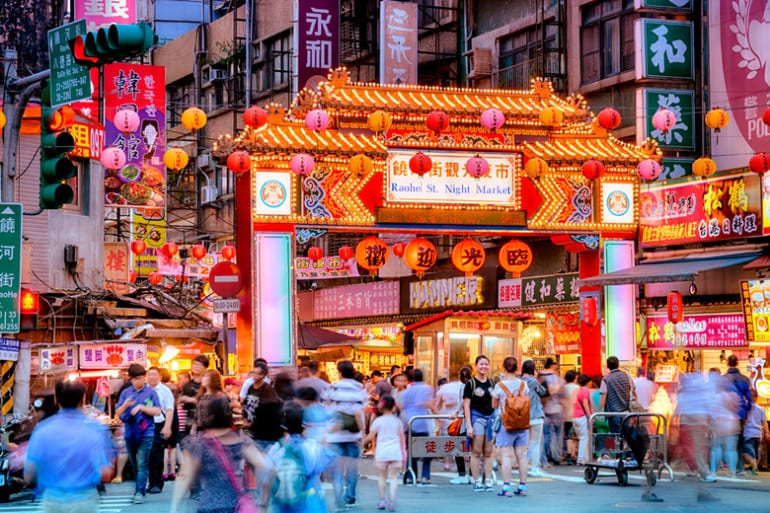
    Vietnam’s retail landscape is flourishing, driven by a burgeoning middle class and a spirited demand for both online and in-store shopping experiences. As e-commerce is projected to soar to an impressive US$50 billion by 2025, it’s clear that physical retail remains at the heart of the consumer experience—and retailers are eagerly adapting to capitalize on this trend.

    Retail Expansion: A Booming Landscape

    Last year, Vietnam’s total retail sales reached around US$260 billion, buoyed by rising incomes and a rapidly growing middle and affluent class, according to Luan Nguyen, Principal at Boston Consulting Group (BCG). He noted, “By 2030, the middle and affluent classes are expected to account for 50% of Vietnam’s population, a figure 1.5 times greater than today.” This rising consumer base is prompting both domestic and international retailers to ramp up their presence throughout the country.

    A Wave of New Retail Formats

    Nguyen points out the sprawl of new supermarkets, convenience stores, and shopping malls emerging from urban centres to rural locales. He highlights, “With urbanization and enhanced retail infrastructure, we have a perfect recipe for robust offline retail growth.”

    Smart Pricing Strategies in a Competitive Market

    In this highly price-sensitive environment, Vietnam’s retailers are honing their pricing and promotional strategies. Reflecting on consumer habits, Nguyen remarked, “Vietnamese shoppers are price-conscious and always on the hunt for promotions.” A recent BCG survey revealed that an impressive 44% of customers actively seek promotions when contemplating major purchases.

    “It’s not just about low prices everywhere,” he elaborated. “With AI, we can simulate demand, which ultimately enhances our return on investment.”

    Elevating the In-Store Experience

    As competition heats up, the emphasis on in-store experience is becoming paramount. Nguyen asserted, “Retailers need to create an engaging in-store environment to entice customers back.” He mentioned the rise of in-store amenities like cozy mini coffee shops offering free Wi-Fi and ready-to-eat meals integrated into the shopping experience.

    Moreover, large retailers are investing in child-friendly play zones and hosting regular community events. “These added elements foster a community feeling that online shopping simply can’t replicate,” he noted.

    In an age where online shopping is just a click away, could the tactile pleasures of in-person shopping spark a revival in brick-and-mortar retail? Who knows, maybe the return of the shopping mall could become the next big trend in retail tourism!

    Questions & Answers

    What is driving the growth of Vietnam’s retail market? The growth is largely fueled by a young, affluent population and increasing demand for both online and offline shopping experiences.

    How significant is the role of promotions in Vietnamese retail? Promotions play a crucial role, with 44% of consumers actively seeking them before making significant purchases.

    What differentiates the in-store experience in Vietnam’s retail landscape? An enhanced in-store experience, including amenities like coffee shops, free Wi-Fi, and community events, creates a welcoming atmosphere that online platforms struggle to replicate.

  • Eighty Percent of Consumers Embrace AI Search for Everyday Information Needs

    Eighty Percent of Consumers Embrace AI Search for Everyday Information Needs

    The landscape of online search is undergoing a seismic shift. According to a recent report from Bain & Company, strikingly, about 60% of searches now conclude without a single click. This statistic reflects a growing reliance on AI-generated results, with approximately 80% of consumers turning to these automated answers for at least 40% of their queries. As a consequence, organic web traffic has plummeted by an estimated 15% to 25%, throwing traditional digital marketing strategies into disarray.

    AI Takes Center Stage

    Generative AI is transforming how users interact with search results. Rather than sifting through numerous pages, many find their questions answered directly on search engines, reducing the incentive to click through to external sites. This trend persists even among those who remain cautious about AI’s capabilities.

    Embracing Change in Consumer Behavior

    The shift is notable: approximately 68% of users now rely on large language models (LLMs), such as AI chatbots, for tasks ranging from research to seeking shopping advice. About 48% consult these tools for news and weather updates, while 42% use them for purchase recommendations. Natasha Sommerfeld, a partner at Bain, emphasizes the necessity for brands to adapt: “Traditional SEO is no longer sufficient. Brands must evolve or risk losing visibility in their customer journey and control over their brand positioning in a world where clicks are disappearing.”

    Strategies for the New Era

    To navigate this new reality, marketers are urged to optimize their content for AI crawlability by focusing on semantic search and high-intent, long-tail keywords. Diversifying content formats by integrating video and interactive elements is also key to capturing attention in AI-dominated search landscapes. Furthermore, brands must redefine success metrics; instead of focusing solely on click-through rates, they should measure search impressions, AI reach, and overall influence, moving beyond the narrow lens of direct conversions.

    It seems in the era of AI, even clicks are taking a backseat—talk about a change in the digital fast lane!

    Questions & Answers

    How is AI impacting online searches?
    AI is reshaping the search landscape, with many queries ending without clicks as users find answers directly on search engines.

    What should brands focus on to adapt to these changes?
    Brands need to optimize their content for AI, embrace diverse content formats, and shift their success metrics beyond traditional click-through rates.

    What percentage of consumers rely on AI for their queries?
    Approximately 80% of consumers now utilize AI-generated results for at least 40% of their search queries.

  • Korean retailers struggle amid sluggish demand

    Korean retailers struggle amid sluggish demand

    The initial quarter of 2025 has proven challenging for South Korea’s department store sector due to a slow down in local consumption that has greatly affected sales and profits. Lotte Department Store stood as the exception, recording a significant growth in profits, which has been attributed to excellent performance in overseas operations and effective internal restructure.

    Lotte Department Store’s Rise in Profits

    Lotte Department Store’s operating profit rose by 44.3% year-on-year, reaching 130 billion won in the first quarter, despite a minor decline of 1.1% in revenue to 806.3 billion won. The company attributes the profit surge to aggressive cost-efficiency measures, including shutting down underperforming stores and reinvesting in primary locations. Another contributing factor was the gain from its international business, which saw a 6.2% increase in revenue and bounced back into profitability.

    Struggles of Competitors

    Contrarily, competitors Shinsegae and Hyundai Department Store did not meet their projected performance. Shinsegae’s revenue fell by 0.8% to 659 billion won, with the operating profit decreasing by 5.1% to 107.9 billion won. Similarly, Hyundai reported a 0.8% drop in sales to 589 billion won and a 5.7% decline in operating income to 97.2 billion won.

    The downturn has been attributed to poor performance across nearly all product categories due to increasing consumer pessimism and colder-than-average winter, which negatively affected fashion sales – a category that typically makes up to 50% of annual department store revenue. According to one department store industry official, a combination of domestic and global challenges, including political instability due to emergency rule, increased trade uncertainty due to US tariff actions, and unpredictable weather conditions have all contributed to the downturn.

    E-Mart’s Successful First Quarter

    In the big-box retail sector, E-Mart led the market with an impressive first quarter. On a standalone basis, the company’s revenue grew by 10.1% year-on-year to 4.63 trillion won, while the operating profit shot up by 43.1% to 133.3 billion won, marking its best quarterly performance since 2018.

    The company’s executives credit the success to an increase in foot traffic at both its standard discount stores and warehouse-style Traders locations, indicating a resurgence in consumer interest in offline shopping despite the ongoing economic uncertainty.

    In comparison, Lotte Mart saw a modest increase in revenue by 0.3% to 1.49 trillion won, while operating profit fell sharply by 34.8% to 28.1 billion won. After excluding overseas earnings, domestic operating profit sank 73.6% from a year earlier.

    Both E-Mart and Lotte Mart have adopted low-price strategies via centralised purchasing, but analysts have noted that E-Mart’s larger scale offers it a stronger advantage in passing savings onto consumers. E-Mart’s aggressive promotions were also identified as key factors contributing to its outperformance.

    Questions & Answers

    What led to the rise in Lotte Department Store’s profits?
    The surge in Lotte Department Store’s profits can be attributed to aggressive cost-efficiency measures and a strong performance from its international business.

    What factors contributed to the struggle of Shinsegae and Hyundai Department Store?
    Poor performance across nearly all product categories, increased consumer pessimism, colder-than-average winter, and various domestic and global challenges contributed to the struggle of these department stores.

    What factors influenced E-Mart’s successful first quarter?
    An increase in foot traffic at both its standard discount stores and warehouse-style Traders locations, along with aggressive promotions, contributed to E-Mart’s successful first quarter.

  • Gold Prices Surge Near Historic Peak Amid Rising Consumer Demand

    Gold Prices Surge Near Historic Peak Amid Rising Consumer Demand

    In a landscape marked by global market shifts, Vietnam’s gold prices remain resilient, hovering near historic highs. As consumer demand continues to shape this precious metal’s valuation, local investors are navigating a dynamic market climate.

    Steady Gains in Pricing

    On Saturday morning, the price of gold in Vietnam saw a slight increase. The Saigon Jewelry Company reported a rise of 0.41%, bringing the price to VND 121 million (approximately USD 4,650.01) per tael, which equals 37.5 grams or 1.2 ounces. Similarly, gold rings observed a bump of 0.86%, priced at VND 116.5 million per tael.

    Yearly Surge Driven by Global Factors

    Gold prices in Vietnam have surged an impressive 43.7% this year. Analysts attribute this meteoric rise to various factors, including escalating geopolitical tensions, increased purchases by central banks, and higher import tariffs imposed by the United States. The State Bank of Vietnam recently highlighted these global influences as key drivers of local gold market trends.

    Global Market Trends

    Despite Vietnam’s strong performance, global gold prices experienced a dip, falling 2% on Friday. This downturn is linked to a strengthening dollar and reports indicating easing U.S.-China trade tensions, particularly as Beijing exempted certain U.S. goods from tariffs. As a result, spot gold decreased by 1.7% to USD 3,292.99 an ounce, reflecting an overall decline of 1.2% for the week.

    Looking Forward: Implications for Retail and Consumers

    The fluctuations in gold prices not only signify important trends in the retail market but also carry implications for consumer behavior and investment strategies. As consumers remain cautious, the state of gold prices could influence purchasing decisions in the jewelry sector and beyond. Stakeholders in the retail industry must stay attuned to these developments to effectively respond to evolving consumer trends and market conditions.