Tag: retailing

  • Singapore retail sales see softer decline in July

    Singapore retail sales see softer decline in July

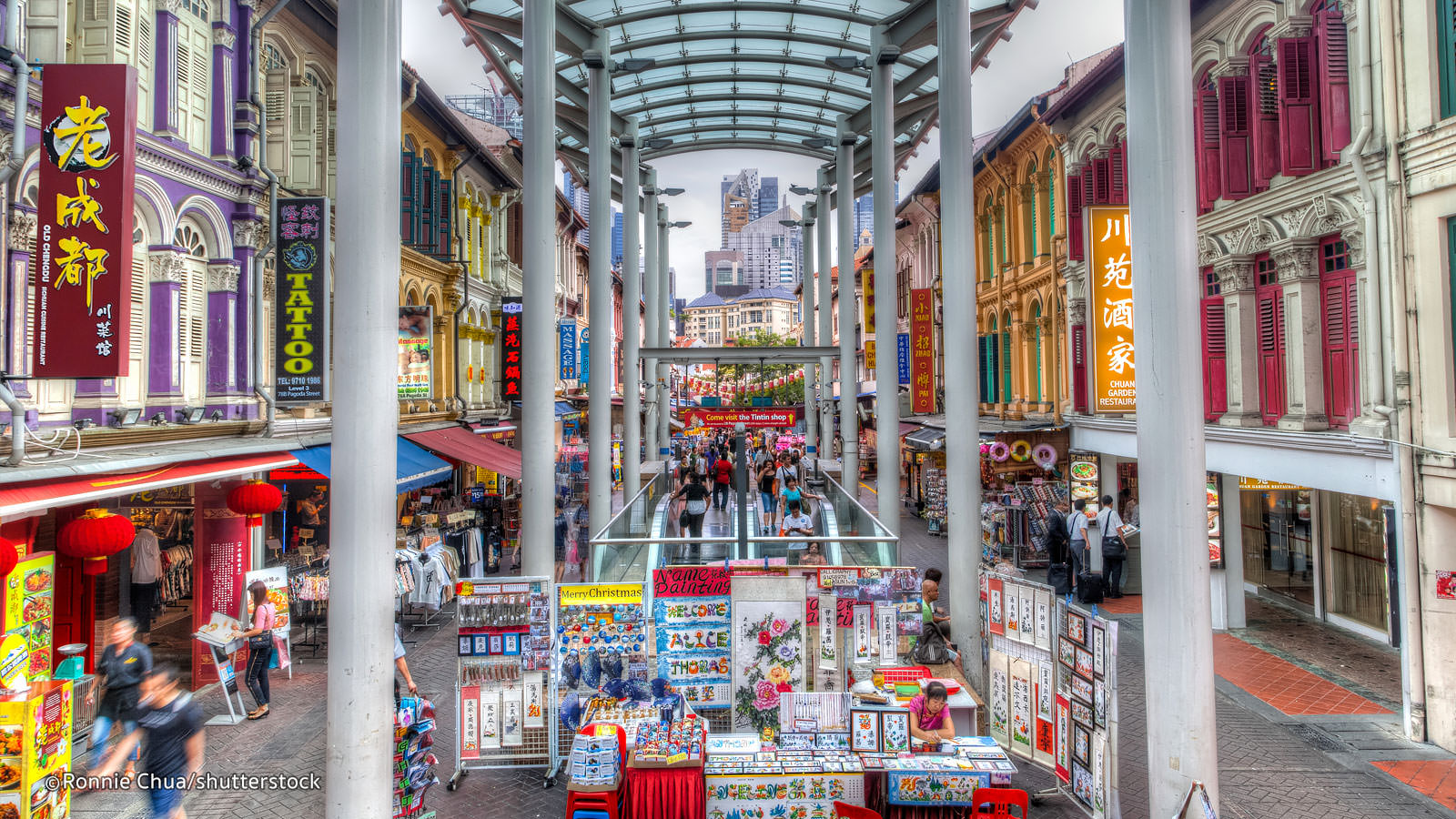
    Singapore retail sales dropped 2.3 percent in July after motor vehicles were excluded from the data, compared with the 3.1 percent decline in June.

    According to the Department of Statistics, the estimated total retail sales value in July was SG$3.4 billion (US$2.6 billion), of which 14 per cent came from online.

    On a seasonally adjusted basis, retail sales increased 0.5 percent month on month.

    The department stores and wearing apparel and footwear industries led the decline, with sales down 11.2 percent and 10.3 percent, respectively. Sales of optical goods and books fell 8.7 percent, mainly due to lower book demand.

    Meanwhile, the petrol service stations, food and alcohol, supermarkets and hypermarkets, and watches and jewelry industries recorded sales growths of between 0.8 percent and 4.7 percent.

    Sales of food and beverage services edged up 0.2 percent in July following a 1.9 percent increase in June.

    The total sales value of F&B services in July was SG$989 million, of which 23.8 per cent were from online.

  • Strategies for Supply Chain Resilience in the Global Permacrisis Era

    Strategies for Supply Chain Resilience in the Global Permacrisis Era

    In recent years, the concept of ‘Permacrisis’—a term denoting prolonged periods of instability and insecurity, sparked by concurrent catastrophic events—has gained prominence. This term not only encapsulated the essence of 2022 but continues to hold relevance in 2024, affecting global supply chains and subsequently, the retail sector. The ongoing challenges underscore the critical need for robust strategies that enhance both supply chain resilience and retail operations.

    Recent disruptions in global trade routes, notably through key passages like the Red Sea, have highlighted the fragile nature of international supply chains. Last year’s statistics revealed that nearly 24,000 vessels navigated the corridor between the Mediterranean and Red Sea, a route integral to facilitating around 12% of global trade. This passage, crucial for the transport of a significant portion of Asia-Europe trade, underscores the global economy’s dependency on secure and efficient supply chain routes. However, a 1.3% decline in global trade between November and December, attributed to militant attacks on merchant vessels in the Red Sea, serves as a stark reminder of the vulnerabilities that global supply chains face. Such incidents spotlight the imperative for supply chain resilience in the face of geopolitical tensions and regional conflicts, directly impacting retail by leading to stock shortages, delayed deliveries, and increased costs.

    Against this backdrop, supply chain directors and retail managers are urged to prioritise strategic considerations and consider the following strategies to shield their operations, employees, and brands from the adverse effects and ramifications of the Permacrisis.

    1. Customer-Centric Commerce

    In the competitive retail environment, the bar for customer expectations is constantly being raised. The advent of new capabilities by one retailer sets a benchmark for others, necessitating quick adaptation to similar consumer experiences. Achieving a cohesive customer journey across online, mobile, and in-store channels is vital. Implementing comprehensive software solutions that offer unified commerce capabilities is essential for providing teams with enhanced visibility into inventory, sales data, and customer preferences. This approach not only enriches the customer and associate experience but also fosters a more agile and responsive retail environment.

    1. Strategic Inventory Optimisation

    The saying “perfect planning prevents poor performance” is particularly relevant in the context of supply chain management. In an era where every channel of sale is a critical touchpoint for brand interaction, leveraging insights to devise robust inventory strategies is crucial. This involves not only aligning inventory with consumer demand across multiple channels but also employing predictive analytics and autonomous optimisation technologies. Such strategies not only aim to maximise profitability but also minimise waste in all its forms—be it time, resources, or environmental impact. The dual benefit of enhancing the bottom line while contributing positively to the planet exemplifies strategic inventory management’s importance.

    1. Consolidation for Effective Execution

    The digital transformation era demands a cohesive approach to technology integration within supply chains. The complexities of today’s digital ecosystem require a unified platform that encompasses all aspects of supply chain management—from distribution and labour to automation, transportation, and yard management. Adopting a cloud-native solution that consolidates these functions ensures that supply chain execution is not only efficient and adaptable but also capable of scaling in response to evolving business needs and challenges.

    Adapt and Innovate

    The dual challenges of technological advancement and global volatility present a complex scenario for supply chain leaders. Today, more than ever, there is a pressing need for leaders to adopt roles akin to futurists and macroeconomic analysts, anticipating trends and preparing for unforeseen challenges. The strategies outlined above—enhancing customer experience through unified commerce, strategic inventory optimisation, and technology consolidation—are critical for embedding agility and resilience into supply chain operations. As businesses navigate the intricacies of geopolitical, technological, and environmental challenges, the ability to adapt and innovate within supply chain management is not just advantageous but essential for sustained efficiency, profitability, and business continuity in the face of the global Permacrisis.

    Written by Richard Wright, Managing Director, SEA, at Manhattan Associates

    For more information on how your retail outlet can adapt to the global permacrisis era, visit the Manhattan Associates Singapore website.


  • Singapore retail sales down in January

    Singapore retail sales down in January

    Singapore retail sales – after excluding motor vehicles from the data – dropped 2.1 percent year-on-year in January, following the 2.8 percent decrease in December.

    According to the Department of Statistics, January retail sales edged up 0.5 percent on a seasonally adjusted basis compared to the previous month.

    The estimated total retail sales value was SG$3.7 billion (US$2.75 billion), of which 12.9 percent was online.

    There were mixed performances within the retail trade sector, highlighted by an 11.8 percent decline in sales of wearing apparel and footwear. Supermarkets and hypermarkets and recreational goods recorded decreases of 6.5 percent and 4.9 percent, respectively.

    Meanwhile, sales of food and alcohol and watches and jewelry increased by 8.5 percent and 5.3 percent, respectively.

    Sales of food and beverage services fell 5.6 percent in January, following the 0.4 percent growth in December. The lower sales were partly attributed to the Chinese New Year being celebrated at the end of January 2023 rather than in February this year.

    The total sales value of F&B services was estimated at SG$ 942 million (US$700 million), of which 23.1 percent was from online sales.

  • Lowe’s finally adds support for Apple Pay

    Lowe’s finally adds support for Apple Pay

    The second-largest hardware chain in the U.S. has finally decided to support Apple Pay. For those who don’t know what Apple Pay is, it is the mobile payment service that allows an iPhone user to select a credit, debit, or prepaid card from the Wallet app and tap the phone against a POS machine to complete a transaction at a retail store.

    You don’t have to fumble for your wallet to grab your credit card, especially when you’re bundled up to stay warm in the bitter cold, and you don’t have to worry about your card’s information being stolen by a skimmer placed inside a card slot by a criminal. It’s just so darn convenient and it costs you nothing to use it. Apple collects .15% of the value of every transaction rung up with Apple Pay. That means that on a $100 transaction, Apple earns the princely total of 15 cents.

    But this is a volume business after all and with so many people using Apple Pay, the service is expected to generate $4 billion in revenue for Apple this year which is more than double the $1.9 billion that Apple Pay raked in for Apple in 2022. Earlier this year Apple promoted Apple Pay with a series of ads. And now, after a long absence, Lowe’s is adding Apple Pay support to its 2,100 retail locations in the U.S.

    This is a shrewd move by Lowe’s and an attempt to take some business away from the number one hardware chain in the U.S. since Home Depot does not support Apple Pay. Another huge retailer that doesn’t support Apple Pay is Walmart. Eight years ago we told you when the largest discount retailer in the states launched its own mobile payment service imaginatively titled Walmart Pay.

    Using Walmart Pay requires you to install the iOS or Android version of the Walmart app on your phone. Earlier this year Kroger tried to apply some pressure to competitor Walmart by accepting Apple Pay for the first time starting last April.

    It would be quite a big deal for Apple if Walmart were to add support for Apple Pay like Lowe’s did because, eventually, continued growth for Apple Pay will have to come from the addition of more retailers, especially those huge chains that previously held back support for the service.

    If you’re like me, there is that feeling when Face ID verifies you and that “ding” goes off indicating that your payment via Apple Pay has been accepted. And we have no doubt that Apple loves that sound too since it means more money, albeit in nickels and dimes, is being added to its coffers.

  • Hong Kong retail surges

    Hong Kong retail surges

    Continued revival of inbound tourism and private consumption helped Hong Kong’s retail sales notch a 10th consecutive month of growth in September, though it was slower than in previous months, official data showed on Wednesday.

    Sales increased 13 percent year-on-year to $4.06 billion in September, the city government said, but the growth was the slowest pace since January, when it was at 6.9 percent.

    Retail sales rose by 13.7 percent in August and 16.7 percent in July.

    “Continued improvement in household income and the government’s various support initiatives, including the Night Vibes Hong Kong Campaign, should also provide support,” a government spokesman said, adding further recovery of visitor arrivals should benefit the retail sector.

    In volume terms, September retail sales increased 10.1 percent year-on-year. That compared with an 11 percent growth in August and a 14.2 percent rise in July.

    For the first nine months, retail sales value rose 18.6 percent year-on-year while volume grew 16.5 percent.

    Hong Kong’s economy grew 4.1 percent from a year earlier in the third quarter, data showed on Tuesday, accelerating from the 1.5 percent expansion in the second quarter and the 2.9 percent in the first, but missing the 5.2 percent median forecast of economists polled by Reuters.

    In August, the government revised up its economic growth forecast for 2023 to between 4.0 percent and 5.0 percent.

    Visitor arrivals for September were 2.77 million, bringing the total for the first nine months of 2023 to 23.32 million, according to Hong Kong Tourism Board preliminary data. That compared with last year’s 66,037 and 249,699, respectively, when China was still in the grip of Covid restrictions.

    The number of mainland Chinese visitors decreased to 2.16 million in September from 3.43 million in August, the data showed. That compared with 51,282 in September 2022.

    Sales of jewellery, watches, clocks and valuable gifts, which before the pandemic were mostly bought by mainland tourists, rose 27.3 percent year-on-year in September after a 57.2 percent
    jump in August, data showed.

    Sales of clothing, footwear and accessories grew 36.4 percent on the year in September after a 37.4 percent increase in August.

  • Vietnam eyes stronger cooperation with US

    Vietnam eyes stronger cooperation with US

    Vietnam and the U.S. should further promote the Comprehensive Strategic Partnership more effectively and substantively, focusing on economic cooperation, said Prime Minister Pham Minh Chinh.

    The PM made the statement at a reception in Hanoi on Wednesday for Chief Economist at the U.S. Department of State Emily Blanchard, who is on a working visit to Vietnam.

    The two sides reviewed outstanding achievements in the bilateral ties, agreeing that the Vietnam – U.S. relationship has witnessed comprehensive, stable and substantive developments, bringing practical benefits to both countries and contributing to peace, stability, cooperation and development in the region and the world.

    They emphasized the significance of the upgrading of the Vietnam – U.S. relationship to a comprehensive strategic partnership in September, saying that this will bring opportunities and practical benefits to both countries.

    PM Chinh suggested the U.S. side continue cooperation with Vietnam in energy transition, climate change response, tourism and people-to-people exchange, handling of post-war consequences, and enhancement of national governance capacity, and increase scholarships to Vietnamese students.

    He highly valued the U.S. government’s decision to consider recognizing Vietnam’s market economy status, urging the U.S. side to complete this process soon.

    The two sides need to continue efforts to promote connection between their economies, promote harmonious and sustainable trade exchange, and facilitate investment cooperation between the two sides’ businesses, he said.

    The PM proposed the U.S. continue to open the market to Vietnamese goods such as textiles, footwear, and electronics, and limit anti-dumping and anti-subsidy tax measures and other unnecessary measures on Vietnamese exports, especially farm produce, wooden products and items that directly impact jobs and livelihoods of people.

    He affirmed that the Vietnamese Government will always accompany, support, and create an open, transparent, safe, and healthy business and investment climate for U.S. businesses to operate effectively in the country.

    Blanchard agreed with the PM’s proposal on the need to concretize and effectively implement the new relationship framework between the two countries, especially promoting the above-mentioned key areas.

    She highly valued of Vietnam’s outstanding achievements in economic growth, macroeconomic management, and inflation control, expressing her belief that with the increasingly improved investment and business environment in Vietnam, the country will attract more U.S. investors in the time to come.

    There remains room for the two sides to expand cooperation further, she said, promising to continue to contribute to promoting and deepening the Vietnam-U.S. relations.

    The U.S. is willing to share its experience in economic policy as well as how to coordinate to respond to fluctuations in the global economy effectively, she stated.

  • South Korea sees retail sales grow in August

    South Korea sees retail sales grow in August

    South Korea’s retail sales grew 3.3 percent year over year in August on the back of higher sales in convenience stores super super market (SSM) operators, and online cosmetics and food retailers.

    The Ministry of Trade, Industry, and Energy (MOTIE) surveyed 13 brick-and-mortar retailers and 12 online retailers and saw a 7.6 percent increase in convenience stores sales due to close proximity, small purchase shopping, and increased outdoor activities during the summer holiday season.

    SSM operators reported a 3.2 percent increase due to higher demand for fresh/prepared food products and processed food products, however, flagging a sales decline in daily necessities.

    Overall online sales during the month increased 8.1 percent, thanks to sales in cosmetics and food, which grew 14.1 percent and 13.0 percent, respectively. Online home/living sector grew 8.7 percent, while online services sold jumped 13.3 percent.

    Overall brick-and-mortar hypermarket sales fell 8.4 percent as home/living and food sales dropped 12.8 percent and 7.9 percent, respectively, due to slow demand for gift sets, and fresh and processed food products.

    Total department store sales 4.9 percent as food products, foreign designer labels and men’s clothing sold declined.

    The data also noted a 2 percent decrease in fashion/clothing sales and 5.6 percent decline in sports sales as consumers cut purchases of non-essential items amid lower consumer sentiment.

  • Automation in Retail: A New Era of Continuous Improvement

    Automation in Retail: A New Era of Continuous Improvement

    In the ever-evolving landscape of the retail industry, one constant remains: the relentless pursuit of continuous improvement to exceed customer demands. This journey, which aims to enhance operational efficiency, reduce waste, and elevate customer satisfaction, has historically been fraught with challenges. However, an impactful collaboration, stemming from automation, is positioned to transform the continuous improvement narrative, introducing a new era of efficiency and optimisation in the retail sector.

    The concept of continuous improvement is what guides retailers toward achieving operational excellence. It hinges on the belief that processes can always be refined, and that even the most efficient systems can be further evolved.

    Beneath the surface of seemingly well-oiled processes, inefficiencies often lurk, casting shadows over operational intelligence. These inefficiencies have the potential to manifest as bottlenecks, excessive handoffs, or redundant steps. The challenge, however, lies in uncovering these hidden obstacles. Traditionally, this task has been a difficult undertaking, reliant on manual observations, interviews, and painstaking data collection – all of which requiring additional time that retailers don’t have. Despite even the best efforts, critical insights can remain obscured, and process enhancement opportunities may go unnoticed.

    A Paradigm Shift

    Enter process mining – a paradigm-shifting technique that sheds light on inefficiency. This innovative approach harnesses the power of data analytics to unveil the complexities of processes. By analysing event logs and transaction data, process mining constructs visual representations of processes in action. These process models vividly depict the journey from start to finish, enabling retailers to visualise and optimise the throughput time, cancellations, and return rates in real time, while also providing a holistic view to identify drawbacks and potential problems.

    Process mining offers a holistic view of operational reality, enabling retailers to see the ‘as-is’ state of their processes. It surpasses the limitations of traditional methods, delivering insights that are not skewed by human perception or biases, laying the foundation for effective continuous improvement.

    From Data to Insight: The Role of Automation

    That said, the raw data extracted through process mining barely scratches the surface. This is when automation steps in, assuming the role of the facilitator in the process of optimisation. Automation acts as the bridge between data and actionable insights, translating analytical findings into tangible process enhancements.

    In this coordination, automation is not confined to mundane tasks. It serves as the catalyst for change, driving improvements in processes with precision and speed. It identifies bottlenecks, suggests alternative workflows, and ensures that processes remain aligned with business goals.

    As an example, consider a customer-centric scenario. A retail organisation utilises process mining to analyse their order fulfillment process. The analysis uncovers a recurrent delay at a specific stage of the process, leading to prolonged delivery times. Automation takes the reins, triggering real-time notifications to relevant stakeholders whenever delays occur. This proactive intervention prevents bottlenecks from snowballing, resulting in improved delivery times and enhanced customer experiences.

    With the integration of process mining and automation a retailer’s decision-making evolves into a data-driven process. Traditionally, decisions were often influenced by subjective opinions or intuition. However, the combination of process mining and automation emphasises the importance of objective insights based on data, resulting in decisions that are now supported by factual evidence, reshaping the decision-making landscape. For example, with the integration of process mining and automation, a retailer can modernise its inventory management, relying on data-driven insights to optimise stock levels, streamline restocking processes, and enhance operational efficiency.

    This shift is pivotal, as it fosters a culture of continuous learning and adaptation. Rather than relying on conjecture, retailers can rely on data-backed decisions, enhancing the precision and impact of their improvements.

    A Future of Autonomy

    As technology progresses, the mutually beneficial partnership between process mining and automation creates the foundation for a transformative future. We stand on the verge of entering an era where processes can not only be optimised but can also adapt and evolve autonomously. The concept of self-learning processes, capable of analysing their own inefficiencies and iteratively enhancing themselves are becoming a reality.

    This trajectory promises an operational excellence, where retailers possess not only the tools to identify issues but also the capacity to proactively address them. The synergy of process mining and automation lays the groundwork for a self-optimising ecosystem, one where efficiency is a continuous cycle, not a sporadic event.

    Embracing the Journey: The Human Element

    Amid this technological shift, the human element remains essential, especially within the context of the rapidly changing retail industry. While process mining and automation provide the framework, it’s human expertise that guides the execution, ensuring that adaptability and foresight are woven into every decision. The qualities of human intuition, creativity, and expertise in the retail sector enrich the process with the level of skill required to make meaningful change.

    The combination of process mining and automation is driving a significant transformation in continuous improvement, particularly in a landscape as dynamic as retail. From uncovering hidden inefficiencies through process mining to translating insights into tangible enhancements using automation, this collaboration fosters a new period of operational excellence that is acutely attuned to market shifts and customer preferences. As technology advances towards self-enhancing processes, the human factor guarantees that these improvements are not just functional, but also transformative, as human insights refine automated actions and strategies. Throughout this journey, the integration of data-driven insights and human ingenuity remains the key driver of continuous improvement, allowing retailers to anticipate and respond to foreseeable changes with agility and innovation.

    For more information, please visit: https://appian.com/

    Author: Gordon Maddock, Regional Vice President, Broad Markets, Appian APAC
  • Central Retail posts growth in revenue, profit

    Central Retail posts growth in revenue, profit

    Its net profit stood at THB2.31b during the quarter.

    Central Retail Corporation (CRC) reported its net profit grew by more than 75% year-on-year to THB2.31b in the first quarter.

    Over the same period, the company’s total revenue went up by 12% to THB63.2b.

    “The company achieved a 30% sales growth in the fashion category, 9% growth in the food category. Sales in the hardline category in the Thai market also continue to grow at 9% despite the downward trend in the industry,” Yol Phokasub, CEO, Central Retail Corporation (CRC), said.

    “These results are positive signals, which are indicative of Central Retail’s further growth prospect in 2023, reaching its growth targets and driving up revenue by 12-15%.”

    The company noted Central and Robinson Department Stores continued to grow and develop as a result of its mission to deliver next-level shopping experiences to its customers.

    Moreover, Central and Robinson Department Stores continue to grow and develop as a result of its mission.

  • Singapore records minor retail sales growth in June

    Singapore records minor retail sales growth in June

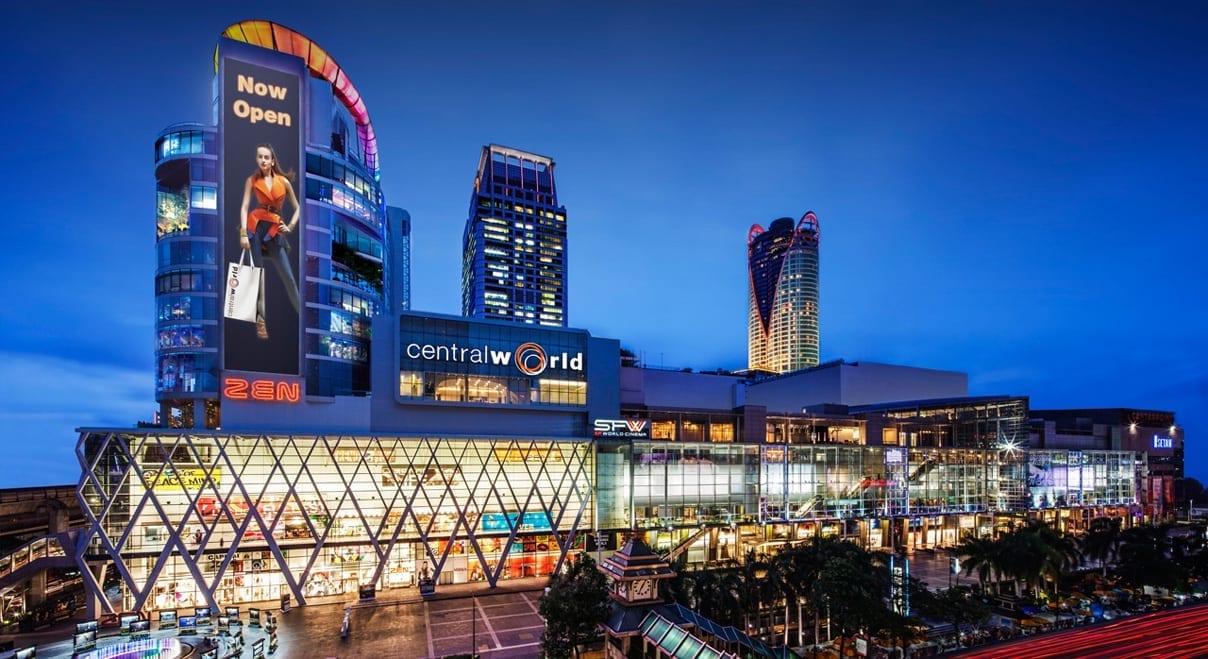
    Singapore retail sales (excluding motor vehicles) grew by 2.5 per cent to SG$3.4 billion (US$2.5 billion) in June, following May’s 1.7 per cent increase.

    The country’s seasonally adjusted retail sales were up 0.2 per cent month over month, data from the Department of Statistics Singapore shows.

    Online retail sales accounted for 14.3 per cent of the total sales, it added.

    The food and alcohol sector reported a 30.7 per cent jump in sales year over year, attributed to higher demand for alcoholic beverages, including those in duty-free shops.

    While most of the remaining sectors posted a year-on-year increase in sales, petrol service stations saw a 24.2 per cent dip. Sales of motor vehicles also declined by 8.4 per cent in June.

    The sales increase of food and beverages services continued to slow down for the month, up 7.2 per cent compared to the 8.7 per cent growth in May and 15.3 per cent in April.

    The sales value of food and beverages services was $956 million, with 23.4 per cent coming from online transactions.

  • President calls for sustainable Vietnamese business in Laos

    President calls for sustainable Vietnamese business in Laos

    President Vo Van Thuong has asked the Vietnamese community in Laos to set its sights on long-term sustainable business growth even though weathering current short-term difficulties will be complicated.

    During Tuesday’s meeting with the Vietnamese community in Laos, Thuong praised the patriotism and contributions made by Vietnamese people and enterprises in Laos.

    For their part, Vietnamese enterprises in Laos proposed that more measures should be taken to support investment, especially capital, to improve competitiveness and expand operations.

    The President said he had asked relevant agencies to provide appropriate solutions.

    About 100,000 Vietnamese live, work, or study in Laos, with nearly 40,000 located in the capital of Vientiane, according to Vietnamese Ambassador to Laos Nguyen Ba Hung.

    After his meetings in Vientiane, Thuong wrapped up his two-day visit to Laos and returned home from his first foreign trip since taking office last month.

    Vietnam and Laos established diplomatic relations in September 1962, and raised the label of their “traditional friendship” to “great friendship” in February 2019.

    Vietnam has currently invested some $4.7 billion in 219 projects in Laos, making it Laos’ third largest foreign investor after China and Thailand.

    Bilateral trade last year increased 25% to around $1.7 billion.

  • Japanese retailers expand in Vietnam, targeting affluent

    Japanese retailers expand in Vietnam, targeting affluent

    Targeting consumers is not much affected by the difficult economic situation, Japanese retailers are opening more stores in Vietnam.

    Uniqlo, which has 15 stores in Vietnam after entering three years ago, last month announced plans to expand to the southern province of Binh Duong, with a first store to be opened this spring or summer.

    Also in Vietnam for three years, MUJI opened a 2,000-square meter store in HCMC’s Thu Duc City that sells everything from food, home appliances and clothing to furniture, stationery and accessories.

    Even amid the Covid pandemic and economic distress, it had five stores, three in HCMC and two in Hanoi.
    Its stores in Vietnam are the largest at around 2,000 square meters on average.

    “The size in Vietnam is almost double the average in other countries, including Japan,” Tetsuya Nagaiwa, general director of MUJI Vietnam, said.

    He added that it plans to open more stores in Hanoi in the second quarter of this year.

    Aeon started building its seventh outlet in Vietnam in February in the central city of Hue. at a cost of U$169.67 million. It will be the largest mall in the central region when it opens by April 2025.

    A recent business survey by the Japan External Trade Promotion Organization found that 100% of Japanese retail businesses in Vietnam expect profits to increase this year.

    Of them 80% said they would expand in the next one to two years.

    Japanese retailers are doing well partly because, like everywhere else, high income earners in Vietnam are recession proof.

    “We see strong demand for high-value products,” Nagaiwa said, adding that MUJI’s sales remained good because young consumers prefer its stationery, cosmetics and furniture.

    Japanese chains also sell online shopping support made-in- Vietnam products.

    In November 2021 Uniqlo started selling online through an application, and introducing Vietnamese agricultural products.

    MUJI has steadily increased the local content rate and looked for local suppliers.

    Nagaiwa said goods made in Vietnam account for 30% of its products and 97-98% in the case of products like T-shirts, backpacks and messenger bags. “We hope these numbers will increase in future.”

    After discovering that the Vietnamese stationery market only had the popular and high-end segments and not the mid-range one, MUJI started selling ballpoint pens for VND19,000 ($0.8), attracting students, who liked Japanese goods with minimalist designs.

  • Landmark Unified Commerce Benchmark for Specialty Retail Released

    Landmark Unified Commerce Benchmark for Specialty Retail Released

    Manhattan Associates Inc., in partnership with Google Cloud and Zebra Technologies, has released the findings of the industry’s first real-world analysis of Unified Commerce in specialty retail. The Unified Commerce Benchmark for Specialty Retail, conducted by Incisiv, assessed 124 retailers across 11 specialty retail segments on the implementation of 286 key attributes of Unified Commerce.

    Based on insight from real purchases, returns, and customer journeys across digital and physical channels, the benchmark reveals the common attributes of successful retailers and the opportunities for others to improve their customer value and modernize operations. Of the 124 retailers benchmarked, 15 emerged as leaders. These brands are Academy Sports + Outdoors, American Eagle Outfitters, Belk Inc., Crate & Barrel, Levi’s, Macy’s, MAC Cosmetics, Neiman Marcus, Nordstrom, Pandora, REI Co-op, Saks Fifth Avenue, Sephora, UGG and Zales.

    In today’s rapidly evolving ecosystem, retailers need complete visibility on and insight into every aspect of their business, from back-end to customer-facing. Unified Commerce solutions combine a retailer’s front- and back-end systems to establish a single view of the business. That single view informs better decision-making and enhanced customer experiences, while enabling brands to identify and respond to trends quickly, ultimately driving stronger revenue growth by up to 6X. However, consolidating systems and building a cohesive Unified Commerce solution can be quite challenging. The benchmark identified the following common challenges in retailers’ efforts to adopt this new model:

    • Personalisation – Retailers must be able to identify shopper intent and curate a personalized experience that meets their expectations. However, only 38% of the retailers studied give their store associates access to shopper purchase history and wish lists across all channels. Only 20% of the retailers studied provided personalized product recommendations and offers. As a category, digitally-native vertical brands (DNVBs) outperformed the broader retail cohort in this area, with 42% offering advanced personalisation capabilities – 16 points ahead of the overall group examined.
    • Real-Time Inventory Visibility – Visibility into allocatable and saleable inventory and rich findability are critical for retailers wanting to provide a seamless omnichannel experience. Only 29% of the retailers studied provide real-time inventory statistics on their product detail pages.
    • Convenience and Flexibility – Today, convenience is about more than just speed of delivery. Convenience encompasses providing multiple payment and delivery options and the ability to make changes to an order after the sale. Only 15% of the retailers studied provided the option to change fulfillment method post order confirmation. On an average, only 27% of the retailers provided the ability to return store purchases online.

    “Shoppers don’t see channels the way retailers do. Unified Commerce can only provide the highly customized shopping experience expected by today’s consumers if there is true visibility of inventory availability, and flexibility during and after the sale,” said Manhattan Associates president and CEO, Eddie Capel. “Embracing a Unified Commerce model can drive strong business growth, high revenue opportunity, lead to competitive advantage and heightened customer loyalty that every retailer covets. With the right technology and solutions, they can outperform their peers by as much as 6X.”

    “Zebra Technologies is helping retailers globally optimize their inventory and engage their associates to improve productivity and deliver an elevated customer experience,” said Bill Burns, Chief Executive Officer, Zebra Technologies. “This new benchmark highlights the important role that real-time inventory visibility, front-line worker enablement, and fulfilment flexibility play in driving Unified Commerce, and we have the right solutions to deliver these benefits.”

    “In order to deliver on the promise of Unified Commerce, retailers must connect digital and in-person experiences, and all of the data and systems that enable them,” said Carrie Tharp, VP of Retail and Consumer at Google Cloud. “Manhattan Associates’ partnership with Google Cloud on this benchmark shows how retailers can make it easy for customers and store associates to find the right products online and instore by implementing a unified commerce strategy backed by data and AI.”

    Giri Agarwal, Chief Strategy Officer at Incisiv commented: “Unified Commerce is the new battleground for retailers to differentiate themselves. Our 2023 Unified Commerce Benchmark shows that leaders who have adopted unified commerce deliver highly nuanced, seamless customer experiences across channels, leveraging technology and data to drive revenue growth. The insights from this benchmark won’t just help retailers keep up, it will help them stand out.”

    Click HERE to view the complete 2023 Unified Commerce Benchmark for Specialty Retail. 

  • Dr Martens shuts all stores in the Philippines

    Dr Martens shuts all stores in the Philippines

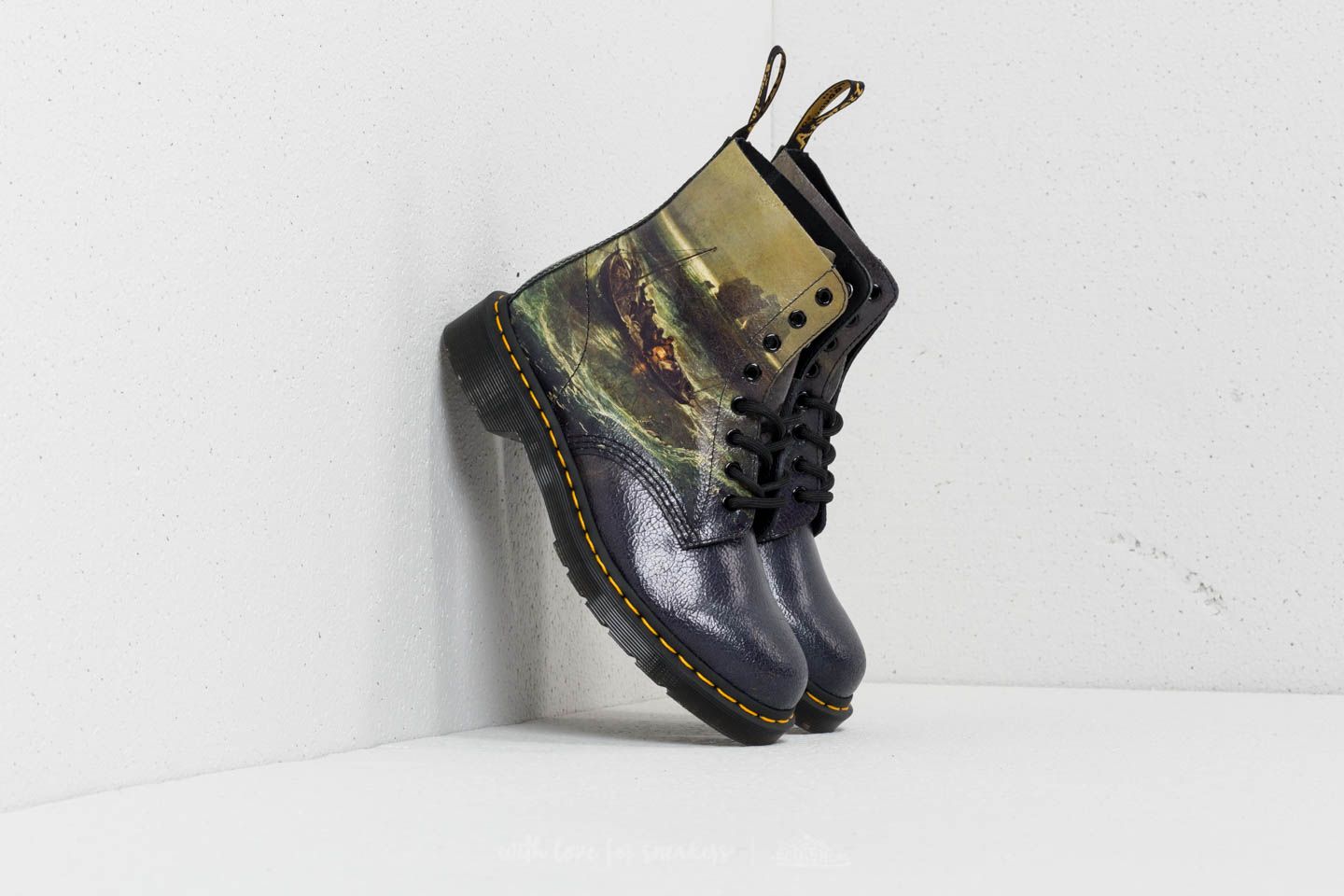
    German-founded British footwear and apparel brand, Dr Martens, has closed all of its physical stores in the Philippines.

    The brand announced on social media that it closed all of its remaining four stores in Glorietta 4, SM Mall of Asia, SM Megamall, and Manila Bay by the end of last month. However, Dr Martens did not disclose the reason behind its physical withdrawal from the market.

    Local sources said Dr Martens started shutting its stores in the country last February, including its flagship store in Two Parkade BGC.

    UK-based footwear retail reported a 13 percent year-on-year increase in revenue, reaching US$507 million in turnover for the first half of the fiscal year 2023. The brand opened 21 new stores and closed five stores during the period.

    “Although there are economic challenges ahead, we are well positioned for future growth,” said Kenny Wilson, CEO of Dr Martens.

    Dr Martens’ store closure in the Philippines occurred despite the market having seen growth in sportswear spending. Last month, US sneaker chain Foot Locker expanded into the country with the first store opened inside Manila’s Glorietta shopping mall under the partnership with Indonesian retailer MAP Aktif Adiperkasa.

  • Exports to China no longer subject to Covid testing

    Exports to China no longer subject to Covid testing

    Vietnamese exports to China will no longer be subject to Covid testing from January 8th, the Ministry of Industry and Trade has announced.

    The ministry urged localities and businesses to update goods clearance processes at border gates in order to streamline trade according to the new easing of restrictions.

    The government has asked major agricultural producers and other exporters to coordinate with northern border province authorities to better facilitate the transport of exports — especially fresh and frozen agricultural products – to China.

    The northern neighbor had previously tightened quarantines to curb the spread of the Covid 19 pandemic, leading to congestion and the bottlenecking of Vietnamese exports at border gates in northern provinces, including Lao Cai, Lang Son and Quang Ninh.

    On Dec. 26, China’s National Health Commission announced that it would downgrade it’s “Covid-19 response level,” suspending mandatory isolation for passengers entering the country from January 8, 2023.

    Michael Kokalari, chief economist at investment fund VinaCapital, said China’s reopening would have less of an impact on Vietnam’s economy than other Southeast Asian countries because Vietnam’s exposure to China’s domestic market was still modest.

    The most important upcoming economic event for Vietnam is that the number of tourists is likely to return to normal in the second half of 2023, Kokalari said, adding that this will be a driving force behind Vietnam’s GDP growth for the year.

    Vietnam’s GDP expanded 8.02% in 2022, the fastest pace annually since 1997, backed by strong domestic retail sales and exports. The country has targeted GDP growth of 6.5% in 2023.

    Vietnam is China’s biggest trade partner in Southeast Asia and sixth biggest globally.

    China is Vietnam’s biggest trade partner. Their bilateral trade topped US$165.8 billion in 2021, up 24.6% from 2020.