Tag: retailing

  • Malaysia retail sales slump to worst in the recent 22 years

    Malaysia retail sales slump to worst in the recent 22 years

    Malaysia retail sales last year dropped to the lowest level in 22 years as the country has been heavily impacted by the Covid-19 pandemic.

    According to the Malaysia Retail Sales Report, turnover plummeted 16.3 percent last year, with most retail sub-sectors recording double-digit declines. The department store and fashion segments shrunk at 38.3 percent and 37.9 percent respectively, the worst-performing sectors.

    Since the Movement Control Order (MCO) was in place for most of the first quarter, retail sales this year are expected to drop 4.1 percent, with the first quarter’s sales down by 13.4 percent. The next three quarters will show recovery, the report predicts.

    “Last year, Malaysia’s retail industry recorded the worst performance since the Asian financial and economic crisis that took place 22 years ago,” said Tan Hai Hsin, MD at Retail Group Malaysia. “In 1998, retail sales in Malaysia dropped by 20 percent.”

    While most retail sub-sectors, including F&B, children products, and pharmacy, contracted by double digits, the convenience-store sector posted its best performance with 14.8 percent growth last year. The furniture and electronics sector surged by 0.4 percent despite the pandemic.

  • Vietnam women’s e-commerce leadership ratio second highest in Southeast Asia

    Vietnam women’s e-commerce leadership ratio second highest in Southeast Asia

    Forty-six percent of e-commerce business leaders in Vietnam are women, the second-highest in Southeast Asia, according to a survey.

    The survey has been conducted in Hong Kong and six Southeast Asia countries by market research company iPrice Group.

    This figure was lower than that of Hong Kong (55 percent) but higher than that of Thailand (44 percent), the Philippines (39 percent) and three other Southeast Asian countries, showed the survey.

    Vietnam’s figure has improved from 37 percent in 2018.

    In Southeast Asia, however, there is still a gender gap in top positions. Only 31 percent of women have C-level roles – executive levels such as CEO or chief financial officer (CFO).

    In the vice president position, just 38 percent are women.

    Overall, there is a 40-60 disparity between women and men when it comes to being in positions of power.

    “Given centuries of gender inequality and women taking time off for child-rearing, the disparity isn’t as wide as we may have assumed,” the iPrice report said.

  • Disney closing North American stores to focus on e-commerce

    Disney closing North American stores to focus on e-commerce

    Walt Disney Co will close at least 60 Disney retail stores in North America this year, about 20 per cent of its worldwide total, as it revamps its digital shopping platforms to focus on e-commerce.

    The media and entertainment company also is evaluating a significant reduction of stores in Europe, a spokesperson said, adding that locations in Japan and China will not be affected. Disney currently operates roughly 300 Disney stores around the globe.

    In November, Disney launched digital marketplaces in Australia, New Zealand and India.

    The company did not say how many people would lose their jobs as a result of the closures.

    Consumers have been moving to digital shopping over physical locations, and chains including Walmart and Macy’s have shuttered brick-and-mortar stores. The global coronavirus pandemic accelerated that change when people were forced to stay home.

    “While consumer behaviour has shifted toward online shopping, the global pandemic has changed what consumers expect from a retailer,” said Stephanie Young, president of Disney’s consumer products, games and publishing.

    Over the past few years, Disney has expanded its shops inside other retailers such as Target in the US and Alshaya Group stores in the Middle East. Those locations will continue to operate, as well as stores inside Disney parks. Disney-licensed products also will remain widely available through third-party retailers.

    Disney will overhaul its shopDisney apps and websites over the next year.

    “We now plan to create a more flexible, interconnected ecommerce experience that gives consumers easy access to unique, high-quality products across all our franchises,” Young said.

    Digital shopping gives Disney a chance to offer a much broader selection and include higher-end products from all of its Disney, Pixar, Marvel and Star Wars brands.

    New products will include adult apparel, artist collaborations, premium home products and collectibles, the company said. It recently unveiled streetwear featuring Grogu, the “Star Wars” character popularly known as Baby Yoda.

  • Consumers complain most about transport sector

    Consumers complain most about transport sector

    The transport service sector received the highest number of customer complaints in 2020, with travel restrictions related to the Covid-19 pandemic triggering more disputes than usual.

    A report released Monday by the Vietnam Competition Authority (VCA) under the Ministry of Industry and Trade says that complaints in the transport sector accounted for 49.1 percent of the total, followed by banking, finance and insurance (9.3 percent), and telephone and telecommunications (8.8 percent).

    Tourism and restaurant ranked fourth with 6 percent of customer complaints, says the report, also noting that sectors hit hardest by the Covid-19 crisis, like aviation and tourism, have elicited more complaints from customers than in previous years.

    Last year, when Vietnam experienced two Covid-19 outbreaks in March and July, the government had imposed stringent travel restrictions to try and curb the spread of the virus.

    The VCA said that it had answered 9,965 out of 11,211 calls its center received last year, up 63 percent from the previous year.

    Around 56.4 percent of all complaints related to businesses’ violation of commitments. Others related to the quantity and quality of goods as also delivery time. There were complaints about contracts with service providers (7.5 percent) and information provided by sellers (5.2 percent), the report says.

    Last year, Ho Chi Minh City topped the list of localities receiving the highest number of customer complaints, followed by Hanoi.

  • Japan retailer turns to cuddly toys to boost Lunar New Year sales

    Japan retailer turns to cuddly toys to boost Lunar New Year sales

    Japan’s cuddly bear character Rilakkumma, who has captured the hearts of children and adults alike with his laidback demeanor, sits on the shelves of a swanky department store in the capital, flanked by Hello Kitty and other plush toys.

    As the Lunar New Year begins on Friday, they are taking the place of home appliances, from rice cookers to electric toilet seats, normally favored by Chinese tourists who are absent this year because of coronavirus restrictions.

    “Due to the current travel bans, it’s impossible for them to come to Japan,” said Jin Xuezhu, head of the inbound sales division at the Laox duty-free retail chain, which runs the store in Tokyo’s district of Akihabara.

    Chinese have accounted for 90% of the chain’s customers since 2014, Jin said, adding, “So the absence of that 90% has a huge impact on our business.”

    The sharp contraction in global tourism brought by the pandemic forced the chain to shutter half of its 24 stores last year to cut costs and restore cash flow. It has refurbished its image, adding friendly touches to lure domestic customers.

    “We have put out many hobby and toy goods that are unique to Akihabara,” Jin said. “Before we were branded as a duty-free shop, but last year we renovated our stores so that Japanese customers can also feel welcome.”

    But Laox has not forgotten its clientele in China, hosting live broadcasts from Tokyo since last autumn on Chinese e-commerce platforms, such as those of electronic giant Suning and messaging app WeChat.

    “We have great expectations for online shopping through live streams,” said Cui Wenzhe, the manager of the chain’s live commerce section.

    The chain hosted 350 such broadcasts last year and expects even better numbers during the Lunar New Year holiday, he added.

    “We’re also looking forward to more sales events for Valentine’s Day.”

    Laox declined to provide details of the hit to current Lunar New Year sales, but acknowledged the pandemic’s “huge impact” on its business.

    Although Japan has not suffered virus outbreaks on the scale of other major economies, such as Britain and the United States, it has just extended by another month its state of emergency in Tokyo and other regions.

    The continued travel ban, particularly the absence of holidaying Chinese for a second successive year, is expected to hurt Tokyo retailers further.

  • Retail chains rush for expansion

    Retail chains rush for expansion

    The race for domestic retail market share was heating up as local and foreign firms looked to expand their networks, experts said.

    At a recent meeting in HCM City, Trương Công Thắng, general director of VinCommerce Company, told partners that the retailer wanted to open nearly 10,000 stores and more than 300 Vinmart supermarkets in the next five years.

    In addition, the company also plans to attract 100 strategic partners with an ambition to lead the Vietnamese retail market. The company’s financial report showed that in the first nine months of the year, revenue reached VNĐ23.6 trillion, posting a 56.5 percent year-on-year increase.

    Meanwhile, Saigon Co.op is looking at expanding its network to at least 2,000 stores and annual average revenue growth of 8-10 percent in the next five years.

    It has already opened 849 stores in 43 provinces and cities that attract 350,000 customers a day, up 26 percent compared to five years ago.

    Another leading retailer in HCM City, Satra, said that they targeted to have five Satramart supermarkets and four malls by 2025, and depending on the market situation, 150-250 Satra branded stores.

    Local retail giants are looking to expand their market share in the face of fierce competition from big foreign investors such as Aeon, Lotte, Big C and Mega Market.

    The latest example is in October 2020, Japan’s largest retailer cosmetics chain Matsumoto Kiyoshi opened its first store in HCM City.

    In July 2020, leading Japanese retailer Muji also opened a store in HCM City. Japanese fashion retailer Uniqlo, launched its first store last year.

    Japanese retailer Aeon is also surveying a third shopping mall in HCM City in 2021, and plans to have 25 shopping malls in Việt Nam by 2025 with a capital source of US$2 billion for the investment.

    Hirai Shinji, chief representative of JETRO HCM City (Japan External Trade Organisation) was quoted as saying by Thời báo Kinh Doanh that after the COVID-19 pandemic and the market was gradually recovering, it was a favorable time for Japanese retail groups to open in Việt Nam.

    This would lead to fiercer competition, the experts said.

    It was also important to note the efforts of domestic retailers to expand their systems into neighboring areas of big cities, as urbanization and incomes in these areas had been increasing.

    Experts said that although retail sales were concentrated in major cities and key economic regions, with the high speed of urbanization, these areas would become the driving force for growth instead of existing big cities.

    As a result, many domestic retailers had been gradually expanding to areas surrounding the big cities. The evidence is quite clear from data showing that suburban stores brought in more revenue with higher growth than inner cities.

    According to retail expert Nguyễn Văn Thịnh, the number of supermarkets in 2020 had been decreased by 20 percent compared to 2019 – from 336 to 330. This decrease mainly came from Vinmart.

    Meanwhile, the number of convenience stores has marked a growth of 60 percent – from 2,495 in 2019 to 5,228 stores in 2020. This came from Vinmart+ and Bách Hoá Xanh.

    Small stores recorded a slight increase in 2020, while shopping centers posted a growth rate of about 11 percent from 96 centers in 2019 to 107 in 2020.

    Thịnh said that although there were many changes in 2020, Việt Nam was still one of the most attractive retail markets in the world, and competition in the market was becoming more and more intense.

    For some brands, it was an increase in the number of stores, others had to face restructuring, he said.

  • Muji ready to open largest Philippines retail store yet

    Muji ready to open largest Philippines retail store yet

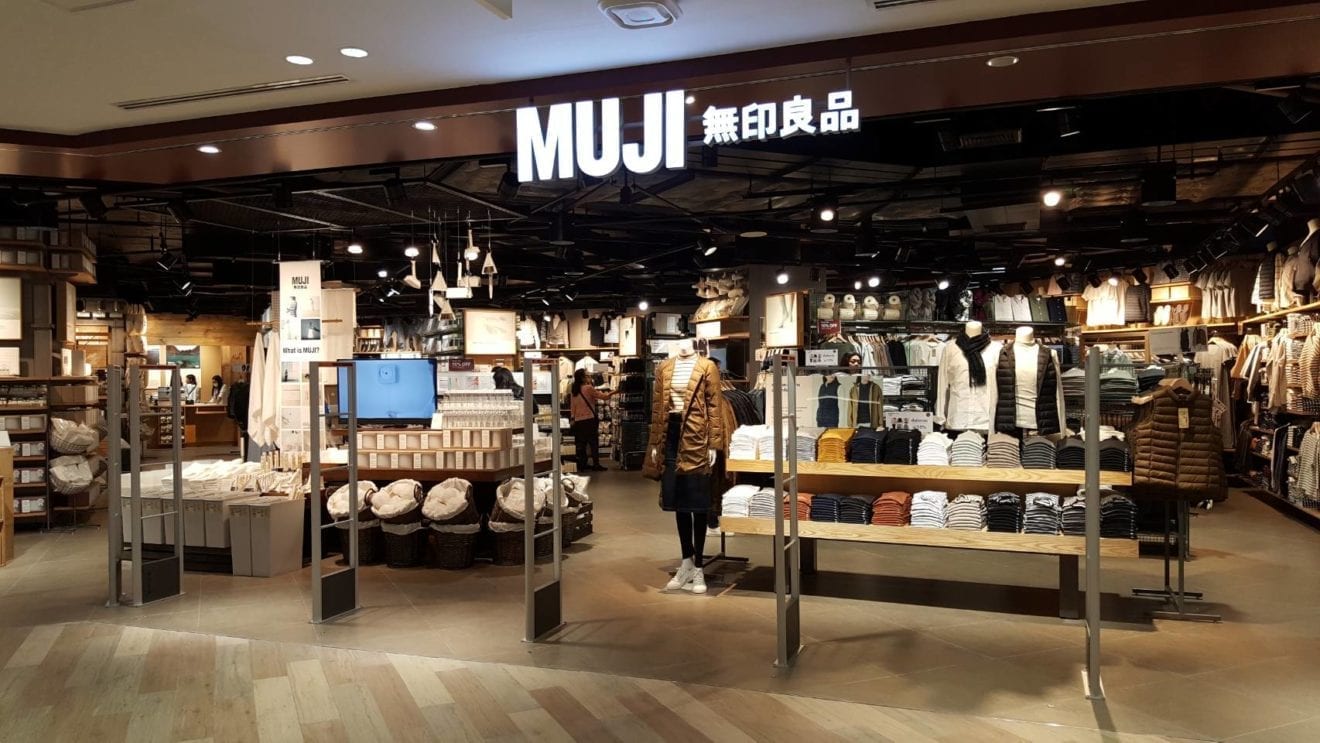
    Fans of Japanese minimalist brand Muji will be delighted to know that the retailer is planning to open its “largest” store in the Philippines — soon.

    Muji announced this last night in a social media post, where it told followers to “stay tuned for more info.” It did not divulge where the new store will be located.

    The pandemic has hit the retail sector in the Philippines severely, with countless brick-and-mortar stores closing inside now-empty malls. Rents in malls are expected to fall by 2%, while registered online businesses have increased to 75,876 in September from 1,753 in March. Many Filipinos now prefer to buy from e-commerce platforms Lazada and Shopee, mainly because they fear that they will get infected with the coronavirus if they venture outside their homes.

    The changes taking place have prompted Muji Philippines to launch its own pick-up and delivery service in August.

  • Mixed fortunes for online and offline retailers in Japan and Korea

    Mixed fortunes for online and offline retailers in Japan and Korea

    Brands in the tech sector are likely to record mixed fortunes as a result of the COVID-19 pandemic, with retail tech brands predicted to fare the best compared to leisure and tourism tech brands, which are expected to suffer considerably, according to the latest report by Brand Finance. The top 100 most valuable tech brands, on average, should see a slight decrease in brand value following the pandemic, falling 5%.

    The Brand Finance Tech 100 2020 ranking is split into sub sectors, with electronics, software, retail and media & games analysed separately as these brands make up more than 80% of the total brand value in the ranking. All brand values are correct as at 1st January 2020.

    Alex Haigh, Director, Brand Finance, commented:

    “The sheer size and diversification of the tech sector undoubtedly means that brands are going to be affected differently from COVID-19. On the one hand, e-commerce brands are likely to see a boost to their brand values following record high demand. In contrast, other tech brands’ journeys in the coming year could be more turbulent, with supply chains impacted, consumer spending shifting and slowing demand impacting brands’ bottom lines and, in turn, their brand values.”

    Electronics: Apple storms ahead despite losing brand value

    Making up 27% of the total brand value and with 30 brands featuring, electronics are the dominant sub sector in the Brand Finance Tech 100 2020 report. The electronics sub sector is likely to be moderately impacted by COVID-19, with a potential 10% loss of brand value at stake.

    Leading the way is Apple, recording a 9% drop in brand value to US$140.5 billion and simultaneously dropping to 3rd spot in the ranking, with Google (brand value up 12% to US$159.7 billion) overtaking in 2nd.

    Apple has struggled to grow in key emerging markets, showing little motivation to diversify its portfolio. Brand Finance’s analysis shows that Apple could lose up to 20% of its brand value following the pandemic with supply chains broken and consumer spending slowing – the brand will be hoping the return to normality in China could offset some of this damage.

    With an impressive brand value growth of 37%, ZTE is the fastest growing electronics brand – its surge in brand value bolstered by its increased adoption of 5G. Telco equipment brands should be in a solid position to experience good growth as the rise of 5G accelerates globally.

    Software: Google overtakes Apple

    The second most valuable sub sector, software, makes up 21% of the total brand value in the Brand Finance Tech 100 2020 ranking with 15 brands featuring. Brand Finance’s analysis shows that software brands could lose up to 10% of their brand value as a result of COVID-19.

    With a brand value of US$159.7 billion, Google is the most valuable software brand in the ranking and the 2nd most valuable in the overall ranking. Google’s sleek brand extension from software to hardware, is a direct threat to Apple, who have lost their streak of brilliance in recent years. COVID-19 is likely split Google’s fortunes down the middle with Google Cloud predicted to celebrate boosted demand, as remote working becomes widespread. The pandemic does pose a major threat to its advertising business, however, – where the majority of the brand’s revenue comes from – which is inevitably going to slow down.

    Chinese software giant Baidu recorded the largest drop in brand value in the ranking, down 54% to US$8.9 billion. The company reported its first quarterly loss since its initial public offering (IPO) back in 2005. Along with the intense market competition, the brand’s revenues were heavily impacted as regulators placed more attention on online advertising. Baidu is now focusing on other areas to drive long-term growth, such as its cloud division, smart speakers, and even driverless cars in an effort to secure better results for the future. The combination of the economic slowdown in China and COVID-19’s damage to ad sales will no doubt cause some damage to aid-dependent brands like Baudi.

    Retail: Amazon primed for more growth

    Retail brands contribute 19% of the total brand value in the ranking, largely as a result of the sheer dominance and size of the world’s most valuable brand Amazon. Bucking the trend of traditional bricks and mortar retail, e-commerce brands have the opportunity to thrive in the current climate as demand reaches record highs. Retail is, therefore, the only subsector in the Brand Finance Tech 100 2020 ranking, that could potentially see an increase in brand value as a result of COVID-19, up to 20%.

    Breaking the so far unattainable US$200 billion brand value mark, following 18% growth, Amazon remains a cut above the rest. While most brands are experiencing or expecting a slump in revenue during the pandemic, Amazon is set for continued growth. As with fellow e-commerce brands, Amazon has been benefitting from the unprecedented surge in demand as consumers turn online following store closures.

    Japan’s Rakuten is the fastest growing brand in the ranking, recording an impressive 66% brand value growth to US$5.2 billion. The Tokyo-headquartered brand has celebrated strong growth in its domestic e-commerce services and has its sights set on building upon and winning new customers with the aim of cross-use of services to further open up the brand’s ecosystem.

    Media & Games: limited damage from COVID-19

    The 14 media & games brands make up 18% of the total brand value in the Brand Finance Tech 100 2020 report. Eight of these brands hail from the US and have grown, on average, 12% in brand value year on year. Brand Finance’s calculations have found that this sub-sector is going to suffer limited impact from COVID-19, equating to a 0% change in brand value.

    Media & Games’ most valuable, Facebook (brand value down 4% to US$79.8 billion), has negotiated several high-profile reputational issues, most notoriously the Cambridge Analytica scandal, which resulted in a US$5 billion fine last year. The pandemic could, however, turn the tide on the tarnished brand, as people are forced to keep in touch with friends through social media. Facebook has also been developing a symptom survey, which is hoped to reveal a lot about COVID-19 and contribute to research.

    In contrast, Facebook-owned Instagram has enjoyed an explosion of growth, securing the second-highest brand value increase among all tech brands this year, up 58% to US$26.4 billion. The platform is successfully leveraging its position in the market as a genuine business tool – beyond its traditional influencer market – as more businesses move online during the lockdown.

    In line with positive trends in brand value among other video streaming services, last year also saw Netflix enjoy an 8% boost in brand value to US$22.9 billion. Netflix has been a pioneering force in changing consumers’ viewing habits. This success has only been spurred on by COVID-19, with the timely release of Tiger King raking in 34 million US viewers in the first 10 days alone.

    In addition to calculating overall brand value, Brand Finance also determines the relative strength of brands through a balanced scorecard of metrics evaluating marketing investment, stakeholder equity, and business performance. Alongside revenue forecasts, brand strength is a crucial driver of brand value. According to these criteria, WeChat is the world’s strongest tech brand with a Brand Strength Index (BSI) score of 92.9 out of 100 and a corresponding elite AAA+ brand strength rating.

    WeChat has significantly broadened its proposition since its inception, successfully leveraging its brand to develop an extraordinary level of vertical product integration. With WeChat Pay now being accepted in more than 60 countries and the platform opening to international travellers in China for the first time, the brand has set its sights on global markets.
  • EBay close to selling Korean unit

    EBay close to selling Korean unit

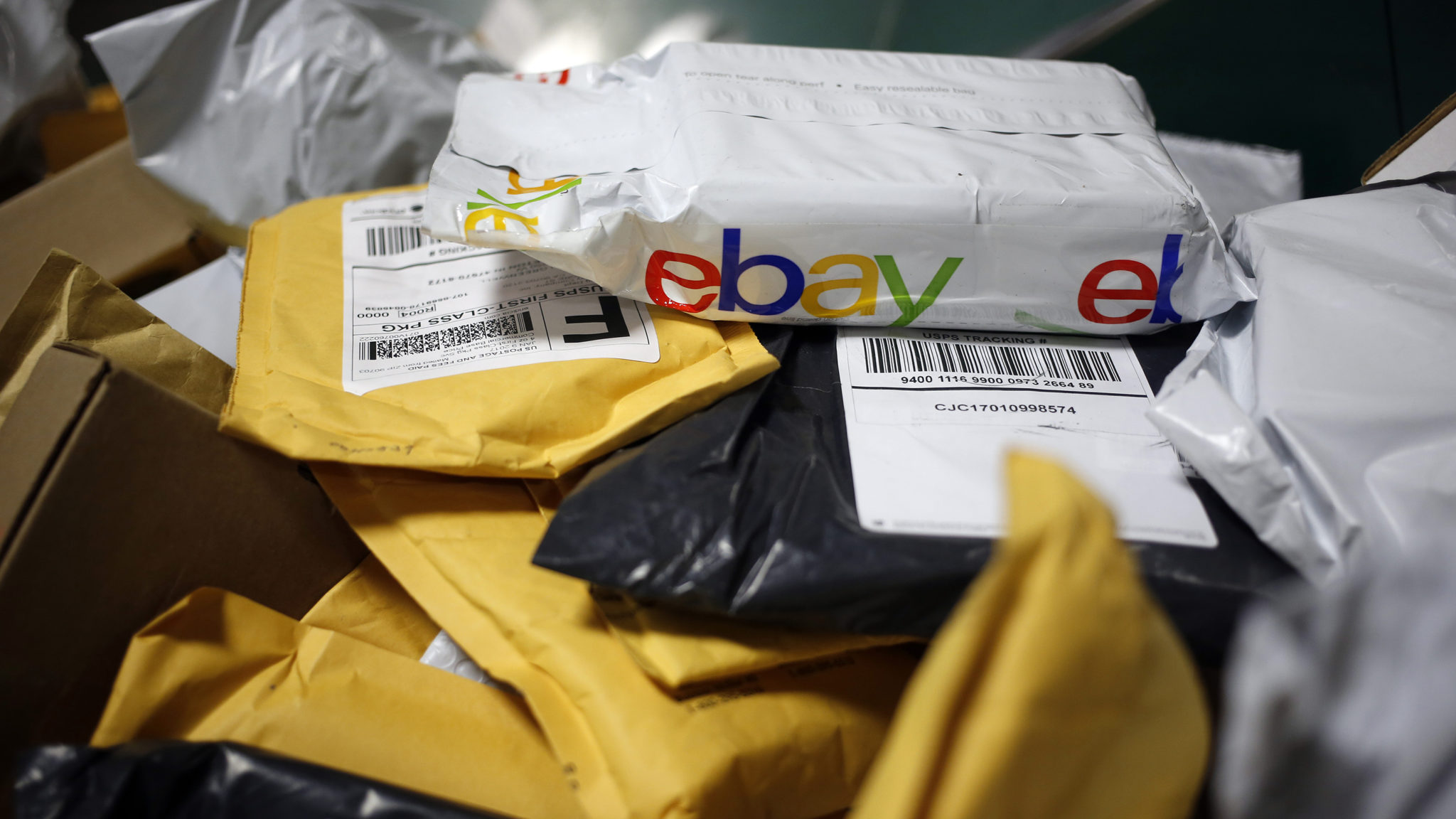
    Global e-commerce business eBay is reportedly selling off its Korean businesses G-Market, Auction, and G9, in a deal worth $4.5 billion (5 trillion won).

    eBay is exploring a number of “strategic alternatives” for its Korean business and is looking for options that will maximize value for shareholders and create growth for the wider business.

    “From last week, we heard there is going to be an announcement made by our headquarters in the United States. Given that it said it was considering a variety of options, it seems to be in the process of selling the platforms,” an eBay Korea official said.

    EBay’s Korean platforms provide around 11 percent of its annual sales, and it’s expected any player that acquires the three businesses could become one of the top three e-commerce platforms in Korea.

    Rival marketplace Coupang, which is considered South Korea’s most popular online retailer, is reportedly looking to go public in the first half of 2021.

  • Giordano International warns for a profit decrease

    Giordano International warns for a profit decrease

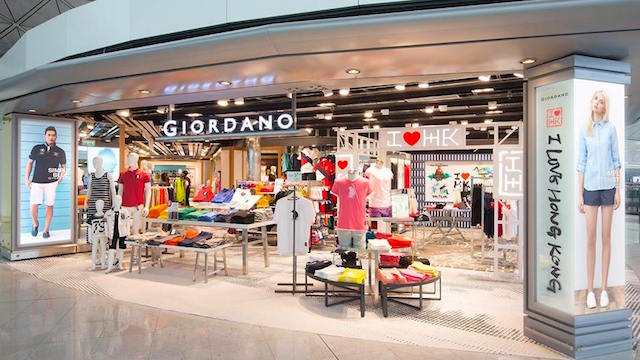
    Giordano International (0709) warned that it expects to record an annual net loss of between HK$110 million and HK$130 million in 2020, as compared with a profit of HK$230 million in 2019.

    As stated in the interim results announcement last year, a net loss of HK$175 million was recorded for the six months ended June 30, 2020. However, the group expects to record a net profit of between HK$45 million and HK$65 million in the second half of the year due to the positive trend in retail sales and improvement in consumer sentiment.

    The forecast net profit has not taken into account further potential asset impairment charges.

    As of end-December, 2020, the group’s merchandise inventory was worth about HK$435 million, below that of 2019 by about HK$113 million.

  • Retail sales decline slows significant in Hong Kong and Singapore

    Retail sales decline slows significant in Hong Kong and Singapore

    Hong Kong’s retail sales fell 8.8% in October, the first single-digit fall since June last year, showing further signs of a recovery after coronavirus restrictions had slammed the brakes on spending and tourism in the global financial hub.

    The drop compared with a revised 12.8% decline in September and a 6.7% fall in June 2019.

    October’s sales plummeted from a year earlier to HK$27.4 billion ($3.5 billion), government data showed on Tuesday, falling for the 21st consecutive month.

    In volume terms, retail sales slumped 9.3%, compared with a revised 13.3% fall in the previous month. It was also the first single-digit decline since June 2019.

    “With the fourth wave of the local epidemic spreading widely and quickly, the business environment of the retail trade may deteriorate again in the near term,” a government spokesman said.

    For the first 10 months of 2020, the value of total retail sales fell 27%, and 28.3% by volume, from the corresponding 2019 period.

    Hong Kong leader Carrie Lam on Tuesday again urged residents to stay at home and avoid unnecessary family gatherings as the global financial hub scrambles to contain a rise in coronavirus cases.

    Games centres, karaoke lounges and swimming pools will close from Wednesday, while the Ocean Park theme park and DisneyLand will also close.

    The worsening situation in the city also prompted the government to extend the postponement of an air travel bubble with Singapore on Tuesday to beyond 2020.

    Hong Kong’s economy shrank 3.5% in the third quarter compared with a year earlier as the coronavirus pandemic hammered consumer spending, trade and tourism, but at a slower pace as the outbreak had eased.

    The city’s tourist arrivals in October plunged 99.8% from a year earlier to 7,817 visitors, the tourism board said, compared with a drop of 99.7% in September.

    Sales of jewellery, watches, clocks and valuable gifts, which depend heavily on mainland tourists, fell 26.6% in October versus a revised 25.6% plunge in September.

  • The entire Retail News Editorial team wishes you a Joyful and Merry Christmas

    The entire Retail News Editorial team wishes you a Joyful and Merry Christmas

    It’s been a difficult year; we better say the most difficult year in decades with Covid-19 and all social restrictions that were put in place. But we were resilient, and prepare ourselves for a better year.

    Hopefully with more and more retail events and summits; cause that’s what we retailers live from. Showcase and demo products, networking, and meeting up with customers and vendors. It’s not that far ahead of us… we already prepare ourselves in order to get ready when the markets are ready again to shift gears.

    Thanks for being part of the largest retail community covering Asia this year. The entire Retail News Editorial team is wishing you a Happy Holiday season. We wish you joy and peace in the upcoming year. Wishing you all the joys of the season and happiness throughout the coming year.

    Thanks for support us; thanks for reading us and stay close in the new year!


  • Delhi High Court rejects Amazon challenge to $3.4 billion Reliance deal

    Delhi High Court rejects Amazon challenge to $3.4 billion Reliance deal

    The Delhi High Court on Monday refused to restrain Jeff Bezos-led Amazon from interfering in Kishore Biyani-headed Future Retail’s $3.4 billion deal with Mukesh Ambani-owned Reliance Retail by writing to statutory authorities.

    The order was pronounced by a Single Judge Bench of Justice Mukta Gupta in the suit by Future Retail Ltd after an Emergency Arbitrator of the Singapore International Arbitration Centre (SIAC) restrained Future Group from taking any steps in furtherance of the transaction with Reliance Retail, according to the information available on law platform Bar & Bench.

    “However, the court passed a neutral observation that the balance of convenience lay both in favor of FRL and Amazon and also observed that the statutory authorities were free to form their own opinion as per law,” said Salman Waris, managing partner at technology law firm TechLegis Advocates and Solicitors, after doing an analysis of the development. “The Court opined that it was ‘a matter of trial’ to determine whether Amazon’s case outweighed FRL’s claim and for now, it was for the statutory authorities (or) regulators to come to their own right conclusion.”

    In August, retail conglomerate Future Group struck a $3.4 billion asset sale deal with Reliance Industries Ltd (RIL). Amazon then sent a legal notice to Future, alleging the retailer’s deal breached an agreement with the American e-commerce giant. This was because last year, Amazon had bought a 49 percent stake in one of Future’s unlisted firms Future Coupons Pvt Ltd (FCPL) for Rs 1,430 crore. As per the conditions of the deal the disputes was arbitrated under SIAC rules and Amazon won a favorable ruling. Future Retail then approached the Delhi High Court seeking relief against the arbitration order passed by the SIAC with regard to its deal with Reliance.

    The Delhi High Court, prima facie, found that the suit filed by Future Retail was maintainable, the Emergency Award was valid, and that Future Retail’s resolution approving the transaction with Reliance was also valid, according to Bar & Bench.

    Waris of TechLegis said for Amazon, the court held that the ‘control’ as per the conflation of 3 agreements is not permitted under FEMA (Foreign Exchange Management Act) FDI (Foreign direct investment) rules, without the government’s approval. Thus, prima facie Amazon’s plea is void. However, Waris said the breach of the agreement by FRL would make a strong case for Amazon since it owns a stake in Future Coupons Pvt Ltd, which is, in turn, has a 9.82 percent shareholder in FRL.

    Without challenging the Emergency Award before the High Court, FRL had prayed Amazon be prevented from writing to statutory authorities such as the Securities and Exchange Board of India (Sebi) in an attempt to stall the deal, according to Bar & Bench.

    Also, FRL had asserted that the Emergency Award was of no consequence as it was not enforceable in the Indian regime.

    Earlier Future Retail’s representative had told the arbitration panel that if the deal with Reliance Retail fails, then the company would go into liquidation. The closure of the company would lead to over 29,000 job losses. Also, the company lost Rs 7,000 crore in revenue in the first three to four months of the pandemic phase.

    “(As) For Future, FRL does not want Amazon to interfere in the $3.4 Billion asset sale deal,” said Waris. “Moreover, it also contended that being an investor in Future Coupons Pvt Ltd and not FRL, Amazon had no say in a transaction between FRL and Reliance.”

    Waris said Reliance supported FRL’s case before the High Court, arguing that Amazon was “playing mischief” by stalling the deal that would save FRL from going under. “The said deal would get the benefit of economies of scale as Reliance Retail is India’s largest, most profitable retail business and is the fastest-growing retailer in the world thus far,” said Waris.

    Last month the court witnessed a lot of drama in this case. Future Retail which was represented by senior advocate Harish Salve likened Amazon to the “East India Company’” and told the court that its interference in the Future-Reliance deal would result in thousands of job losses and make FRL bankrupt. Amazon, represented by senior advocate Gopal Subramanium, told the court that it has invested $6.5 billion all over India and created 900,000 jobs. He had said some comments were made which were misplaced and said that the rhetoric should be kept aside on Amazon being called “East India Company.”

    Meanwhile, in November, the Competition Commission of India (CCI) cleared Reliance Industries’ (RIL) bid to buy Future group’s retail, wholesale and logistics assets even as Amazon had sought to block the transaction, alleging contractual violations by Future.

  • Singapore retail sales down in October

    Singapore retail sales down in October

    Retail sales in Singapore fell by 8.6 percent year-on-year in October, said the Department of Statistics (SingStat) on Friday (Dec 4), although the decline was not as steep as the revised 10.7 percent fall seen in September.

    Most retail industries continued to register declines in sales in October. Food and alcohol, department stores, as well as cosmetics, toiletries and medical goods continued to be among the hardest-hit sectors, with takings down by 44.7 percent, 35.2 percent, and 30 percent respectively, according to the Retail Sales Index released on Friday.

    Wearing apparel and footwear, as well as watches and jewelry fell by more than 20 percent.

    The best-performing sector was again supermarkets and hypermarkets, with sales up by 22.3 percent.

    Takings also improved for the furniture and household equipment, recreational goods, motor vehicles, and mini-marts and convenience stores sectors.

    Compared to the previous month, seasonally adjusted retail sales expanded 0.2 percent, with most sectors reporting growths.

    Takings at petrol service stations increased the most at 5.1 percent as more people returned to the workplace. In contrast, retailers in the watches and jewellery; cosmetics, toiletries, and medical goods; and food and alcohol recorded a decline in sales.

    The estimated total value of retail sales in October was about S$3.3 billion, of which 10.5 percent was spent online.

    Food and beverage sales continued to decline in October as well on a year-on-year basis, although they showed a seasonally adjusted month-on-month improvement across the board, according to the Food & Beverage Services Index.

    “Sales of food and beverage services fell 23.5 percent in October 2020 on a year-on-year basis, an improvement over the 29.1 percent decline in September 2020,” SingStat said. “On a seasonally adjusted basis, sales of food & beverage services increased 5.6 percent in October 2020 over the previous month.”

    Food caterers again suffered the biggest drop in year-on-year turnover – 76.4 percent – although they saw a 6.4 percent increase in sales compared to September.

    “The total sales value of food and beverage services in October 2020 was estimated at S$692 million,” SingStat said. “Of these, online food and beverage sales made up an estimated 19.7 percent.”

  • Hong Kong retail sales fall again in October

    Hong Kong retail sales fall again in October

    Hong Kong’s retail sales fell 8.8% in October, the first single-digit fall since June last year, showing further signs of a recovery after coronavirus restrictions had slammed the brakes on spending and tourism in the global financial hub.

    The drop compared with a revised 12.8% decline in September and a 6.7% fall in June 2019.

    October’s sales plummeted from a year earlier to HK$27.4 billion ($3.5 billion), government data showed on Tuesday, falling for the 21st consecutive month.

    In volume terms, retail sales slumped 9.3%, compared with a revised 13.3% fall in the previous month. It was also the first single-digit decline since June 2019.

    “With the fourth wave of the local epidemic spreading widely and quickly, the business environment of the retail trade may deteriorate again in the near term,” a government spokesman said.

    For the first 10 months of 2020, the value of total retail sales fell 27%, and 28.3% by volume, from the corresponding 2019 period.

    Hong Kong leader Carrie Lam on Tuesday again urged residents to stay at home and avoid unnecessary family gatherings as the global financial hub scrambles to contain a rise in coronavirus cases.

    Games centres, karaoke lounges and swimming pools will close from Wednesday, while the Ocean Park theme park and DisneyLand will also close.

    The worsening situation in the city also prompted the government to extend the postponement of an air travel bubble with Singapore on Tuesday to beyond 2020.

    Hong Kong’s economy shrank 3.5% in the third quarter compared with a year earlier as the coronavirus pandemic hammered consumer spending, trade and tourism, but at a slower pace as the outbreak had eased.

    The city’s tourist arrivals in October plunged 99.8% from a year earlier to 7,817 visitors, the tourism board said, compared with a drop of 99.7% in September.

    Sales of jewellery, watches, clocks and valuable gifts, which depend heavily on mainland tourists, fell 26.6% in October versus a revised 25.6% plunge in September.