Tag: retailing

  • Clarins opens first kiosk-style store in Singapore

    Clarins opens first kiosk-style store in Singapore

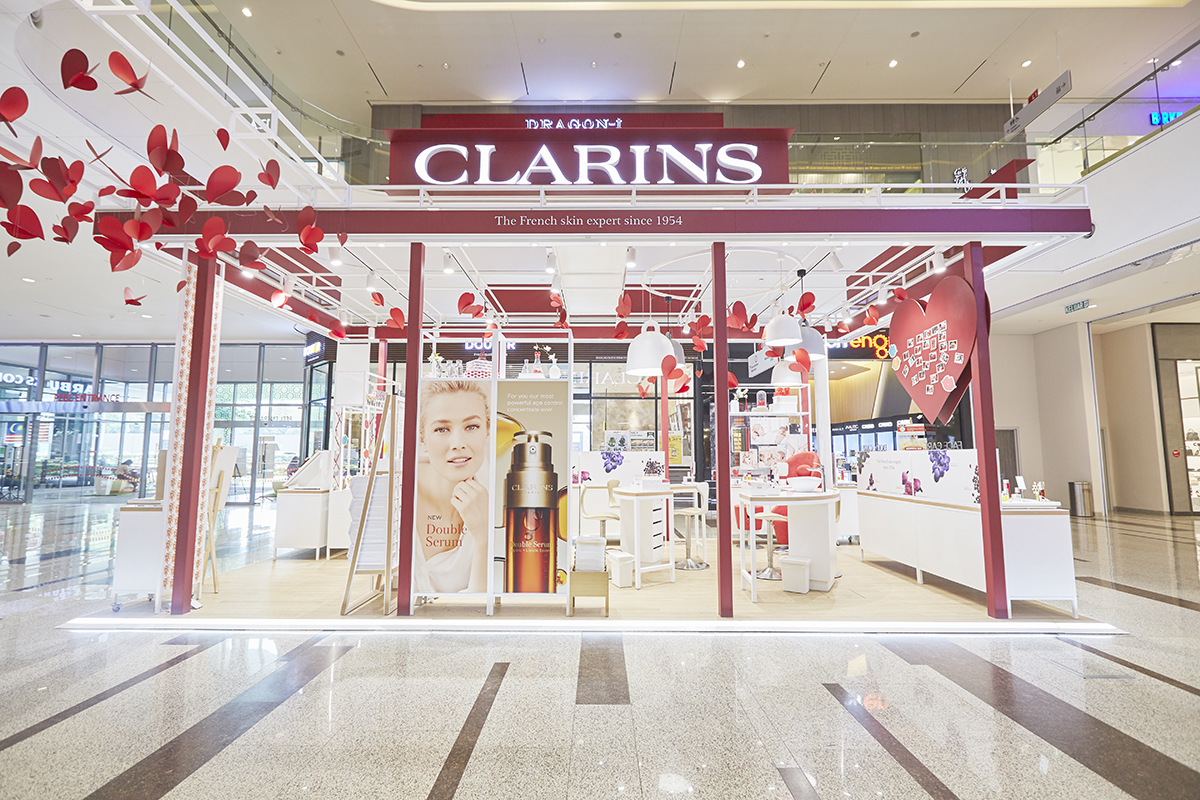
    French beauty brand Clarins has opened its first kiosk-style concept store in Singapore, its fourth boutique in the city.

    Located in the heart of the Nex shopping center, the store occupies just 20sqm, but offers a wide range of products, including the Clarins hero product Double Serum and the V Shaping Facial Liftline.

    To celebrate the opening, the store introduced the brand’s Clarins Scented Collection which is made from plant ingredients and available in a series of products, including foaming gel, body lotion, home fragrance, and scented candles.

    “The new Clarins kiosk at Nex is perfect for time-strapped shoppers who appreciate the convenience of grab-and-go,” the company said in a statement.

    Clarins operates stores in more than 140 countries including Mainland China, India, Japan, and South Korea.

  • Vietnam suffers most phishing attacks on small businesses in Southeast Asia

    Vietnam suffers most phishing attacks on small businesses in Southeast Asia

    Vietnam led Southeast Asia in the number of phishing attacks targeting small enterprises in the first half of this year. There were more than 1.6 million attacks on small and medium-sized enterprises with 50-250 employees in the region, up 39 percent from the same period last year, Russian cybersecurity firm Kaspersky Lab said a report it released on Tuesday.

    Vietnam accounted for 464,300, followed by Indonesia (406,200) and Malaysia (269,500). Singapore had the least number of attacks, but the number of cases was up 60.5 percent. On a global scale, Brazil topped followed by Russia, France, Columbia, and the U.S.

    The most common scams included using information about the novel coronavirus as bait, swindling people by offering to sell masks, seeking donations for vaccine research, and offering relief payments.

    The report also mentioned several other common phishing tricks such as evaluating job performance, important announcements from administrators, requesting emergency password checks, and urgent press releases.

    Yeo Siang Tiong, Kaspersky’s general manager for Southeast Asia, said the surge in attacks in Southeast Asia was due to the fact many companies let employees work from home since the end of March, resulting in a large number of users clicking on an infected link or attachment.

    Vietnam recorded 2,017 cyber attacks on its information systems in the first half of 2020, down 27.1 percent year-on-year, according to the Ministry of Information and Communications’ Department of Information Security.

  • Vietnam suffers most phishing attacks on small businesses in Southeast Asia

    Vietnam suffers most phishing attacks on small businesses in Southeast Asia

    Vietnam led Southeast Asia in the number of phishing attacks targeting small enterprises in the first half of this year.

    There were more than 1.6 million attacks on small and medium-sized enterprises with 50-250 employees in the region, up 39 percent from the same period last year, Russian cybersecurity firm Kaspersky Lab said a report it released on Tuesday.

    Vietnam accounted for 464,300, followed by Indonesia (406,200) and Malaysia (269,500). Singapore had the least number of attacks, but the number of cases was up 60.5 percent. On a global scale, Brazil topped followed by Russia, France, Columbia, and the U.S.

    The most common scams included using information about the novel coronavirus as bait, swindling people by offering to sell masks, seeking donations for vaccine research, and offering relief payments.

    The report also mentioned several other common phishing tricks such as evaluating job performance, important announcements from administrators, requesting emergency password checks, and urgent press releases.

    Many companies let employees work from home since the end of March, resulting in a large number of users clicking on an infected link or attachment.

    Vietnam recorded 2,017 cyber attacks on its information systems in the first half of 2020, down 27.1 percent year-on-year, according to the Ministry of Information and Communications’ Department of Information Security.

  • Zalora selects regional chief people officer

    Zalora selects regional chief people officer

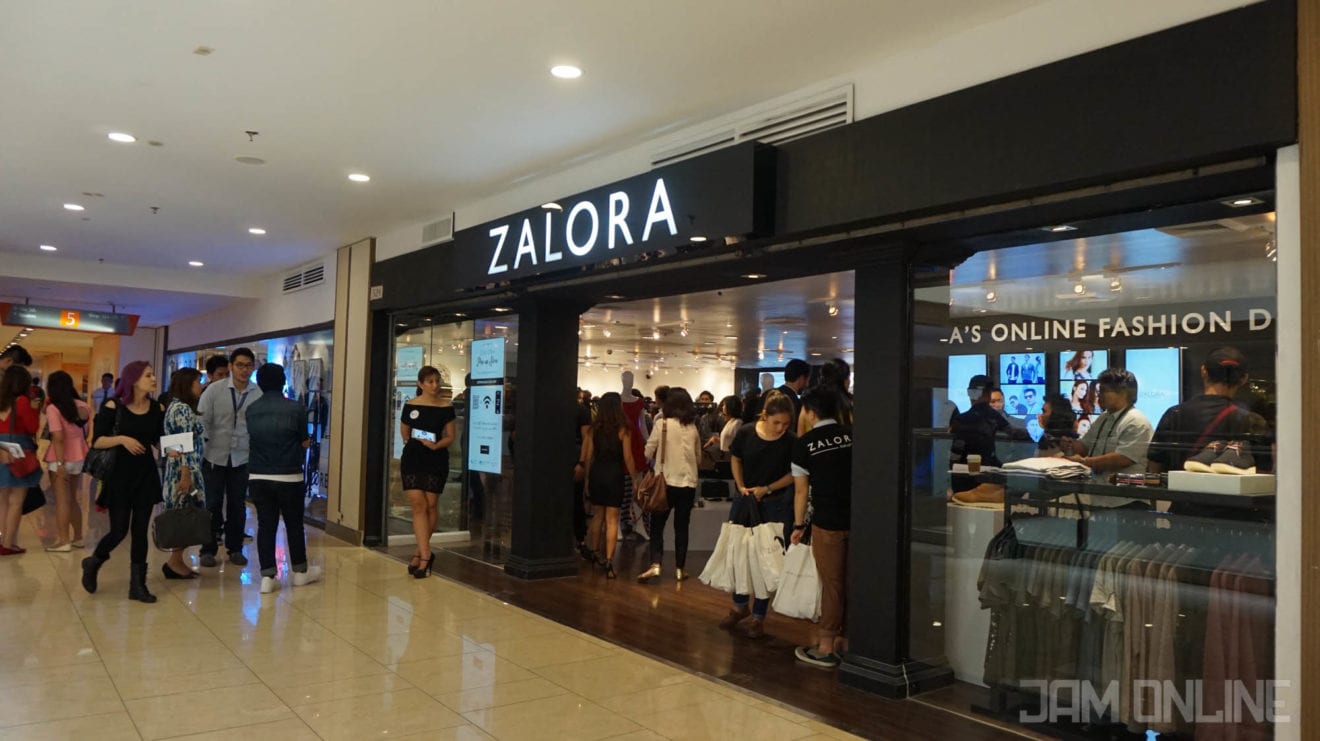
    Online fashion platform Zalora has appointed Louise Pender as chief people officer, essentially a head of HR role.

    With the new role, Pender will oversee “the people and culture teams” across all markets, the online retailer said in a statement. She will also be responsible for human resources functions, including talent acquisition, talent development, workforce planning and strategic business partnering.

    “Louise is a leader with a record of building and empowering high performing teams,” said Gunjan Soni, CEO of Zalora. “Her career has centered around her passion for helping organizations and individuals reach their full potential. Since joining Zalora in March 2016, Louise has championed a number of People initiatives, including diversity and inclusion.”

    She will concurrently head the Legal and Sustainability team, in her existing role as Zalora’s General Counsel, according to the company.

    Prior to Zalora, Louise worked in senior roles at United Group Services and Siemens in Australia, Gate Group Holdings in Switzerland, and Gate Gourmet Inc in the USA. She has more than 20 years of experience in legal and business advice after graduating with a law degree in her native New Zealand.

  • JD sales beat estimates as customers move online

    JD sales beat estimates as customers move online

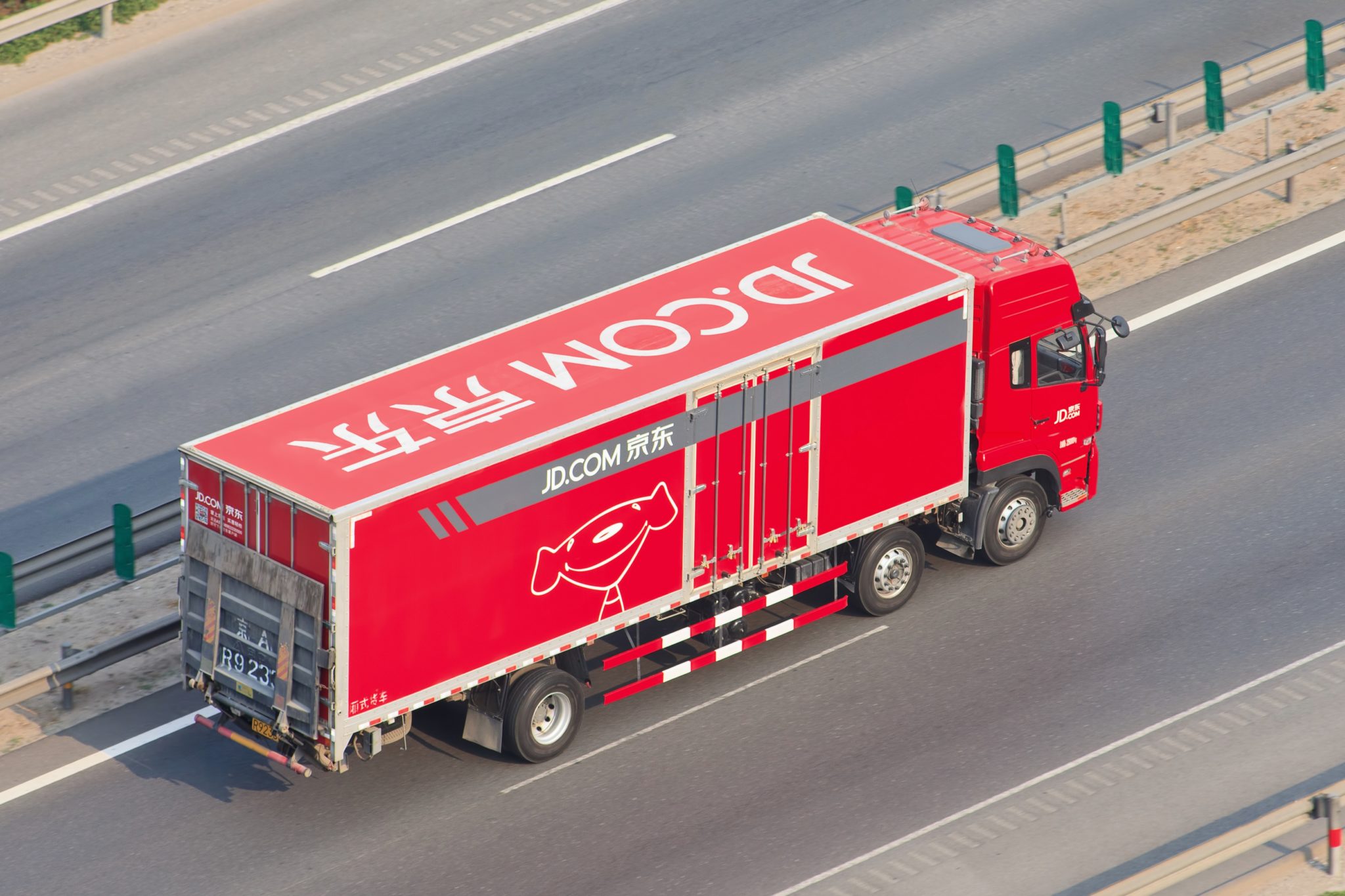
    China’s JD beat analysts’ estimates for quarterly sales, as the firm benefited from a shift in shopping habits of domestic consumers who have largely moved to online ever since the outset of the Covid-19 pandemic.

    The results coincide with growing tensions between Beijing and Washington. Several Chinese companies are putting off plans for US listings amid tensions between the world’s top two economies, while those listed in New York are seeking to return to exchanges closer to home. In June, JD raised about $3.87 billion in its Hong Kong secondary listing.

    JD executives did not offer any comments on US-China tensions on a conference call with analysts on Monday.

    China, which has under a thousand active Covid-19 cases currently, has largely emerged out of lockdowns but demand is still picking up in many sectors.

    Retail sales in the world’s second-largest economy slipped in July, dashing expectations for a modest rise, as consumers failed to shake off wariness about the coronavirus, while the factory sector’s recovery struggled to pick up the pace.

    The company’s net product revenue, which includes online retail sales, rose 33.5 percent to $25.74 billion in the second quarter.

    Net income attributable to shareholders rose to $2.38 billion from $89.4 million a year earlier.

    The company’s total net revenue rose 33.8 percent to $28.98 billion in the quarter ended June 30.

  • Indian retail sales plummet, but RAI points to early signs of recovery

    Indian retail sales plummet, but RAI points to early signs of recovery

    Indian retail sales figures reflect signs of recovery in the nation’s economy, even as the overall number shows a massive drop against last year due to the impact of the coronavirus pandemic.

    The Retailers Association of India (RAI), in the fifth edition of its fortnightly business survey, reported a 63-per-cent year-on-year decline in retail sales during July. The massive decrease compares favorably with that recorded for June (67 percent) and April (more than 80 percent).

    The trend towards recovery was most pronounced in the food & grocery and consumer durables product categories, but not apparent in the apparel, sports goods, and beauty & wellness sectors.

    The statistics signal challenges still facing retailers despite the easing of India’s lockdown last month.

    “With Unlock 3.0 now being rolled out across the country, there is a possibility of significant sales recovery for retail businesses,” said RAI CEO Kumar Rajagopalan. “However, localized lockdowns, weekend curfews, and not allowing formats like food courts and cinema halls to reopen are creating roadblocks on the path to revival.

    “In places where local authorities have been supportive, there is confidence in the minds of consumers. If the retail industry continues to be under pressure, it will have a serious rippling effect on other sectors such as manufacturing, entertainment, and artisans among others.”

  • June Indonesian retail sales down again

    June Indonesian retail sales down again

    June Indonesian retail sales fell 17.1 percent over the same month last year – but that decline was slower than during the previous month.

    According to data from the country’s central bank, retail sales fell by 20.6 percent in May, as the Covid-19 pandemic forced store closures and consumers stayed home.

    Sectors to show improvement were food, beverages & tobacco, along with communication services.

    The Bank Indonesia is expecting the decline in Indonesian retail sales to further slow in July, to 12.3 percent.

  • New retail brands join line-up at The Shoppes at Marina Bay Sands

    New retail brands join line-up at The Shoppes at Marina Bay Sands

    The Shoppes at Marina Bay Sands has revealed a list of store openings and new brands for the shopping center this year.

    In the childrenswear category, Italian label Monnalisa has opened its first Southeast Asian standalone store, following the opening of Fila Kids last month.

    The Shoppes at Marina Bay Sands has also announced a plan by British luxury fashion house Alexander McQueen to refurbish its retail store. Relocated in the center, the new store will occupy a 3300sqft space, three times the size of its existing outlet, and featuring a new-generation store design. It is scheduled to re-open at the end of this year.

    Watch and jewelry brands to join The Shoppes include Japan’s Ahkah (this month) and Chinese label Qeelin whose first Singapore store will open later this year.

    High-end luxury Korean skincare brand Su:m37 will launch its first standalone kiosk and a skincare line in Singapore in the fourth quarter of this year.

    In the food & beverage category, renowned Chinese restaurant Putien is to join The Shoppes dining options early next year, taking up space previously occupied by the DC Comics SuperHeroes cafe.

  • Japan retail sales tumble during June

    Japan retail sales tumble during June

    Japanese retail sales have fallen by 1.2 percent during the month of June over the same month last year. It was the fourth consecutive month of a decline in retail trade, largely brought about by the impact of the coronavirus pandemic.

    The drop stands in contrast with earlier median market projections that forecasted a 6.5-per-cent decrease.

    The information was revealed yesterday in government data released by the Ministry of Economy, Trade, and Industry.

    Sales continued to plummet in categories such as general merchandise, fabrics apparel & accessories, motor vehicles, and fuel – although not as sharply as in the month previous. By contrast, sales rebounded for machinery & equipment

    A bright spot in the figures showed food & beverage sales continuing to increase by 3 percent following a 1.9-per-cent rise in May.

  • Hong Kong retail sales in June slip

    Hong Kong retail sales in June slip

    Hong Kong retail sales in June slumped by 24.8 percent to US$3.42 billion as the territory’s borders remained all but closed to tourists due to the Covid-19 pandemic.

    The decline was lower than in May when sales were down 32.9 percent year on year and the 33.3-per-cent rate for the six months to June.

    A Hong Kong government spokesman said the slowing rate of the decline reflected the pandemic’s abatement during the month, resulting in more locals returning to the shop.

    However, with inbound tourism remaining at a standstill in July and local consumption hit by the surge in local Covid-19 cases resulting in a tightening of social-distancing measures, the retail trading environment “has turned more austere again” since June, they said.

    June last year was when the social unrest began to impact Hong Kong retail, so the year-on-year declines each month for the rest of this year will likely be less dramatic than in recent months, due to the lower base.

    In order of the category’s impact on the overall figures, the biggest declines were in department-store sales down 7 percent; miscellaneous consumer goods by 10 percent, food, alcohol and tobacco down 13.2 percent; jewelry and watches by 56.5 percent; electrical goods by 8.8 percent; and apparel by 38.8 percent.

    The medicines and cosmetics category was down by 57.4 percent; motor vehicles and parts by 17.9 percent; footwear and accessories by 39.7 percent; Chinese drugs and herbs by 29 percent; books, newspapers, stationery, and gifts by 41.3 percent; and sales at optical shops fell by 32.5 percent.

    The only categories showing growth in Hong Kong retail sales in June were supermarkets up by 4.5 percent, fuels by 8.4 percent, and furniture and fixtures by 0.3 percent.

  • Revenge shopping and getting personal

    Revenge shopping and getting personal

    Shanghainese women purchasing luxury goods in the post-Covid-19 era are making conscious choices in consumption – with a tendency towards revenge shopping amongst younger buyers.

    The insights were revealed in new research by local luxury intelligence agency Gusto Luxe. The firm’s latest report analyses trends in luxury shopping among Shanghai’s women, highlighting several factors with implications for how brands should position and communicate in the market.

    “It’s fascinating to understand the deep impact of the pandemic on Chinese luxury consumers, said Gusto Intelligence research director Lee Folland. “It also offers opportunities for brands to further explore how Chinese luxury consumers expect a specific category and brand to engage in this new environment.”

    For the survey, Gusto interviewed 20 women in Shanghai aged between 20 and 55 years old via LookLook Mobile Ethnography (a product of Spark Ideas), all qualified luxury buyers who spent a minimum of US$5000 on jewelry within the past year, of which more than $2000 was on a single item.

    According to the data, cooking classes, interior decoration, home improvements, and fragrances are top of mind among Shanghainese women in the luxury market. The women interviewed indicated a desire for more personalization on digital platforms and placed high importance on wellness, beauty and vitality. They have a heightened interest in what brands are doing to minimize environmental and social impacts and exhibit greater pride in Chinese Brands.

    For the time being, travel outside of China is not on the cards with the continuing impact of the pandemic.

    “From live streaming to the future of private events to how to leverage relationships with SAs, this study unveiled great clues into what luxury buyers truly desire, as seismic shifts are occurring in the luxury retail landscape,” said Spark Ideas founder & CEO Malinda Sanna.

  • Covid-19 drives broad shift in shopping behaviour

    Covid-19 drives broad shift in shopping behaviour

    The coronavirus pandemic has had a lasting impact on the shopping behavior of global consumers, according to new research by Adobe.

    The figures show that despite the lifting of lockdown restrictions in many countries worldwide, customer shopping habits and brand interactions have not returned to pre-coronavirus norms.

    According to the survey, 67 percent of responding consumers remain concerned about the pandemic’s impact on personal health (73 percent), jobs (40 percent) and the economy (36 percent). Millennial consumers registered far greater levels of concern than any other respondent age group.

    “The outbreak of Covid-19 has accelerated a broad shift in APAC consumer behaviors and attitudes that have been in the making for some time,” said Adobe MD Southeast Asia Simon Dale. “It is clear from the results of the study that brands that are nimble in pivoting to this digital ‘new norm’ will be able to create deep and enduring brand resonance while helping their customers feel truly supported. Marketers will need to pay close attention to their customers and ensure that they adapt their CX strategy to address different groups with relevant messages, more so now than ever.”

    Close to 100 percent of consumers expressed patience with those restrictions that remain in place, while just 61 percent agree with full lockdown measures – Chinese consumers being notably content to wait things out.

    Other findings showed increasing consumer concern with the way businesses treat staff (77 percent), while just 54 percent of consumers think firms care for the wellbeing of their employees. A high proportion of consumers think it important for brands to mirror the state of the world in their marketing collaterals in response to Covid-19 and have a duty to proactively offer help or provide special offers to customers in this era.

    Despite a sharp growth in online shopping and widespread anticipation of a permanent shift in consumer behavior towards e-commerce adoption, 70 percent of consumers reported a preference for purchasing grocery items in person, particularly in Australia.

    To respond to these and other nuances in customer preference, the majority of organizations are transforming their long-term strategy in case this period lasts for more than a year (79 percent), and are also changing their approach to future marketing efforts (82 percent).

  • Off-White opens doors in Bangkok’s EmQuartier

    Off-White opens doors in Bangkok’s EmQuartier

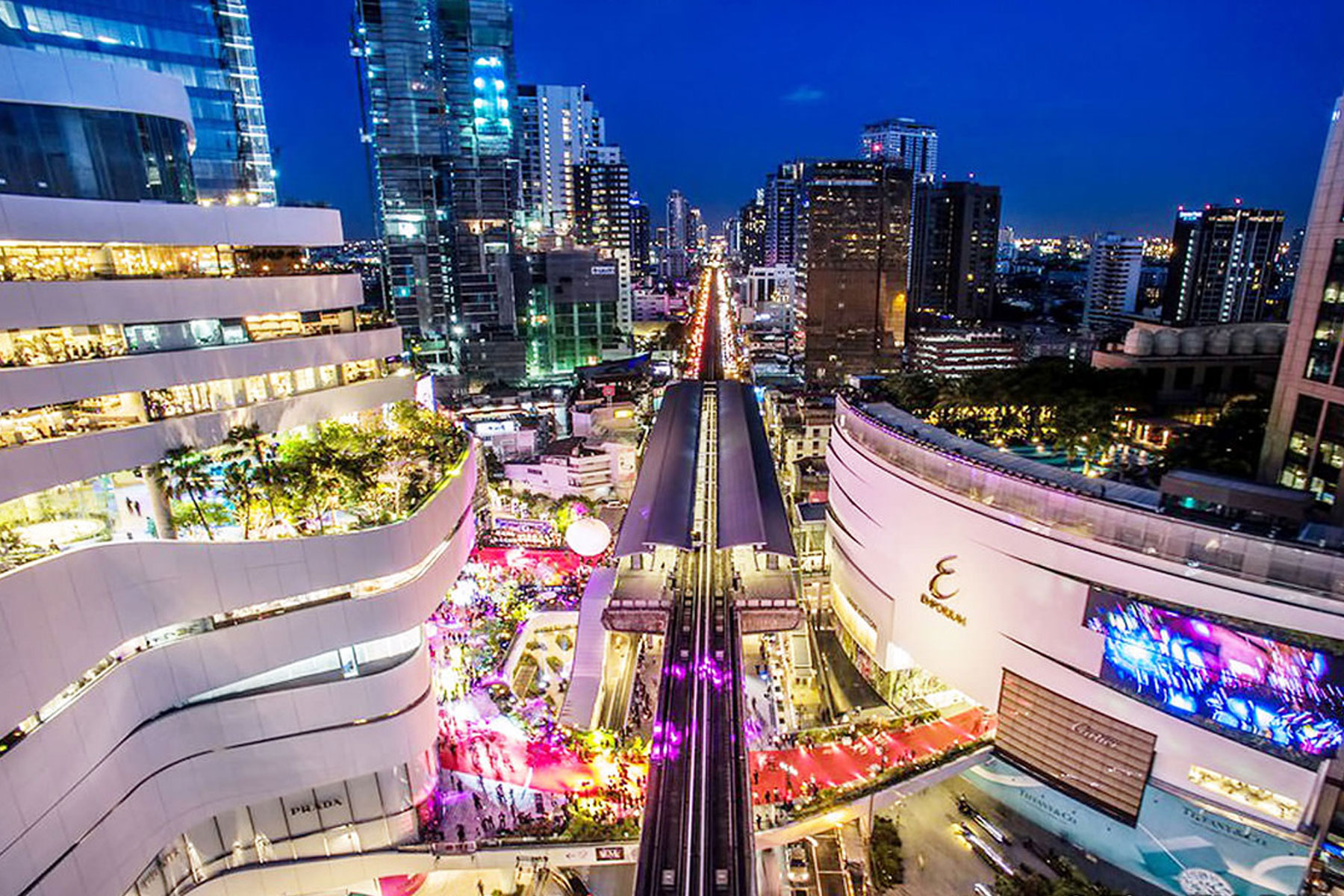
    Italian luxury fashion label Off-White has opened a new monobrand store in Bangkok’s EmQuartier.

    Located on M Floor, the Off-White EmQuartier store occupies a 174sqm space, offering a selection of Off-White’s menswear and womenswear collections.

    The store facade features gray walls with the Off-White’s logo in yellow. The store’s interior is dressed in curved wood, creating a soft and elegant design.

    Off-White’s products are displayed under the wooden wall, which according to the company works as “racking systems and modules for product display”, a feature specially created for this location.

    Several grey granite tables with hole detailing stand in the centre of the store, reflecting the Off-White’s fresh, new logo concept. Velvet benches and carpets add a touch of sophistication to the design.

  • C.H. Robinson announces alliance with Microsoft to digitally transform the supply chain of the future

    C.H. Robinson announces alliance with Microsoft to digitally transform the supply chain of the future

    C.H. Robinson and Microsoft Corp. announced they are joining forces to digitally transform supply chains of the future by combining the power of C.H. Robinson’s Navisphere, Microsoft Azure and Azure IoT to meet the changing demands of evolving global supply chains. Through this alliance, the companies aim to enable real-time visibility for C.H. Robinson customers.

    “The partnership is welcoming news for C.H. Robinson’s customers as we set out to foster stronger global supply chains through infrastructure and technology,” said John Chen, vice president Asia at C.H. Robinson. “Given the complexity of supply chains connecting Asia and the world, shippers are increasingly looking for greater efficiency and real time visibility while digitally transforming their logistics networks. We want to accelerate the pace of transformation across the sector, tapping into the benefits of advanced cloud technologies and our Navisphere platform.”

    “The pace of change we’re seeing in the supply-chain industry today is unparalleled. Being able to quickly scale and adapt our technology is what helps give our customers a competitive advantage,” said Chris O’Brien, chief commercial officer, C.H. Robinson. “As we continue to invest and enhance our technology built by and for supply-chain experts, we look to partner with other best-in-class companies that bring the most value to our customers. Through Microsoft’s Azure cloud platform, we gain more scalability, premier data security and increased application speed, which benefit our customers and carriers around the world.”

    Through this collaboration, Navisphere — C.H. Robinson’s global multimodal transportation management platform — will now leverage Azure IoT Central to integrate IoT device monitoring that measures factors such as temperature, shock, tilt, humidity, light and pressure in shipments to give customers an even more detailed level of intelligence about goods as they move through the supply chain. Together, C.H. Robinson and Microsoft work with many of the Fortune 250 companies, which means this alliance makes it even easier to scale and develop new solutions to provide the world’s largest shippers with greater supply-chain efficiency, real-time insights and visibility.

    “We are committed to providing customers with a trusted, easy-to-use platform so they can build seamless, smart and secure solutions regardless of where they are on their IoT journey,” said Sam George, corporate vice president, Azure IoT, Microsoft. “We’re thrilled to collaborate with C.H. Robinson as it transforms the supply-chain industry by leveraging our Microsoft Azure and Azure IoT solutions.”

    The new collaboration builds on C.H. Robinson and Microsoft’s already rich history of working together. Navisphere is currently used across Microsoft’s global supply chain, giving the company real-time visibility into inventory, at rest or in motion anywhere in the world. In addition, in collaboration with Microsoft, C.H. Robinson built Navisphere Vision, a global real-time visibility product that leverages Azure IoT solutions, machine learning and predictive analytics to assess potential disruptions across supply chains.

    Through C.H. Robinson’s TMC division and Navisphere Vision, Microsoft is driving innovations in its own supply chain to provide more predictability and proactive decision-making to its various business groups.

    “The supply chain of the future is smarter, less volatile and can be navigated with a new level of visibility thanks to the power of this relationship. Through this collaboration, our customers receive a greater competitive edge, as well as industry-leading insights and expertise,” said Jordan Kass, president of Managed Services at C.H. Robinson.

    In addition to C.H. Robinson’s innovation on Azure, the company is also leveraging  Dynamics 365 and Power BI to streamline its customer relationship management (CRM) platform, supporting C.H. Robinson’s commitment to customer-centricity from small business to the world’s largest shippers. As part of its relationship with Microsoft, C.H. Robinson will integrate its real-time pricing, execution and transportation management tools into Dynamics 365, making these digitally-driven logistics capabilities available to Microsoft customers.

  • Central Retail Vietnam revenues surpass US$1.1 billion after rapid expansion

    Central Retail Vietnam revenues surpass US$1.1 billion after rapid expansion

    Thai retail conglomerate Central Group plans to cover 90 percent of Vietnam’s provinces within five years via subsidiary Central Retail.

    Central launched in Vietnam in 2012, initially with fashion merchandising before taking stakes in local electrical appliance chain Nguyen Kim (which it now owns 81.5 percent of) and Lanchi Mart supermarket in 2015.

    As of last month, Central Retail Vietnam operates 35 malls (most anchored by Big C hypermarkets) and 230 stores across 39 out of the nation’s 63 provinces. It is the largest multinational retail company operating in Vietnam with a customer base of about 12 million and revenues of US$1.17 billion last year. The country already accounts for about 20 percent of the parent company’s sales.

    The company’s new Go! brand already encompasses 32 hypermarkets (Hyper Go!) and seven supermarkets (Super Go!). Six more Go! hypermarkets are scheduled for Tra Vinh, Quang Ngai, Buon Ma Thuot, Ben Tre, Ba Ria, and Thai Nguyen, while four more Big C stores will soon be rebranded to Go!”

    Central Retail Vietnam CEO Philippe Jean Broianigo says Central Retail will continue to focus on growth via outlet expansion.

    The company is bullish about its prospects in Vietnam which recorded 3.82-per-cent economic growth in the first quarter of this year despite a four-week shutdown of most retail from late March. No community transmission of Covid-19 has been recorded since April 16.

    The plan includes technology and omnichannel platform developments and achieving business synergies with leading partners such as Grab and GrabMart to launch delivery services for customers.

    “Central Retail will have a full multi-format platform that can seamlessly reach customers via offline and online channels,” said Broianigo.

    Central Retail CEO Yol Phokasub said the company is “constantly seeking expansion” and will continue to invest in Vietnam because it foresees the size of the potential.

    “By staying true to our vision, we will drive the country’s prosperity simultaneously with improving the quality of life of Vietnamese people.”