Tag: retailing

  • Lush calls out Hong Kong landlords after flagship closing

    Lush calls out Hong Kong landlords after flagship closing

    Lush has taken a positive approach to its future in Hong Kong following the closure of its Central flagship store at the end of last month.

    But it has criticized the city’s landlords generally for failing to share the burden of a decimated retail market in the wake of the pandemic. The beauty products company said the decision to close the five-story flagship store, and its first spa in Asia at the end of its lease took “much consideration”.

    Lush said that all of its other stores in Hong Kong and Macau will continue to trade as usual.

    The Soho Square store’s closure reflected the challenges of dealing with reduced footfall during the Covid-19 crisis, the impact of “previous conditions” and a lack of early response from landlords and the government to help struggling businesses.

    “The pandemic has challenged many businesses around the world. Unfortunately, the measures to help in Hong Kong have been very late. Up until the end of January we had received little support from landlords or the government. However, the measure on salaries is very much needed and we are grateful for this.

    “Even though we are saying goodbye to Lush Soho Square Shop & Spa, we want to highlight the achievement of the team in the past five years and thank them for all their hard work. We have loved bringing the spa experience to customers in Hong Kong and we hope they have enjoyed every moment.”

    Elsewhere in Hong Kong, Lush has been engaging with landlords across the two territories because rent accounts for the majority of costs to businesses of all types.

    “We know it is also difficult for our landlords and as property owners, they also have a vested interest in the future of the retail industry,” Lush said in its email. “We would like to thank our partners who have to date been open to constructive discussion and particularly for those that have given discounts of 50 percent and above.

    “But this isn’t the time for one party to take all and one party left with all the burden. We believe there is collective social responsibility, and landlords and retailers should work collaboratively together to ensure retail survives in Hong Kong, which will benefit the local people and economy that in turn supports property owners that need rental tenants.

    “Some landlords gave us a slight discount on rent in February and March, following negotiations with us. However, this is not reflective of the reality we are facing. We have been in continual negotiations of the rent relief and payment plan with the landlords, and we are confident of keeping things under control with our strategic property plans, and where governments have offered pay schemes and guarantees we are making use of these to ensure staff payroll is protected as much as possible whilst there is little money flowing into the business.”

    Meanwhile, over the past few months, the company has worked to have a positive impact on the local communities during the pandemic.

    Underpinning the message of washing hands to keep the virus at bay, Lush donated more than 8 tonnes of soap to healthcare workers, non-profit organizations and minority groups.

    “We strongly believe that this is the time we have to help each other locally to overcome the unpredictable challenges so that we can support a positive future together.

    “We look to the future with optimism and sincere gratitude to our incredible staff and community. We are doing our best to make decisions and operate the only way we know how: honestly and transparently.”

    Lush founder Mark Constantine said the pandemic may bring many long-lasting changes to the way people live their lives.

    “Lush needs to adapt to these changes, stay agile and relevant, whilst holding true to our principles of being a business that is kind and caring. We will need the help of everyone as we enter this next phase.”
  • Little respite likely as Hong Kong retail rents slump to 2003 levels

    Little respite likely as Hong Kong retail rents slump to 2003 levels

    As Hong Kong retail rents slump to levels not seen since 2003, retailers who appeal to domestic shoppers are beginning to have a stronger presence in the market.

    According to retail real estate professionals with property company Savills, brands in categories such as lifestyle products, health-related goods, and affordable family-friendly chains are taking the opportunity to lease space in commercial districts across the city. They are taking over from retailers who appealed primarily to inbound tourists from Mainland China and elsewhere, before social unrest and the Covid-19 led to a record 11-month run of double-digit declines in retail sales in the city.

    Jewelry and watch sales plummeted by more than 69 percent during the first five months of this year.

    Savills senior director, research & consultancy, Simon Smith, says that while prime street-shop and shopping-mall rents seem to have found a floor since their 2013 peak, this may only be temporary.

    “Rising vacancy levels continue to plague the market with mid-range fashion retailers joining luxury retailers in rationalizing store numbers, but rents appear to have stabilized for now.”

    With many luxury and mid-range brands struggling to break even with the desertion of tourists, they are right-sizing their networks and closing underperforming stores.

    “The market has endured a prolonged correction since 2013 but with rents now close to 2003 levels, landlords and tenants are beginning to embrace the new reality and accept new business models and a more creative approach to trade and tenant mix,” adds Nick Bradstreet, MD, and head of retail leasing.

    According to Savills’ research, the quarter-on-quarter decline in Hong Kong retail rents in the three months to June was about 1.7 percent in prime street front sites and 0.8 percent in shopping centers.

    Retailers including Valentino, Tiffany & Co, Coach and Prada have already given up prime sites on Tsim Sha Tsui’s Canton Road and Causeway Bay’s Russell Street, two of the city’s most expensive commercial strips. Victoria’s Secret has closed its multi-story flagship nearby and MCM’s largest store, in Central, has also been shuttered.

    More mid-market retailers including Swatch, SaSa, Lush and Gap have also rationalized their store networks.

    But in their place, new brands are taking the opportunity to increase their street presence, typically brands targeting local consumers rather than mainland daytrippers and tourists.

    “Local consumers are more focused on their “whole of life” needs, prioritizing health and well-being, caring about their family and community, and valuing the local culture and sustainability,” says Savills in its quarterly review of Hong Kong retail rents.

    Examples include Muji and Lululemon, which have both opened their largest stores yet in the city, at Telford Plaza and Harbour City respectively, and UK women’s activewear label Sweaty Betty, is opening its second Hong Kong store, at Causeway Bay this month. Japanese grocer Don Don Donki is opening two more stores, at Causeway Bay and Central, later this year.

    Bradstreet and Smith say shopping-mall footfalls across Hong Kong showed signs of recovery during May and June as locals began venturing out again after Covid-19-related social-distancing measures were eased. A degree of pent-up demand may have helped the trend.

    But rebounding local spending won’t be enough to help brands reliant on tourists, with Savills predicting vacancies on prime streets in traditional tourist districts will soon rise. Topshop, Gap and Adidas are all tipped as unlikely to renew their leases on Central spaces.

    “The post-Covid outlook for Hong Kong’s retail industry remains very challenging,” concludes Savills. “Some structural changes in demand profile and market fundamentals are underway and both retailers and landlords need to adapt and constantly reinvent to stay relevant.

    “A slower-than-expected recovery in the tourism market means that a more balanced approach to local consumers and mainland tourists is warranted moving forwards but the shopping preferences of locals and tourists are of course quite different.”

  • Singapore retail sales collapsed during May due to store closing

    Singapore retail sales collapsed during May due to store closing

    Singapore retail sales plummeted 52.1 percent in May as Covid-19 lockdowns shuttered malls and the majority of retail stores across the city-state.

    May’s year-on-year decline followed a 40.3 percent drop in April and represented the biggest drop since statistics were first collected in 1986.

    After removing motor vehicles from the data, the decline was only a slightly less dramatic 45.2 percent, compared with 32.5 percent in April.

    The closure of stores across the city caused a dramatic rise in online sales which accounted for 24.5 percent of the US$1.29 billion total turnovers.

    According to Statistics Singapore, 94.3 percent of sales of computer and telecommunications equipment in May were conducted online, 93.6 percent of furniture and household goods, and 9.6 percent supermarket sales.

    Every retail category recorded a sales decline except supermarkets, hypermarkets, and convenience stores. Supermarket and hypermarket turnover soared 56.1 percent and convenience stores by 9.1 percent.

    Sales of watches and jewelry, by department stores and apparel, fell by between 89.1 percent and 96.9 percent.

    As with traditional retail, the Circuit Breaker measures introduced to curb the spread of Covid-19 resulted in huge declines in the food & beverage sector as well. A 50.1-per-cent decline in May represented a tiny improvement from April’s 52.7 percent, with vendors able to supply only delivery or takeaway.

  • South Korean retail sales up after Covid-19

    South Korean retail sales up after Covid-19

    South Korean retail sales rose by 2 percent during May, largely due to increased online shopping, according to the new Ministry of Trade figures.

    The year-on-year increase was strongly influenced by purchases of food and sanitary items online due to the effect of social-distancing requirements related to the coronavirus pandemic.

    The ministry polled 26 major retailers in both online and offline categories to collect the data, which showed combined sales of US$9.65 billion last month, an increase of over $9.506 billion during the same period last year.

    Online platforms saw a 13.5-per-cent revenue rise during the period, with online sales of food increasing almost 39 percent, and daily items and furniture going up 22.7 percent. Offline shopping – with the exception of convenience stores – continued to show a decline, with a 6.1-per-cent drop in sales.

    Year-on-year sales figures for last year showed an increase of 4.8 percent over 2018.

  • Digitalization key to helping Asian retailers emerge from Covid-19

    Digitalization key to helping Asian retailers emerge from Covid-19

    Retail business leaders in Southeast Asia see digitalization as the driving tool in returning to growth in the post-Covid-19 era according to a study by Ernst & Young.

    The responses reflect a slew of physical store closures as online platforms are increasingly becoming the key sales avenue for retailers during the pandemic.

    Bit, while digitalization is a very visible option in current times, an online strategy alone may be insufficient for retailers to stay profitable or successful in the long run, warns Ernst & Young ASEAN consumer products & retail sector leader Olivier Gergele.

    “We are seeing a fundamental shift in the retail industry that demands a rethinking of business and operating models.”

    According to the survey, 59 percent of retailers intend to digitalize their business within the next year, while 23 percent are looking at restructuring their businesses; 11 percent are seeking an exit due to non-performance, and 3 percent are intending to merge with another retailer.

    The majority of respondents (57 percent) saw improving topline performance through online sales and market listings as a clear and immediate priority, while 40 percent of those surveyed admitted to facing resource constraints. 61 percent of retailers surveyed are turning to work capital optimization to improve cash flow.

    “This crisis is fast-evolving consumer’s preferences, behaviors and values,” said Gergele. “Online retail penetration is expected to grow at an accelerating pace, and the industry’s economics will shift with e-commerce gaining a fair share of the profit pool.”

    The results of the survey suggested retailers in the region should focus on five key areas during the upcoming period: driving an omnichannel strategy; driving supply chain resilience; expanding offerings; engaging in timely M&A; and driving agility.

    “From what we have seen in previous crises, retailers that embrace change are more likely to emerge as leading businesses while those who persist in conducting business-as-usual may fall behind,” said Gergele.

  • China retail sales decline eases in May

    China retail sales decline eases in May

    The decline in China retail sales sparked by the advent of Covid-19 slowed substantially in May as the country continued to reopen for business.

    The consumer goods retail sector in China saw a year-on-year decline of 2.8 percent last month, according to the National Bureau of Statistics.

    That decline was a significant improvement on April, when China retail sales fell by 7.5 percent.

    Retail takings hit US$451 billion during May.

    However, the mainland’s catering industry remained heavily affected by the pandemic, with sales down by 18.9 percent year on year last month. That was still better than the 31.1-per-cent decline of April.

    Statistics show that online shopping is continuing to boom, with a 4.5 percent increase during the first five months of this year over last year’s results.

  • Singapore retail sales down with 33 percent in April

    Singapore retail sales down with 33 percent in April

    Singapore retail sales – excluding motor vehicles – plummeted 32.8 percent in April as Covid-19-related lockdowns saw non-essential retailers closing their physical stores.

    Including motor vehicles in the data, the fall was 40.5 percent.

    Significantly, online sales accounted for a record 17.8 percent of total retailing, with 70.6 percent of sales in the computer and telecommunications category occurring online in April and 50.4 percent of furniture and household equipment. However, just 7.7 percent of the total sales of supermarkets were conducted online.

    According to Statistics Singapore, the worst-affected retail sector overall was department stores where sales fell by 87.8 percent. Sales in watch and jewelry stores fell by 84.6 percent.

    On the plus side, sales by supermarkets & hypermarkets soared 74.6 percent, partly driven by people staying at home to work or study during the Circuit Breaker lockdown and partly due to the move from eating out to preparing food at home. Minimarts & convenience stores boosted their sales by 10.7 percent.

  • Asia-Pacific apparel markets well placed to survive virus fallout

    Asia-Pacific apparel markets well placed to survive virus fallout

    Asia-Pacific apparel markets are better placed to counter the impact from the Covid-19 crisis than those of North America and Europe, according to research from GlobalData.

    Vijay Bhupathiraju, a retail analyst at GlobalData, says forecasts suggest some US$297 billion will be wiped off the global apparel market this year due to the pandemic, with sales set to decline 15.2 percent over last year.

    However, 42 percent of that decline will be in the US, the world’s largest apparel market, while in the Asia-Pacific region, growing domestic demand will limit the damage.

    “Although the recovery has already started across the Apac markets, apparel sales will take some time to rebound amid dampened consumer confidence, the slump in tourism, the threat of an impending global recession and high unemployment rates.”

    However, he expects revenge buying – the sudden release of pent-up demand from those willing and able to spend – will compensate for some of the lost sales.

    “Some brands across China for instance are seeing store sales return to 80 to 100 percent of pre-Covid-19 trading levels as the country relaxes lockdown measures.”

    GlobalData expects fast-growing Apac markets including China, India, and South Korea to improve their positions in the Top 10 global apparel markets by 2023, as mature Western markets lose out.

    China is expected to overtake the US as the world’s largest apparel market within three years.

    Meanwhile, the serious decline in sales in the US is likely to lead to more major retailers filing for bankruptcy. Already this year, Neiman Marcus, JC Penney, J Crew, and True Religion have entered Chapter 11 protection along with many smaller regional retailers across the US. In Germany, Esprit has entered a similar local form of bankruptcy protection.

    According to GlobalData’s research, the 10 worst-impacted geographical markets will account for 85 percent of the apparel industry’s total loss – and mature markets will be the worst hit. Asia-Pacific apparel markets will perform the best.

  • Alibaba and JD launch 6.18 mid-year shopping promo marketing

    Alibaba and JD launch 6.18 mid-year shopping promo marketing

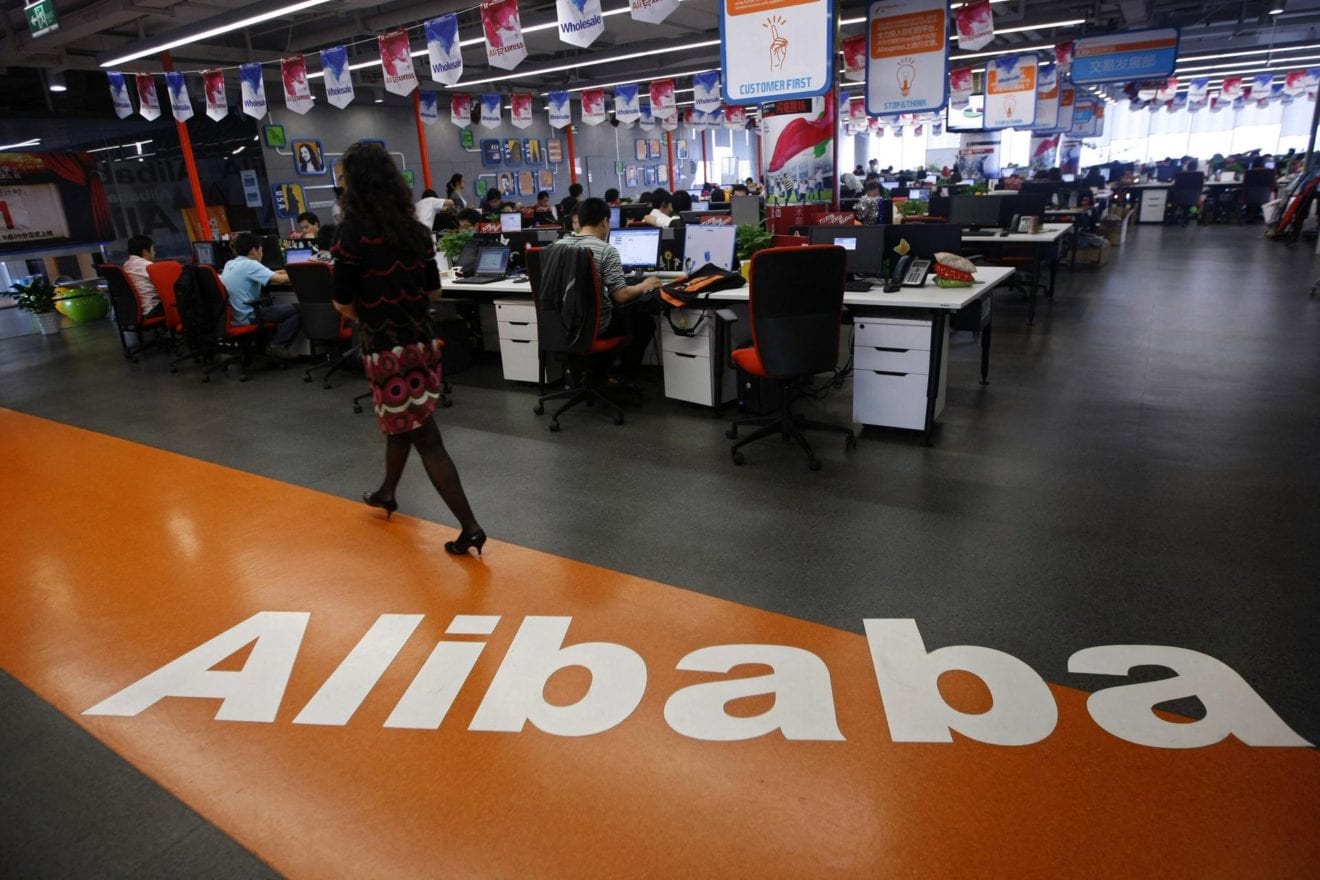
    Alibaba and JD launched their annual 6.18 mid-year shopping festivals, which mark China’s largest online retail promotion since the outbreak of Covid-19.

    Within hours, JD heralded a 400-per-cent year-on-year increase in sales of luxury fashion goods, with sales of Ferragamo, Hugo Boss, Lancel and MiuMiu all up by more than 300 percent.

    Alibaba also reported increased interest from luxury labels, with close to 180 participating, including Cartier, Chanel, Burberry, Balenciaga and Montblanc.

    Within the first 10 hours of the campaign, total gross merchandise volume (GMV) jumped 50 percent over last year at Alibaba. Cosmetics and home appliances proved particularly popular, their GMV doubling over last year.

    Alibaba’s campaign included issuing US$1.96 billion worth of digital coupons in advance of the event to boost purchasing.

    More than 100,000 brands on Alibaba’s Tmall are participating in the 6.18 event – nearly twice the number of last year, including tech giant Apple. Five hours into the campaign, Apple sold more than $70 million worth of products.

    “Online consumption has seen a post-pandemic revival since March, and the sales rebound that we have observed on Taobao and Tmall has been very encouraging,” said Liu Bo, GM of Tmall and Taobao marketing and operations.

    Both Alibaba and JD say sales of luxury products have been increasing steadily since the pandemic.

  • Vietnam retail sales bounce back after virus outbreak shutdown ends

    Vietnam retail sales bounce back after virus outbreak shutdown ends

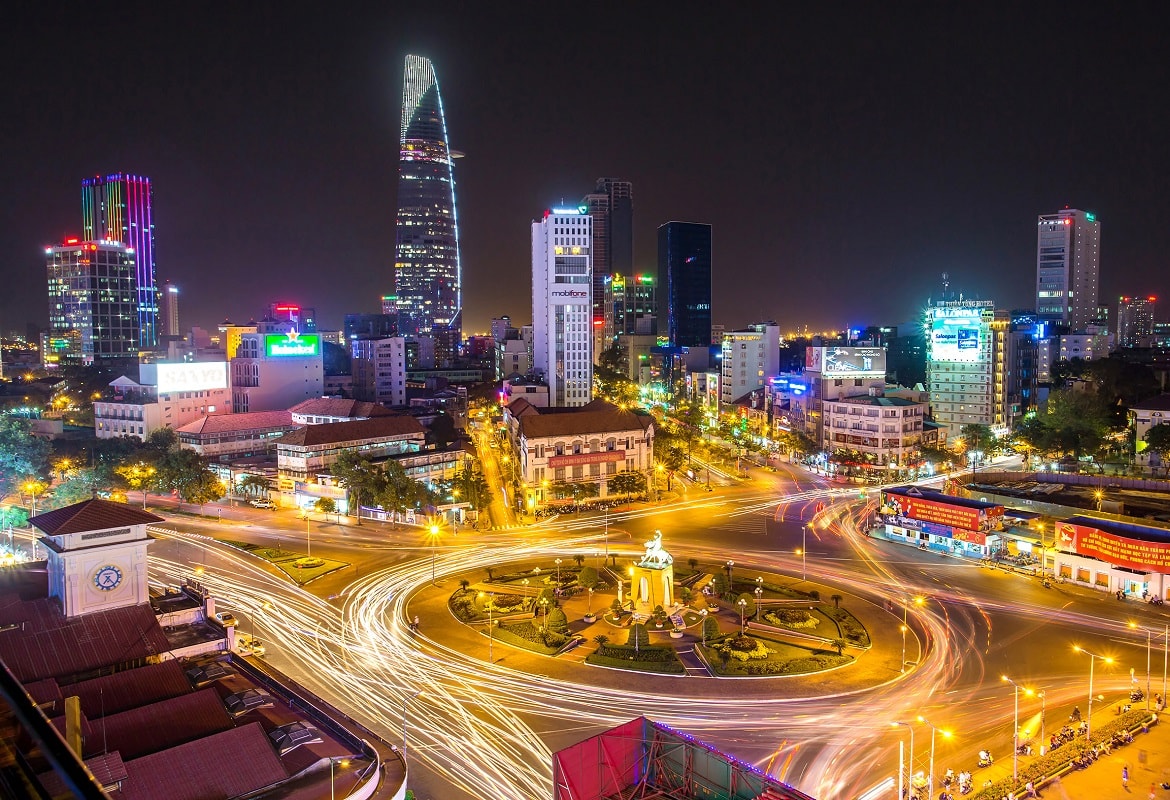
    Vietnam retail sales have dropped just 4 percent over the first five months of this year, despite a four-week shut down due to the Covid-19 crisis.

    According to the General Statistics Office (GSO), the retail revenue reached more than US$82.36 billion from January to May.

    ‘Non-essential’ stores across the country were closed from the end of March through most of April, with only supermarkets and pharmacies allowed to continue to trade. However, throughout the closure, all retailers were allowed to sell goods online.

    In May, after restrictions were lifted, Vietnam retail sales surged 27 percent from April’s figures.

    Sales of consumer goods accounted for 80.6 percent of retail revenue, increasing by 1.2 percent year on year.

    Growth sectors included fresh-food products and home appliances while educational products and apparel sales fell by 8.2 percent and 3 percent respectively

    Although restaurants and other catering businesses have resumed their operations, the F&B sales fell 26 percent year on year across the first five months of this year.

  • South Korean duty-free retailers closing downtown stores

    South Korean duty-free retailers closing downtown stores

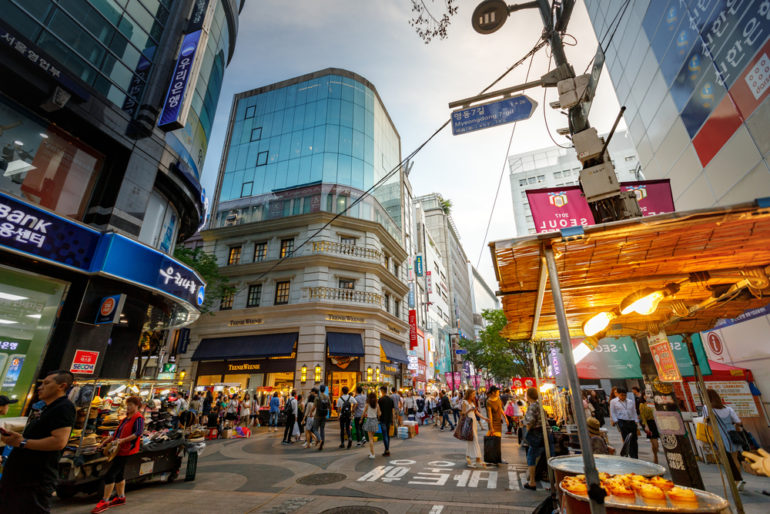
    South Korean duty-free retailers are temporarily shuttering metropolitan stores in response to a significant decline in tourist numbers caused by the coronavirus epidemic.

    Numerous outlets at prime tourist destination Jeju Island will be closed this month. A Lotte Duty-Free store that has already been operating under reduced hours since February will close pending the resolution of the crisis. Hotel Shilla’s store, which has suspended trading on weekends and holidays throughout the outbreak, will cease trading for a fixed one-month period.

    Jeju Island tourism has faltered significantly in recent months under heavily-reduced international flights, with a 99.2 percent drop in foreign tourist numbers year-on-year during April.

    The South Korean duty-free retailers shuttering stores also include Shinsegae Duty-Free’s locations in Gangnam and Busan will close on Sundays and Mondays from this month on, while airport duty-free stores under all local operators are largely closed for business at this time.

  • Macau retail sales down with 45 percent in first quarter

    Macau retail sales down with 45 percent in first quarter

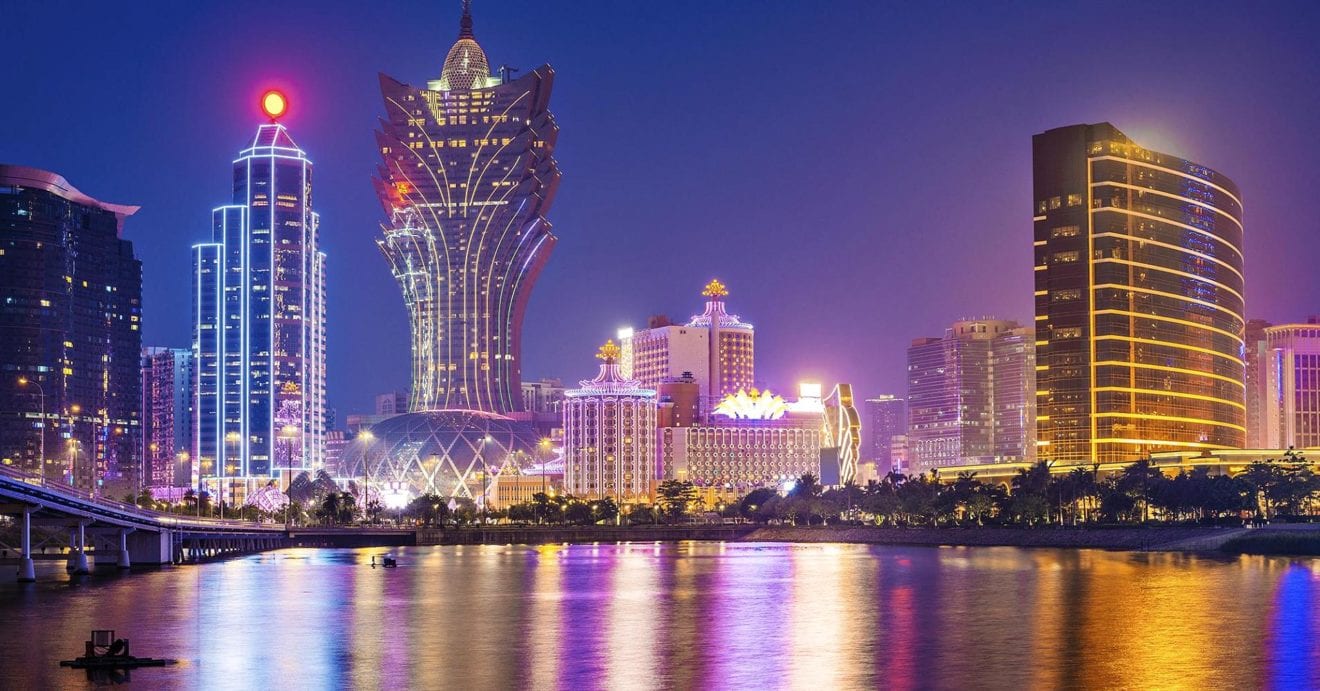
    Macau retail sales plunged 45.1 percent in the first quarter of this year to around US$1.41 billion according to the territory’s Statistics and Census Service.

    The huge fall followed the effective closure of the border with Mainland China and the resulting the absence of people venturing to Macau for gambling, shopping and conventions due to the Covid-19 crisis.

    The worst-hit Macau retail category was watches and jewelry, down by 57.5 percent, with department-store sales down by 56.4 percent.

    Adult apparel sales fell by 52.9 percent and leather goods by 51 percent.

    The only retail category to increase sales during the quarter was supermarkets, which surged 14 percent, reflecting the trend towards people preparing food and eating at home to ensure social distancing.

    According to the service, the value of Macau retail sales during the March quarter dropped by 45.8 percent compared with the preceding three months.

    When gathering retail sales data the Macau government polls businesses on their expectation of trade for the future. After March’s experience, 80 percent of retailers said they expected a decrease in sales during the current June quarter and 13.3 percent expected sales to remain stable. Just 6.2 percent expected an increase.

  • Samsung together with Facebook help Indian SMEs go live online

    Samsung together with Facebook help Indian SMEs go live online

    Samsung and Facebook have partnered up in India to train retailers to expand into e-commerce via social media platforms such as Instagram and WhatsApp.

    More than 800 retailers have undergone training sessions, with many more expected to participate in the near future.

    “Our partnership with Facebook is helping a large number of our retail partners go digital in a big way,” said Samsung India senior VP mobile business Mohandeep Singh. “By leveraging the Facebook training, our retail partners will be able to discover and target local consumers digitally.”

    The training by Samsung and Facebook most specifically targets offline retailers of Samsung products to set up business pages and accounts on Facebook’s various platforms.

    “The presence of local Samsung retailers on Facebook, Instagram, and WhatsApp will help consumers reach out to their local retailers for more information about their desired Galaxy smartphone, and shop for Galaxy smartphones on the platform of their choice,” read an official statement from Samsung.

  • cand JD use big data to design ‘C2M Mobile Phone’

    cand JD use big data to design ‘C2M Mobile Phone’

    Chinese e-commerce giant JD and device manufacturer Xiaomi sold 10,000 units of a jointly-produced mobile phone within 11 minutes.

    The Redmi K30 5G Racing phone was developed by Xiaomi based on customer insights generated from big data provided by JD. Sales volume passed RMB2 million (US$280,500) within two minutes, with the unit price at RMB1999 ($280).

    More than 20,000 phones were sold within the day.

    JD’s data revealed that most customers within the price range were females with higher educational backgrounds and above-average demand for device functions and CPU. The phone was designed with an upgraded CPU and with a mint green color tone, shown by the data to be more attractive to female customers. JD’s data also supported the marketing strategy of the product, targeting around 1.2 million customers likely planning to replace their phones within two months.

    “We have great confidence in the new C2M product,” said Xiaomi China VP Weibing Lu. “JD has been an important partner for Xiaomi, and we will work closely with JD on more C2M products in the future to better serve our customers.”

    “JD has been continuously working on C2M products with our brand partners, and the Redmi K30 5G Racing version is the collective effort of JD, Xiaomi, and Qualcomm,” said JD Mobile Devices president Daniel Tan.

    “C2M enables customers’ demands to directly reach upstream supply chain players, helping to optimize supply chain efficiency and reduce costs. This model enables us to keep improving the shopping experience.”

  • Global apparel spending to slump by $300 billion in 2020

    Global apparel spending to slump by $300 billion in 2020

    Global apparel spending is predicted to decline by 15.2 percent this year – equivalent to US$297 billion – as a direct result of the coronavirus pandemic.

    According to research by GlobalData, the worldwide apparel market will not return to the level of last year’s value until at least 2022.

    “The 10 worst impacted markets, in terms of value, will represent the vast majority of this total loss with mature regions suffering the hardest,” said GlobalData principal analyst Honor Strachan. “The US will account for more than 40 percent of all lost spend, which will contribute to more major chains filing for Chapter 11 over the next few months.”

    Evidence collected by the firm shows that even markets released from lockdown restrictions are performing with dramatic variance depending on consumer confidence, the respective country’s reliance on tourism, the state of economy and unemployment, and the level pent-up demand among potential consumers. The impact of Covid-19 on global apparel spending is thus calculated to reflect an average across all markets.

    “Some brands across China, for instance, are seeing store sales reach back up to 80–100 percent of pre-Covid-19 trading levels, while apparel retailers in parts of Germany are also experiencing a better bounce back than forecast,” said Strachan.

    He said that contrasted with markets heavily reliant on tourism spending – such as Hong Kong – which are experiencing far tougher trading conditions.