Tag: retailing

  • Shanghai retail sales slowly returning to normal after coronavirus outbreak

    Shanghai retail sales slowly returning to normal after coronavirus outbreak

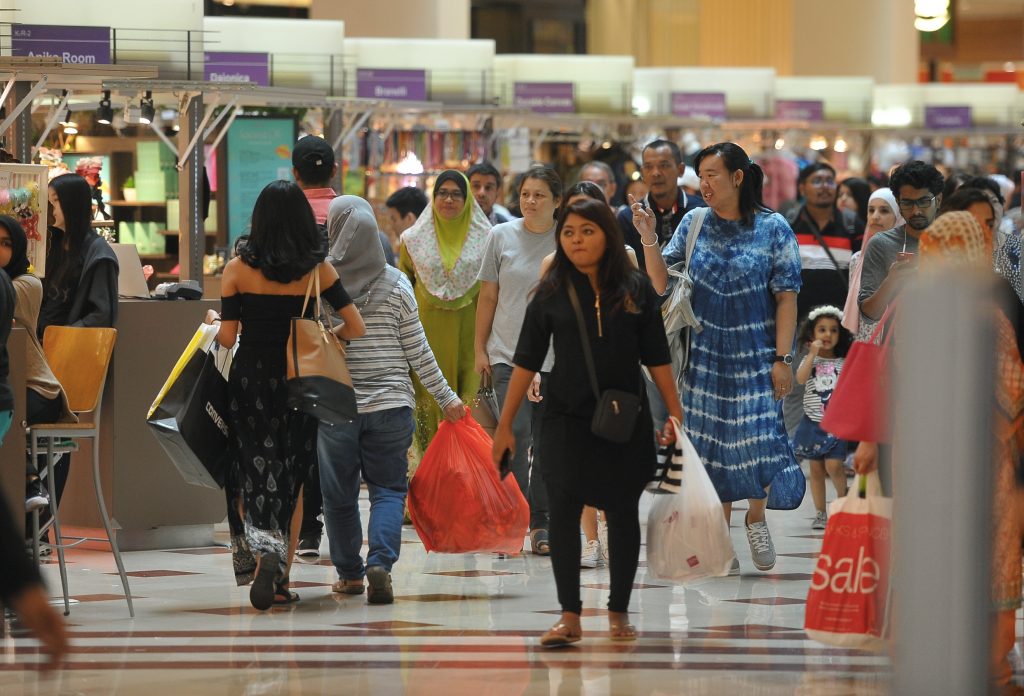
    Roughly a third of the 11,000 stores in Shanghai that closed for the coronavirus outbreak has opened for business.

    Among the reopening stores is Starbucks’ largest global outlet, Starbucks’ Reserve Roastery, which attracted daily queues before the epidemic. The store, which counts as a tourist attraction in its own right, opened just one of its doors on Wednesday – although its air conditioner remains off.

    All 57 Starbucks stores in the area have been working with officials to protect staff and customers as the outbreak continues. Half of the Reserve Roastery tables have been removed to keep customers at a distance from each other.

    “Well on the way to containing COVID-19, Shanghai is gradually returning to normal,” reported local English-language media Shine News. However, it said local residents are still taking precautions to protect themselves from infection.

    “I feel like a vegetable after being stuck at home for so many days,” said one elderly customer. “I miss these butter cookies so much. But I’ve learned from the news that we should take protective measures, so I’m wearing a mask and gloves.”

    “It’s always of vital importance to keep a balance between epidemic control and resumption of business, so we have to provide a good service,” said Jing’an Market Regulation director Chen Ping.

  • New-Generation Honda City Unveil Date Revealed

    New-Generation Honda City Unveil Date Revealed

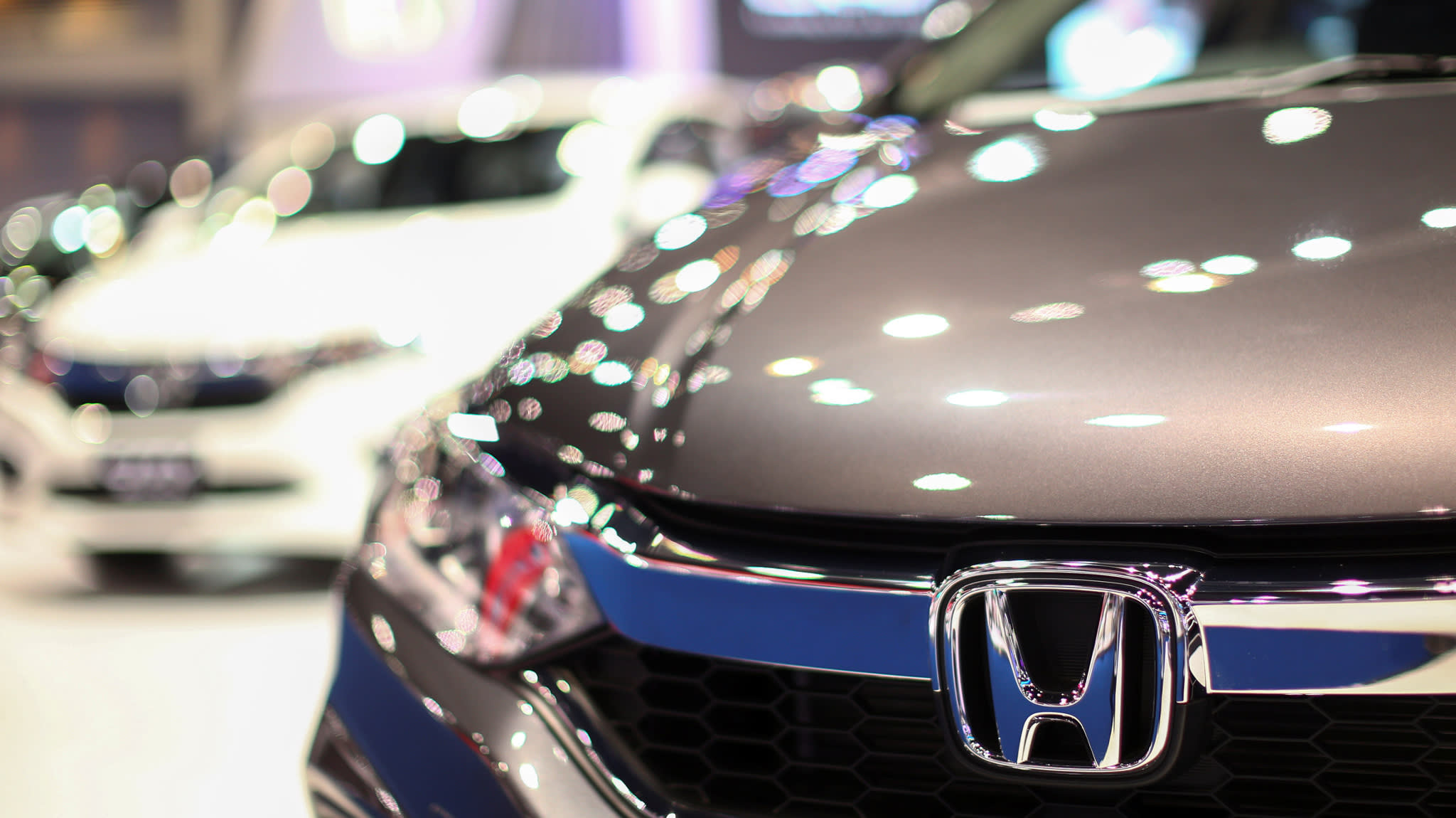
    The 5th generation Honda City is all set to be launched in India in the next couple of months. We can now tell you that Honda Cars India will officially take the wraps off the new Honda City on March 16, 2020, and probably begin taking bookings for the new car the same day onwards. The launch date of the new Honda City is yet to be confirmed. The all-new Honda City will be quite similar to the Thailand-spec model, which was unveiled in Thailand, late last year. The car will have some India-specific changes incorporated into it, of course.

    he new Honda City gets a sharper design and the front end too wears a fresh new look. There is a thick chrome bar on the grille and the headlamp cluster has been completely redesigned, having a jewel eye design. The front bumper gets a redesign as well and so do the tail lamps, carrying a signature u-shaped element.

    The 2020 Honda City has grown in size as well and is now over 100 mm longer, while the width has increased by 53 mm. The height though is now lowered by a good 28 mm, making it look a bit sportier. Honda has shortened the wheelbase on the new City by 11 mm, despite the overall increase in length.

    There will be 1.5-liter mild-hybrid petrol engine along with a 1.5-liter diesel unit and they will be BS6 compliant, right from day 1. Expect Honda to offer manual and automatic gearbox options as well!

    The Honda City will go up against its traditional rivals, which are the Maruti Suzuki Ciaz, Hyundai Verna, Skoda Rapid, and the Volkswagen Vento.

  • Online focus pays off as Sabina sales surge

    Online focus pays off as Sabina sales surge

    An aggressive online focus saw listed Thai lingerie retailer Sabina achieve 14.3 percent sales growth last year.

    Sabina CEO Bunchai Punturaumporn, pictured above, said the company’s performance last year outperformed expectations, despite declining consumer purchasing power due to a slowing economy and falling confidence.

    Sales totaled US$103.5 million and net profit reached $13 million.

    In Thailand, Sabina opened two new stores, at Central Village and Samyan Mitrtown, and home-market same-store sales rose 3.7 percent last year.

    But the real growth engine was online, with sales up 32.3 percent year on year.

    “At the end of last year, Priceza studied online sales and found that lingerie was the best-selling product in the fashion category and that Sabina had earned the highest sales online, especially during the 11.11 and 12.12 shopping festivals held in November and December last year,” said Punturaumporn.

    Last year was the first that Sabina had participated in the shopping festivals. Apart from experiencing online success, the company also developed new lingerie collections it says caters to changing demands and requirements of today’s consumers.

    Outside Thailand, Vietnam was a standout market, with Sabina achieving 25.7 percent year-on-year growth there. Cambodia, Laos, and Myanmar also saw good growth, he said.

    Sabina also manufactures products for European retailers, but that side of its business posted a lackluster result, with sales up a mere 0.1 percent.

    Meanwhile, the company says that last year 37 percent of its products were made in China through sub-contract manufacturing with local factories, the majority 63 percent made in its own Thai factories. But since the coronavirus hit this year, Sabina has migrated some contract manufacturing from Mainland China to Vietnam, spreading its risk factor as well as becoming a base for the Vietnamese market, which has shown strong growth potential.

  • Malaysian retailers hit by coronavirus

    Malaysian retailers hit by coronavirus

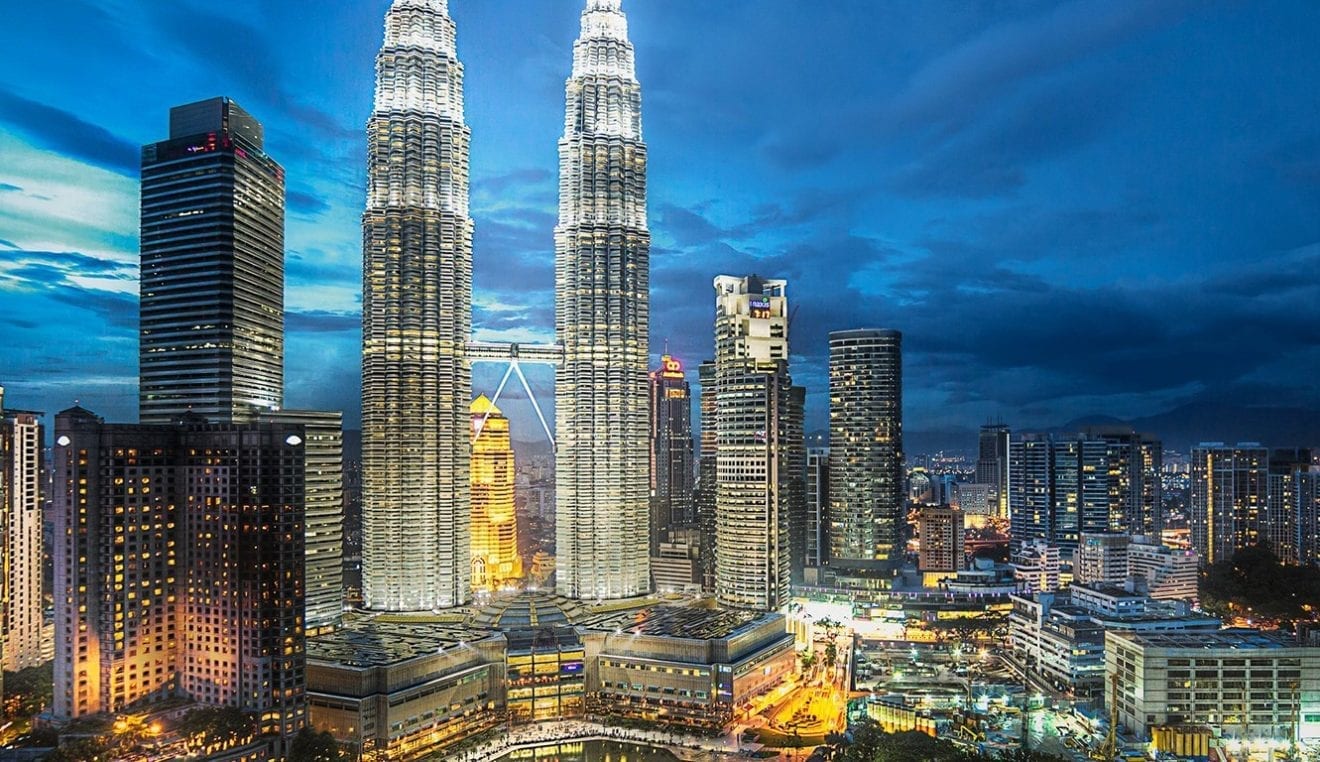
    Malaysian retailers operating in tourist zones have seen sales plunge in the wake of the coronavirus outbreak.

    Locally headquartered leathergoods retailer Bonia says sales have fallen by as much as 77 percent in one location and were down overall as fewer Chinese traveled to Malaysia and locals avoided crowded locations to reduce their exposure to the virus.

    Besides its own brand, Bonia also operates stores under the Braun Buffel, Sembonia, Renoma and Valentino Rudy banners.

    Aa Bonia spokesperson said sales had dropped 30 percent overall in the first 17 days of February, the peak, so far, of the virus outbreak.

    “Our Genting Highlands outlet has been tremendously affected,” he said. “The key factor is Covid-19, which has made tourist numbers decline, while local consumers are shying away from crowded malls during their weekend outings.”

    Sales at the Genting Highlands store were down 77 percent and at the Pavilion shopping center in Kuala Lumpur by 35 percent, year on year.

    Stores in Johor Bahru and Penang have also been hit.

    Another retailer, Corn In a Cup, has experienced a drop in sales of between 15 and 40 percent, with the worst-affected store the one at Zoo Negara, where daily sales usually run from 200 to 300.

    “We have been operating at the zoo for over 10 years,” he told The Edge. “Never before in history have we only sold one cup of corn in a day.”

  • Tmall Global offers relief package to merchants worldwide

    Tmall Global offers relief package to merchants worldwide

    Alibaba’s B2C platform Tmall Global is offering support to its merchants during the coronavirus epidemic, including waiving services fees.

    The firm’s annual service fee for the first half of 2020 will be waived for all Tmall Global merchants on board before this coming July. It will also provide its shop setup tool Winpool Smart Edition to all its merchants free of charge.

    “It has always been Alibaba’s mission to make it easy to do business anywhere, and now it’s the time to commit,” said Tmall import and export GM Alvin Liu. “Tmall Global will stand firmly with merchants from all over the world, supporting them and uniting as one to overcome challenges and difficulties at this special moment.”

    Along with the fee waivers, Tmall Global will reduce or exempt warehouse rent and logistics costs. lower the threshold for merchants’ automatic settlement obligations, reduce agency service fees, provide low-interest loans to merchants, and optimize its rules and regulations to allow more flexibility.

    Tmall Global’s move follows the rollout of 20 measures by Alibaba Group and subsidiary Ant Financial to support Chinese SMEs during the outbreak.

  • Hong Kong Customs arrest coronavirus profiteers

    Hong Kong Customs arrest coronavirus profiteers

    Two retailers have been arrested for trying to profit from the coronavirus crisis after spot checks by Hong Kong Customs staff.

    In a territory-wide enforcement campaign dubbed Guardian launched on January 27, customs officers have been inspecting retailers selling surgical masks and other items that consumers might buy to protect themselves from coronavirus transmission.

    After 18 days, the operation has seen more than 1900 officers mobilized to conduct more than 12,000 inspections at retail spots in various parts of Hong Kong to ensure protective items sold in the market comply with the TDO and the Consumer Goods Safety Ordinance (CGSO).

    Last week, officers made a test buy of normal saline solution at a Mong Kok pharmacy following suspicions that some pharmacies in the suburb were suspected of engaging in unfair trade practices. Subsequently, one salesman and a director of the company, both aged 30, were arrested on suspicion of engaging in unfair trade practices, in contravention of the Trade Descriptions Ordinance (TDO).

    The officer was sold normal saline in plastic bottles from a display where it was labeled as “0.9% sodium chloride” and “solution for irrigation”.

    “Each bottled in containers of 1000ml, the normal saline was sold at a price of $25 per bottle and five for $100,” said a customs official in a statement. “A self-added leaflet, claiming that the normal saline could be used for hand and floor cleaning, was put on the carton.”

    Given that the description on the leaflet was not in line with the product description on the bottle, it was suspected to be a violation of the TDO.

    Officers seized 23 bottles of normal saline with an estimated market value of about HK$575 (US$74). The product will be tested at the Government Laboratory to establish its composition and safety.

    Customs said it plans to continue Operation Guardian and will step up enforcement actions to combat activities that are in violation of the relevant ordinances.

    “Customs sternly reminds traders not to take advantage of the current situation and not to sell products using unfair trade practices,” an official said in a statement.

    “They must also not sell products with false origins or false trademarks, nor must they sell unsafe consumer goods. Immediate law enforcement actions will be taken and prosecutions will be made with sufficient evidence.”

    Offenders face a maximum penalty upon conviction of a $500,000 fine and up to five years in jail under TDO regulations.

    Under the CGSO, it is an offense to import, manufacture or supply consumer goods unless the goods comply with the general safety requirements for consumer goods. The maximum penalty for that is a fine of $100,000 and imprisonment for one year on fir
  • Phnom Penh Megamall launch delayed

    Phnom Penh Megamall launch delayed

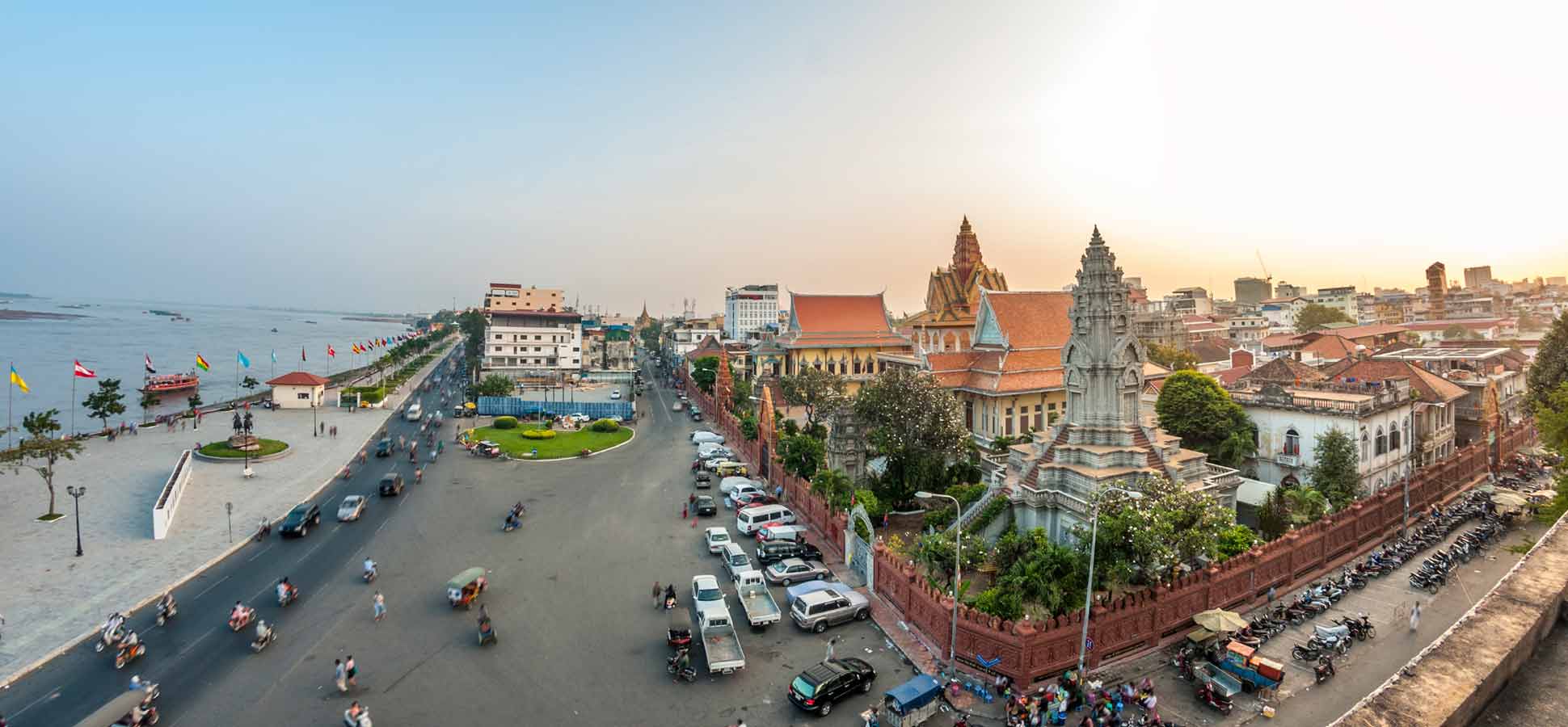
    The Phnom Penh Megamall developer has delayed the mall’s launch until the fourth quarter of this year owing to lagging interior design work, according to its marketing representative CBRE Cambodia.

    The 47,000sqm, 11-storey shopping hub is being constructed as a mixed-commercial centre.

    “The delay has nothing to do with market issues,” said CBRE Cambodia MD Ann Sothida. “Companies have expressed their interest and have leased about 70–80 percent of the building’s retail space, with the ninth floor entirely leased out.”

    According to local news media reports, the Phnom Penh Megamall, which is being constructed in the building which used to house a Parkson department store, requires additional foundation works unexpectedly when the project commenced.

    CBRE Cambodia reports 19 buildings in Phnom Penh currently offering 314,000sqm of retail space in total, with an additional 261,746sqm in retail space supply expected to launch this year.

  • Hong Kong retail sales dropped in December

    Hong Kong retail sales dropped in December

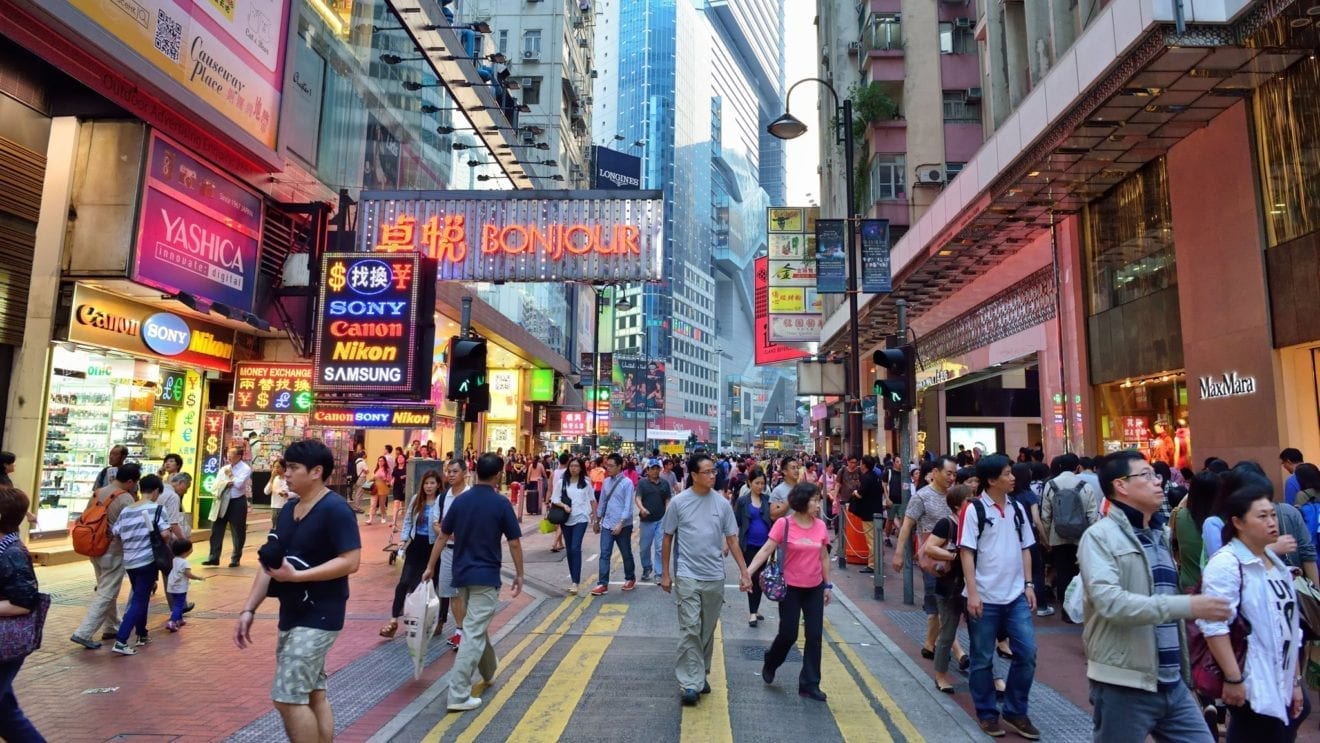
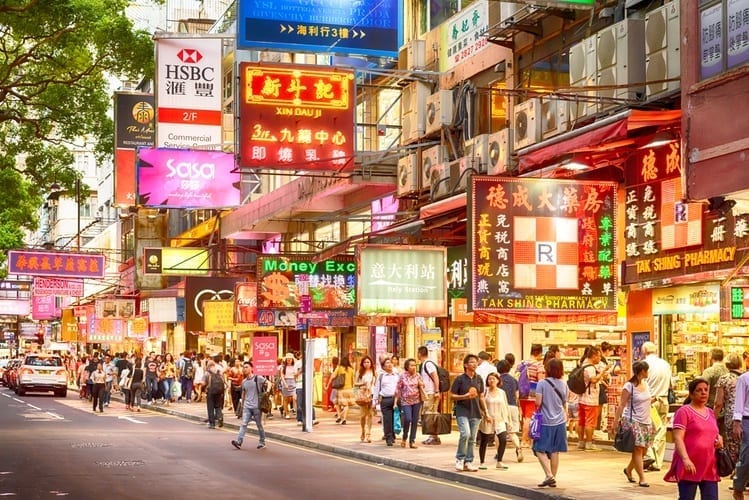
    Hong Kong retail sales in December slumped 19.4 percent, a softer fall than November’s 23.7 percent, but continuing the decline which began with the civil unrest after June.

    For the whole year,  total retail sales decreased by 11.1 percent in value and by 12.3 percent in volume terms (after accounting for price fluctuations) compared with 2018.

    A government spokesman said that Hong Kong retail sales in December continued to decline sharply, as the impact of the local social incidents on consumption- and tourism-related activities remained “severe”.

    “The business environment for retail trade has become even more difficult recently, with the threat of the novel coronavirus infection heavily weighing on inbound tourism and local consumption sentiment,” the spokesman said.

    “The near-term outlook for retail sales depends critically on how the situation of the novel coronavirus infection will evolve.”

    According to figures from The Census and Statistics Department (C&SD) the value of total Hong Kong retail sales in December was estimated at HKD36.2 billion, (US$4.66 billion). After adjusting for inflation, December sales were down 21 percent year on year compared with a 25.5 percent decline in November.

    Listed in terms of their impact on total sales, the worst-performing categories were jewelry, watches, clocks and valuable gifts, down by 36.7 percent, supermarket sales down by 3.1 percent; apparel by 22.1 percent; and department-store sales by 25.3 percent.

    Food, alcoholic drinks and tobacco sales were down by 1.9 percent; electrical goods and other consumer durable goods, by 17.4 percent, other consumable goods not otherwise classified by 14.5 percent; medicines and cosmetics fell 29.9 percent; footwear and accessories by 20.4 percent; furniture and fixtures by 1.4 percent; books, newspapers, stationery and gifts by 14.8 percent; Chinese drugs and herbs by 9.8 percent; and optical shop sales fell 19.3 percent.

    The only category of Hong Kong retail sales in December to show growth was fueled, up by 13.5 percent.

  • Should retailers use emoticons in customer service support chats?

    Should retailers use emoticons in customer service support chats?

    Service providers who use emoticons are perceived as warmer, but less competent, according to a new research paper, which offers sage advice for retail brands engaging with consumers across digital platforms.

    The effect held true regardless of whether or not a customer service employee used emoticons that were pictorial or text-based, showing that the impact of emoticons is not purely driven by eye-catching graphics and colors.

    The Hong Kong Baptist University study investigates what happens when emoticons figure into commercial service discussions. Through laboratory and field experiments, the research showed the major effects of emoticons in customer service interactions and found that emoticon usage by a customer service employee had conflicting effects.

    According to the report, how emoticons are perceived is highly dependent on the recipient’s preferences. The individual customer’s personality and expectations on how a service relationship should be conducted plays an important role in how emoticon senders are ultimately seen. Customers who enjoy friendlier relationships with brands perceive service providers who use emoticons to be warmer, which in turn makes them feel more satisfied with the service provided. Conversely, exchange-oriented customers see a customer service employee using emoticons as less competent, making them more likely to be less satisfied. These effects apply to all emoticons, regardless of whether the emoticon used had positive or negative connotations.

    When service is deemed unsatisfactory and is failing to resolve the situation, the study reasons that all customers will increasingly place value on competence as opposed to warmth. In these situations, any emoticon usage by a customer service rep will have a negative impact on the customers’ attitude towards the employee.

    Conversely, when a customer service employee successfully addresses a customer’s needs with messages accompanied by an emoticon, the study finds that customers are more likely to buy.

  • Conscious consumers a major threat to fashion and footwear retailers

    Conscious consumers a major threat to fashion and footwear retailers

    Conscious consumers pose “the biggest threat to clothing and footwear retailers in 2020” according to research by GlobalData.

    When asked about their intentions last month, 19.2 percent of UK consumers said they planned to spend less than average on retail products, according to the survey of 2000 nationally representative shoppers.

    “A worrying 48.9 percent of these consumers said they are making a conscious effort to buy less stuff,” said Sofie Willmott, lead retail analyst at GlobalData.

    “Although some shoppers will struggle to keep up this mindful mentality past January, the shift away from spending on non-essential retail products is set to continue throughout the year as consumers prioritize spend on holidays, activities and meals out, and especially as sustainability concerns seep into their consciences.

    “With sustainability becoming a bigger consideration for more consumers, the easiest way they can reduce their impact on the environment is by not buying anything new. Buying second-hand items or reducing the number of clothing and footwear products they purchase is a win-win for consumers who are focused on spending their disposable income wisely while also acting in a sustainable way, but these shifting shopping habits will not help struggling retailers in what is already a challenging and highly competitive trading landscape,” said Willmott.

    Early signs of a new wave of conscious consumers came with the results of discount-fashion retailer Primark. For the 16 weeks to January 4, Primark recorded a marginal decline in like-for-like sales. Willmott says that suggests volume growth will be difficult for clothing retailers to achieve this year.

    “In order to thrive in testing times, it is vital that retailers provide transparency in their supply chains and although years of building a production process with the main aim of providing fast fashion at accessible prices will be difficult to transform into an environmentally sustainable operation, retailers should clearly convey the steps they are taking.

    A brand’s positive environmental stance must be communicated through aspects that customers can interact with. For example, & Other Stories offers 10 percent off a purchase when you bring back an empty beauty container and H&M has garment collection bins in store which customers can donate a bag of clothes to and receive a £5 voucher to use at H&M when they spend £25 or more,” she said.

    “Sustainable clothing pioneer Reformation has taken it to more of an extreme giving their customers the option to purchase ‘climate credits’ such as a credit for an international flight for £22 which offsets the carbon emissions.”

  • Japan retail sales down

    Japan retail sales down

    Retail sales in Japan dropped 2.6 percent during December compared to figures from the previous year.

    The details were released in a Ministry of Economy, Trade and Industry report last Friday, and stood in contrast to median market forecasts for a decline of just 1.8 percent.

    According to an RTT news article, the sales rate was still above a seasonally adjusted 0.2 percent on numbers for November, less than the expected 1.2 per cent gain following a 4.5 percent increase during that month. November sales had dropped 2.1 percent year on year.

    Sales for large-scale retailers were strongly affected with a full 3 percent year-on-year drop, compared to a projected fall of 2.5 percent.

  • Tea chain Nayuki expanding to USA and Japan

    Tea chain Nayuki expanding to USA and Japan

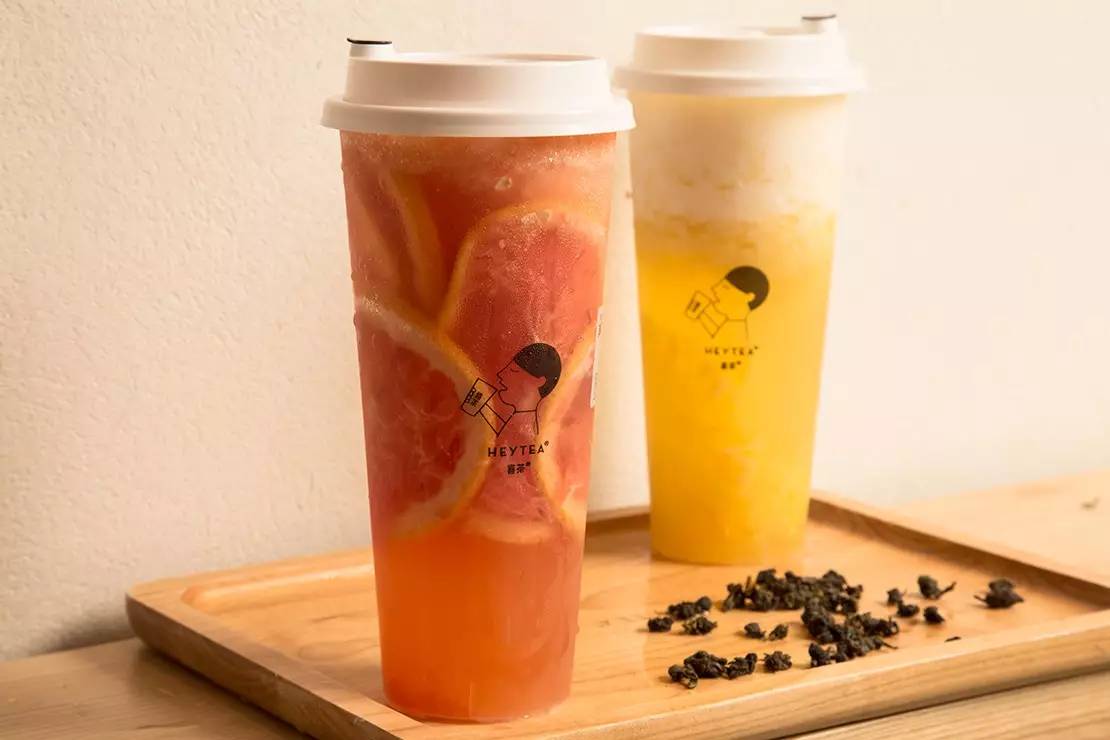
    Chinese tea chain Nayuki will launch its first stores in Japan and the US this year.

    The firm, which operates nearly 400 stores in China and three in Singapore, serves tea blended with fruit, cream cheese and toppings.

    “With our commitment to becoming an innovator and purveyor of Chinese tea culture, we hope to deliver our unique and exceptional tea experience to the world,” said Nayuki founder Peng Xin. “To achieve this goal, we have established tea fields where tea is cultivated under strict conditions from cultivation to processing.”

    In recent years, China’s traditional tea culture has been revamped by new-style tea franchises backed by large investments. The tea chain Nayuki, valued at RMB6 billion (US$865 million), received a multi-hundred-million RMB injection in Series A plus funding from TianTu Capital in 2018.

    In November last year, the company opened its largest shop – Nayuki’s Dream Factory – in Shenzhen, an 11,000sqft retail space offering an immersive in-store experience. Visitors are invited to see, hear and learn about the innovations of Nayuki’s teas while enjoying a menu of handcrafted teas, coffees, cocktails, baked goods, desserts and more exclusive to the store.

  • No positive outlook likely for Hong Kong-based retailers

    No positive outlook likely for Hong Kong-based retailers

    Hong Kong-based retailers will continue to face tough times as domestic and international issues impact the economy according to a leading analyst.

    Anne Ling, an equity analyst at investment bank and financial-services company Jefferies Group,  says every 10 percent decline in retail sales impacts the earnings-before-tax (EBIT) of Hong Kong retail companies by between 7 percent and 55 percent. Retail sales in October and November fell by about 24 per cent and during the first 11 months of last year were down by 10.34 percent.

    “For international brands like Prada, Samsonite and L’Occitane, we estimate the impact at the sales level is not that material [because] Hong Kong [represents] less than 2 percent to 5 percent of sales. However, at the EBIT level (circa 3 percent to 7 percent) Hong Kong has a higher contribution.”

    Ling warns Hong Kong-based retailers are vulnerable to a risk of further market slowdown from a higher unemployment rate and weaker consumer confidence in the city.

    “In such times, the immediate lever to hand for brands and retailers is to increase cash flow by reducing inventory and staff and/or rental costs. However, over the medium term, we would expect most players to reset or readjust their Hong Kong store networks to avoid over-reliance on tourist spending.

    “We see a need for the Hong Kong and international brands and retailers listed in Hong Kong, which have heavily de-rated in recent years, to review their business strategies and seek out new business drivers, [so] that they remain relevant to investors.”

    Ling says she expects Sino-US tensions to continue while the mainland Chinese government focuses on stabilizing economic growth this year.

    Given that backdrop, Jeffries would favor recommending investment in Hong Kong-based retailers and manufacturers of low-ticket items like staple goods, food retailers and the fast-food segment, as they are more resilient.

  • No respite likely for Hong Kong-based retailers

    No respite likely for Hong Kong-based retailers

    Hong Kong-based retailers will continue to face tough times as domestic and international issues impact the economy according to a leading analyst.

    Anne Ling, an equity analyst at the investment bank and financial-services company Jefferies Group,  says every 10 percent decline in retail sales impacts the earnings-before-tax (EBIT) of Hong Kong retail companies by between 7 percent and 55 percent. Retail sales in October and November fell by about 24 percent and during the first 11 months of last year were down by 10.34 percent.

    “For international brands like Prada, Samsonite and L’Occitane, we estimate the impact at the sales level is not that material [because] Hong Kong [represents] less than 2 percent to 5 percent of sales. However, at the EBIT level (circa 3 percent to 7 percent) Hong Kong has a higher contribution.”

    Ling warns Hong Kong-based retailers are vulnerable to a risk of the further market slowdown from a higher unemployment rate and weaker consumer confidence in the city.

    “In such times, the immediate lever to hand for brands and retailers is to increase cash flow by reducing inventory and staff and/or rental costs. However, over the medium term, we would expect most players to reset or readjust their Hong Kong store networks to avoid over-reliance on tourist spending.

    “We see a need for the Hong Kong and international brands and retailers listed in Hong Kong, which have heavily de-rated in recent years, to review their business strategies and seek out new business drivers, [so] that they remain relevant to investors.”

    Ling says she expects Sino-US tensions to continue while the mainland Chinese government focuses on stabilizing economic growth this year.

    Given that backdrop, Jeffries would favor recommending investment in Hong Kong-based retailers and manufacturers of low-ticket items like staple goods, food retailers and the fast-food segment, as they are more resilient.

  • Fast Retailing cuts earnings forecast on Hong Kong

    Fast Retailing cuts earnings forecast on Hong Kong

    Fast Retailing, the parent of the Japanese fast-fashion retailer Uniqlo, has reduced forecasts for its full-year operating profit by 11 percent.

    The Japanese company says its business has been adversely affected by protests in Hong Kong and a trade war between Japan and South Korea that resulted in a boycott of Japanese products in a territory that contains the most Uniqlo outlets in a single territory after China.

    “Korea is a very important segment for us, and it’s not clear how long this situation will continue,” said Fast Retailing CFO Takeshi Okazaki.

    Fast Retailing has reported consistently increasing earnings since 2016 – until now. In the current financial year’s first quarter, sales dropped by 3.6 percent, while its international operating profit fell 28 percent.