Tag: retailing

  • Sagging consumer sentiment dents Thai retail industry

    Sagging consumer sentiment dents Thai retail industry

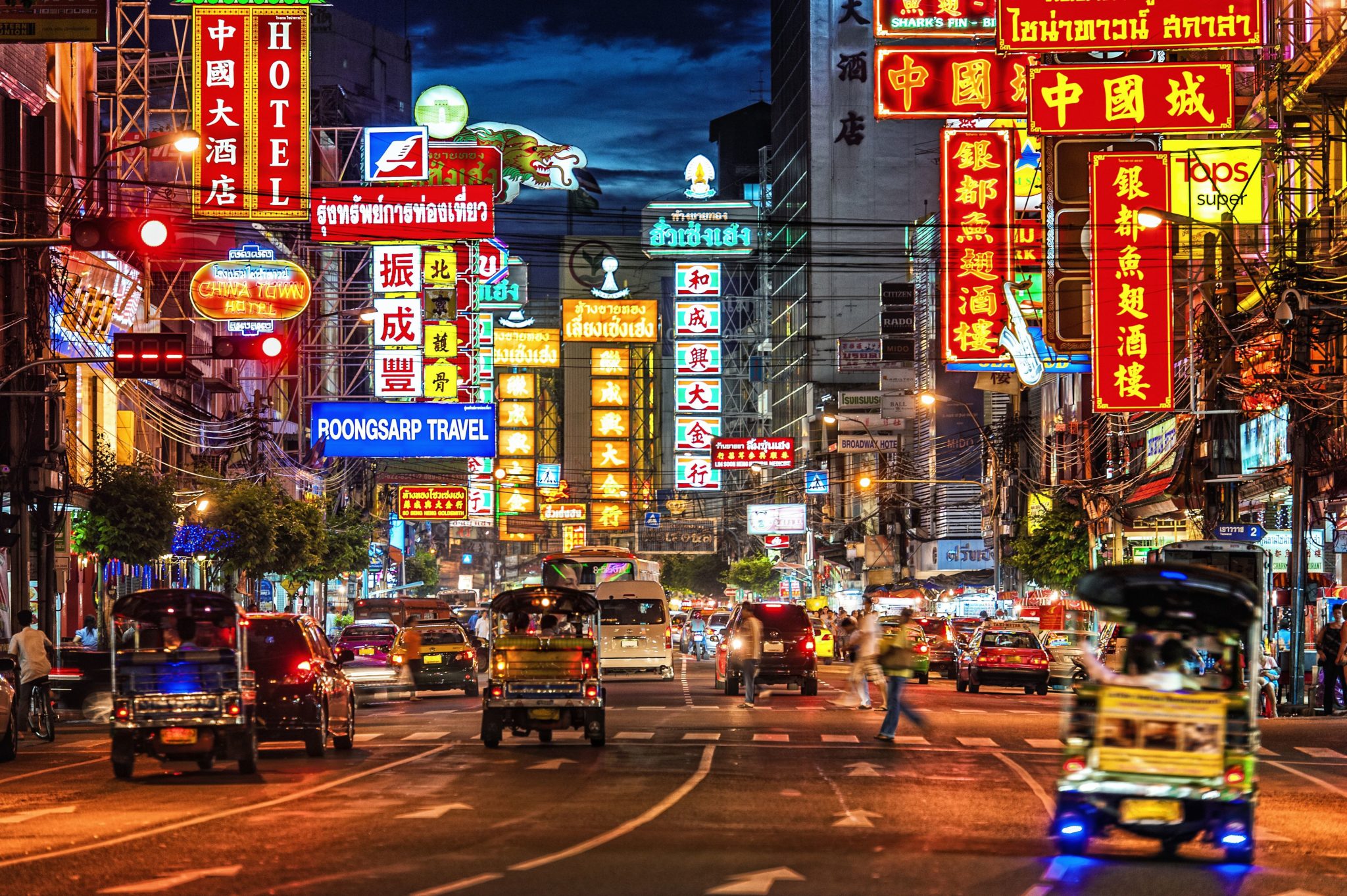
    The Thai retail industry is facing a period of low consumer confidence, according to a CBRE research report, resulting in little sales growth.

    The firm’s 2019 Year-End Wrap-Up For Bangkok Commercial Market report revealed that the Thai retail industry has remained stagnant this year as Thailand faced a low sentiment period and a decrease in spending power due to high household debt.

    The Consumer Confidence Index (CCI) hit its lowest point in 39 months, falling to 72.2 in September 2019, dropping by 10.1 percentage points year on year. In addition, the household debt was reported to have broken a new record since 2017 at 78.7 percent of total GDP, which heavily impacted the overall spending power.

    “While the trend of ‘retailtainment’ continues to develop in Bangkok’s retail scene, this year, we have started to see more co-working space occupying large space in retail centers in CBD areas,” said CBRE Thailand head of advisory and transaction services – retail Jariya Thumtrongkitkul.

    “Retail developers expect this synergy to increase their retail centers’ foot traffic on weekdays as well as fill large, vacant space in less-desirable zones. To compete in a highly competitive market, some retailers also resized their own traditional stand-alone stores to allow these stores to fit in other shopping malls, community malls and superstores.”

    In the second half of this year, the Thai government launched new policies and campaigns to stimulate domestic spending, including welfare cards, an interest rate cut, and the “Shim-Shop-Chai” (Eat-Shop-Spend) scheme where the government gives away e-money and tax breaks for domestic travelers.” She said the campaign could be more beneficial to major Thai retail industry players, especially in a department store and superstore formats, because of their ease of accessibility compared to local shops located in the countryside.

    According to CBRE research, Bangkok’s total retail supply as of this year’s third fiscal quarter was 7.8 million sqm, increasing by 4.39 percent year on year.

    Not only have offline retailers moved towards omnichannel retailing, but many new online retailers have also been expanding into offline outlets in physical retail space as showrooms and “click & collect” points. In order to survive in a market with a large number of future retail supply in the pipeline, retail developers will need to embrace the fast-moving technology and create new unique selling points for their retail centers.
  • Shops without stock draw crowds in South Korea

    Shops without stock draw crowds in South Korea

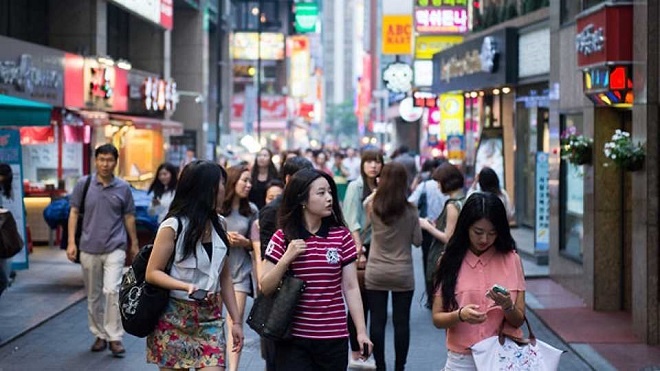
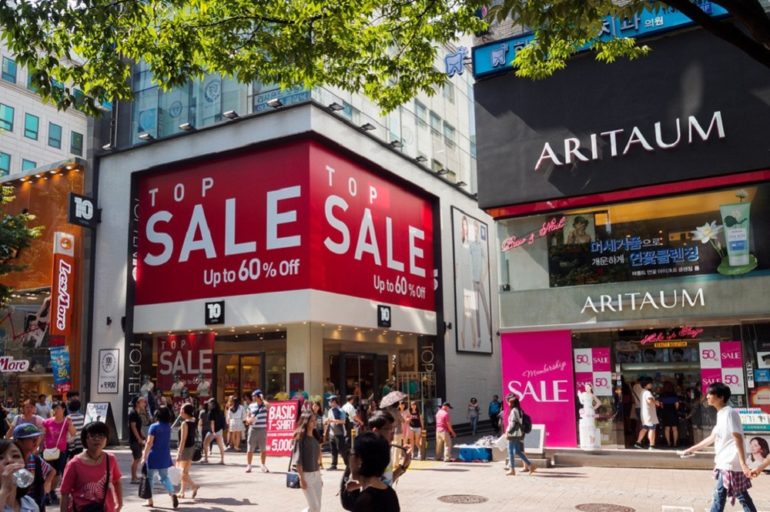
    There’s a new trend capturing South Korean consumers’ attention: shops without stock, focusing on experience rather than instant retail sales.

    With a growing number of consumers choosing and purchasing products online or on mobile devices, hands-on stores that target such customers are becoming a new marketing trend.

    Amore Seongsu, which opened in early October as a customer experience-oriented store of AmorePacific, a South Korean cosmetics giant, had surpassed 24,000 cumulative visitors as of December 5, about two months after its opening.

    At Amore Seongsu, customers can test and experience the brand’s cosmetics – but nothing is for sale in this shop without stock.

    Visitors can apply and spray products tailored to them from the beauty library, which features more than 30 brands and 2300 products from AmorePacific.

    Furthermore, Amore Seongsu offers various other services, including makeup classes, flower box- and perfume-making classes every month to encourage customers to participate.

    “We only offer customers the opportunity to check out products suitable for them at our stores, and customers purchase the products online afterward,” said an official from AmorePacific.

    Online shopping transactions of cosmetics reached 1.15 trillion won (US$966 million) as of October, up 28 percent year on year. Meanwhile, sales via mobile devices rose 32 percent to 648.8 billion won, according to Statistics Korea.

    In fact, data shows that 20 percent of customers who visit Amore Seongsu purchase products from the brand online within a week of their visit.

    In addition, AHC, a cosmetics brand operating under Carver Korea, opened its flagship store “Future Salon” in Myeong-dong, Seoul, in late October.

    American mattress maker Simmons opened a cultural complex, Simmons Terrace in Icheon, Gyeonggi Province, last year.

    Moreover, Aekyung Industrial Co, a South Korean household-goods and cosmetics maker, also launched Luna Signature, a hands-on cosmetics store near Hongdae in Seoul, in June. The two stores also place more weight on experience rather than sales.

    “We don’t put much importance on sales performance at experience stores,” a source from Aekyung said. “If we increase brand awareness by communicating with more consumers, it will lead to an increase in sales online.”

    The furniture industry, which already operated showrooms and flagship stores, has also recently attracted visitors by decorating exhibition and sales halls as cultural spaces.

    American mattress maker Simmons opened a cultural complex, Simmons Terrace in Icheon, Gyeonggi Province, last year. It has welcomed more than 100,000 visitors in just one year since its opening.

    In addition to the showroom-like shops, museums and exhibitions featuring gardens, lounges and brand stories have been set up at Simmons Terrace.

    “Customers do not purchase products immediately on site, but visitors become strong potential customers,” a furniture industry source said.

  • Japan retail sales tumble as tax rise takes effect

    Japan retail sales tumble as tax rise takes effect

    Japan retail sales fell by 7.1 percent in October – the greatest single monthly fall in almost five years.

    The reason: the implementation of a sales-tax increase from 8 percent to 10 percent on October 1, aimed at helping reduce the country’s public debt, which is running at twice the size of its GDP.

    The headline figure was driven by a significant reduction in sales of big-ticket items such as motor vehicles and appliances. But department stores and apparel retailers also bore the brunt.

    Japan retail sales fell by 14.4 percent month on month, higher than the 13.7-per-cent month-on-month decline which followed previous sales-tax increases 1997 and 2014.

    Some analysts, however, have suggested the October decline may have been worsened by weather during the month, which included severe typhoons in the central and eastern parts of the country. There was also likely to be an element of extra spending in September as consumers tried to mitigate the tax effect.

  • AR will become very important to retailers

    AR will become very important to retailers

    Although take-up has been patchy so far, there is a bit of a buzz around augmented reality (AR) in the retail sector, and it is definitely getting louder.

    Kate Ancketill, the CEO and founder of GDR Creative Intelligence is something of an evangelist on the subject of AR in retail and the benefits of connecting the physical retail experience with the digital one. With 5G on the horizon, she is certain that AR’s importance is going to grow even faster, and she has some advice for retailers who want to implement AR.

    “I think AR is very important and becoming more important,” says Ancketill. “AR is relatively inexpensive to implement and it is getting cheaper all the time, and with 5G, when it comes on board we’ll have no latency issues.”

    Ancketill thinks AR is going to bring all the best advantages of browsing the web into the physical environment, and that means cracking the omnichannel.

    “A company that cracks omnichannel basically wins, and AR is a big part of that.”

    Ancketill lists retailers Show Fields, Beta, Neighbourhood Goods, and Storey, which she describes as a new generation of department store arriving mostly in the US, as examples of the trend.

    “Places like all of these have something in common, which department stores have been sadly lacking in. That something is frequent newness and uniqueness of the product. They have products that are never seen anywhere else in the physical world and are only available online.

    “So you basically have to go there if you want to physically experience them. They’re usually concession based so there’s a frequent turnover and they’re usually very high tech, so you get great data if you are the seller.”

    The idea of going somewhere where you see things that you’ve never seen before, cannot find anywhere else, will be changed in a month’s time and will have lots of experience-based activities going on makes for a compelling offer says Ancketill.

    “It is not rocket science that it is more appealing to today’s consumer with a very short attention span.”

    But to win with AR as a retailer, you need to reduce your portfolio by at least 30 per ce, nt, she says, and make sure what you keep is in high footfall areas in places where people have money to spend.

    “Make it different every month, make it highly experiential, and make sure you fully connect the physical with the digital experience,” says Ancketill.

  • Korean retail giants expect improved profits next year

    Korean retail giants expect improved profits next year

    After a tough year, South Korean retail giants are tipped to log a modest improvement in their earnings next year on the back of improved business conditions and cost-cutting efforts, industry sources say.

    This year has been the toughest ever for two homegrown South Korean retail giants, Emart and Lotte Shopping, as they struggled to battle with e-commerce giants such as Coupang and TMON, which launched aggressive promotion and free delivery services to woo more customers.

    Hit by increased competition and an economic slowdown, Emart, the country’s No 1 retailer, suffered a 40.3 percent year-on-year fall in its third-quarter operating income to 116.2 billion won (US$98.8 million).

    Analysts said Emart will be on a roll next year, as the company’s efforts to improve margins have started to bear fruits since the third quarter, according to IBK analyst Lee Myung-hee. The brokerage estimated an 18 percent on-year rise in sales for 2020 and a 60 percent jump in operating profit.

    Emart saw the number of its underperforming or loss-making offline stores fall to 141 this year, down from 147 in 2016. The company also expanded shipping infrastructure for its online-only retail corporation SSG.com, launched on March 1, in a bid to win back customers from e-commerce operators.

    To bolster its delivery services, Emart also plans to open its third pick-and-packing station in Gimpo, 29 km west of Seoul, by the end of the year. The company currently runs two facilities, one in Gimpo and another in Yongin, 49km south of Seoul.

    Lotte Shopping, the operator of the supermarket chain Lotte Mart, also suffered a sharp fall in its third-quarter earnings because of poor performance by its supermarket chain. Lotte Mart takes up about 30 percent of its business portfolio.

    Lotte Shopping’s July-September operating income stood at 87.6 billion won, falling 56 percent on-year. The earnings shock came due to the nationwide boycotting of Lotte’s products since July, triggered by trade tensions between Korea and Japan.

    But the market consensus is that the discount store chain’s quarterly operating profit will go up thanks to reduced costs stemming from layoffs of contract workers.

    Ju Young-hoon, an analyst at Eugene Securities, forecast a 2.9 per-cent year-on-year gain in Lotte Mart’s annual sales for next year, compared to a 1.3-per-cent decline this year.

  • Sands Shoppes Macao honours its top selling retailers

    Sands Shoppes Macao honours its top selling retailers

    Sands Shoppes Macao held its fifth Sands Retail Awards this week, at the Four Seasons Hotel.

    The awards honor retailers who achieved outstanding performance this year across 13 categories including best store performance, best loyalty program, best window display, best store design, and best customer service, along with a rising star.

    “While the Sands Retail Awards recognize the best of the best, all our retailers across Sands Shoppes Macao set incredibly high industry standards,” said David Sylvester, executive VP of global retail at Las Vegas Sands Corp.

    “There is huge competition for these coveted awards and the retailers who make it through have demonstrated total commitment to ensuring visitors to our shopping malls enjoy their experience here.”

    Sands Shoppes Macao Retail Awards Winners are:

    Best Store Performance – Luxury: Louis Vuitton (Shoppes at Four Seasons)

    Best Store Performance – Luxury Watch & Jewellery: Rolex (Shoppes at Venetian, Shoppes at Cotai Central, Shoppes at Parisian)

    Best Store Performance – High Street Fashion: MSGM (Shoppes at Parisian)

    Best Store Performance – High Street Watch & Jewellery: Swarovski (Shoppes at Cotai Central)

    Best Store Performance – Beauty: Temptation (Shoppes at Parisian)

    Best Store Performance – General Retail: Mannings (Shoppes at Venetian)

    Best Store Performance – Food & Beverage: Lei Garden (Shoppes at Venetian)

    Best Loyalty Program Performance – Highest Point Redemption: Fortress (Shoppes at Venetian)

    Best Loyalty Program Performance – Highest Number of Transactions: Tai Hing Restaurant (Shoppes at Venetian)

    Best Window Display: Versace (Shoppes at Four Seasons)

    Best Store Design: Apple (Shoppes at Cotai Central)

    Best Customer Service: Victoria’s Secret (Shoppes at Venetian)

    Rising Star: Sandro (Shoppes at Venetian)

  • Senreve raises funds for Asian expansion

    Senreve raises funds for Asian expansion

    Online fashion startup Senreve has raised US$16.75 million in Series A funding to expand into the fast-growing Asian market.

    The funds bring Senreve’s total capital raised to more than $23 million within three years.

    Led by Norwest Venture Partners, this latest round of funding will help co-founders Coral Chung and Wendy Wen take Senreve to reach a more global scale from its San Francisco base.“We focus on authentic brand storytelling, creating beautiful and luxurious products, and engaging with customer feedback and data,” said Senreve co-founder and CEO Coral Chung.

    “We’re thrilled to bring on an institutional partner like Norwest, and especially excited to partner with Sonya Brown who has a phenomenal track record of backing successful consumer brands,” said the firm’s COO Wendy Wen.

    “In a world where direct-to-consumer channels have become increasingly crowded, Senreve has been extremely savvy about how they introduce themselves digitally,” said Norwest general partner Sonya Brown. “Coral and Wendy’s ability to build a luxury brand practically overnight is a testament to their authentic understanding of the modern woman. In particular, Senreve resonates with the next generation of powerful women because they don’t want to compromise functionality to achieve luxury, and they shouldn’t have to. I am thrilled to partner with them for this next, exciting chapter.”

    The new funding is expected to significantly expand Senreve’s product offering, grow its geographic presence – particularly in its expanding Asian markets where it is looking to form strategic partnerships – and explore new brick-and-mortar retail opportunities.

    As a female-founded start-up, this latest round of funding is a milestone for the company as well as extremely rare in the startup landscape. According to PitchBook, female-founded start-up companies receive only 2.2 per cent of the total capital invested by US venture capital firms, despite owning 38 per cent of businesses in the country.

  • Chinese consumers embraced voice ordering on Singles Day

    Chinese consumers embraced voice ordering on Singles Day

    More than 1 million orders were placed and processed through voice command via Alibaba’s Tmall Genie during its 11.11 Global Shopping Festival on Monday.

    The smart speaker was used to purchase items throughout the day – including 810,000 eggs, 1.4 million tons of rice and 76 tons of liquid detergent – showing that voice shopping has become an increasingly popular trend among Chinese consumers of all ages.

    According to Alibaba’s statistics, more than 40 percent of Tmall Genie users have tried voice shopping. The rise of voice shopping shows the growing popularity of smart speakers in China. Alibaba’s intelligent speech assistant, Tmall Genie, is ranked as the number one brand in terms of sales volume of smart speakers in the first three-quarters of China, according to Euromonitor International’s research conducted in October.

    “As the number one smart speaker in China, Tmall Genie has become an essential part of many families’ daily life,” said Alibaba A.I.Labs GM Miffy Chen. “As we continue to enhance the product features and increase the offering of infotainment services – from entertainment and news to children’s books, food delivery and elderly care – we hope the use of a virtual assistant will help people across age groups to embrace a digital life that is simple, fun, informed and connected.”

    Some 10.47 million Tmall Genie units were sold during the first nine months of this year, accounting for a 38-per-cent market share in China, where sales of smart speakers reached 27.56 million units in the same period, according to Euromonitor International.

    In particular, Tmall Genie recorded more than 3 million sales units in this year’s third financial quarter, making it the most popularly purchased smart speaker brand in China for three consecutive quarters.

    “Since the launch of the first smart speaker in China in July 2017, Alibaba has made Tmall Genie the top brand with the largest sales volume in China this year,” noted Euromonitor International in the research. “That is largely due to Tmall Genie’s product differentiation strategy and its expanding sales channels both online and offline,”.

    According to the research, Alibaba, Xiaomi and Baidu are the top three smart speaker brands in China, with a total market share of 93 percent in terms of sales volume in the first three quarters this year. 77 percent of smart speakers were purchased online during that period, dominated by Alibaba’s e-commerce platforms – Tmall and Taobao.

    The research also pointed out that as an important medium for human-machine interaction, smart speakers are expected to be equipped with a growing number of features tailored to consumers’ daily needs, including search and information queries. A smart speaker with a screen – which can offer both speech and visual interaction – is also believed to be a forthcoming trend among major brands, Euromonitor noted.

    Controlling smart home appliances through voice commands is still one of the most popular uses of smart speakers. Alibaba statistics show that currently, Tmall Genie has been connected to more than 235 million home appliances such as lights and air-conditioning from 900 brands in China.

    Alibaba believes that voice assistants are expected to play an increasingly important role in a wide spectrum of applications, including in-car infotainment experience, food delivery, beauty and makeup, childrens’ education and elderly nursing support.

  • Real Singapore retail sales stable in September

    Real Singapore retail sales stable in September

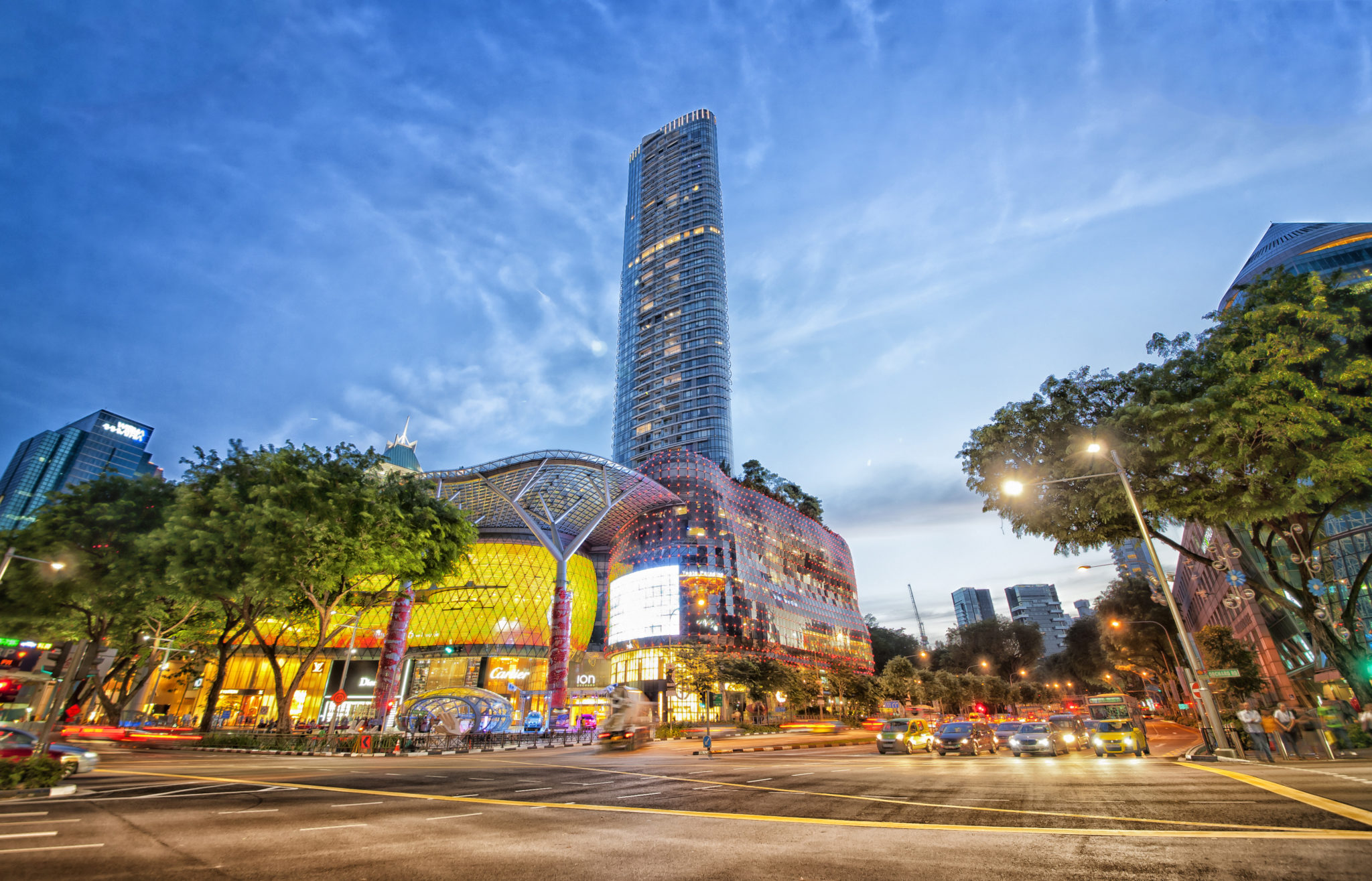
    Real Singapore retail sales (excluding motor vehicles) slipped by 0.3 percent in September compared to the same month last year.

    With motor vehicle sales included, the decrease was 2.2 percent, marking the eighth consecutive monthly decrease in the headline figure.s

    Month on month, retail sales excluding vehicles rose by 0.8 percent.

    Significantly, online sales grew to account for 6.9 percent of total sales in September.

    Year on year, the worst affected categories aside from vehicles (down 12.3 percent) were furniture and household equipment; recreational goods; and watches and jewelry which experienced declines of between 4.4 percent and 8.9 percent. Sales of department stores declined by 1.2 per cent respectively.

    On the positive side, retailers of computer and telecommunications equipment posted sales growth of 8.7 percent, while sales of apparel and footwear; medical goods and toiletries; and optical goods and books increased by between 2.1 percent and 4.2 percent.

    Singapore retail sales of food and beverage services grew by 4.3 percent year on year in September and by 0.4 percent month on month.

    Sales at fast-food outlets; cafes; food courts and other eating places; and restaurants reported sales up by 12.5 percent, 4.6 percent and 2.7 percent respectively, while turnover of food caterers declined 0.5 percent.

  • Xiaomi India becomes nation’s largest single-brand retail network

    Xiaomi India becomes nation’s largest single-brand retail network

    Xiaomi India has been recognized as the largest exclusive brand network in the territory.

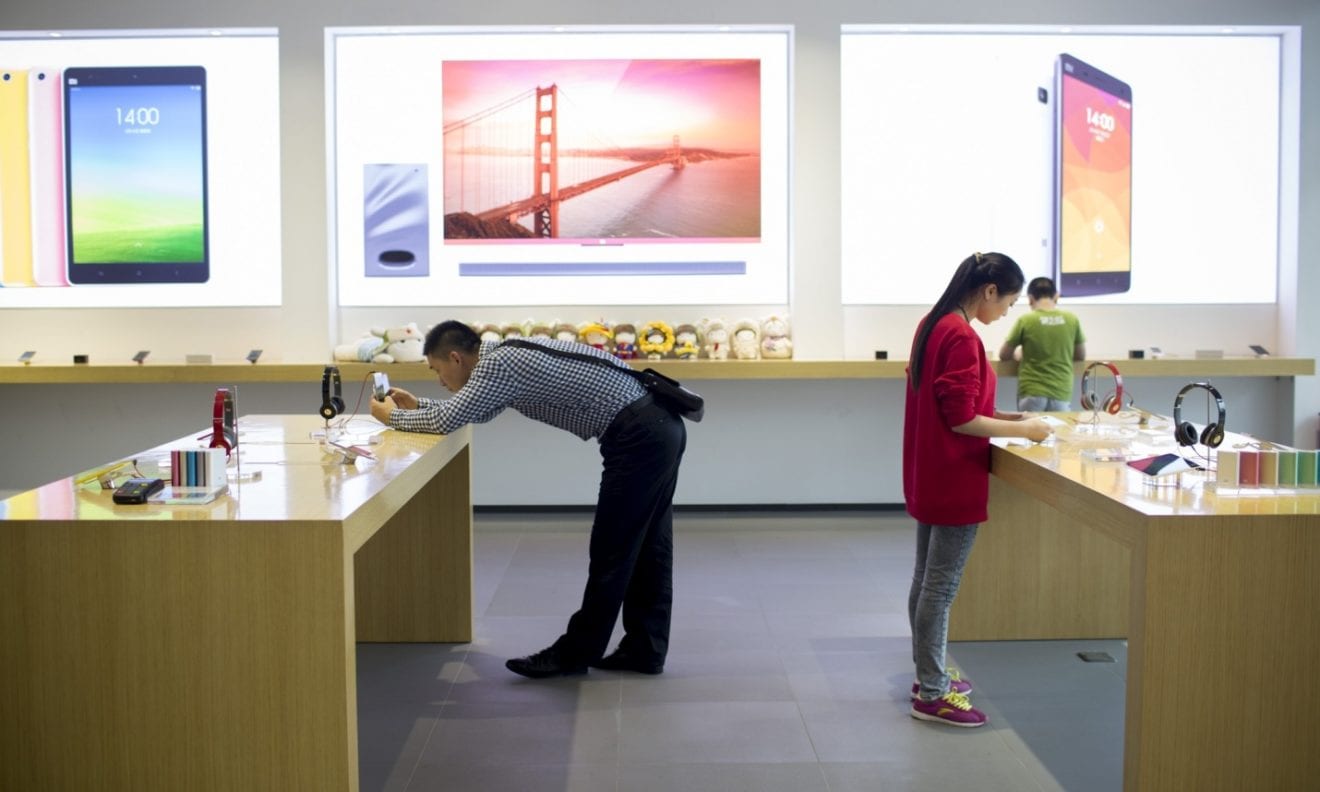
    The finding was released in a study by retail and channel solution provider Channelplay, and coincides with the launch of the brand’s 2500th Mi Store in India. Xiaomi India now has Mi Stores in more than 790 cities.

    The results of the study showed that Xiaomi’s retail network is 44-per-cent larger than Samsung; 108-per-cent larger than Domino’s; and 117-per-cent larger than Bata in terms of exclusive brand retail presence.

    “We started our offline journey in India in 2017, and our expansion gained momentum last year,” said Xiaomi India COO Muralikrishnan B. “We have crossed the milestone of 2500 Mi Stores in less than a year across 790+ cities and towns and extremely proud to be bringing the best specs, with the highest quality at an honest price with an exceptional retail experience to our Mi fans in all rural areas.”

    Earlier this year, a Counterpoint Research Market Monitor named mi.com as the top single brand online smartphone channel in India.

  • Accor and Alibaba form strategic partnership

    Accor and Alibaba form strategic partnership

    International hospitality group Accor and e-commerce giant Alibaba have entered a strategic partnership to develop a series of digital applications and loyalty programs to improve the consumer and traveler experience over the next five years.

    The announcement was made at a ceremony in Beijing during this year’s China International

    Import Expo. Accor was among the delegation of French companies accompanying President Emmanuel Macron on a state visit to China.

    The strategic collaboration will leverage Alibaba’s nearly 700 million consumers across its China retail marketplaces to enable more Chinese travelers to access Accor’s consumer offerings. It will allow for seamless integration of Accor’s customer journeys within Alibaba’s ecosystem. Alibaba’s travel arm Fliggy will allow consumers to book hotels, access catering services, book entertainment and take advantage of other lifestyle services. Payments can be made using Alipay, a digital payment service operated by Alibaba affiliate Ant Financial.

    Accor will also offer Chinese consumers a hassle-free hotel experience through its “Haoke” program – geared towards Chinese travelers. Haoke, which means “Welcome” in Chinese, is a certification program that ensures Accor’s hotels are ready to welcome Chinese guests by incorporating Chinese-language, Chinese dishes on menus, Chinese-speaking staff, and other services and payment systems that meet the needs of Chinese travelers.

    The collaboration between Accor and Alibaba will be instrumental to the roll-out of Accor’s soon-to-be-launched lifestyle loyalty program, ALL – Accor Live Limitless. Alibaba will make the program’s services and benefits available to its massive consumer base, using its ecosystem, consumer insights and digital marketing capabilities, accelerating the roll-out of ALL in China and around the world.

    “We are excited to enter into this strategic global partnership with Alibaba, a leading global technology company in the world,” said Accor’s chairman & CEO Sebastien Bazin. “China’s importance to the world’s tourism industry and this key collaboration with Alibaba will symbolically strengthen economic ties between China and France, while giving Chinese travelers access to exciting events and benefits through ALL – Accor Live Limitless.”

    “Over the past 20 years, Alibaba has formed two flywheels with one focused on consumers and the other on enterprises, said Alibaba Group executive chairman and CEO Daniel Zhang. “Our consumer-facing business facilitates and stimulates consumption, of which travel consumption is an important segment. Through the Alibaba business operating system, we enable tourism industry partners such as Accor to fully digitize their business operations, from sales to marketing, brand building to member management and service Innovations.”

  • Alibaba’s Singles Day next week will be ‘grander than ever’ predicts analyst

    Alibaba’s Singles Day next week will be ‘grander than ever’ predicts analyst

    While eye-popping sales numbers have become routine for Alibaba’s Singles Day on 11.11, Forrester senior analyst Xiaofeng Wang expects this year’s event will be “grander than ever in terms of scale and reach innovations, and social responsibility”.

    Singles’ Day, the world’s largest online shopping event, will be held on Monday, but a huge share of sales are set up in advance. Here are four points to watch out for on Alibaba’s Singles Day this year, according to Wang:

    Bigger discounts will come with more complex promotion schemes. 

    Major players such as Alibaba, JD and Shopee rolled out preorder campaigns with varying start dates, and their promotion schemes have become increasingly complex. Consumers fall into a dilemma between deals that are too good to resist and schemes that are too many and too complex to follow.

    Alibaba will continue to push the boundaries of what to buy online. 

    Last year, Alibaba expanded its 11.11 product portfolio to new industries like automobiles and hotels. This year, it is expanding into new areas such as entertainment to offline services to real estate. Consumers in China can buy tickets to Disney Parks, car-care services, home decoration, and renovation services online. What’s more, Alibaba plans to sell 10,000 apartments on its auction platform.

    Live-streaming commerce will be the key driver of revenue growth.

    Live-streaming commerce is increasingly gaining momentum in China and quickly expanding to Southeast Asia and beyond. Lazada, Shopee, and Rakuten all launched live-streaming features. Beauty brand Whoo already created a jaw-dropping record of achieving 100 million yuan Gross Merchandise Volume in six minutes of live streaming during the preorder campaign period. Fifty-five cars were sold in just one second in another live-streaming session of Chinese automobile brand JMC. We expect to see more record-breaking live streaming sales like this emerge on 11.11 this year.

    Leading retailers and brands will differentiate with their social responsibility.

    Alibaba announced the plan of “a greener 11.11.” It is committing to set up 40,000 recycling stations across China through its Cainiao Smart Logistics Network, along with an additional 35,000 by its express-courier partners. It also encourages consumers to participate by rewarding them with “green energy” points on Ant Forest. Not exactly for Singles Day, Singapore-based online retailer Carousell recently launched a “reboxing” campaign with a similar idea of reducing waste. We expect to see more retailers and brands participate and initiate social responsibility campaigns like this.”

  • Uniqlo to quadruple SE Asia retail store network

    Uniqlo to quadruple SE Asia retail store network

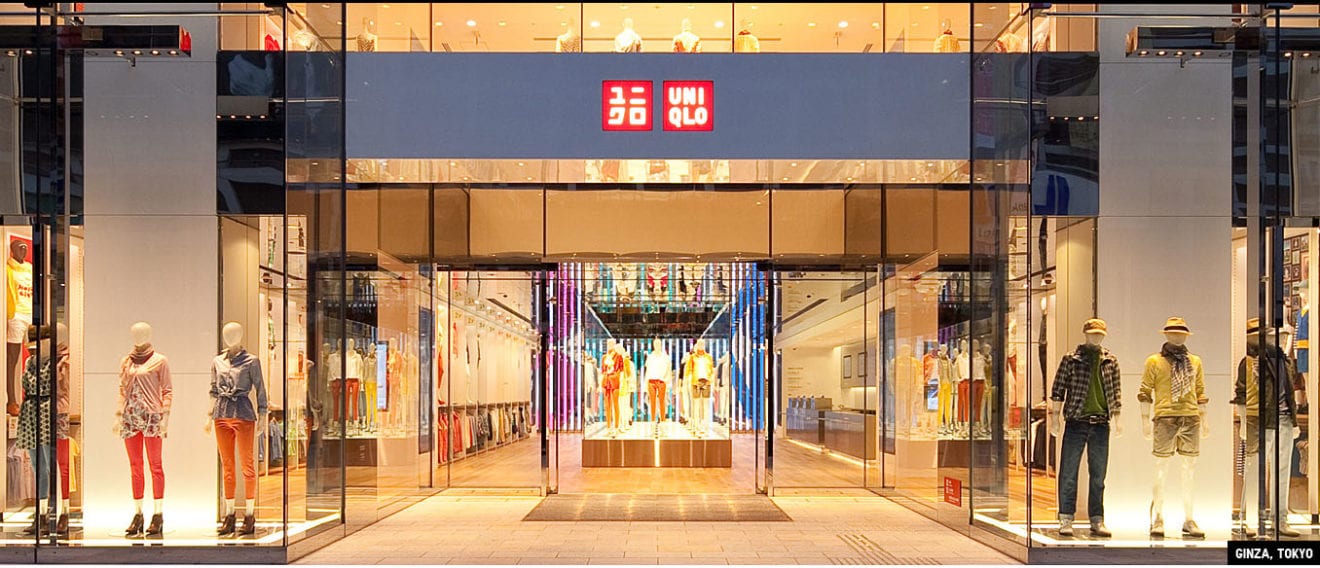
    Japanese casual wear retailer Uniqlo plans a four-fold increase in its Southeast Asian store count during the next decade.

    Tadashi Yanai, chairman, and CEO of the firm’s parent company Fast Retailing said in an interview with Nikkei that Uniqlo is seeking a much faster rate of expansion than it took to build its 800-strong network of stores in greater China.

    “Asia, from China to India with 4 billion people, is the world’s only region that is showing steady growth,” said Yanai.

    He said that for the time being, Cambodia, Laos, and Myanmar are not being considered as potential markets for the brand because there are too many opportunities outside those countries.

    Next month the Japanese retailer will open its first store in Vietnam. Located in Ho Chi Minh City, the store will be its largest in Southeast Asia and located across the road from Zara’s two-year-old Vietnam flagship and a rival H&M’s store.

    Uniqlo operates around 2200 outlets internationally.

  • Japan and South Korea battle for Vietnamese retail market

    Japan and South Korea battle for Vietnamese retail market

    South Korean companies are engaged in a fierce battle with Japanese rivals in the Vietnam retail market, which has emerged as a “post-China.”

    According to the Korea Trade-Investment Promotion Agency, the Vietnam retail market has been growing rapidly, with an annual average growth rate of 10.9 percent between 2013 and 2018.

    Currently, South Korea and Japan lead the market in all areas, including convenience stores, department stores and online shopping.

    Lotte Group has had a presence in the Vietnam retail market since 2008 and has invested US$390 million so far.

    Currently, the company has 14 shopping malls, one department store, and two duty-free shops operating across the country.

    Japanese rival Aeon entered Vietnam in 2011 with a capital of $190 million. Since then, it has built and operated shopping malls in three centers: Ho Chi Minh City, Hanoi and Binh Dương.

    Besides Aeon, Japanese companies such as 7-Eleven, Fuji Mart are also operating in Vietnam.

    The channels that are growing rapidly in the local market are convenience stores and e-commerce.

    In particular, the growth of the convenience-store market is steep due to rapid urbanization, rising income levels and the expansion of the young consumer population.

    IGD Research ranked Vietnam as the top country among the fastest-growing convenience store markets in Asia by 2021.

    The South Korean convenience store chain GS25 entered Vietnam in January last year when it opened a store in Ho Chi Minh through a joint venture with SonKim Group, a Korean company that has emerged in the region.

    It currently operates about 50 stores but plans to expand to 70 by next year and to 2000 over the next decade.

    South Korea’s BGF Retail, which operates the convenience store chain CU, also recently signed a master franchise contract with Vietnam’s CUVN to start making inroads into the Vietnamese market.

    Japan’s 7-Eleven entered Vietnam in 2017 and is currently operating 24 stores. It aims to build 1000 new stores, mostly focused for now on Ho Chi Minh City and Hanoi. It followed Circle K and FamilyMart which have gained considerable traction in Ho Chi Minh City.

    South Korean conglomerates such as Lo

  • Nike culls Indian retail partner network

    Nike culls Indian retail partner network

    Sneaker giant Nike India has more than halved the number of its retail partners, from around 350 to just 150.

    The cull is part of a global strategy to reduce the number of physical sales points to focus online and on its own flagship stores. Nike has singled out 12 major cities internationally where it will focus on building brand awareness and market share, including Tokyo and Shanghai, in Asia.

    Moving forward, Nike India will work with just a single reseller partner which will operate the brand’s offline stores. Nike will run its own online store.

    The consolidation of the Nike India network began in 2016 but has gathered pace in recent months as the international initiative gained a higher profile.