Tag: retailing

  • Tesco Malaysia marks 60-store milestone in country

    Tesco Malaysia marks 60-store milestone in country

    Tesco Malaysia has opened its 60th store. The more-than 2000sqft store at Wangsa Walk is the retailer’s largest in the country, with recent changes in regulations reducing costs for an operation of this size and opening the path for similar formats going forward.

    “In providing a 2000sqft superstore with a targeted range of our famous value for money pricing, we are providing convenience and value for money to the customers in this area who were not able to enjoy all these before,” said Tesco Malaysia CEO Paul Ritchie as reported in the New Straits Times.

    “Going forward, we plan to keep expanding in Malaysia within this format as it believes that there is still a lot of growth opportunities in this country.”

    Tesco Malaysia has been operating for 17 years.

  • Amazon has no specific time frame for Vietnam website

    Amazon has no specific time frame for Vietnam website

    A senior Amazon official says the firm sees Vietnam’s potential but has not decided on a time to launch services for Vietnamese buyers.

    Bernard Tay, head of Amazon Global Selling Southeast Asia, Australia and New Zealand, said at an event Thursday that the global e-commerce giant sees Vietnam has a potential market.

    He noted that after launching Amazon in Singapore, they would look at opportunities to expand their services to more countries, including Vietnam.

    Amazon Thursday established a team of specialists in Vietnam to support Vietnamese sellers in taking their products to global customers. The company stated that it sees the majority of Vietnamese businesses are small and medium enterprises with large demand for global sales.

    Many Vietnamese leather, footwear, handmade and consumer goods items are selling well on Amazon’s website, Tay said.

    Vietnamese sellers can reach up to 300 million Amazon accounts in 185 countries and territories. Amazon also has 175 fulfillment centers worldwide, he added.

    Bui Kim Thuy, owner of a textile company whose products are being sold on Amazon, said that the e-commerce giant has strict criteria on product origin and quality which Vietnamese sellers will have to meet.

    An apparel product that suits Vietnamese customers might not suit Americans, therefore Vietnamese sellers need to make careful research for international sales, she added.

    Amazon launched a Singapore website last week, the first in Southeast Asia. Vietnamese shoppers can access Amazon.com, but many products are not available for shipping to Vietnam, and those that are available typically involve high shipping fees.

  • Asos profits tumble as international sales growth slows

    Asos profits tumble as international sales growth slows

    Global fashion online retailer Asos has seen profits tumble 68 percent in the year to August, despite a 13-per-cent increase in sales.

    In what Sofie Willmott, lead retail analyst at GlobalData, described as “a tumultuous” year, Asos reported sales of £2.73 billion and a profit of just £33.1 million. After two profit warnings during the year, investors were unsurprised by the numbers and its share price actually rose 16 percent in post-announcement trading.

    Asos says it received 72.3 million orders and its core UK market performed the best, where sales rose by 15 per cent.

    “This financial year was a pivotal period for Asos, where we have invested significantly and enhanced our global platform capability to drive our future growth,” said CEO Nick Beighton.

    “Regrettably this was more disruptive than we originally anticipated. However, having identified the root causes of our operational issues, we have made substantial progress over the last few months in resolving them.

    “Whilst there remains lots of work to be done to get the business back on track, we are now in a more positive position to start the new financial year.”

    Willmott said with overseas sales accounting for 62.6 percent of group turnover, a modest 11.4-percent rise had a major impact on top-line growth.

    “Although its reliance on territories outside of the UK has been an asset in the past, helping to drive total performance while its domestic market has been challenging, its troubles overseas remain a concern going forward as Asos attempts to improve its proposition and entice shoppers back. The retailer’s plans to bolster its management team with the addition of four new c-suite roles, alongside the four non-executive directors due to join imminently, is a wise one considering it has a number of key areas of focus in the year ahead.”

    Willmott said it bodes well for Asos that it is clearly willing to adapt to survive – unlike some of its multichannel rivals that have been slow to respond to changing consumer needs and shopping habits.

    “Although a quantifiable forecast for the new financial year was omitted from the results today, we expect the online pureplay to continue to outperform in the year ahead.”

  • Retailers commit to reduce climate footprint

    Retailers commit to reduce climate footprint

    Gen Less, a government sponsored initiative to help New Zealanders and local businesses reduce their climate footprint, launched on Saturday – with several retailers already committing to take part.

    Some of the methods Gen Less puts forward for a business to reduce its carbon footprint are to replace vehicles with EVs, video conference rather than travelling to meet, support low carbon suppliers, encourage staff to commute without a car, switch to LED lights, setting up a ‘green team’ to oversee sustainable initiatives in the business, and better understanding where your business could save energy.

    Countdown, NZ Post, Ecostore and Ethique all voiced their support for the program, with Countdown noting it will reduce its carbon emissions by 60 per cent by 2030.

    “There is no denying the impact that changes to our climate is having, and will continue to have, on the planet,” Countdown general manager of safety and sustainability Kiri Hannifin said.

    “At Countdown, we’ve got an unwavering focus on reducing our emissions and, since 2016, we’ve reduced them by 21 per cent.

    “Our new carbon emissions target makes our intention clear – we want to significantly reduce our emissions even further to help protect Aotearoa for future generations.

    “We absolutely agree that by using less, we can have more. That’s why we are really proud to be a part of Gen Less and encourage anyone wanting to do their bit to join this exciting movement.”

    Skincare brand Ecostore recently announced it would be targeting carbon neutrality by the end of 2019 across its New Zealand and Australian operations.

    “Businesses need to step up and recognise that they can and must be a force for good,” Ecostore managing director Pablo Kraus said.

    “Corporates have an incredible opportunity to pave the way for future generations. We must lead by example, empower others, act, make changes.”

  • Shinsegae testing a cashierless grocery retail store concept

    Shinsegae testing a cashierless grocery retail store concept

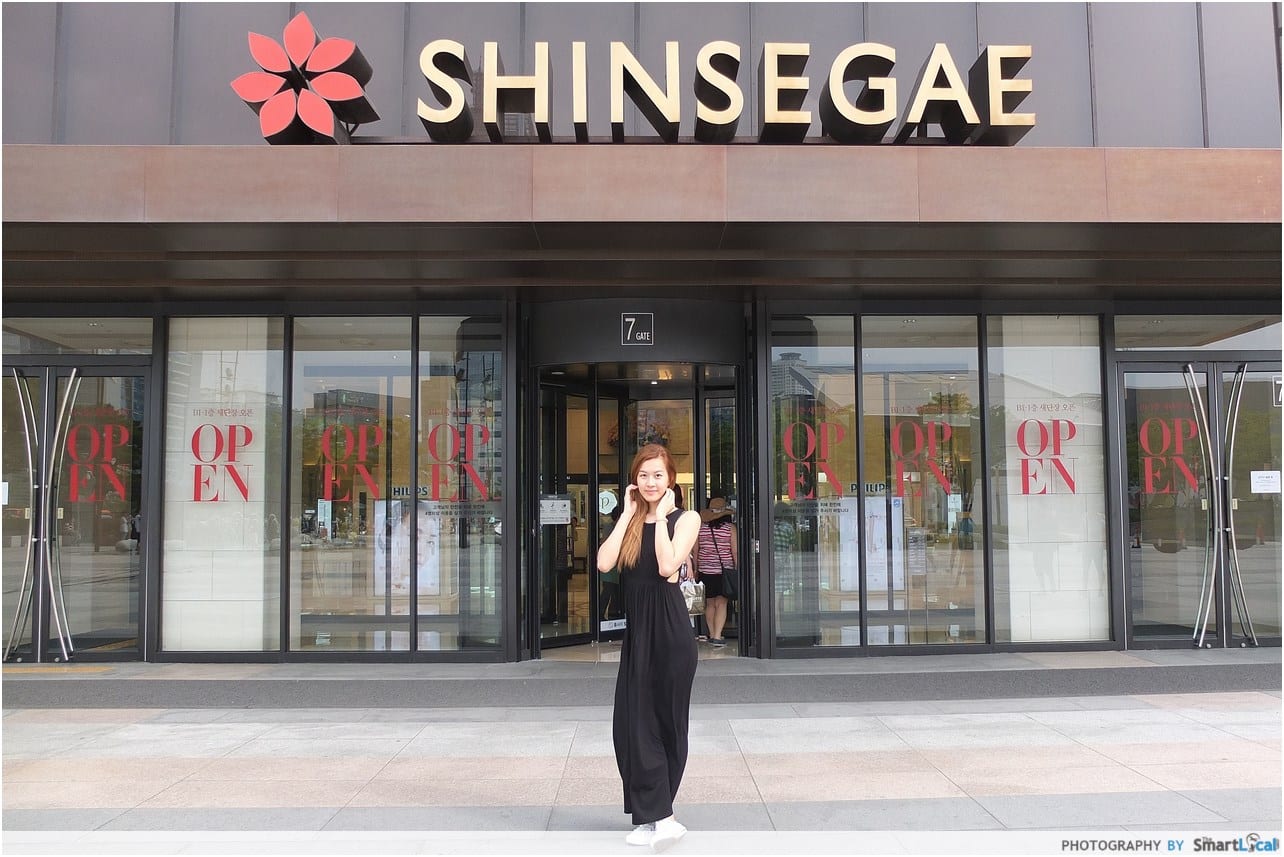
    South Korean retail giant Shinsegae is developing a cashier-less grocery-store modeled on the Amazon Go concept.

    The brand’s first automated store – to be branded Emart24 – will open at the company’s data centre in Gimpo in Gyeonggi Province as a pilot while the model is refined before being launched in a more high-profile location.

    Just like at an Amazon Go, shoppers will be able to select products from shelves and walk out the door, the cost of the goods deducted from their pre-registered payment choice. Entry to the store will be granted by a QR code appearing on the customer’s smartphone and items will be automatically added to a virtual cart as they shop. About 30 cameras inside the store will monitor what items customers take from shelves – and those they put back.

    The project is being developed by Shinsegae’s IT department which will oversee the operations, while stock will be managed by Emart24.

    “The store will be a ground-breaking testbed where we apply and test various advanced technologies,” Kim Jang-wook, CEO of Shinsegae I&C said. “We plan to operate a store where customers can experience retail technology and enjoy real shopping.”

    Technology used in the store will include artificial intelligence (AI), computer vision and cloud point-of-sale systems.

    After a trial run with employees which is currently underway, the store will be opened to the public on September 30.

  • Singapore retail sales down again in July

    Singapore retail sales down again in July

    Singapore retail sales in July fell by 2.4 percent after motor vehicles were excluded from the data. Month on month, sales were down by a marginal 0.7 percent.

    Total Singapore retail sales in July were estimated at about S$3.6 billion, with online sales accounting for an estimated 5.6 percent of that total.

    Year-on-year basis, sales of the furniture and household equipment, and computer and telecommunications equipment industries declined by 8.3 percent and 7.7 percent respectively, due mainly to lower demand for household equipment and handphones, according to Statistics Singapore.

    Sales of watches and jewelry and recreational goods, as well as department stores, all registered declines of between 3.6 percent and 6.2 percent. In contrast, sales of medical goods and toiletries registered a growth in sales of 1.9 percent, while sales by supermarkets and hypermarkets increased by 0.9 percent.

    Year-on-year, sales of food and beverage services grew by 3.2 percent in July.

    Month on month, sales were down by a marginal 0.7 percent.

    Total Singapore retail sales in July were estimated at about S$3.6 billion, with online sales accounting for an estimated 5.6 percent of that total.

    Year-on-year basis, sales of the furniture and household equipment, and computer and telecommunications equipment industries declined by 8.3 percent and 7.7 percent respectively, due mainly to lower demand for household equipment and handphones, according to Statistics Singapore.

    Sales of watches and jewelry and recreational goods, as well as department stores, all registered declines of between 3.6 percent and 6.2 percent. In contrast, sales of medical goods and toiletries registered a growth in sales of 1.9 percent, while sales by supermarkets and hypermarkets increased by 0.9 percent.

    Year-on-year, sales of food and beverage services grew by 3.2 percent in July.

  • Shopee app Singapore’s most downloaded

    Shopee app Singapore’s most downloaded

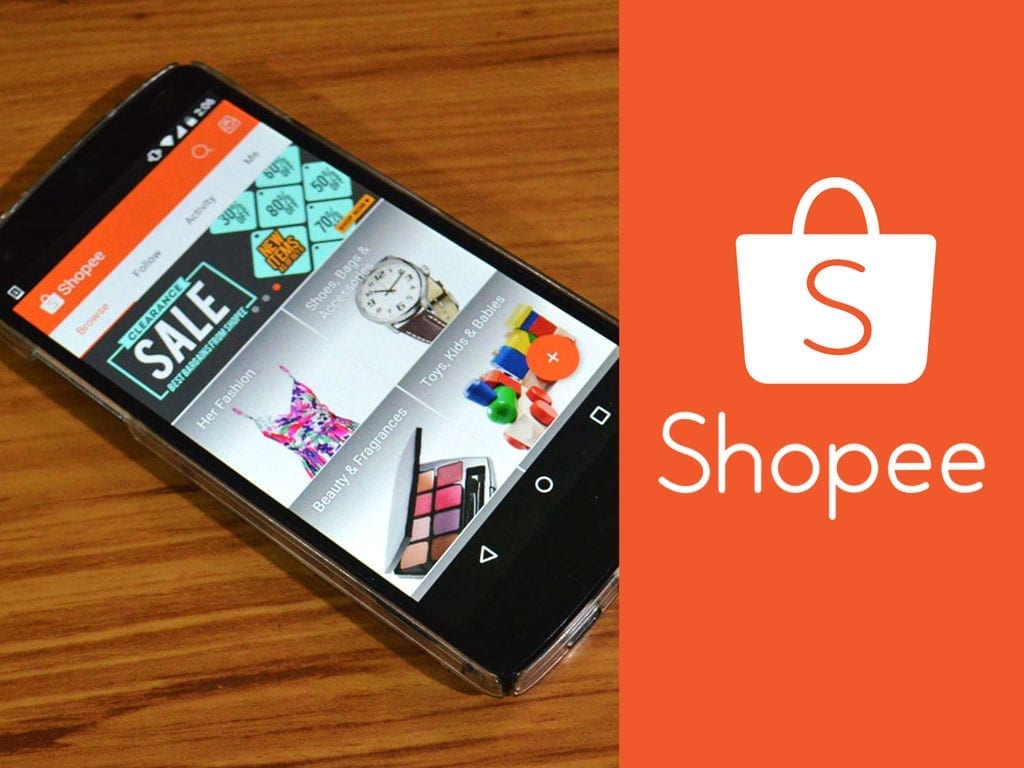
    The Shopee app has emerged as Singapore’s most downloaded shopping app.

    The Sea company platform had 2.8 million visitors per month on average during the second quarter, with an 11 percent increase compared to the previous quarter. It is currently the most-used app of its kind throughout the whole of Southeast Asia, while rival firm Lazada remains the most actively used e-commerce app within Singapore itself.

    “Apps by Alibaba such as Taobao and AliExpress remained prominent among Singaporean consumers probably due to the increased popularity of Chinese products and Chinese language proficiency in the country,” read a report by iPrice Group.

  • KrisShop marks rebranding by taking to the ground

    KrisShop marks rebranding by taking to the ground

    Singapore Airlines’ inflight and online travel retail store KrisShop has revamped its brand and launched a new website.

    To mark the launch, KrisShop is curating a pop-up exhibition in downtown Singapore, divided into several experiential zones, each showcasing a different retail feature of the new site. KrisShop.com now sports a cleaner look with a new interface that includes more intuitive features for swift and smooth navigation.

    KrisShop has also introduced multiple initiatives for convenient payment and pre-order and delivery services, aiming to provide personalised experiences to suit the varying lifestyles of customers. It is targeting both travellers and non-travellers.

    “Over the years, the travel retail industry has experienced a radical disruption driven by digitalisation,” read a statement from the firm on the rebranding. “KrisShop seeks to embrace a holistic omnichannel approach to deliver an integrated shopping experience that engages its customers at every step of the journey – both online and offline.

    “Advancing beyond a retail catalogue, KrisShop.com aims to re-invent itself as the go-to lifestyle e-commerce website that caters to the needs of all shoppers, whether they are travelling or not.”

    In the coming months, the firm will progressively roll out the site’s new features, including multiple payment options, pre-ordering up to 60 minutes before flight, hotel delivery, in-flight entertainment, and self-collection at PopStations.

    “Beyond being a retail e-commerce site, KrisShop seeks to establish itself as a one-stop shopping destination, and is continually evolving to meet the needs and demands of today’s consumers,” said KrisShop CEO Chris Pok. “Leveraging our expertise in retail, we are proud to unveil the new Krisshop.com that aims to modernise the consumer shopping journey.”

    The KrisShop popup is located at Raffles Hotel’s Palm Ballroom, and will be open to the public from August 23 to 24.

  • Korea’s largest retailers forced to think about delivery services

    Korea’s largest retailers forced to think about delivery services

    South Korea’s largest retailers are having to invest in logistics to cope with rising online spending and personalized delivery services.

    South Korean online shopping malls Coupang and Market Kurly have led the paradigm shift in the delivery industry after introducing the early morning delivery service, which has led many to adjust to the new and more convenient ways to purchase goods.

    Large brick-and-mortar retailers can no longer wait for the customers to visit their store.

    Homeplus, a South Korean hypermarket chain operator, said this week it has opened two fulfillment centers, located in Anyang and Suwon, Gyeonggi Province to provide better online delivery services.

    In a 6600sqm logistics center, pickers collect products in a tray to ship them for online orders. A Digital Picking System informs the picker on which tray to use, where the product is located, and the final results of the picking process.

    Homeplus plans to improve 140 stores across the country with enhanced capabilities for online shopping and delivery by 2021.

    SSG.com, Shinsegae Group’s online marketplace, currently runs NE.O, logistics centers for online shopping located in Yongin and Gimpo. NE.O will open its third center in Gimpo later this year.

    SSG.com is also in charge of receiving orders at E-mart’s picking and packing centers as part of a two-track strategy.

    Lotte Mart plans to expand its logistics centers for online shopping to meet the rising demand from the online community.

    Lotte’s signature delivery service is same-day nighttime delivery service. If a customer places an order before 8pm, the product will be delivered before midnight on the same day.

    As such, large offline retailers are now in competition over expanding logistics centers for online shopping, which may turn out to be the only way to outlive the ‘delivery war.’

    But for South Korea’s largest retailers, building separate logistics centers for online shopping may also provide stores with a wider leeway since offline malls are subject to various restrictions, including mandatory business holidays.

  • Growth rate down for China retail sales in July

    Growth rate down for China retail sales in July

    Chinese retail sales in July rose at a slower rate than in June, although the decline was largely attributed to falling sales of new motor vehicles.

    Official government retail sales figures include motor vehicles, making it difficult to assess the true trend of ‘real’ retail sales in the market.

    Chinese retail sales in July rose by 7.6 per cent year on year, compared to a 9.8-per-cent increase in June. The growth rate was slower than analysts had been forecasting.

    July marked the 13th consecutive month of decline in China’s new-car market, affected by the imposition of stricter environmental controls and a generally cooling economy.

  • What retailers can learn from Ikea Retail

    What retailers can learn from Ikea Retail

    “Innovation has nothing to do with how many R&D dollars you have. When Apple came up with the Mac, IBM was spending at least 100 times more on R&D. It’s not about money. It’s about the people you have, how you’re led, and how much you get it.”

    – Steve Jobs

    “These businesses are wholly aware that Amazon is eyeing what’s theirs and that what worked yesterday probably won’t work tomorrow. They are motivated to embrace change and their customers are certainly changing.”

    – Beck Besecker, Forbes

    As Besecker goes on to say, consumers, today have constant access to entertainment and communication through smartphones and the internet, while real estate development trends are leaning away from bedroom communities and towards new urbanism and gentrification.

    And so adaptation remains far more relevant than innovation. To adapt we must have:

    • vision
    • bravery
    • skill
    • risk appetite
    • insights
    • and an insatiable ability to question why.

    Businesses that meet these criteria will be hugely successful in this retail landscape both now and into the future because they will be best placed to meet three inescapable trends emerging quickly:

    • In-store retail is naturally becoming less about inventory and more about providing intermediary and indispensable, location-based services that result in sales, craft relationships with customers and captures new data.
    • Advances in fulfillment and same-day delivery services will dictate largely the role of retail shops as points of sheer fulfillment
    • As this blends into the landscape, physical space in shops will start to decrease, and digitally integrated experiences will become more common, and sales will occur in different ways.

    Bricks-and-mortar retail has always been about the fantasy of what is possible, and that inspirational experience remains at the heart of retail.

    Emerging retail formats will further blur the line between shopping and entertainment – so much so that the customer may lose sight of the fact that they are in a store.

    Take the Ikea shopping experience, which is designed to help people imagine Ikea products as part of their day-to-day lives. Ikea doesn’t just sell furniture, it sells a lifestyle, and its stores are set up to entice customers to adopt the Ikea way of thinking.

    But while the global retailer traditionally has built huge lifestyle outlets, now the brand is adapting its store format to global consumer trends around urbanization.

    Last year, the Swedish furniture brand announced it would open 30 new store concepts in urban centers, from stores of the future to sub-100sqm shops to pop-ups, to standalone cafes and singular category shops.

    The stores are backed up by the most advanced technology, providing everything Ikea has to offer, but in a virtual environment. The goal is to make every interaction between the customer and the brand more seamless, allowing consumers to have fun while shopping and learning about the brand along the way.

    Looking at Ikea’s urban store in Madrid, there are three very important reasons for the success of this concept:

    • services
    • proximity
    • entertainment.

    The new store offers much more than a standard Ikea store. There is a high level of entertainment available, with the main goal being to engage customers. And since the store is located in the city center, customers can easily shop on their way to work, or while they spend their time in the city.

    Customer can learn how to customize their products, try different furniture concepts and styles, receive expert decoration and design advice, enjoy various projections and visual merchandising of products, and so much more.

    Other retailers can learn from Ikea’s example. Aside from delivering the highest level of brand engagement, inspiration, and entertainment, it also uses digital to make its services and products fully customer-centric.

    Ikea is also continuing to explore new store methods and formats that will allow it to get even closer to its customers and deliver world’s best omnichannel offer while remaining a leading brand in furniture retail, and potentially revolutionizing the way people buy products.

  • Reliance-Tiffany partnership in India wins the right approval

    Reliance-Tiffany partnership in India wins the right approval

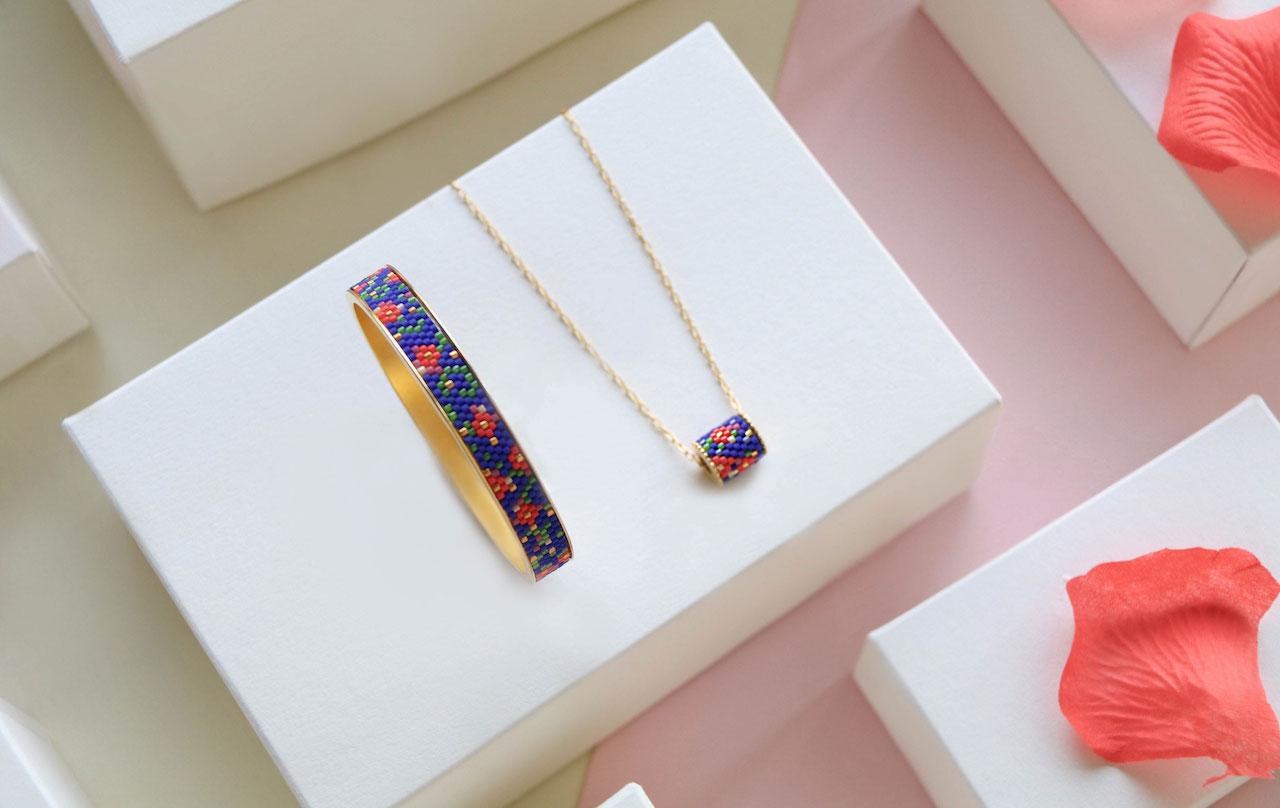
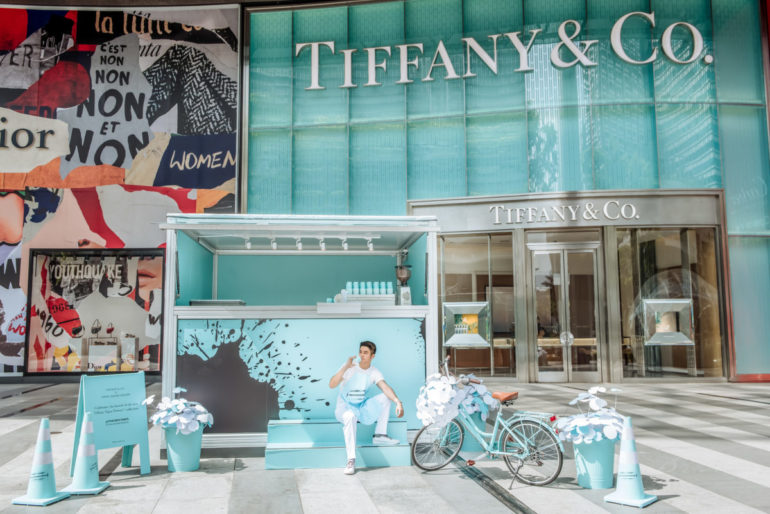
    The Reliance-Tiffany partnership in India will allow Tiffany & Co to offset subdued demand in US and Europe, says data and analytics company GlobalData.

    The US-based luxury jeweler Tiffany & Co formally announced last week it was forming a joint venture with India’s Reliance Brands Limited (RBL), a part of the Reliance Industries Limited (RIL), to open a line of stores in India. That move was widely predicted earlier.

    Shagun Sachdeva, consumer insights analyst at GlobalData, says India is the fastest-growing luxury market in the Asia-Pacific region, expected to grow at a compound annual rate of 14.2 percent between 2017 and 2022, to reach US$7billion by then.

    “The projected healthy growth can be attributed to the positive economic outlook, growing younger upper-middle-class population coupled with growing brand-consciousness, and the increasing popularity of the online channel for luxury shopping.”

    Sachdeva said Tiffany & Co, famous for its diamond engagement rings and famous blue boxes, has been trying to enter the Indian market for a long time.

    “By leveraging Reliance’s long-standing brand presence and product positioning, it will be able to expand globally and offset the subdued demand in the US and Europe.

    “After the deployment of omni-channel model and the introduction of the iconic British toy retailer Hamleys in India earlier this year, the latest move by Reliance to open Tiffany stores in Delhi later this year and in Mumbai in 2020 through a joint venture is in line with its strategy to bring the best-in-class products to the emerging Indian luxury market,” she said.

    “It provides a unique opportunity for Reliance to bolster its consumer-focused units, retail, and telecoms, to match the strength of its leading oil and gas business.”

  • Singapore retail sales slip in June

    Singapore retail sales slip in June

    Singapore retail sales – excluding motor vehicles – decreased by 2.7 percent in June, according to Statistics Singapore.

    The headline figure, which includes motor vehicles, was down 8.9 percent, reflecting the high volume of cars sold in June last year and a lower COE quota for May to July this year.

    Month-on-month, Singapore retail sales were down 0.4 percent, excluding vehicles.

    Online accounted for 5.5 percent of the S$3.5 billion in retail spending for June.

    Sales of furniture & household equipment declined 15.1 percent year on year, attributed to higher sales in the sector during last year’s Hari Raya festive season. Similarly, the computer & telecommunications equipment and watches & jewelry sectors reported sales down by 7.7 percent and 4.8 percent respectively, driven in part by lower demand for handphones and jewelry.

    Sales of medical goods & toiletries and of apparel & footwear both grew by 1.4 percent.

    Compared to the same period last year, sales of food & beverage services grew by 5.3 percent in June, estimated at $864 million, compared to $820 million in June last year.

    Sales by fast-food outlets grew by 10.6 percent compared to June last year, due partly to the opening of new outlets by some major fast-food chains. Food caterers, restaurants and other eating places (such as cafes)were up by between 3.2 percent and 5.7 percent during the period.

  • South Koreans start boycotting Japanese retail goods

    South Koreans start boycotting Japanese retail goods

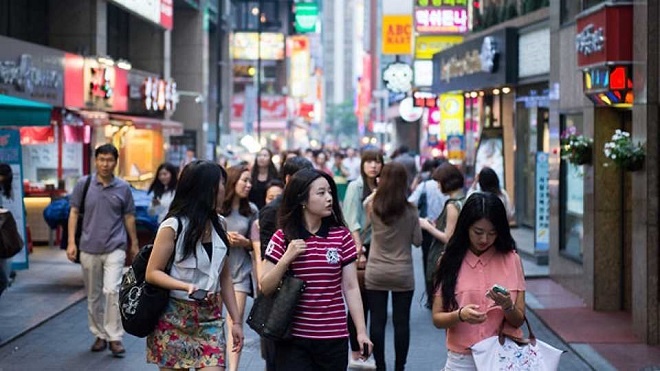
    As a South Korean consumer boycott of Japanese goods gains momentum, consumers are starting to share information on new and upcoming Japanese retailers coming to the country.

    The intention, reports Korea Bizwire, is to include the retail brands on the boycott list and hurt sales as soon as the stores open. Among them, Japanese brands GU and Muji are being mentioned online as possible targets.

    GU is Uniqlo’s sister brand, owned by Fast Retailing. It plans to open its second and third stores in Yongin, Gyeonggi Province and Seoul’s Times Square Mall by early next month.

    Netizens are posting articles that emphasize the relationship between Uniqlo and GU as well as FRL Korea, which currently operates the Uniqlo Korea business.

    Discord between the two countries dates back to Japan’s colonial occupation of the Korean Peninsula before and during the Second World War and controversy over forced labor and sexual slavery. It expanded into a diplomatic crisis last week when Japan threatened to throttle exports of materials essential to South Korean industries.

    Last weekend, thousands of protestors marched in Seoul, accusing Japan of an “economic invasion”. The boycott campaign against Japanese retailers has stemmed from there.

    South Korea’s Lotte Shopping and Japan’s Fast Retailing invested US$19.7 million to establish FRL Korea, owning 49 percent and 51 per cent of the company’s shares, respectively.

    That business partnership is being subject to public criticism for taking the lead in importing Japanese goods into South Korea after GU set up its flagship store at Jamsil’s Lotte World Mall and its second franchise at Lotte Mall in Yongin.

    Muji, one of the best-known Japanese brands on the boycott list, is planning to renovate its store in Times Square Mall later this month.

    The news is being shared on social media, and many netizens are already calling for a boycott of the new store.

    GU and Muji have no current plans to suspend expansion or shut down stores already in operation. However, experts who spoke to Korea Bizwire agree that the new stores won’t be able to attract customers through the ‘grand opening’ effect unless the boycott movement subsides.

  • City Chain sales down as store network shrinks

    City Chain sales down as store network shrinks

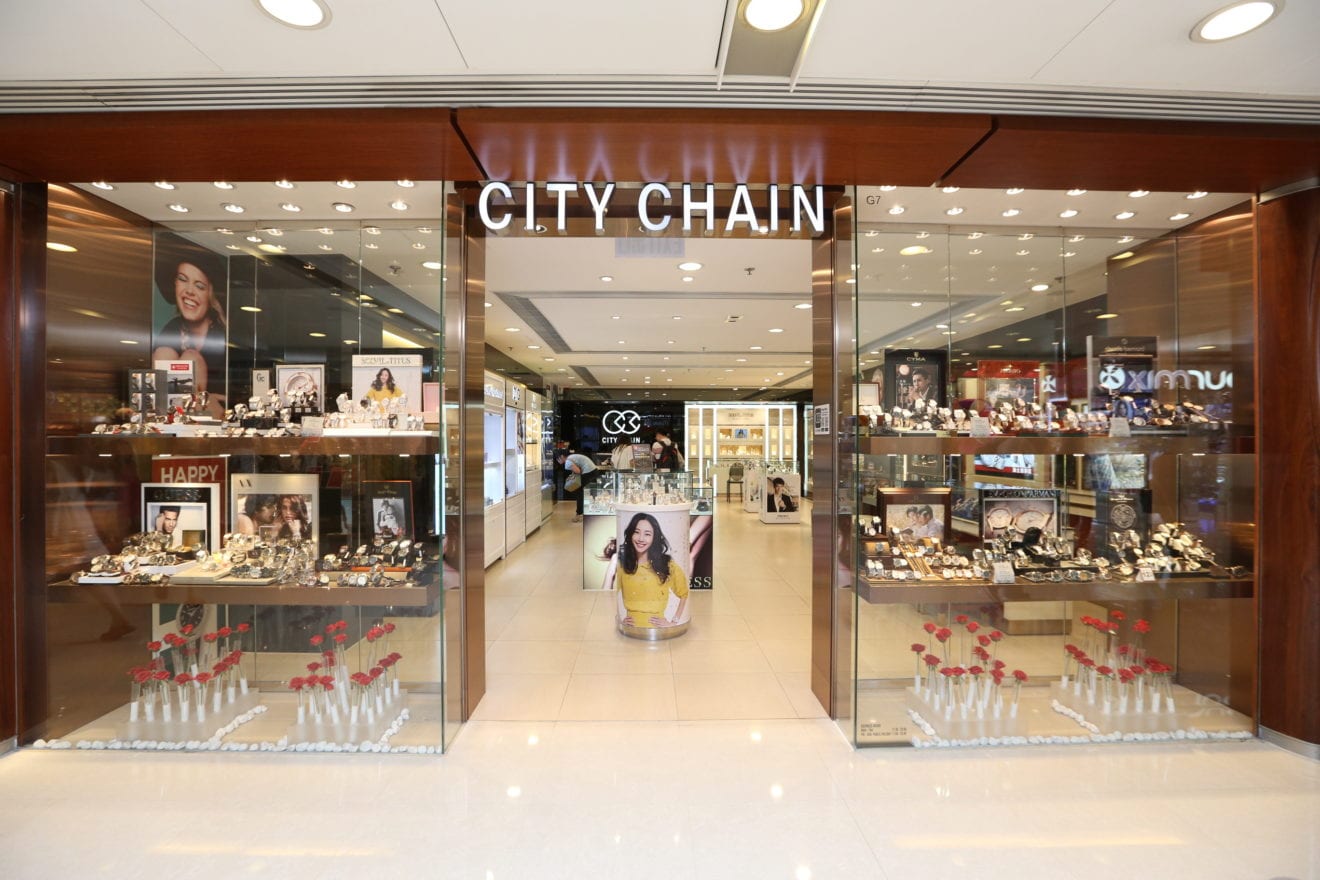
    City Chain sales plunged 20 percent across Greater China in the three months to June.

    Hong Kong-headquartered parent Stelux International – which spun off its eyewear business last year – said the watch-retailing chain’s poor performance was due to a 14.8-per-cent contraction of its store network and “softened consumer demand”.

    Group-wide turnover fell 18.8 percent to HK$235.3 million for the June quarter.

    City Chain sales in Greater China reached $167.1 million in the quarter, down 20.1 percent, with the store network down from 135 at the end of June last year to just 102.

    Sales in Southeast Asia fell 15.3 percent to $68.2 million with the store network down 36 over a year to 208.