Tag: retailing

  • Hong Kong retailers host 93,000 applications for Covid-19 support

    Hong Kong retailers host 93,000 applications for Covid-19 support

    The Hong Kong government has nearly completed vetting Covid-19 support applications under its Retail Sector Subsidy Scheme, which drew around 93,000 applications.

    Applicants are being gradually notified of results, with about 66,000 having already been contacted, two-thirds of which were successful. The remaining applications are currently under processing with around 10,000 required to submit further information or documents to determine whether they are eligible for the scheme.

    The scheme has thus far approved roughly HKD3.5 billion (US$451.5 million) in Covid-19 support for eligible retailers. The majority of unsuccessful cases involved businesses not explicitly engaged in retail, while some applications were duplicates.

    The government anticipates that more than 60,000 applications will eventually be approved under the scheme, broadly in line with the number of establishments in the retail sector as estimated by its Census and Statistics Department.

  • One in four Hong Kong retail stores set to close this year

    One in four Hong Kong retail stores set to close this year

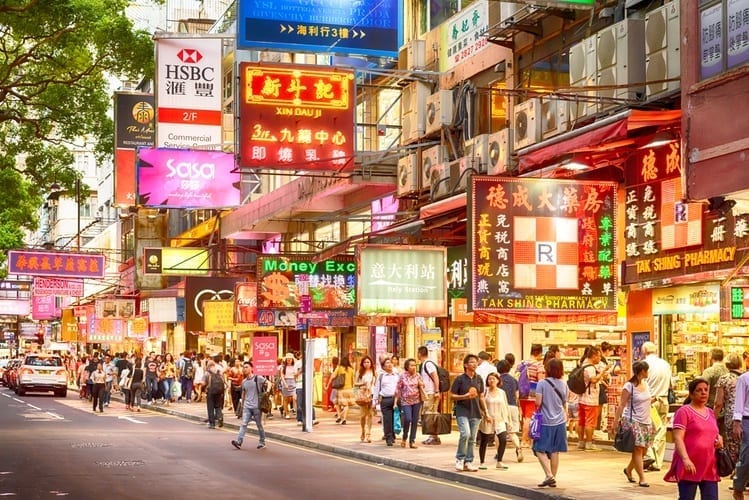
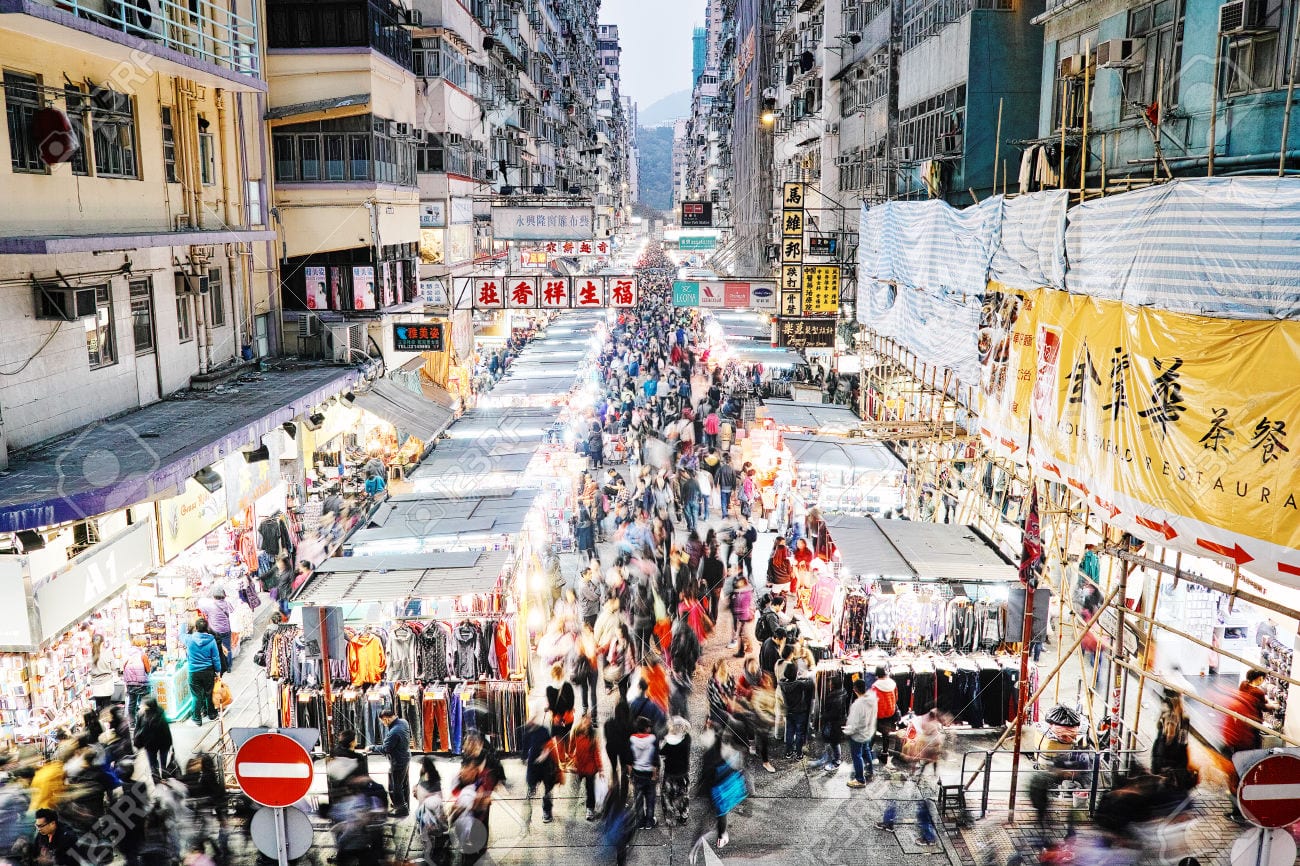
    With sales decimated by the coronavirus crisis, and with little support coming from landlords, some 20,400 Hong Kong retail stores will close by year-end, according to research from the HKRMA.

    A study conducted amongst 152 retailers ranging from SMEs through to large chains shows most retailers will have insufficient resources to survive beyond June, even after the first round of government support.

    Respondents to the HKRMA (Hong Kong Retail Management Association) study collectively operate some 3350 stores and account for 23 percent of the territory’s retail workforce.

    So far this year, an estimated 5200 Hong Kong retail stores have closed permanently. With 62,400 retail stores still operating, the HKRMA predicts that a further 6600 stores will shutter between May and August, and another 8600 between September and December – totaling up to 20,400 stores by year-end, including those already closed since the crisis evolved.

    Just half of the retailers responding to the survey said they had received rental relief from their landlords – but four in five had found the support to be inadequate with rent reductions of less than 50 percent.

    Meanwhile, only 16.5 percent of retailers had found the government grant to be useful in their aid, with the amount not sustainable for continued operations in addition to restrictions on how the funds could be used.

    About 40 percent of survey respondents said they can sustain their businesses for only four more months at most, and only 20 percent of retailers for eight months.

    Thousands to lose their jobs

    Nine out of 10 retailers revealed a “severe to medium loss” in their business from the epidemic, more so than the initial impact from the social unrest in the past year. As the sector continues to struggle, two-thirds of retailers had forced workers to take unpaid leave and the majority of the remainder had laid-off workers or imposed pay reductions.

    While the Hong Kong government has implemented a HK$80 billion plan to subsidize employers to pay workers 50 percent of their salaries (capped at HK$9000 a month, or £930), in contrast, the UK government is offering a furlough scheme financing 80 percent of workers’ wages (capped at £2500 per month) during government-enforced lockdown periods.

    The HKRMA calculates that 10,400 employees in the local retail sector lost their jobs in the past three months alone.

    As the Hong Kong government prepares to launch a second round of pandemic-relief funds to businesses, the HKRMA warns that the amount of relief will be insufficient to cover the wages of all retail employees and lay-offs will continue.

    With Hong Kong retail sales already plunging 44 percent in February, the government subsidies have arrived too late, says the HKRMA, because retailers will be unable to continue trading through until the cash arrives in June.

  • Coronavirus lockdown to slash Malaysian retail sales

    Coronavirus lockdown to slash Malaysian retail sales

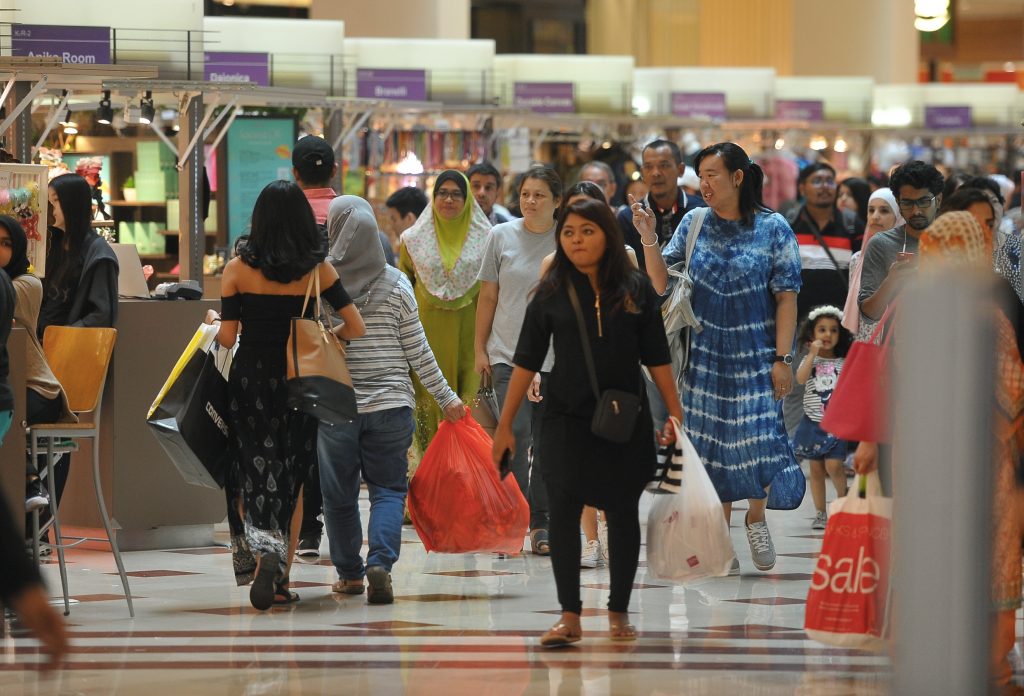
    The six-week-long coronavirus lockdown is expected to slash Malaysian retail sales by 60.7 percent this month as non-essential stores are forced to close.

    Retail Group Malaysia, which calculates data on behalf of the Malaysia Retailers Association, estimates that retail sales for the full year will drop by 5.5 percent, should the government’s Movement Control Order be lifted at the end of this month. It has already been extended from March 18 until April 28

    RGM’s MD Tan Hai Hsin told The Edge that the majority of the nation’s retailers are recording zero sales this month. “This has never happened before in history”.

    While online sales have surged in Malaysia since the coronavirus struck the nation, and consumers are spending more on food and groceries, categories like jewelry, furniture and luxury goods have been decimated.

    Last year, Malaysian retail sales grew by 3.7 percent to RM107.5 billion (US$24.8 billion), but RGM is now forecasting RM101.6 billion ($23.45 billion) for the full year, a figure which must take into account a rebound once the lockdown order is lifted.

    The MRA estimates 209,000 stores have been forced to close during the lockdown and 90 percent of stalls and markets have been affected, which previously accounted for 63 percent of the nation’s total retail sales. The remaining 126,000 stores classified as essential include supermarkets, hypermarkets, convenience stores and pharmacies.

    Meanwhile, RGM has estimated that operating costs, including staff and store overheads, are likely to reach RM20.48 billion (US$4.7 billion) during the lockdown which retailers will have to carry in the absence of sales.

    It is, as yet, unclear the volume of online sales during the period and whether these will help mitigate in part the sales decline of any non-essential retailers.

  • Retail real estate investors in Hong Kong searching massive discounts

    Retail real estate investors in Hong Kong searching massive discounts

    Retail real estate investors in Hong Kong are seeking discounts ranging from 30 to 50 percent compared to previous peak prices, according to data from real-estate company Savills.

    However, for now, even fewer retail landlords are willing to entertain such price reductions, preferring to hold on to their assets, according to the company.

    “Volumes in both the office and retail investment markets are tapping new lows making price discovery problematic, but deals are still being done, even in these tough market conditions,” said Peter Yuen, MD, head of investment & sales.

    “A more protracted recovery will increase the likelihood of finding distressed stock at deep discounts later in the year.”

    The global spread of the virus, stricter controls on borders and limits on social activities have fuelled a dramatic reduction in retail sales and visitor arrivals in the territory, which fell by 96 percent in February. Savills said retail landlords are finding it hard to retain tenants and sustain occupancy even with deeply discounted rents and generous rental concessions.

    Prime high-street shop prices fell by 6.5 percent during the first quarter of this year according to Savills, with Tsim Sha Tsui and Mong Kok – two shopping districts popular among mainland visitors – registering greater declines.

    “The retail market peaked in 2014 and has seen a particularly steep adjustment since then,” said Sharon Fong, senior director, retail sales, investment & sales.

    “More recently the social unrest and the virus has been a perfect storm for the sector while at the same time underlying fundamentals are being disrupted by e-commerce so even after the outbreak, investors are unsure what future we will emerge into.”

    Simon Smith, a senior director, research & consultancy, added that while commercial investment sentiment has hit a new low in Hong Kong, China’s cautious economic recovery, the benign interest rate environment, tight short-term commercial supply conditions and further rounds of fiscal stimulus may help to sustain price levels affecting retail real estate investors in Hong Kong.

  • Sustainability concerns on hold as Covit 19 virus wreaks havoc

    Sustainability concerns on hold as Covit 19 virus wreaks havoc

    The coronavirus pandemic has slowed progress on sustainability issues in the retail industry, says GlobalData analyst Emily Salter.

    While sustainability was a buzz word last year and set to be a key focus of retailers through 2020, progress has now all but halted, says Salter.

    “Making changes to materials, logistics and production processes to improve the sustainability of products and operations will slow, as sustainability is no longer top of retailers’ and consumers’ agendas. This is due to long-term adjustments being costly and many non-food retailers will be financially unstable as they emerge from this crisis after a significant period of low or no sales,” she explains.

    Before the coronavirus pandemic brought retail to a standstill in most countries around the world, there were clear signs shopping habits were changing. For example, a survey undertaken in the UK last year showed 74 percent of consumers would prefer to shop at a supermarket that had more loose fruit and vegetables than packed. However, nowadays, people are seeking security and safety and there are signs shoppers prefer produce to be wrapped.

    There has also been a dramatic increase in sales of hand sanitizers and anti-bacterial gel in plastic bottles. Salter says consumers are showing little regard for plastic-free alternatives or refills.

    “Sustainability and single-use plastic will be less important to many consumers in the short term where hygiene and cleanliness is more of a priority to prevent the spread of the virus.

    “Another issue is the problem of unsold stock that retailers will be stuck with, as all non-essential stores and some websites have ceased trading temporarily,” she says.

    “Some items and ranges may be able to be sold at a later date, but this may not be the case for highly seasonal and trend-led pieces, raising questions about how these items will be disposed of.

    “Given Burberry came under fire for burning stock in 2018, retailers must be careful how they deal with this issue.”

    Accessories label Kurt Geiger took the initiative to donate some of its surplus stock to National Health Service staff excess, which reduced inventory and generated positive media exposure.

    “Although sustainability will slowly become more important again once the spread of Covid-19 has ceased, the increased awareness of cleanliness and germs is likely to remain at the forefront of shoppers’ minds and will continue to hinder the growth of sustainability initiatives, such as refill stores,” Salter concludes.

  • Digital Payments in China Surge

    Digital Payments in China Surge

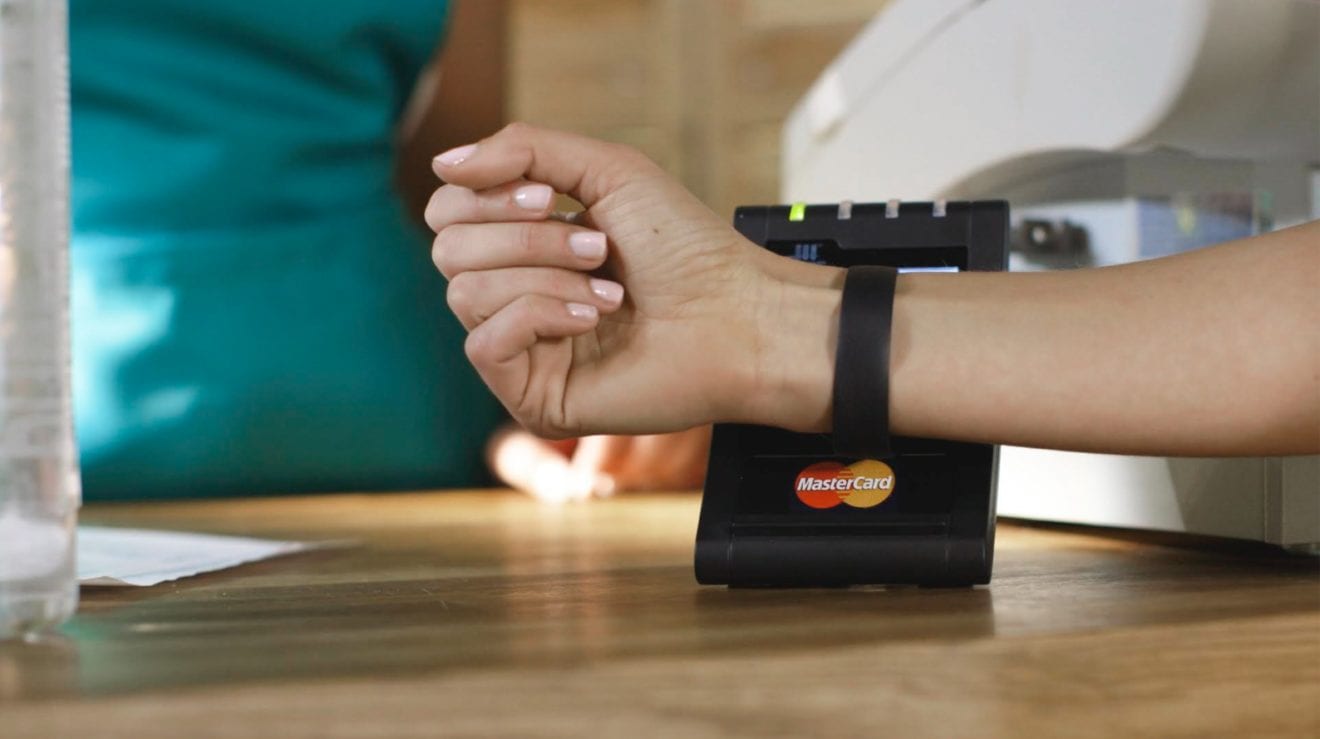
    China’s digital payment market grew to $8.4 trillion in the last quarter of 2019 and there are signs of still robust momentum in the months following the outbreak.

    By transaction volumes, Alipay retained the top rank with 55.1 percent followed by Tencent’s two platforms – WeChatPay and QQ Wallet – at 38.9 percent, according to a report (Mandarin only) by independent research firm iResearch.

    The remaining 6 percent where split between 1qianbao (1.4%), JD Pay (0.9%), UMPay (0.6%), 99bill (0.6%), Yeepay (0.5%), China UMS (0.3%), Sunin Pay (0.2%) and others (1.5%).

    59.8 trillion yuan ($8.4 trillion) in total digital payment representing a year-on-year increase of 13.4%

    Even in the midst of an ongoing coronavirus outbreak, the Chinese digital payment market signaled strength, the report underlined.

    Beijing-based grocery startup Meicai attracted 800,000 new users in one week on an online platform that connects farmers with consumers and restaurants. Between March 18 and 22, Alipay registered average daily purchase of nearly 1.1 million cups of milk tea via branding programs.

  • Indonesian retail bussineses starts shutting down as coronavirus crisis gets worse

    Indonesian retail bussineses starts shutting down as coronavirus crisis gets worse

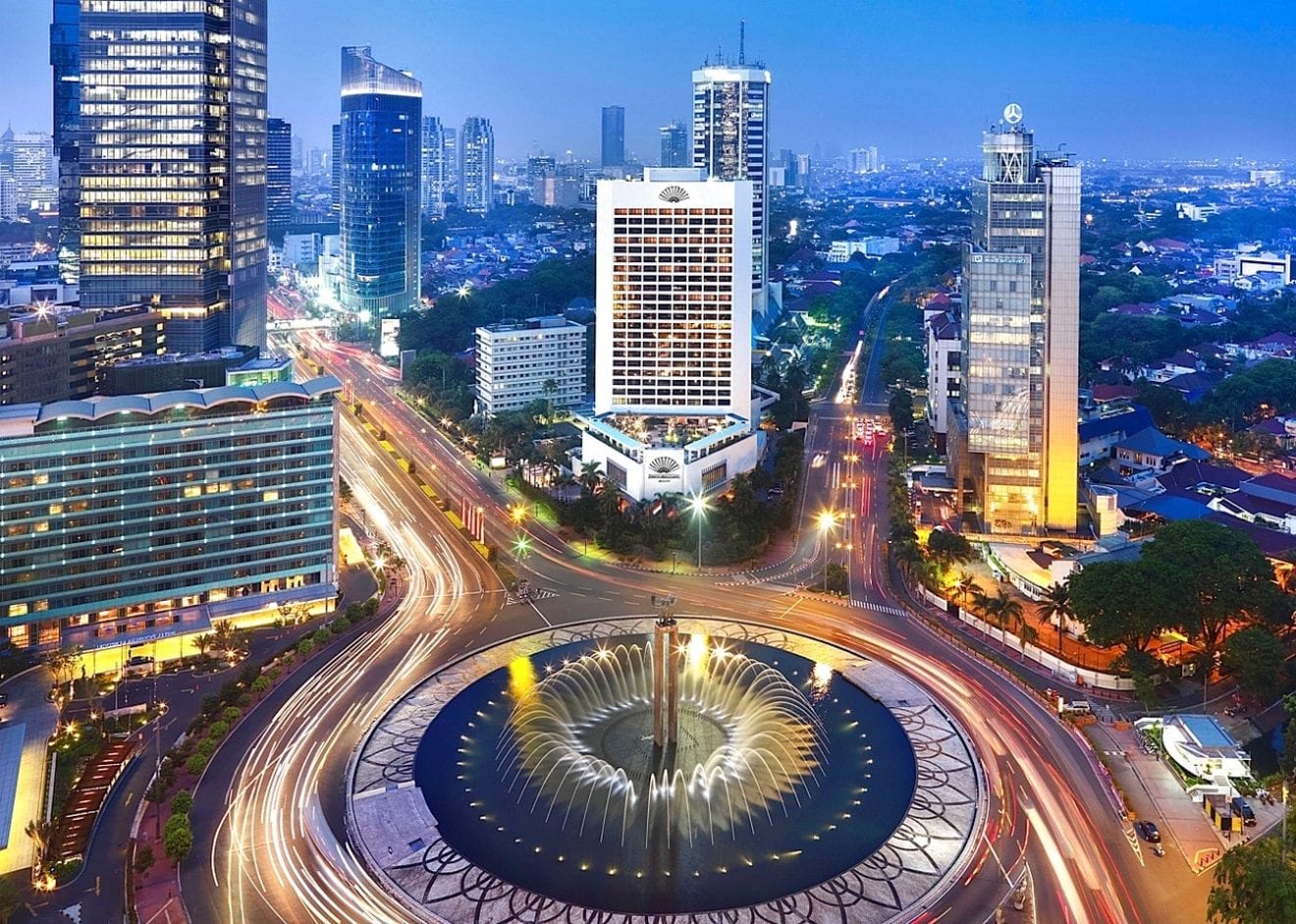
    The Indonesian retail sector has begun to shut down in the wake of the coronavirus crisis, with shopping centers and retail chains voluntarily closing the doors to non-essential categories.

    More than 30 shopping malls have been shut down in the country despite no order from authorities. Lippo Malls Indonesia Retail Trust (LMIRT) has temporarily closed 11 out of 23 shopping malls in the Greater Jakarta region, Bandung and Bali.

    According to LMIRT, the company will close its malls until April 9 and waive rent for all affected tenants. Essential services including supermarkets and pharmacies remain open during the shutdown.

    Other shopping malls across Jakarta closed include Senayan City, Plaza Indonesia, Aeon Malls, Mall of Indonesia and Lotte Shopping Avenue.

    Meanwhile, McDonald’s Indonesia will cease dine-in services across the country for two weeks starting from April 1. The company said on its social media channels that it still offers to take away, drive-through and home delivery services.

    As Indonesian retail continues to wind down, many local restaurants have also closed their doors but continue to operate through third-party apps like Gojek and Grab.

    Japanese fashion brand Uniqlo is among the latest retailers to temporarily close their stores in Indonesia.

    As of today, Indonesia has confirmed 1414 positive cases of Covid-19 including 122 deaths and 75 recovered.

  • Metro Retail Stores show strong profit growth

    Metro Retail Stores show strong profit growth

    Metro Retail Stores Group in the Philippines has reported a 21.5-per-cent growth in income to US$20.80 million (Php1.06 billion) last year.

    The growth was driven mainly by an 11.3-per-cent increase in sales to $722.31 million (Php36.8 billion) with operating expenses rising by a lesser rate of 9.3 per cent.

    Additional insurance recoveries relating to a serious fire the previous year saw non-core income increase by $4.29 million (Php218.7 million), offset by the net impact of the new PFRS 16 accounting standard of $7.13 million (Php363.7 million).

    Metro Retail Stores’ operating income, as well as net income, would have increased by 13.7 percent and 18.0 percent respectively excluding the impact of PFRS16.

    The firm says that increasing its store network to serve emerging cities and municipalities in Visayas, Central Luzon and the Bicol region was vital to the home-grown retailer’s strong performance.

    In 2018, the company recorded a 1.2-per-cent drop in net income due to the closure of a hypermarket and the temporary suspension of a supermarket following a fire, along with other factors.

    Metro Retail Stores Group is owned by the Gaisano family based in Mandaue City, Cebu. It has 53 department stores and hypermarkets in the Visayas Region.

    The company’s supermarkets, hypermarkets and pharmacies are all continuing to trade to provide much-needed basic goods and services as the Philippines struggles with the Covid-19 outbreak.

  • JD Super boosts tea sales through live streaming

    JD Super boosts tea sales through live streaming

    Chinese online supermarket JD Super has used live streaming to achieve a 100-per-cent increase in tea sales.

    During a recent tea festival, the JD subsidiary invited social influencers and experts to participate in live streams to promote a deeper understanding of Chinese tea among enthusiasts. More than 200 live broadcasts were hosted by intangible cultural heritage tea authorities and tea experts from major brands.

    One popular video stream attracted nearly 70,000 viewers, generating sales of RMB300,000 (US$42,300).

    “JD Super has strict standards for selecting tea and provides tea brands with support in big data, traffic and operations,” said the firm. “These act as the guarantor for Chinese consumers to access high-quality tea products on JD.com.”

    The firm’s logistics arm JD Express has also developed a rapid supply chain solution for spring tea, including tea collection, packaging and delivery to tea gardens.

  • Coronavirus Drags Car Dealers Into Digital Commerce

    Coronavirus Drags Car Dealers Into Digital Commerce

    Auto retailers have been slow to embrace e-commerce, but the coronavirus pandemic is changing that. Online traffic has risen even as in-person showroom traffic has disappeared. Auto dealers are embracing digital tools to close deals without a handshake and arranging for vehicles to be picked up or delivered without requiring customers to come to their stores.

    U.S. new vehicle sales will be hit hard by the pandemic. Demand dropped 13% in the first 19 days of March, according to research firm J.D. Power. In especially hard-hit markets like Seattle, San Francisco, Los Angeles and Chicago, where the virus has spread quickly, demand slumped as much as 22%.

    Moody’s Analytics said on Friday the new and used vehicle markets could slump by as much as 20% from 2019 levels and stay depressed into 2021.

    New and used vehicle markets could slump by as much as 20% from 2019 levels and stay depressed into 2021.

    Based on a survey of some 40 dealers, analysts at Evercore ISI on Monday estimated the March U.S. seasonally adjusted annual selling rate could be 11 million to 12 million vehicles, on par with levels seen during the 2008/2009 financial crisis.

    However, online traffic for the 1,000 U.S. and Canadian dealers served by Roadster, which provides a digital sales platform for everything from financing paperwork to vehicle delivery, was up about 6%.

    “Many dealerships are going to get caught with their pants down,” said Brian Benstock, a dealer in the New York City borough of Queens. “This will be a watershed moment for the dealership industry.”

    Dealers have been doing business online for years, but it has never been a major focus. Only 15% of all transactions are online, according to a November survey of 540 dealers commissioned by the National Automobile Dealers Association. However, they expect online car sales to double by 2025.

    Benstock, who began moving most of his sales online in 2015, said companies like Tesla Inc and retailer Carvana Co, which does all its business online, have begun to change consumer expectations.

    Tesla has always relied on internet orders for its vehicles. It is implementing “touchless deliveries” in many locations, allowing consumers to unlock cars using the Tesla App, sign any relevant paperwork and return it to a drop-off location.

    Carvana, which sells used vehicles, expanded the number of cars it sold to retail customers by 89% in 2019 from 2018.

    Despite a sharp decline in its shares, Carvana has a market capitalization twice that of AutoNation Inc, the largest bricks and mortar U.S. retail vehicle chain. AutoNation started boosting investment in its online selling capability well before the virus shock.

    David Smith, chief executive of dealership chain Sonic Automotive Inc, said most customers still want to visit a showroom to see the cars they are buying.

    “There’s only a small percentage of the market who want to buy their car entirely online and have it delivered,” he said.

    “It’s what people wanted going into this,” she said, citing a Cox January survey that found consumers cited vehicle pick-up and delivery as their top desire.

    Matthew Zappone, general manager of a Chrysler Jeep Dodge Ram dealer outside of Albany, New York, is encouraging his sales staff to use FaceTime to show customers the vehicle features they want to see without visiting the store.

    “If you haven’t been doing it to this point, you’re under-prepared,” Zappone said.

  • Hong Kong government launches cash relief for retailers from Monday

    Hong Kong government launches cash relief for retailers from Monday

    The Hong Kong government will allocate US$271 million in aid for around 70,000 retailers affected by the coronavirus outbreak.

    The Retail Sector Subsidy Scheme will launch next Monday, with eligible stores set to receive an HK$80,000 (US$10,300) subsidy under the scheme to help alleviate their financial difficulties.

    Beneficiaries of the fund must be substantial retail businesses operating since at least January 1 this year, excluding restaurateurs, hawkers and stalls in department stores without a separate payment system. Mail order, internet and direct marketing businesses are also excluded from the scheme.

    Parent companies operating multiple locations can apply for up to HK$3 million ($386,200) in relief funding.

    The Hong Kong Trade Development Council will help implement the scheme with retailers instructed to apply online to speed up the application process and minimize the time required for vetting the eligibility of applications received. Applications for support will only be accepted from March 23 to April 12.

    A telephone hotline has opened (1836 111) and an email address (enquiry@retailsubsidy.hk) established for inquiries from retailers, which are operational now.

  • India’s Flipkart applies for food-retailing licence

    India’s Flipkart applies for food-retailing licence

    Indian e-commerce platform Flipkart has filed for approval from regulatory authorities to conduct food retail in the territory.

    According to a Times of India report, The Walmart-owned business has made the application with the Department for Promotion of Industry and Internal Trade with the expectation of a decision within three months.

    The firm registered an online grocery business in October last year under the brand name Flipkart FarmerMart. According to reported figures, the firm will make an investment of ₹2,500 crore (US$338,000) in the venture.

    Initial plans will see the firm delivering customer purchases via local “kirana” stores partnering with the Flipkart business.

    The firm will “focus on deep agri-supply chain investment, especially at the farm gate level and will encourage demand-driven sowing, which will help farmers produce right fruits and vegetables and get paid as per market price”.

    Flipkart competitor Amazon has held a food retail license in India since 2017.

  • Ebay struggling to sell South Korea division

    Ebay struggling to sell South Korea division

    US online shopping giant eBay is struggling to offload its South Korean unit.

    Sources within the e-commerce industry believe there are a few large retail companies that could potentially buy the Ebay South Korea business due to its large size.

    They estimate the business could potentially be worth 5 trillion won (US$4.18 billion), based on about one-third of the company’s 16 trillion won in annual transactions.

    Ebay Korea is the country’s largest e-commerce company, with major online shopping malls such as Gmarket, Auction and G9 under its arm. Their share is estimated to account for around 12 percent of the local market.

    The acquisition of Ebay Korea, which is one of the few profitable e-commerce businesses in South Korea which is profitable, would quickly make the purchaser one of the nation’s top players.

    There are few large retail companies that could afford such a large-scale acquisition, thus Lotte and Shinsegae have emerged as potential buyers.

    Lotte, which has yet to start its e-commerce business in earnest, was mentioned as the most prominent suitor. However, the company has reportedly ruled out a bid.

    “When Lotte was considering acquiring TMON Inc for 2 trillion won, it was said that negotiations broke down over the price,” an industry source said. “The valuation of Ebay Korea at 5 trillion won is too much.

    “Ebay has a structure that makes profits by acting as a bridge between consumers and sellers through online market brokerage,” said Nam Sung-hyun, a researcher at Hanwha Investment & Securities Co.

    “However, Ebay needed to invest in related infrastructure in the process of transforming the purchasing product group into food, but the company failed to implement it properly, losing its competitive edge,” Nam added.

  • Ikea online E-commerce store opens on Tmall

    Ikea online E-commerce store opens on Tmall

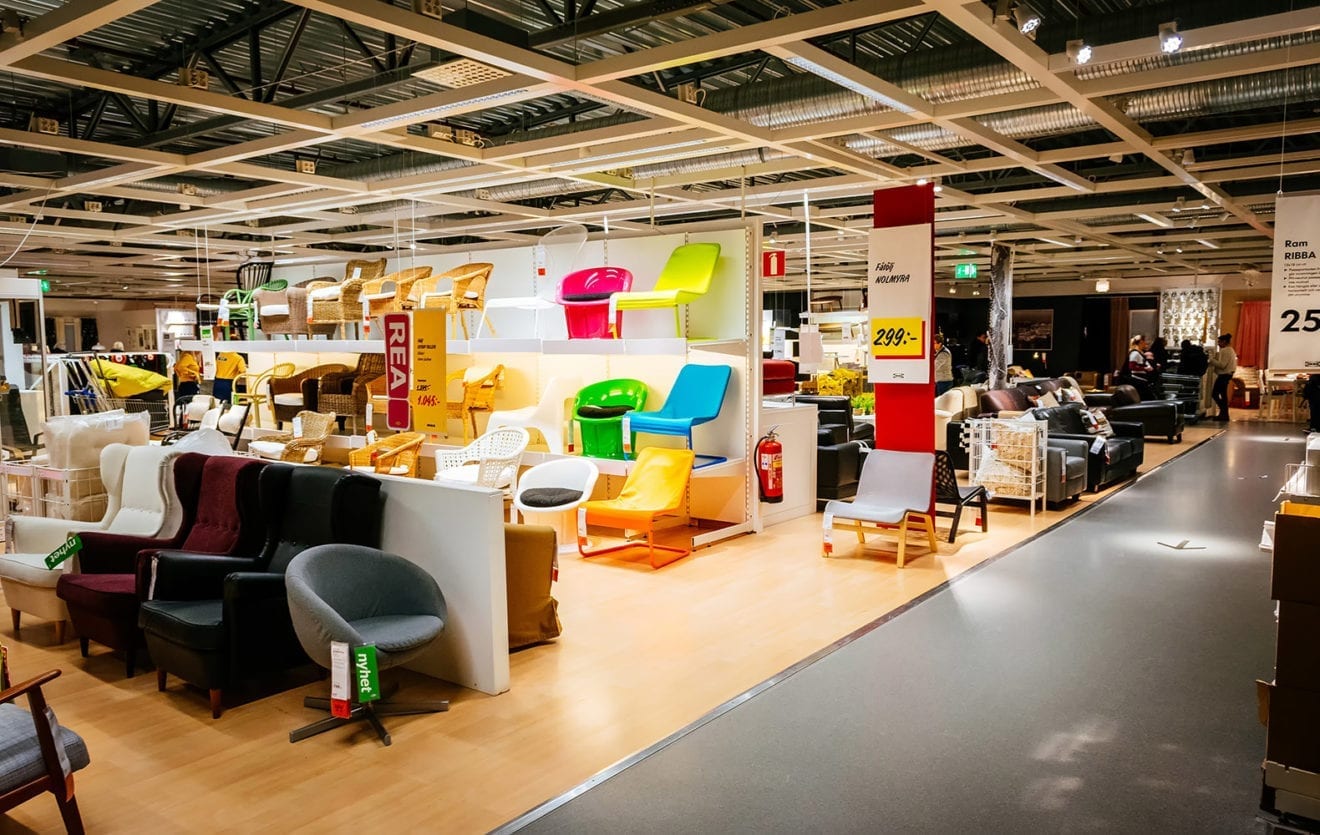
    Ikea has launched a flagship store on Alibaba’s marketplace Tmall, the first third-party platform the brand has partnered within Asia, and after leaving Amazon last year.

    Initially, with a six-month trial across the Chinese provinces of Jiangsu, Zhejiang and Anhui, and the city of Shanghai, the Ikea online flagship store features more than 3600 products.

    “At Ikea, we are very proud of our [physical] stores, but we are always eager to learn how to improve our service,” said Jon Abrahamsson Ring, MD of Inter Ikea Systems BV. “We are happy about this collaboration with Alibaba. I’m convinced that we will learn a lot and develop even better ways to meet our customers.”

    The launch of the Ikea online store on Tmall is part of the brand’s strategy to broaden the ways it reaches Chinese customers, making the brand more accessible.

    The coronavirus outbreak had no influence on the timing of the Tmall launch, an Ikea spokesperson confirmed.

    Ikea shut half of its 30 stores in China earlier this year due to the coronavirus outbreak. Recently, Ikea China is slowly returning to its normal business as the brand is reopening some of its stores across the country.

  • Lunar New Year timing boosts Singapore retail sales in January

    Lunar New Year timing boosts Singapore retail sales in January

    Excluding motor vehicles, Singapore retail sales in January rose by 0.6 percent, but it will be another month until the effects of the growing coronavirus crisis on tourism and domestic consumer spending is evident.

    Including vehicles, Singapore retail sales in January decreased by 5.3 percent year on year, but this as much reflects changing criteria for vehicle ownership certificates of entitlement in the city-state as an economic trend. Month on month, retail sales were down by 0.5 percent excluding vehicles.

    Online retail sales in January comprised about 5.8 percent of the total. The major categories here were computer & telecommunications equipment, where online accounted for 25.9 percent of total category sales, furniture & household (10.9 percent) and supermarkets & hypermarkets (7.8 percent).

    Overall retail sales of furniture & household equipment declined by 16 percent in January, while sales of optical goods & books fell by 9.4 percent.

    However, sales by supermarkets & hypermarkets, food & alcohol, and apparel & footwear grew by between 6.4 percent and 8.7 percent, due partly to increased spending during the Lunar New Year.

    January saw 9.1 percent growth in sales of food & beverage services, again due mainly to the timing of Lunar New Year, which was earlier this year. On a seasonally adjusted basis, sales of food & beverage services increased by just 0.8 percent in January.

    The value of food & beverage services in January was estimated at S$963 million. Of that, online sales comprised about 9.8 percent.

    Turnover of restaurants, fast-food outlets, and food caterers increased by between 8 percent and 16.4 percent in January, again fuelled by increased spending due to the Lunar New Year.

    Sales by cafes, food courts & other eating places fell by 2 percent.