Tag: revenue

  • Vietnamese banks register more than robust profit growth

    Vietnamese banks register more than robust profit growth

    Commercial banks in Vietnam have posted impressive growth, with profits doubling or even tripling over last year’s first nine months. The Bank for Foreign Trade of Vietnam (Vietcombank) has announced profit before tax (PBT) of VND 11.68 trillion ($502.16 million) in the first nine months, a 47 percent increase compared to the same period last year.

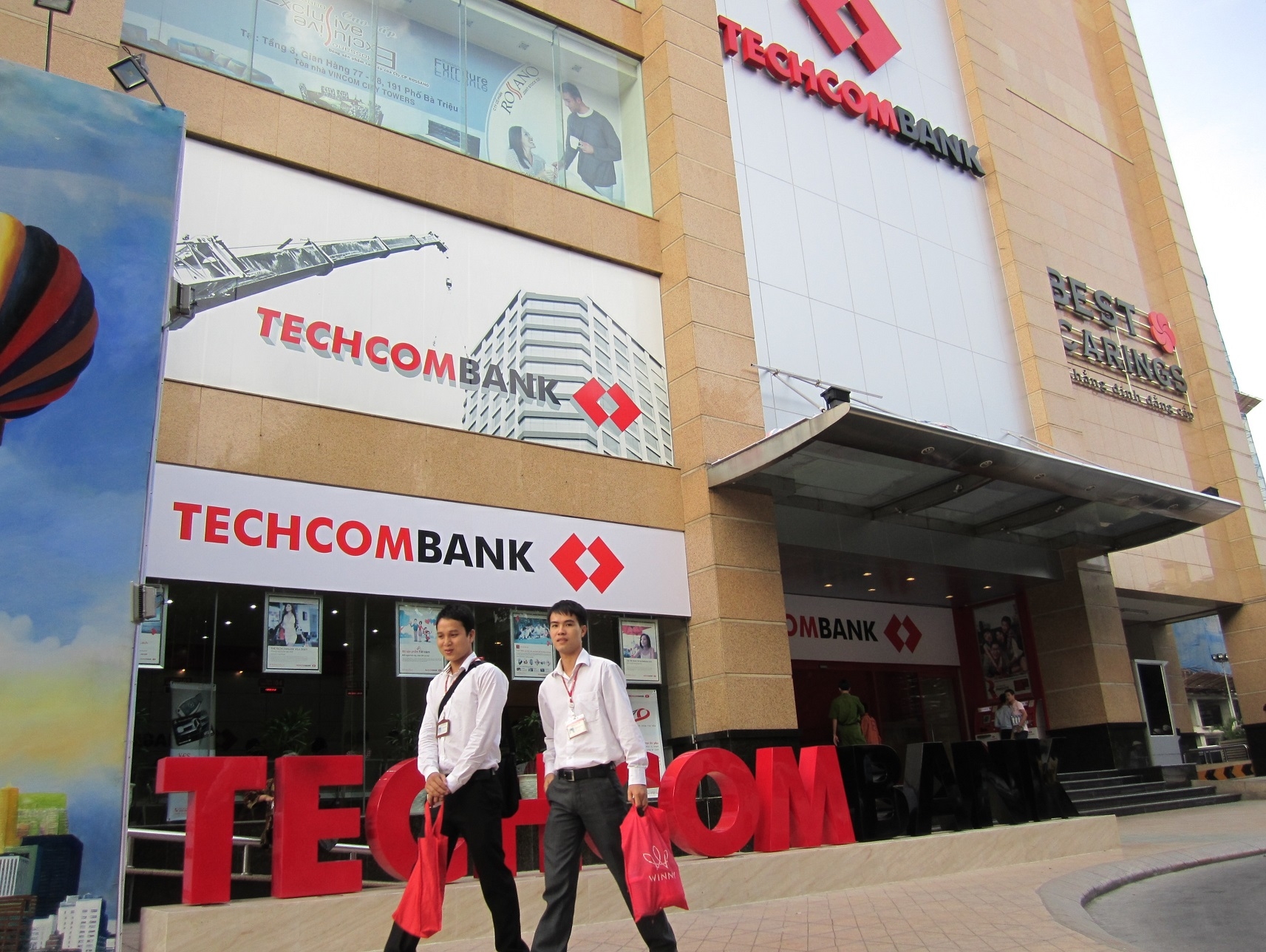
    In the private banking sector, the current profit leader is Techcombank, which reported a 9 month PBT of VND7.77 trillion ($334.2 million), an increase of 61 percent over the same period last year. Nearly all business lines at Techcombank saw positive growth.

    Pre-tax profit of lender ACB hit a record VND4.8 trillion ($206.3 million) in the 9-month period, 2.4 times higher than the same period last year.

    The highest growth rate of the period went to Vietnam International Commercial Joint Stock Bank (VIB), with its profit before tax of VND1.72 trillion ($73.9 million), marking an increase of 176 percent over the same period last year.

    Banks relied heavily on interest income to achieve these profits. For example, VPBank granted loans worth VND 211.09 trillion ($9.08 billion), up by 17 percent over the same period last year, and corresponding figures for Vietcombank were up 15 percent to VND 616.41 trillion ($26.5 billion).

    In addition, the banks have also gained positive results from the fee-for-services approach.

    According to banking experts, with strong credit growth at the beginning of the year and the economy forecast to remain stable, bank profitability is set to continue rising sharply towards the end of the year.

    In the last months of the year, many banks’ credit facilities have been running low, but this is balanced by rising interest rates that boost their net income.

    HSBC Vietnam CEO Pham Hong Hai said that profitability of the sector will peak in 2018 and gradually fall later. The central bank may not want to maintain such high credit growth in the near future, and could work to bring it down, he explained.

    The country’s banking sector posted an estimated 18.17 percent loan growth in 2017, according to the Ministry of Finance. It has targeted growth of 17 percent this year.

    Hai said that from 2019 onwards, bad debt may re-emerge as a problem for banks after the recent credit growth and the instability of the global financial markets. Therefore, banking profits will most likely see a downward trend next year.

    State Bank of Vietnam Governor Le Minh Hung said recently that bad debts and potential bad debts amounted to 8.61 percent of total credit by the end of September.


  • Amorepacific profits slump

    Amorepacific profits slump

    Amorepacific Group announced lower-than-expected results for the third quarter on Monday with operating profits dropping 36 percent year on year. The fall comes as a stark contrast to rival LG Household & Health Care, which saw operating profits in its beauty business soar 30 percent during the same period.

    Amorepacific Group’s operating profit between July and September was 84.7 billion won ($74.2 million), down 36 percent compared to the same period last year. Its revenue rose 3.1 percent year on year to 1.46 trillion won. This was lower than the three-month analyst consensus of 1.56 trillion won in quarterly revenue and 166.9 billion won in operating profits, compiled by stock information provider FnGuide.

    The company explained in a statement that the main reason for the low profitability was the increase of costs in human resources and marketing expenditure.

    “Despite growing competition in the beauty market in and outside the country, Amorepacific continued investments to enforce brand competence and secure future growth engines,” the company said in a statement.

    The group’s main affiliate, also called Amorepacific, saw sales increase 6 percent year on year to 1.28 trillion won in the third quarter. Amorepacific’s sales success was thanks to the popularity of its brands, including Sulwhasoo, Hera, Iope and Laneige, with tourists and duty-free shoppers. However, the sales increase was nullified by a rise in costs, resulting in a sharp 24 percent fall in operating profit to 76.5 billion won.

    The results were grim for the smaller single-brand stores under the group as well: Etude House remained in the red while revenue dropped 23 percent year on year. Innisfree sales slightly increased by 3 percent, but operating profit steeply dropped 29 percent year on year. Espoir saw operating losses once again while revenue slightly rose by 1 percent.

    The good news for Amorepacific was the 36 percent year-on-year rise in revenue in the United States, thanks to strong performances from Laneige and Innisfree. Although its foothold there is still small compared to Asia, the company has been making efforts to diversify its global business, which used to heavily rely on China.

    LG Household & Health Care, on the other hand, recorded its highest-ever profit for the 54th quarter in a row. Between July and September, revenue generated from its three business sectors – beauty, daily necessities and beverages – was 1.73 trillion won, up 10.6 percent from the same period last year, while operating profit was up 9.8 percent to 277.5 billion won.

    The year-on-year jump was even higher in its beauty business: operating profit soared 30.6 percent to 184 billion won while revenue increased 23.5 percent to 954.2 billion won in the year’s third quarter. Its high-priced luxury brands, which were relatively unaffected by the Thaad row, were once again huge contributors.

    “With its high brand loyalty, The History of Whoo hit a quarterly sales record once again,” the company said.

  • Nestle Malaysia earnings up 15.7% in Q3, declares 70 sen dividend

    Nestle Malaysia earnings up 15.7% in Q3, declares 70 sen dividend

    Nestle (Malaysia) Bhd’s net profit for the third quarter ended September 30, 2018 rose 15.7% to RM137.69 million from RM119.01 million a year ago, underpinned by higher sales on the back of strong marketing and promotional activities.

    Revenue for the quarter under review increased 8.3% to RM1.43 billion from RM1.32 billion in the same quarter last year, driven by stronger domestic and export sales as well as the zero-rating of the Goods and Services Tax (GST), which boosted consumer spending.

    Nestle has proposed to declare an interim dividend of 70 sen per share for the quarter under review.

    For the cumulative period of nine months, the group’s net profit grew 4.7% to RM535.06 million from RM511.14 million, while revenue expanded 4.8% to RM4.17 billion from RM3.98 billion.

    “Against the backdrop of a more encouraging year for the Malaysian economy, we remain committed to our long-term strategy to ‘Fuel the Growth’ via our innovative drive and enhancing our strong brand portfolio,” Nestle said on its prospects.

    “We are confident that our investments, including the new Nestlé distribution centre, will enable us to maintain our solid growth momentum. In line with this commitment, the group has recently announced the RM100 million investment in Milo manufacturing making the Chembong factory the largest Milo manufacturing centre of excellence in the world. The company strives to improve efficiencies across our supply chain and reinvest savings to achieve sustainable and profitable growth,” it added.

    Nestle’s shares dipped RM1.50 or 1% to close at RM143.50 on 111,600 shares traded.

  • aCommerce Launches BrandIQ to Help Brands grow sales

    aCommerce Launches BrandIQ to Help Brands grow sales

    Southeast Asia’s leading brand ecommerce enabler, aCommerce, introduces BrandIQ, the company’s new ecommerce measurement and analytics suite. BrandIQ will enable brands to understand and visualize more than 11 million SKUs across 600 brands and 160,000 sellers online across Southeast Asia, enabling global consumer brands and retailers to grow online sales and market share.

    BrandIQ is envisioned to provide brands in Southeast Asia with measurable data and actionable insights for their online commerce strategy. Using sophisticated ecommerce data collection and proprietary machine learning technologies, BrandIQ will empower brands to monitor online merchandise, analyze competitors, offer better promotions, understand consumer sentiments, and improve the overall ecommerce experience.

    “We are now entering an era where usage of survey data is not sufficient to succeed in Southeast Asia’s growing ecommerce landscape,” said Poonpat Wattanavinit, Regional Director of Product, aCommerce. “BrandIQ is a new technology platform that collects data from all the leading online marketplaces to offer brands real-time insights. Through BrandIQ, brands will be able to benchmark their own performance on marketplaces over time as well as compare against competitors in terms of online sales and share of digital shelf.”

    As part of the launch, BrandIQ is also rolling out additional services to help brands and consumers engage in a more meaningful and personal way. Brands can now discover brand advocates and generate authentic product reviews, reward and retain them, and grow brand advocacy at scale.

    “For the last five years, aCommerce has helped brands in Southeast Asia overcome ecommerce challenges, including physical infrastructure and distribution barriers,” added Phensiri Sathianvongnusar, Chief Executive Officer, aCommerce Thailand. “Throughout these years, we saw that data and information is incredibly important to operate a business. The launch of BrandIQ comes naturally as a stepping stone for aCommerce to utilize data and further advance the success of our brands, along with the right tools, teams, and mindset throughout their ecommerce journey.”

    BrandIQ kicked off its pilot operations in Thailand last year and since then has expanded its presence across the Southeast Asian region covering six countries, Indonesia, Malaysia, Philippines, Singapore, Thailand, and Vietnam. BrandIQ will continue to expand the service to other Southeast Asian countries and marketplaces as the ecommerce space continues to grow throughout the region.

  • Esprit sales continues to dive

    Esprit sales continues to dive

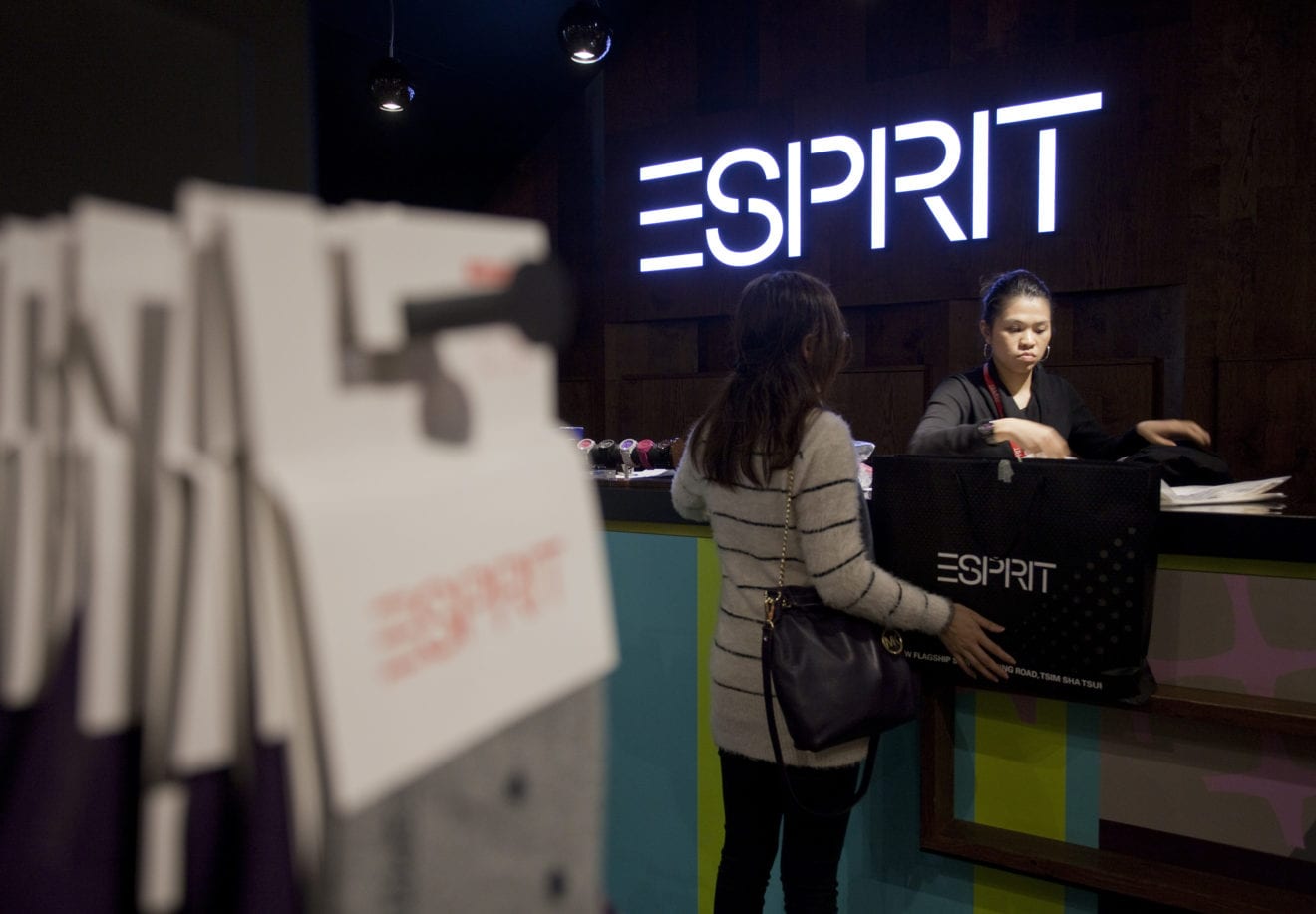
    Esprit sales slumped further in the first quarter as the embattled fashion brand’s store network continued to shrink. In a stock exchange filing on Friday, Esprit said group revenue for the quarter to September 30 slumped 16.2 per cent year on year in local currency while its own offline store sales area reduced by 10.6 per cent, to HK$3.34 billion (US$425.8 million). The company’s own-managed stores, which account for 37 per cent of the company’s total turnover, fell by 17.8 per cent.

    “The decline was due to a reduction in net sales area of 11.5 per cent year on year, a result of continued rationalisation of our distribution footprint, including the closure of the Australia and New Zealand markets and a decline in comparable retail store sales (excluding e-shop) of 14.1 per cent … mainly due to declining customer traffic to our stores and extended warm summer temperature in Europe which impacted sales of our autumn merchandise,” the company said.

    Offline same-store sales in Asia Pacific grew by 0.3 per cent, mainly due to promotional activities. But online sales, which accounted for 24.9 per cent of the company’s revenue, fell by 14.9 per cent globally.

    Eshop, almost entirely in Europe and representing 24.9 per cent of group revenue, recorded a decrease of 14.9 per cent. Online sales in Asia Pacific, which account for a mere 2.6 per cent of total e-shop sales, plummeted 36.7 per cent, largely blamed on the closure of the Australia-New Zealand business.

    Wholesale revenue, almost entirely from Europe, fell 15.5 per cent.

    The company reiterated comments made after its dire full-year results were released last month, which included a US$325.5 million loss in the year to June 30: “Corrective measures are in place to reignite sales momentum.”

    A strategy plan will be released on November 26 outlining how the company plans to sharpen its brand identity, putting the customer at the centre of everything it does; improve product offering and brand positioning; reduce complexity and improve accountability in the organisation; become a leaner organisation; and eliminate loss-making parts of the business.

  • Puma global sales grow on more stores number

    Puma global sales grow on more stores number

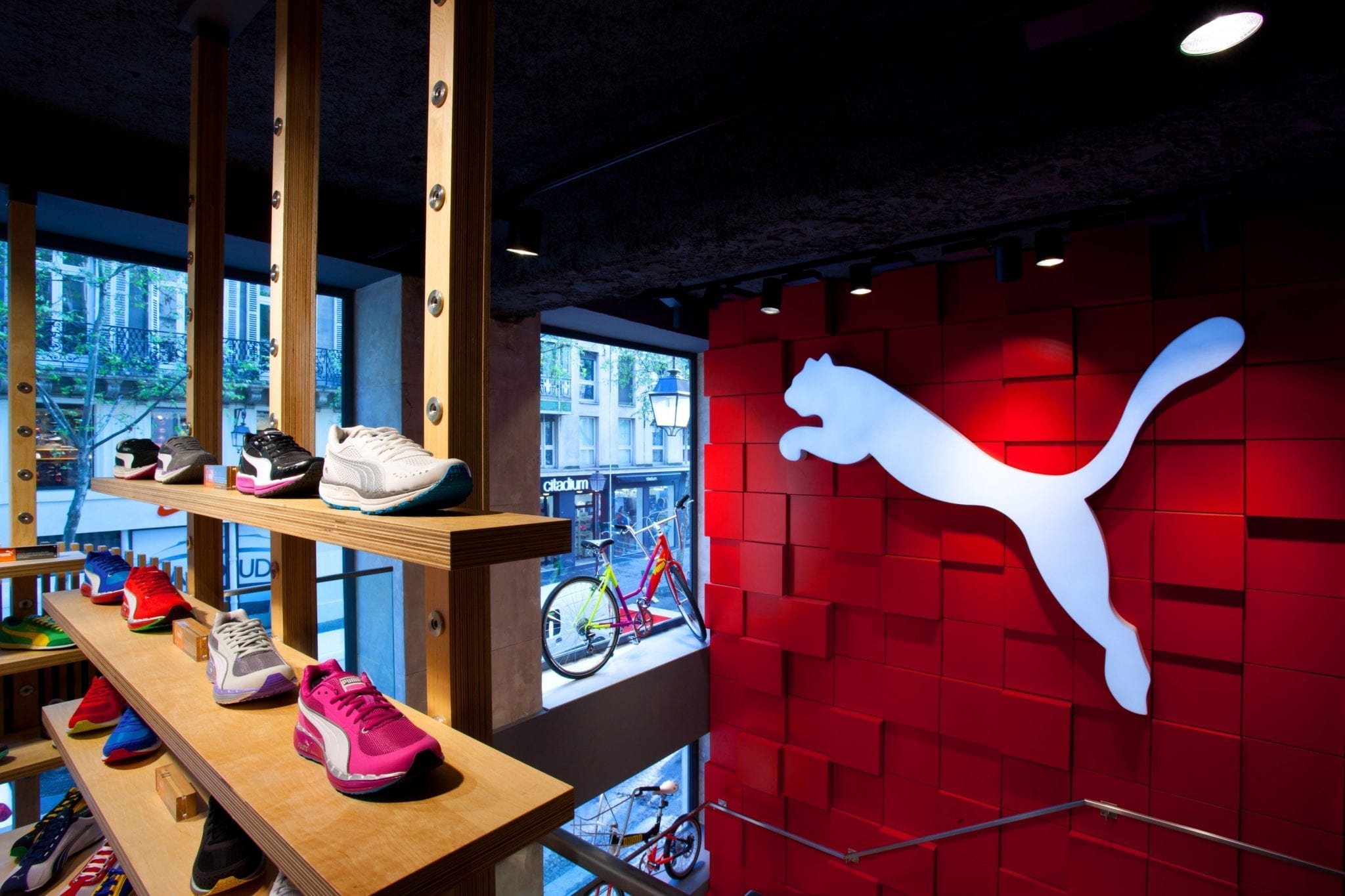
    Puma worldwide sales increased by 17 per cent on a constant currency basis in the first nine months of this year as the sportswear label achieved growth in every region. Asia and the Americas drove sales, with both markets achieving double-digit growth year-on-year.

    Sales for the period reached €3.422 billion, with gross profit margin by by 150 basis points to 48.8 per cent. Operating profit rose 40 per cent from €215 million to €300 million and net earnings from €134 million last year to €176 million.

    CEO Bjorn Gulden said Puma was still witnessing large shifts in product trends and consumer demand, “but feel we have reacted fast enough to continue our growth”.

    The company’s move to expand its own-operated store network is paying off, with sales up 22..5 per cent year to date, increasing the share of the company’s overall sales to 22.5 per cent. The company said additional stores, improving same-store sales and e-commerce all contributed to the increase.

  • LimeLife acquisition helped boost L’Occitane sales

    LimeLife acquisition helped boost L’Occitane sales

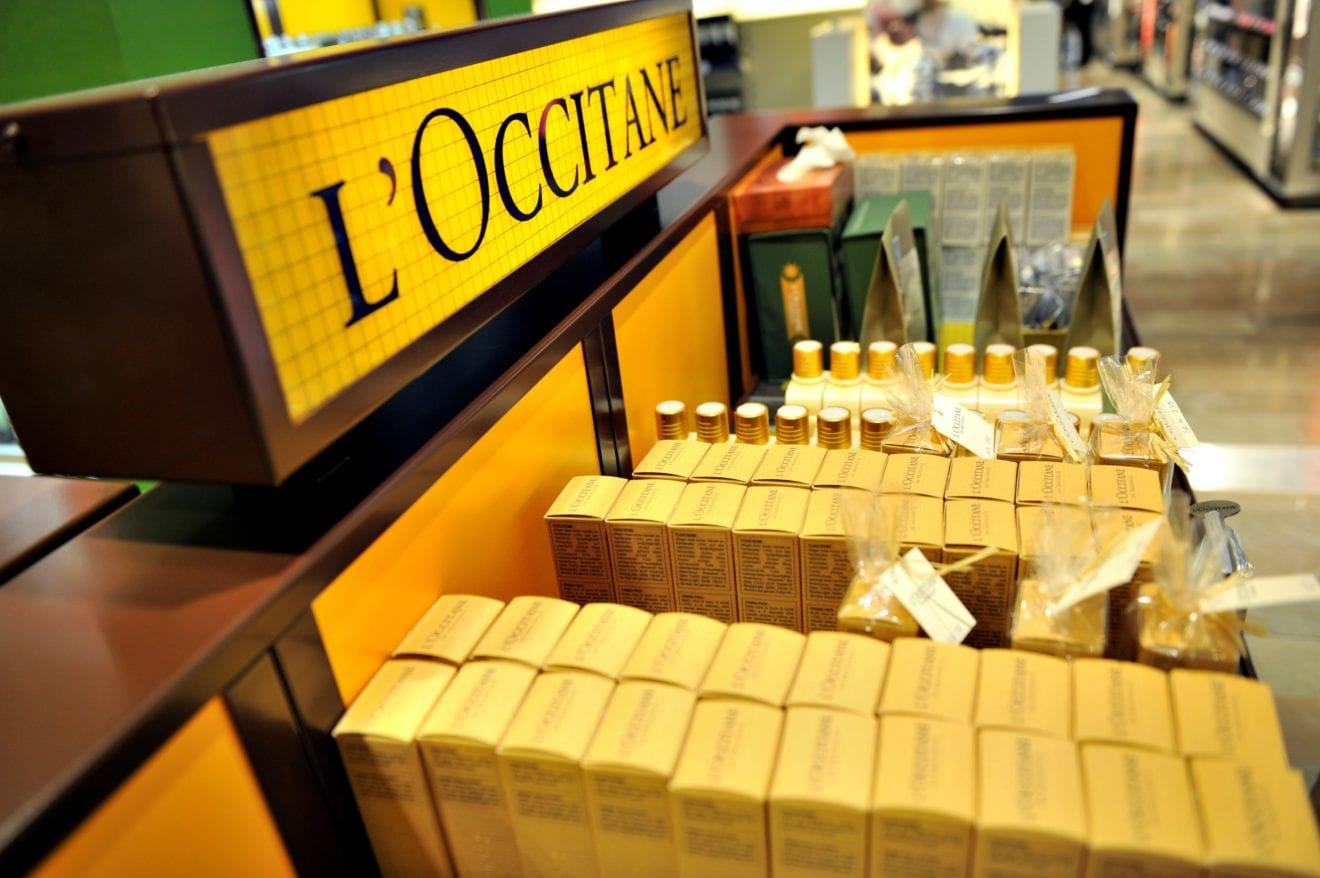
    Hong Kong-listed, Luxembourg-headquartered beauty products retailer L’Occitane has reported healthy sales growth on the back of a key acquisition. Same-store L’Occitane sales in Hong Kong rose 18.6 per cent on a currency-neutral basis in the six months to September 30, and by 14.1 per cent in Mainland China.

    Chairman Reinold Geiger said the Hong Kong growth was primarily driven by “dynamic” travel retail sales.

    But that was far less dramatic than the 65.8 per cent boom in the US, driven by the LimeLife by Alcone business which became part of L’Occitane in January, and the continued recovery of the core L’Occitane en Provence brand.

    Global group sales rose 8.6 per cent at reported rates and 12.4 per cent at constant exchange rates. After excluding the LimeLife business, like-for-like sales growth rose 4.9 per cent, which was higher than the 3.6 per cent of the first quarter.

    Global L’Occitane sales reached €595.4 million for the six months. It finished the period with 1555 of its own stores.

  • Asia-Pacific telcos to face slower revenue growth: Moody’s

    Asia-Pacific telcos to face slower revenue growth: Moody’s

    Moody’s Investors Service expects stronger competition for the Asia Pacific (APAC) telecommunications sector and stronger commoditisation, and slower revenue growth for companies across 11 markets in the region, including Malaysia. The other markets are Hong Kong, India, Indonesia, Japan, Korea, the Philippines and Singapore.

    The rating agency’s report entitled “Telecommunications – APAC: 2019 Outlook” noted that while slower overall revenue growth will be evident in all 11 markets, the emerging market is expected to see a more pronounced slowdown with revenue growth to fall to 3-3.5% in 2019 versus the 3.9% in 2017.

    “Comparing overall revenue growth across APAC with GDP (gross domestic product) growth, Moody’s says that companies as a whole will show modest revenue growth of 2-2.2%, with such growth lagging average GDP growth of about 4.6% for the region,” said Moody’s vice-president and senior analyst Nidhi Dhruv.

    Meanwhile, new entrants are expected to intensify competition in Singapore, Japan and Australia.

    High shareholder returns and capital expenditure levels will continue to temper free cash flow generation, which will consequently make companies to look into diversifying revenue as traditional telecommunications revenues contract. This will eventually lead to more cross-industry partnerships.

    Additionally, while 4G will remain the dominant technology used by telecommunications companies in APAC, 5G will gain some traction in 2019-20.

    Japan, Korea and Australia are expected to lead the region in rolling out 5G services in 2019.

    Nevertheless, Moody has given a stable outlook for the sector in APAC 2019, with companies in the region likely to show relatively stable leverage and debt levels over the next 12-18 months.
    Moreover, while liquidity is weakening, it remains supported by the companies’ access to the banks and bond market at current levels.

  • Slower earnings growth for Malaysia’s banking sector this year

    Slower earnings growth for Malaysia’s banking sector this year

    AmResearch expects the banking sector’s core earnings growth to come in lower at 5.8% this year from the earlier projection of 7.6% in anticipation of slower economic growth.

    The Q2 core earnings fell marginally by 0.4% quarter-on-quarter after excluding CIMB’s one-off gain of RM928 million from the partial disposal of CIMB-Principal Asset Management and CIMB-Principal Islamic Asset Management and an additional gain of RM11 million from the sale of a 50% stake in CIMB Securities International as well as adding back Hong Leong Bank’s one-off loss of RM27 million from the dilution of stake in its associate Bank of Chengdu.

    However, first-half earnings registered a commendable 10.3% growth.

    For 2019, the research house foresees the sector’s earnings to grow 6.2% in 2019, with the inclusion of BIMB’s expected improvement in profits.

    AmResearch also expects a better loan growth in the second half of the year with consumer loans gaining traction in the third quarter as consumer spending rises with the tax holiday, while business loans are expected to improve judging from better momentum for domestic non-household loans in the recent months.

    “We retain our loan growth assumption of 5% for 2018 with a slight downside bias based on a GDP growth of 4.8-5% for the year.”

    The banking sector’s average net interest margin (NIM) fell 6 basis points qoq to 2.3% in Q2 after an Overnight Policy Rate (OPR) hike of 25 basis points in January 2018.

    “The decline of the NIM in the second quarter was due to the upward repricing of deposit rates after the OPR increase in Q1 and higher funding cost from deposit competition moving close to the adoption of the net stable funding ratio. We expect pressure to remain on funding cost in the near term due to deposits’ competition.”

    Nevertheless, AmResearch expects NIM for the second half to be either flat or slightly compressed compared with the first half as the deposit repricing from the earlier OPR hike has already largely worked its way through banks’ funding cost.

    Despite an uptick in the gross impaired loan ratio for the banking sector in Q2, it said the sector’s asset quality is expected to remain stable in the second half.

  • Alibaba Group revenue jumps high

    Alibaba Group revenue jumps high

    Alibaba Group revenue soared 61 per cent in the second quarter as the behemoth achieved a record 576 million active annual consumers in its marketplace – 24 million more than three months earlier.

    Total revenue was RMB80.92 billion (US$12.229 billion), with revenue from core commerce increasing by the same rate to RMB69.188 billion (US$10.456 billion).

    Cloud-computing turnover rose 93 per cent, entertainment and media by 46 per cent and revenue from innovation initiatives and other activities by 64 per cent.

    The number of mobile monthly active users on China retail marketplaces reached 634 million in June 2018, up 17 million on three months earlier.

    Adjusted earnings before interest tax and amortisation for Alibaba’s core commerce operations was RMB32.797 billion (US$4.956 billion), an increase of 22 per cent year on year, representing a margin of 47 per cent. Net income attributable to shareholders was RMB8.685 billion (US$1.313 billion), down on the same period last year due to a one-off accounting adjustment relating to Ant Financial. Without that, profit would have risen about 33 per cent.

    “Alibaba had another excellent quarter, with significant user expansion and even more robust engagement across our growing ecosystem,” said CEO Daniel Zhang. “Our China retail marketplace business continues to gain share, with New Retail initiatives driving further revenue growth and enabling our retail partners to seamlessly serve customers.

    “We are executing our plan of providing more value and choice to users along the consumption continuum, with digital entertainment and local service offerings that tap into big addressable markets beyond core commerce,” he said.

    “We will continue to invest in strategic business opportunities and innovation to sustain our competitive advantage and for long-term growth.”

    CFO Maggie Wu said the company was pleased with the strength and rapid growth of its business at such significant scale.

    “The exceptional growth across our major segments of core commerce, cloud computing and digital media and entertainment validates our strategy of investing in customer experience, product, technology and infrastructure for the future. We remain confident

    in our ability to continue to gain market leadership by delivering unique value propositions to our business customers, partners and consumers,” said Wu.

    Taobao growth

    Alibaba Group says growing use of its Taobao app helped grow the number of active monthly users on the Taobao platform rise by 17 million during the quarter, taking the total to 634 million.

    “Ongoing improvements in search and personalised recommendations on the Taobao App supported the acceleration of Taobao paid gross merchandise volume (GMV) growth during the quarter,” the company said. “During the quarter, around 80 per cent of the increase in annual active consumers were from lower tier cities as the platform broadened its offerings and services into those regions.

    Tmall gains wallet share

    Tmall, meanwhile, continued to gain wallet share and expand Alibaba Group’s B2C market leadership, the company said.

    Excluding unpaid orders, physical goods GMV grew 34 per cent year on year during the quarter. “The robust growth was driven by continued increases in conversion rates and average consumer spending with strong performance from FMCG, consumer electronics, apparel and home goods categories.

    “Tmall gained further mindshare among domestic and international brands as the leading brand-building and distribution platform that is capturing increasing consumer exposure and spending by users in China. During the quarter, international brands such as MCM, Moschino and Giuseppe Zanotti launched flagship stores on Tmall and joined the Luxury Pavilion, its customised and premium shopping experience for consumers.”

  • Dries Van Noten sells a majority share to Puig

    Dries Van Noten sells a majority share to Puig

    Dries Van Noten, one of the last independent luxury fashion houses, has sold a majority stake to Spanish group Puig.

    Van Noten will remain a “significant” minority shareholder, as well as chief creative officer and chairman of the board, according to the companies. The team will remain in Antwerp, where the designer established his business in 1986. The financial terms of the deal were not disclosed.

    “As an independent house, Dries Van Noten has, over the years, built an exceptional reputation with its avant-garde fashion collections,” said Marc Puig, chief executive and chairman of the group, which also owns Carolina Herrera, Jean Paul Gaultier, Nina Ricci and Paco Rabanne. “Our entry today into the capital structure of Dries Van Noten proves yet again our strategic commitment to developing the Puig fashion business.”

    To some, Puig may be an unexpected partner for the Belgian designer. For its first 80-some years in existence, Puig dealt only in fragrance. Fashion, while complementary, has a completely different business model. Perfume is a high-margin, high-volume business that serves as a size-free, affordable entry point into a brand. Ready-to-wear is lower volume, with a more complex supply chain and unreliable margins.

    However, Puig’s interests have been shifting. In 1987, the group acquired the French fashion house Paco Rabanne, whose fragrance it had been producing since the late 60s. Its other major ready-to-wear business is Caroline Herrera, which it acquired from Venezuelan businessman José de Armas in 1995.

    Today, Puig owns 100 percent of both the Carolina Herrera fragrance and ready-to-wear business, which was projected to generate $1.2 billion in retail sales in 2016. There is also the secondary line, CH by Carolina Herrera, which launched in 2003 and has become popular in parts of Europe and South America. The line generated $359 million in retail sales in 2015.

    While it has had some success with accessories — in particular, shoes — Dries Van Noten is one of few fashion companies for which ready-to-wear is a major driver of revenue, accounting for more than 90 percent of sales, according to reports. (His apparel is by no means affordable, but it is known to be fairly priced when compared to competitors.) The company doesn’t publish or reveal sales figures, although market sources estimate that 2018 revenue will be under $100 million.

    Given the brand’s potential — and its unique positioning in the market — Van Noten likely entertained offers from various investors. Joining Puig — known for giving their designers creative independence — will offer the infrastructure Dries Van Noten needs to enter new, more scalable categories. While Van Noten has yet to release a signature fragrance, he did collaborate on a limited-edition scene with the perfumer Frédéric Malle.

    “Puig sees an opportunity to develop the beauty business of Dries Van Noten,” said Luca Solca, head of luxury goods at Exane BNP Paribas. For Puig, Dries Van Noten also offers a new level of fashion relevancy that will help to further establish it as an apparel player set to compete against the likes of Mayhoola, LVMH, Richemont and Kering.

    And Van Noten’s core business is still growing. In a 2017 interview with the Financial Times’ How To Spend It, the designer said his business experienced double-digit growth for three years straight. “Independence is that you don’t have to copy an existing business model,” he said onstage at VOICES, BoF’s annual gathering for big thinkers, last December. “We achieved what we achieved often by coincidence. We grabbed opportunity in an organic way.”

  • Zara owner hits another revenue record

    Zara owner hits another revenue record

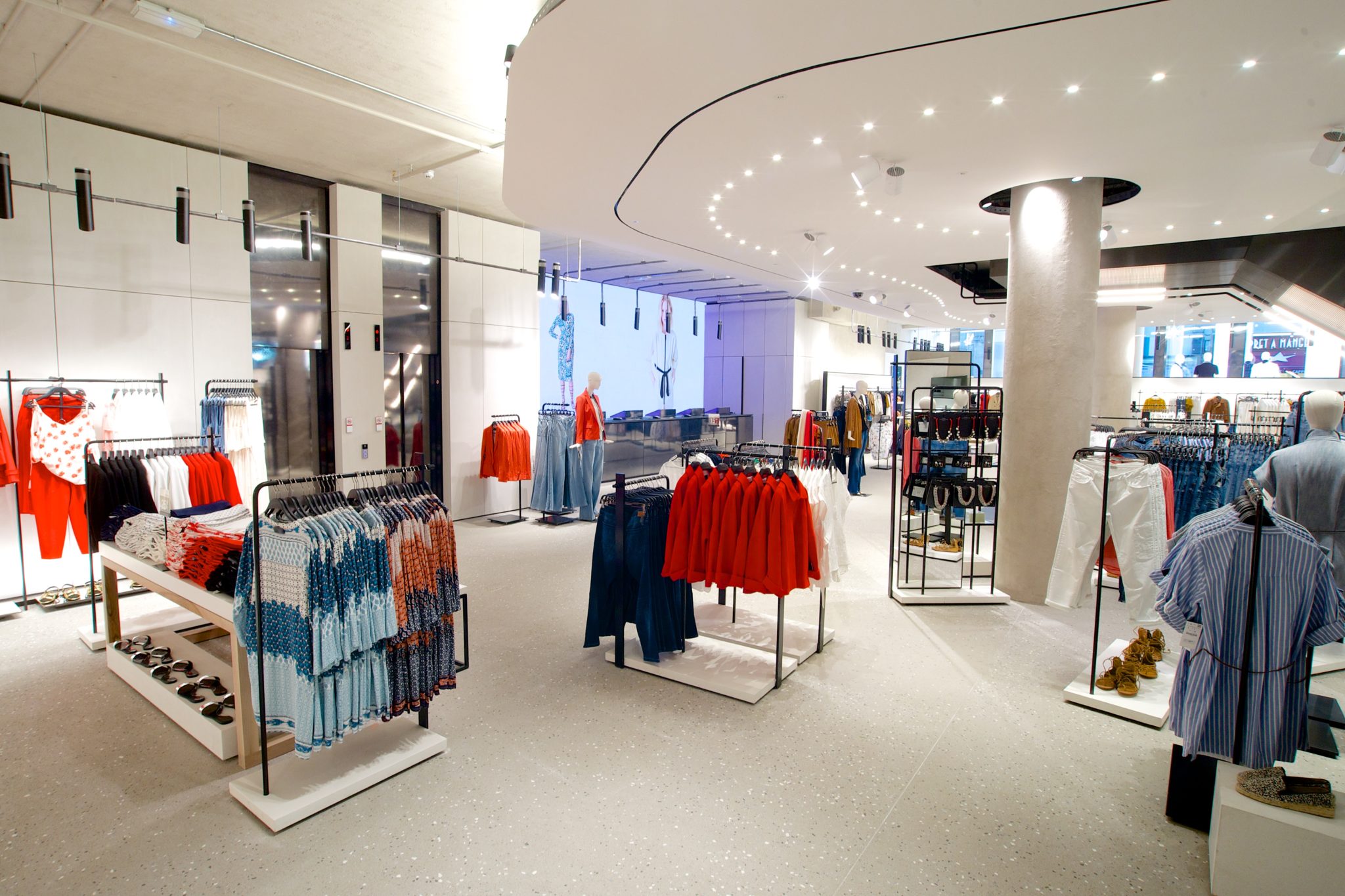
    Inditex Group announced a new first quarter record revenue of €5.7 billion, driven by flagship brand Zara.

    This marks a 2 per cent increase in net sales growth, up from €5.6 billion in the first quarter of 2017, which was underpinned by solid business performance and same-store sales growth across all geographies.

    Gross margin rose to 58.9 per cent, a 3 per cent increase year over year.

    Inditex’s chairman and CEO, Pablo Isla, noted that “the strength of the integrated store and online model, bolstered by continued innovation, is driving solid growth and notable job creation.”

    During this period, the Group continued to push its ‘integrated store model’, with many stores receiving refurbishments and expansions to bring them up to date, while launching online sales in Australia and New Zealand.

    Zara launched its first stores in Buffalo, New York and Murray, Utah in the United States, as well as in Pune, India, while bringing its augmented reality technology, ZaraAR, to 130 flagships globally.

    ZaraAR allows customers to use their phones to view AR models wearing Zara outfits either by holding the app up to a sensor within stores, or over online delivery packaging, offering a chance to easily preview what the clothes look like in motion.

    As a part of its Employee Profitsharing Plan, Inditex distributed €42 million among 88000 employees.

    The plan rewards employees with at least two years service in its stores, manufacturing facilities, logistics platforms, brands and subsidiaries, and commits to pay out 10 per cent of the annual growth in new profit.

    Competitor H&M Group will publish its six-month report for 2018 on 28 June.

  • Malaysia Airlines Q1 revenue up 2%, rising fuel prices a concern

    Malaysia Airlines Q1 revenue up 2%, rising fuel prices a concern

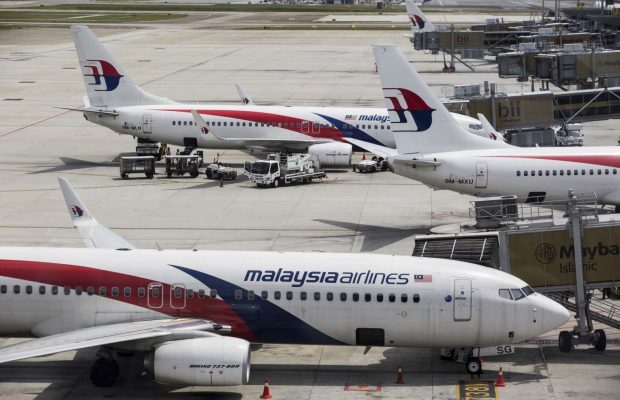
    Malaysia Airlines Berhad (MAB) reported a 2% year-on-year growth in revenue for the first quarter (Q1) ended March 31, 2018 with 6.6% yield improvement despite the significant competition in both international and domestic sectors.

    Despite improvements in the quarter, Malaysia Airlines Group CEO Izham Ismail said the airline is preparing itself for a tough year ahead with competition and exchange rate volatility.

    “Escalating fuel prices remain a particular concern, up almost 100% from early 2016.”

    Its revenue per available seat kilometre (RASK) also grew 3.5%, but load factor declined to 75.4% from 79.4% in the same quarter a year ago on the back of a moderation in domestic load factor due to its focus on higher yield passengers.

    A total of 3.2 million passengers were carried in Q1 2018, 11.1% lower than the 3.6 million achieved in Q1 2017.

    Izham said MAB continues to see better yield and RASK after a challenging 2017, which saw the adverse exchange rate swing.

    “Nevertheless, taken on aggregate, the company has made progress on the execution of the Malaysian Airlines Recovery Plan (MRP). This includes an improved cost base for the airline, bringing it in line with its peer network airlines.”

    Moving forward, he said the group will continue to drive yield by focusing on the premium segment to cushion the airline from rising costs.

    “Overall, we expect to see improvements in our performance in the later part of this year and against this backdrop, we are working hard to deliver sustained profitability in 2019.”

  • Amazon 2017 sales soar, record-breaking Q4 profit

    Amazon 2017 sales soar, record-breaking Q4 profit

    Amazon has bested all previous financial quarters with the announcement this month company fourth-quarter revenues hit $60.5 billion, driving profits up 150% to $1.9 billion – a record profit gain for the US e-commerce giant.

    On the back of a strong Christmas period across both its namesake Amazon.com and the newly acquired Whole Foods Inc, Amazon said total revenues soared by 38% compared to the previous year.

    The American company was further helped out by its burgeoning cloud business, Amazon Web Services, which took in $5.11 billion, up 45% on last year.

    Over the three-month period ending December 31, the Seattle-based firm said net income more than doubled to $1.86 billion, or $3.75 per share, thanks also to a $789 million benefit from the U.S. Republican tax bill passed in December.

    The world’s largest online retailer drew millions of new customers to its Prime fast-shipping club too. Amazon said that Prime saw more than 4 million sign-ups in just seven days alone last quarter, and revenue from subscription fees grew 49% to $3.2 billion.

    Amazon said it expects operating profit this quarter of between $300 million and $1 billion.

    In a statement, chief executive officer Jeff Bezos also praised the company’s Alexa voice assistant: “Our 2017 projections for Alexa were very optimistic and we far exceeded them. We don’t see positive surprises of this magnitude very often.”

    Amazon continues to break into new retail territory. In addition to Alexa, the internet shopping giant opened its first automated grocery store in January in Seattle, Washington.

    Dubbed Amazon Go, the checkout-free grocery looks to set the stage for the future of physical store retailing where shoppers serve themselves, with the option of leaving without ‘paying’.

    Amazon also recently revealed a healthcare deal with partners Berkshire Hathaway and J.P. Morgan Chase. Looking ahead, it plans to “double down” on Alexa’s promotion while it continues to look for a second headquarters location in North America.

  • China’s biggest retail owner posted declining revenue, again

    China’s biggest retail owner posted declining revenue, again

    Dalian Wanda Group, the largest mall owner in China, posted a 10.8 percent decline in revenue for 2017 — making it the second year in a row the retailer reported a drop.

    Wanda explained its performance of only about $35 billion in revenue as being due to selling off its cultural and tourism holdings, reported the Wall Street Journal. The company’s cultural assets account for 28 percent of its overall revenue, or nearly $11 billion.

    Analysts say Wanda’s retail portfolio is not the cause of its reported revenue decline.

    “Wanda is doing quite well in its shopping malls, from their rental-income growth and high occupancy rate,” S&P Global Ratings’ Dennis Lee told the Journal. Income derived from rents increased 30 percent this year for the company.

    In its report, Wanda also noted for the first time that 93 percent of its holdings are located in China. The information — never previously disclosed, according to the Journal — may be in response to the pressure the company faced last year amid the Chinese government’s crackdown on capital outflows to sell off its overseas real estate and other holdings.

    Last fall, Wanda was selling five foreign developments, including One Beverly Hills, a $1.2 billion condo and hotel project, while in July it sold of $9.4 billion worth of its hotel portfolio.

    In 2016, Wanda’s decline in revenue was explained by a drop in residential markets.