Tag: revenue

  • Record earnings for Maybank Indonesia

    Record earnings for Maybank Indonesia

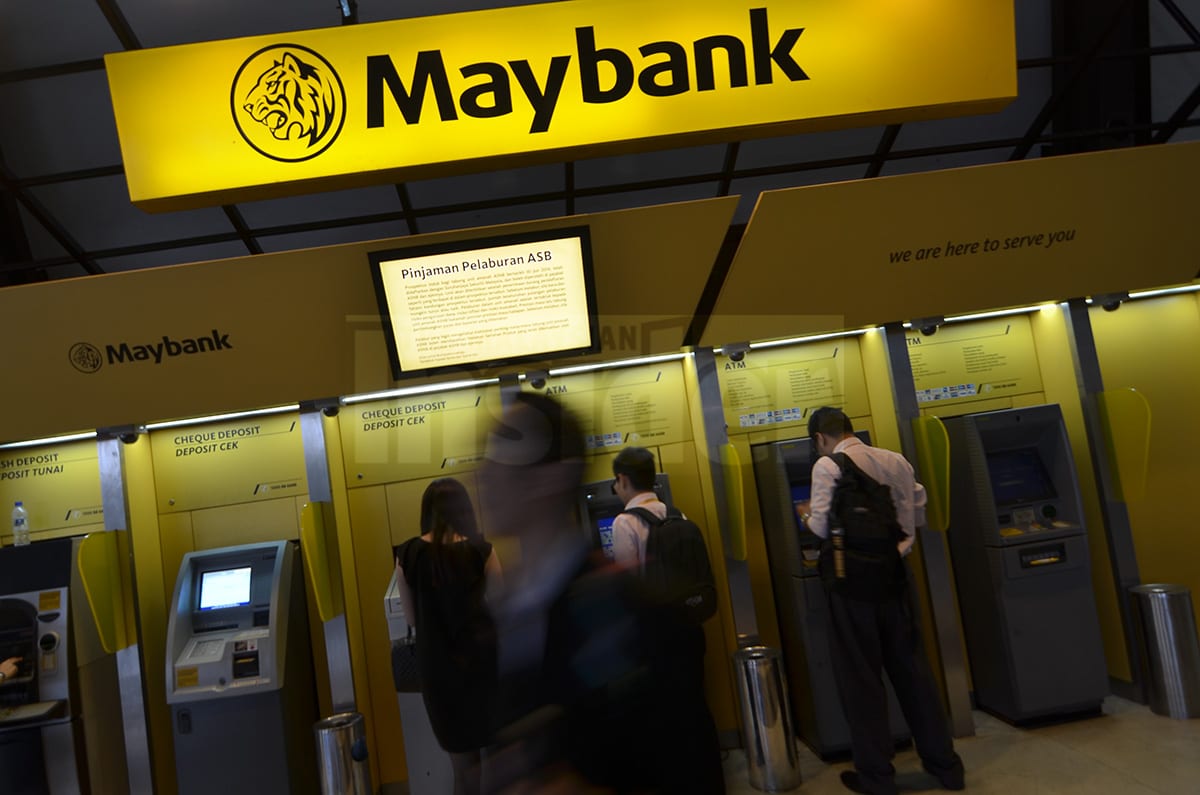
    PT Bank Maybank Indonesia Tbk’s (Maybank Indonesia) profit after tax and minority interests (patami) for the financial year ended Dec 31, 2018 surged 21.6% to a new high of Rp2.2 trillion (RM640 million) on the back of higher net interest income (NII) and continued improvement in asset quality.

    The bank’s profit before tax (PBT) jumped 20.5% to a record Rp3 trillion, its highest achievement to date, while NII grew 5.2% to Rp8.1 trillion in December 2018 compared with Rp7.7 trillion in the previous corresponding period, it said in a statement today.

    Additionally, it said continuous implementation of disciplined pricing coupled with improved operational efficiencies enabled the bank to contain pressures on interest margin, resulting in improvement in net interest margin by 7 basis points (bps) to 5.2%.

    The bank’s asset quality also improved significantly as reflected by lower non-performing loan (NPL) levels of 2.6% (gross) and 1.5% (net) as at Dec 31, 2018 compared with 2.8% (gross) and 1.7% (net) respectively in the previous year.

    Following that, Maybank Indonesia was able to reduce its loan loss provisions by 38.6% to Rp1.3 trillion as of December 2018.

    Its loans grew 6.3% to Rp133.3 trillion from Rp125.4 trillion in the previous year.

    It also maintained a strong capital position with total capital reaching Rp26.1 trillion in FY18, while capital adequacy ratio (CAR) improved to 19% from 17.5%.

    Maybank Indonesia president commissioner and Maybank group president and CEO Datuk Abdul Farid Alias said the bank’s outstanding results for FY18 testify to its commitment towards sustainable business growth, as well as its relentless pursuit in ensuring sound asset quality, improved operational efficiency and better overall productivity.

    “Although the operating environment continues to remain challenging, we believe that we are poised for further growth in the coming year,” he added.

  • BA&SH expects to quadruple sales in Greater China

    BA&SH expects to quadruple sales in Greater China

    Affordable luxury brand BA&SH has marked the second anniversary of its launch in Asia by revealing plans to quadruple its sales in the region within two years and introduce a new store concept. Last year the company opened seven stores in Mainland China, three in Hong Kong and two in Macau, taking its Greater China footprint to 20 points of sale.

    “We are thrilled about Hong Kong hitting the podium already and convinced China has the potential to drive the brand’s growth in a near future,” says Isolde Andouard, BA&SH’s CEO for Apac.

    “Asian market accounts for 6 per cent of our global sales as of today and we are targeting to reach 17 per cent by 2020. We forecast to multiply our turnover fourfold within the next two years,” she said.

    Stores in Hong Kong and Mainland China achieved profitability after just three months of operation, allowing the brand to build a regional store pool contributing significantly to global results.

    BA&SH unveiled a new store concept in the US last September, located in New York City’s Nolita neighbourhood, a store designed around themes of friendship and customer experience.

    “We chose New York to test the water with this new concept as this retailtainment experience must be combined with a heavy digital approach and US is clearly ahead of time on this,” says the company’s global CEO Pierre Arnaud Grenade.

    “As the US and Asia are our two strongest focuses for the time being, Hong Kong will definitely be the second city to inaugurate this model.”

    Sustained investments from LVMH-sponsored L Catterton have been supporting BA&SH’s strong growth over the past years and a strong emphasis on Greater China was seen as critical to the brand’s globalisation.

    Hong Kong stores, the first of which opened almost two years ago, now rank within BA&SH’s top five worldwide in turnover. Andouard says that proves the BA&SH concept is a great fit for Asia, with the Hong Kong stores recording average like-for-like sales growth of more than 40 per cent year on year. Some stores in Greater China doubled their sales year on year.

    BA&SH has focused on opening boutiques in premium locations and already counts most of the city’s major retail property owners among their landlords – including Swire, Sun Hung Kai, Sands, Wharf, China Resources and Value Retail.

    “We didn’t bet on such a warm welcome from the local operators, because BA&SH is quite a new concept to Asia,” says Laura Marquant, strategy & development director Apac. “Yet we see the market is becoming more mature and is looking for the freshness BA&SH is offering.”

    E-commerce focus

    Meanwhile, on the strength of the Greater China success, BA&SH has expanded its reach online through Alibaba, opening a flagship on Tmall last June, less than a year after the brand launched in Mainland China.

    “As far as digital is concerned, New Retail and omnichannel are more than ever on the table, and the redesign of the brand’s Hong Kong website with new features and tools are the next steps to come,” says Andouard.

  • Samsung to pay its biggest tax bill ever as profits rise

    Samsung to pay its biggest tax bill ever as profits rise

    Samsung Electronics is expected to pay 16.8 trillion won ($15 billion) in corporate taxes this year, up 20.1 percent from a year earlier, due to its record earnings, its regulatory briefing showed Monday. It is expected to cough up 28.6 percent of its operating profits, which reached an all-time high of 58.9 trillion won in 2018, according to its consolidated financial statement.

    The estimated tax amount is the highest amount ever for the company, 2.4 times the number from 2015 and over 14 times from 2009, its past reports showed.

  • Asia-Pacific boosts Estee Lauder revenue

    Asia-Pacific boosts Estee Lauder revenue

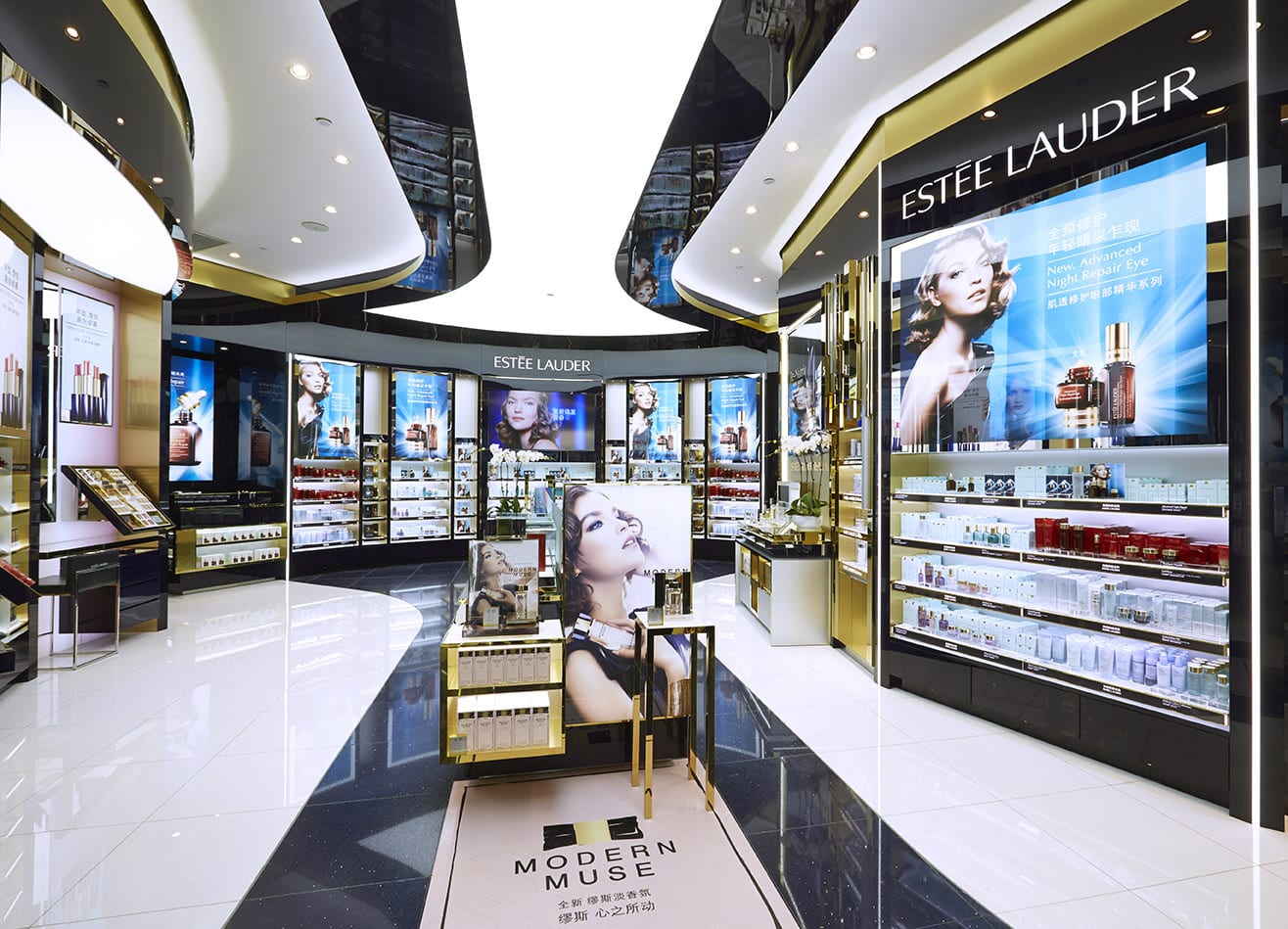
    Estee Lauder Asia-Pacific sales achieved double-digit growth in the December quarter. The beauty giant says the growth was broadbased, with nearly half of the markets in the region growing by double digits. “China, Hong Kong and Japan continued to deliver strong growth, and Korea net sales accelerated. Prestige beauty in China accelerated and the company continued to build share,” the company said in a statement.

    “[We] generated double-digit net sales growth in virtually every major product category and channel. Operating income increased, primarily due to higher net sales.”

    Globally, Estee Lauder sales exceeded US$4 billion for the first time, up 7 per cent from the same time a year earlier. Net earnings rose to $573 million compared with $123 million last year.

    “We delivered an excellent performance in our fiscal second quarter,” said president and CEO Fabrizio Freda. “Importantly, this was our eighth consecutive quarter of impressive net sales growth that met or exceeded our long-term goal, all while navigating many global macro issues.

    “Our sustained progress is the result of our multiple engines of growth strategy, and demonstrates our agility in moving resources to the best global opportunities,” he said.

    The strongest growth engines during the quarter included the skin care category globally, the Estee Lauder Asia-Pacific business, online and travel retail channels, and most brands, including Estee Lauder, La Mer, Mac and the company’s artisanal fragrance brands.

    “Despite a volatile and challenging backdrop, we are optimistic about our company’s long-term outlook. We are very well-positioned to build share in global prestige beauty,” Freda said.

    “We plan to increase our investments during the next six months behind our successful innovations, high-quality products, compelling digital advertising and effective commercial execution, while also enhancing our capabilities to strengthen our industry leadership and deliver long-term profitable growth.”

  • Malaysian banks to maintain earnings potential this year

    Malaysian banks to maintain earnings potential this year

    Analysts believe that the banking sector will be able to maintain its earnings potential this year, as margin pressure is expected to ease and continued loans growth with stable asset quality. MIDF Research said while the industry’s loans growth moderated to 5.6% year-on-year (y-o-y) as at December 2018 due to moderation in business loans and loans for the purchase of residential properties, the growth was still slightly above its expectations.

    “As for CY19, we expect a moderation in loans growth to 4.7% y-o-y due to the high base effect. We also believe that deposits growth will moderate to 5.3% y-o-y due to lower growth in fixed deposits growth this year,” the research house said in a note.

    “This also means that there will be accretion in value for banks’ book value. Hence, we maintain our ‘positive’ view on the sector,” it added.

    Overall, MIDF Research said it is cautiously optimistic of the banking sector continuing its solid performance in 2019.

    Given the current market conditions, the research house said its top picks for the sector are Maybank, CIMB and Public Bank.

    In a separate note, AmBank Research said it expects that the foreign fund inflows into emerging markets would benefit the share prices of the liquid banking stocks as the US Fed rate hike is tapering off.

    Therefore, the research house said it maintained its “overweight” stance for the sector with “buy” calls on RHB Bank, Public Bank, Alliance Bank, BIMB Holdings, Maybank as well as MBSB. Its tops picks include Maybank, Public and RHB Bank.

    AmBank Research noted that Maybank’s earnings are well diversified and the bank is still recording positive JAWs (a technical term that denotes income growth exceeding that of expenses) with growth in total income outpacing expenses.

    It added that Maybank’s net interest margins could also improve further ahead with the lowering of its funding cost as the group releases the excess liquidity built-up in the first half of financial year 2018 (1HFY18).

    “Meanwhile, dividend yield for the stock continues to be attractive relative to peers with its high payout ratio while potentially offering investors higher returns with the reinvestment of their dividends into additional shares under the DRS (dividend reinvestment scheme),” it added.

  • V-Mart reports 27 percent growth in topline, reaches 200-store milestone

    V-Mart reports 27 percent growth in topline, reaches 200-store milestone

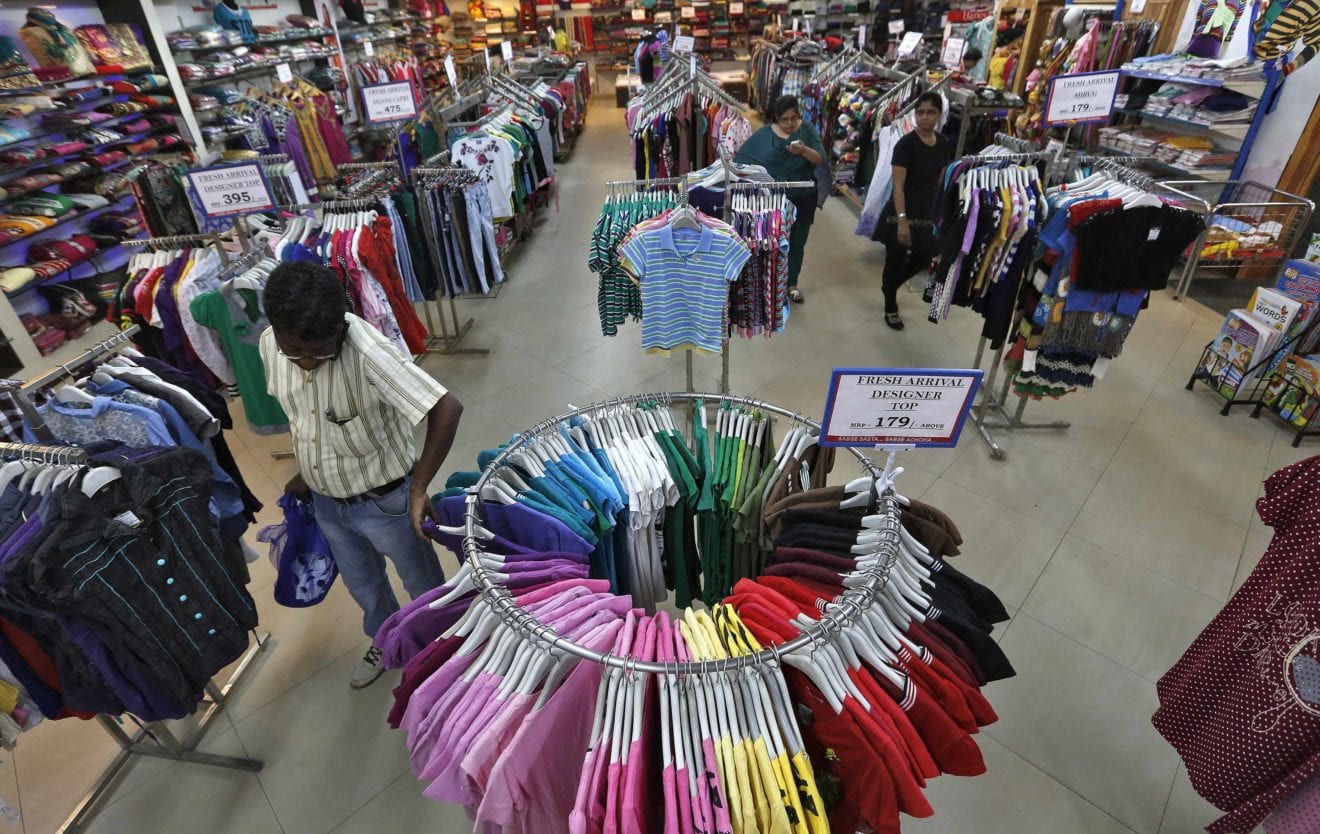
    V-Mart Retail, India’s leading value fashion retailer,  announced its unaudited financial results for the quarter and nine months ended 31st Dec,2018 whichwere approved by the Company and Board of Directors at its meeting held on 5th Feb, 2019. The company posted robust numbers for the third quarter, recording 27 percent YoY growth in revenue from operations, 15 percent increase in EBITDA and same store sales growth (SSSG) of 11 percent. The quarterly revenue and EBITDA stood at Rs 4658 million and 733 million, respectively, up from Rs 3680 million and 640 million in the previous year. The strong topline growth was also mirrored in PAT, which at Rs 417 million, delivered 14 percent YoY growth.Festive season shopping – comprising Durga Puja, Diwali and Chhath – in the company’s main geographic markets was the primary growth driver for the quarter. In the 69-day duration from 6th Sep – 13th Nov spanning the three festivals, the company registered overall and like-to-like growth of 49 percent and 27 percent, respectively. This was achieved through revamped product assortment, supply chain, and marketing and sales strategies that the company executed effectively. The company has invested in ramping up its warehousing capacity and strengthening the talent pool at all levels.

    Riding on the back of healthy numbers in Q3, V-Mart continued to strengthen its performance for the fiscal year. On a YTD basis, revenue stood at Rs 10,892 million for the nine months ended 31st Dec, growing at 18 percent YoY, while EBITDA and PAT, at Rs 1127 and Rs 625 million, grew at 3 percent and 1 percent, respectively.

    Commenting on the company’s performance in Q3, Lalit Agarwal, CMD, said “There has been a great execution of fresh product ideas and customer connect which was amplified by strong festive demand in all our markets. V-Mart was well prepared and well-positioned to tap into this opportunity in all its key markets, delivering its value fashion promise with a wider and deeper assortment that resonated with the fashion aspirations of our customers. Launch of stores in Assam and Meghalaya further added the growth momentum for the company and the company witnessed its best ever Durga Puja sales during the quarter especially from the Bengal region. We thank all our valued customers for their trust and belief in V-Mart and look forward to their continued support.”

    While driving a strong execution focus during the festive season, the company maintained its consistent pace of retail network expansion, reaching the 200-store milestone in December. V-Mart opened 10 new stores during thequarter, andon a YTD basis, has added 29 stores with more launches planned in the last quarter. While the company took 12 years to open its first 100 stores, the journey to the next 100 has taken less than 3 years. Looking ahead, the company is building a strong pipeline of locations for targeted store expansion in the next fiscal year.

    For the upcoming Spring-Summer 2019 collection, the company shall be launching a new range of Indigo collection denims, camouflage, high fashion t-shirts, joggers, ladies tops, salwar suits, gowns, solid woven skirts for girls and kurti’s along with a new kids summer collection. The launch of summer collection and the special marriage range, with an emphasis on vibrant colors and silhouettes willgive shoppers a wide choice of fabricsand form key customer-centric highlights of the next quarter.

  • Fashion to contribute Rs 70,000 crore to revenue in 7 years: Future Group India

    Fashion to contribute Rs 70,000 crore to revenue in 7 years: Future Group India

    Kishore Biyani, Chairman, Future Group says his company is planning to step up its focus on men’s footwear retail since the category is becoming an important accessory for the Indian consumer. According to Biyani, footwear today is no longer category defined for just women. It’s equally important for men – almost as important as buying trousers. With brands like Koovs, Lee Cooper, Clarks, Converse under one roof, Future Group claims to be the number two footwear retailer in India.

    “We aim to be number one footwear retailer in India,” he says, adding, “Men are equally inclined towards buying footwear and on an average have at least 20 pairs to go with different trousers. This is the reason why we are expecting footwear to contribute approximately 18 percent to the overall revenue, an increase from the current 11 percent,” he says.

    “We are expecting the share of footwear to increase from Rs 1,600 crore to Rs 2,500 crore by next year and we aim to be the number one footwear retailer in the country very soon,” he adds at the re-launch of Central at Ambience Mall, Vasant Kunj. The contribution of private labels to the group’s revenue is around 40 percent presently.

    At Central, Hyderabad, the footwear section spans across 30,000 sq. ft. and even in Central, Vasant Kunj, footwear occupies a major space covering 15,000 sq. ft. Area.

    Exploring Central Vasant Kunj

    The re-launched Central Vasant Kunj, spanning across 44,000 sq.ft area, is a high-definition store offering luxury experiences while keeping the price of the products at masstige level.

    “Many online brands like Koovs, Craftsvilla have come offline with us. We are expecting an average ticket size of Rs 4,000 here and plan to take this up to Rs 8,000,” Biyani states.

    With state-of-the-art décor, minimalistic fixtures and an aspirational fashion boutique feel, Central aims to provide a delightful shopping experience to its customers right from the time they enter the store to the time they reach the billing section. The space has subtle displays that compliments the store design and aesthetics. The store is designed and specialized to offer an enhanced and a more customized service to shoppers as per international standards.

    The outlet showcases a premium mix of national and international brands in various categories like Men’s and Ladies Formal Wear, Casual Wear, Ethnic Wear, Cosmetics, Fragrances, Handbags, Watches, Men’s and Ladies Footwear, Toys, Kids Apparel, Lingerie and more. From brands like Tommy Hilfiger, Guess, Gucci, FCUK to acclaimed designer like Micheal Kors, Giorgio Armani, Ferragamo, Calvin Klein, Diesel, Roberto Cavalli, Versace, Dolce & Gabbana, Central serves as the one stop shop for fashion-conscious customers of the capital.

    Central, which has at present no plans to go Omnichannel, has always believed in redefining the fashion and lifestyle retailing concept in India. Offering world class designs, with over 500 brands displayed in high definition and latest trends, the stores offer an enhanced and a more customized service to customers as per international standards.

    According to Vishnu Prasad, CEO, Central, “Every brand and its products have their own story to connect with customers and indulge in the latest in fashion. We also have exclusive brands in store resulting in a new and improved shopping experience.”

    “We intend to make next-gen Centrals ‘experience-savvy’ stores rather than ‘tech-savvy’ stores, s all services and features that we are offering will be in that direction,” he adds.

    Highlighting the services that set Central apart from others, Prasad says, “We have features like WhatsApp shopping – i.e. if a shopper likes something in our store but is not sure about the purchase, we can reserve the product for them and they can Whatsapp us once they have made up their mind to buy and we deliver the item to their doorstep.”

    Loyalty, cashback, wallets and HD services are some areas where Central has been focussing and has seen better results with technological advancements.

    “With the help of technological advancements, we have observed a hike in business contribution from loyal customers and payment wallets to overall customers,” Prasad says, adding, “A few other features that we offer at Central include priority billing counters for our customers, introduction of many unique services like automated wheel chairs in store for special customers.”

    Currently, the company is operating 44 Central stores in large cities (including Mumbai, Bengaluru, Hyderabad, Pune) and some in smaller cities such as Indore, Patna, Baroda and Surat.

    “We shall be touching 50 stores in just a few months from now,” says Prasad. “Our focus is towards nurturing and identifying the relationship with loyal patrons along with using digital wallets and digital medium as an overall means to enhance the formats footprints,” he adds.

    At present, Future Group – which is selling 30 crore garments annually – occupies a 35 percent market share in the fashion segment.

    “We are expecting fashion to contribute Rs 70,000 core to the company revenue in the next seven years,” says Kishore Biyani.

  • E-commerce share to rise to 12pc from 2pc in 10 years: Walmart India CEO

    E-commerce share to rise to 12pc from 2pc in 10 years: Walmart India CEO

    Share of e-commerce is set to rise, despite the growth in brick and mortar or physical retail from 2 percent to 12 percent over the next 10 years, aided by pick up in Omnichannel format, said Krish Iyer, President & CEO, Walmart India and Chairman of India Food Forum, at India Food Forum 2019 on Tuesday. Gap between physical and digital needs to be bridged as the consumer is going digital in terms of experience as also his touchpoints, he said delivering the inaugural address at the two-day India Food Forum 2019.

    Sharing his insight at Walmart, Iyer said that by enriching customer experience, the consumer started buying Rs 180 over Omnichannel instead of buying Rs 100 from the store itself and later the ratio in the store was Rs 70 while digital was Rs 110. Calling for technology adoption as key to retail growth, Iyer enumerated four key challenges led by food security, safety & nutrition, food wastage and sustainability.

    “Feeding a rising world population of 10 billion from 7 billion amid rising death of infant children due to malnutrition, changing climatic conditions are key challenges. In India, phenomenal efforts are made on the regulatory front for safety and nutrition that will follow with awareness, compliance and enforcement of law. Significant investment amounting to Rs 92,000 crore in food processing in catchment areas is needed to overcome the wastage of 30 percent of all food and 40 percent of fruits and vegetables,” he said.

    Earlier, speaking at the forum, Ajay Macaden, Executive Director, Nielsen said, “Consumers have evolved now for omni-channel even for specific categories like milk and bakery. Increased internet and smartphone penetration has led to multiple shopping channels and change in consumer behaviour.”

    In markets around the world categories such as travel, entertainment (books, music, events) and durable goods (fashion, IT/mobile, electronics) are the front runners for consumers to enter the online retail sphere. Consumers are, however, also looking for e-commerce options for an increasing range of categories, as their more immediate needs for convenience and ease expands, Macaden said.

    Consumers in APAC (Asia Pacific) have even evolved to fresh grocery and packaged goods with China, India, Japan and Korea leading the market. In fact, packaged grocery food and fresh groceries are showing the highest percentage growth of all categories in 2018 in this region, he said.

    Other key speakers at the forum included Damodar Mall, CEO, Reliance Retail (Supermarketwala), Sadashiv Nayak, CEO Food business, Future Group, Mohit Kampani, CEO, Aditya Birla Retail, C. Gopalkrishnan, Founder, N. Supermarkets, Ramesh Menon, Former CEO, Hypercity, Mohit Anand, MD, Kellogg, India and South to name a few.

  • Petrovietnam reports 26 percent hike in revenues last year

    Petrovietnam reports 26 percent hike in revenues last year

    Vietnam National Oil and Gas Group has announced its 2018 results, which show it exceeded its revenue and state budget contribution targets. The state-run giant (Petrovietnam or PVN) reported revenues of VND626.8 trillion ($26.92 billion), 18 percent higher than the target and a year-on-year rise of 26 percent. As of December 10 it had achieved its domestic crude oil production target of 11.31 million tons. Total oil and gas output reached 23.98 million tons (gas converted into oil equivalent).

    The group contributed VND121.3 trillion ($5.22 billion) to the state coffers, exceeding the target by 64.3 percent and 24.3 percent more than the previous year.

    “These achievements came at a time when global oil price movements were difficult to predict, production in mature fields were in rapid decline while new fields brought on stream were small and marginal and there was pressure to minimize costs per barrel,” CEO Nguyen Vu Truong Son said in the company’s 2018 business performance report.

    These are large enterprises with the state equity estimated at VND89 trillion ($3.83 billion), according to auditors’ conclusion.Last year the group wrapped up equitization of three of its subsidiaries: PetroVietnam Power Corporation (PV Power), Vietnam Oil Corporation (PVOIL) and Binh Son Refinery and Petrochemical Joint Stock Company (BSR).

    The proceeds from their IPOs reached VND16.5 trillion ($710 million). Petrovietnam managed to raise VND18.6 trillion ($801 million) from the three firms’ equitization and state divestments.

    With a capacity to process 200,000 barrels of crude a day, it, along with Dung Quat, can meet more than 80 percent of the country’s petroleum demand, reducing dependence on imports.In late last year, the $9 billion Nghi Son Refinery and Petrochemical Complex, one of the key national oil and gas projects, began commercial operation.

    Situated in the Nghi Son Economic Zone, 200 km south of Hanoi in the central province of Thanh Hoa, Nghi Son is invested by Idemitsu Kosan Co, Kuwait Petroleum, Petrovietnam and Mitsui Chemicals Inc.

  • Klang Valley malls performed slower last year due to competition

    Klang Valley malls performed slower last year due to competition

    Stronger performances from Gurney Plaza and East Coast Mall compensated for a lower contribution from CapitaLand Malaysia Mall Trust’s Klang Valley shopping malls last year. CapitaLand Malaysia Mall REIT Management (CMRM), which manages CapitaLand Malaysia Mall Trust (CMMT), released its results this week, revealing net property income of RM215 million (US$52.57 million) for the year. Its distributable income was RM161.3 million.

    “Gurney Plaza and East Coast Mall, which collectively accounted for about 68 per cent of CMMT’s net property income, continued their growth momentum last year,” said Low Peck Chen, CEO of CMRM. “This helped to moderate the lower contribution from our Klang Valley malls, which continued to be affected by increasing competition in the vicinity, as well as downtime for asset enhancement works and lower rents at Sungei Wang and The Mines.”

    During the final quarter of last year,  the company completed the asset enhancement works at Gurney Plaza’s Level 4 and improved the tenant mix at East Coast Mall’s ground floor. Tenants, several of them new to Penang and Kuantan, have progressively commenced operations at the newly renovated spaces.

    “We expect the completed asset enhancement initiatives at both malls to contribute positively to our performance going forward,” said Chen.

    In Kuala Lumpur, Sungei Wang’s reconfiguration of its annex is on track and new-to-market and novel experiential concepts will feature in the Jumpa lifestyle zone when it opens in the second half of this year.

    “We continue to refresh our tenant mix to meet the diverse needs of our shoppers, who can now find popular stores like Huawei, Sport Planet and Mr DIY at 3 Damansara, as well as home improvement store SSF and children activity centre Olympic Kids Club at The Mines,” said Chen. “At Sungei Wang, the newly renovated main anchor Giant will soon unveil a fresh concept to draw more shoppers.”

    David Wong, chairman of CMRM, said that against a backdrop of “increasing uncertainties in the global economy and concerns around the rising cost of living,” the company expects consumer and business sentiments to remain cautious this year.

    “Despite the challenging operating environment, we will continue to strengthen CMMT’s performance by proactively managing lease renewals and exploring opportunities in asset enhancement initiatives and acquisitions that will create value for our Unitholders.”

    CMMT is a shopping mall-focused Reit with five shopping malls: Gurney Plaza in Penang, a majority interest in Sungei Wang in Kuala Lumpur, 3 Damansara and Tropicana City Office Tower in Petaling Jaya, The Mines in Seri Kembangan and East Coast Mall in Kuantan, Pahang. The portfolio has a total net lettable area of more than 2.9 million sqft and was valued at RM4.1 billion at the end of last year.

  • SsangYong Motor narrows loss in last quarter of 2018

    SsangYong Motor narrows loss in last quarter of 2018

    SsangYong Motor, the Korean unit of Indian carmaker Mahindra & Mahindra, said Thursday its net losses narrowed for the October-December period from a year earlier on a strengthened lineup. Net losses reached 3.99 billion won ($3.59 million) in the fourth quarter from 30.25 billion won a year ago, the company said in a statement. Robust sales of the Rexton Sports sport-utility vehicle (SUV) and the Tivoli SUV helped improve the bottom line, it said.

    Operating losses stood at 3.48 billion won in the final quarter from 2.57 billion won a year ago. Sales rose 17 percent to 1.053 trillion won from 902.16 billion won during the same period.

    For 2018, net losses slightly improved to 61.84 billion won from 65.82 billion won the previous year. Operating losses remained almost unchanged at 64.18 billion won compared with 65.28 billion won.

  • China’s SMCP tops 1 billion euros revenue for first time

    China’s SMCP tops 1 billion euros revenue for first time

    Chinese-owned SMCP Group said that total company sales exceeded 1 billion euros in 2018, marking a revenue-first for the French fashion group. “With double-digit sales growth in 2018, SMCP posted a remarkable performance and continued to deliver on its strategic roadmap,” said Daniel Lalonde, SMCP’s Chief Executive Officer. For the year ending December 31, SMCP recorded sales increasing 13%, in line with its previously upgraded full-year 2018 guidance.

    Lalonde said the achievement signalled rapid sales increase was fuelled by online and digital, with the company working hard to fight market headwinds, which have taken out other European retailers in 2018.

    “Our performance throughout the year, and more particularly over the last quarter, demonstrates that SMCP is built on strong foundations and further illustrates the resilience of our business model in the midst of unprecedented market headwinds,” said Lalonde, in a press release.

    “I would also like to place a special emphasis on our significant progress in digital: it has been growing consistently and strongly over the past years and now represents nearly 15% of our total sales,” he added.

    The sales growth included a solid like-for-like sales growth of 3.7% for the twelve-month period “despite challenging market conditions in the fourth quarter,” which saw sales climb less, up 8%.

    Full-year reported sales were up 11.5%, including a negative currency impact of -1.6% reflecting the appreciation of the euro.
    Over the last twelve months, SMCP net openings reached 134 points of sale, including 102 directly operated stores, surpassing its annual target. By region, 59 stores were opened in APAC alone, the zone receiving the most new outlets compared to the Americas and Europe.

    In APAC, the group posted a strong double-digit sales growth of 18.2% at constant currency, driven by mainland China which generated over 20% of sales growth.

    The operator of French fashion brands Sandro, Maje and Claudie Pierlot said Sandro sales grew 6% in 2018, while Claudie Pierlot recorded a 7% increase. Maje was the biggest grower, up 10% for the year.

    For 2018, SMCP confirmed its adjusted EBITDA margin guidance at around 17%.

    Evelyne Chetrite and Judith Milgrom founded Sandro and Maje in Paris, in 1984 and 1998 respectively, and continue to provide creative direction for the brands. Claudie Pierlot was founded in 1984 by Claudie Pierlot and acquired by SMCP in 2009.

    SMCP was acquired China’s Shandong Ruyi in 2016.

  • SK Innovation net falls 21% in 2018 on oil price decline

    SK Innovation net falls 21% in 2018 on oil price decline

    SK Innovation, Korea’s largest oil refiner, said Thursday that its earnings sank 21 percent last year on lower oil prices and less demand for petrochemical goods. Net profit reached 1.69 trillion won last year, compared with a profit of 2.15 trillion won a year earlier, the company said in a regulatory filing.

    Operating income dropped 34.2 percent year-on-year to reach 2.12 trillion won, while sales spiked 18.1 percent to 54.5 trillion won over the cited period.

  • Behind Amazon’s 63 per cent income rise

    Behind Amazon’s 63 per cent income rise

    The latest Amazon results are positive – but there is now a clear divergence in performance between the top and bottom lines. On the profit front, Amazon’s results are impressive. Net income increased by 63.1 per cent and operating income by 78 per cent. Much of this is coming from the AWS segment, where income from operations rose by 61 per cent. However, some credit should also go to the North American operation where volume increases helped ease up operating profits by 33 per cent. These uplifts come in spite of the fact that Amazon is still investing huge amounts in the business. Therefore they go a long way to justify the myriad of projects that Amazon has undertaken and continues to undertake.

    While the profit lines look rosy, the sales line presents a mixed bag. The slowdown in product growth is now tangible and although an 8.2 per cent uplift is strong compared to many retailers, by Amazon’s standards it is a weak performance. On a divisional basis, North America held up better than international markets, largely thanks to the confidence of the American consumer. Even so, sales growth in North America has also dipped.

    There are several dynamics at play here. First, is the maturity of Amazon’s operation: Amazon is now a massive retailer and it is simply unrealistic to expect it to keep on growing at its historic pace. However, more concerningly, this maturity is also coinciding with a period of rising competition. Retailers like Target and Walmart have invested heavily in their online operations and pulled out all the stops this holiday season. Our data show that they made solid customer gains, and some of that dented Amazon’s growth. In our view, the gap between Amazon and the rest is now narrowing.

    Another area of concern is Whole Foods. Amazon’s results show that sales at physical stores dropped by 2.7 per cent over last year, largely thanks to the grocery division. The investment in lower prices partly explains this, but it does not account for the bulk of the decline. In our opinion, much of this is because Whole Foods’ proposition is simply not up to scratch. Basics and commodity products still cost way more than at rivals like Target, and this is one of the reasons perceptions that Whole Foods is needlessly expensive have persisted. Such expense is not justified by store experience nor by customer service, both of which remain lackluster.

    Arguably, a holiday period that coincided with strong consumer finances should have been fertile ground for Whole Foods to thrive. However, very little effort was made to entice or enthrall customers. Aside from fresh counters, the festive product line up was incredibly poor with a noticeable lack of treats and interesting items. As a result, many consumers simply went elsewhere.

    We are cognisant that many of the Whole Foods issues are not of Amazon’s making. However, the poor performance underlines how much work remains to be done in transforming the chain’s fortunes.

    Despite these niggles, we remain positive about Amazon. The Prime platform still has enormous potential, there is plenty of upside in devices, and there are many opportunities to improve own-brands (some of which have underperformed). Taken together, along with AWS, this means Amazon has scope for future growth.

    However, it is also clear that Amazon will now need to work doubly hard to achieve any future sales gains.

  • Vietnamese banks report plunge in profits

    Vietnamese banks report plunge in profits

    While profit across the banking sector grew by an estimated 40 percent last year, VietinBank, LienVietPostBank and SaigonBank have reported steep declines. The biggest surprise came from state-owned VietinBank, the country’s second biggest lender by assets, which reported a 25 percent fall in profits before tax to go out of the group of five most profitable banks in the country.

    Le Duc Tho, its chairman, said this was a result of having to restrict operations last quarter to begin restructuring.

    Asset growth, credit growth and capital mobilization grew by 6-10 percent, lower than targeted.

    LienVietPostBank reported a 30 percent decline in profit before tax as a result of losses related to securities investments and low marginal interest rates.

    It achieved losses of nearly VND5 billion ($215,140) from securities investments whereas in 2017 it had made a profit of VND380 billion ($16.35 million).

    SaigonBank’s profit before tax fell by more than 26 percent due to provisioning for bad debts. The bank had to increase provision for bad debts by 22 percent to an amount equivalent to 87 percent of its profit from business operations.

    Its bad debts doubled in the first half of 2018 to nearly VND900 billion ($38.72 million), but by the end of the year it brought the rate down from 6.48 percent during mid-year to 2.2 percent. It involved provisioning of VND287 billion ($12.35 million).

    HSBC Vietnam CEO Pham Hong Hai said from 2019 bad debts could reemerge as a problem for banks after the recent lending spurt and the instability of the global financial markets.

    As a result, banks’ profits would most likely see a downward trend this year, he warned.

    The State Bank of Vietnam targets credit growth of 14 percent this year, the same as last year, and keeping non-performing loans to below 2 percent.