Tag: revenue

  • China Unicom profit spikes 457.8% in 2018

    China Unicom profit spikes 457.8% in 2018

    China Unicom has reported a more than five fold growth in net profit for 2018 as a result of strong data revenue growth and benefits from the company’s mixed ownership reform program.

    The annual results show a 457.8% spike in net profit to 10.19 billion yuan, contributing to what the operator called a “V-shaped rebound in profit” following its financial woes in 2016, when the operator’s annual profit shrank by nearly 95%.

    Operating revenue grew 5.8% to 290.88 billion yuan, with service revenue up 5.9% to 260.68 billion yuan.

    Mobile service revenue for the year grew 5.5% from the prior year to 165.1 billion yuan, with mobile data revenue jumping 13.7% to 104.8 billion yuan.

    China Unicom meanwhile recorded total 4G net additions of 45.05 million for the year, taking its total 4G subscriber base to 220 million. This represents 70% of the operator’s total mobile customer base, an eight percentage point increase from 2017.

    Total fixed broadband subscribers meanwhile increased by 4.3 million to more than 80 million, but fixed broadband revenue declined to 42.3 billion yuan due to intense competition and ongoing mobile substitution.

    The operator’s results represent the first full year of implementation of the mixed ownership reform program, which has involved opening up investment in a Chinese mobile operator to private investors for the first time.

    As part of the program, at the direction of the Chinese government, Unicom sold a 35% stake in the company to a group of 14 investors in 2017.

    “Looking ahead, the mixed-ownership reform has powered up the company with differentiated advantages, bringing invaluable opportunities for development,” China Unicom chairman and CEO Wang Xiaochu said.

    He said the company plans to continue to pursue growth based on its “Five New” operating strategy.

    “We intend to unleash more institutional benefits brought by New Governance, activate greater internal vibrancy with New DNA, achieve better efficiency and returns with New Operation, tap into the broader blue ocean with New Energy, and put together greater synergetic advantages with New Ecology.”


  • Canada Goose revenues surge more than 50%

    Canada Goose revenues surge more than 50%

    Canada Goose Holdings announced its financial results for the third quarter, highlighting a surge in revenues after new store openings both physical and online. For the quarter ended December 31, 2018, the North American outdoorwear company said total revenues increased by 50.2% to $399.3m from $265.9m, or 49% in constant currencies.

    Direct-to-consumer sales totalled $253.3m from $131.7m last year, driven by the strong online and in-store sales. Canada Goose said it opened five new stores during the quarter and an online store.

    Wholesale revenue increased to $164m from $134.2m, on the back of higher order values from existing partners, coupled with earlier shipment timing relative to last year.

    The Toronto-based company reported net income came in at $103.4m, or $0.93 per diluted share, compared to $63m, or $0.56 per diluted share. The 64% increase was due to higher operating income and a lower effective tax rate, said Canada Goose.

    Adjusted EBITDA was $151.1m, compared to $94.7m.

    “Fiscal 2019 is shaping up to be another year of impressive results. In our peak selling season we continued to deliver when and where it matters most, while also strengthening our foundation for future success on the global stage,” said Dani Reiss, Canada Goose President & CEO.

    “We have successfully entered new markets, introduced new product, and increased capacity to meet growing demand in both channels. We remain deeply confident in the long runway we have ahead.”

    Looking ahead for 2019, annual revenue growth is projected to be in the mid-to-high thirties on a percentage basis, compared to at least 30%.

    Annual growth in adjusted net income per diluted share is now predicted to be in the mid-to-high forties on a percentage basis.

    Founded in 1957, Canada Goose is today one of the world’s leading makers of performance luxury apparel. The Made-In-Canada advocate employs more than 3,400 people worldwide.

    In Asia, the Canadian brand has flagships in Tokyo, Beijing and Hong Kong.

  • Anta Sports shows positive result

    Anta Sports shows positive result

    Anta Sports Products is planning more than 1000 new stores this year after revealing another record profit. The Hong Kong-listed Chinese sports apparel and footwear manufacturer operates more than 11,600 stores in Greater China and beyond under its own Anta brand, and banners like Fila and Descente, for which it owns regional rights.

    In September last year it led a takeover bid for Amer Sports, which owns Salomon, Wilson, Arc’teryx, Suunto, Peak Performance and Precor, among other brands – a deal likely to be completed as early as next month.

    This year’s net profit was the fourth consecutive annual record and reflects growing popularity of sport and fitness in Mainland China and a strengthening of its online offer.

    The company’s profit jumped 32.9 per cent to RMB 4.103 billion ($613.13 million) last year on sales up 44.4 per cent to RMB 24.10 billion (US$3.597 billion).

    In a stock exchange filing, Anta said it was “cautiously optimistic” about the prospects of the business in China in the coming year, despite reduced business confidence across the region. It plans to open more than 1000 Anta-branded stores on the mainland this year along with up to 250 Fila, Fila Kids and Fila Fusion stores on the mainland and in Hong Kong, Macau and Singapore.

    Anta-branded products saw a mid-teens increase in retail sales in the latest quarter compared to the same period last year, however sales in stores bearing other banners rose between 85 and 90 per cent.

    Anta Sports, was founded in 1991 as a manufacturing supplier to the footwear industry. Since then it has grown to become China’s largest domestic sportswear brand, and industry analysts estimate it is the world’s third largest by market capitalisation after Nike and Adidas.

  • Coty sales, profit best estimates despite supply chain woes

    Coty sales, profit best estimates despite supply chain woes

    Coty Inc announced  its second-quarter results for fiscal 2019, confirming it expects to make in a net profit for the period, despite overall sales taking a dive and supply chain issues. The New York-based cosmetic and luxury fragrance company said net revenues for the second quarter came in at $2,511.2 million, for a decrease of 4.8%, while like-for-like revenues grew 0.7%.

    The company said it was helped by higher sales in its luxury segment, with strong holiday demand for the Gucci, Marc Jacobs and Burberry brands.

    That said, the maker of luxury perfumes recorded a net loss of $960.6 million compared to $109.2 million in the prior-year.

    Adjusted net income was $181.9 million, a decline of 23%, “driven by the lower adjusted operating income and the $41.8 million positive foreign tax settlement in the prior year,” said Coty in press release.

    Excluding certain items, the company earned 24 cents per share, topping expectations of 22 cents, and sending its shares up 20%

    “I must stress that while we are confident that we can return Coty to a path of sustainable growth, we are also realistic that it will take time to achieve this outcome,” Coty’s recently appointed Chief Executive Officer Pierre Laubies, said in a statement.

    Revenues in Asia, Latin American, the Middle East and Africa (ALMEA) totalled $567.4 million, to make up 23% of total revenues. Coty said the region showed solid growth despite impacts from supply chain disruptions. Revenues decreased 5% as reported, but grew 4% LFL, fuelled by strong growth in Luxury and Professional Beauty.

    However, Coty’s consumer beauty Max Factor declined in China.

    North America revenues were unchanged at $742.2 million, or approximately 29% of total net revenues, while Europe remained Coty’s largest market, accounting for close to half of company revenues at $1,201.6 million, down just 1% on last year.

  • Esprit’s loss in line with forecast

    Esprit’s loss in line with forecast

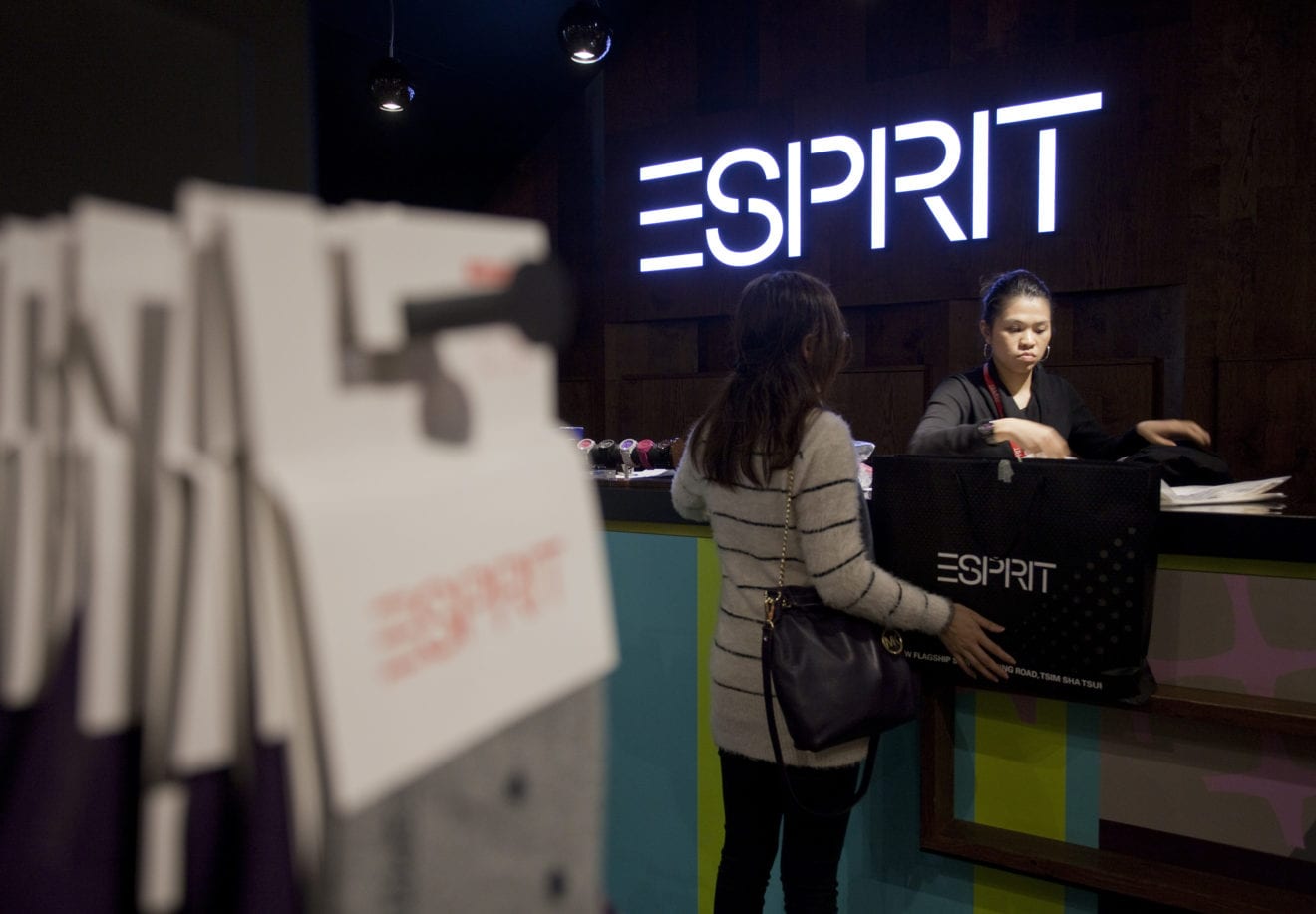
    Fashion retailer Esprit shuttered 91 stores in the six months to December and recorded a loss of HK$1.773 billion (US$225.876 million). While the loss is massive, it is within the estimates Esprit provided at an investor presentation last November when it unveiled its rescue strategy for the embattled Hong Kong-listed brand. The 91 stores closed during the fiscal half year come on top of another 50 in the half year preceding it. More closures are to come as the company trims its network to meet falling consumer demand for its range and save on rent.

    Esprit’s revenue for the half year fell to $6.766 billion, down 14.4 per cent in local currency terms, due to fewer stores and “reduced customer traffic across the distribution channels due to the weakness in brand identity and product appeal,” the company said in a stock exchange filing.

    The company’s share price fell from $2.04 to $1.83 (US 23 cents) as the results were released, before recovering a little this morning despite the results being inline with the company’s forecasts last November.

    Esprit “has a clear strategy plan in place setting forth bold changes to build a powerful organisation and restructure the cost base and develop a new model for the future,” the company reiterated in its filing. That plan includes becoming a leaner and more efficient organisation, eliminating loss-making areas of the business, sharpening the Esprit brand identity and putting the customer at the centre of everything the group does, and

    improving the product offer and its relevance to consumers.

    “The execution of the strategy plan is progressing well and is on track. While the group is encouraged by the initial progress and [has] a committed team in place to see the execution through, it is important to appreciate that it will take time to see this translate into a positive business performance, as most initiatives are still at this stage a work-in-progress and it will require time to make the corresponding improvements in brand and product visible to our customers for attracting them back into Esprit stores.”

    Included in that process is the reduction of between 35 and 40 per cent of non-store employees, already completed in Asia and on track in Europe.

    Meanwhile, the company said that while revenues continued to decline in the first half, the rate of decline is slowing. In the three months to September, sales in local currencies fell by 16.2 per cent, while in the following three months, sales fell by 12.5 per cent.

    Asia Pacific – comprising mainly China, Hong Kong, Singapore, Malaysia, Taiwan, Macau, Thailand, India and the Philippines – accounted for just 10.4 per cent of the group’s total revenue, or $698 million. That was down 26.6 per cent, in part affected by the closure of the Australia and New Zealand Esprit businesses last year.

    Transition period

    Esprit says it expects the next two years to be a period of transition for the company and its brands

    “Revenue is expected to see further decline in the next two financial years due to closure of loss-making stores, before reverting to growth to be driven by impact from product and brand initiatives. Overall, the group expects revenue to increase at a compound annual growth rate of a mid-to-high single-digit percentage in local currency between FY19/20 and FY23/24.”

    It reiterated its earlier forecast of breaking even in two to three years time.

    A “low double-digit” decline in topline sales is expected in the second half of the current financial year.

  • Sands China mall sales increase when land-based visitors return

    Sands China mall sales increase when land-based visitors return

    Sands China mall revenue rose 5.8 per cent last year as Mainland China visitor numbers rebounded. Sands China owns The Venetian Macao, Sands Cotai Central, The Parisian Macao and The Plaza Macao shopping centres which boast a combined 1.87 million sqft of retail-mall space. They form a key part of the company’s giant gaming and resorts business in the territory, which combined posted US$8.67 billion in sales last year, up more than 14 per cent, and achieved a post-tax profit of $1.87 billion, up 17 per cent.

    The company says mall revenues for the year increased 5.8 per cent overall to $507 million, compared to $479 million the previous year.

    The increase was primarily driven by higher turnover fees from Shoppes at Four Seasons, Shoppes at Venetian and Shoppes at Cotai Central, and from additional retail space becoming available at Cotai Central.

    The strongest-performing mall complex was the smallest of the four, The Plaza Macao, which has the 241,548sqft gross leasable area (GLA). It achieved 99 per cent occupancy with a base rent of $460 per sqft and tenant sales of $4373 per sqft, contributing $145 million in revenue, up 10.7 per cent year on year.

    The weakest-performing mall was The Parisian Macao, with 89.8 per cent occupancy of its 295,915sqft GLA. Base rent per sqft was $156 and tenant sales per sqft $649. Revenue there fell 13.6 per cent year on year to just $57 million.

    The company’s largest Macau property, and its first, The Venetian Macao, has 813,376sqft of GLA. It achieved total mall revenues of $233 million last year – up 6.4 per cent – with 90.3 per cent occupancy, a base rent of $263 and tenant sales of $1746.

    Sands Cotai Central, with 519,681sqft GLA, achieved $69 million in revenue – up 9.5 per cent – and achieved 91.5 per cent occupancy. Base rent was $108 and tenant sales $892.

    Sands China said its food and beverage revenues rose 4.1 per cent last year to $304 million, driven primarily by increased foot traffic.

    Chairman Sheldon G Adelson said Macao’s development and evolution as Asia’s leading tourism destination accelerated during the year, with market-wide visitation from China reaching a record 25.2 million visits, an increase of 14 per cent compared to last year.

  • Amazon to train Vietnamese small firms in e-commerce

    Amazon to train Vietnamese small firms in e-commerce

    Amazon will train 100 Vietnamese businesses to develop their business on its platform. According to the Department of Trade Promotion, Amazon Global Selling will identify 100 small and medium-sized enterprises (SMEs) for its “Supporting Vietnamese enterprises to boost exports via Amazon” program. It will train the businesses in promoting exports and build brands through its website.

    According to Amazon Global Selling, the program will support businesses with comprehensive export solutions and logistics infrastructure, its 175 fulfillment centers and presence in 185 countries.

    “In the context of evolving global markets, Vietnam has more than 700,000 businesses, of which 98 percent are SMEs, so in addition to traditional trade promotion methods such as going to international trade fairs, promoting e-commerce is extremely necessary,” Vu Ba Phu, head of the department, said.

    Bernard Tay, director of Amazon Global Selling in Southeast Asia, said his company chose Vietnam to run this program because it sees great potential for development, especially with the entrepreneurial spirit of Vietnamese youth.

    “Vietnamese businesses are well known for their top production capabilities. When combined with our worldwide resources, it will create conditions for them to develop and build brands in the international market.”

    But he said they need to adapt to global product trends, improve their proficiency in foreign languages and brand building expertise to derive the most from the e-commerce platform.

    Vietnam’s e-commerce value climbed to about $4 billion in 2016, becoming one of the fastest-growing markets in the world.

    Revenue from online retail in the country is forecast to hit $10 billion by 2020, accounting for five percent of the country’s retail market.

  • Allianz Malaysia earnings up 15.3% to RM100m in fourth quarter

    Allianz Malaysia earnings up 15.3% to RM100m in fourth quarter

    Allianz Malaysia Bhd’s earnings increased by 15.3% in the fourth quarter ended Dec 31, 2018 (Q4) to RM100.04 million, from RM86.78 million in the previous corresponding quarter mainly due to higher underwriting profit from motor business arising from lower claims and management expenses. For the quarter under review, the general insurance segment recorded a profit before tax of RM78 million, an increase of 15.7% as compared to the preceding year quarter.

    Meanwhile, the life insurance segment recorded a profit before tax of RM50.3 million, a decrease of 15.5% due mainly to higher group claims.

    Allianz reported a 7.63% increase in revenue to RM1.3 billion in Q4 from RM1.21 billion, driven by higher gross earned premiums and investment income.

    For the full year, its net profit grew 30.9% to RM377.02 million from RM287.96 million a year ago, while revenue was up 7.9% to RM5.18 billion from RM4.8 billion previously.

    The general insurance industry reported a marginal growth of 1.5% in gross written premium for the year ended Dec 31, 2018.

    Allianz said the group anticipates similar trend in the medium-term given the economic uncertainty and subdued consumer sentiments.

    However, it said the general insurance segment will continue to offer innovative products and services in anticipation of a fully liberalised insurance market while further expanding its multi-distribution model to maintain market leadership.

    For the life insurance segment, Allianz will continue to leverage on the strength of its multi-distribution channels and increase productivity across distribution channels to generate growth.

    The group will also continue to focus on optimising the performance of its insurance businesses and expect to maintain satisfactory results in 2019, it added.

  • Higher fuel prices dent AirAsia X’s Q4 performance

    Higher fuel prices dent AirAsia X’s Q4 performance

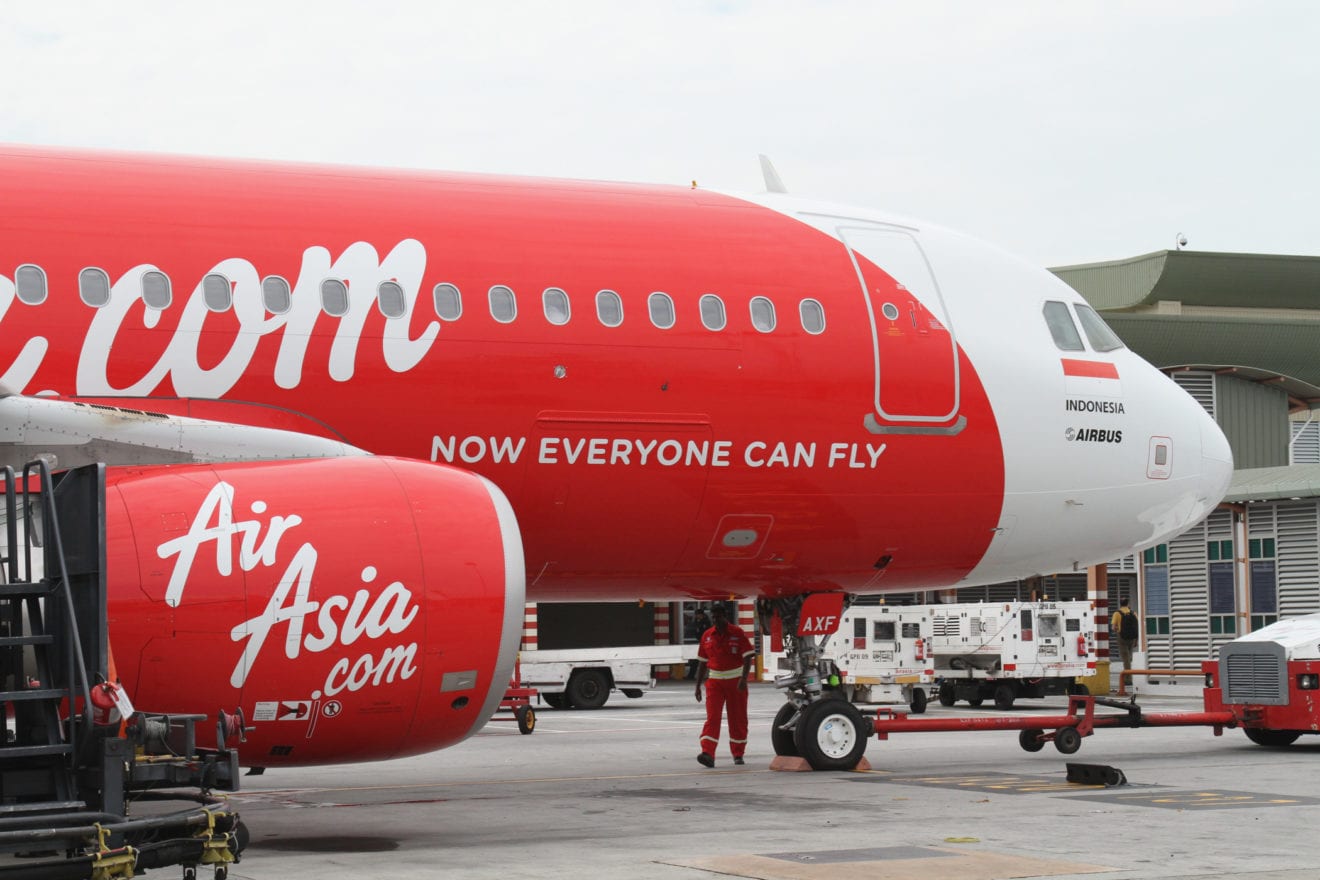
    AirAsia X Bhd suffered a net loss of RM99.27 million in the fourth quarter ended Dec 31, 2018 compared with a net profit of RM84.42 million a year ago due to higher fuel prices. In a filing with Bursa Malaysia, the airline reported an increase in average fuel price to US$89 per barrel during the quarter from US$69 per barrel a year ago, which resulted in a lower net operating profit of RM27.4 million from RM120 million a year ago.

    In addition, the group provided an impairment on amount due from joint venture amounting to RM24 million during the quarter under review.

    During the quarter, the group reported a 1% improvement in cost per available seat kilometre (CASK) to 12.27 sen while CASK ex-fuel improved by 16% from 8.22 sen to 6.94 sen a year ago, due to enhanced cost management.

    Revenue for the quarter fell 5.93% to RM1.15 billion from RM1.22 billion a year ago.

    For the financial year ended Dec 31, 2018 (FY18), the group also swung into the red registering a net loss of RM312.7 million compared with a net profit of RM98.89 million a year ago while revenue fell marginally to RM4.54 billion from RM4.56 million a year ago.

    AirAsia X said its current forward booking trend and average fares for the first quarter of 2019 are within expectation and prospects are anticipated to remain encouraging.

    The airline will be adding up to five aircraft through operating leases this year via AirAsia X Thailand while AirAsia X Malaysia will remain with 24 aircraft.

    AirAsia X Malaysia will focus on maximising aircraft utilisation of its current fleet and leverage on the group’s strategy in new route launches as well as increasing frequencies of core routes.


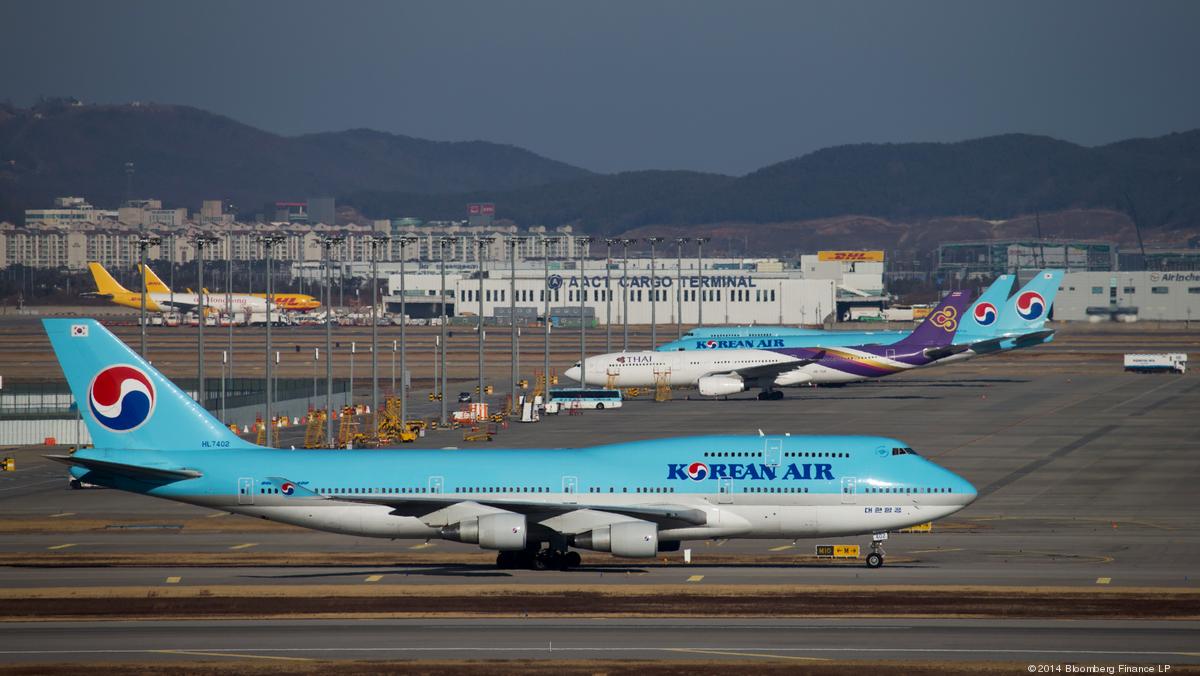
  • Korean Air plans to make 16 trillion won in sales by 2023

    Korean Air plans to make 16 trillion won in sales by 2023

    Korean Air unveiled its mid-term business strategy Tuesday, saying it aims to record 16.2 trillion won ($14.4 billion) in sales by 2023. The goal comes as the airline’s March shareholders’ meeting draws near. Korean Air Chairman Cho Yang-ho’s term at the country’s largest airline ends this year and shareholders will vote on his re-election. To achieve the sales target, it needs to grow by an average 5.1 percent every year. Last year, the airline inked 12.7 trillion won in sales.

    Its operating profit target for 2023 is 1.7 trillion won, about 2.5 times more than last year’s 692.4 billion won.

    The company said it will work to raise the profitability of its business to reach a 10.6 percent profit to sales ratio. Last year, the ratio stood at 5.5 percent. Along with improved profits, the company plans to lower its debt ratio to below 400 percent from last year’s 699 percent.

    To expand sales, Korea’s largest full-service carrier plans to expand routes connecting America and Asia through a joint venture inked with U.S. airline Delta Air Lines last year. The partnership enables the two companies to share revenue, costs, flights and sales networks with antitrust immunity on their trans-Pacific operations.

    The airline also plans to open up new flight routes headed to Europe and Southeast Asia, both growing as popular travel destinations.

    As for its cargo business, the airline plans to bolster its business with emerging markets like Vietnam, India and Central and South America.

    In the aerospace business, the company said it will develop new technologies to build parts for passenger aircraft and start mass producing unmanned aerial vehicles to secure future growth engines.

    This year, Korean Air proposed a target of 13.2 trillion won in revenue and 1 trillion won in operating profits.

  • Rising active customer count gives Vipshop good impact

    Rising active customer count gives Vipshop good impact

    Chinese online discounter VIPShop is reaping the benefits of a 13 per cent increase in active customers last quarter to 32.4 million – well ahead of the 5 per cent full-year improvement. Its annual results released overnight showed net revenue soared 15.9 per cent last year to RMB84.5 billion (US$12.3 billion) and net income attributable to shareholders rose 9.2 per cent to RMB2.1 billion ($309.6 million). VIPShop says its Gross Merchandise Volume (GMV) for the full year rose 21 per cent to RMB131.0 billion.

    “We are pleased to have finished the fourth quarter of 2018 with solid operational results,” said chairman and CEO Eric Shen.

    “Going forward, we will continue to strengthen our core capabilities, aiming to bring highly desirable selections of products to our valued customers on a daily basis, which will drive our long-term growth and profitability.”

    CFO Donghao Yang said the fourth quarter saw “a healthy sequential recovery” of VIPShop’s bottom-line, which was mostly attributable to a focus on the highly profitable apparel category.

    “During this quarter, we began to shift some low-margin categories from our first-party business into the marketplace platform, reducing their drag on our bottom-line while still delivering a solid GMV growth of 15 per cent year over year. We remain focused on stabilising our margins, aiming to drive enhanced shareholder return in the long run.”

    During the fourth quarter of last year, VIPShop added about 86,000sqm of warehousing space, taking its capacity to 3 million sqm.

    For the first quarter of the new year, the company expects net revenue to grow by up to 5 per cent, to between RMB19.9 billion and RMB20.9 billion.

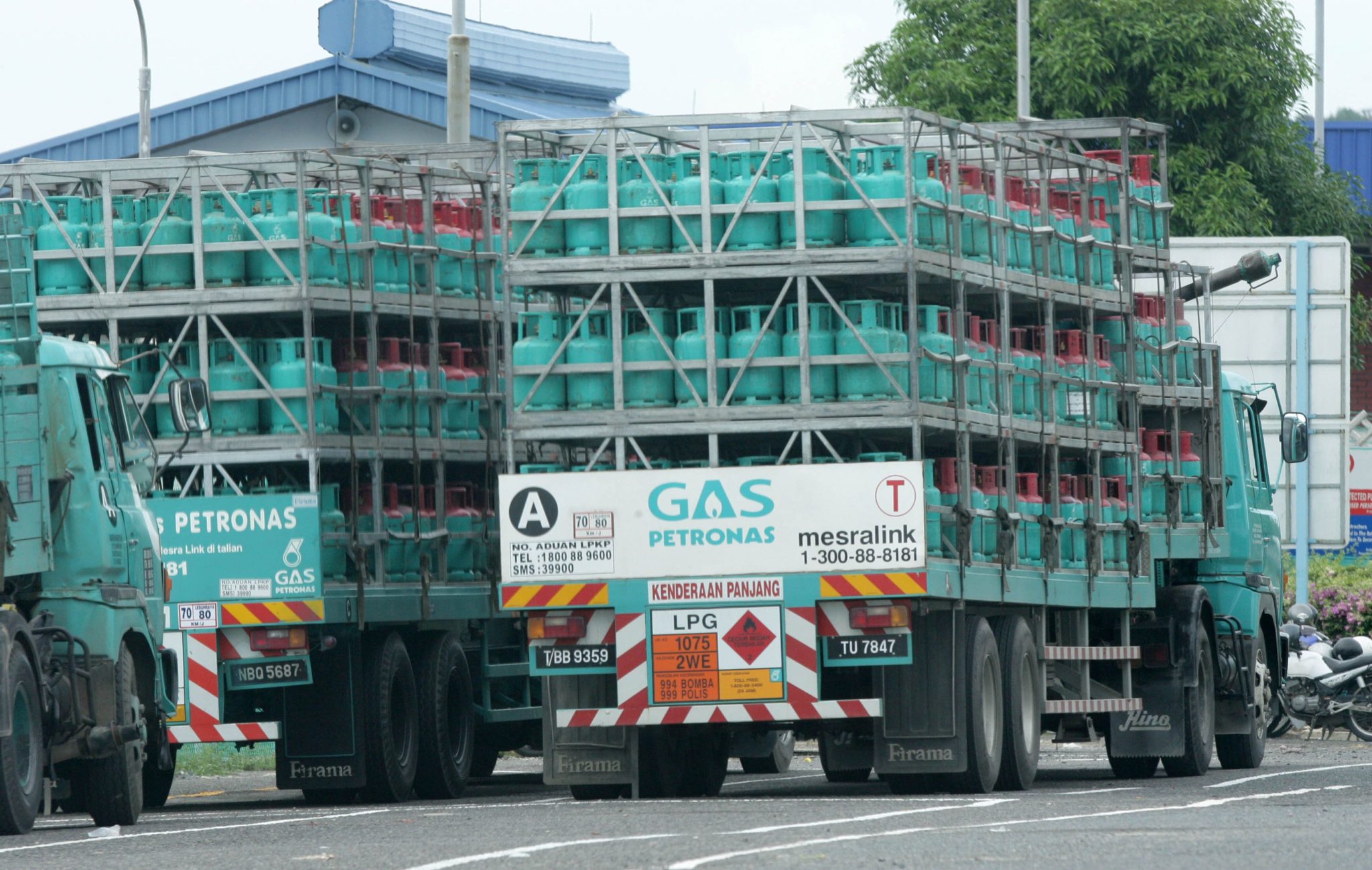
  • Petronas Gas Q4 profit weighed down by Kimanis Power

    Petronas Gas Q4 profit weighed down by Kimanis Power

    Petronas Gas Bhd’s net profit fourth quarter ended Dec 31, 2018 fell 34.7% to RM317.90 million from RM486.70 million a year ago, largely attributed to share of losses from a joint venture company, Kimanis Power Sdn Bhd. The losses were due to de-recognition of deferred tax assets amounting to RM124.3 million (being 60% share of the group) in relation to certain tax benefits which now have a seven-year utilisation limit under the new Finance Act 2018.

    Its revenue grew 4.9% to RM1.39 billion compared with RM1.32 billion in the previous year’s corresponding quarter mainly contributed by the second liquiefied natural gas (LNG) regasification terminal in Pengerang, Johor which commenced commercial operations in November 2017, coupled with higher revenue from utilities and gas transportation segment.

    The group has approved a fourth interim dividend of 22 sen per share amounting to RM435.3 million in respect of the financial year ended Dec 31, 2018.

    For the full-year period, Petronas Gas’ net profit grew 0.98% to RM1.81 billion from RM1.79 billion a year ago, while revenue of RM5.5 billion was the highest in history, an increase of 12.3% compared to RM4.90 billion last year.

    The Energy Commission has approved the tariffs for the gas transportation and regasification services for 2019. While the tariffs are expected to affect the group’s transportation and regasification business segment revenues in 2019, both segments are anticipated to continue contributing positively to its earnings.

    The group’s gas processing segment is expected to deliver improved earnings pursuant to the higher fixed remuneration charge under the second term of the 20-year Gas Processing Agreement effective from 2019 until 2023.

  • HSBC pre-tax profit up 16% at US$19.9 bn in 2018

    HSBC pre-tax profit up 16% at US$19.9 bn in 2018

    Banking giant HSBC said on Tuesday that pre-tax profit rose 16% to US$19.9 billion last year with growth across its global businesses despite a “challenging external environment in the fourth quarter”. The results capped the first full year at the helm of the Asia-focused bank for chief executive officer John Flint, who has vowed growth while keeping a lid on costs as trade tensions between the United States and China rumble.

    However, earnings in the last three months of 2018 came in below expectations as Washington’s trade war began to bite globally and hammered the stock markets, especially in Hong Kong and China.

    Adjusted pretax profit fell one percent to US$3.39 billion in October-December, missing the US$4.4 billion consensus average by Bloomberg Newsderived from estimates compiled by the bank.

    Global markets adjusted revenue was down US$202 million to US$1.1 billion over the same period, while wealth management dropped 18%, also to US$1.1 billion.

    Overall the year saw strong growth for HSBC with net profit ballooning 30%to US$12.6 billion while adjusted pre-tax profit rose three percent to US$21.7 billion.

    The bank had to lay off tens of thousands of staff as part of a wide-ranging overhaul that also saw it sell its Brazil operations in 2015.

    But it showed a healthy doubling of profits by 2017, a year that also saw it nominate Mark Tucker as chairman, breaking a longstanding tradition of appointing insiders to the post.

    In a statement attached to Tuesday’s earnings, Tucker and Flint said the bank was prepared to weather fallout from both a possible deterioration in the trade talks between Washington and Beijing and Britain’s impending departure from the EU.

    “The fundamentals for growth in Asia remain strong in spite of a softer regional economic outlook,“ Tucker said in a statement attached to the annual report.

    “The system of global trade remains subject to political pressure, and differences between China and the US will likely continue to inform sentiment in 2019,“ he added.

    With Brexit looming, HSBC followed the other major British financial giants in ring-fencing its UK bank.

    “We continue to prepare for the UK’s departure from the EU” Flint said, adding its operations in France “gives us a major advantage in this regard”

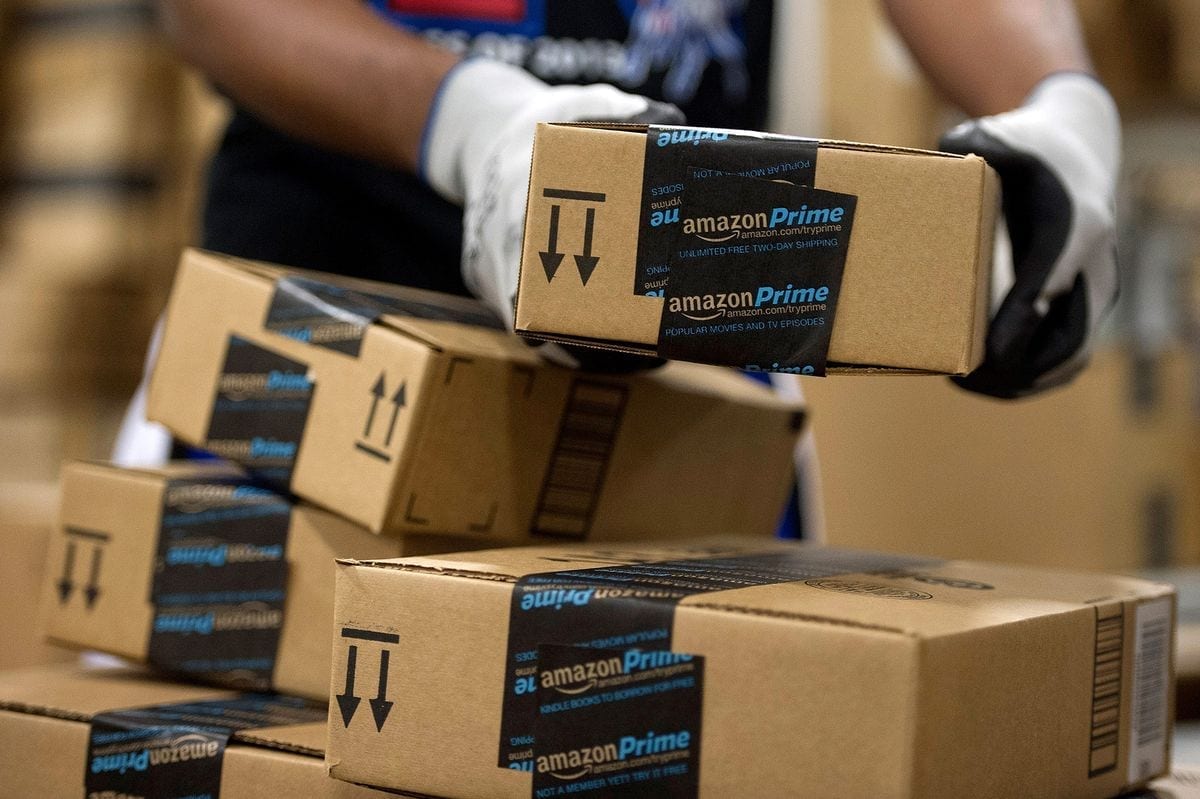
  • Amazon enjoys positive performance with increases in sales, profit

    Amazon enjoys positive performance with increases in sales, profit

    Global online shopping platform Amazon reported growth in both net sales and profit for the fourth-quarter 2018 and full-year, adding its Alexa use and Prime membership continues to thrive, particular in the all-important holiday season. For the fourth quarter ending December 31, net sales increased 20% to $72.4 billion in the fourth quarter, compared with $60.5 billion in fourth quarter 2017. Excluding unfavourable foreign exchange rates, sales increased 21%.

    Amazon said net income for the quarter increased to $3 billion in the fourth quarter, or $6.04 per diluted share, compared with net income of $1.9 billion, or $3.75 per diluted share, in 2017.

    For the twelve months ending December 31, Amazon’s net sales increased 31% to $232.9 billion, up from $177.9 billion in 2017. Excluding the $1.3 billion favorable impact exchange rates, net sales increased 30% compared with 2017.

    For the full-year 2018, Amazon’s net income increased to $10.1 billion, or $20.14 per diluted share, compared with net income of $3 billion, or $6.15 per diluted share.

    In the earnings announcement, Amazon’s founder and CEO Jeff Bezos, praised the recent holiday season, in particular, the Amazon customer uptake of Alexa, the voice activated shopping device and its associated Echo products.

    “Alexa was very busy during her holiday season. Echo Dot was the best-selling item across all products on Amazon globally, and customers purchased millions more devices from the Echo family compared to last year,” said Bezos.

    “The number of research scientists working on Alexa has more than doubled in the past year, and the results of the team’s hard work are clear. In 2018, we improved Alexa’s ability to understand requests and answer questions by more than 20% through advances in machine learning, we added billions of facts making Alexa more knowledgeable than ever, developers doubled the number of Alexa skills to over 80,000, and customers spoke to Alexa tens of billions more times in 2018 compared to 2017. We’re energized by and grateful for the response, and you can count on us to keep working hard to bring even more invention to customers,” he added.

    Other highlights for Amazon in 2018 included the increase in Prime memberships. During the holiday season alone, tens of millions of customers worldwide started Prime free trials or began paid memberships. More customers signed up for Prime worldwide in 2018 than ever before, said Amazon.

    In Asia, Amazon Fashion launched Prime Wardrobe in Japan, allowing Prime members to order clothing, shoes, and accessories and only pay for what they keep.

    Looking ahead to the first quarter 2019, net sales are expected to be between $56 billion and $60 billion, up 10% to 18% compared with first quarter 2018. Meanwhile, operating income is expected to be between $2.3 billion and $3.3 billion.

  • Vietnam banks among 500 most valuable brands

    Vietnam banks among 500 most valuable brands

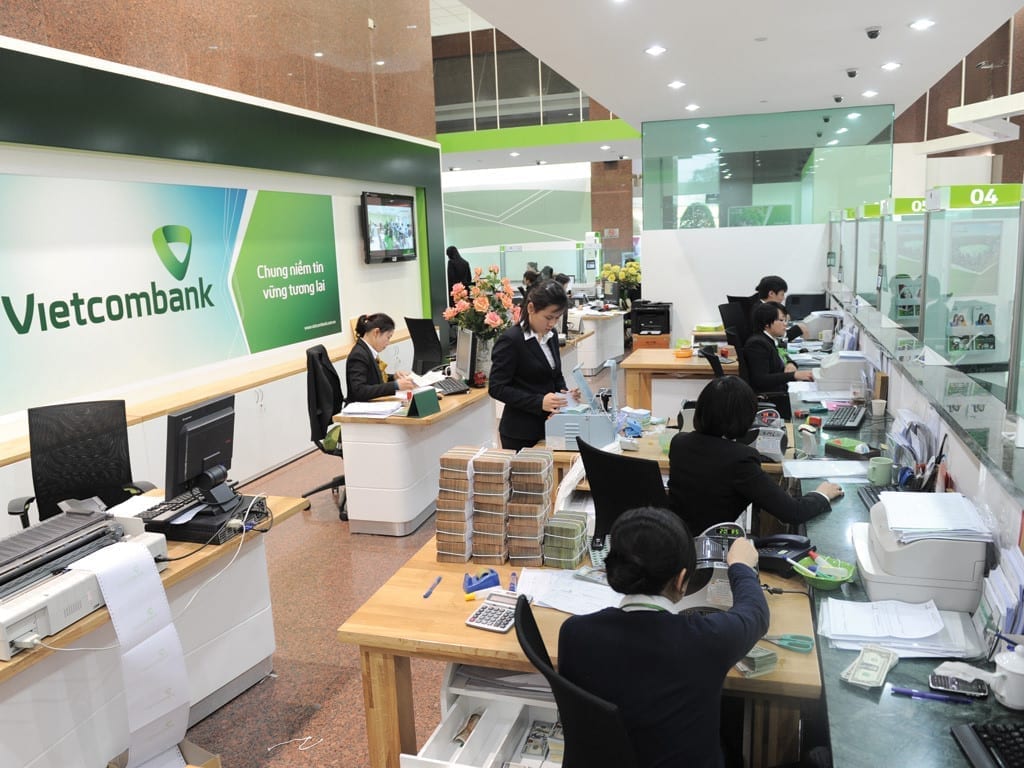
    Four Vietnamese lenders, three state-owned and one private, are among the world’s top 500 most valuable brands this year. In an annual ranking by BrandFinance, VietinBank was ranked 242, BIDV, 307, Vietcombank, 325, and VPBank, 361. Last year, VietinBank, BIDV and Vietcombank, three major Vietnamese banks, made it to this elite list, and this year is the first time that a Vietnamese private bank, VPBank, has made it to the Brand Finance Banking 500.

    In this year’s ranking, BIDV is one of top ten banks in the world in terms of brand strength, with growth of 22 percent; while VietinBank is one of top ten banks with biggest Brand Value Change 2018-2019 with a whopping 66 percent increase.

    Chinese bank Industrial and Commercial Bank of China (ICBC) continues to sit on the throne this year, followed by three others Chinese lenders in the top four.

    According to the UK-based Brand Finance, a leading independent brand valuation and strategy consultancy, Chinese banking brands have grown “at an outstanding rate despite fears of an economic slowdown and the rise of protectionism in international trade.”

    It said Chinese banks grew 28 percent on average, achieving $407 billion in total brand value, over $100 billion more than American banks.

    In August last year, Vietnam’s government approved a master plan for banking sector development until 2025 with a vision to 2030.

    The plan envisages at least 2-3 banks in Asia’s top 100 in terms of total assets and targets to have 3-5 banks listed on foreign stock exchanges by 2025.