Tag: Saigon

  • Sheraton Saigon Elevates Event Experience with Level 23: New Multipurpose Venue and Skyline Bar

    Sheraton Saigon Elevates Event Experience with Level 23: New Multipurpose Venue and Skyline Bar

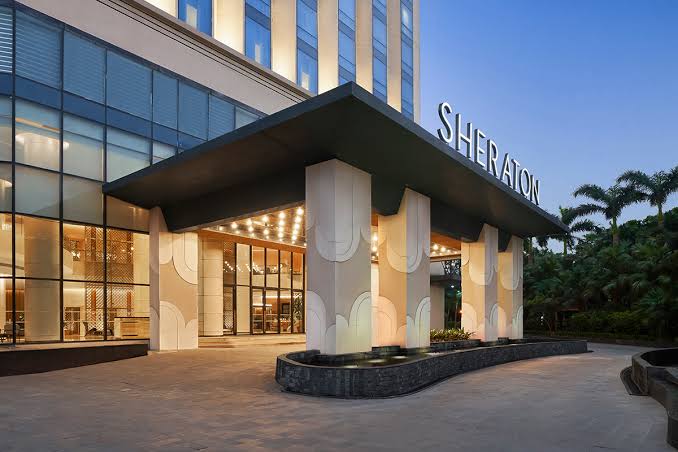
    In celebration of its 23rd anniversary, the Sheraton Saigon Grand Opera Hotel, located in the heart of Ho Chi Minh City, has recently unveiled Level 23. This innovative space showcases a convergence of meeting venues, event spaces, and a rooftop entertainment area, designed to meet the increasing demand from business travelers, international delegations, and local patrons for multi-functional destinations.

    Exploring the Offerings of Level 23

    Level 23 brings together the private event space Altitude 23, Summit – a versatile meeting and event area, and Hai Bar, one of the most elevated rooftop bars in Dong Khoi. This promising project was officially introduced to the public during the “High Above Saigon” event held on June 26, 2026.

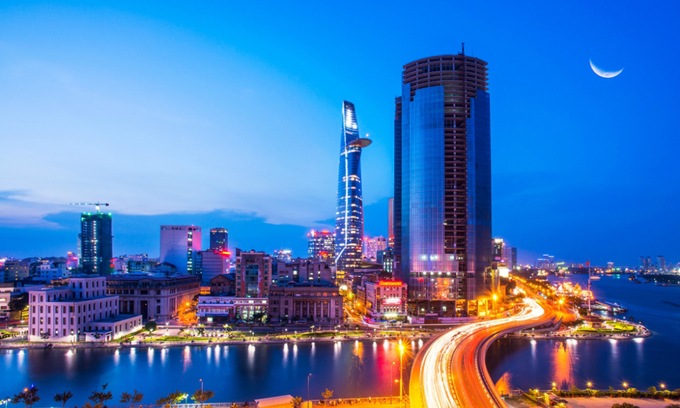
    Summit, the meeting and event space, features five adaptable rooms that provide natural daylight and sweeping views of iconic landmarks such as the Nguyen Hue Boulevard, Bitexco Tower, and the city’s skyline. With the largest room, Grand Summit, capable of accommodating up to 212 guests in a theater-style arrangement, 180 for cocktail events, and 160 for banquets, Summit offers a venue solution for a variety of events. The rooms can be used individually or combined, providing the perfect setting for anything from executive meetings, product launches, and corporate events, to galas, weddings, and private celebrations.

    Adding to the allure of Level 23 is Hai Bar, the hotel’s renovated rooftop cocktail bar. Open from 5 p.m. daily, the bar offers breathtaking views of the Saigon Opera House, Notre-Dame Cathedral, the Saigon River, and Ba Son Bridge. Patrons can choose from 23 signature cocktails, each inspired by different regions of Vietnam and made with locally sourced ingredients.

    Introducing Altitude 23

    Altitude 23, the private event venue, is a spacious 260-square-meter area that offers panoramic views of Ho Chi Minh City. It can comfortably accommodate up to 200 guests in theater-style seating and up to 150 for banquets or cocktail receptions. The venue, which once housed the Night Spot nightclub, has been redesigned for contemporary events while preserving elements of the original space.

    According to Julian Wong, General Manager of the Sheraton Saigon Grand Opera Hotel, the introduction of Level 23 is a significant milestone for the hotel. He emphasized that the concept is not just about height but rather about providing a tranquil, elevated perspective of the vibrant city. Wong affirmed that guests are increasingly seeking destinations that can accommodate multiple purposes within a single visit, and Level 23, with its high-floor experience, perfectly fits the bill.

    The unveiling of Level 23 marks the hotel’s third substantial development in less than a year. Earlier, it opened the Grand Opera Tower, added 120 renovated rooms and suites, and became the first Marriott International hotel in Vietnam to receive LEED Gold Certification under the LEED v4.1 Operations and Maintenance standard.

    Questions & Answers

    What is the concept behind Level 23 at the Sheraton Saigon Grand Opera Hotel?
    Level 23 is designed to accommodate the increasing demand for multi-functional destinations that can cater to a variety of events, from business meetings to private parties, all within a single space.

    What unique features does Level 23 offer?
    It brings together three distinct venues: Summit, a versatile meeting and event space; Hai Bar, a rooftop cocktail bar; and Altitude 23, a private event venue. Each offers a unique high-floor experience with panoramic views of Ho Chi Minh City.

    What is the capacity of the venues at Level 23?
    Grand Summit, the largest space at Summit, can accommodate up to 212 guests. The rooftop bar, Hai Bar, is open to all guests, while Altitude 23 can seat up to 200 guests in a theater-style arrangement.
  • Jins Makes Spectacular Debut in Vietnam: First Flagship Store Unveiled in Saigon Centre Amid Expansion Plans

    Jins Makes Spectacular Debut in Vietnam: First Flagship Store Unveiled in Saigon Centre Amid Expansion Plans

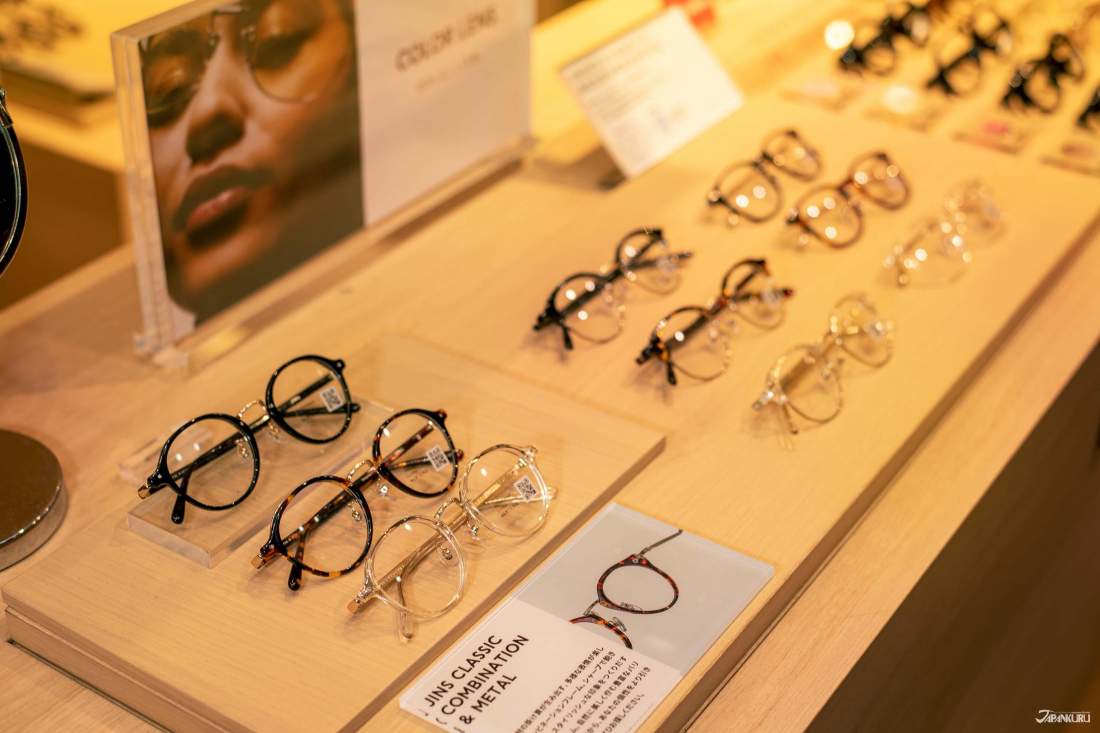
    In a strategic move to expand its footprint across Southeast Asia, Jins, a renowned Japanese eyewear retail brand, has inaugurated its introductory store in Vietnam. The expansive 200-square-meter flagship store is centrally located at Saigon Centre in Ho Chi Minh City.

    Reflective Design and Core Collections

    The design of the newly established store is a true reflection of the brand’s minimalist approach that combines unadorned simplicity with purposeful utility. The interior of the store embraces the Japanese spatial concepts, Shakkan-ho and Chigaidana, creating an environment of balance and systematic order. This design philosophy is a characteristic feature seen across all Jins outlets in Asia.

    The Vietnam branch offers the company’s key collections, namely Airframe, 360°, Home, and Combination Titanium. These collections are known for their lightweight materials, flexible hinges, and understated styling.

    A Significant Milestone

    The launch in Vietnam represents a significant landmark in the global expansion journey of Jins. Atsushi Ogawa, director of Jins Vietnam, expressed his delight in bringing the brand’s ‘Magnify Life’ philosophy to Vietnamese customers. This philosophy unifies functionality, creativity, and design aspects.

    Ogawa stated, “Jins is committed to establishing a long-lasting presence in Vietnam while also contributing to the growth of the local eyewear market. Our approach is centered on quality, innovation, and a customer-centric experience.”

    Future Expansion Plans

    In addition to launching the flagship store, Jins intends to unveil two more outlets in Ho Chi Minh City this month. The company initially entered the Vietnamese market in June with a temporary pop-up store. This store served to measure local demand before the brand’s permanent installation.

    This debut in Vietnam represents Jins’ eighth overseas market, following its presence in Japan, China, Taiwan, Hong Kong, the Philippines, the US, and South Korea. As of September this year, the company runs 810 stores worldwide, making Vietnam a significant addition to its Southeast Asian network.

    Questions & Answers

    What is the design philosophy of Jins?
    Jins follows a minimalist design ethos that combines simplicity with utility, reflecting Japanese spatial concepts such as Shakkan-ho and Chigaidana.

    What are the key collections offered by Jins in its Vietnam store?
    The Vietnam store carries Jins’ core collections, including Airframe, 360°, Home, and Combination Titanium, embodying lightweight materials, flexible hinges, and restrained styling.

    What are the future expansion plans of Jins in Vietnam?
    In addition to the flagship store, Jins plans to open two more stores in Ho Chi Minh City in the near future.

  • Saigon beer company reports 6% profit increase in first half

    Saigon beer company reports 6% profit increase in first half

    Sabeco has reported a slight profit increase to VND2.3 trillion ($90.85 million) within the first half of 2024.

    According to its latest financial report, the beverage company reported a 6% increase in profit from the first half of 2023, earning an average of VND12.9 billion per day.

    Business in the second quarter this year was better than the same period in 2023, with a profit at VND1.319 trillion, a 9% increase. It was also the second consecutive quarter where Sabeco saw a recovery to its profit.

    The company’s management board said policies for alcohol level control have been implemented in the first half of this year, with the company seeing tough competition in the market.

    But thanks to the recovering economy and positive impacts of increased sale prices, the company’s revenue within the first six months saw a slight increase of 5% to around VND15.27 trillion.

    Higher profit could also be attributed to lower sale costs, with Sabeco cutting sale costs by 14% to VND1.744 trillion, mostly in advertisements and employee discounts.

    However, the board still anticipated the beer industry to be stormy this year, as people tighten their budgets and input costs remain high. Alcohol level control policies, along with proposals to increase special consumption tax, will force the company to improve on its commercial activities and supply chain effectiveness, as well as cut costs, the brewer said.

    Sabeco aims for full-year 2024 revenue to reach VND34.4 trillion and profit to reach VND4.58 trillion, an increase of 13% and 8% respectively. After six months, the firm has reached just under half of its intended revenue goal, and just over half of its profit goal.

    However, the board added it would take a few more years before revenues could return to pre-pandemic levels.

  • Novotel Saigon Centre Hotel owner reports biggest ever loss

    Novotel Saigon Centre Hotel owner reports biggest ever loss

    Thien Phuc International Hotel Company, which owns the four-star Novotel Saigon Centre Hotel in HCMC, has reported its biggest ever half-yearly loss of VND369.6 billion (US$15.4 million).

    The loss for the year’s first half was 50% higher year-on-year, according to its earnings report.

    It had racked up full-year losses of VND786 billion in 2021 and VND783 billion in 2022.

    At the end of H1 2023 Thien Phuc had total liabilities of VND8.695 trillion, including VND6.4 trillion in corporate bonds it had issued.Thien Phuc used to belong to Que Huong Liberty Corporation, one of the largest hotel operators in the city.

    In 2016, Que Huong Liberty sold its entire holding in Thien Phuc to Saigon Green View Investment Corporation.

  • Saigon Beer brewer sees revenue surge by a third

    Saigon Beer brewer sees revenue surge by a third

    Saigon Beer brewer Sabeco saw revenue jump 33% from 2021 to VND35.24 trillion ($1.5 billion) last year as consumption bounced back after two years of Covid-19.

    The brewer’s post-tax profit surged nearly 40% to VND5.5 trillion, the highest level since it was sold to ThaiBev in 2017.

    “The company has improved its production efficiency and implemented cost-saving measures to minimize the impact of higher input costs,” Sabeco said in a statement. “Many promotion and marketing campaigns also helped boost sales.”

    Before the pandemic, the company spent VND3 trillion on promotion and marketing last year, double that of 2019.

    Sabeco’s revenue last year was 8% shy of the 2019 level. However, its revenue quadrupled that of its major competitior in Vietnam, Habeco, which recorded a revenue of VND8.5 trillion.

    Thapana Sirivadhanabhakdi, CEO of ThaiBev, said last year that Sabeco was its “crown jewel” and rejected rumors that the Thai company would sell the brewer.

    Valued at $26 billion, Vietnam is the biggest beer market in Southeast Asia, and No. 3 in Asia behind China and Japan, according to 2021 figures.

  • ​Saigon zoo posts $304,000 loss due to Covid-19

    ​Saigon zoo posts $304,000 loss due to Covid-19

    The Saigon Zoo-Botanical Garden Company Ltd has reported a VND6.8 billion ($304,300) loss for 2020 as Covid-19 kept people away from its zoo.

    Its revenues fell by 38.6 percent to VND70 billion, the lowest in six years.

    The 157-year-old zoo in District 1 closed for two months from March 20 last year as part of Covid containment measures, and again shut on July 25 when a new wave began.

    It set itself targets of VND114 billion in revenues and VND2.2 billion in pre-tax profits at the beginning of this year as the pandemic seemed to be contained.

    The zoo subsequently revised the targets downward to VND81 billion and breakeven.

    It raised ticket prices from VND30,000 to 40,000 for children and from VND50,000 to 60,000 for adults since January.

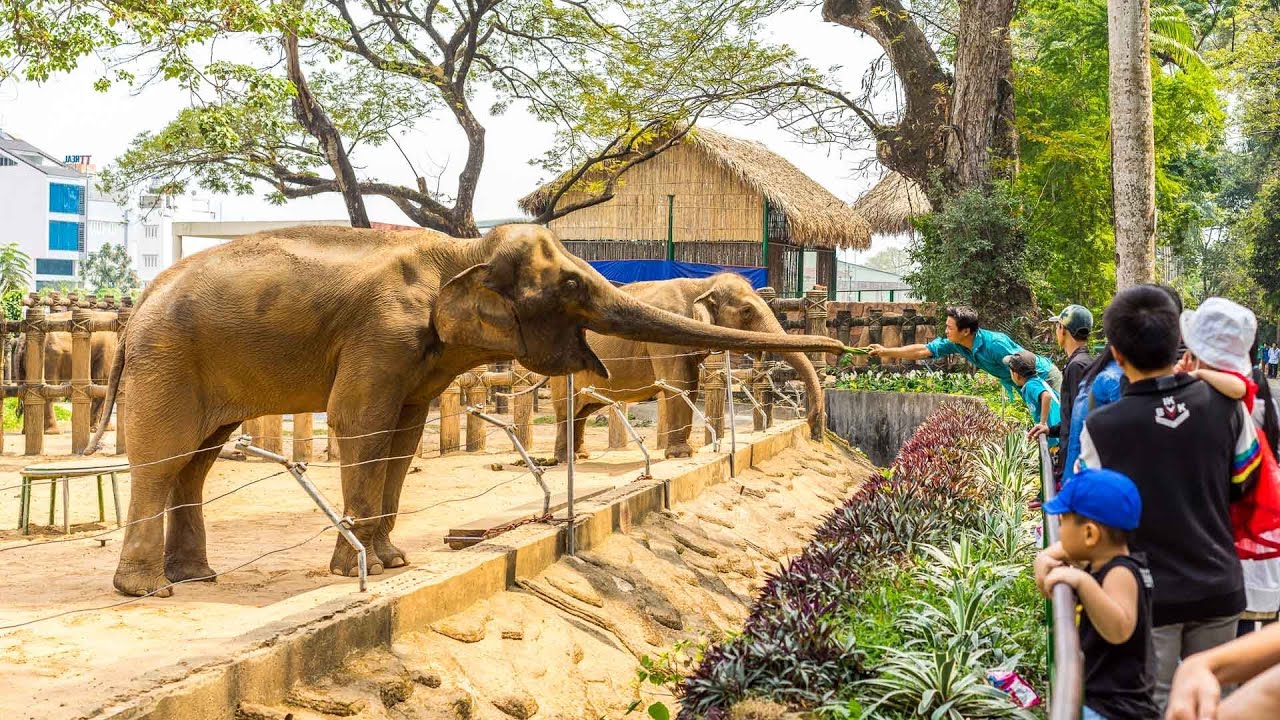
    The zoo has over 125 species of animals and birds.

  • Police investigate Saigon Beer copycat

    Police investigate Saigon Beer copycat

    Police in Ba Ria-Vung Tau Province are investigating a copyright infringement involving Saigon Beer by a former employee of its brewer, Sabeco. They found over 9,000 boxes of the Saigon Vietnam Beer with the brand name and packaging similar to that of the 43-year old Saigon Beer brand produced by Sabeco, the largest brewer in Vietnam.

    The beer is distributed by the Saigon Vietnam Beer Group Jsc., not a subsidiary of Sabeco. Its CEO, Le Dinh Trung, held several positions in Sabeco for years, including assistant to the deputy CEO and head of its legal department.

    Another person involved in the copyright infringement is Tran Thi Ai Loan, a distributor of Sabeco beer for the last four years.

    The original headquarter address of Saigon Vietnam Beer Group Jsc was registered at Floor 9, Vincom Building, 72 Le Thanh Ton, District 1, Ho Chi Minh City, the same as Sabeco. Although the Saigon Vietnam Beer Group Jsc. later changed its headquarters to a different location in Binh Thanh District, its beer packaging carried the old address, confusing customers.

    Authorities said Loan, as a legal representative, had signed a contract with BiVa Beer Brewer in southern Ba Ria–Vung Tau Province to produce the Saigon Vietnam Beer and started distributing the product in May.

    The same month, Sabeco requested the Vietnam Intellectual Property Research Institute to inspect the similarities between the packaging and brand name of the two beers. The institute concluded in June that there were signs of copyright infringement, following which Sabeco requested market authorities to intervene.

    Authorities later found thousands of Saigon Vietnam Beer boxes in the southern localities of Ba Ria-Vung Tau, Binh Phuoc, Soc Trang and Can Tho as well as the Central Highlands province of Dak Lak. Each box was being sold at VND159,300 ($6.91), nearly 12 percent lower than that of Sabeco’s Saigon Beer.

    Vu Tuan Chau, owner of BiVa Beer Brewer, told authorities that they had distributed a total of 4,400 boxes so far. Chau said they only produced the beer to the requirements of Saigon Beer Vietnam and was not aware of any copyright infringement. A lawyer representing Sabeco said that the infringement has damaged their brand’s reputation and misled customers into purchasing the wrong product. Sabeco is working with authorities to continue the investigation, the lawyer said.

    No comments were available from the representatives of Saigon Beer Vietnam at the time of going to print.

  • Saigon zoo operator posts $800,000 loss

    Saigon zoo operator posts $800,000 loss

    The Saigon Zoo-Botanical Garden Company Ltd reported a loss of VND18.8 billion ($809,600) for the first half as Covid-19 kept people away from its zoo.

    The operator of the country’s largest zoo in Ho Chi Minh City saw revenues drop by half year-on-year to VND27 billion ($1.2 million). The 156-year old zoo in District 1 closed for two months from March 20 as Covid-19 containment measures took effect. Its loss was the third largest among seven loss-making state-owned companies based in the city. The operator also has VND18 billion ($775,200) in debts, mostly salaries. Its 270 employees have agreed to a 30 percent salary cut this month.

    It recently called for public donations to help the zoo care for its 1,500 animals, which require nearly five tons of meat, vegetables, fruit, and leaves daily.

    The zoo has over 125 animals and 900 plant species.

  • Saigon metro to test run in Q3

    Saigon metro to test run in Q3

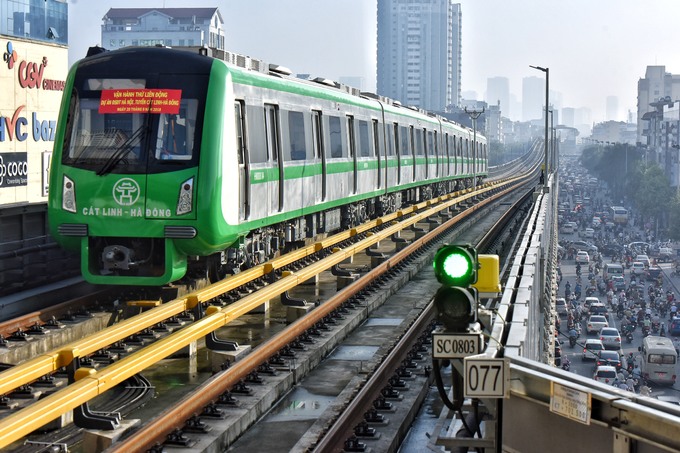
    An elevated section of Ho Chi Minh City’s Ben Thanh-Suoi Tien Metro Line 1 will be tested out within the third quarter this year.

    This elevated section crosses Ho Chi Minh City’s District 9, spanning from central Binh Thai Station to Long Binh Depot, a train maintenance center, the HCMC Management Authority for Urban Railways (MAUR) said in a report to the city’s People’s Committee.

    Once testing is complete, MAUR said it would test another section between Binh Thai and Van Thanh stations in District 2.

    The city targets project completion to advance to 85 percent before the end of this year, to officially enter operation by the end of 2021, it was added.

    The first locomotives and trains for the line, produced by Japanese manufacturer Hitachi, are set to arrive in HCMC from Japan in June.

    Hitachi is currently testing out two trains to deliver first, then will send over another 15, all of which will have three carriages each, as Metro Line 1 is being completed, the MAUR said.

    All 17 trains are part of a $370 million package signed with Hitachi in 2003, which includes delivery of other equipment such as signaling and communication, electricity generation, and electronic fee collection systems.

    On Monday, the city removed a barrier between the metro line’s two underground segments, integrating the entire length of Ben Thanh-Suoi Tien Metro Line 1. Removal of the barrier, erected to facilitate construction of both segments, paves the way for the next phase of the project – equipment installation, officials said.

    When completed, HCMC’s Metro Line 1 will span 19.7 kilometers from Long Binh in District 9 to Ben Thanh in District 1 with a total of 14 stations.

    Work on the line started in August 2012, with the elevated segment cleared in June 2018.

    It was approved in 2007 with a total investment of VND17.4 trillion ($747 million). This was raised to VND47 trillion ($2.02 billion) in 2010 after design changes and fluctuations in the exchange rate of the Japanese Yen, though the increase was not approved by relevant ministries.

    Last November, the National Assembly allowed HCMC authorities to approve a new total investment of VND43.6 trillion ($1.87 billion).

  • Hanoi-Saigon flight time climbs 5 mins a month

    Hanoi-Saigon flight time climbs 5 mins a month

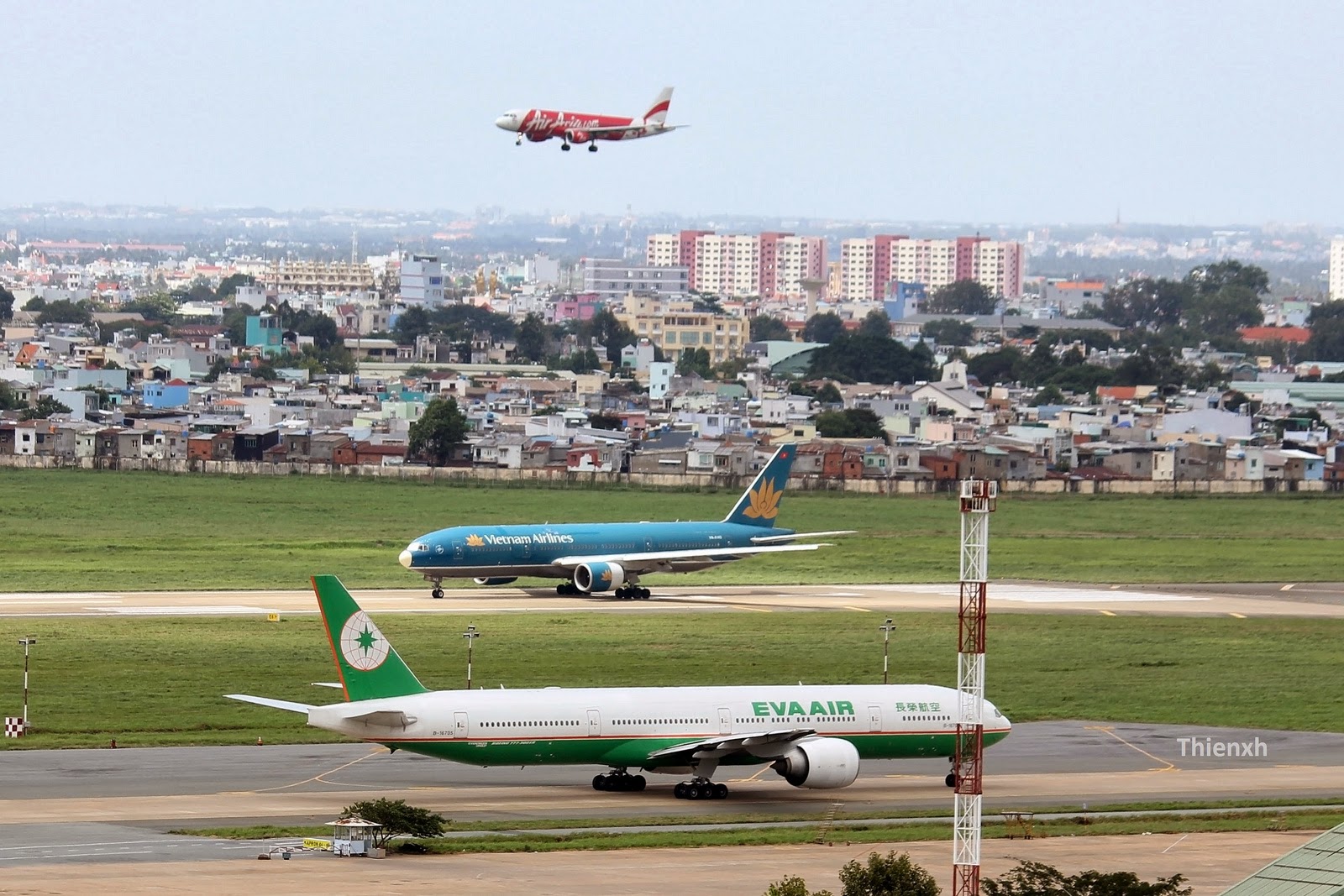
    Flying from Hanoi to Saigon takes five minutes more per month due to overload at Tan Son Nhat International Airport. Duong Tri Thana, Vietnam Airlines CEO, told a forum Wednesday continued delays at Tan Son Nhat could drag down flight quality and hamper economic growth.

    The route itself ranked as the sixth busiest domestic route in the world for 2019, up one spot from last year. Le Hong Ha, deputy general director of the flag carrier, said Tan Son Nhat has recorded low punctuality due to overload, with airlines forced to adjust flight times that cause take-off delays up to 15 minutes.

    Lai Xuan Thanh, chairman of the Airports Corporation of Vietnam, said this year, foreign airlines have struggled to find berths at Tan Son Nhat.

    The airport could only provide 2-3 percent more slots this year, meaning passenger growth is capped at 5 percent year-on-year, he added.

    However, the country is allowing the operation of new airlines despite the overload. Private carrier Bamboo Airways launched its first flights earlier this year, while three more airlines are awaiting licensing.

    Dinh Viet Thang, head of the Civil Aviation Authority of Vietnam (CAAV), said Vietnam still holds great aviation potential, with an estimated 150-180 million air passengers predicted by 2025.

    Only five airlines operate daily routes in Vietnam, with the figure in Thailand at 16, Indonesia at 12, the Philippines at 10 and Singapore at 6.

    Vietnam plans to upgrade existing and build new airports to accommodate surging travel demand, a third terminal proposed for Tan Son Nhat to up capacity by 20 million passengers a year. Tesla Plans Increasing Imported Model 3 Prices In China From January

  • Saigon to pilot public electric motorbike service

    Saigon to pilot public electric motorbike service

    The HCMC Transport Department will launch a public transport service using electric motorbikes at the end of this year. The service is part of a memorandum of understanding (MoU) signed last week between the department and Grab Vietnam, the local unit of Singapore-based ride-hailing firm.

    Under the agreement, the two parties will jointly roll out the electric motorbike service to support the city’s public transportation system in downtown areas, then consider expanding it throughout the city by the end of next year.

    They are also considering an electric bike rental service in the near future.

    Grab Vietnam will also share its data with the department, including the journeys of all vehicles registered with its ride-hailing technology, in order that the latter can create a traffic database.

    This database will allow the department to analyze, simulate and predict traffic on each route, and in turn, coordinate with Grab’s fleet to come up with solutions addressing the city’s current traffic constraints, the MoU said.

    Providing this additional mode of public transport aims to limit the use of personal vehicles, reduce congestion, and limit environmental pollution, department director Tran Quang Lam said.

    HCMC, the country’s largest metropolis with 13 million people, has around 7.8 million motorbikes and about 750,000 cars, according to the city’s police department. Car registrations in the city increased 15 percent in the first six months, while motorbikes 6 percent, according to the transport department.

  • Saigon retail rents rise

    Saigon retail rents rise

    Saigon retail rents are rising with space in the CBD hitting an average of US$135.50 per square meter in the third quarter, up by 5.8 percent year-on-year.

    According to a report by real-estate company CBRE, the average monthly rents outside the CBD were only US$35.80 per square meter, down 3.7 percent quarter on quarter.

    Saigon is commonly used to refer to the CBD, or District 1, of Ho Chi Minh City, Vietnam’s largest population center.

    As several shopping centers have witnessed renovation and tenant mix revision, abandoned retail space rates increase by 2.5 percent and 8 percent in CBD and non-CBD areas, respectively.

    Ho Chi Minh City has become attractive to many investors and developers as a growing number of international retailers have chosen the city for their Vietnam debut.

    The nation’s retail industry has also been drawing investment from offshore, with recent deals including Japanese apparel company Stripe International buying Vietnamese fashion brand Vascara, and a franchise agreement which will see South Korea’s CU convenience stores open next year. With the evolution of the industry, retail rents in Ho Chi Minh City are expected to continue to increase in the near future.

    The city is predicted to add a further 237,000sqm of new retail space next year, including a new Vincom Megamall project in District 9 but it has yet to be seen how the new supply will impact on Saigon retail rents.

  • Uniqlo to open first Vietnam store in Saigon

    Uniqlo to open first Vietnam store in Saigon

    Japanese casual wear retailer Uniqlo plans to open a 3,000-square-meter store in downtown HCMC at the end of this year.

    Its first store in the country, at Parkson Saigon Tourist Plaza in District 1, would be one of its biggest in Southeast Asia, the company said in a release. It will sell clothes for men, women and children.

    Uniqlo earlier this month established its Vietnam business with a charter capital of $8.8 million, with apparel company Fast Retailing Singapore owning a 75 percent stake and Japan’s Mitsubishi Corporation the rest.

    Uniqlo, which is already in Singapore, Malaysia, Thailand, the Philippines, and Indonesia in Southeast Asia, had 213 stores in the region by the end of last year and plans to have 400 by 2022. It now has over 2,200 stores in 24 countries and territories.

    Uniqlo’s arrival in Vietnam is sure to intensify competition between foreign brands like Zara and H&M, who came two years ago and have outlets at major malls in both HCMC and Hanoi.

    Vietnam’s fashion market is estimated to grow to more than $3.8 billion this year and over $5 billion by 2021, according to BMI Research.

  • Saigon to double car registration fees

    Saigon to double car registration fees

    HCMC will raise registration fees of cars under 9 passenger seasts from VND11 million ($473) to VND20 million ($860) from October 17.

    According to a resolution recently passed by the city’s People Council, licensing fees for other types of cars will be set from the initial cost of VND150,000 ($6.4) to VND500,000 ($22). Such as, prices for semi trailers and trailers (container trucks) will now be VND200,000 ($8.6).

    For motorbikes, those valued under VND15 million ($645) will now have a new registration fee of VND1 million ($43). Motorbikes costing between VND15-40 million ($645-1,720) and above will have new registration fees of VND2-4 million ($86-172).

    Vo Van Hoan, Vice Chairman of Ho Chi Minh City People’s Committee, said the new registration fees were equivalent to those in Hanoi, and that the increase was an appropriate reflection of the city’s economic status.

    The HCMC department of transportation estimates that there are more than 825,000 cars and 8.1 million motorbikes in the city. In the first six months of this year, the number of newly registered cars and motorbikes increased year-on-year by 15 percent and 6 percent respectively.

  • Saigon Co.op takes over Auchan Vietnam

    Saigon Co.op takes over Auchan Vietnam

    Local retail group Saigon Co.op has acquired the Auchan Vietnam business.

    Auchan will transfer its 15 closed store spaces and the three remaining stores still trading in Ho Chi Minh City’s Districts 7 and 1, along with its e-commerce and supply-chain retail system to Saigon Co.op.

    According to the arrangement, Saigon Co.op will renovate the closed stores and restore operations under their own brands which include Co.opMart, Finelife and Co.opXtra.

    The three stores still trading will maintain their Auchan branding until next Lunar New Year.

    In May, Auchan decided to pull out of Vietnam after consistent losses.