Retail News CRM

Tag: Saigon

  • Vietnam’s largest brewer is now a foreign owned business

    Vietnam’s largest brewer is now a foreign owned business

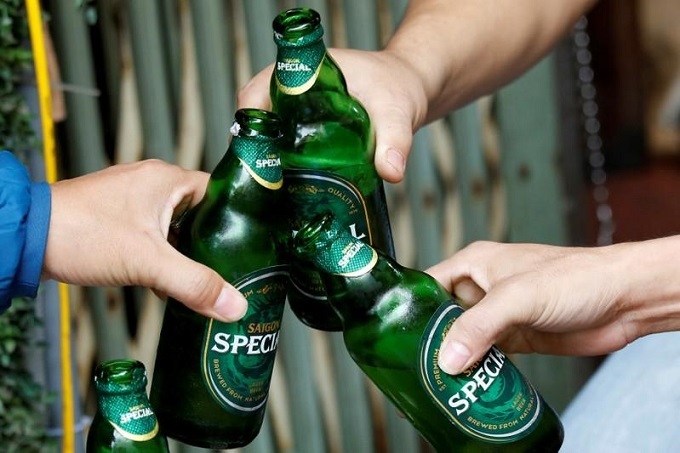
    After a $4.78 million debt restructuring, Vietnam’s largest brewer Sabeco is now owned by a Thai company. In December 2017, Thai Beverage (ThaiBev) acquired a 53.59 percent stake in Sabeco from Vietnam’s Ministry of Industry and Trade for $4.78 billion through a local entity, Viet Beverage (VietBev). VietBev, which had 100-percent Vietnamese ownership at the time with VND682 billion ($29.33 million) in charter capital, was loaned VND111.21 trillion ($4.78 billion) by ThaiBev to complete the transaction.

    VietBev was used as a financial vehicle to get around a 49 percent foreign ownership cap in place at the time.

    The $4.78 billion loan was then converted to shares under a debt-to-equity conversion agreement between VietBev and ThaiBev. As a result, VietBev now has a chartered capital of VND111.89 trillion ($4.81 billion), increasing ThaiBev’s ownership in VietBev to 99.39 percent.

    The adjustment in capital was approved by local authorities, and made possible after authorities raised Sabeco’s foreign ownership cap to 100 percent at the end of 2018. The conversion was completed a few days ago.

    ThaiBev has since announced it is committed to ensuring shareholders’ benefits on share prices and annual dividends after this restructure.

    With a charter capital of VND111.89 trillion, VietBev is among a few businesses in the country with chartered capital of hundreds of trillions of dongs, along with state-run oil & gas giant PVN (VND285 trillion or about $12.26 billion); Vietnam’s sole power distributor and biggest producer EVN (VND163.8 trillion or $7.04 billion); and telecoms provider Viettel (VND121.52 trillion or $5.23 billion).

    Recently, Sabeco was caught up in legal trouble with tax authorities, who blocked its bank accounts in order to withdraw VND3.1 trillion ($135.73 million) to collect overdue special sales tax from 2007 to 2015 and penalties for administrative violations. However, this enforcement action proved futile as accounts handed over to the tax authorities were empty.

    After the recent share conversion, the Prime Minister has directed the tax agencies to suspend their enforcement, in order to carefully consider regulations as it involves “foreign factors.”
  • Number of Chinese buying high-end Saigon apartments skyrockets

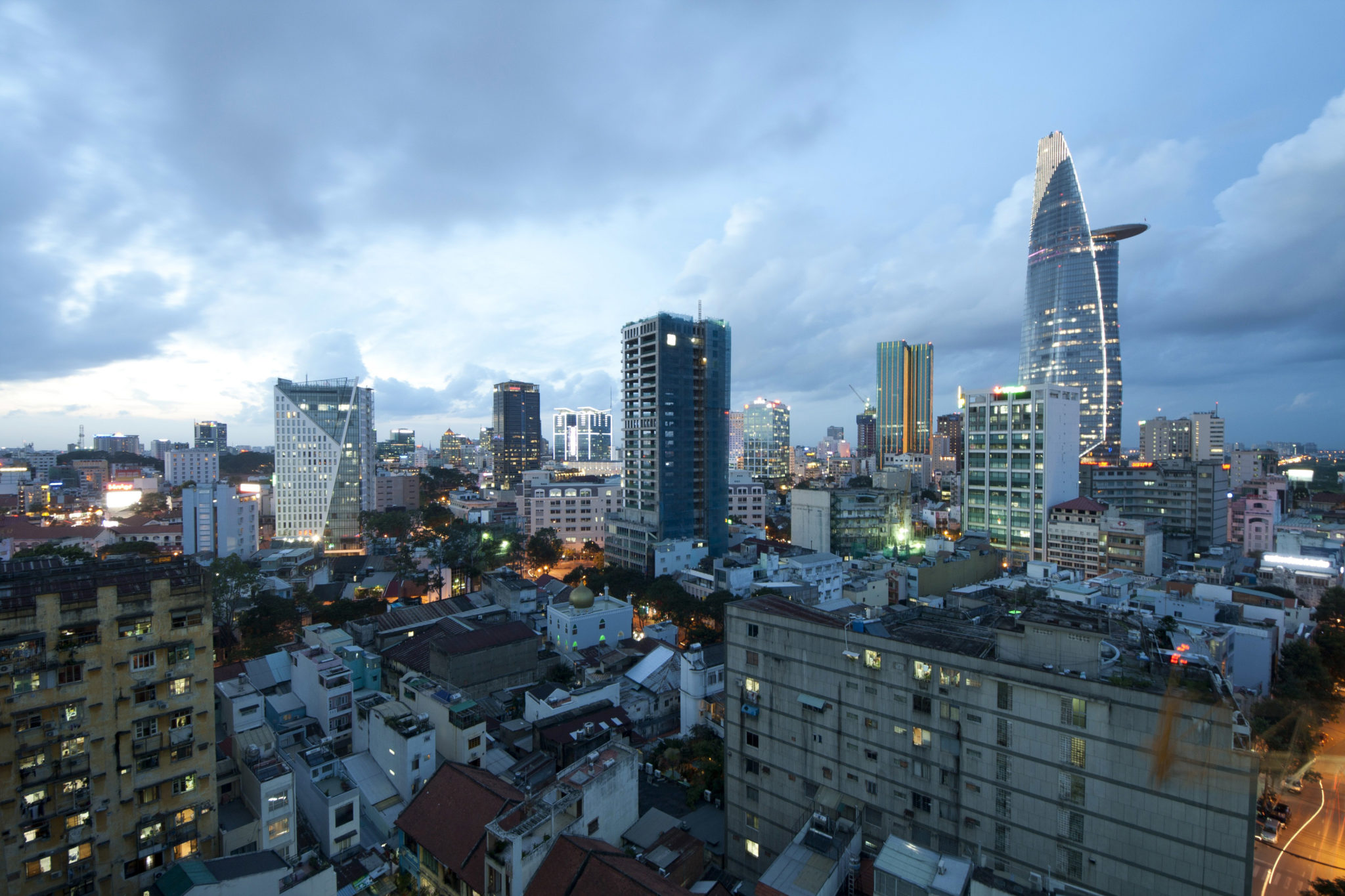
    Number of Chinese buying high-end Saigon apartments skyrockets

    Attractive prices and returns have seen the number of Chinese customers buying high-end apartments in HCMC soar this year. Duong Thuy Dung, senior director of real estate market research firm CBRE Vietnam, said at a recent forum that 31 percent of high-end apartment buyers in HCMC in the first nine months were Chinese. This figure increased from only 2 percent in 2016 and 4 percent last year.

    In the last two years, Chinese were sixth among all buyers, but this year, they have surpassed Vietnamese to rank first.

    Only 24 percent of high-end home buyers are Vietnamese, CBRE data shows.

    Stephen Wyatt, country head of property service firm JLL Vietnam, said the number of Chinese buyers has been increasing because Vietnam has an attractive price compared to other markets like Hong Kong, Japan, Singapore, South Korea and Taiwan.

    Chinese people often compare prices in Vietnam with Shanghai when they buy properties, he said, adding that they hope to gain profit from higher property prices in Vietnam in the future.

    A high-end apartment in the city costs around $5,000 per square meter, but the same one in Hong Kong could cost four times, said Nguyen Khanh Duy, director of residential sales at real estate service provider Savills HCMC.

    Nguyen Hoang, director of research and development at real estate firm DKRA, said that the number of Chinese and South Korean buyers in HCMC started to increase last year.

    Chinese from Shanghai and Hong Kong are buying properties as investments (not to stay in). “Most projects that foreigners bought in the last two years are under construction,” he said.

    Other industry insiders said that the high returns that HCMC high-end apartments offer is attracting many foreign buyers.

    The rate of return is 5-6.5 percent in Thao Dien ward and Thu Thiem Peninsula in District 2, while in other Asian countries, this rate is only 3.7-5.2 percent, Duy said.

    CBRE senior director Dung added that it was not just Chinese, but foreign buyers in general who are showing an increasing interest in HCMC real estate.

    Dung said that each foreigner group has a different preference for high-end apartments. Customers from mainland China, Hong Kong and Taiwan prefer large-scale projects near the downtown HCMC.

    South Koreans like to buy apartments in the southern District 7 that hosts a large community of South Koreans, while Western buyers often look for a quieter lifestyle in eastern District 2.

    Dung said HCMC is estimated to receive 40,000 new apartments in the 2018-2020 period, 60-70 percent of these in the high-end segment.

    In the last three years 35,000 luxury apartments have come into the market, CBRE said.

    This is a major increase from 2012-2014 when fewer than 10,000 units were on offer, CBRE said.

  • Real estate in Saigon the most sought after in Vietnam

    Real estate in Saigon the most sought after in Vietnam

    Saigon leads Vietnam in real estate interest, drawing 300 million internet searches in the last 12 months. According to a report recently issued by Batdongsan.com.vn, one of the biggest property portals in Vietnam, Hanoi is the second most searched city when users look up real estate at 170 million searches.

    The two cities are followed by central Da Nang City, southern Bien Hoa Town, northern Hai Phong City, central Nha Trang Town, and Vung Tau Town and Can Tho City in the south in terms of popularity.

    Overall, the leading position of Saigon real estate is predicted to continue to remain the same because its housing market is still seeing a lot of actions.

    Consumer data collected from Internet queries also showed the level of interest given to real estate in each specific area.

    Saigon attracted the highest level of interest, at 41.8 percent of recorded consumers, the largest in Vietnam, while Hanoi had 29.7 percent. Central Khanh Hoa Province, Da Nang, and southern provinces of Dong Nai and Binh Duong recorded modest numbers, fluctuating between 3 to 4.5 percent. Interest is measured by saved searches, favorites and number of queries.

    The report also reveals that budget and midrange apartments in Saigon and Hanoi, which are priced between VND20-30 million ($860.47 – $1,290) per square meter, with an area of around 60-70 square meters are the type of high-rise apartments that attracts the most attention from Internet users.

    Meanwhile, in regards to content posted on the website of this organisation, foundation land (land serving as the foundation for housing projects to be built on) tops the board in the number of posts published, at 1.2 million posts.

    The land is also the most indulgent hunting with nearly 120 million searches, showing the habit of clinging to land, ownership of real estate in the territory of the Vietnamese, said the report.

    In addition, separate houses attached to land are also highly sought after, at nearly 120 million searchers. This shows the Vietnamese consumers’ preference to own land, or possess properties attached to land, according to the report.

  • Saigon apartment sales dip to lowest in 18 months

    Saigon apartment sales dip to lowest in 18 months

    The third quarter of 2018 saw apartment liquidity in Saigon fall to the lowest level in six consecutive quarters. According to property services provider Savills Vietnam, only 10,000 apartments were traded in Saigon in the third quarter of this year. The apartment sales were down 30 percent from last quarter and down 13 percent year-on-year.

    Grace C apartments took up 54 percent of total sales.

    Savills forecasts that by 2020, more than 124,000 apartments will be offered in the market, with Districts 2 and 9 in the eastern part of the city accounting for 55 percent of total supply.

    Meanwhile, another recent report compiled by property services provider CBRE Vietnam has reported even lower sales than Savills, at only 6,568 apartments sold in Q3. According to CBRE, sales fell 7 percent from the previous quarter, and was down 16 percent over the same period in 2017.

    Large disparities between real estate reports have existed between these two companies and are attributed to differences in statistical methodology.

    Recently, the Ho Chi Minh City Real Estate Association (HoREA) released a report on the housing market saying that as of October 31, 2018, there has been a continuous downwards momentum in apartment supply from the beginning of the year.

    During this period, total housing supply in the Saigon market fell 39.2 percent. The supply of high-end luxury apartments fell 9.6 percent, and that of midrange apartments by 37.5 percent. But the biggest decrease in supply was in the low-priced apartment segment, which was down 68 percent.

    The association warned that the structure of real estate supply showed a serious disequilibrium in the market, with low priced apartments taking up only 19.3 percent of total supply while luxury apartments take up a third.

    This showed a mismatch between demand and supply, posing a risk to sustainable development and social welfare, it said.

  • Profits down at Vietnam’s largest brewer

    Profits down at Vietnam’s largest brewer

    Beer maker Sabeco has reported after tax profits of $149 million in Jan-Sept 2018, down 6 percent year-on-year. The company’s total revenue in the first nine months of the year was VND25.5 trillion ($1.1 billion), 70 percent of its annual target.

    According to the company’s third quarter financial report Sabeco, formally known as Saigon Beer Alcohol Beverage Corp, beer continued to dominate its revenue structure, netting over 85 percent of total income. The remaining revenue came from packaging, other beverages and spirits.

    Sabeco recently unveiled a restructuring plan to improve profit margins by 3-4 percentage points over the next few years.

    The company plans to adjust its business operations in five key segments: manufacturing, distribution, marketing, supply chain and storage. This plan involves the leading beer maker in Vietnam considering acquiring minority stakes in beer factories and distribution units.

    The company’s management board has also announced that one of its top priorities is to develop a better distribution system in major cities, especially in HCM City. Through this, Sabeco hopes to regain market share in urban areas currently dominated by Heineken.

    According to the Ho Chi Minh City Securities Corporation, Sabeco occupies approximately 42.8 percent of the domestic beer market. Due to increasing competition from multinational companies, this figure is down slightly from 43.6 percent in the previous year. As a result, consumption growth of Sabeco’s beer was less than the industry average, totalling 1.85 billion litres.

    The corporation estimates that by the end of 2019, Sabeco’s beer market share will increase slightly to 43 percent thanks to its marketing efforts and the launch of new products. Consumption of Sabeco-made beer is also expected to increase to 1.95 billion liters.

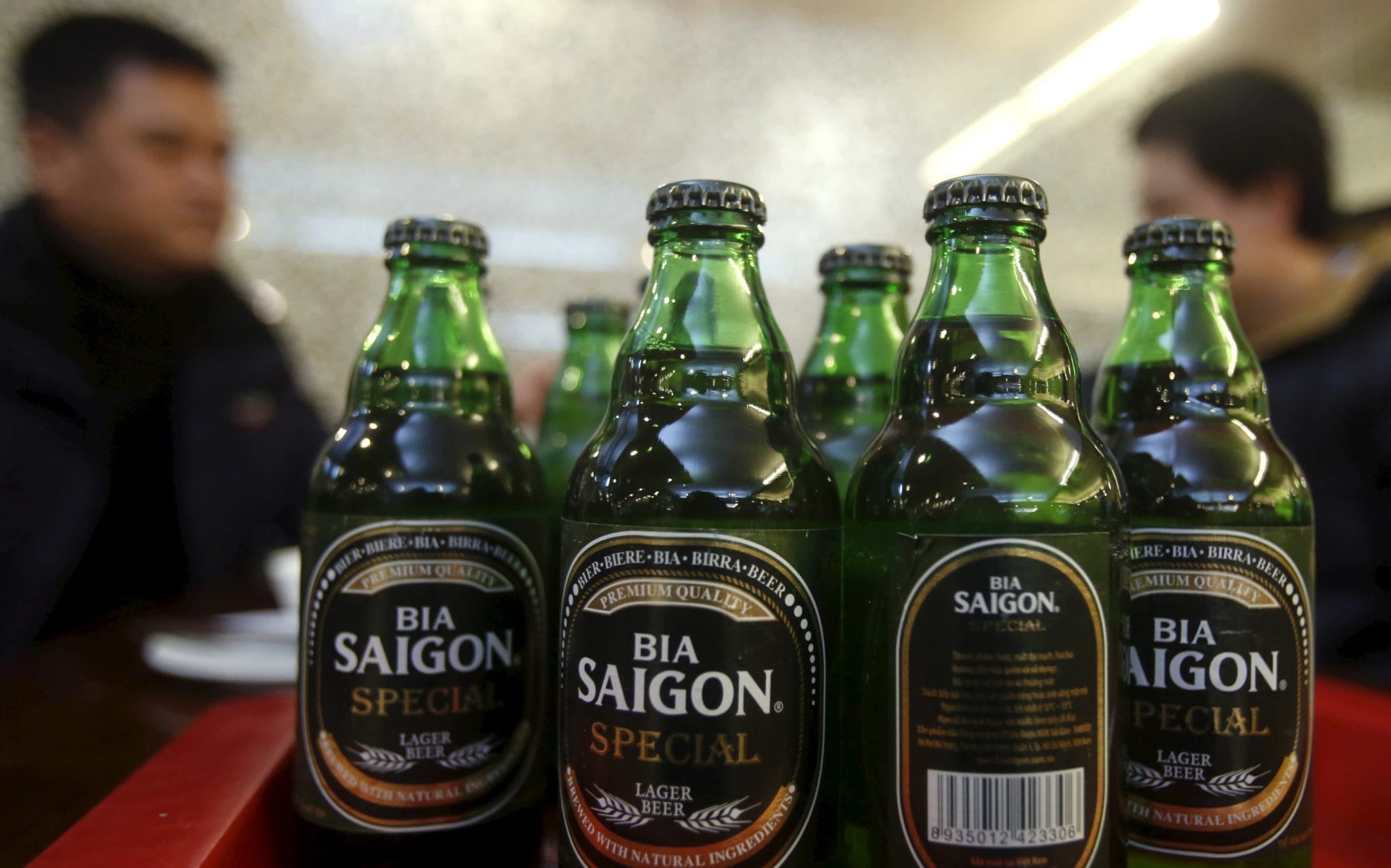
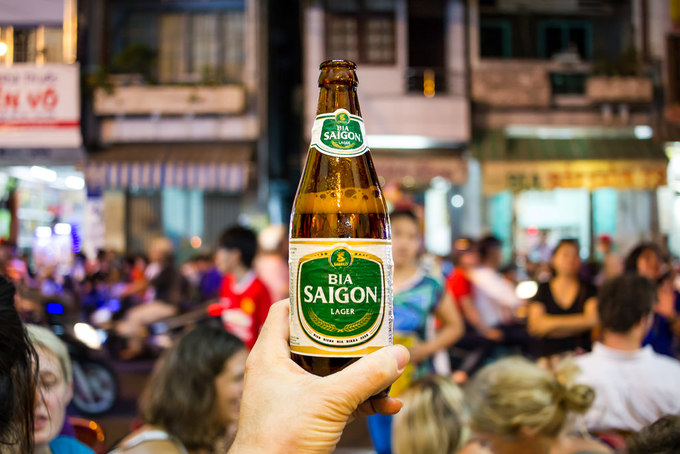
    Thai Beverage PCL (ThaiBev) is currently the dominant shareholder in Sabeco, which sells popular beer brands kike Saigon Beer and 333.

  • Foreign investors snap up prime office space in downtown Saigon

    Foreign investors snap up prime office space in downtown Saigon

    Foreign investors currently own majority stakes in about 50 percent of high-end office buildings in downtown Saigon.

    A newly-released Savills Vietnam report said investors from Singapore, Hong Kong, Japan, South Korea, Germany and Slovakia own stakes in nine Grade A office complexes in prime Saigon locations. Asian investors hold a bigger market share than that of European companies.

    Given the scarce supply of Grade A office space in the nation’s commercial hub, current occupancy rates in this segment are above 95 percent, and monthly rents have reached their highest in nearly half a decade at $50-70 per square meter.

    This has spawned many M&A deals in this property segment. Notable among these is the purchase of a 24 percent stake in Sun Wah Tower by Japan’s Nomura Real Estate Company earlier this year. The tower is located on the Nguyen Hue walking street in District 1.

    With demand remaining high, many new real estate companies have entered the market.

    Alpha King, a Hong Kong based real estate company, announced its plan to construct a 35 storied Grade A office building on Tran Hung Dao Street in District 1, close to the Ben Thanh Market. Work on this building is expected to completed by 2020.

    Slovakian investors plan to build the Friendship Tower on Le Duan Street, also in District 1. Construction of the 21-story building began this May and is expected to finish by 2020.

    When complete, both Alpha King and Friendship Tower will respectively contribute 72,000 and 19,000 square meters of Grade A office space.

    Su Ngoc Khuong, investment director at Savills Vietnam, said there are many foreign investors in Group A projects because they are cash-rich while such projects require big investment capital.

    The limited amount land available in prime Saigon locations has also led to great interest among foreign investors looking to make profits from renting space to both foreign and local companies.

    Explaining why international corporations are boldly investing in grade A office buildings in Saigon in recent years and are likely to do so in the years to come, Khuong said that global economic integration will continue to increase demand for office space in the city, thus creating a sustainable and profitable cash flow for Group A office leasing projects.

  • East Saigon running out of apartments for sale to foreigners

    East Saigon running out of apartments for sale to foreigners

    An ownership cap is preventing foreigners from buying high-end apartments in Saigon, especially its eastern part.

    Thien’s apartment was in a prime area with a view of the Saigon River in Ho Chi Minh City’s Thao Dien Ward, District 2.

    He could have sold it for VND5.5 billion ($236,000) to a foreign buyer, but had to sell to a local investor for VND5 billion ($215,000) because the 30 percent cap of foreign ownership had already been reached.

    Like Thien, Luong bought a high-end apartment on Ha Noi Highway, District 2, in 2017, and sold it to a foreigner early 2018. It was after the contract was signed that he learnt that the foreign ownership cap had been reached. It took him another month to find a Vietnamese buyer for lower profits.

    The amended Housing Law 2014 expanded foreigners’ rights to buy housing in Vietnam but stipulates a foreign ownership cap of 30 percent in each project.

    Savills Vietnam director Matthew Powell said that many apartment projects in HCMC have reached the 30 percent foreign ownership limit since last year, especially in expat dense areas.

    Song Hai, an experienced real estate broker, said many foreigners find property in the east of the city, like District 2, especially in Thao Dien ward, more attractive as it has been an expatriate haunt for some time.

    Earlier, in the third quarter of 2017, a property project located in a prime location in District 1, accessible via the Thu Thiem Tunnel, was so attractive to a group of individual Korean investors that they were willing to take 50-year leases if they could not buy apartments outright as a result of the foreign ownership limit.

    Nguyen Xuan Quang, Chairman of Nam Long Investment Joint Stock Company, said the participation of such individual foreign investors was a positive sign for the market at a time when apartment sales were slowing.

    “Foreign investors might see good market prospects here as returns from property in the city could be better compared to other countries,” he said.

    Nguyen Loc Hanh, deputy general director of sales and marketing at Danh Khoi Real Estate Joint Stock Company (DKR), said quite a few apartment projects in the eastern part of the city have reached the 30 percent foreign ownership limit, especially high-end projects with fewer than 500 apartments typically preferred by foreigners.

    Luxury apartments in the city are still much cheaper than in Hong Kong or Singapore, Hanh noted.

    Alan Kan, committee member of the Hong Kong Business Association Vietnam (HKBAV), said that Hong Kong property prices have risen to unaffordable levels, and so many people there are looking to investing in cheaper places like Vietnam and Thailand.

    According to data from Hong Kong-based Golden Emperor, gross rental yields are between 4.5 percent and 5 percent in Bangkok and much lower in Singapore, Kuala Lumpur and Hong Kong, and cannot compare with the yields of 6-8 percent in Vietnam.

    Powell of Savills Vietnam added that conditions and legal procedures related to foreign ownership have been eased but should be improved further to attract more investors.

    He agreed it was important to have ownership limits to ensure proper oversight and avoid negative impacts on the economy, but Vietnam could consider relaxing the regulations in certain areas to meet demand, especially in the luxury segment, he added.

    According to property consulting firm Jones Lang LaSalle (JLL), Malaysia has a relaxed realty policy that encourages foreigners to buy various kinds of properties.

    Thailand now allows foreigners to buy only 49 percent of a housing project, down from 100 percent earlier.

    Indonesia only allows foreign individuals to hold a right of use title for 30 years extendable for another 20.

  • Rentals rise in downtown Saigon as supply stagnates

    Rentals rise in downtown Saigon as supply stagnates

    Office rentals in downtown Ho Chi Minh City have been rising steadily over the last three months, a new report says.

    Grade A office rent has seen a 7 percent increase in the second quarter over the first quarter and 17 percent increase over the same period last year, the report said.

    A similar increase, of 7.3 percent over last year, has also been seen in Grade B office rentals.

    The report attributes the rice in prices to high demand and limited supply.

    In the last one year, office vacancies in new buildings have been rapidly filled, with vacancy rates for both Grade A and B offices at below 5 percent, the report says.

    In the second quarter of 2018, the HCMC market has not received new office space supply. Total Grade A office supply remained unchanged at 382,763 square meters, while Grade B office space rose slightly by 968 square meters to 814,330 square meters.

    Dang Phuong Hang, managing director of CBRE Vietnam, predicted that Grade A office rents would continue to increase through 2019 or early 2020, with supply remaining limited. Office vacancies will become increasingly scarce, she said.

  • Shrinking profit for Sabeco’s Vietnam

    Shrinking profit for Sabeco’s Vietnam

    Saigon Beer, Alcohol and Beverage Corporation (Sabeco) has released its consolidated financial statement for the first quarter of this year. Accordingly, Sabeco reported an increase in revenue but a decrease in profit.

    Notably, its consolidated net revenue was VND7.81 trillion ($343.1 million), up 4.6 per cent on-year, after-tax profit decreased by 2.7 per cent to VND1.16 trillion ($50.96 million).

    Besides, as of March 31, the firm’s asset value reached VND20.76 trillion ($912.09 million), down 6 per cent against the beginning of the year.

    Meanwhile sales expense decreased by 13 per cent to VND594 billion ($26.18 million) due to decreases in expenditure for administrative and marketing programmes.

    Along with the decline in profit, Sabeco’s share plunged after hitting the record VND334,500 ($14.69) in late November 2017. Notably, on May 4, Sabeco’s shares were at VND219,000 ($9.62).

    Previously, the April 23 extraordinary general shareholders’ meeting voted to add three new foreign members to the management board, including one from Thai Beverage Public Co., Ltd.

    The first is Koh Poh Tiong, chairman of Thai Beverage-owned Beer Group, which owns a 49 per cent stake in Vietnam Beverage.

    This year, Sabeco estimated earnings of VND35.98 trillion ($1.58 billion) in revenue and VND4.8 trillion ($210.86 million) in after-tax profit, signifying increases of 4.4 and 2.2 per cent, respectively.

    The others are Malcolm Tan Tiang Hing, CEO of Shanghai-based alcoholic beverages distributor Dxcel International, and Sunyaluck Chaikajornawat from Thai law firm Weerawong Chinnavat & Partners Ltd. They were elected as independent members.

    Speaking at the meeting, Koh Poh Tiong stated that the new members will co-operate with the existing members to help Sabeco maintain its leading position in Vietnam. Besides, the new members will try to take the Sabeco and 333 Beer brands abroad. Singapore will be the first destination and the next stop Thailand, before other countries.

    It will take massive funds to realise the above promise, which seems even more unlikely in light of the consecutive decreases in Sabeco’s profit.

  • More street food zones in the making for downtown Saigon

    More street food zones in the making for downtown Saigon

    People with a literal taste for the outdoors will be pleased to know that more street food zones are expected to open in downtown Saigon following the success of the first two areas and the need to keep the city’s sidewalks in order.

    Seven out of ten wards in District 1 want to set up street food zones, Tran The Thuan, the district chairman, said at a meeting Tuesday.

    The new zones will include two on Nguyen Thai Hoc Street and one on Phan Van Truong Street.

    Before the new zones are opened, District 1 will offer food safety training for vendors as it did at the first and second zones, which are located on Nguyen Van Chiem Street near Notre-Dame Cathedral and in Bach Tung Diep Park near Reunification Palace.

    The first two zones are open from 6 a.m. to 9 a.m. and from 11 a.m. to 2 p.m.. The district administration has said it is looking at plans to extend the opening times for the new zones.

    Vendors in the new zones will be selected from those who have been barred from selling their wares on the sidewalks in recent months in the same way as the first two zones, where vendors say they have finally found peace after years of playing cat and mouse with officers.

    District 1 has been making efforts to clean up its sidewalks since February.

    Led by the district’s vice chairman Doan Ngoc Hai, aka Captain Sidewalk, the campaign has taken a zero-tolerance approach to cars, bikes, vendors and structures that invade the sidewalks and rob pedestrians of their space.

    It has been widely applauded by locals, but has also raised concerns for being too extreme.

    Hai has been told by city leaders to tread carefully around diplomatic cars, and has also received death threats that warranted police protection.

    City leaders eventually stepped in to set up a new task force that will only react when complaints are made, essentially undercutting Captain Sidewalk’s authority.

    The move was welcomed by street vendors who have been left devastated, with many seen crying and yelling when police or soldiers seize their food stands.

  • Saigon Co.op to launch retail startup TV reality show

    Saigon Co.op to launch retail startup TV reality show

    Vietnam grocery retailer Saigon Co.op has launched a TV reality show on retail startups.

    The show called “One Billion Start up With Saigon Co.op’’ aims to find and train the next generation of successful entrepreneurs. It will kick off on October 15 and run until December 31 this year.

    Broadcasted weekly on HTV9, the show expects to attract around 5000 candidates with three finalists standing a chance to receive the Grand Prize of VND1 billion (US$44,000), and become the owner of a Co.op Smile modern grocery store.

    A typical Co.op Smile store has flexible operational space suitable with urban and suburban residence and stocks 750 – 1300 products across various categories.

    Saigon Co.op aims to work with the Ho Chi Minh City government to drive entrepreneurship and make the city the birthplace for start-ups.

    Qualified challengers will compete against one another in a “common house” on specific knowledge, creativity and situation management, which are crucial factors for a successful start-up.

    “With the growing start-up trend, we are looking to encourage the younger generation to participate in the challenge to gain more knowledge towards having a successful business,” said a Saigon Co.op representative.

    During the competition, Saigon Co.op will provide competitors with useful advice, including retail business models, mobile sales tips, store design and advertising and marketing concepts to drive customers into stores.

  • Saigon cab firm lodges formal complaint after losing out to Uber, Grab

    Saigon cab firm lodges formal complaint after losing out to Uber, Grab

    The plight of traditional taxis has received little sympathy from members of the public, who say they are fed up with unreliable services.

    Vietnam’s second biggest taxi firm Vinasun said it lost over 4,200 drivers in the first quarter of 2017 while more than 300 of its cabs have been left in the yard due to harsh competition from ride-hailing firms Uber and Grab.

    In a document sent to the government, Vinasun said more than 21,100  cars have been granted licenses to work for Uber and Grab in Ho Chi Minh City, not to mention over 1,800 cars from other cities and provinces.

    The figure matches data from the city’s transport department, which says the number of so-called technology taxis in the city had reached 22,000 at the end of the April, far beyond the authorities’ expectations.

    As Uber and Grab are not registered to run passenger transport services, they do not have to follow the strict regulations that traditional taxi firms do and pay less taxes, according to Vinasun.

    Due to loose management, Uber and Grab have been able to offer a string of promotions to lure customers, it claimed, calling the competition “unhealthy” and “unfair”.

    Vinasun asked the government to treat Uber and Grab like traditional taxi firms, limit the number of cars they operate and charge them corporate income tax.

    In response to Vinasun, the Ministry of Transport said the government welcomes all transport firms that use hi-tech applications to support their businesses.

    Uber and Grab are not taxi firms but transport firms that ink contracts with their passengers that are electronic instead of on paper, it said.

    Yet late last week, the ministry instructed localities to stop licensing new ride-hailing services in a bid to control app-based taxis.

    With the number of technology taxis threatening to spiral out of control, Nguyen Hong Truong, deputy transport minister, said his ministry will tighten management of ride-hailing firms.

    U.S.-based Uber and Malaysia-based Grab entered Vietnam in 2014. Since then, collecting tax from the two firms has proved a headache for local authorities.

    As currently regulated, Uber has to pay 3 percent VAT while Grab has to pay 5 percent. Traditional taxi firms have to pay 10 percent VAT and 20 percent corporate income tax.

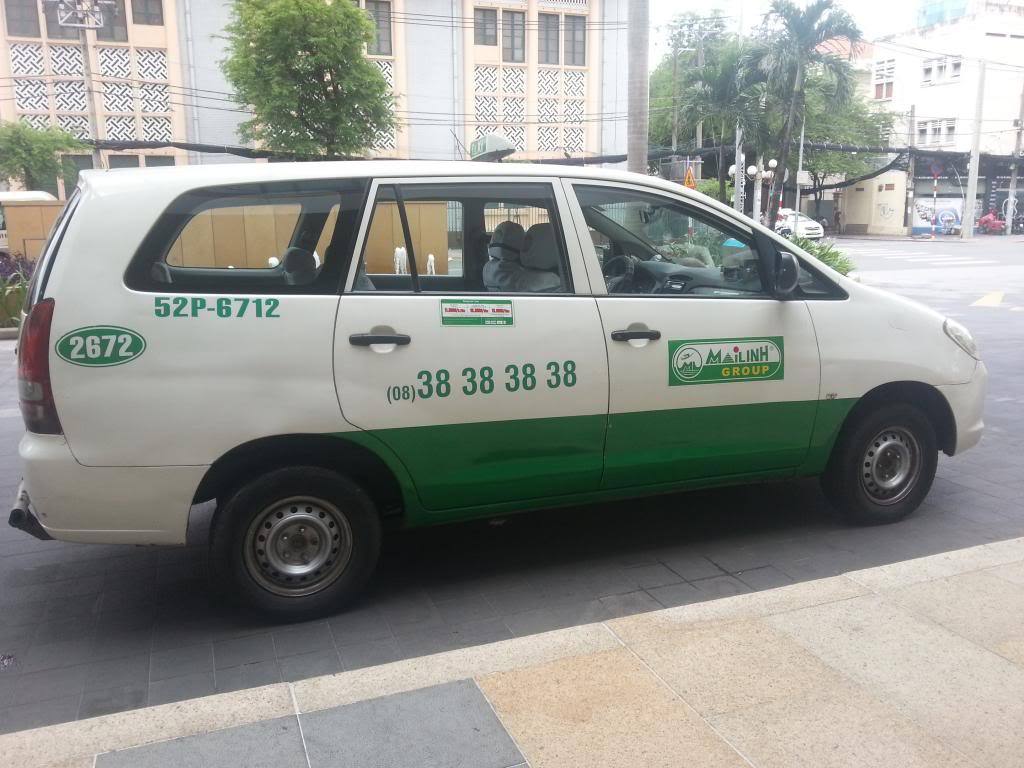
    In April, Mai Linh, another major taxi firm in Vietnam, also complained that they were losing business to Uber and Grab.

    Mai Linh said its net profit plunged nearly 70 percent last year to VND43 billion

    Ho Huy, chairman of the company, said Uber and Grab were the main reasons 2016 was such a difficult year for Mai Linh and other traditional taxi firms.

    But so far, the plight of traditional taxis has received little sympathy from the public. Many people are fed up with poor and unreliable services provided by traditional taxi firms, such as drivers refusing to take short trips or failing to show up for a booking, while ride-hailing firms are clean and their fares are transparent.

  • Vital signs look weak for private hospitals in Saigon

    Vital signs look weak for private hospitals in Saigon

    Some are being forced to offload their assets and close with the weight of massive loans bearing down on them. Major private hospitals in Ho Chi Minh City are struggling to turn a profit despite making massive investments in infrastructure and equipment. Some of them have even called it quits or have sold out to other investors.

    By the time International General Phuc An Khang Hospital in District 2 wrote to health authorities in April to inform them it would be closing after just two years, it had had already racked up accumulated losses of VND60 billion ($2.64 million).

    With 500 beds meeting international standards, Phuc An Khang hospital used to make VND3 billion per month in revenue.

    But that sum was only enough to cover staff salaries, and the hospital had to use its own capital for other expenses such as medicine, director Mai Tien Dung told in an earlier interview.

    “The pressure from the loan we took out in the first place to build the hospital is probably the main reason for our downfall,” he said.

    It’s a similar story for Phu Tho General Hospital in Tan Phu District.The hospital’s investor plans to sell equipment worth VND200 billion and other assets to pay outstanding salaries to staff.

    This hospital closed its doors after its investor failed to pay interest on a total loan of VND120 billion to 30 lenders.

    After the investor jumped ship, the lenders seized the hospital’s equipment and turned it into a parking lot.

    Fallen star

    Once regarded as a bright light in the country’s high-end medical sector, Vu Anh International General Hospital in Go Vap District is now looking for partners to save its business.

    Doctor Vo Xuan Son, director of Exson International Clinic in District 10, said that a number of factors are making it difficult for private hospitals, including unfair policies between public and private facilities.

    “Revenue at private hospitals is fairly stable, but their profits are always low because, unlike public hospitals, they have to bear expenses for hiring premises, equipment depreciation and corporate income tax,” Son said.

    Management is another headache for private hospitals as most directors are doctors with no business experience, he added.

    More than 170 private hospitals with 45,000 beds are operating in Vietnam, according to data from the Vietnam Private Hospital Association, and the country has been calling for more private investments in public hospitals to improve service quality in the public sector.

    Total expenditure for healthcare service in Vietnam makes up 5.8 percent of the country’s economy, the highest in the region, said the Vietnam 2035 report released last year by the World Bank and Ministry of Planning and Investment.

  • The KAfe, Coffee Inn died young, but milk-tea chains thriving

    The KAfe, Coffee Inn died young, but milk-tea chains thriving

    The KAfe, Coffee Inn and Saigon Café recently shut down, following the closure of big foreign chains Gloria Jean’s and NYDC in recent months.

    Discouraged by the departure of such chains, many investors have postponed their plans to open new shops.

    Meanwhile, more and more milk tea chains have been established, especially in the north and in Hanoi. This has been a surprise to analysts, as the north is a conservative market where people prefer coffee to sweet drinks like milk tea.

    It is estimated that 170 milk tea brands have appeared in the market so far this year, both privately branded and franchised ones.

    Unlike the ‘milk tea waves’ in previous years, this year witnesses the mushrooming of  milk tea shops in non-Hanoi provinces, especially in Bac Ninh, Hai Phong, Quang Ninh and Phu Tho.

    In Bac Ninh alone, 30 milk tea brands turned up in the market in March and April with hundreds of shops, both small kiosks to larger shops (15-20 tables).

    Ding Tea is the best known brand with 100 sale points, followed by Toco Toco with 50 shops. Other brands have been present in the market for a long time, such as Chatime, ChaGo and ChaChaGo.

    Other milk tea chains, franchised ones, such as Bobapop, Citea Fund and Blackball, have been expanding rapidly in the capital city. GongCha and TraTien Huong originated from HCMC, and have also landed in Hanoi.

    Amy Truong, the owner of Toco Toco, said milk tea is suitable to different groups of consumers, from youth to office workers.

    Two brands, which have just appeared, have been developing at a fast pace – Goky and Mr.Good Tea. Goky has more than 100 shops after five months of operation, while it plans to open six more shops in May.

    Meanwhile, Mr. Good Tea has more than 20 sale points after half a year of making its debut, not only in Hanoi, but in many other northern provinces.

    Analysts said there were two reasons that had made milk tea become the favorite investment field.

    First, investors don’t have to spend too much money on shop decoration, setup, staff and formula. Second, milk tea is said to bring big profits. Sources said VND2,000 worth of tea powder is used in a glass of milk tea priced at VND20,000.

    “It seems that it is now easiest to sell milk tea,” the CEO of a beverage chain said. However, he warned that those who want to jump into the market will have to compete with dozens of existing brands.

  • Saigon cab firm takes on Uber with unexpected weapon: grapefruit

    Saigon cab firm takes on Uber with unexpected weapon: grapefruit

    With Uber and other app-based car-hailing services becoming increasingly popular in Vietnam, one local taxi firm has decided to improvise in order to give its drivers a competitive edge.

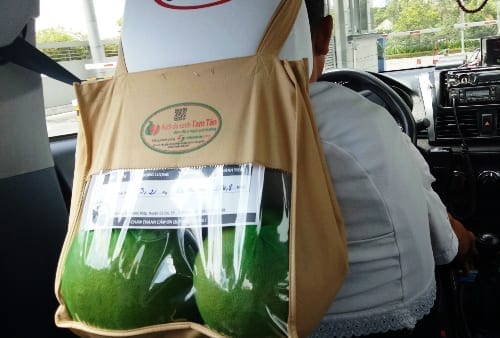
    Vinasun, the country’s second biggest taxi firm, has found a way to boost its drivers’ incomes by turning 800 cabs in Ho Chi Minh City into mobile grapefruit stalls.

    A kilogram of pomelo, a green-skin grapefruit, sells for VND64,000 ($2.81)

    “Drivers receive a bonus for selling large quantities of fruit,” a driver said.

    The taxi operator typically keeps 80 percent of the revenue from its grapefruit business and awards the remaining 20 percent to the drivers, said executive officer Ta Long Hy.

    Vinasun drivers are making on average between $2 and $4 a day from selling grapefruit, he estimated, adding that the best sellers can add up to $17 to their daily incomes.

    Since ride-hailing companies like Uber and Grab appeared on the scene, traditional taxi drivers have seen their incomes rapidly plunging.

    Traditional taxi companies have been lobbying the government for a lower VAT levy to allow them to compete with cab-hailing apps. The government has, however, turned down the request saying there’s no grounding to claim traditional taxi companies have to pay higher taxes and fees than their ride-hailing competitors.

    Uber and Grab cut into at least 10 percent taxi operators’ revenue last year in Ho Chi Minh City, the local association of taxi companies estimated.

    The number of private minicabs, mostly offering transportation services via car-hailing apps, has reached 20,000 in Ho Chi Minh City, twice as many as the number of traditional taxis.

    Last year Vinasun, which has around 6,000 cabs and operates chiefly in Ho Chi Minh City, launched a counteroffensive against the ride-hailing menace: its own app.

    Passengers using Vinasun’s ride-hailing app can easily recognize their minicabs with a ‘Vcar’ logo, Vinasun’s luxury version. They will be offered the option to fix the price at the beginning of a journey rather than rely on the taxi meter, according to Vinasun.

    Vinasun Group, which has been listed on the Ho Chi Minh City Stock Exchange since 2008, made VND4.3 trillion in revenue ($189 million) last year, down 6 percent from 2015.