Retail News CRM

Tag: Saigon

  • Vietnam puts $860-million upgrade plan at Saigon airport on the runway

    Vietnam puts $860-million upgrade plan at Saigon airport on the runway

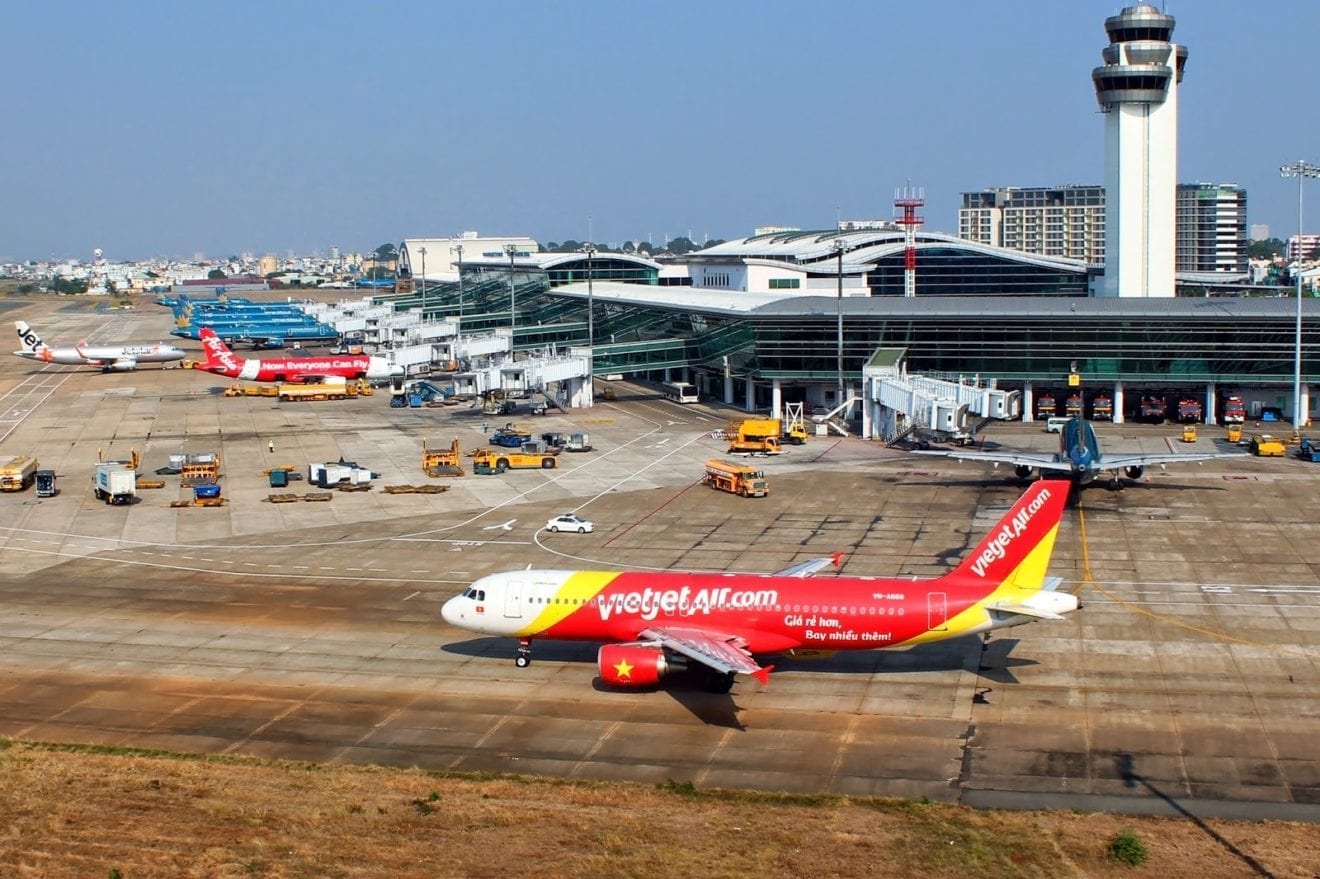
    The plan will allow Tan Son Nhat to handle 45 million passengers annually. Vietnam’s Deputy Prime Minister Trinh Dinh Dung has agreed with a proposal to invest around $860 million to upgrade the congested Tan Son Nhat International Airport in Ho Chi Minh City.

    In the fifth meeting to discuss the airport upgrade on Friday, Dung asked the Ministry of Transport and other relevant ministries to submit a complete report on the proposal to Prime Minister Nguyen Xuan Phuc for consideration by February 25.

    Under the proposal, two more terminals, capable of handling 10 million passengers each per year, will be constructed to the south of the airport. The new terminals, along with other proposed infrastructure projects, would need total investment of VND19.7 trillion ($860.6 million) and would take three years to complete.

    When complete, the new Tan Son Nhat would be able to handle 43 million-45 million passengers annually, up from its overloaded capacity of 28 million in 2016.

    According to state-owned consultancy firm Airport Design and Construction Consultancy One Member Limited Liability Company (ADCC), the proposed upgrade project will use land currently owned by the airforce, which will help reduce site clearance costs and time.

    Vietnam’s airline market is growing at the third fastest pace in Asia-Pacific, and the country is grappling with an acute dearth of airport capacity.

    Tan Son Nhat is the country’s main airport and is designed to handle 25 million passengers by 2020. But due to a surge in passengers, it was mobbed by 28 million passengers last year.

    Meanwhile, Vietnam Airlines, Jetstar Pacific, VietJet and the newly founded Vietstar are planning to expand their fleets in the next four years.

    The country is working on a design for a massive airport in Dong Nai Province to share some of the heavy load on Tan Son Nhat, but construction could take years.

  • Saigon-Hanoi ranks 7th among world’s busiest air routes

    Saigon-Hanoi ranks 7th among world’s busiest air routes

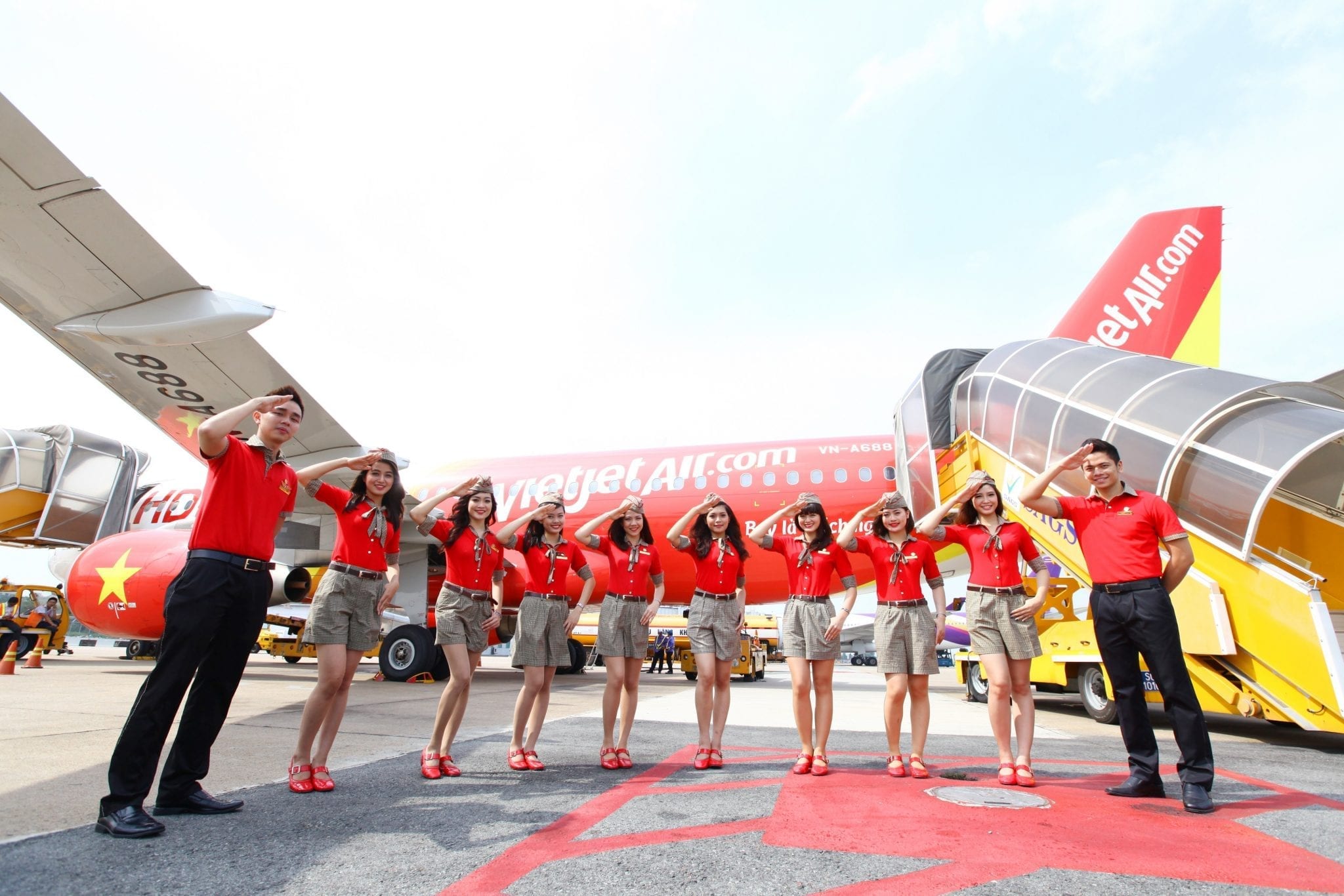
    The country’s aviation market is growing at the third fastest pace in Asia-Pacific as air travel has become more affordable. About 4.1 million passengers are estimated to fly from Ho Chi Minh City to Hanoi this year, putting the route among the world’s most busiest, according to the U.K.-based air travel company OAG.

    Latest data from the company showed that the northbound route came in at the seventh place in the list of global busiest air routes, up five spots from a year ago.

    The route accounts for about 35 percent of the country’s air traffic, with up to 700 daily flights carrying passengers.

    Huge numbers of passengers traveling between the two largest cities have also strained Tan Son Nhat airport in Ho Chi Minh City.

    Lai Xuan Thanh, director of the Civil Aviation Administration of Vietnam, said that there were times dozens of flights had to fly around, waiting for 15-60 minutes before they could land.

    The airport is expected to handle 31 million passengers this year, far beyond its maximum capacity of 25 million.

    Thanh said that the situation is likely to worsen in the next four years as domestic carriers plan to expand to meet the local travel boom.

    National flag carrier Vietnam Airlines, low-cost Jetstar Pacific and VietJet Air, and newly-founded Vietstar had raised the total number of airplanes to 141 by the end of the third quarter, up 50 percent against five years ago.

    They are planning to expand their fleets to a combined 263 aircraft by 2020. Vietstar has not been licensed to fly.

    To handle the problem of overcrowded airports, authorities are considering increasing the number of night flights and putting a cap on the number of new planes local airlines can buy.

    Vietnam’s aviation market is growing at the third fastest pace in the Asia-Pacific region, according to the aviation administration.

    It is estimated that the number of passengers, including international ones, in 2016 will jump by 29 percent to hit about 52.2 million.

  • Saigon underground mall planned

    Saigon underground mall planned

    Ho Chi Minh City can expect its first underground shopping mall by 2020.

    According to local news sources, the city’s government has sought central government approval to build a four-level Saigon underground mall beneath a station in its first metro route, from Ben Thanh market to Suoi Tien theme park.

    The underground complex will include a shopping mall, walking streets, a square, and other infrastructure.

    The mall is said to cover 40 per cent of the 45,000sqm area, starting from/under Ben Thanh market, going along Le Loi St and ending at the city center’s iconic Opera House.

    The US$303 million project will be constructed jointly by Toshin Development and other consortiums, including Nikken Sekkei Civil Engineering, Osaka Chikagai, and Join.

  • Takashimaya Vietnam opens doors

    Takashimaya Vietnam opens doors

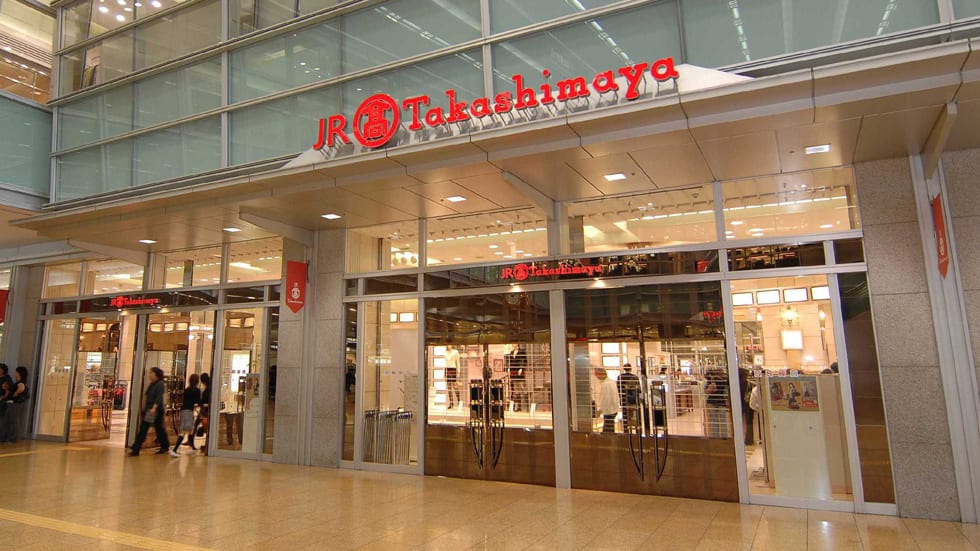
    Three years after the Japanese luxury department store chain announced plans to enter Saigon, Takashimaya Vietnam opened its doors at the weekend.

    As the anchor tenant of  downtown Ho Chi Minh City’s Saigon Center, Takashimaya takes up a whole five floors making it by far the nation’s largest department store – and likely its most expensive.

    The first impression that the department store makes is its spacious interior. Concessions to brands have been arranged to leave unusually wide aisles – ensuring the store was comfortable even on its crowded grand opening day.

    Takashimaya Vietnam - interior

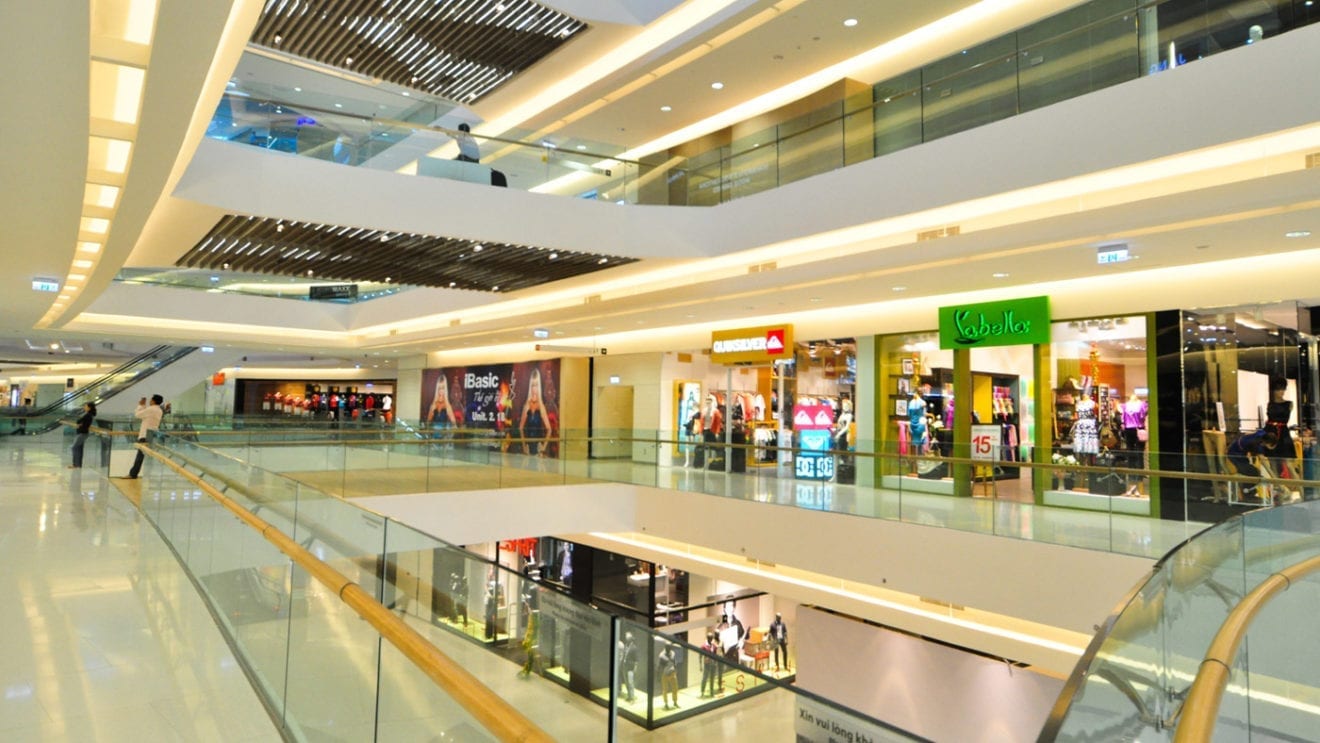
     The central atrium of the expanded Saigon Center featuring Takashimaya’s first Vietnam store.

    The first floor of Takashimaya houses the food maison, most of which is filled by Japanese F&B brands such as Minamoto Kitchoan, Gyumaru, Azabu Sabo, Yamazaki and Suizan. Some tea brands make their way into that space, including Vietnam’s own Phuc Long, Singapore’s TWG tea, and B Tea.

    Targeting the high class consumers in Saigon and Vietnam, Takashimaya has chosen carefully the brands to appear in their stores, including luxury brands coming to Vietnam the first time, complemented by the high level of customer service Takashimaya offers elsewhere in the world.

    Takashimaya Vietnam

    The second floor is exclusively for ladies with international fashion names such as Banana Republic, Bebe, Bonia, Braun Buffel; footwear from Clarks, Geox, Cole Haan; bags from Carlo Rino, Cromia; and Furla with its first flagship in Vietnam after years being distributed by Ha Vang company.

    The rest space is occupied by cosmetics brands, including Korean labels Skinfood, which marked the store’s opening with a special event ‘Makeup Style for Your Summer’.

    Takashimaya Vietnam - Skinfood

    “We offer free makeup and manicure for our customers for two days. Besides, when they buy our products, they will receive a gift set,” said Kieu Oanh, senior PR & marketing executive of Skinfood Vietnam.

    For women, the excitement continues on the next level of Takashimaya: a heaven of luxury cosmetics, jewelleries and fragrances. Christian Dior is prominently located at the front, with rival Lancome opposite. Lancome also opened its own ‘Lancome Cafe’ – a style boutique, where women can take free makeup lessons and receive gifts for the best ‘artwork’.

    Takashimaya Vietnam - Lancome

    Other brands include Bobbi Brown, Shiseido, Estee Lauder, Swarovski, and Mac.

    Takashimaya Vietnam - Yves Rocher

    The next floor features international fashion and cosmetics brands including Diane von Furstenberg, Hugo, Versace and Paul & Shark, along with restaurants and cafes. This level has a rest space with some chairs for visitors arranged around a huge grey pillar.

    Takashimaya Vietnam - Diane von Furstenberg

    Local luxury multibrand retailer Runway comes back after closing its store in Vincom Center in March. As usual, it has a large space in the center, gathering all women’s favourite brands with modern and elegant designs.

    Takashimaya Vietnam - Runway

     The new Runway store replaces the local multi-label luxury brand’s previous space at Vincom. 

    Another highlight is the ready-to-launch space of women handbags Kate Spade New York. That outlet is expected to open soon.

    Takashimaya Vietnam - Kate Spade

    Coming soon: Kate Spade.

    The last level of Takashimaya is filled with men’s fashion and casual wear and children’s clothing and toys. Tommy Hilfiger has the largest outlet here, opposite the first authentic Fred Perry store.


    With more than 180 years of experience and US$290 million investment, it is expected that Takashimaya will not only take Vietnamese shopping to a higher level but also mark a turning point for economic development and quality retail in Vietnam.

  • Saigon retail market to be put to the test

    Saigon retail market to be put to the test

    Is there too much retail space in Saigon – downtown Ho Chi Minh City – the commercial hub of Vietnam?

    With more than 1.1 million sqm of retail space, it looks like the Saigon retail market is oversupplied. The closing of Parkson Paragon in the city’s District 7  last month only amplified such concerns.

    But Cushman & Wakefield Vietnam GM Alex Crane begs to differ. He says demand is there if the retail formats are built to meet the market.

    He believes with the population of 10 million, the city is far from overloaded with retailers. The main problem lies in the wrong location or design – and incorrect retail segments.

    “I think the real test will show in the opening of shopping malls in the city center. Let’s just wait,” Crane said.

    The malls he may well be referring to are the upmarket Japanese department store Takashimaya-anchored Saigon Center 2 under completion now in District 1 and The One opposite Ben Thanh market when will be connected to the underground rail network currently at easing stage prior to construction.

    When these malls are operating, it will be easier to evaluate the real positioning of the retailers and the real demand of the market, says Crane, who is optimistic that it is not about the balance of population and retail space, but the practical demand.

    To Sigrid Zialcita, MD of Research Department, the key for shopping malls is to have suitable retailers (for market demand) and logical space designs – as well as market-savvy managers.

    “Joining WTO and TPP is turning Vietnam into a rising star in the retail market,” added Zialcita.

    HCMC’s demand for F&B, household supplies and fast moving consumer goods remains high based on the young population. But retailers entering the market need to conduct careful research to ensure their positioning strategies meet the market.

    While the retail market requires constant change and adjustment to customer demands, globally there is a continuing trend towards ‘one stop shopping’. Vietnamese are increasingly looking to go to places where they can eat, entertain and shop in a modern, air conditioned mall.

    According to data from AT Kearney, Vietnam has been one of the top 30 rising retail markets for foreign investors since 2008. Retail and consumer merchandising revenue has increased considerably between 2011 and 2015.

  • Hotel complex to include Republic Plaza Saigon

    Hotel complex to include Republic Plaza Saigon

    A retail mall, Republic Plaza Saigon, will be part of a Ho Chi Minh City complex being developed byThuy Duong-Duc Binh Trading.

    Anchoring the project is a 350-room Holiday Inn & Suites hotel – the first of that brand in Vietnam.Holiday Inn is part of the InterContinental Hotels Group (IHG), which already has six properties in Vietnam including the award-winning InterContinental Asiana Saigon, InterContinental Danang Sun Peninsula Resort and Crowne Plaza West Hanoi.

    Another partner in the new project is low-cost carrier VietJet Air, along with HD Bank.

    Scheduled to open in 2018, the complex is close to Tan Son Nhat International Airport and major industrial park areas such as Binh Duong, Dai Nong and Saigon Hi Tech Park. It will be connected to the city via the upcoming metro system.

    There will also be apartments in the development, and the hotel will feature an all-day restaurant, cafe and pool bar. It will also have eight meeting rooms and a business centre.

    In the next three to five years, IHG plans to double its presence with another six hotels in Vietnam.

  • Singapore’s Wilmar invests $13mn to leverage Vietnam’s leading sauce brand

    Singapore’s Wilmar invests $13mn to leverage Vietnam’s leading sauce brand

    Wilmar International has teamed up with leading local retailer Saigon Co-op to form a joint venture for a multimillion-dollar sauce making plant in Vietnam, the Singaporean agribusiness group announced Tuesday.

    Wilmar International holds a 51 percent stake, worth around US$13 million, in the joint venture that will establish the Nam Duong International Foodstuff Corporation to overtake a project to build the $25.6 million sauce factory in Ho Chi Minh City.

    The new facility, to be located in the outlying district of Nha Be, will take over the current operations of an existing Saigon Co-op factory to manufacture sauces and condiments sold under the Nam Duong brand, according to Wilmar.

    The plant’s products will serve both domestic and export markets.

    Established in 1951, Nam Duong is amongst the leading brands for sauces and condiments in Vietnam, which include soy sauce, chilli sauce and tomato sauce.

    These products are also currently being sold in export markets such as the U.S., Canada and Europe and are favored by overseas and Vietnamese consumers.

    Nam Duong International Foodstuff Corporation will leverage Saigon Co-op’s strength in distribution and Wilmar’s experience in manufacturing operations as well as its research and development in food technology and also tap the agribusiness group’s global network for export sales, according to the Singaporean firm.

    “The combination of Saigon Co-op and Wilmar Group’s strengths in the Nam Duong International Foodstuff Corporation joint venture will be a milestone in the Vietnamese consumer market,” Saigon Co-op general director  Nguyen Thanh Nhan said.

    Saigon Co-op boasts the most extensive modern retailing network in Vietnam and has intimate knowledge of Vietnamese consumers’ taste and preferences, whereas Wilmar is experienced in the manufacture and distribution of food products globally, Nhan elaborated.

    The cooperation is also expected to “increase the reach of the Nam Duong brand and grow their sauces and condiments business significantly,” according to Ray Chew, country head of Wilmar’s business operations in Vietnam, Cambodia and Laos.

    Saigon Co-op is well known for its wide and varied distribution channels, including the Co.op Mart supermarket chain, Co.op Food convenience stores, Co.opXtra hypermarkets, Ben Thanh Store, the Co.op Store chain, and the SC VivoCity complex.

    In 2015, Saigon Co-op was conferred Vietnam’s Leading Retailer Award and was listed among the “Top 200 leading retailers in the Asia Pacific” by Retail Asia Publishing and market research group Euromonitor.

    Wilmar International, founded in 1991 and currently Asia’s leading agribusiness group, is ranked among the largest listed companies by market capitalization on the Singapore Exchange.

    Its business activities include palm oil cultivation, oilseed crushing, edible oils refinement, sugar milling and refining, specialty fats, oleochemical, biodiesel and fertilizer manufacturing, and grain processing.

  • VivoCity Saigon opens doors

    VivoCity Saigon opens doors

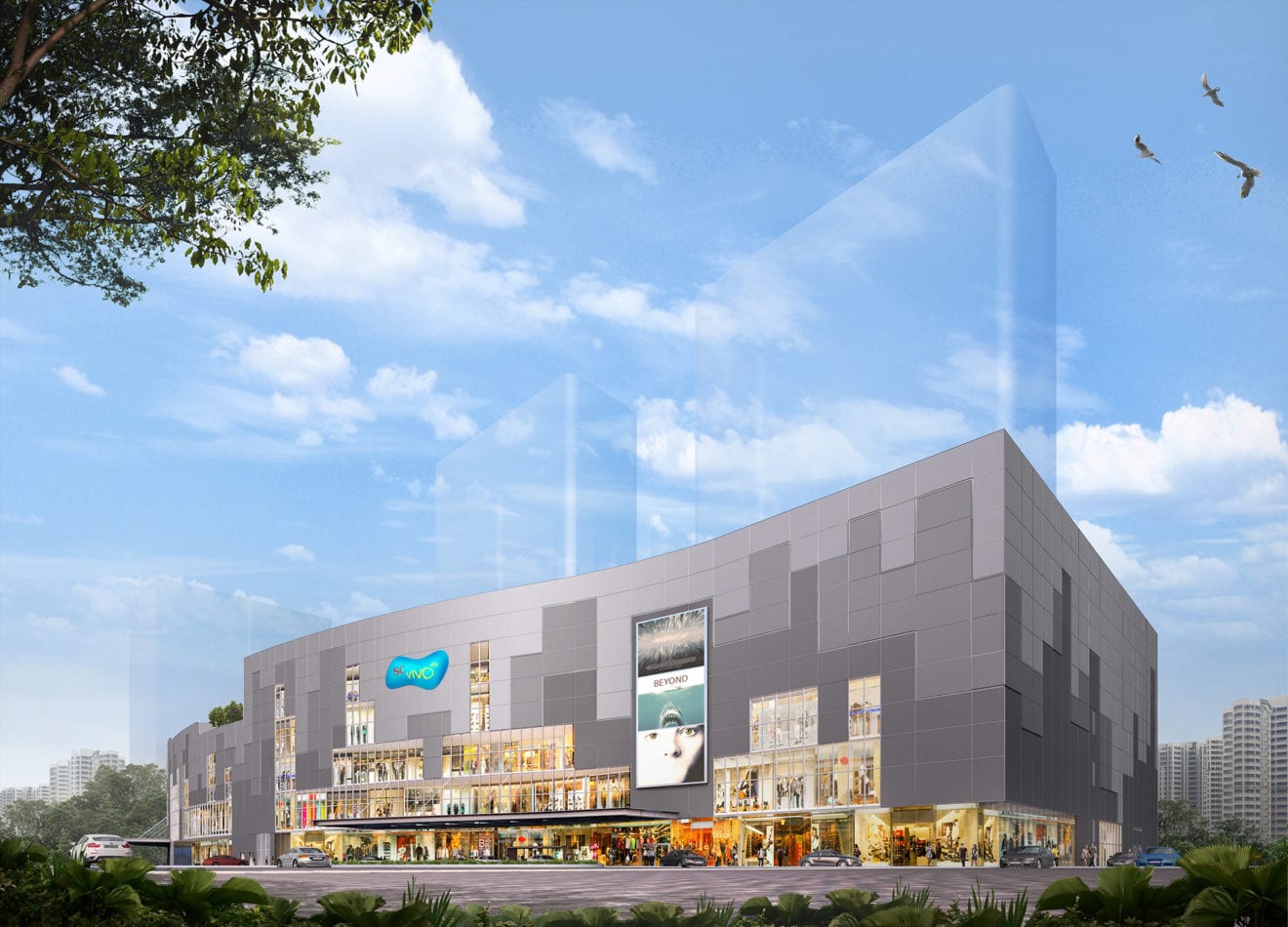
    VivoCity Saigon opened its door Sunday (April 19) making it the second international shopping mall brand to enter Vietnam, behind Japan’s Aeon.

    SC VivoCity is a joint venture between Singapore-based Mapletree Investments and local supermarket operator Saigon Co-op. Mapletree will manage the centre, its fifth internationally to carry the brand; the other three are in China.

    The centre is located on Nguyen Van Linh Boulevard in Ho Chi Minh City’s District 7, a suburb popular with Asian expats including Koreans and Singaporeans, and a stone’s-throw from the Royal Melbourne Institute of Technology campus. It is very close to the Crescent Mall development which has struggle to attract customers since its opening more than three years ago.

    Mapletree and Saigon Co-op say SC VivoCity Saigon embraces the popular features of the Singapore VivoCity, which in 2011 was voted one of the Top 10 shopping destinations in the world.

    Vivo city Ho Chi Minh inside 415

    “With Mapletree’s expertise in developing large-scale projects and commercial complexes throughout Asia, as well as Saigon Co-op’s experience in retail and real estate investment in Vietnam, this partnership is expected to bolster commercial activities in the city, at the same time as offering consumers new services and international retail standards,” the two companies said in a statement.

    “With its modern architecture, impressive and striking design, SC VivoCity is sure to become a momentous part of the city skyline, while housing famous trademarks, offering the most popular food brands along with year-round festivals and events that will draw repeated visits from both local residents and foreign visitors.”

    With a total area of 41,000 sqm, the five-storey mall offers fashion, entertainment and lifestyle tenancies, a hypermarket, an education centre, and food and beverage outlets. Tenants include McDonald’s (the company’s third restaurant in Ho Chi Minh City), CGV cinemas (from Korea’s CJ Group) and a Harley-Davidson Black Label store.

    “SC VivoCity aims to create a vibrant, multi-experience destination which will constantly surprise visitors with its mix of unique, ever-evolving and refreshing, new-to-market retail and lifestyle brands and concepts,” the two companies said.

    SC VivoCity is the first phase development of Saigon South Place, a 4.4 ha integrated mixed-use project which will also house Grade-A office buildings and internationally operated serviced apartments.