Retail News CRM

Tag: seafood

  • Anchor’s Seafood & Beer House Launches in Tsuen Wan this December

    Anchor’s Seafood & Beer House Launches in Tsuen Wan this December

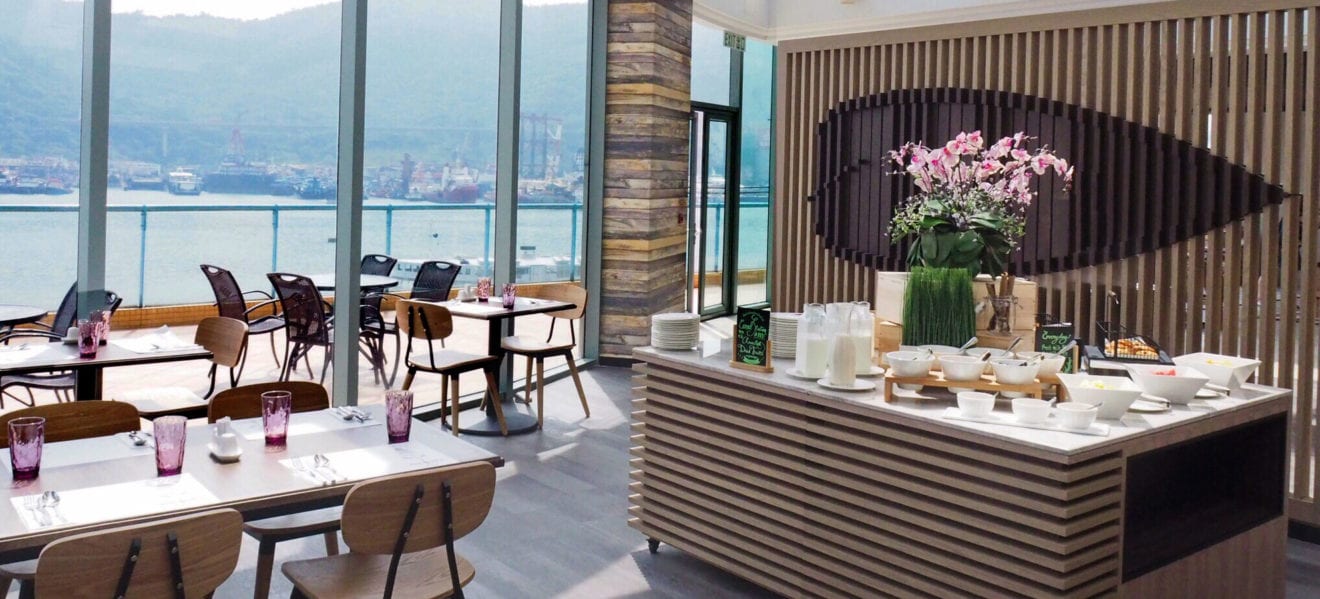
    Just in time for the winter season,  opens today on the picturesque Tsuen Wan waterfront. The 116-seat eatery features an indoor restaurant and bar area, as well as outdoor seating on a terrace overlooking the South China Sea.

    Complete with contemporary décor, a stunning sea view and a relaxed ambience, Anchor’s Seafood & Beer House is ideal for causal all-day dining, weeknight dinners, post-work drinks and weekend brunches, all set at affordable prices.

    Welcoming diners throughout the day, Anchor’s Seafood & Beer House offers daily buffet breakfast & dinner and a semi-buffet lunch, in addition to an extensive a la carte menu. A special brunch buffet menu will also be available on weekends and public holidays perfect for a mini getaway from the busy city life. The restaurant will also remain open throughout the day serving a selection of classic menu items such as sandwich, burgers, salads, pizza and specialty Asian dishes- all of which will be available for take-away.

    Diners are invited to start their mornings at Anchor’s Seafood & Beer House with a breakfast selection consisting of Western breakfast items including cereals, fresh bakery items, seasonal fruit, fresh juices, along with Hong Kong favourites such as congee and crispy buns.
    logo-color

    The semi-buffet lunch is a convenient option for those working in the Tsuen Wan area and features a selection of antipasti, classic salads and a dessert corner. Diners may also choose hot a la carte items such as Thai or Chinese noodles, wantons or pizza.

    From Monday through Saturday evenings and all-day on Sunday, the dinner buffet will feature a cold starter selection comprised of sushi, gourmet salads and a charcuterie selection. Interactive cooking stations will serve hot items including a soup counter, noodle bar, hot pot station, pizza oven, and a barbeque carving counter. A bakery corner will feature classic desserts as well as a chocolate fountain and ice-cream selection. In addition to the buffet selection, special sharing plates will be available for the whole table, including Western and Asian classics such as, roast chicken, grilled US sirloin steak, stir fried clams with spicy sauce, sweet and sour fish, deep fried grouper and tom yum gong soup served tableside on a burner.

    The restaurant also houses a Beer Bar, boasting a large selection of draft and bottled beers, along with novelty Beer Towers- ideal for casual after-work drinks and social gatherings.

    To celebrate their launch, Anchor’s Seafood & Beer House is pleased to offer diners a buy-one-get-one offer during brunch and dinner buffet purchases in the first 3 month starting from December 2015. Additionally, guests will enjoy a 15% discount per person on 24th-25thDecember, provided the reservation is made before 20th December.
  • Nestle confirms labor abuse among its Thai seafood suppliers

    Nestle confirms labor abuse among its Thai seafood suppliers

    Nestle SA, among the biggest food companies in the world, launched the investigation in December 2014, after reports from news outlets and nongovernmental organizations tied brutal and largely unregulated working conditions to their shrimp, prawns and Purina brand pet foods. Its findings echo those of The Associated Press in reports this year on slavery in the seafood industry that have resulted in the rescue of more than 2,000 fishermen.

    The laborers come from Thailand’s much poorer neighbors, Myanmar and Cambodia. Brokers illegally charge them fees to get jobs, trapping them into working on fishing vessels and at ports, mills and seafood farms in Thailand to pay back more money than they can ever earn.

    “Sometimes, the net is too heavy and workers get pulled into the water and just disappear. When someone dies, he gets thrown into the water,” one Burmese worker told the nonprofit organization Verite commissioned by Nestle.

    “I have been working on this boat for 10 years. I have no savings. I am barely surviving,” said another. “Life is very difficult here.”

    Nestle said it would post the reports online — as well as a detailed yearlong solution strategy throughout 2016 — as part of ongoing efforts to protect workers. It has promised to impose new requirements on all potential suppliers and train boat owners and captains about human rights, possibly with a demonstration vessel and rewards for altering their practices. It also plans to bring in outside auditors and assign a high-level Nestle manager to make sure change is underway.

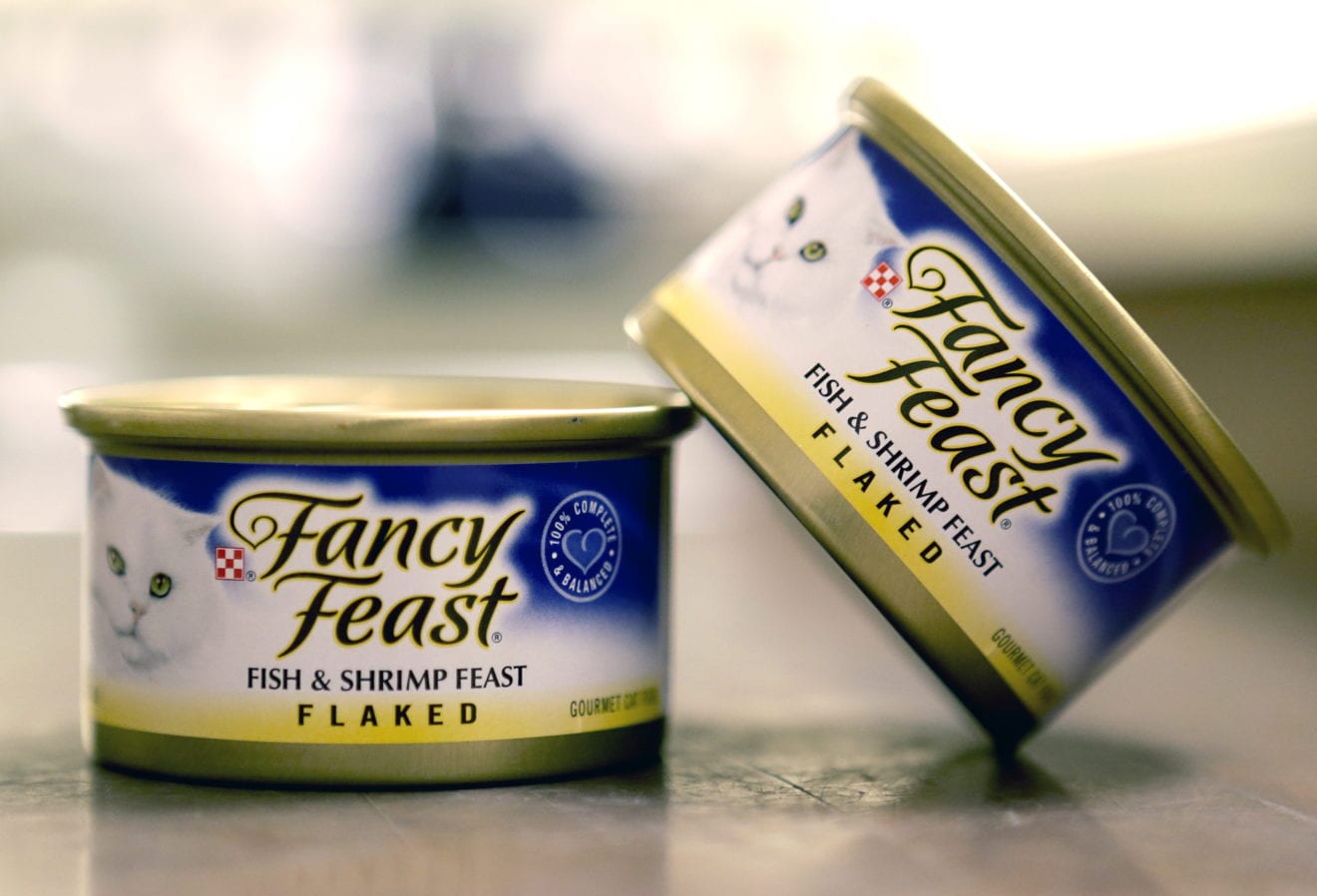
    “As we’ve said consistently, forced labor and human rights abuses have no place in our supply chain,” Magdi Batato, Nestle’s executive vice president in charge of operations, said in a written statement. “Nestle believes that by working with suppliers we can make a positive difference to the sourcing of ingredients.”Nestle is not a major purchaser of seafood in Southeast Asia but does some business in Thailand, primarily for its Purina brand Fancy Feast cat food.

    For its study, Verite interviewed more than 100 people, including about 80 workers from Myanmar and Cambodia, as well as boat owners, shrimp farm owners, site supervisors and representatives of Nestle’s suppliers. They visited fish ports and fishmeal packing plants, shrimp farms and docked fishing boats, all in Thailand.

    Boat captains and managers, along with workers, confirmed violence and danger in the Thai seafood sector, a booming industry which exports $7 billion of products a year, although managers said workers sometimes got hurt because they were drunk and fighting. Boat captains rarely checked ages of workers, and Verite found underage workers forced to fish. Workers said they labor without rest, their food and water are minimal, outside contact is cut off, and they are given fake identities to hide that they are working illegally.

    Generally, the workers studied by Verite were catching and processing fish into fishmeal fed to shrimp and prawns. But the Amherst, Massachusetts-based group said many of the problems they observed are systemic and not unique to Nestle; migrant workers throughout Thailand’s seafood sector are vulnerable to abuses as they are recruited, hired and employed, said Verite.

    Monday’s disclosure is rare. While multinational companies in industries from garments to electronics say they investigate allegations of abuse in their supply chains, they rarely share negative findings.

    “It’s unusual and exemplary,” said Mark Lagon, president of the nonprofit Freedom House, a Washington-based anti-trafficking organization. “The propensity of the PR and legal departments of companies is not to ‘fess up, not to even say they are carefully looking into a problem for fear that they will get hit with lawsuits,” he said.

    In fact, Nestle is already being sued: In August, pet food buyers filed a class-action lawsuit alleging Fancy Feast cat food was the product of slave labor associated with Thai Union Frozen Products, a major distributor. It’s one of several lawsuits filed in recent months against major U.S. retailers importing seafood from Thailand.

    Some of the litigation cites the reports from the AP, which tracked slave-caught fish to the supply chains of giant food sellers, such as Wal-Mart, Sysco and Kroger, and popular brands of canned pet food, such as Fancy Feast, Meow Mix and Iams. It can turn up as calamari at fine restaurants, as imitation crab in a sushi roll or as packages of frozen snapper relabeled with store brands that land on dinner tables. The U.S. companies have all said they strongly condemn labor abuse and are taking steps to prevent it.