Retail News CRM

Tag: seafood

  • Tiger Street Lab expands brand from beer to fashion and more

    Tiger Street Lab expands brand from beer to fashion and more

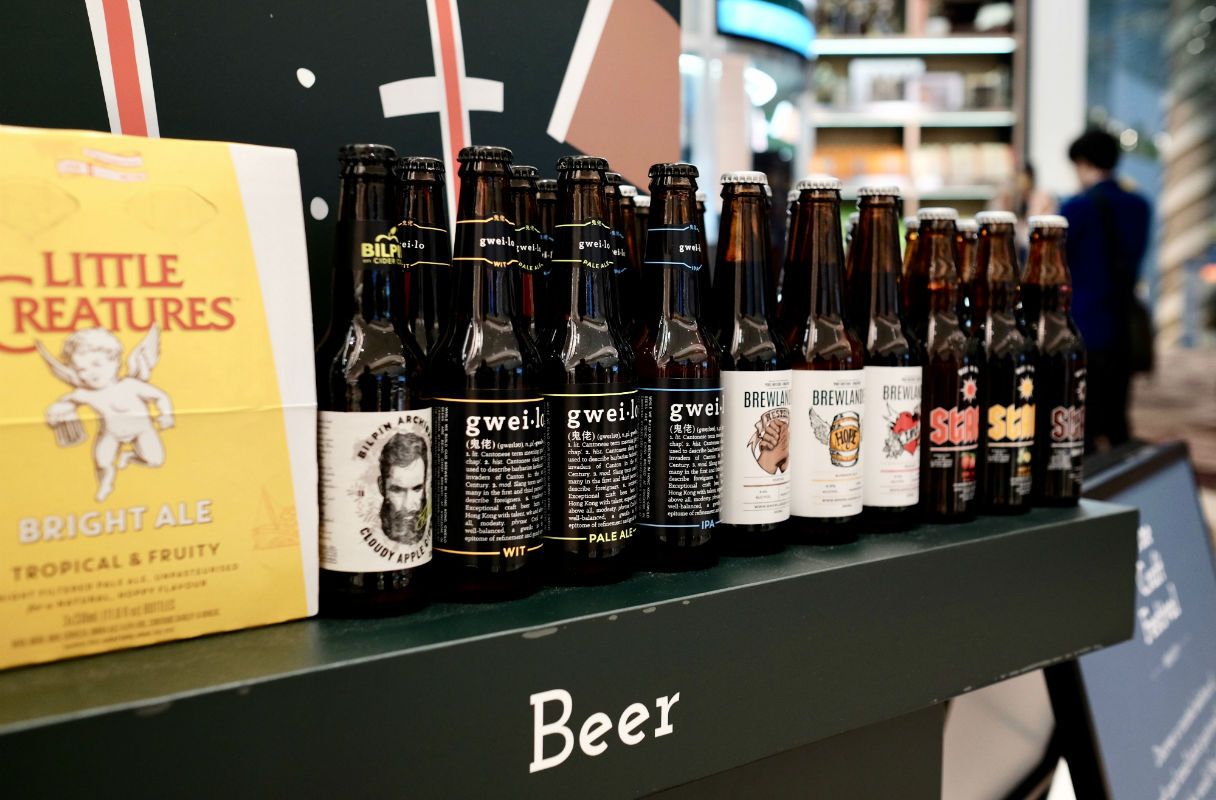
    Tiger creates experiential space. Tiger Beer has unveiled Tiger Street Lab at Singapore’s Jewel Changi – billed as the brand’s first global experiential concept store.

    Tiger Street Lab expands the brand beyond beverages into food, fashion and design, in an ‘open-air’ space overlooking the world’s tallest indoor waterfall at the heart of the new shopping centre.

    “As a brand born and brewed in Singapore, we are excited to debut the Tiger Street Lab concept at Jewel, which we believe is set to become the next Singapore icon,” said Faye Wee, marketing director at Asia Pacific Breweries Singapore.

    “Jewel will be a place where Singapore meets the world and the world will meet Singapore, and we are proud to be one of the local brands that will fly Singapore’s flag high. With Tiger Street Lab, we have created an experience that represents Singapore that locals can be proud of on an international stage, leaving it up to Singapore talents to decide what that should look like,” she said.

    The Tiger Street Lab menu was created in collaboration with local music and F&B group, Timbre and Zi Char mainstay, Keng Eng Kee (KEK) Seafood.

    In addition to the beer and food, visitors can get creative at Tiger Street Lab.

    Featuring interactive touchscreens powered by digital print innovation, customers can select a series of unconventional designs exclusive to Tiger Street Lab to personalise their own beer bottle labels. The customisation station is equipped with on-the-spot printing, enabling visitors to make their picks an instant reality.

    The overall experience will be complemented by contemporary local designs featuring the iconic tiger motif. Recruited via Tiger Beer’s Roar Collective platform, emerging local artists Cyntherea Tan, Esther Goh, Chris Chai, and creative studio Tell Your Children, created artwork to provide an inspirational ambience at the Tiger Street Lab.

    Tiger Street Lab is open daily from 9am to 3am.

  • Vietnam targets $10 bln seafood export

    Vietnam targets $10 bln seafood export

    Vietnam hopes to export $10 billion worth of seafood this year, meeting its 2020 goal a year early. The Vietnam Association of Seafood Exporters and Producers (VASEP) said at a recent conference it would include $4.2 billion worth of shrimp, $2.3 billion worth of pangasius fish and the rest from other products. Minister of Agriculture and Rural Development Nguyen Xuan Cuong said the $10 billion target is high but achievable since Vietnamese seafood is liked in international markets.

    VASEP president Ngo Van Ich said shrimp exported to the U.S. is expected to face a lower anti-dumping tariff this year.

    Vietnam’s recent accession to the Comprehensive and Progressive Agreement for Trans-Pacific Partnership would also help increase exports, he said.

    But there are also challenges.

    Truong Dinh Hoe, VASEP general secretary, said the country faces difficulties like shrinking catches and intense competition from other exporting countries.

    A major hurdle is the ‘yellow card’ restriction slapped by the European Union since 2017 for illegal fishing.

    The European Commission has said it would ban seafood imports from Vietnam unless it does more to tackle illegal fishing by Vietnamese vessels in other countries’ territories.

    After an evaluation done last May the European Commission said it would consider lifting the yellow card in 2019.

    Vietnam ranks among the top ten seafood producers in the world, according to the U.N. Food and Agriculture Organization.

    Last year its exports were worth $9 billion against a target of $9.5 billion.

  • Gourmet Investments brings Ministry Of Crab to India

    Gourmet Investments brings Ministry Of Crab to India

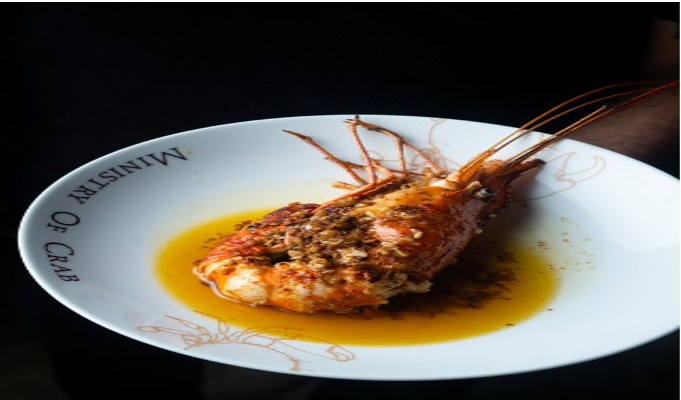
    Gourmet Investments Pvt. Ltd brings Mumbai’s most awaited launch of the year with the unveiling of Ministry Of Crab’s first-ever outlet in India. The grand launch of Sri- Lanka’s beloved restaurant is scheduled to take place at Zaveri House, Khar, Mumbai. Ministry Of Crab is the brainchild of celebrated chef and restaurateur Dharshan Munidasa in partnership with Sri Lankan cricket legends Mahela Jayawardane and Kumar Sangakkara. With its exemplary services and menu, Ministry Of Crab has safely secured its place for 3 consecutive years in the list of Asia’s 50 Best Restaurants.

    It was incepted in Sri Lanka on December 12, 2011 in the renovated 400-year-old Dutch Hospital, where it has successfully hosted the most renowned personalities from all walks of life. A haven for food lovers, Ministry Of Crab promises an unforgettable culinary experience with an array of intensely delicious recipes.

    Replicating success from the past, Ministry Of Crab becomes the newest entrant in India’s restaurant market by joining hands with GIPL. GIPL has extended unwavering support to a veteran of several landmark restaurant launches in India with the likes of PizzaExpress, Typhoon Shelter, The Bandra Project, The Runway Project, The Market Project, and The Poona Project. Through such partnerships, GIPL is committed to expanding its portfolio in food and beverage industry.

    Commenting on the partnership, Ramit Bharti Mittal, CEO of Gourmet Investments Pvt. Ltd., said, “We are thrilled to bring Ministry Of Crab to India. It is our constant endeavor to open doors for such brands that resonate with our values and we feel there couldn’t be a better choice for us than Ministry Of Crab. We see immense potential in Indian market for Ministry Of crab and through our strategic partnership, we embark on a new journey to deliver the best-in-class dining culinary experience to our customers.”

    Deepinder Batth, COO of Gourmet Investments Pvt. Ltd., says, “We envision transforming the gastronomic landscape of the country and with the launch of Ministry Of Crab, we feel we are moving towards that direction. MOC has received an exceptional response from food lovers in Sri-Lanka and Shanghai and we are excited to welcome the outlet in our country.”

    On coming to India, Chef Dharshan Munidasa says, “We are looking forward to working with Indian chefs in the country. As our delectable recipes are curated to perfection, we are sure the restaurant is slated to be an ultimate dining destination. We are happy to have partnered with Gourmet Investments, as they have shared our value system and are committed to bringing the DNA of Ministry of Crab to give our guests an authentic experience.”

  • Vietnam seafood export remains red

    Vietnam seafood export remains red

    Agifish, a major seafood company, reported a second straight year of losses in 2018 as both exports and domestic sales fell. The recently released 2018 audited financial report of one of Vietnam’s 10 largest seafood export companies puts its loss at VND178 billion ($7.66 million). The An Giang Fisheries Import Export Joint Stock Company, to give its formal name, had lost VND190 billion ($8.2 million) a year earlier.

    The company said the loss came as sales downed 43 percent to VND1.29 trillion ($55.27 million) in 2018, due to lower fish exports and domestic sales as well as lower revenues from by-products.

    The poor performance last year caused auditors to raise doubts about the company’s ability to remain a going concern, but the management rejected this, saying it would increase domestic and export sales, adjust prices and reduce costs to return to the black in 2019.

    Agifish has total assets of VND1.23 trillion ($52.92 million) and debts of VND800 billion ($34.42 million).

    The Vietnamese seafood industry faced some challenges last year such as being subject to a “yellow card” warning by the European Commission for failing to demonstrate sufficient progress in the fight against illegal, unreported and unregulated (IUU) fishing. There were also technical barriers and anti-dumping duties in several markets.

    Seafood export value rose 5.8 percent year-on-year in 2018 to reach $8.8 billion, according to the Vietnam Customs.

  • Jumbo Seafood sales boosted by Thailand, China

    Jumbo Seafood sales boosted by Thailand, China

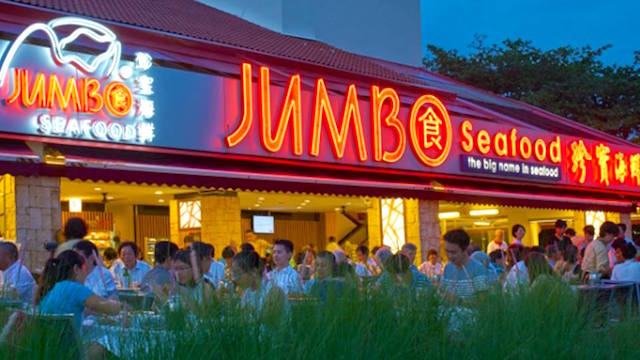
    Singapore-headquartered multi-dining concept food and beverage operator Jumbo Seafood has opened its first franchised seafood restaurant in Bangkok. The 9500sqft venue is the group’s fifth franchised location worldwide, with other outlets established in Fuzhou, Ho Chi Minh City, Taipei and Taichung. There are now 16 Jumbo seafood restaurants across Asia. The new Bangkok restaurant is operated by C J Seafood Co under a 10 year term at the IconSiam mega-development complex.

    Jumbo’s CEO and executive director Ang Kiam Meng said: “Having a presence in Bangkok allows us to bring our signature Singapore heritage cuisine to yet another Asian destination.”

    Jumbo released its unaudited end-of-year financial report at the end of September, showing an increase in revenue by 5.5 per cent compared to last year’s results. Revenue from operations in Singapore increased by SG$2.1 million (US$1.53 million) over the period, a figure dwarfed by the group’s $5.8 million ($4.2 million) increase out of Mainland China.

    Jumbo’s reported gross profit hit $96 million ($69.9 million) this financial year, up 4.4 per cent from $91.9 million ($66.9 million) in last year. Profit attributable to owners of the company, however, decreased by 23.8 per cent ($3.5 million/$2.55 million) to $11 million ($8 million) this year.

  • VN’s seafood exports to face difficulties following EC’s warning extension

    VN’s seafood exports to face difficulties following EC’s warning extension

    Truong Dinh Hoe, general secretary of the Vietnam Association of Seafood Exporters and Producers (VASEP), noted that the seafood volume sent to the European Union (EU) will drop as both exporters and importers will suffer from more time-consuming customs clearance procedures, resulting in higher costs.

    VASEP deputy general secretary Nguyen Hoai Nam pointed out that the EC will return to Vietnam next year to check whether the country has clamped down on illegal, unreported and unregulated fishing.

    Meanwhile, the country’s management of fishing and origin traceability remains inadequate. Vietnam currently has nearly 110,000 fishing boats, with 33,000 of them specializing in offshore fishing. However, only some 3,000 boats have satellite-positioning devices installed.

    Although the EC’s recommendations have been included in the 2017 fisheries law, decrees and guiding documents, law enforcement needs to be strengthened at the local level.

    Answering a question by Retail News on the possibility of a red card for Vietnam’s seafood, which would entail a complete ban on Vietnamese seafood exports, if the country fails to fix the situation as requested by the EC, Hoe said the EC is not likely to issue a red card as the local seafood sector is striving to cope with its shortcomings and comply with the EC’s recommendations.

    However, it is not easy to resolve the existing problems over the short term. Thailand, for example, has had a yellow card for several years, Hoe added.

    Nguyen Thi Trang Nhung, deputy director of the Department of Science, Technology and International Cooperation under the Directorate of Fisheries of the Ministry of Agriculture and Rural Development, said that the department will hold a press conference on the problem on July 3.

    The EC on October 23, 2017 announced a yellow card for Vietnam’s seafood exports to the EU market.

    The nine recommendations given to Vietnam to act on within the six-month period from October 23 last year to April 23, include ensuring the effective adoption of revised laws; enhancing the effective execution of international regulations and management measures; increasing the traceability of seafood products; preventing sales of products from illegal, unreported and unregulated fishing; and promoting cooperation with other countries.

  • ASEAN the next big fish for Vietnam’s seafood industry

    ASEAN the next big fish for Vietnam’s seafood industry

    Almost unnoticed, ASEAN is emerging as big market with big potential for Vietnamese seafood, industry insiders say.

    Vietnam exported $612 million worth of seafood last year to ASEAN countries, 9.2 times the $66 million in 1998.

    Local media reports have cited the Vietnam Association of Seafood Exporters and Producers (VASEP) as saying that last year, Vietnam exported seafood to all nine countries in the regional bloc.

    Of these, Thailand, the Philippines and Singapore were the largest importers. Thailand bought $248 million worth of seafood from Vietnam last year, accounting for 40 percent of total export value to ASEAN countries. Seafood export to Thailand reflected the regional intake, multiplying nine times in the last 20 years.

    Philippines, in the second place, imported seafood worth $132 million, a 2,000-fold increase over the paltry $63,000 in 1999.

    Export of sea fish to ASEAN countries reached $289 million last year, making it Vietnam’s main seafood export item to the regional bloc. Squid and octopus came in second at $71 million, more than 10 times the $7 million in 1998.

    The surge and potential of the ASEAN market notwithstanding, Vietnamese businesses have kept their main focus trained on the traditionally top markets for seafood export – the U.S., Japan, China and South Korea.

    These four countries account for 52.7 percent of total export value of Vietnamese seafood last year, according to the Ministry of Agriculture and Rural Development.

    In the first four months this year, China recorded a strong year-on-year growth of 28.8 percent in seafood imports from Vietnam. China is also the largest importer of Vietnamese pangasius fish, and potentially of shrimp in the future, a VASEP report says.

    The association has urged local businesses to look at ASEAN as the next potential market, saying establishment of ASEAN Economic Community (AEC) in 2015 has created an opportunity for Vietnam’s seafood industry with significant tax incentives.

    Moreover, ASEAN population is estimated to reach 790 million in 2050, creating a considerable demand for food. VASEP estimates that seafood consumption in the bloc will increase from 24.5 million tons in 2015 to 37 million in 2030, and per capita seafood consumption will grow from 38.4 kilograms per person a year to 51.5 kilograms in 2030.

    Vietnam exported $8.32 billion worth of seafood last year, a growth of 18 percent over 2016.

  • Saudi Arabia to temporarily suspend Vietnamese fish imports

    Saudi Arabia to temporarily suspend Vietnamese fish imports

    Saudi Food and Drug Authority (SFDA) has decided to temporarily suspend the import of fish and shrimps from Việt Nam.

    The ban, effective from March 1, is in accordance with the regulatory procedure for fish and other aquaculture export establishments of SFDA, according to a note published on the Saudi Aquaculture Society’s website.

    The decision came after a delegation of several regulators, including SFDA, Ministry of Environment, Water and Agriculture and Saudi Aquaculture Society conducted an inspection tour last month to 24 Vietnamese facilities that exported to Saudi Arabia.

    The delegation found that only nine facilities met the hygiene requirements of Saudia Arabia.

    The suspension will be in place until the facilities complied to Saudi Arabia’s requirements.

    This is one of the most serious actions by Saudi Arabia against Vietnamese exporting firms.

    The Việt Nam Sanitary and Phytosanitary Notification Authority and Enquiry Point under the Ministry of Agriculture and Rural Development on January 30 also announced the SFDA’s notice about the temporary ban.

    The notice said that Saudi Arabia was instituting the emergency measure to prevent the introduction of white sport disease and acute hepatopancreatic necrosis disease into the country.

    The Việt Nam Sanitary and Phytosanitary Notification Authority and Enquiry Point urged relevant agencies to raise appropriate measures to tackle this problem.

    SFDA has also temporarily suspended the import of aquaculture products from Bangladesh and Myanmar and farmed fish from India, according to Saudi Aquaculture Society.


  • Vietnam fish exporters aim to crack Europe

    Vietnam fish exporters aim to crack Europe

    The Vietnam Association of Seafood Exporters and Producers (VASEP) is showcasing Vietnamese seafood products at the Seafood Expo Global, which is being held in Brussels, Belgium, from Tuesday to Thursday. In a 264sq.m. booth, the association introduced Viet Nam’s seafood specialties, including tra fish (known as pangasius), shrimp, tuna and tilapia fish, as well as cattle fish, octopus and dried seafood products, all of which come from 25 Vietnamese seafood producers and exporters.

    The pavilion attracted foreign businesses, which shared experiences in trading aquatic and seafood products.

    In the context of a pangasius crisis in Spain and the Carrefour supermarket chain ceasing to sell Vietnamese pangasius, VASEP and the Ministry of Agriculture and Rural Development held a press conference at the exhibition to provide clear information about Viet Nam’s pangasius processing and exports to European partners.

    In his interview with Vietnam News Agency correspondents, VASEP general secretary Truong Dinh Hoe said the press conference aimed to create a correct information channel to deal with the communication crisis on pangasius, targeted at increasing exports of Vietnamese aquatic and seafood products to Europe.

    Alfons van Duijvenbode, a Dutch consultant, said European consumers have a bad impression of Vietnamese pangasius due to false information on social media.

    In recent years, the consumption of Vietnamese pangasius has fallen in the EU, meanwhile other fish have maintained or even increased sales volum, he said.

    He suggested the Vietnamese aquaculture industry interact more with consumers to provide them exact information about the products.

    Head of Vietnamese Trade Office in Belgium Nguyen Canh Cuong said that the office had worked with local partners such as Foreign Trade Association to provide information to Belgium businesses and consumers.

    Also at the event, Viet Nam held other trade promotion activities, including a dialogue for shrimp value chains and a programme for visitors to try Vietnamese seafood.

    Seafood Expo Global, the largest of its kind globally, drew the participation of over 1,600 exhibitors from 77 countries and territories this year.

    It is expected to attract more than 26,000 visitors and exporting and trading enterprises from 144 nations and territories.

  • Seafood exports to grow by 5%

    Seafood exports to grow by 5%

    Seafood exports are expected to increase by 5 per cent this year to around US$7.5 billion despite many possible hurdles, according to the Việt Nam Association of Seafood Producers and Exporters (Vasep).

    Speaking at a review meeting held in HCM City on Thursday, Ngô Văn Ích, Vasep chairman, said early last year many difficulties plagued exports before increased global demand enabled a recovery.

    Exports for the full year grew by 7.4 per cent to $7.05 billion, or 24 per cent of the country’s total agricultural, forestry and fisheries exports, he said.

    Shrimp and tra fish exports both rose by 7 per cent to $3.13 billion and $1.67 billion.

    The exports went to 161 countries and territories last year, with the US, EU, Japan, South Korea and China being the largest buyers.

    Trương Đình Hòe, Vasep’s general secretary, said this year the seafood sector would continue to face difficulties, including a fall in fisheries output due to the impacts of climate change.

    Import markets like the US, EU, Australia, and Japan are tightening hygiene and food safety norms for shrimp and applying regulations related to product origin, corporate social responsibility and others, he said.

    Vietnamese exporters are also expected to face fiercer competition from seafood exporters in India, Indonesia, and Thailand, and the increase in minimum wage and a labour shortage are causing difficulties to seafood processors and exporters, he said.

    “Despite difficulties, we believe seafood exports would increase by 5 per cent this year to $7.4 billion.”

    Exports to the US is expected to top $1.5 billion, an increase of 5 per cent, much less than last year’s 11 per cent growth.

    Due to political changes, the devaluation of the euro and slow market recovery in the EU, exports to the market would remain at last year’s level of $1.2 billion, he said.

    Exports to Japan would increase by around 4 per cent to more than $1 billion since the yen is appreciating, he said.

    With an increase in income, demand for seafood products, especially sugpo prawn, has increased in China, but its domestic shrimp production has not increased, he said.

    “China’s demand for imported seafood, especially shrimp, increased strongly last year and the trend would continue,” he said.

    Việt Nam’s exports to the market are expected to cross $1 billion this year compared to $829 million last year, he said.

    Deputy Minister of Agriculture and Rural Development Vũ Văn Tám said some countries tend to erect technical barriers to limit imports to protect their domestic production.

    Vietnamese businesses need to carefully study their target export markets to avoid risks, he added.

    Nguyễn Ngô Vi Tâm, general director of Vĩnh Hoàn Co., Ltd, said to enhance competitiveness, seafood firms need comprehensive policy support with markets, funding, and developing reliable raw material sources.

    Businesses at the meeting agreed that enhancing linkages from breeding to processing and export for both shrimps and tra fish is imperative to cut costs.

  • Finnair Targets Seafood, Pharma Growth in Asia

    Finnair Targets Seafood, Pharma Growth in Asia

    Finnair is gearing up for expansion, and preparing for a difficult market, with Asia playing a significant part in its plans.

    Currently, cargo makes up only 17% of Finnair’s revenues, and it’s a part of the airline’s strategic plan to increase that number, although maybe not to the same levels as some Asian carriers enjoy.

    “Our goal is really to maximize revenues in a structured manner in order to contribute as positively to Finnair as we can,” Janne Tarvainen, vice president and head of cargo for Finnair, told us in an interview. “The structured manner means ambitious targets for the strategic focus markets and emphasis on providing value-added, high-quality solutions to our customers

    One of the prompts for this was the 19 Airbus A350-800s joining the Helsinki-headquartered carrier’s fleet. A lot of cargo capacity is being added because of passenger growth, and it won’t be allowed to go to waste, especially after the board of directors strategized to be a modern cargo carrier and sold off the airline’s designated freighter fleet.

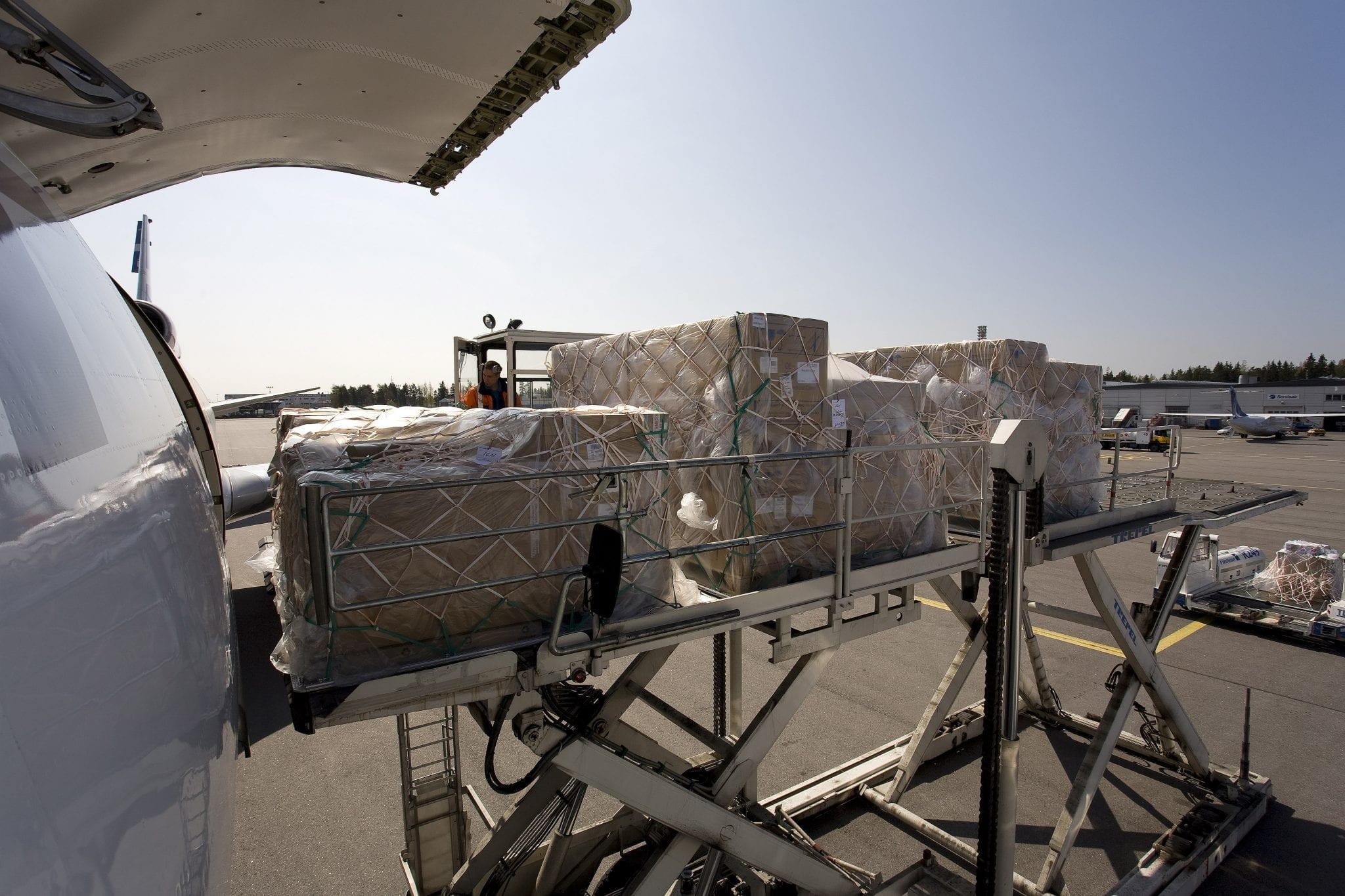
    How Finnair plans to achieve these goals is led by its COOL Nordic Cargo Hub programme, a new state-of-the-art cargo hub, which it calls the most modern air cargo terminal in Europe. Opening in May 2017, the terminal will be 31,000 square metres overall, with some 3,000 square metres each for pharmaceutical products and perishables – areas where Finnair hopes to make its mark.

    “Another reason why it’s cool is that it is highly automated,” added Tarvainen. “We have integrated acceptance, delivery and automated racking system and a completely automated ULD-handling.”

    Not only is the hardware Finnair has at its disposal being strongly improved, but the software that manages it is being upgraded, too. The other big initiative that Finnair is undertaking as part of its upgrade is SkyChain Cargo Management, which is to be expanded and put in use in October 2016.

    “It’s almost an off-the-shelf product, requiring a little bit of tailoring to fulfil special requirements set by the local authorities. It’s a production system with a full integration to the terminal automation supporting all the activities we do,” said Tarvainen.

    Finnair is doing all this to link the market it already serves, where seafood makes up a significant part of cargo, and the markets it is eyeing, where it hopes to make pharmaceuticals just as successful.

    There is no doubting the importance of seafood to Japan and to Finnair’s four routes there. Salmon is cultivated and prepared in northern Norway and then trucked to Helsinki, where it is loaded onto flights to Japan. The tagline for this industry is “34 hours from sea to sushi-plate” – giving it a freshness that Japan’s demanding consumers like – and pay for.

    Norway’s salmon farmers generate as much seafood business as Finland in its entirety does – each make up a bit more than 10% of Finnair cargo. Fukuoka, a new Finnair destination in Japan, where first-month figures have been “relatively successful,” proves the point.

    More striking has been the other destination Finnair opened last month – Guangzhou, although the freight carried is very different. The seafood market hasn’t started yet, nor has the pharma side, but inbound from the southern Chinese business centre Finnair is doing “very good loads” of all kinds of industrial goods, Tarvainen says.

    This fits into a pattern of a very good year so far, at least in terms of volume. In so strained a market, revenues are the sort of issue that is getting glossed over in the hope of better days to come.

    “So far this year, load-wise the development has been very, very good,” said Tarvainen.

    Last year, Finnair moved 130 million kilograms of freight, and this year has exceeded that. In the past two months there has been growth of 20%, something which also applies to RTK, he said. “That’s been pretty good. It’s excellent,” he added.

    “We have really focused on certain markets and focused on getting the loads in,” he said of the overall approach.

    Not only has Finnair opened two new routes, one of them already busy, but it has also worked its established markets, the Nordic countries and their Baltic neighbours, well.

    It also is working what its calls its extended home markets of Brussels and London. These two locations are chosen because they are the buckles in different pharmaceutical belts, and the quality of its service, especially on reliability and punctuality, helps win it.

    Tarvainen was cautious about detailing the Brussels market and its impact on the bottom line, saying only it was growing and yields were “a little bit better.”

    Where he is more forthcoming is on the immediate prospects for the sector, and he is not optimistic. Chief among his reasons is China. “The times of double-digit growth are gone. We can see the difference.”

    Longer term, there is not much bounce either. Passenger demand is growing, which means more and more cargo capacity also enters the market. Worsening this is the slump in oil prices. “No aircraft is in storage” he said, adding that cheap oil allows planes to keep flying.

    What is going right is consumer confidence, something Tarvainen hopes will lift the industry, even though he doesn’t believe miracles will happen in the big markets. Probably wise then, as Finnair plans to concentrate on the industry niches and routes where things, if not miracles, can be made to happen.
  • Marine Gold reaping benefits of 2013 losses as shrimp production rebounds

    Marine Gold reaping benefits of 2013 losses as shrimp production rebounds

    In 2013, Marine Gold Products, one of the largest shrimp exporters in Thailand, lost big money on meeting its export commitments.

    As early mortality syndrome (EMS) caused Thai production to dive, raw material prices rocketed. EMS caused production to dive under 200,000 metric tons, compared to the peak of over 600,000t.

    This left packers fighting for shrimp for orders.

    “I shipped every container in 2013, so we lost $10 million,” Choopong Luesukprasert, Marine Gold’s managing director, said.

    The aim of continuing to ship containers at a crisis time for the Thai shrimp sector, was about maintaining business contacts, he said, during the Thaifex: World of Food Asia show in Bangkok.

    “But, since, we have kept this business and gained more, as we reliable,” Choopong Luesukprasert, Marine Gold’s managing director said.

    For 2016, shrimp production in Thailand is rebounding and prices for raw material are competitive with other sources, such as Indonesia, India and Vietnam.

    Production in 2015 is said to have been around 240,000t, up from 210,000t in 2014.

    For 2016, forecasts range from 260,000t, up to 300,000t.

    The later is attainable, said Luesukprasert.

    “I think 300,000t is realistic. Production hasn’t started like we expected, as we have had such a long drought in Thailand. But, we think it will start picking up from now,” he said.

    Selling shrimp to the US is the main export market for Marine Gold, with the export target for 2016 at 45 million pounds, he said.

    Due to the forecasted increase in Thai raw material output in 2016, Luesukprasert hopes Marine Gold can expand its output by 20-25%. This is ahead of the forecasted increase in production.

    The company has also launched a ready-to-eat brand for the domestic market.

    Luesukprasert said he plans to export the product range in the future, however.

    The range is being sold in Thai retail under the brand “Yummy Tale”; featuring products such as shrimp pad Thai and shrimp green curry with jasmine rice.

  • Indonesia to expand seafood market to England

    Indonesia to expand seafood market to England

    Indonesian government, through the Coordinating Ministry for Maritime Affairs and Resources, will work to expand the seafood market to England and North Ireland as part of an MoU for maritime cooperation signed by the two countries in July 2015.

    “The UK is the biggest seafood market for Indonesia, and the European Union accounts for 60 percent of our total seafood market,” Deputy Minister for Maritime Sovereignty Arif Havas Oegroseno said on the sidelines of the “Bilateral Maritime Workshop” here on Monday.

    With a large market, Great Britain is considered as setting the standards in the seafood market in the world.
    “Through our collaboration with the British, we could manage our shrimps, fishes, or other seafood species to meet the world standards as well as increase the production,” Havas stated.

    In addition, he said, cooperation on marine fisheries between the two countries was also considered as an opportunity to introduce Indonesian seafood products which were free of any illegal practices, including slavery.
    Indonesia and the UK have initiated maritime cooperation through the Bilateral Maritime Forum, a meeting of which would be held in London next April.

    The UK was one of the maritime countries, known for its experience and high end technology in the field.
    Therefore, the workshop held in Jakarta was expected to focus on some maritime issues which would be later discussed in the forum in London.

    Besides expanding the seafood market, the Indonesia-UK cooperation would also involve education, maritime investment in the shipbuilding field and exchange of information on international maritime law.

  • Supermarkets, restaurants worldwide admit to using slave labour-processed seafood

    Supermarkets, restaurants worldwide admit to using slave labour-processed seafood

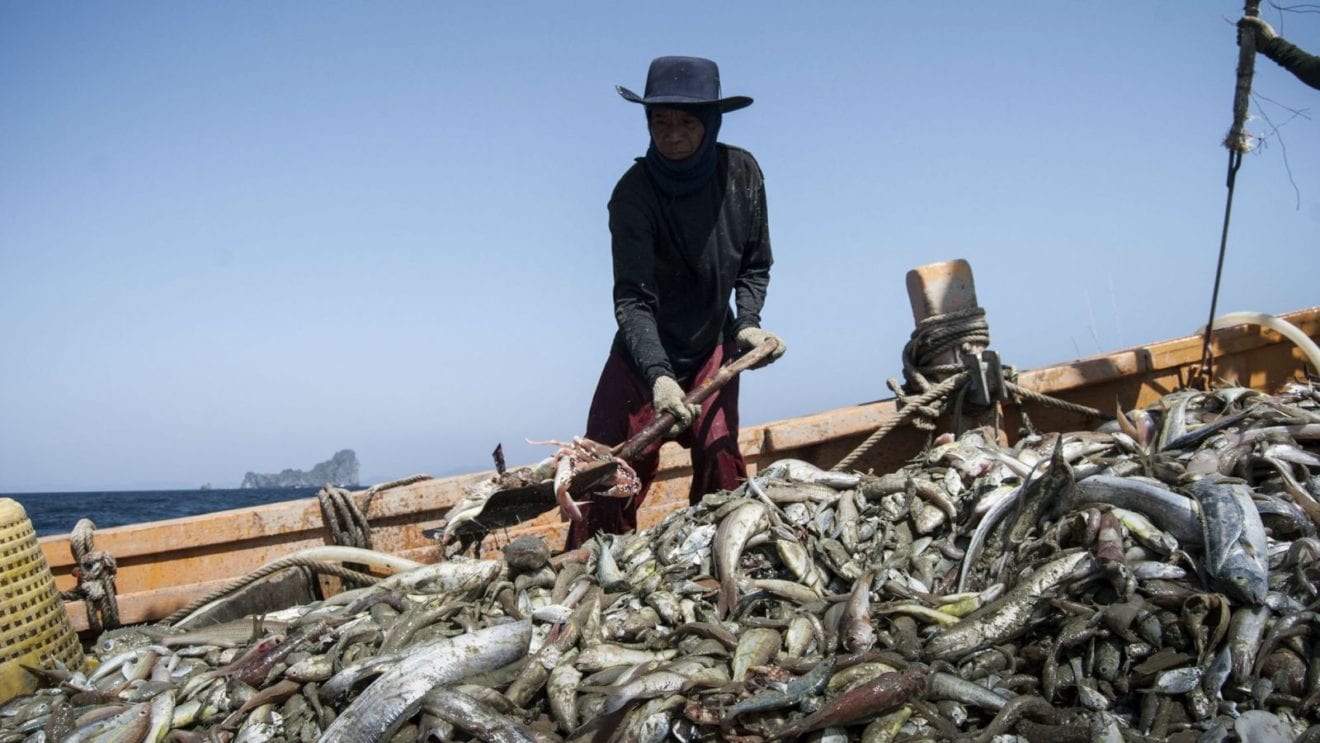
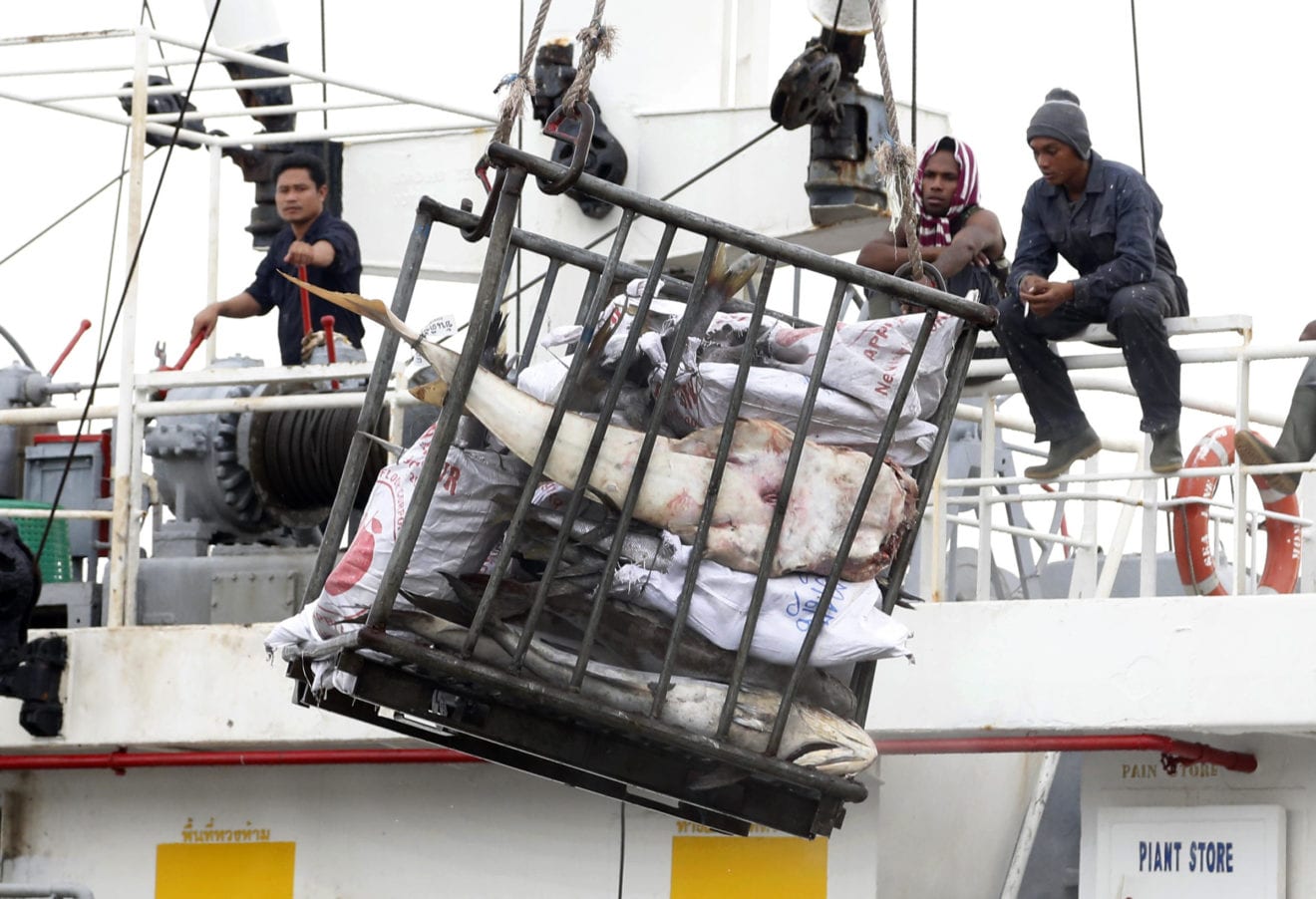
    A large-scale investigation spanning multiple continents has revealed that top seafood retailers and restaurants around the world were using products that were tainted with forced slave labour, originating from Thailand’s seafood peeling factories.

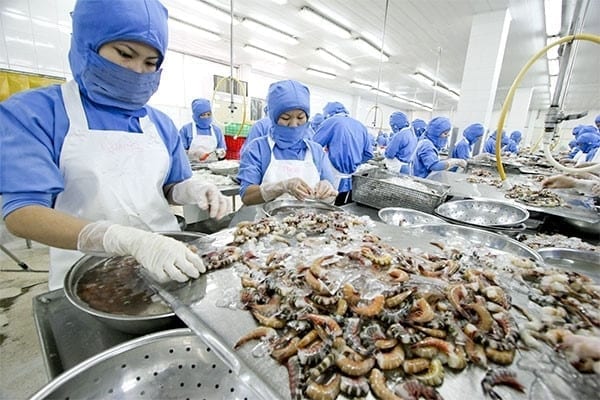
    The Gig Peeling Factory on the outskirts of Bangkok houses horrors made of nightmares. Here, the forced labourers work for 16 hours for little or no pay fearing violence from the overseers.

    An Associated Press investigation revealed that Thai Union, the largest seafood supplier, employs the Gig Peeling Factory where a hundred Burmese people, including children, are kept under lock and key and forced to work for hours without end with their hands in cold water, tearing and shedding at the heads and tails of the shrimps.

    Woolworths, Coles and Aldi, Australia’s top retail grocery chains, have all said that they use Thai Union as suppliers for their retail stores.

    “We will investigate this further with our supplier and seek advice from our NGO partners,” quoted Woolworths as saying.

    Australian retailer, IGA Supermarkets’s supplier Metcash confirmed that it uses Thai Union as well.

    “Some of our other locally based seafood suppliers may purchase prawns from Thai Union as they are one of the largest seafood suppliers in the world,” a Metcash spokesman said.

    In the US, the Red Lobster and Olive Garden, both restaurant chains as well as retail chains like Wal-Mart, Kroger, Whole Foods, Dollar General and Petco, have all confirmed using the Thai seafood supplier.

    The seafood produce from Gig Peeling Factory gets mixed with products from other suppliers making it impossible to tell between tainted and ethically produced farm products.

    According to UN and US standards, the whole produce then becomes tainted.

    “They didn’t let us rest,” said 16-year-old Eae Hpaw, 16, a labourer at the factory, whose arms were lacerated with shrimp-related infections and allergies. “We stopped working around seven in the evening. We would take a shower and sleep. Then we would start again around three in the morning.”

    “I was shocked after working there a while, and I realised there was no way out,” said Tin Nyo Win, 22. He and his wife were only paid US $4 per day for peeling 175 pounds of shrimp.

    Europe and Asia, has been similarly importing products from Thai Union, the AP investigation revealed. Germany, Italy, England and Ireland were able to find products from Thailand in grocery stores there.

    “As the world’s largest seafood restaurant, we know the important role we play in setting and ensuring compliance with seafood industry standards, and we’re committed to doing our part to make sure the seafood we buy and serve is sourced in a way that is ethical, responsible and sustainable,” Red Lobster said in a statement.

    In 2015, Thailand had passed laws to come down heavily on the abuses by the seafood industry in the country, and to register migrant workers without papers to ensure their safety.

  • Hong Kong’​s Seafood Appetite Threatens Marine Species

    Hong Kong’​s Seafood Appetite Threatens Marine Species

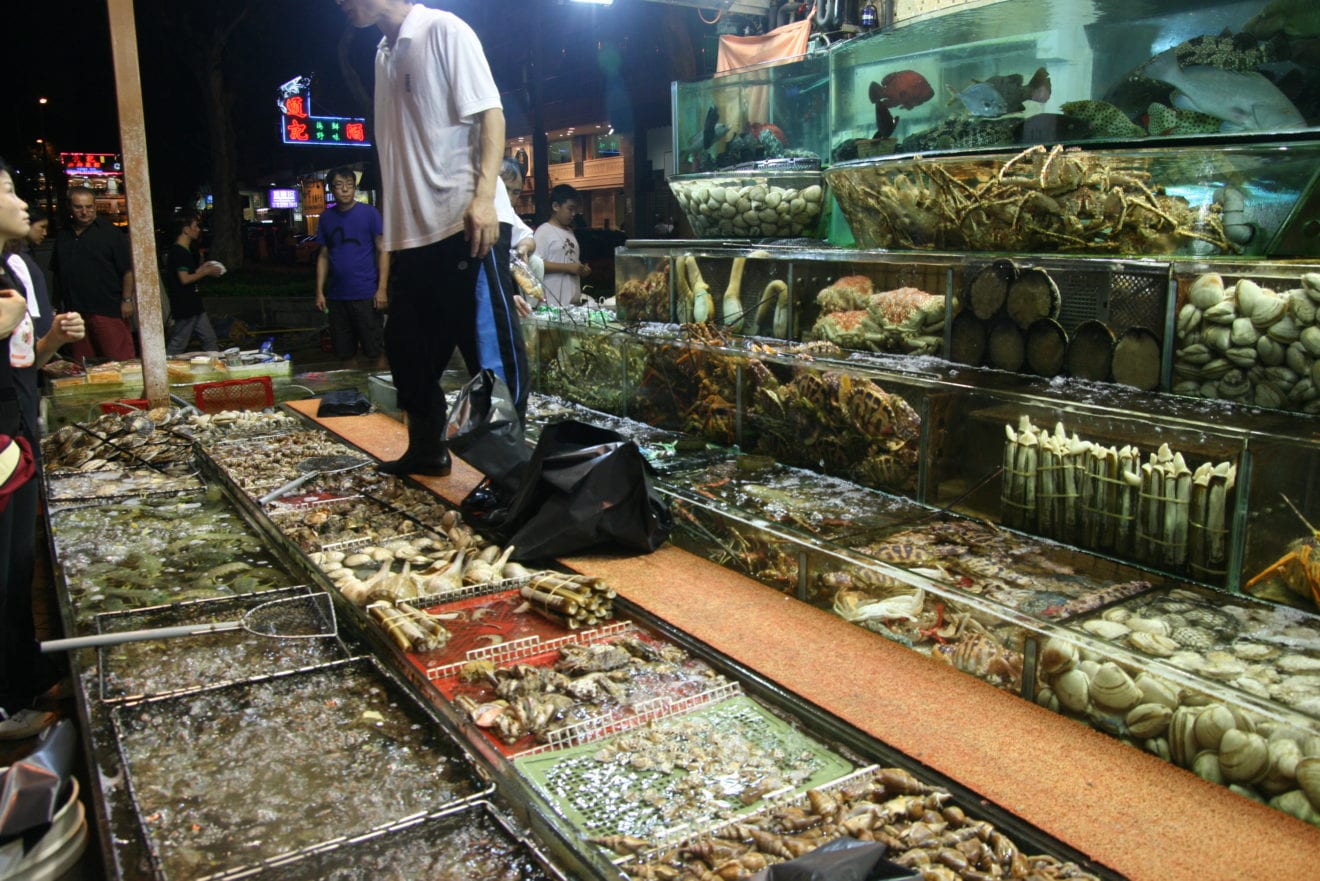
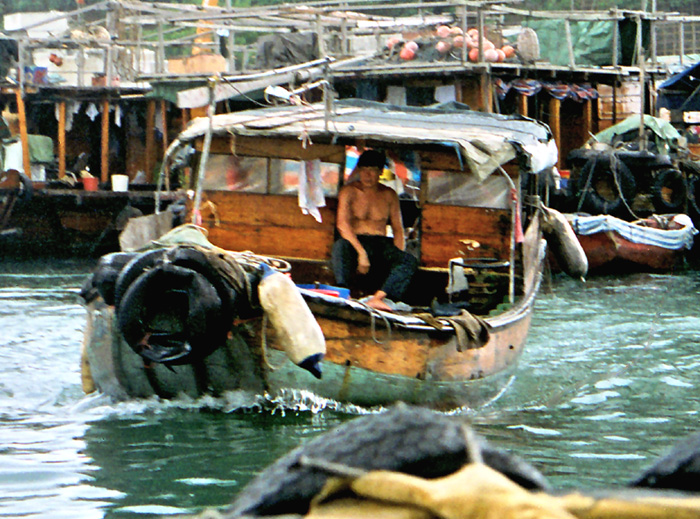
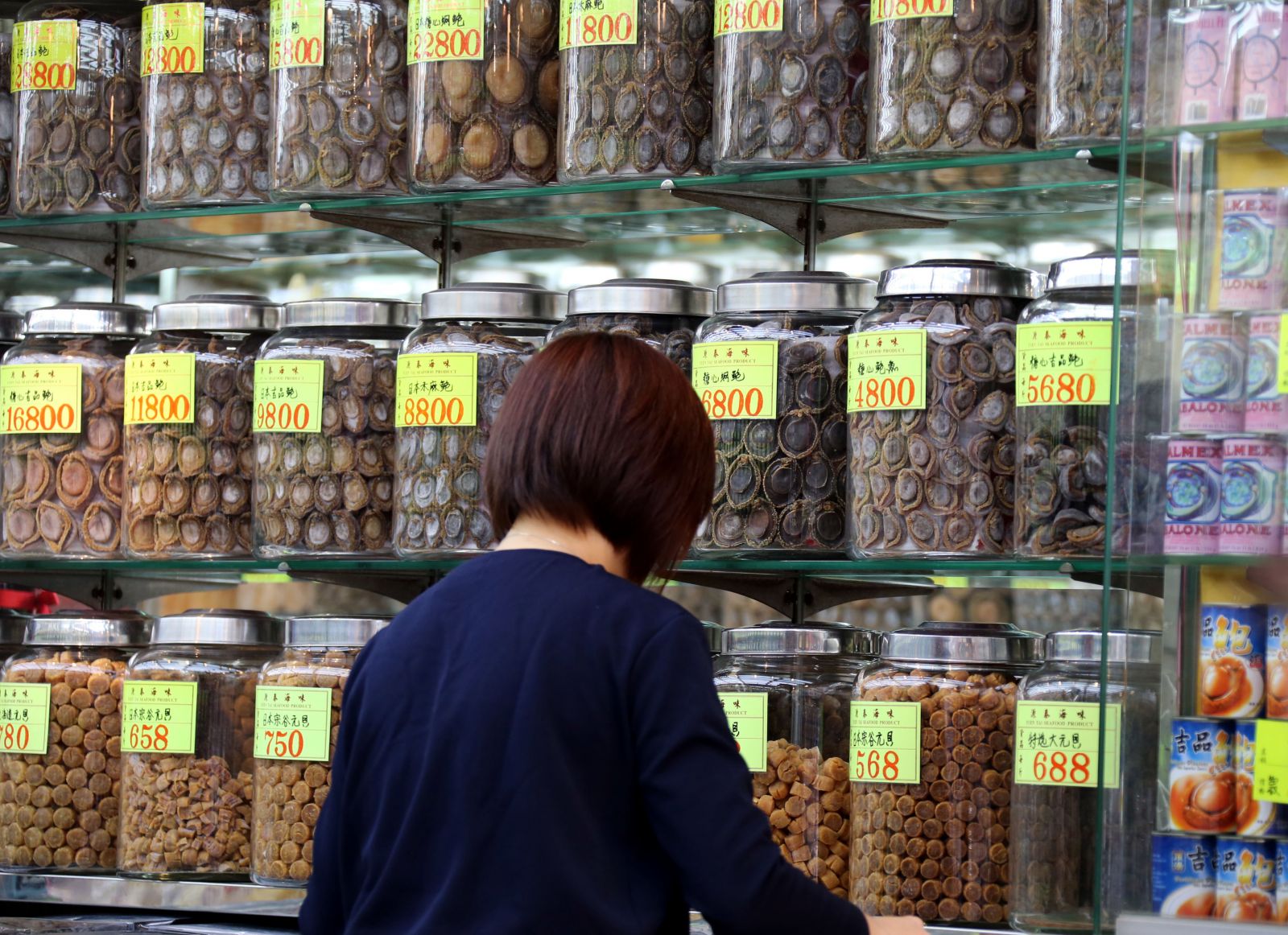
    Hong Kong’s enormous appetite for seafood and its role as a hub for the global seafood trade is having an unfortunate impact on endangered fish species.

    Chinese cuisine prizes seafood, so it’s perhaps not surprising that per capita seafood consumption in Hong Kong averages 70 kilograms a year, about four times the global average. But the city is also a hub for trade into mainland China, where consumption is on the rise. All of that is putting a strain on endangered marine life and driving an unexpected sustainability push.

    On a busy Saturday morning at Hong Kong’s giant Aberdeen Fish Market, traders are milling around buying seafood for restaurants and the city’s retailers. One of the dealers here is Betty Chu, who runs a distributor called Family Care Ltd., which imports seafood from all over the world.

    “The market is really good,” Chu says. “People are looking for prime products, they’re health conscious, and they’re willing to pay more for better food. We import globally lobster, scallop, abalone, shrimp, crabs and more. It’s a lot! My business is good and growing every year.”

    But while business is booming, some of the city’s seafood traders are switching to sustainable seafood. Wong Ping Chai, who runs the Hoi Kee Ho Fresh Seafood import company, began seeking out sustainable seafood several years ago when a Dutch supplier explained to him that many fish species were becoming scarce. It led him to join Fish and Season, a global fish trading network that trades only sustainably caught seafood.

    “Fish and Season is an organization originally from Holland that started around 1992,” he says. “They found out in Europe the fish are getting fewer and fewer, and if it goes on it will be disastrous.” He learned that the same thing was happening in Asia.

    Ocean impact

    Activists have been trying to educate consumers, and are encouraging them to be more careful about the seafood they buy. Allen To, who works in the Hong Kong offices of the World Wildlife Fund, monitors local imports and consumption of endangered seafood species. He says per capita consumption of seafood in Hong Kong is second in Asia and seventh in the world.

    “That’s why in Hong Kong we do have the responsibility to try not only to reduce our own ecological footprint but to try to reduce our impact on the ocean of many other countries,” he says. “We believe if we can push sustainable seafood in Hong Kong, then eventually we can help at least to reduce our impact on fish resources, particularly in the Asia Pacific region.”

    But price is an issue. Keith Tsui, managing director of New Bon Marine, another Hong Kong seafood company concentrating on sustainable products, says education and government awareness campaigns are helping turn consumers onto sustainable seafood. But so far the focus has been on high-value species such as black cod, salmon and shellfish.

    He wants to get lower-income groups switching to sustainable seafood too. “We are trying to get more products for the budget class,” he explains. “A couple of years ago, we did a good job with a fastfood chain in Hong Kong. They use sustainable seafood for breakfast for the budget class. This is a great leap forward for us.”

    Campaigners want consumers to make sustainable choices, but they’re also calling on Hong Kong’s political leaders to clamp down on illegal catches. The WWF’s Allen To says illegal fishing has depleted stocks of rare wild fish such as grouper from the coral reefs of Southeast Asia.

    “Hong Kong and China are the main trading and consumption areas for live reef fish, including grouper and the humpback wrasse,” To says. “Many of the grouper species are already overexploited, and some of them are threatened species.”

    Seafood trader Keith Tsui, meanwhile, wants to bring more sustainably produced seafood products to Hong Kong by focusing on an innovative new approach in the retail sector and in schools.

    “We will try to liaise more with school lunch boxes and let them tell the kids they are using sustainable food,” Tsui says. “This customer group is the future. “They are the biggest influencers on their parents.”

    And Hong Kong wants to ensure there will be fish in the sea for future consumers.