Tag: seafood

  • Costco fined for mislabelling seafood origin

    Costco fined for mislabelling seafood origin

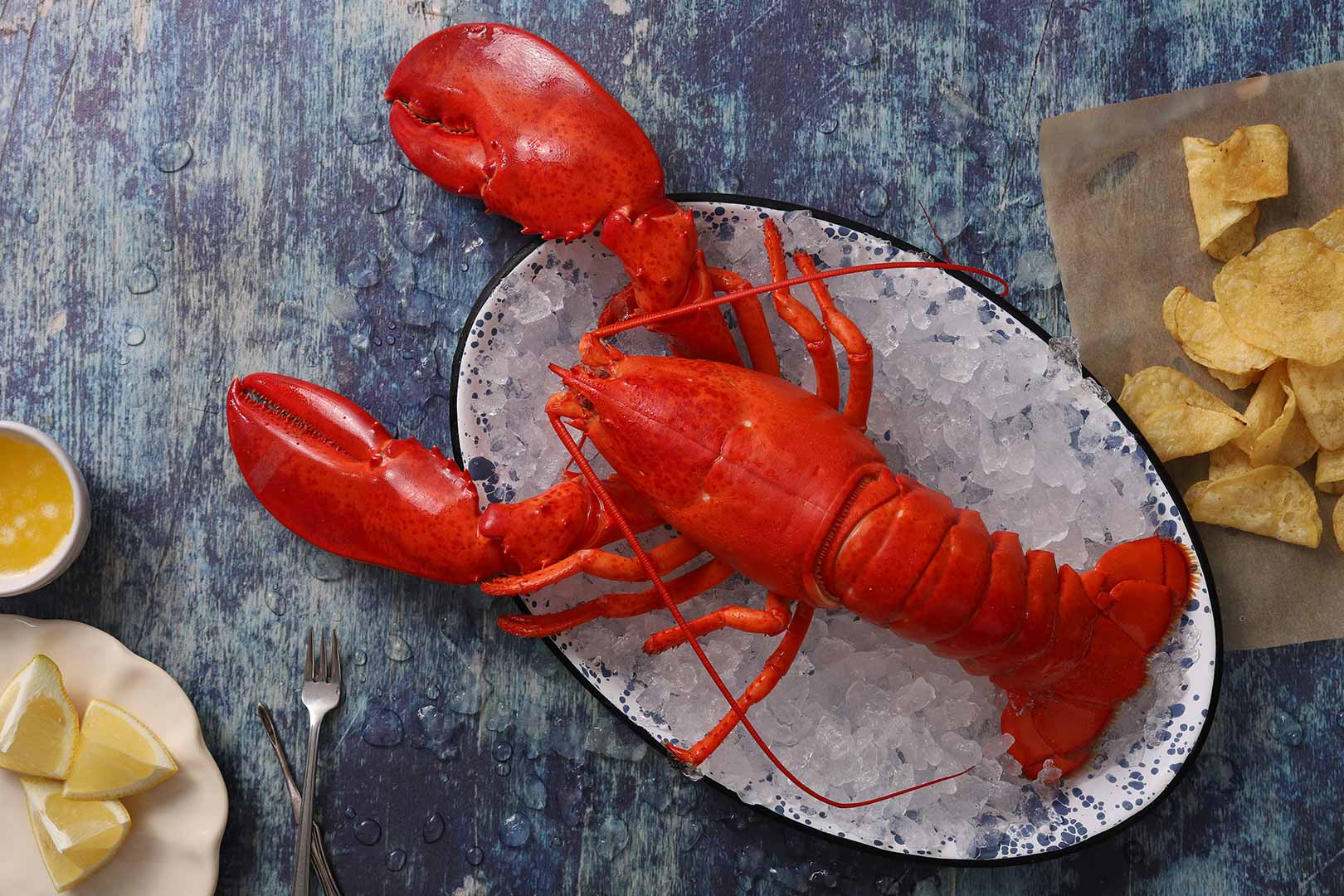
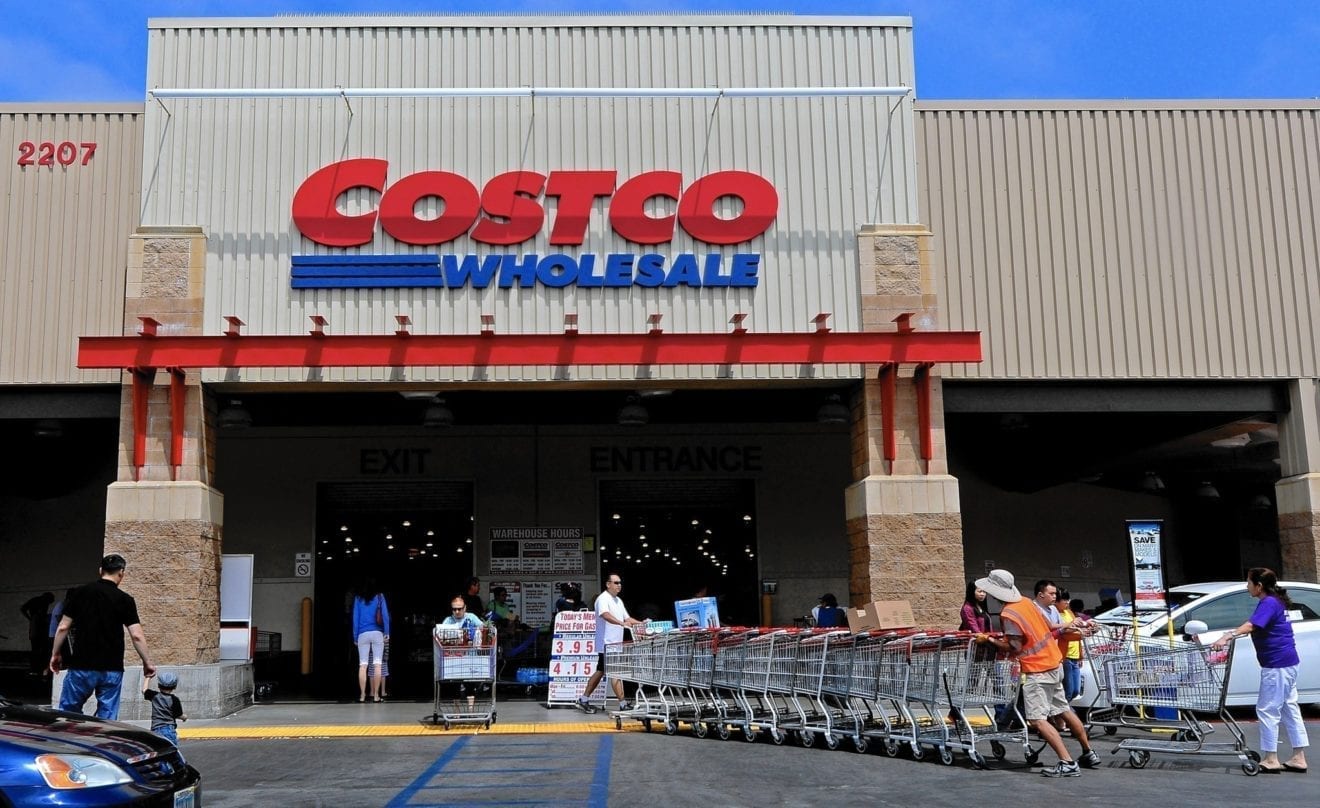
    Costco Wholesale Australia Pty Ltd has paid penalties totalling $33,000 after the ACCC issued it with two infringement notices for alleged false or misleading labelling of the country and place of origin on lobster products and failing to comply with the Country of Origin Food Labelling Information Standard.

    In early January 2023, Costco sold two packages of lobsters from its Casuarina warehouse in Western Australia which were labelled ‘Kirkland Signature PREVIOUSLY FROZEN WHOLE COOKED WA LOBSTER’ and ‘Australian Lobster’. Other packages were also displayed for sale with the allegedly misleading labels. In fact, the lobsters were imported from Canada.

    The ACCC also alleges that Costco did not comply with the specific Country of Origin Food Labelling Information Standard because it used the Australian-made kangaroo logo as well as a full bar chart indicating that the lobsters were exclusively Australian when they were not.

    “Selling goods with an incorrect country or place of origin label is a breach of Australian Consumer Law,” ACCC Deputy Chair Mick Keogh said.

    “Many shoppers pay a premium to purchase Australian seafood rather than imported products, which makes the accuracy of the labelling a crucial part of enabling consumers to make an informed choice.”

    “While a small number of consumers were impacted in this instance, this conduct involved a large and sophisticated business,” Mr Keogh said.

    “This action by the ACCC is a reminder to all businesses, large or small, of the importance of ensuring that country of origin labelling is accurate and complies with the Country of Origin Food Labelling Information Standard.”

    Costco is one of the world’s largest retailers and operates warehouse outlets in 13 countries. Costco operates 15 warehouses in Australia.

    The Country of Origin Food Labelling Information Standard 2016 applies to most food available for retail sale in Australia, including food that is imported into Australia for retail sale.

    The standard requires that if a product is grown, produced or made in Australia, the label must contain a ‘standard mark’ label which includes the kangaroo in a triangle logo which indicates the product is of Australian origin; a bar chart indicating the percentage of Australian ingredients in the food; and explanatory text which states whether the product was grown, produced or made in Australia.

    In addition to the Country of Origin Food Labelling Information Standard, section 29 of the Australian Consumer Law also prohibits businesses from making false or misleading representations about the place of origin of the goods they supply to consumers.
  • Seafood exporters situation more dire than during Covid

    Seafood exporters situation more dire than during Covid

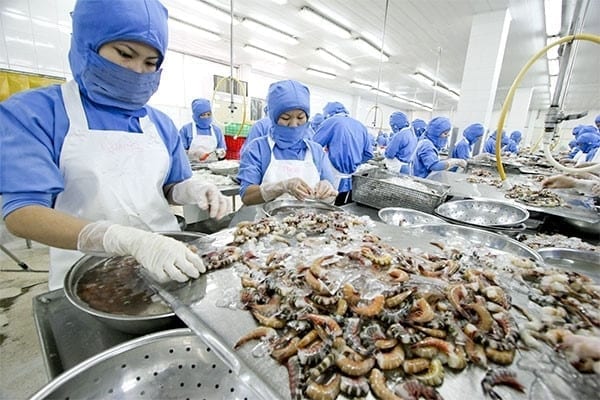
    Seafood exporters are seeing orders plummet and facing even greater difficulties than during the Covid-19 pandemic.

    In the first five months of this year their exports fell by 28% to $3.37 billion and companies saw a decline of 20-50% in export orders, according to the Vietnam Association of Seafood Exporters and Producers (VASEP).

    Prices too have been falling due to the low demand, making it harder for companies to repay bank loans and manage other expenses.

    A severe shortage of raw fish and shrimp is expected in early 2024, VASEP said.

    Seafood exports this year are projected to be $9 billion, or nearly $2 billion less than last year.

    To mitigate the industry’s problems, VASEP has called on the government to reduce bank lending interest rates and make credit more accessible to it.

    It wants the interest rates on U.S. dollar loans to be reduced to below 4% and on dong loans to under 7%.

    It has demanded a rollover of loans by four to six months and a special credit package for small seafood producers.

    It has also proposed that a VND10-trillion stimulus package for the Mekong Delta region that is under consideration should be disbursed early so that exporters can start stockpiling raw materials early.

    Prime Minister Pham Minh Chinh had instructed the State Bank of Vietnam in April to consider such a package.

  • King crab prices skyrocket as supply dries up

    King crab prices skyrocket as supply dries up

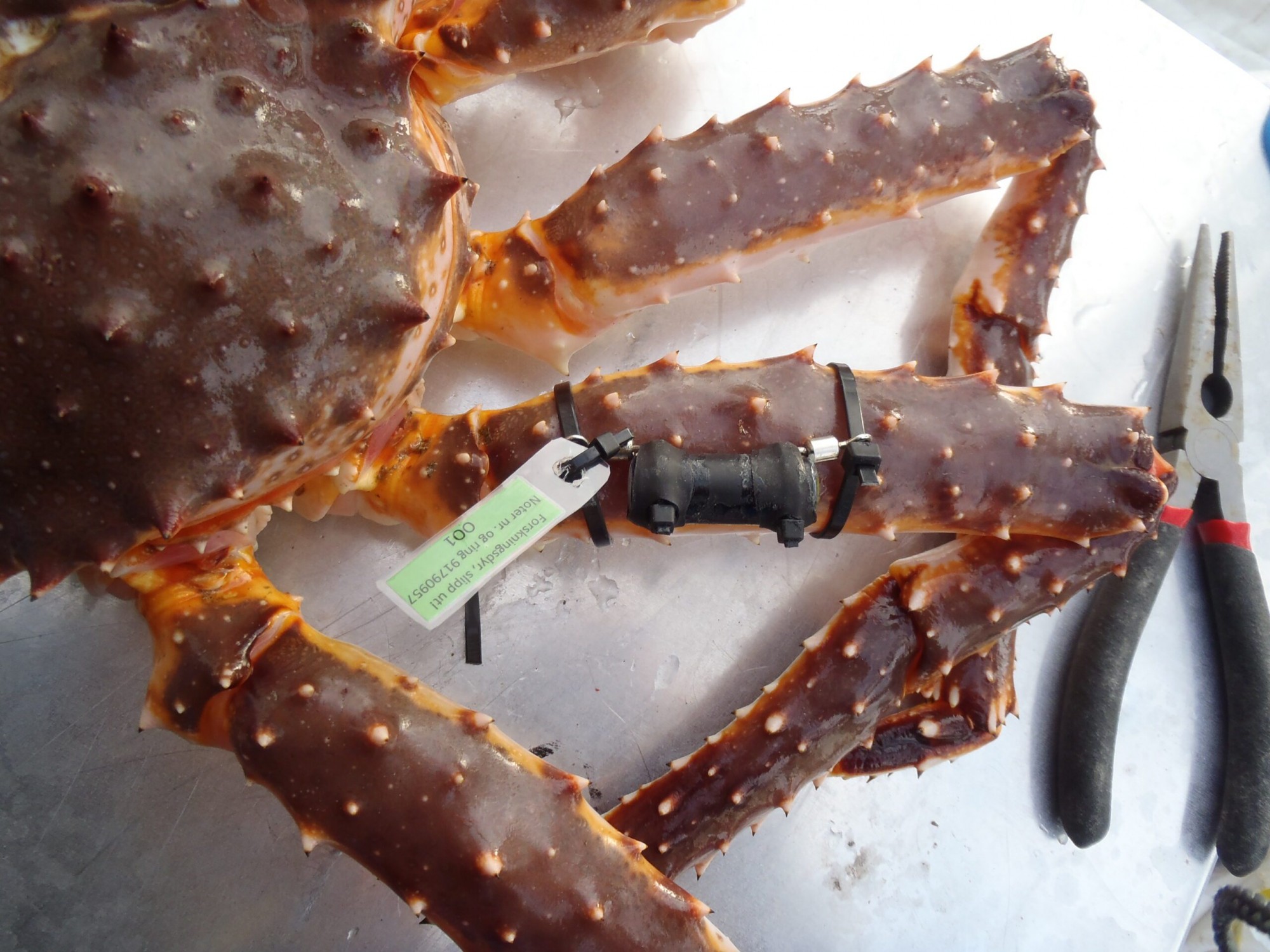
    King crabs have risen to their highest prices ever of VND2.5-3 million (US$106-128) a kilogram, following a 30% increase since the end of last year.

    Loan of HCMC’s District 5 tried to buy a king crab for her son’s birthday last week, but was shocked when she discovered the price.

    “It was VND1.9 million a kilogram at the end of last year, but now every seafood store sells it at VND2.5 million.”

    In Hanoi, red king crabs weighing two to five kilograms now cost VND3 million a kilogram, or VND6-15 million per crab, the highest price ever.

    Tran Van Truong, CEO of Hoang Gia Seafood, said that supply from the U.S. and Canada is scarce, causing prices to spike in Vietnam.

    “Though we are the official importer, we are getting very few crabs now.”

    Not only king crab, but also snow crab and Alaskan lobster prices are higher now due to low supply.

    Some coastal areas in Alaska State in the U.S. had to cancel the crab-catching season because outputs were getting lower.

    A researcher in Alaska, Benjamin Daly said on U.S. cable TV channel CNN that snow and king crab catches are plummeting because they are on the verge of extinction due to excessive fishing.

    The Alaskan Fishery Council and the North Pacific Fishery Management Council recently announced that the snow crab population in the Bering Sea has fallen below the threshold for fishing.

    The Bristol Bay red king crab harvest will also be canceled for a second year.

  • Seafood exports plummet

    Seafood exports plummet

    Seafood exports to most major markets have fallen by 17-50% this year.

    According to the Vietnam General Department of Customs, shipments to the U.S. fell by more than 50% year-on-year to US$284 million.

    Exports to Australia were down 30% to $65 million.

    Despite China’s reopening, exports to this market were worth only $279 million, 23% less than last year.

    Japan, South Korea, and Thailand imported 7-17% less than last year.

    Overall exports were down 28% year-on-year in the first quarter to US$1.8 billion.

    Key items such as pangasius, shrimp and tuna saw 30-37% declines, while exports of crab and other products were down 2-42%.

    The figures are alarming for the fisheries industry.

    According to the Vietnam Association of Seafood Exporters and Producers (VASEP), the industry is facing great challenges as global inflation has hit demand.

    Fisheries output has fallen since fishermen and aquaculture businesses lack capital.

    Production, raw material and labor are rising, making it harder for Vietnam’s products to take on competition from Ecuador, India, Thailand, and Indonesia in major markets.

    Businesses are also in a bind because the European Commission has not lifted the yellow card it had issued to Vietnam for illegal, unreported and unregulated fishing.

    VASEP expects seafood exports to only recover in the third quarter and only if there are support policies to reduce taxes, roll over loans and subsidize loan interest.

    The government deferred payment of taxes (VAT, corporate income tax, personal income tax) and land rentals for a fifth time last week to help ease the burden on businesses.

    It also reduced VAT to 8% though it must first be approved by the National Assembly.

  • Aldi named Best Sustainable Seafood Supermarket

    Aldi named Best Sustainable Seafood Supermarket

    Aldi has overtaken Sainsbury’s as the most sustainable supermarket for seafood, according to MSC league tables released today.

    Though Sainsbury’s remained top of the NGO’s table in terms of the volume of MSC-certified products, the percentage of Aldi’s seafood range that was MSC certified rose from 69% last year to 79%. Some 76% of Sainsbury’s range was MSC certified.

    The discounter’s smaller range meant the addition of 11 certified products took it to the top of the table, with a total of 85 MSC-approved seafood SKUs.

    Nine of the 10 supermarkets surveyed by the MSC were stocking more MSC-certified SKUs than in 2017, the survey found, with Asda and Tesco the fastest-growing (adding 35 and 33 certified products to their ranges respectively). Iceland was not surveyed by the MSC in 2017, but came bottom of the table in 2018’s rankings, with just one product, equivalent to 3% of its fish range.

    Morrisons remained near the bottom of the table with 4% of its fish products carrying the MSC logo, though it added five certified products. Sainsbury’s added the fewest new products, extending its certified product range by one to 226 from 2017 to 2018.

    “Our approach is to provide our customers with fresh, sustainably sourced fish and this is reflected in the MSC’s findings,” said Aldi MD of buying Julie Ashfield. “Customers know that shopping at Aldi means they can enjoy quality, responsibly sourced products, at affordable prices.”

    It follows a move by Aldi to launch a responsibly sourced assurance scheme for own-label fish in November. Its Love Fish signage would appear on products sourced in accordance with a “range of standards including MSC and ASC certification,” it told The Grocer last year.

    Overall, British supermarkets were selling more sustainable seafood than ever before, with offerings increasing 60% since 2016, said the MSC. More than 20,000 seafood products worldwide carry the MSC blue tick label.

    “The majority of British supermarkets are making a real investment in the future of their seafood,” said MSC programme director Toby Middleton.

    “Consumers are not powerless in making sustainable choices. Our league table shows that retailers are offering their customers clear labelling and the chance to make a difference, helping to protect fish stocks for our children and our grandchildren.”

  • Vietnam eyes $1B from seaculture product exports by 2025

    Vietnam eyes $1B from seaculture product exports by 2025

    Vietnam expects to rake in between 800,000 to $1 billion worth of sea culture product exports by 2025, according to a development project of the sector towards 2030 with a vision to 2045.

    Also by the time, the total area of sea culture is set to hit 280,000 hectares with an annual yield of 850,000 tonnes.

    By 2045, the sector is expected to contribute more than 25% of the country’s total fishery productivity, with its export value expected to exceed $4 billion.

    Such goals require efforts to tackle bottlenecks and turn Vietnam’s sea culture into a large-scale production industry in a synchronous, safe, effective, environmentally friendly and sustainable manner.

    According to the Ministry of Agriculture and Rural Development, the country now has about 7,447 sea culture establishments with a total area of 85,000ha.

    The sector’s current growth is estimated at 23.3% annually.

  • Vietnamese favor Canadian lobsters, snow crabs

    Vietnamese favor Canadian lobsters, snow crabs

    Vietnam spent US$65 million importing Canadian seafood, mainly lobsters and snow cabs last year, doubling 2021 imports and trebling 2020.

    Among Southeast Asian countries, Vietnam was Canadian’s biggest seafood importer, Steve Craig, Minister of the Department of Fisheries and Aquaculture of the Canadian province of Nova Scotia, said at a recent business networking event in HCMC.

    Although Vietnam is the world’s fourth largest seafood exporter with an annual turnover of $11 billion, it is still a fertile ground for Canadian products, he said, noting that Vietnamese are among the world’s top seafood consumers.

    Tran Van Truong, CEO of Royal Seafood chain, an official importer of Canadian seafood in large quantities, said the seafood is famous in Vietnam because their prices are always stable and often 5-20%, sometimes 40%, lower than imports other countries.

    Currently, in the Vietnamese market, Canadian lobsters are priced at VND1.4 million ($59.3) per kilogram, and Australian lobsters at VND2.4 million. The price of cod, oysters, and geoducks imported from Canada are also lower.

    Between 50 and 60 Vietnamese firms directly import Canadian seafood, and the number of Canadian seafood shops in Vietnam is rising.

    Canada will create more favorable conditions for Canadian and Vietnamese seafood to penetrate more deeply into each other’s markets, Craig said, stating that the Vietnamese market is very promising.

    Overall, bilateral trade between Canada and Vietnam was $14 billion last year, he said, noting that Vietnam is Canada’s biggest trading partner in Southeast Asia.


  • Seafood exporter Minh Phu reports surge in profits

    Seafood exporter Minh Phu reports surge in profits

    Minh Phu Seafood Corp., a leading shrimp exporter, reported consolidated after-tax profits of nearly VND840 billion (US$35.6 million) last year, up 27% from 2021 and its highest since 2015.

    Its revenues rose by 20% to VND16.43 trillion.

    According to the Vietnam Association of Seafood Exporters and Producers, shrimp exports were worth a record $4.3 billion last year after rising by 11% on high demand and high prices in the first half.

    In the second half high inflation in major economies affected demand, and exports declined.

    In 2022 shrimp exports to China grew by 61%.

    Vietnam’s shrimp exports to it are expected to continue to surge this year after China’s reopening.

  • Canada imports 50% more Vietnamese garments, seafood

    Canada imports 50% more Vietnamese garments, seafood

    Vietnamese garment and seafood exports to Canada have surged 50% year-on-year, totaling values of $1.1 billion and $334 million, respectively.

    As the two categories saw the most significant increases in exports to Canada of the last three years, other categories such as wood, chemicals, metal, cashew nuts, handbags, and machines also recorded growth of between 3% and 30%, according to statistics from the Vietnam Customs Office.

    Total exports from Vietnam to Canada have risen 28.7% year-on-year to nearly $5.5 billion over the same period.

    Canada is Vietnam’s second-largest export market in the Americas, behind the U.S.

    And Vietnam is Canada biggest export market in ASEAN.

    But Canada has been increasing its trade safeguards against Vietnam recently, and Vietnamese authorities have proposed that the country impose a fairer trade policy with Vietnamese goods in line with regulations of the World Trade Organization, said Vo Tan Thanh, deputy chairman of the Vietnam Chamber of Commerce and Industry (VCCI).

    He said that Canada should be more open to importing competitively priced Vietnamese agricultural products such as vegetables and coffee.

    At the 29th APEC Summit in Thailand, Vietnam President Nguyen Xuan Phuc and Canadian Prime Minister Justin Trudeau agreed to expand and deepen bilateral cooperation in all fields, especially trade and investment.

  • Vietnam’s seafood exports nearing $11 bln in 2022

    Vietnam’s seafood exports nearing $11 bln in 2022

    Vietnam’s seafood exports this year could reach $11 billion for the first time, spearheaded by shrimp, pangasius and tuna, according to the Vietnam Association of Seafood Exporters and Producers (VASEP).

    Truong Dinh Hoe, VASEP general secretary, said at a conference in HCMC Saturday that by November, seafood exports had already crossed $10 billion, so by the end of the year, it could reach $11 billion for the first time.

    The largest seafood export markets for Vietnam are the U.S., Japan, China and the EU. The EU, the U.S., and China account for 60% of the global seafood trade and 50% of Vietnam’s export turnover in the first ten months of this year.

    Hoe said all sectors of the seafood industry grew 18-77%, but exports began to slow down amid lower purchasing power, higher interest and fluctuating exchange rates. He added that as the world enters a recession and inflation increases, demand is falling globally.

    As such, Vietnam’s seafood industry would face tough competition from competitors that offer lower costs and prices, like Ecuador or India.

    Economist Dinh The Hien said that the global economy would worsen in 2023, directly affecting the seafood industry.

    “However, businesses shouldn’t be too pessimistic; they should search for new opportunities to grow,” he said.

  • Tra fish exports to ASEAN rise by 83%

    Tra fish exports to ASEAN rise by 83%

    Vietnam’s tra fish exports to Southeast Asia exceeded US$152 million in the first nine months of this year, a year-on-year increase of over 83%.

    Higher transport costs due to rising fuel prices caused exporters to opt for closer destinations, the Vietnam Association of Seafood Exporters and Producers (VASEP) said, adding that Thailand, Singapore, Malaysia, and the Philippines are the biggest markets for Vietnamese tra fish among the ASEAN nations.

    Shipments to Thailand, Singapore, Malaysia, and the Philippines increased by 81%, 56%, 114%, and 92%.

    Exports to Laos, Cambodia, Myanmar, and Indonesia rose by two to four times.

    ASEAN countries would import more tra fish and become fish and become than the EU soon, VASEP predicted.

    Overall tra fish exports were worth nearly US$1.97 billion in the first nine months, up 83.3%, according to the General Department of Vietnam Customs.

    Its biggest markets were the U.S., China and the EU.

  • Global inflation hits major seafood exporters

    Global inflation hits major seafood exporters

    Rising global inflation caused sales of two major seafood exporters Vinh Hoan and Sao Ta to plunge as consumers in their main markets tighten spending.

    Vinh Hoan, a pangasius export giant, saw September revenue plunging 28% from August to VND917 billion ($37.96 million), its biggest decline in eight months. Exports to the U.S. dropped 37% year-on-year and to China, 52%.

    Sao Ta, a shrimp exporter, saw sales falling 10% from August to $19.8 million, its second monthly decline in a row. The financial figures of the two companies reflect the difficulties Vietnam’s seafood industry are facing.

    billion VND (VND1 billion = $41,399)Vinh Hoan’s monthly revenues, 2022

    Seafood exports fell to a seven-month low of $850 million in September, according to the Vietnam Association of Seafood Exporters and Producers (VASEP). This is because of declining consumption in the U.S., EU, China and the U.K., which have been recorded since July.

    Shrimp exports reached $350 million, up 13% year-on-year, the slowest growth rate among major seafood products.

    Analysts of ACB Securities said shrimp is considered a high-end product and during difficult times consumers tend to switch to cheaper protein.

    Sao Ta leaders forecast that there would not be any major breakthrough in sales for the remaining months due to rising global inflation. They, however, are confident that the company’s earnings targets will be achieved.

    Thanks to strong recovery in the first half year, VASEP forecasts that Vietnam’s seafood exports would reach this year’s target of $11 billion by the end of November.

  • Seafood exports to US surge 22% in 9 months

    Seafood exports to US surge 22% in 9 months

    Vietnam’s seafood exports to the U.S. rose 22% year-on-year to $1.8 billion in the first nine months as Americans remain the biggest buyers of Vietnamese seafood.

    Exports to China surged 76% to $1.35 billion, while to the EU the value went up 41% to $1 billion, according to the Vietnam Association of Seafood Exporters and Producers (VASEP).

    In total Vietnam’s seafood exports reached $8.5 billion in the first nine months, up 38% year-on-year.

    Shrimp exports rose 23% to nearly $3.4 billion, and pangasius fish went up 82% to $2 billion.

    Exports of pangasius fish in September alone nearly doubled year-on-year as inflation pressure urged consumers to tighten their spending and buy more of the affordable protein.

    VASEP forecast that Vietnam’s $10 billion exports target for this year will be achievable.

    China is expected to be a key market for the remaining months as consumption demand is rising while its geographical proximity with Vietnam is an advantage amid rising transportation costs worldwide.

  • Seafood exports growth slows due to global inflation

    Seafood exports growth slows due to global inflation

    Vietnam’s seafood exports have been slowing down since July as inflation takes a toll on consumption in the U.S., E.U. and U.K.

    Exports to the U.S. declined by 30.5% year-on-year in July after inflation in that country hit a 41-year high the previous month, according to the Vietnam Association of Seafood Exporters and Producers (VASEP).

    Black tiger shrimp exports were down 69% and that of pangasius fish, 4%. But tuna shipments increased by 34% and that of squid by 90%. But exports were up 30% in the year-to-date.

    Exports to the E.U. rose by 18% year-on-year in July, well down from the 31% in the second quarter.

    Inflation has been skyrocketing in the bloc, with the Russia – Ukraine tension causing food prices to climb, VASEP said, adding that the falling euro also contributed to declining consumption.

    Exports to the U.K. fell by 12% year-on-year in the second quarter and 18% in July, as inflation raged at a 40-year high.

    Shrimp and tuna exports were down 27% and 54%.

    Exports to China rose by 25% in July, but authorities there are still monitoring the spread of Covid-19 closely at the border and will ban any exporter whose cargo is found infected.

    With seafood exports reaching nearly reached $6.7 billion in the first seven months, VASEP is optimistic about achieving $10 billion for the year.

  • Leading seafood firm to issue 1:1 bonus

    Leading seafood firm to issue 1:1 bonus

    Major listed seafood exporter Minh Phu Seafood JSC is set to issue bonus shares at a ratio of 1:1.

    It is expected to be done this year by capitalizing reserves, and will double the company’s charter capital to VND4 trillion (US$170.9 million).

    Minh Phu also plans to pay a cash dividend of VND2,300 per share.

    Its revenues in the first six months rose 43% to VND8.7 trillion, but profits fell 15% to VND236 billion due to bad debt provisioning and rising financial costs.

    It eyes revenues of VND18.96 trillion and profits of VND1.27 trillion for the full year.