Apple published a total of 15 retail job listings to its corporate website today seeking candidates for the Apple Store Leader Program, business managers, Genius Bar staff and marketing, among other positions.
As expected, the job postings seek employees for an outlet in South Korea’s capital of Seoul. The city also happens to be the hometown of Apple ally and competitor, Samsung.
“We’re excited about opening our first Apple Store in Korea, one of the world’s economic centers and a leader in telecommunication and technology, with a vibrant K-culture,” Apple said in a statement on Friday, local time. “We’re now hiring the team that will offer our customers in Seoul the service, education and entertainment that is loved by Apple customers around the world.”
Apple has not officially stated where it plans to build its first Korean flagship, but it is claimed construction is already underway in a southern district of Seoul. That report, also filed on Friday, suggests work at the site will be completed in November. Previous rumors suggested Apple was looking at sites in Gangnam and the busy Garosu-gil shopping street.
For Apple, a brick-and-mortar outlet in Seoul represents more than an opportunity to grow international sales. A retail presence in Samsung’s backyard could go a long way in winning mindshare in the South Korean market, which is currently served by third-party resellers and Apple’s online store.
The first ever edition of the Seoul Michelin Guide has been released.
Seoul is enjoying a growing reputation for its eclectic dining scene ranging from royal cuisine restaurants and fine dining establishments to its many specialty Korean one dish restaurants and its popular street food.
The new guide brings together a selection of the best of all cuisines with every establishment chosen first and foremost for the quality of cooking. Two restaurants awarded three stars are Korean cuisine restaurants Gaon and La Yeon. La Yeon on the 23rd floor of Shilla Hotel was named in the Best 50 Restaurants in Asia in 2016.
Other contemporary Korean restaurants in Seoul like Jungsik and Mingles are well known for their innovative cuisine and the blending of traditional Korean ingredients into modern contemporary dishes with unique Korean flavours.
Jungsik also made it onto the Best 50 Restaurants in Asia list in 2016 and executive chef Jungsik Yim also has a restaurant in New York. Mingles executive chef Mingoo Kang trained under Martin Berasetegui in San Sebastian, Spain and later enjoyed stints at Nobu in Miami and the Bahamas.
Korea is increasingly attracting foodies, not only for fine dining but for its variety of street food popular with locals and visitors alike. Specialty one-dish restaurants serving Samgyetang (whole baby chicken stuffed with ginseng and glutinous rice simmered slowly for hours) and Mandu (Korean style dumplings served with kimchi) abound.
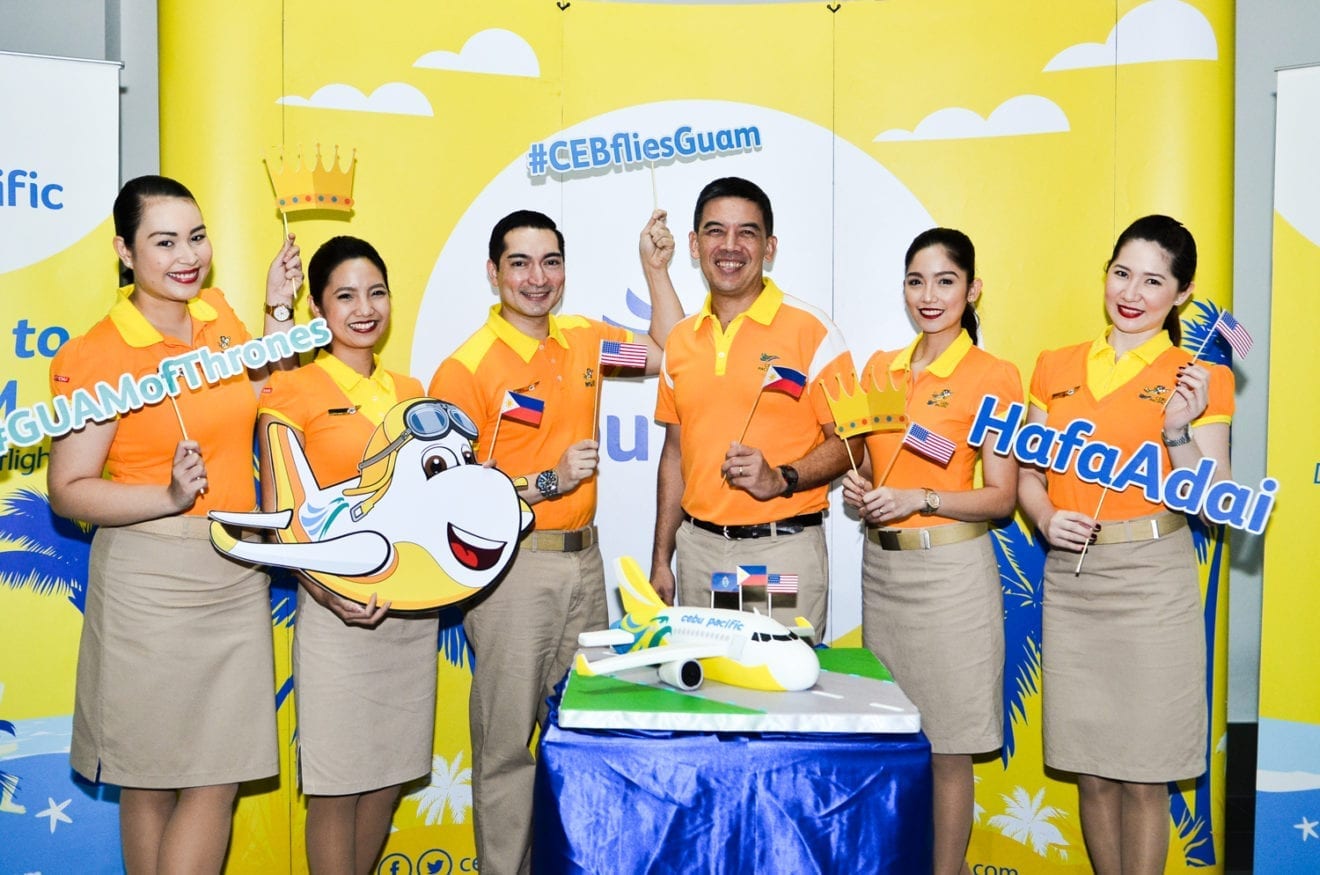
Local carrier Cebu Pacific opened Tuesday its regional office in South Korea as part of its regional promotion and expansion.
In a statement, CEB said its office is located at 7th floor, Section B, Sesomunro 106, Jung-Gu, Seoul, Korea.
CEB’s Korea branch office will provide tickets sales, reservations services and customer support. It will aid in boosting the airline’s promotion and marketing strategies in Korea.
“CEB continuously looks for opportunities to expand services and target markets in the most convenient way. With the opening of CEB’s Korea branch office, we make ticket purchase and reservations more accessible to travelers while cultivating Cebu Pacific’s operations in the region. We remain committed to offering the most affordable air fares between the Philippines and Korea, and to contributing to the trade and tourism agendas of the communities we cater to,” said Michael Szucs, CEB Chief Executive Adviser.
Currently, CEB operates daily to and from Incheon-Manila/Kalibo/Cebu, and twice weekly to and from Busan-Manila utilizing 180-seater Airbus A320 aircraft. The A320 is a proven and reliable aircraft with low operating costs, which means lower fares for our customers.
CEB flew over 250,000 passengers between the Philippines and Korea from January and September 2016. Passengers from Korea can use CEB’s extensive network to visit the Philippines’ popular domestic destinations such as Boracay, Coron, Davao and Puerto Princesa via easy flight connections through Manila.
CEB currently offers flights to a total of 36 domestic and 30 international destinations, operating an extensive network across Asia, Australia, the Middle East, and USA. Its 57-strong fleet is comprised of six Airbus A319, 36 Airbus A320, six Airbus A330, eight ATR 72-500, and one ATR 72-600 aircraft. Between 2016 and 2021, CEB expects delivery of 32 Airbus A321neo, two Airbus A330, and 15 ATR 72-600 aircraft
The Apple iPhone 7 went on sale in South Korea on Friday, seeking to fill a void left by arch-rival Samsung on its home turf following a damaging recall fiasco over the Note 7 smartphone.
The South Korean electronics giant discontinued the Note 7 — one of its key iPhone challengers — on October 11 following reports that replacements for combustible models were also catching fire.
The decision is set to cost Samsung billions in lost profits, and there are already signs that Apple is reaping some of the benefits.
An official at mobile carrier Korea Telecom (KT) said the first batch of 50,000 iPhone 7s they put up for pre-order a week ago sold out in 15 minutes.
“I would attribute part of that to the Note 7 effect,” said the official, who declined to be identified because he was not authorised to talk to the media.
Customer defection is one of Samsung’s biggest concerns, especially as the Note 7 was specifically aimed at taking on the iPhone in the premium handset market.
In the hope of retaining customer loyalty, Samsung had offered Note 7 users a 70,000 won ($60) phone bill credit if they swapped their faulty phones with another Samsung handset.
The half-dozen customers buying the new iPhone at a KT store in central Seoul on Friday were all long-time Apple users who had pre-ordered their handsets.
Office worker Lee Kyung-Hee, 34, said she had moved fast when the pre-order service opened, fearing a surge of interest from unhappy Note 7 owners.
“I set an alarm and was very quick,” Lee said.
In South Korea, retail prices for the iPhone 7 and 7 Plus start from 869,000 won and 1.02 million won respectively, for their basic 32GB models.
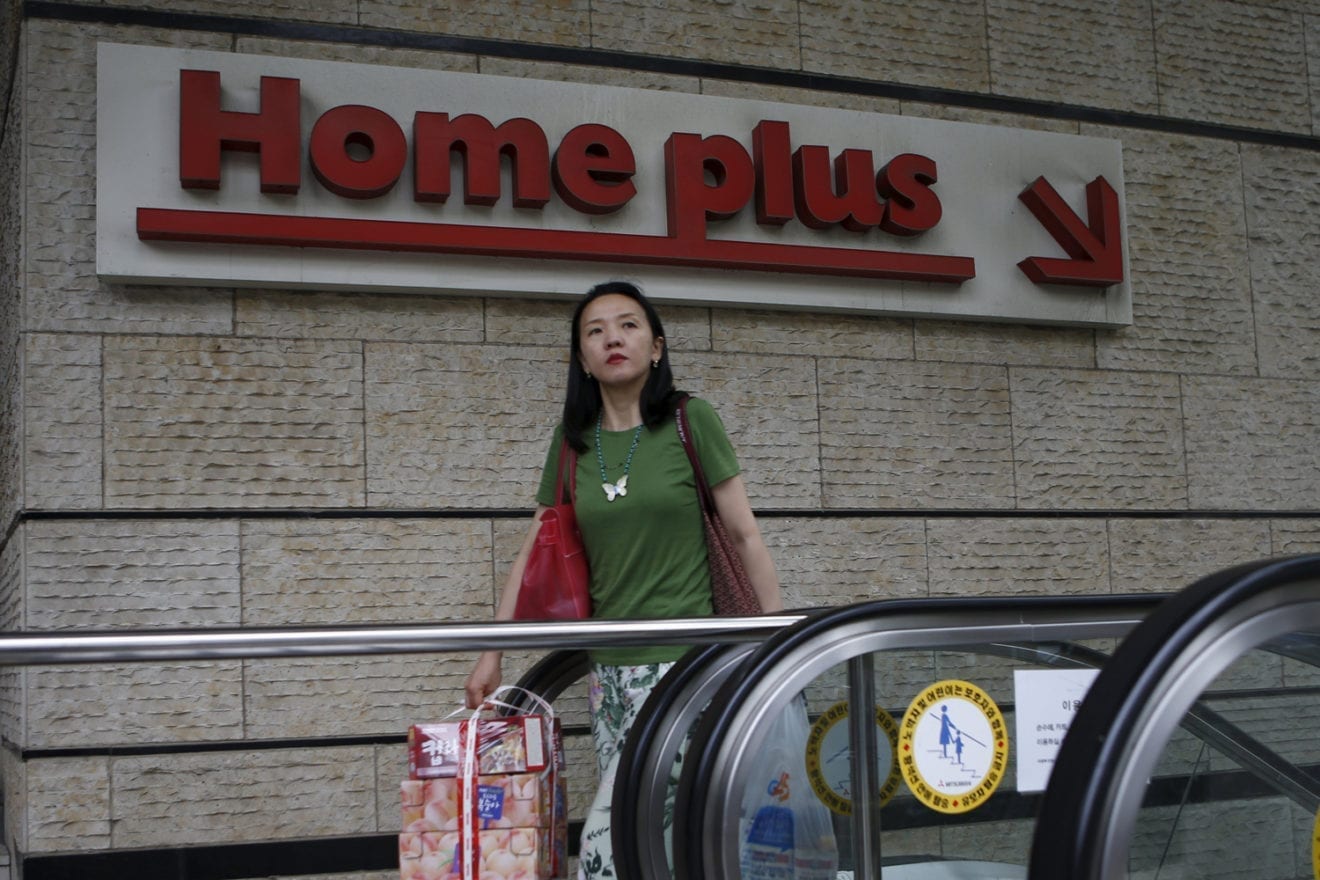
A group of affluent individuals would come up with 90 billion won ($75.5 million) to jointly own a Homeplus Co. superstore outlet in the suburban city of Pyeongchon, Gyeonggi Province, evidence that retail investors are joining their institutional counterparts in search for alternative investment options amid prolonged low-interest rate environment.
According to investment industry on Tuesday, Vestas Investment Management Co. was named as a preferred bidder to buy Homeplus’s Pyeongchon branch from Alpha Asset Management Co. The purchase price is expected to reach about 90 billion won.
Vestas, a Seoul-based investment manager that specializes in real estate investment, will be creating a private equity fund in hands with wealthy retail investors for the takeover deal, raising 30 billion won through the individual investors and borrowing the remainder from financial institutions.
The investment manager tapped demand from retail investors through preferred client service centers of banks and brokerage houses in affluent neighborhoods in Seoul last week. There are many clients who are seeking medium-risk and medium-return private equity investment products amid low-interest rate environment and they are willing to invest up to billions of wons, said a preferred client service center officer who asked to be unnamed.
The elite client banking and brokerage service centers are planning to offer the real estate private equity fund from mid-November until the end of this year. The fund limits the number of retail investors to 49, requiring each individual to invest roughly 600 million won in average. Vestas Investment Management expects its real estate private equity fund to become popular among well-to-do retail investors as it carries lower risk compared to securities and delivers higher profits than bonds. This would be one of very few cases in Korea that a small group of rich individuals taking over a large-sized hypermarket by creating a real estate fund, market experts said.
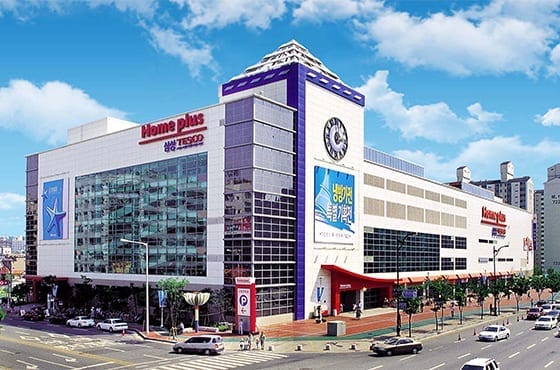
The Homeplus Pyeongchon branch is in Pyeongchon, a new town located on the southern outskirt of Seoul. The superstore with a total area of 28,582 square meters is four floors high above ground and two floors below. Sitting near a large-sized residential district with easy access to public transportations, the hypermarket outlet has steadily generated profits since it opened in 2008. The retail outlet is attached to a 12-year lease contract with household name Homeplus and it expects to deliver profits with annual return rate of between 5 and 6 percent.
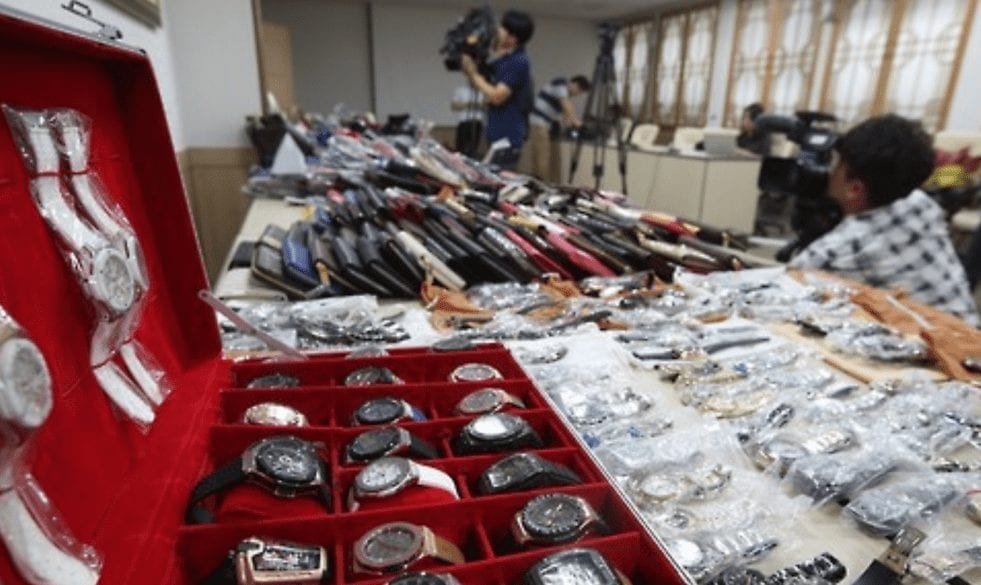
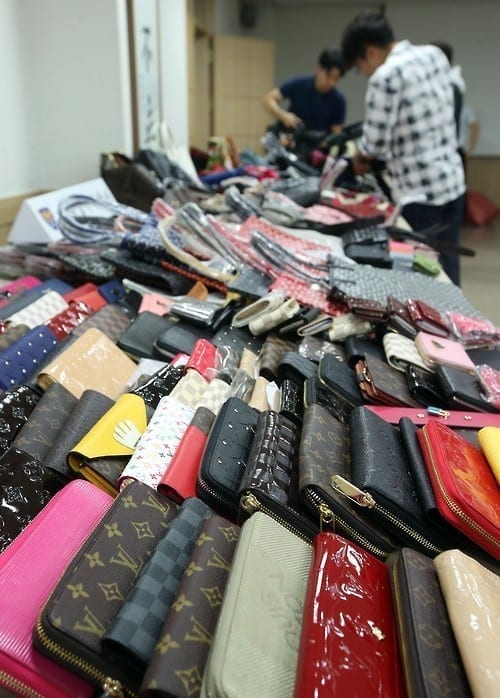
Seoul police busted four retailers Monday for selling counterfeit products of luxury brands in Myeongdong, one of the busiest tourist and shopping districts in Seoul.
The gang launched operations in April, and has since sold 40-million-won ($36,245) worth of knockoff products from 41 brands that included luxury brands Louis Vuitton and Rolex. Converting the sales figure to the retail value of their respective genuine products, they were worth over 8.3 billion won, the police said.
The suspects displayed the products without the logo engravings to evade police crackdowns. Instead, they sold the final products with the logos at a separate storage area only when visiting customers asked for counterfeit products.
“Counterfeit products can badly hurt the image of Myeongdong, so we plan to continue our crackdown operations jointly with the local government and the intellectual property office,” said a police official.
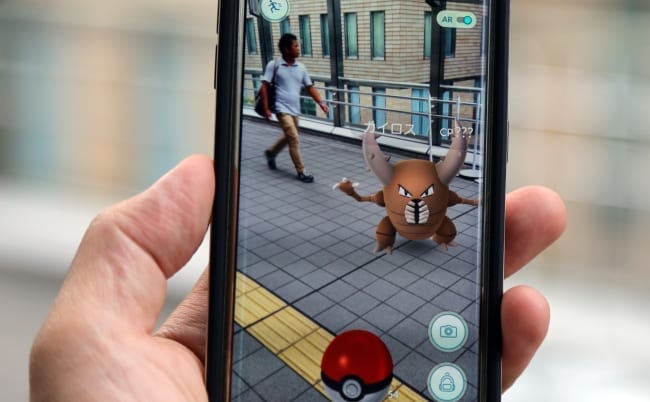
Convenience stores in some areas in South Korea are enjoying a boom in sales brought by the latest mobile game craze ‘Pokemon Go’.
‘Pokémon Go’, an augmented reality app developed by Niantic, requires players to walk around and catch creatures called Pokémon using one’s smartphone.
The hit game is not yet available in the country but a technical glitch made it accessible in a few locations such as Sokcho, Ulsan, and Busan driving people to flock to these areas, according to The Korea Herald.
Top South Korean c-store operator CU reported that its outlets in Sokcho saw a jump in sales notably in battery charging services which rose by 388 percent and mobile accessories such as portable batteries and earphones by 82.4 percent.
A rise in demand for ice cream and cold beverages due to summer heat has also been seen so the Sokcho branch of retail chain E-mart offers free ice water, as part of its marketing campaign, to ‘Pokémon Go’ players who can catch Pokémon creatures on its premises.
Travel agencies, hotels, and retailers selling Pokémon merchandise are also cashing in on the game phenomenon.
Indonesia has high hopes of carving out a share of the crowded Korean domestic cafe scene and coffee market.
A cafe specialising in artisanal Indonesian coffee is planned to open soon on the Bojeong-dong Cafe Street in Seoul. It will sell ground coffee and coffee beans from different regions in Indonesia, according to the Southeast Asian nation’s small and medium enterprises minister Anak Agung Gede Puspayoga.
“As one of the top coffee consumers in the world, South Korea should buy more coffee from Indonesia,” he said.
According to USDA data, South Korea’s coffee market is estimated at more than US$3 billion annually. Indonesia does not believe it is getting its fair share.
The planned Indonesian coffee cafe will initially sell coffee beans grown in three cities: Temanggung in Central Java, Denpasar in Bali and Bandung in West Java, including Priyangan coffee, Indonesia’s version of kopi Luwak, the famed civet coffee, and Temanggung, its Arabica and Robusta coffee.
The shop is part of a partnership hatched between the Korea Federation of Micro Enterprise, or KFME – which represents South Korea’s 7 million small businesses – and the non-profit International Council of Small Business.
The partnership will also see prominent Korean bakeries provide training for Indonesian bakers.
Galleria Duty Free 63 has been officially opened – and it’s offering more than just duty free products.
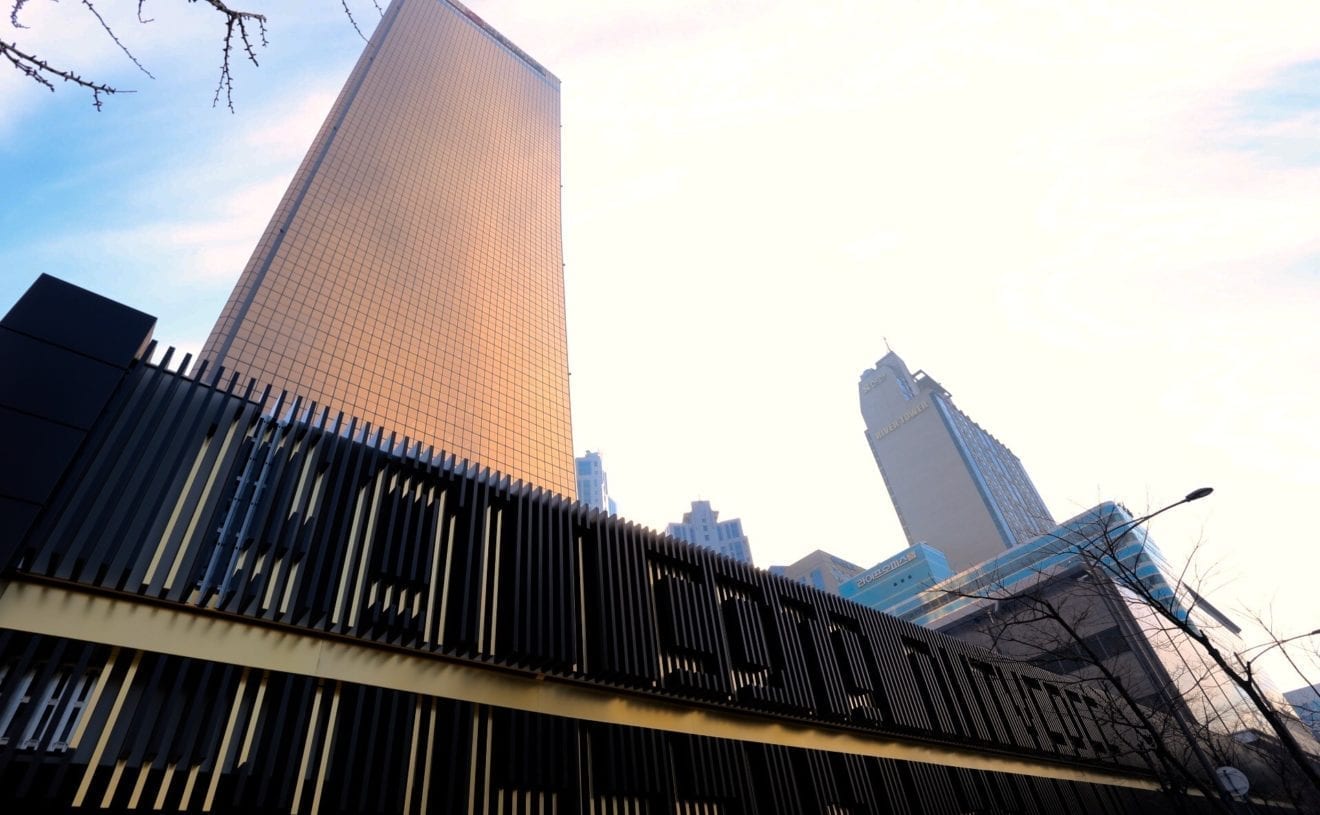
The new duty free store, located in Seoul’s iconic 63 Building, is operated by Hanwha Galleria, a subsidiary of Hanwha Group. Since its ‘Free Opening’ last December, the store has recorded daily average revenue of between 600 million and 700 million won, which the company expects to reach to 1 billion won (US$880,000) in the third quarter of this year.
But what is most intriguing about the latest duty free branch is its 63 Building-based tourism content that visiting shoppers can take advantage of.
The 63 Building, also owned by Hanwha Group, houses an observation deck overlooking the capital, and 63 Sea World, an aquarium that was recently renovated and renamed to AquaPlanet 63. Galleria Duty Free 63 has incorporated the building’s touristic elements and started operating tourism packages for its shoppers at the beginning of July.
Hanwha Galleria also joined hands with Chinese conglomerate Wanda Group to establish a new marketing partnership. Wanda Group currently has some 120 million subscribers in China, and it will be joining Hanwha Galleria’s marketing campaigns to reshape the store into the next big tourist attraction for Chinese vacationers in Seoul.
“Although the distribution industry has seen better times, we expect Hanwha Galleria to contribute to the Korea tourism industry with its distinctive duty free enterprise,” said Kim Seung-youn, CEO of Hanwha Group, who visited the store on Thursday.
The new store currently features 540 brands, from luxury labels like Gucci, Coach, and Michael Kors, to brands that are exclusive to Galleria Duty Free 63, such as Stefano Ricci and Golden Goose. More brands including Chanel Cosmetics and Bottega Veneta will be joining the branch in coming months.
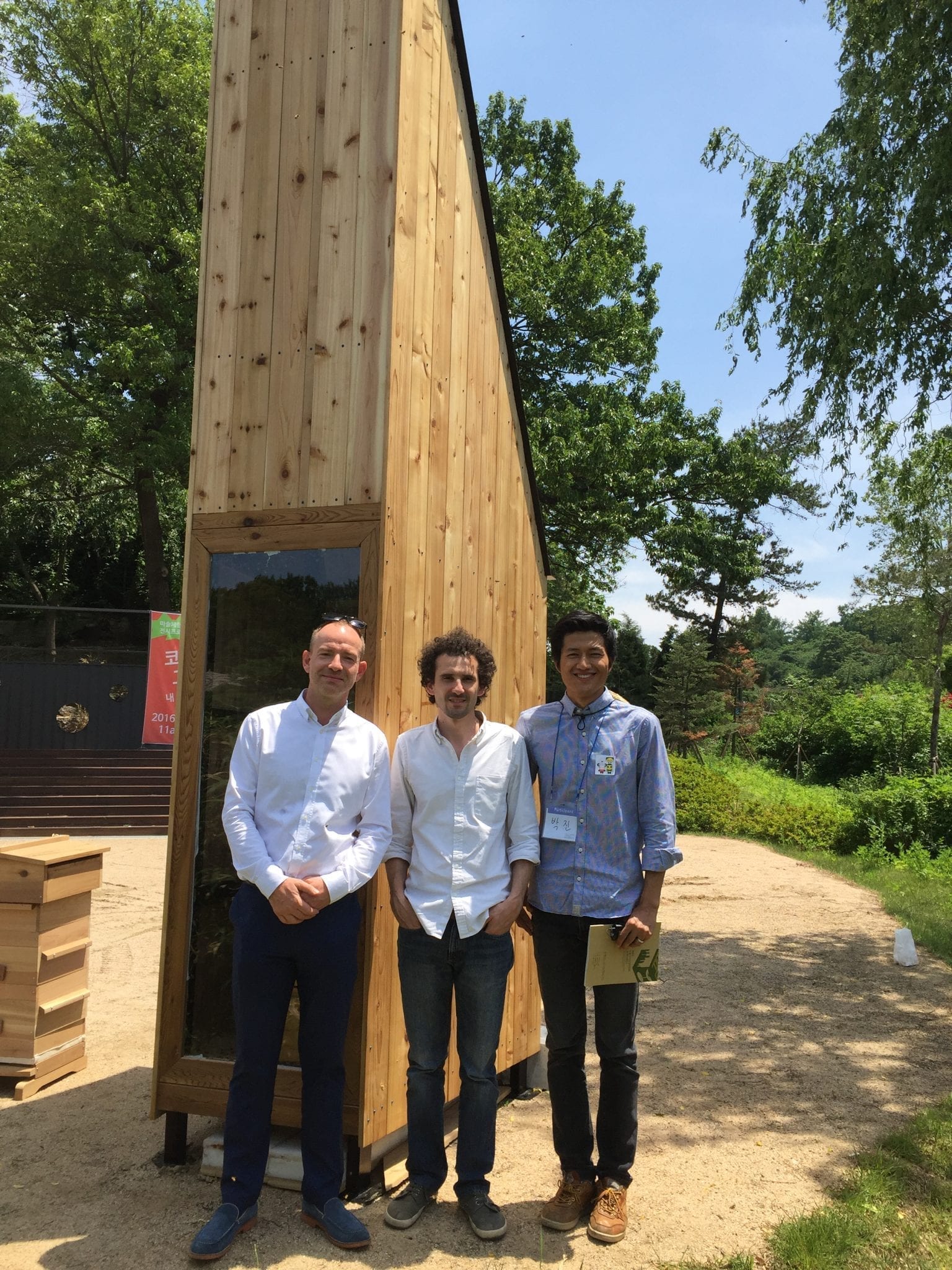
In an effort to promote the idea of urban beekeeping and to provide information about its environmental benefits, Bolloré Logistics Korea recently sponsored a beehive structure called Honey Factory, in Seoul, South Korea.
Currently installed in Seoul Children’s Grand Park, it was first introduced in Asia at the 2016 International Conference on Urban Agriculture during The 5th Seoul Urban Agriculture Expo that took place last May 19-22.
Designed by Italian industrial designer Francesco Faccin, this wooden beehive has a 4.5-meter chimney that keeps curious children safe from the bees. It also protects the bees from harm due to bad weather and helps keeping it at constant temperature with optimal ventilation. Honey Factory is an ideal beehive for city parks as a standard hive can cover a radius of three kilometers.
The first Honey Factory has also been operating since 2015 installed in the garden of the Triennale Design Museum in Milan, Italy, and carries out educational activities as well as producing great urban honey.
This action is fully in line with the biodiversity action plan put into effect within the Bolloré Logistics Business Unit. Bolloré Logistics’ biodiversity strategy has three fundamental pillars based on the ARC concept (Avoid / Reduce / Compensate):
(1) Embracing biodiversity as one of the company’s environmental concerns;
(2) Working with customers and suppliers on biodiversity issues and the impact of our activities;
(3) Make our sites models for biodiversity, all over the world.
By sponsoring the first Honey Factory in Asia, Bolloré Logistics hopes to increase efforts to protect bees, as they play a vital role in maintaining biodiversity.
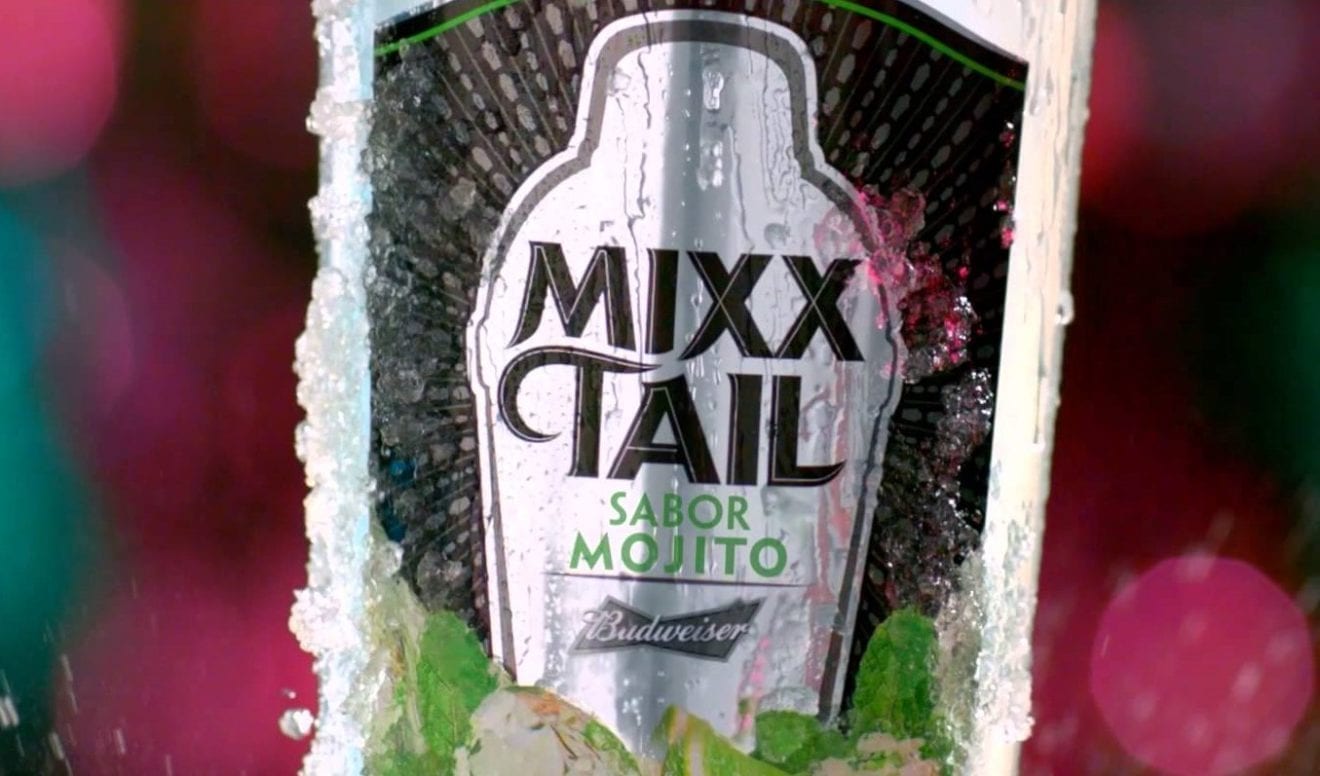
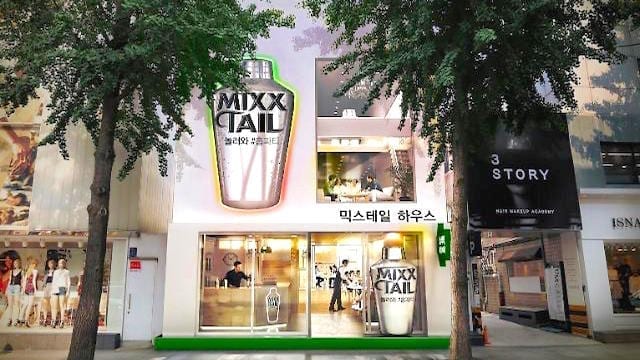
South Korea’s Oriental Brewery (OB) has opened a pop-up store named MixxTail House at Sinsa-dong’s Garosu-gil in Gangnam.
The Oriental Brewery pop-up offers a variety of cultural events and activities that visitors can enjoy while drinking OB’s MixxTail, the company’s fermented cocktail brand. The three-storey building includes a DIY Cocktail Bar, 3D Photo Zone, and an outdoor Cocktail Garden.
The company will also host music performances of various genres, cooking sessions, and lectures focusing on home-party decoration and culture.
The MixxTail House will be open daily from 11.30am to 10pm, until July 29.
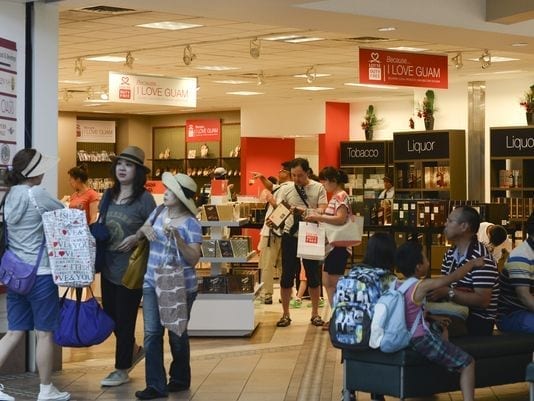
South Korean authorities raided the headquarters and other offices of Lotte Duty Free Guam’s parent company in Seoul earlier this month.
The duty-free retailer sells an array of high-end products, from eyewear to liquor, to passengers who’ve passed through the airport’s security check.
“The airport is not concerned at this time with the news coming out of Korea about Lotte,” Airport Executive Manager Chuck Ada’s office said in a statement. “It has nothing to do with Lotte Duty Free Guam’s obligations under its specialty retail concession contract with (the A.B. Won Pat Guam International Airport Authority).”
Lotte Duty Free Guam is a wholly owned subsidiary of Hotel Lotte Co. Ltd., which is based in South Korea. Hotel Lotte and other companies under the Lotte Group have been the subject of a widening investigation by South Korean authorities, according to media reports.
The news about the raids came after an audit, released in February, indicated Lotte Guam was facing financial problems.
The most recent audit of the retailer’s financial statements showed Lotte Guam posted $14.3 million net loss at the end of last year. Lotte Guam also recorded a $14 million loss at the end of 2014, and an $8.9 million loss in 2013.
In January 2015, Lotte Guam asked the airport for a temporary reduction in rent. Ada denied the request, saying it would affect the agency’s ability to pay its debts, according to letters between the airport and Lotte.
An email and phone calls to Lotte legal counsel Cesar Cabot were not returned.
Ada was unable to comment on whether Lotte had made a subsequent request for reduced rent.
In 2013, Lotte Guam signed a contract to pay the Guam airport agency $15 million a year for 10 years, and the airport used these future payments to enhance its ability to borrow more money from bond investors.
In light of the reports of the investigation into Lotte’s parent company, the airport “has to do their own due diligence,” said Guam’s Public Auditor Doris Flores Brooks.
However, Brooks said it’s too soon for her to comment whether there’s reason to be concerned about the airport’s future finances.
The Wall Street Journal reported that according to South Korean media, the raids were triggered by an investigation into whether a local cosmetics company paid bribes in exchange for floor space at Lotte’s duty-free retail outlets in that country.
Lotte’s South Korean office confirmed the raids occurred, but the company declined to comment regarding the specifics of the investigation, according to the Wall Street Journal.
Lotte Guam is part of the worldwide Lotte Group’s duty-free enterprise, which reported more than $4 billion in annual sales in 2015, according to the statement from Ada’s office.
“The airport has confidence that with Lotte’s experience and vast financial resources that it will abide by and meet the terms of our 10-year agreement,” the statement said.
If Lotte Guam fails to make a payment, the airport agency said it’s protected by a letter of credit of more than $15 million. A letter of credit is issued by a bank as a backup source of payment.
When asking for the rent to be reduced, Jung Min Lee, chief executive officer of Lotte Guam, wrote that sales “have not met projections, and are not even near the estimated levels based upon available economic data.”
“Lotte respectfully requests GIAA’s kind consideration in order to survive this temporary rough patch of adversity and market events that are beyond Lotte’s control,” Lee wrote. The request cited the weakened value of the yen and the ruble against the U.S. dollar as a reason for the dismal sales.
Guam’s tourism industry has seen a dip in Japanese visitor arrivals and steep plunge in tourist arrivals from Russia, and those challenges continued this year.
Lotte Guam’s net sales of $15 million weren’t enough to cover all of the duty-free retailer’s bills last year, including: $15 million in rent to the airport; almost $4 million in payroll and employee benefits; and $3.3 million in professional fees, the 2015 audit report showed.
The airport agency doesn’t want to increase airline fees to cover losses from duty-free concession revenues, Ada wrote in his letter denying the rent reduction. When the airport raises airline fees, airlines could pass on the cost to the traveling public.
Lotte’s $15 million rent payment to the airport in fiscal 2015 made up nearly 25 cents for every $1 of the airport agency’s operating revenue that year, a separate government audit report shows.
Lotte Guam and the airport agency continue to fight luxury goods retailer DFS Guam in Superior Court over the duty-free shop spaces at the airport.
DFS was the duty-free concessionaire for 30 years until the airport awarded a 10-year concession agreement with Lotte in 2013.
Lotte has paid $20 million for projects to improve the look of the duty-free concession areas at the Guam airport terminal, according to the airport agency.
“There is no question that the Lotte concession has been of tremendous benefit to the airport and the people of Guam,” the agency said in a statement.
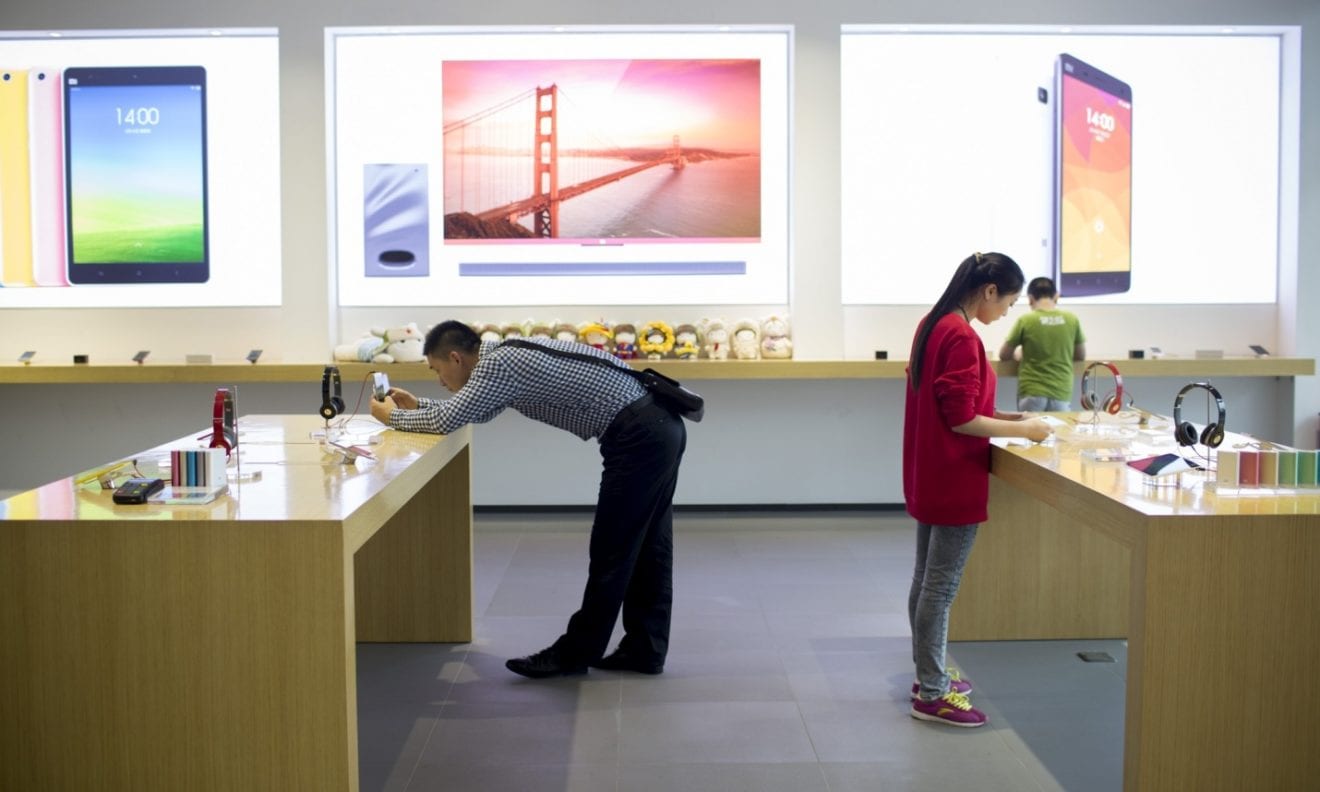
Tech giant Xiaomi Korea took another step forward in its Korean operations by opening its first offline store in Seoul.
The Chinese-headquartered smartphone and electronics brand has opened the store inside the Yongsan Electronics Market, one of the largest retail areas in Korea that houses some 5000 electronics stores.
To celebrate its grand opening, Xiaomi has organised various events for visiting customers, which will last until June 12.
South Korea’s retail giant Shinsegae Group opened its duty free outlet on Wednesday in downtown Seoul, about six months upon successfully winning a license on a duty -free retail business after repeated failed attempts over the last two decades. Shinsegae Duty Free shop is located in Shinsegae Group’s flagship department store in Myeong-dong, one of the most bustling shopping and tourist streets in central Seoul.
According to Shinsegae, its duty-free stores occupy floors 8-12 at Shinsegae Department Store with a sales area of 13,884 square meters. Shinsegae pledged to turn the downtown area as world-class tourist attractions by making its duty-free outlet a Korea’s touristic landmark. The company said Shinsegae Duty Free at Myeong-dong is offering special areas dedicated for Korean pop culture and worldly renowned artworks as well as top international brands.
Shoppers will find about 600 brands from all over the world, including Gucci, Saint Laurent and Bottega Veneta, at Shinsegae’s tax-exempt outlet. Also, about 70 luxury wrist watch labels such as Audemars Piguet, Vacheron Constantin, Jaeger-LeCoultre and Omega opened their shops at the store, while four other high-end jewelry brands Cartier, Bulgari, Tiffany & Co. and Van Cleef & Arpels are to join the others in the second half of this year.
A series of luxury brands also plan to make their first debut in the Korean duty free market – Moncler, J.Lindeberg, Emporio Armani and MCM’s sunglass collection. The famous fashion labels Chanel, Hermes and Louis Vuitton are in discussion with the duty free retailer to open corners at the new duty-free shop, aiming for the fall/winter 2016 season. In addition, more than 200 cosmetic brands joined the tax-free outlet, according to the company.
To ensure foreign customers’ return, it reserved a special venue for foreign tourists at the new duty free store. There are separate zones for Korean cosmetic brands, as well as movie and animation character shops. Korea’s traditional craftworks by artisans will also be available to lure foreign visitors.
In November last year when the group was granted a license to operate duty free shop, Shinsegae said it aimed to rake in 1.5 trillion won ($1.26 billion) in sales from its duty-free shop operations within the first year of opening and 10 trillion won in five years by 2020.ths upon successfully …
A massive Seoul underground mall is planned as part of a transit zone that will match Coex Mall in size.
One whole level of the development will feature retail and restaurants.
Comprising six underground floors, the Gangnam district complex in the south of the city will cover 160,000 sqm.
If Seoul manages to connect the complex with Coex Mall and a new shopping mall now being built by Hyundai Motor Group, the three areas will encompass a total 420,000 sqm.
City officials say that about 1.7 trillion won ($1.5 billion) will be allocated for the project, which is expected to serve more than 580,000 commuters daily. The funding will include private investment.
Seoul will come up with a master plan by the end of this month, wrap up administrative procedures by the end of this year and open public bidding for an architectural design early next year.
More than 50 metres deep, the sixth level will service six different rail lines, from subway to KTX bullet trains. Also, 90 bus routes will pass through the area, with the transit centre on the second level.
Because of a new high-speed train line, it will take only five minutes to travel from the complex to Seoul City Hall, now a one-hour journey.
Several Great Train Express (GTX) lines will pass through the underground transit zone, connecting Seoul with neighbouring cities in Gyeonggi.
City terminal services for Incheon International Airport, now provided at Coex, will probably be moved to the second basement floor of the new complex.