Tag: Shanghai

  • Tesla Shanghai’s Jan-Sept 2021 Production To Reach 300,000 Units Despite Chip Shortage

    Tesla Shanghai’s Jan-Sept 2021 Production To Reach 300,000 Units Despite Chip Shortage

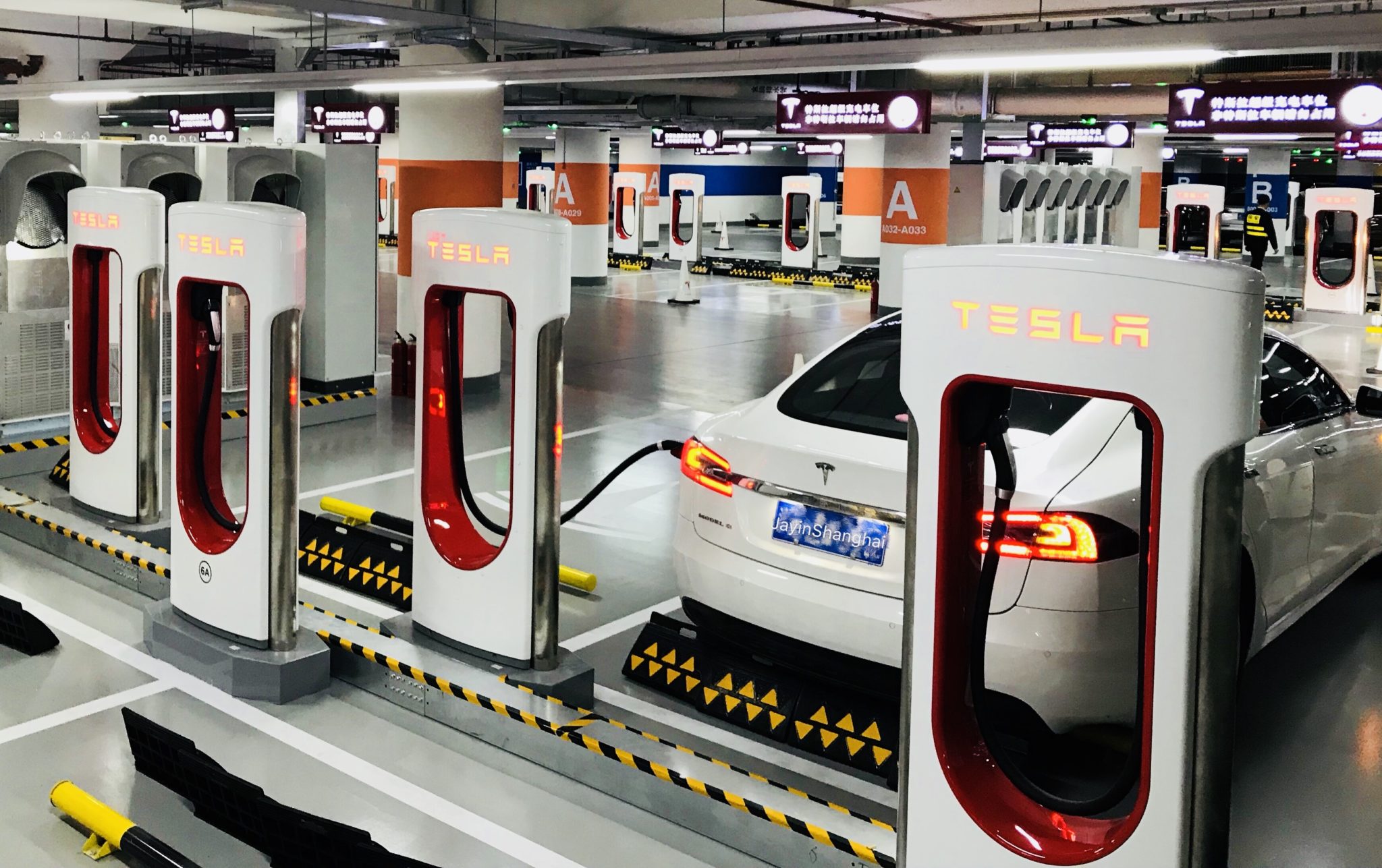
    Tesla’s Shanghai factory is expected to produce 300,000 cars in the first nine months of the year, capped by a delivery rush in the end of the July-September quarter, despite a global semiconductor shortage, two sources said. The factory makes the electric Model 3 sedans and Model Y sport-utility vehicles for domestic and international markets, including Germany and Japan.

    Around 240,000 vehicles were shipped from the factory in the first eight months, including many for export, according to data from the China Passenger Car Association. Tesla has not announced details on the factory’s production.An official in the area where Tesla’s factory is located said it is expected to produce 450,000 vehicles this year, including 66,100 for export.

    The sources requested anonymity, as they were not allowed to speak to media. Tesla did not immediately respond to a request for comment.

    In August, an official in the area where Tesla’s factory is located said it is expected to produce 450,000 vehicles this year, including 66,100 for export.

    Tesla is hiring managers for legal and external relations teams in China as it faces public scrutiny in the country over data security and customer service complaints.
  • Shanghai encourages ‘duty-free economy’ as part of consumer push

    Shanghai encourages ‘duty-free economy’ as part of consumer push

    The Shanghai government will support companies applying for approval to sell duty-free goods, and encourage duty-free shops to be set up at airports, hotels, malls and other commercial venues, municipal authorities said.

    The development of a “duty-free economy”, which will encourage spending on imported products, including heavily-taxed luxury goods, was outlined in a 2021-2025 consumption plan released on Saturday.

    Presently, duty-free spending in China is largely concentrated in the southern island province of Hainan, where the annual limit on individual duty-free spending was hiked to 100,000 yuan (US$15,467) last year from 30,000 yuan previously.

    Tariffs on imported consumer goods vary in China, with taxes on some luxury items such as perfumes and watches exceeding 30 per cent.

    Lured by the substantially lower prices, millions of domestic tourists flock to Hainan’s malls each year, and the numbers have been boosted by restrictions on overseas travel resulting from the Covid-19 pandemic.

    Otherwise, there are more than 300 duty-free shops across the country selling products from fragrances and cosmetics to clothing and shoes. China Tourism Group Duty Free Corp is the dominant player, with nearly 200 stores.

    Annual duty-free spending is in the tens of billions of yuan.

  • H&M closes Shanghai flagship

    H&M closes Shanghai flagship

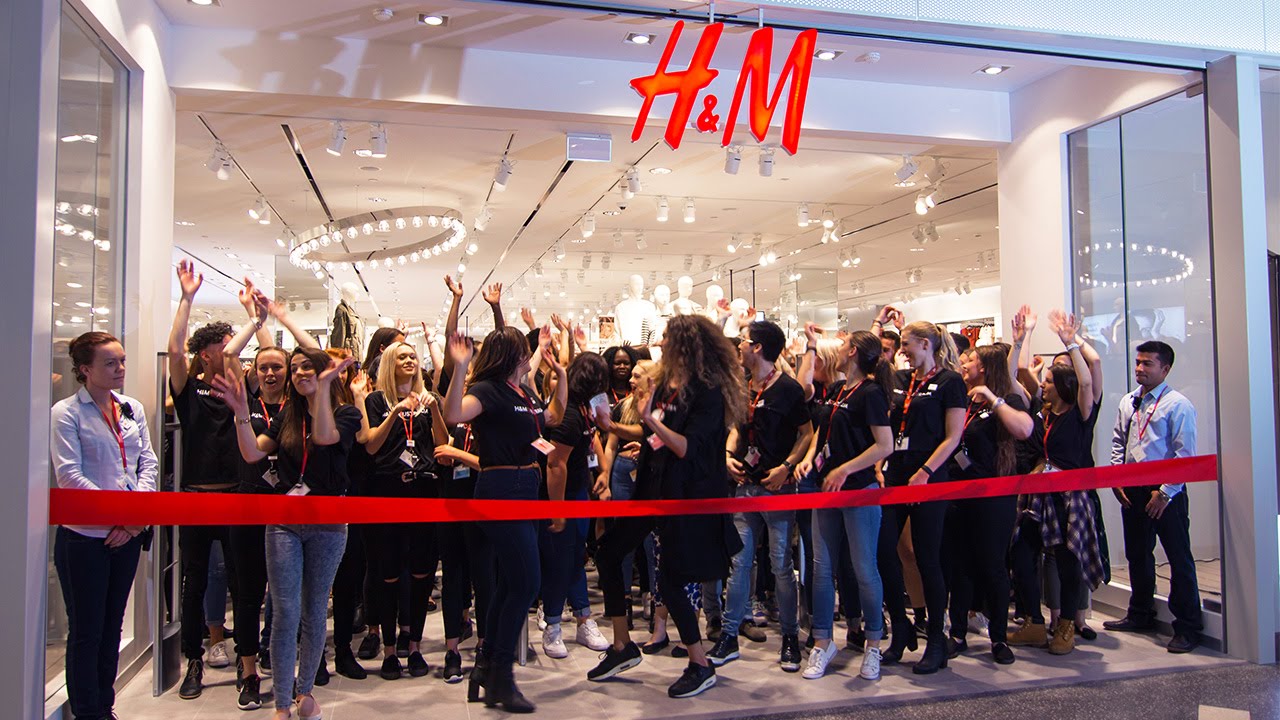
    H&M has closed one of its Shanghai flagship stores on the Nanjing West Road. The store, which was open for ten years, was considered a key part of the brand’s retail strategy as it was on a high-traffic shopping street.

    According to a statement made to Chinese media, H&M closed this store due to the lease ending. H&M says they will continue to review locations as business develops in China.

    Both Bloomberg and The New York Times have reported that landlords in China have forced the closure of H&M stores across the country after the controversy in late March regarding the company’s stance on using cotton sourced in China’s Xinjiang region. H&M products currently aren’t being sold on China’s top two e-commerce platforms, Tmall and JD.com.

    It’s been a tough year for H&M. In addition to taking a hit last year due to the global COVID-19 pandemic, H&M also saw a 21 percent fall in sales for Q1 2021. The company is projected to close 250 stores this year.

  • Tesla Puts Brake On Shanghai Land Buy As U.S.-China Tensions Weigh

    Tesla Puts Brake On Shanghai Land Buy As U.S.-China Tensions Weigh

    U.S. electric car maker Tesla Inc has halted plans to buy land to expand its Shanghai plant and make it a global export hub, people familiar with the matter said, due to uncertainty created by U.S.-China tensions. With 25% tariffs on imported Chinese electric vehicles imposed on top of existing levies under former U.S. President Donald Trump still in place, Tesla now intends to limit the proportion of China output in its global production, two of the four people said.

    Tesla had earlier considered expanding exports of its China-made entry-level Model 3 to more markets, including the United States, sources told Reuters, a plan that had not previously been reported.

    Tesla currently ships China-made Model 3s to Europe, where it is building a factory in Germany.

    Shares of Tesla fell as much as 5.3% early on Thursday.

    Tesla sold 25,845 China-made vehicles in China and overseas in April, down from 35,478 in March, according to data from China Passenger Car Association.

    Tesla’s Shanghai factory is designed to make up to 500,000 cars per year and has the capacity to produce Model 3 and Model Y vehicles at a rate of 450,000 total units per year.

    In March, Tesla refrained from bidding on a plot of land across the road from the plant as it no longer aimed to boost China production capacity significantly, at least for now, three of the people said, declining to be named as the discussions were private.

    In a statement to Reuters, Tesla said it’s Shanghai factory was “developing as planned.”

    The Shanghai city government, a key supporter in Tesla’s establishment of a wholly-owned factory in China – the first and only foreign passenger car plant not required to form a joint venture – did not respond to a request for comment.

    Tesla had never declared an intention to acquire the land, which is about half the size of the 200-acre (80 hectares) plot housing Tesla’s current facility and would enable the company to lift capacity by another 200,000 to 300,000 cars, said two of the people.

    Tesla’s China sales are surging despite mounting regulatory pressure in the country after consumer disputes over product safety and scrutiny over how it handles data.

    It generated $3 billion in revenue in China in the first three months of this year, more than tripling year-earlier sales and accounting for 30% of total revenue.

  • Tesla To Add EV Components Recycling Facilities At Shanghai Factory

    Tesla To Add EV Components Recycling Facilities At Shanghai Factory

    U.S. electric vehicle (EV) maker Tesla Inc plans to add facilities at its Shanghai factory to repair and reproduce key components such as electric motors and battery cells, a document submitted by Tesla to Shanghai authorities shows.

    China, the world’s biggest car market, sold over 1.3 million electric and plug-in hybrid vehicles last year. China’s regulators are adding rules on the recycling of key EV components to save materials and protect the environment.

    The document also said Tesla will add manufacturing capacities for car structures and electric motor controllers. It did not put detailed figures of its manufacturing capacities.

    Tesla, which is making electric Model 3 and Model Y vehicles, is expanding the manufacturing capacity of EV components to localize the supply chain. It also added a factory to make EV chargers in Shanghai last year.

    Tesla, which said on its website that materials in a Tesla car’s battery are recoverable and recyclable, did not immediately respond to a request for comment.

    Tesla sold more than 35,000 locally-made vehicles last month in China and is exporting China-made cars to Europe.

  • Diesel Hub concept store opens in Shanghai

    Diesel Hub concept store opens in Shanghai

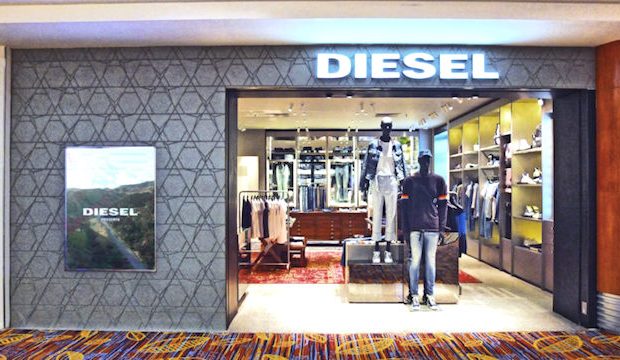
    Glenn Martens may still be prepping his debut collection for Diesel, but he’s already leaving his mark on the brand. The Belgian designer, who was tapped as the Italian brand’s creative director last October, has imagined a new store concept for Diesel, an immersive branding experience in itself.

    Painted floor-to-ceiling in the brand’s signature red color, the new concept is being introduced at two temporary pop-up stores in Amsterdam and on the outskirts of Washington, D.C., at the mall Tyson’s Corner Center.

    The company said it will be extended to other pop-up units and be flanked by experiential initiatives, and the concept will also appear in the first permanent unit, called Diesel Hub, that the brand will open in Shanghai later this year.

    “This new pop-up represents a first step toward elevating the design and brand experience of Diesel, starting from its iconicity and heritage,” said Massimo Piombini, Diesel’s chief executive officer. “It is a bridge to the new permanent store concept coming at the end of the year, starting from our Diesel Hub in Shanghai.”

    Paying homage to the brand’s DNA, Martens has had a giant Diesel logo and “For Successful Living” catchphrase brushed across the spaces’ elements, including displays and shelves, which customers will be able to read in their entirety upon entering the store, giving the impression of jumping into the brand’s tag.

    Both pop-ups will carry the spring 2021 and pre-fall 2021 assortments — which were not designed by Martens. Parent company OTB, controlled by Italian industrialist Renzo Rosso, recently said the first collection designed by Martens will bow for spring 2022.

    The Paris-based Martens arrived at Diesel nine months after Piombini, previously CEO of Balmain, was named CEO at Diesel, and amid brightening prospects for the flagship property of OTB.

    Rosso has had Martens on his radar for several years and tapped him in 2018 as a guest designer of its experimental capsule series Diesel Red Tag, one year after Martens bagged the prestigious ANDAM fashion prize, of which OTB is a historical sponsor and mentor.

  • Maison Margiela opens new retail concept store in Shanghai

    Maison Margiela opens new retail concept store in Shanghai

    Set to open on December 18 in Shanghai’s Reel Department Store, the new 160sq m boutique is the brand’s first store in China with the new store concept.

    Founded in 1988 and headquartered in Paris, French luxury fashion house Maison Margiela produces both haute-couture collections and ready-to-wear collections. The brand’s products include womenswear, menswear, footwear, fine jewellery, fragrance and home goods which will all be available at the new boutique.

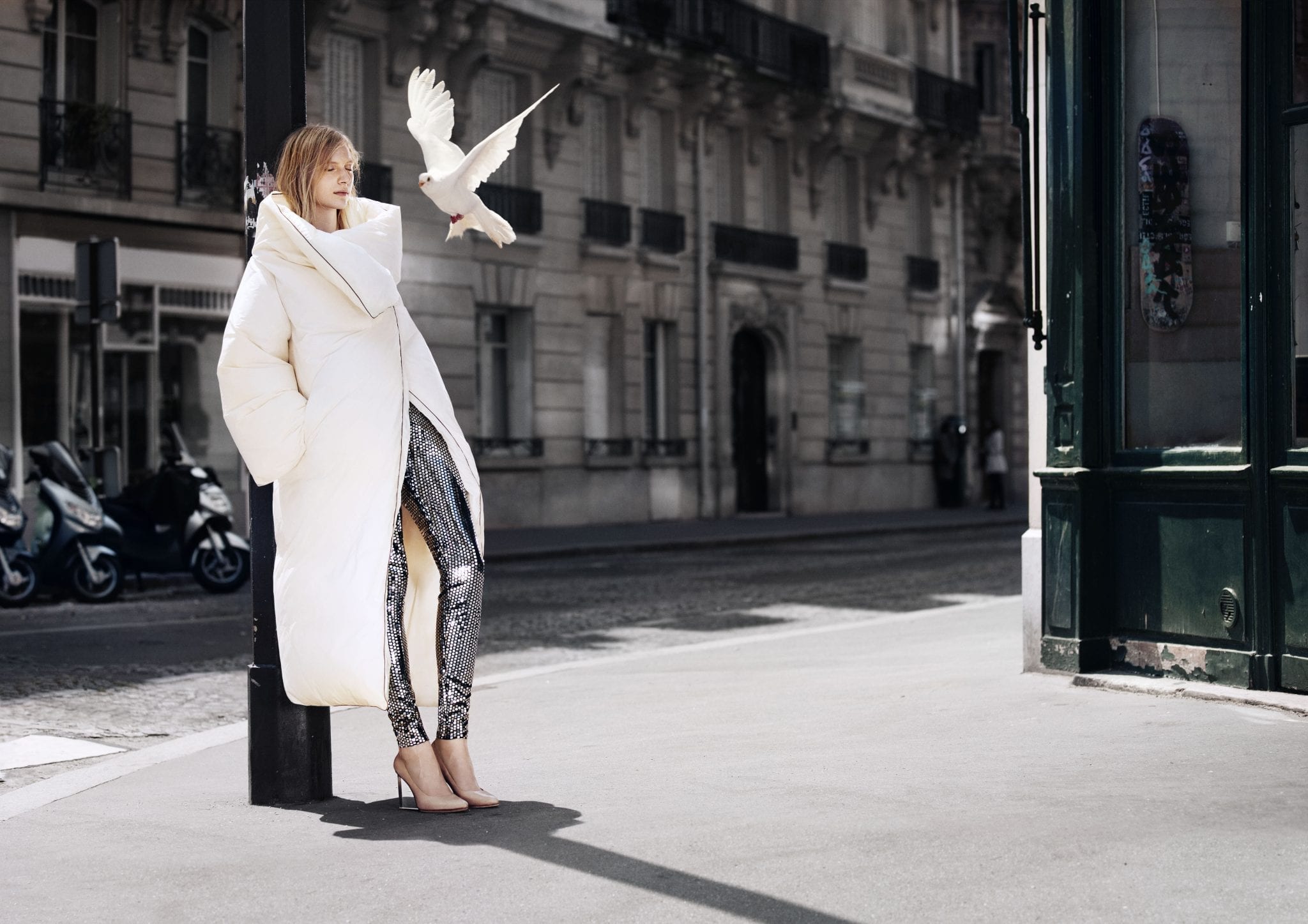
    The new concept store has been designed by Dutch architect Studio Anne Holtrop in line with Creative Director John Galliano’s vision. The store is fitted with artisanal furnishings and hand-cast textile moulds. The ceilings and walls are painted in a dark-green gloss that creates a shimmering shine.

    This new store has been inspired by the brand’s first concept store that launched in London’s Bruton Street, this was followed by Avenue Montaigne in Paris, and Osaka Shinsaibashi Parco in Japan.

  • Korloff opens new store in Shanghai

    Korloff opens new store in Shanghai

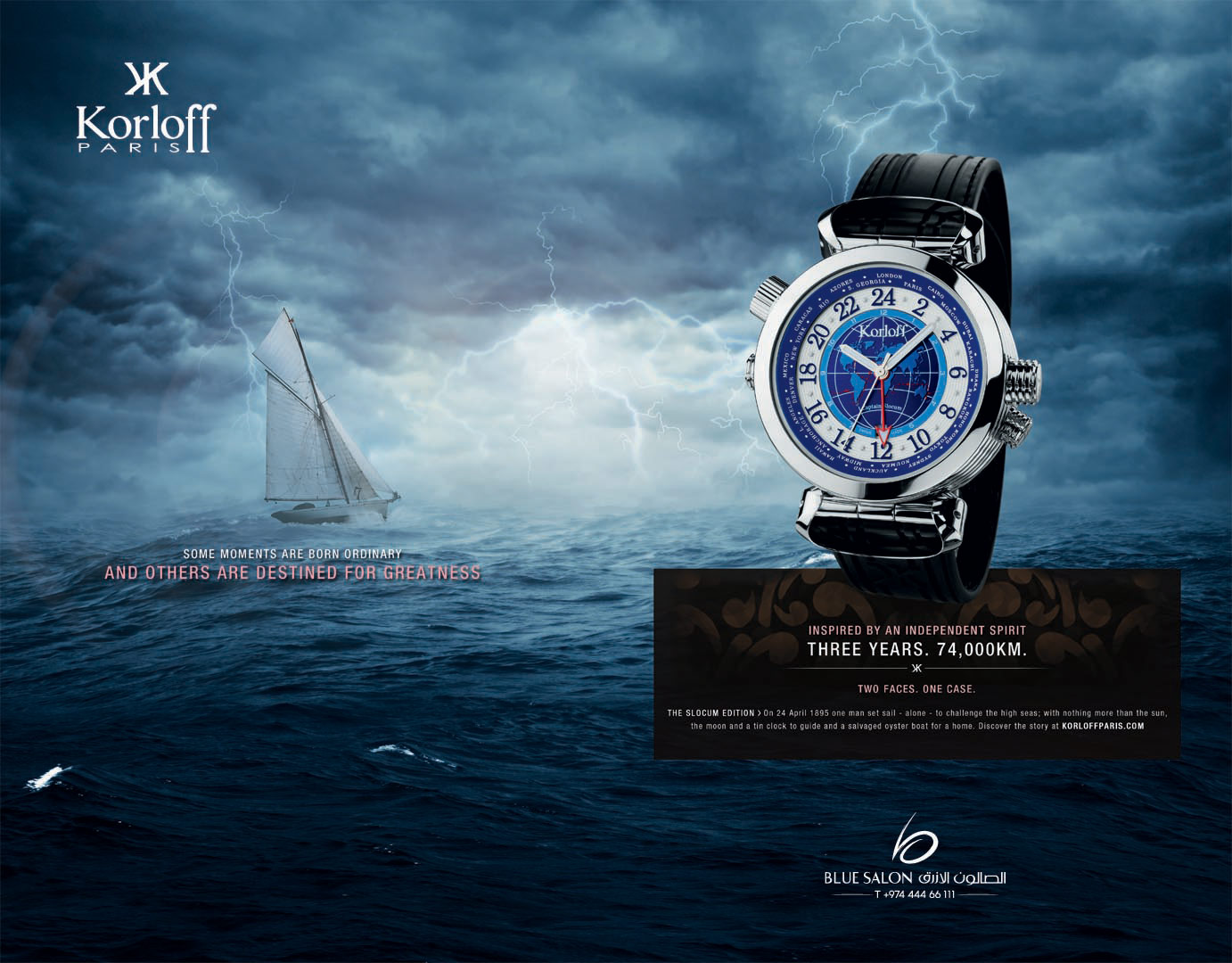
    French jewelry house Korloff has opened its first flagship store in Shanghai.

    Located at Shanghai Avenue Mall, the store offers Korloff’s full range, including fine jewelry, bridal collection, watches, small accessories, and fragrances.

    The store’s facade features glass doors and windows highlighted with back frames. The interior uses beige and brown as its theme colors.

    The launch is part of the brand’s international expansion plan and its strategy to strengthen its presence across Asia. According to Korloff, the company aims to expand in more international markets in the coming months.

  • Arc’teryx Shanghai opens first global flagship

    Arc’teryx Shanghai opens first global flagship

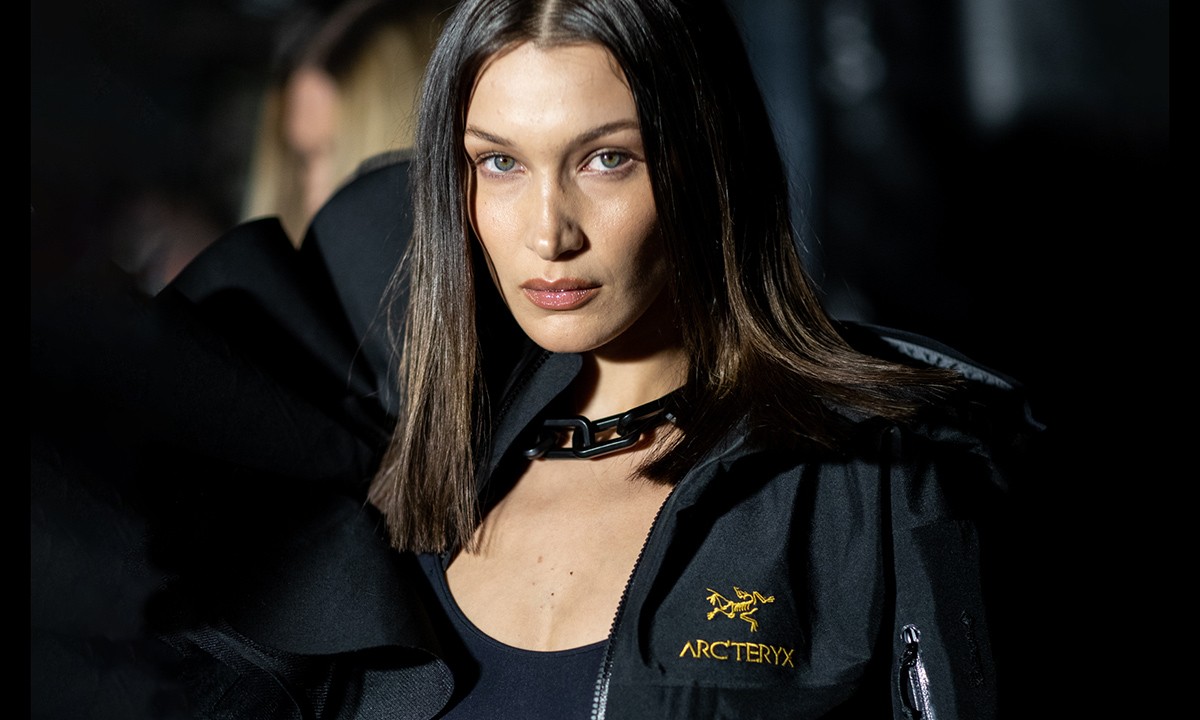
    Performance apparel brand Arc’teryx has opened its first global flagship store in Shanghai, its largest store to date.

    Called the Arc’teryx Alpha Center, the store occupies an 8000sqft area, offering what the brand describes as an “experiential design and apparel from each of the brand’s performance, lifestyle, and Veilance collections”.

    “We wanted to create a shopping experience that was unique not only to our brand but also to our customers as well,” said Megan Cheesbrough, VP of Retail, Arc’teryx. “As a brand, we want to encourage everyone to enjoy the outdoors, and with this in mind, we’ve decided to bring the outdoors in by incorporating the concept of hut-to-hut touring into our store design.”

    The flagship features four different experiential huts. The Hardshell Hut is located at the store’s front, featuring a triangular kaleidoscope LED screen displaying views of the sweeping Canadian mountain landscape. The Gore-tex Hut features a “rain room,” allowing customers to try on and water-test the technical functions of Gore-tex products.

    While the Hardgoods Hut houses a selection of the brand’s hardgoods, the Brand Hut features a virtual reality module that changes seasonally, a community lounge, and an events board.

    “We want to create an unparalleled shopping experience at Arc’teryx Alpha Center, and one of the ways we could do this is to offer a selection of different products serving different purposes, all in one space,” said Cheesbrough. “Whether you’re looking for a pair of trail running shoes and a climbing harness, or an insulated hardshell and an urban-style coat, we want Arc’teryx to be available to everyone.”

    Arc’teryx operates 30 retail stores across China – 22 branded stores and seven factory outlets.

  • Starbucks China opens first coffee outlet made of containers

    Starbucks China opens first coffee outlet made of containers

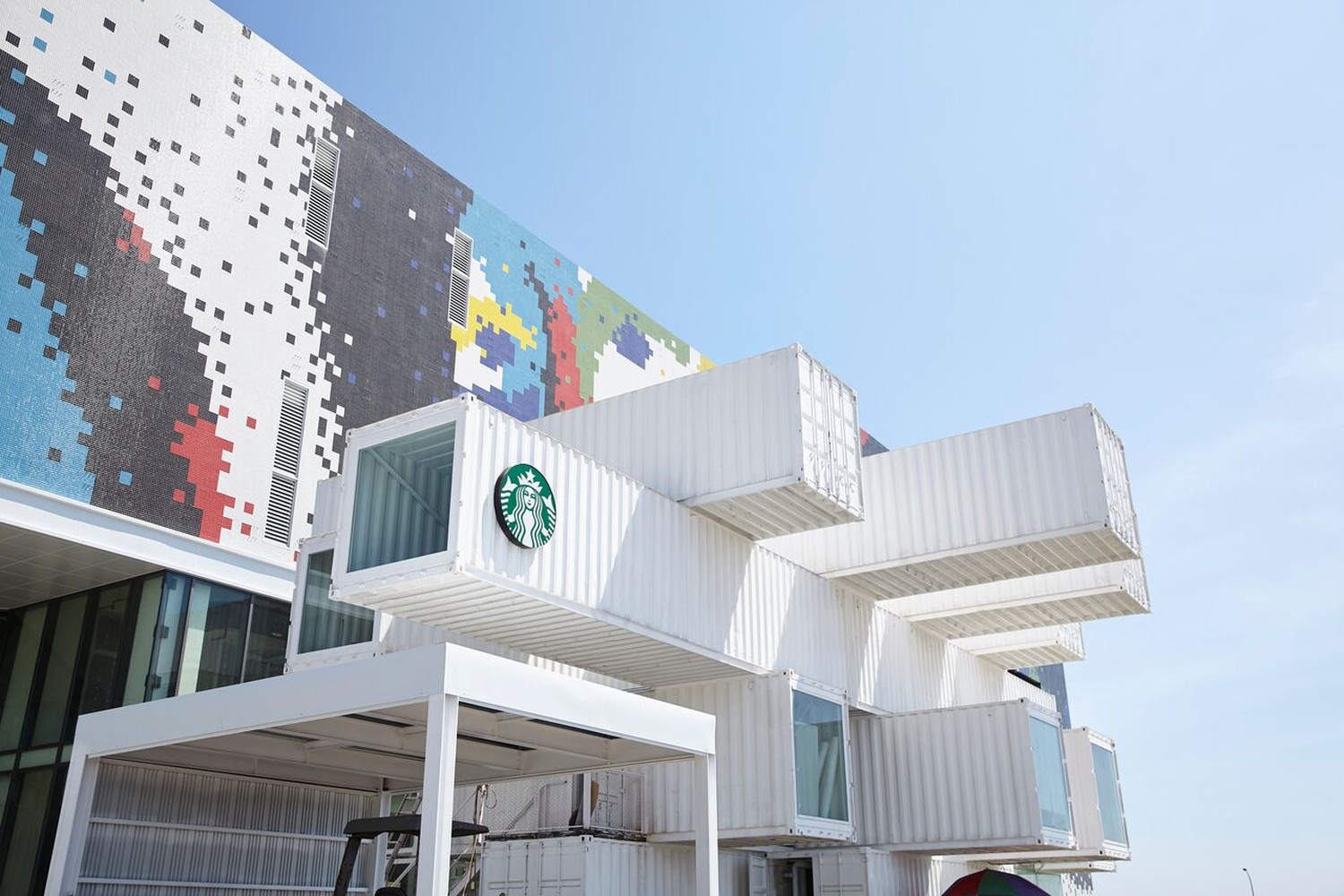
    Starbucks has just unveiled a new concept store in China created inside six repurposed shipping containers.

    An identical concept, created by Japanese architect Kengo Kuma, first appeared in Taiwan. As the 800th store in Shanghai, the Starbucks container store helped set a new record for the city – it has more Starbucks stores than any other city in the world.

    The cafe is located at Shanghai’s Wisdom Bay Science Innovation Park, on space which was formerly home to warehouses and container storage yards.

    Today, the area has been gentrified, converting abandoned cargo containers into office spaces as well has housed the nation’s first museum of 3D printing.

    Elements of the Silicon Valley-esque structure have also been replicated inside the store to create ‘cultural coffee experiences’, an art gallery and a wall installation art piece created by a 3D printer.

  • Loft launches in Shanghai

    Loft launches in Shanghai

    Japanese lifestyle specialty store Loft has opened its first directly owned overseas store, ‘Xujiahui Loft’ in Shanghai.

    Located at Metro City, the Xujiahui Loft Shanghai occupies a 1046sqm area. It features more than 12,000 products including Loft’s exclusive lines as well as limited-edition items commemorating the store’s grand opening and pre-sale goods.

    The Xujiahui Loft features ‘Loft Apartment’ where 18 Chinese independent designers will offer their originality in items such as stationary, mobile phone cases, and bags. Participating creators include Caro.Ni, eve.yin, Zengxiaoe, SummerBee and Square Studio.

    Moreover, there will be exclusive collaborative products based on Chinese cheese-tea brand Heytea’s popular drink “Mango Cheezo (mango cheese tea)” and Loft’s image colors, as well as a photo spot, according to the company.

    Loft in Shanghai will also house a pop-up pottery market “Hasami Porcelain Market,” displaying a wide selection of pottery items centering on Hasami porcelain from Nagasaki Prefecture, and “I’be one” pop-up store featuring Japanese characters themed products.

  • Montblanc launches at Shanghai Plaza 66

    Montblanc launches at Shanghai Plaza 66

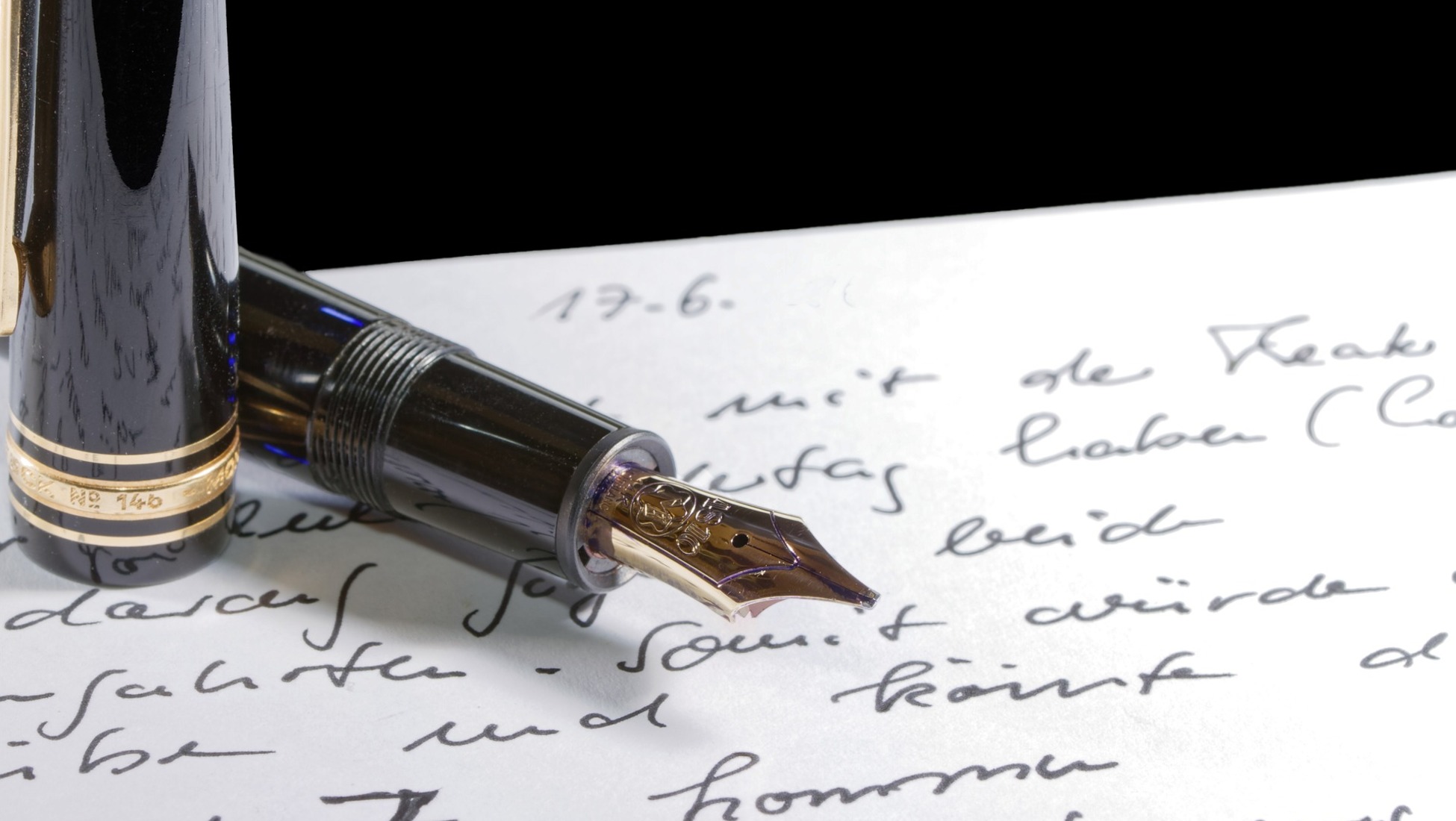
    Montblanc has launched a flagship boutique and a pop-up store in Shanghai, China. Located at Shanghai Plaza 66 on Nanjing Road, the store features a wide collection of Montblanc’s luxury goods, including travel bags, backpacks, watches, and accessories.

    The Shanghai Plaza 66 boutique features a modern design with black and gold elements.

    The Shanghai Plaza is also a location where Montblanc chose for its worldwide launch of M-Gram 4810 Collection. The CEO of Montblanc China, Daniel Chang, unveiled some photos of the pop-up store on his LinkedIn feed.

    Located in the main atrium, the pop-up store features a blue navy as the store’s theme color. A giant letter ‘M’ is displayed at the entrance of the store with the brand’s name in white on top. A large digital screen is installed on the side of the store, presenting videos of Montblanc’s products.

    The Montblanc’s pop up resembles a modern museum with a wide range of Montblanc items displayed on the wall.

    To promote the campaign, large banners are hung inside the mall, showing a photo of Montblanc’s global brand ambassador Chen Kun with the brand’s tagline ‘What moves you, makes you’

    The Shanghai Plaza 66 flagship’s facade was also re-designed, featuring the blue navy with ‘M’ pattern. Montblanc China also hosted the Montblanc 2020 Light Show in Hangzhou to promote the brand’s new collection.

  • Ikea City store in Shanghai opens, a Chinese first for Swedish retailer

    Ikea City store in Shanghai opens, a Chinese first for Swedish retailer

    Swedish home-furnishing giant Ikea opens an Ikea City store in Shanghai today, its first such outlet in China.

    The Ikea City opening comes after the Ikea Tmall flagship launch in March as part of the brand’s strategy to broaden the ways it reaches Chinese customers, making the brand more accessible.

    Located in Jing’an district, the store spans three floors and occupies 3000sqm. It will feature a limited range of about 3500 products.

    “We’re seeking to diversify store formats, including online channels as well, to complement each other in order to test, learn and gain feedback from customers to fuel future growth,” Francois Brenti, VP of Ikea China said.

    “We have seen solid growth of online channels following the pandemic and we expect this to continue in the future,” he said.

    The new Ikea City Shanghai store will take the brand’s number of stores in the city to five.

  • Saucony opens first store in Shanghai

    Saucony opens first store in Shanghai

    Heritage running shoe brand Saucony has opened its first store in Shanghai at Super Brand Mall.

    The company says the opening represents an important milestone in the brand’s development in China.

    The 122-year-old brand is actively expanding its Chinese retail network by entering major cities in order to cater to burgeoning demand from the country’s growing elite class.

    The start of business also marks a transition in Saucony’s marketing strategy from online stores to physical stores in the market, while raising awareness of the brand’s shoes and apparel in China. The company intends to follow through with more brick-and-mortar stores in other Chinese cities.

    The store was launched by management from Saucony and its local partner Xtep.

  • Permanent home opens for OnTheList Shanghai

    Permanent home opens for OnTheList Shanghai

    OnTheList Shanghai is about to open a permanent showroom in downtown Shanghai, just seven months after the flash-sale pioneer made its debut in the Chinese city.

    After launching its first event last September, OnTheList Shanghai has been working on developing a more long-term presence and building brand awareness through pop-up events there, as part of a region-wide expansion program.

    The new 1000sqm OnTheList Shanghai store will open at Jiangning Road 293 in Shanghai’s famed Jing’an district.

    Co-founder & CFO Diego Dultzin Lacoste describes the store as “a luminous space with an exclusive design which places the customer experience at the heart of its strategy”.

    Given consumers are opting to stay home during the coronavirus pandemic, OnTheList will also hold flash-sale events online, via its WeChat mini program.

    Last September, OnTheList Shanghai debuted with a flash sale on behalf of fashion distributor ImagineX, featuring the brands Club Monaco and Juicy Couture. Products were discounted by up to 90 percent.

    OnTheList turned four in January and during that time has expanded from running short-term sales in pop-up spaces to having its own permanent stores in Hong Kong’s Central, and expanding into Singapore and Taiwan.