Tag: Shanghai

  • Metro AG to open imported items retailer in FTZ

    Metro AG to open imported items retailer in FTZ

    German retailer group Metro AG is planning to open an imported items specialty retailer inside Shanghai’s Free Commerce Zone by the top of this yr to seize a slice of the booming imported items market.

    Metro AG stated it expects e-commerce transaction might make up as a lot as 10 % of its general revenue in China inside one or two years.

    “We’ll shift our focus to enlargement from opening new shops to renovating present ones to raised go well with e-commerce consumers. For the web enterprise, we additionally hope to focus on extra company shoppers with a view to assure our revenue margin,” president of Metro Money & Carry China Jeroen de Groot informed a press briefing right now.

    It’s nonetheless discussing the small print with the Shanghai FTZ authorities relating to the availability chain and stock administration amenities.

    The corporate at present unveiled a modern format of its on-line buying website that permits consumers to select their close by department for simpler supply and a real-time reflection of merchandise in inventory.

    Tao Yuan, basic supervisor of Metro Money & Cary’s e-commerce unit, stated supply for particular person consumers might be dealt with by native courier agency SF Categorical and Zhaijisong Categorical Supply.

    By the top of this yr, it hopes to cowl altogether 80 Metro retailers in China in 56 cities. At present it’s obtainable to shoppers in 21 cities.

  • ​Disney opens its largest store in Shanghai

    ​Disney opens its largest store in Shanghai

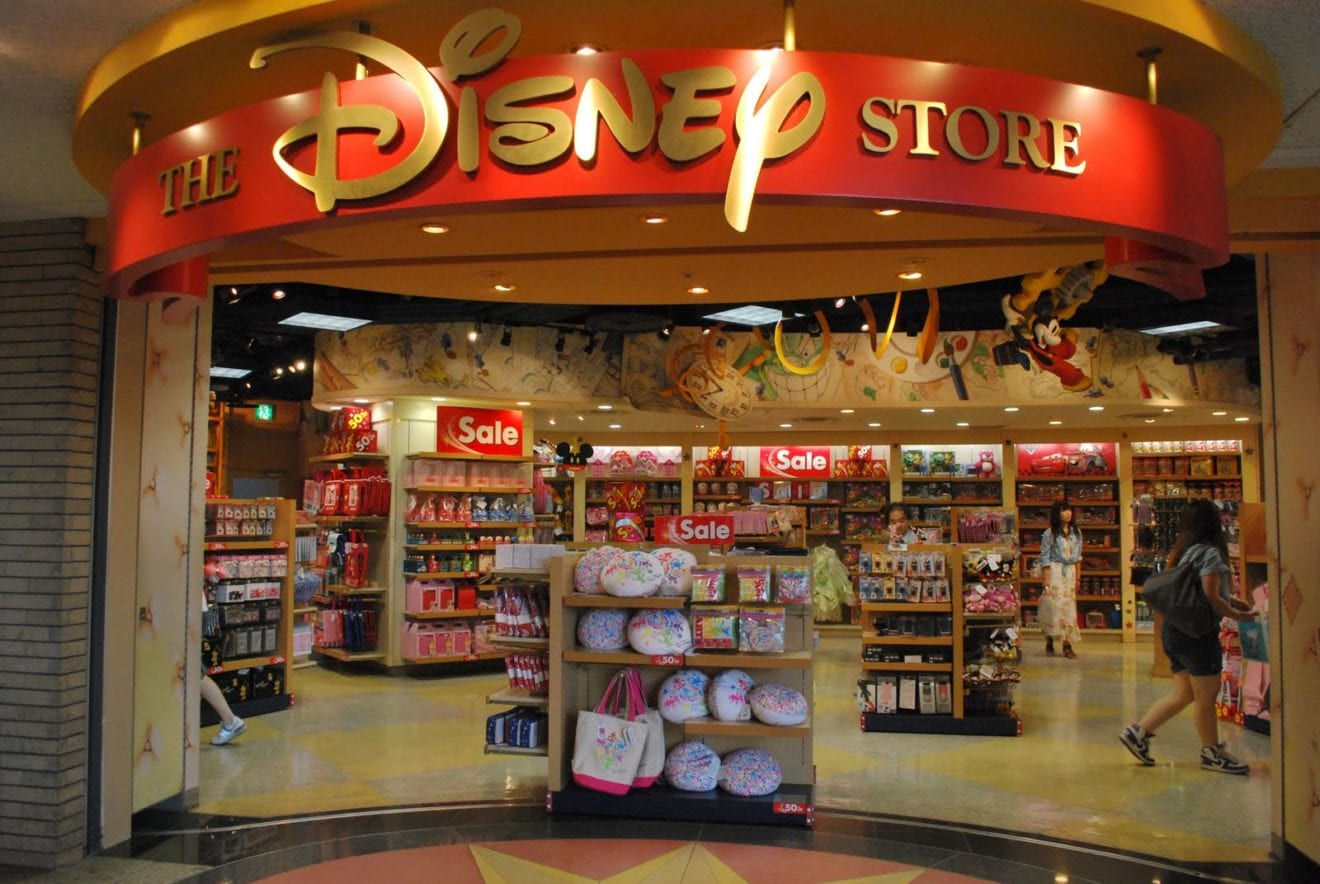
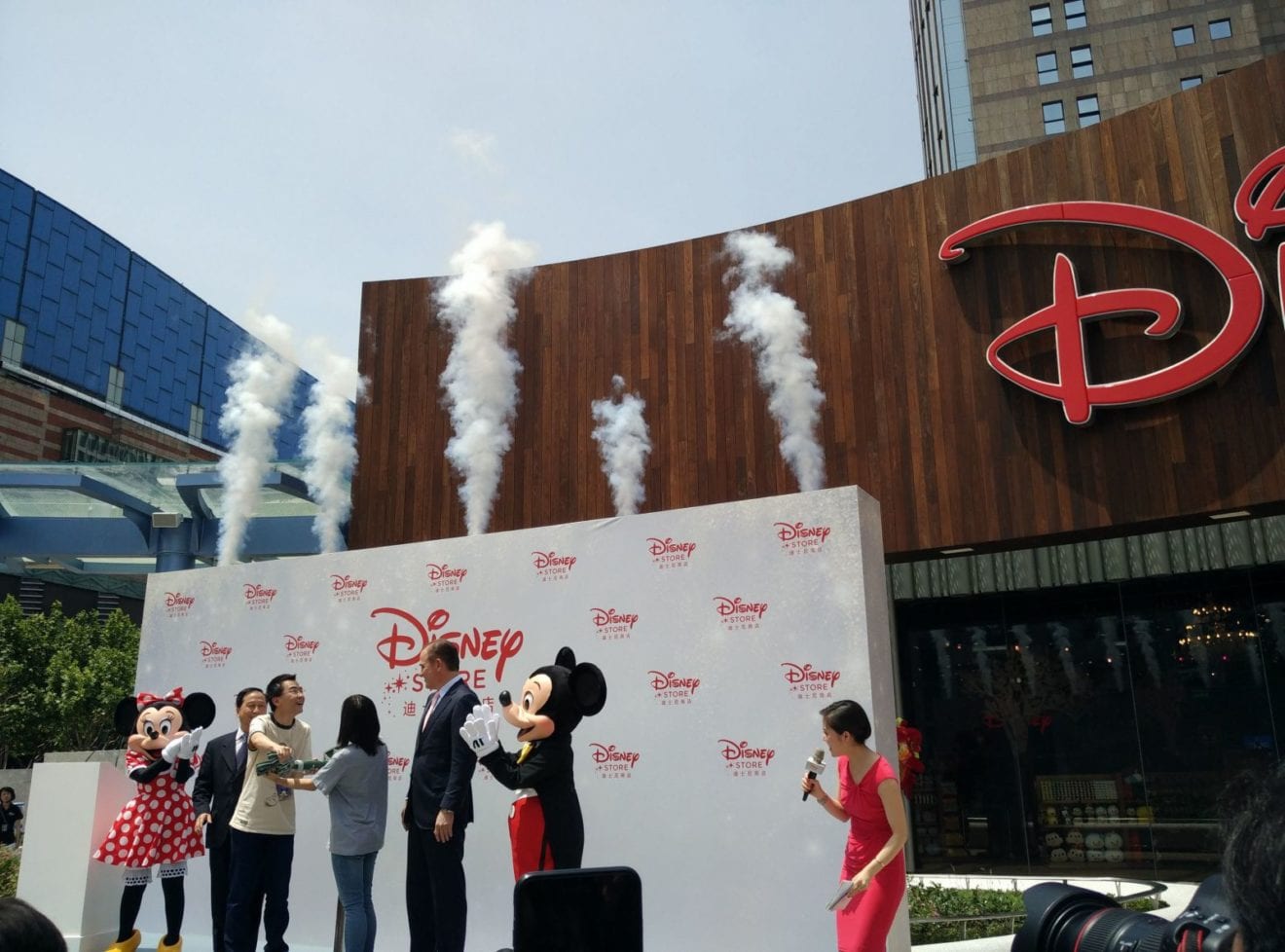
    The Walt Disney Co. has opened its first Disney Store in China, a 9,257-square-feet store in Shanghai that is the company’s largest retail store in the world.

    The new store, opened May 20, comes as Disney strives to tap into China’s growing middle class. The store is in Shanghai’s Pudong district, where Disney plans to open a $5.5 billion theme park next year.

    Disney said an estimated 40 million tourists visit Pudong’s Lujiazui shopping area, where the store is located.

    “We couldn’t be more delighted to open our first Disney Store in China, in Shanghai,” Paul Candland, Disney’s Asia-Pacific region president, said in a statement. “Disney Store plays a critical role in how millions around the world experience our brand and allows kids, young adults and families to have a uniquely fun and immersive experience while shopping for their favorite Disney, Pixar, Marvel and Star Wars products.”

    The new Shanghai store showcases a 19-foot castle at the heart of the store, featuring an hourly musical and projection show, and a Marvel-themed area with hand-sculpted statues of superheroes. Its exterior includes a landscaped plaza and Mickey Mouse-shaped roof sculpted with 8,000 LED lights visible from key tourism points such as the Pearl Tower.

  • China’s on-line cross-border buying growth

    China’s on-line cross-border buying growth

    Guangzhou has taken the lead in a pilot cross-border purchasing eCommerce scheme, offering each challenges and large alternatives for Hong Kong companies.

    Cross-border on-line purchasing is more and more in style on the Chinese language mainland. Generally known as haitao, the apply permits shoppers to order merchandise by way of abroad on-line buying platforms, and have their purchases dispatched by worldwide couriers or collected and shipped to China by forwarding brokers. Its reputation has been spurred by the comparatively restricted vary of abroad items out there throughout the mainland and the premium costs of such gadgets when obtainable.

    A number of mainland cities have been authorised to hitch the pilot program for cross-border e-commerce. However solely six cities – Shanghai, Chongqing, Hangzhou, Ningbo, Zhengzhou and Guangzhou – have been assigned the proper to undertake complete import-export actions. This has given these cities the prospect to determine typical retailers designed to facilitate abroad on-line purchasing. Guangzhou has been on the forefront of maximising this chance.

    Three cross-border eCommerce companies – MeijoyBest (Guangzhou MeijoyBest E-commerce Co Ltd), zero20 (Guangzhou Lingerling Cross-Border E-Commerce Co) and Ieasy (Guangzhou Yangxitai E-Commerce Co Ltd) – lately commenced operation within the metropolis. A fourth, Nansha Cross-Border Direct Purchasing Expertise Centre, will open shortly. On its first day of buying and selling, almost 100,000 individuals visited MeijoyBest’s 230 sqm retailer, a transparent indication of the large demand in Guangdong for imported items.

    1. Decrease costs

    General, costs are typically some 30 to 60 per cent cheaper than comparable items obtainable elsewhere. In line with the procedures for basic commerce, imported items are required to pay three taxes – a customs tariff, VAT and a consumption tax.

    The tax charges differ in line with the class of the products. The tax price for cosmetics, for instance, might be as excessive as 50 per cent. Moreover, each logistics step within the distribution of a product, from the importing agent to wholesalers and retailers, provides to the general value.

    As abroad on-line bodily shops place orders on-line and gather items offline, the one tax payable is on baggage and private postal articles, thus significantly decreasing the general tax burden. Moreover, these shops are entitled to supply tax exemptions for single purchases valued beneath Rmb50. This, along with the shortage of a day by day ceiling (although every buy might not exceed Rmb1000 in worth and the unit worth of indivisible commodities might not exceed Rmb1000), drastically boosts shopper’s inclination to spend.

    The tax on baggage and private postal articles is a type of import tax levied by the Chinese language customs on baggage and articles carried by incoming travellers, in addition to on private postal articles. This tax has 4 tax bands – 10 per cent (meals, toys, and books and periodicals), 20 per cent (textiles, residence electrical home equipment and audio-visual gear), 30 per cent (high-end watches and golf golf equipment), and 50 per cent (tobacco, wine and spirits, and cosmetics).

    2. Peace of thoughts and authenticity

    There have been some situations of eCommerce websites promoting counterfeit items in recent times. There have additionally been many instances the place individuals didn’t obtain items that they had paid for. These incidents have prompted shoppers to return to bodily retail channels, that are perceived as decrease danger. Sometimes, shoppers have larger religion in items they will contact and look at and that they will pay for on the spot.

    Gross sales at abroad on-line bodily shops are monitored in real-time by the related authorities departments. The sources and high quality of products and the monitoring procedures are extra clear than is the case with online-only buying, thus they’re extra dependable. Guangdong shoppers appear to have welcomed these abroad on-line buying bodily shops as a most popular and extra reliable buy route.

    three. On-site assortment

    In accordance with Tao Zili, chairman of Meijoybest E-Commerce Co, on-site pick-up is simply attainable on the firm’s bodily retailer within the Guangzhou Bonded Space. Its Guangzhou Pearl River New Metropolis retailer nonetheless has to dispatch on-line orders to shoppers. Upon customs approval, the acquisition is dispatched from the bonded space and delivered by the suitable logistics corporations. This course of takes as much as 48 hours, quicker than the prevailing supply association for items bought at abroad on-line buying web sites. The corporate is constructing a 50,000sqm abroad on-line purchasing bodily retailer within the Guangzhou Bonded Space, which is because of open subsequent month. This new retailer will permit on-site pick-up and supply buyers with an expertise similar to that of typical purchasing. The power is predicted to offer a further increase to the uptake of abroad on-line purchasing within the metropolis.

    The bodily retailer at Pearl River New Metropolis is, actually, primarily a promotional outlet for its abroad on-line shopping center within the bonded zone. To draw clients, the Pearl River New Metropolis retailer has a “obligation paid part”. All items bought right here have the three taxes pre-paid and can be found for instant on-site assortment. The disadvantage is that costs are similar to typical market costs elsewhere within the metropolis.

    four Eradicating language and transaction obstacles

    Most abroad eCommerce websites, sometimes that includes an English interface, will not be obtainable in Mandarin. If shoppers encounter issues with their purchases, they need to make long-distance calls and talk with the seller who typically doesn’t converse Chinese language. As well as, most of the bank cards issued by mainland banks are usually not accepted by abroad purchasing web sites. Establishing abroad on-line buying bodily shops on the mainland addresses each of those issues.

    When it comes to Hong Kong companies, the emergence of those shops has two clear implications:

    1. Fewer cross-border purchasing journeys by Guangdong residents

    Whereas costs for many items at these shops are greater than these for comparable items in Hong Kong (after taking the tax on baggage and private postal articles under consideration), if journey time and prices are factored in, it’s nonetheless cheaper than buying immediately in Hong Kong. This can inevitably have an effect on Hong Kong’s retail enterprise and scale back commerce between the 2 cities. It might, nevertheless, assist to alleviate Hong Kong’s gray market items drawback.

    2. Larger entry to home gross sales channels

    Provided that there are not any restrictions on the sorts of products bought in these shops, there’s appreciable scope for Hong Kong-sourced gadgets.  Tao, for example, welcomes the chance for elevated cooperation with Hong Kong suppliers. As MeijoyBest will maintain points referring to taxation, promotion, advertising and logistics, this provides Hong Kong companies that haven’t any advertising community in Guangdong a streamlined route into the huge mainland market.

    When it comes to the operation of those shops, Tao believes there are three key parts required for fulfillment – a vendor system (administration of provide and suppliers); a gross sales system (eCommerce platform and cost system); and a logistics system (administration of dispatch and transportation of products). These all require customs approval and should adjust to the related customs monitoring techniques.

    Whereas Tao was reluctant to reveal the precise quantity of funding required to ship this, he did point out that an eight-figure sum went into creating these three techniques over the previous two years.

  • Disney China to open international flagship

    Disney China to open international flagship

    US leisure icon Walt Disney will open the world’s largest Disney retail retailer in China subsequent week.

    The 5000 sqm Disney Retailer Lujiazui is described as a “state-of-the-art” retail area that includes Disney merchandise.. However only one fifth of the area – 1000sqm – will show merchandise on the market, with the remaining created as an outside plaza and a Disney expertise.

    Disney China government VP and MD Stanley Cheung, who signed the contract for the shop again in 2013 stated the model needed to mix the retail idea with “storytelling, enjoyable and innovation”. He promised a vacation spot which would offer households with a singular leisure vacation spot “that includes its best-loved tales and characters”.

    Households and youngsters will be capable of work together with characters from Disney, Star Wars, Marvel and Pixar.

    “The flagship Disney retailer will function the most important and most numerous assortment of Disney merchandise by native and worldwide designers,” stated Cheung.

    In the meantime, Shanghai’s new Disney Resort is underneath development with a gap date scheduled for the primary half of 2016.

  • Itochu, CP Group team up with Chinese companies to set up e-commerce venture in Shanghai FTZ

    Itochu, CP Group team up with Chinese companies to set up e-commerce venture in Shanghai FTZ

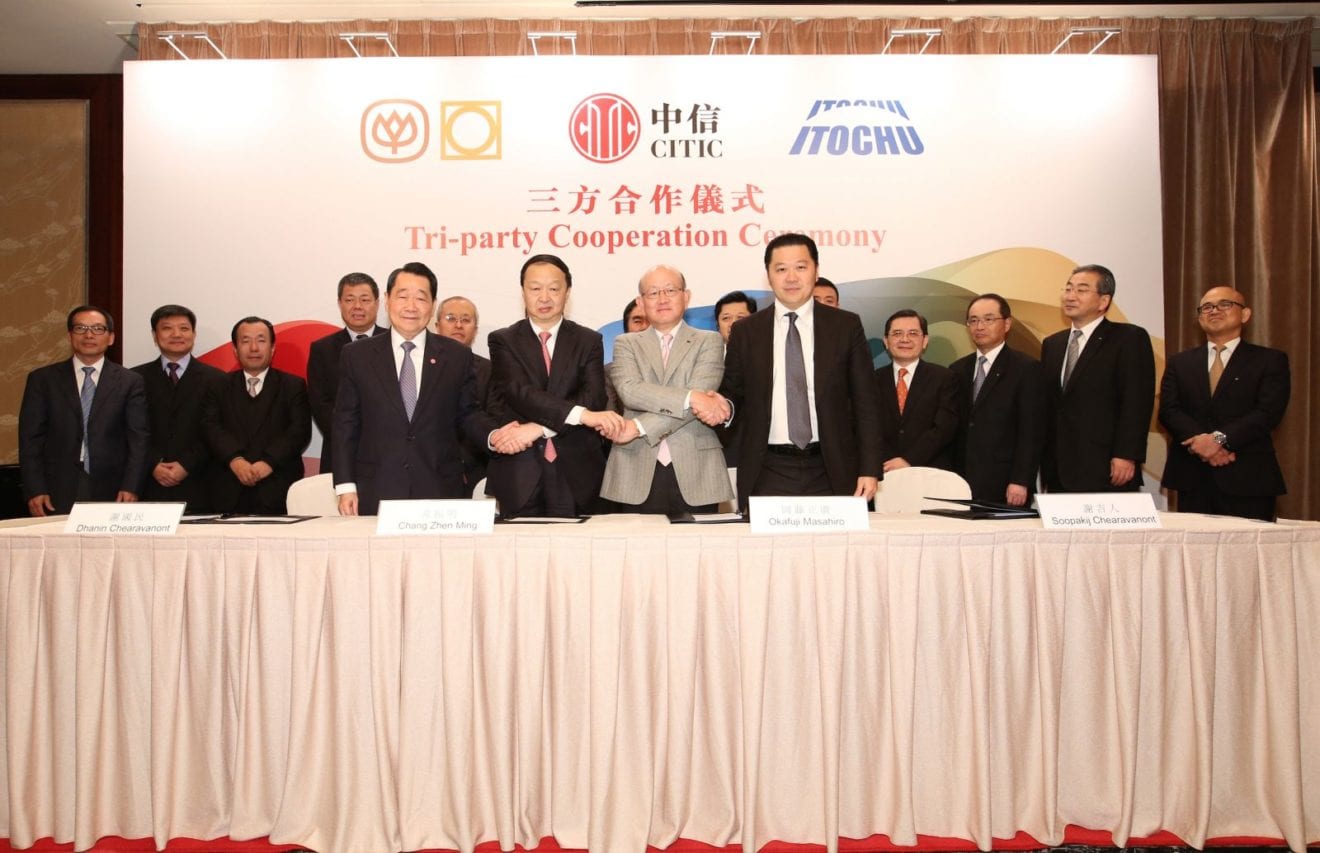
    Five companies from three nations are banding together to sell imported popular household products like diapers and milk powder in China.

    The partners are Itochu, Japan’s third-largest trading house; Charoen Pokphand Group, Thailand’s biggest conglomerate; and Chinese companies CITIC, China Mobile and Shanghai Information Investment Inc.

    An agreement forming the venture, which will operate through a cross-border e-commerce website out of the Shanghai Free Trade Zone, was signed yesterday.

    The venture, which is named Face to Face Co., aims to tap a growing market in China for premium foreign products. Until now, most consumers accessed such products mainly through gray market channels, expensive offshore orders, overseas trips or limited online retailers in China.

    The new system will end long waiting times for deliveries, lower prices by up to 30 percent and ensure that products meet quality standards.

    The five partners are investing US$500 million, and the company will benefit from preferential policies offered by the Free Trade Zone.

    “We predict the scale of cross-border e-commerce in China will jump from nearly 76.7 billion yuan (US$12.4 billion) in 2013 to about 1 trillion yuan by 2018, Itochu said in a statement yesterday. “We see huge demand for premium products in the country.”

    The new company plans to buy an e-platform to run its operations. It will take over online shopping mall Kuajingtong, which was formerly run by state-owned Shanghai Orient Electronic Payment Co. The partnership will take advantage of China Mobile’s vast user base in promoting online orders for goods.

    Japan’s Nikkei Newspaper reported that the new company plans to accrue sales of US$666.7 billion by 2019 and plans to list in China in 2020. The report could not be immediately verified.

    Itochu said the platform will begin operation later this year, offering nearly 100,000 Japanese-made items, including household appliances, food, diapers milk powder and possibly clothing. Charoen Pokphand said it plans to sell Thai food products on the site.

    The Free Trade Zone, launched in 2013, is China’s pilot project for freer trade between the mainland and overseas. Flexible regulations will allow access for both Chinese and overseas companies to import and sell foreign goods domestically.

  • Shanghai Tang launches fragrance range

    Shanghai Tang launches fragrance range

    Hong Kong born luxury fashion label Shanghai Tang is expanding from fashion and homewares into the fragrance business.

    While Shanghai Tang, now part of French based Richemont Group, has offered scents for some years, this week’s launch takes it into the top tier of parfumeries.

    The Silk Road Fragrance Collection, the company says, “conjures up the spirit of adventure through a sensory journey from East to West – reflecting the essence of the brand which fuses Chinese with Western fashion”.

    “Inspired by the exotic landscapes, rich colors and sense of adventure of the Silk Road, our master parfumier has created for Shanghai Tang a captivating collection of precious fragrances… infused with all the mystery and sensuality of the Silk Road.”

    The parfumier is Carlos Benaim, a past winner of the prestigious American Society for Perfumers Lifetime Achievement Award for his contribution to the world of fragrance who has created signature scents for brands including Armani, Carolina Herrera, Prada and Maison Martin Margiela.

    Drawing on his personal travels in China, Benaim designed the collection to pay tribute to the grandeur of Chinese culture through a suite of eight multi-layered, unique scents – five for women and three for men. Each highlights one or two exceptional ingredients that evoke the romance of the ancient caravans carrying Chinese treasures along the Silk Road to the western world.

    Each fragrance is housed in precious bottle that prominently features the Shou. This Chinese symbol of longevity is cited as one of the Five Blessings: longevity, wealth, health, love and virtue.

  • Pull&Bear Shanghai opens new flagship

    Pull&Bear Shanghai opens new flagship

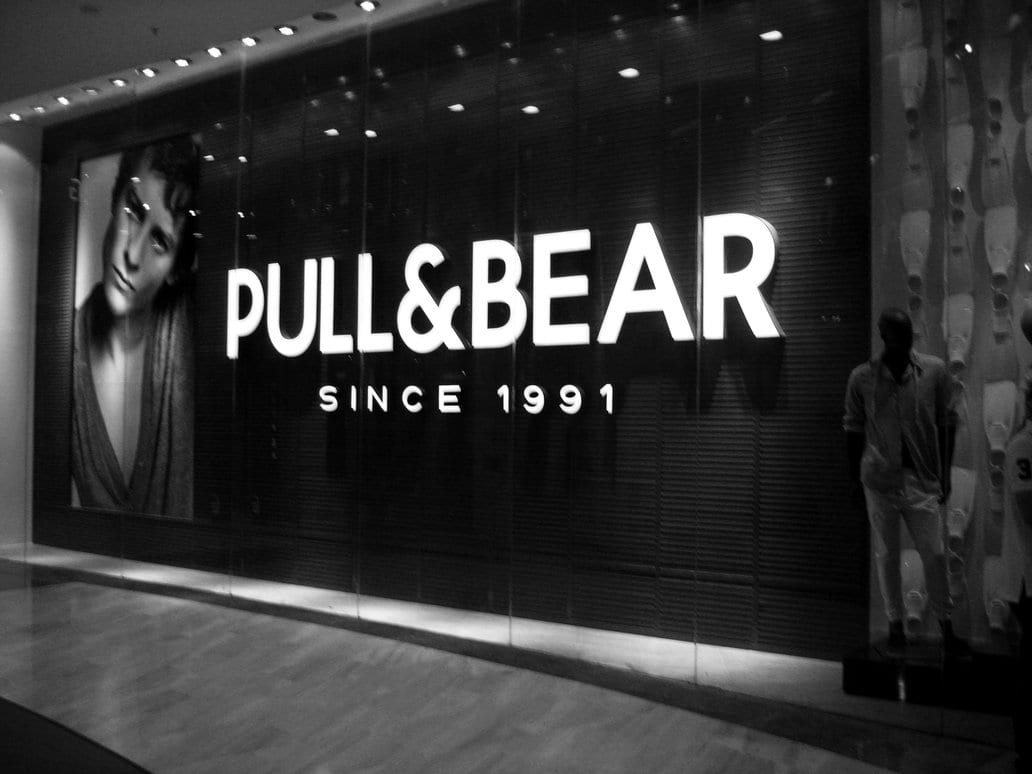
    Inditex Group-owned youth fashion brand Pull&Bear opened its new two-storey East Nanjing Rd flagship this week.

    Pull&Bear features in 70 markets worldwide with a network of over 900 stores. The new Shanghai store is the first in the city to present the brand’s new image, which draws inspiration from the Californian atmosphere of Palm Springs.

    The 700 sqm store displays Pull&Bear’s collections on two floors. The ground floor, which can be entered either from the street or from the Mosaic Plaza shopping centre, sells womenswear and the first floor is devoted to menswear.

    The striking facade uses traditional glass bricks and LED lighting to project the brand anfd welcome customers with an air of light and transparency. Instead of a traditional display windows, the facade features visual projections, inviting passersby to come into the shop and discover the new space.

    Once inside, materials typical of DIY or building projects, such as painted concrete, OSB, pine wood and textured paint combine to create a richly varied setting of colours, materials and textures.

    This opening enhances Pull&Bear’s presence in China, the brand’s third market by number of stores (only behind Spain and Russia), with 63 points of sales open throughout the country’s major cities. It is the fourth Shanghai store for the brand.

  • Legoland Shanghai to anchor shopping mall

    Legoland Shanghai to anchor shopping mall

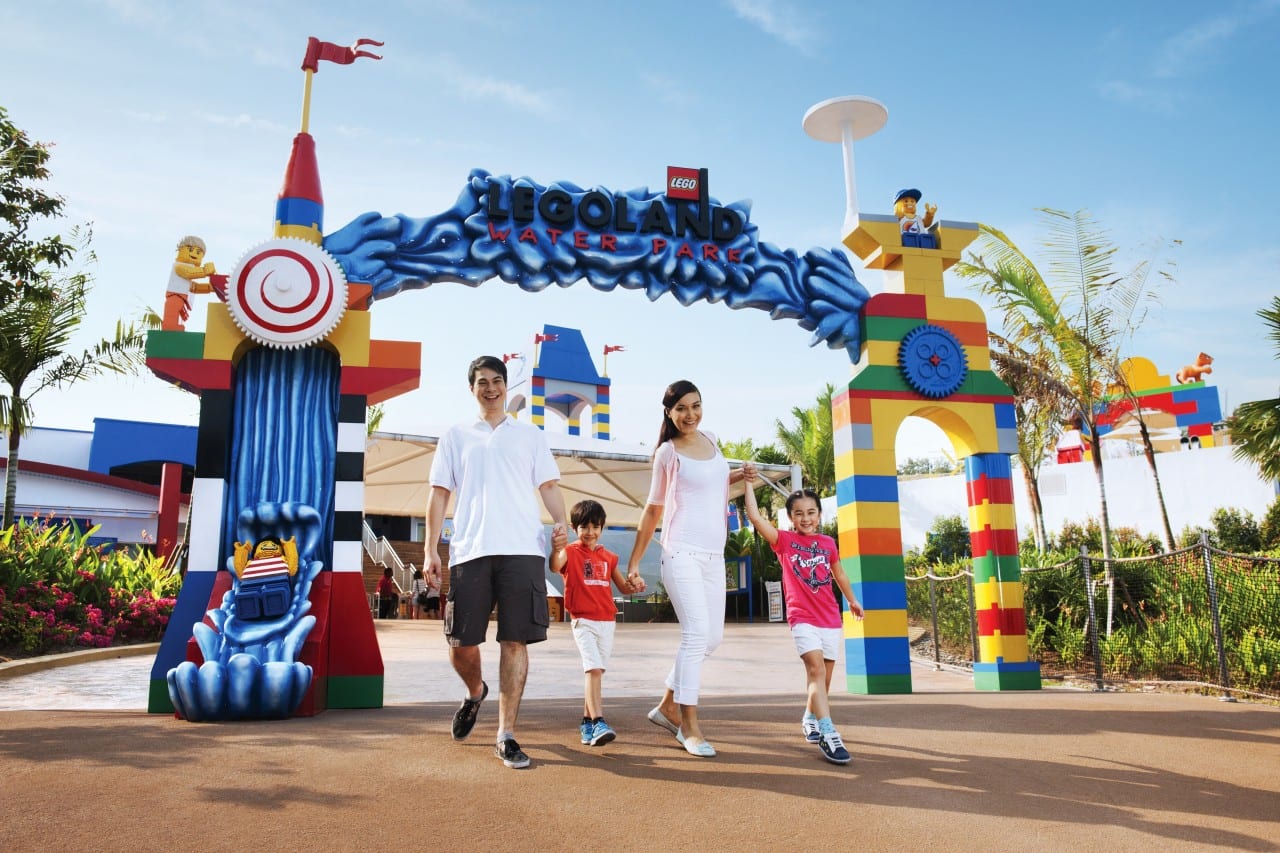
    Merlin Entertainments will open its first Legoland in China at Parkside Plaza shopping centre in Shanghai.

    Plans and designs are already in place for the 3000 sqm attraction and construction of Legoland Shanghai will start soon, with its opening scheduled for 2016.

    Owned by UK-based Grosvenor Fund Management, Parkside Plaza is located on the Suzhou Riverbank adjacent to the Changfeng Park. With a total floor area of 126,000 sqm, it is home to international brands including Tesco, H&M, Uniqlo and C&A and a variety of entertainment including HB Cinema, Vigor-100 KTV and Hani rock climbing space. And soon it will be home to Legoland Shanghai.

    The Legoland Discovery Center is a unique indoor attraction offering an interactive and educational two to three hour experience specifically designed for families with children aged three to 10. It consists of a range of Lego play areas including brick pool, Lego Factory Tour, Lego model car racing area, master classes from the Lego master model builder; party rooms, a Lego themed ride, a 4D cinema and Miniland – an exhibit featuring replicas of Shanghai landmarks made from Lego bricks.

    Parkside_Plaza_Shanghai.1-415

    James Raynor, GFM CEO, said the Legoland tenancy reaffirms the company’s strategy of making Parkside Plaza one of the region’s best family-oriented shopping destinations.

    “Legoland Discovery Center is a globally recognised family entertainment brand that will deliver a fantastic leisure experience for our visitors and add to the appeal of Parkside Plaza.”

    Glenn Earlam, MD of Merlin’s Midway Attractions Operating Group said the concept has been a huge success across the globe, particularly as part of a family day out which may also include shopping and eating out together.

    “Given the popularity of the Center in Tokyo which opened last year, we are confident people will also love the attraction in Shanghai.”

    Lego models for the Shanghai attraction will be made in Merlin’s specialist studios around the world and shipped in during construction.

    GFM currently has £3.2 billion of assets under management across Asia, North America and Europe. The retail sector is a strategic focus across these regions and 73 per cent of the international portfolio is retail assets. This includes Liverpool One in the UK, a portfolio of 31 historical buildings in the heart of Lyon, France and the recently acquired Skarholmen shopping centre in Stockholm, Sweden.

  • Yum! China opens luxury restaurant

    Yum! China opens luxury restaurant

    US fast food giant Yum! Brands has opened a luxury restaurant overlooking Shanghai’s Bund to test menu concepts on locals.

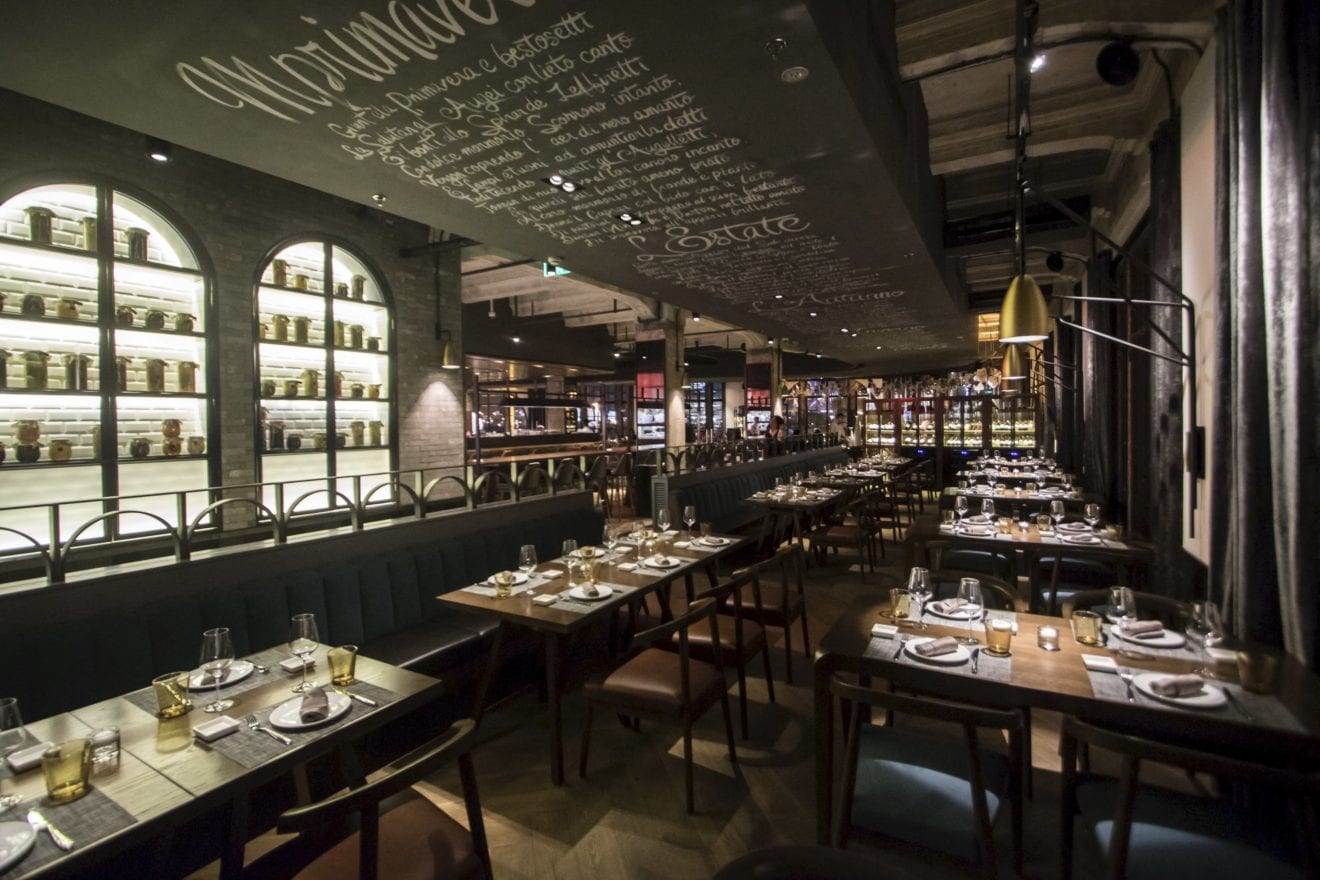
    Atto Primo, complete with its Italian name, is as far from the fast fried chicken concept of KFC or Pizza Hut as you could possibly get. The expansive restaurant is located in a historic building more than 100 years old. The decor is heavy on design and atmosphere, the dining environment with dim light, captivating wall murals, natural wooden furniture – and it has an expansive bar.

    Atto Primo 415

    “Atto Primo also houses a bar, and the design here stems from a puppet theatre concept,” wrote on Shanghai food blogger, seemingly unaware of the identity of the owner. “When diners make their order, bartenders, baristas, pizza and grill chefs leap into action, preparing cocktails and coffee, pizzas and meat, much like a puppet being pulled along by its strings, acting on the fancies of its masters.”

    Atto Primo The Bund interior

    So far from fast food is Atto Primo, Inside Retail Asia crossed checked multiple sources to be sure it was a Yum! Brands project. Sure enough, both Forbes and Reuters have reported on the concept, without going into any detail of how stunning the restaurant looks.

    To us, it’s as if Primark had suddenly unveiled a $5000 Vera Wang style wedding dress!

    Yum! China has apparently dubbed the venture a “lab” and while the investment has not been revealed, just the location and the decor, not to mention the sheer size of the venue, suggests a serious chunk of the R&D budget has gone into this experiment.

    “A high-end test kitchen will let Yum! test the waters with new menus and concepts and get feedback from more sophisticated diners – helpful if you want to go a bit upmarket,” Ben Cavender, a principal at China Market Research Group, told Reuters.

    Atto Primo The Bund wall mural

    Yum! China has been experiencing serious challenges in China, which started with, but are by no means all linked to, food safety scares when suppliers were outed using dodgy hygiene standards. The company has about 7000 QSR restaurants across the country, but its early-to-market advantage from being one of the first multinational food chains to enter China has been eroded by an increasingly sophisticated army of local chains more attuned to Chinese eating habits and tastes. Yum!’s same store sales slumped 16 per cent in the last quarter of 2014. Some analysts describe the company’s predicament as “brand fatigue”.

    In an email to Reuters, Yum! China spokesman Jonathan Blum described Atto Primo has “an innovation lab to help us learn more about the evolving tastes of Chinese consumers”.

    Atto Primo The Bund table

    Somehow, in an environment where diners can expect to splash $50 on a dinner, Yum! will learn recipes and dining solutions it can sell at the bottom end of the market over the counter of a KFC or Pizza Hut.

    English language blog Shanghai Wow describes Atto Primo as “a fine balance between classy, fashionable interiors and a good, authentic menu”, again with no obvious awareness it is a Yum! establishment.

    It has a heavy Italian theme, suggesting it may be more about developing menu solutions for Pizza Hut than KFC.

    Atto Primo  415

    Designer Lance Smith has blended modern design elements with the building’s historical architecture for an “east meets west” end result. Think wine red colours, turquoise green, heavy theming such as a giant mural of a bull (surely more Spanish than Italian).

    Atto Primo food pic 1

    The restaurant is divided into three main areas – Sonetto, Drama, and Satira.

    “The Drama section features Pirandello’s famous masks. It’s dynamic, jarring, very dramatic, almost like being seated on the stage of a grand Italian play,” writes Wow Shanghai.

    “The Sonetto area is located beside the building’s 100-year old floor-to-ceiling colonial windows. Overhead, Vivaldi’s quatrain lyrics that inspired his famous “Quattro Stagioni” concerts are etched across the ceiling.

    “The Satira area, where the main focal point is a large mural of a bull made up of different vegetables against a backdrop of red. The painting is inspired by the works of 16th century Italian painter Giuseppe Arcimboldo.”

    Atto Primo   1-415

    A Forbes columnist observed Yum! is calling the restaurant a lab for now, but “I suspect it could quickly expand the concept with new outlets if it proves popular”.

    • We doubt that very much, but we can see the potential in some of the images of food dishes shared by That’s Shanghai  for low cost versions suited to QSR restaurants.

    A trendy eatery being managed by a fast food specialist is a hard concept to embrace. But then one has to not-so-grudgingly admire any multinational brave enough to venture into such a costly and experiential form of research in order to understand a local market.

    KFC China is at the bleeding edge; Atto Primo is at the leading edge. Somewhere in the middle there surely has to be a compromise of convenience and innovation which could well lead to a profitable change of strategy for a business with such a large store network and reach.

  • Vivo City Shanghai signs cinema anchor

    Vivo City Shanghai signs cinema anchor

    Vivo City Shanghai developer Mapletree Group has signed up a cinema chain as a key anchor of the development, currently under construction.

    A 15 year lease has been signed by Pegasus Entertainment Holdings for a two-story cinema complex taking up the top two floors of Vivo City Singapore, which will be branded Cinema City.

    Vivo City is being built in the CBD district of Minxing in Shanghai, with the Singapore-based developer expecting construction to be complete by the first quarter of 2016.

    Vivo City is planned to be a new landmark in Southwest Shanghai with a GFA of 120,000 sqm, featuring over 280 shops and over 2600 parking spaces. It is located next to seven office towers and above two metro lines with excellent connectivity to the Hongqiao airport and nearby five densely populated residential communities.

    Pegasus’ directors said they believe such a large scale development will bring “a vibrant and diversified customer stream” and attract a majority of the district’s foot traffic to the mall which will directly benefit the cinema business.

    Pegasus says it plans to replicate the success of its flagship cinema in Hong Kong – Cinema City Langham Place – in mainland China. Cinema City Shanghai will feature “the most advanced projection and sound systems”, including the exclusive viewing technology 4DX originated from South Korea, to bring “a new and unprecedented film viewing experience to PRC top-tier cities”.

    The Vivo City cinema complex will feature at least nine screens with some 1400 seats.

    Cinema City Langham Place, which officially opened in early January this year after renovation, is ranked first in terms of box office income among all cinemas in Hong Kong, according to statistics from Hong Kong Box Office System.

    “Given the high-end cinema business model under the brand Cinema City has been proven successful, this will be a stamp of approval for the group’s development strategy and growth potential in the film exhibition business going forward,” said Pegasus in a statement.

  • Shanghai’s Xintiandi unveils two new shopping centres

    Shanghai’s Xintiandi unveils two new shopping centres

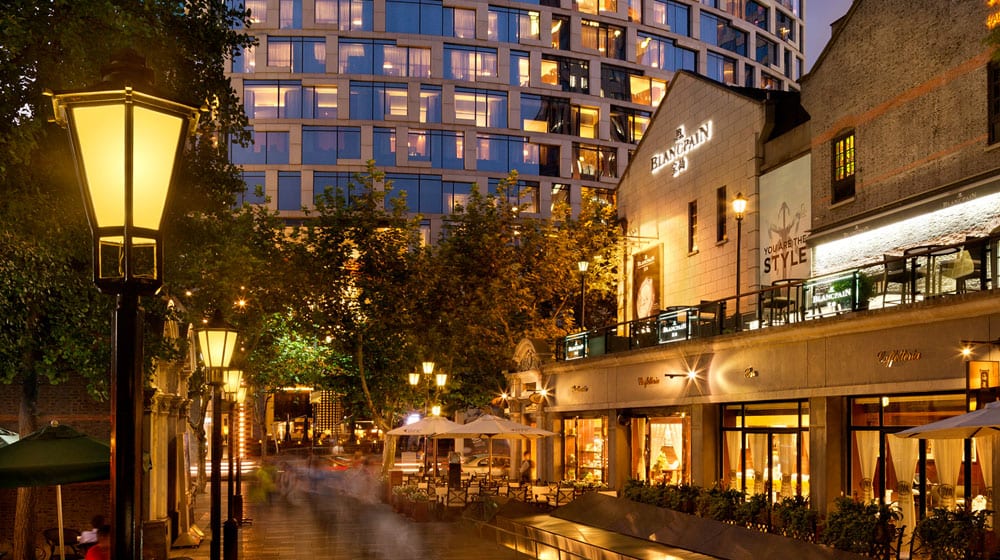
    Two new shopping centres with a combined gross floor area space of more than 60,000 square metres will open this year at downtown Xintiandi area, as Shanghai’s first large-scale city-core redevelopment project continues to upgrade, according to China Xintiandi, the wholly-owned subsidiary of Shui On Land Ltd which is the developer of the mega project.

    Opening of the Hubindao Shopping Centre and The House will be another milestone for the Taipingqiao Redevelopment Project, a mixed-use project that consists of residential, office, retail, entertainment and cultural properties at the heart of the city, said Carrie Liu, general manager, commercial, China Xintiandi-Taipingqiao.