Tag: Shanghai

  • Carrefour online store + Carrefour easy store

    Carrefour online store + Carrefour easy store

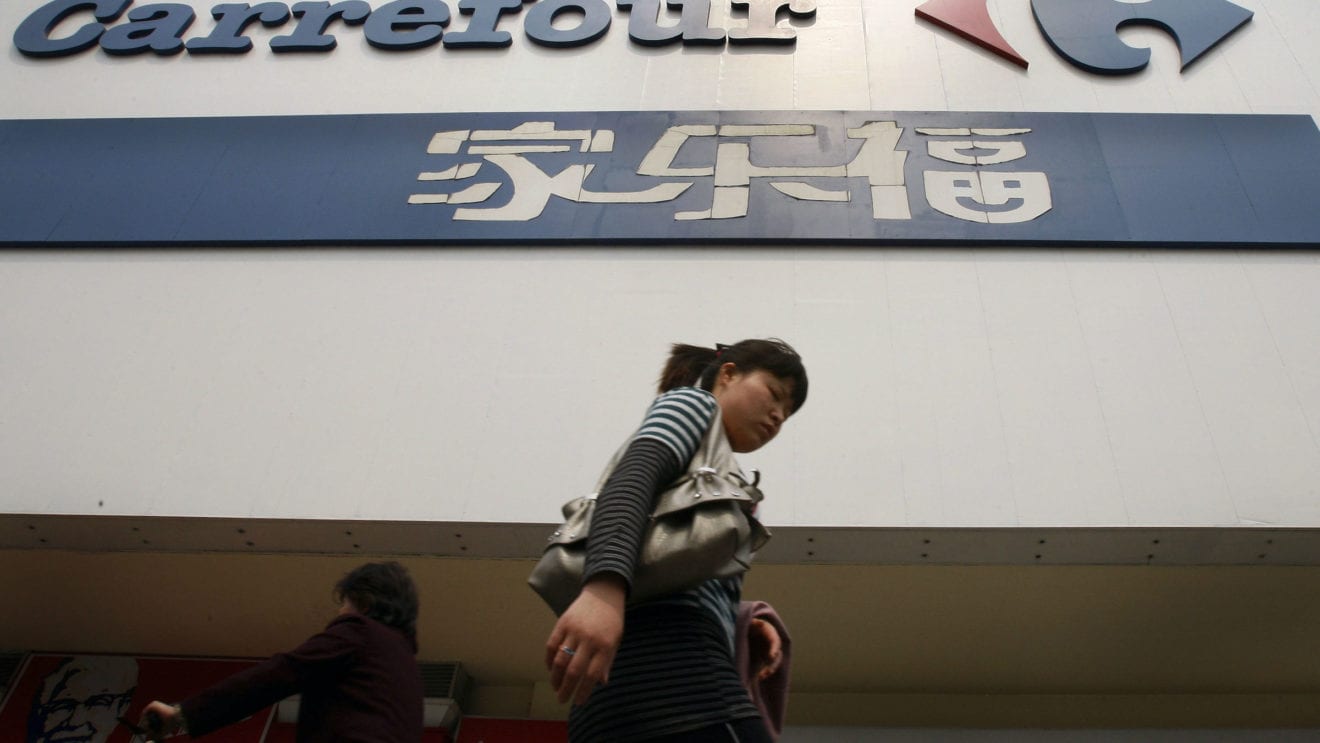
    French retailer Carrefour is embracing advanced technology to bring shoppers closer to its services in the fast-changing retail landscape.

    In June, the company launched its second Easy Carrefour store in Xuhui District. It’s a new initiative to cater to changing consumer habits and demand for neighborhood services in locations near residential or commercial areas.

    By the end of this year, Carrefour plans to open about 10 Easy Carrefour stores in Shanghai, Olivier Tollet, new format projects director of Carrefour China, told Shanghai Daily.

    “We have a much bigger plan but currently we’re still in the pilot phase,” he said.

    Regarding its e-commerce operations, Carrefour also launched its online shopping store www.carrefour.cn for its Shanghai customers in mid June and Tollet said he is pleased to see it working smoothly during the trial period.

    Shopping online

    “The basic idea of our website is to bring Carrefour products closer to consumers and all the products will be available for online shoppers,” he said.

    “Our intention is to duplicate the service wherever there’s a Carrefour presence in China, but we’ll go step by step for both formats,” he added.

    Easy Carrefour is offering products in three categories — immediate consumption, take-away, and groceries.

    By covering these categories, Easy Carrefour hopes consumers can find the right products and services when they need them.

    The Easy Carrefour store on Chaling Road N. also provides mobile top-up and credit card reimbursement in an effort to link consumers with online-to-offline services.

    Carrefour is looking for new locations for its Easy stores, and Tollet said they are targeting a combination of residential areas, transportation hubs and office areas.

    People living around or people passing by are basically the key customers Easy Carrefour aims to serve. Easy Carrefour is a new format adapted for people who value their time and convenience while shopping. It’s also adjusting the operations of the Easy Carrefour store step by step, with more services likely in the future.

    Commenting on Carrefour China’s e-commerce operations, Tollet said logistics is one of its key strengths as the chain can rely on its existing stores in more than 70 cities all over China.

    Merchandise ordered by consumers will be delivered from stores to their doorsteps, while packages ordered from e-commerce websites have to go through several dispatch hubs before delivery.

    Pick-up stations

    Currently, three out of Carrefour’s 29 outlets in Shanghai act as pick-up stops or stations for return of goods.

    Earlier this year, Carrefour China restructured its merchandise department and set up six territory merchandise centers to streamline supply chain management and leverage the advantages of a centralized procurement model.

    “The restructuring of the merchandise team is aimed at having new logistics capability to support the development of new formats such as our Easy stores and online shopping website,” Tollet added.

    Carrefour’s e-commerce operation is expected to launch in Beijing at the end of this year and eventually will be available all over the country.

  • Online to offline seen as a marriage of convenience

    Online to offline seen as a marriage of convenience

    The eating habits of urban Chinese have changed dramatically since the proliferation of takeaway food delivery apps brought restaurant-quality meals to almost everyone’s front door.

    Engineer Zhao Baijun, 29, now eats in more often than he eats out.

    “Before these apps, most restaurants did not offer deliveries. I had very few choices, mostly fast food chains,” he said.

    Besides the convenience for busy people like Zhang, online to offline means extra sales for traditional food suppliers and beyond. Connecting online to offline is the new Holy Grail for the biggest players in China’s Internet shopping explosion, whether they be domestic or overseas operators.

    Recently, China’s largest e-commerce company Alibaba and electronics retailer Suning agreed a multi-billion dollar deal on platforms, logistics and payments.

    Alibaba will pay about 28 billion yuan (US$4.5 billion) for 19.99 percent of Suning, becoming its second-largest shareholder, while Suning will buy no less than 28 million new shares in Alibaba for 14 billion yuan.

    Suning owns more than 1,600 stores and 3,000 aftersales service centers which will now be “seamlessly connected” with Alibaba’s online network. A Suning online sales center on Tmall.com, part of Alibaba’s retail operation, completes the new setup. The arrangement was described as a “wedding” by Alibaba chairman Jack Ma.

    “If we do not integrate with offline, we will not have a future,” he said. The deal is set to reshuffle China’s e-commerce deck and help Alibaba in its battle against archrival JD.com.

    E-commerce companies are queueing up to find stores to align themselves with.

    In its quest for existing networks of physical stores, JD.com announced it had taken a 10 percent stake in domestic supermarket chain Yonghui Superstores for 4.31 billion yuan.

    Early last year, Alibaba became the main shareholder of Hong Kong-listed department store operator Intime. In July, after the cap on the number of shares foreign firms can hold in Chinese e-commerce platforms was lifted, Walmart took a 100 percent stake in Yhd.com.

    The local advantages of Yhd.com combined with Walmart’s global procurement resources, retail stores and supply chain will be a huge fillip to Walmart’s campaign to win over China’s consumers.

    For Zhao, the most important aspect of the rapidly evolving industry is that he can have a decent meal in the comfort of his own home.

  • K11 mall founder to build 17 more centres

    K11 mall founder to build 17 more centres

    The founder of the K11 mall concept which debuted in Hong Kong and then was replicated in Shanghai is now planning 17 more centres in Mainland China.

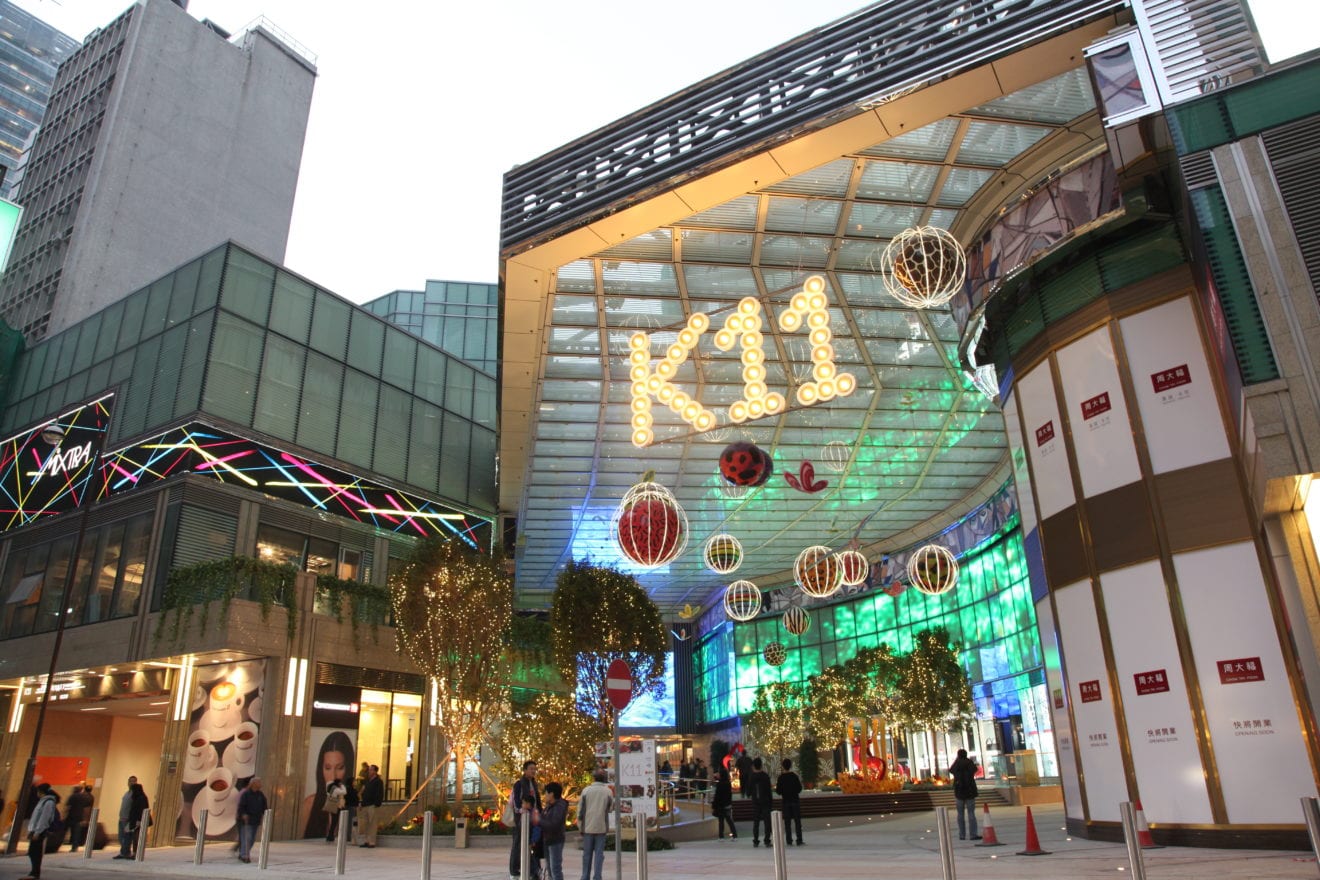
    Chinese billionaire Adrian Cheng founded the nonprofit K11 Art Foundation in 2010,  and subsequently opened the K11 shopping centre in the heart of Kowloon, atop the Tsim Sha Tsui railway station.

    Like its successor in Shanghai, the K11 mall features frequently-changing art installations and exhibitions, merging art gallery with a retail and dining space. Works by artists including Olafur Eliasson, Damien Hirst and Yoshitomo Nara can be found in the malls.

    A spokesman for Cheng’s business New World Development Company says the grand plan is to have 19 K11 spaces – mostly retail centres but also offices.

    Cheng is ranked among the world’s top 20 billionaires aged under 35 with an estimated worth of US$1.4 billion.

  • Carat* opens two new boutiques in Asia

    Carat* opens two new boutiques in Asia

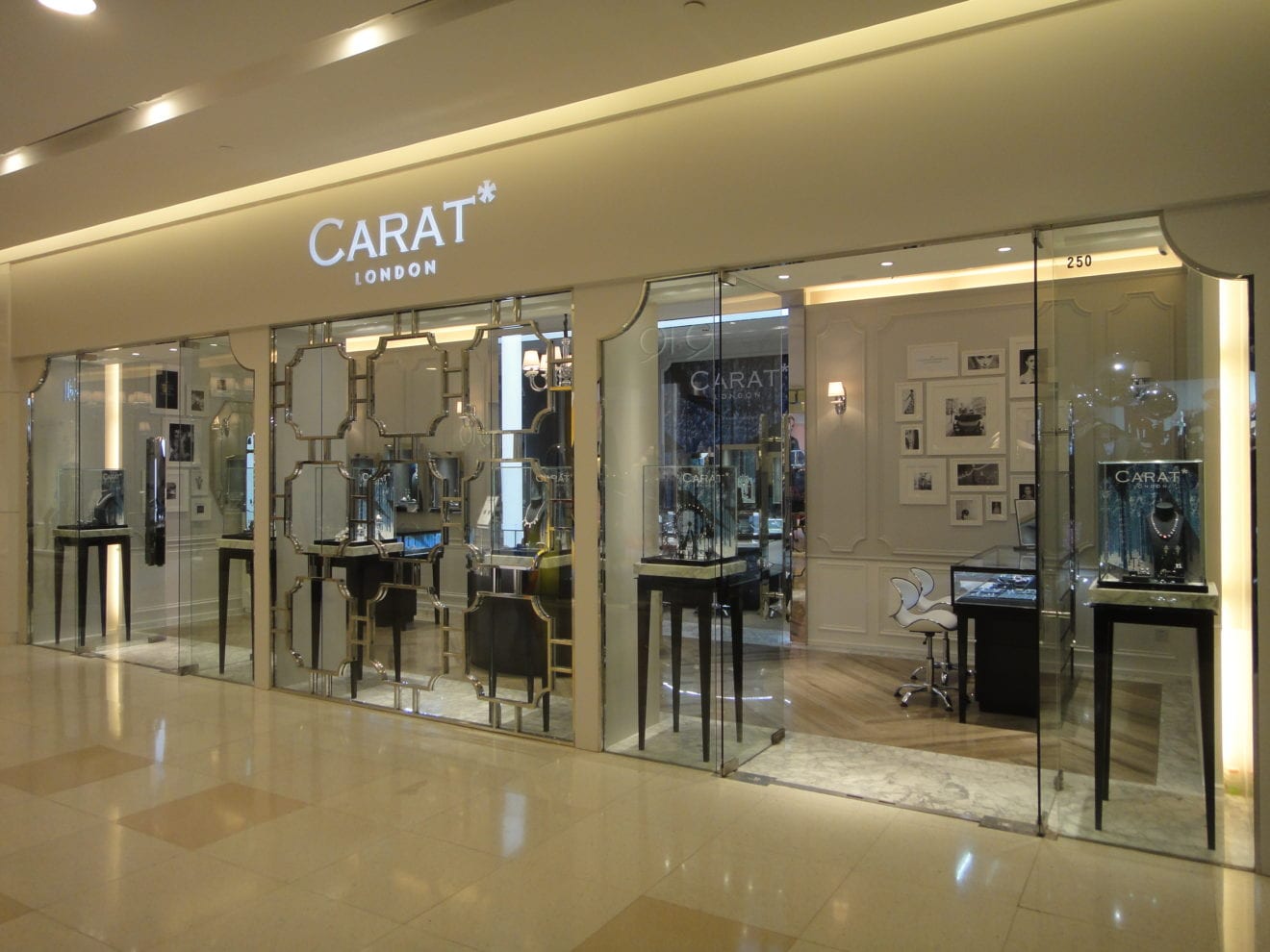
    London jeweller Carat* has opened a new boutique in IFC Mall in Central.

    The store is one of two opened in Greater China in recent weeks – the other being inside IFC Mall in Shanghai.

    Founded by Englishman Scott Thompson in 2003, Carat* describes itself as one of the world’s leading luxury fashion jewellers.

    “Our pieces combine the timeless glamour of a bygone era with a little modern day wearability. Carat* jewellery is about fantasy rather than reality and our jewels are chosen rather than invested, admired rather than shown off. Most importantly, though, our jewels are supposed to be worn rather than hidden in a safe,” the company says online.

    The two new stores feature a “refreshed” Carat* global store model with pale tones and a luxury ambience.

    As well as its stand alone boutiques, the jeweller has shop-in-shops in luxury department store Lane Crawford in Hong Kong, and in Harrod’s in London.

    Carat* designs, develops and assembles jewellery using its own uniquely created gemstones. Each stage of preparation is done by hand – from pre-forming and faceting to polishing and setting.

    The brand has been worn by celebrities all over the world, including Lisa Snowdon, Michelle Williams, the cast of Gossip Girl, Melissa, George, Katherine Kelly, Lucy Jo Hudson, Lydia Bright, Amy Nuttall, Kara Tointon, Juliet Stevenson, and Vicky McClure.

  • Corrupt Chinese supermarket exec jailed

    Corrupt Chinese supermarket exec jailed

    The former chairman of China’s Bright Food Group has been found guilty of embezzling US$31 million between 2000 and 2006 when he was chairman of Shanghai Lianhua Supermarket Holdings Ltd.

    Corrupt Chinese businessman Wang Zongnan was sentenced by the People’s Court in Shanghai on Tuesday to 18 years in prison for embezzlement and accepting bribes.

    According to the court hearing, Zongnan had accepted 2.69 million yuan in bribes, hiding the money through the purchase of two villas.

    In 2003, Wang’s parents bought two villas in Shanghai for 2.08 million yuan, 2.69 million yuan below the market price. The sellers were associated to a subsidiary of a company that had owed Wang a favor, according to the verdict. Wang sold the two villas in 2010 and 2013 for 14.8 million yuan in total.

    In the ruling, the court ordered that 1 million yuan of Wang’s personal property be confiscated and more than 12 million yuan in bribes and illegal earnings be returned.

  • After 165 years, Lane Crawford looks forwards

    After 165 years, Lane Crawford looks forwards

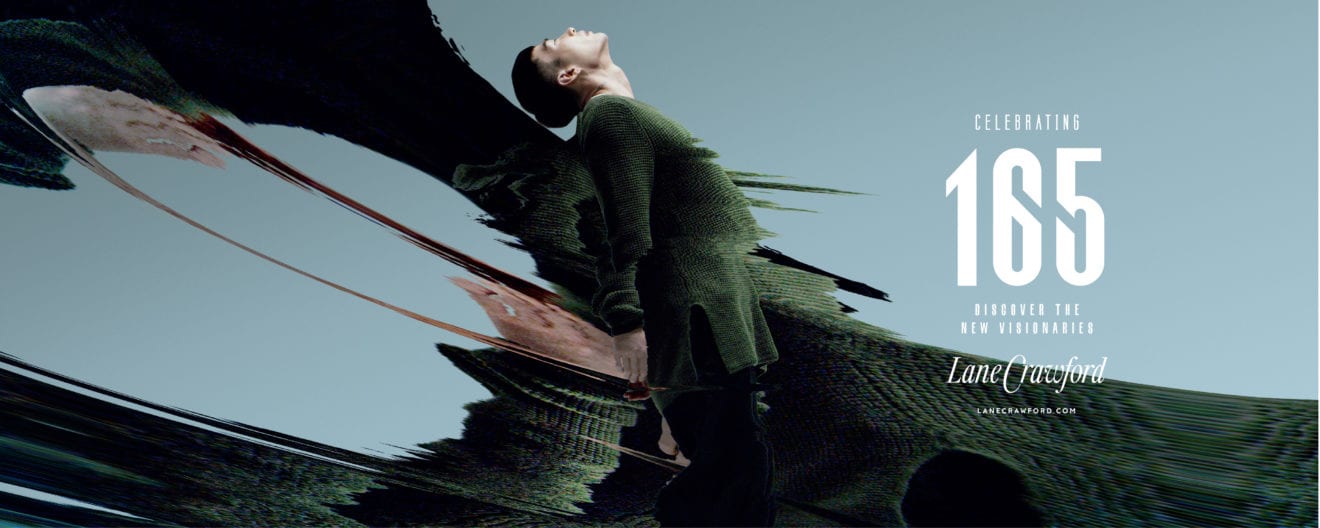
    To mark its 165th birthday, luxury department store Lane Crawford invited its community of leading and emerging brands and creative talents to share their vision of the future.

    Their perspectives are transformed into a series of exclusive designs, capsule collections, artistic installations and uniquely curated product showcases that engage customers to imagine what the future may bring.

    With more than 600,000 square feet of retail space, Lane Crawford has 11 points of sale across Hong Kong, Beijing, Shanghai and Chengdu. With an online store, purpose built for China while also shipping globally, Lane Crawford is China’s first luxury omni-channel fashion retailer. Featuring the largest designer portfolio across Womenswear, Menswear, Cosmetics, Home and Lifestyle, and Fine Jewellery in the region, Lane Crawford showcases more than 1000 international brands.

    Innovative Beijing-based architecture and design firm People’s Architecture Office presents its vision of the future of modern living through giant twisting metal tubular structures that customers can climb inside to explore a whole other landscape. Hong Kong-based architectural design studio Sky Yutaka has created a mesmerising kinetic installation where the future is a haunting rendition of machine-made beauty, featuring robotic rain flowers that gently furl and unfurl their petals in response to a flowing stream of water. Musical wunderkinds Mimi Xu and Rosey Chan continue to inspire the future of sound with their distinctive take on classical electronica music accompanied by a stunning multisensory visual narrative. Other creative luminaries such as Li Lihong, Angel Chen and Alan Chan have also contributed their visions of what the world will look like in 165 years.

    Limited Editions

    The store has also collaborated with an array of brands to offer a selection of exclusive editions as part of the 165 celebrations. Womenswear designer and Chairman of the Council of Fashion Designers of America, Diane Von Furstenberg has redesigned her signature wrap dress with a Chinese twist. There are also capsule collections from T by Alexander Wang, MSGM, Ms Min and Chictopia Fine Jewellery exclusives come from Nathalie Melville and Tasaki, and there is an exclusive watch design from Mad.

    Menswear designers including Haider Ackermann, Neil Barrett, Paul Smith, Rick Owens, Uma Wang and Ziggy Chen have been invited to develop the Silk Capsule collection, incorporating the traditional Chinese fabric in refreshing styles.

    In addition, there are limited editions from a number of cosmetic and lifestyle brands. Shanghai Tang presents an exclusive lacquer box set with its signature women’s fragrance collection, including a personalised engraving service. Valmont offers the Elixir Tribute to Lalique in a sublime red lacquer box topped with Lalique crystal.

    On the local front, Tom Dixon brings another global exclusive to the party with the launch of his new coffee range, “Brew”, and the maverick British product designer also curates the “Living Room of the Future” installation, which offers a vision of home entertainment in years to come. Another iconic British brand, Fortnum & Mason has created the exclusive Lane Crawford 165 tea blend special edition. Other home products include a limited-edition “165” scented candle from L’Objet; a specially made game table by Chinese architect and designer Naihan Li; a digital printed rug from Dutch brand Moooi; neon light décor with Chinese characters meaning ‘prosperity’, ‘fortune’ and ‘home’ from Italy’s Seletti; and an Asia-exclusive launch of a new lamp in taupe and brass from Anglepoise.

    Lane Crawford will hold its 165th Anniversary Celebrations Party at the IFC Mall store on September 9. The festivities continue with a weekend of shopping privileges and anniversary-themed prizes across all Lane Crawford stores in Hong Kong from September 11 to 13.

    Who Is Nick Wooster

    Having worked with highly respected fashion brands and renowned retailers around the world, street style guru Nick Wooster demonstrates his flair for fashion and eye for detail by co-curating a dedicated space for modern men’s wardrobe essentials at Lane Crawford IFC Mall, where Wooster + Lardini, his eclectic collaboration with Italian brand Lardini, is also showcased.

    The dapper Wooster will also make a personal appearance at Lane Crawford ifc mall for an exclusive styling session and cocktail party on August 13.

  • Hang Lung posts strong result

    Hang Lung posts strong result

    Hong Kong listed Chinese mall owner Hang Lung Group has reported a three per cent rise in turnover in the first half of 2015.

    The group said revenue reached HK$4.893 billion, with rental turnover up eight per cent to HK$4.148 billion. Property sales income decreased 17 per cent to HK$745 million due to the sale of fewer residential units.

    Overall operating profit of the group increased by three per cent to HK$3.725 billion.

    In Mainland China the group says it has benefited from increased investment in the Chinese market by luxury brands.

    “Our seven shopping malls in mainland China collectively posted an 11 per cent rental income growth to HK$1.684 billion,” the company said in its stock exchange filing.

    That portfolio comprises two malls each in Shanghai and Shenyang, and one each in Jinan, Wuxi and Tianjin. The two malls in Shanghai, Plaza 66 and Grand Gateway 66, contributed nine per cent more in rents to HK$1.059 billion and were almost fully let.

    “The young malls outside Shanghai cumulatively contributed 16 per cent more in rents year-on-year mainly attributable to contribution from the Riverside 66 shopping mall in Tianjin which commenced operation last September. All the young malls are going through different stages of gestation period with ongoing tenants or trade adjustments. Their occupancy rates ranged from 80 per cent to 90 per cent.”

    In Hong Kong, rental turnover of our diversified Hong Kong leasing portfolio rose seven per cent to HK$1.816 billion against the backdrop of declining overall retail sales in the local market.

    “All business segments of our portfolio recorded growth with total profit rose seven per cent to HK$1.556 billion. The resulting leasing margin was 86 per cent.”

    Positive rental reversions of Hang Lung’s Hong Kong commercial portfolio generated six per cent more in rents to HK$1.040 billion.

    “All the malls, which are situated in prime locations of Hong Kong, were virtually fully let. Grand Plaza in Mongkok and Amoy Plaza in Kowloon East both enjoyed a 13 per cent rental growth. The Causeway Bay commercial portfolio posted a five per cent rental income growth, despite Hang Lung Centre has been closed for renovation by H&M since January 2015.

    “The properties in Central collected seven per cent more in rents. The Peak Galleria at the

    Peak contributed extra five per cent leasing income to the Group. Kornhill Plaza, our regional mall in Hong Kong East, posted a stable rental growth of four per cent during the period.”

    Hang Lung said final preparations are underway for the opening of its shopping mall at Olympia 66 in Dalian towards the end of the year. This new mall comprises almost 222,000 sqm of retail area and 1200 car parks.

  • Mini ‘ocean worlds’ for China malls

    Mini ‘ocean worlds’ for China malls

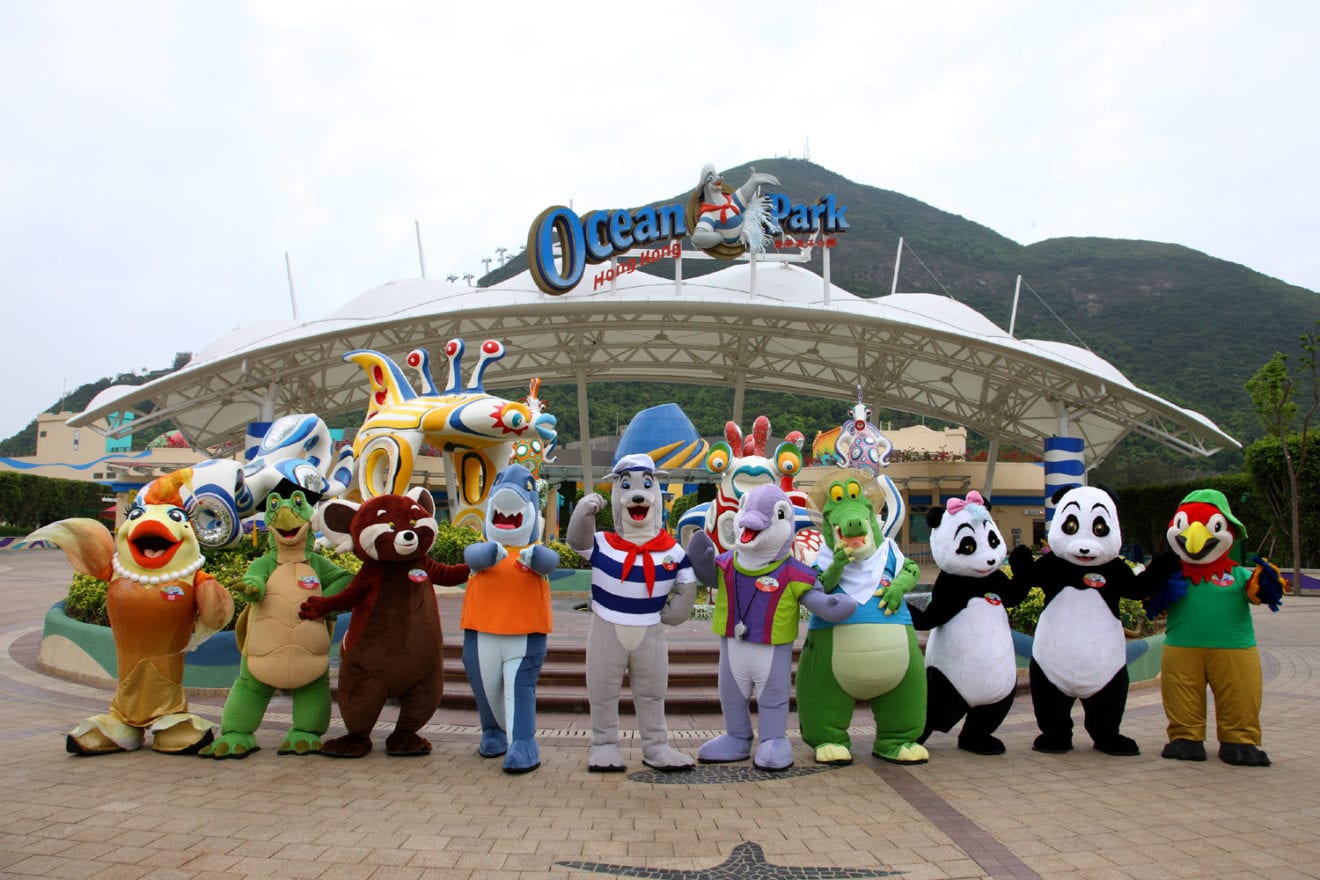
    Hong Kong listed theme park operator Haichang Holdings has revealed a plan to open ‘mini ocean worlds’ in China malls.

    In an interview with the South China Morning Post, CEO Wang Xuguang said the company has decided to embark on a new growth strategy rather than copying rival developers pursuing the “bigger is better” course.

    “We had heated discussions when mulling over development, but we decided to follow a light-asset strategy rather than building more large parks like others are doing,” he told the newspaper.

    With more and more theme parks opening outside major Chinese cities – the new Disney World under construction in Shanghai the most publicised example, Haichang is wary of over supplying the market. So rather than build massive parks to attract customers, it wants instead to take the parks to the people.

    “We believe there’ll be projects running into trouble over the coming few years. We will keep a close eye on any acquisition opportunities in the market.”

    Wang said his company also plans to offer its operational experience and know-how to other park operators or shopping centres who want to set up small aquariums.

    “Today in China developers are building their parks bigger and bigger using renowned foreign design companies and purchasing quality equipment from around the world, but a successful amusement park is not just a matter of money,” he said.

    Haichang Holdings currently runs seven marine-themed parks in eastern and southern Mainland China cities, along with another Disney-style attraction. It has two under construction: Dream World in Sanya, on Hainan Island, and Polar Ocean Park at Shanghai, some 30 minutes from the new Disney attraction.

  • Swire unveils HKRI Taikoo Hui

    Swire unveils HKRI Taikoo Hui

    HKR International and Swire Properties  have jointly revealed the name of their Shanghai joint-venture project: HKRI Taikoo Hui.

    The large-scale mixed-use development formerly known as the Dazhongli project, is located on Nanjing Road (West), one of Shanghai’s major shopping thoroughfares, in the Jingan District of Puxi, Shanghai.  It will have a gross floor area of some 3.46 million sq ft (approximately 321,200 sqm) and comprise a retail mall, two office towers and three hotels/serviced apartments.

    It is served by three metro lines – the existing Line 2 and two planned Lines 12 and 13 due to open in 2015-2016. The development is also close to the Yanan and N-S Elevated Highways, providing good accessibility to downtown locations and Pudong and Hongqiao International Airports.

    “The project is poised to become a landmark development in the heart of Shanghai and will inject new excitement into the retail, dining and entertainment scene in the buzzing Nanjing Road (West) neighbourhood,” the two companies said in a statement.

    “As the founding partner of the project, we have come a long way since acquiring the Dazhongli site in 2002. With great pleasure, we announce the launch of HKRI Taikoo Hui together with Swire Properties, our partner since 2006,” said Cha Mou Zing Victor, deputy chairman & MD of HKR International.

    “We look forward to the imminent completion of the mixed-use commercial development, which is set to become the next focal point for business and leisure activities in Shanghai with its prime location and excellent connectivity.”

    Guy Bradley, Swire Properties CEO, said the project is being built in the most vibrant district of an amazing city and will be the last major development in the Jingan District.

    “We intend to make it a spectacular addition, and I am confident that HKRI Taikoo Hui will become a new lifestyle destination and a premium business address in Shanghai.”

    Hong Kong listed HKR International has diversified interests in real estate development and investment, property management, luxury hotels and serviced apartments, healthcare services and other investments in Hong Kong, Mainland China and across Asia.

    Also listed in Hong Kong, Swire Properties develops and manages commercial, retail, hotel and residential properties, with a particular focus on mixed-use developments in prime locations. Its properties include Taikoo Place, Cityplaza and Pacific Place.

  • KFC China accepts Alipay

    KFC China accepts Alipay

    More than 700 KFC China stores have started to accept customer payments via Alipay’s smartphone-based payment technology.

    The stores, in Shanghai and Zhejiang Province are the first of some 5000 outlets across Mainland China which will adopt the payment option in coming months.

    The the partnership with Alibaba, KFC China customers can pay for their meals in local KFC restaurants by using the Alipay Wallet app on their smartphones. The cashless payment solution is expected to enhance operational efficiency of the fast food chain.

    The tie-up with KFC is the first major move of the newly established Koubei, a 50-50 joint venture between Alibaba Group and its affiliate Ant Financial that focuses on increasing the availability of local services through O2O (online-to-offline) eCommerce.

    Koubei plans to integrate Alibaba’s existing food ordering and delivery service Taodiandian and Ant Financial’s merchant services.

    KFC China, which launched in 1987, has been upgrading its restaurants for mobile commerce. Wi-Fi is now available in 2200 KFC China outlets and the company has launched a mobile application for food ordering in Shanghai and Hangzhou.

    According to iResearch, Alipay, a subsidiary of Ant Financial, accounted for 82 per cent of China’s third-party mobile payment sector in 2014. In May, 25 Walmart supermarkets and hypermarkets in Shenzhen began accepting Alipay’s mobile payments.

  • Don’t blame the graft clampdown

    Don’t blame the graft clampdown

    Don’t blame the graft clampdown for falling retail gross sales in China, Hong Kong and Macau, says a number one Shanghai retail professional.

    With a inhabitants of over 1.36 billion and with over 160 cities with a inhabitants of over 1 million, the alternatives that China presents retailers with are monumental. That’s why many worldwide retailers now contemplate it a precedence market.

    During the last 24 months, numerous the world’s most famous manufacturers have introduced that they’re experiencing a troublesome time in China and are both scaling again their operations or closing their China enterprise.

    So why are these retailers struggling when others proceed to develop a worthwhile enterprise?

    Within the report, ‘Nobody stated that it might be straightforward: Methods to crack the China Retail Market’, CR Retail’s MD James Rogers, has hung out analysing retailer’s methods and behavior, figuring out the important thing causes behind these failures.

    “Quite a lot of retailers regularly blame the anti-graft measures for the slowdown nevertheless it’s CR Retail’s view that these are solely partly accountable’ says Rogers.

    “We see the problems beginning quite a bit earlier with the retailers failing to understand the complexities and challenges concerned with opening there.”

    Based on the report, CR Retail consider that there are 15 questions that must be requested previous to getting into the market starting from figuring out one’s audience to figuring out whether or not the model will journey and, whether or not the buyer is definitely prepared.

    “When talking with retailers it’s astounding what number of new entrants haven’t considered a few of these points,” provides Rogers.

    “They consider the parable that a retailer can simply open a retailer just like what they function in different markets and the shoppers will come flooding in. Typically this couldn’t be farther from the reality.”

    There have been numerous examples of shops saying very aggressive enlargement plans however only a few truly obtain them.

    “When retailers announce their enlargement plans for the China market, it is rather shortly obvious how good an understanding they’ve of what lies forward.” says Rogers. “Retailers are sometimes drawn by the numbers and whereas the market is getting simpler to function in, the competitors stays fierce.”

    In 2014, China recorded on-line gross sales of US$427 billion making it the most important on-line retail market on the earth.

    “No matter your on-line technique at residence, if establishing your self in China, you can’t afford to disregard the eCommerce market. It’s a key pillar of China’s retail market.” provides Rogers.

    As with bodily bricks-and-mortar shops, China’s eCommerce market may be equally as difficult. One must firstly decide whether or not you’re to launch your personal native website or have your merchandise bought by way of a 3rd social gathering platform. In that case, which one? How are you to speak with the buyer and draw them to the place your merchandise are being bought?

    “The methods by which a retailer engages with the Chinese language shopper are totally different. A social media presence is vital, nevertheless there isn’t a Fb or Twitter. Retailers subsequently have to familiarise themselves with the native platforms,” continues Rogers.

    With China’s retail market nonetheless considered immature, Rogers advises retailers ought to assume long-term.

    “The US retailers are notably good at this in comparison with their European counterparts. They respect how lengthy it has taken to construct a robust enterprise at residence and are typically extra affected person. Whereas turning into spoilt for selection, the buyer continues to be studying. Rome wasn’t inbuilt a day and nor will a retailer’s China enterprise.

    “It ought to be remembered nevertheless, establishing a profitable presence in China will even drive gross sales in different worldwide markets. Subsequently conceding defeat and retrenching ought to be a final resort.”

    Endurance and a long-term technique are key to succeeding in China. Success won’t simply assist the native market however may even drive gross sales in retailer’s different worldwide markets.

  • Wangfujing, Bailian to launch 300 retailer China chain

    Wangfujing, Bailian to launch 300 retailer China chain

    Wangfujing Division Retailer, Bailian Group and Li & Fung plan to launch a 300-strong chain of retail shops in China in a three-way three way partnership.

    The businesses say they plan to “rework China’s retail business” by way of enhancing provide chain effectivity.

    Li & Fung Buying and selling (China) Holdings, a wholly-owned subsidiary of Hong Kong listed Li & Fung stated the JV can be based mostly within the Shanghai free commerce zone.

    Li & Fung could have a minority 20 per cent curiosity within the new enterprise, with the bulk evenly balanced between the opposite events.

    The core enterprise of the JV shall be creating and managing personal labels and licensed manufacturers. Within the first three-year plan, the JV will concentrate on menswear, womenswear, childrenswear and residential merchandise, creating as much as three personal labels and as much as six licensed manufacturers. It “might contain” the opening of as much as 300 shops or store-in-stores and realising as much as 1 billion yuan in gross sales.

    Li & Fung will use its international sourcing experience to design, supply and produce personal labels and licensed manufacturers tailor-made to the retail companions’ necessities.

    The corporate says the partnership displays the growing competitors in a fast-evolving retail market and the rising significance of eCommerce that are driving Chinese language multi-brand retailers to look to develop personal and proprietary manufacturers with which to distinguish themselves from rivals, improve margins and enhance buyer loyalty.

    “In the long term, the JV goals to be on the forefront of a brand new breed of brand name improvement and administration corporations giving robust own-brand capabilities to conventional retailers that may contribute to the transformation and sustainable improvement of China’s retail business,” Li & Fung stated in a press release.

    “Via this strategic partnership, Li & Fung is ready to prolong the worldwide provide chain into a considerable retail community that serves a big rising center class in China,” stated William Fung, group chairman.

    “The three way partnership goals to introduce globally sourced merchandise that provide Chinese language shoppers a greater variety of overseas items,” he added.

    Shanghai Bailian Group owns greater than 6 million sqm of economic area, with 5000 gross sales retailers in additional than 20 provinces and cities all through China, masking quite a lot of retail codecs together with malls, supermarkets, comfort shops, purchasing malls, low cost shops and franchise shops. Its basic merchandise division operates 47 department shops in China, together with Shanghai First Division Retailer, Wing On Division Retailer, No. 1 Yaohan Division Retailer, Oriental Division Retailer, Bailian Buying Mall and Bailian Retailers.

    Beijing Wangfujing Division Retailer operates 45 chain shops in numerous retail codecs in 30 cities, together with department shops, purchasing malls, retailers and eCommerce.

  • Disney Shanghai names first mall tenants

    Disney Shanghai names first mall tenants

    The primary tenants of shopping center beneath development on the Shanghai Disney Resort, have been revealed.

    The buying precinct, named Disneytown, will host 50 tenants in a 46,000 sqm outside way of life mall accessible from the adjoining theme park and inside strolling distance of the Shanghai Disneyland Lodge and Toy Story Lodge. The whole improvement is on monitor to open within the second quarter of 2016.

    The tenants simply named embrace well-known native and worldwide manufacturers together with eating places Shanghai Min, Crystal Jade, and The Cheesecake Manufacturing unit operated by Hong Kong Maxim’s Group, in addition to numerous retail choices together with shops beneath I.T group, i.t and Bape Retailer, and a Lego retailer. Different high-profile manufacturers together with Meals Republic, Coconut Paradise, The Eating Room, Hatsune, Blue Frog, Xin Wang Restaurant, BreadTalk, Toast Field, and Chow Tai Fook will even be the primary of a number of dozen tenants that may work intently with Shanghai Disney Resort to supply world-class purchasing and eating choices.

    Purchasing, eating and leisure areas are key options of Disney resorts all over the world, serving to friends take pleasure in an built-in resort expertise alongside world-class theme parks and motels.

    Whereas situated subsequent to the theme park, there can be no entry payment to the mall, making it a vacation spot in its personal proper.

    “Shanghai Disney Resort has labored intently with Chinese language and worldwide companions to develop new, recent and thrilling variations of those manufacturers for visitors visiting Disneytown,” stated Philippe Fuel, GM of Shanghai Disney Resort.

    “This space will supply a particular Disney expertise, treating visitors by each day and night time to nice eating, purchasing and leisure amid lovely open-air promenades and lakeshore allure.”

    With Chinese language friends in thoughts, Disneytown has been designed by a world artistic workforce to exhibit the right mix of Disney traditions and basic Chinese language and Shanghai design and cultural parts, together with conventional Shikumen structure in homage to the distinctive heritage of Shanghai. Disneytown can be composed of 5 distinct districts, together with Lakeshore, Market, Spice Alley, Broadway Boulevard, and Broadway Plaza, to create quite a lot of experiences and distinctive choices inside every district.

    Tenants of Disneytown will work intently with Shanghai Disney Resort to offer unique eating, purchasing and leisure experiences by tailoring each element of the venues – from the decorations to menu design.

    Eating choices will range throughout the districts. Visitors might take pleasure in fantastic eating experiences at upscale desk service eating places within the romantic theatre district, Broadway Plaza, the place Shanghai Min and Crystal Jade will present genuine Shanghainese and Cantonese delicacies with beautiful views of Shanghai Disneyland from each balconies. The primary Asia flagship restaurant of The Cheesecake Manufacturing unit operated by Hong Kong Maxim’s Group and Blue Frog’s new-concept restaurant will probably be featured in Broadway Boulevard. Spice Alley will supply quite a lot of fashionable Asian cuisines in an off-the-cuff, but eclectic and enjoyable surroundings and its eating experiences will supply one thing for everybody, together with distinctive Southeast Asian delicacies and native Chinese language delights from Meals Republic, Thai meals from Coconut Paradise and new Shanghainese dim sum and delicacies from The Eating Room. Informal eating experiences shall be offered in Market by Xin Wang Restaurant, the all-day Cantonese tea home, in addition to recent bakeries BreadTalk and Toast Field.

    Visitors may also be capable of expertise quite a lot of waterfront eating choices within the Lakeshore district reminiscent of California-style Japanese restaurant Hatsune, whereas having fun with views of each the lake and the Enchanted Storybook Fort to the north and the Shanghai Disneyland Lodge to the south.

    Shanghai Disney Resort is a three way partnership between The Walt Disney Firm and Shanghai Shendi Group.

  • La Chapelle takes Jack Stroll stake

    La Chapelle takes Jack Stroll stake

    Shanghai La Chapelle Style has taken a controlling stake in high quality mens’ style label Jack Stroll.

    The Hong Kong-listed firm has paid RMB 75 million for a 69.12 per cent share of the six yr previous Jack Stroll Shanghai enterprise which produces casualwear, sport, denim and enterprise. attire and has its personal retail chain.

    La Chapelle says the funding is in keeping with its product-oriented technique in addition to its core values of “cost-effectiveness, trend, high quality”, which can assist strengthen the group’s place in mass-market casualwear phase.

    Because the introduction of its male attire merchandise in 2011, La Chapelle has been actively cultivating its menswear manufacturers and continuously looking for for alternatives to develop new model to be able to improve its market share in menswear market.

    “The core administration workforce of Jack Stroll had labored in numerous well-known worldwide fast-fashion corporations together with Uniqlo and possesses ample hands-on expertise within the business,” La Chapelle stated in a press release.

    “The funding in Jack Stroll will additional enrich the product mixture of the group and speed up the implementation of its multi-brand technique. Leveraging on La Chapelle’s in depth distribution channel and aggressive provide chain functionality, the funding is predicted to reinforce Jack Stroll’s speedy enlargement and margin enchancment,” stated the assertion.

    “With the rising male inhabitants in China, the change within the attire consumption preferences for male shoppers and a big improve in buying energy, China’s informal menswear and enterprise informal menswear market has been rising quickly, and is predicted to proceed its secure progress,” stated Wang Yong, government VP of La Chapelle.

    “The core members of Jack Stroll have years of operational expertise in worldwide fast-fashion corporations. They’re the specialists in working ‘brief, cost-effective, quick’ enterprise, which is appropriate for present fast-fashion market. Then again, their in depth expertise in product improvement and model administration allows them to intently comply with market developments and develop merchandise which are according to the wants of mass shoppers.

    “As one of many essential steps in La Chapelle’s multi-brand technique, investing in high quality menswear model Jack Stroll will certainly increase the enterprise progress of the group,” he concluded.

    Based in 2001, Shanghai La Chapelle Trend designs, markets and sells attire merchandise with a give attention to mass-market women’ casualwear. The group has eight manufacturers (5 ladieswear manufacturers, two menswear manufacturers, one childrenswear model): La Chapelle, La Chapelle Sport, 7.Modifier, Candie’s, La Babite, La Chapelle Homme, Pote and La Chapelle Youngsters.

    As of the top of 2014, the group’s had 6887 retail factors in some 2200 places, comprising primarily department shops and purchasing malls, in cities throughout all 31 provinces, autonomous areas and municipalities within the PRC.

  • Nickelodeon seems to be to comply with Disney into China

    Nickelodeon seems to be to comply with Disney into China

    Childrens’ TV channel Nickelodeon has revealed it might open one in every of its worldwide flagship shops in Shanghai.

    In that case, the US-based subsidiary of Viacom, can be following Disney into China’s business capital, Shanghai. Disney opened in Might and queues have shaped day by day outdoors the shop as consumers take pleasure in each the partaking setting and the merchandise impressed by cartoon characters.

    Nickelodeon owns the cartoon ideas SpongeBob Squarepants, Teenage Mutant Ninja Turtles, Ren & Stimpy and Dora the Explorer, amongst others.

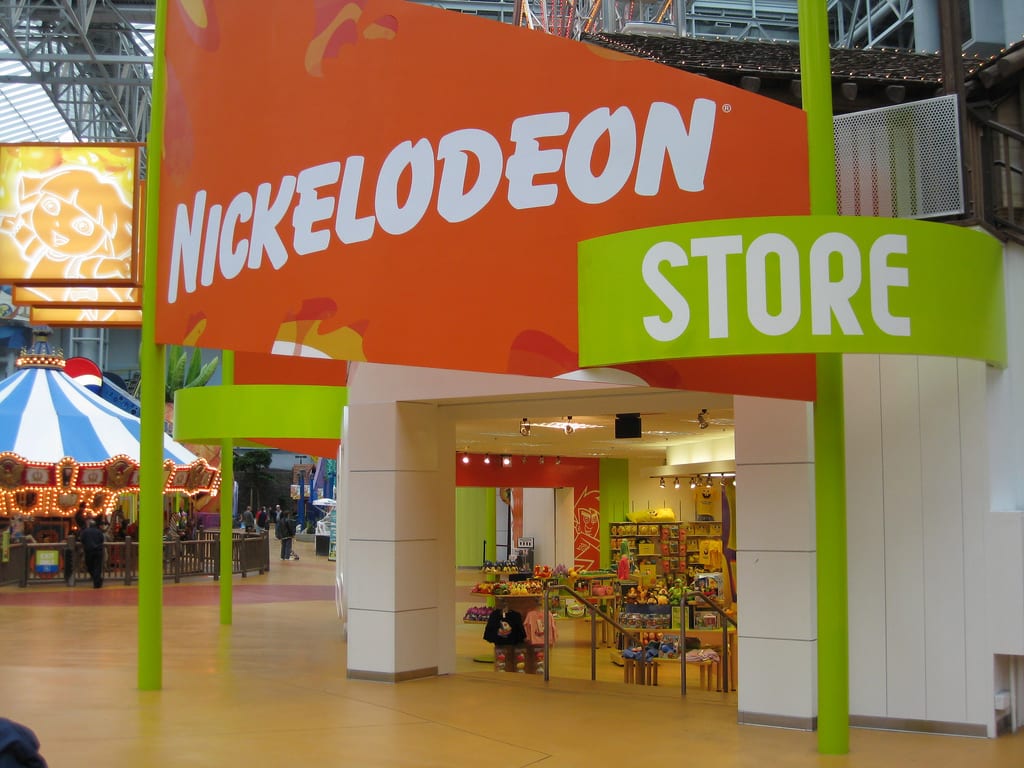
    Subsequent week, Nickelodeon opens a flagship retailer in London’s Leicester Sq., (pictured above in an artist’s rendering) following profitable retail ventures in Riyadh, Honduras and Panama through the previous yr.

    In contrast to Disney, Nickelodeon works with a franchise companion fairly than run its retail operations immediately, nevertheless it stays closely concerned within the design, conceptualisation, match out and merchandising.

    Ron Johnson, government vp of shopper merchandise at Viacom Worldwide Media Networks, informed the Hollywood Reporter the London retailer was its first flagship.

    “That is our first retailer that may be a vacation spot retailer, together with nice shopper interplay on video screens, fixtures like Dora’s tree and a pineapple that’s from Bikini Backside,” stated. “We undoubtedly see flagship shops as a progress car and dealing for us in the proper markets the world over.”

    Three extra Nickelodeon shops are deliberate for 2015. Whereas no announcement has been made concerning the places of these, Johnson confirmed “we’re undoubtedly taking a look at locations like Dubai, Shanghai, Paris and Milan”.

    ‎The London retailer ranges London and UK-themed merchandise that includes the model’s characters – gadgets similar to a SpongeBob toy with a bearskin hat and a T-shirt that includes a SpongeBob-adaptation of The Beatles’ well-known Abbey Street album.

    Nickelodeon’s characters function in merchandise bought by many retailers within the Uk, together with grocery store big Tesco. However Johnson says 80 per cent of the flagship’s inventory might be unique.

    Leicester Sq. was chosen as a result of it has a footfall of greater than 35,000 pedestrians every day, a big proportion of them vacationers, permitting the model to succeed in markets aside from the UK. Such a choice may be an indicator of most popular places for the model in different retail markets like Shanghai.