Retail News CRM

Tag: Shoes

  • British Sportswear Giant Castore Bags Historic Brand Grenson Shoes: A Strategic Move to Boost Profitability

    British Sportswear Giant Castore Bags Historic Brand Grenson Shoes: A Strategic Move to Boost Profitability

    UK-based sportswear retailer Castore has recently announced its acquisition of the longstanding footwear brand Grenson Shoes. This strategic move is aimed at bolstering Castore’s financial stability and expanding its product portfolio.

    Embracing Heritage Brands

    According to Thomas Beahon, co-founder of Castore, the acquisition of Grenson, a 160-year-old brand, underlines the company’s belief in the value of heritage brands. Grenson has built a diverse customer base over the years and has successfully partnered with some of the most renowned global brands.

    Beahon highlighted that the rich heritage that brands like Grenson possess is one of the key factors contributing to their enduring appeal. He believes that the historical legacy, born out of years of dedication, love, and passion, is an element that cannot be artificially recreated or replaced by advanced technologies like AI.

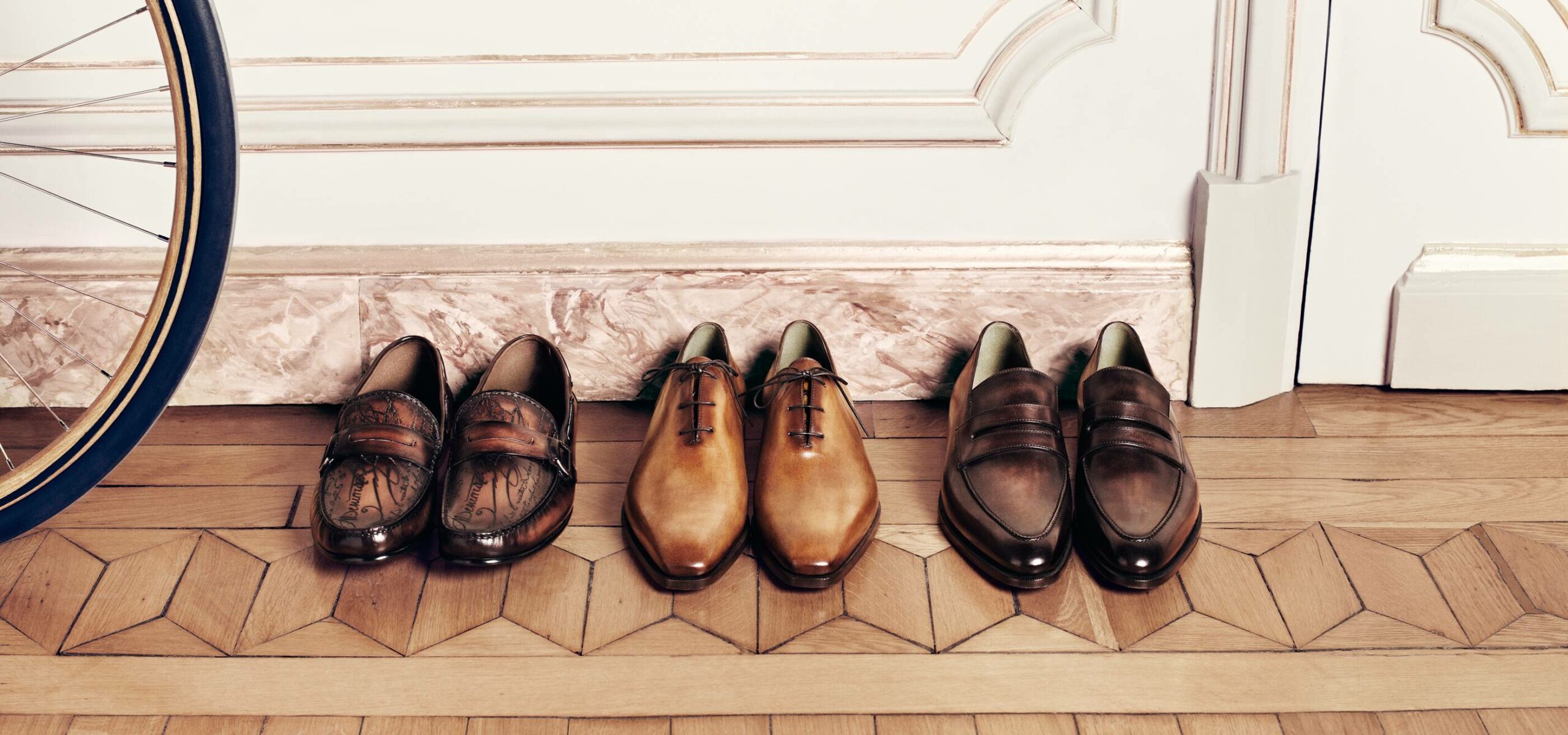
    Grenson, which is based in Northampton, England, has earned international acclaim for its high-quality leather shoes. Among its wide range of styles, the brand’s signature wingtip shoes are especially popular.

    Overcoming Common Challenges

    Throughout Castore’s decade-long journey, Beahon has observed that many brands grapple with similar issues, such as balancing growth and profitability, deciding between short-term and long-term goals, developing multi-channel distribution, and strategizing international expansion.

    He pointed out that it’s challenging for brands to achieve profitable growth without seeking external funding, which often leads to the dilution of the brand’s unique identity and values.

    However, Beahon argued that Castore’s new approach of investing in premium and established brands has effectively addressed the common issue of cash flow that many similar brands face. Moreover, he emphasized that Castore’s strategy is primarily focused on yielding long-term returns.

    He expressed his strong belief in the potential of great brands to continually strengthen over time with the right nurturing and management. As a company, Castore is deeply committed to promoting British brands’ competitive edge on the global platform.

    Questions & Answers

    Why has Castore acquired Grenson Shoes?
    Castore’s acquisition of Grenson Shoes is part of a strategic move to enhance its financial health and broaden its product range.

    What is Castore’s view on heritage brands?
    Thomas Beahon, co-founder of Castore, holds a high regard for heritage brands. He believes that their rich history and legacy, achieved over many years of dedication, love, and passion, contribute significantly to their lasting appeal.

    What are the common challenges that brands face according to Beahon?
    Beahon identified several common challenges that many brands face, including balancing growth and profitability, deciding between short-term and long-term goals, developing multi-channel distribution, and strategizing for international expansion.
  • Musinsa in Race for Hoka’s South Korean Distribution Rights Amid High Competition and Growing Market Demand

    Musinsa in Race for Hoka’s South Korean Distribution Rights Amid High Competition and Growing Market Demand

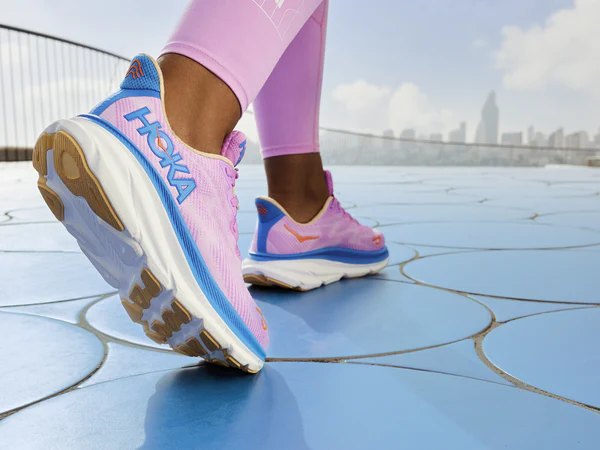
    South Korean fashion and lifestyle company, Musinsa, is said to be currently in discussions to obtain the local distribution rights for Hoka, a well-known performance footwear brand. The talks are reportedly taking place with Deckers Outdoor Corporation, the American parent company of Hoka, as Musinsa seeks to handle the brand’s import and distribution within South Korea.

    Interest From Major Fashion Groups

    Musinsa is not alone in its interest in the brand. Other notable fashion companies, such as Shinsegae International and LF Corp, are also rumored to be considering placing their bids. This interest underscores the intense competition for the distribution rights of Hoka within the domestic market.

    Scrutiny Over Hoka’s Current Distribution

    Hoka’s current distribution within Korea has fallen under public scrutiny due to allegations of misconduct by the CEO of its current local partner, Joyworks & Co. This has resulted in significant public backlash. Whilst Deckers has not formally announced any changes or terminations to its current distribution arrangement, these developments have led to speculation that the company might be reconsidering its local strategy.

    Increasing Demand for Hoka in South Korea

    Hoka’s footwear has been experiencing growing demand amidst a surge in participation in outdoor activities and running in South Korea. The brand’s shoes have been gaining popularity amongst consumers focused on performance and lifestyle shoppers alike.

    Musinsa’s Expansion Strategy

    Musinsa’s interest in Hoka fits perfectly into its wider expansion strategy. Last year, Musinsa established a presence in the Chinese market through a joint venture with Anta Sports, leading to the creation of Musinsa China. This move was aimed at supporting growth across both online and offline retail channels.

    Questions & Answers

    What is the current status of Hoka’s distribution within South Korea?
    Hoka’s current distribution within South Korea, managed by Joyworks & Co, has recently come under public scrutiny due to allegations of misconduct by Joyworks & Co’s CEO.

    Who is interested in obtaining the domestic distribution rights for Hoka?
    South Korean fashion and lifestyle company Musinsa, along with other major fashion groups such as Shinsegae International and LF Corp, have expressed interest in acquiring the distribution rights.

    What is driving the growing demand for Hoka in South Korea?
    The increasing participation in outdoor activities and running in South Korea is driving the growing demand for Hoka’s footwear. The brand’s shoes are gaining popularity amongst performance-focused consumers and lifestyle shoppers.

  • South Korean Footwear Giant, Sappun, Makes Strides in Southeast Asia with Exclusive Indonesian Expansion

    South Korean Footwear Giant, Sappun, Makes Strides in Southeast Asia with Exclusive Indonesian Expansion

    South Korean female-oriented shoe brand, Sappun, has drawn out plans to broaden its global presence, beginning with Southeast Asia, Indonesia specifically.

    Expanding Footprints in Indonesia

    The footwear brand, which operates under the management of FNS Retail Co, has embarked on an exclusive alliance with Surya Bumi Retailindo. This Indonesian retail firm oversees over 20 international brands spread across sports, fashion, and lifestyle verticals, Salomon and Dickies included.

    The collaboration gives Surya Bumi Retailindo the exclusive distribution rights for Sappun within Indonesia while also setting a sturdy framework for sustained retail growth.

    Establishing Retail Presence

    Sappun, in accordance with this new partnership, has launched standalone outlets in three of Jakarta’s prime shopping precincts, such as Lippo Mall Puri, Plaza Senayan, and Grand Indonesia. Initial sales at these outlets have been reportedly on par with its flagship stores in South Korea, an indication of the strong demand from Indonesian shoppers.

    FNS Retail has plans to inaugurate five additional Sappun stores inside Indonesia by the conclusion of this year, with a future goal of reaching a total of 30 stores within the next five years.

    The entrance into the Indonesian market marks a noteworthy milestone as the first international expansion of a K-fashion women’s shoe brand. FNS Retail expressed their ambition to extend their presence further across Southeast Asia and Japan.

    The Growth of Sappun

    Sappun was founded in 2014 initially as an online-only brand which later expanded its operations to offline outlets across prominent Korean cities, including Seoul and Busan. To further extend its global reach, the brand continues to exploit e-commerce platforms like Shopee and Lazada.

    Sappun also has plans in the pipeline to launch operations in Vietnam in the near future.

    Questions & Answers

    What is Sappun’s expansion strategy?
    Sappun plans to broaden its global presence starting with Southeast Asia, specifically Indonesia. They aim to establish a robust retail presence through local partnerships and open standalone stores in prime shopping areas.

    How is the brand performing in Indonesia?
    Sappun has launched standalone outlets in three of Jakarta’s prime shopping precincts. The sales at these outlets have been reportedly on par with its flagship stores in South Korea, indicating strong demand from Indonesian shoppers.

    What are Sappun’s future plans?
    Sappun aims to extend its presence further across Southeast Asia and Japan. The brand also has plans to launch operations in Vietnam in the near future.

  • Fake Louis Vuitton, Gucci shoes seized in $1.3M Hong Kong counterfeit bust

    Fake Louis Vuitton, Gucci shoes seized in $1.3M Hong Kong counterfeit bust

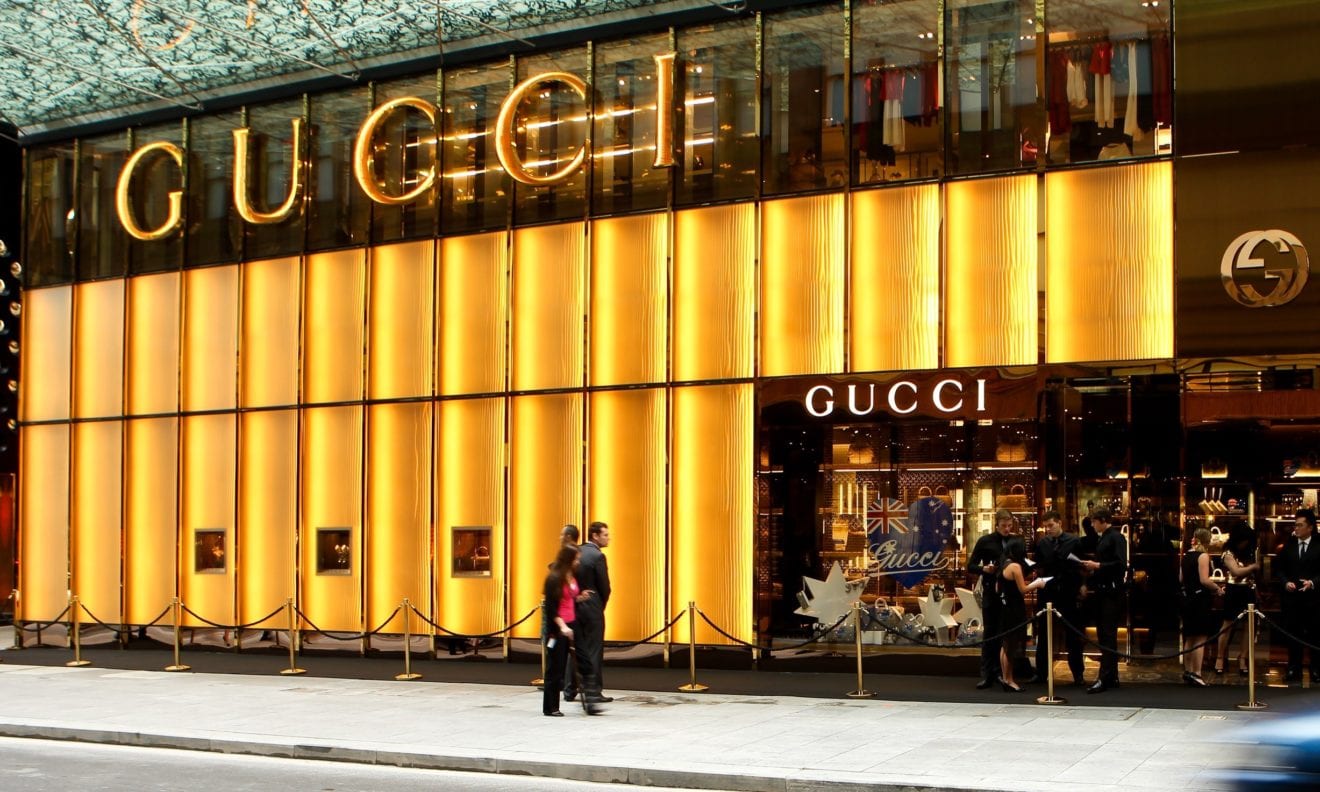
    In a recent operation, Hong Kong officials intercepted an estimated HK$10 million worth of suspected counterfeit clothing and footwear, featuring labels from major brands such as Louis Vuitton, Gucci, and Nike. The operation, held between October 6 and 17, resulted in the confiscation of approximately 18,000 items and the arrest of two individuals, according to an announcement from the Hong Kong Customs and Excise Department.

    Details of the Seized Goods

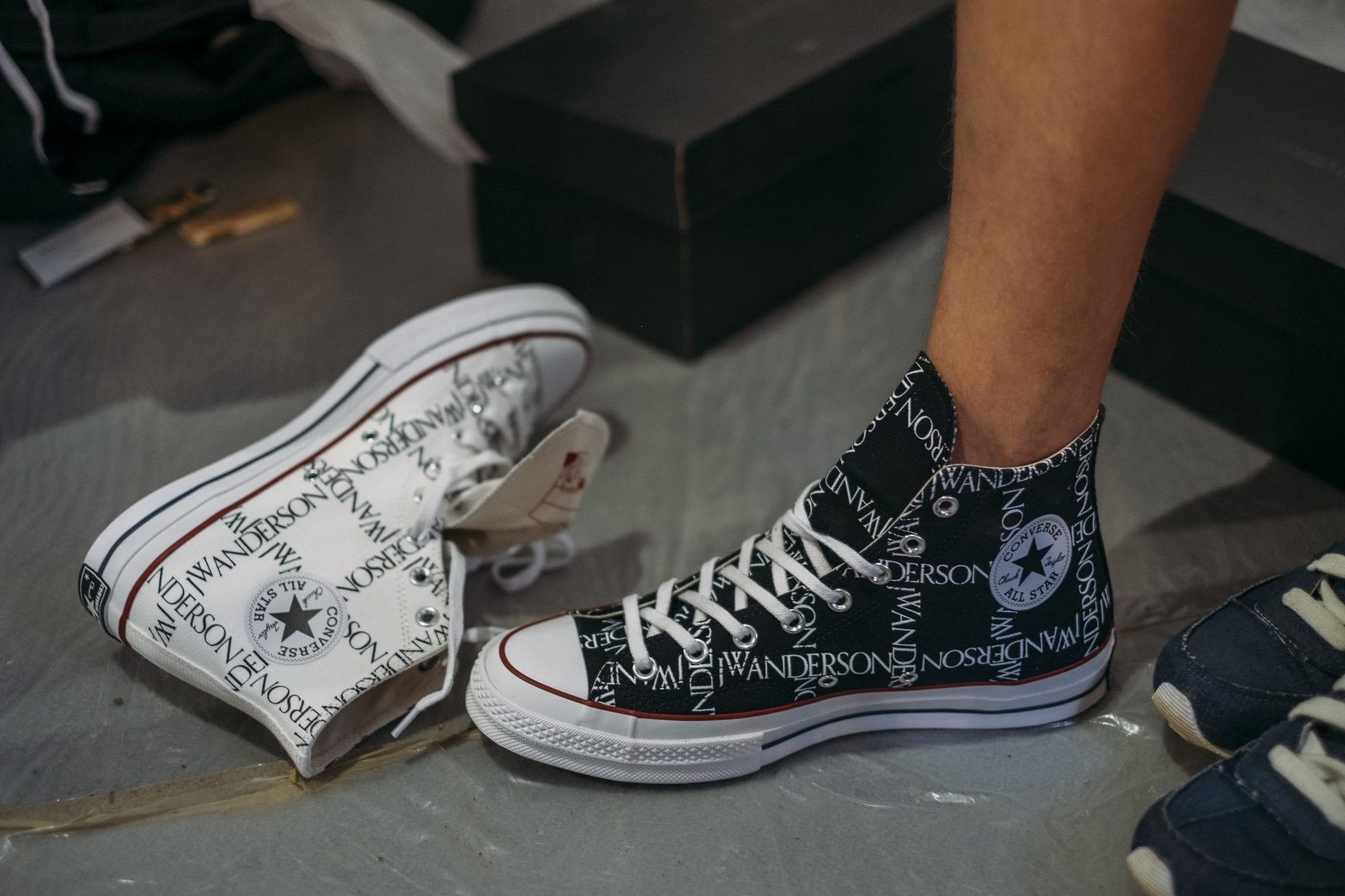
    The confiscated merchandise included items bearing the branding of Nike, Adidas, Louis Vuitton, and Gucci. Officials believe these products were headed for foreign markets, specifically in Europe and America, to capitalize on the demand generated by large-scale global events.

    “Large events, such as sports shoe exhibitions, often see collectors and enthusiasts trading items on-site, which escalates the demand for high-quality counterfeit sports shoes,” explained Inspector Yeung Tit-fung from the department.

    Investigation and Legal Consequences

    The investigation into these cases is currently ongoing. The arrested individuals have been released on bail, pending further investigation. The Hong Kong legislation stipulates that importing or exporting products carrying a counterfeit trademark could lead to a maximum of five years imprisonment and fines reaching up to HK$500,000.

    The Customs Department revealed plans to intensify inspections and execute intelligence-driven operations to combat counterfeiting and trademark infringement activities.

    Previous Operations

    The department had previously conducted a week-long operation in late September, which focused on the city’s major shopping districts ahead of the Golden Week holiday. This operation resulted in the seizure of around 2,000 suspected counterfeit handbags, leather goods, and fashion accessories, with an estimated market value of HK$1.3 million.

    Questions & Answers

    What brands were predominantly featured among the seized goods?
    The seized items predominantly featured branding from major labels such as Louis Vuitton, Gucci, Nike, and Adidas.

    What are the legal consequences for importing or exporting counterfeit products in Hong Kong?
    In Hong Kong, the import or export of goods bearing a counterfeit trademark can result in up to five years of imprisonment and fines of up to HK$500,000.

    What measures are the Hong Kong Customs Department taking to combat counterfeiting?
    The Hong Kong Customs Department plans to enhance inspections and implement intelligence-led operations to prevent counterfeit and trademark infringement activities.

  • Valentino And Vans Unveil Ai-driven Campaign For Innovative Capsule Collection

    Valentino And Vans Unveil Ai-driven Campaign For Innovative Capsule Collection

    Luxury fashion house Maison Valentino and popular footwear brand Vans have joined forces to launch an innovative campaign that leverages artificial intelligence (AI) for a new capsule collection. This ingenious blend of physical and digital storytelling is a testament to the evolving frontiers of fashion marketing.

    The AI-Infused Campaign and Collection

    The campaign visuals were produced by AI, utilizing raw footage from Maison Valentino’s Fall/Winter 2025 Paris runway show where the collection was initially showcased. Guided by Maison Valentino’s Alessandro Michele’s vision, the team has imaginatively redefined the classic silhouette of Vans Authentic sneakers. This transformation retains the distinctiveness of Valentino and the originality of Vans through canvas uppers adorned in a spectrum of vibrant prints.

    The novel design features a checkerboard motif, overlapping patterns, and dynamic motion graphics. According to Michele, the product is a surreal and dreamlike fresco where nature erupts.

    The Collection Details

    The collection consists of six styles tailored for both men and women, each distinguished by a unique ‘I Love Valentino x Vans’ print that evokes the style of souvenir typography.

    The collaborative Valentino Garavani and Vans sneakers are available for purchase on both the brands’ official websites. A special edition of the collection will also be presented in Valentino boutiques globally and at the Vans’ London flagship store, with sales commencing this Friday.

    Questions & Answers

    What is unique about the new campaign by Maison Valentino and Vans?
    The campaign is notable for its use of artificial intelligence to generate visuals, blending physical and digital storytelling.

    Who is the creative force behind the redesigned silhouette of Vans Authentic sneakers?
    The redesign was guided by Maison Valentino’s Alessandro Michele, who ensured that the distinctiveness of both brands was preserved in the new design.

    Where can the Valentino Garavani and Vans sneakers be purchased?
    The sneakers are available on both companies’ official websites, as well as in Valentino boutiques worldwide and at the Vans’ London flagship store.

  • Leadership Shakeup At Nike: Aaron Cain Steps Up As Converse CEO Amid Sales Slump

    Leadership Shakeup At Nike: Aaron Cain Steps Up As Converse CEO Amid Sales Slump

    Nike’s Converse division is set to undergo a change in leadership as Aaron Cain steps into the role of CEO, succeeding Jared Carver who has served in the position for the past two years.

    A veteran of Nike for over two decades, Cain has contributed to the company in a variety of roles, most recently as Nike’s Vice President and General Manager of Global Men’s Business.

    Financial Performance

    Nike’s recent annual results in June revealed a 9% decrease in sales, with Converse suffering a more significant slump of 19%. Despite these figures, Nike’s CEO and President, Elliot Hill, remains optimistic about future performance, citing the company’s ‘Win Now’ strategy as a catalyst for improvement.

    Executive Shakeup

    The appointment of Cain as CEO of Converse is just one move in a series of recent executive changes within the brand. Tony Bignell has assumed the role of Chief Operating Officer, while Amy Montagne has been named Nike’s Brand President. Additionally, Jennifer Hartley has been designated as the new Chief Strategy Officer.

    To ensure a smooth transition, Cain and Carver will overlap in their roles until the end of July.

    Questions & Answers

    Who has been appointed as the new CEO of Nike’s Converse division?
    Aaron Cain has been appointed as the new CEO of Nike’s Converse division.

    What were the recent changes in Nike’s sales performance?
    Nike reported a 9% decrease in its annual sales, with the Converse division experiencing a 19% decrease.

    Who are the new executives appointed in Nike?
    Apart from Aaron Cain, Tony Bignell has been appointed as the new COO, Amy Montagne as Nike’s Brand President, and Jennifer Hartley as the Chief Strategy Officer.

  • Bata’s First Indian Ceo, Sandeep Kataria, Steps Down; Panos Mytaros Steps Up As Global Successor

    Bata’s First Indian Ceo, Sandeep Kataria, Steps Down; Panos Mytaros Steps Up As Global Successor

    Sandeep Kataria, the Chief Executive Officer of Bata, has announced that he will be resigning from his role in September to seek fresh prospects. The departure will coincide with the appointment of Panos Mytaros as the corporation’s new Global CEO.

    Transition of Leadership

    Kataria, who started his tenure with the Switzerland-based footwear company in 2020, was the first Indian to spearhead the brand, which has been in business for 130 years. During his time with Bata, Kataria played a crucial role in modernizing its global operations. His tenure witnessed a significant transformation of the brand, including a revamped identity, streamlined operations, and a shift towards digital and design-led innovation.

    In a highly competitive and digital-dominated retail landscape, Kataria was credited for enhancing Bata’s market positioning across Asia, Africa, and Europe. The company expressed deep appreciation for his contributions, emphasizing his tireless dedication to the people and his passion for the Bata brand.

    Looking back at his time with the company, Kataria portrayed Bata as “a community, a legacy, and a force for good,” expressing that leading the team was one of the most significant privileges of his life. It is expected that Kataria will remain with the company for several months to facilitate a smooth leadership transition.

    Appointment of New Global CEO

    The new Global CEO, Panos Mytaros, is an industry veteran with over 30 years of experience in the footwear and leather industry. Prior to his appointment at Bata, he held the position of CEO at the Danish shoe company, Ecco.

    Graham Allan, the chairman of Bata, praised Mytaros for his deep industry knowledge and passion for footwear craftsmanship. “His track record in brand building and developing compelling footwear collections, as well as in leading complex international organizations, made him the ideal candidate to guide Bata through our next phase of growth,” Allan added.

    About Bata

    Bata, established in 1894 in the present-day Czech Republic, continues to be a family-owned business. The company sells approximately 150 million pairs of shoes annually under roughly 20 brands, including Bata, North Star, and Power.

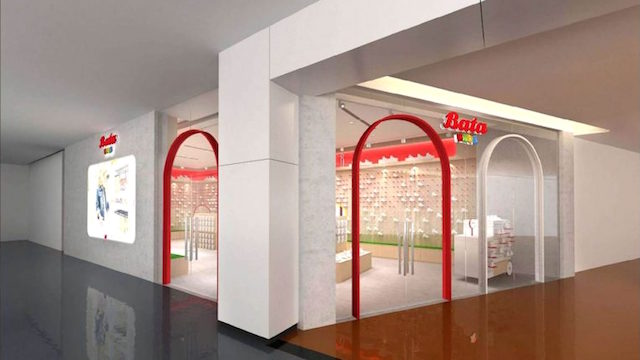
    In India, Bata operates over 1960 stores, selling roughly 50 million pairs annually. This makes it the country’s leading footwear company in terms of both revenue and volume.

    Questions & Answers

    Who is replacing Sandeep Kataria as the CEO of Bata?
    Panos Mytaros, previously the CEO of the Danish shoe company Ecco, will replace Sandeep Kataria as the CEO of Bata.

    What significant changes did Sandeep Kataria bring about in Bata during his tenure?
    During his tenure, Kataria led a significant transformation of the brand, including a revamped identity, streamlined operations, and a shift towards digital and design-led innovation. He also helped enhance Bata’s market positioning across Asia, Africa, and Europe.

    What is Bata’s standing in the Indian market?
    With more than 1960 stores and approximately 50 million pairs of shoes sold annually, Bata is the largest footwear company in India by both revenue and volume.

  • Vietnam’s Pierre Cardin Shoe Distributor Expands by Acquiring Thai Competitor

    Vietnam’s Pierre Cardin Shoe Distributor Expands by Acquiring Thai Competitor

    Emall Vietnam, the distributor for the prestigious Pierre Cardin shoe line, has taken a bold step by acquiring the franchise rights for the brand in Thailand. This strategic move marks a significant milestone in the company’s journey, as it welcomes a Thai operation that boasts 40 successful years and a loyal customer base in the millions under its wing, as confirmed by CEO Pham Minh Thang in a recent interview.

    Operating 100 stores across Vietnam under the Pierre Cardin and Oscar brands, Emall is not just a distributor; it also manufactures shoes, making strides in the competitive footwear industry. For the past seven years, Emall has been exporting its Pierre Cardin shoes to Thailand, asserting that the quality of its products stands tall against those produced in Thailand and China.

    “Thailand is a leading retail market for luxury brands in the region,” Thang emphasized. He further added that establishing a strong presence there opens new avenues for Southeast Asian expansion, particularly in challenging markets like Singapore.

    The acquisition process, which kicked off in March, is projected to double Emall’s revenues from Pierre Cardin footwear. To capitalize on this growth, Emall has plans to unveil additional retail locations in Thailand starting in July, eyeing high-profile shopping hotspots such as Central World and Siam Paragon. Back in Vietnam, the Pierre Cardin shoe range is available in over 50 shopping centers, making it a familiar name among luxury footwear enthusiasts.

    As this acquisition unfolds, many are curious about what lies ahead for retail dynamics in the region. Will Emall’s ambitious plans attract a wave of new luxury consumers? Who knows, perhaps future shoppers in Thailand will find themselves in an exclusive shoe wonderland!

    Questions & Answers

    **What led to Emall Vietnam’s acquisition of the Pierre Cardin franchise in Thailand?**
    The acquisition was driven by a strategic vision to expand Emall’s presence in a leading luxury retail market and significantly boost revenues.

    When does Emall plan to open new retail stores in Thailand?
    Emall intends to open new retail locations starting in July, targeting iconic shopping destinations such as Central World and Siam Paragon.

    How does the quality of Emall’s products compare to those produced in Thailand and China?
    Emall asserts that its Pierre Cardin shoes are comparable in quality to those manufactured in Thailand and China, bolstering its competitive edge in the luxury footwear market.

  • Hoka opens its first store in Vietnam

    Hoka opens its first store in Vietnam

    Footwear retailer Hoka has launched a store in Vietnam, marking its first physical presence in the market.

    Located at Ho Chi Minh City’s Saigon Centre, the store is in partnership with distributor Central Brand & Specialty Group (CBS) and offers a full range of products, from road and trail running to street-ready styles.

    The shop features 3D foot-scanning technology, which analyses consumers’ foot shapes and offers personalised shoe recommendations.

    “We chose Saigon Centre – the most strategic and vibrant location in Ho Chi Minh City – because it not only reflects the position of a leading brand like Hoka, but also perfectly fits CBS’s commitment to enhancing everyday lifestyle,” said Ty Chirathivat, CEO of Central Brand & Specialty Group (CBS), during the brand’s opening ceremony.

    Hoka was first launched in Vietnam four years ago, sold through Supersports retail channels.

    Earlier this year, Hoka opened its Bondi 9 pop-up in Hong Kong to mark the latest generation of its ultra-cushioned road-running shoe.

  • Puma plans job cuts as US demand weakens, outlook dims

    Puma plans job cuts as US demand weakens, outlook dims

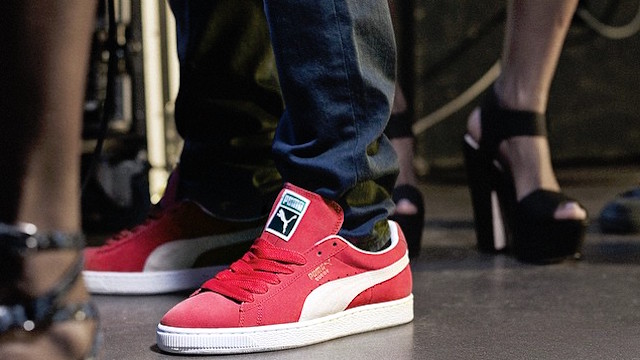
    Puma on Wednesday announced job cuts and warned of uncertain US consumer demand. The German sportswear group’s shares slumped 23 percent in the wake of disappointing quarterly and annual forecasts issued a day earlier.

    The grim outlook, which follows weak quarterly sales and annual profit announced in January, has raised concerns over Puma’s ability to compete with bigger rivals Adidas and Nike while fending off newer, fast-growing brands such as On Running and Hoka.

    Chief executive Arne Freundt said Puma’s target consumers in the United States were not spending due to economic uncertainty.

    “February was bad. March has started off a bit better,” he said at a press conference.

    Chief financial officer Markus Neubrand announced plans to cut 500 jobs worldwide and close some unprofitable stores as part of a cost-cutting plan.

    When asked about the potential impact of US import tariffs, Puma’s management confirmed that Chinese production made up about 10 percent of shoe imports into the United States, down from 30 percent in the past.

    The company was urging suppliers to diversify production away from China to countries including Indonesia, they said.

    Late on Tuesday, Puma forecast currency-adjusted sales for the current quarter to grow in a low single-digit percentage, below last year’s level, with “significantly” lower operating earnings for the same period.

    It said its annual currency-adjusted sales would grow in a low– to mid-single-digit percentage rate, compared with 4.4 per cent growth to 8.82 billion euros (US$9.62 billion) in 2024.

    It had previously expected 2025 growth to be stronger than in 2024.

    The group forecast adjusted earnings before interest and taxes (EBIT) of $566.5 million to $653.7 million euros for 2025, before a one-time charge of up to 75 million related to its cost-cutting programme.

    “While expectations have lowered recently, we still think this guidance is below the most conservative estimates and raises more questions,” Barclays analysts wrote in a note to investors.

    Puma shares slumped 23 percent to $23.86 at 1246 GMT, a level not seen since November 2016.

    Puma’s larger peer Adidas, meanwhile, recorded a solid performance in 2024 and adopted a cautious stance for 2025.

    “The stark contrast in regional performance and sell-through versus Adidas, in our view, underscores the importance of brand momentum in driving demand, but also orchestrating operational leverage amid a volatile retail environment,” said Felix Dennl, an analyst at Metzler in Frankfurt.

    Sales of popular retro shoe models helped boost sales of brands including Puma and Adidas last year.

    Puma said it still aims to sell 4 million to 6 million pairs of its relaunched motor racing-inspired “Speedcat” sneaker, though Freundt said an expected uptick in sales was taking longer than expected to materialise.

  • Birkenstock opens House of Birkenstock in Singapore

    Birkenstock opens House of Birkenstock in Singapore

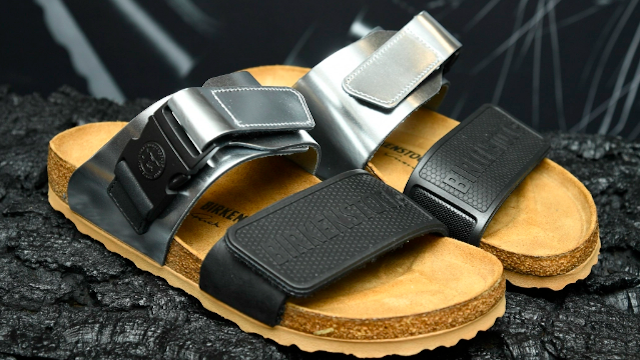
    German shoe manufacturer Birkenstock has launched its House of Birkenstock in Singapore, marking the first of its kind in Asia.

    The store, located in one of the Duxton shophouses, combines the local design elements with its traditional German heritage. It is also Birkenstock’s seventh location in Singapore.

    The store’s entrance includes a traditional Chinese wooden signboard, handmade paper lanterns and the installation of vintage tiles. There is also a 6-meter-high Birkenstock feature wall and a contemporary Peranakan water feature.

    The space offers more than 200 models and is also the first store in Southeast Asia to offer the Birkenstock 1774 collection.

    In addition, Birkenstock plans to introduce different services in the future, including customization and repairs, strengthening its sustainable commitment.

    The brand said it is growing its presence in the APMA (Asia Pacific, Middle East and Africa) region with new store openings in selected locations.

    Birkenstock named Tiffany Wu as MD for Greater China last month to lead the footwear company’s expansion in the region.

  • Puma says it has successfully converted sneakers into compost in pilot trial

    Puma says it has successfully converted sneakers into compost in pilot trial

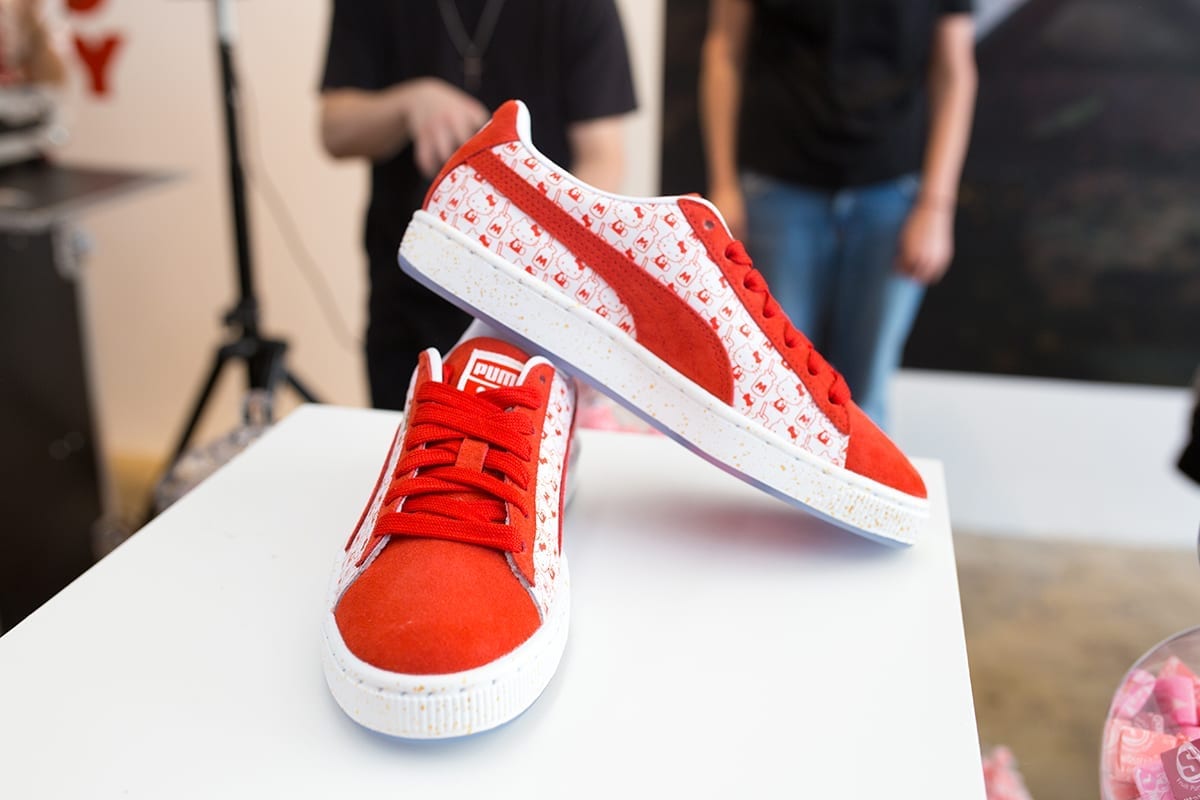
    Sportswear company Puma has successfully produced compost from an experimental version of its classic suede sneaker, according to the results of its two-year-long Re:suede experiment.

    The experiment was the first program to launch as part of the company’s “Circular Lab”, an innovation hub led by innovation and design experts to create the future of the its circularity programs.

    The company created 500 pairs of experimental Re:suedes in 2021 using Zeology tanned suede, a TPE outsole, and hemp fibres during the experiment.

    Volunteers from Germany wore the shoes for six months to test their comfort and durability before being sent to a specially equipped industrial composting area operated by the Ortessa Group in the Netherlands.

    After being mixed with household waste and placed into a composting tunnel, the shoes were sprayed with leaching water from earlier composting that contained nutrients and naturally heated from the biological activity and controlled air circulation in the tunnel.

    The composting process took approximately 3.5 months, and the materials that were small enough (<10mm) to pass through a sieve were sold as Grade A compost for agricultural use in the Netherlands. The remaining materials were returned to the composting tunnel until they, too, had broken down to the desired level <10mm).

    “While the Re:suede could not be processed under the standard operating procedures for industrial composting, the shoes eventually turned into compost,” said Anne-Laure Descours, chief sourcing officer at Puma.

    “We will continue to innovate with our partners to determine the infrastructure and technologies needed to make the process viable for a commercial version of the Re: suede, including a takeback scheme, in 2024.”

    The company plans to share its insights in a detailed report so its peers and other interested stakeholders can learn from the experiment and apply the learnings to their initiatives.

    “We learned a lot during the Re:suede trial and how to streamline our industrial composting process to include items that need longer to turn into compost,” added Marthien van Eersel, manager of materials and innovations at Ortessa.

    As a result of feedback from volunteers who wore the Re:suedes for half a year, the company plans to enhance the overall fit of future versions of the shoes by using a new material pattern for the upper and the sock liner.

  • Dr Martens shuts all stores in the Philippines

    Dr Martens shuts all stores in the Philippines

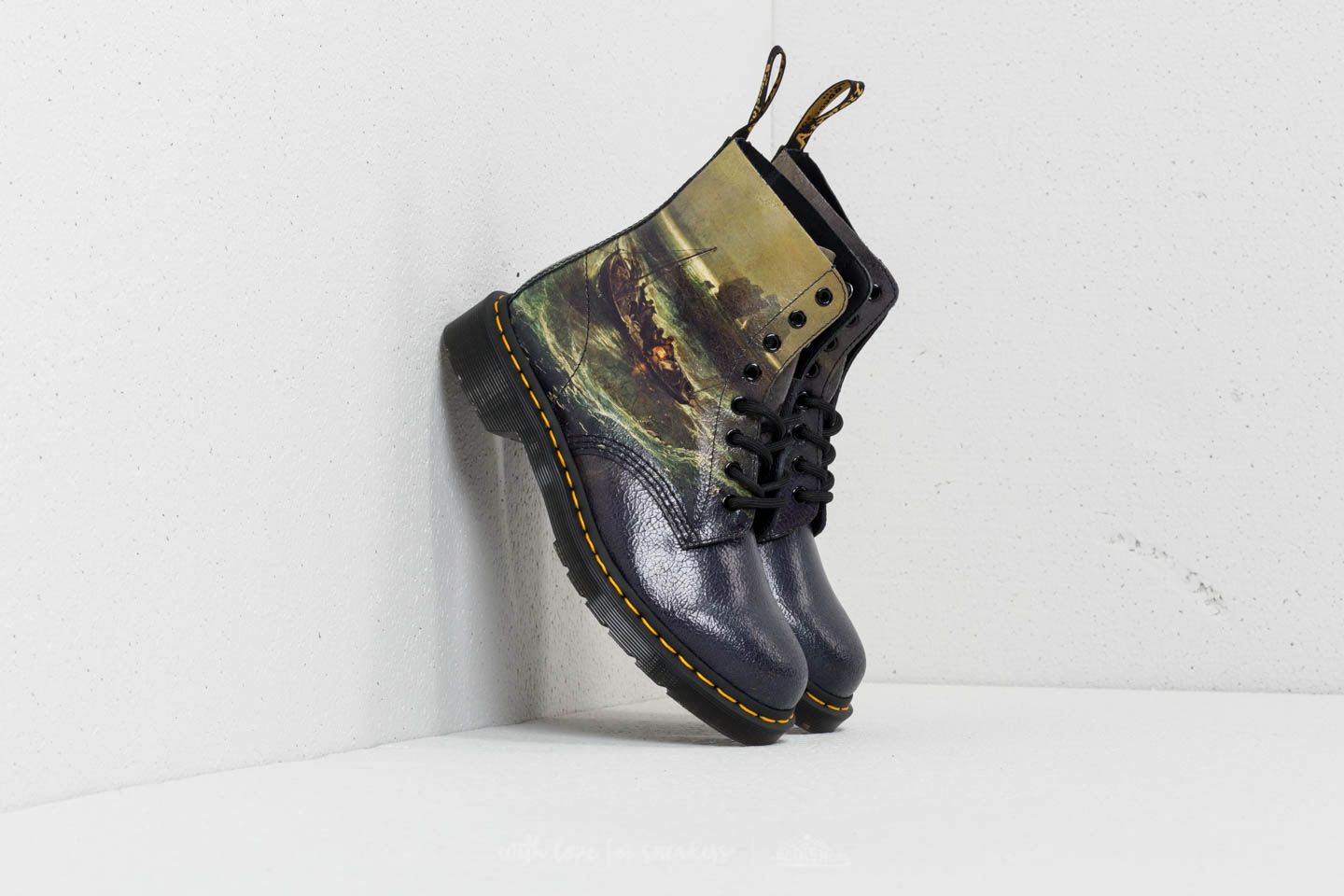
    German-founded British footwear and apparel brand, Dr Martens, has closed all of its physical stores in the Philippines.

    The brand announced on social media that it closed all of its remaining four stores in Glorietta 4, SM Mall of Asia, SM Megamall, and Manila Bay by the end of last month. However, Dr Martens did not disclose the reason behind its physical withdrawal from the market.

    Local sources said Dr Martens started shutting its stores in the country last February, including its flagship store in Two Parkade BGC.

    UK-based footwear retail reported a 13 percent year-on-year increase in revenue, reaching US$507 million in turnover for the first half of the fiscal year 2023. The brand opened 21 new stores and closed five stores during the period.

    “Although there are economic challenges ahead, we are well positioned for future growth,” said Kenny Wilson, CEO of Dr Martens.

    Dr Martens’ store closure in the Philippines occurred despite the market having seen growth in sportswear spending. Last month, US sneaker chain Foot Locker expanded into the country with the first store opened inside Manila’s Glorietta shopping mall under the partnership with Indonesian retailer MAP Aktif Adiperkasa.

  • 1,200 workers lose jobs as Taiwan footwear firm runs out of orders

    1,200 workers lose jobs as Taiwan footwear firm runs out of orders

    A Taiwanese shoemaker in HCMC’s Binh Tan District has laid off 1,185 workers and blamed it on a drying up of orders.

    In an announcement, Monday Ty Hung Co. Ltd, said its customers face financial issues and have not placed new orders.

    Despite trying everything it could, it is unable to maintain production as planned and has no choice but to terminate labor contracts with 1,185 people on Dec. 1, the statement said.

    It will pay a severance allowance to employees who have worked since 2008 and two months’ salary to all employees whose social insurance premiums are now cut due to losing their job.

    It will also pay one month’s salary as a bonus to those who worked for the entire year until being laid off and make pro rata payments to others.

    The Taiwanese firm has 1,800 employees and makes shoes for export to Europe.

    According to the Ho Chi Minh City Labor Confederation, textile, footwear, and electronic factories have lost orders due to difficulties in finding raw materials and falling demand.

    To cope, many factories in the city have cut workers’ hours or furloughed or laid them off, it added.

  • Berluti makes its Vietnam debut

    Berluti makes its Vietnam debut

    LVMH-owned Parisian shoemaker Berluti has expanded its footprint into Vietnam, opening its first store in Hanoi in partnership with local partner S&S Group.

    Located in the heart of Hoan Kiem district across from the famous Metropole Hotel, the Berluti Vietnam boutique follows the brand’s signature simple design dominated by wood and leather elements.

    After passing through the stripe pattern glass facade, customers are welcomed with a leather wall highlighting the brand’s ‘art of patina’ and a designed chandelier inspired by Vietnam’s tiered ‘rice ladder fields’.

    The store offers a full selection of Berluti’s men’s accessories, including shoes and leather goods.

    Founded in 1895 by Alessandro Berluti, the brand is known for its elegant craftsmanship and deep understanding of producing men’s footwear and accessories. Berluti has more than 60 boutiques across several markets, including South Korea, Mainland China, Hong Kong, Singapore and Japan.