Tag: Shoes

  • Marikina shoes a hit in Indonesia

    Marikina shoes a hit in Indonesia

    Filipino fashion retail brand Rusty Lopez has recently opened a new store in Jakarta, featuring comfortable sandals and casuals made from Marikina City, the Philippines’ shoe capital known for producing durable and high-quality footwear, according to the Department of Trade and Industry’s Philippine Trade and Investment Center – Jakarta.

    The store in Sogo Lippo Mall Puri located in St. Moritz central business district is the brand’s ninth outlet following the opening of stores in Seibu Grand Indonesia, Sogo Emporium Pluit, Sogo Central Park, Sogo Alam Sutera, Lotte Shopping Avenue, Metro Plaza Senayan, Metro Gandaria City and Metro Taman Anggrek.

    Philippine commercial attaché to Indonesia Alma Argayoso said the sales of the newest collection during the opening were brisk. The other stores also received positive feedback.

    “It is exciting to bring to the Indonesian market the Philippines’ world-famous Marikina-made shoes. This affirms our belief on the potential of fashion retail products in Indonesia, Southeast Asia’s biggest economy,” Argayoso said.

    The first overseas store of Rusty Lopez opened in Jakarta on March 6, 2016 at the Seibu Department Store of Grand Indonesia Mall and featured carefully selected designs suited to the Indonesian market.

    DTI said the increased interest in Philippine-made shoes abroad helps revive the local shoe industry and is expected to open more opportunities for small enterprises to generate employment within their communities.

    As part of the DTI’s industry promotion group, PTIC-Jakarta said it would continue to support and assist Filipino homegrown brands in globalizing their products and accessing regional markets by continuously looking for potential partnerships.

    Aside from Rusty Lopez, other Filipino fashion retail brands in Indonesia are Karimadon, Penshoppe, Gingersnaps and Ann Ong Jewelry.

  • Le Saunda sales dips 8pct y-o-y in Q3

    Le Saunda sales dips 8pct y-o-y in Q3

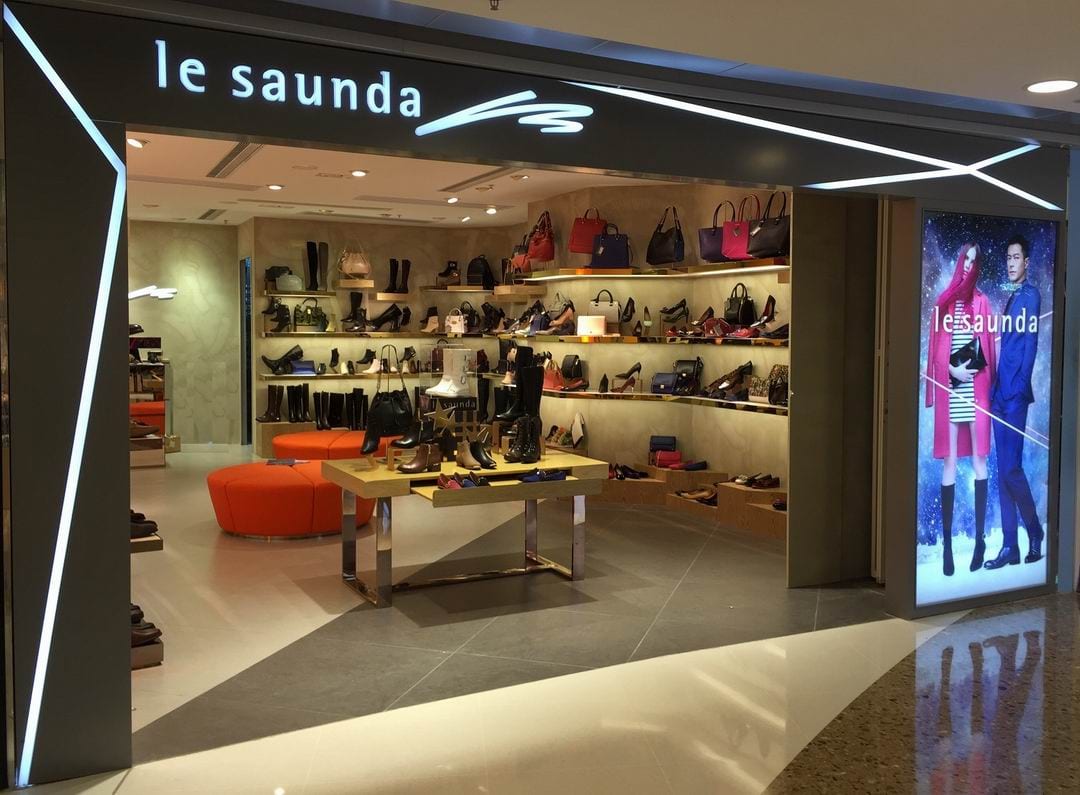
    Footwear manufacturer and retail company Le Saunda Holdings announced a decrease of 8 per cent in its total retail sales year-on-year for the third quarter of its 2016/2017 financial year, according to a filing with the Hong Kong Stock Exchange.
    Same store sales of the retailer also saw a 7.1 per cent drop year-on-year for the quarter, which when coupled with a 40.5 per cent year-on-year drop in the Group’s e-commerce business sales led the group’s diminished performance during the period compared to last year.

    As at the end of the group’s financial quarter, November 30, Le Saunda had a total retail network comprised of 822 outlets spread throughout Mainland China, Hong Kong and Macau. However, on the back of the declines in sales, the Group has closed 75 outlets compared to the same period of last year.

    Of the total outlets, 737 are in self-owned and in operation in Mainland China, Hong Kong and Macau while 85 outlets are operated under franchising agreements in Mainland China.

    According to the Group’s previously launched interim financial report, its total revenue for the first six months of fiscal 2016/2017, from March to August of this year, showed a decline of 13.8 per cent year-on-year to RMB651.2 million (US$94 million) from RMB756 million during the same period of the previous fiscal year.

    In addition, the Group’s profit dropped 24 per cent year-on-year to RMB45.6 million during the first half of the fiscal year.
    The Group is also engaged in the design and development of handbags and fashion accessories in Mainland China, Hong Kong and Macau.

  • Bata: Shoemaker to the world

    Bata: Shoemaker to the world

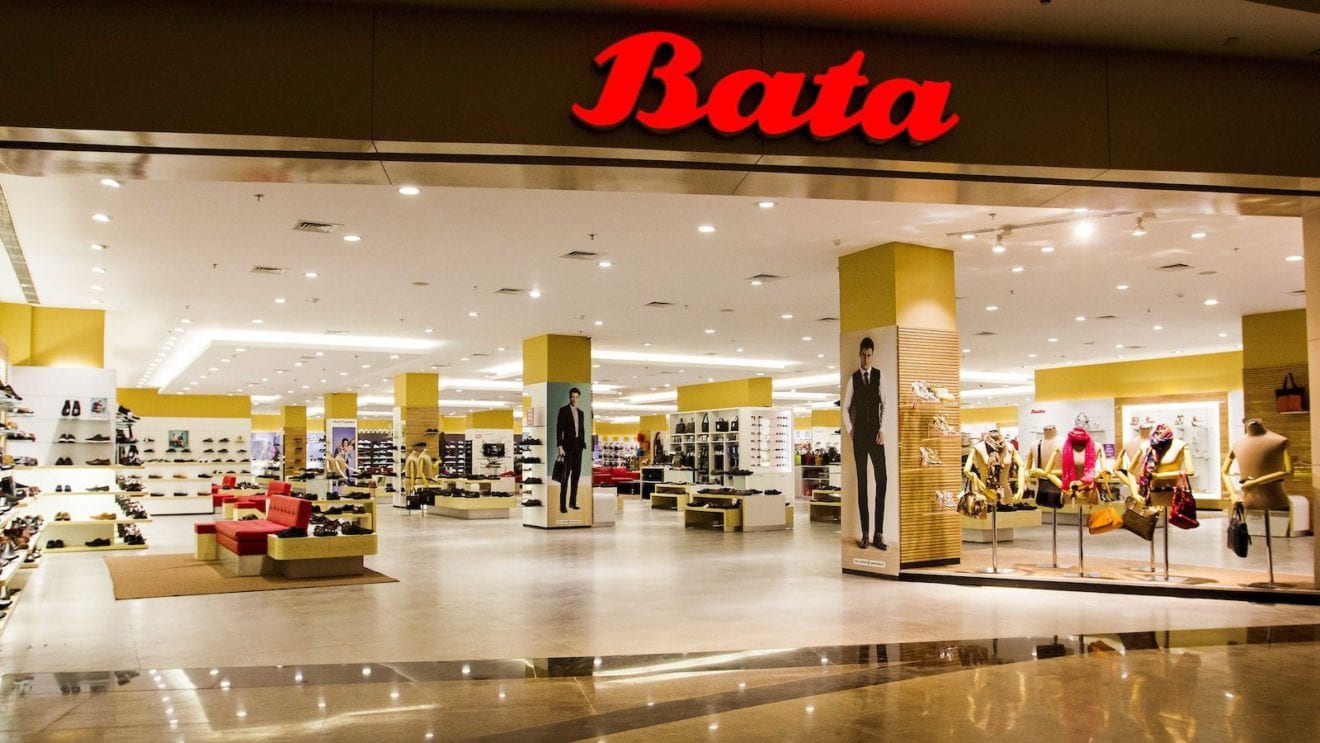
    IT’S inevitable that the world’s first family in footwear, Bata, would partner with the Philippines’s premier retail family, the Sys of the SM Group.

    “First of all, their whole philosophy is business, their heritage coming from footwear. It’s particularly strong. Also, we have a friendship with the SM Group and the Sy family going on for some time. All these make them great partners, and we never hesitated. They were the only partner we were interested to work with in the Philippines,” Thomas Archer Bata said at the launch of the first Bata store in the Philippines, which can be found at the third floor of SM Megamall Building B.

    Ambassador; Bubblegummers; and Valtina Prima Ballerina

    The Bata Shoe Co., which is the biggest in the world, originated in Zlin, in what is now the Czech Republic, on September 21, 1894. It was founded by Tomás Bat’a. His son, Thomas J., propelled the company to greater profitability after suffering losses in World War II. The grandson, Thomas George, is currently in the management board with his sisters Christine, Monica and Rosemarie. Thomas Archer (who will be referred to as Mr. Bata from hereon in the article), the chief marketing officer, belongs to the fourth generation of cousins who add vigor and vitality to the company.

    Bata has 5,000 retail outlets in 70 countries. In Senegal, Rhodesia and Zimbabwe, Bata became the local name for shoes when in the 1950s, the company conquered the African continent. “Opportunities abound, everyone barefoot,” came one cable from a salesman to headquarters.

    It has a strong presence in Asia, particularly India. It also opened a factory in Thailand in the 1970s. But Bata’s entry into the Philippines came only recently. “To be completely honest, it’s because of legal reasons and legal complications related to our trademark here,” Mr. Bata bared. “It took many, many years to resolve. Fortunately, with the help of SM, we managed to resolve it and we’re back.”

    Mr. Bata, who strikes me as a mix of actors Chris O’Dowd and Aidan Quinn, is quite optimistic about his family’s prospects in the country. “We think our model and our proposal is very interesting. We think it’s fairly unique in the market today. We’re going to tread cautiously. We’re opening [between eight and 15 Bata stores in SM malls in Metro Manila], communicate and try to build our consumer base, teach people about our products. From there, we’ll see where we’re going to go.”

    The Bata business of “responsible capitalism” is guided by a “Moral Testament” left behind by its founder: The company should not be treated as a source of private wealth but, rather, as a public trust, a means of improving living standards within the community and providing customers with good value for their money.

    Bata prices curiously end in the digit 9. “Back over a hundred years ago, it was partially a marketing tactic to make the prices look even more affordable. It has been in our heritage and our blood ever since we started, and it’s just to emphasize the value [of our product],” Mr. Bata explained.

    The company has an “insistence on focusing on the local market not only as a matter of structure and strategy but, rather, as an essential aspect of the Bata brand and philosophy. Shoes always followed culture and climate.” Thus, the Weinbrenner sandals will be a hit for their tropical, outdoorsy appeal, in tune with the penchant of Filipinos who love flip-flops.

    By some quirk, towns with the company’s factories have the Bata name: Batanagar in India, Bataville in France, Bata-Kolonie in Switzerland, Batadorp in the Netherlands, Batapur in Pakistan, Borovo-Bata in Croatia and Batawa in Canada, a play on the capital Ottawa. If a factory were to be built here, it would most likely be in Batangas.

    “Never say never. You know, we have to see what opportunities come up. If we see the opportunity to produce shoes in the Philippines, it could happen,” Mr. Bata said of the possibility of Filipinos becoming “Batamen”, who are of every race, creed and nationality. A lot of the materials to produce the shoes come from Brazil. Italy is the source for premium products. Raw materials also come a little bit from China and India. These are the four main areas where Bata gets its materials from, depending on the shoes that you’re looking for.

    “We are very environment-friendly. Our factories on a yearly basis are audited for their sustainability. We manufacture our own shoes. We actually issue a Sustainability Report every year about the progress we’re making on reducing waste. We’re very lucky in so much, as our founder over a hundred years ago believed in sustainability, in producing as little waste as possible, and that exists till today. We always use environment-friendly materials, suppliers, recyclable papers in our boxes, to make as little negative impact on the environment as we can,” Mr. Bata assured.

    Bata has three creative teams, with the biggest one based in Italy. One is in Toronto, Canada and another in Singapore. “In the Philippines 50 percent of the products come from Italy, 30 percent from Singapore, 20 percent from Canada. Not all brands are here,” Mr. Bata said. “We’re bringing primarily Bata and a little bit of our other brands for the moment. We’re still very much in the learning stage for us, to see what the Filipino consumer likes the most before we commit to specific product ranges.”

    Are they open to designer collaborations? “Yes, absolutely. We’re interested to do that. We’re actually talking to potential partners in the Philippines to work on some collaborative projects.”

    What about celebrity endorsers? “It’s a possibility. We’ll see. We believe the best kind of endorsement is user experience and word-of-mouth. So we tend to focus on ‘loyalizing’ people who come to buy with us more than anything else. I won’t rule it out but for the time being, it’s not on the agenda.”

    Has the company learned that “bata” here means “child”? “Yes, I’ve heard that.” So is there a possibility to have a Bata Children’s Program here? “Very high probability. We actually intend to do that. It’s a big part of our legacy and it’s very important for our family. We have our own schools and, specifically, we focus on the education of young girls. So we’re actually planning and discussing this with SM, how we can roll this, especially in the rural communities in the Philippines.”

    Thomas J. Bata would often wear a different type of shoe on each foot as a way of constantly testing their products. At the launch, his grandson Thomas Archer wore a pair of leather brogues. “These are Bata shoes from our factory in India, in Calcutta. Very comfortable. It’s from the Ambassador line but not yet available in the Philippines, but they will be in a few weeks’ time,” Mr. Bata said with delight.

    Did you also learn how to make shoes? “Yes, I did. My holidays as a child were going to factories, making shoes and visiting stores. I’m lucky I grew up with shoes. I like shoes. Not everybody who grew up in the shoe business actually likes them!”
  • GEOX Launches Women’s Footwear Collection Autumn/Winter 2016-2017

    GEOX Launches Women’s Footwear Collection Autumn/Winter 2016-2017

    A breath of air is a source of life – a line where well-being starts and a symbol of sublime beauty and perfect function. Research and technology are stalwart companions in what Geox does.

    Geox’s “cool comfort” range fuses creativity, lightness and flexibility – be it for urban days, classical events, sporty afternoons or glamorous evenings.

    With the upcoming Winter season, the traditional qualities of breathability, thermo-regulation and water-tightness are bonded into Geox’s vanguard membrane and soles — further enhanced by the German TÜV SÜD FOOTWEAR MARK: that vouches for a rigorous control procedure on quality during production. The aim is to ensure harmful substances are not released during production. A mark of quality assurance is only right given Geox’s unflagging attention to standards and commitment towards society and the environment.

    One of these models is Sfinge, engineered with a hive of spaces which exalts its springiness, grip and cushioning sole. Featuring 3D breathable technology and Inner Breathing Lining, it caters for a female desire for finesse with its eclectic mix of leather, suede and patent finishes, available in both total black version and in a colour-block version featuring cornflower blue, pillarbox red and metallic gold.

    Fall/Winter features ankle boots customised with special embossed details which add dimension to the black leather. Waterproof, lightweight, easy to slip on and comfortable, these shoes have a modern and pared-back look. The rubber soles include the Amphibiox technology which keeps wet weather conditions at bay: the breathable and waterproof inner membrane protects both sole and upper, stopping water from getting inside the shoes whilst ensuring amazing breathability – meaning your feet stay warm, dry and breathe naturally.

    Walking shoes couldn’t get better than this whether to tackle old- town cobblestones or moss-covered boulders. Nebula continues to amaze as it slips into new skins crossing boundaries and seasons on a carpet of clouds: the fabric and suede, both smooth and with quilt-stitching, feature a colour palette spanning from light dusty pink, teal and grey all designed to match the original colour contrast of the soles. Boasting Geox outstanding patents in one shoe, Nebula fuses the Inner Breathing System, Net Breathing System and an inner EVA sole with strategically placed soft rubber inlays to ensure added grip and stability. Easy to slip on and with elastic laces, its natural heat-balancing properties, lightness, flexibility and cushioning effect fuse effortlessly with the hi-tech design.

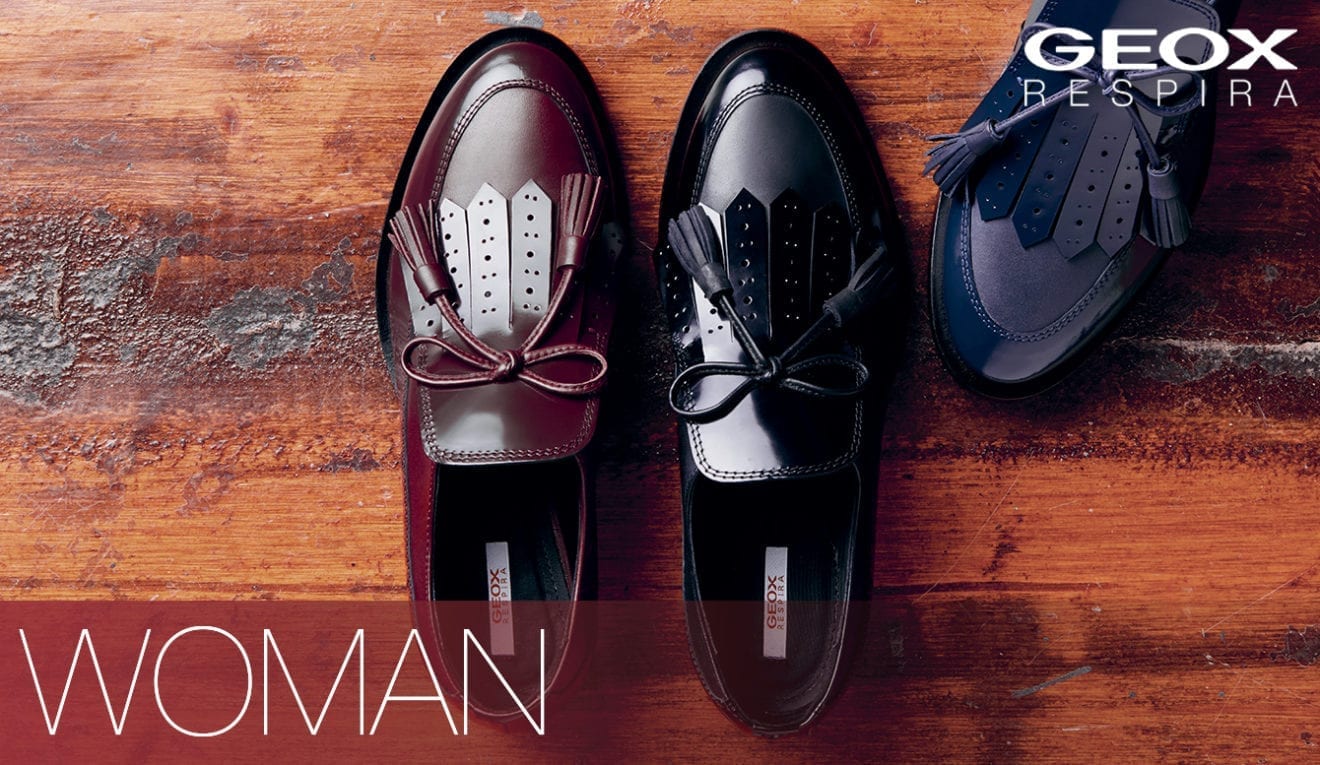
    One hot comeback is the good old moccasin, revisited in a modern-chic version, available in a wide range including pearly patent leather, brushed leather or crocodile print models as well as a preppy style with metal horsebits. Geox’s iconic loafers for men and women are crafted in the softest black and burgundy leather, with an ultralight, flexible rubber sole, these loafers combine the practicality of breathability with an upbeat urban feel.

    Last, the spotlight turns on a fashion-statement collection which includes boots, ankle boots, pumps, ballerina flats with tapered toes — all capturing the essence of the latest trends on the pret-a-porter catwalks. For the more sophisticated versions, the material mixture, such as smooth and laminated leather, creates eye-catching patterns of black & gold, lit up with small metallic buckle details. Fitted with inner memory foam soles, they are super soft, lightweight and flexible, specially designed for formal daytime looks or more glamorous evening engagements.

  • Smart footwear market due for rapid growth

    Smart footwear market due for rapid growth

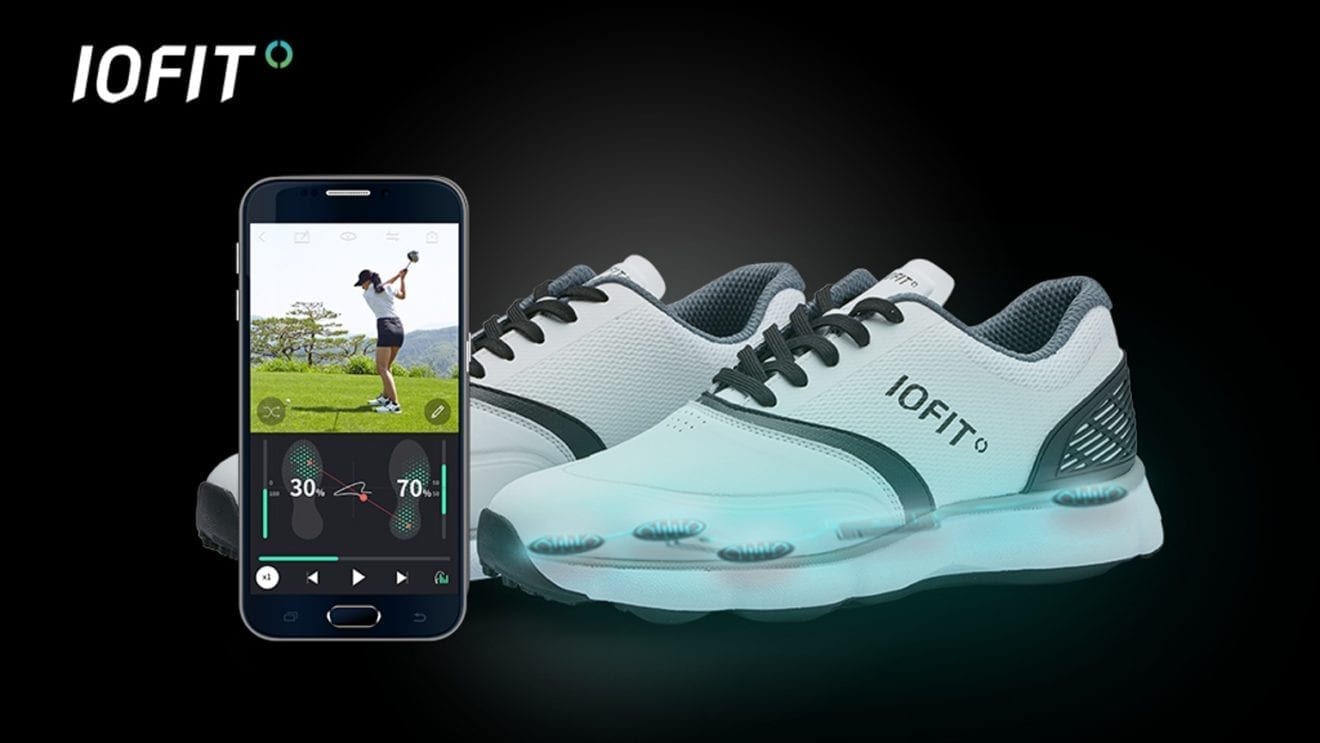
    More than 6 million units of smart footwear will ship in 2021, up from just 300,000 this year, ABI Research predicts. This would represent a CAGR of 82%.

    “The growing elderly population is driving change in the way healthcare can and will be provided, and remote monitoring is one aspect of the m-health industry that can cut costs and improve care,” said ABI Research analyst Stephanie Lawrence said.

    By supporting sensors within shoes or smart socks, home monitoring and remote patient management applications can track a host of valuable parameters with minimal disruption to those being monitored.

    Lawrence further explained that new home and remote patient monitoring smart footwear devices also grant healthcare providers 24×7 access to in-depth, real-time health updates concerning their patients’ posture and gait.

    “Such detailed reporting used to be constricted to a hospital bed; now healthcare providers can paint a fuller picture of their patient’s health outside of the hospital, ultimately allowing them to better monitor ongoing issues and make more accurate diagnoses,” he said.

    ABI Research said that for remote patient monitoring, companies are already turning to smart footwear as a form factor to support diagnostic medical data collection. This includes companies like Plantiga, FeetMe, and Orpyx.

    For instance, diabetic patients are at risk for peripheral neuropathy, or sensory loss, and often cannot detect dangerous pressure levels in their bodies. Orpyx’s SurroSense RX has insoles that use sensors to detect the amount of pressure that a person places on each part of the foot. The device can then alert the user and his/her doctor to any issues.

    “Rising vendors in the smart footwear market need to develop devices that can detect exactly how a person is walking, and provide accurate feedback concerning any issues,” concluded Lawrence.

    “This will ensure that healthcare workers receive detailed health information about their patients, and will allow the smart footwear market to continue to advance and grow significantly.”

  • Lotte Department Store to Introduce 3D Foot-Measuring Device

    Lotte Department Store to Introduce 3D Foot-Measuring Device

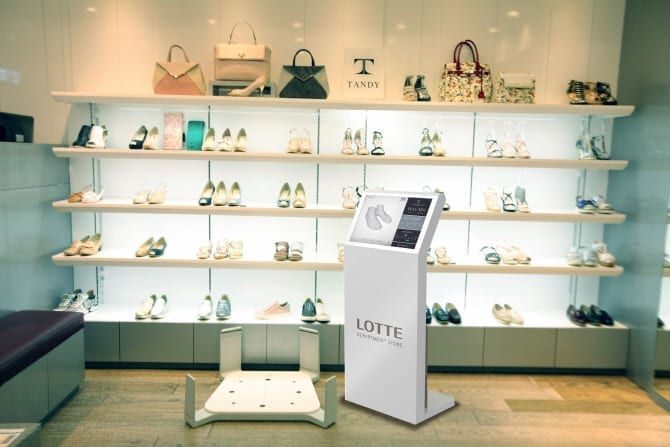
    Korean retail giant Lotte Department Store revealed Thursday that it will implement a new 3D foot-measuring device at its stores starting Friday, to provide quick and accurate measurements for custom shoe orders.

    By placing his or her foot on the device, a customer will able to obtain not only their foot’s length, but its overall shape, including width and height, to gather more accurate sizing information.

    The conventional foot-measuring process can make customers feel uncomfortable, and usually takes two to three minutes. But the new device will shorten the process to two seconds using 3D scanning technology, according to a Lotte official.

    After having their feet measured, customers will select the shoe design of their choice, and a final pair of handmade shoes will be delivered to their doorstep in about two weeks. Upon request, customers can even have their foot size information mailed to them or saved in the store’s computer system, so they can place more orders in the future without having to re-measure their feet.

    The 3D device was developed in collaboration with Swedish start-up Volumental, and will first make its debut at the Tandy shoe store in Lotte’s flagship department store in Myeongdong. The service will expand to other shoe brands in department stores across the country starting July 29.

    Lotte Department Store also plans to launch a 3D virtual fitting service in the latter half of the year. The service uses a special mirror that provides a virtual reflection of the customer wearing clothing by applying a 3D image of the product to the customers’ body.

  • Christian Lahoude Studio designed the 60-square-meter Jimmy Choo store in Hong Kong

    Christian Lahoude Studio designed the 60-square-meter Jimmy Choo store in Hong Kong

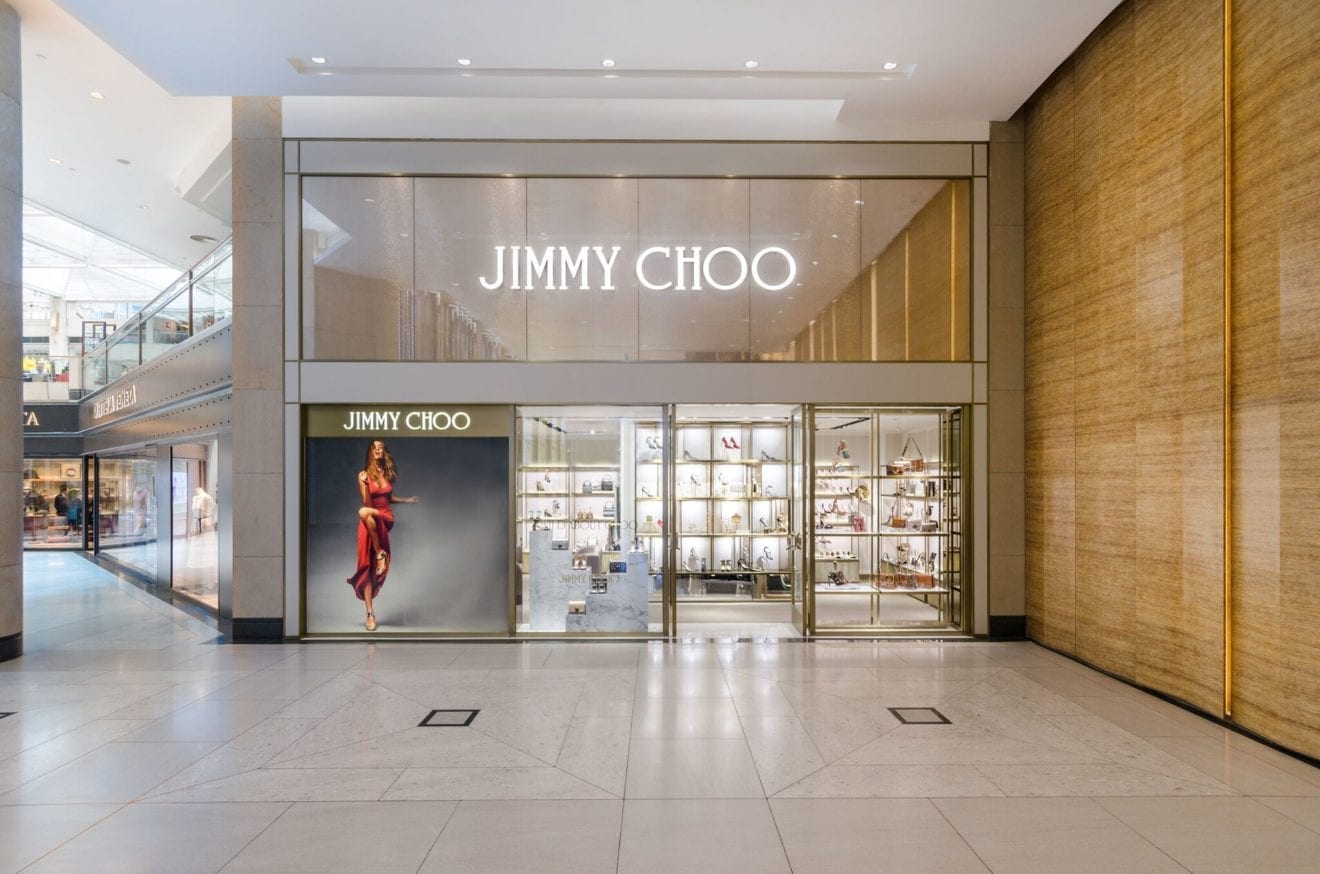
    Christian Lahoude Studio designed the 60-square-meter Jimmy Choo store in Hong Kong’s luxury LANDMARK shopping mall, updating the existing space with the refreshed brand identity. The double-height, glass façade, with a large light box display, attracts the mall traffic into the shop. The framed glass façade was designed without molding, providing the setting for the custom window displays and a clear view into the retail environment.

    Upon entering the store, visitors are greeted by the central display feature conceived by the Studio to best make use of the small footprint and to create circulation through the shopping space. Standard design elements that convey sophistication and luxury, deployed globally in the Jimmy Choo concept, include gold mesh, white Carrera marble, plush grey carpet and velvet fabric for the seating.

  • Bata Indonesia sales stagnate

    Bata Indonesia sales stagnate

    Bata Indonesia says it has missed meeting its sales targets despite the nation’s improving retail sales.

    Sepatu Bata, the local arm of the European shoe giant, owns and operates stores across Indonesia and manufactures sandals and shoes under brands Northstar, Power, Bubblegummers, Marie Claire and Weinbrenner.

    The company reported sales of Rp 1 trillion in 2015, 10 per cent short of the Rp 1.1 trillion target it set when it announced expansion into the middle and upper income market segments.

    However the company still posted a profit of Rp 129 billion (US$9.7 million), up 81 per cent, on the back of an unspecified one-off asset sale which raised Rp 121 billion.

    Bata Sepatu’s cost of goods rose 19 per cent and overheads by 8 per cent.

  • Bata Shoe Company’s unified communications story

    Bata Shoe Company’s unified communications story

    With mobility growing at an unprecedented pace, user dependence on smartphones and tablets has intensified. The mobile device, with its dynamic messaging, video conferencing, and voice options, is playing an enabling role to empower communication within the organization—regardless where employees are geographically.

    For a company with extensive global reach as that of Bata Shoe Company—one of the world’s largest and oldest shoe companies with more than 33 production facilities in 28 countries on five continents—ensuring seamless collaboration between all of its facilities proved a challenge. Product and R&D teams in China, Singapore and other Asia-Pacific countries were spending too much time and money traveling to collaborate on design, production and operations planning; as were members of senior management whose valuable time was spent shuttling between offices.

    “It has always been a hassle and costly affair whenever we tried to organise regional meetings or group discussions. This would normally take at least one month of coordination and planning before the actual event to gather every participant to a single location,” relates Jeremy Chong, regional manager for Finance and IT Projects.

    Such arrangement afforded one to two business-critical meetings annually, but faced with an increasingly competitive business environment and other external factors, Bata recognized the need for the company to become more fluid. “This meant more collaboration both horizontally and vertically. To have fruitful and meaningful discussions, it wasn’t good enough to send out emails and collaborations that relied solely on public internet connectivity. These were not enough to deliver the kind of face-to-face discussions we wanted,” says Chong.

    Seamless collaboration

    It’s a different picture these days for Bata Shoe Company. Leveraging unified communications tools provided by Tata Communications, the company is now able to collaborate across multiple platforms and devices, all the while mitigating communication costs. Implementation, which began with a pilot rollout involving video conferencing end points deployed in Bata’s Singapore, Switzerland, Chile, Indonesia and India facilities, proved successful, providing high-quality video, an immersive face-to-face meeting experience and solid reliability.

    “We did not have too much involvement during the whole implementation process as this was well managed by Tata Communications’ assigned project manager to us. Overall, the whole process was comfortable for countries that already have a developed infrastructure while we faced longer implementation in countries with less developed infrastructure,” reports Chong, adding that the company’s key critical criteria for choosing a unified communications vendor include the following: strong global coverage in the network infrastructure “as we are geographically diverse”; availability of the right technology that has to be user-friendly and easy-to-use; and strong customer service support available 24/7. “Tata Communications was chosen primarily because of its long-term relationship with us and its flexibility to meet our specific requirements. The team’s customer-oriented approach has played an important part as well,” he says.

    The benefits

    From an economic point of view, unified communications has proven to be quite cost-effective for Bata Shoe Company. Since implementing Jamvee across the enterprise, Chong reports increased productivity across the whole organization. “The frequency of group discussions and collaborations has invariably increased as the technology has provided an almost face-to-face environment. This has also indirectly affected the way the organization has deployed people. Instead of consolidating the entire team in one geographical location, we are able to comfortably have members of the team working locally, cutting down some of the hassles and inconveniences during a re-allocation,” shares Chong.

    In terms of numbers, traveling costs were reduced by as much as 40 percent in some operations, saving the company $300,000 in the first year and generating a 400 percent return on investment. “From a social point of view, less flying means our executives have the valuable opportunity to spend better quality family time,” puts in Chong, adding that with the basic infrastructure now laid down, Bata is more confident about embarking on another phase of its IT journey. “We want to expand the usage of our investments to enhance cross-border collaborations horizontally through multiple devices. If this is successful, we will potentially shift from a pure physical office environment to a hybrid office environment,” he states.

    According to Chong, this exercise was initiated and run by the business users themselves. “It has been an adventure, as well as a steep learning curve for us to grasp and understand the technology involved to support the solution we wanted. An important lesson we learnt is that not all IT implementations are the same and these cannot be managed in similar manners,” he shares. For enterprises looking to leverage unified communications in their business, Chong relates Bata’s insights:

    • Listen to the users. “Listening is crucial as it enables a good understanding of the user’s business requirements, therefore providing the right solutions.”
    • Be prepared to fail. “But learn quickly from mistakes to complete the projects.”
    • The key change management, and most important, is education. “Before any implementation, we would showcase to each country the capabilities of this technology and how it can help them with collaborations and effective communication. After implementation, online trainings were conducted to ensure users are well equipped to use the facilities,” he says, adding, “a strong sponsorship by the CEO and Chairman helps make the process smoother as well.”
  • Adidos and Hotwind? In China, brands get names to show foreign flair

    Adidos and Hotwind? In China, brands get names to show foreign flair

    Chrisdien Deny, a retail chain with more than 500 locations across China, sells belts, shoes and clothing with an “Italian style” – and a logo with the same font as Christian Dior’s.

    Helen Keller, named for the deaf-blind American humanitarian, offers trendy sunglasses and classic spectacles at over 80 stores, with the motto “you see the world, the world sees you.”

    Frognie Zila, a clothing brand sold in 120 stores in China, boasts that its “international” selection is “one of the first choices of successful politicians and businessmen” and features pictures on its website of the Leaning Tower of Pisa and Venetian canals.

    Eager to glaze their products with the sheen of international sophistication, many homegrown retail brands have hit upon a similar formula: Choose a non-Chinese name that gives the impression of being foreign.