Tag: Shoes

  • Nine West holdings files for bankruptcy

    Nine West holdings files for bankruptcy

    US-based footwear, accessories and apparel retailer Nine West Holdings filed for bankruptcy last Friday, agreeing to terms with Juicy Couture owner Authentic Brands Group to sell its Nine West and Bandolino businesses.

    In its Chapter 11 filing last week it was revealed that the company has more than US$1 billion in outstanding debt, but the business will continue to trade during its bankruptcy thanks to a fresh $300 million loan.

    The company said selling its Nine West and Bandolino footwear and handbag brands will allow them to focus on more profitable parts of its business, including Anne Klein and One Jeanswear Group.

    Ralph Schipani, Nine West CEO, said that the restructuring will help the company reduce debt and increase growth by allowing it to focus on its stronger brands.

    “This is the right step to address our two divergent business profiles,” he said. “We will retain our strong, profitable and growing apparel, jewelry, and jeanswear businesses and continue to operate them under a new capital structure so that we can leverage their existing strengths to drive even greater growth.”

    Schipani added that once the company has completed the reorganisation process it will have meaningfully reduced debt and interest costs and be well positioned for the future
  • Vietnam is world’s second largest shoes exporter

    Vietnam is world’s second largest shoes exporter

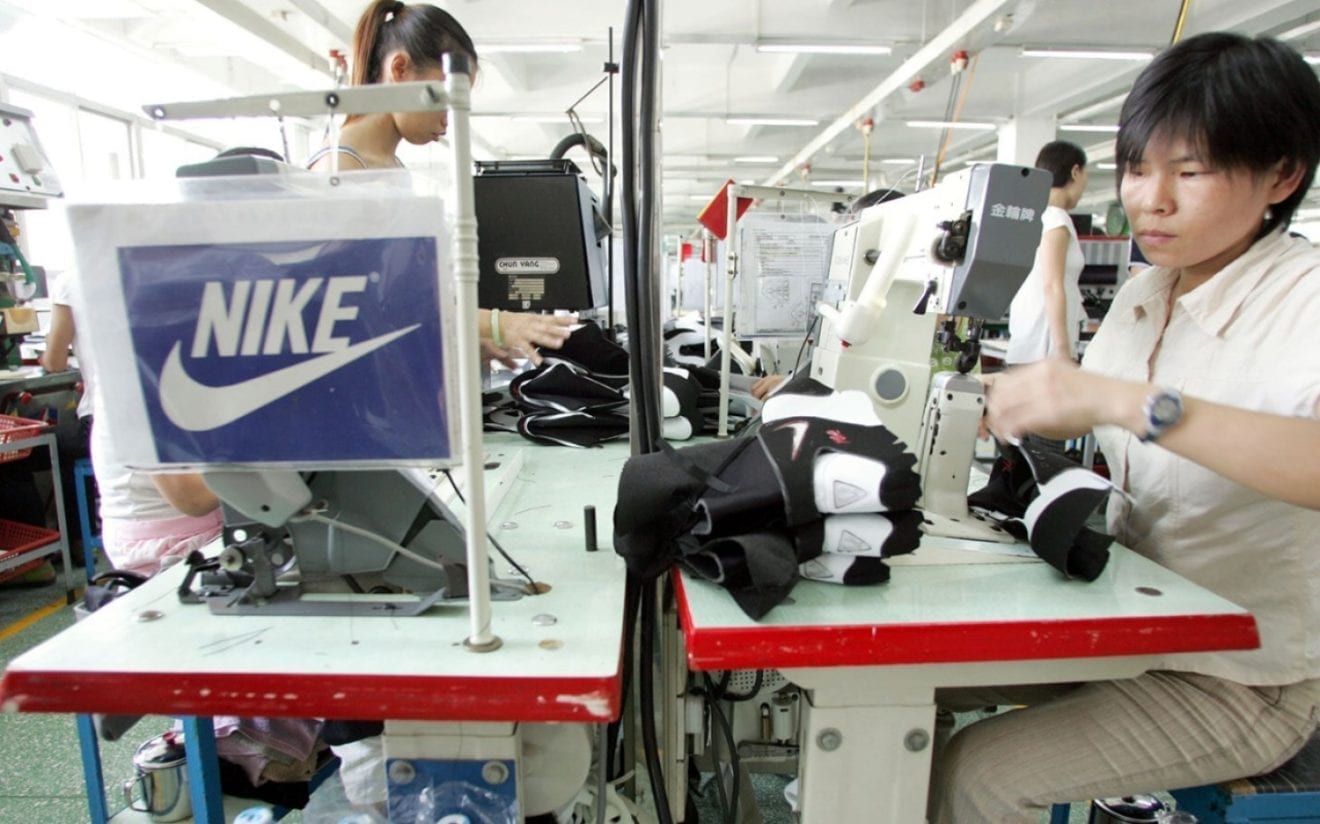
    Of 23 billion pairs of shoes sold worldwide in 2017, Việt Nam exported over one billion pairs, continuing to maintain the second position (after China) in shoes export.

    According to the latest statistics of the World Footwear Magazine in 2017, Việt Nam continued to rank second among the top 10 largest footwear exporters, with 1.02 billion pairs of shoes, equivalent to 7.4 per cent of the global footwear supply, said Diệp Thành Kiệt, vice chairman of the Việt Nam Leather, Footwear and Handbag Association (LEFASO).

    China still maintained the top position in exporting shoes, with 9.31 billion pairs, representing 67.3 per cent of the total 23 billion pairs of shoes the world consumed in 2017.

    Asia continued to be recognised as the world’s leading region in the production and consumption of footwear throughout the world.

    Meanwhile, the United States was the largest footwear importer; the country imported 2.34 billion pairs of shoes last year, accounting for 19.6 per cent of global footwear consumption.

    Export of Việt Nam’s backpacks and handbags continued to rise, to make it to the top five countries exporting these products in the world today.

    In 2017, the export turnover of backpacks and handbags in Việt Nam was estimated at US$3.3 billion, accounting for 5.5 per cent of global production, but only about one-seventh as compared to China’s supply.

    Kiệt said the biggest challenge for the domestic footwear-handbags industry was the low level of technology application in management and production, as compared to regional and foreign direct investment (FDI) enterprises.

    The labour productivity of domestic enterprises was only equal to 60-70 per cent of FDI enterprises. Most domestic firms have not joined the global supply chain; meanwhile, international brands usually tend to deeply control the global supply chain. In addition, labour costs in Việt Nam were rising significantly, Kiệt added.

    Not only interfering in the price of the goods, importers were now gradually intervening in the traceability of raw materials and factories supplying machinery for production.

    On the other hand, the time taken for supplying goods, product confidentiality, the level of technology used, and advantages of raw material supply are given priority to help consumers select where to place an order and process production, Kiệt said.


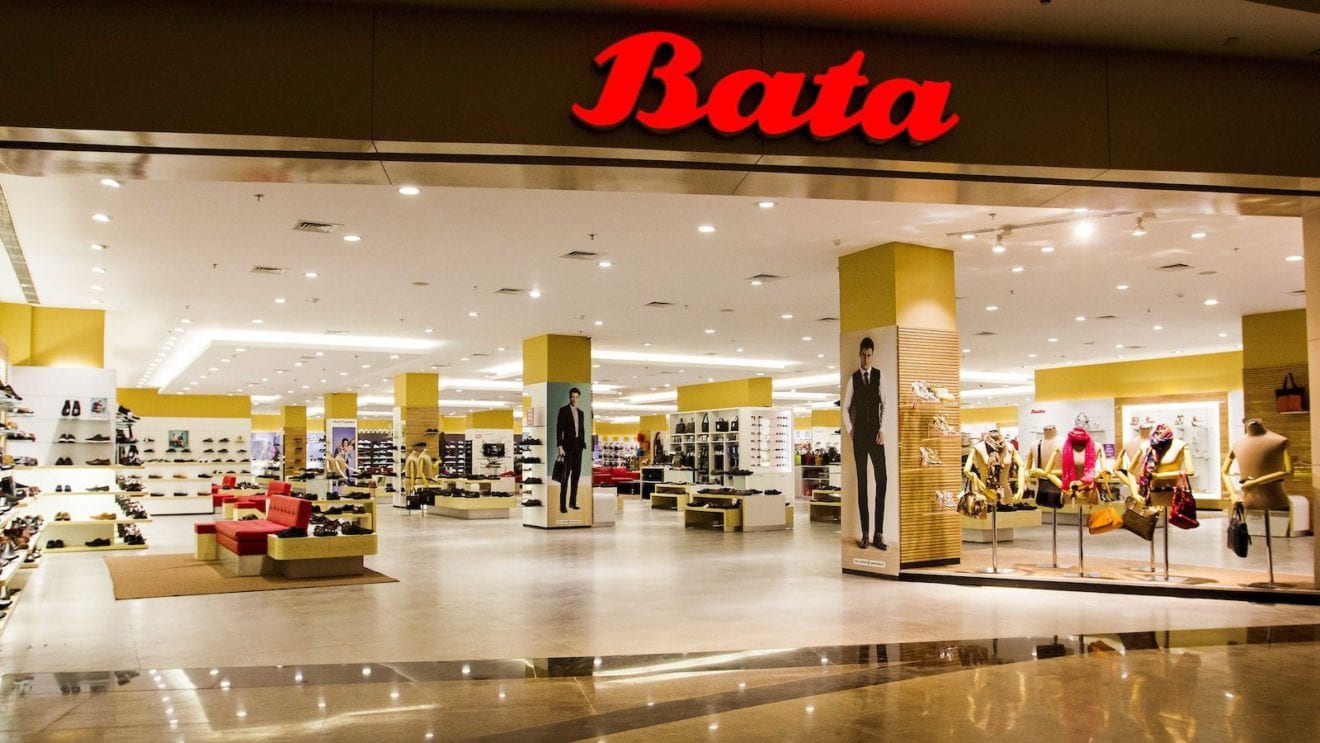
  • Bata debuts AW Lab at Suntec City

    Bata debuts AW Lab at Suntec City

    Asia’s first AW Lab multi-label sneaker store has been opened at Suntec City by the Bata shoe company.

    It is part of a new approach by the 123-year-old Czech brand, now headquartered in Switzerland.

    “You are going to see things coming from Bata in the next few months that you would never have expected,” says Bata CEO Alexis Nasard.

    He says there are plans to expand the brand’s presence in Singapore, where it has had a presence since 1931. And as well as developing their product ranges, Singapore’s 41 current stores will be revamped, says Nasard. Some stores already have the new look, including the Eastpoint Mall and VivoCity outlets. Another has just opened at Northpoint City.

    Nasard says Singapore is a strategic focus for Bata because it is “the window of Asia”.

    “It’s an acid test for all of Asia Pacific. It is one of the most competitive marketplaces, with a very fickle and demanding consumer.”

  • Harrys of London taking steps toward India

    Harrys of London taking steps toward India

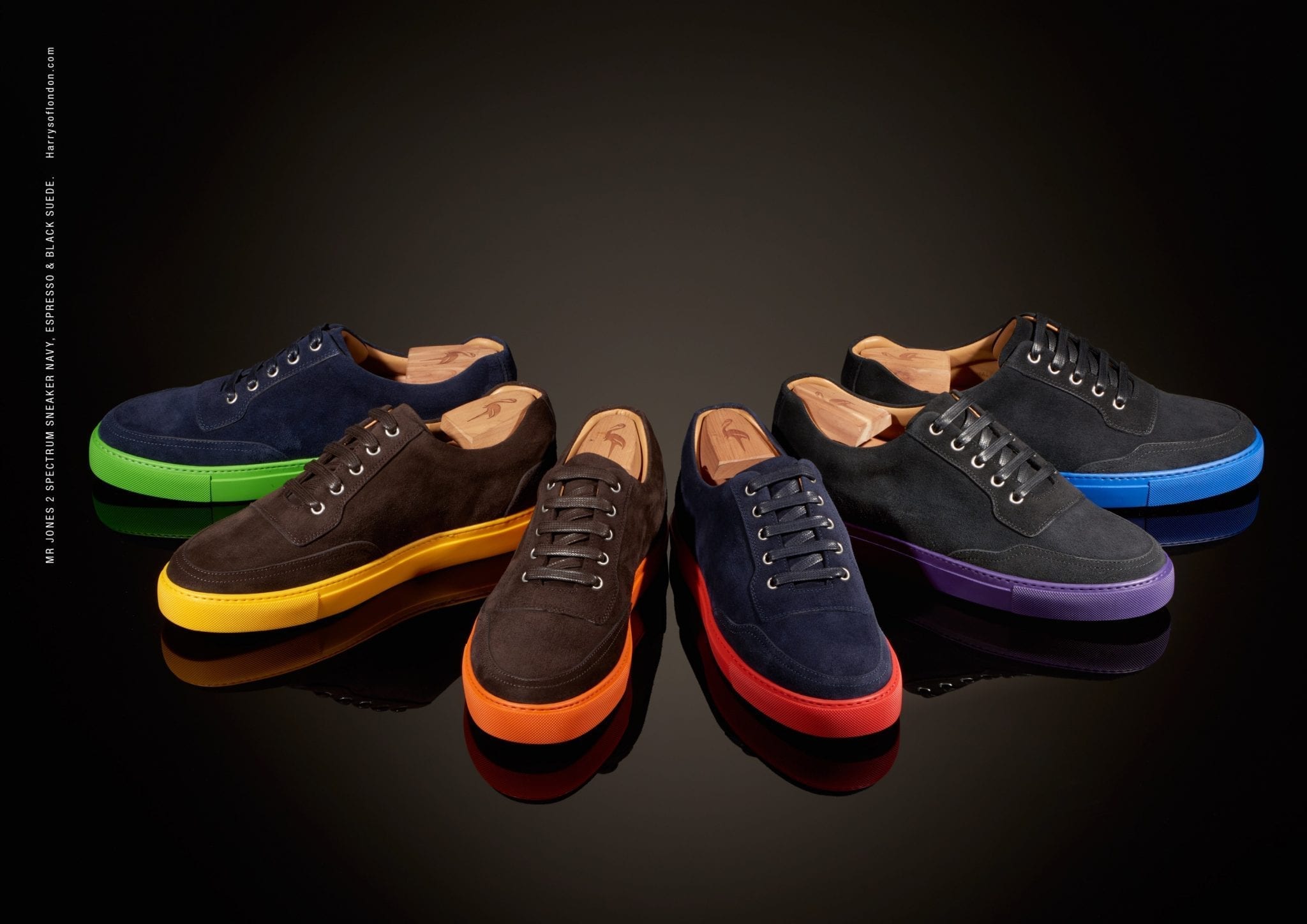
    Luxury men’s footwear and accessories brand Harrys of London has plans to enter India. Its first outlet will be in Delhi, followed by Mumbai early next year.

    Founded in 2001 and with stores in more than 20 countries, Harrys of London is seeking franchise partners in India.

    “India is an important market for us with our target group being businessmen and travellers between 25 and 60 years old,” says CEO Steven Newey. “Our collection ranges from contemporary London and formal footwear to sneakers.”

    The company also sells travel bags, wallets, shoe-care products, scarves and belts.

    Harrys plans to open five to six stores in India over the next five years and expects to earn £1 million (US$1.3 million) a store.

    “We have been growing at an annual rate of 20 to 25 per cent, and we sell 25 pairs of footwear every month, on average,” says Newey. “In five years, our India stores will be able to earn five to six million pounds.”

    The company, which has its own e-commerce platform, has its footwear manufactured in Italy.

    About 60 per cent of India’s branded footwear market is for men, according to KPMG figures.

    While the branded market is dominated by old brands like Bata, Liberty and Relaxo, much of the segment is unorganised.

    Meanwhile, with increasing disposable income and brand awareness, the men’s footwear segment is growing at a rate of 10 per cent while the women’s category is growing at 20 per cent, says KPMG.

  • Bata Singapore opens revamped concept store

    Bata Singapore opens revamped concept store

    Bata Singapore has officially reopened its renovated concept store at VivoCity in line with the company’s global modernisation and its “Me & Comfortable with it” manifesto.

    Covering 241 sqm, the store carries Bata’s latest Insolia and Made-in-Italy collections, which are both part of the brand’s spring/summer collection.

    Bata Singapore says it has had significant growth this year with a 170 per cent growth in sales of both men’s and women’s collections, a 145 per cent increase in the average selling price of footwear and an increase of 135 per cent in average ticket price compared to last year.

  • Find Me A Shoe virtual footwear fitting service app in beta trial

    Find Me A Shoe virtual footwear fitting service app in beta trial

    Find Me A Shoe, a retail technology start-up has launched the beta version of its virtual fitting service for footwear called ‘Try Me’.

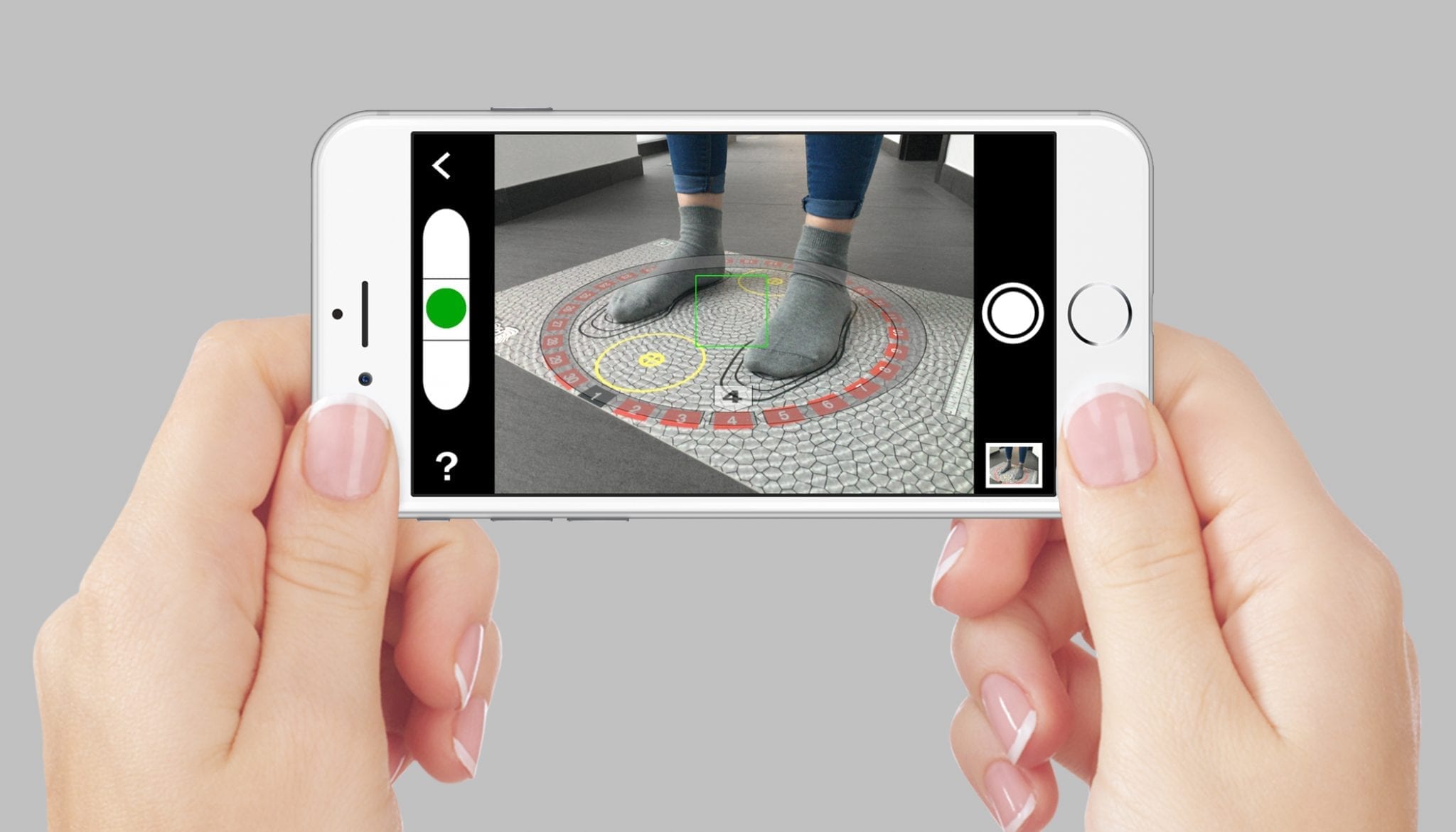
    The app is described as an “end-to-end footwear size and fit recommendation application that aims at giving all footwear shoppers an oh-so-easy footwear shopping experience online”. The mobile and vision-based technology provides consumers with shoe recommendations based on precision measurements and personalised fitting algorithms that go beyond the traditional shoe scale system.

    Unlike other virtual fitting solutions, the app does not use analytics or purchasing history.

    “Our technology takes the purist approach to shoe fitting,” said Anand Ganesan, CEO of Find Me A Shoe.

    “Research shows two main factors that increase customer loyalty in retail-time-savings and personal attention,” he said. “Find Me A Shoe creates a brick and mortar experience by delivering a spot-on fit recommendation that’s personalised to the customer’s foot. No more trials in store and no more online returns.”

    The California-based company offers its fitting service to footwear retailers and brand outlets. The patent-pending technology enables the shoppers to find a shoe that fits in just a click. The recommendation engine simulates a shopper’s foot (with 12+ parameters) inside every model before suggesting the best size and fit.

    With cloud-based servers running Artificial Intelligence-enabled complex computer vision algorithms in the background, recommendations ensure customer’s toes and heels will fit comfortably in that new shoe.

    “Personalisation and customisation are the pillars of the next generation retail experience,” said Ganesan.

  • Footwear company Red Wing opens first store in Malaysia

    Footwear company Red Wing opens first store in Malaysia

    Red Wing Shoe Company announced on Tuesday the grand opening of its first retail location in Kuala Lumpur. The store opening expands the footwear company’s retail footprint in Southeast Asia.

    The new store is a result of Red Wing’s partnership with Leeden National Oxygen (Leeden NOX), a distributor partner for over four decades. Prior to opening the new store in Kuala Lumpur, the two companies opened stores in Singapore.

    The Kuala Lumpur store, which is located in the Avenue K Shopping Mall, features an industrial work-themed interior with leather chairs, brick walls, and custom fixtures.

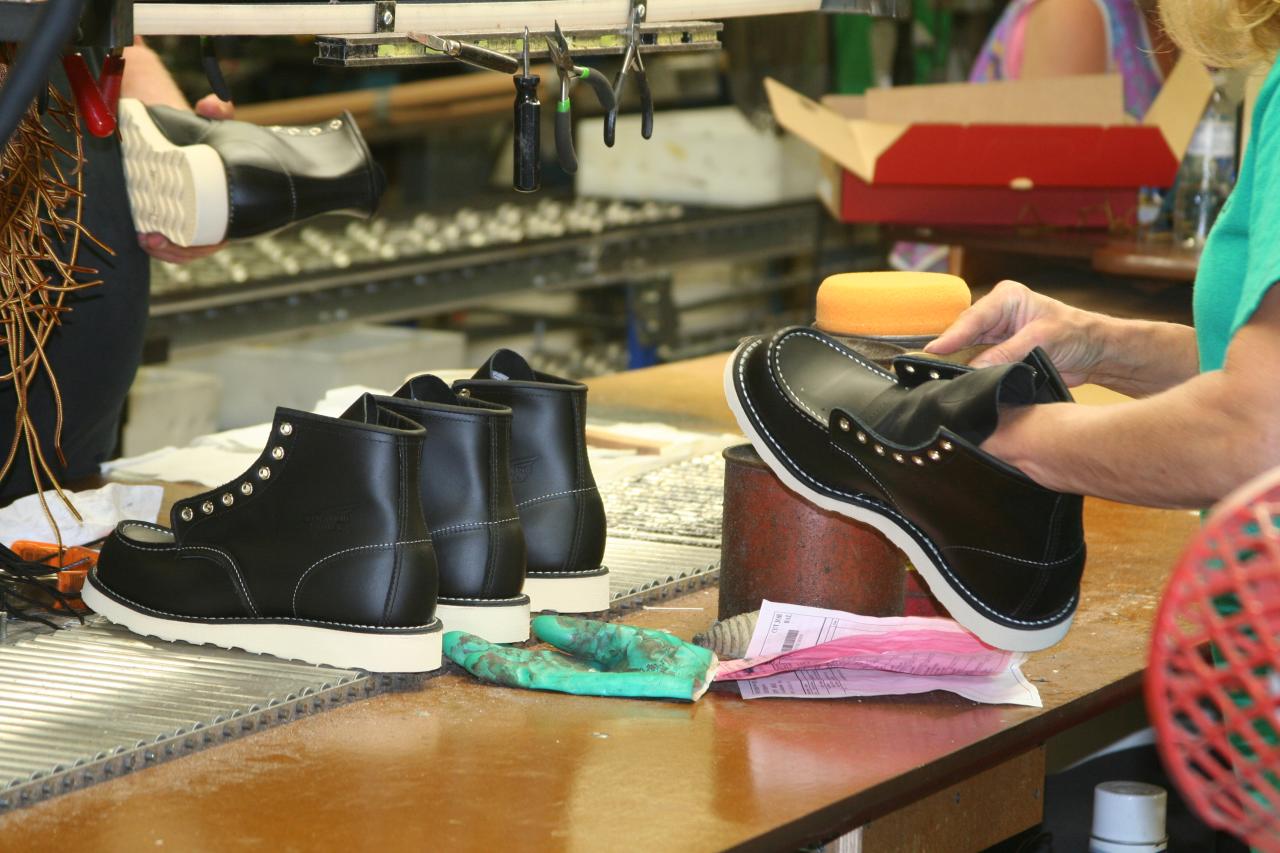
    In addition to offering the brand’s full product offering, including its namesake line, Vasque, the performance hiking boots and shoes collection, the Heritage collection that launched in 2008 and personal protective equipment and accessories, Red Wing Kuala Lumpur offers foot-scanning technology that identifies arch type, foot type and pressure points.

    “Red Wing Shoe Company has been a leader in the footwear industry for over 110 years, and for more than 50 years it has grown to become a top provider of head-to-toe solutions for the international energy industry,” said Paul Olson, Managing Director, Eastern Hemisphere for Red Wing. “From oil rigs to shipping docks, factory floors to refineries, we’ve supported Malaysian oil and gas workers for over three decades through our distribution services, and we’re now excited to offer those workwear products as well as new offerings for lifestyle and hiking footwear through our Kuala Lumpur retail store location.”

    Established in Red Wing, Minnesota in 1905, the Red Wing Shoe Company is a global designer, producer, and distributor of work, safety and lifestyle and work apparel. Today, Red Wing is distributed in over 110 countries in a multi-channel environment of 500+ stores, third party partners, and owned e-commerce platforms.

  • Design your own shoes at Asia’s first Tod’s pop-up

    Design your own shoes at Asia’s first Tod’s pop-up

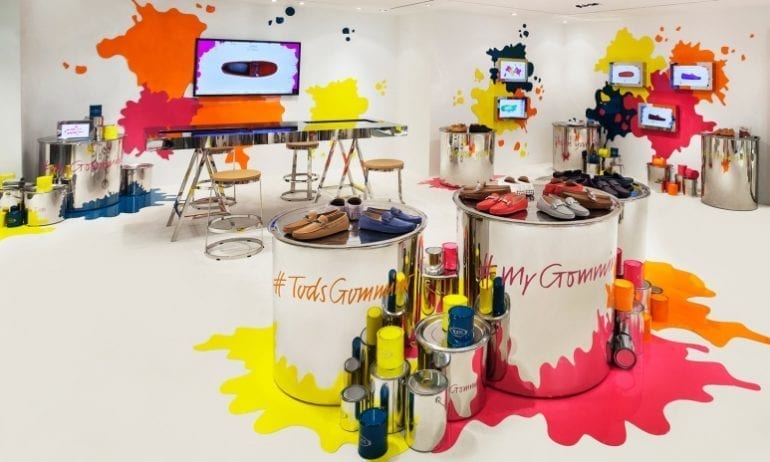
    Tod’s Gommino loafers are a style staple for celebrities, models, royalty and fashionistas the world over. It is now possible to buy a pair adding an own personal touch, as Tod’s is offering customers the chance to create their own pair of the iconic Gommino, complete with stamped initials.

    Hong Kong has been picked as the first city in Asia for a pop-up store that enables customers to create their own personalised pair of the Italian brand’s signature shoe.

    The custom loafers take just three steps to create. First, customers choose from 11 different styles of the brand’s signature shoe (there are five models for women and six for men). Next, clients decide on each of the design elements, from leather, colour and stitching, to the lining, pebbled outsole and any accompanying accessories.

    Once people confirm their initials for the hot-stamped monogram, the creation process is complete. Production takes about 10 weeks.

    With 133 rubber studs under its sole, Tod’s iconic Gommino has been a style staple since the 1970s, drawing widespread appreciation as a lightweight, unisex shoe suitable for all occasions.

    The MY Gommino pop-up is now open at Shop G309 in Harbour City, Tsim Sha Tsui for a limited time.

  • Shoes Of Prey delivers women’s custom footwear in two weeks at retail prices

    Shoes Of Prey delivers women’s custom footwear in two weeks at retail prices

    The future of shoes is two weeks away. That’s how long it takes Shoes of Prey to build and deliver custom-made women’s footwear in just about any size, color and style imaginable.

    Founded in 2009 in Australia but now based here in Los Angeles, Shoes of Prey lets women choose from millions of design options, from gold metallic stilettos to purple fishskin peeptoes, at prices in step with everyday retail.  The company has designed more than six million shoes, according to the company’s 2016 end-of-year report, after raising $26 million in venture funding. Manufacturing is outsourced to China but plans are, ahem, afoot to speed delivery by adding factories in North America and Europe.

    Customers usually appreciate the idea of designing shoes. Psychologist Barry Schwartz famously talks about The Paradox of Choice and how option profusion makes consumers less happy rather than more. But the Shoes of Prey 3D design interface keeps people on track with recommendations for heel height, colors, materials… Possibilities are limitless, but framed pre-designed shoe options, hence helping clients.

  • Chinese shoe brand What For, plans Europe retail rollout

    Chinese shoe brand What For, plans Europe retail rollout

    Having already launched a solid retail network in France, Chinese footwear brand What For plans to take on Europe’s neighbouring countries.

    Launching in 2008, the Stella International-owned Asian brand entered the French market in 2013, and consequently opened nine stores, with the latest boutique bowing in the Val d’Europe shopping centre in April.

    While the women’s brand grew considerably in France in 2016 with the opening of seven stores, “the goal right now is to concentrate on the brand’s international development, which boasts more than 800 multibrand points of sale across 25 countries,” said Yann Tobelaim, president of Stella Fashion Europe, the joint venture group formed by the Chinese firm in Europe.

    The new challenge for the brand, however, is finding potential store locations across metropolitan Europe. What For is targeting western Europe, including Germany, Italy and Belgium, and more specifically, cities with a strong fashion DNA such as Milan, Anvers and Berlin.

    At the same time, What For — the mid-to-high end shoe brand whose prices range between 130 and 200 euros — hopes to also continue its French expansion with the opening of a number of monobrand stores, particularly in the south and western France.

    Predominately a shoe seller, What For also sells a small line of leathergoods, which it started in 2016. Products are designed in Paris and manufactured in China.

  • Manolo Blahnik opens Tokyo Ginza Six store

    Manolo Blahnik opens Tokyo Ginza Six store

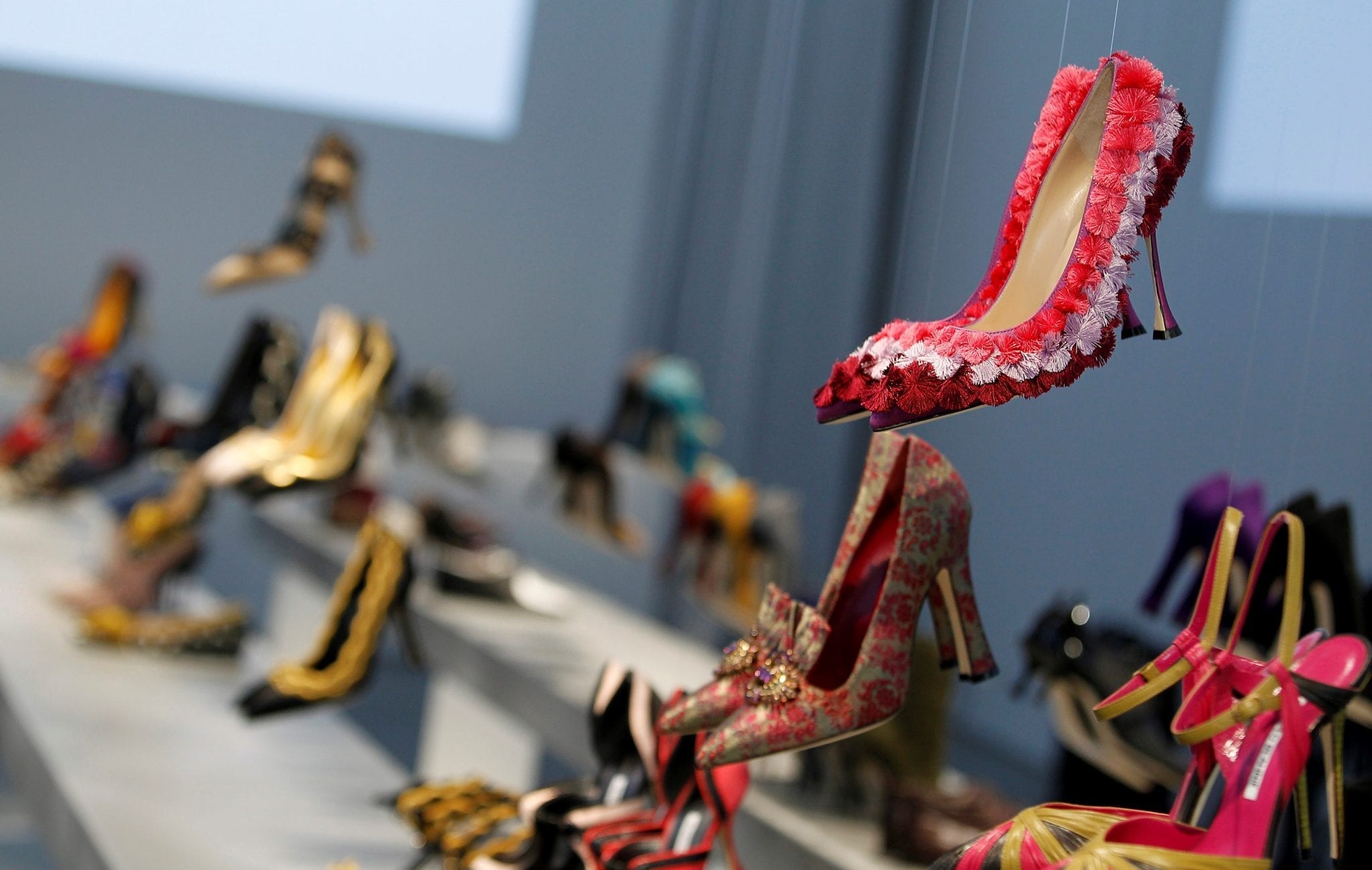
    Luxury footwear brand Manolo Blahnik has opened a new store in Tokyo at the new Ginza Six luxury shopping mall.

    Artfully designed by architect Nick Leith-Smith, and covering 60 square metres, the retail boutique’s interior design emulates that of Japanese tradition and culture, but in a modern form.

    The focal element is the wall installation. Reflective of timber and bamboo scaffold structures, the new Ginza Six store boasts contemporary crisscrossed and folded wooden slats, which interlace and connect the walls and
    ceilings, acting as shelves and hanging places for shoes and accessories.

    Fusing the industrial with the elegant, opposing walls are cast concrete reliefs with a curve pattern inspired by the gingko leaf. The back wall is painted in a striking blue, inspired by the traditional Japanese indigo plant dye.

    The complete Manolo Blahnik collections and products will be available at the new Tokyo flagship.

    Manolo Blahnik has seen recent success in Asia. The Spain-born, UK-based designer has launched three new retail spaces in Japan in the last 12 months in partnership with local luxury specialist Bluebell Group.

    The Ginza Six store is the third Japan location to open for Manolo Blahnik. It follows the opening of a store in the Matsuya Ginza department store in Tokyo and a second space in Umeda Hankyu department store in Osaka, late last year.

    In November, Bluebell Group also partnered with Manolo Blahnik to bring the brand to Malaysia, opening a new 1,022 square foot store in Pavilion Kuala Lumpur in Malaysia.

  • Arvato provides trade logistics for shoes and accessories by Marc O’Polo

    Arvato provides trade logistics for shoes and accessories by Marc O’Polo

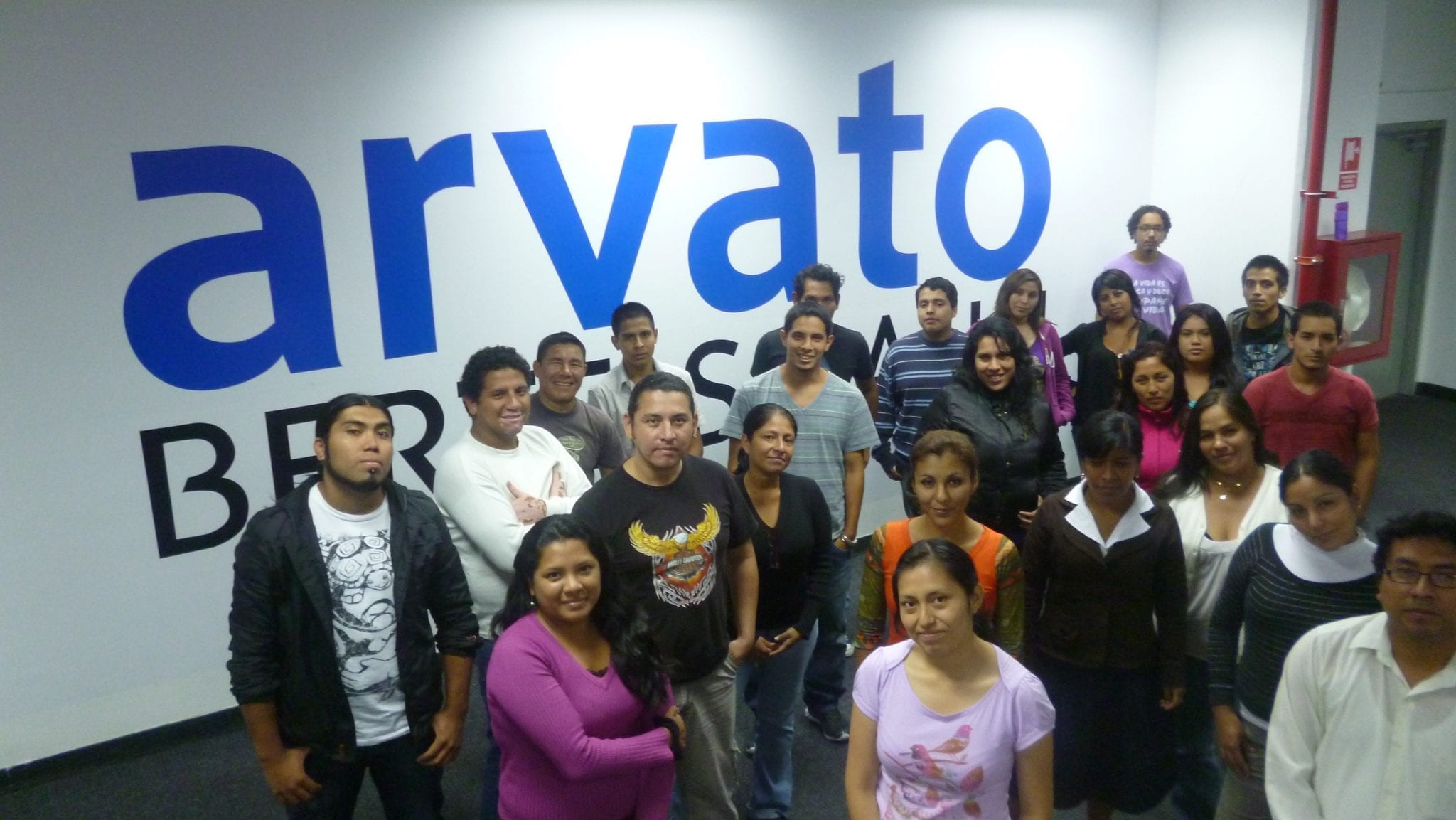
    Arvato SCM Solutions and MARC O’POLO have expanded their cooperation: as of December 2016, the supply chain and e-commerce specialist is now also responsible for the trade logistics of the premium fashion brand’s shoes and accessories, using RFID technology. As well as storage, order picking and shipping, Arvato will be providing special value-added services from its distribution site in Dortmund. From now on, MARC O’POLO products will be sent from there to trade partners in 16 countries. Goods will be sent to both MARC O’POLO shops and franchise stores, as well as wholesale partners such as Zalando, Amazon, Görtz or Breuninger. The partnership between Arvato and MARC O’POLO was established in 2010. The full service provider initially supported the fashion brand with comprehensive services in the international e-commerce sector. Then, in 2015, Arvato organised a comprehensive omnichannel integration with processes such as Click&Collect, Reserve&Collect and cross docking, as well as introducing a new CRM system and the ‘MARC O’POLO for members’ loyalty scheme.

    Providing trade logistics contributes to a further link of the process chain. Arvato will be in charge of storage, order picking and preparing goods for shipment, all from its 32,000 square metre distribution centre. This task includes comprehensive value-added services such as the allocation of filling material and customer-specific labelling. The goods are then sent to trading partners in countries such as France, Croatia, Sweden, Russia or China.

    Furthermore, since the MARC O’POLO merchandise in both the high street and online shops is equipped with RFID tags, RFID technology has been introduced in the loading docks. This means that items are no longer scanned individually – instead, ready-packed product ranges can simply be recorded in bulk before shipping. This significantly reduces processing time and costs.

    “Storage area and transport costs can also be reduced, thanks to the consolidation of the B2B and B2C business. This is because the journey between the B2B and B2C warehouses in Munich and Dortmund has been respectively cut,” says Niels Weithe, Managing Director for Consumer.

    Products at Arvato SCM Solutions, pointing out another advantage. Karl-Heinz Lauterbach, Managing Director of MARC O’POLO Shoes, is also impressed by the advantages of an even tighter cooperation with Arvato: “Creating closer ties between the online shop and B2B warehouses will optimise our stock in the long term and increase availability in the online shop. Trading partners will benefit from this shelf extension through an optimised sales ratio and turnover.”

  • Vietnam expects 10 percent rise in leather, shoe exports

    Vietnam expects 10 percent rise in leather, shoe exports

    Viet Nam’s leather and footwear industry expects to reach a total export value of US$18 billion this year, up 10 per cent from last year, said the Viet Nam Leather, Footwear and Handbag Association (Lefaso)

    According to Lefasco, there are plenty of chances for expanding exports given that orders for footwear and bag processing may be diverted from factories in China that have cut back on incentives for investment in garment and footwear manufacturing to focus on high technology.

    Another promising element is the Viet Nam-European Union free trade agreement, which will take effect in 2018 and afford Vietnamese footwear makers more opportunities to boost exports.

    To achieve this year’s target, the leather and footwear sector needs to boost technological innovation, invest in new equipment and modernise existing equipment, expand the production scale of domestic enterprises to increase productivity as well as improve the quality of products, Lefasco said.

    Lafesco reported that the sector raked in $16.2 billion from export last year, up 8.8 per cent from 2015. Of which, $13 billion came from footwear and the remaining was from handbags and leather items, marking respective annual increases of 8.2 per cent and 11.1 per cent.

    According to Lefaso, leather and footwear exports last year faced many difficulties as orders from the EU market plummeted and the sector’s export to ASEAN markets was also unstable.

    Since January 1, 2016, the tax levied on footwear and leather handbags and items circulated within the ASEAN bloc have been reduced to 0 per cent, leading to stiffer competition from regional rivals.

    Vietnamese enterprises also confronted obstacles due to the lack of capital and increasing input costs, which significantly affected the footwear sector’s export. Footwear currently ranks fourth and suitcase-bag-briefcase ranks tenth among Viet Nam’s top 10 foreign currency earners.

    The sector’s manufacturing index in 2016 rose a modest 3.7 per cent year-on-year, much lower than the 17.4 per cent and 22 per cent growth in 2015 and 2014, respectively.

  • Right time to outshine China in shoes and clothes

    Right time to outshine China in shoes and clothes

    India is witnessing a ‘historic opportunity’ to take over China in the apparel, leather and footwear sectors but it is being outrun by its neighbouring East Asian economies, the Survey has said.

    The survey touched upon India’s declining share in global cattle population and exports of cattle hides. The Survey said that limited availability of cattle for slaughter in India is leading to a loss of potential comparative advantage due to underutilisation of the abundantly available natural resource“ for the leather sector.

    The Survey added that in spite of significantly lower wages than China, countries such as Bangladesh, Vietnam and Myanmar have outpaced India in these sectors. “The window of opportunity is narrowing and India needs to act fast if it is to regain competitiveness and market share in these sectors,” the Survey said.

    The monthly wages for semi-skilled workers in India ranges between $81 and $119, while in China its $250-300. India’s wage costs are even less compared with Vietnam and Indonesia but challenges of logistics, labour regulations, tax and tariff policy have put India at a disadvantage in a global scenario.

    These difficulties have led to several Indian firms choosing to relocate to Bangladesh, Vietnam, Myanmar and Ethiopia. All of these factors have brought India’s share in global exports of apparel, footwear and leather to less than 5%, falling behind countries such as Bangladesh and Vietnam.

    Being labour intensive, apparel and leather sectors have been provided subsidy by government for increasing employment but a lot more needs to be done if India wants to create more jobs and opportunities for exports and growth.

    The Survey said the government needs to take up a number of labour reforms to overcome the obstacles of employment generation and also bring in the Goods and Services Tax (GST) for tax rationalisation.

    Noting that all economic growth take-off in East Asia has had a direct correlation with the clothing and footwear exports, the Survey said India has underperformed in these sectors.

    At a GDP growth rate of 7-10% in East Asian economies, the average annual growth of apparel exports was between 20% and 50%, while it was more than 25% in case of leather. For India, this figure has been 12.7% and 5.4% respectively, showing a huge untapped potential.

  • Marikina-made shoes a hit in Indonesia

    Marikina-made shoes a hit in Indonesia

    Filipino fashion retail brand Rusty Lopez recently opened its newest store in Jakarta featuring comfortable sandals and casuals made from Marikina, the Philippines’ shoe capital known for producing durable and high-quality footwear.

    According to a recent report of the Department of Trade and Industry’s Philippine Trade and Investment Center – Jakarta, the store in Sogo Lippo Mall Puri located in the St. Moritz Central Business District is the brand’s 9th outlet following the opening of stores in Seibu Grand Indonesia, Sogo Emporium Pluit, Sogo Central Park, Sogo Alam Sutera, Lotte Shopping Avenue, Metro Plaza Senayan, Metro Gandaria City, Metro Taman Anggrek.

    In a statement, Philippine Commercial Attaché to Indonesia Alma Argayoso said the sales of the newest collection during the opening were brisk. The other stores also received positive feedback.

    “It is exciting to bring to the Indonesian market the Philippines’ world-famous Marikina-made shoes. This affirms our belief on the potential of fashion retail products in Indonesia, Southeast Asia’s biggest economy,” Argayoso said.

    The first overseas store of Rusty Lopez opened in Jakarta on March 6, 2016 at the Seibu Department Store of Grand Indonesia Mall and featured carefully selected designs suited to the Indonesian market.

    DTI noted that increased interest in Philippine-made shoes abroad helps revive the local shoe industry and is expected to open more opportunities for small enterprises to generate employment within their communities.

    As part of the DTI’s Industry Promotion Group, the Philippine Trade and Investment Center (PTIC) in Jakarta will continue to support and assist Filipino homegrown brands in globalizing their products and accessing regional markets by continuously looking for potential partnerships.

    Aside from Rusty Lopez, other Filipino fashion retail brands in Indonesia include Karimadon, Penshoppe, Gingersnaps and Ann Ong Jewelry.