Tag: Shoes

  • Havaianas parent’s sales surge as international strategy pays off

    Havaianas parent’s sales surge as international strategy pays off

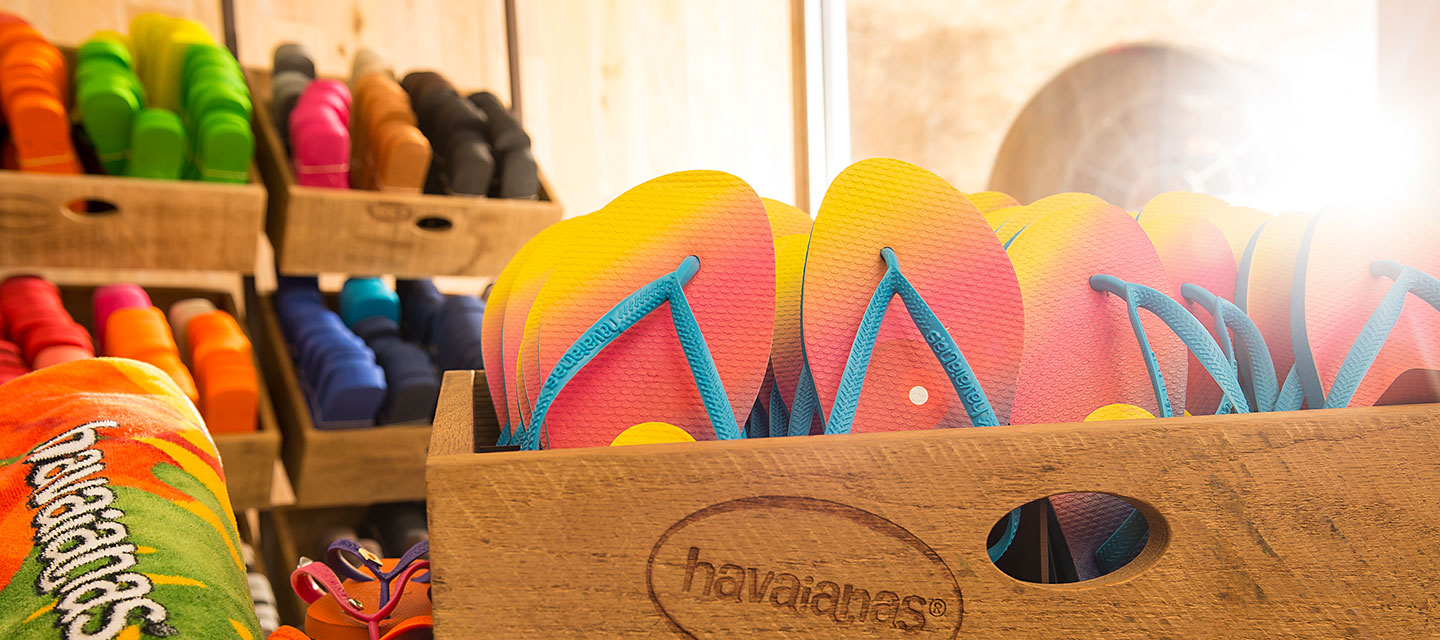
    Alpargatas, the parent of Havaianas, is reaping the benefits of a three-year-old international expansion strategy, despite the impact of Covid on cross-border travel.

    In the year to December, Alpargatas recorded sales of  US$739 million, a 25.7-per-cent improvement in 2020. Outside its home market of Brazil, net revenue climbed 41.5 percent US$227 million.

    “The numbers are the result of a long-term strategy. Three years ago, we established that Alpargatas’ long-term value creation thesis would be based on leveraging the strength of desired and hyper-connected brands such as Havaianas,” said CEO Beto Funari.

    “In this short period, we have proved this thesis as we accelerate the brand’s growth and restructure the business portfolio.”

    The company sold a record 260 million pairs of flip-flops, up 13 percent year on year. Of those, 31 million pairs were sold outside Brazil, an improvement of 38.8 percent versus 2020.

    Funari also said the company’s growing portfolio of non-flip flop products – sandals, flats, sneakers, accessories, and apparel – increased by more than 200 percent during the period.

    In December, Alpargatas secured a deal to acquire a 49.9 percent stake in Californian sustainable footwear brand Rothy’s. Now it is planning a share issue to help fund the acquisition, expected to raise around $400 million.
  • Nike cries foul over virtual shoes, suing retailer that sells sneaker NFTs

    Nike cries foul over virtual shoes, suing retailer that sells sneaker NFTs

    Sneaker giant Nike sued online reseller StockX in New York federal court on Thursday for selling unauthorized images of Nike shoes, marking the latest lawsuit over digital assets known as non-fungible tokens.

    Nike said StockX’s NFTs infringe its trademarks and are likely to confuse consumers. Its lawsuit asked for unspecified money damages and an order blocking their sales.

    Detroit-based StockX, a platform for reselling sneakers, handbags, and other goods, was valued at more than $3.8 billion last year.

    A representative for the company did not respond to a request for comment, nor did Nike or its attorneys.

    Nike said StockX last month began selling unauthorized NFTs of its sneakers, telling buyers they would be able to redeem the tokens for physical versions of the shoes “in the near future.”

    The complaint said StockX has sold over 500 Nike-branded NFTs.

    The lawsuit said complaints about the NFTs’ “inflated prices and murky terms of purchase and ownership” and buyers’ doubts about the legitimacy of StockX’s model have hurt Nike’s business reputation.

    Nike said it will release “a number of virtual products” later this month in conjunction with the digital art studio RTFKT, which it acquired in December.

    NFTs have recently exploded in popularity, and lawsuits over them have begun to hit U.S. courts. Miramax sued director Quentin Tarantino in November over his plans to auction NFTs related to the 1994 film “Pulp Fiction,” which he directed and the studio distributed.

    Last month, Hermes sued artist Mason Rothschild over his “MetaBirkin” NFTs of the French company’s Birkin bags.

  • Vans owner slips as production delays, China curbs hit sales forecast

    Vans owner slips as production delays, China curbs hit sales forecast

    Vans shoe maker VF Corp cut its full-year revenue forecast on Friday as it struggles with material shortages, labor issues at factories, and a slump in sales in China due to COVID-related lockdowns, sending its shares down over 6 percent.

    Fresh pandemic restrictions and store closures late last year in many Asian countries, including China, took a toll on many US apparel makers that for years have relied on these countries for the bulk of their production and sales growth.

    VF Corp said the fast-spreading Omicron variant of the coronavirus was also impacting its sales across the world.

    “The latest virus surge across Europe has contributed to declining consumer confidence, deteriorating traffic, and stretched retail staff in our stores,” VF Chief Financial Officer Matt Puckett said on an earnings call.

    Despite facing labor and raw material shortages, VF said it expected manufacturing to return to near full capacity in the coming weeks.

    The company cut its fiscal 2022 revenue forecast to about US$11.85 billion from US$12 billion. It expects revenue for its “Active” unit, which houses the Vans and Supreme brands, to increase between 31 percent and 33 percent, compared with a prior range of 35 percent to 37 percent gain.

    The Denver, Colorado-based company’s total revenue rose 22 percent to $3.62 billion in the third quarter ended Jan 1, slightly ahead of analysts’ average estimate of US$3.60 billion, according to IBES data from Refinitiv.

  • Nike supplier halts production at three Vietnam plants due to Covid-19

    Nike supplier halts production at three Vietnam plants due to Covid-19

    Changshin Vietnam, a South Korean shoemaker, became the second major Nike supplier to suspend production in Vietnam as it shut three of its factories near HCMC on Thursday due to a coronavirus outbreak.

    The factories in Dong Nai province, which employ nearly 42,000 workers, will remain shut until July 20, the Vietnamese government said in a statement, adding many of the 177 infection cases detected in the province were from the factories.

    Nike did not respond for comment outside U.S. business hours, while calls to Changshin went unanswered.

    On Wednesday, Taiwan’s Pou Chen Corp, which makes footwear for Nike and Adidas, suspended operations at its plant in Ho Chi Minh City. The plant will be closed until July 23 for “health and safety considerations”, the company said, adding it did not expect a major financial impact.

    Vietnam had until recently successfully contained coronavirus outbreaks, with limited disruption to its crucial manufacturing sector. However, since late April, it has seen record cases on many days this month, most of those in the commercial hub Ho Chi Minh City and its neighboring industrial provinces of Dong Nai and Binh Duong.

    The country has recorded 38,200 infections and 138 deaths overall, a vast majority of those since May.

    Almost all of Nike’s footwear is manufactured outside the United States. The company has said contract factories in Vietnam produced about 50 percent of total Nike brand footwear in fiscal 2020, but did not specify the volumes that came from Changshin or Pou Chen.

    The latest resurgence in virus cases could signal another hiccup for the world’s largest sportswear chain in 2021, after container shortages and U.S. port congestion held up Nike’s inventory earlier in the year.

    “Having the factories shut for one or two weeks for Nike is going to cause a massive problem for its supply chain,” China Market Research Group analyst Shaun Rein said, adding the shutdown would lead to price hikes.

    Nike also saw its China sales take a hit after calls to boycott global brands for their comments around forced labor in Xinjiang.

    Eclat Textile Co, a Taiwan-based garment and fabric supplier, has suspended production at its Dong Nai plant until July 17, it told the Taipei stock exchange.

  • Taiwanese footwear maker suspends 18,000 workers over Covid-19 linkage

    Taiwanese footwear maker suspends 18,000 workers over Covid-19 linkage

    Over 18,000 workers of Pou Sung Vietnam were temporarily suspended due to a worker having close contact with a suspected Covid-19 case.

    Health authority found the wife of a suspected Covid-19 case working at the Dong Nai-based firm with 27,000 employees. The worker, who came in close contact with the suspected Covid-19 case, had her sample taken and is awaiting results.

    The company has suspended 18,403 workers starting Saturday morning to disinfect the entire factory, according to Le Nhat Truong, chairman of the labor union of Pou Sung Vietnam.

    It is also tracing those who traveled in the same vehicle carrying the Covid-19 linkage worker. The firm employs 300 vehicles to pick up over 10,000 staff in remote areas across the southern provinces of Dong Nai and Binh Thuan.

    Dong Nai Province has 31 industrial zones and one high-tech zone, with 1,400 enterprises employing more than 620,000 workers.

    The province found two Covid-19 cases Saturday, ending its 45-day streak without new Covid-19 cases.

    Dong Nai has so far recorded three confirmed Covid-19 case since the fourth coronavirus wave hit on April 27.

  • Havaianas has best quarter in a decade as China sales surge

    Havaianas has best quarter in a decade as China sales surge

    Havaianas’ global expansion — prioritizing Europe, China, and the U.S., in addition to Brazil — remains on a strong path. The world market leader in open footwear delivered revenue growth in all regions, including distributors. Outside Brazil, net revenues in constant currency reached R$317.9 million (~US$59.2 million) in 1Q21, climbing 27% year-over-year. Volume increased 34.3% in the period to 7.9 million pairs/pieces. At 24%, EBITDA was 16 p.p. higher than a year earlier.

    On May 3, Havaianas brand owner Alpargatas announced the acquisition of technology startup company ioasys to boost the Havaianas brand growth, with global expansion, acceleration of online sales, and extension of the product portfolio as its pillars. Acquired company ioasys has a proven track record of success in end-to-end digital solutions and a strong culture centered on user experience.

    In the so-called Big Bets, or priority markets, year-over-year growth in net revenues in constant currency reached 26% in Europe, 13% in the U.S., and 736% in China in 1Q21. All these markets also saw margin gains.

    “Havaianas is stronger than ever, inspired by people in Brazil and around the world. The brand has expanded globally, accelerated online sales, and broadened its portfolio with innovation and sustainable technologies. We take pride not only in our ability to expand revenues and profits, but also to support society in the fight against the pandemic and in socio-environmental causes. We are on the right track to capture the full potential of Havaianas,” says Beto Funari, CEO of Alpargatas, owner of Havaianas, a brand that is present in more than 130 countries. The Brazilian multinational disclosed earnings on Monday, May 3.

    After a solid performance in 2020, the company had its best first quarter in a decade, delivering expanding revenues, margins, and EBITDA. Consolidated net revenues climbed 32.7% year-over-year to R$901.3 million (~US$168 million). Recurring EBITDA totaled R$158.7 million (~US$ 29.6 million), almost double the figure seen in 1Q20. Recurring net income increased 73.3% year-over-year to R$135 million (~US$25.1 million). These results supported cash generation of R$237 million (~US$44 million), and the company ended the quarter with a financial position of R$698 million (~US$130 million).

  • Chinese ‘limited edition’ sneaker sales soar after Xinjiang backlash

    Chinese ‘limited edition’ sneaker sales soar after Xinjiang backlash

    Prices of some Chinese limited edition sneakers soared among collectors and speculators following calls for local consumers to boycott global brands that have said they don’t source products or yarn from China’s western Xinjiang region. Nike and Adidas came under attack on Chinese social media last month over past comments.

    Some researchers and foreign lawmakers say Xinjiang authorities use coercive labor programs to meet seasonal cotton-picking needs, which China strongly denies.

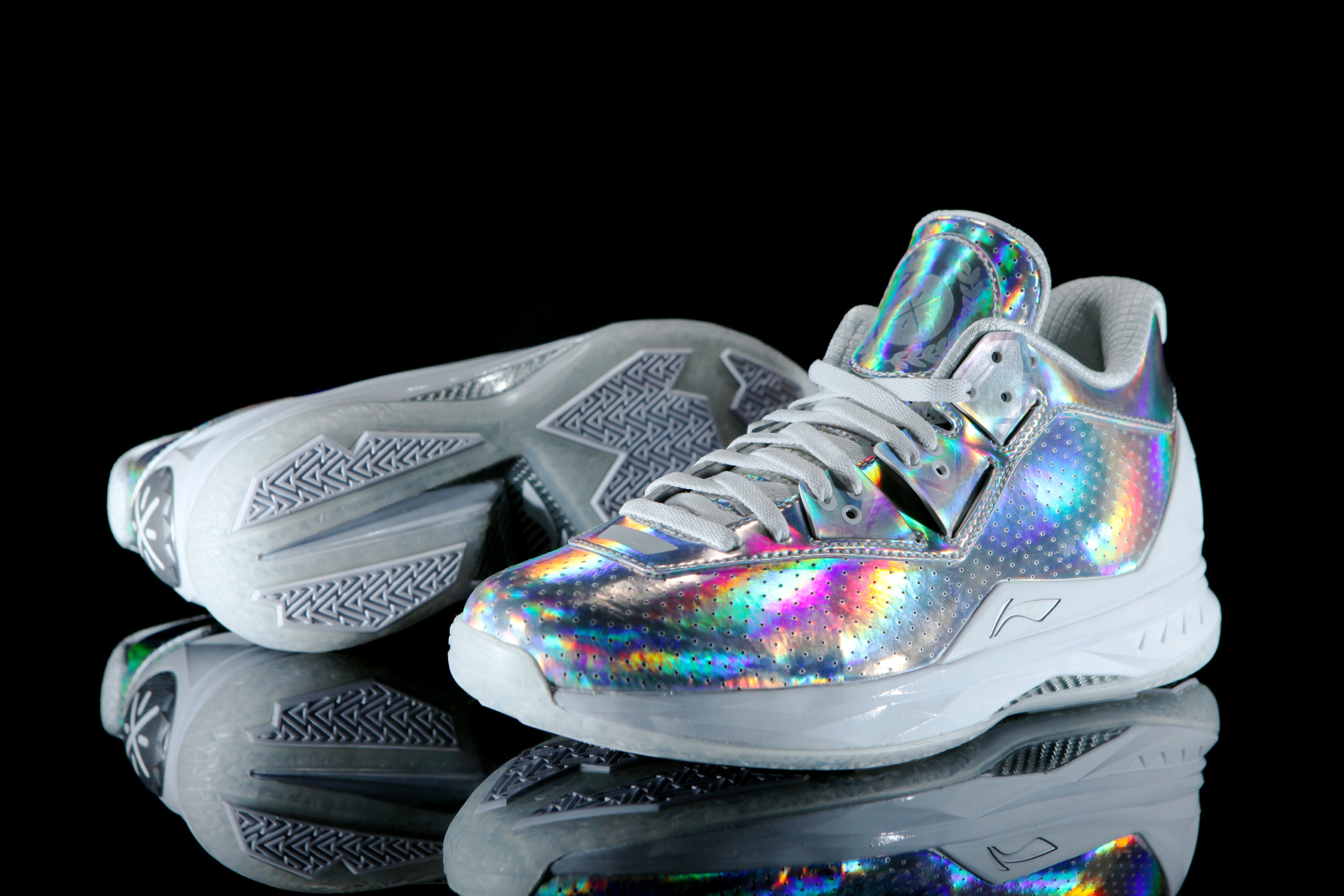
    The listed price of the “All Star” version of Li-Ning Way of Wade 4 on the Dewu App – the country’s largest sneaker resale platform also known as “Poizon” – reached 48,889 yuan ($7,463) per pair, 31 times higher than the official price of 1,499 yuan, the state-owned Global Times reported on Monday.

    Anta’s Doraemon-themed casual shoes on the platform were also eight times higher than the original price of 499 yuan.

    Both offerings disappeared from Dewu, which deleted listings for numerous local shoe models after state media criticized speculation on sneaker prices and taking advantage of people’s patriotic feelings.

    “A large number of internet users choose to support domestic brands, which is normal,” said a Tuesday opinion piece on People.cn, the website of the People’s Daily, the official newspaper of China’s ruling Communist Party.

    “But some scalpers though they have caught on to a business opportunity as if they smelled blood.”

    Dewu on Tuesday said that it deleted listings of 20 kinds of sneakers made by Chinese sportswear brands including Li Ning and Anta Sports after noticing abnormal price fluctuation.

    Michael John, research and strategy manager at Shanghai-based consultancy AgencyChina, said he believes the frenzy for domestic sneaker brands will pass.

    “First, the platform Dewu continues to facilitate the exchange of limited edition Nike and Adidas sneakers,” he told Reuters on Tuesday.

  • Nike sues company that made ‘Satan Shoes’ with Lil Nas X

    Nike sues company that made ‘Satan Shoes’ with Lil Nas X

    Athletic shoe maker Nike Inc on Monday sued a New York-based company that produced “Satan Shoes” purported to contain a drop of human blood as part of a collaboration with “Old Town Road” rapper Lil Nas X.

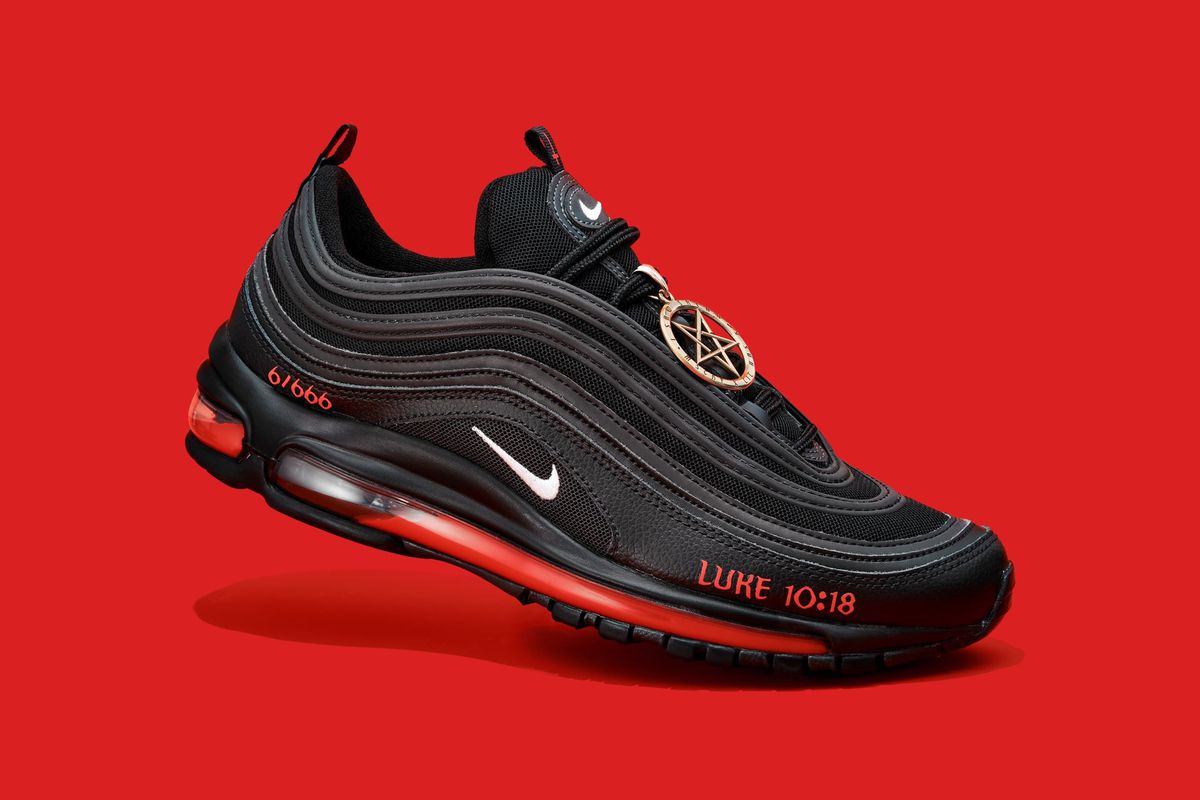
    Nike said in the lawsuit that the company, MSCHF Product Studio Inc, infringed on and diluted its trademark with the black-and-red, devil-themed shoes, which went on sale online on Monday. Lil Nas X is not named as a defendant in the suit.

    The shoes are customized Nike Air Max 97 sneakers that contain red ink and “one drop of human blood” in the sole, according to a website describing the 666 pairs of limited edition shoes. The back of one shoe says “MSCHF” and the other says “Lil Nas X.” her

    Several media outlets reported that the shoes sold out in less than one minute at a cost of $1,018 per pair. Lil Nas X said on Twitter he would choose the recipient of the 666th pair from social media users who circulated one of his tweets.

    Nike, in its lawsuit filed in federal court in New York, said the shoes were produced “without Nike’s approval and authorization,” and the company was “in no way connected with this project.”

    “There is already evidence of significant confusion and dilution occurring in the marketplace, including calls to boycott Nike in response to the launch of MSCHF’s Satan Shoes based on the mistaken belief that Nike has authorized or approved this product,” the lawsuit said.

    Nike asked the court to immediately stop MSCHF from fulfilling orders for the shoes and requested a jury trial to seek damages.

    Representatives for Lil Nas X and MSCHF did not immediately respond to requests for comment.

    The Grammy-winning rapper, 21, on Friday released a video for new song “Montero (Call Me By Your Name)” in which he dances with a character wearing devil horns.

  • Li Ning ready to buy Clarks footwear

    Li Ning ready to buy Clarks footwear

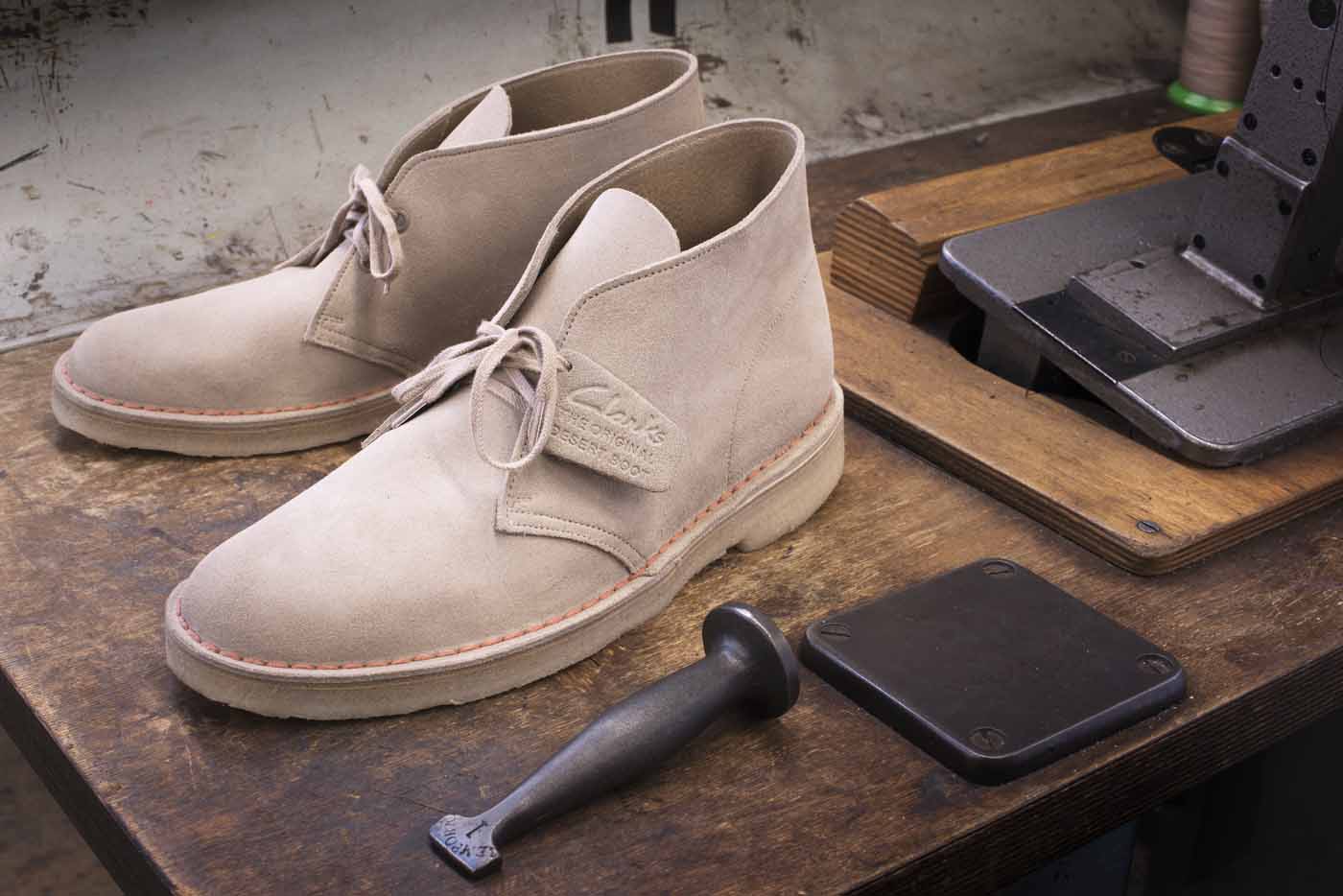
    Li Ning, the gymnast-entrepreneur who lit the Olympic flame during China’s 2008 Games, has bought control of one of Britain’s oldest shoe producers, extending the global shopping spree by Chinese companies for famous international brands. Viva China Holdings, the sports talent agency founded by Li, has agreed to pay £51 million (US$69.7 million) for 51 percent of LionRock Capital Partners QiLe Limited, the private equity firm which will own the Clarks brand, according to a filing to the Hong Kong stock exchange. The investment would give Viva China control of Clarks when LionRock completes its £100 million investment to recapitalize Clarks. Li is the non-executive chairman of LionRock.

    Based in the same village in south-western England’s Somerset county for nearly two centuries since its establishment in 1825, Clarks’ business has struggled along with the global retailing industry, as the raging coronavirus pandemic kept staff from workshops and sapped the appetite for consumption. The retailer, operating 320 stores in the UK alone, had to cut 900 jobs last May out of a global workforce of 13,000, after reporting a 2019 loss of £83 million. The company warned of deteriorating performance in 2020.

    “The challenges to our business brought on by Covid-19 have meant that we need more resources and investment to fully deliver [Clarks’] strategy and safeguard the future of our business,” said the shoemaker’s chief executive Giorgio Presca in November. “The new partnership with LionRock will provide this as well as the expertise to grow the Clarks brand in China, which remains a primary opportunity.”

    Li’s purchase of Clarks follows the acquisitions of dozens of global sports brands by Anta Sports, Xtep, and 361 Degrees International, which make up China’s four largest sportswear producers along with Li’s eponymous brand.

    Anta’s brands cover Fila, and Japan’s Descente, as well as an investment in the Finnish company Amer, which owns multiple brands, from Atomic skis to Salomon snowboards, Arc’teryx outdoor gear to Mavic bicycle wheels and Suunto sports watches.

    Xtep’s stable of brands now includes the hiking brand Merrell, leisure brand Hush Puppies, and running specialist Saucony, as well as the leisure brands K-Swiss, Palladium, and Supra.

    “Clarks is one of the world‘s most recognized consumer names,” LionRock’s founder and managing director Daniel Tseung said in November. “Our investment will not only strengthen Clarks’ position as one of the world’s most recognized brands but also allow growth into key emerging markets.

    Li owns a 92.91 percent of Viva China, which was established in 2009, according to its interim report for 2020.

    The price tag for Clarks would be set off against an equivalent amount of £54 million that Viva China lent to LionRock Capital last September, according to the statement on Friday.

    Shares of Viva China fell by 1.5 percent to HK$0.65 in Hong Kong after the announcement.

  • Dr. Martens set for London IPO, valuing shoe brand at US$2.7 billion

    Dr. Martens set for London IPO, valuing shoe brand at US$2.7 billion

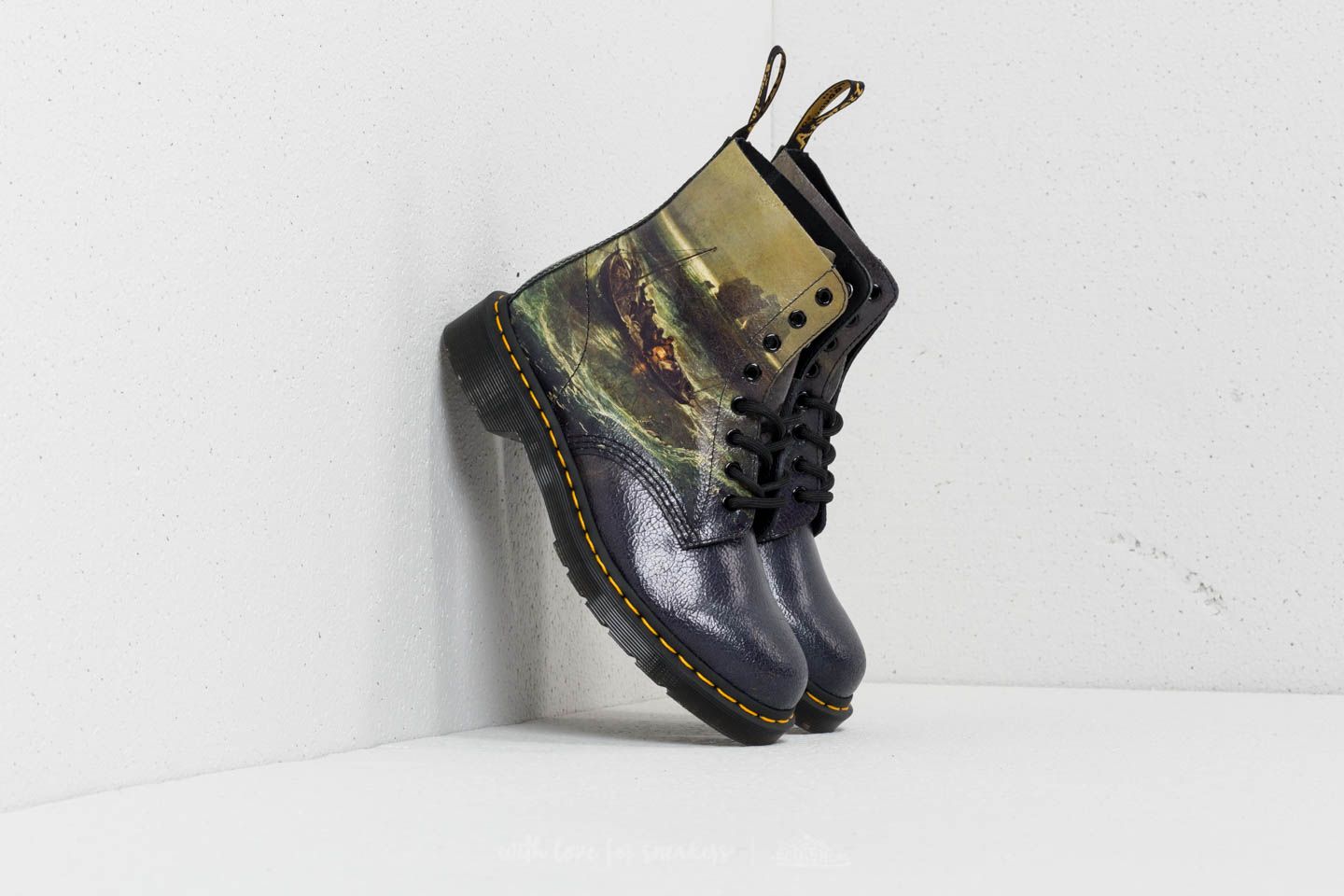
    The British footwear brand Dr. Martens is planning a £3bn flotation, more than 60 years after its first pair of boots were stitched together in Northamptonshire.

    Best known for its 1460 boot featuring its trademark yellow stitching and chunky soles, the company expects to float at least 25% of the business on the London stock market.

    It comes nearly seven years after Dr Martens was bought for £300m by the private equity group Permira. Sales under its ownership have surged, rising from £160m in 2013 to £672m in the year to March 2020. Sources close to the plans said the shoe company expects to seek a valuation of about £3bn.

    The brand, which sells 11m pairs of shoes and boots a year across more than 60 countries, managed to grow throughout the pandemic, despite lockdowns that forced its 130 high street stores to close. Dr Martens reported an 18% rise in sales to £318m in the six months to September, while profits grew by a third to £86.3m. The majority of sales come from the wholesale business, which sells to third-party retailers.

    The first pair of Dr. Martens made in the UK was in 1960 at its original factory in Northamptonshire, where one of its two main offices is still based. The boots grew in popularity over the following decades, first adopted by skinheads in the 1960s, and later becoming fashion staples among punks, goths, and schoolgirls.

    However, Russ Mould, the investment director at broker AJ Bell, said there were some “red flags”, including consumer complaints about the quality of Dr. Martens footwear.

    “Could it be that the business has suffered under private equity ownership? Many investors are skeptical about backing companies that are being sold by private equity, for fear they might have suffered from underinvestment and subjected to a ‘quantity over quality’ approach for production,” Mould said.

    However, some critics have said the alleged deterioration came after it shifted the bulk of its production from the UK to Asia nearly 20 years ago, he said.

    Dr. Martens said it rejected allegations of declining standards and said Permira had continued to invest in the business since its takeover.

    The footwear firm also said on Monday it had diversified its supply chain, and reduced the proportion of shoes made in China from 46% to 32% between 2019 and 2020, but did not link the changes to quality concerns.

    Mould said Dr Martens’ IPO was coming at an interesting time for UK markets, hot on the heels of a Brexit deal and the best-ever start to a calendar year for the FTSE 100. “If ever there was a good time to market a well-known British name to investors, it is now,” he said.

  • Foot Locker flagship forced to close for virus outbreak

    Foot Locker flagship forced to close for virus outbreak

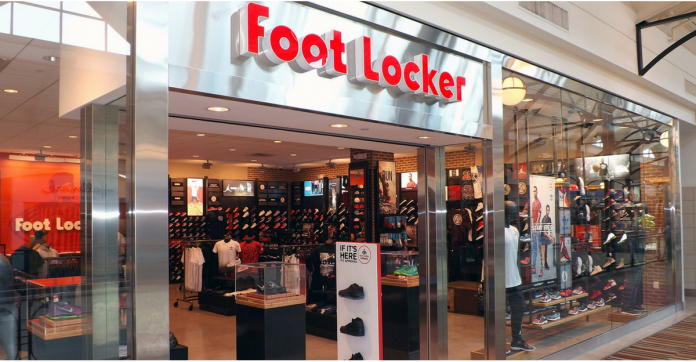
    Foot Locker’s Orchard Road flagship has been forced to suspend business due to breaching the Singapore government’s Covid-19 safe management measures.

    The suspension was enforced as the retailer conducted a product launch which drew huge crowds outside the store last Friday despite the advisories on crowd management.

    According to Singapore Tourism Board (STB) and Enterprise Singapore (ESG), the retailer will have to stop trading at the Orchard flagship store until December 14.

    During 10 days of suspension, Foot Locker is banned from holding physical retail activities but may continue to trade online.

    “STB and Enterprise Singapore are also engaging Foot Locker Singapore on the measures it will take for future product launches, including the potential cessation of all such physical launches at Foot Locker locations across Singapore,” the agencies said.

    Opened earlier this year, Foot Locker Orchard Gateway @Emerald is the brand’s largest outlet yet in Singapore.

  • British footwear brand Tricker’s to launch in China

    British footwear brand Tricker’s to launch in China

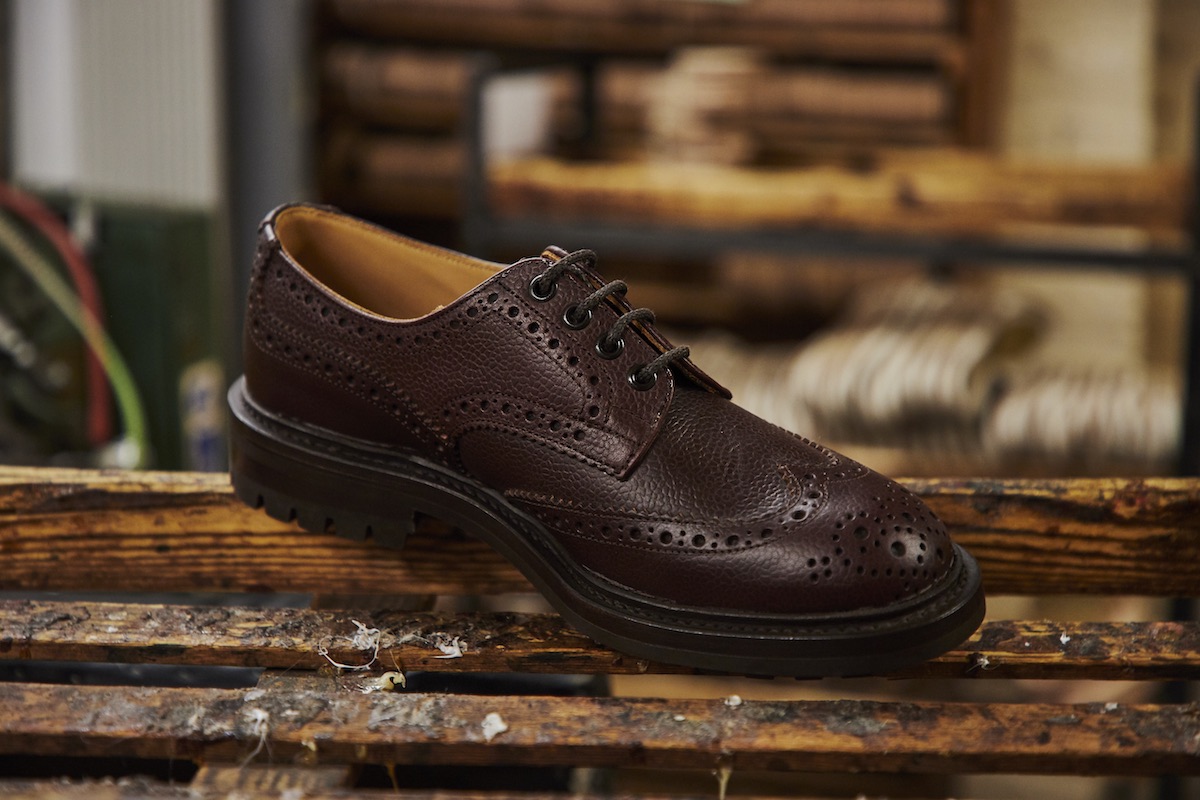
    The brand has held a Royal Warrant with Prince Charles since 1989 and was recently visited by the Prince of Wales to celebrate its 190th anniversary with a commemorative plaque. It manufactures its leather shoes and boots in a factory in Northampton, a town renowned for its shoe industry. A total of 260 individual processes are involved in the creation of each pair of shoes.

    Martin Mason, brand managing director, told BBC News that footwear made in Northampton was “revered” in Japan and that the brand’s products are seen as a luxury.

    “If you head into Tokyo, Northampton footwear has a really important place,” he said.

    Japan seems to be a big market for English footwear, with Northamptonshire shoemakers said to be exporting £20m worth of shoes to Japan each year.

    For Tricker’s, Japan helps boost international sales, which account for about 80% of the firm’s revenues. The brand is considering opening further stores in countries including South Korea and the United States.

    In a social media post, the brand said its new store located in the wealthy Aoyama neighborhood is an absolute replica of its Jermyn Street shop, which opened in the high-class destination noted for men’s tailoring in 1938.

  • Bata plans hundreds more stores within the next three years

    Bata plans hundreds more stores within the next three years

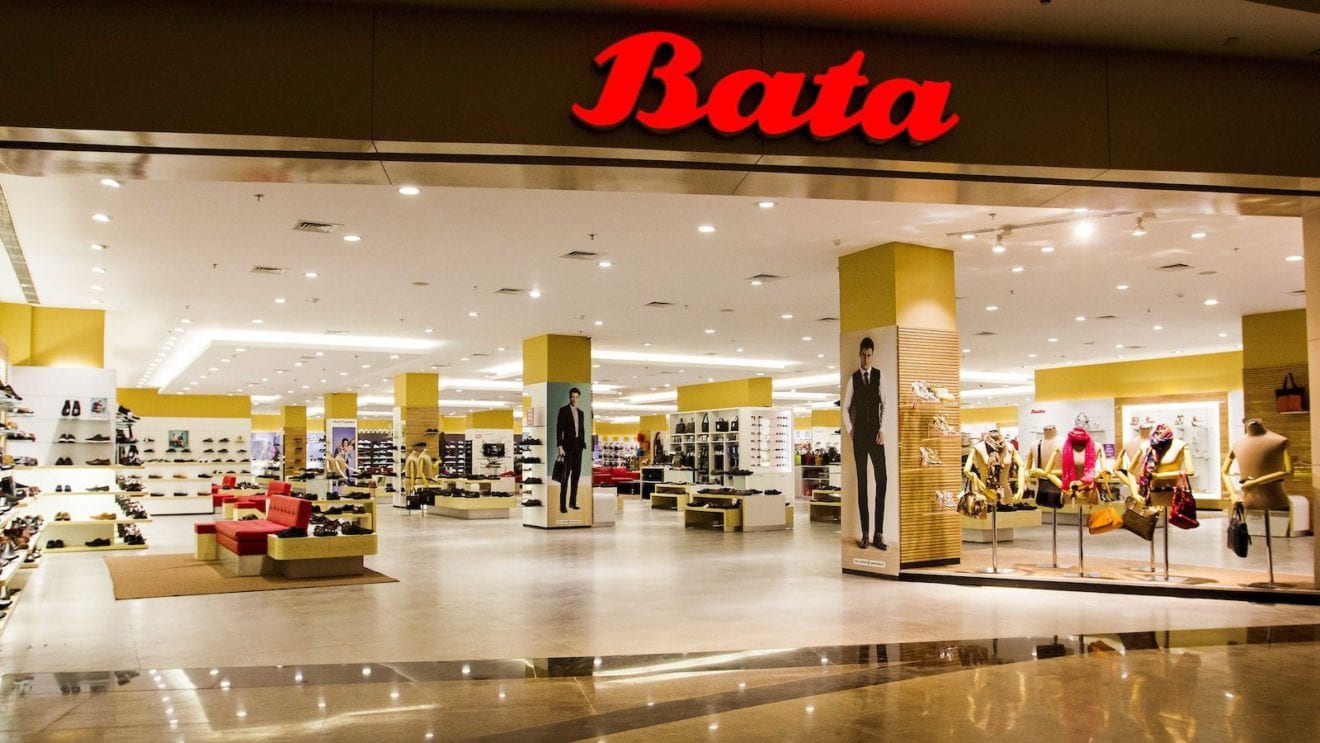
    Footwear brand Bata in planning to launch 100 new stores in India against the backdrop of the coronavirus pandemic.

    The openings are part of the firm’s plans to have 500 more outlets operating by 2023 in the territory above its current 1500 stores. The move is expected to improve Bata’s market penetration in semi-urban and rural areas.

    “We will open around 100 stores this year,” said Bata India chairman Ashwani Windlass, “and 80 percent of these outlets will be opened through a franchise model in tier-II and tier-III cities.”

    Stores will be selectively opened in areas that performed comparatively well economically despite the impact of the pandemic. More urban customers may be targeted with mobile shops driving into more remote regions and setting up temporarily in residential complexes.

    The firm is also boosting its efforts in e-commerce, making deliveries in more than 1300 cities. Bata management currently estimates that online sales make up 5 or 6 percent of total sales.

  • Christian Louboutin showcasting Hong Kong boutique

    Christian Louboutin showcasting Hong Kong boutique

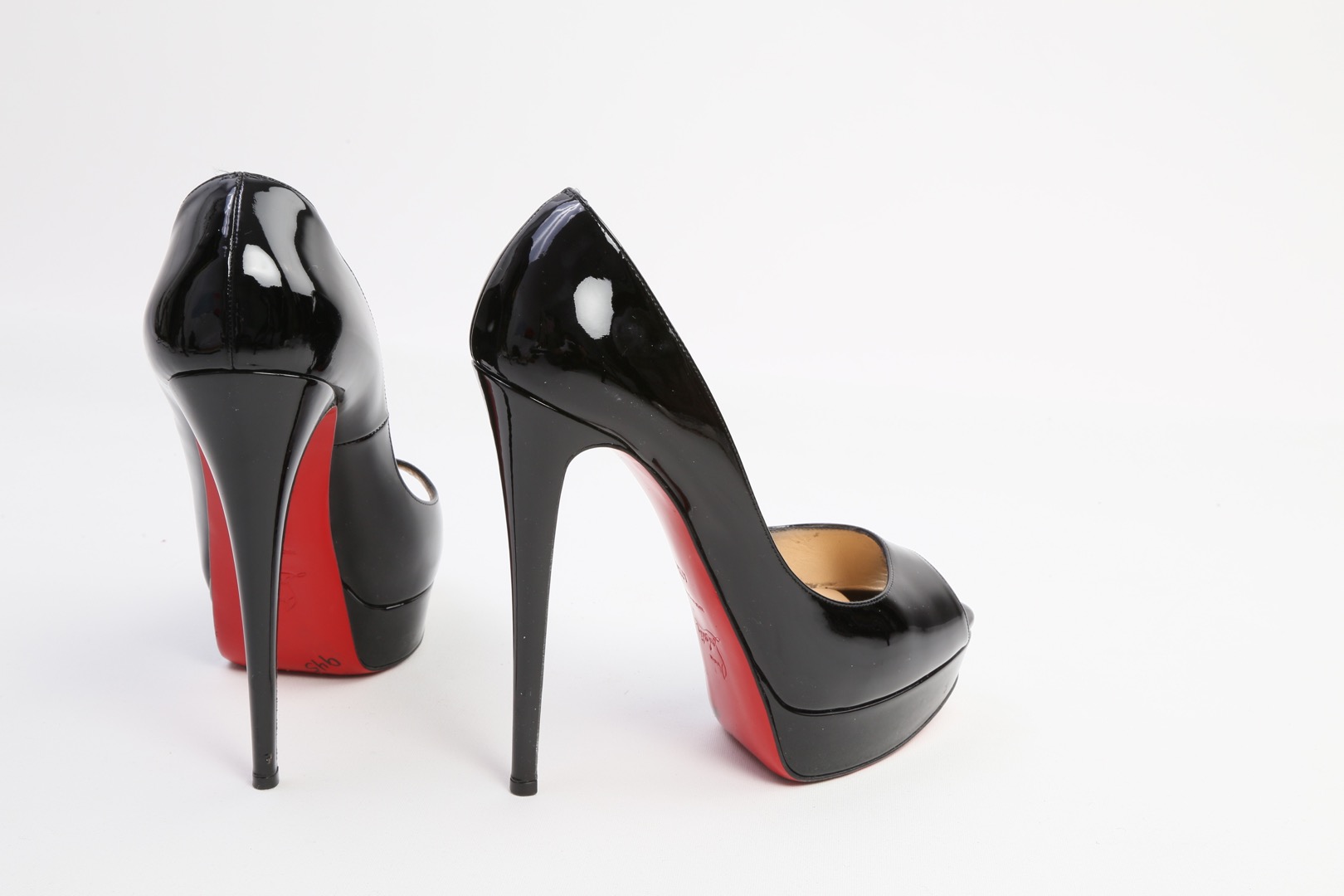
    Christian Louboutin has opened a new boutique in Landmark Prince’s, at Hong Kong’s Central.

    Inspired by the brand’s first boutique in Galerie Vero Dodat, the store facade features red-tiled walls with “petroleum-blue ceramics” and a Christian Louboutin neon sign. The storefront also houses displaying areas behind large glass windows, showing the brand’s latest products.

    The boutique’s interior is decorated in two main colors – red and blue. At the heart of the store is a blue display podium, showcasing women’s footwear.

    Two large red sofas create a lounge for customers with a flower-painted backdrop designed by French artist Alexandre Poulaillon.

    Meanwhile, the men’s room features gold-stained elements together with brown and beige wallpapers, aimed at creating a masculine vibe.

    The boutique reflects the Maison’s signature visual elements while nodding to the designer’s “creativity and eclectic aesthetic,” the company said in a statement.

    The label’s new capsule collection of Cabaraparis is available only at the Landmark Prince’s boutique.

  • Skechers China growth drives optimism for global sales recovery

    Skechers China growth drives optimism for global sales recovery

    Skechers China sales growth has fuelled optimism for the shoe brand after it reported a huge slump in sales for the June quarter due to stores being closed in other regions under Covid-19 lockdowns.

    The company reported group-wide sales of US$729.5 million, a 42 percent year-on-year decrease, and a net loss of $68.1 million during the three months to June 30.

    But sales in China rose 11.5 percent and sales on Skecher’s company-owned online store soared by 428.2 percent as buyers in some markets, unable to shop at physical stores, moved online.

    “Skechers, like most businesses around the world, has never faced a more challenging time than during the pandemic, which caused the closing of nearly every market worldwide,” said CEO Robert Greenberg. “Covid-19 continues to be a serious concern globally, and the health and welfare of our team, partners, and customers remain our number one priority.”

    Skechers stores were closed for varying periods of time in almost every market outside Asia.

    “However, we remain optimistic about the early signs of recovery we witnessed during the quarter, including a return to growth in China, consistent improvement each month in some markets outside of China,” said COO David Weinberg.

    “While every country’s recovery has been unique, we began to see a similar recovery trend, first reflected in China and now extending into other markets globally including Australia, Germany, South Korea, and Taiwan. We believe the positive sales trends in markets that have reopened, as well as the efficiency with which we addressed the pandemic challenges, are strong indicators that when the global health crisis stabilizes, Skechers will remain a global footwear leader.”

    Greenberg said the company was a “resilient organization” driven by a dedicated and flexible team determined to do whatever it takes to not only survive but position itself for a return to profitability.

    “Now, with more than 90 percent of our Skechers stores safely re-opened and some markets in the early stages of recovery, we believe that we will remain a brand consumers and retailers trust to deliver comfort, quality, and style. We are hopeful that global economies will continue to improve, and as they do, we will continue to operate efficiently and judiciously during this pandemic,” he said.