Tag: Shop

  • New partner signed to manage Esprit Kids range

    New partner signed to manage Esprit Kids range

    Hong Kong-headquartered fashion brand Esprit has signed with Kids Fashion Group (KFG) to manage the firm’s design, production, and distribution of the Esprit Kids collection.

    The new contract follows the end of a five-year agreement with French childrenswear retailer Groupe Zannier, which has managed Esprit’s childrenswear brand since first signing in 2015.

    KFG’s first Esprit Kids collection under the new agreement is expected to be released to the market in around July this year. Customers will be able to purchase items from the collection at wholesalers, online and selected retail outlets.

    Kids Fashion Group has a significant distribution network throughout Europe and has a strong sales force in the German market.

    “Kids Fashion Group is a true children’s apparel expert with rich experience in designing and producing high-quality children’s apparel that transport great brand statements,” said Esprit in a statement.

  • Taiwan’s Mr Brown coffee shutters stores

    Taiwan’s Mr Brown coffee shutters stores

    Taiwanese cafe chain Mr Brown coffee has shuttered eight outlets in Taipei due to falling customer demand, among other factors.

    The closures include a sizeable store in central Tamsui that will cease trading later this month. Employees at the affected outlets have been reassigned, with others leaving the firm.There have been no reported mass layoffs of staff.

    A representative from Mr Brown coffee, which is a subsidiary of King Car Group, confirmed that falling sales as well as rental costs in some cases influenced the decision to close the stores. Another two outlets may also be closed in the near future. Rising competition in the sector may have played a part in the shift in consumer demand.

  • UK stationery brand Paperchase launches in Malaysia and Singapore

    UK stationery brand Paperchase launches in Malaysia and Singapore

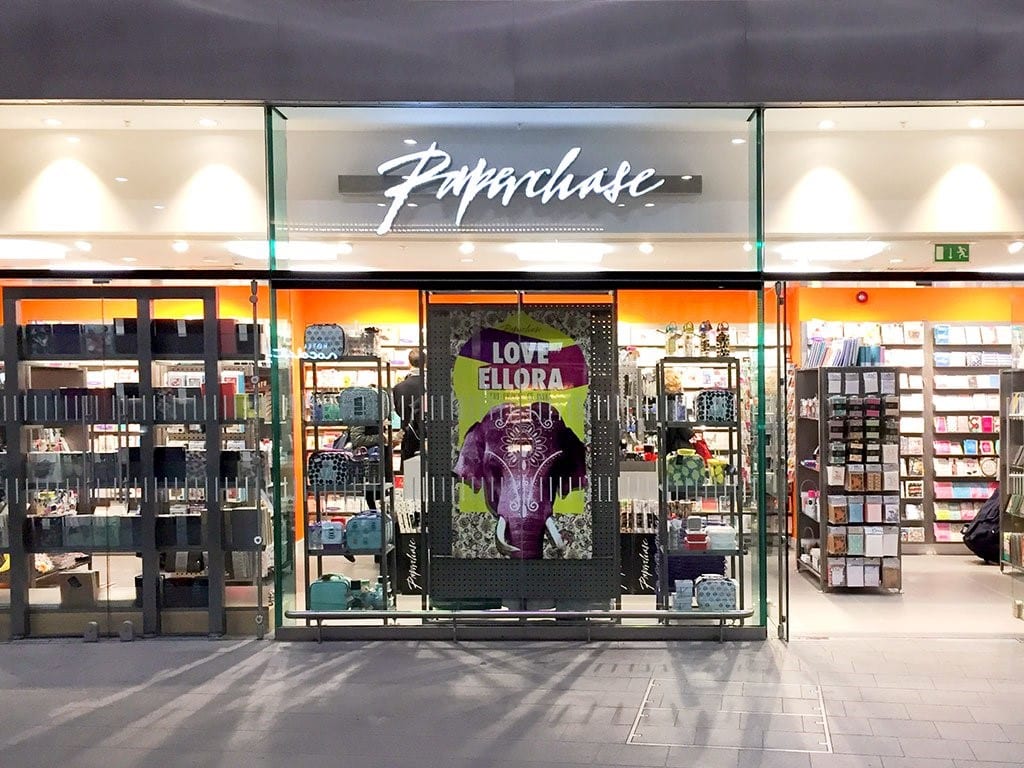
    British stationery brand Paperchase is now selling in Malaysia at selected MPH bookstores.

    According to a Malaysian Reserve report, the London-based firm – one of the largest gifts and stationery retailers in the UK – is joining brands such as Typo and Smiggle in planning their Asia expansion, with selling in Malaysia and Singapore the first step. It is currently seeking further retail partners in various countries.

    “Being the exclusive partner of Paperchase in Malaysia and Singapore, it is our aim to introduce new and interesting merchandise by reputable brands and make it available to our customers,” said MPH GM of business and strategic development Ivy Tan.

    “Having these unique offerings in our store also helps us differentiate our offerings and stand out from other players in the market.”

    Paperchase operates more than 200 stores internationally.

  • Louis Vuitton flagship opens in Seoul

    Louis Vuitton flagship opens in Seoul

    The new Louis Vuitton Seoul flagship store has opened, its design collaboration with renowned architects Frank Gehry and Peter Marino.

    Located on Cheongdam-dong Avenue in the Gangnam district, Louis Vuitton Maison Seoul features Korean culture-inspired elements, including the Hwaseong Fortress, the swooping movements and white costumes of the traditional Dongnae Hakchum crane dance while maintaining the Gehry-designed curved glass structure inspired by the Fondation Louis Vuitton in Paris.

    “What struck me when I first visited Seoul about 25 years ago, was the relationship between the architecture and the natural landscape. I still remember clearly the powerful impressions I had stepping from the garden of Jongmyo Shrine,” said Frank Gehry. “I am delighted to have designed Louis Vuitton Maison Seoul, reflecting the traditional values of the Korean culture.”

    Designed by Marino, the interior of the store is divided into different areas. The basement and first floor are used as ‘retail universes’, offering mens and womens collections including ready-to-wear, leather goods and accessories.

    The next upper floors feature a private space and an enclosed terrace for intimate dinners and events or exclusive appointments. The top floor is an exhibition zone called Espace Louis Vuitton Seoul, displaying eight emblematic sculptures by Giacometti, that belong to the Collection, including L’homme qui chavire (1950) and Grande Femme II (1960).

    “The interior spaces were designed with a ‘Miesian’ rigour to more strongly emphasise the billowing energetic sculptural quality of Gehry’s exterior,” said Marino.

    “The interior stone flows in from the exterior. The dynamism of the rectangular volumes cleanly contrasts with the baroque glass shields of the building.”

  • Uniqlo switches to paper bags

    Uniqlo switches to paper bags

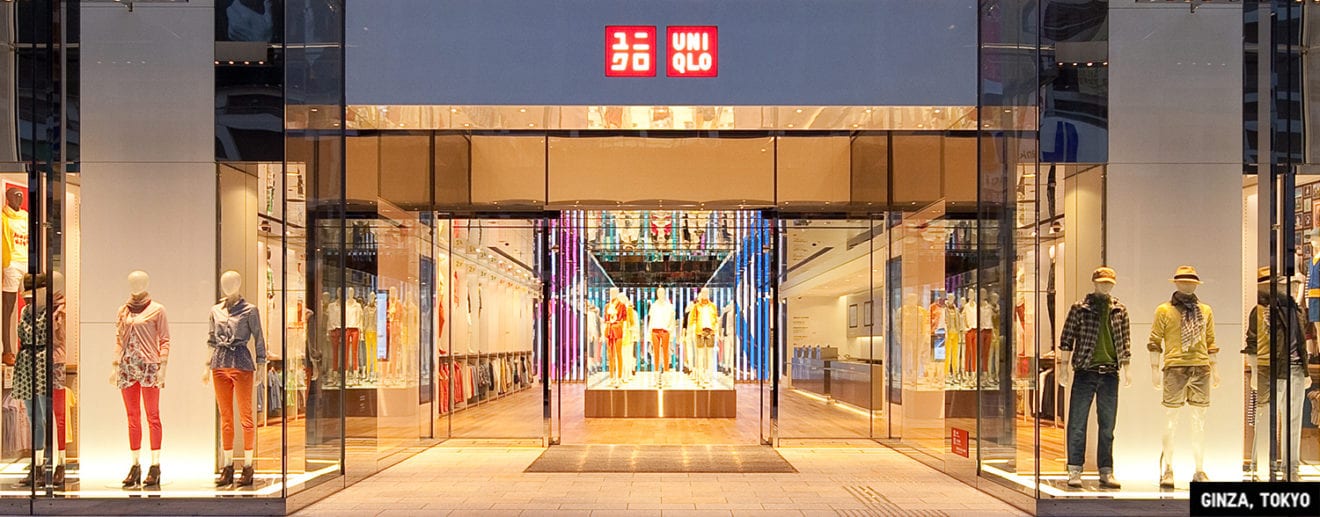
    Japanese retailer Uniqlo has jumped on the sustainability train, eliminating the use of plastic bags in its stores and switching to eco-friendly paper bags later this month.

    The bags will cost 15c in an attempt to encourage customers to bring their own reusable bags and will be launched in phases across the brand’s 21 Australian locations. The store will also sell branded bags made of recycled plastic bottles for $2.90.

    The switch is part of a move to become more environmentally friendly and coincides with the Victorian Government’s single-use plastic shopping bag ban which comes into effect in November.

    “Sustainability has increasingly become a priority on the global agenda and as a leading retailer, it has been crucial for Uniqlo to look at how we can address this key issue, whether from a clothing design perspective, or current in-store practices,” Kensuke Suwa, Uniqlo Australia’s chief operating officer, said.

    “We definitely recognize that Uniqlo has a role to play and the team is consistently exploring new sustainability initiatives to roll out in this market.”

    Woolworths also began offering paper bags earlier this month, in a bid to give more options to customers who forget to bring a reusable bag when shopping.

    “The vast majority of our customers bring their own bags to shop, but we know there are occasions when they forget or visit our stores unplanned,” a Woolworths spokesperson said in a statement to Inside Retail.

    “Some customers have told us they would like the option of a paper bag when this happens.”

    The adoption of paper bags is one part of Uniqlo-owner Fast Retailing’s ongoing efforts to eliminate the use of unnecessary plastic in its supply chain – having committed to reducing the amount of single-use plastics passed on to customers by 85 percent by the end of 2020.

    However, it is also looking at other parts of the supply chain and introducing several initiatives aimed at improving the manufacturing process.

    Uniqlo’s Jeans Innovation Centre has reduced the amount of water used in the washing process of its jeans by an average of 90 percent. The first batch of jeans using this process will be introduced in its 2019 fall/winter season and will be used for all Uniqlo jeans moving forward.

    Additionally, the company announced last year it would begin using a material formed from recycled plastic bottles in items of clothing called ‘Dry-Ex’, and that it would recycle down collected in Japanese stores into new products.

    “Uniqlo is committed to improving the sustainability of society,” Uniqlo founder and chairman Tadashi Yanai previously said.

  • Niska introduces robotic vendor through ice cream

    Niska introduces robotic vendor through ice cream

    Australian retail start-up Niska is bringing an interactive robotic experience to Melbourne with the launch of a game-changing ice cream store at Federation Square.

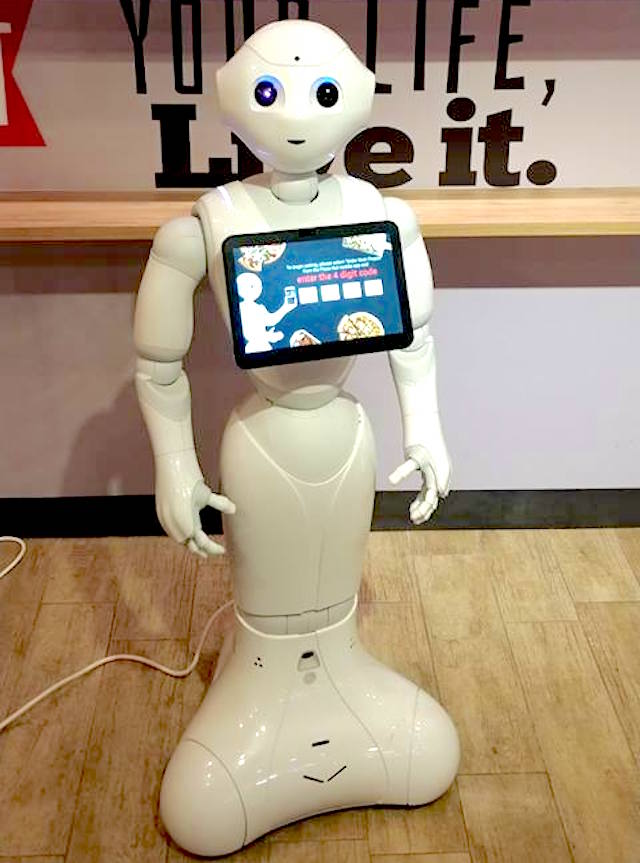
    Niska, Australia’s first-ever robotic retail store, offers Australian-made artisan ice-cream with a variety of flavors and toppings, all served by a team of robot staffers: Pepper, Eka, and Tony.

    The robots create a unique customer experience and “world-class service” by establishing meaningful interactions with each person.

    Visitors can even take selfies with Pepper, the social humanoid robot, and their ice cream, with photo spaces available within the store.

    With bricks-and-mortar retailers realizing the importance of creating unique and curated merchandise experiences, Niska is getting ahead of the curve with robotic retail.

    CEO and co-founder Kate Orlova said the company plans to revolutionize the retail space.

    “For us, ice-cream is just the beginning. We’re looking to expand the robotics into other areas of retail. The future is here and it is exciting! We look forward to changing the retail game and pioneering retail robotics,” she said.

    Minister for Jobs, Innovation, and Trade, Martin Pakula called it a “real feather in the cap for Victorian innovation”.

    “There is amazing work going on here in areas like robotics and artificial intelligence – and the ice-cream’s also pretty good,” he said.

    Niska is now open at Tenancy 20, Crossbar Building Federation Square.

  • New Look same-store sales down

    New Look same-store sales down

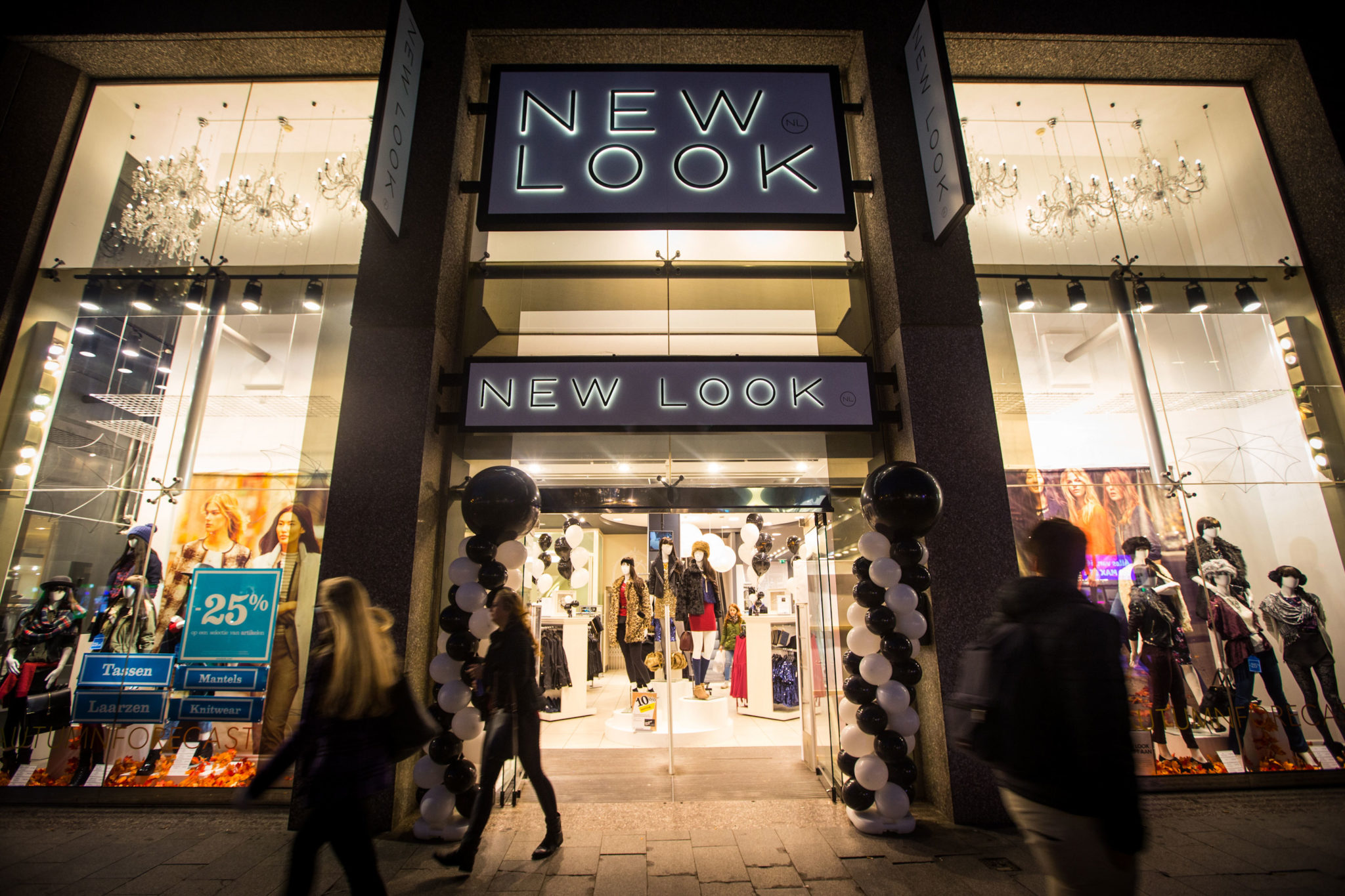
    Same-store sales fell by 10.1 percent in the first quarter for UK-headquartered fashion retailer New Look.

    For the 13 weeks to June 29, the company says it was affected by bad weather which led to lower footfall in stores, compounded by consumer uncertainty surrounding the Brexit crisis.

    Combined UK and Ireland retail sales fell by £35.5 million (14.1 percent) to £210.3 million for the quarter.

    Pippa Stephens, a retail analyst at GlobalData, says the retailer is continuing to struggle as it progresses with its transformation process, which includes closing stores, axing menswear from physical locations and attempting to revive the broad appeal of its products.

    She said that with falling like-for-like sales in its core business, the company must continue to focus on improving its remaining stores to boost footfall.

    “With like-for-like sales rising 2.2 percent for the first eight weeks of the second quarter, New Look is starting to show signs of green shoots. While its ‘Revive’ program for refurbishing its smaller destinations will help to attract shoppers, it should also improve its visual merchandising by displaying products more clearly to enhance the shopping experience, as its stores often feel cluttered – making them difficult to browse,” said Stephens.

    While consumers are shifting to shopping online, New Look’s e-commerce sales have continued to decline, with group sales (excluding third-party e-commerce) falling £1.3 million to £38.1 million.

    “Although its digital channel outperformed versus total sales, New Look must drive more traffic onto its site through increased digital marketing, and by offering more affordable and convenient delivery options,” said Stephens.

    “Although the high prices of its fulfilment options will make its online channel more profitable, uncompetitive prices are off-putting for shoppers, hindering conversion. Its delivery-saver scheme is priced at £19.99, double that of other value players like PrettyLittleThing and Boohoo.com, so this should be lowered to become more competitive.”

  • Shopee beats its own records for 9.9 Super Shopping Day

    Shopee beats its own records for 9.9 Super Shopping Day

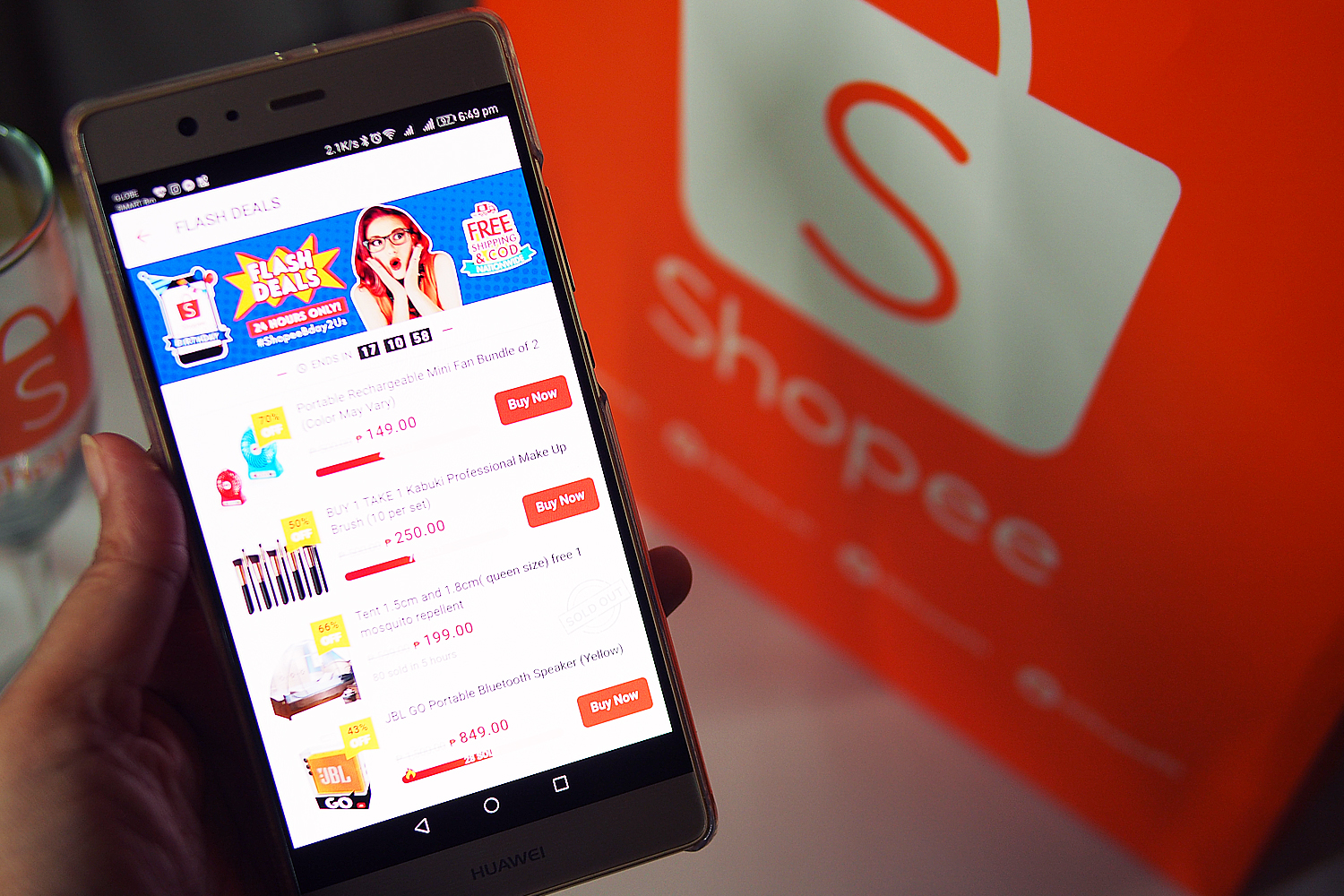
    Southeast Asian/Taiwanese e-commerce platform Shopee has concluded its most successful 9.9 Super Shopping Day yet.

    Shopee says it achieved its best-ever September 9 performance in the region, highlighted by three times the number of orders compared to last year; a peak sales volume of 187,606 items within one minute, and more than 113 million deals offered.

    Shopee’s in-app features attracted users throughout the entire 9.9 Super Shopping Day period. Users had tuned in to Shopee Live daily to check an upsized live streaming calendar, which garnered 50 million views in total. In addition, Shopee’s collection of in-app games, including Shopee Shake and Shopee Quiz, were played millions of times.

    “9.9 Super Shopping Day has exceeded all expectations,” said Shopee chief commercial officer Zhou Junjie. “We are thankful for the incredible support as we capped off a truly memorable day on 9 September. This year, we hit new milestones as more brands, sellers, and partners joined Shopee for our signature shopping event. We are proud to see 9.9 Super Shopping Day become a key date in our region’s online shopping calendar.”

    Shopee partnered with brand ambassador Cristiano Ronaldo, whose first commercial with Shopee scored 35 million views online to date.

    On August 28, Shopee Live brought users to Italy for an exclusive live stream with Ronaldo. The football icon tackled various questions from fans in the region and even delivered a special performance of the “Shopee Dance”. During the countdown to 9.9 Super Shopping Day on 8 September, Shopee users also had access to an exclusive interview with Cristiano Ronaldo on Shopee Live.

    Top-performing brands saw an average of 286-times increase in traffic and 339-times growth in sales compared to a usual day. The following trends observed in Singapore:

    Most popular brands: JBL, Innisfree, Houze

    Top categories: Fashion, mobile & gadgets, beauty & personal care

    Best-selling items: Line Friends EZ-charm (Shopee exclusive), Colgate brand box, Apple AirPods 2

    Top male products: Colgate Brand Box, Apple Airpods 2, Line Friends EX-charm (Shopee exclusive)

    Top female products: Line Friends EZ-charm (Shopee exclusive), Sensodyne brand box, Jeju wet wipes

    Hottest keywords: “Airpods Case”, “Weighing Scale”, “Women’s Tops”, “Nintendo Switch” and “Innisfree”

  • International retailers rethink strategy for Black Friday

    International retailers rethink strategy for Black Friday

    The growth of major sales events such as Black Friday, Cyber Monday, and Amazon Prime Day is changing the shape of peak season, according to a new survey from marketing firm Yieldify.

    In a survey of more than 400 US and UK retail marketers, Yieldify found that retailers are anticipating Black Friday revenue this year to be 25 percent higher than 2018, and revenue from the wider holiday season to be 28 percent up on last year.

    Taking a closer look, however, it is clear that attitudes towards the discount-driven event are evolving. Twenty-two percent of pureplay online businesses surveyed said they are opting out of Black Friday altogether, and those that are participating will offer smaller discounts than their omnichannel peers.

    In addition, rather than offering heavy discounts over the Black Friday period, many retailers are looking to spread discounting across the holiday quarter, with price cuts peaking in the weeks leading up to Christmas.

    Eighty-five percent of retailers surveyed said they will offer discounts in the weeks leading up to the Christmas period, and more than half (57.6 percent) will offer discounts across their entire range during the Christmas period – higher than on Black Friday (50.6 percent) or Cyber Monday (44.4 percent).

    US retailers are more likely to favor this approach to discounting, even on Black Friday, with 61.9 percent discounting across all ranges versus just 39.3 percent of their British counterparts.

    “[This] attests to the trends we’ve been seeing in recent years with our clients – what used to be a race to the bottom for discounts has evolved into a more diverse set of approaches to the traditional peak season,” Yieldify chief executive and founder Jay Radia said.

    “With competition stronger than ever, it pays to be different as much as it pays to discount.”

    Shippit joint chief executive and co-founder Rob Hango-Zada recently told Inside Retail that online discounting was beginning to have a negative effect on the industry as a whole.

    “The discounting in online retail is reaching a point of unsustainability, as it’s not triggering offline shoppers to buy online, but online shoppers to pull forward their spend,” Hango-Zada said.

    However, not participating in a broader sales event can be dangerous for retailers with underdeveloped offerings, as it becomes easy to be pushed out of the customers’ mind – if only for a few days.

    “Only those with compelling everyday low pricing and free or flat shipping rates tend to benefit from not partaking in a promotional event,” Hango-Zada said.

  • Sugarfina partners with The Coffee Academics

    Sugarfina partners with The Coffee Academics

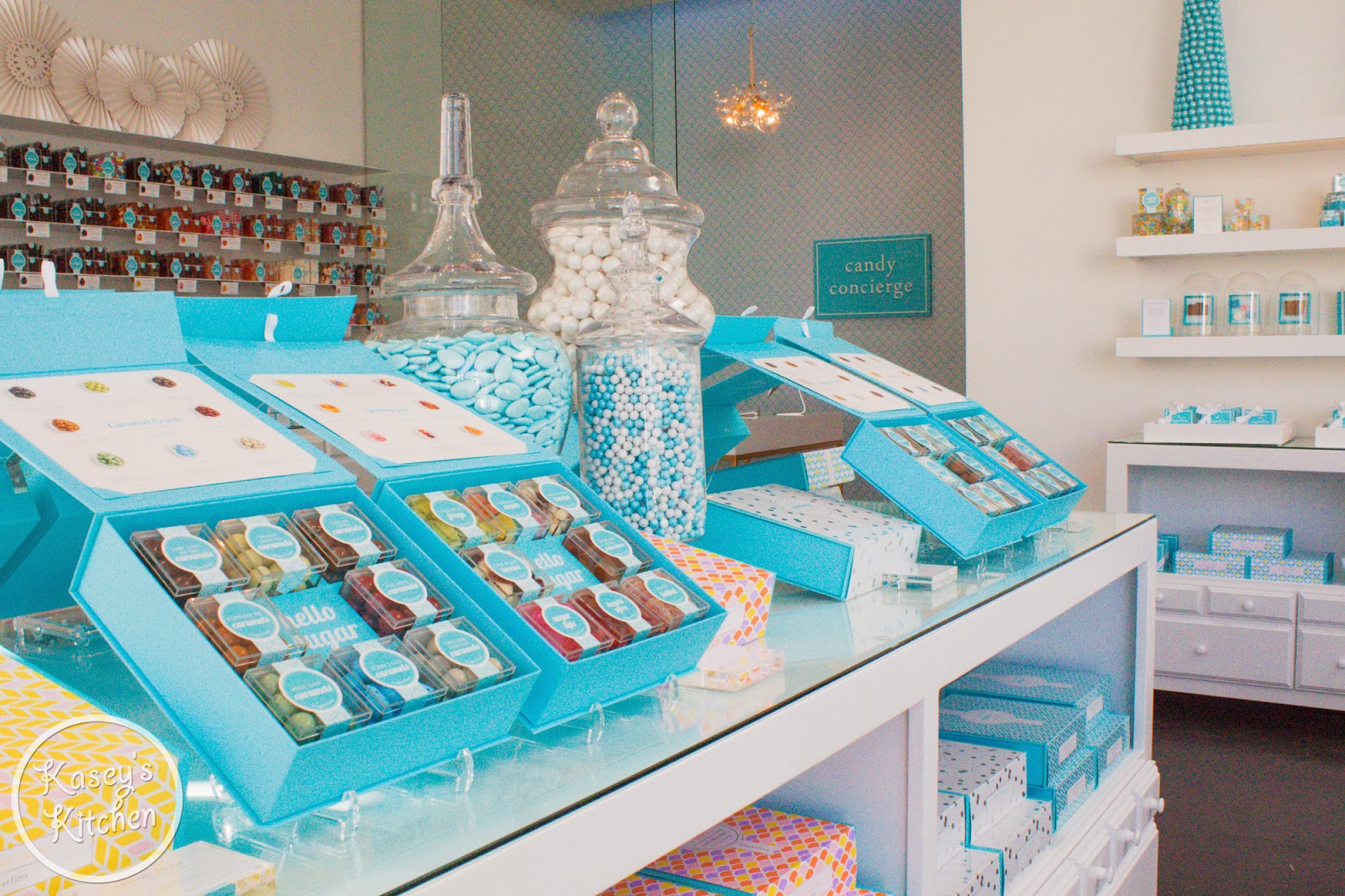
    Luxury confections boutique Sugarfina has teamed up with specialty-coffee chain The Coffee Academics in a collaboration targeting lovers of premium candy and fine coffee.

    The Cold Brew Coffee Collection by Sugarfina presents the world’s first coffee-infused gummy bears in three flavours – Cold Brew Bears, Bourbon Cold Brew Bears and Iced Vanilla Latte Bears. The Cold Brew Coffee Collection Candy Bento Box also features a special coffee blend by The Coffee Academics made exclusively for Sugarfina.

    All coffee-infused gummy bears are completely fat-free and gluten-free, made with natural ingredients without artificial flavours or colouring.

    Designed by Sugarfina’s Hong Kong team, the collection is presented in the signature black and gold palette of The Coffee Academics brand, and features the Sugarfina bear as a “bearista”.

    Besides the coffee-infused gummy bears, The Coffee Academics has also created a Vanilla Cream Cold Brew Coffee exclusively for Sugarfina, featuring cold brew coffee made with the Sugarfina blend and topped with a vanilla cream foam. The iced beve

  • Aesop store in Seoul features reclaimed red bricks

    Aesop store in Seoul features reclaimed red bricks

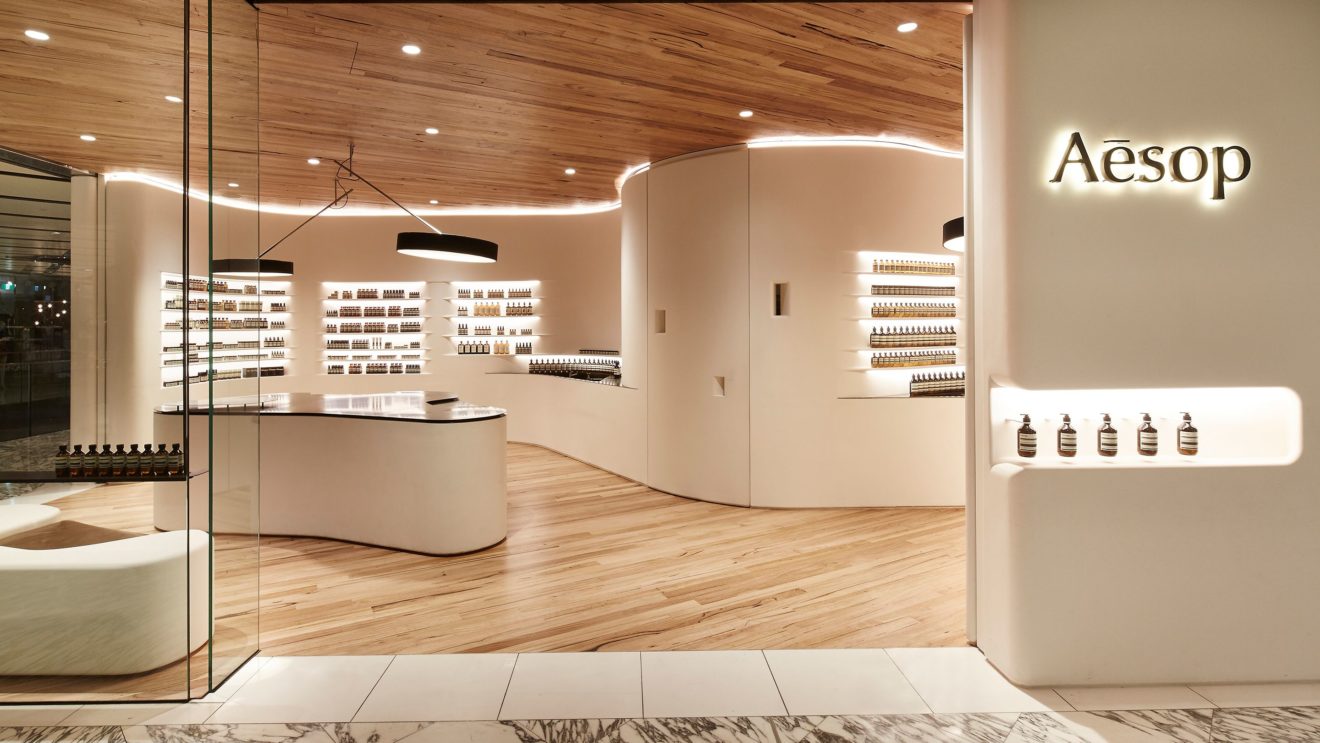
    Luxury skincare brand Aesop has opened a distinctive store in south-central Seoul designed by Hong Kong designers Mlkk Studio.

    The designers laid out the two-level Aesop store in Seoul using reclaimed red bricks to fashion within the building’s slate-grey brick facade to create a warm and inviting shop interior. It is intended to provide a cozy retreat for shoppers, especially during the cold winter months.

    “It gave an exciting opportunity to do something just the opposite with the same material,” said an Mlkk Studio spokesperson. “The choice of material also creates a dialogue with the architecture and effortlessly blends the interior and the exterior … The bricks add color variety and enrich the sense of time and history of the space.”

    The bricks are also used in the store’s service counter and for a sink where customers can try out the products. Two arched cubby holes with copper shelving are built into the rear wall, resembling traditional Korean kilns.

    The Aesop store in Seoul is one of many stores by the brand profiled on design site Dezeen.

  • Philipp Plein opens second Bangkok Store

    Philipp Plein opens second Bangkok Store

    Fashion label Philipp Plein has launched its second location in Thailand.

    The new Bangkok store at IconSiam Mall follows the brand’s first outlet in Phuket, which opened in 2016. The opening is in line with Philipp Plein’s general expansion plans in the region, with a store having just opened in Singapore and another to follow in the Philippines later this year.

    The Bangkok store’s shopfront is designed in black marble featuring a giant Swarovski crystal skull.

    The store also displays a Murano skull chandelier, hexagonal tables and metallic displays.

  • Singapore startup Tuzo wants to help retailers hyper-personalise stores

    Singapore startup Tuzo wants to help retailers hyper-personalise stores

    Singaporean tech startup Tuzo is using AI to help retailers hyper personalize stores.

    The firm is focused on harnessing artificial intelligence and machine learning to help retailers tailor shopping experiences to their shoppers’ preferences, using real-time web browsing and shopping data. The hyper-personalized experiences are designed not only to help increase revenues for retailers, but also to generate data and shopper insights to help plan demand.

    “We have seen conversions go up by up to 50 percent, and basket size up by up to 40 percent in a large department store while the customer satisfaction with our BraFit solution was as high as 90 percent,” said Tuzo CEO Mohit Agrawal.

    Tuzo has solutions for apparel, lingerie, beauty, bags, footwear and jewelry – and is targeting department stores, offline fashion retailers and online stores. Tuzo also helps retailers digitize their inventory by tagging the products automatically for catalog creation using computer visuals. It also offers a visual search product, which allows shoppers to search for an item just by taking or uploading a picture, and a style advisor that engages with shoppers at a personal level by advising a complete look based on shopper preferences, retailer inventory and fashion trends.

    “Tuzo leverages algorithms developed using AI and machine learning to bring together the shopper preference, fit and global/regional fashion trends,” said company co-founder Sudhir Jha. “Tuzo solutions drive the omnichannel efforts of retailers. Tuzo will continue to invest in the development of cutting-edge technologies for the retail industry.”

    In its next phase of growth, Tuzo is planning to help hyper personalize stores in other Southeast Asian countries.

  • Large queues for Sephora store opening

    Large queues for Sephora store opening

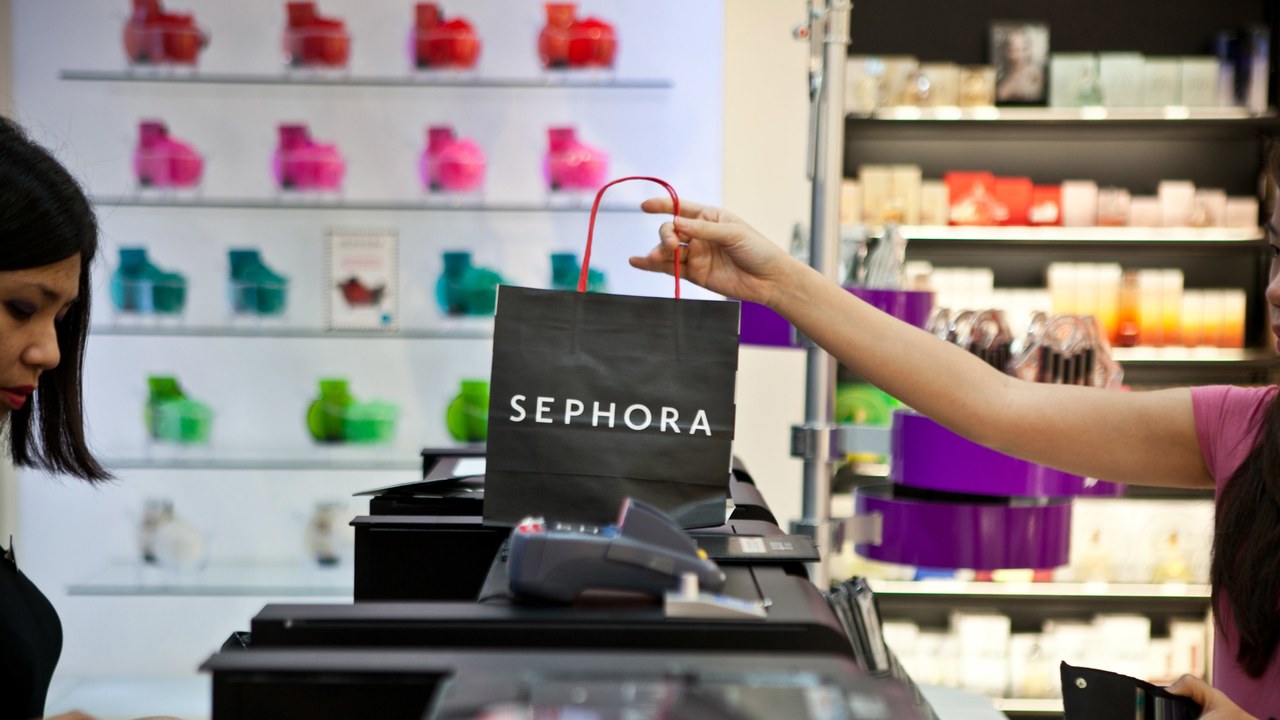
    After much anticipation, Sephora’s first New Zealand store opened last weekend on Queen Street in Auckland, with hundreds of Kiwis lining up for the launch.

    Many would-be beauty-buyers camped out overnight to ensure they were the first into the store, which officially opened at 7am on Saturday, July 20.

    Sephora spent an estimated $5 million to fit out the store, which was announced in early May after months of speculation.

    The launch is part of a larger expansion into the Asia-Pacific region, which will see the make-up retailer set up shop in Hong Kong and Korea.

    “We believe that New Zealand will be a key market in building Sephora as the most loved beauty community in Asia, and the world,” said president of Sephora Asia Benjamin Vuchot.

    “This expansion to a new market will allow Sephora to continue to amplify global beauty trends locally, elevate what our clients expect of the in-store experience and bring fresh, digital touch points to the retail environment to create a virtual, client-centric cycle.”

    In the lead-up to launch, Sephora toured the country in a “Beauty Bus”, giving remote customers a chance to trial its products before the local offering officially went online.

    However, not everyone was pleased with the launch. The New Zealand Maori Council called for the Government to investigate the cosmetics company after they were “caught dumping hundreds and thousands of waste paper products embedded with cosmetic chemicals down the drains”.

    “And all, according to a spokesperson for Sephora New Zealand, with the permission of the Auckland Council,” New Zealand Maori Council executive director Matthew Tukaki said.

    “As Maori we consider ourselves as protectors of our whenua and our water ways and I will be damned if I am going to standby and allow Auckland City Council to grant a license for this company to dump their waste directly into our system.”

  • Panerai reopens Macau Galaxy boutique

    Panerai reopens Macau Galaxy boutique

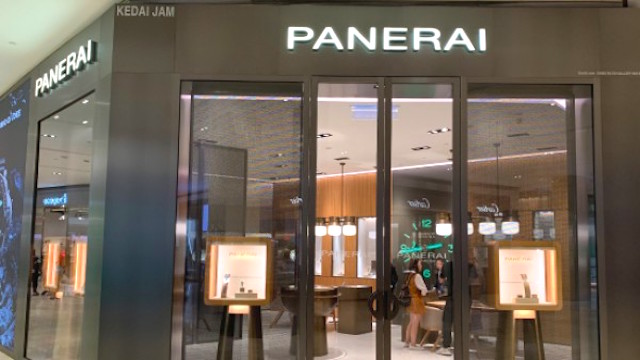
    Italian high-end watchmaker Panerai has opened its renewed Galaxy boutique in Macau.

    The 42sqm store joins the existing locations in Wynn Macau and Wynn Palace and is located at the Galaxy Macau resort on Cotai Strip, where the most prestigious local hotels and entertainment areas are based.

    The concept of the design and materials used for the Panerai area reflects its Italian tradition with an underwater theme. Panerai supplied the Italian Navy with precision instruments for many decades, in particular its specialist diving corps.

    Panerai now has 87 boutiques throughout the world, three of which are in Macau.