Tag: Shop

  • Marks & Spencer Singapore store opens at Jewel Changi

    Marks & Spencer Singapore store opens at Jewel Changi

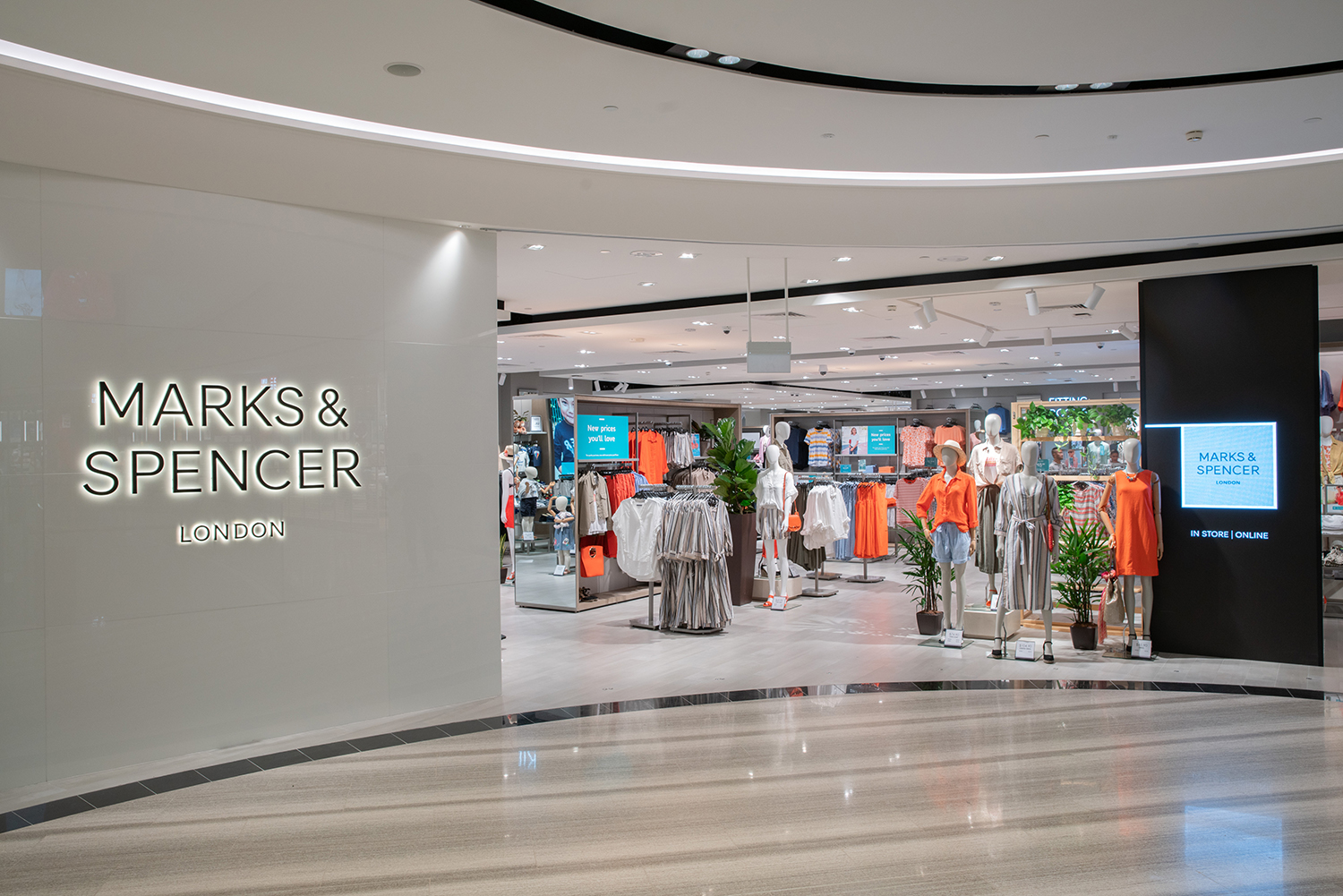
    Marks & Spencer Singapore will open its Jewel Changi store this Wednesday.

    The 13,000sqft space offers M&S’s clothing and accessories across womenswear, menswear, lingerie and kidswear.

    The store also features Food Hall which will include nearly 3000 lines of food and drinks, including international award-winning wines.

    Customers can expect a variety of chilled food and drinks including fresh sandwiches, prepared salads, fruit and vegetables, meat and dairy, prepared meals, inspired by world cuisines.

    The new store also features an M&S in-store bakery, selling coffee-to-go and patisserie goods.

    “Our new store at Jewel Changi Airport will combine the best of our clothing collections and high-quality food with an inspiring shopping environment and exceptional customer service, offering a truly special experience,” said Christine Choi, Marks & Spencer Asia CEO.

    A new feature of the Jewel Changi store will be unique name badges for staff which bear ‘Singlish’ taglines such as ‘I am Stylo Milo, ‘I am Tok Kong’, and a few other variations embracing local culture.

    From April 17 to June 11, shoppers can enjoy special offers including lucky draws and free M&S cooler bags.

  • Foot Locker Opens in Jewel Changi Airport, Celebrating Youth and Sneaker Culture

    Foot Locker Opens in Jewel Changi Airport, Celebrating Youth and Sneaker Culture

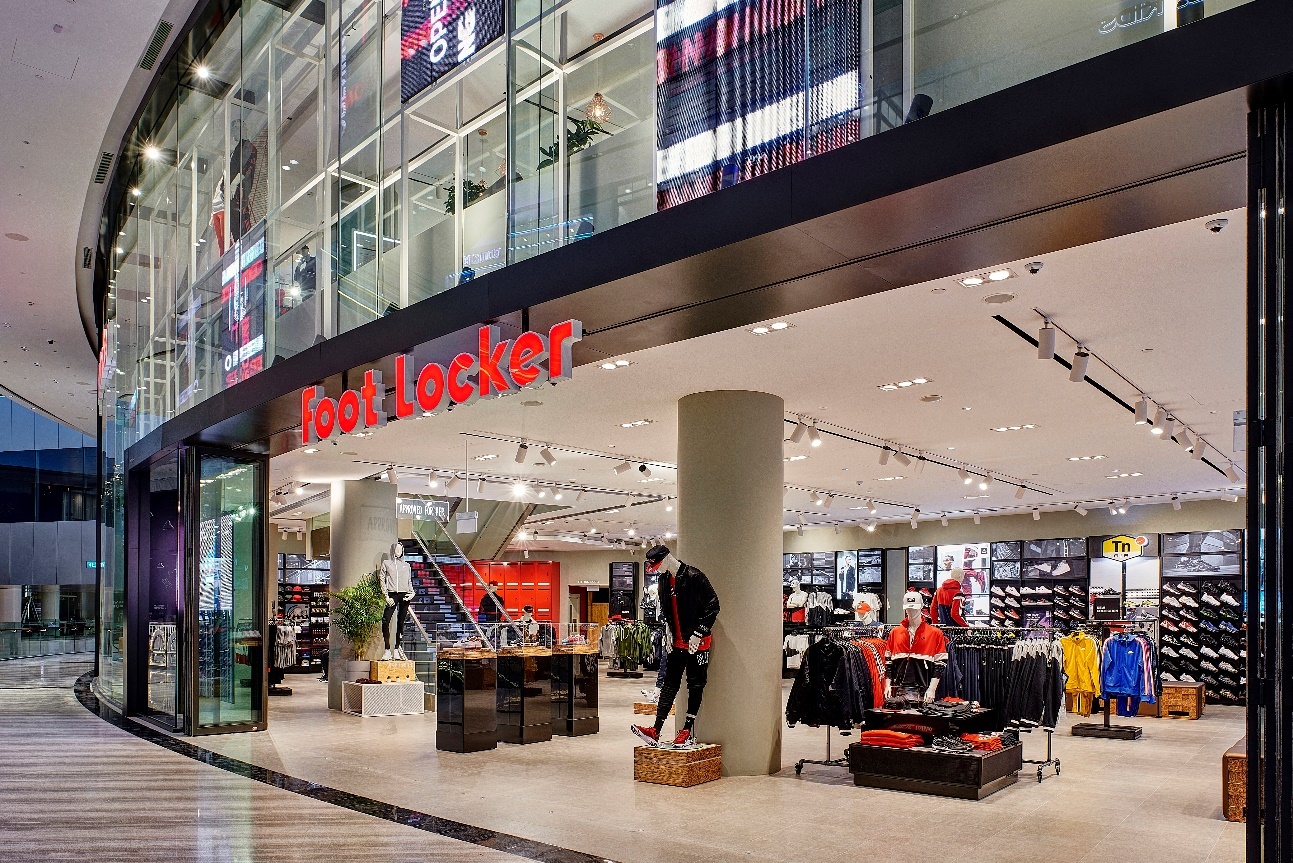
    Located in Jewel Changi Airport, the two-story space with a dedicated women’s and kids’ area, delivers an engaging retail experience, combining premium products, elevated in-store presentations, as well as enhanced customer experiences.

    With impressive footwear and apparel collections from global brand partners, customers can expect elevated product storytelling from Nike, adidas, Puma, Fila and Champion. The store celebrates basketball culture, offering a premium selection of sneakers and apparel from Nike and Jordan, and features the widest selection of Nike Air Max Plus (TN’s) available in market.

    The store features specially commissioned artwork by local artist Clogtwo, setting the tone for how Foot Locker will regularly tailor the store to the local community.

    To celebrate the launch, Foot Locker hosted a preview event for media. Attendees experienced Xbox gaming, a pop up nail bar and Nike customisation.

    Commenting on the new store, Tomas Petersson, VP and GM, Foot Locker Asia said, “The Jewel store gives Foot Locker a great opportunity to engage and inspire youth culture within the local community. We designed a space that celebrates the city’s creative community and inspires Singapore’ssneaker enthusiasts.”

  • Sandro Hong Kong Opening Festival Walk Maal Boutique

    Sandro Hong Kong Opening Festival Walk Maal Boutique

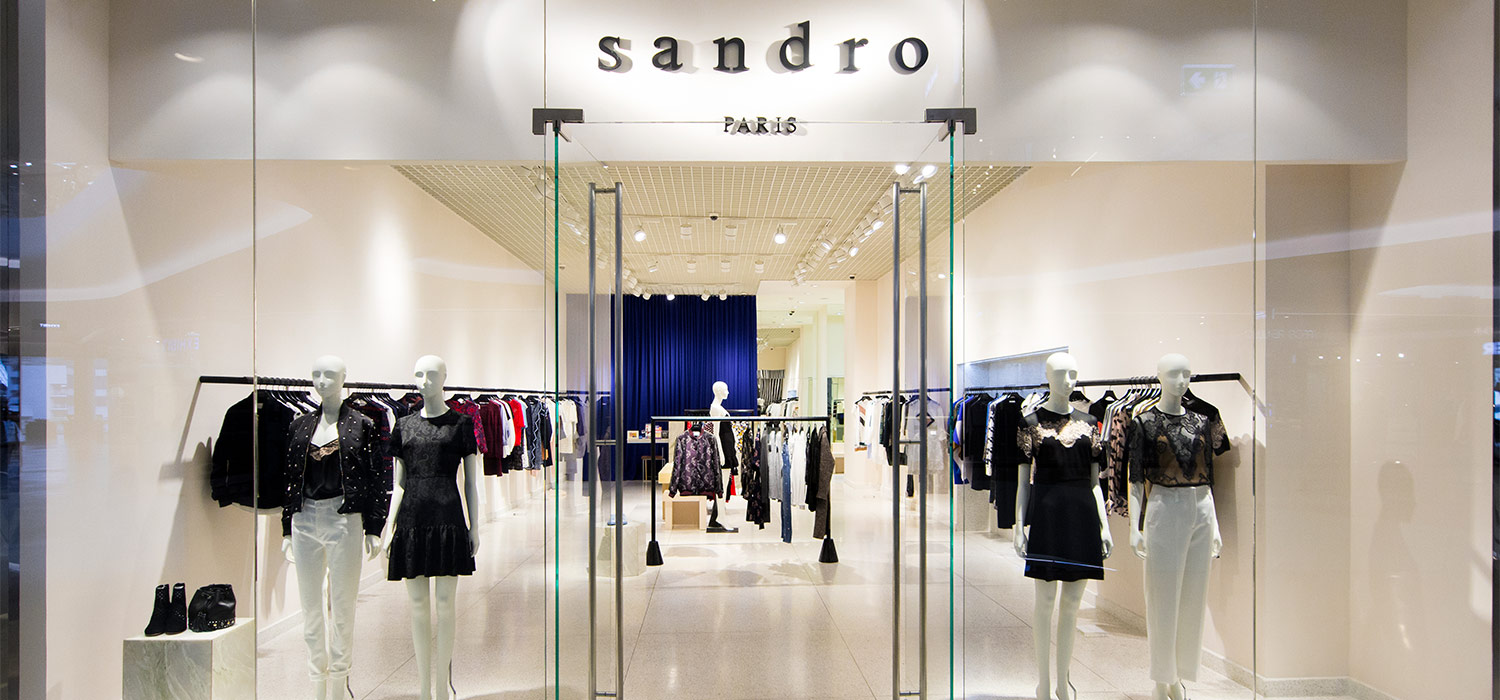
    Parisian fashion brand Sandro Hong Kong will open its Menswear and Womenswear boutique at Festival Walk Hong Kong this month.

    The 128sqm boutique features a contemporary design with a full limestone shopfront;  the boutique will showcase the most diverse range from the brand in an understated, sophisticated setting.

    The store’s interior is characterised by contrasts – as reflected in the simplicity of clean lines against strong graphic features as well as the use of different raw materials and texture such as wood and marble.

    For the Spring-Summer 2019 season, Sandro Homme will celebrate the streetwear spirit of the 1990s. The Sandro women’s look draws on contrasts from around the world and adopts duality as a fixed design feature.

    Sandro currently has more than 600 points of sales worldwide, including more than 180 in Asia.

  • Counterfeit goods seized in Stanley retail raids

    Counterfeit goods seized in Stanley retail raids

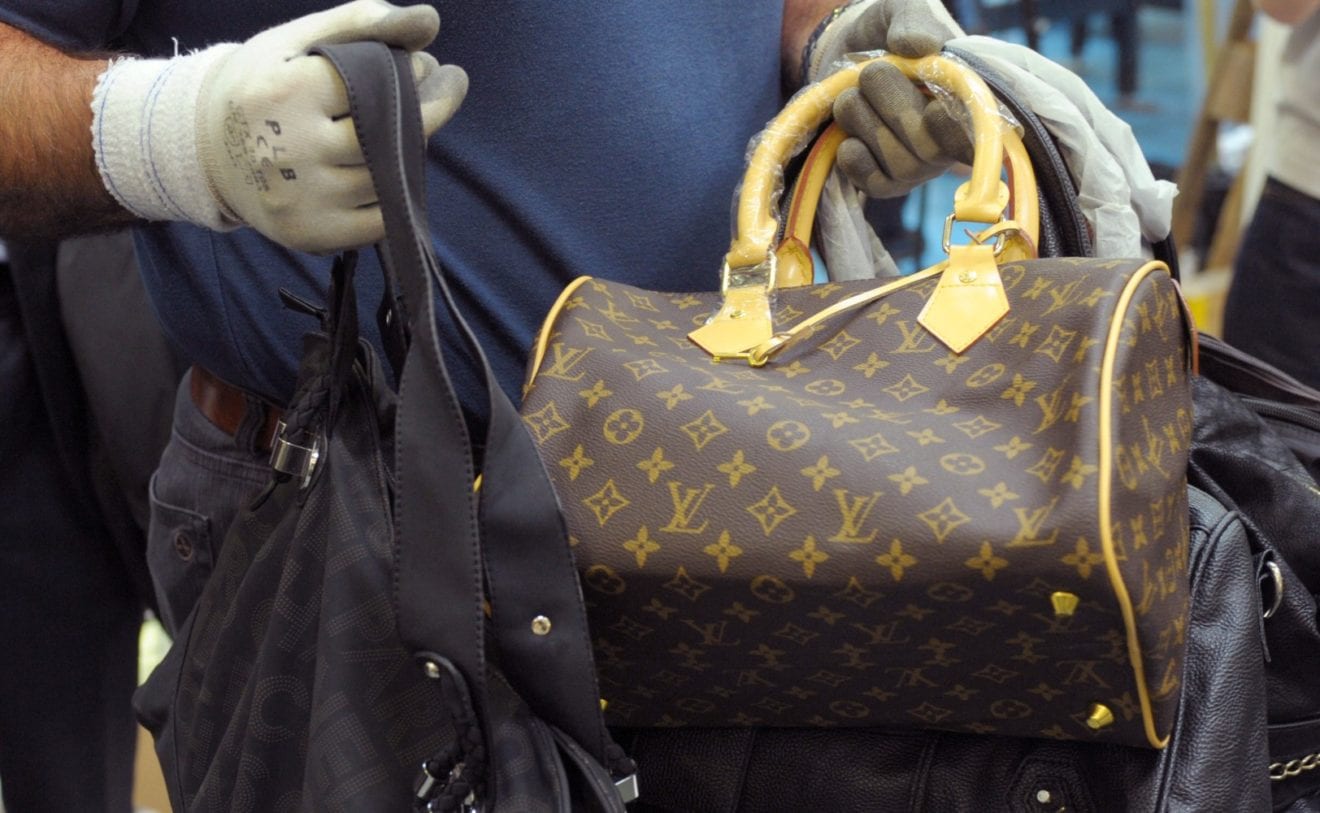
    Hong Kong Customs seized about 1300 fake branded items with a street value estimated at $600,000 during Stanley retail raids yesterday.

    The raid followed an earlier patrol where officers found suspected counterfeit goods were being sold at retail shops in the seaside suburb.

    The goods seized included handbags, leather products and clothing.

    A Customs spokesperson said that with the assistance of trademark owner, Customs officers took enforcement action, raiding two retail shops and one storage facility in the district.

    One man and two women were arrested – a shop owner and two salespersons, all aged between 34 and 47.

    The investigation is ongoing.

    Customs has previously said it will continue to step up inspection and enforcement to combat the sale of counterfeit goods and the number of raids in the territory has increased this year.

    “Customs reminds traders to be cautious and prudent in merchandising since the sale of counterfeit goods is a serious crime and offenders are liable to criminal liability,” said the spokesperson.

    Under the Trade Descriptions Ordinance, any person who sells or possesses for sale any goods with a forged trademark commits an offence. The maximum penalty upon conviction is a fine of $500,000 and imprisonment for five years.

  • Union calls out Noni B over workplace issues

    Union calls out Noni B over workplace issues

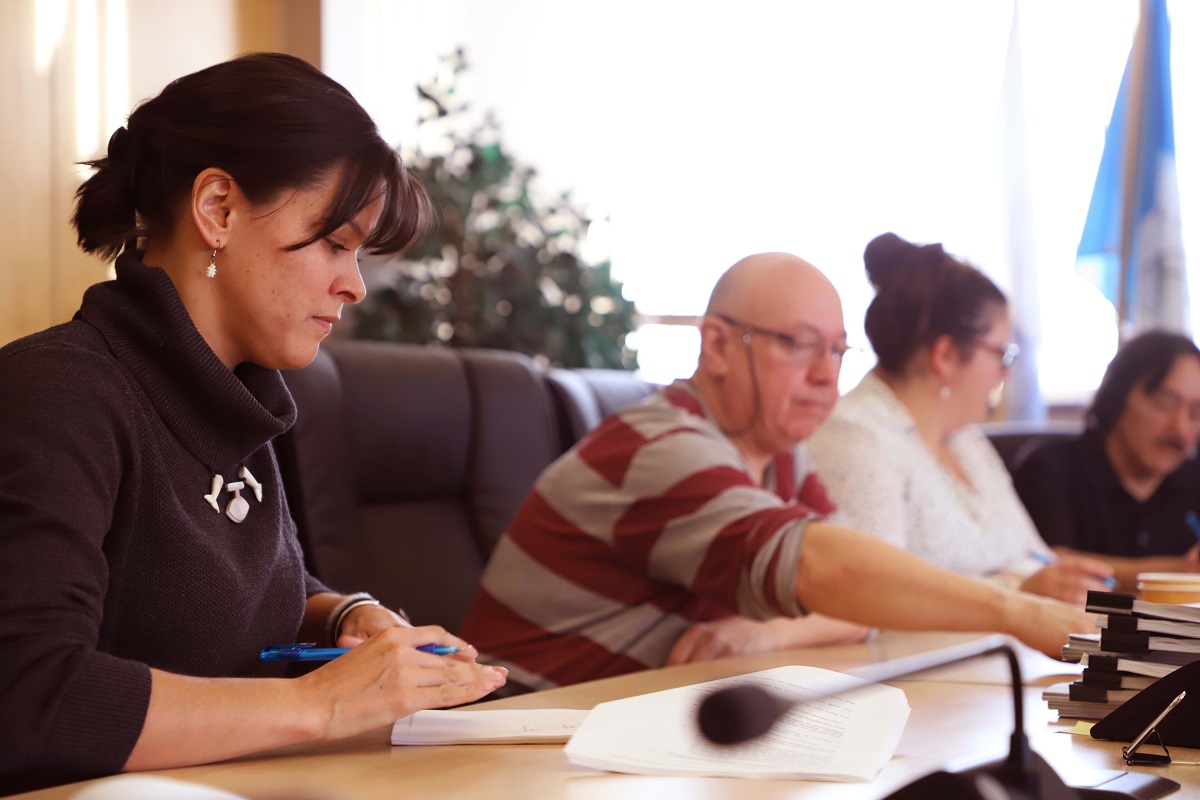
    The Shop, Distributive and Allied Employees Association (SDA) says it has received numerous complaints from Noni B employees on a range of workplace issues, from cuts to part-time hours and take-home pay, to health and safety concerns, to consistent understaffing and pressure to meet unrealistic sales targets. The complaints follow the SDA’s refusal earlier this month to approve a proposed enterprise bargaining agreement that it had been negotiating with Noni B after the Fair Work Commission ordered the fashion chain to scrap its previous agreement by March 4.

    That agreement, which expired in 2014, allowed staff at the recently acquired Specialty Fashion Group chains – including Autograph, Crossroads, Katies, Millers and Rivers – to be paid below the industry award, with no overtime, evening or weekend penalty rates. The SDA was on board with the proposed new agreement until Noni B declined to back pay employees and cut part-time hours by 20 per cent in the final days of the old agreement. Despite the fact that 81 per cent of employees who voted were in favour of the deal, the union has refused to sign it, which could prevent Fair Work from approving the proposed agreement.

    A Noni B spokesperson told at the time that the move was “unprecedented”.The Retail and Fast Food Workers Union has also attempted to block the deal.

    The SDA on Sunday said that Noni B’s decision to cut hours for part-time workers has placed excessive sales demands and work tasks on remaining staff, resulting in them being unable to take breaks to go to the bathroom.

    “In some cases, this deliberate understaffing meant retail employees were at times left in stores alone and could not take toilet breaks or were forced to lift heavy boxes and work up ladders in an unsafe manner,” Gerard Dwyer, national secretary of the union for workers in retail, fast food and warehousing, said in a statement.

    “The lack of staff has also resulted in masses of stock remaining unprocessed and being stacked in change rooms and blocking fire escapes, clearly in breach of WHS [workplace health and safety] laws.”

    A spokesperson for Noni B, which also operates the Rockmans, W Lane, Beme and Table Eight chains, told IR it was “most unfortunate that the SDA has decided to wage its campaign through the media against Noni B Group’s enterprise agreement, which has been approved by 81 per cent of the group’s relevant employees.”

    “The company has tried to arrange a meeting with the SDA to discuss its specific concerns, and a meeting arranged for last week was cancelled by the union. The safety and wellness of the group’s people are critical to the company and all concerns are investigated and where appropriate addressed,” the spokesperson said.

    A further statement from Noni B Group is expected later today.

    The SDA claims the company has attempted to force managers to sign “individual contracts” that could leave them worse off when compared with the Award, “depending on their rosters”.

    “As a result of these multiple workplace breaches and some shortcomings in the proposal itself, the SDA has refused to approve the proposed Noni B enterprise bargaining agreement,” Dwyer said.

    “The message is clear. It’s time for Noni B to clean up its act and to adhere to good workplace practices for its retail staff.”

  • Furla Exceeds 500 Million

    Furla Exceeds 500 Million

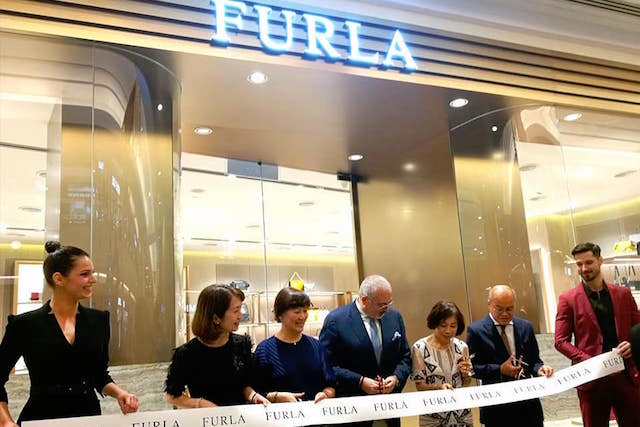
    Turnover of the storied Italian leather goods brand increased to 513 million euros. Over the course of the fiscal year, the company made significant investments to strengthen its supply chain and technology – and began 2019 with the launch of its new sneaker collection

    Furla Group continues to grow: over the past four fiscal years, it has doubled its turnover, hitting 513 million euros in 2018, a 5.2% increase at constant exchange over 2017 (or a 2.8% increase at current exchange).

    Analyzing sales by geographic area and at constant exchange, the Asia Pacific region shines, with an 18.2% year-on-year increase in 2018; it now accounts for 26% of total turnover. The United States, meanwhile, saw an increase of 13.2%, and now accounts for 8% of total turnover. Japan remains the brand’s leading market (22% of total sales), and sales there were up 3.6% compared to 2017. The EMEA region, which represents 44% of global turnover, maintains its market position.

    Furla Group continues to seek direct control of its brand distribution through a strengthening of its mono-brand stores, which produced 70% of turnover in 2018. Direct distribution, combined with multi-brand sales points and franchising, allows Furla to have a far-reaching presence in 98 countries worldwide: its 490 mono-brands (285 directly owned, 163 franchisees and 42 travel retail doors) are in the most prestigious international shopping locations. Over 1,200 select multi-brands and department store corners complete the company’s distribution network.

    Of particular note is the travel retail sector, which is in continuous evolution and in 2018 registered a 16.2% increase over 2017, accounting for 7.3% of the Group’s turnover through its sales at 293 doors, from boutiques, corners, shop-in-shops, aircraft and cruise ships, across 64 countries.

    The company paid special attention to its direct e-commerce platform, where, thanks to repeated investments, there was a substantial turnover increase in 2018: 45.7% over the previous year, at constant exchange.

    Furla Group is focused on solidifying the wild growth it has experienced over the past several years. The company has directed major resources toward strengthening the supply chain, as well as systemically integrating countries with direct and indirect distribution networks into Furla’s corporate culture and technology.

    The supply chain, which is key to guaranteeing the quality and timeliness of manufacturing, has recently benefited from the company’s adoption of a more evolved and high-performing computer system, as well as financial tools that free up resources so that suppliers can invest in bettering the manufacturing cycle.

    After years of geographic expansion across the globe, the Group is now focused on a more selective development and on categories of merchandise that are complementary to its core business: in February of this year, during Milan fashion week, Furla introduced its new sneaker collection, supported by a series of important 360° marketing activities.

    Furla has further strengthened investment in its marketing operations, underlining its particular attention to digital communication and social channels, which have shown an important increase of followers (+64% versus 2017 on Instagram and WeChat), while maintaining one of the highest engagement rates (1,59%) within the fashion luxury category.

    Furla Group’s continuing investments in human resources have long allowed it not only to add jobs, but also to provide a better quality work life at the company and incentivize employees through its corporate welfare system “Furla for You.” This initiative has been recognized two years in a row for its excellence, with Furla listed among Italy’s Top Employers.

    “We are highly satisfied with these financial results, which we achieved at a challenging time for the international market,” said Alberto Camerlengo, Chief Executive Officer of Furla Group.  “We’ve invested significant financial resources in managing the unrestrained growth the company has experienced over the last several years, from acquiring total control of our retail distribution network in China, Hong Kong,Macau and Singapore, to strengthening our supply chain. Our single, fundamental goal has always been to guarantee continuity and excellence in all of Furla’s creations.”
  • Promising signs of change at Myer

    Promising signs of change at Myer

    Myer’s move to reduce discounting and cut operating costs, while focusing on online sales and exclusive brands, had a positive impact on earnings in the first half of FY19, driving a 3.1 per cent increase in NPAT and 99bps improvement in gross margin. But some remain sceptical that these changes will be enough to drive long-term growth.

    “Despite a better-than-expected result [in the half], the long-term outlook for Myer remains challenging,” Bryan Raymond, Citi analyst for retail and gaming, said in a report released to investors on Wednesday evening.

    Further cuts to the cost of doing business – which Myer achieved primarily through ‘rostering efficiencies’, essentially fewer staff hours, in the first half – could negatively impact like-for-like sales going forward, Raymond said.

    The reduction in discounting could also hamper like-for-like sales growth, especially as the timing of state and federal elections this year is expected to dampen consumer sentiment.

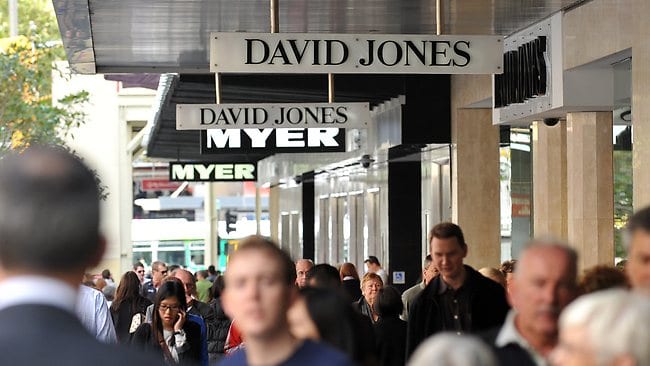
    In a call to investors on Wednesday, Myer CEO John King said the retailer had removed four weeks of discounting from its calendar during the first half and plans to do the same in the second half, which he acknowledged would result in a “lumpy” topline for the year. But he said this was necessary to return the business to profitable growth.

    While the reduction in discounting has led to an improvement of 99bps in Myer’s gross profit margin for the half, Raymond warned the uptick could ease, if Myer’s rival David Jones starts discounting to clear excess stock. Worryingly, Raymond noted that David Jones’ inventory per sqm has increased 26 per cent over the past two years.

    At the same time, however, many of the ‘Customer First’ changes King outlined on Wednesday were implemented just five months ago, and their full impact won’t be measured or felt for some time.

    For instance, King said the company is in the process of moving online order fulfilment from back-of-house in department stores to a centralised distribution centre, which he said would allow the retailer to increase the range of items it sells online, improve order fulfilment speed and increase its selling area in stores. This project is not expected to be completed until next year.

    Another significant change that is still in progress is the reduction of physical floor space across the network. This will see Myer hand back entire floors in some stores to landlords, and shrink certain categories and expand others. King on Wednesday said the shape of the business will change as it reduces its physical selling area and rapidly expands a central online business.

    King expects to have more information about which stores will be downsized or rationalised in September.

  • H&M opening a Tauranga Crossing store

    H&M opening a Tauranga Crossing store

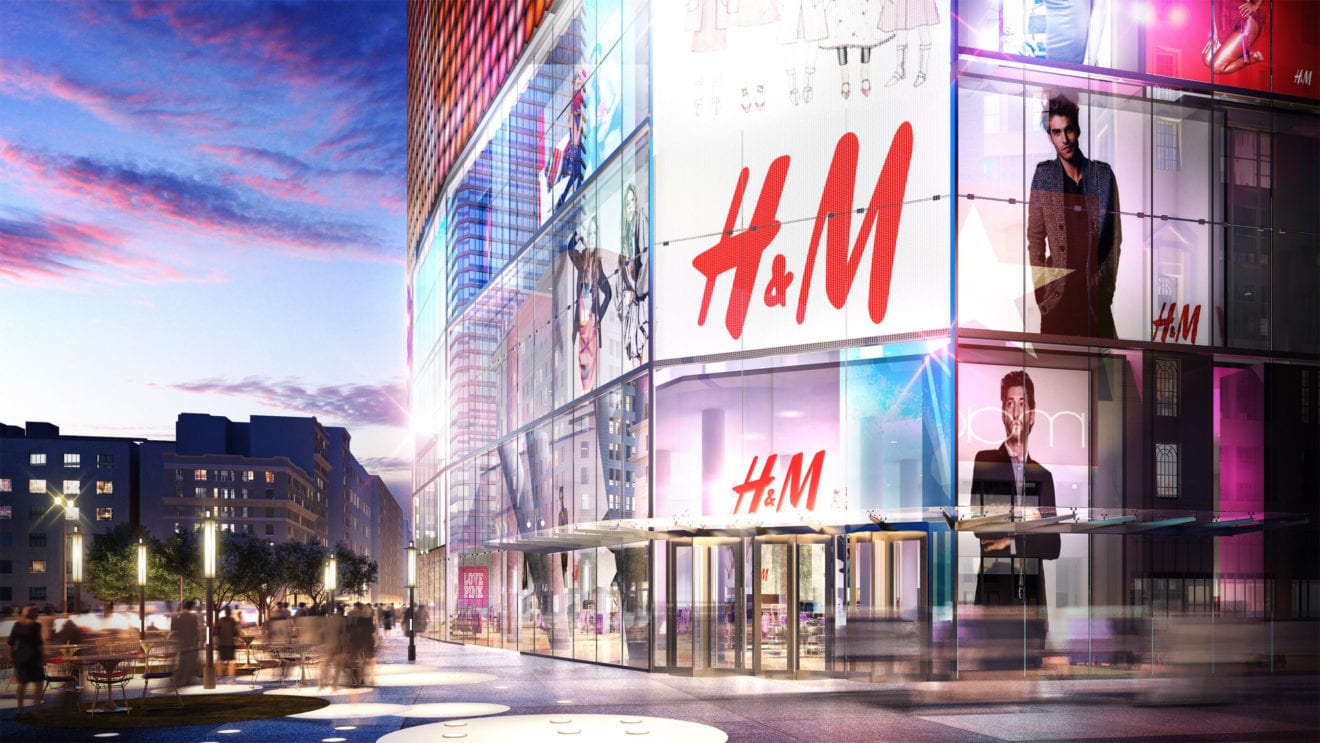
    Fast fashion retailer H&M announced it will open its fifth store in New Zealand on April 4 in Tauranga Crossing, Bay of Plenty. The new store, set in 1600sqm, will have two levels and will feature apparel and accessories for men, women, youth, kids and baby, and its home concept.

    “We are thrilled to finally be opening a store in the Bay of Plenty region and offer our customers an incredible fashion destination within a superb shopping centre” said Daniel Lattemann, country sales manager for H&M New Zealand.

    “We are also looking forward to introducing our H&M Home concept as we know it has been a customer favourite since making its New Zealand debut in 2017.”

    H&M entered the New Zealand market in 2016 and opened its first store at the Sylvia Park mall. The retailer’s other stores are located in Commercial Bay in Auckland, The Crossing in Christchurch and Queensgate in Wellington.

    The Swedish fashion retailer also announced recently it will open a third Auckland store which will be located at the Botany Town Centre and will be launched in autumn 2019.

    Last month, H&M posted a drop in profits for the year ending November 30, blaming the decline on its investment aimed at boosting its online business.

    The world’s second largest clothing retailer embarked on a transformation program last year, investing heavily in logistics and digital technology aiming to improve shopping experience and product selection. This includes an upgrade in its mobile app, faster deliveries and the rollout of click-and-collect.

    In the last three months of its financial year, the company spent around 450 million Swedish crowns on logistics and technology, including resolving problems it flagged earlier in 2018.

    H&M chief executive Karl-Johan Persson said the upgrade in their logistics systems inevitably resulted in increased costs but will lead to a range of improvements for their customers.

  • LuLu Group opens first Build-A-Bear store in India

    LuLu Group opens first Build-A-Bear store in India

    LuLu Group International’s retail arm Tablez has launched the first Build-A-Bear store in India. The American personalised, experiential toy-retail brand is now available at Toys R Us in Phoenix Marketcity, Bangalore. Selling customised stuffed toys, the firm aims to reach 9 million sales in the top 15 cities in India within five years out of standalone stores and Toys R Us shop-in-shop formats.

    “The Build-A-Bear concept is a one-of-a-kind retail experience, and we are thrilled to open the first store in Bangalore,” said Tablez MD Adeeb Ahamed. “Build-A-Bear is synonymous with creativity and novelty for children. I am sure that each child that enters our store will cherish their experience and leave with an indelible memory.

    “From standalone stores to shop-in-shop formats, Build-A-Bear is ready to reach out to families and kids in India and help loved ones create memories and spend more time together. We plan to open 20 standalone stores of Build-A-Bear across key cities in India over the next 10 years, along with shop-in-shop formats across all our Toys R Us stores as well,” he said.

    The Build-A-Bear brand is best known for its “Choose Me” wall, from which each guest can choose an unstuffed animal to bring to life. It has close to 500 stores globally.

  • Alfamart Philippines opening 200 new stores this year

    Alfamart Philippines opening 200 new stores this year

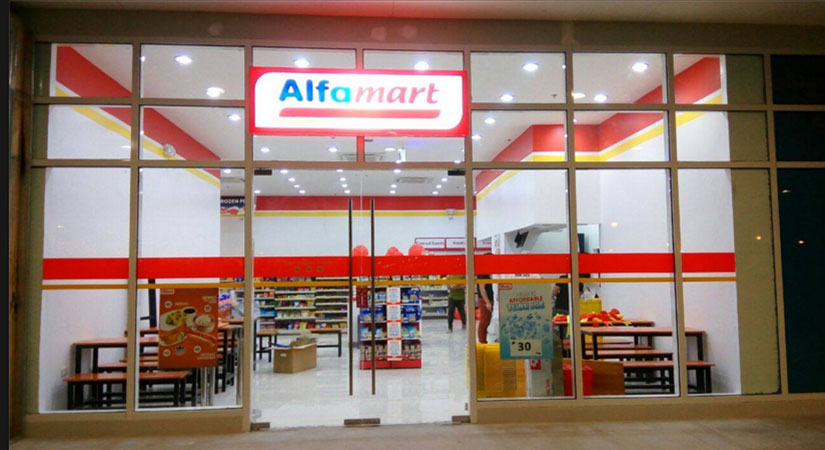
    Mini-mart chain Alfamart will open 200 new stores in the Philippines next year, according to a Fitch Ratings report. It said Alfamart Philippines stores already has 400 stores in the country, of which 180 were opened this year in partnership with local operator and majority stakeholder SM Group. The 200 new stores will take its total network to 600 locations in the Philippines by the end of next year.

    “Alfamart’s investment risk for its Philippine expansion is mitigated by the strong presence of SM Group in the country … Fitch expects Alfamart to have access to SM Group’s large business network and tap its widely known brand”.

    SM Retail operates 1729 stores nationwide. Alfamart’s Indonesian parent has a 35 per cent stake in the Alfamart Philippines business.

    According to the report, “Both Indonesia and the Philippines are consumer-driven markets with young populations and expanding middle classes. Both economies have similar income levels of GDP per capita of US$3000-$4000. Consumers in both markets also prefer to buy small amounts of bundled products rather than filling grocery carts”.

    It described the mini-mart sector in the Philippines “as untapped and having limited competition … the existing players mostly operate convenience stores that carry more limited products. Alfamart’s stores offer additional products, such as fresh and frozen food, personal care and small household appliances, giving the company some competitive advantage in grabbing market share.

    “Alfamart chose to expand in the Philippines as it believes it has more potential than other Southeast Asian markets, such as Thailand and Vietnam.”

  • Bo’s Coffee acquiring new Shops

    Bo’s Coffee acquiring new Shops

    ilipino cafe chain Bo’s Coffee plans to more than double its store network within four years and is also eyeing expansion into the Middle East.

    In an interview, founder Steve Benitez says the ambitious growth plan has been fuelled by strong local demand. With 103 cafes currently, Benitez is targeting between 200 and 250 by 2022.

    “Our job is to make sure that we are able to popularize coffee and be able to supply so much, not only in the Philippines but globally,” he said.

    In its home market, Bo’s Coffee, which was founded in 1996, will be targeting Luzon, especially given the brand has “only scratched the surface” there to date.

    In the Middle East, Bo’s Coffee plans to open a second store in Qatar shortly, followed by three more within two years. Other markets in the region are now in its sights.

    The expansion plans will be accelerated following an investment by Philippine-focused Navegar Fund which was attracted to Bo’s Coffee by its efforts to support local coffee-growing communities.

    “Seventy to 80 per cent of our coffee beans are sourced locally,” said Benitez. “We were trailblazers. We started featuring Philippine coffee and the other shops followed after.”

    Bo’s Coffee recently opened a 300sqm flagship store in Cebu which supports social enterprises by partnering with local micro-small entrepreneurs in their store interiors, products, and merchandise inside.

  • The Shoppes at Marina Bay Sands hit record high in 2018

    The Shoppes at Marina Bay Sands hit record high in 2018

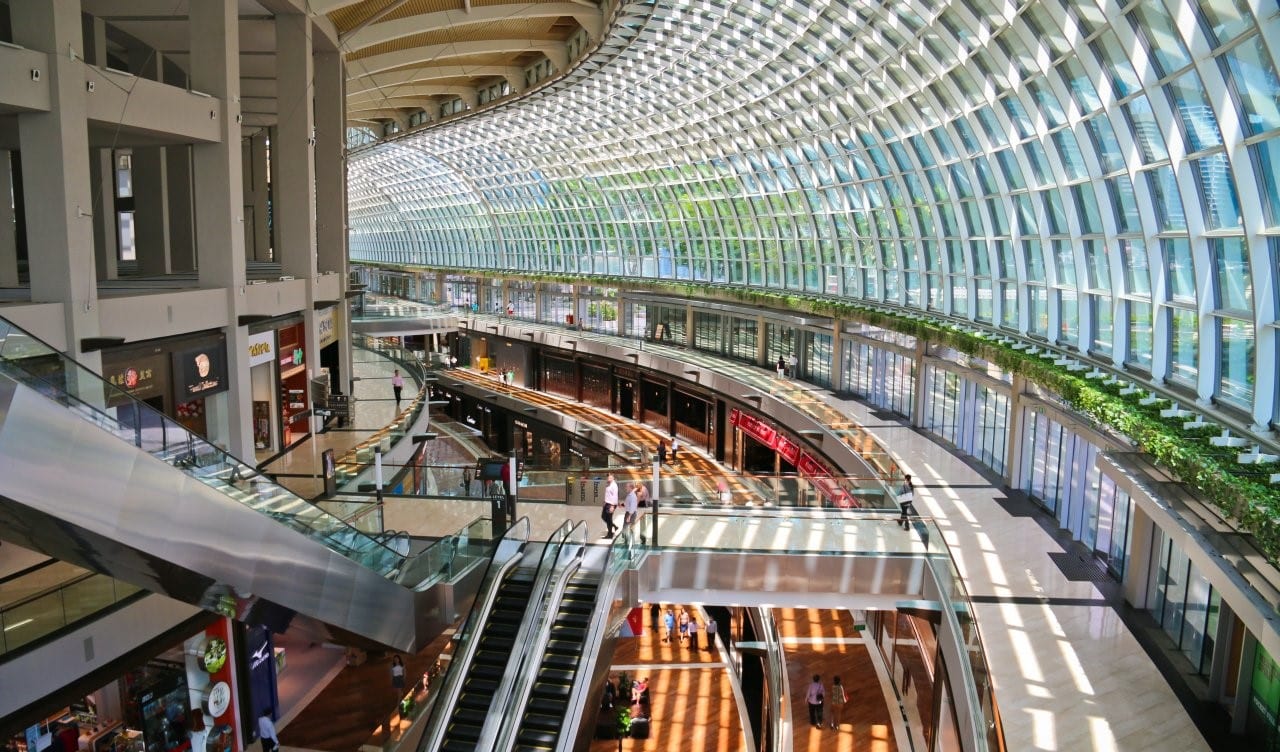
    The Shoppes at Marina Bay Sands has capped its most successful year ever, breaking revenue records in 2018 and strengthening its leading position as the luxury shopping destination in Singapore. The luxury mall, which enjoys an occupancy of 95.4%, rang in a record mall revenue of US$179 million last year, a 7 per cent rise against the same period in 2017 – by far its best performance since opening. In 2018, retail tenant sales at The Shoppes jumped 19 per cent to US$1,898 per square foot from the preceding year.

    The Shoppes also kept its top position in tourism shopping, capping a record year to represent an estimated 25 per cent of the tax-free tourist market in Singapore. This is based on industry metrics that track tax-refunded tourist receipts.

    John Postle, Senior Vice President of Retail, Marina Bay Sands, said, “2018 has been an exceptional year for the mall, as we not only achieved our highest sales revenue in history, but also solidified a leading position in tourism shopping. This is so rewarding, given the competitive retail landscape and growth of online shopping.”
    The performance is also the result of an ongoing retail remix strategy that started in 2012, which saw the mall double its footprint with luxury brands in the form of duplexes, as well as expansion into luxury childrenswear.

    This strategy, coupled with attractive programming such as late-night shopping, in-store exclusives, and one of the most generous loyalty programmes in Singapore, has resulted in 120,000 shoppers walking through the doors of the mall daily. This includes locals as well as its biggest tourism markets of China, Indonesia and Japan.

    Jan Moller, Country Managing Director, Singapore & APAC Sales, Global Blue, said, “As one of Asia’s leading shopping destinations, The Shoppes at Marina Bay Sands continues to outperform other luxury malls in Singapore to own the greatest share of inbound tourist spend in the luxury sector in 2018.”

  • Japan studies regular mandatory closings in the Retail Industry

    Japan studies regular mandatory closings in the Retail Industry

    Large-scale specialty stores such as Daiso and Ikea may be subject to mandatory closings every two weeks as the South Korean government studies the validity of such a regulation.

    Research on the appropriateness of the regulation on large-scale specialty stores will start this month, says the Korea Small Business Institute. It will examine whether the big retailers are hurting small shops, and whether the regular closures are necessary. Requested by the Ministry of SMEs and Startups, the study will determine if the regulation is necessary.

    The restriction on such large-scale specialty stores has become the thorniest issue in the retail industry. Large retail outlets such as E-mart, Home Plus and Lotte Mart are subject to restrictions on working hours following a revision of the Distribution Industry Development Act in 2012, aimed at protecting small shops. Local governments adopted ordinances based on the Act, forcing large retail outlets to close on the second and fourth Sunday of each month.

    However, critics say it is unfair as only retail outlets are subject to the regulation while shopping malls such as Shinsegae Group’s Starfield and specialty shops like Ikea were exempted.

  • The Fragrance Shop opens more stores

    The Fragrance Shop opens more stores

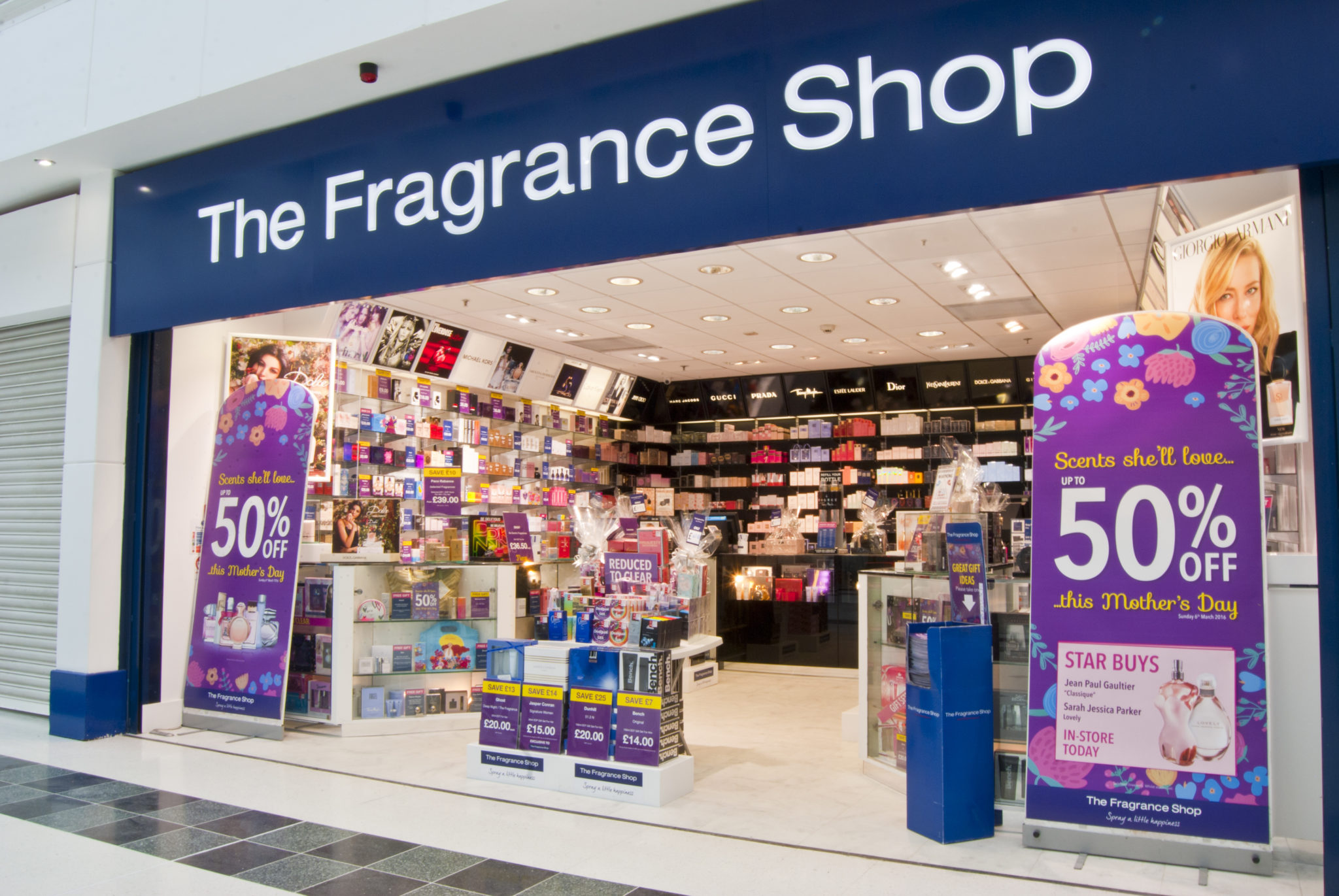
    UK perfume retailer The Fragrance Shop expanded its store portfolio to 33 stores last year.

    The retailer has enjoyed another bumper year with net sales up to £121 million, a 6 per cent increase, thanks to blockbuster launches from brands such as Chanel, Jean Paul Gaultier and Emporio Armani; and increased distribution on Tom Ford and Dior.

    Online operations continued to expand, with year-on-year e-commerce sales rising 27 per cent.

    Founded in 1995, The Fragrance Shop now operates 214 stores nationwide.

  • Fendi Thailand has launched two pop-up stores in Bangkok

    Fendi Thailand has launched two pop-up stores in Bangkok

    Fendi Thailand has launched two pop-up stores in Bangkok’s Siam Paragon. Its concept is a luxurious reinterpretation of the Roman-style vintage newsstands typical of piazza in the heart of Rome. One kiosk is dedicated to the label’s spring/summer women’s collection while the other puts its focus on the men’s collection. Both outlets feature ready-to-wear, leather goods, small leather goods, accessories and shoes.

    To mark the launch of the pop-ups, Fendi hosted a Roman-inspired cocktail party with special guests including Chontida Asavahame, Mai Davika, Nattarat Nopparuttayaporn, Note Panayangkool, Pasakorn Vanasirikul, Sonya Singha, Sorawis Saengvanich and Violette Wautier.

    Included in the men’s collection are everyday Fendi items including illustrations done by British artist Sue Tilley. Items include a glossy red corkscrew, an antique set of keys, leaky bathroom taps, a plastic rotary telephone and a desk lamp.

    The kiosks will be active until June.