Tag: Shop

  • Alibaba to open its first physical mall

    Alibaba to open its first physical mall

    Alibaba, the pioneer of Chinese e-commerce, is reportedly embarking on its first brick-and-mortar mall.

    The five-floor center, to be called “More Mall,” is being built near Alibaba‘s headquarters in the eastern Chinese city of Hangzhou, according to Caixin, a Beijing-based financial news group.

    Caixin first reported on the news Tuesday 2 September in the morning.

    A representative from Alibaba did not immediately respond to CNBC’s request for comment.

    The mall is being constructed on a 40,000-square-meter plot of land, Caixin said, and is scheduled to open in April 2018. Construction crews are believed to be finishing the building’s interior on time.

    Meantime, the internet giant has been making other moves in China to break into physical retailing.

    Alibaba CEO Jack Ma has said he wants to blend the online world with that of offline. One example is the company rolling out its own grocery concept, known as Hema.

    “More Mall” will feature unique brands from Alibaba’s e-commerce platform, Taobao, along with conventional retail brands, Caixin wrote.

    It will also have a Hema supermarket store, the publication said. Hema was first launched in 2015 as an app that allows shoppers to order groceries via a cellphone, using Alibaba’s Alipay to ring up purchases.

    In the U.S., Amazon is also encroaching on the physical world of retail — especially hurting grocery stores, after it bought Whole Foods.

    There are no reports of Amazon constructing its own mall, though. At least for now.

  • Cocona introduces Cliffside shop for climbers

    Cocona introduces Cliffside shop for climbers

    US advanced materials company Cocona has opened a shop 100m up a cliff – appropriately enough as it offers apparel for climbers.

    Suspended on Bastille Wall in Eldorado Canyon State Park, Colorado, the mini-shop provides clothing from Adidas, Point6 and Rab, all made with 37.5 Technology by Cocona that helps climbers maintain an ideal core temperature.

    “For more than a decade we’ve gone to the ends of the earth to create performance-enhancing materials for athletes,” says Cocona CEO Jeff Bowman. “Now we’ve gone to the ends of the earth to get it to them.”

    Apart from introducing the technology, Cocona is also raising awareness and support for its ongoing mission to provide access to public lands for climbing, donating $5000 to each of three bodies to replace aging anchors on climbing routes.

    Its 37.5 Technology can be found in such brands as Babolat, Bauer, Carhartt, Katusha, Kenneth Cole, Mission and Tommy Bahama.

    Cocona, headquartered in Boulder, Colorado, offers development, commercialisation and marketing of active-particle technologies, currently used to enhance comfort and performance of clothing, footwear and sleep systems.

  • Japanese retailer Aeon to launch English version of AeonEshop.com

    Japanese retailer Aeon to launch English version of AeonEshop.com

    Since entering the e-commerce market in January 2017 with the site AeonEshop.com, the Japanese supermarket Aeon has quickly gained the attention of customers thanks to its unique selling point compared to other e-commerce websites – high quality Japanese goods. To better serve customers, the firm is about to release the English version of AeonEshop.com.

    Success thanks to uniqueness

    AeonEshop’s initial success stems from its products’ variety and quality. With a focus on selling high quality Japanese goods to meet customers’ demand, the site has quickly established its foothold and become customers’ favorite shopping destination, while numerous other online sales websites have to be stopped after a short time of operation.

    AeonEshop’s operation has been pretty successful. Its products are always ensured to be updated and diverse to meet Vietnamese consumers’ needs and high standards.

    Recently, the site has made a big step by expanding its reach to the northern provinces of Vietnam like Hanoi, Vinh Phuc, Bac Ninh, Hung Yen and Hai Phong to satisfy customers who enjoy using Japanese goods.

    Hanoi is usually considered a difficult market due to geographic conditions, people’s traditional consuming habits and shopping culture. However, for those who are fond of Japanese goods, this is good news and marks a new beginning in AeonEshop’s attempt to access the northern region, which has a lot of potential for development.

  • PyeongChang 2018 to Open 1st Official Shop This Week

    PyeongChang 2018 to Open 1st Official Shop This Week

    The first official shop of the 2018 PyeongChang Winter Games will open in the South Korean capital this week, selling licensed merchandise associated with the international sporting event, local organizers said Thursday.

    The PyeongChang Organizing Committee for the 2018 Olympic & Paralympic Winter Games (POCOG) said the official merchandise store of the games will open to the public Friday at Lotte Department Store’s Myeongdong branch in central Seoul.

    The store, run by South Korean retail giant Lotte Group, also one of the sponsors for the PyeongChang Games, will sell products related with both the Olympics and the Paralympics in PyeongChang, Gangwon Province, some 180 kilometers east of Seoul. The POCOG said some 300 items, including stuffed animals of the PyeongChang Games mascots, Bandabi and Soohorang, are currently available for sale, but the number of products will double by the end of June and reach 2,000 by October.

    The POCOG said the opening ceremony for the official store will take place Sunday, featuring its honorary ambassador and speed skater Park Seung-hi, as well as other South Korean celebrities.

    The POCOG said two more official PyeongChang 2018 stores will open next month at Lotte’s department store and duty-free shop in Seoul.

    The PyeongChang Winter Olympics will kick off Feb. 8 next year for a 17-day run.

  • Chanel opens first cosmetic boutique in Vietnam

    Chanel opens first cosmetic boutique in Vietnam

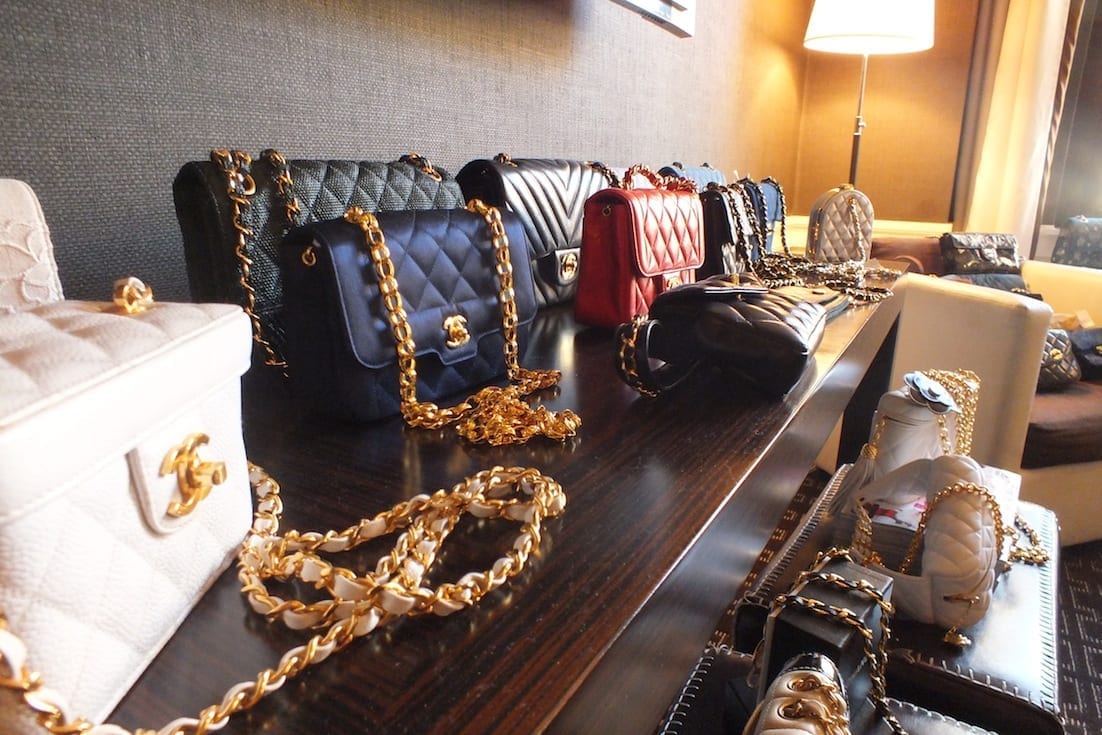
    Chanel has opened its first dedicated cosmetics and perfume boutique in Vietnam.

    Opting to debut in Ho Chi Minh City, the new store is located on the ground of the capital’s Saigon Centre shopping mall. Covering 133 square metres, the Chanel shop is designed with a tri-colour theme of black, beige, and burgundy.

    The Vietnamese outlet will sell Chanel’s latest makeup, skincare, and perfume collections – with special emphasis on the ‘Les Exclusifs de Chanel’ perfume collection with 16 scents.

    Local customers are also privy to Chanel’s special skincare service called Sublimage from Chanel beauty team.

    Chanel’s Vietnam cosmetic store opening signals the French fashion house’s continued push in to Asia, a market that is growing.

    In March, Chris Leung joined Chanel as rewards manager, Asia Pacific. Based in Hong Kong, Leung has his five years rewards experience as regional reward manager for Asia Pacific at Oxford University Press.

    According to Euromonitor International, Vietnam’s cosmetics market is vastly made up of imported foreign products, namely from South Korea, Europe and the US, accounting for 90% of the local market.

    A recent report from the Trade Map of ITC (International Trade Centre) and the World Bank showed that Vietnam imported $1.1 billion worth of foreign brand cosmetics in 2016, with the figure expected to double by 2020 to $2.2 billion.

    Perfume topped the list of biggest cosmetics items, accounting for 55% of total imports, followed by makeup products, which account for 21%.

  • Lacoste unveils expanded retail space at Don Mueang International Airport

    Lacoste unveils expanded retail space at Don Mueang International Airport

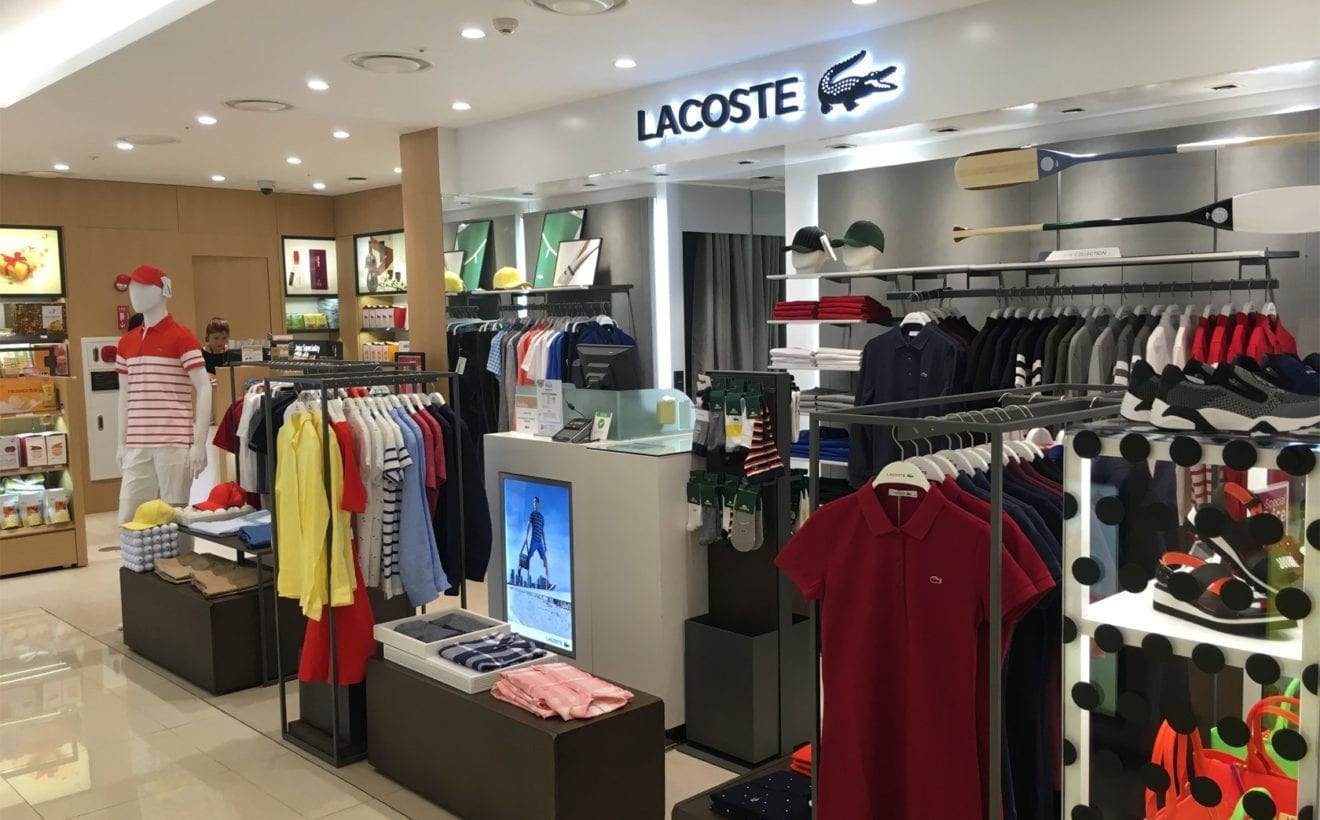
    Lacoste has opened its revamped Sport corner at Don Mueang International Airport Terminal 1.

    Lacoste kicks off its new Sport concept at Don Mueang Airport.

    The space has been enlarged and upgraded to feature Lacoste’s new Sport concept. It now offers additional options for customers alongside the brand’s signature polo shirts and leathergoods ranges.

    Don Mueang International Airport, Asia’s oldest international airport, recorded 35 million passengers in 2016.

  • Digital native Gen Z prefers to shop in-store

    Digital native Gen Z prefers to shop in-store

    Despite being the first “digitally native” generation, Generation Z – people born from the late 1990s through 2010 – still prefer to shop in bricks-and-mortar stores, according to a new study released IBM and the National Retail Federation.

    Though this generation grew up not knowing the world before cellular phones, smartphones, and other digital devices, the study found that 67% of Generation Z shop in a bricks-and-mortar store most of the time, with another 31% shopping in-store sometimes, indicating that 98% of Gen Z shop in the store.

    “Just as Millennials (born between 1980 and 2000) overtook Generation X (born from the mid-60s to early ‘80s), there’s another big buying group retailers need to plan for, and it’s even larger: Generation Z,” NRF President and CEO Matthew Shay said.

    “They appreciate the hands-on experience of shopping in a store. Technology is constantly evolving but some shopping habits remaining the same, retailers need to be agile enough to serve both needs.”

    The study, conducted by the IBM Institute for Business Value is based on findings from more than 15,000 consumers aged 13-21 from 16 countries. It estimates the global Gen Z population to reach 2.6 billion by 2020.

    It said retailers should consider this post-Millennial generation important because it has access to $44 billion in buying power, with 75% saying they spend more than half of the money that is available to them each month.

    This generation is also demanding: 52% of Gen Z consumers will transfer loyalty from one brand to another if the brand’s quality is not up to par. They care the most about retailers getting the basics right, with 66% saying product quality and availability are the most important factors when choosing one brand over another; 65% focus on value.

    “Retailers need to create more interactive engagement around their brands to serve the “always on,” mobile-focused, high-spending demographic,” the study noted.

    The study also found 74% of respondents spend their free time online, with 25% online five hours or more each day. Around 73% of Gen Z use their phones primarily to text and chat socially with family and friends, but members are willing to extend their conversations to brand relationships.

    For example, 36% would create digital content for a brand, 42% would participate in an online game for a campaign and 43% would participate in a product review.

    They also have no patience for hard-to-use technology and demand a seamless mobile/digital experience. Sixty-two percent will not use apps or websites that are difficult to navigate and 60% will not use apps or websites that are slow to load.

  • Online retailers move to sell new cars on web

    Online retailers move to sell new cars on web

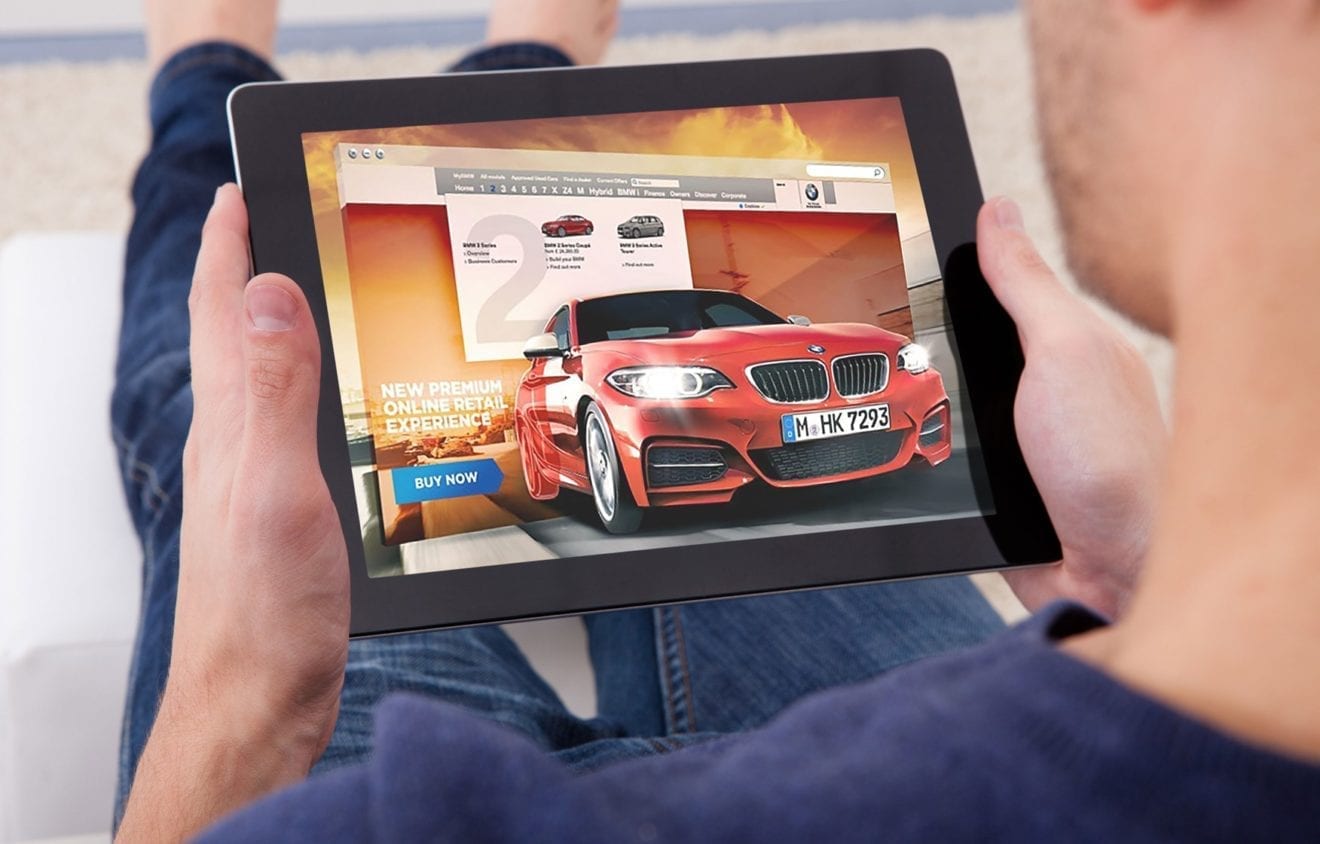
    Brick-and-mortar shops will no longer be the only go-to place for buying new automobiles, as online e-commerce shops are stepping into the industry as well.

    Interpark said Wednesday it would start a retail service for imported vehicles with local company D.parts, which delivers foreign cars to Korean customers and assists with paperwork, tax issues and delivery.

    To avoid conflict with local car dealers, the company will offer models that are not included in the list of products officially imported to Korea.

    “Buying foreign brand cars that are not dealt by official dealers can be a nuisance for general consumers,” said Cho Jin-hyuk, manager for Interpark’s electronics division. “Because our service is based on collaboration with an experienced company, customers can now buy such products with credibility and convenience on the internet.”

    “We’re looking for a way to talk directly with headquarters without going through any intermediate agents,” said a Tmon spokesman.E-commerce site Ticket Monster (Tmon) is also beginning to sell vehicles online, offering inventory from auto manufacturers inside and outside borders. The company’s brief experience in the market may offer clues about demand. The retailer sold Jaguar XE models in August, for which orders were filled in the first three hours. However, only one eventually completed a purchase after Tmon and SK Encar, agent supplier for the project, bumped heads with Jaguar Land Rover’s Korean office and official dealer Aju Networks.

    Online is the main sales channel for the global electric car brand Tesla Motors which has two showrooms in Korea but doesn’t have an official brick-and-mortar store. Tesla’s stores serve only as showrooms and clients must use the website to order. Demand in Korea was evident last year when pre-orders of the automaker’s Model 3 surpassed 325,000 in the first week.

    Although most sales offers are temporary, online retailers are eyeing expansion into domestic car brands. In September, Auction placed 10 models of Chevrolet’s Aveo on its platform, in a deal with GM Korea. The models sold out within one minute, as Auction offered a credit of five million won ($4,195) to buyers on the website.

    “We already saw potential, so the company is open for collaboration suggestions as long as the manufacturer is willing to do so,” said Lee Jin-young, a manager for Auction.

    Starting next year, domestic cars will be sold on television home shopping channels as laws that prohibited the practice were eased in November.

    New sales channels may prove favorable for consumers, as fierce competition will prompt companies to offer discounts or interest-free installment plans, which were common when imported car sales on television were popular in the early 2000s.

    “Online sales of automobiles may be a chance to enhance consumers’ convenience and improve the ambiguous structure of domestic vehicle sales,” said Kim Pil-soo, an automotive engineering professor at Daelim University College.

    Industry insiders, however, say that there are still many obstacles. E-commerce and home shopping networks equally say that although they are interested in launching online auto sales, the final decision is up to manufacturers and official importers.

    Decision makers are not enthusiastic about the idea, as sales online would eventually hurt brick-and-mortar stores and their sales force.

    “Realistically speaking, going online is not an easy option as it is a matter likely to be attacked by our labor union,” said a source from Hyundai Motor. GM Korea employees also criticized the Aveo sale on Auction, calling it a death sentence for sales people.

    Foreign car brands don’t seem too excited about the idea either, even though they may be able to save 15 percent on the commission fees they pay dealers. Most foreign car brands sign contracts with local dealers. One source pointed out that those vehicles require service after the purchase.

    “Dealers have connections to competent car service providers and quality after-service is an essential in this industry, therefore going online may be a risky decision for brand image,” the source added.

  • Prada to close boutique at Peninsula hotel as Hong Kong’s retail slump bites

    Prada to close boutique at Peninsula hotel as Hong Kong’s retail slump bites

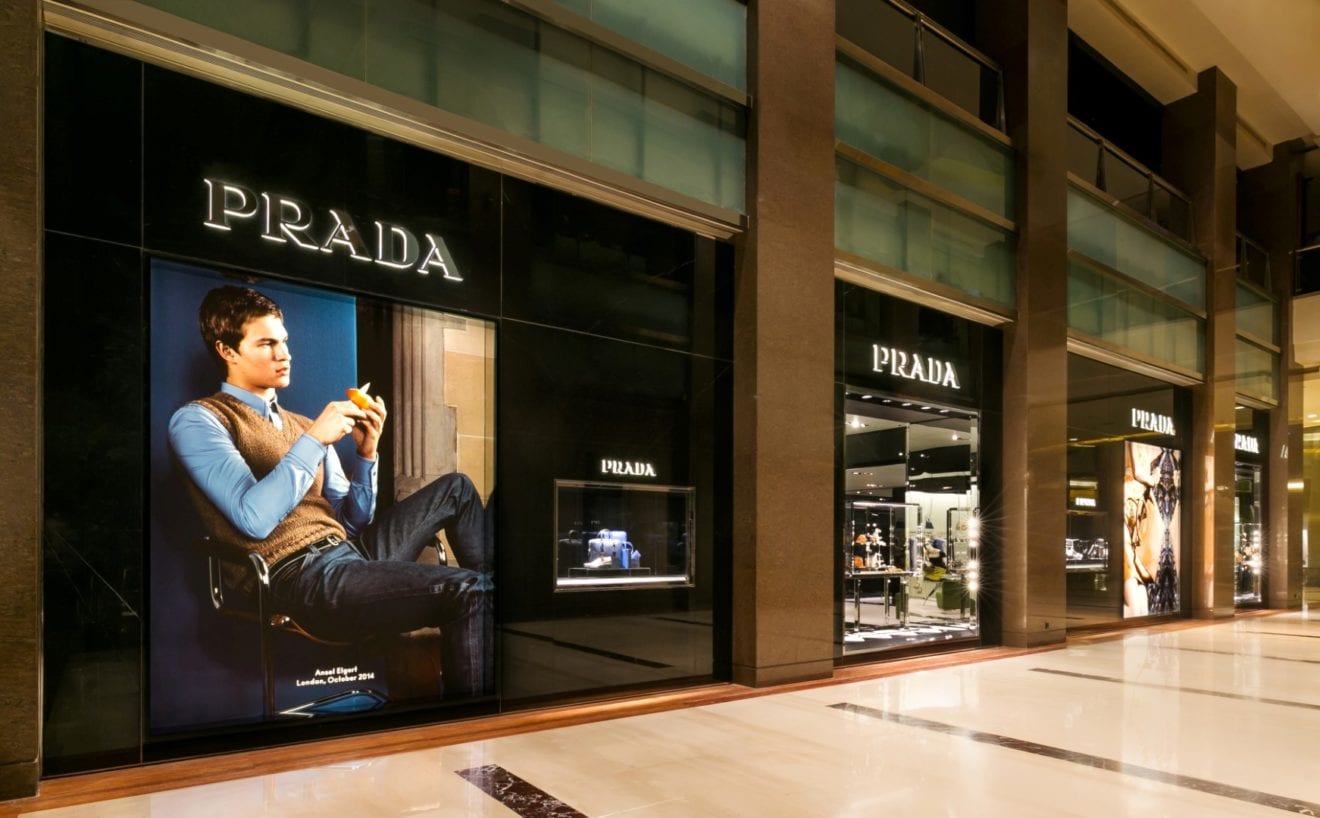
    Prada will shut its boutique at the Peninsula hotel shopping centre on December 31 in the latest sign that the retail slump is hurting high-end brands. The Italian luxury fashion label made its debut in the city with its 3,091 sq ft outlet at the landmark Tsim Sha Tsui address in 1986.

    But with fewer rich mainland Chinese shoppers visiting the city, analysts warn more luxury stores could fold after expanding too rapidly in the past decade.

    “The tenancy contract between The Peninsula Arcade and Prada will conclude on 31 December 2016,” a hotel spokeswoman said via email.

    A shop assistant at the boutique told the Post that some sales personnel had already left and others would be relocated to the brand’s other shops.

    A Prada spokeswoman said the company had “no comment” on the closure. It currently has 11 stores in the city.

    Prada’s total sales in Greater China tumbled 24.4 per cent in the first six months of the year on a yearly basis, as “Hong Kong and Macau continued to weigh heavily on the region’s contraction”, the company’s latest interim report said.

    Premium lifestyle brand Ralph Lauren quietly closed its 20,000 sq ft store in the Causeway Bay shopping hub overnight earlier this month, and British fashion house Burberry is to cut the size of its biggest Hong Kong flagship store in Pacific Place by 50 per cent within the next financial year.

    Retail sales of luxury items in the city such as jewellery, watches and clocks, and valuable gifts slumped 19.7 per cent in the first 10 months of the year.

    Helen Mak, head of retail service at property consultant Knight Frank, said more luxury brands would have to cut store numbers in the city, which she considered “a healthy adjustment”, after an aggressive expansion in recent years.

    “The store numbers of many luxury brands have doubled in the past decade,” Mak said.

    International high-end labels were eager to increase their presence to lure rich mainland shoppers who began to flood into the city from 2003 when Beijing eased travel restrictions.

    As Hong Kong recovered from severe acute respiratory syndrome – which struck the mainland in late 2002 and Hong Kong in 2003, killing 299 in the city – mainland residents from 49 cities were allowed in as individual travellers rather than having to join tour groups.

    But average spending by mainland visitors has dropped to about HK$7,000 per person this year, compared with HK$9,000 two years ago.

    “For luxury brands, it is a question of whether Hong Kong is still a place worth investing in,” Mak said, adding that some brands preferred to put resources directly into mainland cities.

    This article appeared in the South China Morning Post print edition as:

    prada ends its 30-year run at THE peninsula

  • Marie France Van Damme Opens Second Boutique in Hong Kong

    Marie France Van Damme Opens Second Boutique in Hong Kong

    Marie France Van Damme, the Hong Kong-based company known for its globally influenced line of luxury resort, swim, and ready-to-wear, announced today the opening of a seventh boutique in December 2016. Located in Hong Kong’s Elements shopping mall in Kowloon, the new store will mark Marie France Van Damme’s second retail location in Hong Kong, where the designer has lived for more than 30 years. The company opened its very first store in Hong Kong’s acclaimed International Finance Centre (IFC) mall in September 2013. 

    Situated on the second floor (Shop 2109) of the Elements shopping mall, within the International Commerce Centre (ICC), on 1 Austin Road West in Kowloon, the 700-square foot boutique will open alongside such brands as Gucci, Chanel and Prada and include Marie France Van Damme’s extensive luxury resort line. The ICC is Hong Kong’s tallest building and also houses The Ritz-Carlton and W Hong Kong. Incorporating Marie France Van Damme’s signature aesthetic, which blends subtle Asian influences and elegant simplicity, the boutique will feature teak wood, bronze panels, and embossed crocodile leathers with textiles and finishes that can be found in the designer’s home as well as her flagships in Hong Kong and London.

    The ICC’s waterfront location on Victoria Harbour, across from the IFC, suits its important role in the city in many ways. Feng shui teaches that mountains govern people, water governs wealth. The special placement of these skyscrapers is said to channel positive energy for health and prosperity. The shopping mall’s design, and its name, Elements, refer to the feng shui elements: wood, fire, earth, metal, and water. With a direct train linking Elements to Guangzhou, the new boutique will offer a unique luxury shopping experience in one of Hong Kong’s latest attractions on the Kowloon side of the city.

    As Marie France continues to expand her presence worldwide focusing on cities that not only inspire the designer, but also appeal to her sophisticated, jet-set clientele, Marie France Van Damme will celebrate the boutique opening with several special events in Winter 2016 and introduce a new in-store campaign photographed in Hong Kong by Herbert Ypma. The campaign will feature the new Resort 2017 collection, a return to the glamorous roots of resort wear with its muted palette of silver and nude, hand embroidery and opulent fabrics; from French lace to metallic-toned Italian weaves and featherweight Chinese Silks. 

    The company currently has 100 retail locations in some of the world’s most desirable places. Marie France Van Damme opened its first store in the fall of 2013 at the acclaimed International Finance Centre (IFC) in Hong Kong, a second in the summer of 2014 in Bangkok’s esteemed Mandarin Oriental, third and first European boutique in 2014 in London’s Brompton Cross neighborhood, and fourth boutique in the summer of 2015 in Phuket, Thailand. In November 2015, Marie France Van Damme introduced a fifth branded boutique in Singapore’s Takashimaya Shopping Centre and sixth retail location in Phuket in July 2016.

    Made in Hong Kong & South China

    Marie France Van Damme is proud of the production capabilities it has built for itself in the past 30 years. With couture and tailoring facilities in-house and embroidery produced across the border in China, every production piece is fitted and quality verified by Marie-France to ensure that the Marie France Van Damme label fulfills the highest standards in the industry.

    About Elements Shopping Mall/Hong Kong

    Offering over one million square feet of pure shopping experiences, the Elements shopping mall is located in Hong Kong’s tallest building the International Commerce Centre (ICC) on the Kowloon side of Hong Kong. A lavish world offering of shopping, dining, art and entertainment, Elements shopping mall is located next to Hong Kong’s most famous attraction Sky100 Hong Kong Observation Deck and takes a new approach to Hong Kong’s shopping environment and is themed after the five Chinese elements. The five elements are Metal (Luxury brands and world-class dining), Fire (Entertainment), Water (International cuisine), Earth (Fashion) and Wood (Health, Beauty and Lifestyle) whereas each zone is individually designed. Elements boasts a range of sought after brands, dining options, an ice rink and a 1,600 capacity cinema –  currently larger than any movie theatre in Hong Kong.

  • Singapore amongst 20 most expensive cities for coffee

    Singapore amongst 20 most expensive cities for coffee

    Online office supply company Service Partner ONE have released the 2016 Coffee Price Index, detailing which cities offer the best value coffee worldwide. The research, which took into account 75 cities from 36 countries across the globe, found that Rio de Janeiro, Brazil offers the least expensive average coffee price, whilst Zurich, Switzerland was the most expensive city researched.

    To create the ranking, the research team averaged the cost of four separate types of coffee: a cup of coffee in an office, a Grande Latte from Starbucks, a medium cappuccino from an independent coffee shop, and a cup of coffee at home. The research looks into costs of coffee from various sources, not just high street outlets, in order to get a clearer picture of the overall value of coffee in each city.

    Singapore is ranked 20th most expensive city for coffee with coffee priced at $2.33(S$3.30) per cup. This compares to Zurich which came in as the most expensive city overall, at an average of $3.52 (S$5), and Rio de Janeiro where coffee was the most affordable, with an average of $1.02 ($1.44).

    In Asian ranking, Hong Kong emerged as the priciest city for coffee. It is ranked 6th in the global ranking with coffee costing $2.88 (S$4.08) per cup.

  • Yogyakarta`s coffee business potential reaches Rp350.4 billion

    Yogyakarta`s coffee business potential reaches Rp350.4 billion

    Coffee shop ventures generate significant economic potentials in Jogjakarta, and it can reach Rp350.4 billion a year, generated from 800 coffee shops in the city.

    “The current economic realization that comes from 600 registered coffee shops in Jogjakarta reaches Rp262.8 billion per year,” the owner of Pitutur Coffee Shop Ponco Kusumo in Jogjakarta said on Monday.

    He explained in detail that a coffee shops economic realization comes from the volume of coffee sold each day, multiplied by the retail price of each cup.

    For example, every day there would be 80 cups of coffee sold in each shop, at a price of Rp15 thousand per cup.

    “That means that every coffee shop generates Rp1.2 million a day. When we multiply the total with the number of registered coffee shops across the town, the result comes out to be Rp262.8 billion, which is a substantial number,” he reiterated.

    The registered coffee shops are the ones that have signed up for the coffee business community, and there could be twice as many shops that are yet to be registered by the owners, he said.

    To reach a sales target of 80 cups per day, the shops need to operate from 10 am to 10 pm.

    “Our customer target includes students, general public and foreign visitors, who enjoy coffee,” he concluded.

  • APAC consumers shop more on mobile

    APAC consumers shop more on mobile

    Mobile users in APAC purchase more frequently from their devices, but are less satisfied than their counterparts elsewhere, according to a new survey.

    The in-depth survey of mobile users from around the world was conducted by the Interactive Advertising Bureau (IAB).

    APAC consumers take the lead

    The IAB surveyed 3,800 respondents in 19 countries, including regional countries such as Singapore, China, Japan and Australia, and found that APAC consumers take the lead in frequent mobile purchases.

    Specifically, a third of mobile users make a weekly purchase on mobile in APAC, which is higher than the worldwide average of a quarter of mobile users. China in particular boasts of a 47% weekly purchase rate on mobile.

    On the flip side, respondents in APAC are 50% more likely to have a previous negative purchase experience, with only three in four consumers satisfied with their mobile purchase in the region compared to four in five globally.

    As a result, APAC consumers are also 11% less likely to make a repeat mobile purchase in the next 6 months, says the IAB report.

    The findings underscore the need for marketers in the region to be more transparent in their marketing efforts, and to address the negative purchase experiences cited as a key barrier to repeat purchase.

    “Many markets in APAC are mobile-first, and consumers are now mature online buyers with more discerning tastes than the global average,” says Miranda Dimopoulos, CEO IAB Singapore.

    “Advertisers who make an effort to understand their needs and craft the right messages have a tremendous opportunity to cut through the noise and seize market share.”

    “While mobile purchasers are high in APAC, poor buying experiences have dampened initial enthusiasm,” says Regina Goh, IAB mobile committee chair and managing director at ad-tech provider Blis. “Sellers in the region need to consider the consumer’s journey from the first click to post-purchase to ensure customers are delighted and come back for more.”

    The full IAB report can be downloaded here.

  • South Korea Has Reached Peak Coffee Shop

    South Korea Has Reached Peak Coffee Shop

    In fashionable retail and commercial districts of southern Seoul, nearly one in every two buildings boasts a coffee shop – evidence of a boom that has delivered dizzying growth for the likes of Starbucks and local chains.

    But now the market is getting even more crowded, as convenience stores such as 7-Eleven offer 1,000 won (87 cents) cups, and smaller players are feeling the heat.

    “We declared an emergency situation, gathered all employees eight times to debate strategies,” Moon Chang-ki, CEO of mid-priced coffee chain Ediya, the country’s largest operator by location with about 1,800 stores, told reporters recently. “If we sell at that price, our store owners won’t earn any margins.”

    To compete, Ediya says it has instead focused on improving the quality of its coffee, and actually raised prices last year. Other chains have responded to growing competition by cutting back on store numbers and staff, or expanding overseas.

    The number of chain and stand-alone coffee shops in South Korea more than tripled to about 49,600 in 2015 from 12,400 in 2011, according to Korea Contents Media – far faster than overall consumption of coffee, which Koreans have been drinking for decades.

    PEAK COFFEE

    South Korea’s per capita coffee consumption has nearly doubled since 1990 to 2.3 kg (5 lb) per person, according to the International Coffee Organization – still roughly half the 4.5 kg that Americans consume.

    Revenue growth at coffee chains in the country slowed to about 8 percent in 2014, however, from more than 20 percent annually between 2008 and 2012, analysts say. While the number of new coffee shops in Seoul increased, so did closures, according to city data.

    Brewed coffee sales at 7-Eleven, run by Lotte Shopping’s Korea Seven Co Ltd, jumped 88 percent in 2015 after it introduced drip coffee early last year costing about a dollar, almost one-fifth the cost of an average Starbucks cup.

    McDonald’s Corp stores cut coffee prices to 1,500 won from 2,100 won early last year, and have seen sales of the beverage almost triple, the company told Reuters.

    By contrast, local chain Cafe Droptop, with about 225 shops, cut about 20 percent of its workforce at the end of 2015. Another chain, Coffine Gurunaru, with about 100 shops, incurred combined operating losses of 2.5 billion won ($2.2 million) in 2013 and 2014 after being profitable in the previous two years, filings show.

    “Even fried chicken restaurants and pubs are adding coffee, trying to be a cafe, while espresso machines are spreading in offices,” said Lee Kyung-hee, who heads the Korea Business Strategy Institute, a consultancy. “The coffee industry is fighting a war without borders.”

    GOING ABROAD

    Starbucks entered the market in 1999, and is widely credited with starting the country’s habit for splurging on higher-quality coffee and creating a cafe industry SK Securities said was worth about 2.5 trillion won ($2.2 billion) in 2014.

    Starbucks Coffee Korea, a 50-50 joint venture between the world’s biggest coffee chain and South Korean hypermarket operator E-Mart, now has 860 stores, putting the country behind only China and Japan as the company’s biggest markets in Asia, with sales more than doubling between 2011 and 2014.

    It posted a 20 percent increase in net profit to 30.77 billion won in 2014, the most recent year for which results are available, on revenue of 617 billion won, up 28 percent.

    But with industry growth slowing, some chains have been pushing abroad.

    Caffe Bene, which reached 932 domestic stores in 2014 before trimming back to 850 at the end of March, posted a 3.3 billion won net loss in the first three quarters of 2015, according to the latest public data.

    Last month, a joint venture between Singapore’s Food Empire and Indonesia’s Salim Group acquired a 38 percent stake in Caffe Bene, becoming the second biggest shareholder after South Korean private equity fund K3 Equity Partners.

    The chain said it was looking to expand in Southeast Asia to drive growth.

    Zoo Coffee, with 65 domestic shops, has opened about 200 franchise stores in China since entering the country in 2013 and in December announced a tie-up with China’s giant Dalian Wanda Group to open 50 stores per year there.

    Cafe Droptop in November opened its first overseas outlet in Shanghai.
  • Forever 21 To Open Second Hong Kong Store in Hong Kok

    Forever 21 To Open Second Hong Kong Store in Hong Kok

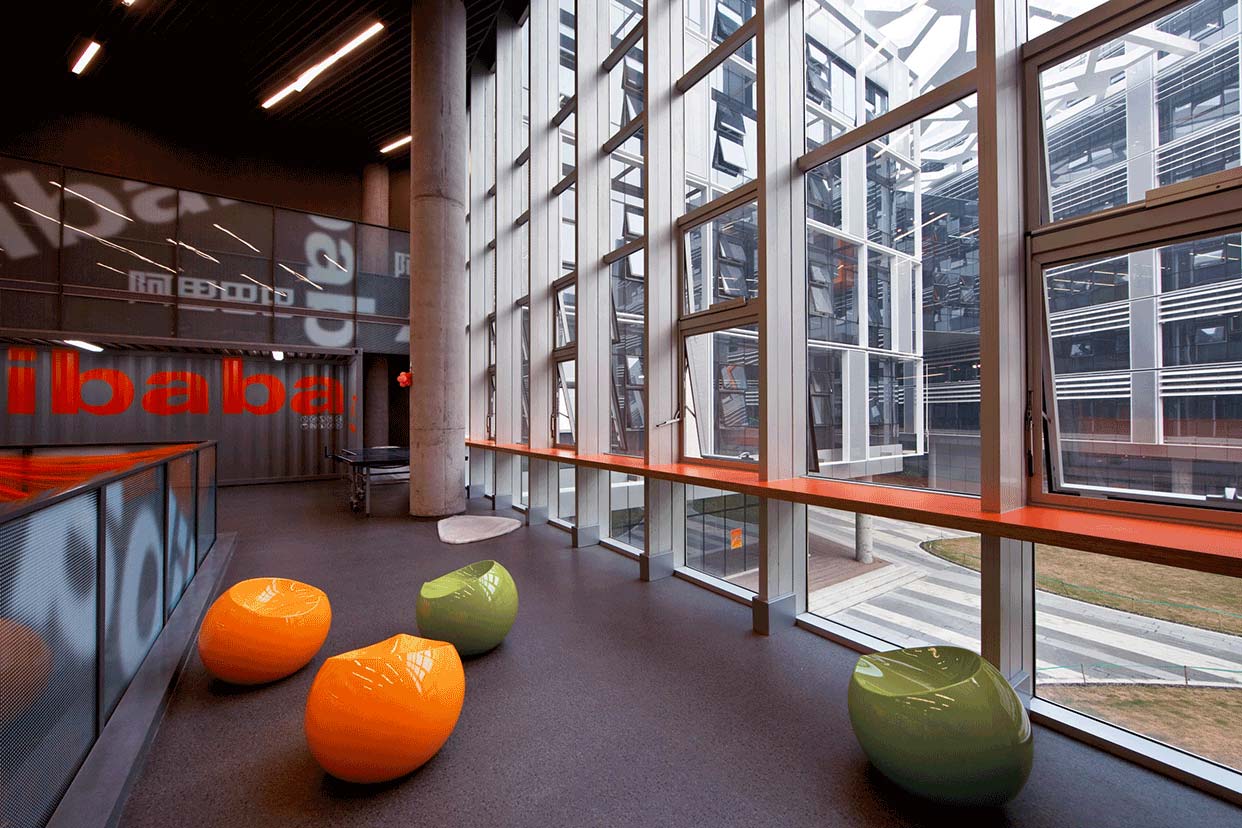
    US fast-fashion retailer Forever 21 will open its second store in Hong Kong this year, capitalising on the shift in consumer demand from luxury to non-luxury products.

    “Due to the demand of our consumers, we have continued our expansion throughout Hong Kong and mainland China. Hong Kong also has a vibrant history of international business and we saw a lot of potential for growth, which is why we wanted to bring a second Forever 21 store to this space,” the fashion retailer said in an email reply to Retail in Asia.

    The new store will be located at Pakpolee Commercial Centre on Mong Kok’s Sai Yeung Choi Street, trading over 18,804 square feet, people familiar with the matter told Retail in Asia.

    “Mong Kok offers a premier shopping experience and we believe it is a good fit for our second store in Hong Kong. We are very selective in choosing a location for any store. We make it a top priority when selecting a new location to ensure that it is accessible to customers and that it can house and properly represent our merchandise, staying true to our brand,” noted Forever 21.

    The fashion chain will pay a monthly rent of HKD2.5 million (USD321,000) to lease the three-story retail space with a ground-floor entrance, according to the source. The first floor and the ground floor were currently taken by cosmetic retailer Sa Sa with a monthly rent of HKD1.25 million. The second and third floors were leased to California Fitness for about HKD1 million per month. The fitness center moved out three years ago.

    The new store is estimated to open in late summer or early fall this year according to Forever 21.

    With a monthly rent of HKD2.5 million for its new store, Forever 21 made the largest retail leasing transaction in the fourth quarter of 2015 in key shopping destinations of Hong Kong, according to data compiled by Retail in Asia. It demonstrates the retailer’s confidence in the market’s potential for cheap chic fashion which also supports CBRE’s prediction that mid-range brands are set to expand in Hong Kong when luxury retailers are struggling with declining sales and leaving core retail locations.

    CBRE believes that Hong Kong will transform from a luxury goods oriented retail market to a mid-range market. “Mid-market retailers will benefit from the change in spending patterns and remain the main demand driver for retail space. Some of them will use this window of opportunity to re-establish themselves in prime locations and/ or expand their retail networks,” the real estate adviser said in its latest report Hong Kong Retail MarketView Q4 2015.

    With Forever 21 opening another store in Hong Kong, more mid-market retailers are expected to ride on the wave and expand their store networks in the city.

    Founded in 1984, Forever 21 now operates more than 730 stores in 48 countries. The brand debuted in Asia in 2008 by launching the first store in Seoul, followed by its second in Japan the next year.

    In 2012, the US retailer entered Hong Kong by unveiling a six-floor flagship store in the in the Capitol Centre of Causeway Bay. It paid a monthly rent of HKD11 million for the 51,188-square-foot space.

    The fashion retailer currently has 16 stores in Greater China which include 12 stores in mainland China, 1 in Hong Kong, 1 in Macau and 2 in Taiwan.

    Aside from Hong Kong, Forever 21 also plans to expand its retail footprint into other markets in Asia although it didn’t disclose the details. “In 2016, we plan on expanding our store presence in Japan, Indonesia, China, and the Philippines,” the fashion retailer told Retail in Asia.