Tag: Shopping

  • Sunway Malls Revolutionizes Shopping with Malaysias First AI-Powered Smart Mall

    Sunway Malls Revolutionizes Shopping with Malaysias First AI-Powered Smart Mall

    Sunway Malls, one of Malaysia’s leading shopping center operators, has launched a pioneering artificial intelligence (AI) system designed to transform its locations into the nation’s first “smart malls.”

    The innovative AI network will work in tandem with Sunway’s existing ‘Internet of Things’ (IOT) framework to enhance operational efficiency and productivity while simultaneously enriching the consumer experience. This technological advancement builds on the successful integration of IOT at the Sunway Pyramid shopping center in Subang Jaya last year.

    Embracing Digital Transformation

    HC Chan, Group Managing Director of Sunway Malls, emphasized the growing importance of digital technology in the business landscape. He explained that the precision, timeliness, and relevance provided by this technology facilitates more insightful and strategic responses in an intensely competitive market.

    According to the company, all 16 Sunway Mall locations will be incorporated into a comprehensive IOT network. This integration will facilitate a cohesive management system that relies on automated, data-driven insights for decision-making processes. The company pledged to allocate resources “intelligently,” anticipating and resolving maintenance issues before they become problematic.

    Expanding Technological Features

    The extensive technological upgrade will introduce a range of features, including a 5G network, smart toilets and escalators, AI-enabled CCTV, and digital sustainability initiatives.

    Furthermore, Sunway Malls will launch a new AI customer chatbot and the Sunway Super lifestyle app, designed to enhance the customer experience. These digital services will offer smart parking, in-mall navigation, and a virtual shopping assistant, revolutionizing the shopping experience for customers.

    Questions & Answers

    What is the purpose of Sunway Malls’ new AI ecosystem?
    The AI ecosystem has been developed to enhance operational efficiency and productivity, while also improving the consumer experience at Sunway’s shopping centers.

    What other technological features will be introduced in the smart malls?
    In addition to the AI and IOT systems, the smart malls will feature a 5G network, smart toilets and escalators, AI-enabled CCTV, digital sustainability programs, and a customer chatbot.

    How is the decision-making process influenced by this digital transformation?
    Decision-making at Sunway Malls will be guided by a unified management system that uses automated, data-driven insights, allowing for intelligent resource allocation and proactive maintenance issue resolution.

  • Chloé Debuts First Luxury Boutique in Vietnam, Enriching Ho Chi Minh Citys Shopping Landscape

    Chloé Debuts First Luxury Boutique in Vietnam, Enriching Ho Chi Minh Citys Shopping Landscape

    Chloé, an esteemed French luxury fashion house, has recently established its first store in Vietnam, nestled within a bustling shopping complex in the heart of Ho Chi Minh City. The brand, recognized for its romantic, free-spirited and distinctly feminine aesthetic, was a pioneer in the luxury ready-to-wear sector since its conception in 1952 by Gaby Aghion. Today, Chloé is part of the impressive portfolio of the Swiss luxury conglomerate Richemont.

    First Footprints in Vietnam

    In mid-June, Chloé made its debut in the Vietnamese market, facilitated through an exclusive distribution agreement with Duy Anh Fashion and Cosmetics (DAFC). Situated on the first floor of the Saigon Centre, the new boutique sports the brand’s signature Parisian elegance juxtaposed with its free-spirited femininity. The store offers a carefully curated selection of Chloé’s iconic products, including leather goods, footwear, and ready-to-wear collections.

    In Vietnam, DAFC is recognized as a leading luxury retail distributor, controlling more than 70% of the high-end fashion and cosmetics market. The company manages the distribution of products from over 60 international luxury fashion and cosmetic brands, operating more than 50 stores throughout the country.

    Questions & Answers

    What is Chloé known for?
    Chloé is renowned for its romantic, free-spirited, and feminine aesthetic, and is a pioneer in the luxury ready-to-wear fashion sector.

    Where is Chloé’s first Vietnam store located?
    Chloé’s first Vietnam store is located on the first floor of the Saigon Centre, a prominent shopping complex in Ho Chi Minh City.

    Who is the distributor for Chloé in Vietnam?
    Duy Anh Fashion and Cosmetics (DAFC) is the exclusive distributor for Chloé in Vietnam.

  • Mr DIY Unveils Expanded Plus Concept Store at The Mines, Offering a One-Stop Shopping Experience

    Mr DIY Unveils Expanded Plus Concept Store at The Mines, Offering a One-Stop Shopping Experience

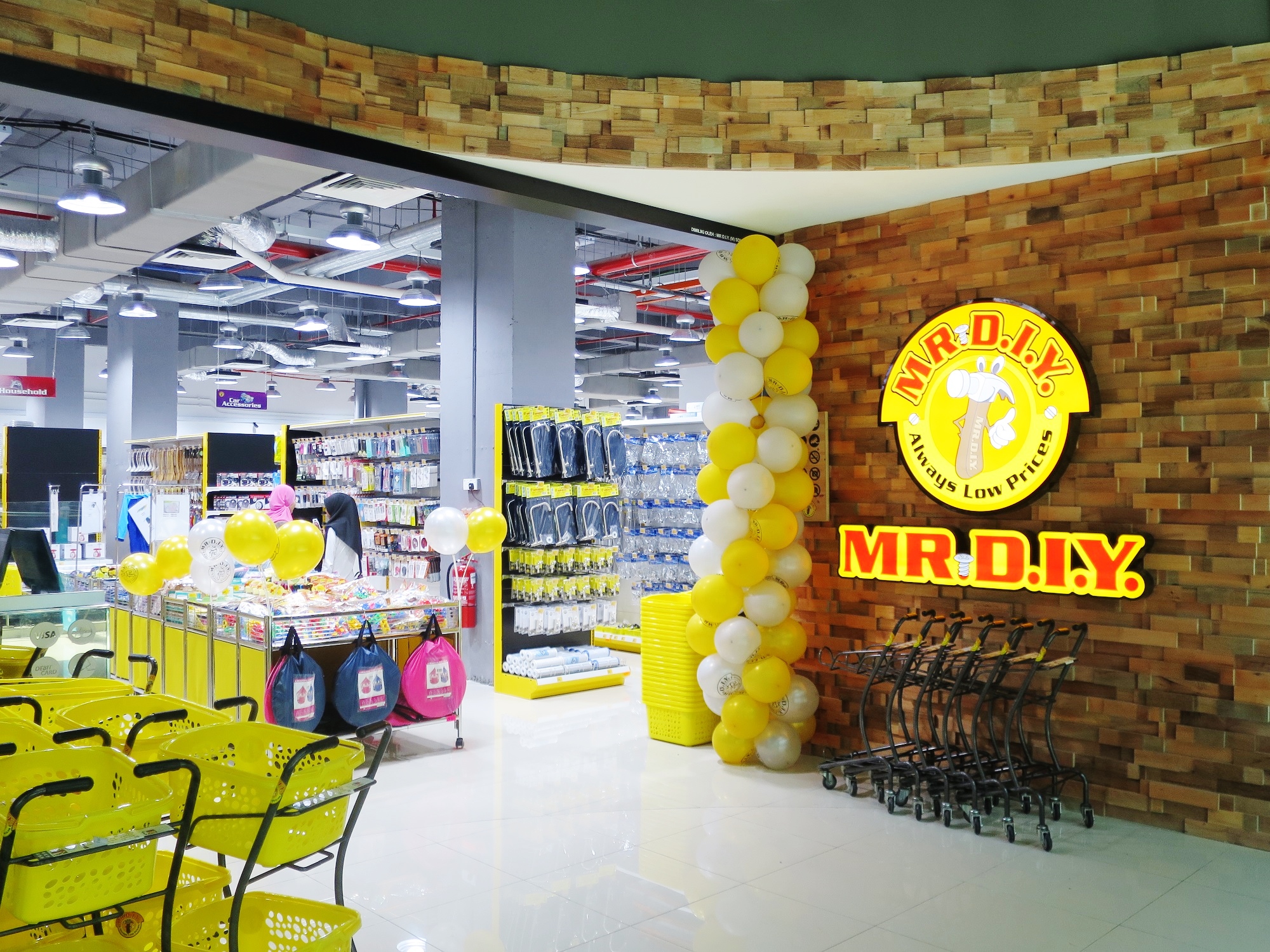
    Mr DIY, a renowned retailer, has broadened its retail scope by launching a new larger-format store, known as Mr DIY Plus, located in The Mines, Malaysia. This latest addition encapsulates the company’s four diversified retail brands: Mr DIY, Mr Toy, Mr Dollar, and Emtop. Providing a more comprehensive selection of products, the store caters to customer needs in various categories such as home improvement, household, hardware, electrical, stationery, toy, automotive, and lifestyle.

    The new store is not just a shopping spot, but an interactive community hub. The outlet features innovative community-focused attributes such as dedicated spaces for weekend workshops and activities, along with captivating retail displays to foster customer engagement. The overarching goal of this larger-format concept is to enhance customer convenience by amalgamating a multitude of product categories into one single, easy-to-navigate shopping destination.

    Adrian Ong, CEO of Mr DIY, shared his insights on the evolving shopping habits of customers. He stated that customers no longer have to compromise on variety or value in search of convenience, as the new Mr DIY Plus store is designed to cater to these needs. In addition to providing everyday essentials, the store encompasses a wider range of products, creating a unique and refreshed shopping experience. By positioning itself as a community destination, Mr DIY Plus aims to further integrate into the daily routines of its customers.

    This inaugural event comes as Mr DIY maintains its growth trajectory in the region. The retailer marked an impressive milestone earlier in the year as it expanded to over 1000 stores in Thailand. Reflecting on its expansion plans, Mr DIY has set an ambitious goal of reaching 3000 stores in Thailand by 2031, with an anticipated addition of 210 outlets within the current year.

    Questions & Answers

    What new concept has Mr DIY introduced with its latest store?
    With the new Mr DIY Plus store, the company has introduced a larger-format retail concept. This includes an amalgamation of the group’s four retail brands, offering a wider range of products and an easier-to-navigate design.

    What unique features does the new Mr DIY Plus store offer?
    The store introduces community-focused features, such as dedicated spaces for weekend workshops and activities, as well as interactive displays to engage customers.

    What are Mr DIY’s expansion plans in Thailand?
    Earlier this year, Mr DIY surpassed 1000 stores in Thailand. The retailer plans to add another 210 outlets this year, with a target of reaching 3000 stores in Thailand by 2031.

  • Uniqlo Unveils Mega-Store in Seoul: New Shopping Landmark in Koreas Myeongdong District

    Uniqlo Unveils Mega-Store in Seoul: New Shopping Landmark in Koreas Myeongdong District

    Uniqlo, a leading Japanese clothing retailer, has recently launched its most expansive store yet in South Korea. The new flagship location, situated in the Myeongdong shopping district in Seoul, marks the brand’s renewed commitment to experiential retail and targeting growth driven by tourism in the country.

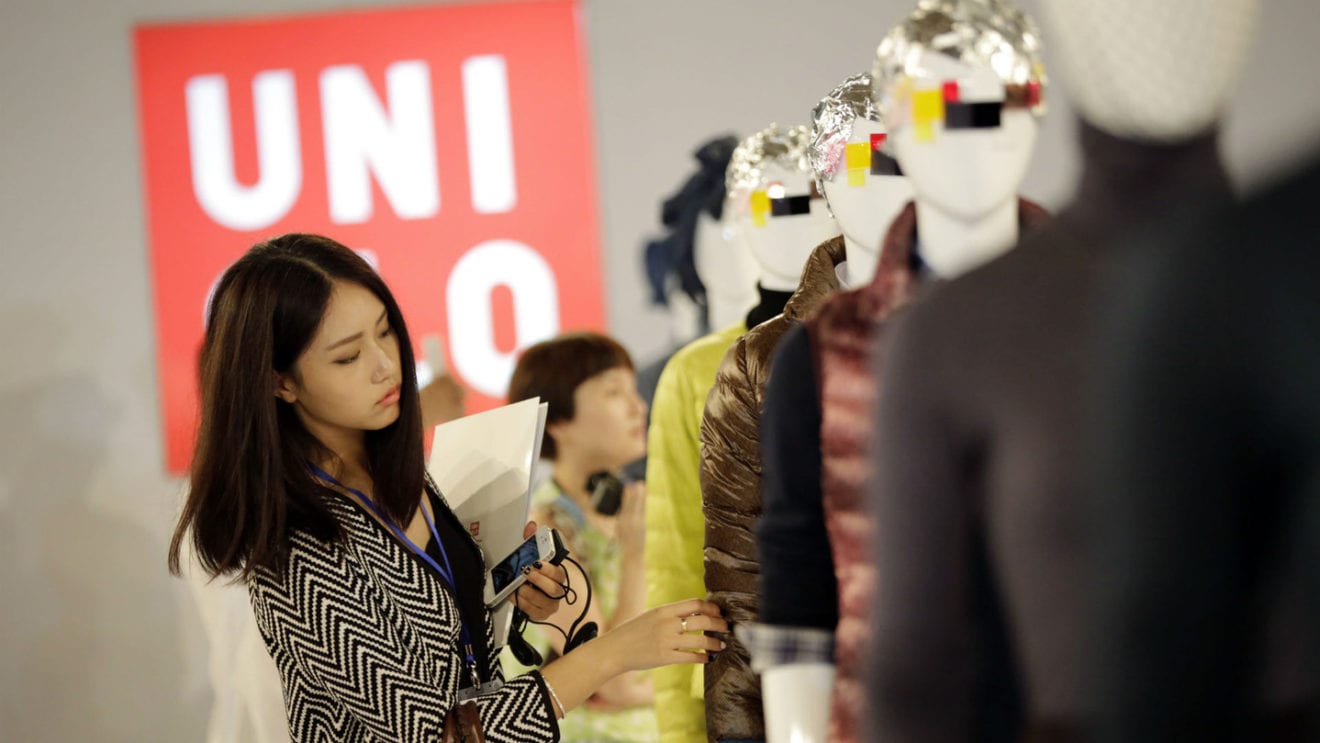
    The Uniqlo Myeongdong store, comprised of three floors, covers an approximate area of 3200 square meters. The expansive space offers shoppers an exhaustive selection of the brand’s LifeWear products, including womenswear, menswear, childrenswear, and babywear.

    Personalised Shopping Experience

    The flagship store also includes distinctive UT and UTme! sections, where customers have the opportunity to design custom T-shirts and tote bags. These designs are exclusively inspired by the Myeongdong district, allowing customers to carry a piece of the area with them.

    Popular among both locals and tourists, Myeongdong is a prime shopping destination. The reopening of Uniqlo in this district comes approximately five years after the brand shuttered its previous flagship store due to the Covid-19 pandemic.

    Takao Kuwahara, co-CEO of FRL Korea, expressed that the new flagship store was envisioned as more than just a shopping destination. “Our goal is for this store to become an iconic landmark in Myeongdong. While it will cater to Korean customers, we also envision welcoming numerous international visitors,” said Kuwahara.

    Experiential Elements and Community Engagement

    The store goes beyond retail, integrating several experiential features to enhance customer engagement and strengthen community relations. The third floor is home to a ‘ReUniqlo Studio’ where customers can mend, alter, and personalize garments, extending their lifespan as part of the company’s sustainability efforts.

    Another highlight of the flagship store is a series of exhibitions showcasing Myeongdong’s rich history and culture. This initiative reflects Uniqlo’s intentions to foster a deeper connection with the local community and pay tribute to the district’s heritage.

    Earlier this year, Uniqlo’s parent company raised its full-year forecast. The anticipation of a new record year comes on the back of robust international growth and an unexpected surge in quarterly profit.

    Questions & Answers

    What does the new Uniqlo store offer to customers?
    The new Uniqlo flagship store in Myeongdong offers a comprehensive range of the brand’s LifeWear products, a personalized shopping experience through UT and UTme! zones, and a repair and customization studio called ‘ReUniqlo Studio’.

    How does the Uniqlo store aim to engage with the local community?
    Uniqlo aims to foster community ties through several experiential features, including a ‘ReUniqlo Studio’ for garment repair and customization and exhibitions that highlight Myeongdong’s history and culture.

    What are the expectations for Uniqlo’s growth?
    Following a stronger-than-expected boost in quarterly profit, the parent company of Uniqlo raised its full-year forecast, indicating the anticipation of another record year driven by strong international growth.

  • Revolutionizing E-Commerce: Alibabas Qwen AI Changes the Game in Online Shopping Experience

    Revolutionizing E-Commerce: Alibabas Qwen AI Changes the Game in Online Shopping Experience

    Alibaba, the Chinese technology behemoth, is set to revolutionize the way consumers search for products online. The company plans to link its artificial intelligence (AI) system Qwen to Taobao and Tmall’s online catalogues, which together comprise over 4 billion products. The Qwen-powered shopping assistant will be directly integrated into the Taobao app, allowing users to ask comprehensive questions, receive personalized suggestions, compare different options, and execute transactions, without ever leaving the chat interface.

    Revolutionizing E-commerce Infrastructure

    The impact of Alibaba’s latest innovation is best understood by examining the scale of its implementation. Taobao and Tmall, the world’s largest e-commerce marketplaces in terms of gross merchandise value, handled an estimated combined total of US$1.4 trillion in transactions last year. This figure eclipses Amazon’s third-party marketplace by nearly three times.

    What sets Alibaba’s approach apart is that it is not simply adding an AI feature to an existing platform, like OpenAI’s third-party plug-ins or Amazon’s AI-powered recommendations. Instead, Qwen, which has been trained using over two decades of Alibaba’s proprietary transaction data, merchant operations, and consumer behaviour, is woven into the transaction layer of the company’s e-commerce platform.

    The integration of Qwen addresses the challenges faced by global AI platforms trying to enter the e-commerce space. While they have to start from scratch, building trust and personalization, Alibaba already holds the keys: owning the data, the catalogue, the payment infrastructure through Alipay, and the logistics network through Cainiao. Qwen is the final piece of the puzzle, the conversational interface that ties everything together.

    A New Shopping Experience

    Qwen’s integration offers consumers a novel shopping experience. It goes beyond providing keyword-based search results. For instance, if a user is unsure what to buy for a friend’s birthday, Qwen can suggest appropriate gifts based on the user’s budget and their friend’s preferences. Similarly, someone looking to redecorate a small apartment can describe their needs, to which Qwen responds with a curated bundle of products and styling suggestions.

    Moreover, Qwen can provide detailed product comparisons for specific queries, from children’s camping gear to electric toothbrushes for sensitive gums. With the help of Alibaba’s multimodal model, it can even simulate how a garment would look on a user’s photo. The company plans to extend this feature to include footwear and accessories.

    Qwen can also assist users financially. It can aggregate platform discounts during major shopping events, recommend the best coupon combinations at checkout, and track the price of a specific item over a 30-day period, automatically placing the order when the price reaches the user’s target.

    All these features cumulatively signal a fundamental shift in e-commerce: from a passive model that waits for the consumer to make a decision, to a proactive model that monitors conditions and acts on behalf of the consumer.

    Alibaba is not alone in pushing for this paradigm shift. Other Chinese tech companies, like ByteDance, Tencent, and JD.com, are also integrating AI more deeply into their consumer interfaces.

    Questions & Answers

    What is Alibaba’s new initiative in e-commerce?
    Alibaba is integrating its AI system, Qwen, into the Taobao app. This will allow users to ask detailed questions, get personalized recommendations, compare products, and make purchases, all within a chat interface.

    How does the Qwen integration differ from other AI implementations in e-commerce?
    Qwen has been trained on over two decades of Alibaba’s transaction data, merchant operations, and consumer behaviour. It is not merely an add-on to Alibaba’s platforms, but is deeply woven into the transaction layer, enabling a more seamless and personalized shopping experience.

    What are some of the features of the Qwen Shopping Assistant?
    Qwen offers detailed product comparisons, simulates how clothing would look on a user’s photo, aggregates discounts during major sale events, recommends optimal coupon combinations at checkout, and tracks product prices over a 30-day period, automatically placing the order when the price matches the user’s target.

  • Bonia Transforms Shopping Experience with Innovative Store Design in Kuala Lumpur

    Bonia Transforms Shopping Experience with Innovative Store Design in Kuala Lumpur

    Malaysia’s lifestyle brand Bonia has launched a flagship store in Kuala Lumpur, revealing a unique retail concept that combines customer engagement and innovative spatial design.

    Exterior and Interior Design

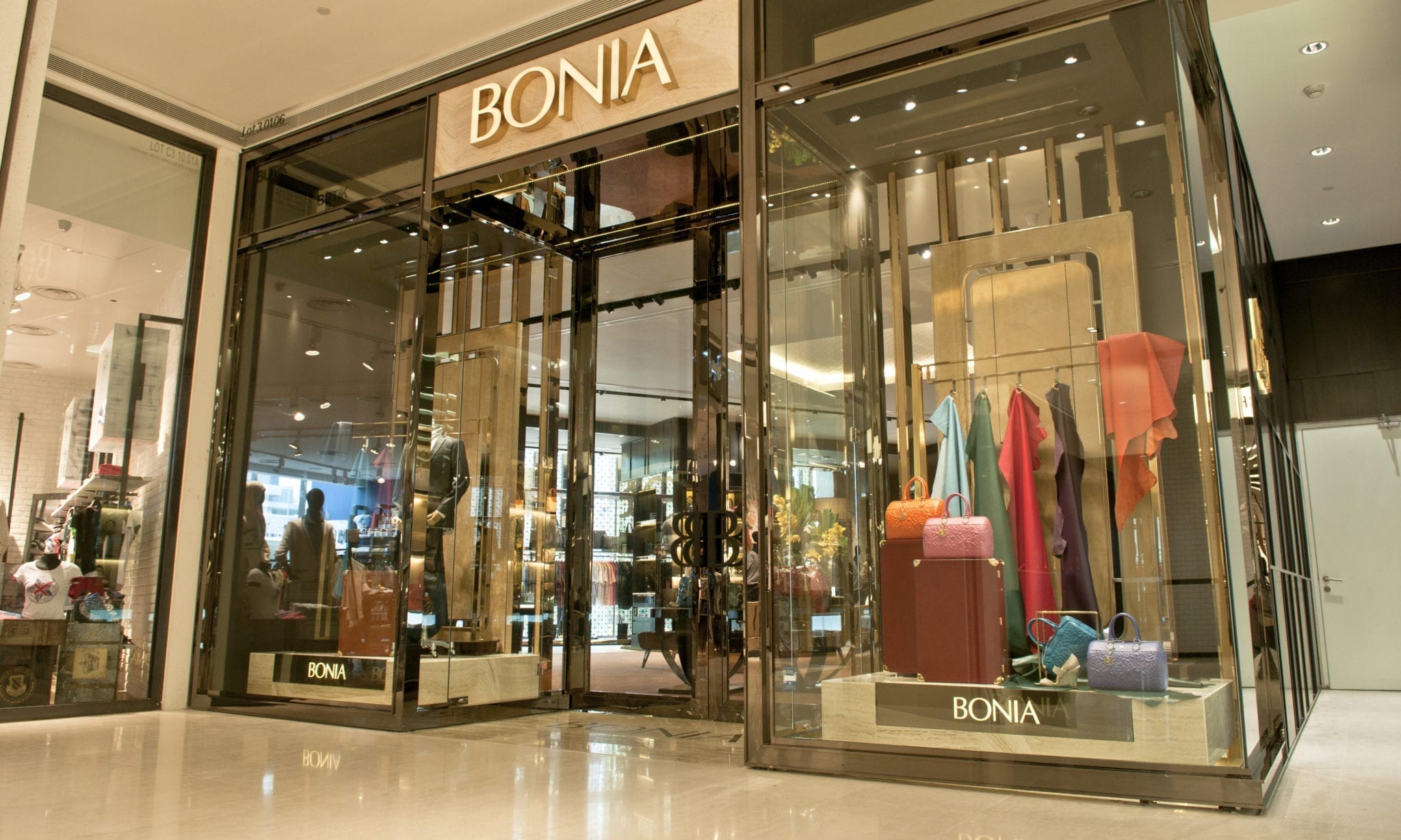
    The new store boasts a colonnade-style exterior adorned with red brick tiles, reminiscent of traditional street architecture. Inside, the space showcases a layout composed of four interconnected rooms, each revolving around a major display area. This design offers a more immersive and easily navigable shopping experience to the customers.

    Distinct Functional Spaces

    Each room within the store is assigned a unique function. Some of the areas draw inspiration from different environments, such as a library, dressing room, and lounge. The transition between these distinct spaces is marked by varying color schemes, including hues of red, orange, and terracotta.

    A New Retail Concept

    Bonia’s concept aims to make the retail environment more interactive. This is achieved by merging product presentations with flexible design elements. The brand’s focus on creating a dynamic and engaging retail experience is clearly reflected in this innovative approach.

    The opening of the Kuala Lumpur store comes in the wake of Bonia’s international expansions, notably in Vietnam. However, the company had to withdraw a joint venture in the country earlier, following a provision for losses amounting to US$1.3 million.

    Questions & Answers

    What is the unique concept of Bonia’s new store in Kuala Lumpur?
    The store integrates customer engagement with innovative spatial design, creating a dynamic and immersive shopping experience.

    How is the interior of the Bonia store structured?
    The store’s interior comprises four interconnected rooms, each assigned a unique function and theme. The rooms are designed to resemble a library, dressing room, and lounge, among others.

    What led to Bonia’s earlier withdrawal from a joint venture in Vietnam?
    Bonia had to exit a joint venture in Vietnam due to a provision for losses which amounted to US$1.3 million.

  • Byredo Elevates Luxury Shopping Experience with New Flagship Store in Hong Kong’s Central District

    Byredo Elevates Luxury Shopping Experience with New Flagship Store in Hong Kong’s Central District

    Luxury fragrance brand, Byredo, has further solidified its presence in Hong Kong’s high-end retail sector by launching a flagship store in the city’s Central district.

    The New Store’s Unique Design

    The store, situated on Gough Street, boasts a unique architectural design, drawing inspiration from traditional shopfront gates for its stainless steel exterior. Inside, the space adopts a minimalist aesthetic enhanced by a thoughtful selection of materials. Granite flooring, textured plaster walls, and exposed steel elements create a modern, industrial ambiance. Wood and burgundy accents are used sparingly, adding warmth and richness to the overall scheme.

    Prioritizing spaciousness and meticulous product display over cluttered merchandising, the store design aims to offer an enjoyable and comfortable shopping experience.

    Product Range and Customer Experience

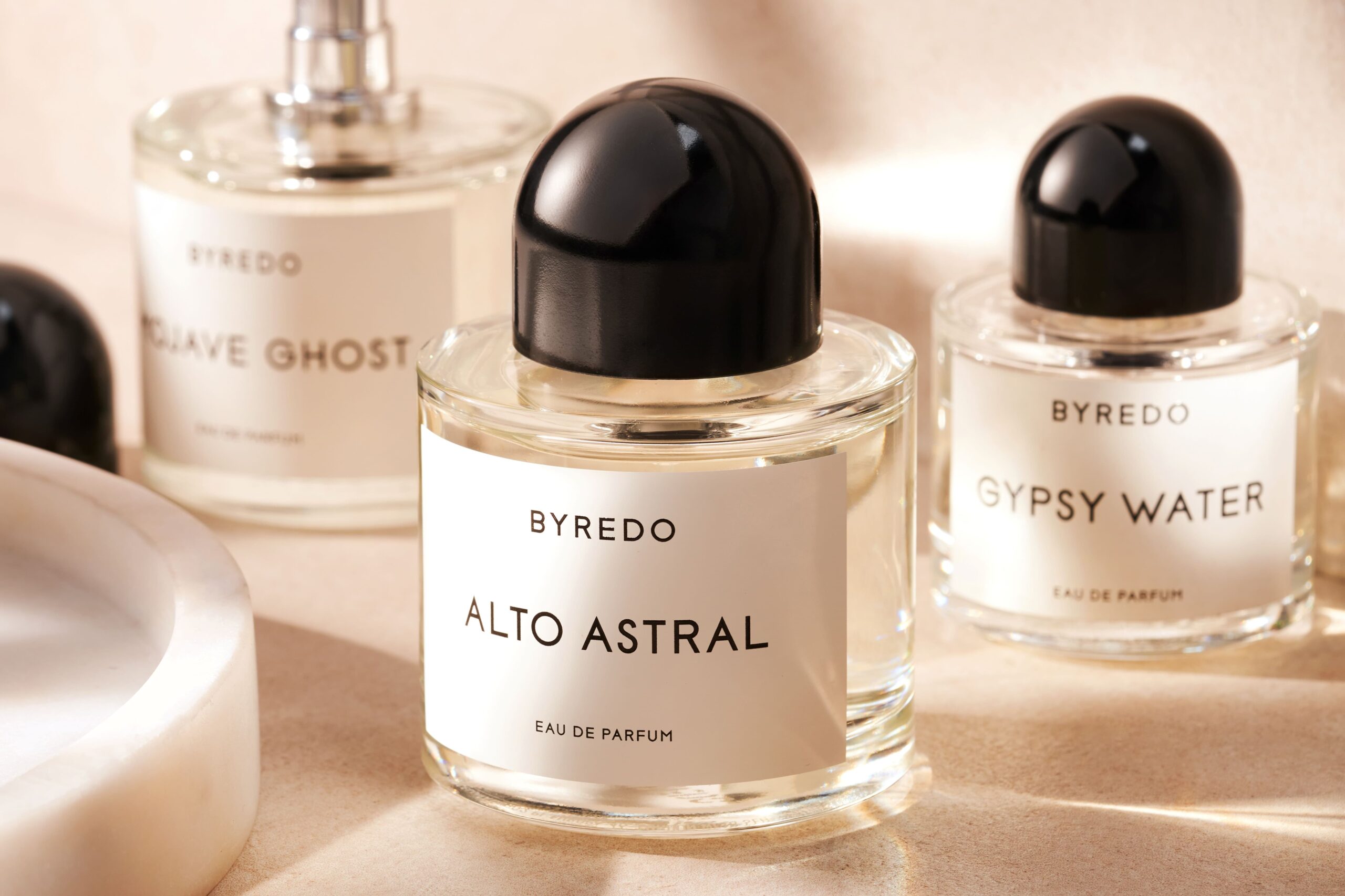
    The store’s primary focus is on the brand’s fragrance collection. However, the brand’s body care, home, and cosmetic product ranges are also featured, each having its designated display area. The built-in sink within the store allows customers to try out the products, reflecting the brand’s commitment to interactive and experiential beauty retail.

    Byredo, in a statement, eloquently described the new store as “more than a store, it is an atmosphere. A distilled expression of material, memory, and movement.”

    Byredo’s Expansion in Hong Kong

    The Gough Street store marks Byredo’s second flagship store in Hong Kong. The brand first entered the Hong Kong market in 2015, and just seven years later, it launched its first flagship store on Fashion Walk in Causeway Bay in 2022.

    Questions & Answers

    Where is Byredo’s new flagship store located?
    The new flagship store is located in Hong Kong’s Central district, on Gough Street.

    What is the main focus of the product range in the new store?
    The store primarily showcases Byredo’s fragrance collection, supplemented by body care, home, and cosmetic products.

    When did Byredo first enter the Hong Kong market?
    Byredo made its initial foray into the Hong Kong market in 2015.

  • Zara’s Enhanced Shopping Experience: Grand Reopening of Flagship Store in Japan’s Yokohama District

    Zara’s Enhanced Shopping Experience: Grand Reopening of Flagship Store in Japan’s Yokohama District

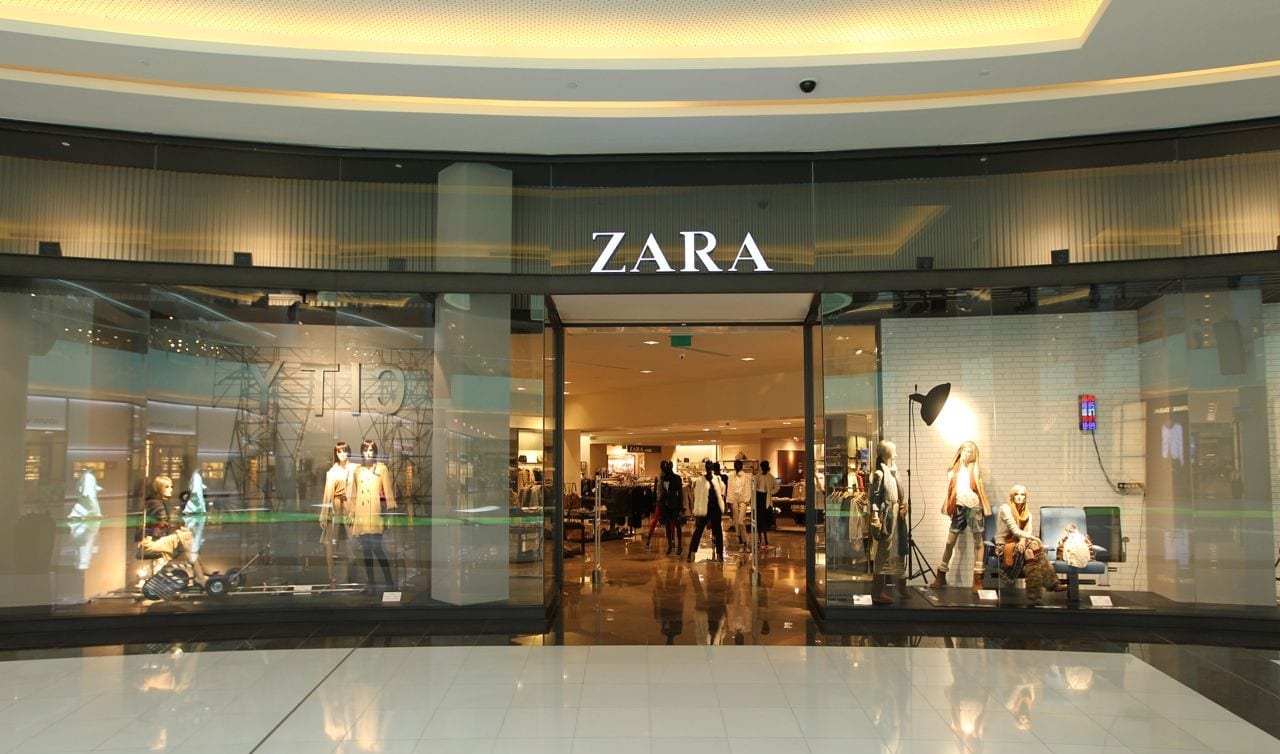
    Zara, the renowned fashion retailer, has reopened its relocated Minatomirai Tokyu Square store in Yokohama, Japan. The store spans a generous 2000 square meters and features a design aesthetic that aligns with the company’s latest global vision.

    Moving Up

    The outlet has transitioned from its previous location on the first floor, to now occupy a more spacious area on the second level of the shopping center. Shoppers can access the store either directly from Minatomirai Station, which is conveniently situated within the mall, or from a designated street entrance.

    A New Interior Design

    The interior of the store is composed of a number of ’boutique-style’ rooms, each defined by structural beams and portal openings. The mall’s glazed facades and skylights allow natural light to fill the space. The contrast between the textured wall finishes and a black open ceiling adds to the contemporary feel of the store.

    Personalized Shopping Sections

    The women’s department of the store has a fluid layout featuring lighter tones for the main collections. Conversely, the selections aimed at a younger demographic are presented against darker backdrops with details in stainless steel.

    The men’s section echoes the same design principles but employs a segmented sequence of rooms. Dark tones, wood finishes, and black metal accents dominate this part of the store, setting a more defined, masculine atmosphere.

    Tech-Forward Shopping Experience

    Zara has integrated modern technology into the shopping experience, with the inclusion of interactive screens throughout the store. Customers can browse the store’s inventory in real-time, locate specific items within the store, and even utilize dedicated pick-up points for online orders made through Zara’s website or app.

    Questions & Answers

    Why has Zara moved its store to the second level of the Minatomirai Tokyu Square shopping center?
    The move to the second level was part of a strategy to provide a more spacious shopping environment for customers while also aligning with the latest global store design concept.

    How does the new store cater to different customer preferences?
    The new store features separate sections for men and women, each with distinct design elements and varying tones to cater to diverse tastes. There are also interactive screens to assist with browsing and purchasing items.

    What is the benefit of the interactive screens installed throughout the store?
    Interactive screens offer customers the ability to browse the store’s inventory in real-time, locate specific products in the store, and collect online orders placed through Zara’s website or app. This enhances the overall shopping experience by making it more efficient and user-friendly.

  • Revolutionizing Retail: How WhatsApp and Conversational AI are Transforming Your Shopping Experience

    Revolutionizing Retail: How WhatsApp and Conversational AI are Transforming Your Shopping Experience

    The shift towards Conversational Artificial Intelligence (AI) is transforming the retail landscape, with AI-powered customer experiences emerging as the new standard, particularly within the realm of daily use messaging apps. This trend signals a departure from the previously flashy, novelty bots to a more meaningful, user-centered approach.

    Transition from Broadcasting to Dialogue

    For the past ten years, retailers have primarily focused on optimizing websites, apps, and mass emails – platforms that were primarily designed for broadcasting messages rather than fostering interactions. Burton Chau, CEO and Co-founder of Sanuker, contends that such platforms are now out of sync with how individuals typically utilize their smartphones. While websites, apps, and email blasts continue to play an essential role, they tend to be more transactional. Messaging platforms, which consumers frequently use daily, present an opportunity for high user interaction, high intent, and measurable customer journeys, particularly when supplemented with AI, automation, and data.

    This shift marks a significant realignment of the tech stack. Retailers are increasingly focusing on meeting consumers within their preferred platforms, such as WhatsApp, Messenger, and Instagram, and threading marketing, service, and commerce into a single chat thread. AI agents are employed within these threads to manage discovery, frequently asked questions (FAQs), lead qualification, and first-line service, with human staff handling more complex tasks.

    WhatsApp as the New Retail Hub

    Sanuker operates across various messaging platforms, but WhatsApp has emerged as the anchor for conversational retail in markets like Hong Kong, Malaysia, Singapore, India, and Indonesia. Chau attributes this to the app’s ubiquity and the quality controls established by Meta. A key selling point is that WhatsApp supports the entire retail journey, from pre-sales inquiries to recommendations, purchasing, post-sales follow-ups, and customer support.

    Using Sanuker’s technology, retailers can integrate the conversation with e-commerce platforms, Customer Relationship Management (CRM), and Enterprise Resource Planning (ERP) systems, providing real-time updates on inventory, pricing, and order status. As a result, the customer experience becomes less like a campaign and more like a continuous relationship.

    Personalization with a Contextual Memory

    While many retailers claim to offer personalization, Chau identifies a clear distinction between basic tweaks and what he terms “CRM-connected personalization.” He asserts that an AI agent achieves true personalization when it uses real-time customer data to provide accurate responses and promote outcomes. This includes access to purchase history, interests, and behaviors. The ability to update the backend with new events when orders or inquiries are made within the chat creates a closed loop that makes conversational AI economically attractive.

    Automation: The Future of the First-line Concierge

    Sanuker foresees a future where AI agents serve as the first-line digital concierge on messaging platforms. Chau believes that AI agents could replace human agents in customer service roles by 2026, not by eliminating human roles, but by taking on repetitive questions and escalating only when necessary.

    Achieving this requires a seamless integration of technologies. Sanuker’s platform, alongside tools like N8N and Dify, enable retailers to quickly and efficiently connect messaging with e-commerce, CRM, and ERP systems, and integrate AI models from OpenAI, Azure, Gemini, or DeepSeek.

    Guardrails, Not Gimmicks

    Despite the promise of conversational AI, it also brings potential risks, including spammy bots that undermine trust and invite regulatory scrutiny. Chau emphasizes the need for robust governance and compliance measures, and highlights the importance of designing explicit handover routes to human agents to ensure that customers never feel trapped in an automated loop.

    In his vision, the most successful retailers in 2026 will not be those that replace staff with bots, but those that utilize conversational AI to enhance human interactions, making them rarer, richer, and more consequential.

    Questions & Answers

    What is the role of messaging platforms in the shift towards conversational AI?
    Messaging platforms, such as WhatsApp, Messenger, and Instagram, are pivotal to the shift towards conversational AI as they provide the daily-use platform that allows for high user interaction, high intent, and measurable customer journeys.

    How does Sanuker’s technology enhance the customer experience on WhatsApp?
    Sanuker’s technology integrates WhatsApp conversations with e-commerce platforms, CRM, and ERP systems, providing real-time updates on inventory, pricing, and order status. This makes the customer experience more personalized and relationship-based.

    How does Sanuker envision the future of conversational AI in retail?
    Sanuker envisages a future where AI agents serve as the first-line digital concierge on messaging platforms. These AI agents would handle repetitive questions, escalating only when necessary, thereby enhancing the efficiency of the customer service process.


  • Farro Fresh Expands Footprint with Eighth Store in Newmarket: A New Hub for Gourmet Shopping & Dining

    Farro Fresh Expands Footprint with Eighth Store in Newmarket: A New Hub for Gourmet Shopping & Dining

    The New Zealand-based food retail chain, Farro Fresh, has announced plans to launch its eighth store in Newmarket later this year. The new store will be located at 480 Broadway, a site formerly occupied by Liquorland.

    Store Details

    Farro Newmarket is expected to offer several attractive features for customers, including 70 on-site parking spaces, three separate entrances from Broadway and Mahuru Street, and easy access to both northern and southern motorway routes.

    CEO of Farro, Garth Sutherland, expressed his enthusiasm at the choice of location, citing the suitability of Newmarket as a bustling hub for shopping, dining and entertainment. He believes that the convenience of the Broadway location will be particularly appealing for local residents.

    Product Range and Suppliers

    Sutherland acknowledged Farro’s commitment to partnering with local independent producers to offer a range of specialist products to Auckland consumers. He stated that the expansion will provide enhanced distribution opportunities for their suppliers.

    Like its sister stores, Farro Newmarket will feature a wide variety of products, including fresh produce, prepared meals from Farro Kitchen, as well as in-house fishmonger and butcher services.

    Additional Offerings

    The new store will also house a central deli offering Allpress Espresso coffee, matcha, salads, freshly prepared sandwiches, and baked goods from local bakeries. Additionally, it will stock a selection of domestic and imported cheese and charcuterie. Farro sources its products from over 500 suppliers in New Zealand and abroad, including reputed brands and restaurants such as Daily Bread, House of Chocolate, Cassia and Gemmayze Street.

    Once the store opens, customers will also have access to the Friends of Farro loyalty program and various promotional activities.

    Questions & Answers

    Where will the new Farro Fresh store be located?
    The new store will be located at 480 Broadway, Newmarket.

    What type of products will Farro Newmarket offer?
    The store will offer a wide variety of products, including fresh produce, prepared meals, in-house fishmonger and butcher services, as well as a selection of domestic and imported cheese and charcuterie.

    Will the Friends of Farro loyalty program be available at the new store?
    Yes, the Friends of Farro loyalty program and various promotional activities will be available at the new store once it opens.

  • Japan’s Takashimaya Set to Unveil Luxury Shopping Mall in Hanoi’s Priciest Starlake Urban Area

    Japan’s Takashimaya Set to Unveil Luxury Shopping Mall in Hanoi’s Priciest Starlake Urban Area

    Japanese retail behemoth, Takashimaya, has announced plans to inaugurate a fresh shopping mall in the latter half of the impending year. The site for this new venture is the Starlake urban area, renowned for having the highest land rates in Hanoi.

    Construction Details

    The proposed shopping centre, stationed on plot C1-CC1 within the Tay Ho Tay (Starlake) urban expanse, will sit on a significant space of over 17,240 square meters. The construction plan is to have the mall feature 10 floors above ground and three basement floors, raising expectations of a spacious and well-planned shopping experience.

    According to predictions, the doors of this new mall could swing open to the public as early as the third quarter of 2027. Starlake’s reputation as the urban region with the highest land rates in Hanoi is expected to amplify the mall’s appeal. Current land prices in prime locations within the Tay Ho Tay urban area are valued upwards of VND114 million (US$4,392) per square meter.

    Previous Plans and Operations

    Takashimaya had previously hinted at its intention to launch a shopping mall in Hanoi, with plans being in place since as early as 2026. Takashimaya Chairman Yoshio Murata has been open about the company’s plans to invest approximately 2 billion yen (US$13 million) in the venture.

    This is not Takashimaya’s first foray into Vietnam. The company has been operating a high-end department store in the erstwhile central District 1 of Ho Chi Minh City since 2016. In addition to this, Takashimaya also runs a shopping complex known as The Loop, which was previously named Indochina Plaza Hanoi.

    Questions & Answers

    Where will Takashimaya’s new shopping mall be located?
    The new shopping center will be situated within the Starlake urban area in Hanoi, recognized for having the highest land prices in the city.

    What is the planned structure of the new Takashimaya shopping mall?
    The mall is expected to consist of 10 floors above ground and three basement floors, promising an expansive shopping area for consumers.

    Does Takashimaya have other operations in Vietnam?
    Yes, Takashimaya has been running a high-end department store in the central District 1 of Ho Chi Minh City since 2016. They also operate a shopping complex in Hanoi, known as The Loop.

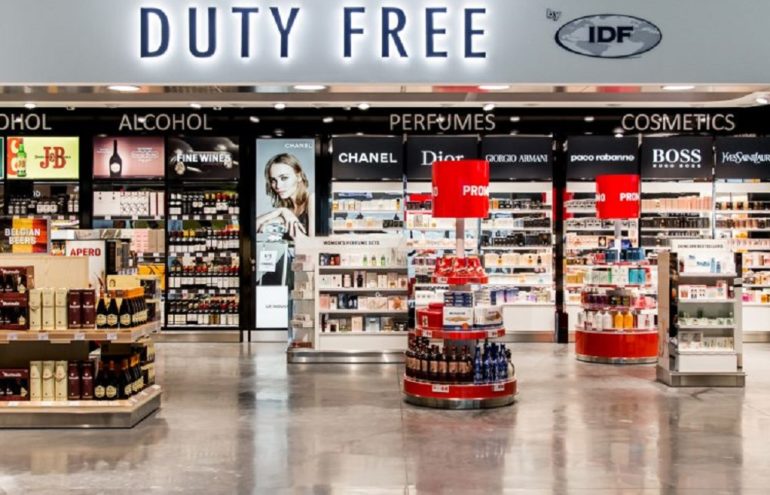
  • Explore More: China Boosts Tax-Free Shopping with 41 New Duty-Free Stores for Global Travellers

    Explore More: China Boosts Tax-Free Shopping with 41 New Duty-Free Stores for Global Travellers

    China is set to increase its appeal to international tourists by opening 41 new duty-free stores, as part of a broader initiative to stimulate tax-free shopping upon arrival. This new development was unveiled in a joint statement by five Chinese government departments, including the Ministry of Finance.

    This enhancement comes in the wake of China Tourism Group Duty Free purchasing the travel retail business of DFS Greater China from luxury goods conglomerate LVMH for a sum of US$400 million.

    The statement outlined that the primary goal of establishing and refining these duty-free stores at entry ports is to provide a more straightforward and seamless duty-free shopping experience for arriving passengers. Furthermore, the intention is to fully utilize the potential of duty-free stores to reinforce and stimulate consumption, thereby fostering the growth and systematic progression of the duty-free retail sector.

    The announcement also highlighted that provisions are being made for the creation of duty-free stores in an additional 11 locations. However, the establishment of such outlets at Qingdao Liuting International Airport, Guangzhou East Railway Station, and Jiangmen Port will be discontinued.

    The authorities also pointed out the increasing significance of shopping for tourists in China, stating that it has become an “increasingly integral” aspect of travel itineraries.

    Questions & Answers

    Why is China planning to increase the number of its duty-free stores?
    China aims to stimulate tax-free shopping for international tourists upon arrival and sees this as a way to boost consumption and foster systematic progression of the duty-free retail sector.

    What recent significant purchase might have influenced this decision?
    China Tourism Group Duty Free recently purchased the travel retail business of DFS Greater China from LVMH for US$400 million, which may have triggered this decision.

    What changes will occur at current duty-free locations?
    Although the creation of duty-free stores in an additional 11 locations is planned, the establishment of such outlets at Qingdao Liuting International Airport, Guangzhou East Railway Station, and Jiangmen Port will be discontinued.

  • Hyundai Duty Free Unveils AI-Driven Personalized Beauty Hub in Seoul: A New Era of Cosmetics Shopping

    Hyundai Duty Free Unveils AI-Driven Personalized Beauty Hub in Seoul: A New Era of Cosmetics Shopping

    Hyundai Duty Free recently announced the launch of an artificial intelligence (AI) powered beauty analysis zone at its Trade Centre location in Seoul, South Korea. The innovative space, known as ‘AI Beauty Trip’, offers customers unique, personalized skincare and makeup advice through cutting-edge digital tools.

    AI Beauty Trip: A Personalized Beauty Experience

    Situated on the ninth floor of the Trade Centre, the AI Beauty Trip will be operational until April 15th. The zone features two AI-powered devices that provide a sophisticated level of personalization for customers.

    The ‘Makeup AI’ device, a standing unit, uses photo imaging technology to analyze a patron’s facial structure, proportions, and individual color tones. Its counterpart, the ‘Skin Pro AI’, is a mirror-style device designed to evaluate skin conditions. It assesses factors such as pore size, oil levels, wrinkles, and signs of skin aging.

    After customers have undergone these detailed assessments, they can access a comprehensive diagnostic report and tailored product suggestions by scanning a QR code displayed on the screen.

    Participating Brands and Incentives

    Hyundai Duty Free has confirmed that 36 beauty brands participating in the store are integrated with this system. This means that customers have access to information on approximately 800 distinct products, helping to generate highly personalized product suggestions.

    In addition, customers spending at least US$50 on beauty products from participating brands at the Trade Centre store will receive a prepaid gift card worth 10,000 won. This gift card can be used immediately, offering an extra incentive for customers to engage with the AI Beauty Trip experience.

    Technology and Retail: A Perfect Blend

    This latest initiative from Hyundai Duty Free highlights the retailer’s commitment to integrating advanced technology with traditional in-store shopping experiences. As competition within the duty-free retail sector intensifies, and consumer preferences continue to evolve, such innovative approaches aim to boost customer engagement and satisfaction levels.

    Questions & Answers

    What is the ‘AI Beauty Trip’ initiative?
    The ‘AI Beauty Trip’ is an AI-powered beauty analysis zone at Hyundai Duty Free’s Trade Centre store in Seoul. It offers customers personalized skincare and makeup advice through innovative digital tools.

    What are the ‘Makeup AI’ and ‘Skin Pro AI’ devices?
    The ‘Makeup AI’ is a stand-type device that uses photo imaging technology to analyze facial structure, proportions, and color tones. The ‘Skin Pro AI’ is a mirror-style device that evaluates skin conditions such as pore size, oil levels, wrinkles, and signs of aging.

    What incentive does Hyundai Duty Free offer customers who engage with the AI Beauty Trip experience?
    Customers spending at least US$50 on beauty products from participating brands at the Trade Centre store will receive a prepaid gift card worth 10,000 won. This gift card can be used immediately.

  • Vietnam’s E-commerce Boom: Daily Online Shopping Hits $44M in 2025, Up 34.8% YoY

    Vietnam’s E-commerce Boom: Daily Online Shopping Hits $44M in 2025, Up 34.8% YoY

    In 2025, Vietnamese consumers significantly increased their online spending, with daily expenditures reaching over VND1.17 trillion (US$44.5 million). This figure represents the aggregated sales of the country’s four dominant e-commerce platforms: Shopee, TikTok Shop, Lazada, and Tiki. These platforms collectively generated a whopping VND429 trillion for the year, indicating an impressive growth of nearly 34.8% from the previous year.

    Surging Sales and Popular Product Categories

    The year 2025 saw a surge in sales on e-commerce platforms, with more than 3.9 million items sold, marking an increase of 15.2% from the preceding year. Products priced in the range of VND100,000-200,000 emerged as the most popular category, making up 25% of the total sales value.

    Beauty, home and living, and women’s fashion stood out as the top-selling categories. Beauty products alone generated over VND74.4 trillion, accounting for 29.5% of the total sales. They were followed by home and living products, and women’s fashion items, which raked in VND56.7 trillion and VND54.5 trillion, respectively.

    Health, children’s fashion, and stationery were identified as the fastest-growing categories, experiencing skyrocketing growth rates of up to 80%.

    Trends in Seller Activity

    The number of active shops on these four platforms was reported as 601,800, a decrease of 7.4% from the end of 2024. However, this represented a recovery from late September 2025, when the number of active sellers fell to just 537,900.

    Interestingly, the rise in revenue coincided with a decline in sellers. This suggests that less competitive sellers were phased out, leaving behind a more streamlined and robust online marketplace.

    Market Dominance

    Shopee and TikTok Shop maintained their stronghold on Vietnam’s e-commerce market, capturing market shares of 56% and 41.3%, respectively. In comparison, Lazada and Tiki held a mere 3% share between them, a decrease from 6% in the previous year.

    A significant portion of the e-commerce revenue, approximately 83%, was concentrated in Ho Chi Minh City and Hanoi.

    Questions & Answers

    What was the daily online spending by Vietnamese consumers in 2025?
    In 2025, Vietnamese consumers spent over VND1.17 trillion (US$44.5 million) per day on online shopping.

    Which product categories were most popular on Vietnamese e-commerce platforms in 2025?
    In 2025, the most popular product categories on Vietnamese e-commerce platforms were beauty products, home and living items, and women’s fashion.

    Which companies dominated the Vietnamese e-commerce market in 2025?
    In 2025, Shopee and TikTok Shop dominated the Vietnamese e-commerce market, with market shares of 56% and 41.3%, respectively.

  • Google’s New Ai Service Revolutionizes Retail: Woolworths First To Adopt Gemini Enterprise

    Google’s New Ai Service Revolutionizes Retail: Woolworths First To Adopt Gemini Enterprise

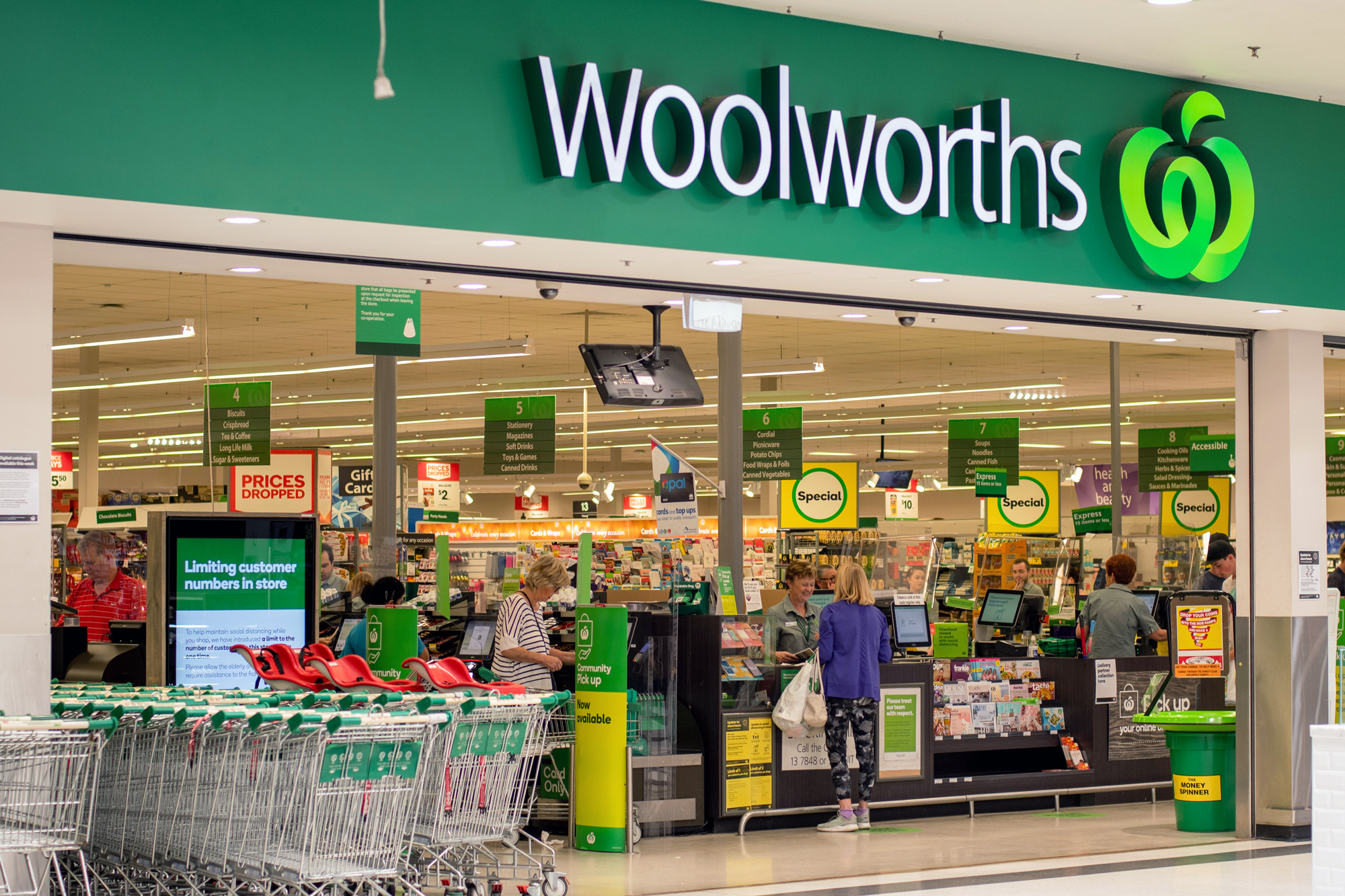
    Google has recently introduced its new Gemini Enterprise artificial intelligence (AI) service, designed to enhance the overall customer experience. Notably, one of the first companies to leverage this new technology is Woolworths.

    Introducing Gemini Enterprise

    The Gemini Enterprise service acts as a digital concierge for customers, offering recommendations, storing relevant information, and performing complex tasks on the user’s behalf. This state-of-the-art ‘shopping agent’ is capable of comprehending image, video, and voice inputs – eliminating the need for customers to type their queries or requirements into a search bar.

    Google representatives explain that whether an agent is cross-referencing kitchen electrical specifications to find a compatible induction range, or resolving a fulfillment error and issuing an instant refund, the new solution will provide a more streamlined experience for customers at every touchpoint.

    Global Impact on Retail

    This novel technology was announced at the NRF 2026 event. Amanda Bardwell, CEO and MD of Woolworths Group, lauded Google Cloud’s Gemini Enterprise for customer experience as a global game-changer for the retail industry.

    As the first Australian retailer to form a partnership with Google’s agentic platform, Woolworths plans to evolve their digital shopping assistant, Olive, into a proactive partner that anticipates customers’ needs. This includes planning meals based on individual preferences and identifying relevant specials based on the user’s budget.

    Bardwell also emphasizes the practicality and convenience of this innovation, explaining that it’s designed to do the heavy lifting for customers, making shopping easier and saving them precious time. Woolworths now stands alongside Kroger, Lowe’s, and Papa John’s as a global pilot business for Gemini Enterprise.

    Towards a New Era of Commerce

    Darshan Kantak, VP of applied AI at Google Cloud, notes that they are merging the best of Google Cloud’s AI and infrastructure with a business’s own institutional intelligence to power a truly agentic commerce journey.

    With this new technology, businesses can bridge the gap between sales and service to deliver premium, personalized experiences from the point of discovery to post-purchase support, enhancing customer satisfaction and fostering long-term brand loyalty.

    Furthermore, one of the key features of Google’s AI is its ability to add items to a customer’s cart and manage the checkout process, provided the customer has given their consent.

    Questions & Answers

    What is the purpose of Google’s new Gemini Enterprise service?
    The Gemini Enterprise service is designed to enhance the overall customer experience. It acts as a digital concierge for customers, offering recommendations, storing relevant information, and performing complex tasks on the user’s behalf.

    What unique capabilities does the Gemini Enterprise shopping agent have?
    The shopping agent can comprehend image, video, and voice inputs, eliminating the need for customers to type their queries or requirements into a search bar.

    How does Woolworths plan to utilize the Gemini Enterprise service?
    Woolworths plans to evolve their digital shopping assistant, Olive, into a proactive partner that anticipates customers’ needs. This includes planning meals based on individual preferences and identifying relevant specials based on the user’s budget.