Tag: Shopping

  • Taiwan’s Retail Boom: Major Shopping Centre Openings Set to Transform Retail Landscape

    Taiwan’s Retail Boom: Major Shopping Centre Openings Set to Transform Retail Landscape

    A surge of new shopping centers is expected to hit the market in Taiwan this year as developers maintain their commitment to large-scale multipurpose ventures.

    One of the most anticipated launches is the Far Eastern Sogo Department Store’s Garden City in Taipei, which is slated to open its doors in March. With an impressive 99,000 square meters in size, this complex will encompass retail outlets, dining options, and cinema halls, all conveniently linked to the Taipei Dome.

    Company chairperson, Sophia Huang, expressed the company’s high expectations for Garden City, predicting it to pull in over $313.66 million in annual revenue. When combined with the total revenue from its Fuxing, Zhongxiao, and Tianmu locations in Taipei, the group’s annual earnings could potentially reach an impressive $1.58 billion.

    In Taichung, the upcoming opening of Hanshin Intercontinental Shopping Plaza this year marks Hanshin’s first business venture beyond Kaohsiung.

    In addition, Mitsui Fudosan is bolstering its presence in Taiwan. The company has announced that its third Mitsui Shopping Park LaLaport, currently under construction in Kaohsiung’s Fengshan District, is on track to open its doors before the year ends. This mall, with its 270 stores, will offer a variety of dining options, drugstores, a supermarket, a considerable-sized bookstore, and the Arte Museum.

    The development company also divulged plans for a new Mitsui Outlet Park near the Taiwan High Speed Rail Tainan Station. Expected to open either in the first or second quarter, the 240-store outlet center will accommodate home goods retailers, electronics stores, a Japanese-style supermarket, and food and beverage vendors.

    Concerning market conditions, Tsai Ming-chang, the chairman of the Taiwan Shopping Center and Commercial Real Estate Association, noted that while performance in department stores remained steady last year, it’s anticipated to see an improvement. He added that Garden City is poised to create a unique commercial and cultural ambience distinct from the Xinyi District.

    Tsai went on to say, “While Xinyi will persist in drawing in luxury and fashion shoppers, the Taipei Arena area will likely attract consumers who are more interested in cultural, creative, and green spaces.”

    Questions & Answers

    What is the expected annual revenue for the Garden City project in Taipei?
    The company chairperson, Sophia Huang, predicts that the Garden City project will generate over $313.66 million in annual revenue.

    What are the offerings envisaged for the Mitsui Shopping Park LaLaport under construction in Kaohsiung’s Fengshan District?
    The mall will feature several dining outlets, drugstores, a supermarket, a large bookstore, and the Arte Museum among its 270 stores.

    Who is the chairperson of the Taiwan Shopping Center and Commercial Real Estate Association, and what are their thoughts on the future of the retail market in Taiwan?
    The chairman of the association is Tsai Ming-chang, who believes that although department store performance remained steady last year, it is expected to improve. He also mentioned that different areas in Taiwan will attract different demographics of shoppers.
  • Louis Vuitton Revolutionizes Luxury Shopping with Visionary Journeys Concept Store in Seoul

    Louis Vuitton Revolutionizes Luxury Shopping with Visionary Journeys Concept Store in Seoul

    Louis Vuitton is embracing a fresh approach to brick-and-mortar retail with the unveiling of a multi-faceted concept space in the heart of Seoul. This innovative project, known as Visionary Journeys Seoul, blends retail, exhibition, and culinary experiences, demonstrating a significant shift away from the conventional flagship model.

    The Space and Its Purpose

    Situated within LV The Place Seoul, located inside Shinsegae The Reserve in Jung-gu, Visionary Journeys Seoul expands over six floors. This distinct venue has been meticulously designed to foster a chronological, immersive journey. It seamlessly integrates product showcases with carefully selected items from Louis Vuitton’s rich archives.

    Three of the floors are dedicated to exhibitions. Curated by Shohei Shigematsu from OMA, these areas provide visitors with a comprehensive overview of Louis Vuitton’s illustrious history and its evolution as a prominent design house.

    More than Just Retail

    In addition to the retail and exhibition spaces, Visionary Journeys Seoul houses Le Café Louis Vuitton and a full-service restaurant, JP at Louis Vuitton. The café is helmed by renowned pastry chef Maxime Frédéric, while JP at Louis Vuitton is under the culinary direction of acclaimed chef Junghyun Park.

    This opening in Seoul is part of a wider trend for Louis Vuitton. The luxury brand has previously launched similar experiential concept spaces in various cities, including Shanghai and Bangkok.

    Questions & Answers

    What is Visionary Journeys Seoul?
    It’s a multi-level concept space launched by Louis Vuitton, combining the experiences of retail, exhibition, and dining. It’s a part of Louis Vuitton’s new approach to physical stores and is located in Seoul.

    Who designed the exhibition floors at Visionary Journeys Seoul?
    Shohei Shigematsu from OMA curated the three exhibition floor levels, presenting an overview of Louis Vuitton’s history and design evolution.

    What culinary experiences does Visionary Journeys Seoul offer?
    The venue houses Le Café Louis Vuitton, where pastry chef Maxime Frédéric showcases his creations, and a full-service restaurant, JP at Louis Vuitton, under the direction of chef Junghyun Park.

  • Unveiling the Future of Retail: $575M ‘The Central’ Landmark Mall Set to Transform Bangkok’s Shopping Landscape

    Unveiling the Future of Retail: $575M ‘The Central’ Landmark Mall Set to Transform Bangkok’s Shopping Landscape

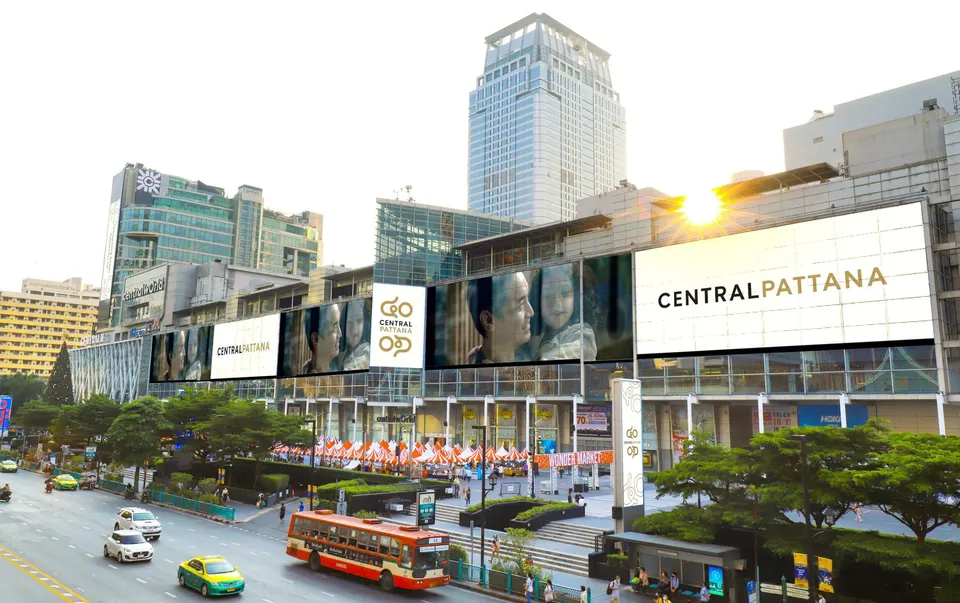
    Central Pattana, a leading retail and property development company based in Thailand, has recently publicized plans for a new shopping mall project in Bangkok. The project, named “The Central,” comes with a hefty price tag of $575 million and is slated to become the city’s new landmark shopping center in the northern district. Promising a mix of global brands and an array of retail experiences, The Central is poised to redefine the retail landscape of Northern Bangkok.

    The Central will be situated in the bustling northern central business district of Bangkok, stretching over an impressive 7851 square meters. The strategic location places the mall between Vibhavadi Rangsit Road and Phahon Yothin Road, two major thoroughfares in the city. The grand opening of the high-profile establishment is scheduled for the last quarter of next year.

    Chanavat Uahwatanasakul, the President of Retail and Development at Central Pattana, spoke enthusiastically about the project. He emphasized that The Central will carry forward the company’s legacy of top-tier shopping centers to the northern part of the city. Uahwatanasakul also spoke of the project as representing a significant step in urban evolution, fusing commerce, creativity, and community into a globally acclaimed experience. He envisions the new project as a catalyst for the next phase of retail and cultural development, potentially catapulting Bangkok into the league of the world’s most dynamic and liveable cities.

    The Central aims to provide seamless accessibility by connecting to major transportation services like the BTS, MRT, and the Don Mueang International Airport. Furthermore, it expects to draw in a large number of consumers from a 2.6 million-strong catchment area. According to Central Pattana, the consumers in this local catchment boast a purchasing power that is 2.3 times higher than the city’s average. The company also predicts retail sales, based on gross leasable area, to outperform other city malls by 45 per cent. Visitor frequency is expected to be twice that of the city’s average.

    The project is conceptualized under the theme “Flagship-reimagined destination,” aiming to attract global retailers seeking to launch flagship stores. The architectural design and interior layout have been meticulously planned to cater to this demand.

    Juthatham Chirathivat, Head of Business at Central Pattana, elaborates that The Central is much more than a shopping center. It is envisaged as a curated community for the new generation, marrying global design excellence with Thai hospitality. He believes that this unique blend of multi-generational living, flagship retail, and sustainable innovation will significantly shape the future of Bangkok.

    Questions & Answers

    What is the projected visitor frequency at The Central?
    The projected visitor frequency at The Central is expected to be twice the average of Bangkok city.

    What is the concept behind the design of The Central?
    The Central is designed under the theme “Flagship-reimagined destination,” aiming to cater to global retailers planning to establish their flagship stores.

    Who are the key people involved in the development of The Central?
    The key people involved in the development of The Central are Chanavat Uahwatanasakul, the President of Retail and Development at Central Pattana, and Juthatham Chirathivat, the Head of Business at Central Pattana.

  • Siam Paragon Unveils $39m Investment In Three New World-class Attractions

    Siam Paragon Unveils $39m Investment In Three New World-class Attractions

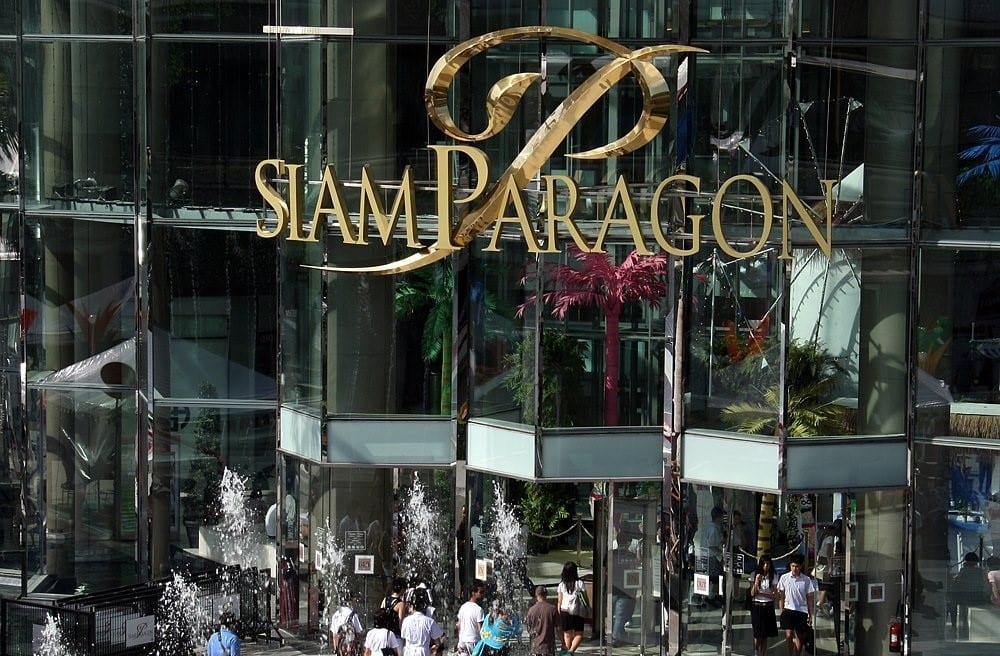
    Siam Paragon, a well-known retail destination situated in Bangkok, Thailand, is set to launch three new world-class attractions later this year.

    The initiative, which represents an investment exceeding THB 1.25 billion (approximately US$39 million) and a marketing budget of THB 200 million (US$6 million), is aligned with Siam Paragon’s objective to provide unique attractions that attract international visitors and boost footfall to its retail spaces.

    For instance, the Sea Life Bangkok, one of the largest aquariums in Southeast Asia, nestled within the basement of Siam Paragon, covers an area of 10,500 sqm and attracts over 2.5 million visitors each year.

    Upcoming Attractions

    Following the success of the aforementioned aquarium, Siam Paragon plans to expand its range of attractions by introducing two additional world-class features. These attractions, spanning across 20,000 sqm, consist of MeLand, the first indoor theme park in Thailand, occupying 5000 sqm, and Nextopia, a unique 15,000 sqm prototype representing the ‘world of tomorrow’.

    The inclusion of these new attractions will integrate a total of 30,500 sqm of unique attractions, making Siam Paragon the most diverse entertainment destination in Thailand, catering to a broad spectrum of visitors.

    Furthermore, the center is preparing to launch Siam Paragon Dining Phenomenal, a vibrant dining hub with a selection of over 700 global and local restaurants, cafes, dessert bars, and kiosks.

    A Sneak Peek into Nextopia and MeLand

    Nextopia, supported by an investment of THB 850 million (approximately $26.3 million), is a collaborative endeavor with 50 ‘innovation partners’ and 30 ‘friends’ of Nextopia communities. This endeavor aims to create a better world that brings meaning, joy, entertainment, and a commitment to quality and sustainable living.

    MeLand, to be constructed on the fifth floor of Siam Paragon with an investment of THB 400 million (approximately US$12.5 million), promises to provide families with a world of boundless imagination, play, and discovery, boasting over 100 attractions and 500 edutainment experiences.

    Siam Paragon Dining Phenomenal: Culinary Delights Await

    Siam Paragon is confident that the launch of Siam Paragon Dining Phenomenal will cement its reputation as Asia’s largest and most comprehensive culinary destination, bringing together over 700 restaurants across every level of the mall.

    Starting from the newly renovated Paragon Food Court and Food Hall, visitors can explore over 100 renowned street food eateries that encapsulate the vibrant flavors of Bangkok. The culinary journey continues with legendary Thai eateries, globally-recognized chefs, and unique international introductions.

    A new zone named Eatelier Dining Entertainment, featuring 30 restaurants, offers an artistic touch to every dining experience. Customers can enjoy live performances by bands and DJs, creating a captivating ambience suitable for both day and night.

    A Significant Step for Siam Paragon

    The unveiling of these three attractions in the last quarter of the year represents a significant step in Siam Paragon’s journey as it celebrates its 20th anniversary.

    A representative from Siam Paragon emphasized that the new developments underscore the center’s commitment to delivering “unparalleled experiences to over 100 million visitors annually” and will further elevate Bangkok’s stature as a top destination for global visitors.

    Questions & Answers

    What are the new attractions at Siam Paragon?
    Siam Paragon is set to launch three new attractions: Nextopia, MeLand, and Siam Paragon Dining Phenomenal.

    What is Nextopia?
    Nextopia is a unique prototype that represents a future world. It aims to inspire every step of life with meaning, joy, entertainment, and a commitment to quality and sustainable living.

    What can visitors expect at MeLand?
    MeLand, an indoor theme park, promises to provide families with a world of boundless imagination, play, and discovery with over 100 attractions and 500 edutainment experiences.

  • Asia’s Retail Revolution: Navigating Technological Innovation And Sustainability In 2023

    Asia’s Retail Revolution: Navigating Technological Innovation And Sustainability In 2023

    The world of retail in Asia is buzzing with renewed energy as major brands tap into innovative strategies to engage consumers in a rapidly evolving market. Notably, the expansion of digital channels has become a game-changer, with retailers seeking to create immersive shopping experiences that captivate customers both online and in-store.

    A Transformative Retail Landscape

    As we navigate through 2023, the retail sector is witnessing a technological renaissance. E-commerce giants are not just competing; they are setting new standards for customer experiences, integrating artificial intelligence and data analytics to offer personalized shopping journeys. This shift isn’t merely a response to changing consumer habits; it’s an essential strategy for survival in an increasingly competitive arena.

    For instance, the rise of omnichannel retailing has allowed brands to connect with consumers across numerous platforms seamlessly. With consumers frequently juggling between online shopping and physical store visits, retailers that bridge these two channels effectively are striking gold. They are not just selling products; they are crafting experiences that resonate with the cultural and social values of their clientele, making shopping feel like less of a chore and more of an adventure.

    Innovation Leads the Way

    In a world where attention spans are fleeting, retailers are leveraging technology to entice customers in unexpected ways. One standout example is a popular cosmetics brand that recently launched augmented reality (AR) features allowing customers to “try on” products virtually before making a purchase. This tech-savvy approach not only enhances engagement but has also led to a notable increase in conversion rates. It seems the future of retail is less about gazing at photographs and more about experiencing products in real-time, proving that imagination can indeed fuel commerce.

    Moreover, sustainability has emerged as a priority across the retail sector. Brands are adopting eco-friendly practices, from sourcing materials responsibly to implementing transparent supply chains. This commitment not only attracts environmentally conscious consumers but also cultivates deeper brand loyalty amidst consumers increasingly seeking to invest in ethical purchases. In a surprising twist, by prioritizing sustainability, retailers are finding that customers are more than willing to pay a premium, proving that going green can be incredibly lucrative.

    The Rise of Experiential Retail

    As the retail landscape evolves, experiential shopping is taking center stage. Traditional shopping models are being reshaped as brands create unique, engaging environments designed to forge emotional connections. Many retailers are now home to cafés, art installations, and interactive displays, inviting customers to linger longer and explore more. One electronics chain recently unveiled a concept store that offers live demonstrations of the latest gadgets in a stylish, lounge-like atmosphere. This fusion of retail and experience encourages consumers to immerse themselves fully, leading to increased foot traffic and, ultimately, sales.

    Consumers today crave authenticity and connection, and brands that recognize this are reaping the rewards. Social media platforms serve as powerful amplification tools, allowing shoppers to share their experiences with larger audiences. User-generated content is thriving, transforming consumers into brand ambassadors and creating a buzz that traditional advertising can only dream of achieving.

    Conclusion

    As retailers in Asia continue to innovate and adapt, the convergence of technology, sustainability, and experiential shopping is crafting a vibrant market landscape. With consumers seeking more than just products, there is a compelling story unfolding — one where retail is not merely transactional, but a dynamic interaction between brands and their ever-evolving audience.

    Questions & Answers

    What are some key trends shaping retail in Asia in 2023?
    Omnichannel retailing, the integration of innovative technology like augmented reality, and a strong focus on sustainability are leading key trends this year. Brands are transforming how they connect with consumers to enhance engagement through immersive experiences.

    How is technology impacting consumer shopping habits?
    Technology has significantly shifted shopping habits, allowing consumers to enjoy personalized, interactive experiences. Innovations like virtual try-ons and live demonstrations are enhancing customer engagement, leading to higher conversion rates.

    What role does sustainability play in today’s retail market?
    Sustainability is increasingly becoming a priority for retailers, as consumers favor eco-friendly practices and products. This not only attracts conscientious shoppers but also fosters deep brand loyalty, proving that green initiatives can deliver solid financial returns.

  • Lotte Shopping Expands Horizons with Plans for New Shopping Malls Across Vietnam

    Lotte Shopping Expands Horizons with Plans for New Shopping Malls Across Vietnam

    South Korean retail behemoth Lotte Shopping is poised to expand its footprint in Vietnam, planning to open two to three new large-scale shopping malls in key cities by 2030. This initiative emphasizes Vietnam’s burgeoning significance within Lotte’s global strategy for growth.

    The announcement, made by Lotte Shopping CEO and Vice Chairman Kim Sang-hyun during the “CEO IR Day” event in Seoul on September 15, aligns with the company’s ambitious “Transformation 2.0” strategy. This roadmap is designed to bolster international operations while also embracing innovative, technology-driven retail ventures as pathways for future growth.

    Currently, Lotte Shopping has established a solid presence in Vietnam with three department stores and 16 supermarkets, complementing its operations in Indonesia, which include one department store and 48 supermarkets. The company highlights the triumph of its flagship Lotte Mall West Lake Hanoi, opened in 2023; it serves as a prototype for upcoming premium shopping complexes. Kim expressed ambitions to replicate this successful model in other major cities throughout Vietnam.

    As of now, Lotte’s international ventures contribute 13% to its consolidated revenue and account for 18% of its operating profit, illustrating a robust growth trajectory. The company targets an overseas sales milestone of 3 trillion KRW (approximately US$2.2 billion) by 2030. Key components driving this expansion include initiatives such as retail consulting and collaboration with local partners to leverage distribution systems across Southeast Asia.

    In 2024, Lotte Shopping reported substantial figures, with revenue hitting KRW 13.98 trillion and an operating profit of KRW 473.1 billion. By 2030, the company anticipates reaching a revenue target of KRW 20.3 trillion, along with a goal of boosting its operating profit to 1.3 trillion KRW, nearly tripling its profit compared to levels recorded in 2024. Sounds like a retail thriller in the making!

    The CEO IR Day drew over 100 participants, including asset management experts, institutional investors, securities analysts, and banking officials. It served as a platform for Lotte to present its performance goals and strategic plans aimed at enhancing its corporate value.

    Questions & Answers

    What is Lotte Shopping’s plan for expansion in Vietnam?
    Lotte Shopping intends to open two to three large-scale shopping malls in key Vietnamese cities by 2030, as part of its broader international growth strategy.

    How does Lotte Shopping currently operate in Vietnam?
    In Vietnam, Lotte Shopping operates three department stores and 16 supermarkets, while also establishing a successful presence with its Lotte Mall West Lake Hanoi, which opened in 2023.

    What financial goals has Lotte Shopping set for 2030?
    Lotte Shopping aims to achieve KRW 20.3 trillion in revenue and increase its operating profit to 1.3 trillion KRW by 2030, significantly boosting its current profit levels.

  • Asia’s Retail Revolution: The Rise Of E-commerce And The Reinvention Of Brick-and-mortar Stores

    Asia’s Retail Revolution: The Rise Of E-commerce And The Reinvention Of Brick-and-mortar Stores

    With the rapid evolution of retail landscapes in Asia, understanding current trends is more critical than ever for industry players. The momentum generated by shifting shopping behaviors continues to challenge traditional models, sparking innovation across sectors from e-commerce to brick-and-mortar.

    The Surge of E-Commerce and Its Impact on Retail

    As consumers increasingly gravitate toward online shopping, e-commerce has burgeoned into a dominant force in the Asian retail market. In 2022 alone, e-commerce sales in Asia surged to around 1.04 trillion USD, capturing nearly half of the global e-commerce market share. This boom not only reflects a shift in consumer preference but also highlights the pressing need for retailers to adapt swiftly to this digital-first environment. Retailers are investing heavily in user-friendly apps, streamlined logistics, and personalized shopping experiences to captivate the evolving demographic of online shoppers.

    Brick-and-Mortar Retail: Reimagining the In-Store Experience

    Yet, the physical store isn’t surrendering its relevance just yet. In fact, many retailers are creatively transforming brick-and-mortar locations into immersive experiences that go beyond mere shopping. Think of stores as destinations where consumers can engage with products firsthand, attend specialized events, or even participate in exclusive workshops. This experiential approach brings a vibrant twist to conventional retail, ensuring that customers aren’t just passive buyers, but active participants in their shopping journey. Ultimately, the goal is to create an environment where purchasing becomes a delightful experience rather than a mundane task.

    Asia’s Unique Consumer Behavior: The Playful Twist

    What sets Asia apart in the retail scene? An intriguing blend of cultural diversity, rapidly changing technology, and age demographics. Millennials and Gen Z, who comprise a substantial portion of consumers, favor brands that resonate with their values, placing an emphasis on sustainability and social responsibility. Ironically, this demographic enjoys frequenting stores—not just for shopping but as social hotspots where they can unwind or snap that perfect Instagram shot. Who would have thought that retail therapy could also be about capturing social media fame?

    Future Trends and Challenges Ahead

    As we look to the future, the retail industry must navigate complex challenges, including supply chain disruptions and evolving consumer expectations. Retailers in Asia are employing omnichannel approaches, allowing for seamless transactions across platforms, while also leveraging data analytics to comprehend consumer behavior better. The key to thriving in this competitive sphere lies in the ability to embrace change and innovate continuously.

    In a rapidly evolving retail landscape, one thing remains clear: while the tools and platforms may change, the heart of retail will always be about connecting with customers in meaningful ways.

    Questions & Answers

    How is e-commerce shaping the retail market in Asia?
    E-commerce has become a juggernaut in Asia, accounting for around 1.04 trillion USD in sales in 2022 and significantly reshaping how consumers shop, pushing retailers toward more digital-first strategies.

    What innovative strategies are brick-and-mortar stores employing?
    Retailers are transforming physical stores into immersive experiences, offering exclusive events and interactive workshops that make shopping a more memorable journey beyond mere transactions.

    What consumer trends are influencing retail strategies in Asia?
    The Asian consumer landscape is shaped by Millennials and Gen Z, who prioritize brands that align with their values of sustainability and social responsibility, and seek engaging social experiences in retail spaces.

  • Xiaohongshu: Revolutionizing Retail With Social Commerce Amidst Challenges

    Xiaohongshu: Revolutionizing Retail With Social Commerce Amidst Challenges

    Since its launch, the social commerce platform Xiaohongshu, popularly known as Little Red Book, has been making waves in the retail landscape across China and beyond. Positioned at the intersection of e-commerce and social interaction, Xiaohongshu has created a vibrant community where users share product reviews, lifestyle tips, and shopping experiences, all while influencing purchasing decisions.

    Combining Trends with User Engagement

    What sets Xiaohongshu apart from other platforms is its unique blend of user-generated content and curated shopping experiences. The app allows influencers and regular users alike to post authentic content, ranging from makeup tutorials to travel blogs, seamlessly integrating direct shopping links. This allows brands to tap into a highly engaged audience that is already enthusiastic about lifestyle and fashion trends. It’s a bit like stumbling into a friend’s closet and finding that perfect outfit that you didn’t know you needed.

    The Rise of Influencer Marketing

    As influencer marketing continues to dominate the retail sector, Xiaohongshu stands at the forefront by allowing brands to partner with content creators who resonate with their target market. This strategy not only enhances product visibility but also fosters a sense of trust among potential buyers. With over 300 million registered users, the platform makes it easy for brands to connect with niche communities, further underscoring the importance of localized marketing strategies in a diverse region like Asia.

    Challenges Ahead

    Despite its success, Xiaohongshu faces several challenges, particularly in oversight and content moderation. Reports of misinformation and counterfeit products have drawn the scrutiny of regulatory bodies, urging improved standards for user-generated content. As the platform navigates these challenges, how it bolsters trust while maintaining rapid growth will be crucial in retaining its user base and attracting new brands.

    In a landscape as dynamic as retail in Asia, staying ahead of the curve is essential. With platforms like Xiaohongshu redefining shopping habits, it’s evident that the future of retail intertwines closely with social interaction — a digital bazaar where every swipe may lead to the next best find.

    Questions & Answers

    What makes Xiaohongshu unique in the realm of social commerce?
    Xiaohongshu combines user-generated content with e-commerce, allowing users to share their experiences and reviews while seamlessly integrating shopping links, creating a community-centric shopping environment.

    How has influencer marketing evolved on Xiaohongshu?
    The platform has become a hub for brands to collaborate with influencers who connect with their audience, significantly enhancing product visibility and fostering trust among potential customers.

    What challenges does Xiaohongshu currently face?
    The platform is grappling with issues of misinformation and counterfeit products, prompting calls for better content moderation standards to maintain user trust and safety.

  • Lawson Japan Joins Forces to Support Free School Lunch Initiative in the Philippines

    Lawson Japan Joins Forces to Support Free School Lunch Initiative in the Philippines

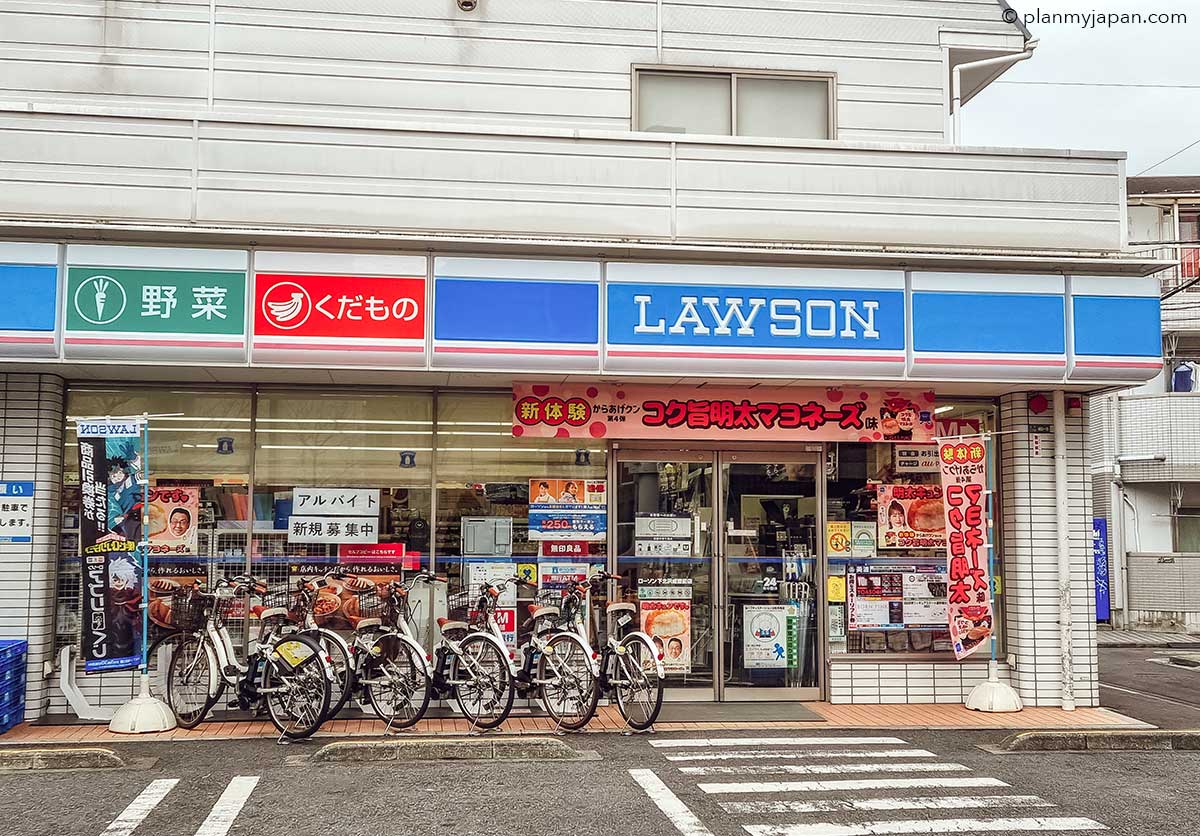
    In an innovative move to deepen its engagement with local communities, Japanese convenience store chain Lawson has formed a partnership with a free school lunch program in the Philippines. This initiative not only aims to boost brand visibility but also underscores Lawson’s commitment to supporting local causes.

    As part of this collaboration, Lawson plans to integrate its offerings with the school lunch program, allowing students access to nutritious meals while enhancing the brand’s footprint in the region. The initiative reflects a growing trend among retailers in Asia to align their brands with initiatives that resonate with community values.

    Comedian Ryota Yamasato made a memorable appearance at the ribbon-cutting ceremony for Akamegane Kitchen on August 29, shining a spotlight on the program and drawing attention to Lawson’s broader objectives. If food is the language of love, this partnership speaks volumes about Lawson’s efforts in nurturing relationships and brand loyalty in the Philippines.

    Lawson’s strategy highlights how retail businesses can leverage social initiatives to foster brand awareness and trust. By stepping into the realm of community health and well-being, they not only benefit from customer good will but contribute positively to society at large.

    This collaboration serves as a telling example of how retail chains can creatively navigate the complexities of brand building in a competitive landscape, making memorable impacts that go beyond profit margins.

    Questions & Answers

    What is Lawson’s latest partnership in the Philippines about?
    Lawson has teamed up with a free school lunch program in the Philippines, aiming to raise brand awareness by supporting local initiatives and providing access to nutritious meals for students.

    How does this partnership align with trends in the retail industry?
    This initiative illustrates the growing trend among retailers in Asia to forge collaborations with community-focused projects, enhancing brand visibility while fostering goodwill and trust within local populations.

    What role did Ryota Yamasato play in the launch of the program?
    Comedian Ryota Yamasato participated in the ribbon-cutting ceremony for Akamegane Kitchen, which is part of the school lunch initiative, helping to elevate the program’s profile and Lawson’s community engagement efforts.

  • Asia’s Retail Giants Brace For Singles’ Day Shopping Frenzy Amid Rising Online Commerce Trends

    Asia’s Retail Giants Brace For Singles’ Day Shopping Frenzy Amid Rising Online Commerce Trends

    Retailers all over Asia are abuzz with anticipation as they prepare for the biggest shopping event of the year: Singles’ Day on November 11. Originating in China, this day has transformed into a retail phenomenon that now captures the attention of consumers across the continent and beyond. Brands, both local and international, are gearing up for a digital spectacle filled with discounts, flash sales, and interactive experiences designed to entice shoppers.

    The Rise of Online Shopping

    With a significant shift towards e-commerce in recent years, propelled further by the global pandemic, Singles’ Day has cemented itself as a crucial period for online retailers. In 2022, Alibaba reported a staggering $84.5 billion in sales, a clear testament to the event’s enduring popularity. However, it’s not just tech giants stealing the spotlight; small and medium-sized enterprises are also making waves by adopting innovative strategies to capture part of this lucrative market.

    Experiential Marketing Takes Center Stage

    This year, brands are placing a strong emphasis on experiential marketing to create a meaningful connection with consumers. From virtual try-ons to gamified shopping apps, the integration of technology into the shopping experience is set to reach new heights. Retailers are leveraging augmented reality and artificial intelligence to not only enhance user experience but also to make shopping feel more like an adventure. After all, who wouldn’t want to find a hidden treasure among the sea of deals?

    Collaborations and Limited Editions Drive Excitement

    Collaborations are another strategy retailers are employing in the lead-up to November 11. Brands, large and small, are launching limited-edition items and exclusive collections, tantalizing consumers with the idea that they could own something truly unique. This sense of urgency and scarcity fuels the shopping frenzy and keeps consumers returning for more.

    Responsible Consumerism on the Horizon

    Interestingly, there’s a notable shift towards responsible consumerism this year. Many shoppers are not just seeking the best prices, but also looking for brands that prioritize sustainability. Retailers are responding by highlighting eco-friendly practices and supply chain transparency, appealing to a growing demographic of conscious consumers who want their purchases to make a positive impact.

    The Competition Heats Up

    As the clock winds down to November 11, retailers are engaged in an all-out competition to capture consumer attention. Social media platforms are buzzing with teasers and sneak peeks, igniting curiosity among shoppers. In this race, it’s not just about who offers the steepest discounts, but also who can create the most vibrant and engaging marketing campaigns that resonate with consumers’ lifestyles and aspirations.

    Questions & Answers

    What is Singles’ Day, and why is it significant for retailers?
    Singles’ Day, celebrated on November 11, is a massive shopping event that originated in China and has evolved into a global phenomenon, with retailers seeing significant sales spikes during this time, making it crucial for their annual revenue.

    How have small businesses adapted to the Singles’ Day frenzy?
    Small and medium-sized enterprises are adopting innovative marketing strategies, leveraging e-commerce platforms, and focusing on unique offerings to stand out amidst the competitive landscape dominated by larger retailers.

    What trends are shaping consumer behavior this Singles’ Day?
    Shoppers are increasingly prioritizing experiences, sustainability, and unique product offerings, indicating a shift towards responsible consumerism and a desire for meaningful purchases over mere discounts.

  • Uniqlo Focuses on Revitalizing Hong Kong Stores Instead of Pursuing Expansion Plans

    Uniqlo Focuses on Revitalizing Hong Kong Stores Instead of Pursuing Expansion Plans

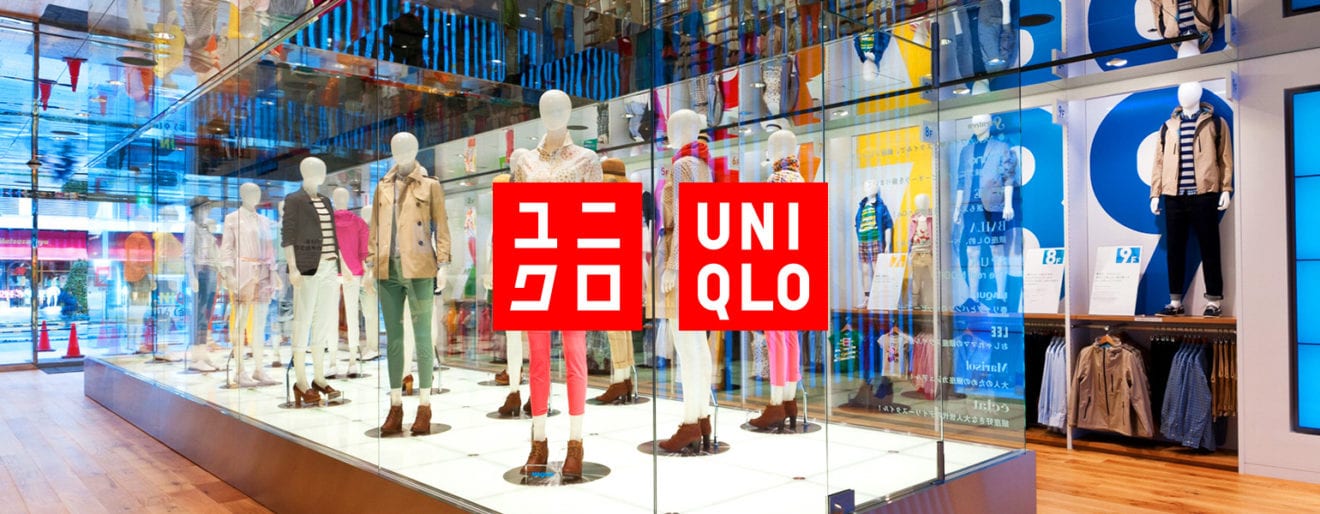
    Uniqlo, the globally recognized Japanese clothing brand, is gearing up for a significant transformation at its Mira Place location, as it embarks on an ambitious expansion project. The store, which first opened its doors in 2005, is set to double its footprint to an impressive 2,500 square meters, with the grand reopening slated for October 17, according to reports from the South China Morning Post.

    Transforming Space for Customers

    This revamped store will hold the title of Uniqlo’s largest outlet in the Kowloon area, reflecting the brand’s commitment to meeting customer needs in Hong Kong. Last November, the retailer similarly redesigned its City Plaza store in Taikoo Shing, expanding across multiple floors, a testament to its evolution in retail strategy.

    Beyond Square Footage: A Focus on Needs

    Tomoyuki Ota, the chief operating officer for Uniqlo in Hong Kong and Macau, highlighted the brand’s focus on understanding what customers genuinely desire rather than merely increasing the number of stores. “The most important thing is what the customer needs and not just the number of stores,” said Ota. This philosophy drives the updates and renovations across its locations.

    Expansion Beyond Borders

    While Uniqlo is enhancing its existing stores in Hong Kong, it is also setting its sights on a bold strategy in India, aiming to more than double its current store count over the next three years. The company marked its foray into southern India with a new store that opened earlier this month.

    Accelerating Presence in the South

    “In the first four years, we focused on north India—that is why our expansion was so fast,” said Kenji Inoue, Uniqlo’s chief financial officer and chief operating officer. “But now we are entering the southern market, which will accelerate our growth going forward.” Since making its debut in India in 2019 with a store in New Delhi, Uniqlo has grown to 16 locations across the country.

    Financial Growth Amid Challenges

    Parent company Fast Retailing reported an 8.4% rise in profit to JPY339 billion (US$2.3 billion) for the nine months ending in May, with Uniqlo International, which includes Hong Kong and other markets, reflecting a robust 12.7% revenue growth to JPY1.45 trillion. However, the company cautioned in July that higher tariffs in the U.S. would impact its operations as the year progresses, especially given that most of Uniqlo’s products sold stateside are manufactured in Southeast Asia and South Asia.

    A Global Perspective: More Than Just a Store

    From its modest beginnings as a single store in Hiroshima 40 years ago, Uniqlo has blossomed into a retail powerhouse with over 2,500 stores worldwide. The brand sells a range of popular products, including affordable fleeces and cotton shirts primarily sourced from China and other Asian manufacturing hubs. As it looks to the future, Uniqlo is also concentrating on expansion in North America and Europe, shifting its focus amid a slowing Chinese economy—the brand’s largest market, where it operates more than 900 stores.

    Questions & Answers

    What is unique about Uniqlo’s expansion strategy in Hong Kong?
    Uniqlo is focusing on renovating existing locations like its Mira Place store to better cater to customer needs, rather than simply increasing the number of stores in the area.

    How many Uniqlo stores are currently operating in India?
    As of now, Uniqlo has expanded to 16 stores in India since its entry into the market in 2019.

    What financial performance did Fast Retailing report recently?
    Fast Retailing posted an 8.4% increase in profit to JPY339 billion (US$2.3 billion) in the nine months ending in May, with Uniqlo International achieving a notable revenue growth of 12.7% during the same period.

  • Vietnamese Online Shoppers Prioritize Reliability Over Discounts: A Shift in Consumer Preferences

    Vietnamese Online Shoppers Prioritize Reliability Over Discounts: A Shift in Consumer Preferences

    Vietnamese consumers are dramatically elevating their expectations for online shopping, demanding not just value but also accountability and reliability from e-commerce platforms. As the market begins to burst at the seams, eclipsing a remarkable $25 billion, a recent report from Milieu Insight reveals an insightful shift in consumer priorities.

    Reliability Takes Center Stage

    In a climate where 53% of Vietnamese shoppers now prioritize dependable service, it’s clear that reliability has become a crucial element of their online shopping experience. Surprisingly, only 45% are concerned with lower delivery fees, a stark contrast to the 56% across the wider Southeast Asian region who still place cost savings at the forefront of their needs.

    This relentless pursuit of quality service is further illustrated by the finding that a staggering seven out of ten consumers are willing to pay more for consistent delivery standards. However, this demand for excellence comes with a catch: one in three Vietnamese shoppers would ditch a retailer after experiencing late or subpar deliveries. Additionally, 46% would abandon their purchase outright if a return policy was absent.

    Platforms Under Pressure

    The Milieu Insight report highlights that accountability largely rests with the platforms themselves. A robust 90% of respondents believe that e-commerce platforms—and not the couriers—should enforce delivery standards. The overwhelming preference is clear: a reliable service is paramount, as nearly 79% of users showcased indifference to which courier is utilized, so long as deliveries arrive on time.

    This emphasis on centralized accountability is further accentuated by the fact that half of the surveyed shoppers would prefer to take complaints straight to customer service, signaling a strong expectation for platforms to shoulder the responsibility for their logistics.

    Shifting Consumer Mindset and Growth Trends

    The report doesn’t stop there; it also reveals that 41% of Vietnamese shoppers have ramped up their online spending in the last six months, nearly doubling the regional average. While affordability remains an essential factor—acknowledged by 64%—there’s a notable shift as diverse product offerings (52%), livestream shopping experiences (50%), and AI-powered recommendations (32%) capture consumer attention.

    “Vietnamese shoppers are raising the bar for e-commerce,” stated Juda Kanaprach, Chief Marketing Officer at Milieu Insight. “They want more than just bargains; they expect platforms to stand behind every step of the shopping experience, from accurate product descriptions and transparent fees to, most critically, dependable delivery.”

    As Vietnam’s e-commerce scene evolves, this shift in consumer expectations promises to redefine how platforms operate, ensuring service quality becomes as essential as competitive pricing.

    Questions & Answers

    What are the main priorities for Vietnamese consumers in e-commerce?
    Reliability is the foremost priority, with 53% of consumers seeking dependable service, followed closely by demands for better package handling and accountability from platforms.

    How has online spending changed among Vietnamese consumers recently?
    A remarkable 41% of shoppers have increased their online expenditures in the past six months, significantly exceeding the regional average.

    What are consumers willing to do in response to poor service?
    One in three Vietnamese shoppers would stop purchasing from a retailer after experiencing late or poor deliveries, emphasizing the need for reliable service in the e-commerce sector.

  • Over 70% of Singaporeans Embrace AI as a Valuable Tool for Holiday Shopping

    Over 70% of Singaporeans Embrace AI as a Valuable Tool for Holiday Shopping

    In the fast-evolving landscape of holiday shopping, the future is undoubtedly digital—and Singaporeans are embracing it with open arms. As the holiday season approaches, a striking 74% of consumers in the city-state are turning to artificial intelligence (AI) tools for gift inspiration, according to the 2025 Holiday Shopping Report from IAS. This data reveals a significant shift in how people are making purchasing decisions, with 27% planning to use AI for online research on products and gift ideas.

    Ads as Essential Decision-Makers

    Interestingly, advertisements are playing a pivotal role in guiding consumer choices. The report highlights that three-quarters of shoppers find that ads significantly influence what they buy. “Instead of wish lists scribbled on paper, shoppers this year are guided by algorithms, trusted platforms, and festive ads that meet them at just the right moment,” says IAS. Despite rising economic pressures, the spirit of giving remains robust, with many Singaporeans intent on either maintaining or increasing their spending this season.

    Spending Trends Indicate Consumer Optimism

    According to the report, 57% of respondents are planning to spend more during the holidays, while 66% will be vigilant about discounts. Discounts emerge as the primary driver of holiday spending for 74% of shoppers, followed closely by festive content at 53% and family recommendations at 51%.

    Holiday Shopping Patterns Unveiled

    The early bird catches the present: half of all shoppers begin their holiday shopping as early as August or October, with the majority of expenditures peaking in November. Laura Quigley, Senior Vice President of APAC at Integral Ad Science, notes, “Our data shows impressions alongside holiday content surge by 150% between November 15 and December 3, a clear signal for brands to frontload their campaigns.”

    The Intersection of Trust and Technology

    With the rising consumer trust in ads and the innovative role of AI in gift discovery, this festive season presents an unparalleled opportunity for brands—not just to capture attention, but to convert that interest into tangible sales. As Quigley aptly puts it, “The opportunity isn’t just to capture eyeballs, but to convert them into meaningful outcomes.” It’s an exciting time for retailers who can navigate this new digital terrain.

    Questions & Answers

    How are Singaporeans using AI tools for their holiday shopping?
    Many Singaporeans are leveraging AI tools for gift inspiration, with 74% integrating these technologies into their shopping experience, particularly for online research about products and gifts.

    What role do advertisements play in consumer purchasing decisions?
    Advertisements significantly influence consumer choices, with three in four shoppers acknowledging that ads guide their buying decisions, highlighting the effectiveness of advertising during the festive season.

    When do most shoppers start their holiday shopping in Singapore?
    Half of the shoppers in Singapore begin their holiday shopping as early as August to October, while the peak spending period is in November, according to the report findings.

  • Aeon expands Vietnam footprint with first Mekong Delta shopping centre

    Aeon expands Vietnam footprint with first Mekong Delta shopping centre

    Japanese retail conglomerate, Aeon, is set to boost its footprint in Vietnam by launching its eighth shopping complex, Aeon Tan An, marking its first entry into the Mekong Delta region.

    Operational Launch and Location

    The center is slated to commence operations on September 23, before officially launching on October 4. The mall is strategically positioned in the administrative region of Tay Ninh province, located on the bustling Hung Vuong artery, in close proximity to the National Highway 1A and a mere 1km from the significant Ho Chi Minh City-Trung Luong Expressway.

    Community-Oriented Design

    The project embodies Aeon’s “Daily Community Park” concept, blending contemporary aesthetics with green spaces and a community-focused layout. To augment the natural ambience of the center, around 11,000 plants have been integrated throughout the complex, paired with spacious seating areas and an alfresco terrace.

    Tenant Profile and Facilities

    The new center will accommodate approximately 30 retailers, a significant 80% of which are making their debut in the Mekong Delta. The retail mix will be anchored by the Aeon General Merchandise Store and will feature a diverse range of outlets including fashion and sports stores, cafes, eateries, bookstores, a cinema, and various entertainment facilities.

    The company statement emphasized the vision of Aeon Tan An as more than just a shopping and entertainment hub, but as a place where people can naturally come together and connect on a daily basis. It further highlighted the opportunities for every family member to explore unique experiences, savor enjoyable moments in a contemporary shopping environment, and benefit from high-quality services and varied entertainment amenities.

    Aeon’s current portfolio includes shopping centers in major Vietnamese cities such as Ho Chi Minh City, Hanoi, Hai Phong, and Binh Duong.

    Questions & Answers

    What is Aeon’s new project in Vietnam?
    Aeon’s latest project in Vietnam is the Aeon Tan An shopping mall, which will be their eighth shopping center in the country and their first in the Mekong Delta region.

    What is the concept behind the design of Aeon Tan An?
    The design of Aeon Tan An embodies Aeon’s “Daily Community Park” concept, which combines modern design with green spaces and a layout focused on community engagement.

    What kind of facilities and stores can visitors expect at the new Aeon Tan An shopping mall?
    Visitors to the new Aeon Tan An shopping mall can expect a variety of outlets including fashion and sports stores, cafes, eateries, bookstores, a cinema, and various entertainment facilities.

  • Hong Kong’s Retail Sales Rise For Third Consecutive Month Amid Increased Tourism

    Hong Kong’s Retail Sales Rise For Third Consecutive Month Amid Increased Tourism

    July’s retail sales in Hong Kong experienced an upward trend, marking the third consecutive month of positive growth. Sales figures showed a 1.8% year-on-year increase, achieving a total value of HK$29.7 billion ($3.8 billion). This increase followed a more modest growth of 0.7% in June.

    Sales Volume Increases

    In addition to this financial upturn, retail sales volume also saw a rise of 1% in July compared to the previous year. This is a significant improvement from the 0.3% decrease experienced in June. However, a broader look at the year reveals that retail sales decreased in value by 2.6% and in volume by 4% over the first seven months of 2025 compared to the same period in 2024.

    A government representative expressed optimism about these figures, suggesting that consumer sentiment is expected to remain consistent. Furthermore, this spokesperson highlighted the positive impact of government initiatives that encourage tourism and large-scale events, all of which are predicted to provide benefits to retail businesses.

    Tourist Arrivals Boost Retail

    Data from the Hong Kong Tourism Board showed an increase in visitor arrivals during July. A total of 4.39 million visitors marked a 12% increase from the same month the previous year. This is a noticeable acceleration compared to the 3.48 million in June, 4.08 million in May, and 3.85 million in April.

    Of these visitors, 3.51 million originated from mainland China, an 11.8% increase in comparison to the previous year. Despite the increasing number of visitors, spending habits indicate a more conservative approach with many choosing to limit their overall expenditure.

    Specific Sector Performance

    Particular sectors within the retail industry showcased robust growth. Jewellery, watches, clocks, and valuable gifts saw sales surge by 9.4% year-on-year in July, up from a rise of 6.9% in June. The clothing, footwear, and allied products segment, however, saw a marginal growth of 0.1%, a slight recovery from a 4.6% drop in June.

    Questions & Answers

    How much did Hong Kong’s retail sales increase in July?
    Sales rose by 1.8% year-on-year, achieving a total value of HK$29.7 billion ($3.8 billion).

    What was the growth in the number of visitors from mainland China?
    The number of visitors from mainland China increased by 11.8% compared to the previous year, reaching a total of 3.51 million in July.

    Which retail sector saw the most significant growth?
    The sector of jewellery, watches, clocks, and valuable gifts saw the most substantial growth with a 9.4% year-on-year rise in sales in July.