Tag: Shopping

  • Retailers Like Ikea Revamp Store Designs to Adapt to Digital Shopping Trends

    Retailers Like Ikea Revamp Store Designs to Adapt to Digital Shopping Trends

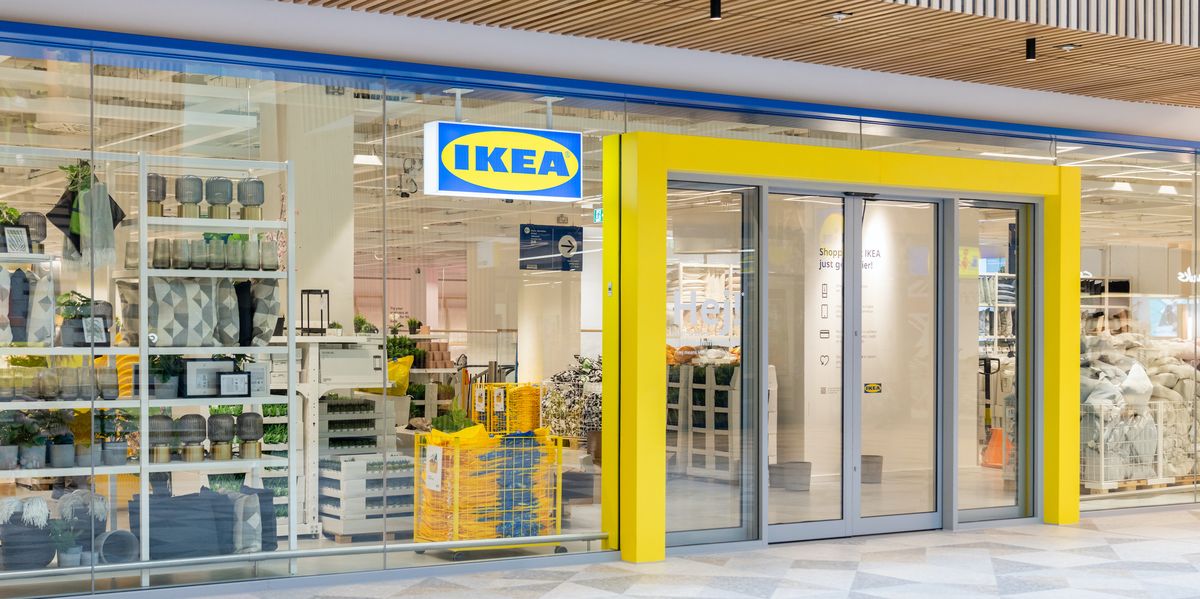
    IKEA is making waves in the retail world by swapping its iconic maze-like store design for a more straightforward, linear layout. This bold move reflects a larger transformation in the industry, one that champions efficiency, flexibility, and clear brand identity.

    A Retail Renaissance

    Rufus Turnbull, Founder and Creative Director at Studio X, notes, “We’re witnessing a shift towards smaller format stores that can offer a more agile shopping experience for consumers. Coupled with the rise of AI, there will be an even sharper focus on hyper-localization—tailoring product ranges to fit the specific needs of customers in their respective regions.” This redesign is part of IKEA’s global strategy to enhance in-store navigation and cut down on shopping time, responding to the increasing consumer demand for quicker and more efficient retail experiences—especially as online shopping sets higher expectations for physical stores.

    Rethinking Retail Inspiration

    Mike Lim, Director at DP Design, emphasizes that traditional, inspiration-driven retail models, like IKEA’s former printed catalog, are losing their relevance. “Today, consumers primarily turn to the internet for information,” he highlights, arguing for a re-evaluation of whether the classic show-and-tell shopfront really meets the needs of modern shoppers.

    Balancing Efficiency with Experience

    However, this shift does come with its own set of challenges. Turnbull warns against viewing the move to more efficient formats as an “all or nothing switch.” He suggests that large-format stores will continue to be crucial, while newly introduced smaller formats can facilitate product pickups and enhance customer service and returns.

    Lim also cautions against an overemphasis on speed and efficiency: “We must avoid the ‘efficient trap’—oversimplifying the shopping experience consumers crave,” he advises. Instead, he advocates for a “retail plus experience” model and “placemaking” that fosters emotional connections with shoppers. After all, who doesn’t want an enjoyable shopping adventure?

    Defining Brand Identity in Transition

    Maintaining a strong brand identity while adapting store functions remains a pressing concern. “A retail concept with a clear purpose is more likely to succeed,” Turnbull explains. He adds that the most sustainable environments are those that respond to market demands and endure over time, rather than simply showcasing trendy green features.

    Lim insists that a brand’s identity must be “singular and laser-focused,” with store design clearly reflecting that mission through layout, packaging, and customer service.

    As IKEA ventures into this new chapter, we can’t help but wonder what other surprises lie around the corner in the ever-evolving retail landscape!

    Questions & Answers

    What is the reason behind IKEA’s change in store layout? The shift to a simpler, straight-line design aims to enhance efficiency, streamline navigation, and respond to consumer demand for faster shopping experiences.

    How are smaller store formats expected to perform? Smaller stores will serve as agile hubs for customer service, product pickup, and returns while still complementing larger locations.

    What role does brand identity play in this transition? A strong, purposeful brand identity is essential; it should be reflected throughout the store’s design and operations to foster long-term success.
  • Costco and DoorDash to deliver groceries to the doors of Aucklanders

    Costco and DoorDash to deliver groceries to the doors of Aucklanders

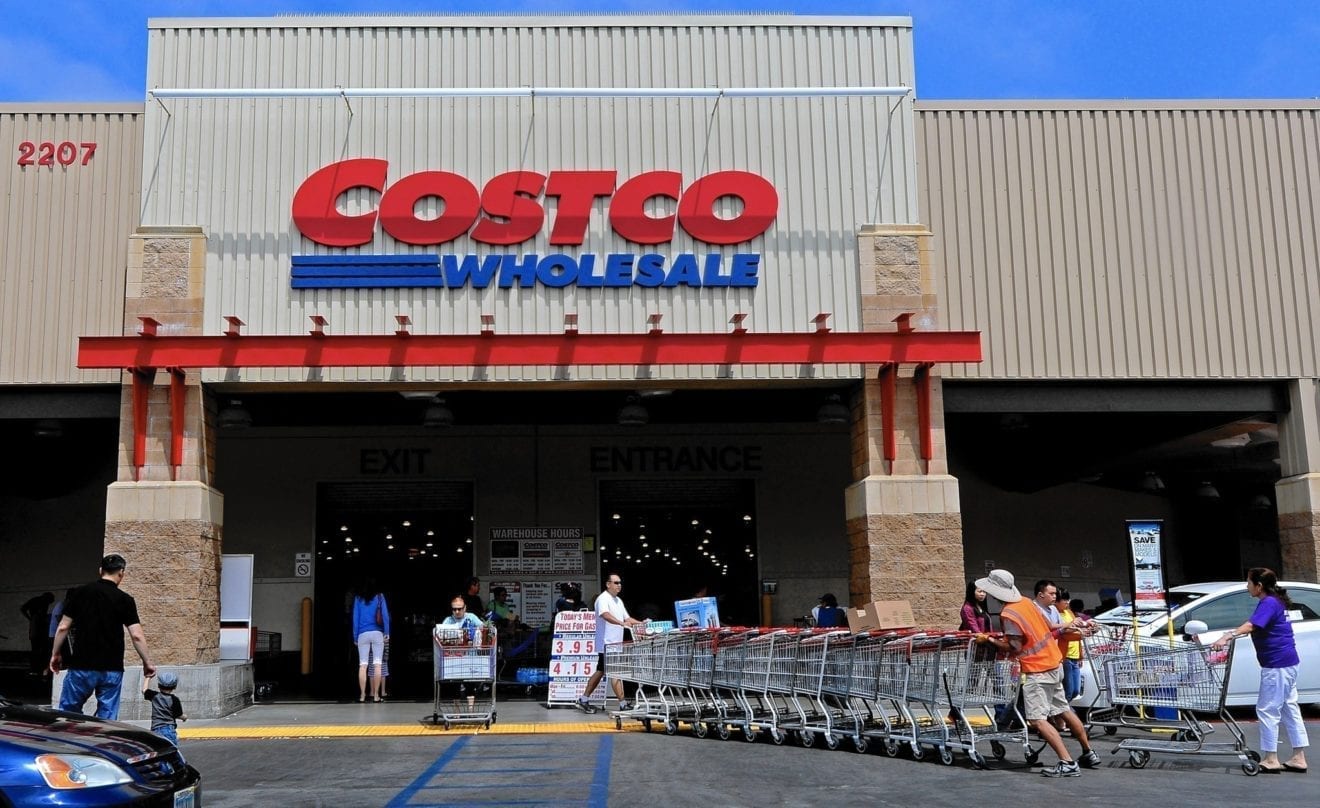
    Costco has teamed up with DoorDash to deliver its range of groceries and household essentials to homes in Auckland at bulk-saving rates.

    The partnership will enable Costco members and non-members to get everything from toilet paper to fresh fruits and vegetables or premium poultry and meat delivered to their homes.

    “We’re always looking for ways to make everyday shopping easier, and our partnership with Costco means Aucklanders can now get incredible value and quality delivered straight to their doorstep,” said DoorDash New Zealand GM Bradley Thomas.

    To launch the new partnership, New Zealand customers will receive NZ$20 off their first Costco order when they spend $150 or more.

  • Aldi ranked Australia’s top supermarket for fifth consecutive year

    Aldi ranked Australia’s top supermarket for fifth consecutive year

    For the fifth time in a row, Aldi has been named Supermarket of the Year 2024 in Roy Morgan’s Customer Satisfaction Awards.

    The supermarket has won this title eight times. The ratings are calculated from an annual survey of 60,000 Australians and cover 40 industry categories.

    “With the rising cost of living, we know many Aussie families are feeling the pinch,” said Simon Padovani-Ginies, group director of Aldi Australia. “That’s why we’re more focused than ever on keeping grocery prices low and making every dollar count. Our entire business model is based on saving people money while making sure only the best products make it onto our shelves.”

    “As well as delivering a dependably high level of customer satisfaction to millions of Australians Aldi is also recognised by Roy Morgan as one of Australia’s top five most trusted brands – a position Aldi has held consistently over the last five years despite the challenges faced by the sector in an era of high inflation and rising interest rates,” said Roy Morgan CEO Michele Levine.

    She said Aldi had a perfect record of winning all 12 monthly customer satisfaction awards during 2024 with an average customer satisfaction rating of “an exceptional” 88.8 percent.

  • Amazon seeks to contest Temu, Shein with budget store selling items like $3 iPhone cases

    Amazon seeks to contest Temu, Shein with budget store selling items like $3 iPhone cases

    American e-commerce giant Amazon has launched Amazon Haul, an affordable e-commerce storefront which offers products priced US$20 or less.

    Items such as a $3 iPhone case or a pack of four socks for $7 are sold with a variety of options on the new store, which is advertised as offering “crazy low prices,” according to a company release.

    Over 300 million products in the main categories of clothing, home goods, jewelry and electronics are available on the store, which can be found on Amazon’s mobile app.

    Most items are $10 or less, and the company offers free shipping on orders of $25 or higher.

    The Wall Street Journal reported that Amazon Haul items will take longer to deliver because they ship directly from warehouses in China, similar to Chinese competitors Temu and Shein which have been rapidly expanding to many markets in recent months.

    Although products priced under $3 are not eligible for return, Amazon guarantees that all items have been screened for safety and authenticity.

  • 17 million Vietnamese products sold on Amazon in 2023

    17 million Vietnamese products sold on Amazon in 2023

    he number of Vietnamese products sold on Amazon soared by 300% in the previous five years to 17 million in 2023.

    The value of the goods exported through the U.S. e-commerce platform increased by 50% during the period, Trinh Khac Toan, northern regional director of Amazon Global Selling Vietnam, which supports sellers, said at a forum Thursday.

    The number of Vietnamese sellers with annual sales of $1 million increased 10-fold between 2019 and 2023, while those who have legitimized their brands through the Amazon Brand Registry program increased by 35 times, he noted.

    The figures demonstrate the astonishing potential of cross-border e-commerce, he said.

    Amazon Global Selling forecasts cross-border e-commerce in Vietnam and Southeast Asia to grow at 20% annually until 2026.

    Bui Trung Kien, vice chairman of the Vietnam E-Commerce Association, said developing cross-border e-commerce is crucial to boosting Vietnam’s exports.

    But the country’s legal framework for businesses could pose a hurdle to this, he warned.

    Cao Cam Linh, a representative of the Vietnam Association for Logistics Manpower Development, said logistics need to be developed to support e-commerce.

    Toan said online businesses need to invest in market research to identify customer needs, improve their products and build their own brands with a long-term vision.

    In Vietnam, Amazon has collaborated with the E-commerce and Digital Economy Agency to train 10,000 people for the cross-border e-commerce industry.

  • Half of Vietnamese population shops online

    Half of Vietnamese population shops online

    More than half of Vietnam’s population shopped online last year as both supply and demand in the e-commerce sector continue to boom.

    Dang Anh Dung, deputy CEO of Lazada Vietnam, told the forum on e-commerce on Tuesday that a report by Google and Temaske & Bain said around 57 million Vietnamese made online purchases last year, most of them in Hanoi, Ho Chi Minh City and Da Nang City.

    The report also asserted that Vietnam’s young population is playing an important role in the digital economy.

    Around 43% of Lazada shoppers are Gen-Zers born in 1997 or later, said the deputy CEO of the digital shopping channel that has been called “The Amazon of Southeast Asia.”

    According to Dung, this demographic in Vietnam accesses the app every day.

    On average, each individual in this young Vietnamese population bracket buys products from seven different categories, Dung told the conference. “Young people are becoming more particular with their products. They seek values and will change brands if they receive low-quality items.”

    Tran Van Trong, general secretary of the Vietnam E-commerce Association (VECOM), said Vietnam is seeing a boom in e-commerce as the number of online shopper surges with improving shopping skills and increasing purchase value.

    The rise in demand has also prompted supply surges, he said. “Millions of people are now online sellers, and the majority of them do not even own a brick-and-mortar store.”

    Businesses are evolving fast to adapt to new ways of selling products, Tand said, adding that many retail firms are responding to the changing times by issuing new policies on online shopping.

    The government has also tightened e-commerce tax collection and is punishing those who sell counterfeit products, he pointed out.

    The Ministry of Industry and Trade recently reported that Vietnam’s e-commerce gross merchandise value is growing by 16-30% a year and could reach $20.5 billion this year.

    The Google report said that Vietnam’s digital economy could reach a total value of $30 billion this year, and $45 billion by 2025.

  • TikTok launches online shopping in the US

    TikTok launches online shopping in the US

    With over 150 million users in the United States, social media juggernaut TikTok, is embarking on a groundbreaking journey that could redefine the way we shop online.

    After months of testing, the platform officially integrates e-commerce into its social media ecosystem, offering users a unique blend of entertainment and shopping. The strategic move comes as TikTok aims to capitalize on the platform’s immense popularity and expand its business.

    Users will now discover videos and live streams in their feeds featuring clickable links that lead to product purchases, effectively transforming TikTok into a thriving shopping destination.

    The TikTok app also introduced a dedicated “shop” tab feature where businesses can showcase their products, complete with logistics and payment solutions, all integrated within TikTok.

    This strategic addition is expected to boost user engagement and drive sales as consumers can seamlessly discover and purchase products within the TikTok ecosystem in hopes of replicating the success of other Asian platforms like Shein and Temu in the US.

    As a way to create a versatile e-commerce ecosystem, the social media giant has strategically integrated its shopping services with several third-party platforms, including Shopify, Salesforce, and Zendesk.

    Overall, TikTok’s goal is clear: to empower content creators, brands, and merchants with the tools they need to create engaging and interactive shopping experiences and ease how customers make purchases on the platform.

    TikTok’s retail expansion comes amid scrutiny from governments and regulators due to concerns over data privacy and an alleged political affiliation with the Chinese state.

    With over 1 billion monthly active users (MAUs) worldwide, TikTok isn’t only focused on the U.S. and has since expanded its reach to multiple countries, including Thailand, Vietnam, Malaysia, the Philippines, Singapore, and the United Kingdom, with plans to reach $20 billion merchandise sales by the end of the year. This underscores its determination to leave a mark on the international e-commerce landscape.

  • Indonesia to ban online shopping via social media

    Indonesia to ban online shopping via social media

    Indonesia’s government is preparing to introduce a series of new business regulations that will prohibit the sale of products via social media. During a parliamentary hearing, the Indonesian Deputy Trade Minister, Jerry Sambuaga, announced this.

    “Social media and social commerce cannot be combined,” the official said, reiterating the government’s intention to crack down on “predatory” practices of sellers on social media, which would threaten offline markets in Southeast Asia’s largest economy. The deputy minister cited as an example the use of the “live” function for the sale of goods via the social media platform TikTok: “The revisions to the trade regulations currently underway will prohibit these practices firmly and explicitly,” said Sambuaga.

    The representative of TikTok Indonesia, Anggini Setiawan, he responded this morning, saying that separating social media and e-commerce into separate platforms would impede competition. TikTok has 2 million sellers in Indonesia, and has previously reported that it has no plans for a dedicated platform for cross-border trade of Chines

  • Don Quijote reports record net profit driven by tax-free sales

    Don Quijote reports record net profit driven by tax-free sales

    Pan Pacific International Holdings, the company that operates the Don Quijote discount chain, reported on Wednesday a net profit of 66.1 billion yen ($455 million) for the fiscal year ending June, hitting a record profit for the 14 consecutive year thanks to foreign tourist spending.

    Revenue reached 1.9 trillion yen, and operating profit was at 105 billion yen, crossing the 100 billion yen mark for the first time.

    PPIH said it has benefited from a recovery in spending by foreign tourists visiting Japan, accelerated by the depreciation of the yen and their enthusiasm for being freed from paying Japan’s 10% consumption tax on purchases of 5,000 yen or more, a benefit Don Quijote actively promotes.

    For the January-March quarter, the company had reported sales and operating profit at its discount store business have been rising steadily due to “increased demand for outings and recovery of inbound travel.”

    “We have strengthened the ‘power to earn,’” Naoki Yoshida, president and CEO, said at a news conference on Wednesday. He added that the company endeavors to gain strength in this new age of inflation, to devise strategies to increase unit price per customer spending and find new ways to get shoppers coming back more frequently.

    By nationality, South Koreans continue to lead the way in tax-free sales. For the January-March quarter, the company reported an increase in customers from Taiwan during the Chinese New Year string of holidays in late January.

    Now with China lifting its ban on group travel, sales are expected to rise even further, Yoshida said. For the year ending June 2024, the operator expects to make 80 billion yen in tax-free sales.

    PPIH has expanded into Singapore, Thailand, Taiwan and Hong Kong, where its stores are called Don Don Donki. Yoshida has mentioned that the company needs more time to reach higher profits overseas.

    The operator plans to add 12 more overseas locations and at least 25 in Japan.

    PPIH said it expects its operating profit margin to remain over 5% in fiscal 2024.

  • Cart Abandonment: Reducing Friction at the Point of Conversion

    Cart Abandonment: Reducing Friction at the Point of Conversion

    In the fast-paced world of ecommerce, cart abandonment has become a significant challenge for retailers. With the rise of omnichannel fulfillment and the increasing demand for fast and convenient delivery options, the complexity of the fulfillment process has escalated. As consumers’ expectations continue to soar, the importance of delivery and pickup experiences has transitioned from afterthoughts to critical factors influencing buying decisions.

    Shoppers now expect immediate access to delivery and pickup options while browsing for products, making collection convenience as crucial as other product attributes. Unfortunately, traditional order management and ecommerce systems were not designed to handle the intricacies of omnichannel fulfillment across multiple locations. Relying on dependable yet slow relational databases, retailers are limited to offering generic fulfillment timeframes, which lack accurate information during the checkout process.

    This unfortunate reality leads to poor customer experiences, resulting in approximately 7 out of every 10 online shoppers abandoning their cart. To address this pressing problem, retailers must reevaluate their fulfillment strategies and invest in technologies capable of providing real-time, accurate information. There are three key areas retailers should focus efforts to reduce friction at the point of conversion and start making successful transitions.

    Establish a unified basket

    The biggest point of friction in today’s retail customer experience is due to the loss of context when transiting between the physical and the digital. A unified cart or basket is a foundational capability that bridges this gap, providing critical connectivity across channels. Shoppers don’t see “channels” the way retailers do – they simply shop. Therefore, retailers are increasingly under pressure to ensure seamless continuity, particularly during transitions between carts and wish lists, alleviating customers from the burden of starting afresh. For brands, embracing a digital first ethos doesn’t mean giving up on physical retail, but amplifying the two, fusing them together seamlessly.

    Manhattan Associates’ 2023 Unified Benchmark for Speciality Retail report found that retailers making the most progress in minimising cart abandonment through connecting in-store and online experiences are offering increased visibility of the following in their cart view:

    1. Inventory visibility: Visibility of real-time available stock across all channels, providing product status by store. If a particular item is unavailable, customers can opt for alternative options or be notified when it becomes available again.
    2. Available promo codes: Automatically applying available promotional codes to the cart view or ensuring applicable promotions visible for shoppers to easily ‘opt in’ when viewing their cart.
    3. Integration with loyalty programs: Displaying the customer’s loyalty points and rewards within the cart provides them with the easily accessible option to redeem rewards directly at the cart stage.

    The report also found that while the majority of retailers are offering basic capabilities such as inventory visibility on a product detail page (PDP), many are yet to extend this offering to across the board, lacking visibility across the entire shopping journey.

    Add value with flexibility

    A truly frictionless shopping experience is not just about the convenience of prefilling a customer’s payment details for future transactions, but it’s also about providing customers with a variety of payment options. More often than not, customers have a preferred payment method. By offering a wide range of payment types, both online and in store, retailers are providing that extra bit of flexibility, making a consumer’s purchase decision easier. This process should be simple and convenient for shoppers to pay however they prefer, including through gift cards, loyalty points, store credit, mobile wallets, pay-later apps, store credit cards, and any combination therein. The report also revealed that 40% of shoppers prefer payment flexibility, including the ability to use a combination of modes to make a purchase.

    However, offering additional payment options has the potential to make things more complicated, therefore it’s important that retailers have the right technology in place to support a seamless checkout experience. Shoppers look for fast and convenient checkout options, with a majority of cart abandonment occurring due to less-than-ideal shopper experiences at checkout, like a multi-step process. If shoppers can quickly and easily buy what they need, when they need it, and do so using their preferred payment method, not only are they more likely to complete the purchase, but they’re more likely to keep coming back.

    Offer fast, accurate delivery promises

    If retailers can assist shoppers with important ordering and delivery-related information across the shopping journey, they increase their probability of conversion. What is the earliest I could get this item, and how? Can I order an item for in-store pick-up and another for delivery as part of the same order? Leading retailers offer shoppers a comprehensive set of delivery and pick-up options, focusing not just on speed but on flexibility to fit busy lifestyles, with 77% of shoppers reporting they prefer to have options when selecting their delivery method. They accommodate ordering complexity without compromising checkout convenience, allowing shoppers to select different delivery options for products within the same order.

    While only 15% of retailers provide the option to change fulfillment method post order confirmation, Sephora is one retailer who is enabling shoppers to get Buy Online, Pick Up in Store (BOPIS) purchases shipped home in case they are unable to pick it up from the store. With 45% of shoppers prepared to abandon a cart if they’re unhappy with the delivery methods on offer, it’s crucial for retailers to ensure the product pick-up or delivery experience is as good as their shopping journey.

    Deliver exceptional experiences

    While consumer expectations of purchasing and delivery expand, customer service and experience are arguably the most important elements to get right. Retailers must invest in technologies capable of providing real-time, accurate information to offer a seamless and efficient fulfillment process. By embracing innovation and prioritising customer-centric approaches, retailers can position themselves for long-term success in this rapidly evolving industry.

    For more information on how your retail business can reduce instances of cart abandonment, please visit: www.manh.com/en-sg

    Written by Richard Wright, Managing Director, SEA, at Manhattan Associates

  • 7-Eleven continues regional expansion with Dalyellup store opening

    7-Eleven continues regional expansion with Dalyellup store opening

    After opening four new stores in 2021, including its first regional store in Busselton, 7-Eleven will continue to invest in the state, with seven new stores on the horizon for 2022.

    Sine opening its first store in WA in 2014, the company has invested $47 million across the State, and according to Nick Maddox, 7-Eleven Area Lead – WA, will invest a further $6 million in new stores in 2022.

    “Approximately 45 additional West Australians have joined our team in 2021, and we hope to have about 100 new roles available as our network continues to grow in 2022.”

    Maddox said the company was incredibly excited to have opened their first regional store in Busselton and plan to grow its regional network by adding a new store in Treendale early next year.

    7-Eleven is continuing to look for the right locations to bring its offer to new communities in metropolitan and regional Western Australia.

    Maddox said they are interested in sites in both established suburbs and growth corridors positioned within reach of customers along busy commuter routes, immersed within residential precincts along connecting roads, local shopping, and community centres.

    “Our preferred sites provide convenient access for passing traffic and suitable room for vehicle movement and easy customer parking. We’re continuing to work with landlords and developers in Western Australia to secure locations to serve our local communities.”

    The pace of 7-Eleven’s growth means there’s potential for people who want a career in retail and to accelerate their progression, stated Maddox.

    “For people looking to make a career path in a new industry, our career development and network growth provide support and opportunity.

    “We’re looking for talented people with the right capabilities who might be interested in leadership. We invest in giving our people the skills they need to take advantage of the opportunities our growth provides.”

  • FamilyMart Malaysia to open 300 halal-certified stores

    FamilyMart Malaysia to open 300 halal-certified stores

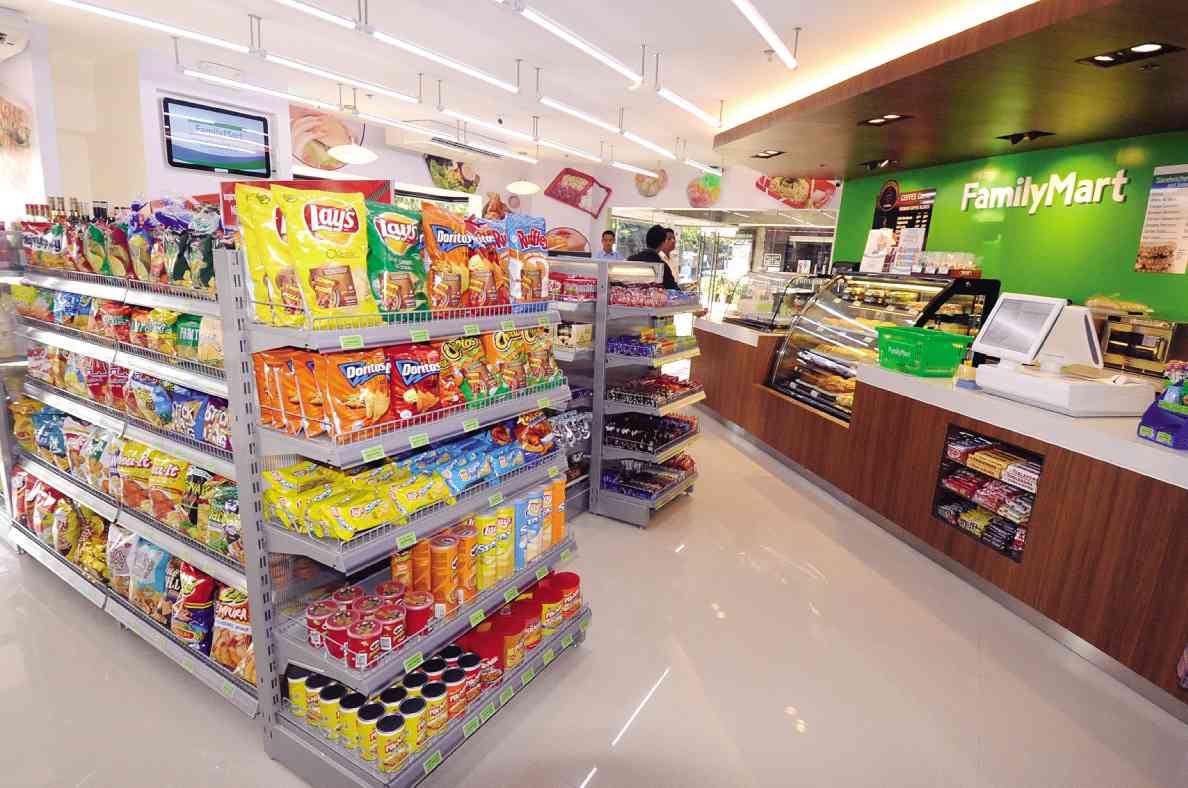
    In a statement shared today (May 10) by FamilyMart Malaysia, the convenience store chain announced that its FamiCafé in Menara U, Shah Alam, has obtained halal certification from Jabatan Kemajuan Islam Malaysia (JAKIM).

    This makes it the first convenience store café in Malaysia to receive this certification. Based on a check on the Halal Malaysia Official Portal, other convenience store cafés such as 7 Café and emart24, are not halal-certified by JAKIM.

    According to the statement, the halal certification aligns with FamilyMart Malaysia’s ongoing effort to ensure that its customers have total peace of mind while shopping and dining at its premises.

    It also added that other FamilyMart Malaysia stores will undergo halal audits in stages as guided by JAKIM, and that the process has already begun at two other stores.

    Subsequently, as a result of the certification, it stated that all new FamiCafés will automatically adopt the layout guided by JAKIM while existing ones will be converted to incorporate the changes required.

    The company aims to have the FamiCafés in 300 stores halal-certified by 2025 with the halal-certified concept serving café beverages and ready-to-eat food prepared in-store.

    There are currently 16 FamiCafés in Malaysia, with an overall target of 50 planned by the end of 2023.

    “We are very excited to be the first convenience store café in Malaysia to be halal-certified as part of our continuous improvement to enhance customer experience and provide value to them.”

    “Our journey to obtain halal certification in our stores is the next step in providing greater assurance and confidence for customers to shop and dine with us,” it shared.

    FamilyMart Malaysia’s central kitchen, operated by QL Kitchen, has been certified halal by JAKIM since 2019. As of April 30, 2023, 172 FamilyMart branded food products have been registered halal on JAKIM’s official halal portal.

    Meanwhile, in alignment with the announcement, FamilyMart Malaysia has also shared that it has stopped the sale of alcohol from all stores to provide an added assurance for all Muslim customers.

    In addition to the halal certification, FamilyMart stated that the team is expanding to the east coast of Peninsular Malaysia and that the company is currently securing identified locations to meet the demands of its fans in the region.

    It plans to open 20 stores by the end of 2023 and expansion is already underway in various parts of Kuantan, Pahang.

  • WinMart’s loss triples in 2022

    WinMart’s loss triples in 2022

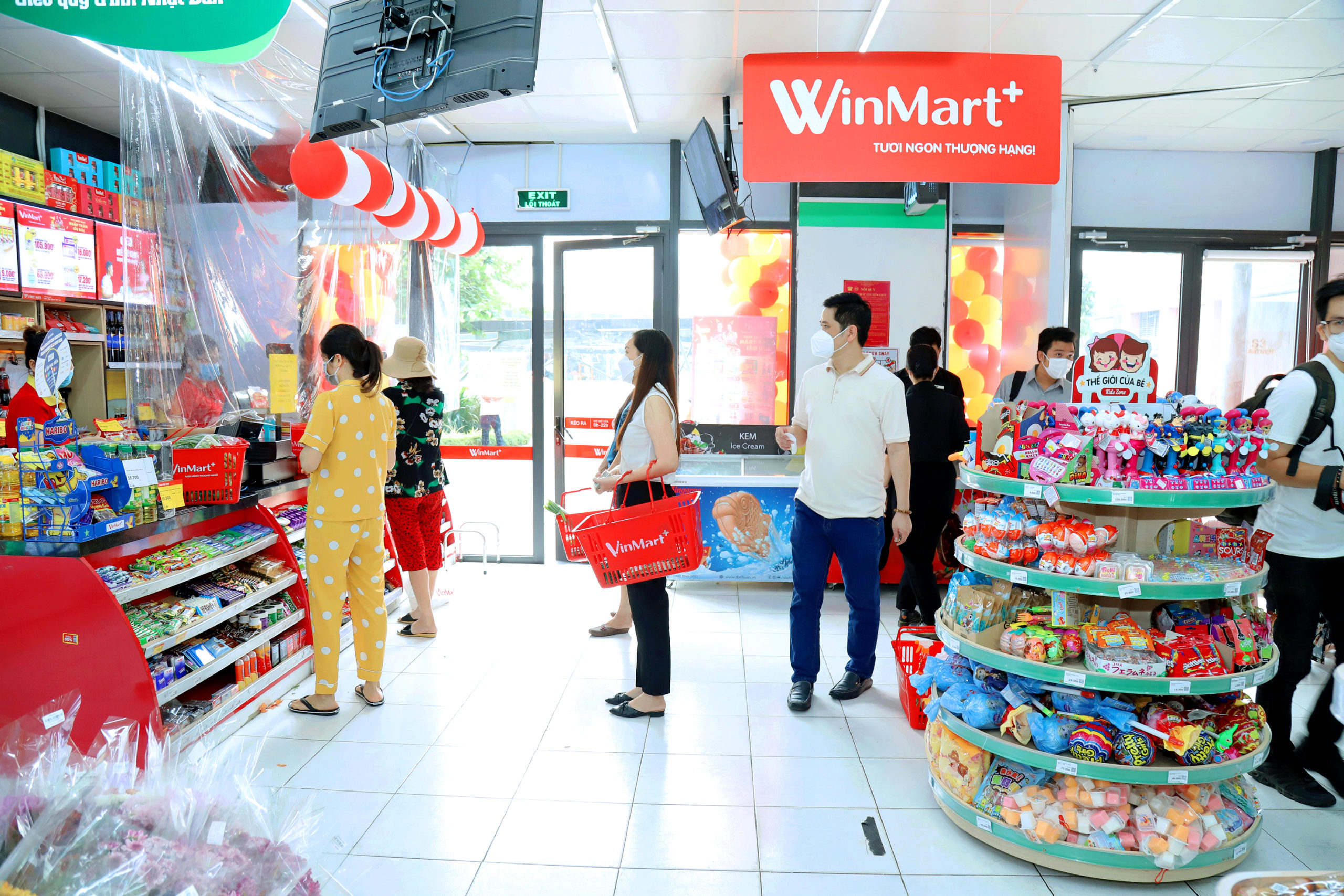
    WinCommerce, the operator of WinMart retail chain, saw its loss tripling from 2021 to VND445 billion ($18.97 million) last year.

    Since being acquired by Masan Group from Vingroup in 2019, WinCommerce has not been able to turn a profit.

    Its revenues declined 5% to VND29.37 trillion last year. Its equity rose marginally to VND3.98 trillion, and debts were at VND14.32 trillion.

    WinCommerce is Vietnam’s biggest retailer in terms of number of outlets. It had 3,268 WinMart+ stores and 130 WinMart supermarkets by the end of December.

  • Aldi sued over ‘copycat’ snacks

    Aldi sued over ‘copycat’ snacks

    Australian children’s snack food brand Little Bellies is suing German supermarket chain Aldi for alleged copyright breaches of several organic fruit and vegetable puff snacks.

    Aldi, which famously mimics well-known brands and creates comparable in-house products at a much cheaper price, has emerged victorious in several legal battles in Australia since it launched here in 2001.

    US snack food giant Frito-Lay sued Aldi in 2001 over its Cheezy Twists, alleging a breach of its Twisties trademark. Frito-Lay won the first battle in the Federal Court, but Aldi appealed and had the ruling overturned.

    In 2015, Israeli beauty company Moroccanoil Israel sued Aldi for alleged trademark breaches of its Moroccan Argan Oil hair care products. Moroccanoil lost the original case, and an appeal.

    The owners of Little Bellies hope a different tack – suing for an alleged copyright infringement – may yield a different outcome.

    The holding company that owns the intellectual property for the Baby Bellies, Little Bellies and Mighty Bellies snack ranges, Hampden Holdings IP, alleges Aldi has ripped off its Organic Blueberry Puffs, Organic Apple & Cinnamon Puffs and Organic Carrot Puffs since at least August 2021.

    Hampden Holdings licenses the brands to Every Bite Counts. According to regulatory filings, both firms are owned by brothers Steven and Clive Sher.

    In Britain, supermarket chain Marks & Spencer sued Aldi for copyright infringement of its light-up Christmas gin bottle. Last month, the High Court in London ruled Aldi infringed on M&S’s copyright. A second copyright dispute between the two companies over a caterpillar cake was settled, and Aldi made a number of tweaks to its design.

    Aldi is not the only discount chain that has been targeted in legal action. Fellow German discount chain Lidl was sued last year by Lindt & Sprüngli over its well-known chocolate gold bunnies. A Swiss court ordered Lidl to destroy the bunnies and prohibited their sale, saying they infringed Lindt’s trademark.

  • H&M to shut high-profile Singapore store

    H&M to shut high-profile Singapore store

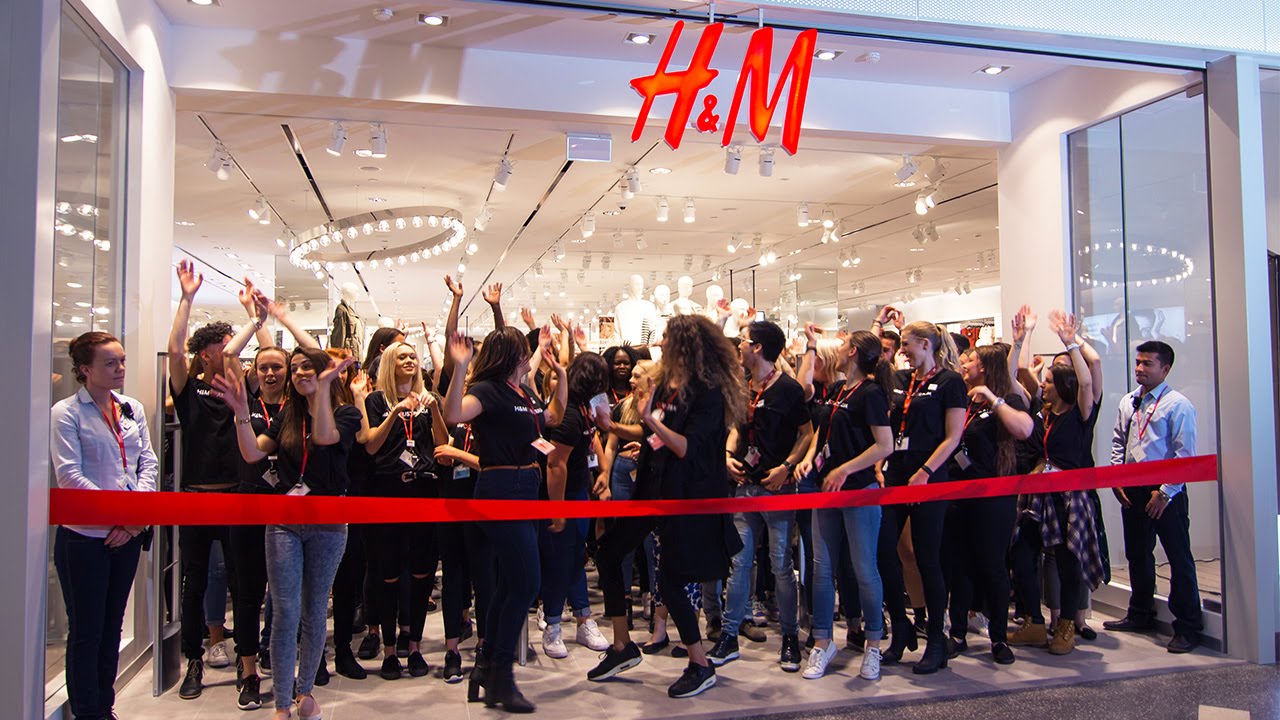
     H&M’ s two-storey Ion Orchard outlet is closing in March, after a run of more than a decade.

    Opened in 2012, the store’s last day of operations is on March 12, according to a Facebook post by the Swedish fast-fashion brand on Feb

    The post added: “But don’t worry. We’ll meet in other places.” The retailer, which currently has nine outlets in Singapore, shuttered two outlets in recent years.

    H&M’s Tampines Mall outlet was shut in August 2020, while its Waterway Point outlet in Punggol closed in January 2021.

    The Straits Times has contacted H&M for comment.

    H&M entered the Republic in 2011 with a flagship store at Somerset.

    The world’s No. 2 fashion retailer – behind Inditex, which owns Zara – has had a spate of closures in Europe, spurred by factors such as the Ukraine-Russia conflict and high inflation.

    According to media reports, one in five of its Britain-based stores had closed in the past few years, with four more stores earmarked to close this year citing “a rapid change in customer behaviour”.

    In October 2020, the retailer said it planned to cut 250 of its stores globally. As at Nov 30, 2022, it had 4,465 outlets worldwide.

    Luxury brands have weathered factors such as the Ukraine-Russia conflict far better than their high-street counterparts.

    While H&M saw its net profit fall 68 per cent from 2021 to 3.6 billion Swedish kronor (S$450 million), French multinational LVMH – which owns brands including Tiffany & Co, Christian Dior and Sephora – had a record year in 2022, raking in a 23 per cent jump to hit €79.2 billion (S$112.9 billion) in 2022.