Retail News CRM

Tag: Shopping

  • Twitter is testing a Shop button that will let you buy items more easily

    Twitter is testing a Shop button that will let you buy items more easily

    Twitter is planning to introduce a new shopping feature similar to what other social media like Facebook and Instagram offer. According to social media consultant Matt Navarra’s recent tweet, the social media giant is testing a new card designed to appear in tweets containing a shopping link. Key elements in the card include the item’s price and a huge, easy-to-tap “Shop” button.

    The introduction of the new Twitter shopping card would be great news for online stores and influencers alike. Selling products on social media can be a challenge, but the card’s design would make a product harder to miss while a potential buyer is scrolling down their feed.

    It is worth pointing out that this isn’t a new ad format. Twitter’s new shopping card is just a prettier way for shopping links to be visualized on the platform. Though we’re sure Twitter won’t mind if such tweets get promoted for a nominal fee.

    Twitter’s push to make its platform more shopping-friendly is not an unexpected one, as some rivals like Facebook have featured options for selling products for a couple of years now. From a business point of view, it is a smart move on the company’s hand to expand its sources of income. Time will tell if users like the new feature or if they are put off from the social giant in the aftermath of its new shop buttons.

  • Giordano opens largest retail store in Indonesia’s

    Giordano opens largest retail store in Indonesia’s

    Apparel retailer Giordano has unveiled a large-scale store in the newly opened Bumi Raya City Mall in Pontianak, Indonesia.

    Located on the mall’s first floor, the Giordano store spans 2300sqft and offers a complete range of men’s, women’s and children products.

    “This is our second store in Pontianak, which is one of the most culturally diverse cities in Indonesia and the entrance to Singkawang, the renowned ‘city of a thousand temples,” said Patrick Yeo, president director of Giordano Indonesia.

    Opened last month, Bumi Raya City Mall is home to more than 190 brands, including a host of international retailers and flagship stores. Bumi Raya City Mall is also the first family lifestyle mall to open in Pontianak.

    Founded in 1981, Giordano operates more than 2100 stores and counters in Greater China, South Korea, Southeast Asia, Australia, India and the Middle East.

  • How LVMH plans to reshape Tiffany

    How LVMH plans to reshape Tiffany

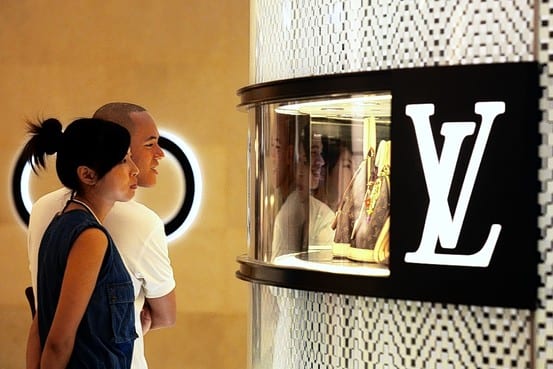
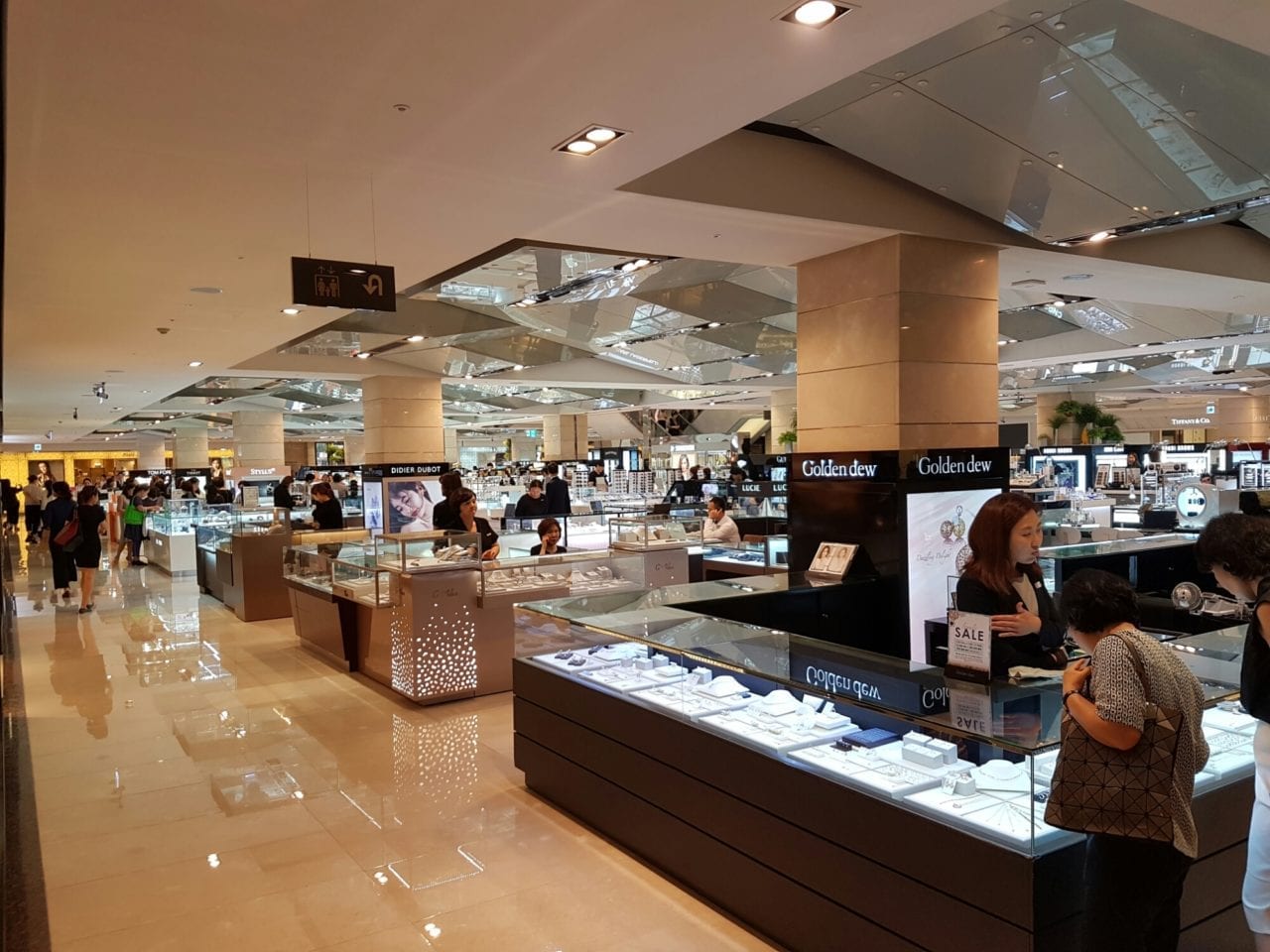
    French luxury goods group LVMH LVMH.PA plans to overhaul Tiffany & Co’s vast merchandise lineup to focus more on gold and precious gems while going more upmarket with its silver bangles after closing the $15.8 billion takeover of the U.S. jeweller this month.

    Six sources including two people with inside knowledge of Tiffany’s operations told Reuters the owner of Louis Vuitton would also likely revamp the appearance of the jeweler’s stores and boost its presence in Europe and Asia.

    More than a third of Tiffany’s 320 shops are in the United States and two sources described some of them as out-of-date, shoddy and in need of refurbishing.

    “LVMH can give Tiffany the kind of time and money needed to make some big investments in the product range and in stores worldwide, and wait for those to pay off in the medium term,” one of the sources said.

    At a town hall in New York for Tiffany’s 14,000 employees on Jan. 8 – a day after LVMH installed a new leadership team – the group’s new bosses laid out their initial plans to focus on high-end, sparkling jewelry, said one person who attended it. The group is also considering building out Tiffany’s lineup in watches, another source familiar with its thinking said.

    Unlike such rivals as Richemont-owned CFR.S Cartier and Van Cleef & Arpels, as well as fellow LVMH brand Bulgari, Tiffany’s products range from $150 silver pendants to diamond necklaces priced in the tens of millions.

    Silver jewelry has gross margins of around 90% and offers a perfect entry point for younger, less wealthy shoppers, but top industry names also need the medium- to the high range – with a price tag above $100,000 – to create an aura of exclusivity, experts say.

    In a video message to employees during the town hall, LVMH boss Bernard Arnault, who is also France’s richest man, said he wanted to elevate Tiffany’s standing, even if that took time.

    “We will also prioritize Tiffany’s long-term desirability over short-term constraints,” Arnault said, according to a person who attended. At one point brandishing one of Tiffany’s signature robin’s egg blue boxes, Arnault underscored the label could count on cash-rich LVMH’s resources.

    The world’s biggest luxury goods group, also home to Moet Chandon champagne, was shaken by the COVID-19 pandemic and sales in airport stores plunged, but its biggest labels have stayed the course.

    The mood among some of Tiffany’s workforce is anxious nonetheless.

    A senior store employee in Europe said the jeweler would benefit as a more sophisticated, exclusive brand under LVMH, but also worried about the group’s reputation as a demanding owner.

    “If a store doesn’t quite work, they just shut it down,” this person said, speaking on condition of anonymity.

    Arnault is known for dropping in on stores unexpectedly – including at a Tiffany store in Seoul after the deal was announced in late 2019, where he pointed out blips such as a cleaning product that had been left out on a stand and a pink Post-It note saying “not available” that had been put up on a product, people familiar with the group said.

    LVMH and Tiffany declined to comment. LVMH is due to report full-year 2020 results later on Tuesday.

    After a bruising court battle midway through the acquisition process, which ended with Tiffany and LVMH renegotiating the price tag slightly downwards, Arnault had soothing words for the U.S. jeweler.

    He told the town hall Tiffany’s resilience in recent months had exceeded LVMH’s expectations, one of those presents said.

    The group had previously called Tiffany’s prospects “dismal” due to poor management during the COVID-19 crisis.

    Tiffany regained some ground through online sales and in China in its last quarter. Jewelry as a whole, one of the fastest-growing luxury sectors in recent years, has resisted more than other areas during the pandemic.

    Tiffany is less exposed than rivals to Asia-Pacific – a major driver for luxury sales – which accounted for 28% of its worldwide sales of $4.4 billion in 2019. Europe stood at 11%.

    LVMH will scrutinize store performance and locations and could use its clout to get better leases or find better showcases freed up by other brands within the group.

    New York-based Tiffany, founded in 1837, achieved world fame with the 1961 movie “Breakfast at Tiffany’s” starring Audrey Hepburn, but a fresh marketing push could help the brand.

    Alexandre Arnault – one of four Arnault children with roles at LVMH and now Tiffany’s executive vice president, in charge of product and communication – told the town hall he would focus on advertising campaigns and luring young customers.

    The 28-year-old helped LVMH acquire luggage maker Rimowa and gave it a hipster edge while CEO there, through collaborations with Dior that made it sexy for the runway.

    The young Arnault will work alongside new CEO Anthony Ledru, who ran Vuitton’s global commercial activities but is also known for rolling out its high-end jewelry line and had a previous stint at Tiffany and also at Cartier.

    He takes over from Alessandro Bogliolo, who had already overseen a multi-year renovation of Tiffany’s flagship New York store on Fifth Avenue, and the purchase of an 80-carat-plus oval diamond to be set in a necklace that will become its most expensive piece of jewelry.

  • Don Don Donki confirms Taiwanese introduction date

    Don Don Donki confirms Taiwanese introduction date

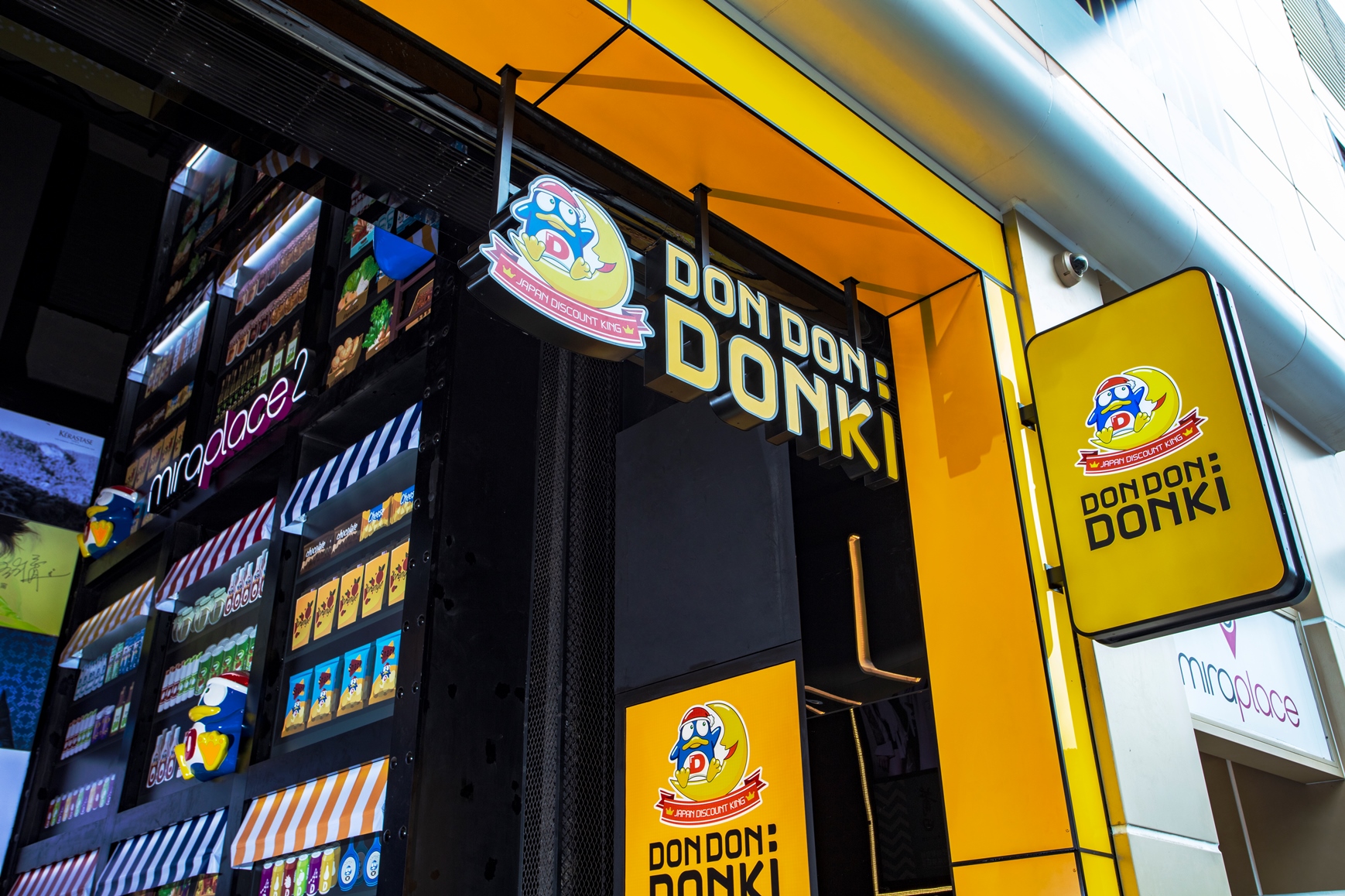
    Japanese discount retailer Don Don Donki, known as Donki, looks on course to make its Taiwan debut, with a new 24/7 store rumored to be opening in the popular shopping destination of Ximendeng in Taipei.

    The company is yet to reveal the location or the opening date of the store, however, job advertisements seeking up to 400 employees have all but confirmed the company’s expansion plans.

    Don Don Donki is a discount chain store that carries a wide range of products, from basic groceries to electronics and clothing. It has over 160 branches in Japan, Hong Kong, Singapore, Thailand, and Hawaii (US) and is said to be a popular store for Taiwan residents to visit when traveling.

    The retailer launched a free international shipping promotion on its e-commerce platform last year, which has helped build the brand’s appeal among Taiwanese consumers.

    Meanwhile, Don Don Donki’s fifth Hong Kong outlet of 2020 is expected to open in Central by October. Its owner, the Japanese group Pan Pacific, has been aggressively expanding within the Asian region in the past year.

  • Ikea in talks to buy city-centre retail property in big European cities

    Ikea in talks to buy city-centre retail property in big European cities

    IKEA’s Ingka Investments is in talks to buy commercial property in prime locations in several big European cities after it finalised its first-ever such acquisition last month, its managing director said.

    The investment arm of Ingka Group, which owns most IKEA stores, is pushing into the real estate market as part of IKEA’s shift towards big city-centres from out-of-town. So far, such locations are leased.

    Scouting for city-centre retail property more or less ready to house IKEA stores across Europe’s main cities, Ingka Investments’ first deal was in Paris’ Rue de Rivoli.

    “We have ongoing discussions in big European cities,” Ingka Investments Managing Director Krister Mattsson said in an interview. “It takes time to buy properties, but there is a lot in the pipeline,” he told Reuters.

    Inkga Investments is pushing ahead with the new strategy despite the wider retail market uncertainty caused by the pandemic.

    Despite the exodus from high streets prompted by the coronavirus, price tags for the kind of properties that Ingka Investments is hunting for have not tumbled, Mattsson said.

    “For good locations in big cities, which is what we are looking at to meet our customers, there is always demand,” he said. “We haven’t seen any big impact yet on prices for such properties – which one may have expected when the crisis came.”

    Besides good space for the IKEA store, buildings could also include other retail, office and even residential space, and Ingka Group would take over as landlord.

    The decision to build up a real estate portfolio stems from privately held IKEA’s long-standing strategy not to rent. Acquisitions, as IKEA’s other investments, are self financed.

    Separately, Ingka Group’s malls arm Ingka Centres is also shopping for inner-city property, albeit targeting bigger developments aimed at housing IKEA-store anchored malls. Scouting Europe, Asia and the United States, it has so far made two such acquisitions.

    Ingka Investments’ portfolios also include renewable energy and forests.

    Starting in 2017 with the purchase of handyman services platform TaskRabbit, Ingka Investments also buys into startups that may help IKEA speed up its digital transformation, improve its services, and become more sustainable. The latest addition is a stake in logistics solutions and delivery platform Mover Systems.

    Ingka Investments has to date made 23 such minority stake investments totalling more than 200 million euros ($238 million), it said. It has not disclosed the price tag for TaskRabbit and two more full acquisitions.

    Ingka Group is a franchisee to brand owner Inter IKEA.

  • Korean department stores are being converted into culture spaces

    Korean department stores are being converted into culture spaces

    South Korean department stores are on track to transform their outlets from simple shopping centres into culture spaces.

    The primary factor behind the department stores’ increasing efforts to install cultural spaces is the sluggish performance of their offline stores amid the expansion of contactless consumption through online channels resulting from the spread of the Covid-19 pandemic.

    Lotte Department Store, for example, started setting up experience-focused cultural facilities within its outlets across the country last year.

    The company’s flagship store in Jamsil, southern Seoul, is running a cultural space called 291 Photographs, which hosts a variety of photo exhibitions and offers profile photograph services for professional writers, in addition to camera and book sales.

    Hyundai Department Store also built a cultural space at its Pangyo branch, south of Seoul.

    Under the concept of an ‘Art Museum’ that focuses on installing a variety of artworks including sculptures and paintings on each floor of the store, Hyundai Department Store is turning its Pangyo store into a kind of art gallery.

    Shinsegae Department Store is running professional galleries at its flagship location in Seoul and as well as stores in Busan, Gwangju and Daegu.

    As the shopping experience itself is becoming not enough to lure consumers, department store operators are looking for ways to differentiate themselves by transforming their stores into cultural attractions where visitors can enjoy not only shopping but also a variety of culture and art.

  • 7-Eleven Malaysia appoints CEO team

    7-Eleven Malaysia appoints CEO team

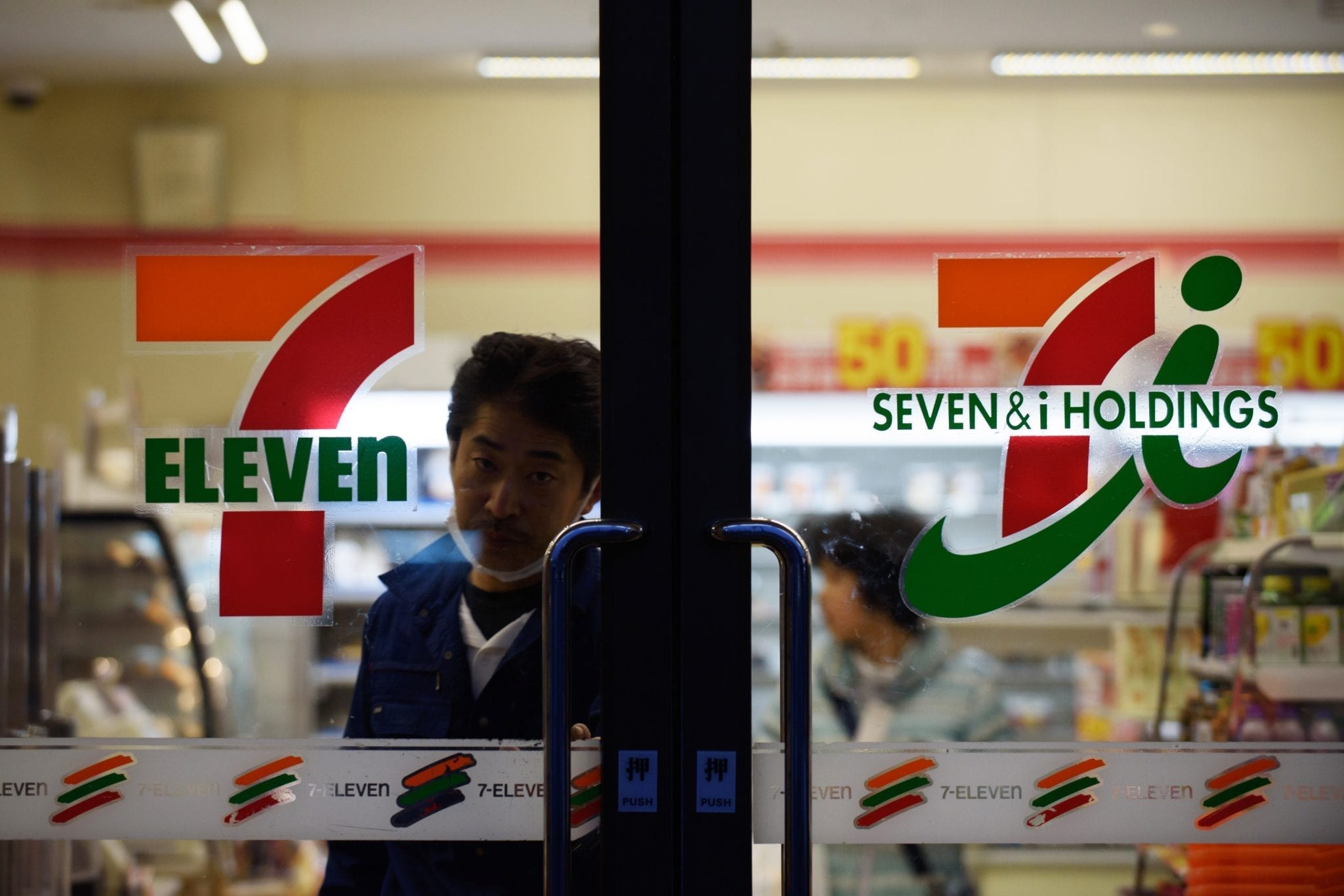
    7-Eleven Malaysia Holdings Bhd has appointed CFO Wong Wai Keong and executive director Tan U-Ming as the co-CEOs for the company, effective Dec 1, 2020. Wong will also be appointed as an executive director of the company, effective Nov 1, 2020.

    They will jointly succeed Colin George Harvey, who will relinquish his post as executive director and CEO effective Dec 1, 2020 for health reasons. Harvey will continue with the company in his new capacity as an advisor and consultant.

    7-Eleven Malaysia chairman Tan Sri Abdul Hamid Embong said Wong and Tan’s combined 15 years of experience with the company will provide the strength and stability needed to weather through the uncertain economic conditions caused by the Covid-19 pandemic.

    Wong was appointed as CFO of the company in March 2018. Prior to joining 7-Eleven Malaysia, he was the group finance director of SyAqua Group Inc overseeing the Asian markets and Florida, USA where he was involved in the organization expansion and was instrumental in transforming the group into an integrated functional business. He has previously held management roles in Avon Cosmetics, KFCH Marketing, Ayamas Food Corp, Abbott Laboratories, and Wyeth. He was also a lead application consultant with JD Edwards.

    Wong is also a member of the Chartered Institute of Management Accountant, the Malaysian Institute of Accountants, and the Chartered Global Management Accountants.

    Tan was appointed as a director of 7-Eleven Malaysia Sdn Bhd in 2008, where he was responsible for overseeing the merchandising, supply chain, procurement and marketing functions. He was appointed to the position of executive director in 2011. Tan was appointed to the board of 7-Eleven Malaysia in August 2013. He currently holds directorships in other private companies of various industries.

  • Best Black Friday TV deals available now and coming up

    Best Black Friday TV deals available now and coming up

    The best time to upgrade your TV is less than a month away, Black Friday. If you’re in the market for a brand-new TV, we already have loads of new deals, as US retailers are gearing up for one of the biggest sales One of the main highlights of a Black Friday sale is the As we’re getting closer to Black Friday, many US retailers offer amazing deals that will probably not return on November 27.

    We’ve piled up a list of pre-Black Friday deals on TVs, but we’ll update the article with fresh new deals as we’re getting them. More importantly, be sure to return on Black Friday to find the best TV deals that you’ll be able to get this year.

    We’ve compiled a list of some of the best and most expensive smart TVs that are on sale right now at Best Buy and Walmart. If you wish to watch 4K content or play games in super high-definition, these are the TVs that you’ll want to get. Although some of these TVs are getting a discount of more than $500, they remain quite expensive.

  • Hyundai Department Store to open Pet Park complex

    Hyundai Department Store to open Pet Park complex

    A pet park complex that features daycare centers for pets as well as pet swimming pools is coming soon.

    Retail giant Hyundai Department Store Group announced Tuesday that one of the largest ‘pet parks’ in South Korea will open at the new Hyundai Premium Outlet Space 1 that is scheduled to open on Nov. 6 in Namyangju, Gyeonggi Province.

    The park will be named after the pet park’s signature mascot, Heendy, and will cover an area of 1,322 square meters on top of the outlet store.

    Playgrounds, feeding tables, photo zones, water fountains, and other facilities will become available as well as premium pet facilities including pet schools, swimming pools, spas, hotels and grooming shops.

  • Convenience stores are emerging as new centres of day to day life

    Convenience stores are emerging as new centres of day to day life

    In 2018, Nielsen had reported that FMCG sales growth in Southeast Asian convenience stores reached 8.3% and Mintel published that sales through Chinese convenience stores hit US$19.78billion with a CAGR of 24% over the past 5 years.

    These gains made by such retail channels reflect changing consumer lifestyles influenced by the constant and rapid urbanization of Asia’s developed and developing cities. Urbanization across the globe has caused people’s lifestyles to evolve to be more mobile and time-constrained. Concomitantly, these changes lead people to seek new communal spaces and a shift toward having smaller households and families. As such, convenience stores are beginning to adapt to these changes to become more integral to people’s daily lives. This also means emerging opportunities for producers of FMCG and F&B brands to tap into.

    To become an essential part of people’s every day, convenience stores have, and are, taking on new roles through innovation and experimentation in space management and retail strategy. The busy and hectic lifestyles of consumers today have given rise to convenience stores providing one-stop service solutions. These solutions range from bill payment, banking, postal and travel services, online purchase collection points, and even laundry drop off points.

    For instance, e-commerce giants Zalora and Lazada in Hong Kong and Singapore have paired up with 7-11 stores across the city that provide easily accessible and trusted locations to pick up their parcels if they had missed their home deliveries. Here, there is tremendous potential for e-commerce brands to expand their access through convenience stores in more remote or inaccessible areas. Accessibility of convenience stores also presents partnership opportunities for brands and companies offering these services to grow ever closer to consumers. Convenience stores are also starting to provide an extended selection of easy-to-eat meals that have moved beyond mere ‘quick fixes’. Easy-to-eat meals on offer in stores overlap convenience with attributes of quality, authenticity, and health to cater to consumer’s busy schedules without forgoing trends, taste, and dietary preferences. Stores also offer air-conditioned seating areas to take their meals in an affordable and comfortable space. Hence, convenience retail channels are turning into alternative third spaces – new places for social engagement – as lifestyles and social interactions grow more and more fluid and mobile.

    With a wide range of food and beverage options coupled with free wifi and air-conditioned seating areas, convenience stores are being redesigned to attract and retain consumers on-site.

    Furthermore, it is not entirely uncommon these days to see stores such as 7-11 hosting events or musical performances, becoming sites and spaces of entertainment consumption. This presents partnership opportunities for brands to co-host events and invent both novel and practicable product formats for consumers spending more time in the store.

    Thus, convenience stores are no longer just a space to buy basic and practical necessities. It has turned into an experiential place where customers can enjoy and discover things they like. Convenience stores today function as ideal discovery centers for both brands and consumers to experiment with new products in smaller low-risk formats. Brands can use these stores as introductory and experimental test-grounds for new products and packages for consumers to try before full conversion.

    Apart from product testing and brand discovery, convenience stores today also provide novel and experiential consumer retail experiences through creating or testing seamless purchase journeys. In this sense, cashless payments and unmanned kiosks open up opportunities for detailed consumer analytics. Brands can take advantage of this and partner with convenience stores to use data to create personalized marketing campaigns and build stronger customer engagements.

    Tapping into the future of convenience retailing

    The ongoing diversification of consumers’ needs overtime has made convenient stores more than just a convenient space to shop. Convenience is being redefined as this particular channel grows to become more of a cornerstone in people’s daily lives. To grow closer to customers, brands need to adapt to these changes in consumers’ lifestyles and make use of convenience retail channels in varied ways to:

    1) provide access to services and products
    2) provide a wide range of food and beverage options to satisfy different dietary preferences
    3) partner with such channels to host events
    4) use these channels as a testbed for novel and innovative product formats
    5) create personalized marketing campaigns from consumer-generated data

    In order to capitalize on the growth and opportunities convenience stores present, FMCG, and food & beverage brands need to map out areas of play in convenience retail channels to achieve success. This includes an understanding of formats and the market in CVS, along with a thorough comprehension of new developments and trends through general retail and category deep dives, as well as ensuring a design strategy exists for product categories to meet customers’ lifestyle needs.

  • South Korean duty-free operators ‘desperate’ amid protracted pandemic

    South Korean duty-free operators ‘desperate’ amid protracted pandemic

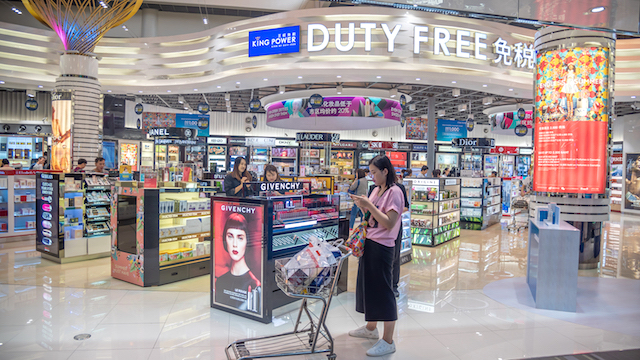
    Stung by the protracted new coronavirus outbreak, South Korean duty-free operators are struggling to overcome the industry-wide slump with belt-tightening measures, including increasing the number of closing days at some outlets in major local cities and cutting their overseas operations.

    Industry leader Lotte Duty-Free began closing its outlets at Coex in southern Seoul and the southeastern port city of Busan every Sunday and Monday from this month.

    In April, Lotte decided not to open the two stores every Monday, as the number of customers sharply declined due to the Covid-19 pandemic. The latest move came as a resurgence in virus cases made it difficult to expect imminent business normalization.

    Since late May, Shinsegae Duty-Free has closed its outlets in Seoul’s upmarket southern district of Gangnam and Busan every Sunday and Monday.

    Hit by the virus outbreak, South Korean duty-free operators have suspended the operations of their outlets at major airports either partially or wholly.

    The pandemic has also dealt a blow to duty-free operators’ overseas business. Local duty-free shops had rushed to expand their foray into overseas markets in recent years in a bid to reduce their reliance on Chinese visitors and generate decent profits.

    Lotte Duty-Free plans to close its duty-free stores in Jakarta and Bangkok in the second half and liquidate its units in Indonesia and Thailand.

    In the first half, Lotte withdrew its business from Taiwan. The number of Lotte Duty-Free overseas units will fall to 12 outlets in six countries if it completes the closure of the two units in Southeast Asia.

    Some improvement in sales may give some solace to local duty-free operators, but their revenues remained far below the pre-pandemic level.

    Combined sales at duty-free shops in South Korea in July rose by 12.4 percent from the previous month, as small Chinese vendors returned to scoop up duty-free goods, according to industry data.

    It marked the third straight month of gains since the figure fell below 1 trillion won for the first time in four years in April.

    The number of visitors to local duty-free units topped 500,000 in July, marking the first time in four months.

    “Duty-free sales are tipped to further increase in the third quarter, compared with three months earlier, on the back of the government’s eased restrictions on sales channels of duty-free goods,” said Na Eun-chae, an analyst at Korea Investment & Securities Co.

    To prop up the pandemic-hit segment, the government decided in late April to temporarily permit sales of duty-free goods via local sales channels.

    It also allowed registered foreign buyers to receive duty-free products at their home countries without the need to visit South Korea.

    Meanwhile, major duty-free players are expected to take part in the bidding for new business licenses at the country’s main international airport as they set sights on long-term recovery in the post-Covid-19 era.

    The operator of Incheon International Airport, the country’s main gateway west of Seoul, will close the bidding for new duty-free shop business licenses at six sections, including cosmetics, liquor and tobacco, at the airport’s Terminal 1, on Tuesday.

    In March, Lotte Hotel, Hotel Shilla and Hyundai Department Store Duty-Free won duty-free business licenses at Terminal 1, but Lotte and Shilla gave up the business rights in April amid faltering sales.

    As the airport operator failed to pick new entities, Lotte and Shilla have continued to run their business after extending their licenses.

    Industry watchers expect major duty-free operators to participate in the bidding, as the airport operator has proposed a sharp cut in lease fees.

    “Earnings are still not good, but we are considering participating in the bidding (for the long-term perspective), taking into account the post-pandemic situation,” said an official at a local duty-free operator.

  • Bossini results in freefall as Covid-19 hits the entire fashion industry

    Bossini results in freefall as Covid-19 hits the entire fashion industry

    Covid-19 has increased Hong Kong-listed apparel group Bossini’s loss attributable to shareholders by 174 percent from last year to US$48.85 million.

    Sales for the 12 months to June 30 hit $141 million, down by 27 percent, and gross margin fell to 49 percent, from 52 percent last year.

    “Since 2019 the economic environment of the core markets in which the group operates, comprising Hong Kong and Macau, Mainland China and Singapore, has been adversely affected by the Sino-US trade tensions, the local social incidents in Hong Kong and the global outbreak of Covid-19,” the business said.

    “Social distancing, lockdowns, curfews, and changing quarantines have created immense challenges for our retail operations. Moreover, major banks continue to tighten our credit facilities, and it is difficult to predict whether additional measures will  be implemented by the banking sector in the future.”

    In response, the business is working to reduce its costs by “streamlining business operations”, and reviewing inventory levels and its store portfolio in an effort to exit loss-making sectors. Bossini said its rental expenses are “very unreasonable”, that it will focus on renegotiating leases, and that should landlords be reluctant to drop rent it will close stores.

    Bossini’s new owner, Viva China Holdings, said it expects to continue facing headwinds in the short-term and that there isn’t enough information for it to form an optimistic opinion for the foreseeable future.

  • Online platform ready to recover lost Malaysia Airports retail earnings

    Online platform ready to recover lost Malaysia Airports retail earnings

    Malaysia Airports Holdings has launched a travel retail e-commerce platform shopMYairports, aiming to recover some US$67 million from sales lost through its airport network due to passenger volumes plummeting.

    Still smarting from the loss of $671 million in revenues from retail in the year prior to the advent of Covid-19, the airport operator is hoping for significant potential growth from the initiative, which is part of a broader Airports 4.0 plan for digital transformation to enhance passenger retail experiences and support the recovery of its airport retail tenants.

    The move serves to allow consumers to buy travel-exclusive and duty-absorbed products online, having purchases delivered directly to their homes.

    “The launch of shopMYairports is an important step in our journey to make our airports future-ready,” said group CEO Datuk Mohd Shukrie Mohd Salleh.

    “As Malaysia’s main airport operator, we have to ensure that we remain agile and relevant while navigating within a fast-changing consumer landscape.”

    Future services available on the platform are expected to include click-and-collect services, allowing travelers to pick up purchases at designated airport counters, and concierge services to deliver products to passengers’ boarding gate or aircraft seat.

  • Aeon Malaysia reports second-quarter loss likely due to virus outbreak

    Aeon Malaysia reports second-quarter loss likely due to virus outbreak

    Japanese mall brand Aeon’s operations in Malaysia have reported a net loss of US$2.3 million for its second fiscal quarter this year.

    The losses, which followed a first-quarter net profit of $1.8 million, are being considered as an effect of the coronavirus outbreak and the movement control orders executed in the territory and subsequent closures of non-essential tenants, along with lower rental pricing. It is a drop of 19.9 percent from the same period last year.

    Aeon MD & CEO Shafie Shamsuddin said that recent months had been a tough journey while expressing gratitude to the group for managing to bounce back in May and June.

    Aeon Malaysia’s current priorities include enhancing its safe-shopping environment with its personal shopper and home delivery services, as well as the launch of its online virtual mall. The group’s malls expanded their drive-thru services to more locations following an introduction of the service using personal shoppers in March.

  • 7-Eleven Malaysia keeps profit levels as before Covid-19 outbreak

    7-Eleven Malaysia keeps profit levels as before Covid-19 outbreak

    Convenience-store chain 7-Eleven Malaysia has maintained its profitability despite the impact of the coronavirus pandemic.

    Profit for the first half of the current financial year from the brand’s convenience-store and pharmaceutical businesses hit US$5.8 million and $1.4 million respectively. The group’s consolidated profit after tax for the half-year was $3.35 million.

    The business remained healthy despite the Covid-19 restrictions that enforced restricted hours and the temporary closure of some stores. Stores are still unable to trade 24 hours.

    While the business remained profitable, most product categories recorded lower revenues, with the exception of tobacco, which grew 22.7 percent during the reporting period.

    The group expects to explore further opportunities for growth in the second half of its financial year as trading conditions gradually recover.