Retail News CRM

Tag: Shopping

  • Sephora launched Tmall flagship store in China

    Sephora launched Tmall flagship store in China

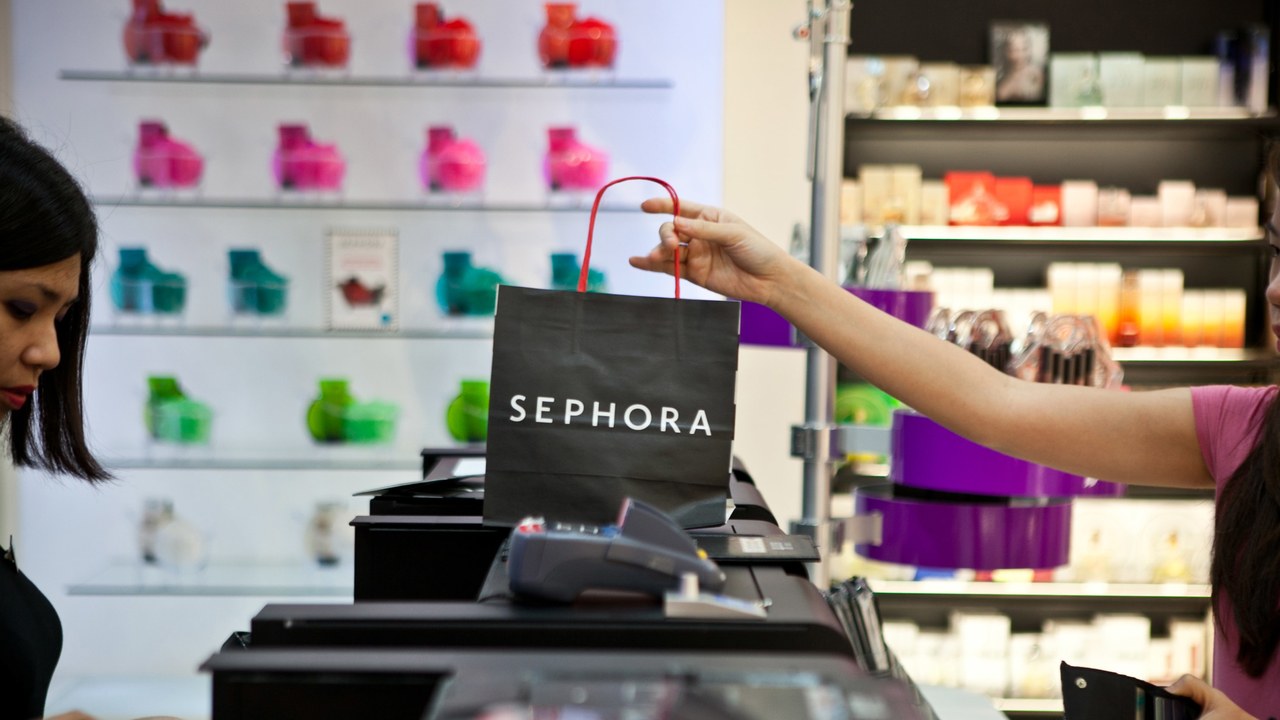
    Sephora China has launched a flagship store on Alibaba’s B2C platform Tmall Global.

    The Sephora Tmall Global flagship features a selection of beauty brands including Fenty, perfume house Bon Parfumeur, and skincare brands like Farmacy and Dermalogica. The cross-border store also introduced a series of beauty lines’ China debut such as Natasha Denona and Sunday Riley.

    As part of the launch, the beauty retailer unveiled its first showroom presenting cross-border beauty products with “cloud shelves” in a physical Sephora store.

    “Through the synergy of online and offline channels, consumers can access overseas brands to fulfill their emerging and evolving needs,” said Benjamin Vuchot, president of Sephora Asia. “This initiative is very special to us, as we are celebrating the 15th anniversary of Sephora China this year.

    “The opening of the Sephora Tmall Global flagship store offers a great opportunity for Sephora to continue reinforcing its commitment to the China market, by catering to the Chinese consumer’s ever-changing trends and evolving needs to enhance their beauty power,” Vuchot said.

    The Sephora Tmall Global flagship houses 600 products from 25 overseas beauty brands in the country.

  • Bulgari E-commerce platform launched in Singapore

    Bulgari E-commerce platform launched in Singapore

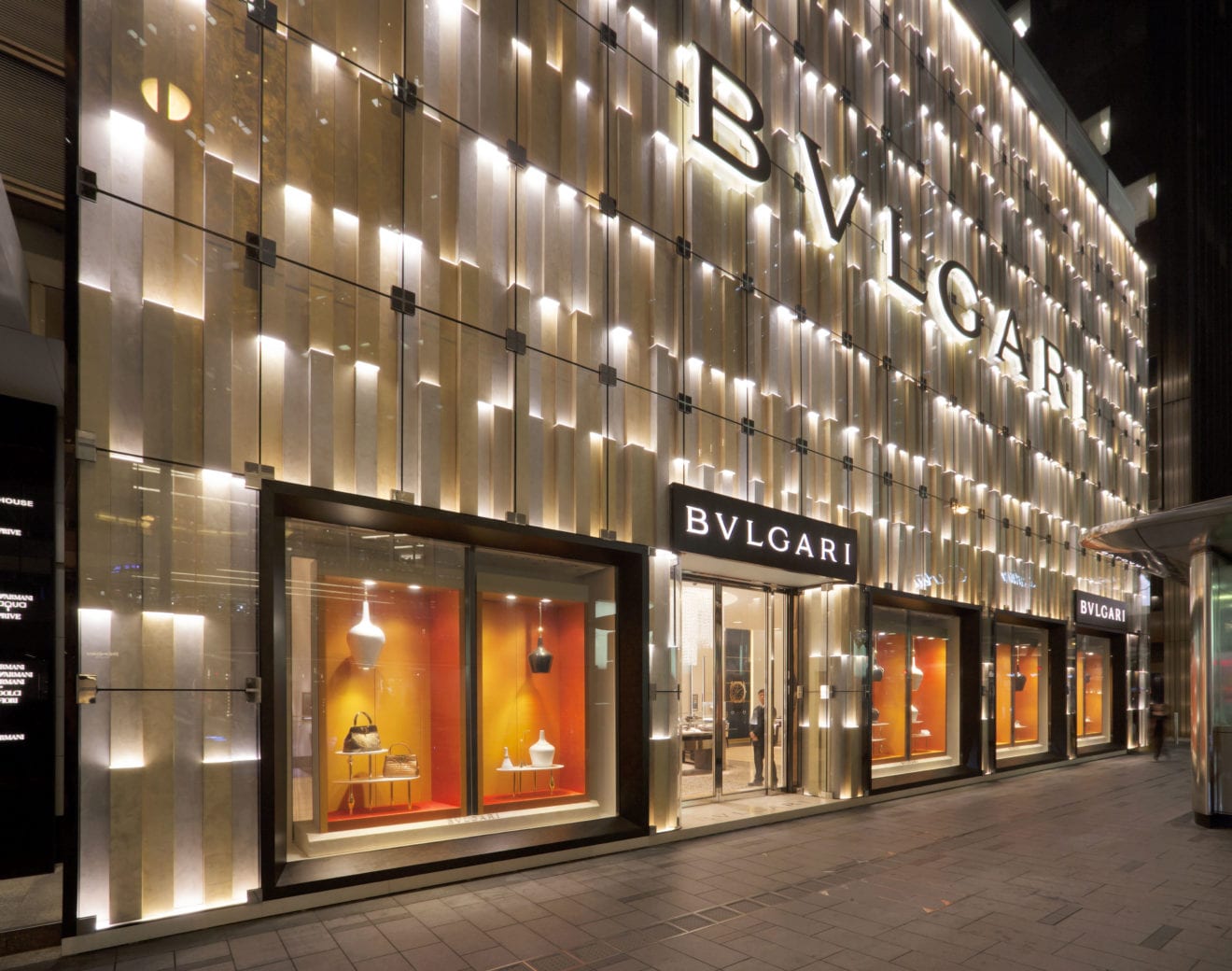
    Italian jewelry firm Bulgari has launched an e-commerce platform in Singapore prior to opening online services in its home territory. Korea will soon follow.

    The luxury brand is accelerating its digital program following the effect of the coronavirus pandemic on the industry, placing restrictions on the ability of shoppers to visit physical stores. It is planning to launch new online boutiques in seven countries over the next 90 days, beginning with the Singapore shop going live yesterday.

    The store features an AR function allowing shoppers to view products as they would appear in the real-world environment, as well as e-concierges and home delivery services.

    “E-commerce must be an engaging and exclusive 360-degree experience, offering the same service of excellence delivered in a Bulgari boutique,” said Bulgari CEO Jean-Christophe Babin.

    “Not to mention the complementarity of the website with the boutiques in terms of content and information.

    “With Covid-19, our e-shop has become our number-one store worldwide with a growth exceeding 100 percent and we believe it will reinforce its leading position after Covid-19, as it has been an accelerating factor.”

    Bulgari’s next e-shops are expected to launch in the UAE, Italy, France, Korea, Mexico and Brazil.

  • FairPrice launches mobile supermarket in Singapore

    FairPrice launches mobile supermarket in Singapore

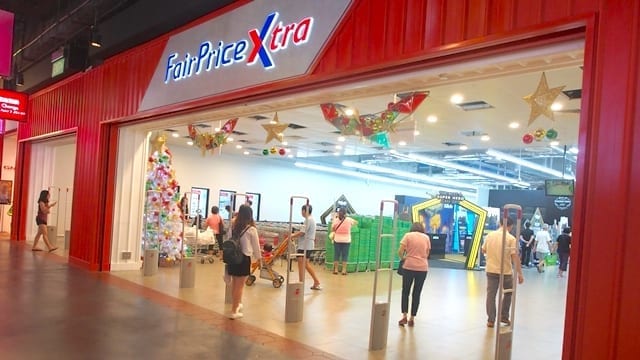
    Singapore supermarket chain FairPrice has launched a mobile grocery service dubbed ‘FairPrice on Wheels’, delivering essential groceries closer to customers’ homes.

    With FairPrice on Wheels, customers living far away from supermarkets can now buy products from FairPrice’s vans parked near their home. Essential products include rice, milk, eggs, canned products, vegetables and toiletries. FairPrice has imposed purchase limits on these products as per below:

    “While we encourage everyone to stay home during the circuit breaker period, we also understand that there may be people who do not have the option to have their groceries purchased on their behalf,” said FairPrice Group CEO Seah Kian Peng.

    “Therefore, we aim to bring daily essentials closer to their homes, especially for seniors, so that they do not have to spend too much time away from home.”

    FairPrice on Wheels is available in five locations: Commonwealth Link, Telok Blangah Crescent, Telok Blangah Rise, Kampong Glam Community Club and Jalan Kukoh. More locations will be added soon.

  • Shopee Malaysia launching additional support package for Etailers

    Shopee Malaysia launching additional support package for Etailers

    Shopee Malaysia has announced an RM15 million (US$3.5 million) support package for sellers on its network.

    The online retail platform’s package aims to assist around 70,000 SMEs in the territory trading in a range of sectors and is an outcome of engagements between itself, retail associations, business owners and chambers of commerce.

    “These SMEs need assistance or a partner that can provide them a clear instruction set to ensure they succeed with online selling,” said Shopee’s regional MD Ian Ho, who expressed concern that smaller businesses lack knowledge critical to digitalization.

    Benefits in the package include discounts for sellers in promotional programs to help lower operating expenses for business owners.

    “Shopee has allocated RM6 million ($1.4 million) in the form of vouchers and free paid advertising credits,” said Ho. “Sellers stand to benefit from RM100,000 ($23,000) worth of dedicated campaign vouchers every week and receive up to RM400 ($92) each in free paid advertising credits to get more exposure for their products and stores.

    “Shopee wants to drive the digitalization of traditional businesses and bring them online,” he said.

    “The package will support all its sellers by creating sales and growth opportunities, reducing operational costs and facilitating sustainable development through funding, subsidies and education.”

  • Uniqlo Vietnam opens new store in Ho Chi Minh City

    Uniqlo Vietnam opens new store in Ho Chi Minh City

    Uniqlo Vietnam is to open Ho Chi Minh’s second store this year despite the coronavirus outbreak.

    Located at SC Vivo City shopping mall in District 7, the city’s second Uniqlo Vietnam store will occupy more than 2000sqm of area, featuring its LifeWear products for males, females and kids.

    The opening date has yet to be disclosed, but the store is expected to open this spring/summer with the interior fit out well underway.

    “We are aware of the huge demand from Vietnamese customers for Uniqlo products,” said Osamu Ikezoe, Co-CEO of Uniqlo Vietnam. “We are excited to open the SC Vivo City store to introduce our fashion philosophy LifeWear to our customers.”

    Osamu said Uniqlo Vietnam plans three more stores this year. According to a prior company statement, the brand aims to operate at least three stores in Hanoi and eventually reach up to 20 nationwide.

    Earlier this month, Uniqlo Vietnam made its Hanoi debut, attracting more than 2000 people on its opening day.

  • Nike E-commerce sales soar during coronavirus crisis

    Nike E-commerce sales soar during coronavirus crisis

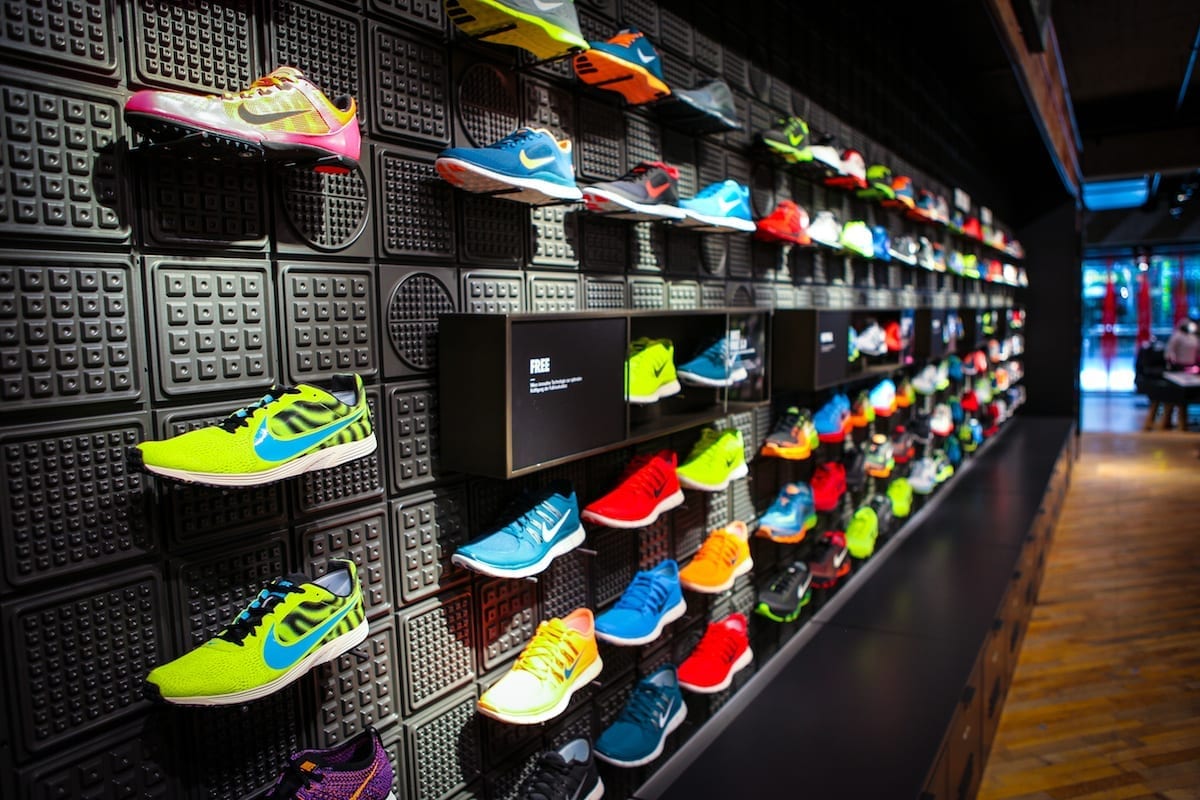
    Nike online sales soared 36 percent in the February quarter, compensating in part for a slump in sales across Mainland China which was in lockdown for much of January and February due to the coronavirus outbreak.

    The strength of online sales gave the retail giant a buffer from stalling brick-and-mortar sales, but it is not just in China that the effect is obvious.

    In an earnings call, Nike EVP and CFO Andy Campion said online sales in every global market grew in excess of 30 percent for both its core brand and sister brand Converse in the three months to February 28. That fuelled growth in both quarterly sales and earnings greater than the company expected.

    “From a digital capability perspective, the investments we’ve made to-date are now proving to be the foundation for our resilience amid challenges and they will be strengths as we emerge,” said Campion.

    “We are still in the early innings of Nike’s digital transformation, but the capabilities we’ve already been building for the future are proving to be the strongest pillars within our business today.

    “These are times in which strong brands get stronger and we’re confident that Nike will come back stronger than ever.”

    Campion told analysts that following its China experience, the company is now seeing similar trends play out in other markets where government lockdowns are resulting in shopping malls and stores being closed to help stem the spread of the virus. Now, consumers are shopping online instead.

    Nike is responding to the digital uptake by using tools that dynamically model demand, planning, allocation and pricing and using its app and membership program to reach out to consumers and encourage them to be active at home, while in lockdown. Those mediums are also offering products and services specifically targeted to various groups of consumers or individuals.

  • Thai consumers ready to engage with technology instore or via Ecommerce

    Thai consumers ready to engage with technology instore or via Ecommerce

    Seventy percent of Thai consumers prefer to use apps to shop online, according to a study by Wirecard – but they expect a consistent offer across all of a brand’s sales channels.

    According to the report, “consistent cross-channel experiences are vital to consumers” because 90 percent of them go online to research products they are considering buying. And when inside stores, they would rather use an app or the store’s website to research products via their phone rather than use in-store screens or VR booths.

    The Wirecard Global Shopping Report, which covered markets across Asia, Europe and the Americas, concludes that physical stores remain relevant to the modern shopper, but the way in which merchants interact with customers has changed and is a key part of their success.

    Other findings relating to Thai consumers include:

    • 84 percent of consumers surveyed are willing to share personal data in return for incentives.
    • Shoppers are “always-on” so maintaining an up-to-date online store is key for retailers.
    • Consumers will shop online most often while they are relaxing (76 percent), watching TV (39 percent) or in bed (23 percent).
    • 87 percent of Thai shoppers are interested in using biometrics, such as facial recognition or fingerprint, to purchase products both in-store and online.
    • 89 percent are interested in using technologies such as mobile apps, smart mirrors and VR while shopping.

    Markus Eichinger, EVP group strategy at Wirecard, said the research shows Thai consumers clearly desire choice when completing purchases.

    “Consumers shop in many different ways nowadays and this is challenging merchants to meet a wide range of retail demands. A lot of focus is put on pricing, but not necessarily on the flexibility customers seek. A unified commerce strategy, with a focus on a consistent and frictionless buying journey, is integral to offering consumers the experience they would expect from any modern retailer,” he said.

    “In the future, brick and mortar stores will only exist if they are technologically advanced with the latest in-store innovations and a fully integrated e-commerce backend.

    “Retailers that want to engage with their customers via targeted offers, and improve their service across all channels need to leverage customer data. Our report shows that if customers can see a concrete benefit when it comes to providing personal information, they are willing to share it with retailers, thus providing merchants critical data which they can analyze to optimize their offerings and improve customer loyalty,” Eichinger concluded.

  • Esprit warns of big loss as Europe shuts down

    Esprit warns of big loss as Europe shuts down

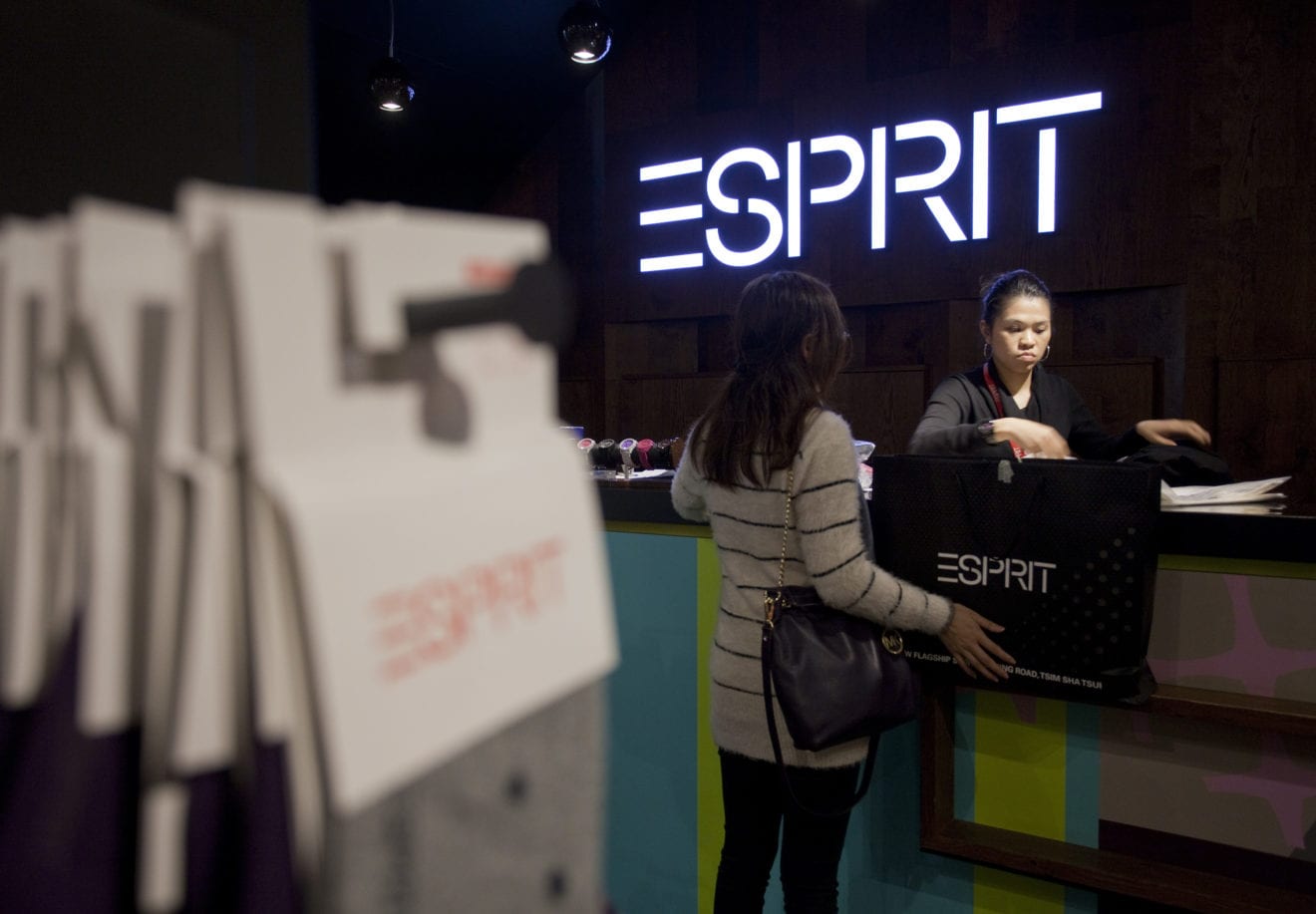
    Fast-fashion retailer Esprit says foot traffic into its stores worldwide have evaporated in the wake of the coronavirus pandemic and warned shareholders to expect a “considerable loss”.

    Public health initiatives enacted in many countries across the world aimed at slowing the spread of the pandemic have resulted in the closure of “a significant number of stores,” said Esprit company secretary Ophelia Lo.

    Public life has been locked down in France, Italy, Spain, Poland and Austria with other European countries most likely to follow, she said. All of those are important markets for Esprit which as part of a major restructuring plan is refocusing its business on Europe.

    “Obviously apparel retail sentiment is at its lowest level possible and store traffic in the group’s retail stores and its partners’ points of sale has subsided entirely,” said Lo.

    “In addition, the logistics of the supply chains of merchandise shipments are significantly affected.”

    Esprit expects the pandemic will “significantly adversely impact the sales of the group” in the second half of the current financial year, ending June 30.

    “As a result, management expects the group to incur a considerable loss in the second half,” said Lo.

    Right now, Esprit management cannot quantify the actual impact of the pandemic on the group’s business performance, given the inability to predict the speed and extent to which the pandemic will spread in markets in which the group and its suppliers operate in, and with no reliable estimation on when the pandemic may be over.

    “The company will continue to diligently assess the impact of the pandemic on the group’s business performance and will make appropriate announcements on updates as and when necessary,” she said.

    Meanwhile, the company will take “all practicable measures to cope with the challenges ahead,” including using working capital management and cost-control measures, and exploring financial support provided by local governments.

  • Kikki.K needs to be saved

    Kikki.K needs to be saved

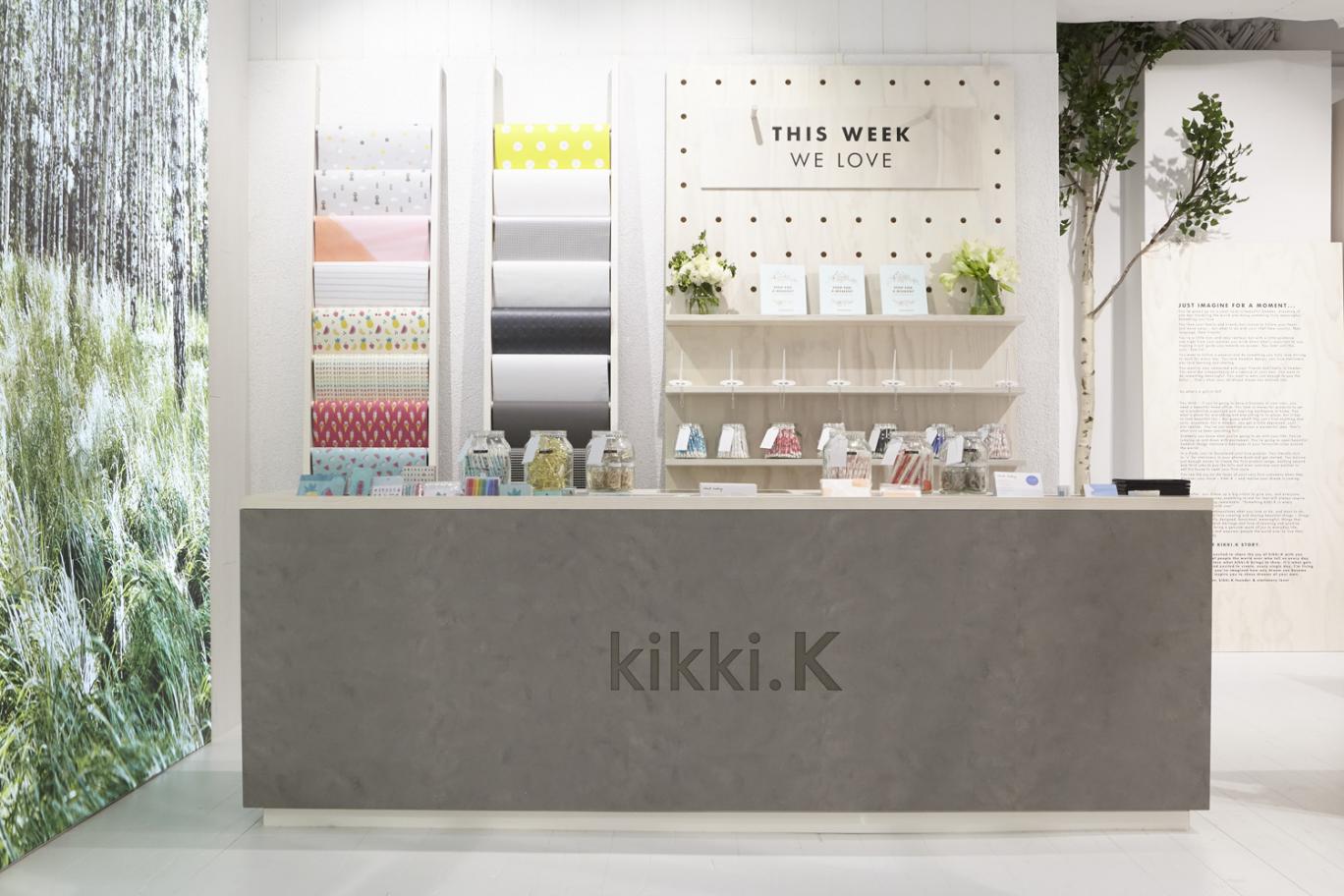
    Twenty-four hours after it announced that it was going into voluntary administration, nine potential partners approached lifestyle and stationery brand Kikki.K last week, according to emails viewed.

    “We remain truly optimistic and excited re: one key partnership deal, in particular, we’ve been working on for over 12 months  – they’re beavering away full steam ahead,” wrote co-founder Paul Lacy in the email.

    According to a statement Kikki.K sent out early in the week, the brand got caught “in a perfect storm” of circumstances, from suffering the impact of Brexit during its UK store rollout to the Hong Kong protests, a subdued Christmas, the disastrous Australian bushfires and now, coronavirus.

    “There is still an amazing business opportunity with 3.7 million loyal customers on our database, over 20 million people a year visiting our physical and online stores and strong opportunities for growth into new product categories,” said founder Kristina Karlsson. “But obviously it requires a big re-set and a buyer who understands the opportunity.”

    Shortly after the announcement was made, Kikki.K’s head of retail Alana Hose said store sales went up 94 percent and according to the brand, a few days later, the week ended 50 percent above target Australia-wide. Online revenue rose by 470 percent at one stage.

    Kikki.K has 450 full-time equivalent employees and $70 million annual revenue with 65 stores in Australia, the UK, New Zealand, Singapore and Hong Kong.

  • Chat-to-checkout app lets shoppers interact real time

    Chat-to-checkout app lets shoppers interact real time

    Tech startup OneDash has unveiled a chat-to-checkout service which eliminates the need to quit a chat session to complete a purchase.

    The OneDash app also enables interactive video so shoppers can connect with retailers in real-time and interact personally.

    Oleksandr Matviishyn, CTO of OneDash, says one of the motivations behind creating the chat-to-checkout app was to address cart abandonment, a major problem for online retailers.

    “With the global growth of video content and the promotion of short videos by platforms such as Instagram and TikTok, we realized that the hidden costs are enormous. We were driven by the idea of making video more affordable and providing the ability for every business to create, distribute, and monetize their video content, while at the same time, improving the production speed of interactive video content,” he said.

    “During the implementation phase, we came up with a few additional ideas like advertising, Messenger commerce, and live streaming to make the platform even more robust.”

    Initially only available for Apple devices, OneDash will be released on the Android Play store in July.

    An early adopter of the app is Vanessa Martinelli Fine Jewellery, whose CEO Vanessa Martinelli, said she was looking for a new way to talk about her creative world and showcase her jewelry.

    “I tell my story through a video and the spectators can interact at the same moment,” she said. “In just one click they receive all the information on a specific featured product and they can purchase it right at that moment, without breaking the momentum.”

  • Lower-tier cities drive boom in online shopping in China

    Lower-tier cities drive boom in online shopping in China

    Online shopping in China is booming during the coronavirus outbreak.

    According to research house GFK, with twice the number of first-time users in lower-tier cities are moving online compared to the number living in top-tier cities.

    The findings were part of a Gfk China consumer sentiment study conducted last month, which showed that more than 40 percent of consumers have increased their frequency of buying online. Greater numbers of consumers are also shopping across multiple platforms, using third-party applications, brand websites and WeChat community shopping.

    The boom has caused significant operational and logistical challenges for retailers trying to keep up with the surge in demand, including delivery delays and out of stocks.

    “While China is already at the forefront of e-commerce and retail innovation, the current situation would further accelerate digital commerce adoption among consumers and will have a long-term impact on consumer purchase behavior,” said GfK China and India MD Vishal Bali.

    “Chinese consumers are likely to adopt more options to consume content and purchase products and services online, including e-learning, online healthcare consulting or buying products through social commerce and third-party apps. Therefore, brands need to also explore newer commerce platforms, payment methods, delivery options and loyalty programs to connect with consumers across all city tiers and create a seamless shopping experience for them,” he said.

    The research relating to online shopping in China showed many consumers intend to delay the purchase of big-ticket items such as consumer electronics until after the outbreak passes, preferring instead to buy products to protect their health and wellbeing.

    Most Chinese consumers are expecting the economy to recover before the third quarter of this year.

    After the epidemic, approximately 60 percent of consumers with high incomes plan to spend more to reward themselves, while 70 percent of consumers in the low- to middle-income groups intend to save money by reducing overall expenses and only spending on essential items.

  • Fresh insights on how Singaporean men shop online

    Fresh insights on how Singaporean men shop online

    The majority of Singaporean men spend at least 30 minutes of shopping online every day, according to a survey by Southeast Asian e-commerce platform Shopee.

    The Men’s Online Shopping Behaviour Survey 2020 has also found the target group of 2515 Singaporean male spends almost 70 percent more money online compared to last year.

    Comparing prices to find the best deals is very important to close to 70 percent of Shopee’s male users. The data also revealed that most male users prefer to shop after work, especially from 11 pm to 1 am, or during lunchtime.

    Singaporean men tend to shop for consumer electronics such as phone cables and wireless earphones as well as beauty & personal care products such as hair pomades and pimple patches. When not shopping, close to 60 percent of survey respondents revealed that they regularly use Shopee’s entertainment features, including in-app games.

  • Philippine Shopping Festival delayed due to coronavirus outbreak

    Philippine Shopping Festival delayed due to coronavirus outbreak

    The first Philippine Shopping Festival, a nationwide sale promotion aimed at getting people into malls, has been postponed due to the rise of coronavirus disease worldwide.

    The Department of Tourism (DOT) announced the postponement of the month-long event just one day before it was supposed to start on Sunday, saying it prioritized the safety of the public more than a visitor or tourist arrivals and revenue.

    “The malls are still free to continue (their) day-to-day operations. The DOT also recommends that malls follow the precautionary measures set by the Department of Health, such as checking the temperatures of mall-goers before allowing them to enter and the provision of more hand sanitizers in their premises,” said Tourism Secretary Bernadette Romulo-Puyat.

    The Philippine Shopping Festival was intended to be the country’s answer to Singapore’s Great Sale and Hong Kong’s Summer Sale.

    DOT targeted attracting foreign and local tourists where they could expect 15 to 70 percent discounts on Philippine-made products including food and dining, jewelry and fashion, crafts, furniture, and decor as well as beauty and wellness.

    Shopping is the most common tourist activity in the country at 38 percent based on the department’s Visitor Sample Survey in 2018.

    Puyat advised the public to maintain proper hygiene and follow the guidelines set by the Department of Health to contain the spread of the virus.

    The department has not yet decided on a new date for the Philippine Shopping Festival.

    The shopping festival is supported by the Philippine Retailers Association, Philippine Franchise Association, Philippine Owners Association Inc, Hotel Sales and Marketing Association and others.

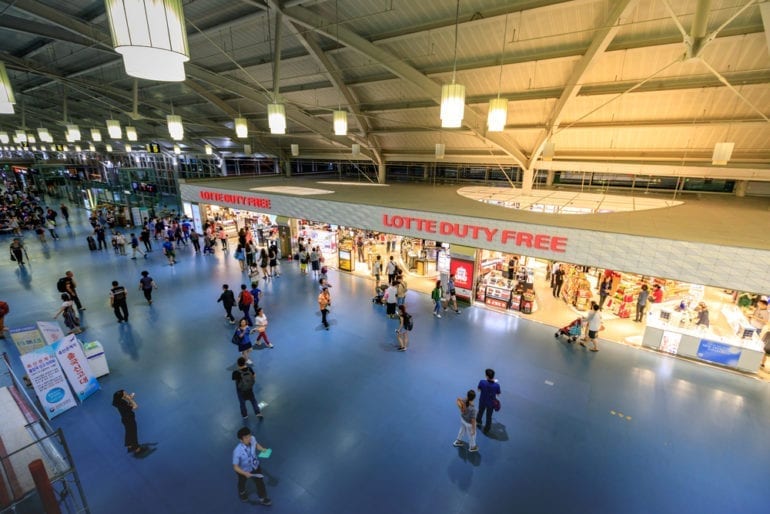
  • Lotte Shopping closing 200 stores as losses mount

    Lotte Shopping closing 200 stores as losses mount

    Lotte Shopping plans to shut down as many as 200 department stores and large-format supermarkets in South Korea, marking one of the biggest retail network culls in the nation’s history.

    Lotte Group operates more than 700 stores under its Lotte Mart, Lotte Department Store, Lotte Super and drug-store chain LOHB banners, which means its closure plans will affect almost one in three stores.

    There are no reports that Lotte will scale back its international business, which is largely in Southeast Asia after it began withdrawing from China last year.

    “The focus of our business strategy in 2020 is a heavy downsizing to enhance efficiency and profit,” the company said in a statement.

    “The food sections at underperforming small- and mid-sized department stores will be changed into supermarkets selling fresh groceries.”

    The rationalization plan follows news that South Korean convenience stores are outperforming supermarkets and hypermarkets in financial terms.

    Lotte Shopping’s net loss grew by 83.6 percent year on year to US$721 million last year, on an operating profit down 28.3 percent to $361.7 million. Sales slipped 1.1 percent to $14.9 billion, largely driven by a 5.8-per-cent decline in supermarket sales. Department-store sales dropped by 3.1 percent.

    Kang Hee-tae, who heads Lotte Shopping, said its major stores were performing poorly and market conditions remain tough. He cited an increase in the minimum wage and falling Chinese tourist arrivals as contributors to the poor result. But analysts in Seoul say Lotte Shopping’s problems are in part caused by a shift to online shopping, where consumers can often pay less for goods.

    According to Yonhap, South Korean retail sales rose 4.8 percent last year, with online sales growing 14.2 percent based on a sample of 13 e-commerce players. Overnight fresh-food deliveries were a contributor to the online growth.

    “The top priority at Lotte Shopping is to resolve fundamental problems and deliver clearly positive results,” said Kang.

    Besides store closures, the company plans to restructure some of its operations. For example, the fashion zones at its Lotte Mart stores will in future feature stock curated from the company’s department stores and likely feature more branded apparel rather than discount garments.

    The company also plans to use big data to refine and personalize its services to customers instead of running hundreds of too many loss-making branches.

    Lotte Shopping is not alone with its challenges in a changing South Korean market. Last August, rival Emart posted its first-ever loss, of $24.7 million, for the June quarter, its worst result since it was spun off from Shinsegae Group in 2011. It reported a 53-per-cent drop in full-year net profit to $189 million.

    The company said it planned to raise $820 million by selling assets and will buy back stocks to boost shareholder value.

    Emart has since embarked on a plan to downsize its Electro Mart gadgets chain and its Boots drugstore franchise and it is closing all it’s discount Pierrot Shopping stores, which are modeled on the Don Don Quijote concept from Japan.
  • Japanese shopping service Nippon Passport secures funding

    Japanese shopping service Nippon Passport secures funding

    Nippon Passport has raised ¥200 million (US$1.82 million) in pre-series A funding, led by private investors and business companies through a third-party allotment.

    In response to the Japanese government’s target to attract 60 million foreign tourists annually by 2030, the firm has launched its “NP Pass” service, driving foreign visitors through affiliate shops for a commission fee of 10 percent of total sales. Travelers who download the app can receive discounts and vouchers for participating retailers.

    With the financing, Nippon Passport intends to improve the “NP Pass” app as well as develop its network of affiliate shops and agents.

    “Japan’s population has been steadily decreasing,” said Nippon Platform CEO Shinsuke Hishiki.

    “We believe that Nippon Passport’s service makes significant headway in collaboration with Nippon Platform related to tablet solutions, and transfers from attracting customers for tourism consumption to making solutions for paving the way for regional revitalization.”

    Tharminder Singh, a director at Nippon Passport, says the ever-changing nature of technology such as AI and self-driving cars is starting to move consumers away from products and towards experiences and travel.

    “Using technology and smart mechanisms to harness the value of bringing people together through tourism inbound and outbound [we are] creating a value proposition that helps drive the industry and new ways of attracting people and traffic and increasing business.”