Tag: Shopping

  • Uniqlo to quadruple SE Asia retail store network

    Uniqlo to quadruple SE Asia retail store network

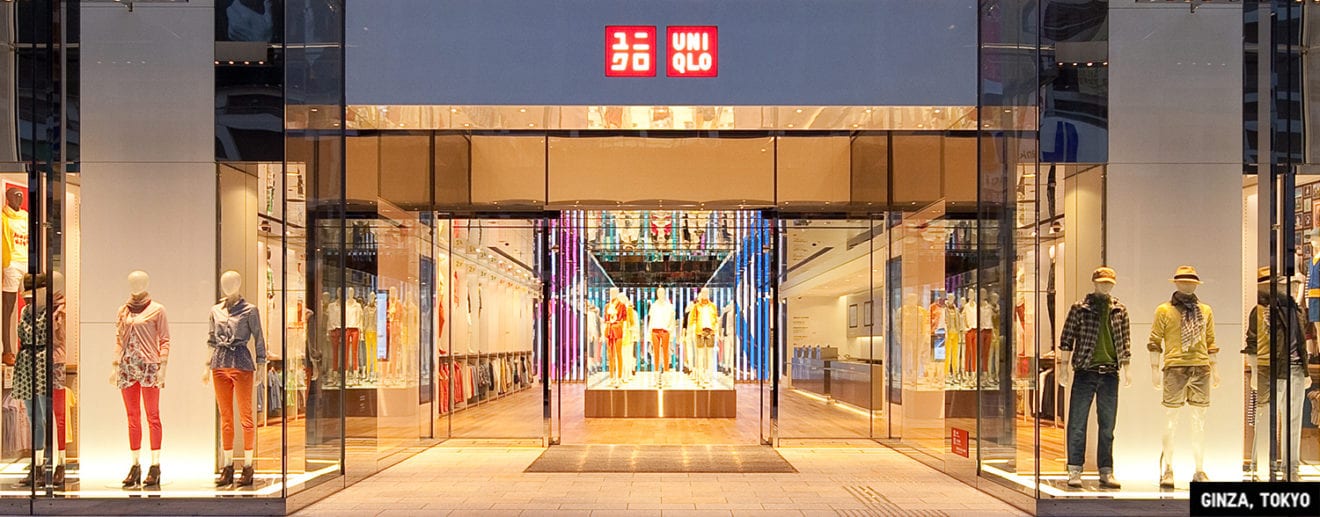
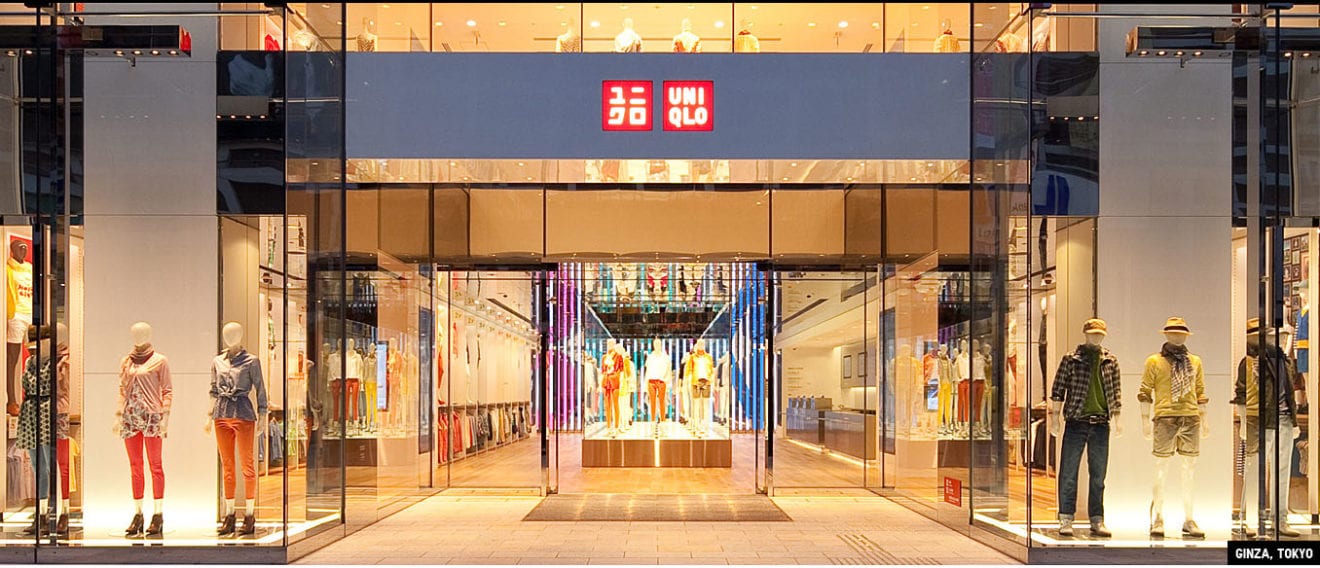
    Japanese casual wear retailer Uniqlo plans a four-fold increase in its Southeast Asian store count during the next decade.

    Tadashi Yanai, chairman, and CEO of the firm’s parent company Fast Retailing said in an interview with Nikkei that Uniqlo is seeking a much faster rate of expansion than it took to build its 800-strong network of stores in greater China.

    “Asia, from China to India with 4 billion people, is the world’s only region that is showing steady growth,” said Yanai.

    He said that for the time being, Cambodia, Laos, and Myanmar are not being considered as potential markets for the brand because there are too many opportunities outside those countries.

    Next month the Japanese retailer will open its first store in Vietnam. Located in Ho Chi Minh City, the store will be its largest in Southeast Asia and located across the road from Zara’s two-year-old Vietnam flagship and a rival H&M’s store.

    Uniqlo operates around 2200 outlets internationally.

  • Uniqlo switches to paper bags

    Uniqlo switches to paper bags

    Japanese retailer Uniqlo has jumped on the sustainability train, eliminating the use of plastic bags in its stores and switching to eco-friendly paper bags later this month.

    The bags will cost 15c in an attempt to encourage customers to bring their own reusable bags and will be launched in phases across the brand’s 21 Australian locations. The store will also sell branded bags made of recycled plastic bottles for $2.90.

    The switch is part of a move to become more environmentally friendly and coincides with the Victorian Government’s single-use plastic shopping bag ban which comes into effect in November.

    “Sustainability has increasingly become a priority on the global agenda and as a leading retailer, it has been crucial for Uniqlo to look at how we can address this key issue, whether from a clothing design perspective, or current in-store practices,” Kensuke Suwa, Uniqlo Australia’s chief operating officer, said.

    “We definitely recognize that Uniqlo has a role to play and the team is consistently exploring new sustainability initiatives to roll out in this market.”

    Woolworths also began offering paper bags earlier this month, in a bid to give more options to customers who forget to bring a reusable bag when shopping.

    “The vast majority of our customers bring their own bags to shop, but we know there are occasions when they forget or visit our stores unplanned,” a Woolworths spokesperson said in a statement to Inside Retail.

    “Some customers have told us they would like the option of a paper bag when this happens.”

    The adoption of paper bags is one part of Uniqlo-owner Fast Retailing’s ongoing efforts to eliminate the use of unnecessary plastic in its supply chain – having committed to reducing the amount of single-use plastics passed on to customers by 85 percent by the end of 2020.

    However, it is also looking at other parts of the supply chain and introducing several initiatives aimed at improving the manufacturing process.

    Uniqlo’s Jeans Innovation Centre has reduced the amount of water used in the washing process of its jeans by an average of 90 percent. The first batch of jeans using this process will be introduced in its 2019 fall/winter season and will be used for all Uniqlo jeans moving forward.

    Additionally, the company announced last year it would begin using a material formed from recycled plastic bottles in items of clothing called ‘Dry-Ex’, and that it would recycle down collected in Japanese stores into new products.

    “Uniqlo is committed to improving the sustainability of society,” Uniqlo founder and chairman Tadashi Yanai previously said.

  • First Ikea Macau store scheduled to open in first quarter of next year

    First Ikea Macau store scheduled to open in first quarter of next year

    Ikea says it plans to open in Macau in the first quarter of next year.

    Located in Taipa, the Ikea Macau store will occupy an area of 90,000sqft, offering a wide range of home furnishing products. The new store will feature several showrooms, an Ikea cafe, and a Swedish food market.

    The store will be opened by Ikea’s partner for Hong Kong, Taiwan, and Indonesia, Singapore-listed Dairy Farm Group.

    “Marking a major milestone in Ikea’s long-term commitment to Macau, the new Ikea store will offer well-designed, affordable and practical home furnishing solutions to Macau consumers,” said Adrian Worth, MD of Dairy Farm Group Ikea North Asia. “By offering a range of amazing value-for-money home furnishing products, together with our famous Swedish food, we hope to make that vision a reality for the people of Macau.”

    The company is recruiting more than 100 co-workers for the development and operation of the new Ikea Macau store.

  • Most Singaporeans purchase online overseas every month

    Most Singaporeans purchase online overseas every month

    A recent survey has shown that around 75 percent of Singaporeans purchase overseas products at least once a month.

    According to Southeast Asian and Taiwanese e-commerce platform Shopee’s Global Deals Survey 2019, which polled more than 4000 Singaporeans about their overseas online purchasing habits, more than 90 percent of survey respondents indicated that they buy overseas products on Shopee more today, as compared to three years earlier. Reasons cited include convenience, cost-savings, increased product variety and being able to purchase products not available in Singapore. The survey also found that shoppers prefer to purchase overseas products from sellers who have a wide variety of products available (70 percent) and offer free shipping (30 percent).

    A recent YStats report found Singapore to be the top market for cross-border shopping in Southeast Asia, and according to a Forrester report, 60 percent of e-commerce sales consist of overseas orders.

    Japan is the fastest-growing market for overseas purchases, as demand for health supplements rises. Over the years, Japanese brands have increasingly made inroads in Singapore, gaining ground in the local retail scene with the entrance of a new wave of Japanese fashion labels and discount stores.

    According to Shopee’s survey, when it comes to purchasing Japanese products, quality (70 percent), variety (75 percent) and items that are not available in Singapore (73 percent) are what fuels the appetite of Singaporean shoppers.

    Shopee has recently unveiled a dedicated in-app space where users can access more than 50 million deals from six popular shopping destinations. Named Global Deals, the feature introduced deals from China, Korea, Japan, Taiwan, Malaysia and Hong Kong, and is accessible via a dedicated button on the Shopee homepage.

    “Singaporean shoppers have become globalized consumers who now have the world at their fingertips, and they are constantly on the lookout for convenience, quality and variety,” said Shopee CCO Zhou Junjie.

  • South Korean convenience-store chain CU to accept cryptocurrency

    South Korean convenience-store chain CU to accept cryptocurrency

    Major South Korean convenience-store chain CU is preparing to accept payments in cryptocurrency.

    The chain, which operates more than 13,000 outlets in the country, will use the Chai payment system to trade in Terra, a won-backed stablecoin that has garnered investment from many large Korean firms.

    CU parent firm BGF Retail partnered with Chai earlier this week to allow buyers to pay by presenting a barcode from the Chai mobile app.

    Terra co-founder Do Kwon told CCN Korea that low-margin businesses struggle to accept volatile cryptocurrencies such as Bitcoin. In other regions, retailers often deal with exchanges to convert cryptocurrency payments to money on the spot.

    “Moving forward, Chai will continue to lessen the burden on franchisees and increase the merit of consumers through partnerships with various companies like CU convenience store with an on and offline infrastructure,” said Chai Corporation president Han Chang-joon in a statement translated by CCN.

  • Zalora Partners with FarEye to Enhance the Customer Shopping Experience

    Zalora Partners with FarEye to Enhance the Customer Shopping Experience

    Zalora, Asia’s leading online fashion destination partnered with FarEye, a SaaS platform for visibility, to improve its logistics operations and help ZALORA achieve cost-effective deliveries. As one of the region’s largest and fastest-growing fashion e-commerce companies, it is important for ZALORA to optimize its operations to satisfy the growing volume of orders in the region and continue to delight consumers with a reliable delivery service.

    By using the FarEye tool, ZALORA was able to automate logistics processes and refine the delivery operations with complete visibility. FarEye ensures that once parcels are scanned, job orders get created automatically and are sent to delivery executives through an easy-to-use mobile application. It is seamlessly integrated with ZALORA’s in-house warehouse technology infrastructure and digitized delivery processes including generating run-sheets and allocating tasks for operations team members, ensuring seamless transportation of products from warehouses and distribution centers to end customers.

    This enables ZALORA customers to get real-time updates on delivery status along with the details of the courier, allowing personalization of deliveries, leading to an improved overall Delivery Happiness Score and a much-reduced Customer Anxiety Index.

    Silvia Thom, ZALORA Group’s Chief Technology Officer shared, “FarEye’s platform is flexible, easily configurable, scalable, and future-ready. It’s helping us provide delightful delivery experiences to our customers by making delivery processes transparent and personalized. FarEye improved the number of successful deliveries that we do in a day while reducing overall logistics expenses.”

    “Southeast Asia is one of the fastest-growing eCommerce markets in the world. As per a recent report, the online retail market in the region is expected to reach $53 billion in 2023. On-time and in good condition deliveries become essential in such a hyper-growth market as deliveries are the first brand touchpoint for customers. We see that businesses globally are having a tough time keeping up with evolving customer expectations. In such a competitive landscape, we are thrilled to partner with Zalora and empower them to achieve exceptional levels of operational efficiencies and provide delightful customer experience,” said Kushal Nahata, CEO & co-founder, FarEye.

    FarEye is also enabling Zalora to enhance hub-to-hub logistics operations to ensure ZALORA Marketplace sellers can receive returned products without any hassle. It also helps create a customer-friendly delivery journey, for example, to guarantee that in cases of failure during the first delivery attempt, an approval process is immediately set-up before the second delivery attempt is triggered. FarEye created intelligent processes, helping ZALORA improve cash reconciliation, reduce dependency on paperwork and shrink their carbon footprint.

  • Big C opens first store in Cambodia

    Big C opens first store in Cambodia

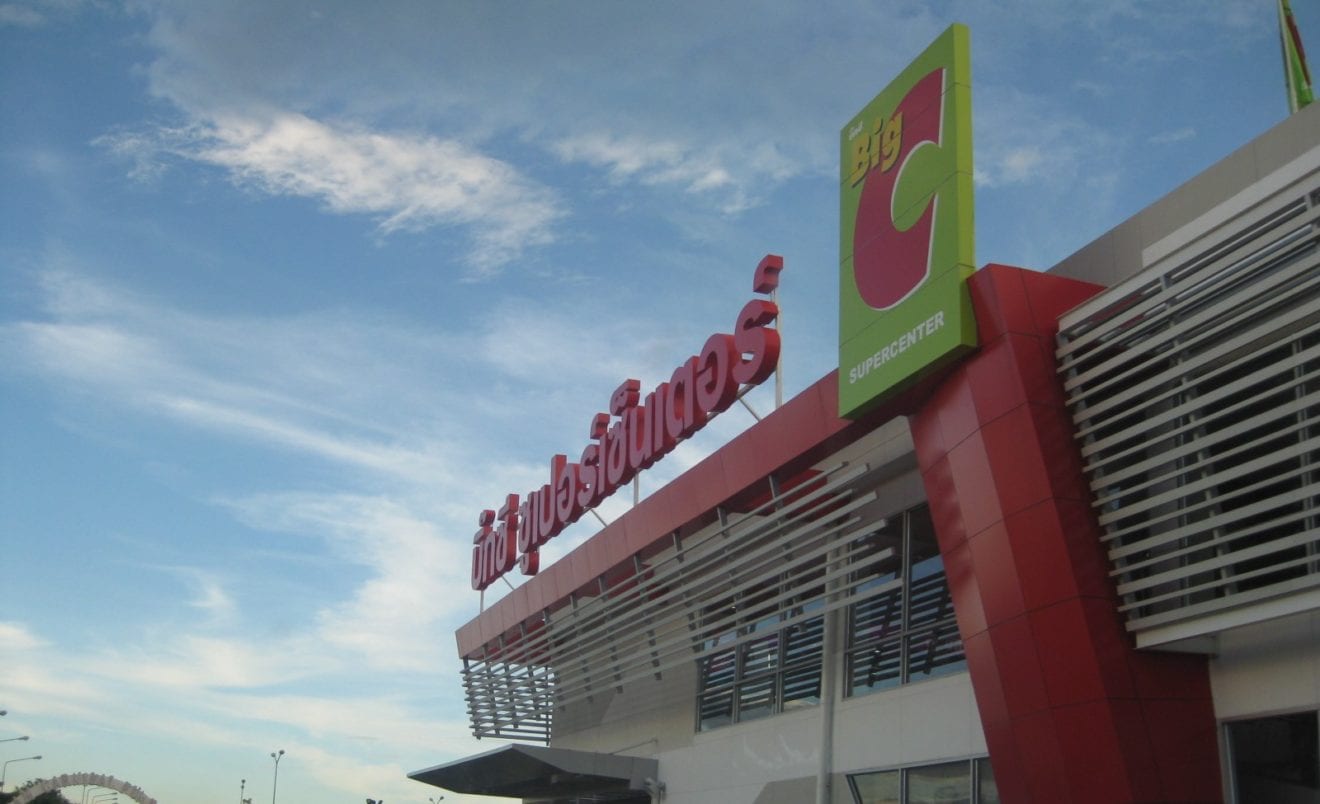
    Supermarket chain Big C has opened its first store in Cambodia.

    The firm has opened on a more-than 2ha site in Poipet, a booming town on the Thai/Cambodian border, with a reported investment of US$6.8 million and offering more than 1200 jobs.

    A statement on the firm’s Facebook page reported by the Khmer Times read: “A soft opening for the Poipet Hypermarket was held under our vision to be the leading Thai retailer with customers at heart.”

    Cambodia is now the fourth country Big C operates in, following Thailand, Vietnam and Laos.

  • Vincom Retail unveils three shopping centre plans

    Vincom Retail unveils three shopping centre plans

    Vietnam’s Vincom Retail has announced three new Vincom Mega Mall shopping centres.

    Two of the new properties will be located in Hanoi and the third in Ho Chi Minh City, the country’s commercial capital.

    Located in one of the largest real estate projects in Hanoi, Vincom Mega Mall Ocean Park will occupy 56,000sqm, and serve up to 1.5 million customers annually. Vincom says the mall’s design was influenced by “subterranean movements” and the blue waterfront.

    Also in Hanoi, Vincom Mega Mall Smart City will feature a design concept inspired by future technology trends. The new shopping centre will cover 68,000sqm and has a catchment of 1.8 million potential customers, primarily millennials.

    The third shopping centre, Vincom Mega Mall Grand Park, will open in District 9 of Ho Chi Minh City. The mall will occupy 48,000sqm of commercial space, over five floors and one basement level.

    Vincom Retail’s deputy director of sales and marketing, Tran Thu Hien, said there are four key elements the company believes will secure Vincom Mega Mall’s success: the product structure, customer base, tenancy partnerships and inspirational marketing.

    According to real estate company CBRE, Hanoi and Ho Chi Minh City will potentially become on the top three retail markets in Asia-Pacific.

  • Vietnamese prefer Facebook for Fashion Shopping

    Vietnamese prefer Facebook for Fashion Shopping

    55 percent of Vietnamese online shoppers choose social networks over e-commerce platforms to buy fashion products, a new survey has found.

    Survey results released Thursday by HCMC-based market research firm Q&Me says just 41 percent of respondents chose e-commerce platforms when shopping for fashion products because they found social networks carrying more relevant information.

    Fashion products require consultation with sellers, therefore shoppers prefer using social networks to ask for more information while waiting for an email response from an e-commerce platform is a hassle, the report said.

    88 percent of respondents say they get the information they need by chatting with social network shops, with most common inquiries are product prices, details and images.

    The survey polled 582 people aged 16-45 online – mostly in Hanoi and Ho Chi Minh City – in July 2019.

    The main advantages of social network shopping are convenience (37 percent) and interaction with friends (31 percent), the survey found.

    As Facebook is the app people use most often, users don’t need to install another app for shopping that they would need to log into with a password, the report said.

    Stores on social networks tend to specialize in a certain category, therefore there is a higher chance that customers will find a product they need, it added.

    The report also found that the top reasons respondents find out a new store is through social network ads and friends’ recommendations.

    The triggers for a buyer to return to a social network store is good quality products, according to 59 percent of respondents, followed by product variety and their interactions with store owners.

    However, e-commerce platforms are still the most popular online shopping channel among Vietnamese consumers (91 percent) compared to 43 percent who shop on social networks.

    The reason for this is that e-commerce platforms offer more promotions, according to 55 percent of respondents, and offer cheaper prices (48 percent), compared to social networks.

  • Hong Kong retailers may close as protests impact sales

    Hong Kong retailers may close as protests impact sales

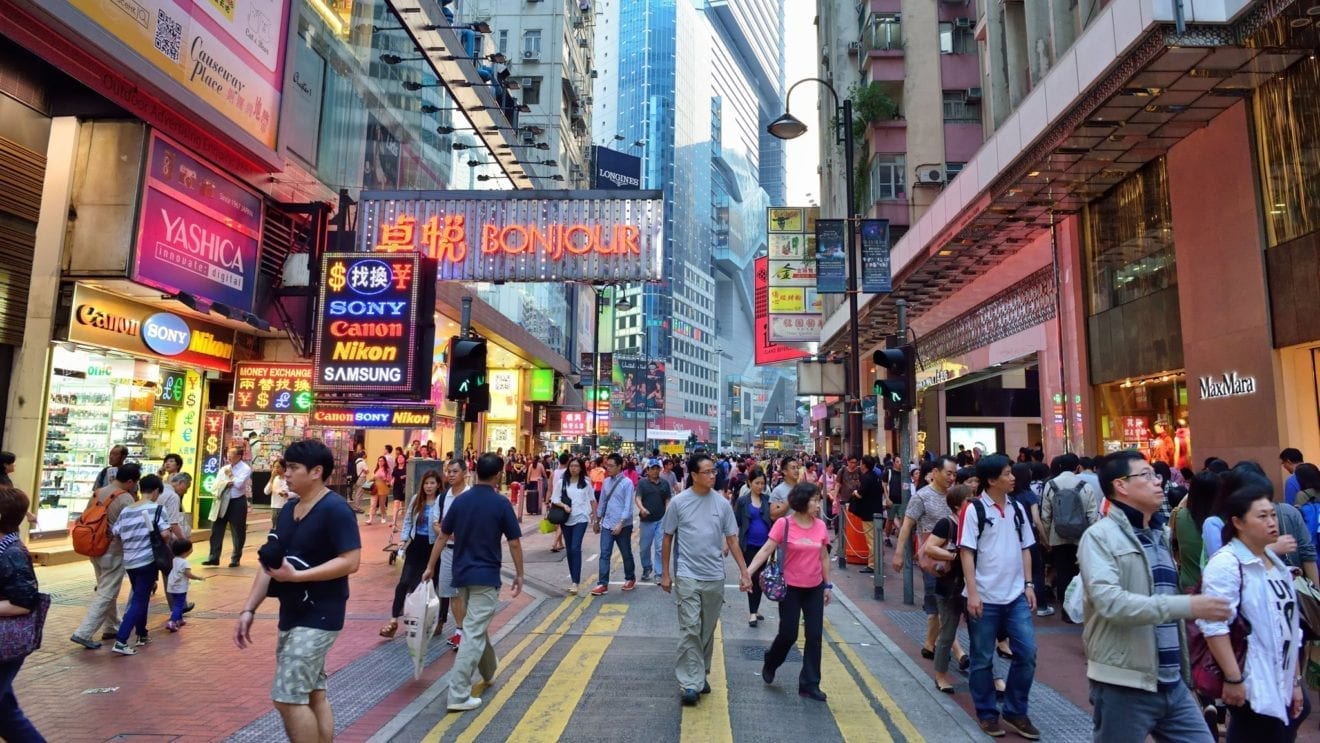
    “Dozens” of smaller Hong Kong retailers may be forced to close their doors as ongoing protests – now into their 15th week – impact trade.

    The Hong Kong Retail Management Association has repeatedly been warning of critical impact on the retail sector as store owners in areas frequently hosting protests have had to shutter their shops for safety reasons.

    Now, the South China Morning Post has reported that “several dozen small retailers are likely to shut shop as soon as the end of this month” because overseas shoppers have been deterred from entering Hong Kong by news of protest activity.

    Alexa Chow Yee-ping, MD of AMAC Human Resources, told the SCMP her clients were considering laying off staff to keep afloat.

    “It is just too hard to survive,” she told the paper, saying she feared “thousands of layoffs”.

    Annie Yau Tse, chairman of the HKRMA said last month that damage to retail business has directly impacted the frontline staff’s take-home income. “Some member companies reported that their staff’s income, which is paid on a commission basis, has also declined accordingly because of the tremendous sales drop caused by significant business disruptions,” she said in a message posted on the association’s website.

    “Furthermore, retail-related industries, such as the import and export trade, wholesale, transportation and storage sectors, will also suffer from the subdued retail market.”

    Tse was commenting after the release of June’s retail sales data for Hong Kong, which showed a 6.7 decline year on year. Since then July figures have shown an 11.4-per-cent drop. There is a widespread expectation that sales in August will be down even further, given 851,000 fewer passengers used Hong Kong International Airport and the number of mainlanders entering through land-based border crossings continues to decline while the protests roll on.

    The HKRMA has called on landlords to extend relief to embattled retailers given the circumstances.

    “As the recent incidents have made an immediate and profound impact on the retail industry, the Association has issued a letter to call for all landlords to collaborate at these critical moments by offering rental and management fee relief measures,” Tse wrote.

    “Facing such an unprecedented crisis, retailers are in critical need of the support from our stakeholders to sail through the challenges without going out of business or cutting headcount.”

  • SM Prime to open lifestyle mall in Zambales

    SM Prime to open lifestyle mall in Zambales

    SM Prime Holdings is launching a new lifestyle mall in Zambales, the Philippines.

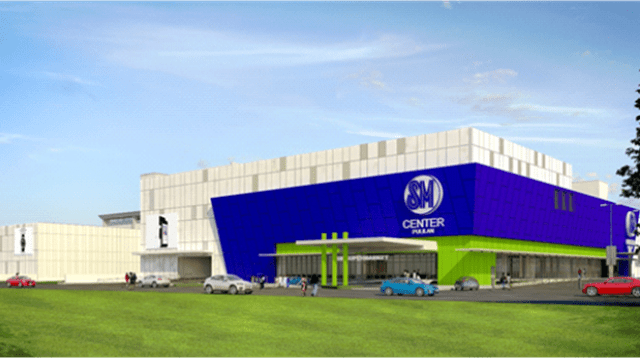
    The firm’s 73rd shopping mall in the territory, a 72,000sqm four-story complex, will open in Olongapo city’s CBD with 85 percent tenant occupancy confirmed so far. It is SM Prime’s second lifestyle mall in Olongapo.

    “Olongapo City remains one of the fastest-growing cities in Central Luzon creating a wonderful synergy on economical and sustainable development,” said SM Prime president Jeffrey Lim. “SM City Olongapo Central will not only enhance the beauty of this thriving city and its province but will also create more jobs and business opportunities to locals who aspire to grow with our company.”

    The mall will feature a food hall, cyber zone, and wellness zone along with six digital cinemas and a convention center, as well as a sports and entertainment venue.

    “SM Prime remains committed to its role as a catalyst for economic growth, delivering innovative and sustainable lifestyle cities, thereby enriching the quality of life of millions of people,” read a statement by the firm.

  • Malaysian retail sales sets record in July

    Malaysian retail sales sets record in July

    Malaysian retail sales grew by 7.1 percent in July.

    Combined with the wholesale trade, a new record high of RM112.5 billion (US$26.94 billion) turnover was set for the month.

    According to Malaysia’s chief statistician Datuk Seri Dr Mohd Uzir Mahidin, the retail trade alone grew by 7.1 percent, that figure fuelled by a 10.5-per-cent growth in sales of food, beverages, and tobacco.

    This was followed by retail sales of other goods in specialized stores and retail sales in non-specialised stores which registered 8.2 percent and 8.1 percent respectively.

    For wholesale trade, sales value expanded 6.6 percent. However, sales of motor vehicles fell by 1.7 percent year on year.

    Growth on a month-on-month basis in combined wholesale and retail sales rose by 0.2 percent, with the retail trade up by 1.1 percent and wholesale transactions down by 2.3 percent.

  • Amazon launches outdoor and garden range

    Amazon launches outdoor and garden range

    Amazon, banking on the weekend warrior set being as susceptible to the convenience of home delivery as any other consumer group, has now entered the garden and outdoor category.

    The online retailer, which launched in Australia in 2017, has continued to expand its offer over the past two years, and now offers more than 125 million products.

    It launched a new range of garden and outdoor products on Tuesday.

    “Our new Garden store has a range of enticing outdoor products from gardening equipment to pool supplies to patio furniture to BBQs,” Rocco Braeuniger, country manager of Amazon Australia, said in a statement.

    This puts the e-commerce giant in direct competition with major brick-and-mortar retailers, including Bunnings and Barbeques Galore, which offer similar products through their national store networks, as well as online stores.

    “We’ve been competing with a wide range of retailers across a broad spectrum of categories and products for a long time and we always welcome competition,” Mike Schneider, Bunnings’ managing director said.

    “While we don’t comment on our competitors, our focus is always on our customer.”

    While Bunnings only started selling online in select areas in June 2018, it expects to have a full e-commerce offer in Australia by Christmas 2019.

    At the same time, it’s investing heavily into its click-and-collect offer, having conducted research internally that shows most consumers prefer to buy online and pick-up in-store, rather than have it delivered to their home.

    “Having our team of experts in-store means we are also able to offer great service to run alongside our online transaction capability and we typically find that many of our online customers like to head into the store to pick their items up,” Schneider said.

  • Shopping malls in the Philippines popularity on the rise

    Shopping malls in the Philippines popularity on the rise

    Shopping malls in the Philippines are bucking international trends and are trading stronger than ever, says retail technology expert Nikki Baird.

    Their secret, she says, is that they offer a wider range of experiences to customers.

    “Shopping malls in the Philippines are all-in-one destinations that not only provide shopping, dining, and entertainment but also offer community events, access to government and utility services, and even places of worship,” Baird told the recent National Retail Conference and Expo in Manila.

    But, she warned, neither mall operators or their retail tenants in the Philippines can afford to be complacent because the industry is constantly changing.

    “The rise of e-commerce, evolving consumer tastes, dynamic competition, and other developments in the global retail landscape challenge Philippine retailers to pursue innovations in both brick-and-mortar and digital stores.”

    Baird, VP of retail innovation at Aptos, a retail technology solutions provider, said global store-innovation trends are showing how retailers are responding to consumers’ emerging needs and demands.

    “The global shift in consumer behavior puts pressure on retailers around the world to rethink their customers’ journey and experience in their online and offline stores,” said Baird. “In response to this, brands are embracing digital and behavioral innovations to deepen customer relationships, provide in-store services, use stores as fulfillment centers, harness rich customer data, host in-store events, and offer store-only exclusives.”

    With retail sales forecast to almost double in Southeast Asia to US$1.38 trillion in 2025 from $720 billion last year, the importance of connecting digital — where consumer shopping begins — to the retail store will only increase in the Philippines. To prepare for this growth, retailers are investing in in-store innovations and technologies to ensure each store offers optimal customer service and the right inventory to meet the personalized tastes and needs of every shopper.

    “Filipino retailers need to increasingly merge their brick-and-mortar and digital touchpoints to ensure the most seamless experience for the consumer and the most productive and profitable use of inventory across their network,” added Zaki Hassan, regional VP for Asia Pacific at Aptos.

    Aptos works with more than 1000 retail brands across 65 countries.
  • Chinese discount merchandise chain Miniso plans 100 stores in Australia

    Chinese discount merchandise chain Miniso plans 100 stores in Australia

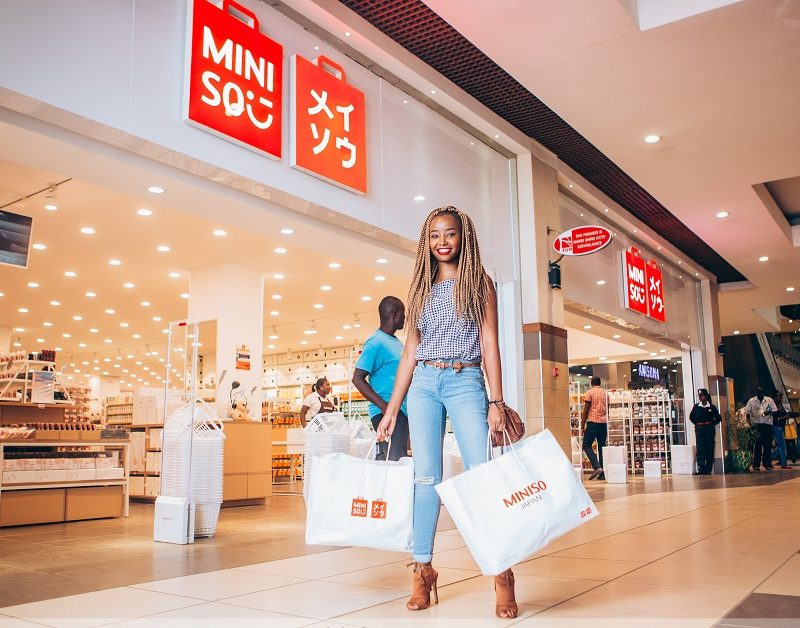
    Chinese discount merchandise chain Miniso says it expects to have 100 stores trading in Australia by the end of next year.

    “Australia is a key country in the world for the rapid expansion of Miniso,” said Miniso Australia VP Richard Li.

    “Our chain of stores opened in Australia include outlets in some of the country’s top shopping centers, including Chadstone in Melbourne and Westfield Parramatta, with a further 68 openings planned over the next 15 months.”

    So far the company has 32 stores trading Down Under. It recently reached the 100-market milestone in its global rollout program. It has 3869 stores open worldwide, and last year posted turnover of US$2.5 billion.

    Miniso has just launched a range of up to 600 lines of Marvel merchandise.