Tag: Shopping

  • LVMH sales up despite global tensions

    LVMH sales up despite global tensions

    Luxury brand owner LVMH has reported a solid 15 percent increase in sales in the first half of this year, shrugging off gloomy consumer sentiment in many markets.

    The parent of Louis Vuitton, Christian Dior, Bulgari, Sephora, DFS, Moet and a raft of other brands recorded sales of €25.1 billion. Organic growth was 12 percent ahead of the same period a year earlier.

    Second-quarter growth was also up by 15 percent of the beginning of the year, with the US, Asia and Europe all showing good growth and an obvious rebound in France in the second quarter.

    While the company noted a slowdown in demand in Hong Kong and Macau over the past few months, its DFS department-store subsidiary recorded “good” performance during the first half of the year.

    Profit from recurring operations was €5.295 billion for the first half, up by 14 percent, with operating margin reaching 21.1 percent – about the same as last year.

    “These results once again illustrate the effectiveness of our strategy and the exceptional desirability of our Maisons, whose products transcend time,” said chairman and CEO Bernard Arnault.

    “Their constant demand for quality and their consistently refreshed creativity are key to LVMH’s success, always guided by a long-term vision, combining exemplarity and responsibility in all the company’s actions. Despite buoyant demand, we will continue to manage costs and remain vigilant into the second half of the year. We are therefore entering the second half of the year with confidence and count on the talent of our teams and their shared entrepreneurial passion to further increase, once again in 2019, our leadership in the world of high-quality products.”

    The company’s fashion and leather goods business group recorded organic sales growth of 18 percent and profit from recurring operations was up 17 percent. The Louis Vuitton brand business achieved growth in all businesses and regions. Christian Dior had “a remarkable performance during the first half,” the company said, with its new 30 Montaigne line a standout.

    The selective retailing business group achieved organic revenue growth of 8 percent, with profit from recurring operations up 17 percent. Within that group, Sephora recorded strong revenue growth and gained market share in all of its locations, LVMH reported.

  • Credit cards decline amid buy now pay later boom

    Credit cards decline amid buy now pay later boom

    In the twelve months to March 2019, almost half a million Australians got rid of their credit cards, with the total number of credit cards in the country falling to 14.6 million compared to the 15 million a year prior.

    This trend, highlighted in illion’s second Credit Card Nation report, suggests that Australia has surpassed ‘peak card’ and is now on a long-term downward trend in terms of credit card ownership.

    According to illion chief executive Simon Bligh, falling house prices have had the secondary effect of causing urban Australians to consolidate their financial position – including a focus on clearing unnecessary debt.

    “In the country, it’s a different story, and many parts of rural Australia have faced extenuating circumstances with their livelihoods heavily impacted by the drought,” Bligh said.

    “Farmers have needed support with their cash flow and have turned to credit cards.

    “The Australian economy is facing weak spending patterns, low wage growth, high levels of mortgage debt and low rates of saving.

    “While the number of credit cards overall is falling, those who have them are using them more often. Some consumers are struggling to manage their cash flow and are opting to drift into debt rather than pay off their bills immediately.”

    According to the report, card-based transactions are likely to continue to fall in volume due to the rise of alternative payment systems, such as direct debit, PayPal, BNPL, and payment through social platforms such as Facebook.

    According to Bligh, as credit lenders have adjusted their assessment criteria based on increased pressure from regulators, credit users who were already problematic are finding it more difficult to obtain further credit, while those who are low-risk and high-reward have been able to maintain strong credit ratings.

    “But here’s where it gets interesting – our research this time around shows that millennials are now the only group that have increased ownership of credit cards,” Bligh said.

    “Granted the numbers are small, and you may be asking why this is – especially as we know that young people under 25 pose the greatest risk of failing to pay back their debts and are almost six times more likely to be two months behind in their repayments than their parents.”

    There are two potential reasons for this, Bligh said. Firstly, millennial men are using both credit cards and buy now pay later services, and secondly that market forces may be pushing credit lenders to take on more risky endeavours to keep their numbers up as overall credit usage falls.

    “Our society is in the early stages of moving towards a buy now pay later approach for many low-cost items, with this coming at the cost of a general decline in the usage of credit cards,” Bligh said.

    “Young people are at the forefront of these changes and are using both at the moment – almost in equal measure.”

  • Courts opens first IoT store at Funan mall, Singapore

    Courts opens first IoT store at Funan mall, Singapore

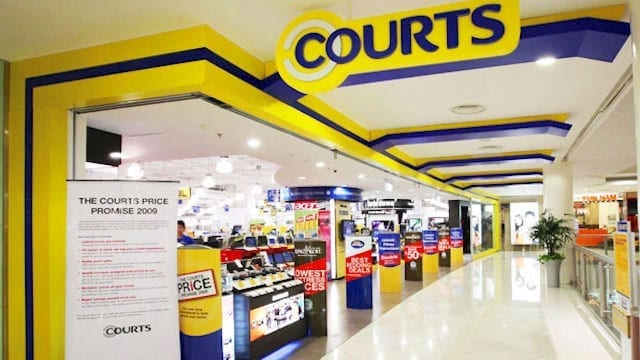
    Courts Singapore has opened its first Internet of Things store at Funan mall.

    The 12,000sqft store houses Google’s first experience zone in Asia and another from Samsung.

    Consumers can try Google’s entire range of products in Singapore, from smartphones to the recently launched Nest Hub smart display, which is similar to a smart speaker but with a screen.

    Ben Tan, Courts Singapore country CEO, shared with The Straits Times that 80 per cent of the products on sale are compatible with smart-home platforms such as the one anchored by Google Assistant, Google’s artificial intelligence-powered voice-assistant software.

    “The number of smart products available here that work with Google Assistant has increased by 200 per cent this year on year,” Tan said.

    At the Samsung experiential zone at the Courts Singapore Funan mall store, consumers can try out an integrated smart home.

    They can open a door using a digital lock, see notifications from a security camera on a smart Samsung television and issue voice commands to smart home appliances such as washing machines and fridges.

    According to Tan, Courts will offer more services to go along with smart home, such as setting up the devices and educating users on how to control their smart gadgets.

  • Hong Kong airport Retail revamp Finalised

    Hong Kong airport Retail revamp Finalised

    A major Hong Kong airport revamp is planned spanning passenger facilities and retail spaces.

    Architectural firm Lead8 has been appointed lead designer for the planned Hong Kong International Airport (HKIA) Terminal 1 renovation.

    Working with Airport Authority Hong Kong, Lead8 will spearhead a collaboration of international consultants to deliver a “transformative upgrade” to the passenger halls of the 21-year-old aviation hub.

    The Boarding Gate Transformation project is expected to be completed in 2021. Lead8’s design scope includes a total overhaul and upgrade of the 49 boarding gates and adjacent areas of the Level 6 departure concourses.

    The renovation work will include upgraded technologies at all boarding gates, along with new and refreshed beam seating across all departure waiting areas. Retail and service cabins will be upgraded with more convenience for passenger access, all aimed at delivering “a more fluid experience for travelers”.

    “The refreshed look of the terminal will bring an inviting ambiance that combines new technological features to convey convenience and comfort to the terminal’s local and international travelers when transiting to and from Hong Kong,” said Lead8’s co-founder & executive director Chris Lohan.

    Contemporary seating designs with upgraded charging facilities will provide passengers with convenient and comfortable waiting experiences. The retail and service cabin facilities will also be upgraded to offer a rejuvenating environment for waiting passengers.

    Lead8 have also curated a number of entirely new experiential zones that will provide places of entertainment, relaxation, on-the-go work and general down-time spaces for passengers awaiting flights.

    “The combined enhancements of the transformed facilities at Hong Kong International Airport’s signature Terminal 1 building will further solidify our city’s status as a key international and regional aviation hub,” added Lohan.

  • Singaporean shoppers prefer shopping in store

    Singaporean shoppers prefer shopping in store

    Singaporean shoppers still prefer in-store shopping, a study by UK mobile tech firm Blis shows.

    The Real Retail Study analysed shopper behaviour in Singapore, and concluded the desire to shop in store is also very much alive, especially when it comes to food and groceries (79 per cent), followed by furniture and home furnishing (69 per cent), and household appliance (61 per cent).

    Consumers are also willing to spend higher amounts when shopping in store, with 81 per cent indicating they will be looking out for in-store deals during the upcoming Great Singapore Sale.

    Four in five local consumers use their mobile phones when shopping in a physical store.

    The most popular reason for doing so is to ‘compare prices for the same item to ensure I am getting the best deal’ (72 per cent), followed by reading other customers’ product reviews.

    Two in three local consumers say they have spent time searching for items on shopping websites but made the final purchase in store. The main reason for doing so is that they ‘like to see the quality of the product before buying’ (56 per cent).

    Sixty-three per cent of local consumers say they have spent time looking for items in stores before purchasing them online. The biggest reason for doing so is that they can ‘sometimes get better deals’ (54 per cent).

    “Our findings show that Singapore consumers still massively value shopping in store, and that any talk about physical retailers being rendered obsolete by e-commerce is premature,” said Richard Andrew, MD for Asia at Blis.

    “Shoppers’ attention and discretionary spending are now being pulled in multiple directions, meaning retail strategy has to evolve. In a mobile-first world, retailers have to master new approaches like location-based data to connect with shoppers at the right place and time to win their hearts, minds and wallets.”

    The study also shows how much Singaporeans love to shop. Forty-five per cent of respondents said they shop because it makes them happy, and nearly half – 49 per cent – consider shopping a hobby. Of them, 55 per cent are women aged 25 to 65.

    When it comes to payment, whether shopping online or offline, Singapore consumers prefer to use credit cards for nearly every purchase of any size. In store, when spending less than $35, cash is preferred.

    “The market in Singapore demonstrates to us that retail isn’t facing its imminent demise, it is simply evolving to keep up with rapidly shifting consumer preferences and behaviours,” Andrew concluded

  • Countdown Started to offer paper bags at checkout

    Countdown Started to offer paper bags at checkout

    Countdown will begin selling recyclable paper bags at checkout, as the government ban on the sale and distribution of single-use plastic bags takes effect on July 1st. The paper bags will cost 20 cents each, and be made of Forestry Stewardship Council (FSC) certified paper.

    “We’re really pleased to see single-use plastic carrier bags banned in New Zealand,” Countdown general manager of corporate affairs, safety and sustainability Kiri Hannifin said.

    “Bringing your own bags is a behaviour change that New Zealanders are really getting behind, and it’s always our first preference.

    “We’ve recently started accepting BYO containers in our deli, meat and seafood counters in selected stores and we’re hoping to roll this out nationwide shortly too.”

    According to Countdown, the move away from single-use plastic bags at the supermarket has meant 350 million fewer plastic bags are entering the New Zealand waste stream each year.

    The new legislation applies to all retailers in the country, and includes all single-use plastic bags under 70 microns thick.

    Retail NZ interim chief executive Greg Harford welcomed the legislation, stating that it is good for the environment and for the country.

    “Retailers large and small have been working hard over time to reduce or eliminate the number of plastic carrier bags being issued, and the formalisation of the phase out will ensure that there is a level playing field right across the retail sector,” Harford said.

    Countdown confirmed it has started work on a programme to look at the ways the supermarket uses plastic, the types being used and why, as well as alternatives that could be adopted that would be suitable for New Zealand’s waste infrastructure.

    “This includes reducing plastic where possible, trialling different bag options in bakery, installing produce misting systems to remove the need for packaging on fruit and veges, and supporting the return of the soft plastics recycling scheme in a number of Auckland stores,” Hannifin said.

  • Topshop parent wins lifeline in crucial vote

    Topshop parent wins lifeline in crucial vote

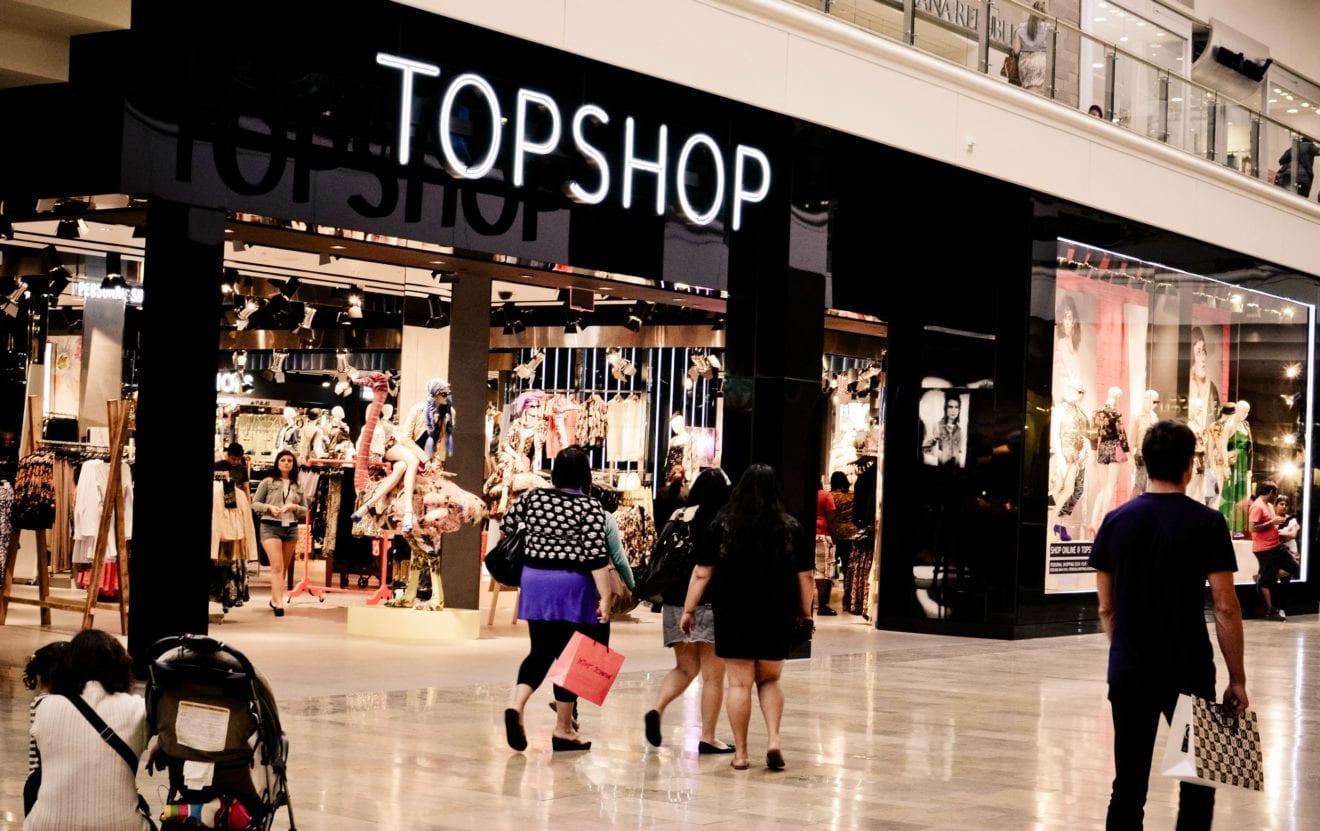
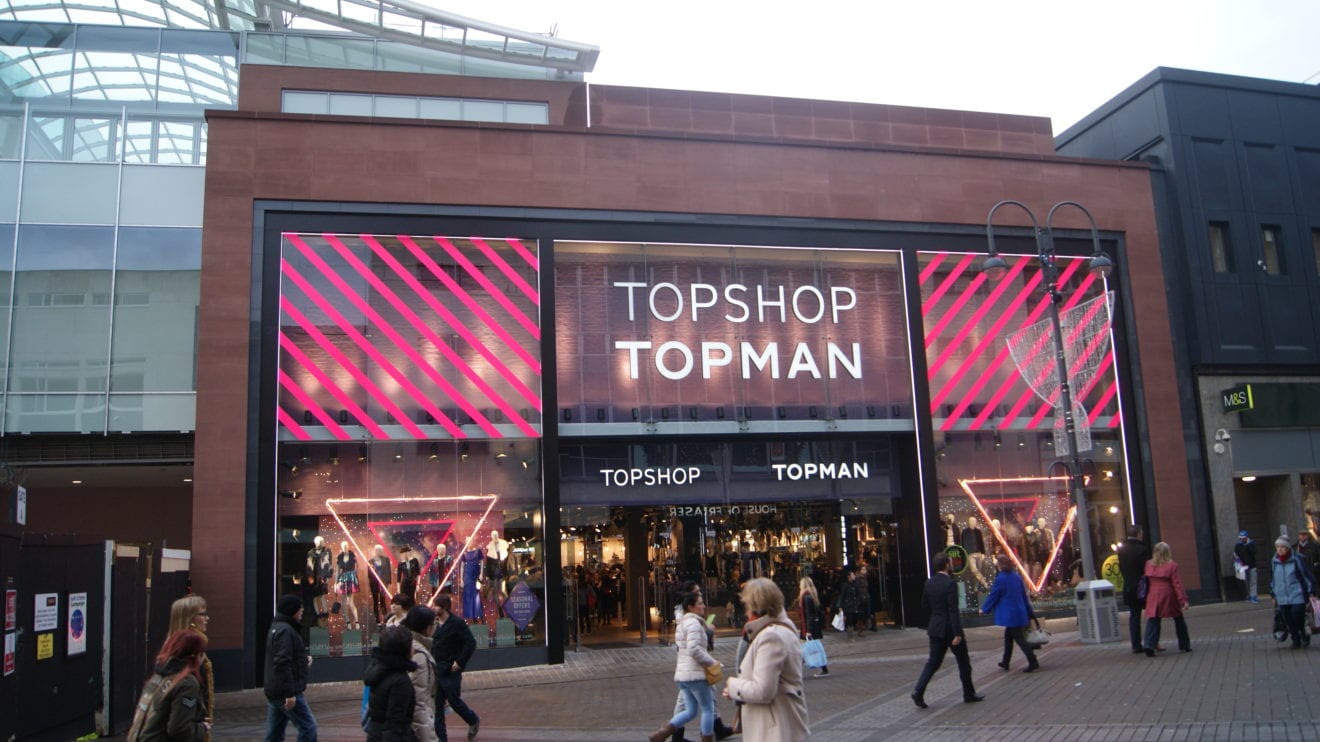
    Topshop parent Arcadia Group has been given a lifeline by its creditors and landlords after a Company Voluntary Arrangement (CVA) was approved yesterday.

    The vote was delayed last week after it became clear it would not gain the 75 per cent approval needed to proceed. However it appears a change of heart by the pension regulatory body secured the arrangement.

    Arcadia Group is now free to close a further 23 stores and will receive reduced rent on nearly 200 others.

    CEO Ian Grabiner said he is confident about the group’s future now the deal has been accepted, promising to provide customers “with the very best multi-channel experience, deliver the fashion trends that they demand, and ultimately inspire a renewed loyalty to our brands that will support the long-term growth of our business”.

    “After many months of engaging with all our key stakeholders, taking on board their feedback, and sharing our turnaround plans, the future of Arcadia, our thousands of colleagues, and our extensive supplier base is now on a much firmer footing,” he said.

    “From today, with the right structure in place to reduce our cost base and create a stable financial platform for the group, we can execute our business turnaround plan to drive growth through our digital and wholesale channels, while ensuring our store portfolio remains at the heart of our customer offer.”

    However Chloe Collins, senior retail analyst at GlobalData, said that although Arcadia’s CVA has been approved, it is not surprising it faced backlash from some landlords who have doubts about the retailer’s future.

    “Arcadia’s leading brands – Topshop and Topman – still have a strong following among millennials, however many of the other, such as Miss Selfridge and Dorothy Perkins, are now irrelevant in a highly saturated market and chances of revival are slim, leading landlords to question whether other retailers could offer their spaces more longevity,” she said.

    “The decision to add Topshop and Topman to Asos’ branded offer as part of Arcadia’s turnaround plan is wise to increase the brand’s reach, especially internationally. However it is crucial that the £60 million invested into advancing Arcadia’s digital platforms includes competitive and convenient delivery methods to rival Asos and maintain traction on the brand’s individual sites.”

    Collins said the £75 million invested by Green into its physical stores will be too thinly spread as even after the planned closures Arcadia will have around 500 stores left.

    “These stores have been neglected for far too long and are now unable to match competition which moves in favour of experience-led shopping.”

  • Aldi China where Quality meets Value

    Aldi China where Quality meets Value

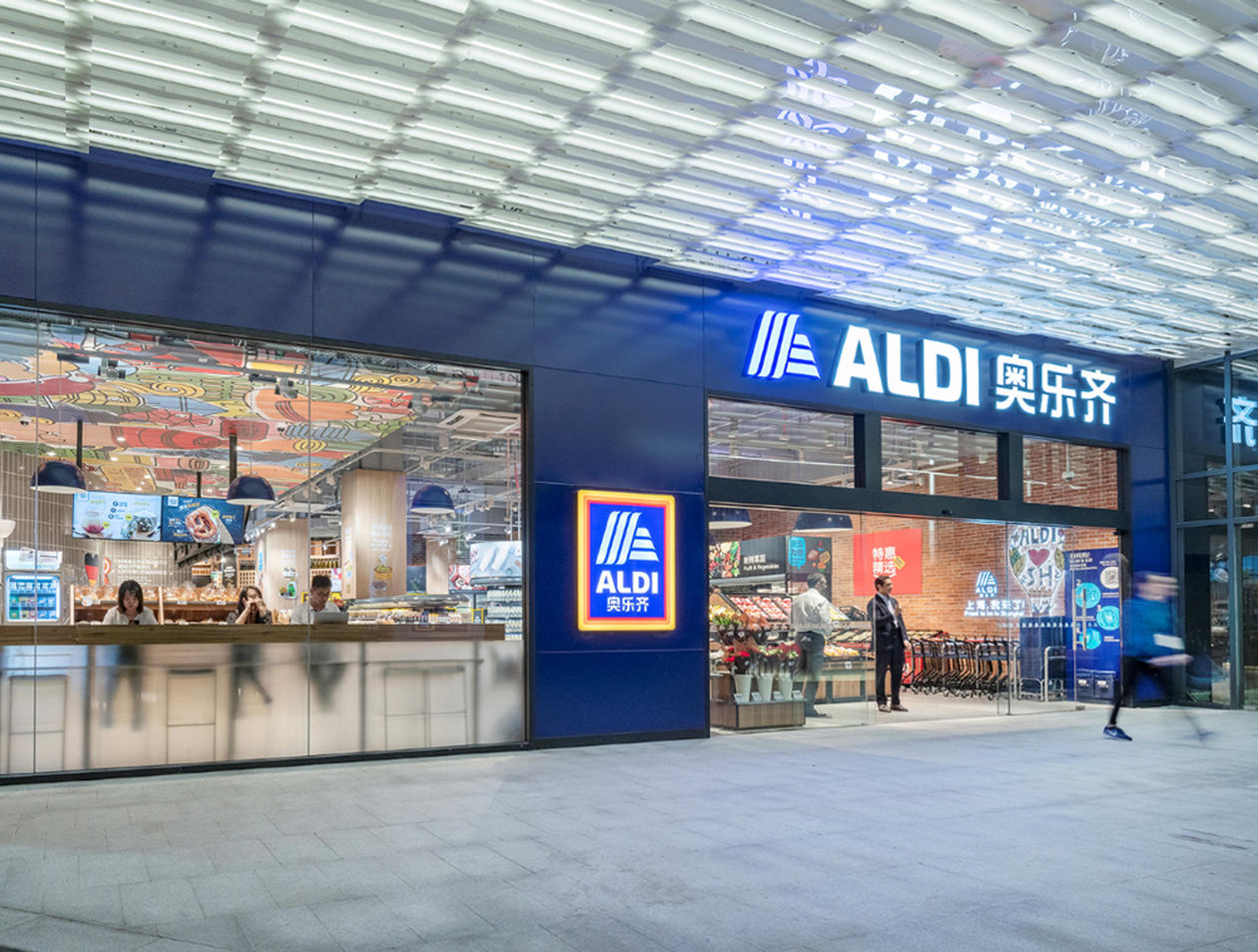
    The first professional photos have emerged of Aldi China’s two pilot stores in Shanghai, which opened weeks ago.

    Designed by Australian-headquarted Landini Associates for Audi Sud (South), the two stores are both about 336sqm in size. They feature a more upmarket look than Aldi’s European stores and are described by Landini as “an evolution of Landini Associates’ work for Aldi Australia, aimed at celebrating and conveying product quality and value”.

    The stores represent a new trading format for Aldi and are the first of up to 100 planned for the city. Aldi has been testing the Chinese market online for about two years, selling its own-brand products on Alibaba’s Tmall to gain an understanding of consumer buying preferences and acceptance to hitherto unknown brands.

    But as the photos show, the store is very obviously targeted not only at Chinese consumers, but the burgeoning expat community in the city – all signage is in English as well as Chinese.

    Landini highlights key differences in the scale, layout and tone of the Aldi China stores, compared to the latest designs implemented in Australia.

    “In line with Chinese consumer habits, where the preference is to visit multiple small shops per week, the stores are a much smaller format. The emphasis is on fresh produce and ready meals, with certain categories articulated for greater consistency, and key products placed at the entry of each aisle alongside messaging to appeal to and drive shoppers,” the company says.

    “Key departments developed were snacks, produce, bakery, alcohol, imported goods, health, and beauty. The most noticeable difference for the Chinese market is the development of an on-site Food Station, as well as the addition of ready meals to take away or consume at the in-store dining kiosk.”

    Low cost yet “real” materials were specified for the fitout, including locally sourced brick, terrazzo, an open concrete ceiling, warm timbers, and yellow accents which add to the perception of freshness throughout the stores.

    LED lighting reduces glare and running costs while improving ambience and colour rendering, changing from day to night. Landini says the lighting was designed to create a pleasant atmosphere and let the products speak, enhancing colour, texture, and freshness. Energy-saving LED has also been incorporated in the fridges and wine displays.

    Landini also designed an extensive series of messaging and graphic illustrations that are entirely unique to the Aldi China stores. More than 40 messaging boards were developed to communicate the brand ethos, product freshness, value, quality, and European and Australian products on sale.

    There is no signage or ticketing displayed from the ceiling. Instead, category signage around the store perimeter offers greater visibility across the stores and thus encourage cross-store shopping. A vibrant, colourful mural on the ceiling above the service counter and checkouts is a playful hero graphics feature.

    “Our two new stores are designed as pilot stores where retail approaches will be trialled and adjusted according to data and feedback from customers,” said an Aldi spokesperson. “This new store format has been customised and tailored specifically for the China market to better understand and interact with Chinese consumers.”

    Ben Goss, design director at Landini described the project as “a significant milestone for the brand”.

  • Parkson Holdings Extends Store Lease in China

    Parkson Holdings Extends Store Lease in China

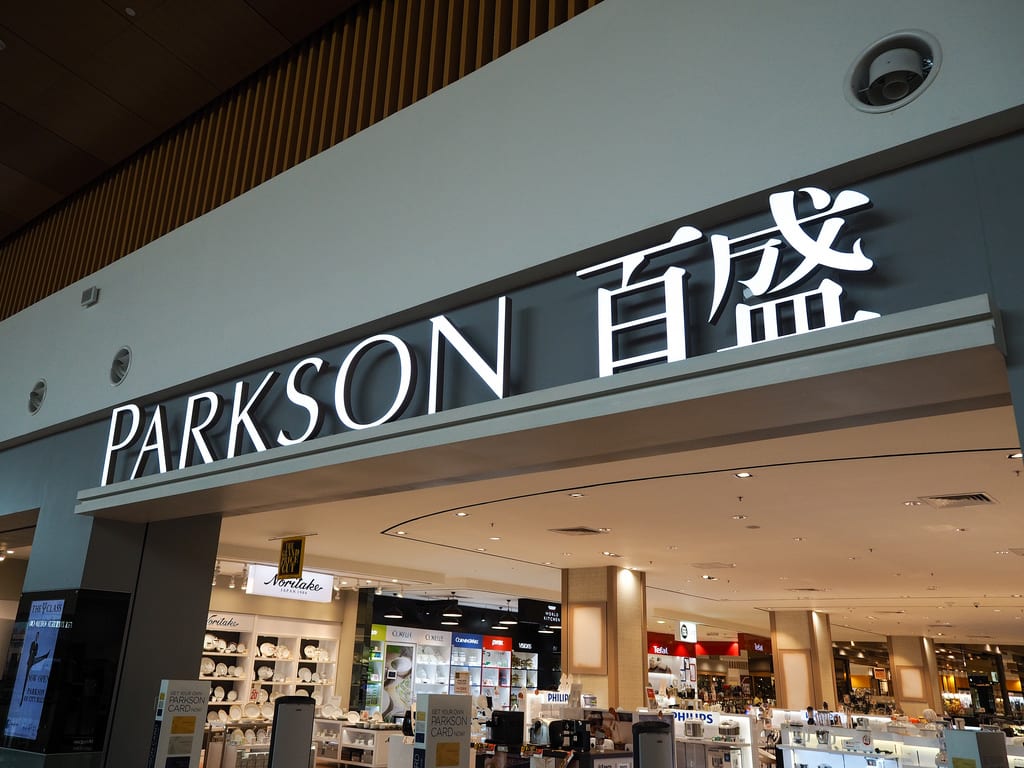
    Parkson Holdings’ Beijing operation Parkson Retail Development (PRD) has extended a department store lease in the city until the end of 2021.

    PRD’s Hong Kong-based owner PRGL announced in a stock exchange filing in Hong Kong the firm has signed a new lease agreement for a 189sqm area from the China National Arts and Crafts Group in Beijing’s Fuxingmen. It has agreed to pay a quarterly rental of RMB2.5 million (US$361,800).

    The group has been conducting retail activities at the site for 20 years and this lease follows renewals of seven other leases in the same building back in February. In total, Parkson leases 23,887sqm in other areas of the museum from the same landlord for terms extending as far as the end of November 2028.

    A statement from PRGL said the operation has brought stable revenue in the past, and that the new lease brings continuity to the group’s retail efforts in a location familiar to its long-term customers.

  • Topshop future in stretch as crucial vote delayed

    Topshop future in stretch as crucial vote delayed

    The future of fashion label Topshop is in limbo after a crucial vote on a Company Voluntary Arrangement for parent Arcadia Group was delayed last week.

    Arcadia’s chairman Sir Philip Green is trying to gather approval from creditors for a scheme which would see them convert debt to future equity and rents reduced on UK stores in return for sa further investment by Green’s family of £50 million (US$63.8 million). The scheme would also see 23 stores shuttered in the UK and the closure or sale of all 11 of Topshop’s US stores – on top of 25 UK store closures already planned.

    “Against a backdrop of challenging retail headwinds, changing consumer habits and ever-increasing online competition, we have seriously considered all possible strategic options to return the group to a stable financial platform,” Arcadia CEO Ian Grabiner said when unveiling the CVA last month.

    “This has been a tough but necessary decision for the business.”

    But a meeting of creditors – who include suppliers landlords and pension funds – was postponed last week when it became clear support would fall short of the 75 per cent required for it to be approved. That vote will now likely be held this week. However if it fails, creditors may call in administrators opening the possibility of a sale of Arcadia’s brands, which also include Miss Selfridge, Dorothy Perkins, Evans and Topman.

    UK retail industry sources say landlords are especially cynical to the CVA, casting doubts on whether Green can revive the troubled business in an era of dwindling high-street retail sales and growing e-commerce.

    One major retail landlord told The Business of Fashion that cutting rents to Arcadia to help its survival would be “quite a tough message to communicate to other tenants paying full rent”.

    Arcadia’s like-for-like sales reportedly fell 7.5 per cent in the year to August 2018, with total sales down 10.5 per cent to £1.7 billion. That decline was largely due to a 20 per cent slump in Topshop sales.

    The chances of Green’s plan did receive a boost last week after The Pensions Regulator and Pensions Protection Fund indicated their support. That followed a commitment by Sir Philip’s wife Lady Tina Green to invest a further £100 million in the fund to protect staff.

    Lady Green has also promised landlords who accept the deal a 20 per cent share of the proceeds should Arcadia be sold.

  • Ikea makes catalogues “shoppable” on Pinterest

    Ikea makes catalogues “shoppable” on Pinterest

    Global furniture retailer Ikea will start putting its product catalogue on Pinterest to give the print publication a longer lifespan and to allow customers to move more quickly from inspiration to purchase.

    According to a report in Digiday, Ikea has been working to monetise its presence on the social platform for some time, which has led to a shoppable version of its catalogue.

    “We didn’t want to just copy and paste – we already have a digital catalogue online,” Ikea media project manager Kerri Longarzo told Digiday.

    “But promotions in the past felt a little stale. We were running out of ways to show the catalogue to people online, so we sought out something different.”

    Pinterest differs from its social media contemporaries in that rather than sharing aspects of their lives, Pinterest users search for images of furniture, recipes, wedding ideas and more, and save it to their ‘boards’ for later reference. Essentially, it’s an online scrapbooking tool.

    “Catalogues have been a pretty big part of the Ikea concept from the very beginning,” Longarzo said.

    “As we get to 2019 and realise customer behaviours are shifting, the world is going more digital, having this print-only piece was becoming more challenging.”

    Ikea’s US Pinterest page boasts more than 10 million monthly unique viewers, while its Australian arm sees numbers closer to 350,000.

    On Ikea Australia’s Pinterest page, you can find boards ranging from bedroom ideas, recipes, and home inspiration – which when clicked through will take users to the relevant product page on the online store, allowing for further shopping or purchases. Adtech Ad

    The pinned images also automatically show other users’ images of the same product, allowing customers to see how the product looks in practical use.

    “People come to Pinterest in a shopping mindset open to discovering products, which creates a great connection between Pinners and businesses,” Pinterest wrote in a statement announcing its catalogue feature to businesses in March.

    “In the past year, we’ve been bringing together the worlds of visual search and shopping to make it easy to shop for anything you see on Pinterest, and for brands to reach people on Pinterest while they’re actively looking for inspiration.”

  • Alibaba’s 618 Mid-year Shopping Festival targets Specific China Regions

    Alibaba’s 618 Mid-year Shopping Festival targets Specific China Regions

    Alibaba Group has launched this year’s 618 Mid-year Shopping Festival from Taobao and Tmall, allowing brands and merchants to tap into China’s less-developed regions with 1.5 million new products and multiple promotions.

    This year’s festival aims to engage customers in emerging cities, counties and villages across China. To do so, Taobao and Tmall are boosting promotional resources to elevate excitement and help brands reach this rapidly growing market. Altogether, more than 200,000 brands and retailers will participate in the shopping event.

    The shopping event officially started on June 1 and will continue though June 18. Within the first hour, from midnight to 1am, gross merchandise volume (GMV) exceeded that of the first 10 hours last year. And at 11.23am, less than 12 hours after the start, total GMV surpassed last year’s full-day figure.

    Branded products are so far proving extremely popular. Top brands like Apple, Xiaomi, Haier, Aux, Midea, L ‘Oreal, Lancome, Nike and Adidas each notched more than RMB100 million in sales in the first hour. Among them, Apple sold over RMB100 million worth of products in two minutes and 45 seconds, while Midea and Nike both hit that mark in four minutes.

    “In addition to rising discretionary spending, consumers in China’s less-developed regions are becoming more-sophisticated shoppers who are looking for lifestyle upgrades,” said president of Taobao and Tmall Jiang Fan. “This increased consumption potential could mean bright prospects for our merchants. People in these areas might have less access to physical shopping facilities than those in big cities, and this year we are working closely with our partners to address their needs and offer them the same good quality products on our platforms with innovative and fun programs.”

    The number of people living in smaller cities and rural areas accounts for nearly 70 per cent of China’s total population, according to Chinese market-research firm Analysys. These consumers are catching up with first- and second-tier markets in valuing quality over price. Tmall’s figures also show that more than half of the sales generated on its Luxury Pavilion comes from customers outside China’s first- and second-tier cities.

    In view of this trend, Taobao and Tmall are leveraging Alibaba Group’s ecosystem and technology and an array of marketing channels and tools to build momentum from early June. Key initiatives to offer opportunities in fast-growing markets and enhance customer engagement include:

    Tmall product debuts – About 1.5 million products will debut on Tmall during the festival with customers enjoying heavyweight promotional offers on these items. Many were developed by brands on an accelerated cycle, thanks to consumer insights provided by Tmall. In addition to deals on the 1.5 million new products, brands are offering millions of other products at a discount. All products are available to consumers nationwide, but brands are paying special attention to the needs and desires of customers in lower-tier Chinese cities.

    Flash Sales – Alibaba’s flash sales channel, Juhuasuan, allows brands to offer deep discounts to reach new customers in fast-growing markets. Juhuasuan will organise dozens of 618-themed group-selling campaigns featuring must-buy items recommended by brands. Statistics show that Juhuasuan is a tried-and-true channel for brands to attract first-time buyers. Since last year, 80 per cent of the transactions for branded goods through Juhuasuan were from new customers, and nearly half were from lower-tier cities.

    Taobao Livestreaming – Few marketing tools have proved more effective than livestreaming for brands to introduce and recommend 618 products to potential consumers in less-developed regions. Last year, sales generated by Taobao Livestreaming exceeded RMB100 billion. This year, US brands, including Stadium Goods, the streetwear and sneaker resale store backed by LVMH Luxury Ventures; Korean beauty brands, like Laneige and Innisfree; and Japanese cosmetics brands Shiseido will host livestreams for 618.

    Daily Deals – This channel on the Taobao app provides special offerings directly from manufacturers and is highly popular among consumers from less-developed areas in China. Equipped with insights from consumer preferences and behaviors, manufacturers are able to adjust their production processes on a real time basis to meet consumer demands. These manufacturers will introduce 100,000 promotional items for the 618 celebration.

    With a reach of 654 million annual active consumers in China, strong technical support and in-depth market knowledge, Alibaba’s ecosystem is offering a strong growth potential for brands.

    Alibaba Group’s annual results this year reflect that growth potential, with more than 70 per cent of the more than 100 million new active users added during the year ended March 31, 2019 coming from less-developed cities.


  • Changi Airport liquor & tobacco concession Open

    Changi Airport liquor & tobacco concession Open

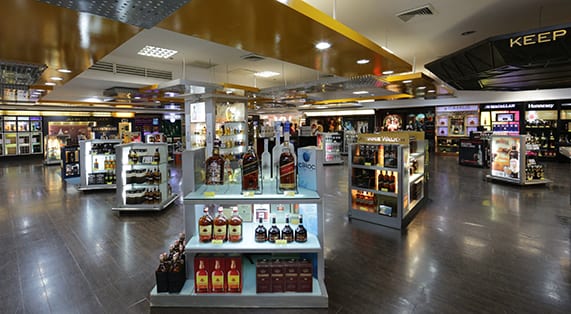
    The Changi Airport liquor & tobacco concession is up for grabs after DFS Venture opted not to proceed with a two-year extension.

    Changi Airport Group (CAG) will launch a tender for the concession on June 4, covering 18 stores, spanning more than 8000sqm of retail space across the airport’s four terminals. It will run for six years from June 9 next year.

    CAG is seeking a strong partner with retail concepts to augment the passenger experience for the liquor and tobacco concession.

    From store design and product range, to in-store activations and e-commerce strategy, the retailer should put forth a robust and compelling proposal, leveraging new technologies and innovations, to elevate travel retail at Changi, CAG said.

    The Changi Airport liquor & tobacco concession will serve more than 66 million international travellers who pass through Changi Airport annually.

    “We look forward to new retail concepts to take the liquor & tobacco concession to new heights,” said CAG VP for commercial, Lim Peck Hoon.

    “Changi is fully committed to growing with our concession partners through impactful innovation and effective collaboration. There will be a wealth of opportunities for the liquor & tobacco partner to showcase its offerings to Changi’s global audience, delivering revolutionary best-in-class retail experiences, to build and grow its business.”

    Interested retailers will be required to attend a compulsory tender briefing and site visit scheduled on June 25. The deadline for submissions is August 5.

  • HKairportshop.com offers ‘world’s fastest airport pickup’ for Ecommerce Shoppers

    HKairportshop.com offers ‘world’s fastest airport pickup’ for Ecommerce Shoppers

    Hong Kong International Airport’s one-stop online-shopping platform HKairportshop.com is making orders purchased via the platform ready for pickup at the airport 90 minutes after the purchase is made – including duty-free hard liquor.

    The e-commerce platform brings together more than 3000 products including popular makeup and fragrances, travel exclusive collections, wines, electronic goods, souvenirs and HKIA’s exclusive smart luggage tag MyTag – which alerts passengers of their arriving bags when paired with the HKG My Flight app.

    The site is now offering travellers who spend more than HKD1000 (US$127.40) on the platform a saving of HKD200 ($25.48) when they use the promo code “UP200” from now till June 30.

  • Another Bangkok riverside mall in Development

    Another Bangkok riverside mall in Development

    Another Bangkok riverside mall is in the early stages of planning after the Port Authority of Thailand (PAT) said it will develop Klong Toey land it no longer needs.

    The land is located at the Klong Toey port, not far from Bangkok’s CBD where the authority currently has about 900 rai 1.44 million sqm. PAT says it plans to use only about half that area in the future and will hand the balance over to a developer to create a landmark on the Chao Phraya River.

    The 400 rai which has become available will house retail space, a business centre and other commercial space, according to PAT director-general Kamolsak Promprayoon.

    “It will be something like IconSiam,” he said. “The format will basically be a large business city with the goal of becoming a new landmark and tourism centre in the capital that offers convenient links to river-based tourism.”

    A private company has been appointed to conduct a feasibility study on the plan.

    Meanwhile, the Thai government is preparing to progressively evict about 12,500 families who are illegally occupying a nearby area, commonly referred to as the Klong Toey Slum. According to the Bangkok Post, the government has allocated four 25-storey apartment buildings to house the people in 6144 apartments, measuring just 33sqm each.