Tag: Shopping

  • Aeon opens first Supermarket in Myanmar

    Aeon opens first Supermarket in Myanmar

    Japanese retailer and mall operator Aeon has launched its first hypermarket in Myanmar.

    The 2800sqm store is triple the size of its 14 existing supermarkets in Southeast Asia and its first hypermarket in the region. Opened in the capital city of Yangon, it sells household items as well as food. It also features a microfinancing service for shoppers.

    The move is a response to the growing retail sector in Myanmar, which Aeon has been pursuing since its 2016 joint venture with local partner Creation Myanmar Group.

    The hypermarket includes a large home-appliance sales space and a 70sqm dining area.

    “There is further room to increase the number of stores in Myanmar as the country is still short of modern retail space,” said Aeon Orange’s GM of administration Masayasu Isozaki.

    Aeon currently operates 74 stores in Southeast Asia, with shopping malls and supermarkets in Cambodia, Indonesia and Vietnam.

  • Boomtime ahead for chatbots in E-commerce

    Boomtime ahead for chatbots in E-commerce

    New data from Juniper Research predicts consumer interaction with chatbots in retail will reach 22 billion by 2023.

    The figure represents a sharp increase over an estimated 2.6 billion interactions this year.

    According to the new research report “AI in Retail: Segment Analysis, Vendor Positioning & Market Forecasts 2019-2023”, chatbots in retail will enable effectively automated customer interactions for both online and offline vendors.

    A crucial enabler of this development will be improvements in NLP (Natural Language Processing), which will dramatically reduce the failure rate of chatbot interactions, by making them more natural and valuable for customers.

    Juniper anticipates that retailers who do not adopt chatbots will face strong challenges from more technologically-adept disruptors, who will use chatbots as an extension to the crucial omnichannel retail experience.

    The research also found that chatbots used for customer service have a strong potential to reduce costs; with deployments realizing annual savings for retailers of US$439 million globally by 2023, up from just $7 million this year.

    These potential savings will act as a key “pull” factor, given the margin pressure that many retailers are presently feeling.

    “By embracing automated customer service with chatbots, retailers can act in a more flexible and efficient way,” explained research author Nick Maynard. “The wider retail market means that chatbots are no longer a luxury, they are essential.”

    Meanwhile, sales resulting from interaction with chatbots in retail will reach $112 billion by 2023, up from $7.3 billion this year; representing an annual growth rate of 98 percent.

    The research found these sales will largely be a result of migration from other channels, rather than a new revenue stream. Accordingly, the research emphasized that while retailers must adopt chatbots for ease of use (and to reduce consumer churn), their return on investment will come from efficiencies, rather than new income.

  • EBay still dominates online shopping in Australia

    EBay still dominates online shopping in Australia

    Australian consumers largely prefer to use international online marketplaces, despite increasing investment by local retailers in the space, according to new data from discounts platform CupoNation.

    According to the data, four out of the top five most visited retail websites in Australia were dominated by international and domestic offers by US-based retailers eBay and Amazon.

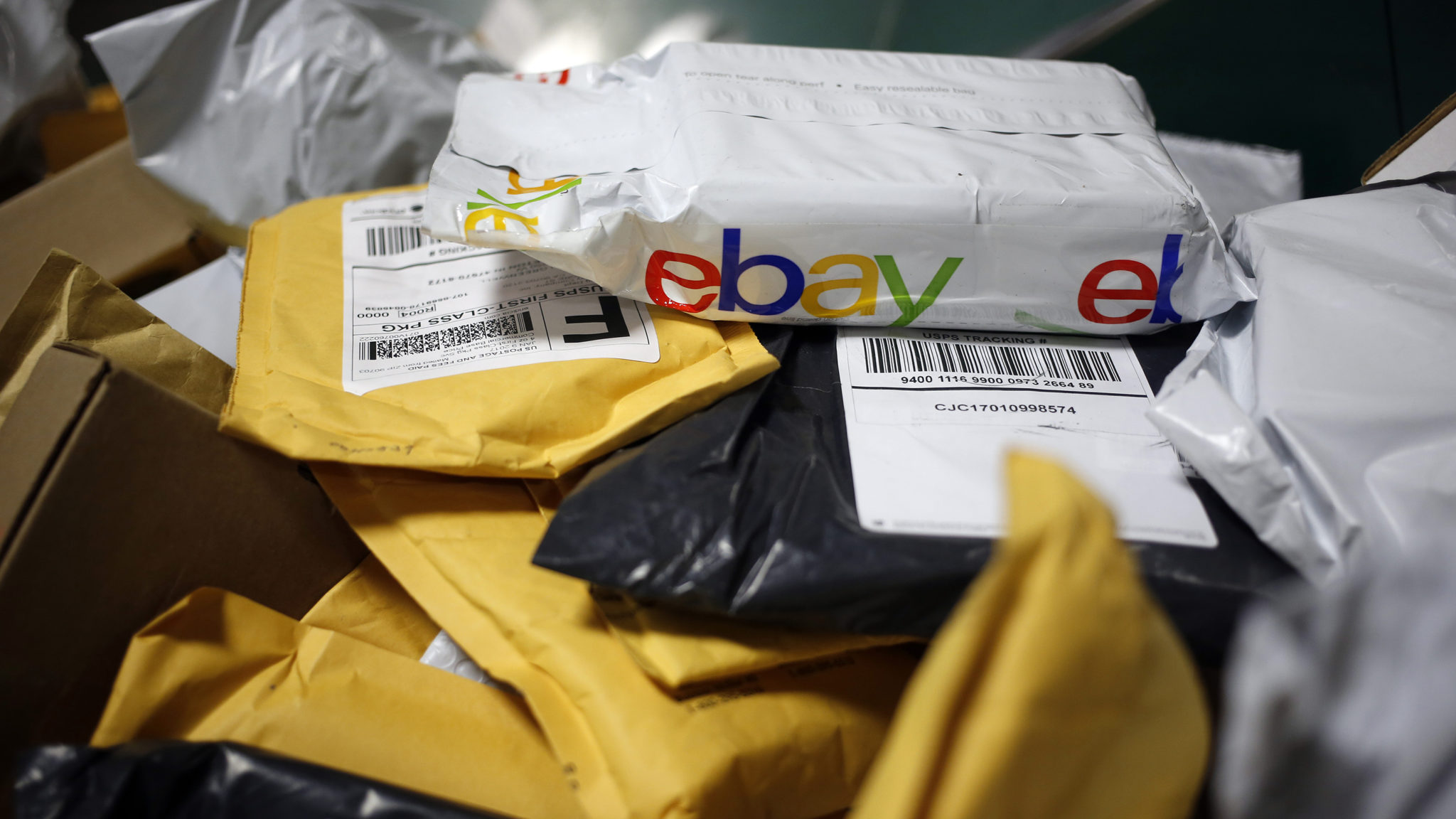
    EBay Australia was the most used retail website in Australia during the period between January and March 2019, with 194.9 million users, while its global site brought in another 36.6 million users.

    Amazon’s global site outpaced its local offering, with the US site enjoying 58.1 million users in Australia over the period, compared with 35.5 million who utilised the Australian variant.

    Sitting in between these four online-only offerings, hardware chain Bunnings brought in the most users of any Australian-owned retailer – with 41.26 million users utilising its online platform, 65 per cent of which utilised mobile to do so.

    “We want to rush slowly into this,” Bunnings managing director Michael Schneider previously told, regarding the hardware chain’s comparatively late adoption of online retail.

    “There’s no hard date or obligation… We just want to be a great place customers choose to shop at, and we recognise that customers have more choice than ever before, but selling online is just one string in a bow.”

    The next most visited websites were Woolworths, which saw 33.7 million users over the period, Coles, which saw 22.5 million, Jb Hi-Fi (29.1 million), Kmart (22.4 million), and Kogan (20.9 million).

    CupoNation collected this data through SimilarWeb and Alexa tools, compiling traffic information from the period between January and March 2019. The number of visits represented in the data is not tied to unique users, meaning a user can have use a site multiple times and it will count as multiple visits.

  • Holidays boost Chinese e-commerce Numbers

    Holidays boost Chinese e-commerce Numbers

    An extended May Day holiday has proved a boon for Chinese e-commerce, especially among millennial consumers and high-end brands.

    Food orders among the generation group rose 112.4 per cent during the holiday period compared to last year, according to figures recorded at online delivery platform Eleme. Alibaba tourism platform Fliggy recorded a 500 per cent increase in the purchase of tourism products among people born after 2000, while online hotel orders from young parents with children under the age of three increased 77 per cent.

    Additionally, quality home appliances are now among the most highly sought-after products purchased on e-commerce sites.

    “This year’s May Day Holiday showed that people have stronger high-quality consumption demands, reflected not only in high-quality products but also in services,” said the Academy of China Council for the Promotion of International Trade’s head of international commerce Zhao Ping.

    “The growth has been driven by a surge in disposable incomes and the middle-income population,” she added.

    Millennials have now surpassed Gen-X consumers as the biggest e-commerce spenders, according to a report by market consultancy CBNData.

    “The younger generation, especially those born after 1990 and 1995, are more used to ‘fingertip’ consumption and are fast becoming disrupters in the e-commerce sector,” said CBNData business analyst Yang Qin.

  • E-commerce to reach tipping point by 2030

    E-commerce to reach tipping point by 2030

    Almost half (49 percent) of Australian businesses expect online operations to reach parity with bricks-and-mortar retail sales by 2030, according to new research by Australia Post. Rebecca Burrows, Australia Post general manager of segment development and marketing, noted that consumer habits have changed significantly over the past few years.

    “People want an in-store experience, but in the comfort of their own living room – they want to see, touch and try,” she said.

    “Leading retailers are also embracing mobile commerce and voice-activated shopping. It is those in tune with customers and willing to embrace the latest online technology trends that will have the winning strategy.”

    Burrow noted that technology trends, such as augmented reality, artificial intelligence-driven personalization, and biometric payments, are beginning to bridge the gap between online and offline retail, and are shaping the way customers shop.

    Changing consumer trends are not simply relegated to the use of technology, however, with the rise of subscription service also having made a significant impact on the way a retailer offers its service to customers.

    According to a recent survey by Harris Poll, on behalf of subscription management platform provider Zuora, Australians now average 2. 5 subscription services – with Zuora vice-president Iman Ghosdosi calling it the “end of ownership.”

    Fashion-tech company GlamCorner tapped into this phenomenon last year, with the launch of a monthly subscription box that gives customers access to three pieces of designer clothing each month for formal occasions, workwear or everyday wear.

    “The service is growing at an exponential rate,” GlamCorner co-founder and CEO Dean Jones said, “contributing significantly to the 30 tonnes of clothing we process each month.”

    “As a result, our customers are telling us their wardrobes are shrinking, while they still have a fresh new look every day.”

    Australia Post surveyed almost 1000 small to medium sized Australian business across retail, manufacturing, logistics, financial services, education, health, and utilities.

  • China’s most valuable brands Disclosed

    China’s most valuable brands Disclosed

    No prize for guessing who tops the list, but some surprises come further down.

    There is no prize for guessing which brand is China’s most valuable… but there are surprises further down the top-10 list. Alibaba tops the list of China’s most valuable brands for the first time, recording annual growth of 59 percent to US$141 billion.

    The accolade was awarded in the annual BrandZ Top 100 Most Valuable Chinese Brands ranking, published by WPP and Kantar. In the past five years, Alibaba has outperformed the WPP/Kantar Top 100 overall, with it’s brand value climbing 136 percent, compared to the Top 100’s 92 percent rise.

    In the second spot on the list of China’s most valuable brands was Tencent, parent of WeChat. Perhaps the biggest surprise was JD which managed only 10th. (The full table is published below)

    Despite China’s slower economic growth and international trade tensions, the total value of the BrandZ Top 100 increased 30 percent to $889.7 billion, the highest annual rise since the ranking launched in the year 2011. The growth has been fuelled by brands accelerating their expansion into China’s lower-tier cities, which have seen rapid development and rising consumer buying power, and increase positive attitudes to Chinese consumer brands with a global presence.

    On this year’s list of China’s most valuable brands, 13 of the 24 categories increased in value, with entertainment seeing the largest year-on-year growth of 186 percent, followed by education (57 percent) and retail (55 percent). Technology accounted for the most brands out of the Top 100 (11), contributing 26 percent of the ranking’s total value and dominating the top 10 leaders in terms of overseas presence with six brands – double the number last year.

    Innovators in AI, e-commerce, New Retail, and social media performed strongly in the study. The success of many high-performers, according to BrandZ, has been driven by a mobile-centric, convenience-driven Chinese lifestyle.

    There is vast potential for further brand growth overseas as China moves beyond the industrial focus of its Belt and Road initiative towards establishing leadership in areas including AI, robotics, Internet of Things and green energy. The report also shows the investments brands make to build value are measurably rewarded in the stock market.

    “China’s stock market volatility over the past year has provided a real-life stress test for valuable brands, which continued to outperform the market,” said WPP CEO David Roth. “Put simply, valuable brands deliver superior shareholder returns. $100 invested in the MSCI China Index in 2010 would be worth around $128 today. That $100 invested in the BrandZ China Top 100 would now be worth $211.

    “The threshold to enter the BrandZ China Top 100 has more than doubled from $311 million in 2018 to $681 million this year, demonstrating the continued pace of growth for Chinese brands increasingly recognized as leading the way in innovation. Against a backdrop of heightened competition and disruption, building stronger brands is what it takes to stay in the game.”

    Since first appearing in the ranking in 2015 following its IPO, Alibaba’s rise to the number one spot in 2019 reflects the growth of a brand which has contributed to transformational changes in the Chinese market.

    In BrandZ’s ‘Brand Power’ metric of brand equity, Alibaba scored particularly strongly for being ‘meaningful’, suggesting the brand known for coining the term ‘New Retail’ has successfully created closer connections with its consumers.

    The Brand Power metric also looks at how brands perform in being different (distinctive), and salient (coming to mind at the moment of consideration). While Chinese brands generally score well for being meaningful and salient, they do not perform as well in being viewed as truly distinctive from the competition or as trendsetters.

    “Whether going abroad or expanding domestically, the potential for brand growth is huge for China’s most valuable brands,” said the global head of BrandZ at Kantar Doreen Wang, “but realizing it requires the knowledge and expertise needed to surmount new challenges. This report highlights the importance of Chinese brands to build a difference in the domestic and global marketplace.”

  • Ford Puts Pre-Collision Assist Technology On Shopping Carts

    Ford Puts Pre-Collision Assist Technology On Shopping Carts

    When it comes to raising the blood pressure, for parents, the weekly shop is right up there with getting the kids to bed and meal times. And while toddler meltdowns and trips to the sweet aisle are trying, few moments can be more worrying than seeing your child career off at high speed on a supermarket trolley.

    But now Ford has come out with a solution to ease your stress and it’s used car technology in a shopping cart. Ford has used the Pre-Collision Assist technology which is seen in most of its cars on a trolley. The technology uses a forward-facing camera and radar to detect vehicles, pedestrians and cyclists in the road, and automatically applies the brakes if the driver does not respond to warnings.

    The self-braking trolley uses a sensor to achieve a similar outcome – to scan ahead for people and objects and automatically apply the brakes when a potential collision is detected. Just a prototype for the time being, the self-braking trolley is part of a series of Ford Interventions; applying automotive expertise to solve the day-to-day problems we all face.

    Anthony Ireson, director, Marketing Communications, Ford Europe said, “Pre-Collision Assist technology can help our customers avoid accidents or mitigate the effects of being involved in a collision. We thought that showing how similar thinking could be applied to a shopping trolley would be a great way to highlight what can be a really useful technology for drivers.”

  • Central Phuket opens luxury VIP Zone

    Central Phuket opens luxury VIP Zone

    Thai property developer and the operator of Central Phuket shopping centre, CPN, has celebrated a new luxury zone with the launch of a range of world-class brands.

    The company says the new stores are being introduced in line with “the rapid growth and high demand of the affluent world tourist market in support of Thailand’s tourism industry’s move to elevate Phuket city as a global beach lifestyle destination comparable to the French Riviera, Miami, and Hawaii”.

    “As a global player, we aim to elevate Central Phuket to become one of the most complete travel destinations in the world,” said CPN deputy CEO Wallaya Chirathivat. “Central Phuket has the concept of ‘The Magnitude of Luxury & Leisure Resort Shopping Destination’ in the form of a ‘Beach Lifestyle’, which perfectly matches with Phuket as a beach city comparable to the world’s greatest beach cities. We truly appreciate that the global luxury brands have placed trust and confidence in our project as the first luxury mall located outside Bangkok, Thailand.”

    To mark the occasion, Central Phuket held a grand celebration entitled “The Unveiling of the New World of Luxury” highlighting the prestigious “Universe of Sirivannavari: The First View from Paris to Phuket” exhibition. HRH Princess Sirivannavari Nariratana allowed the exhibition to be held for the first time in Thailand at Central Phuket Floresta from April 28 to May 26.

  • Walmart trials new Online Store Format

    Walmart trials new Online Store Format

    Supermarket retailer Walmart has launched a new technology called Intelligent Retail Lab (IRL) that allows it to monitor its physical stores more efficiently and keep costs under control.

    The retail giant is testing this new technology, which includes artificial intelligence-enabled cameras, interactive displays and a massive data centre, in its 50,000-square-foot neighborhood market grocery store in Levittown, New York.

    According to IRL CEO Mike Hanrahan, the location is one of Walmart’s busiest stores and has more than 30,000 items and this allows them to test out the new technology concept in a real-world environment.

    “We’ve got 50,000 square feet of real retail space. The scope of what we can do operationally is so exciting,” Hanrahan said.

    IRL is set up to gather information about what’s happening inside the store through an array of sensors, cameras and processors. It has a combination of cameras and real-time analytics that will automatically trigger out-of-stock notifications to internal apps that alert associates when to re-stock, detect the products on the shelf and compare the quantities, among others.

    Hanrahan said the first thing this equipment will help the team focus on is product inventory and availability. In short, the team will use real-time information to explore efficiencies that will allow associates to know more precisely when to restock products, so items are available on shelves when they’re needed.

    “Customers can be confident about products being there, about the freshness of produce and meat. Those are the types of things that AI can really help with,” Hanrahan said.

    Walmart said with its new IRL technology, customers can trust that the products they need will be available during the times they shop.

  • Vicinity Centres Selects new Board

    Vicinity Centres Selects new Board

    Shopping centre operator Vicinity Centres has revealed that non-executive director Peter Kahan will replace Peter Hay as chair when he retires in August.

    Hay, who has served as chairman since Vicinity was formed in a 2015 merger of Federation Centres and Novion, will retire from the board after the company’s annual results are released in August.

    “It has been a privilege to work with such an exceptional board and management team to navigate through the merger and Vicinity’s formation, to see it become the unified and stronger organisation it is today,” Hay said in a statement.

    Hay said he is delighted Kahan will be taking over as chairman.

    “Peter is a highly experienced and thoughtful director who has made an outstanding contribution to Vicinity’s board during my tenure,” Hay said.

    “His extensive and successful property funds management, financial and business background, complemented by his highly strategic approach and vision, position him to be an excellent chairman through Vicinity’s next chapter.”

    Kahan, who has been a non-executive director of Vicinity since June 2015, also served as chairman of Vicinity’s Remuneration and Human Resources Committee and is a member of Vicinity’s Audit Committee.

    Kahan’s prior roles include The Gandel Group’s executive deputy chair, CEO and finance director.

    “It is an honour to be asked to succeed Peter Hay as chairman of Vicinity,” he said. “I am looking forward to working with the board and management team to continue our relentless focus and commitment to long-term value creation for Vicinity’s security holders.”

  • Ramadan an opportunity for E-Commerce Retailers

    Ramadan an opportunity for E-Commerce Retailers

    Online sales in Malaysia and Indonesia are set to boom in the lead up to – and during – Ramadan, according to an analysis by advertising platform Criteo. Based on data from last year’s festival – which ran from May 15 to June 14, consumer activity typically slowed at the start and end of the period.

    However, while this could be a result of consumers focusing more on the actual festivities during those times, online retail sales surged 10 days into Ramadan and lasted through the two weeks before Eid al-Fitr on 15 June.

    A 57 per cent uplift in online retail sales was observed on June 4, Criteo revealed.

    By comparison, shoppers in the Middle East typically shop early into the season and slow down closer to Eid al-Fitr to focus on celebrations. Online retail sales surged early, reaching a 106 per cent uplift on May 26. The shopping behaviour during Ramadan in Turkey mirrored that in Malaysia and Indonesia, with online retail sales reaching a peak at 50 per cent uplift a week before Eid al-Fitr.

    “Ramadan represents a notable cultural shift in consumer behaviour, with the Middle East and Southeast Asia being key regions,” said Criteo SEA-Pacific MD said Alban Villani. “Moreover, the global Islamic economy is also growing year-on-year, estimated to reach US$3 trillion by 2023.

    “Given the growth potential of the halal industry, retailers should leverage Ramadan to engage Muslim shoppers,” continued Villani. “They should start reaching out to shoppers early with the relevant messaging two weeks earlier, especially when shoppers are thinking of buying gifts for family and friends. As some shoppers might purchase later into the festive season, retailers should continue engaging them with special offers and personalised content throughout Ramadan to optimise their campaign efforts. By doing so, it is easier for retailers to stay top-of-mind when shoppers are ready to buy gifts to share the festive joy.”

  • JHP designs the first Hyundai Duty Free store

    JHP designs the first Hyundai Duty Free store

    Hyundai Department Store has opened its first ever downtown duty free store on top of its flagship in Seoul, South Korea.

    The 14,250sqm outlet was designed by JHP after an international design competition to help them integrate the duty free shopping experience into the city. It offers three floors of shopping for a selection of international luxury brands across the beauty, fashion, F&B and technology industries.

    The unique store features rich natural finishes, textured surfaces and filtered light to integrate a sense of the excitement of Seoul into the store.

    Hyundai’s duty-free store is expecting to generate KRW670 billion (US$593 million) in sales revenue this year and more than KRW1 trillion ($885 million) in 2020.

  • Do election periods impact retail spending by consumers ?

    Do election periods impact retail spending by consumers ?

    It is well known that retail sales have regular cycles that can be disrupted by external events, such as federal elections. While anecdotally it has been suggested that uncertainty around elections causes shoppers to curtail their spending, there appears to be very little evidence either domestically or globally to support the claim that an election campaign will negatively impact consumer spending.

    Retailers are notorious at playing the ‘blame game’ when it comes to their sales and profit reporting. They too quickly point the finger at Mother Nature – unseasonal hot weather, or cold weather impacting apparel sales. The release of blockbuster movies has been blamed for distracting shoppers, and even customers themselves for being too price-conscious, chasing discounts that erode their margins.

    Facts matter

    Researchers from Princeton and the University of Chicago found elections had very little impact on consumer spending. In their study, spanning four presidential elections, their initial findings identified a correlation between a voter’s ‘opposition towards a winning candidate’ and a lower score on a Consumer Sentiment Survey. Simply, if your chosen candidate doesn’t win, you’re apparently less likely to start spending.

    However, the correlation did not prove causality. They found, for example, when President George W. Bush was elected in 2000, shopper’s opposition to President Bush had no effect on consumers’ self-reported spending plans or on their subsequent automobile purchases and credit-card use.

    It is a similar picture here in Australia, where commentators are looking a little more closely at claims elections negatively impact retail sales. A review of the ANZ-Roy Morgan
    Consumer Confidence Index demonstrates a similar phenomenon to that in the US. With the exception of the November 2001 election, marred by the 9/11 attacks in the US, confidence remained positive.

    In 2019, ANZ’s Australian economics team analysed 14 elections since 1980, finding that, “elections don’t have all that much influence on the economy”.

    A ‘wait and see’ approach

    During times of uncertainty, we often hear that shoppers are ‘deferring’ their spending. IBISWorld chairman Phil Ruthven finds that shoppers tend to take a “wait-and-see approach” during election campaigns. This simply means that shoppers will curtail purchasing big ticket items like cars, consumer electronics and high-end fashion, but household basics such as food and basics generally remain insulated. In most cases, consumer confidence tends to bounce directly after elections.

    There are far too many variables in play to suggest that a federal election alone will derail consumer confidence and stifle retail spending. In fact, some consumers who expect to be the
    recipients of election sweeteners such as tax cuts, infrastructure projects and or job opportunities, may actually increase spending.

    Once consumers anticipate a specific positive outcome will occur, they believe their subsequent thoughts and behaviours will actually help to bring about that outcome.

    Categories exposed

    Food, groceries, fuel and basic clothing generally remain well protected during uncertain times. Despite increasing competition from new players like Amazon, the growth of Aldi and the entry of Kaufland, both Coles and Woolworths food, grocery and liquor divisions will remain moderately strong. However, most exposed are ‘big ticket’ retailers selling furniture, consumer electronics and automobiles. This will be a challenging quarter for JB Hi-Fi, Harvey Norman and Steinhoff.

    The future of fashion

    Footwear, apparel and accessories retailers are expected to struggle, as such purchases are tied to discretionary spending. However, the challenges incumbent players like Myer, David Jones, Target, Big W and Premier Investments are facing are mostly related to new entrants, not elections.

    The growth of global fashion retailers like H&M, Uniqlo, Zara, Forever 21, and online marketplaces like The Iconic, Amazon and eBay in the domestic market, will definitely pose a challenge for these retailers.

    While most consumers remain confident, some retailers are certainly looking towards challenging times ahead.

    An unseasonably warm autumn and a glut of global fashion retailers in the market, will encourage incumbent retailers to cut prices little deeper this year. Great for shoppers, but tough on the books. It is looking to be a tough year ahead for retailers.


  • Korean GS25 launches shared-bike charging service

    Korean GS25 launches shared-bike charging service

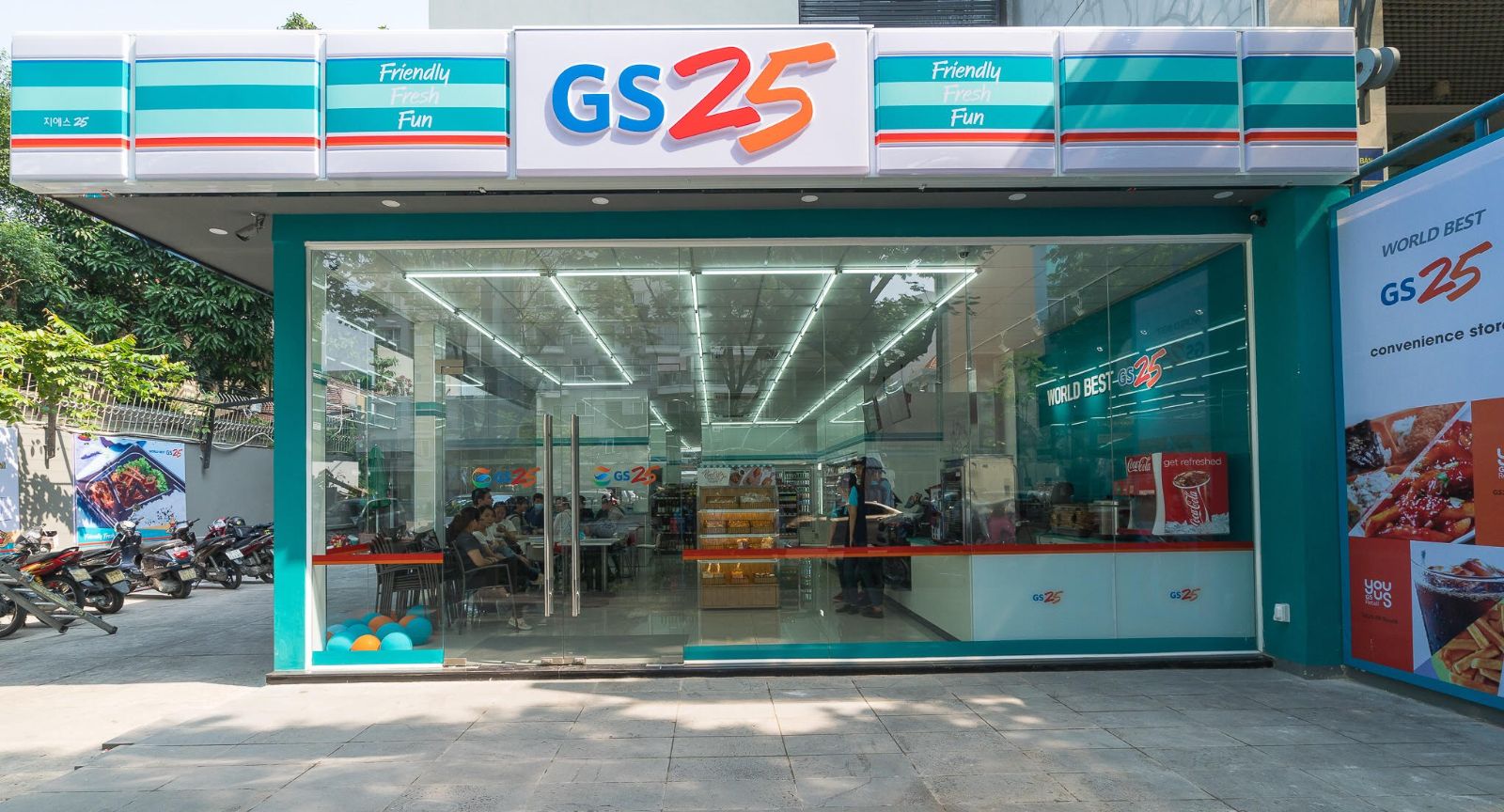
    Starting June, customers of South Korean GS25 convenience stores will be able to charge shared electric bicycles or kickboards.

    GS25 announced on Wednesday that it will set up an electric bicycle and kickboard charging service facility at its stores in partnership with the shared micro-mobility integrated platform “GoGoSing.”

    Under the terms of the deal, GoGoSing will operate 800 shared electric kickboards and shared electric bikes in Gangnam District in Seoul and Pangyo in Gyeonggi Province, while GS25 will set up charging facilities at stores in nearby areas.

    Customers will be able to use an electric kickboard and return it to a nearby GS25 store, and if they need to charge their device, they will also be able to exchange or charge batteries at the stores.

    GS25 expects that this will help convenience stores to move away from their focus on simply selling products and serve as a hub for charging various shared devices, as well as attracting new customers.

    GS Retail has introduced charging facilities for electric vehicles at 45 locales at present, and will offer delivery services for convenience store products since starting from April, in tandem with the delivery application Yogiyo.

  • Sunway Pyramid Launches First Real-Time Indoor Navigation Mobile App In Malaysia

    Sunway Pyramid Launches First Real-Time Indoor Navigation Mobile App In Malaysia

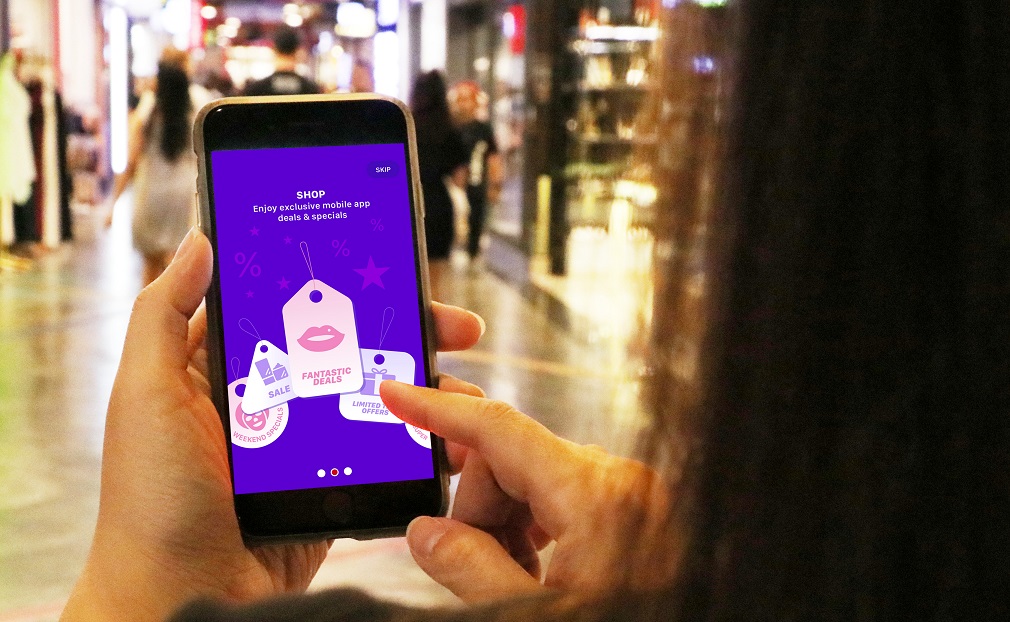
    Navigating through a shopping mall has never been this easy – and rewarding! The newly launched Sunway Pyramid Mobile app is the very first shopping mall app with real-time in-mall navigation, set to revolutionise the shopping experience.

    With over 1,000 exciting specialty stores available in Sunway Pyramid, making one’s way around the 1.8 million sq ft of space that spans over four main shopping levels can prove to be quite the challenge.

    Sunway Pyramid is working closely with the Google Indoor Maps team to integrate their mobile app with Google’s map engine for the upcoming versions of the app – shoppers can say goodbye to spending more time searching for a physical counter or directory to get to their desired location.

    “As a shopping mall that listens to the needs of our customers, this is a great way to provide them with peace of mind as well as personalized content and exclusive rewards & offers for a better and more enjoyable experience – all at their fingertips. We hope that the introduction of the Sunway Pyramid Mobile App gives them more reason to continue choosing us as their preferred lifestyle destination,” said Kevin Tan, Chief Operating Officer of Sunway Malls.

    That’s not all as shoppers will be rewarded for their usage of the app, giving them better value for their time spent in the mall. App-exclusive rewards await them at participating tenants such as YSL, Laneige, Sulwhasoo, Yves Rocher, Chanel, Dorothy Perkins, Topshop, Topman, Miss Selfridge, Burton Menswear London, Nelissa Hilman, Hush Puppies, Love Bonito, JD Sports, NY Steak Shack, Genki Sushi, Coffee Bean & Tea Leaf, Mr Roti Canai, Brotzeit, O.W.L, Gem Studio and Tomei.

    The fun does not stop there, as users can take a quiz in the app to determine their shopping persona. Find out if you are a Trendsetter, Digital Genius, Family Hero, Smart Spender or Golden Groover by answering a few simple questions – this information along with the shoppers’ navigation patterns, redemption and browsing behaviour will be considered to further personalise content that is relevant and targeted for each user.

    To find out more about what the Sunway Pyramid Mobile app can do, shoppers can join in the fun by visiting the on-ground event at the Water Feature on G Floor from 12-28 April.

    Upon downloading the app and registering, shoppers can scan their Member ID to enjoy rewards and gifts such as samples from Laneige, L’occitane, Clinique, Sulwhasoo, cash vouchers from Genki Sushi, complimentary milkshakes from NY Steak Shack and shopping vouchers amongst many others. Other activities include multiple photo op areas with a photo booth and even a relaxation lounge with massage chairs!

    The Sunway Pyramid Mobile App will be available for download via the Google Play Store and Apple AppStore on 12 April 2019. For a full tutorial on how to use the app, please visit YouTube link here.