Retail News CRM

Tag: Shopping

  • South Korean convenience stores in delivery-service battle

    South Korean convenience stores in delivery-service battle

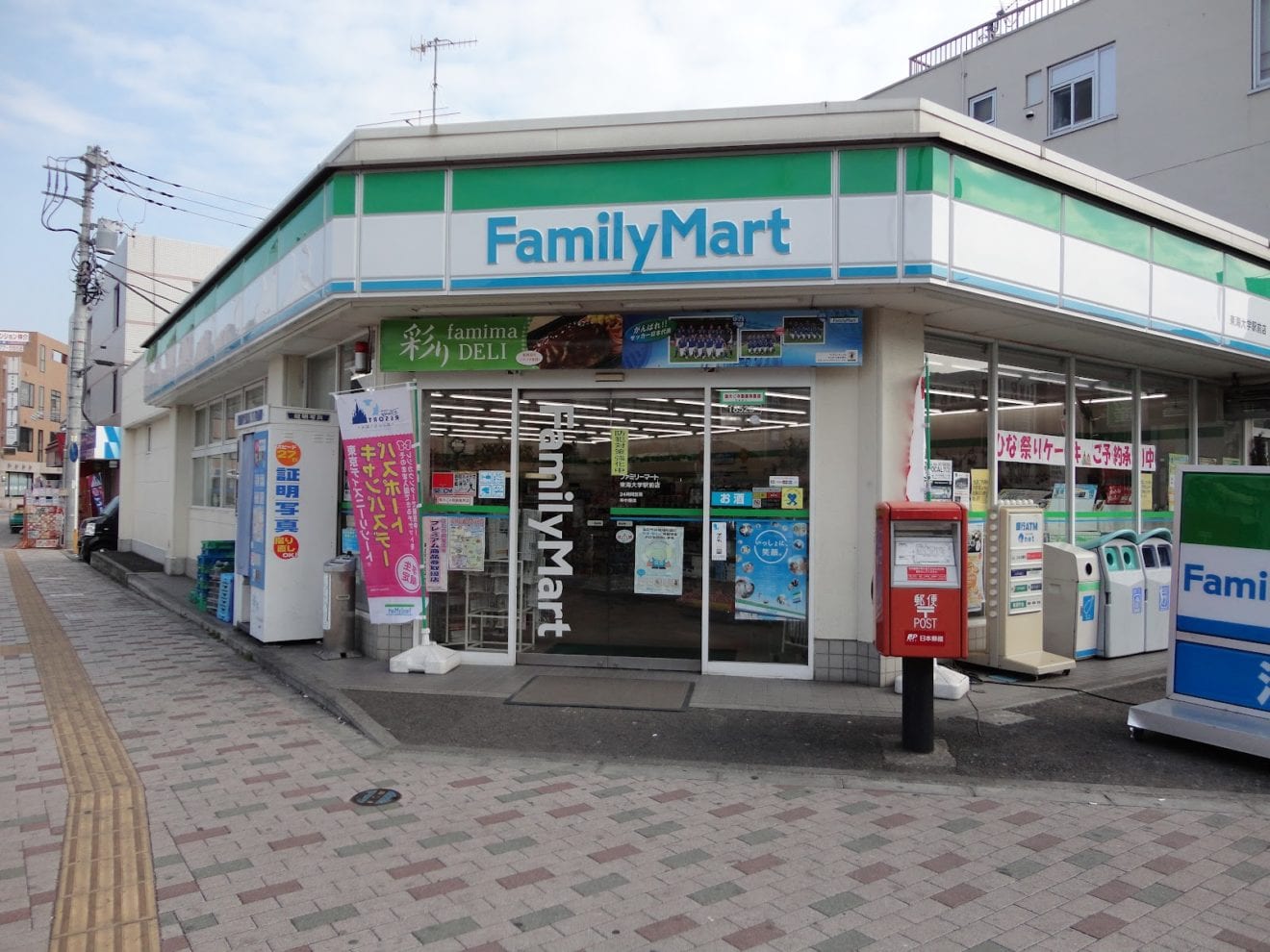
    Competition among South Korean convenience stores over delivery services is heating up.

    One chain, GS25, recently launched delivery services from seven stores in Seoul in partnership with food-delivery service Coupang Eats operated by e-commerce giant Coupang.

    First of all, the South Korean convenience store company plans to implement delivery services through Coupang Eats at seven stores in Seoul before expanding the scope of the service to franchise stores nationwide.

    Through the service, customers can receive about 200 products at home, including prepared lunches, sandwiches and beverages that are being sold at convenience stores.

    Meanwhile, GS25 had already launched a delivery service for store products in cooperation with another delivery company, Yogiyo, in April of last year.

    It is running a pilot project at 10 direct management stores, and the service has been especially popular with workers during lunch and dinner time. In the nine months since the service was introduced, the monthly average number of orders reached 3000.

    Furthermore, CU, another convenience store chain, is also working with Yogiyo to provide delivery services at 3000 stores across the country.

    CU plans to increase the number of delivery service stores to 5000 within the first quarter and introduce around-the-clock delivery at some stores centered in the Gangnam area.

    Emart24, a convenience store chain run by large discount store chain E-Mart, on the other hand, has also joined the market by offering delivery services at 35 stores since earlier this year.

    South Korean convenience stores are scrambling to expand its delivery service area due to a growing number of customers accustomed to online orders and deliveries.

    The delivery service also serves as a growth engine in increasing sales at convenience stores. Additional sales are generated from deliveries, and the service is quite popular especially in rainy or cloudy weather.

    “We are planning to expand the number of stores that offer delivery services through various delivery platforms and partnerships to increase sales and secure customers,” a GS25 official said.

  • India’s duty-free purchase limits to be cut

    India’s duty-free purchase limits to be cut

    Proposed changes to India’s duty-free purchase limits may dent the country’s duty-free market growth prospects, says GlobalData.

    The country’s Commerce and Industry Ministry plans to limit duty-free alcohol sales to inbound travelers to one bottle or one liter per person – half the current limit – and to ban all sales of tobacco products.

    The ministry also plans to reduce the value of goods and gifts that a passenger can get into the country without paying import duty which is currently capped at US$712.65 (INR50,000). The government says the move will bring duty-free limits into line with other countries such as the US, China, and South Korea.

    “The proposed changes, if implemented, will negatively impact the duty-free market in India as alcoholic beverages and cigarettes account for a significant share of total duty-free sales,” says Vijay Bhupathiraju, a retail analyst at GlobalData.

    “Drinks is the largest product category sold in the Indian duty-free market with category sales at US$695.7 million in 2018, accounting for 66.8 percent of overall duty-free sales. However, the proposed slashing of the limit on alcoholic drinks to half is forecast to reduce the category sales by nearly 25 percent.

    “On the other hand, tobacco is the fourth-largest product category with its sales at US$64.7 million (6.2 percent share) in 2018. If the proposed plan to completely prohibit inbound tourists from purchasing cigarette cartons at duty-free shops is to be believed, it results in a complete nullification of inbound spending on cigarettes, slashing the category sales by as high as 50 percent,” said Bhupathiraju.

    India is the world’s fastest-growing duty-free market globally, with sales growing at a compound annual growth rate (CAGR) of 23.1 percent during 2013-2018 to reach US$1 billion in 2018 and forecast to grow at a CAGR of 19.2 percent to reach US$2.5 million by 2023.

    Bhupathiraju says if the proposed changes are enacted, India’s duty-free retailers need to diversify their offerings to include essential product categories such as cosmetics and toiletries, food, and jewelry and watches to offset lost sales in liquor and cigarettes.

    “The move is also a jolt to non-aviation revenues for airports, impacting the overall growth of airport retail in an otherwise fast-growing airport retail market.”

  • Why Google’s acquisition of Irish startup Pointy is big news for retailers

    Why Google’s acquisition of Irish startup Pointy is big news for retailers

    Google has acquired Irish start-up Pointy, a firm that allows physical stores to make their products discoverable online.

    The deal is expected to be completed within the next few weeks, with TechCrunch reporting that the acquisition has seen Google pay €147 million (US$163.7 million) on the business.

    “For Google, this provides the opportunity to present shopping search results for physical stores as well as those online – something it already does in a limited capacity – and so significantly increase the value of Google Shopping for users,” says research firm GlobalData’s technology editor Lucy Ingham.

    “However, while this is a significant step in bridging the divide between brick-and-mortar stores and the online e-commerce world, the acquisition has the potential to be even more impactful. It is a significant step for Google, because it provides the search engine giant with a way to cheaply and easily catalog physical assets on a large, yet decentralized scale.”

    Google is likely to be seeking to expand its adoption of Pointy in ways that may include dropping or reducing the current one-time integration cost of £699 ($914), or even getting leading point-of-sale manufacturers to directly integrate the technology into their products, says Ingham.

    If the firm can successfully increase the prevalence of Pointy, it could eventually have coverage of physical stores to rival those of digital stores, bringing with it a potential step-change in how people shop.

    “However, there are also potential applications beyond e-commerce. What Google has bought, in essence, is a means to catalog real-world items, and the same technology in the Pointy Box could be put to use in many other fields,” said Ingham. “Potential applications could include medicines, enabling Google to collect data on gluts and shortages of particular items and use this to provide industry-targeted services, inform users or even assist its own moves into the healthcare space.”

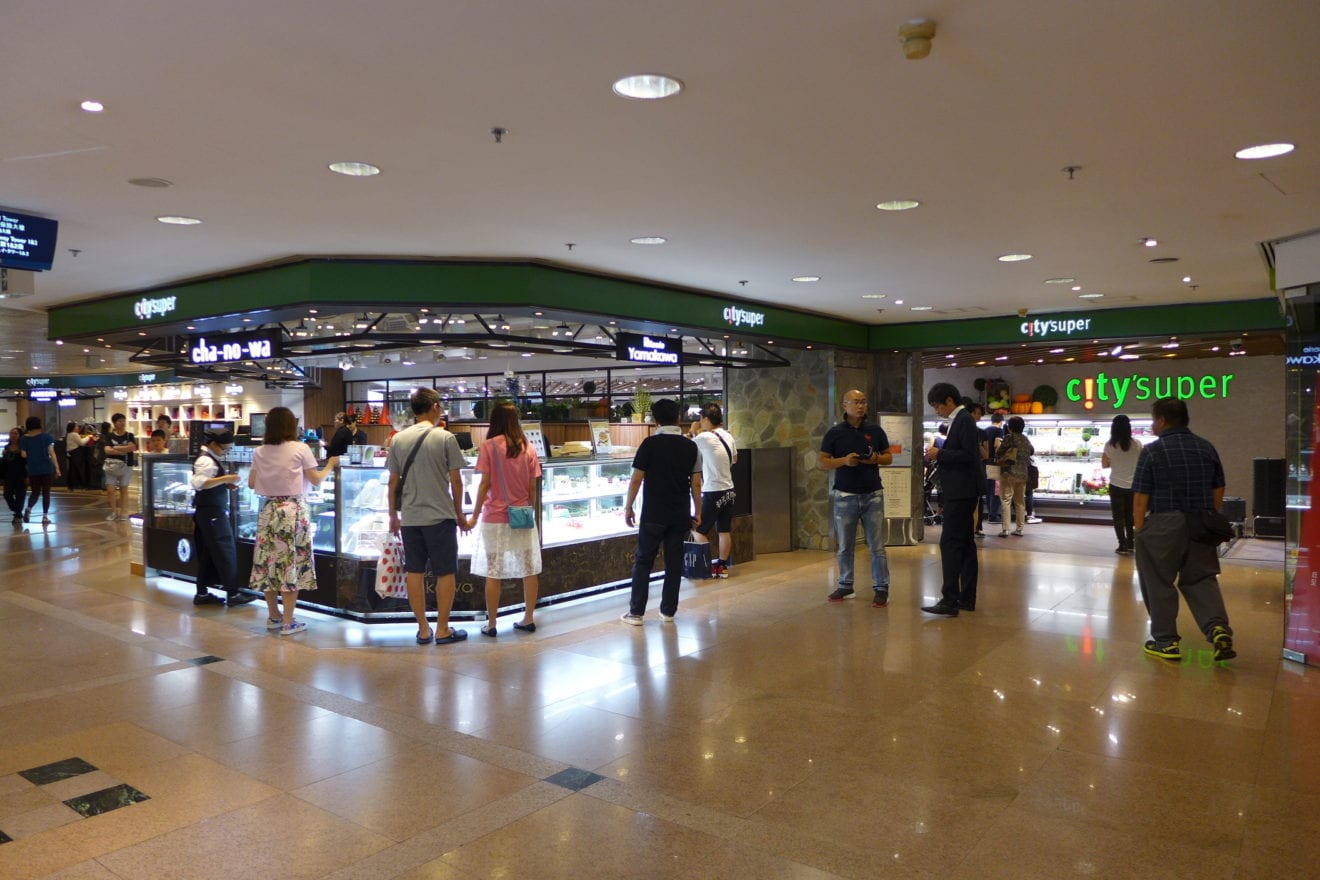
  • Hong Kong’s CitySuper evaluating sale options

    Hong Kong’s CitySuper evaluating sale options

    Hong Kong-based firm The Fenix Group may sell its majority shareholding in high-end supermarket operator Hong Kong’s CitySuper Group.

    According to Bloomberg, if potential buyers show interest in the stake, it may be worth between US$300 and $400 million.

    Any potential purchaser at this time will inherit a business in the midst of Hong Kong’s first depression in a decade, and with significant financial stimulus policies expected of the current administration. That said, the supermarket sector has been relatively unscathed by the decline in retail sales since protests began back in June.

    Fenix provided the original funding for the group and may yet decide to retain ownership of the business.

    Hong Kong’s CitySuper Group operates in Hong Kong, Shanghai and Taiwan across three brands, the most well-known its own name.

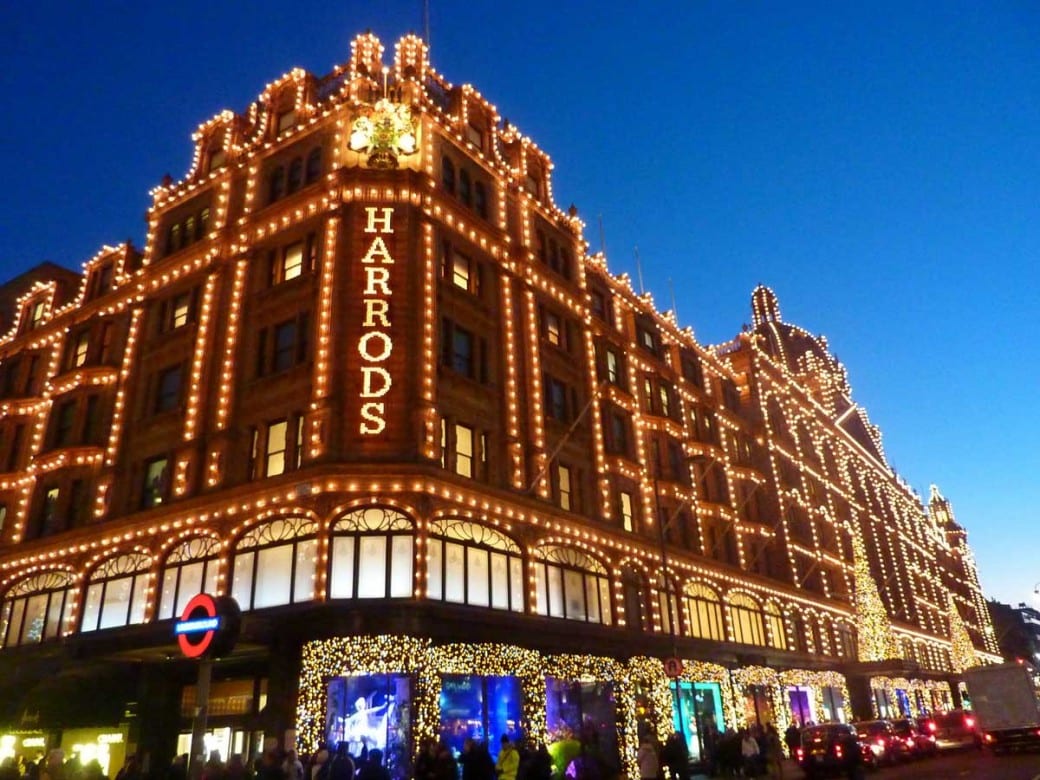
  • Harrods opening store in Shanghai

    Harrods opening store in Shanghai

    British department store Harrods will open a location in Shanghai.

    According to Retail Gazette, the store will be the brand’s first standalone site outside the UK and will target China’s growing middle class.

    “If you look at all of the reports, they say, quite categorically that all of the growth in the next five years is going to come from Southeast Asia. And is going to come from millennials,” said Harrods MD Michael Ward. “So we’ve got to go after that. It’s very important that you follow the money. We see continued growth of China, but we see a need to be a more permanent resident in China.”

    Harrods has been making investments in China for a decade, and will launch in the Pudong area in response to strong consumer demand. The store will serve private shoppers targeting the high-end market.

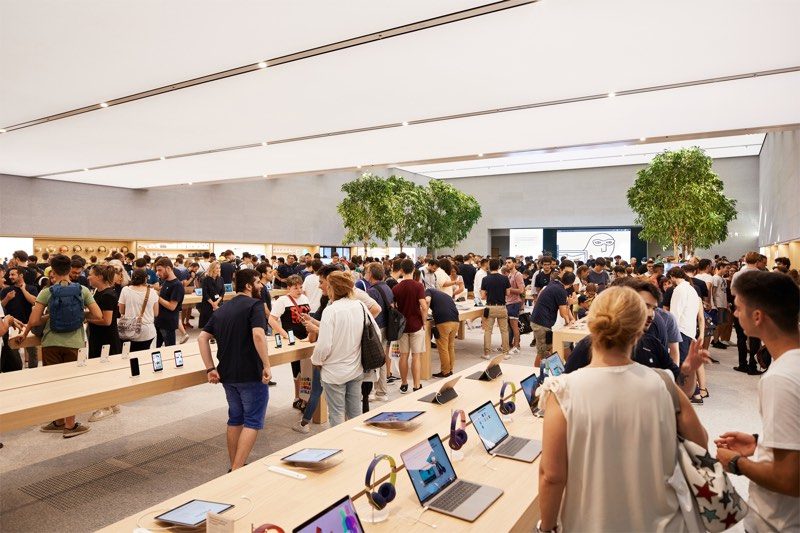
  • Apple Japan opens its first store in Kawasaki

    Apple Japan opens its first store in Kawasaki

    Apple Japan has opened its 10th store – in Kawasaki.

    The new single-story outlet in Lazona Kawasaki Plaza features the brand’s distinctive all-glass front as well as a large video wall, a forum, and avenue shelving.

    The venue will be used as a family learning hub via the store’s Today at Apple educational sessions, using products in store for educational purposes in AR, coding, photography and music-making, amongst others.

    The Kawasaki venue is differentiated from other more spectacular Apple Japan stores for being more community-focused.

  • The Shilla Duty Free unveils new brands in Singapore

    The Shilla Duty Free unveils new brands in Singapore

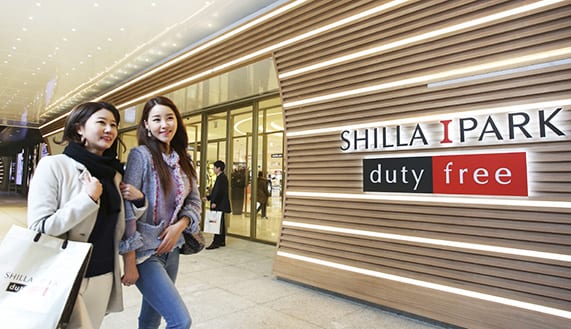
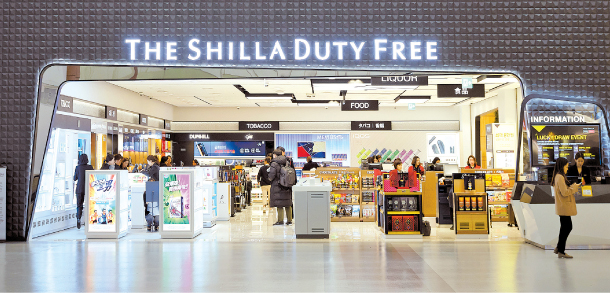
    Travel retailer The Shilla Duty-Free has launched a raft of new brands at its Changi Airport health-and-beauty concessions, marking its fifth anniversary in Singapore.

    The new brands are on display at a refreshed retail space at the Terminal 3 Departure Check-in Hall store (in the public area) which features a modern, tropical look, with earthy hues of woods and whites.

    The new brands are from South Korea, Singapore and Europe, ranging from Banyan Tree and Too Faced to cult beauty favorites including COSRX and Too Cool For School. They will also be stocked at selected stores airside.

    The new brands also include Annick Goutal from France, Age 20’s, Vidivici, First Aid Beauty, Too Faced, Cosme J-Cos and JM Solution.

  • APAC Gen Z passengers are transforming inflight e-commerce

    APAC Gen Z passengers are transforming inflight e-commerce

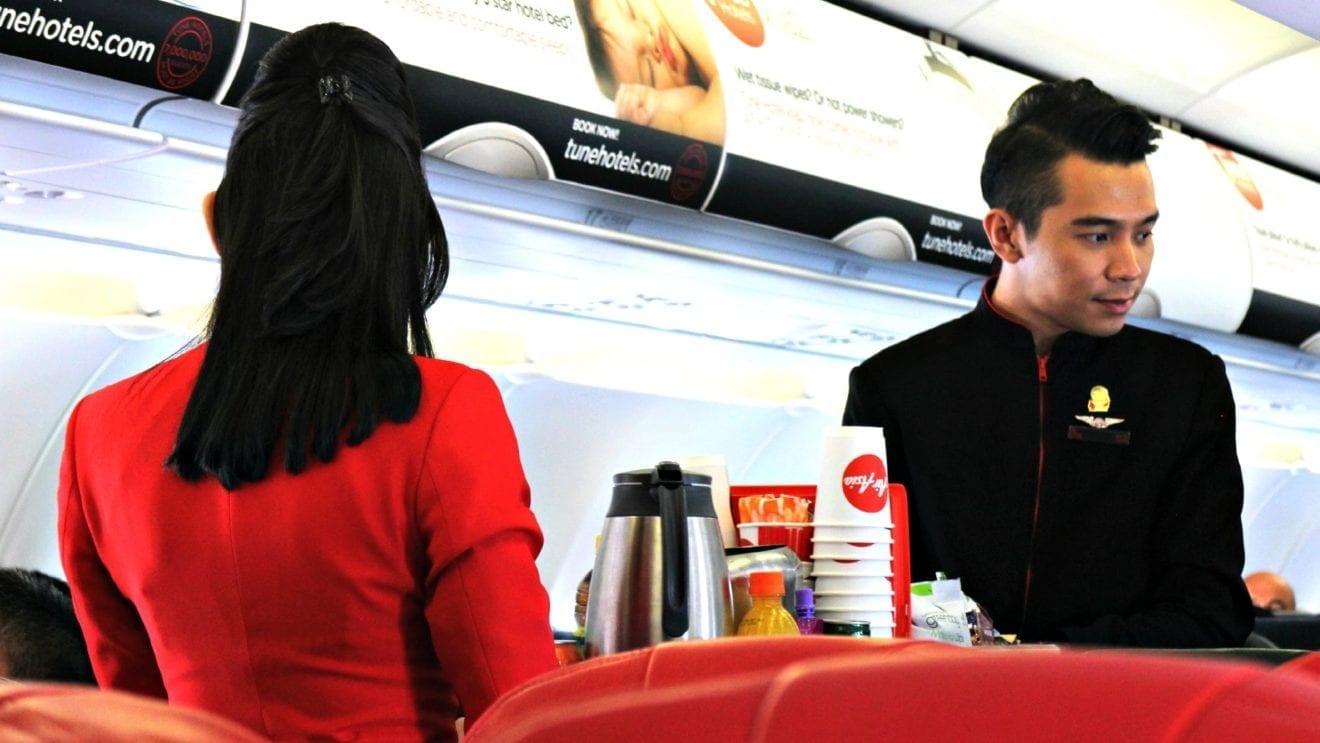
    Generation Z is forecast to become the largest group of airline flyers globally within the next decade, with 1.2 billion flying each year by 2028. More than a third (37%) of this global cohort will be made up of APAC passengers. The LSE estimates that globally, this consumer group currently spends a collective $3.6 billion in items and services in the weeks leading up to a trip and upon arrival at their destination.

    APAC Gen Z passengers are the least ‘cost-sensitive’ traveler group globally, and by 2028 are predicted to spend $4 more per passenger through infight e-commerce than the global Gen Z average of $26. The findings underscore a significant opportunity for airlines in the region to shift spending on board and take a proportion of the revenue with an e-commerce model that supports the ‘last-minute’ approach of today’s ‘digital-first’ passengers.

    The research analyzed purchasing decisions made during three key phases of the customer journey before travel: more than a week before; in the days before; and upon arrival. It finds that Gen Z is the most likely of all generations globally to delay buying products and services for their trip until the days before they fly.

    While currently, only one in ten passengers make an inflight duty-free purchase when they fly, there is a significant opportunity for airlines to monetize the growing trend for last-minute spending. According to the LSE, 70% of Millennials and Gen Z passengers indicate that they would delay arrangements for their trip until their flight if they knew that a reliable Wi-Fi connection would be available, and the necessary delivery infrastructure was in place.

    Dr. Alexander Grous (B. Ec, MBA, M.Com, MA, PhD.), Department of Media and Communications (LSE) and author of the research, said, “Having grown up in a digital world with connectivity at their fingertips, more often than not Gen Z make last-minute decisions when it comes to travel planning and preparation. This behavioral shift presents an exciting opportunity for airlines to strike innovative partnerships with global and local retailers that extend the possibilities of inflight spending.”

    Philip Balaam, President, Inmarsat Aviation said, “If passengers reject traditional purchase channels in favor of inflight spending to the extent that this suggests in the next decade, the implications for airlines and retailers would be huge. We may be on the verge of a habitual shift in travel spending, much like the movement from offline to online purchasing witnessed on the ground in the last decade. In APAC, the opportunity is even greater – with every Gen Z passenger in the region predicted to spend $4 more on inflight holiday purchases than the rest of their generation each time they fly, there is a huge potential new revenue stream up for grabs.”

    Dominic Walters, Vice President, Marketing Communications and Strategy, Inmarsat Aviation said, “Developing a connected infrastructure built for inflight spending will be a win-win for both airlines and passengers, bringing airlines the chance to take a slice of revenue currently spent elsewhere in the customer journey, and saving passengers valuable time before and after their flight. With airlines all over the world already ramping up their connectivity offerings, and a growing trend for last-minute spending in younger passenger groups, this is a revolution waiting to happen.”

  • The Shilla Duty Free unveils Montblanc boutique

    The Shilla Duty Free unveils Montblanc boutique

    International travel retailer The Shilla Duty-Free has partnered with men’s luxury accessories brand Montblanc to unveil a new standalone boutique concept at the Hong Kong International Airport (HKIA).

    The new boutique concept is The Shilla Duty-Free’s latest approach to rejuvenate its fashion and accessories offer, aiming to provide an accessible luxury experience. In homage to Montblanc’s heritage of writing and craftsmanship, the rounded and curved shape of the immersive retail environment, as well as the store’s rear wall furniture designs, are inspired by the art of cursive calligraphy and reminiscent of the “art nouveau era” when Montblanc was founded.

    The new Montblanc boutique will offer the brand’s best-selling products across all major categories at HKIA, including writing instruments, watches, leather goods and accessories. A curated selection of premium and unique products such as seasonal limited editions will also be available in store. The store is targeting sophisticated millennials, business travelers and “other discerning clientele”.

    The new boutique concept will be offering personalization services for its products, such as artistry limited-edition pieces, engraving services for writing instruments and hot stamping for leather goods.

    Montblanc Hong Kong & Macau MD Pierre-Etienne said the company wanted its products to make the travel experience as enjoyable as possible, “leaving room to learn about the world around us, inspiring us to leave our mark”.

  • Best Mart 360 sales soar on new store openings

    Best Mart 360 sales soar on new store openings

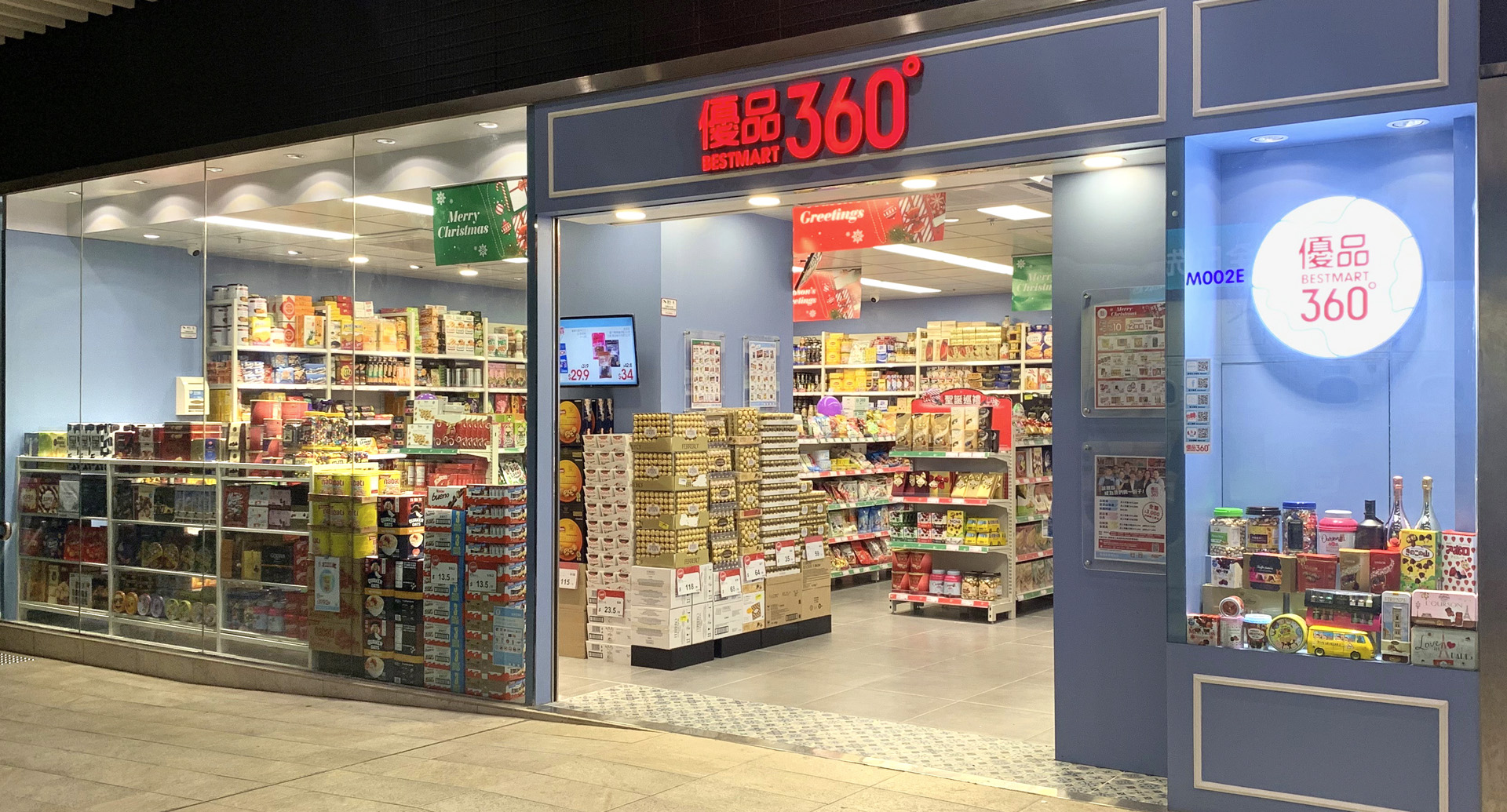
    A significant expansion in Best Mart 360’s store network has helped boost sales in the first half, despite the company being heavily impacted by protests since June.

    As at the end of September, Best Mart 360 operated 98 stores, a net 21 more than the same time a year earlier.

    It opened 14 new stores and closed five existing ones during the period, mainly due to the consolidation of stores in close proximity or upon expiration of leases.

    The self-described “leisure food retailer” reported sales growth of 14.7 percent in the first half, to HK$609.857 million, despite the headwinds caused by US-China trade tensions and a sharp decline of private consumption spending due to “the outburst of domestic upheaval in Hong Kong” in June.

    Profit attributable to shareholders slipped by 6 percent to $13.457 million, “mainly attributable to certain adverse impact on the normal business operation of the retail stores of the group caused by the recent social movement in Hong Kong,” the company said.

    Many of the company’s stores have been targeted by radical protestors who ransacked interiors and destroyed stock, claiming the company’s owners were associated with attacks on the protest movement.

    The social disorder has had a positive side for Best Mart 360, however. The group says it has received short term rental reductions ranging from 3 percent to 30 percent for periods ranging from one to six months from some landlords, in response to the deterioration in the overall business environment in Hong Kong.

  • FamilyMart Japan culls staff as store network shrinks

    FamilyMart Japan culls staff as store network shrinks

    FamilyMart Japan is reducing its operational costs by letting go 800 employees.

    The redundancies equate to about one in 10 of the convenience-store operator’s total staff count, and will be offered with severance packages for volunteers who opt to leave the firm. Moves will also be made to allow the brand’s franchisees to operate shorter opening hours.

    “We got bigger after the repeated consolidations, but we have yet to streamline,” said FamilyMart Japan president Takashi Sawada in a Nikkei report. “Even if there isn’t an agreement with the home office, we will respond in accordance with the intent of what member stores decide.”

    The staff cuts follow a gradual reduction in outlets from 18,000 in 2016 to 16,500 this year.

  • Retailers need to offer more flexible in-store shopping options

    Retailers need to offer more flexible in-store shopping options

    The advancement of digital and mobile innovation is creating disruption across the Asian retail sector. Richard Wright, Managing Director Southeast Asia at Manhattan Associates, looks at how the role of traditional bricks and mortar retail stores are evolving and shifting as the prominence of online shopping continues to grow.

    With omnichannel initiatives such as buy-online-pickup-in-store (BOPIS) in full swing for almost every multi-channel retailer, the ability to execute on the promises of great experiences and fast, free delivery are putting tremendous pressure on retail fulfilment systems and teams to answer the bell profitably. To adjust to this changing environment, store associate roles are required to adapt as they are being asked to do more than ever before.

    As consumers, when we order online for in-store pickup, we are giving merchants a tremendous opportunity to engage with us to sell more than our original order. In fact, 46 percent of us will buy more when we arrive at the store to pick up our item. However, in order for us to purchase more, our experiences need to remain smooth and efficient. We want a single transaction and receipt and a single order to review later in our app or online — no matter how many items we added to the original order. For most retailers today, the fairly simple omnichannel experience described here is onerous to execute and nearly impossible to do so as a single transaction for their customer. They simply do not have systems designed for this kind of engagement.

    Retailers committed to a unified commerce experience need systems and tools that have been optimised and engineered specifically for omnichannel demands. They need a cloud-native, services-based architecture that enables exceptional scaling and provides maximum flexibility when new types of engagement are demanded — not another application on top of the legacy system.

    A single application that gives complete command and control of the customer buying experience and all store inventory and fulfilment functions is required. From mobile checkout to guided fulfilment and inventory location notification, associates are made more helpful and more efficient. From encouraging individual selling goals to monitoring the health of the store activity, managers are more keenly attuned to the customer experience and driven to improve it.

    For more information, please visit: https://www.manh.com/en-sg


  • E-commerce competition flares up as holiday shopping season begins

    E-commerce competition flares up as holiday shopping season begins

    Vietnam’s e-commerce platforms are going all out with promotions and other marketing campaigns to woo customers for the year-end shopping season. Immediately after Apple’s latest iPhone 11 was released in Vietnam on November 1 at midnight, CEO of Singapore-owned Lazada Vietnam James Dong was seen riding a bicycle delivering the first phones to promote his company’s two-hour delivery service.

    Lazada’s latest PR stunt, along with discounts on the newest iPhones, kicked off a series of promotions, many of which will begin deployment from November 11 as the company gears up for the year-end shopping season, generally a peak time for the retail sector.

    Vietnam’s e-commerce players have now latched onto promotional trends that have been ignited by major regional players like Chinese e-commerce giant Alibaba, which launched the first Singles’ Day shopping event on November 11, 2009, offering heavy discounts on its platform.

    In addition to Singles’ Day, Vietnam’s e-commerce sites have been offering heavy promotions on October 10 and December 12, both spin-offs, as well as Black Friday and Cyber Friday events that originated in the U.S.

    “The fourth quarter is always the most exciting time for the retail sector. There will be peak days when the whole market spills out to shop,” said Steven Tuan Nguyen, Senior Regional Manager for Southeast Asia of Paris-headquartered internet advertising company Criteo.

    Lazada has also followed up the night of discounts for the iPhone 11 with a strategy it calls “Shoppertainment”, hosting live game shows in which competitors guess prices, and inviting famous artists who give out nearly 10,000 discount codes worth a total VND300 million ($12,900).

    The retailer has also hosted promotional concerts in Ho Chi Minh City. Instead of hiring artists, Singapore-based Shopee has enlisted international football superstar Christiano Ronaldo. Ronaldo’s brand ambassador contract for Shopee in Southeast Asia was announced in mid-August.

    “Together with Cristiano Ronaldo, we look forward to making a positive and lasting impact on Shopee’s development in the region,” said CEO Chris Feng.

    Shoppers not only in Vietnam but also Malaysia, Singapore and Indonesia have seen CR7’s ads pop up everywhere through various online media channels. The player is also currently associated with Shopee’s November 11 “Super Sale, free nationwide shipping” campaign in Vietnam.

    Home-grown e-commerce platform Sendo, which saw a traffic surge last quarter, is also investing heavily in year-end promotions, prioritizing Black Friday (November 29). After diva My Tam, Sendo has just added actor Ninh Duong Lan Ngoc to its roster of celebrities.

    “This year, we’ve decided to invest a great deal in the Black Friday campaign, not just on the day but for the whole week. We will advertise on all channels, from mass media to social media, so that 90 percent of customers nationwide aged between 18 and 35 years will be reached by Sendo’s ads,” said Vo Dang Minh Tuan, Brand Communication and Social Media Manager of Sendo.

    Similarly, Vietnam’s Tiki announced it will also engage in year-end promotion peaks, having invested heavily in October 10 promotions.

    The company said it has primarily been focusing on promotions related to its two strengths: a two-hour express delivery service that applies to 70 percent of items in its shop; and sales of genuine branded items with a return policy.

    According to a recent report by Criteo, Black Friday last year saw online sales traffic in Vietnam spiking 64 percent, and online sales revenue 149 percent over the average day of the month.

    Traffic and sales revenue rose 23 and 64 percent respectively for Singles’ Day, and 34 and 97 percent for December 12, a trend that is expected to continue this year, the report said.

    “The year-end shopping season usually commences with October 10 sales. Singles Day remains the key shopping festival and post-Singles Day sales ride on the festivity’s traction,” said Steven Tuan Nguyen. “As we approach the year-end holidays, there is also a spike in online retail as part of the celebration. This sustained sales season presents retailers with more opportunities to engage their audiences.”

    However, they are also faced with a real challenge to differentiate themselves. This could be achieved with the power of data – by being able to identify top-selling categories amidst millions of products, predict shopping behavior and integrate online and offline shopping data, he added.

    Vietnam’s e-commerce market is estimated at $5 billion this year and is set to reach $23 billion in 2025, according to a recent report by Google, Singapore-based investment firm Temasek, and U.S.-based consultancy Bain.
  • Malaysia’s The Weld shopping centre for sale

    Malaysia’s The Weld shopping centre for sale

    Great Eastern Life Assurance Malaysia will sell the Menara Weld office building and The Weld Shopping Centre in Kuala Lumpur.

    Both properties, which have been under ownership by the insurance firm for 16 years, have been priced with a reserve of RM270 million (US$65 million) and will be sold by tender. They contain 400,000sqft net lettable area collectively.

    The buildings have been assessed in need of upgrading, although a complete redevelopment of the site could be an option for buyers. Industry observers have picked Hap Seng Consolidated as a good potential buyer for the buildings given its ownership of several nearby office towers.

    Great Eastern maybe releasing the asset as a consequence of its recent development of a Grade A Equatorial Plaza office building nearby, which is just 60-per-cent leased.

    The closing date for tender is December 4.