Retail News CRM

Tag: Shopping

  • The Body Shop Singapore introduces ‘Activist’ store

    The Body Shop Singapore introduces ‘Activist’ store

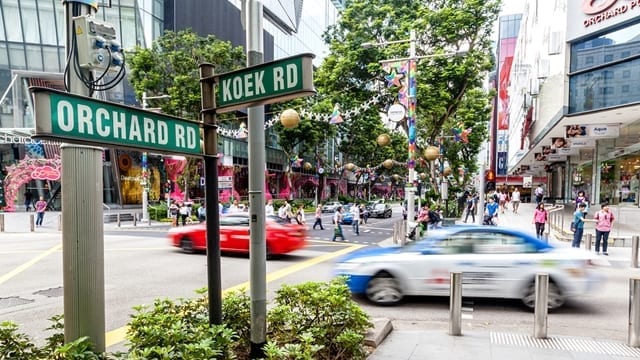
    Cosmetics & skincare retailer The Body Shop is launching an “activist workshop” store in Singapore at the Ion Orchard shopping center.

    Building on the brand’s reputation for being environmentally aware and natural, the store has been transformed into an interactive ‘activist workshop’ that encourages visitors to explore and recycle products.

    The store features sustainable fixtures of reclaimed wood and recycled plastics as well as low-energy-footprint zinc cladding and worktop surfaces made from material otherwise destined for landfills.

    Features exclusive to the outlet include a DIY gifting station, a cruelty-free fragrance collection, and a water station, as well as an ‘activist bay’ where visitors can take inspiration from the brand’s campaigns.

  • Asian online shoppers are visiting more sites before buying

    Asian online shoppers are visiting more sites before buying

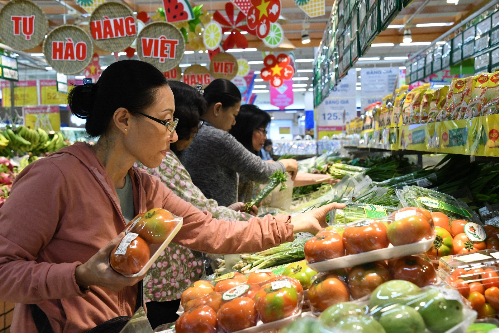
    Savvy Southeast Asian consumers are shop-hopping across an average of 5.2 online sites before making a purchasing decision, up from 3.8 sites last year.

    The insight is among those unveiled by a new joint Facebook and Bain & Company report that shows digital growth in the region has surpassed previous projections. This year’s survey covered around 16,500 digital consumers in six nations within the territory who made an online purchase in at least two product categories within the past three months.

    The report finds that consumers are ultimately searching for better pricing (42 percent of respondents) and product quality (34 percent) when browsing across sites, suggesting the potential for building brand loyalty and growth in a fractured e-commerce market for players offering reliability and value.

    According to the report, Southeast Asian digital consumers will number around 310 million by the end of the year, 75 percent of total consumers within the region – growth originally forecasted for 2025 in last year’s study, indicating a five-year acceleration within this year alone. The average spend per consumer by 2025 is now projected to be 3.5 times that of figures for 2018, with spending patterns between Tier 1 and 2 cities narrowing.

    “With five years of digital acceleration condensed into one – the impact of digital adoption on businesses has never been more apparent,” said Gaming MD Sandhya Devanathan. “It is vital for businesses to connect with consumers in ways that are frictionless and to replicate in-person interactions through social platforms, messaging and short videos as much as possible to drive discovery and loyalty,”

    Stronger disposable incomes and a distinct lean towards contactless transactions are now significant driving factors in digital-economy growth. At the same time, 68 percent of consumers admit to not knowing what they want to purchase before going online to shop, 62 percent of whom learn about new products and brands via social platforms – especially short videos.

    “The last decade was about bringing consumers online,” said Facebook director of digital natives and technology Dhruv Vohra. “Now, with the rapid immigration of digital consumers from offline to online, coupled with the evolution of home-consumption habits, we will see more brands shifting their business models beyond the ‘omnichannel’ option to meet the consumers where they are.

    “What’s key is that businesses will need to adapt to today’s consumer trends as it continues to shape the next normal.”

  • Burberry teams with Tencent to launch world-first social-retail store

    Burberry teams with Tencent to launch world-first social-retail store

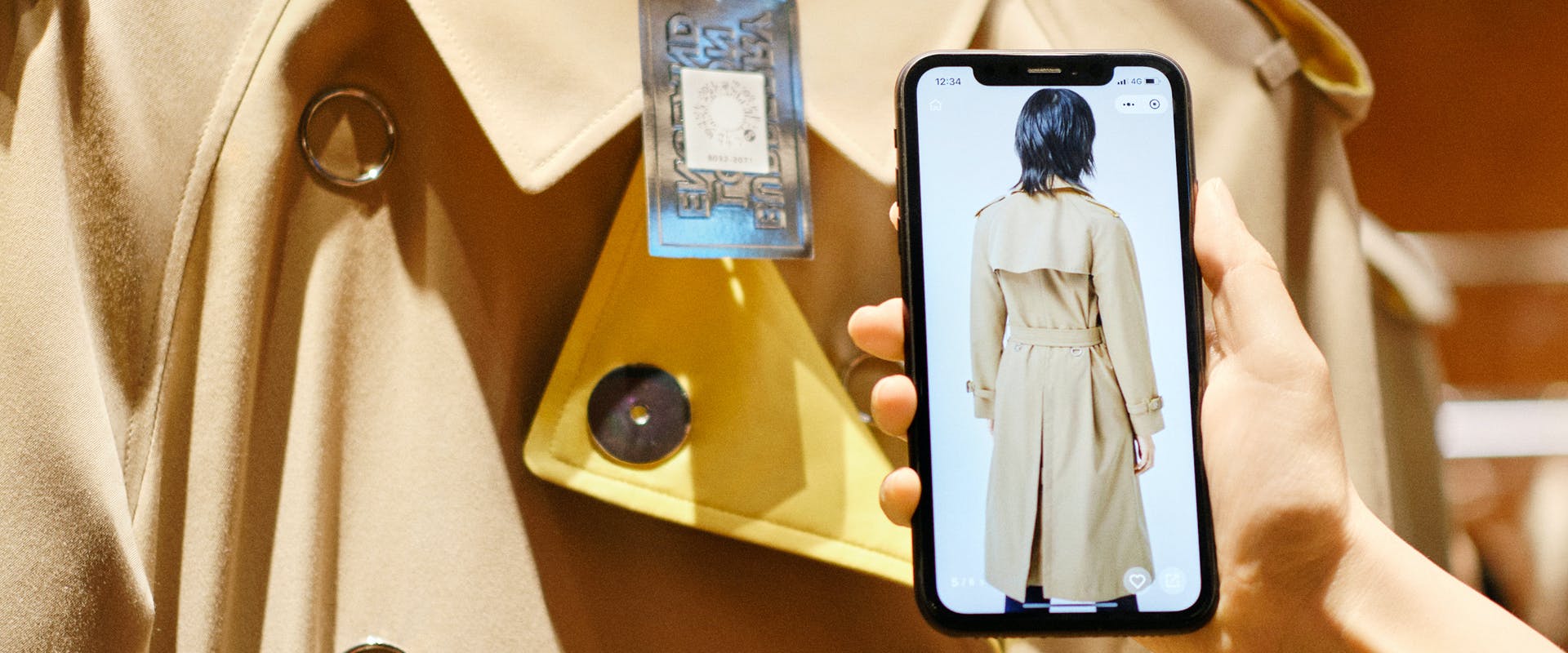
    Luxury fashion label Burberry has teamed with technology giant Tencent to launch its first social retail store in Shenzhen, China. Located in the new Shenzhen Bay MixC development, the Burberry social store features a unique design with a variety of materials and textures ranging from plywood to mirror and high-gloss finishes. Occupying a 539sqm area, the storehouses 10 different rooms.

    The Burberry social store offers a wide range of items including the brand’s latest collections and pieces exclusive to the Shenzhen store. All the stock is labeled with QR codes which when scanned show information on the customer’s digital screen. This is the brand’s first store to have QR codes on product swing tags.

    When entering the store, customers are welcomed by an interactive window. Inspired by the brand’s mirrored runway, the window illustrates the visitors’ shape and response to body movement. The window changes through the seasons to reflect the latest collections and house codes.

    Burberry’s fitting rooms feature three different concepts reflecting the label’s house codes – the Burberry Animal Kingdom, Reflections, and the Thomas Burberry Monogram.

    Named after the fashion house’s founder, Thomas’s Cafe features a modern yet elegant design with high-gloss tones of beige, curtains, and chamfered mirroring. The cafe can be converted into a community space for social events such as workshops, exhibitions, and live performances.

    The social store also houses a Trench Experience space, designed with digital technology to “bring Burberry’s heritage of exploration to life and creating unique and personal content for the customer to share on social media”.

    “This store explores this relationship, blending the digital and the physical realms in an exciting new concept,” said Riccardo Tisci, chief creative officer at Burberry.

    “I wanted to bring this love of the outdoors to life through all the elements of the store, which can be seen in the Burberry Animal Kingdom prints in the cafe as well as in the fully immersive Trench Experience and even in the small details of the design materials. I really wanted to draw upon these familiar house codes to bring our community together in an interactive journey of discovery,” Tisci said.

    “When it came to innovating around social and retail, China was the obvious place to go to, as home to some of the most digitally savvy luxury customers,” said Marco Gobbetti, CEO at Burberry.

    The Burberry social retail store offers an interactive experience through Tencent’s WeChat mini program which allows customers to unlock exclusive content and personalized experiences.

    “… Burberry’s social retail store in Shenzhen is a place of discovery that connects and rewards customers as they explore online and in-store. It marks a shift in how we engage with our customers and we can’t wait to share this innovative experience with the world,” Gobbetti said.

    The mini-program also provides a platform where customers can explore the store and product, book in-store appointments, and reserve events or tables in the Thomas cafe and community space.

    The WeChat mini program also features a rewards program called “social currency” where customers are allocated characters and can engage with others. Customers can unlock exclusive content and personalized experiences by building their social currency. Rewards range from cafe menu items to mini-program content.

    The Burberry social retail store is a unique space to test and learn, and to trial innovation that can be expanded to the rest of the Burberry network in China, the company said in a statement.

    Burberry signed an exclusive partnership agreement with Tencent last year to develop social retail in China. The Shenzhen social store is the first step in the partnership, taking interactions from social media into a physical retail environment.

  • Nike opens House of Innovation in Paris, France

    Nike opens House of Innovation in Paris, France

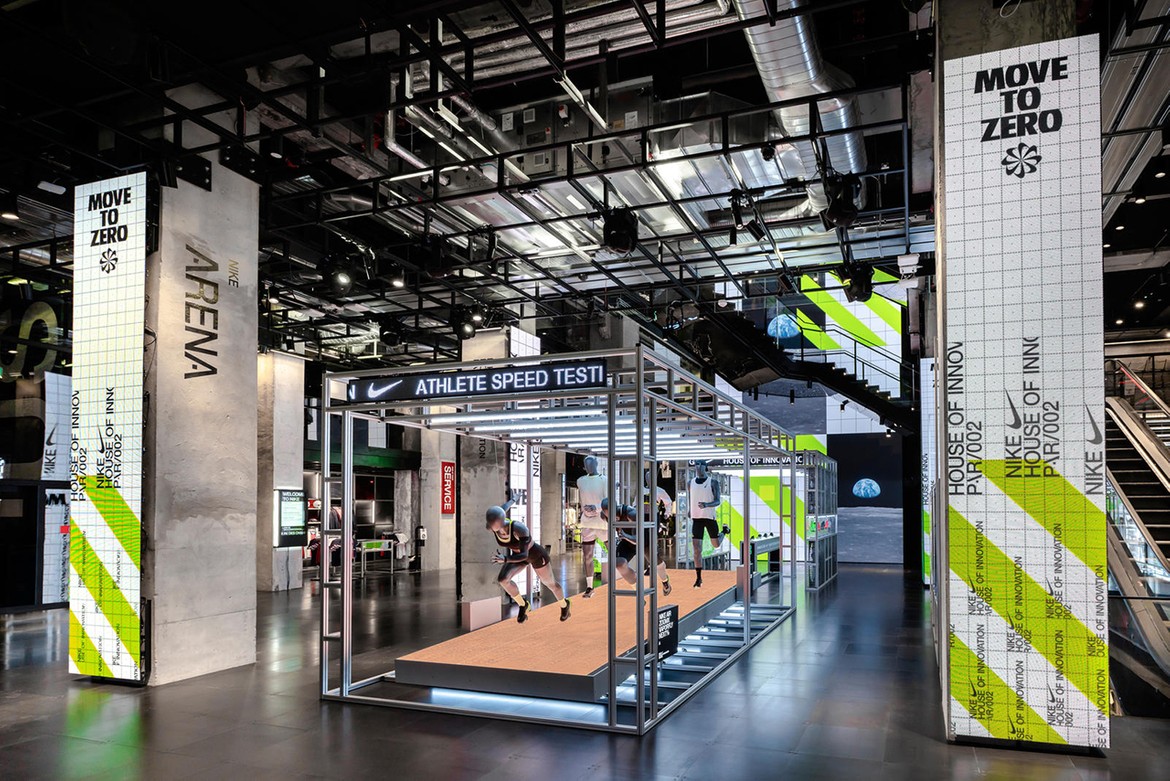
    Nike has opened the brand’s largest House of Innovation yet, in Paris, focusing on delivering a digital retail experience. Located at number 79 on the famous Avenue des Champs-Elysees, the House of Innovation 002 spans four floors and occupies a 2400sqm area.

    According to the company, Nike Paris will focus on four areas: uniting shoppers to a global sports community, innovative services and products for women, more kids’ experiences and seamless end-to-end consumer experience.

    “When consumers step into Nike Paris, they will experience our largest, most digitally connected and immersive retail concept in the world,” said Heidi O’Neill, president of consumer and marketplace.

    The House of Innovation in Paris features a wall-to-wall installation called Mission Control, connecting customers to the global sports community.

    Female shoppers can receive a fit recommendation using Nike Fit technology for any of its bras and information on their precise shape can be saved for future store visits.

    Nike Paris houses a destination for kids called Kids Pod, featuring interactive gaming and trial station such as a 360 virtual runners experience inspired by Parkour.

    “The strength of our digital portfolio combined with product innovation and amazing physical spaces will connect members to the community of sport and to one-of-a-kind experiences, serving them in an incredibly personal way,” O’Neill said.

    At the House of Innovation Paris, more than 85,000kg of sustainable material is woven into the fabric of the store design and display fixtures. The store is fuelled by a clean-energy wind farm in Spain.

  • Revenge shopping and getting personal

    Revenge shopping and getting personal

    Shanghainese women purchasing luxury goods in the post-Covid-19 era are making conscious choices in consumption – with a tendency towards revenge shopping amongst younger buyers.

    The insights were revealed in new research by local luxury intelligence agency Gusto Luxe. The firm’s latest report analyses trends in luxury shopping among Shanghai’s women, highlighting several factors with implications for how brands should position and communicate in the market.

    “It’s fascinating to understand the deep impact of the pandemic on Chinese luxury consumers, said Gusto Intelligence research director Lee Folland. “It also offers opportunities for brands to further explore how Chinese luxury consumers expect a specific category and brand to engage in this new environment.”

    For the survey, Gusto interviewed 20 women in Shanghai aged between 20 and 55 years old via LookLook Mobile Ethnography (a product of Spark Ideas), all qualified luxury buyers who spent a minimum of US$5000 on jewelry within the past year, of which more than $2000 was on a single item.

    According to the data, cooking classes, interior decoration, home improvements, and fragrances are top of mind among Shanghainese women in the luxury market. The women interviewed indicated a desire for more personalization on digital platforms and placed high importance on wellness, beauty and vitality. They have a heightened interest in what brands are doing to minimize environmental and social impacts and exhibit greater pride in Chinese Brands.

    For the time being, travel outside of China is not on the cards with the continuing impact of the pandemic.

    “From live streaming to the future of private events to how to leverage relationships with SAs, this study unveiled great clues into what luxury buyers truly desire, as seismic shifts are occurring in the luxury retail landscape,” said Spark Ideas founder & CEO Malinda Sanna.

  • Carrefour launches new pet-store concept

    Carrefour launches new pet-store concept

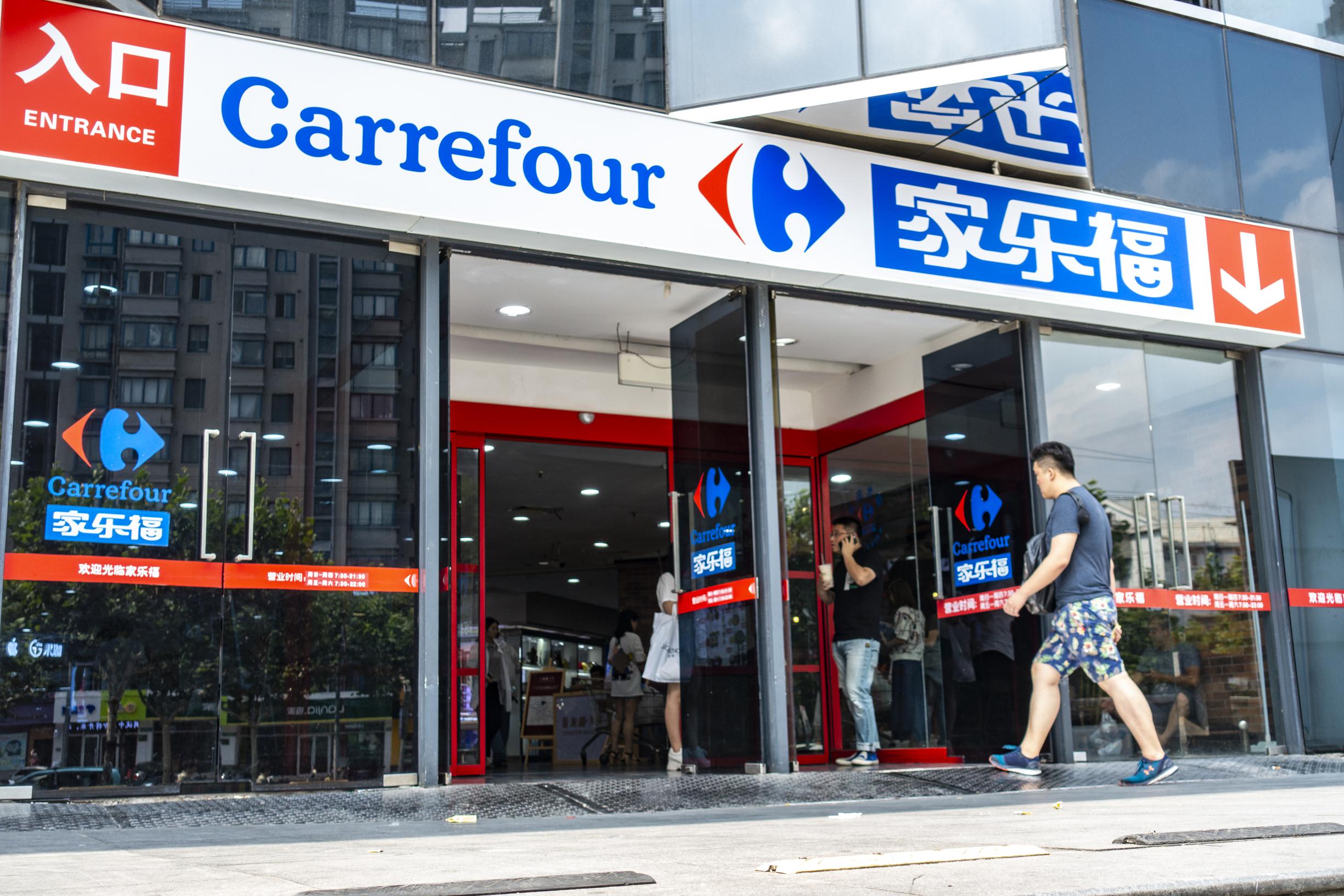
    French supermarket chain Carrefour has launched a new pet store concept in Paris, in collaboration with Invivo Retail’s pet care brand Noa.

    The new 190sqm shop-in-shop opens at the Saint-Brice-sous-Foret hypermarket to the north of the city, featuring a broad selection of pet care products (including specialist brands) sold by expert vendor-advisers responding to an increasing trend in owner investment in pet health and wellbeing coupled with rising demand for personal advice and support from experts.

    Visitors to the store can elect to have their pet’s wellbeing checked in the “paravet” area as they shop.

    “The Noa concept is in line with Carrefour’s desire to provide new in-store shopping experiences through special offerings and bespoke advice for dogs and cats,” said Carrefour Hypermarkets in France executive director Marie Cheval. “It’s a unique retail initiative.”

    “This project is in line with our plan to transform, accelerate and give impetus to our new Noa pet care brand as part of an original shop-in-shop concept,” said Invivo Retail CEO Guillaume Darrasse, “enhancing the customer experience and more specifically serving animal lovers”.

  • 7-Eleven warns of bogus ‘franchisor’ in Cambodia

    7-Eleven warns of bogus ‘franchisor’ in Cambodia

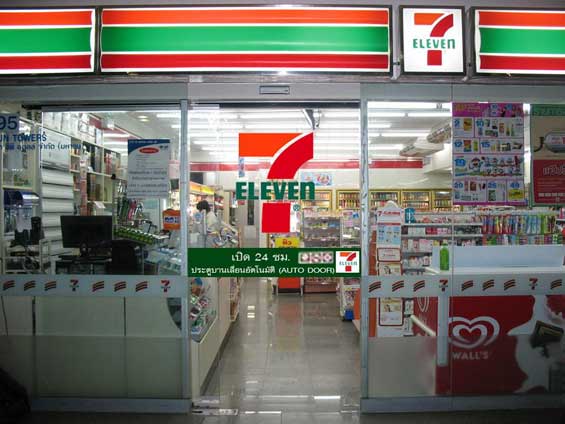
    Convenience-store chain 7-Eleven has warned of a bogus ‘franchisor’ in Cambodia. The company said it received reports that there is an unauthorized party representing itself as 7-Eleven’s master franchisee in the country and attempting to sell outlets.

    The reports promoted the company to issue an announcement confirming that Thailand’s CP All is the sole master franchisee in the market, having the exclusive right to open and operate 7-Eleven stores there.

    Last May, Thailand’s CP Group signed a master franchise agreement to operate the chain in Cambodia. The first store is scheduled to launch in Phnom Penh next year.

  • Global Brands Group posts massive US$598 million loss

    Global Brands Group posts massive US$598 million loss

    Global Brands Group has reported a net loss attributable to shareholders of US$598 million in the year to March.

    That followed a loss of $400 million the prior year, but the company claims its restructuring program involving axing brands and stores is paying off, citing a pre-tax profit of $151 million for the year.

    Group sales fell 28.5 percent to $US1.082 billion, but the company cut $209 million in operating costs

    Last year, Global Brands ditched a raft of brands in the US, including Copper Fit, Kenneth Cole, Juicy Couture, Jones New York, BCBG, Goats and Taryn Rose and also shuttered brick-and-mortar stores there.

    But it noted, “exciting progress” of new and emerging brands including B New York, Magna Ready, which produces clothes for people with disabilities, and sports & swimwear labels Saga (pictured above) and Dakine.

    “During the reporting period, we have experienced one of our most rewarding and yet, one of our most challenging years,” said CEO Rick Darling. “Throughout the fiscal year 2020, we have diligently focused on executing our restructuring program, and this dedication has resulted in strengthening our balance sheet and in improving our performance despite the unprecedented impact of Covid-19.”

    The brand shake-up, reduced low-margin sales, and negotiation of new supply agreements helped boost the company’s gross margin by more than 640 base points from 30.2 percent last year to 36.6 percent this year. Another factor in the improved margin was a focus on expanding its direct-to-consumer business model.

    Darling said the rapid spread of Covid-19 in February and March negatively impacted the group’s sales during the last quarter. But he believes the restructuring process the company has been through during the last two years has equipped the company to face the ongoing challenges of the pandemic, leaving it “well-positioned for growth going forward”.

  • Sands Shopping Carnival aims to revive Macau retail

    Sands Shopping Carnival aims to revive Macau retail

    Sands China is to launch the Sands Shopping Carnival at Venetian Macau next month to boost the local retail market.

    Co-organized by the Macau Chamber of Commerce, the promotion will feature some 500 free booths for local SMEs and Sands retailers to promote their products. Besides shopping, the Sands Shopping Carnival will also feature an international cuisine zone, shows, lucky draws and activities for children.

    “With this three-day, large-scale sale event, we hope to provide a free business platform for local SMEs and Sands retailers to gain more business opportunities,” said Wilfred Wong, president of Sands China.

    “I am convinced that by bringing together international retail brands and local SMEs in the same venue, we can create huge synergistic effects that will help foster domestic consumption, thereby contributing to the gradual recovery of Macao’s economy,” Wong said.

    The free-admission shopping event is scheduled to launch on August 7 with strict safety measures.

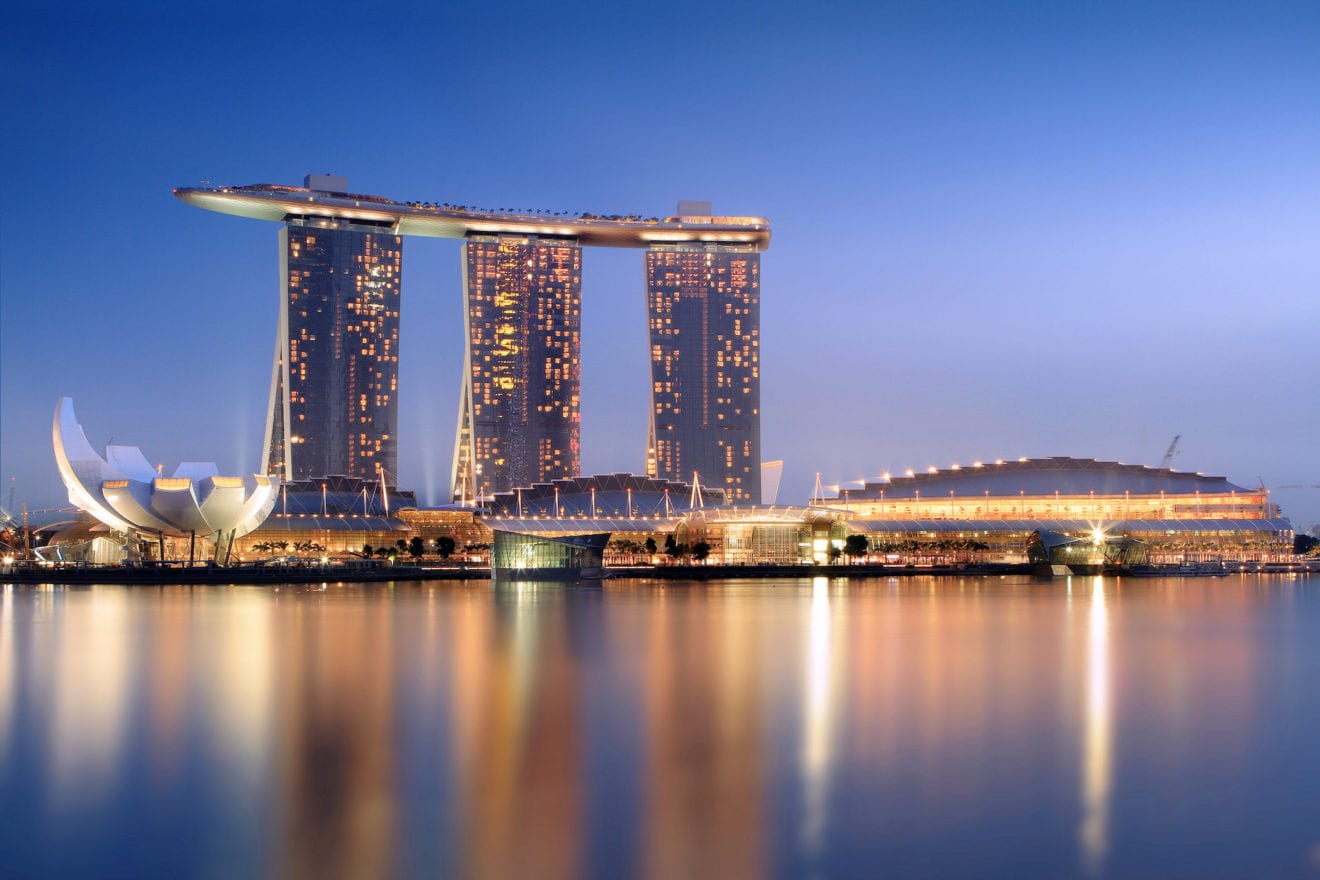
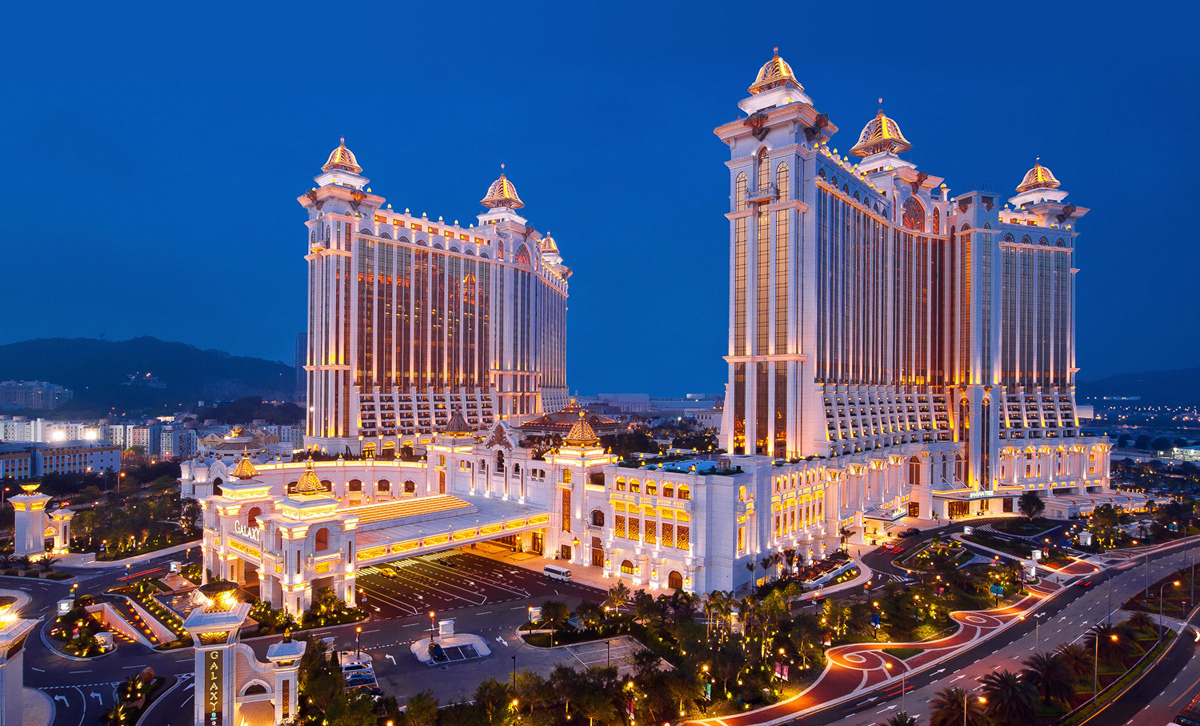
  • Shoppers return to Macau’s casino malls

    Shoppers return to Macau’s casino malls

    Macau’s casino malls have seen a welcome resurgence in foot traffic as locals bearing shopping vouchers return to store floors.

    While gamblers have yet to return to the casino venues, government e-voucher handouts to eligible residents of the territory have stimulated the local economy in the wake of the coronavirus pandemic.

    “Consumption coupons did help,” said JLL Macau head of leasing Oliver Tong. “When you go to casino malls, including The Venetian and Galaxy, during the weekend, the footfall is tremendous. It felt like going back to November or December last year when there were a lot of people. But these were all locals.”

    Visitor numbers to Macau dropped 99.7 percent in April, with retail sales down 45.1 percent for the first quarter to US$1.41 billion.

    Many retail tenants at Macau’s casino malls and adjacent to gaming facilities have been allowed rental waivers for three months.

    Check our partners from BestCasinoSites.me.uk.

  • Online shopping in Singapore soars in Covid-19’s shadow

    Online shopping in Singapore soars in Covid-19’s shadow

    Online shopping in Singapore has surged since the outbreak of the coronavirus pandemic.

    Research from data and analytics firm GlobalData suggests the effect on the country’s e-commerce market will be long-lasting, estimated to reach US$9.5 billion this year. Previously, e-commerce grew at a compound annual growth rate of 15.4 percent between 2015 and 2019 to reach $6.2 billion last year.

    “The pandemic, which triggered fear of contamination, has resulted in a change in consumer buying behavior,” said GlobalData banking and payments senior analyst Sowmya Kulkarni. “Shopping centers are now being avoided and consumers are choosing online platforms for their day-to-day purchases.”

    A separate data-driven analysis of Covid-19’s impact on the digital behavior of Singapore consumers undertaken by multinational professional services firm Accenture predicts Singapore’s new digital economy will amass nearly $500 million.

    “The scale of the changes identified in our findings suggest a clear shift in Singapore’s consumer behavior and consumption, impacted by Covid-19 measures,” said Lee Joon Seong, an Accenture MD. “There is a strong likelihood that the shift will persist into phase one of the post-Circuit Breaker period and beyond, as movement restrictions and consumers cautions remain.

    “In the long run, he says, such shifts represent huge opportunities for online shopping in Singapore. “Companies that accelerate their digital capabilities to stay relevant to digital consumers will be able to seize opportunities and emerge victorious as we move into a post-Covid-19 world.”

  • Gap the brand flounders on ‘anemic’ range driving parent’s $932 million loss

    Gap the brand flounders on ‘anemic’ range driving parent’s $932 million loss

    Gap – the brand – is floundering internationally, with sales down 50 percent in the first quarter, a rate far worse than other mainstream apparel retailers in the wake of the Covid-19 crisis.

    Gap Inc, its parent, reported a US$932 million net loss for the three months to March on sales down group-wide by 43 percent to $2.11 billion. That decline was worse than its peers Abercrombie & Fitch and Urban Outfitters, and even budget-positioned multi-brand apparel retailer Kohl’s.

    Neil Saunders, MD at GlobalData Retail, said one of the reasons for Gap the brand’s dire performance was a complete failure to transfer lost store sales online.

    “At a time when other retailers were almost doubling their online revenues, Gap’s e-commerce sales dropped by 5 percent,” said Saunders. “We believe that this is indicative of the brand’s lack of traction with customers and its inability to stimulate loyalty. It aptly demonstrates that a fair proportion of sales are driven, not by a burning desire to visit and buy from Gap, but from chance visits to stores and impulse buys often stimulated by excessive discounting. As soon as stores are closed, Gap drops off the radar and consumers have neither the will nor inclination to shop the brand online.”

    Sales at Banana Republic fell by 47 percent globally and by 50 percent in the US, with online sales down modestly. However, Saunders said the dynamics of that are more excusable as Banana Republic is exposed to the smart casualwear sector which is heavily dependent on demand from office workers, who have been stuck at home for many weeks in most western markets.

    In stark contrast, sales by its sportswear brand Athleta, fell by just 8 percent, with store sales down 50 percent and online sales up 49 percent. Old Navy’s global net sales fell 42 percent, with store sales down 60 percent and online sales up 20 percent.

    CEO and president Sonia Synga trumpeted a quick pivot to e-commerce resulting in 40-per-cent growth online in April and 100 percent in May across all of the group’s brands, the first two months of the new quarter. “This online momentum, enabled by new omni-capabilities that have expanded the way customers can shop with us, leaves us well-positioned to fuel our brands going forward,” she said.

    Meanwhile, Saunders said the “heart and soul” of Gap the brand’s problems stem from its “anemic” ranges.

    “These are bland and undifferentiated and do nothing to stimulate consumers. Against a market saturated with alternative apparel destinations, this simply isn’t good enough. Gap has been aware of this problem for eternity but has consistently failed to act, either because it is too inert to do so or because it is unsure of how to correct the problem. In fairness, recent management changes may be the remedy to this, but the crisis has interrupted any progress than might have been made.”

    He said that before the advent of the pandemic, Gap Inc was in a weak position. “It emerges even more withered with quite a lot of holes in its strategy. Solid brands like Athleta provide some hope but are too small to make up for the problems elsewhere. As such, Gap now needs to reinvent and refocus its efforts with an urgency that is unparalleled in its history.”

  • Liverpool FC opens E-commerce platform in Japan

    Liverpool FC opens E-commerce platform in Japan

    Liverpool FC has partnered with soccer shop Kamo to launch its first online store in Japan.

    The Liverpool FC online store offers a wide range of replica kits and the brand’s authentic merchandise, apparel and fashion accessories, including the exclusive Hello Kitty x LFC Collection.

    “As a key player in the football and sports-retail industry, we know this store has been a long time coming for Liverpool FC fans here,” said Ken Kamo, president of Kamo.

    “We’re looking forward to working together to bring supporters here closer to the club they love.”

    Launched in 1968 as a small football shop, Kamo operates 23 brick-and-mortar stores and an e-commerce site, offering a selection of sport brands including Puma, New Balance and Adidas.

    Senior VP at Liverpool Football Club Mike Cox, said: “I’ve been able to see first-hand how passionate our fanbase is here and as one of the world’s premier shopping destinations, it’s an exciting opportunity for the club to connect with supporters in the region.”

  • Japanese department-store sales continue to drop

    Japanese department-store sales continue to drop

    Japanese department store sales plunged 60 percent last month as the Covid-19 crisis saw retailers close or operate under reduced hours across the country.

    Sales in the Matsuzakaya and Daimaru department stores were down 73.2 percent year on year, although that was an improvement on the 79.1-per-cent decline a month earlier.

    Rival operator Takashimaya says its sales were down by 62.9 percent, while Seibu and Sogo reported a decline of 61.5 percent.

    As in neighboring South Korea, duty-free sales have been severely affected by the absence of inbound mainland Chinese tourists. In Takashimaya’s duty-free division, sales fell by 98.7 percent.

    As Inside Retail Asia reported yesterday, South Korean duty-free retailers temporarily shuttered metropolitan stores in response to a significant decline in tourist numbers caused by the coronavirus epidemic.

    However, department-store sales there have shown signs of recovery as social-distancing restrictions were eased by the country’s government.

  • Lotte Shopping gearing up store-exit plan

    Lotte Shopping gearing up store-exit plan

    South Korean retail group Lotte Shopping will sell off 121 stores this year in an attempt to recover from the impact of the coronavirus pandemic on sales.

    The company says it will close five department stores, 16 discount stores, 75 supermarkets and 25 physical stores linked to its online mall LOHB within this year.

    The move accelerates Lotte’s existing plans to sell roughly 200 stores to refocus on e-commerce.

    A spokesperson from the firm indicated Lotte would move to quickly shake off its less-profitable assets in the interests of improving its financial health. Lotte Shopping’s first-quarter results, at a loss of US$35 million, represented a massive drop from the $88.2 million profit it achieved during the same period last year.

    Lotte Shopping has around 700 department stores, discount stores, and supermarkets.